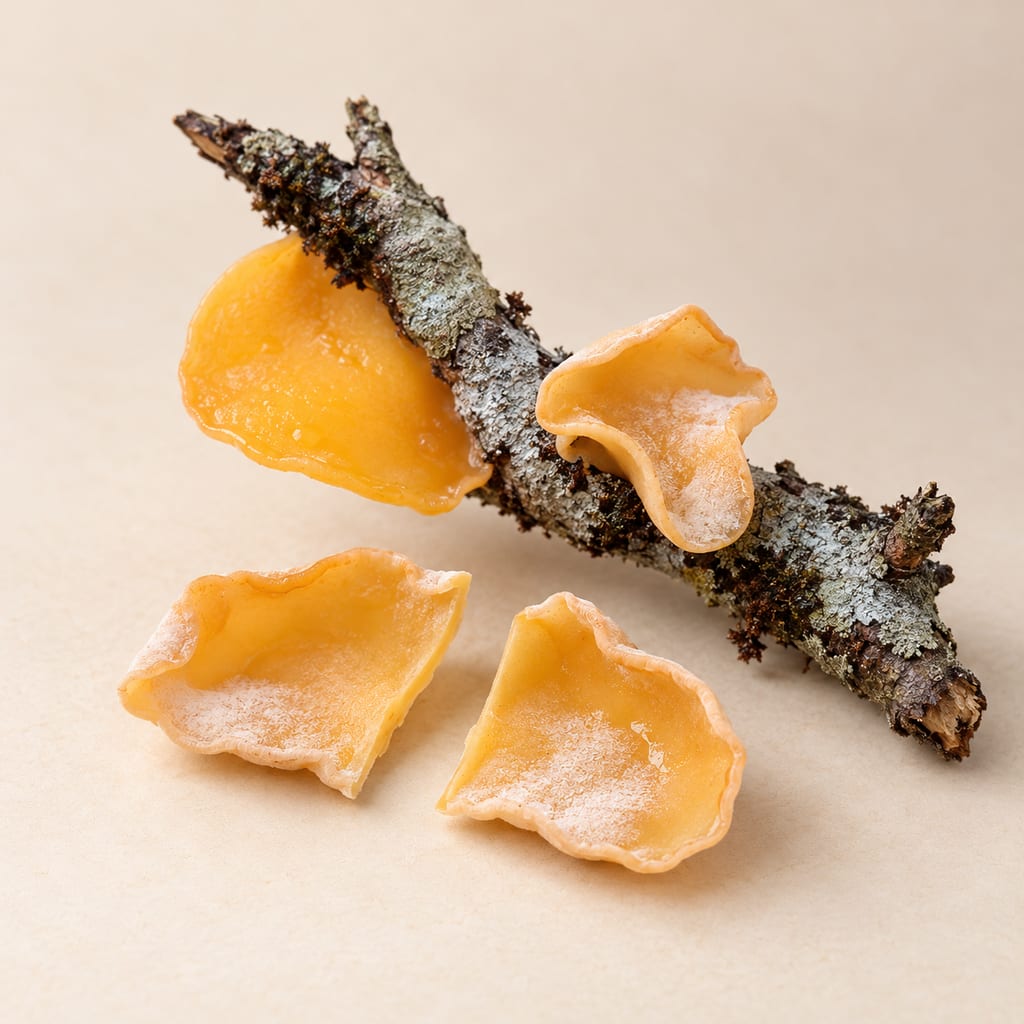
Aleurodiscus vitellinus
Aleurodiscus vitellinus, the yellow disc fungus, is a wood-growing fungus of the Nothofagus forests of Patagonia recorded as a regional food; its safety and local species identity are not established.
 FermenteaWhere food goes to change
Mushrooms
Patagonian changle, Ramaria patagonica, is a coral fungus of southern Chilean and Argentine forests that Patagonian guides list as cooked and eaten, with no species-level safety verdict.
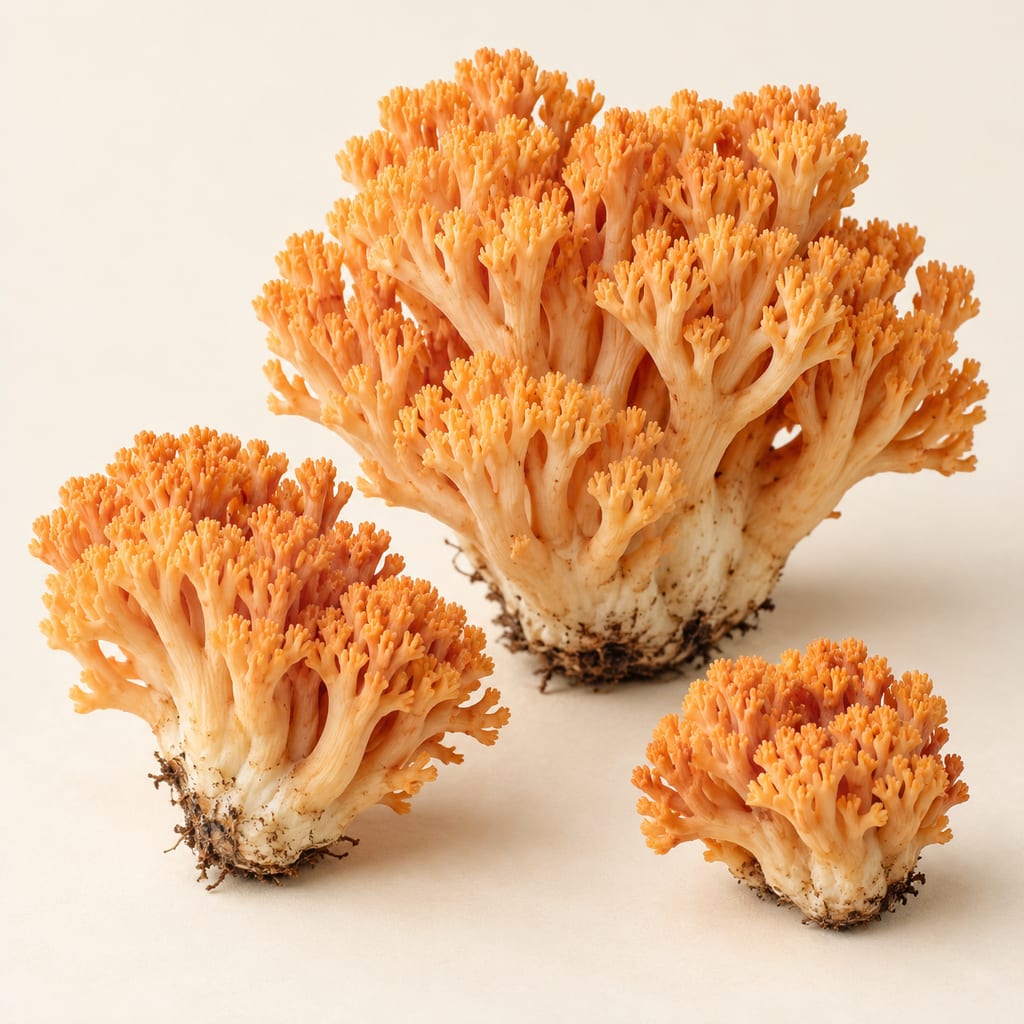
Ramaria patagonica is a coral fungus, a branched mushroom of the genus Ramaria. The species name is Ramaria patagonica (Speg.) Corner, in the family Gomphaceae. Spegazzini first described it as Clavaria patagonica in 1882, and some databases still list the synonym Clavulinopsis patagonica.
The type material is not settled. GBIF gives the Chilean type as MLP LPS 19261, while the Chilean checklist gives LPS 19262, and the checklist also cites a separate Argentine type. The original Spegazzini publications should be checked before the type history is relied on.
The Chilean checklist records the species across southern Chile, from Malleco to Magallanes. In Argentina, research on Patagonian wild edible fungi places it in the Chubut, Rio Negro and Neuquen provinces, growing in association with native Nothofagaceae forests. Accounts describe it in association with those trees only.
Regional guides in Patagonia list the species as an edible native fungus, known as changle, that is typically cooked and eaten in autumn. The guides are the basis for the food use recorded here; they do not give a recipe, a quantity or a market figure.
The accounts do not record a food use in Chile, so the Chilean distribution is given on this page without any food claim.
A table in a review of coral fungi lists the species in a laboratory study of antioxidant activity, measured as DPPH radical scavenging, in an Argentinian study from 2016. That result is a property of extracts in a test tube. It says nothing about safety or benefit when the fungus is eaten.
The available accounts give no species-level safety verdict for Ramaria patagonica. At genus level, the main recorded risk is gastrointestinal distress rather than serious poisoning, and several Ramaria are easily confused with mildly poisonous species. Identification of a coral fungus in the field should be confirmed by a qualified mycologist before anyone eats it.
A different South American species, Ramaria flavobrunnescens, is linked to livestock poisonings, and its toxic agent is not yet described. That finding concerns another species and does not show that R. patagonica is toxic, but it is a reason to avoid treating every local coral fungus as safe.
The accounts reviewed do not give a preparation method, a cooking time, a test of toxicity in this species, or a Chilean food record. The type-specimen conflict above is also unresolved.
Regional guides list it as an edible native species under the name changle; the sources give no quantity or market data.
The Chilean checklist records distribution only; the sources reviewed record no food use in Chile.
Aleurodiscus vitellinus, the yellow disc fungus, is a wood-growing fungus of the Nothofagus forests of Patagonia recorded as a regional food; its safety and local species identity are not established.
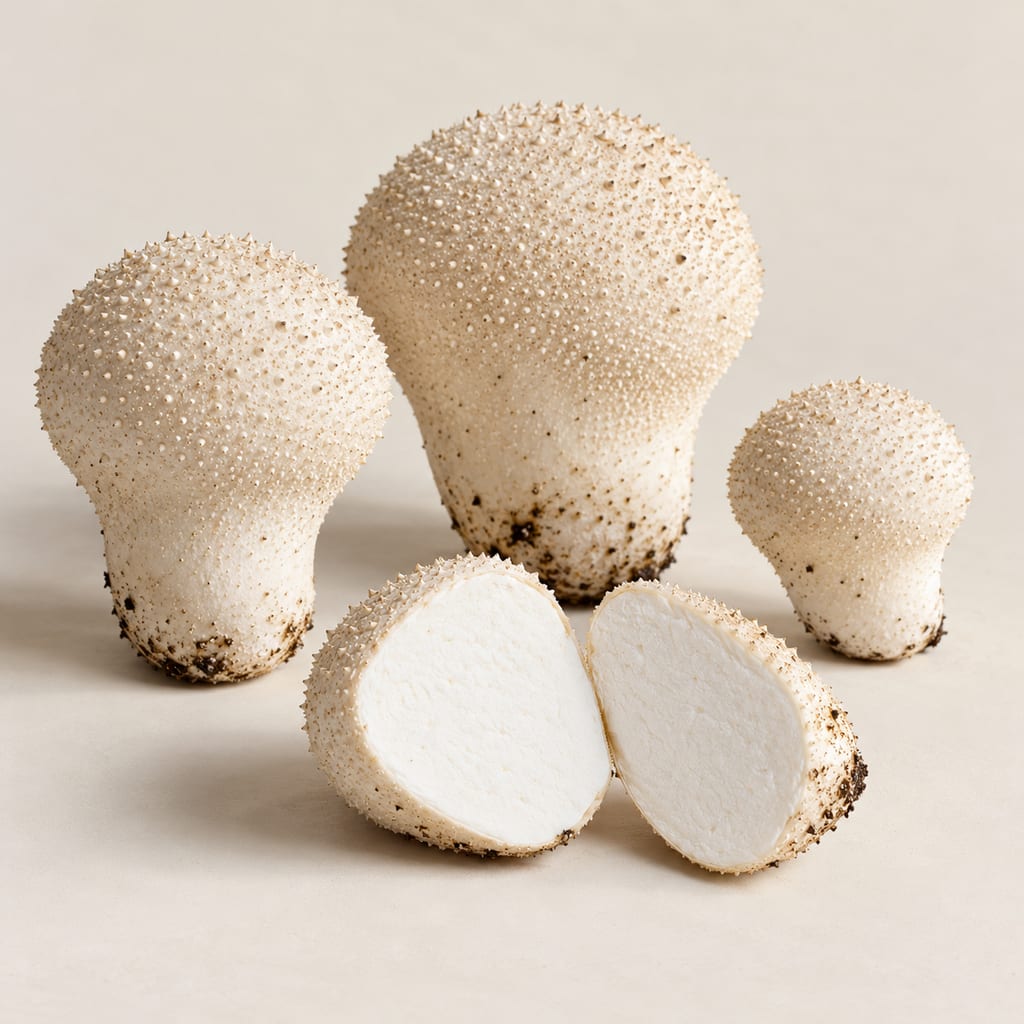
The common puffball, Lycoperdon perlatum, is a wild, ground-growing puffball. It is cooked as food in some traditions only while the flesh is still white, and its lookalikes must be excluded before any use.
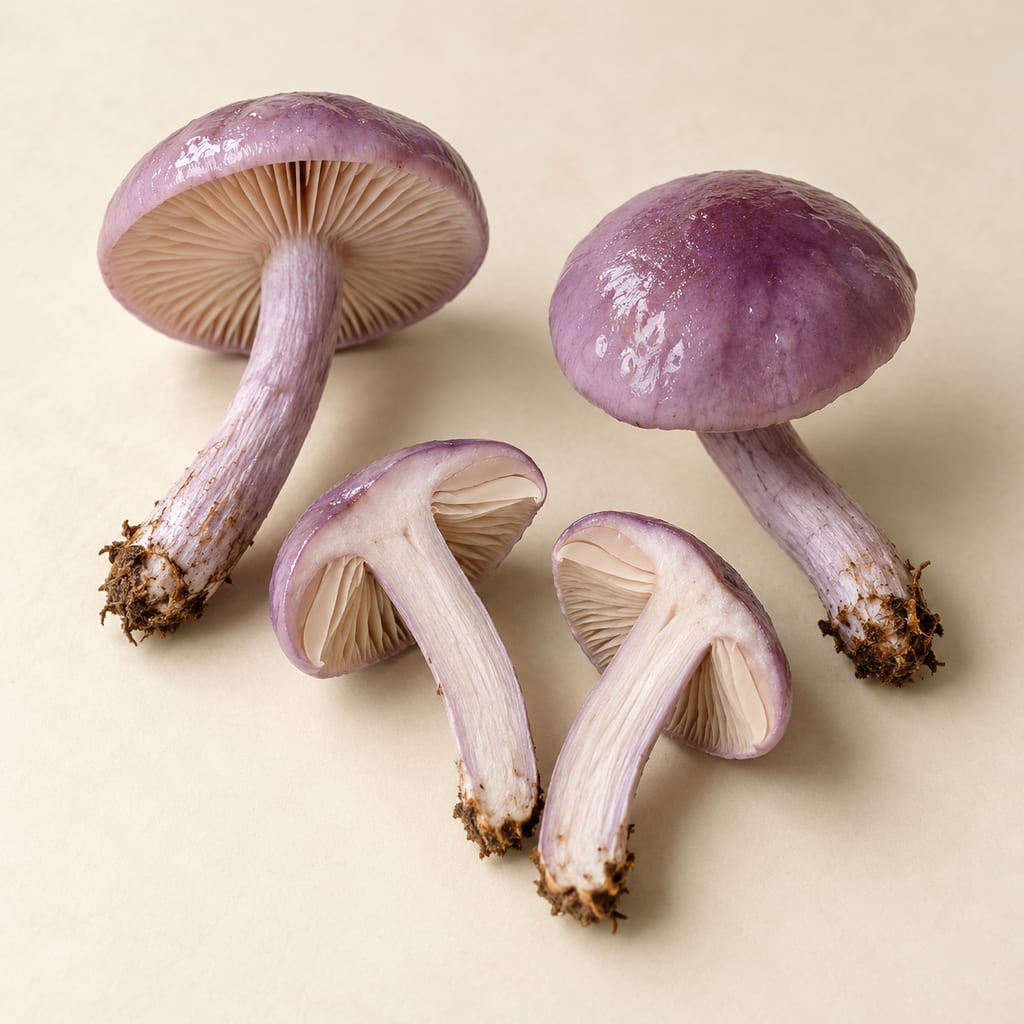
Cortinarius magellanicus is a webcap mushroom of Nothofagus forests in Patagonia, recorded in regional food use, but it belongs to a species complex and its genus contains deadly toxic species.
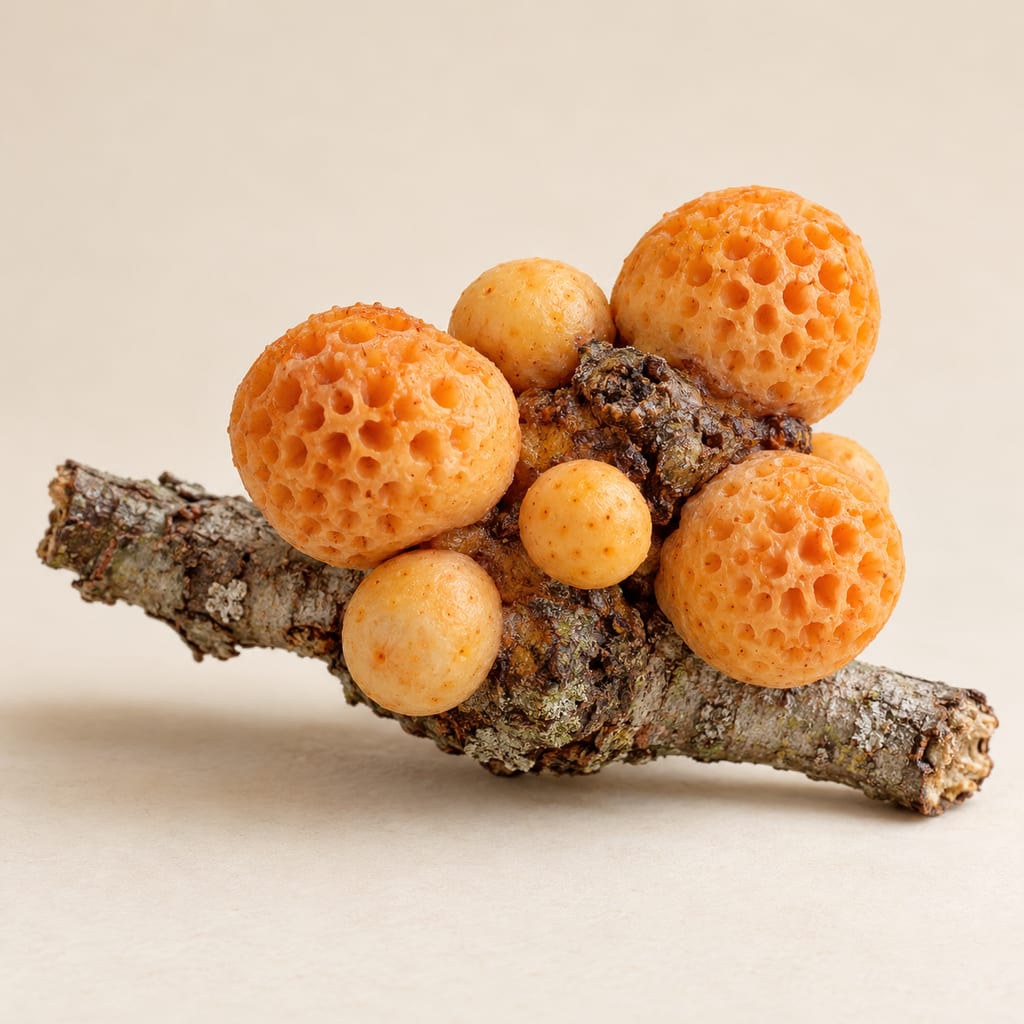
Darwin’s fungus is a pitted orange stroma that grows from galls on living southern beeches in southern Chile and Argentina. Sources document regional food use, especially in Tierra del Fuego.
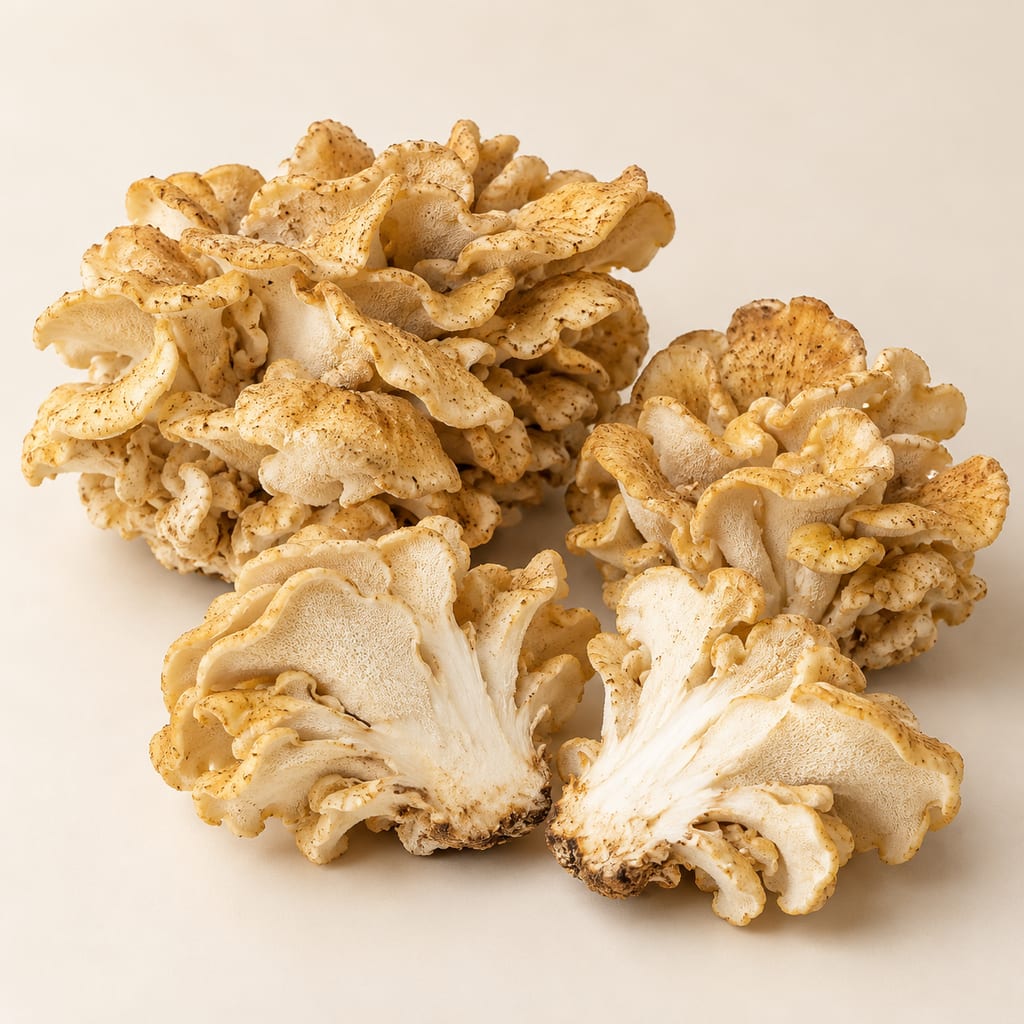
Gargal, Grifola gargal, is a wild mushroom of the Andean-Patagonian forests of Argentina and Chile, prized for its taste and now rated Endangered because wild stocks are declining.
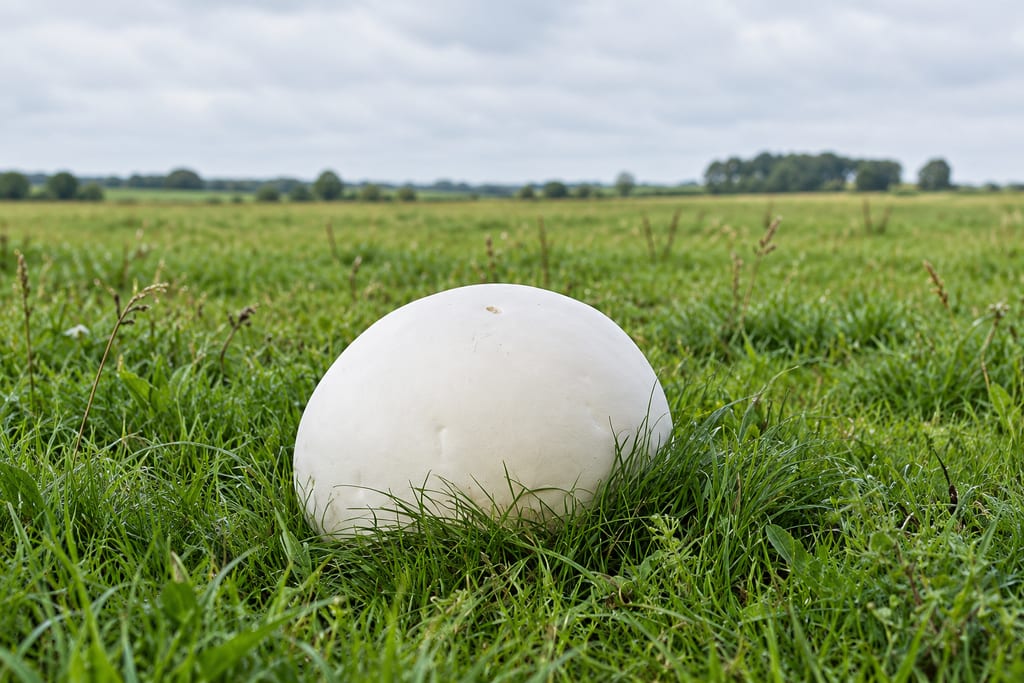
Young Calvatia gigantea is documented as a cooked food in Khiram, South Kashmir; mature or uncertain specimens are not food. Wild mushroom identification requires expert confirmation.
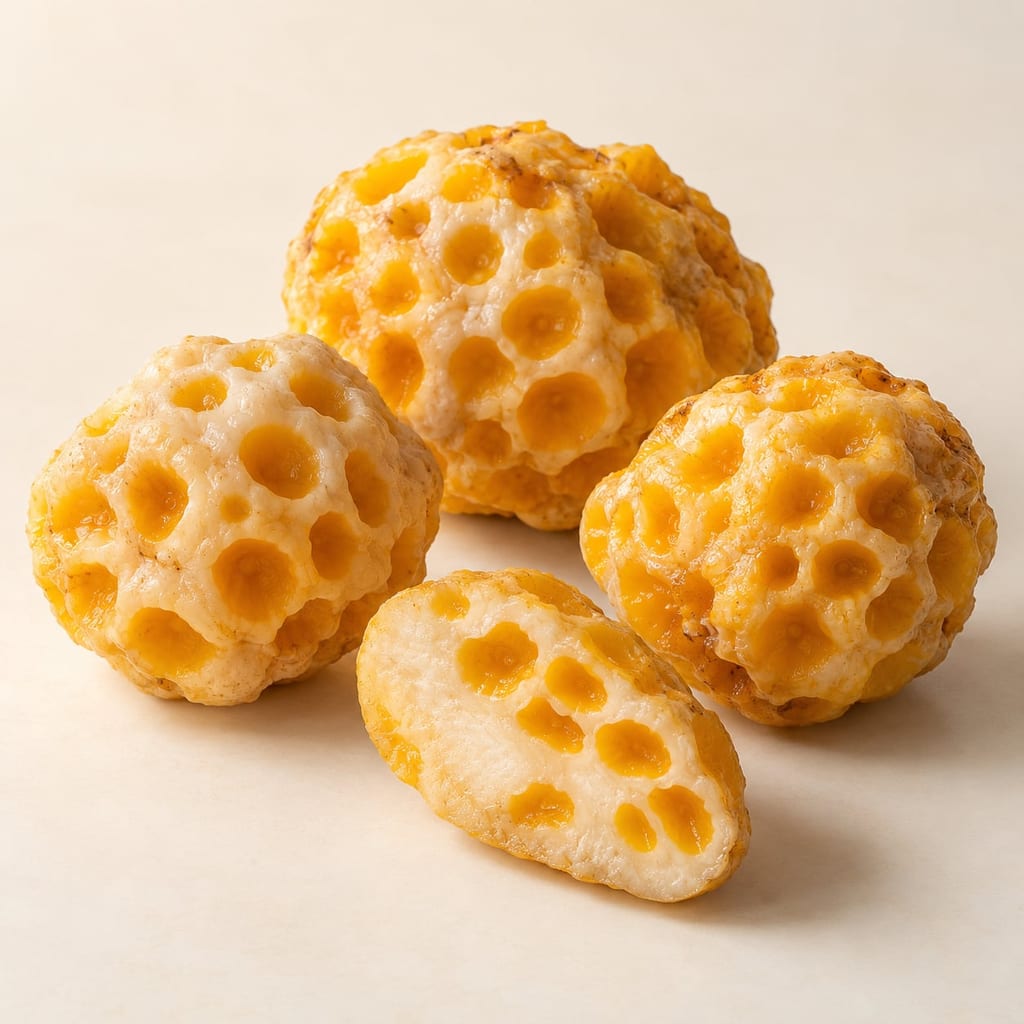
Llao-llao is the orange, gelatinous fruiting body of a southern-beech parasite in the Andean–Patagonian forests of Chile and Argentina. Regional sources document its food history, including Mapuche use in chicha.
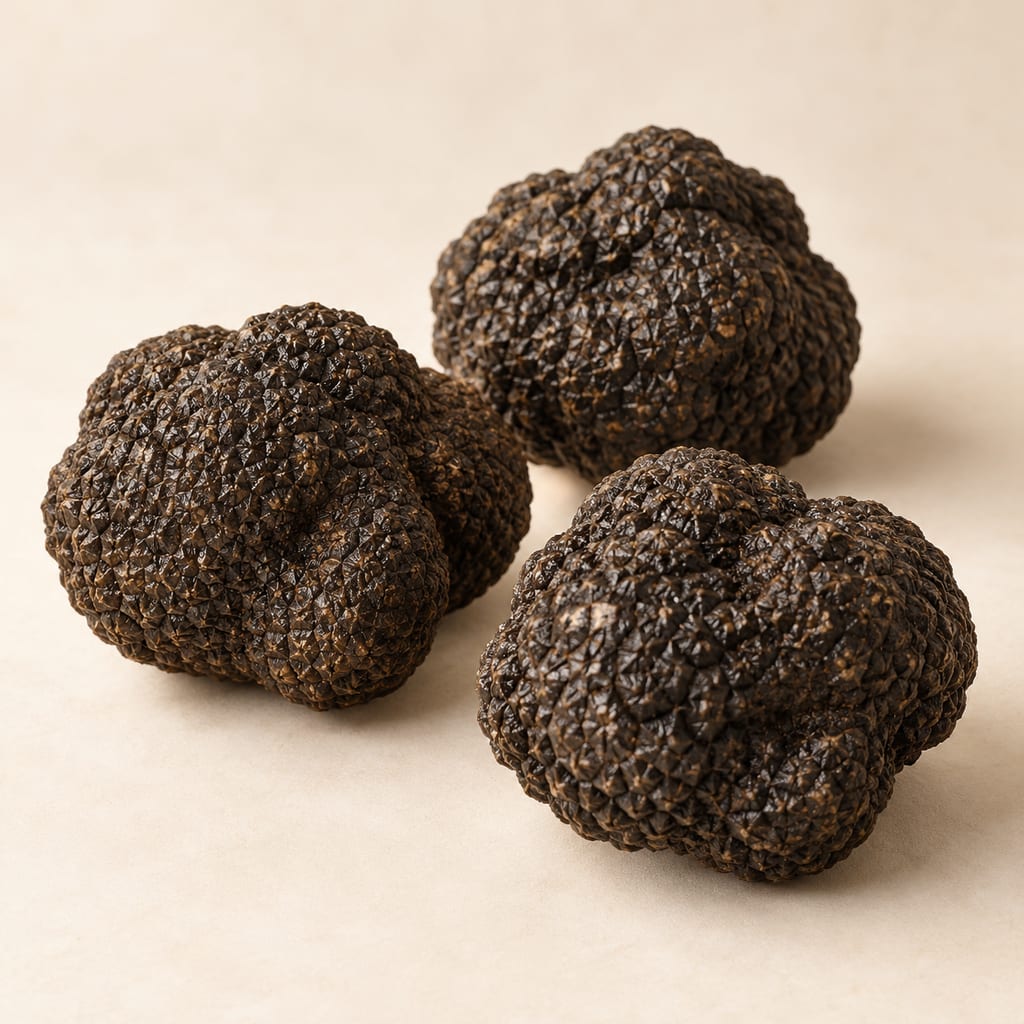
Tuber melanosporum is the Périgord black truffle, a mycorrhizal fungus of southern Europe grown in inoculated oak and hazel orchards and used as a high-value aromatic seasoning.
No community contributions have been published for this entry yet.
Sign in to contribute. Published comments and photos are free to read.
GBIFIdentity
Ramaria patagonica (Speg.) CornerRamaria patagonica (Speg.) Corner, family Gomphaceae, order Gomphales; first described as Clavaria patagonica by Spegazzini, 1882; type locality Chile; synonym Clavulinopsis patagonica
Cited in: What it is
MycotaxonIdentity · Geography
Aphyllophoroid fungi (Basidiomycota) of Chile: an annotated checklistFirst citation Spegazzini 1887a; distribution in southern Chile from Malleco to Magallanes; holotype LPS 19262, which differs from the GBIF type number MLP LPS 19261
Cited in: What it is; Where it grows
PubMed CentralHabitat · Food use
Sensory Characteristics and Volatile Organic Compound Profile of Wild Edible Mushrooms from Patagonia, ArgentinaGrows in Chubut, Rio Negro and Neuquen provinces in ectomycorrhizal association with native Nothofagaceae forests
Cited in: Where it grows
ResearchGateFood use · Season
Edible fungi for local and sustainable development in the Patagonian Andes forests of Argentina: a reviewRegional guides list it as an edible native species, called changle, typically cooked and eaten in autumn
Cited in: Food use; Open questions
ResearchGateSafety · Identification
The coral mushrooms Ramaria and ClavariaGenus-level risk is mainly gastrointestinal distress; several Ramaria are easily confused with mildly poisonous species
Cited in: Laboratory work; Safety and identification
PubMed CentralSafety
High-Resolution LC-MS Characterization of Ramaria flavobrunnescens, a Coral Mushroom Toxic to LivestockA different species, R. flavobrunnescens, is linked to livestock poisonings in South America; the toxic agent is not yet described
Cited in: Safety and identification