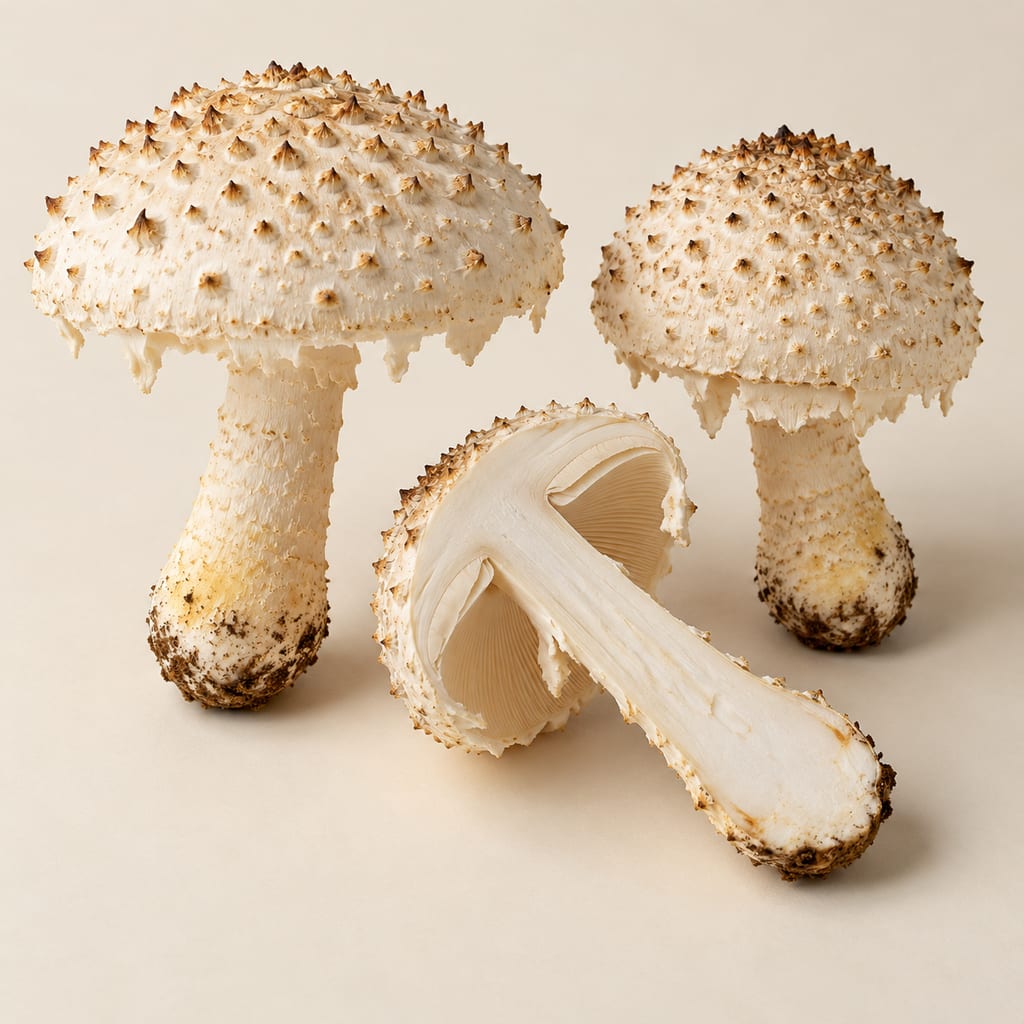
Amanita afrospinosa
Amanita afrospinosa is a white, warted Amanita of miombo woodland in southern and central Africa. A regional food-use record exists, but the Amanita genus includes deadly species, so no safe use is established here.
 FermenteaWhere food goes to change
Mushrooms
Lactarius kabansus, the African milkcap, is an ectomycorrhizal mushroom of miombo woodland that has long been recorded as food in central and southern Africa.
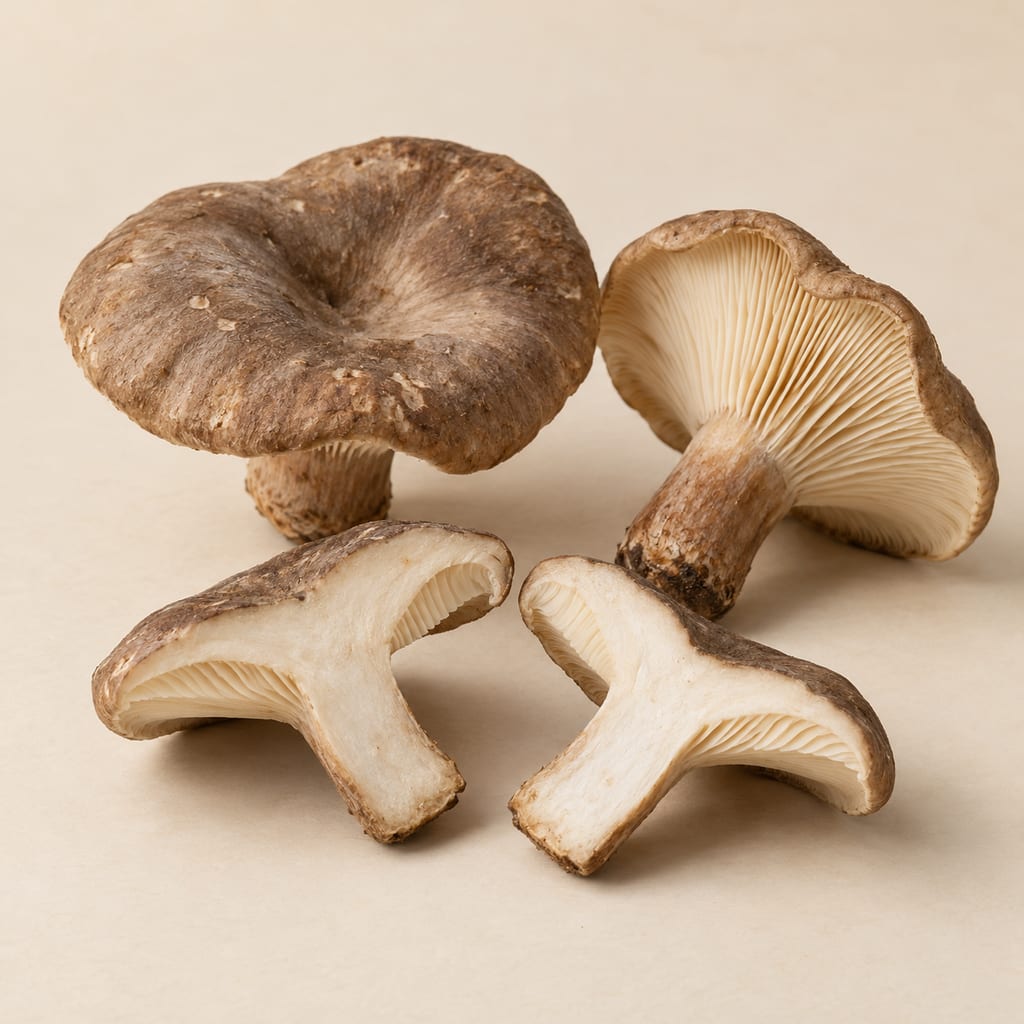
Lactarius kabansus is an ectomycorrhizal milkcap of miombo woodland, associated with Brachystegia, Isoberlinia, Uapaca and Julbernardia. It is recorded in miombo woodland.
The species was described by Pegler and Piearce in 1980 in the Kew Bulletin. Its field character is an orange tint at the base of the stem.
The explorer David Livingstone recorded a fungus called nakabansa in northern Zambia in 1867. The EFTA page, citing Piearce (1985), considers it probably this species, which makes it one of the first species recognised as edible in East Africa.
The page describes the taste as mild and pleasant and the smell as weak and fungal. It presents the species as edible, and it notes that Lactarius tenellus, another edible milkcap, is similar.
Lactarius tenellus has smaller fruiting bodies and a heavily serrated cap margin, which the page gives as separating the two.
The EFTA page lists records from Burundi, the Democratic Republic of the Congo, Kenya, Malawi, Mozambique, Tanzania, Zambia and Zimbabwe. It documents regional food use only for northern Zambia, from Livingstone's account.
The EFTA page gives no toxicity warning, and it does not describe how the mushroom is prepared. Its identification statements are hedged, and the page does not give a full identification procedure. A mushroom must be confirmed by a competent expert before it is eaten.
The only food-use record the EFTA page documents.
Distribution records across eight countries, not confirmed food-use records.
Amanita afrospinosa is a white, warted Amanita of miombo woodland in southern and central Africa. A regional food-use record exists, but the Amanita genus includes deadly species, so no safe use is established here.
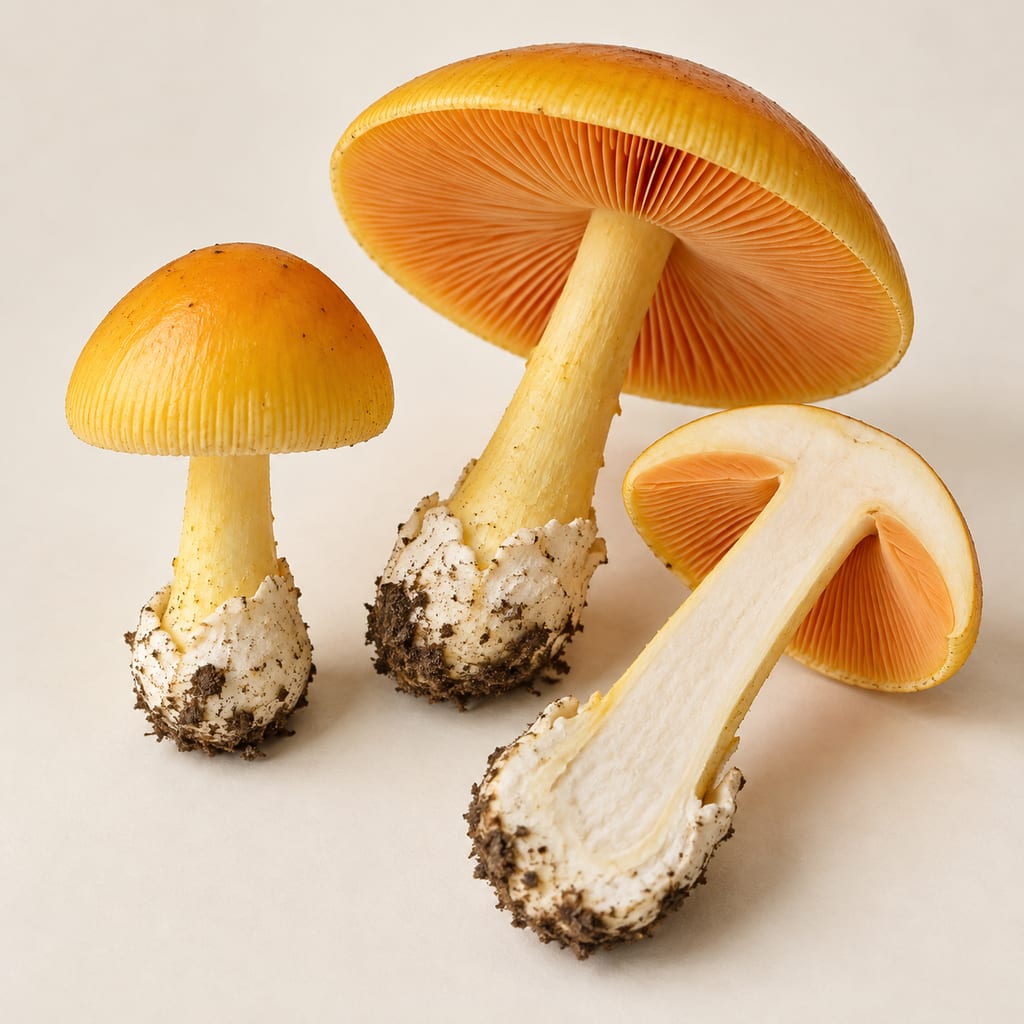
A wild miombo Amanita recorded as a local food in northern Zambia, with collections also documented in Haut-Katanga, DRC. The evidence is regional and does not make wild identification safe.
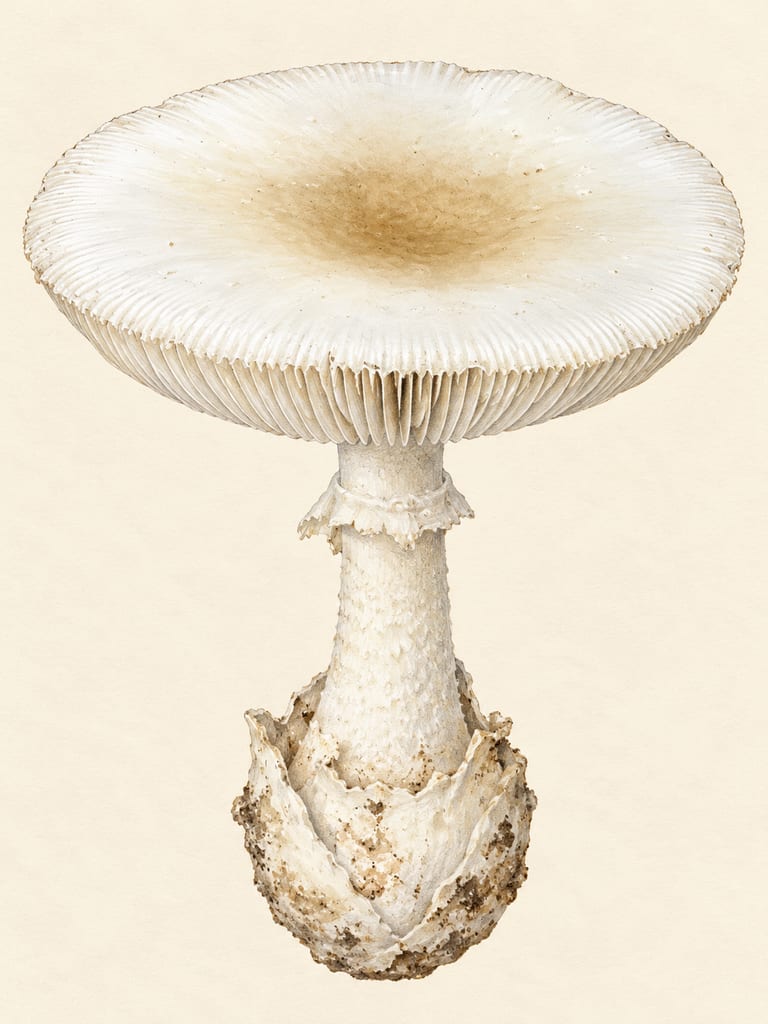
Amanita loosei is a large wild Amanita of tropical African miombo and open woodland, gathered and sold as a valued seasonal food. Regional food-use evidence is not a guide to identifying wild mushrooms.
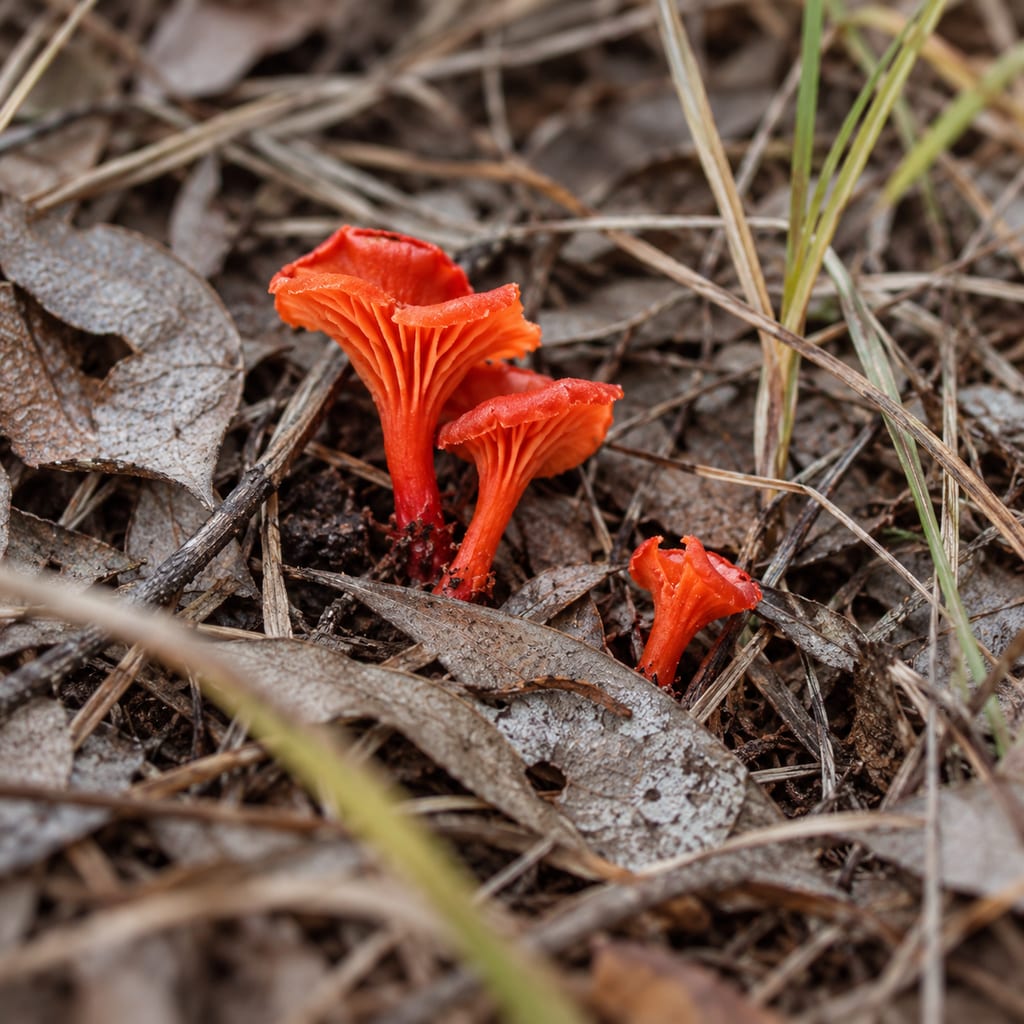
A small red ectomycorrhizal chanterelle of African open forest and miombo. Sources document regional food use but differ on taste and harvesting preference; older records as C. floridulus or C. miniatescens require care.
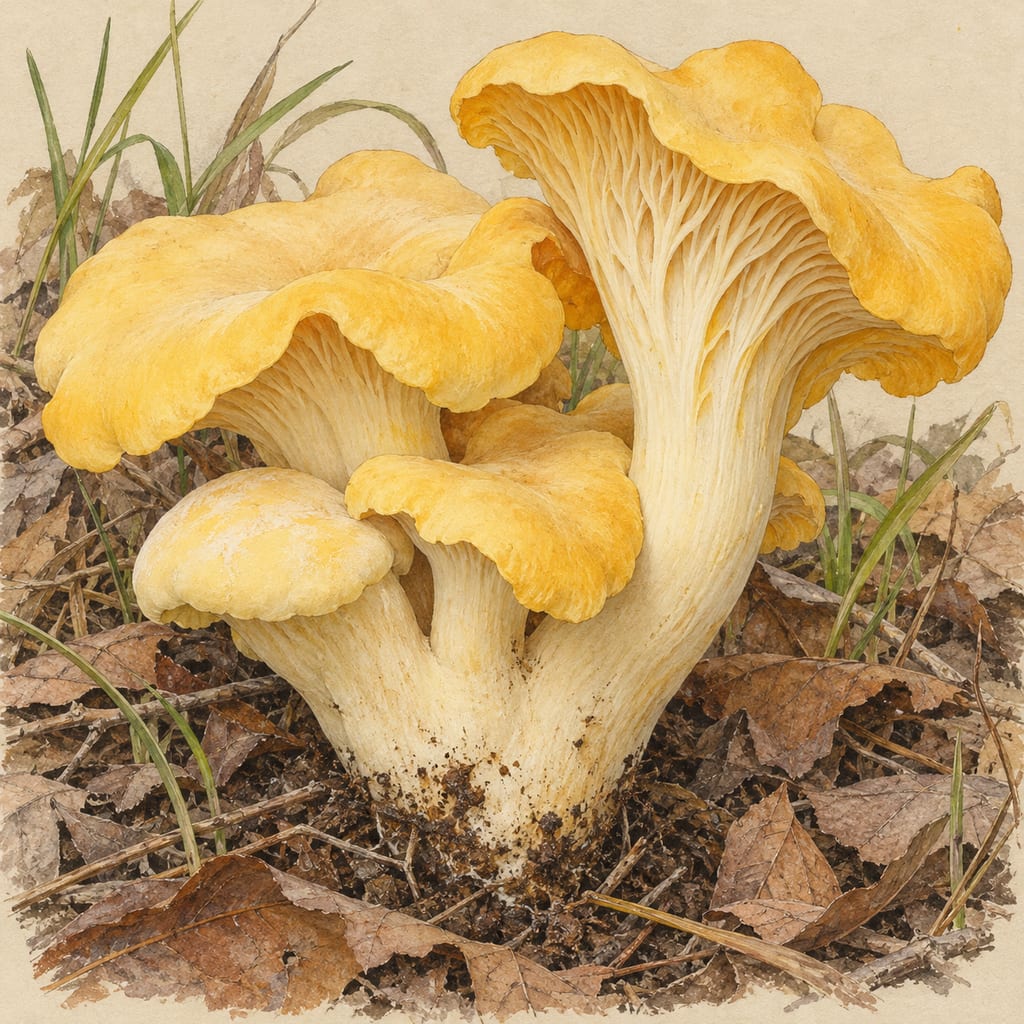
Cantharellus afrocibarius is a robust yellow chanterelle of the miombo woodlands of southern Central Africa. It is eaten and sold locally, is rated Vulnerable on the IUCN Red List, and is hard to tell from related species in the field.
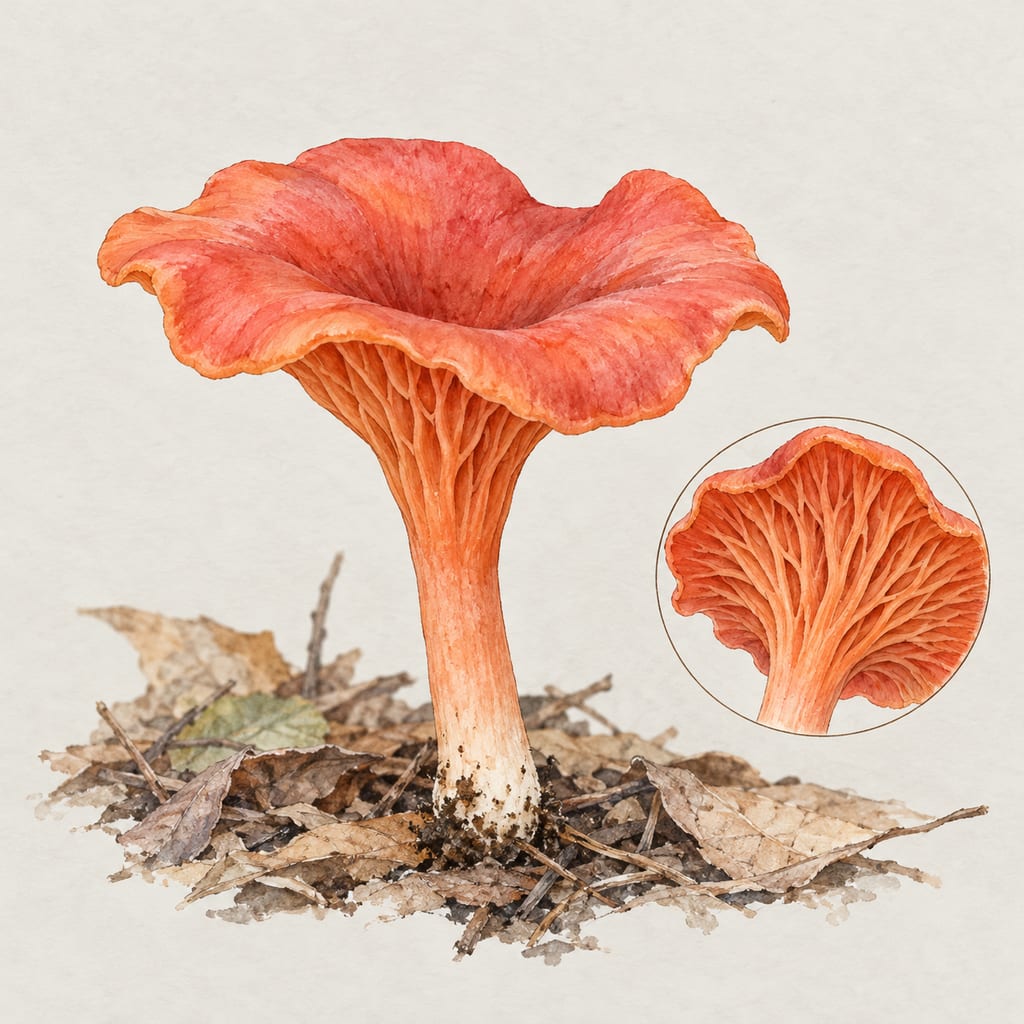
Wild ectomycorrhizal chanterelle of miombo woodland. An IUCN assessment reports consumption in Zimbabwe; sources reviewed here give no preparation method or food-safety validation.
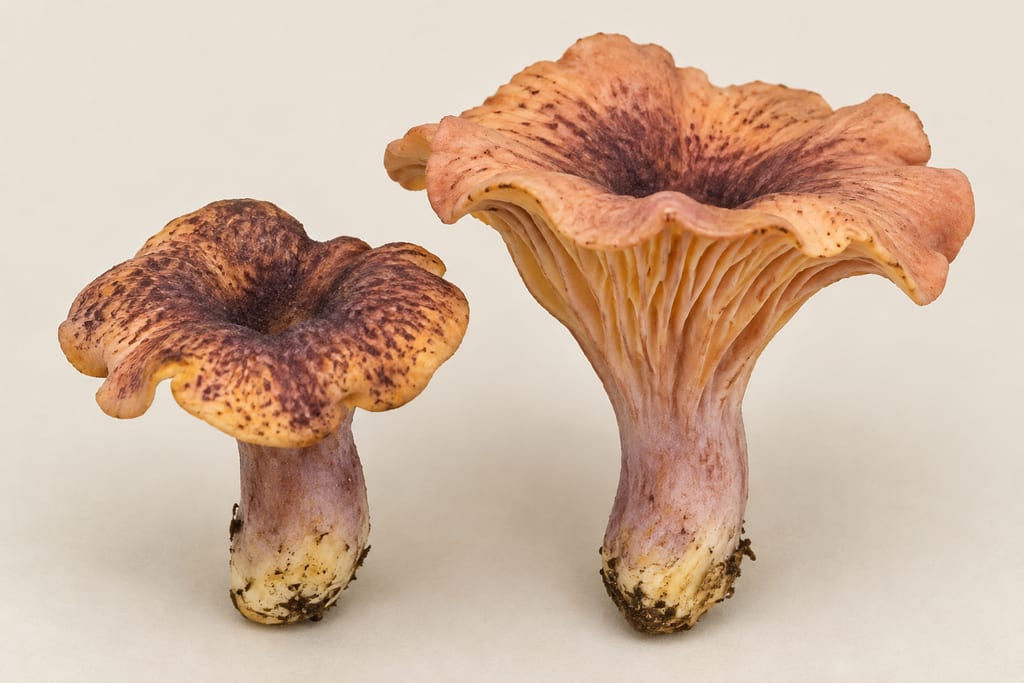
Wild Central African chanterelle recorded as locally eaten in voucher-backed Tshopo interviews. Historical country claims exceed the current revised range; preparation, fermentation and toxicology remain undocumented.
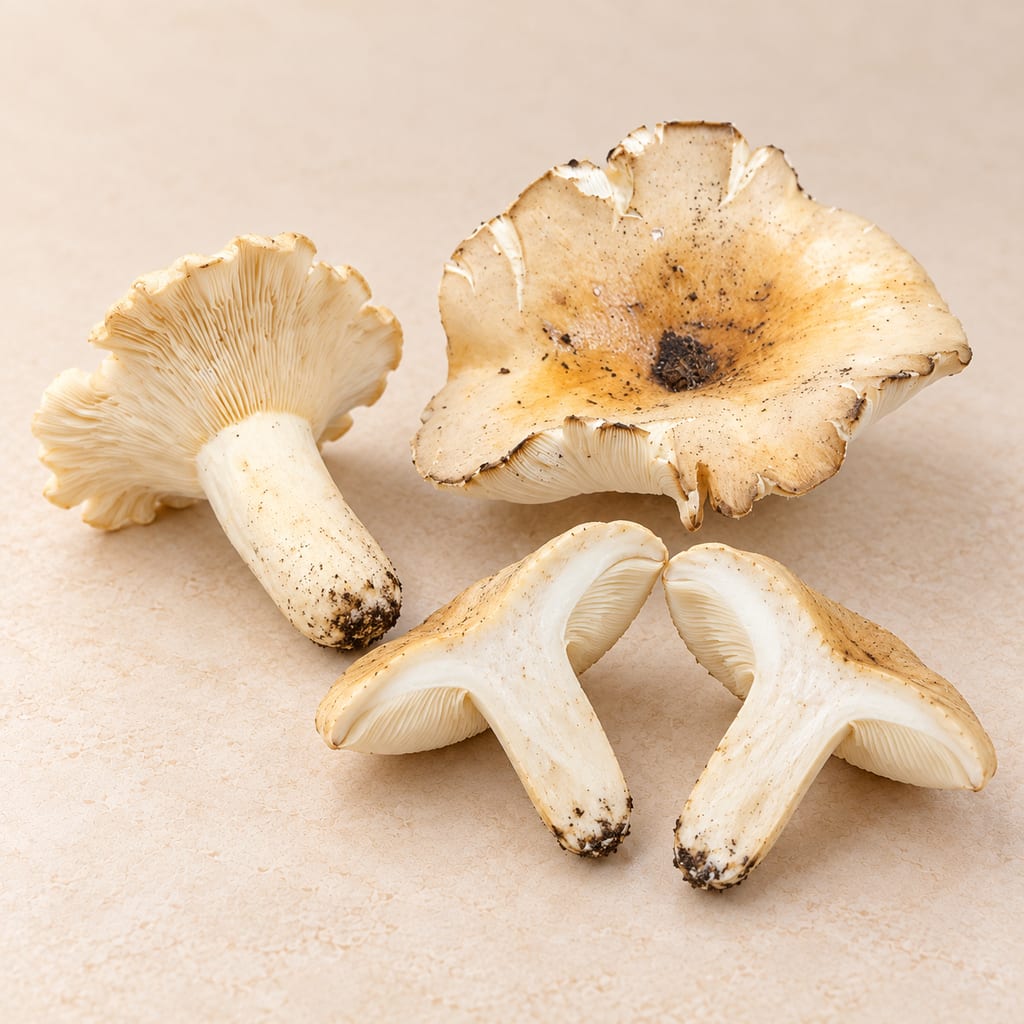
African milkcap, a wild ectomycorrhizal milkcap of woodland in central, eastern and southern Africa, recorded as an edible wild mushroom in regional inventories and food studies.
No community contributions have been published for this entry yet.
Sign in to contribute. Published comments and photos are free to read.
EFTA (European Fungal Taxonomy Association) species pageTaxonomy · History · Identification
Lactarius kabansusAuthority Pegler & Piearce, Kew Bull. 35(3): 487 (1980)
Nakabansa record, 1867, citing Piearce 1985
Miombo ectomycorrhizal associations
Orange stipe base; similarity to L. tenellus
Cited in: Overview; Early record; Flavour and identification; Distribution and use; Safety