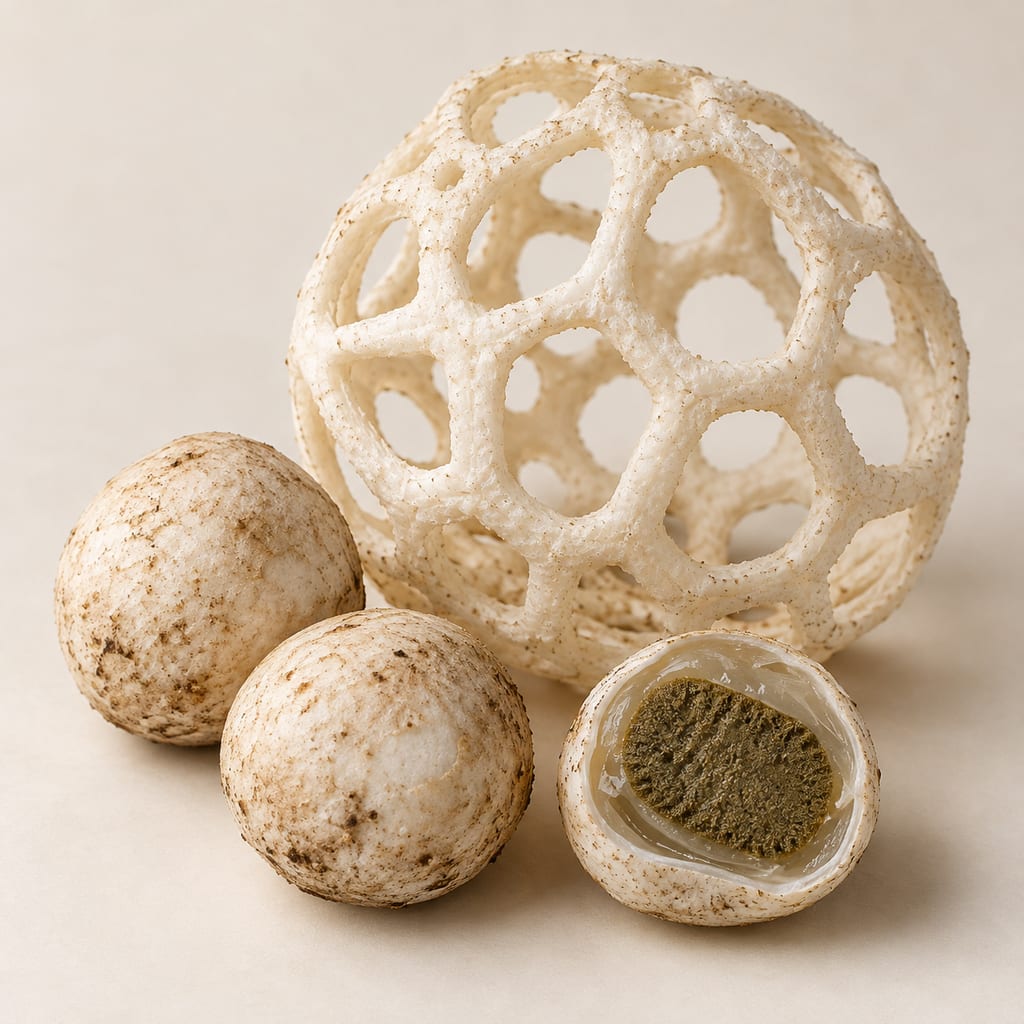
Basket fungus
Ileodictyon cibarium, a New Zealand stinkhorn fungus with a lattice basket. Historical Māori accounts record its unexpanded egg stage as food. Modern edibility has not been verified.
 FermenteaWhere food goes to change
Mushrooms
Hericium novae-zealandiae is a native New Zealand coral tooth fungus that grows on dead wood and was traditionally gathered by Māori, with little written record of its food use.
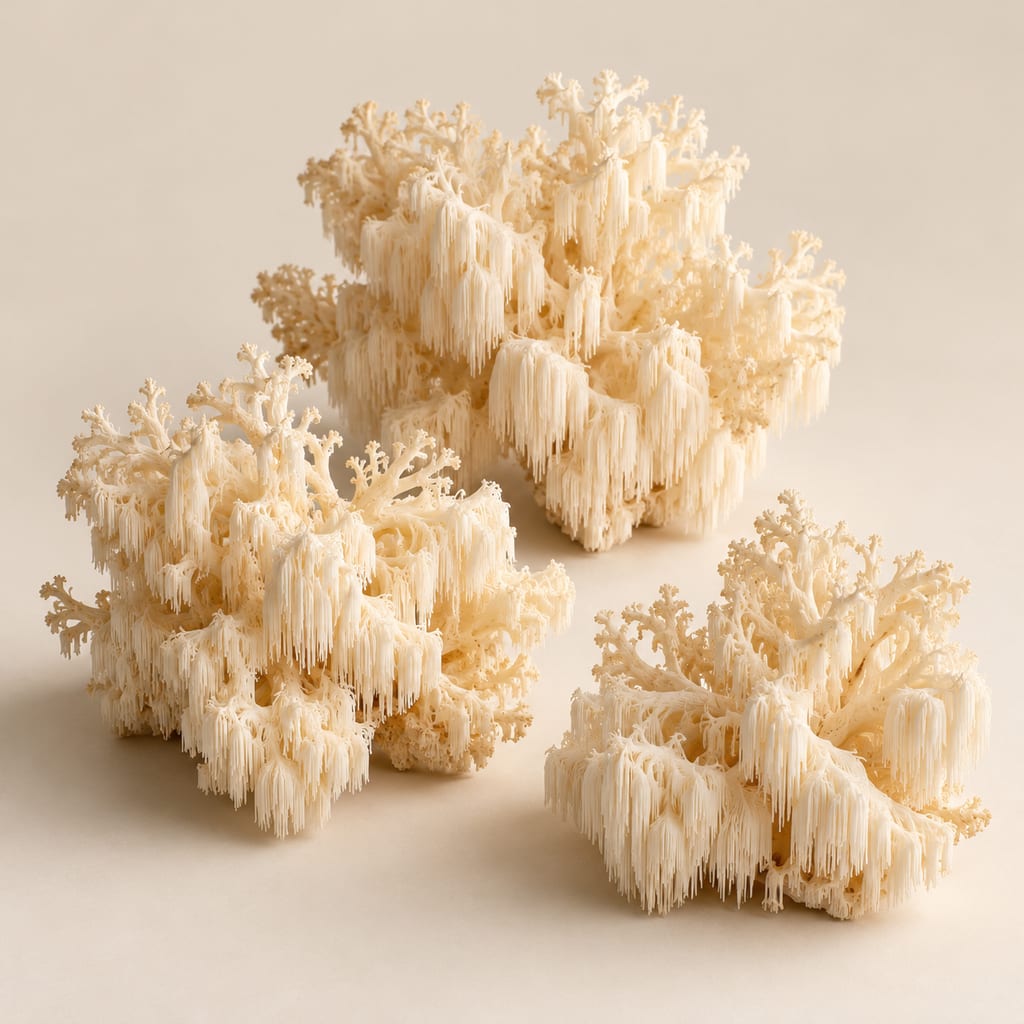
Hericium novae-zealandiae is a native New Zealand coral tooth fungus. Its Māori name is pekepeke-kiore, and the English common name is New Zealand coral tooth. Earlier names include Hydnum novae-zealandiae, and the catalogue records Hericium coralloides as a misapplied name for New Zealand material.
The catalogue's caution is that older New Zealand records of H. coralloides are a misapplication. They are not proof that all global H. coralloides records belong to this taxon.
The fungus is saprotrophic and grows on dead wood. Sources say it grows mainly in the autumn months. The catalogue gives it as a New Zealand record with supply recorded as unknown.
Sources state that it was harvested by Māori as a food. One summary of New Zealand fungi notes that Māori chants suggest it was eaten mainly in times of famine because it has little flavour. A science learning resource says that few reports record ancestors eating it, although a closely related Asian species is widely eaten. The catalogue describes it as a native food mushroom traditionally consumed by Māori.
A research paper on its polysaccharides describes it as a native wood-decay mushroom traditionally consumed by Māori. The paper concerns the fungus's chemistry, not its safety as food.
Small trials in Hawke's Bay have grown it for restaurants. A company in Raglan has developed a cultivation method and a dietary supplement based on the fungus. Commercial growers describe its flavour as savoury and umami, with some comparing it to crab.
Most of the modern sources come from growers or supplement sellers. Their health claims are not independently confirmed, and the evidence for it as a staple food is thin.
One source says the fungus is edible when young and becomes brittle with age. That observation comes from a field record, not from a food-safety study.
This page is not an identification guide. Coral tooth fungi are easily confused with one another, and the misapplied H. coralloides name shows how records can mislead. Anyone gathering the fungus should identify it with an expert before eating it.
Native to New Zealand; traditional food use by Māori; the sources do not name a locality.
Ileodictyon cibarium, a New Zealand stinkhorn fungus with a lattice basket. Historical Māori accounts record its unexpanded egg stage as food. Modern edibility has not been verified.
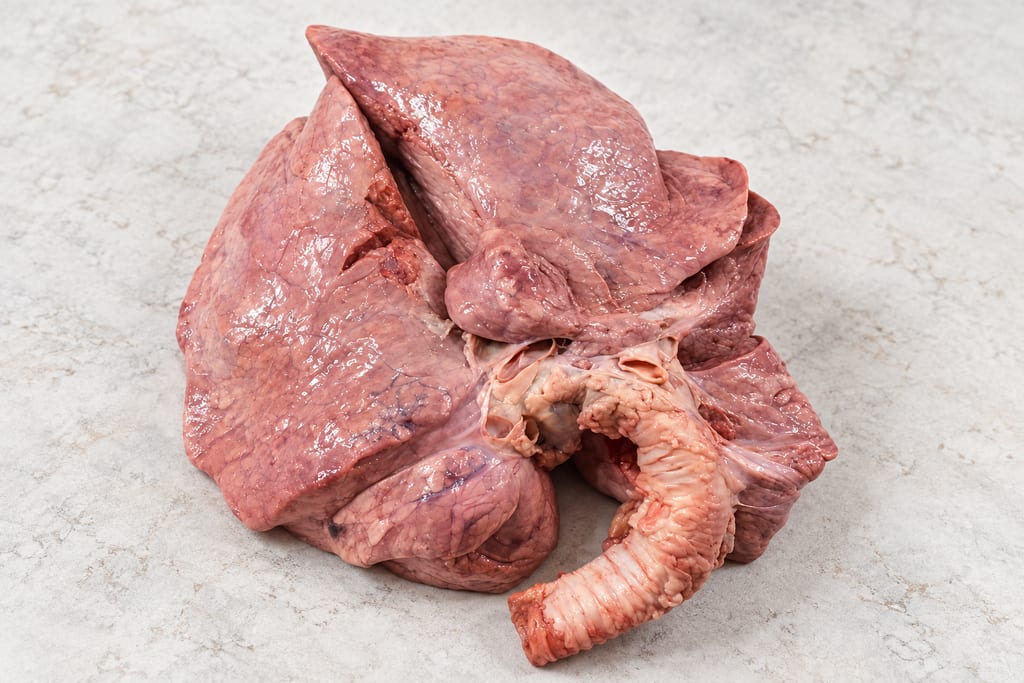
Beef lung is cattle offal used in regional Indonesian dishes and studied as a substrate for a modern fermented-sauce proof of concept. Culinary, regulatory and experimental uses vary; the sources support no universal process.
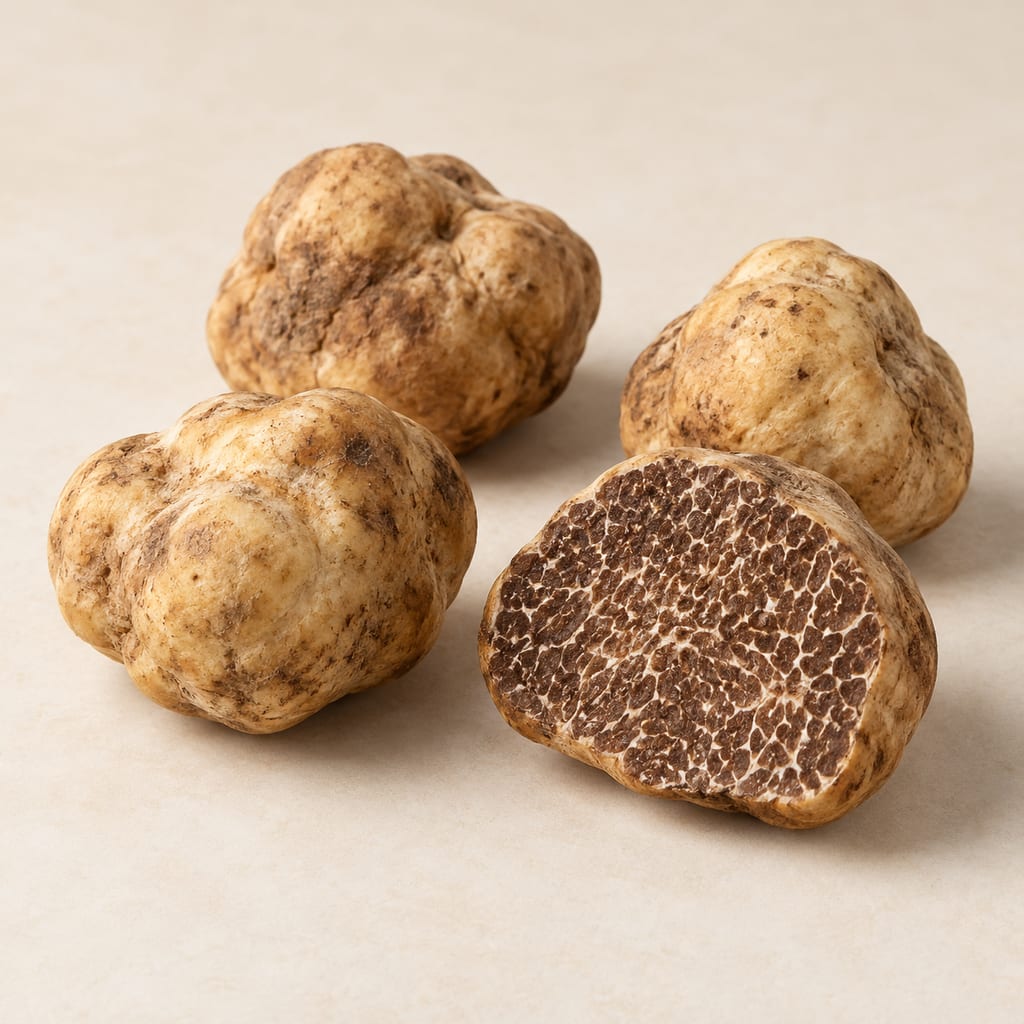
Tuber borchii, the bianchetto truffle, is a pale, pungent truffle that grows with trees and is now cultivated in Italy. It is used as a seasoning and is distinct from the costly white truffle, Tuber magnatum.
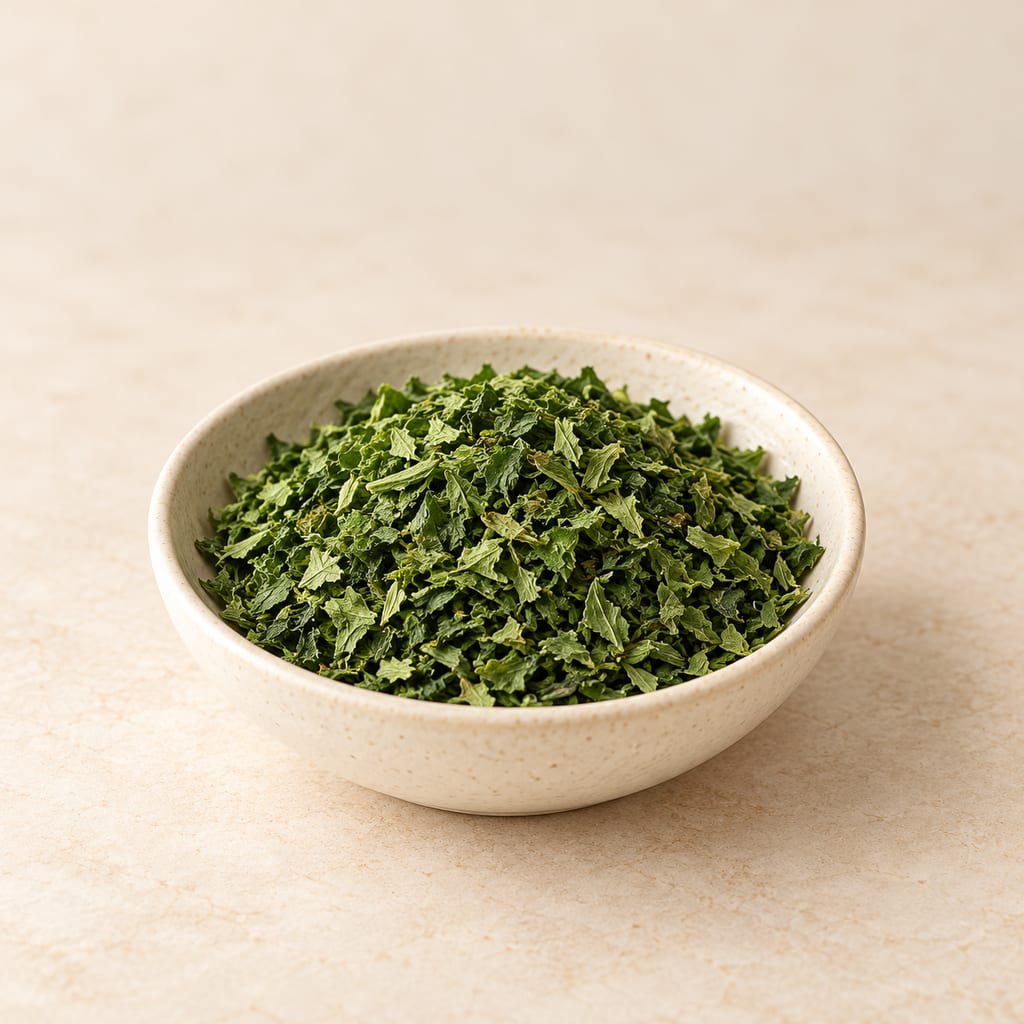
Dried parsley is the dehydrated leaf of Petroselinum crispum, sold as flakes, granules or powder for its herbal aroma and green flecks.
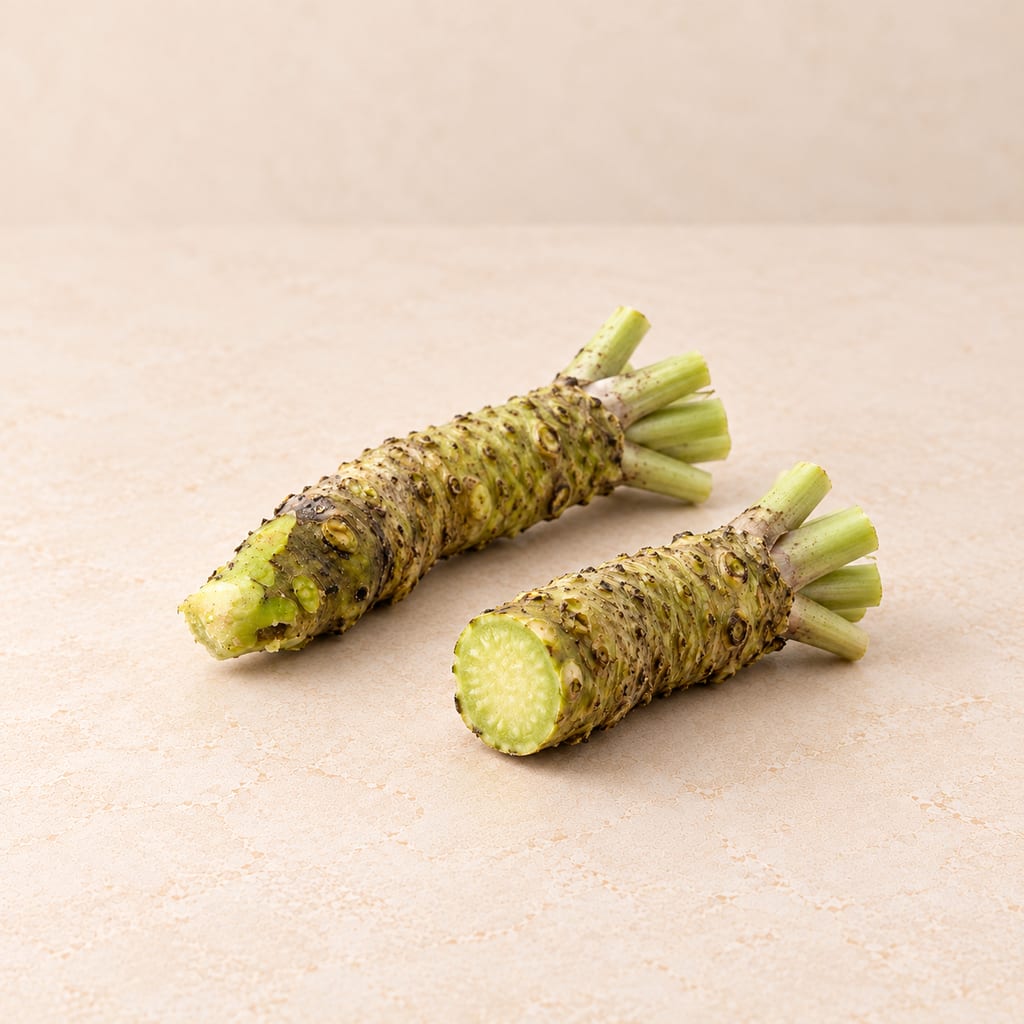
Wasabi is the enlarged stem of Eutrema japonicum, a pungent perennial in the mustard family. Fresh rhizome is grated as a Japanese condiment; powder and prepared paste are separate products.
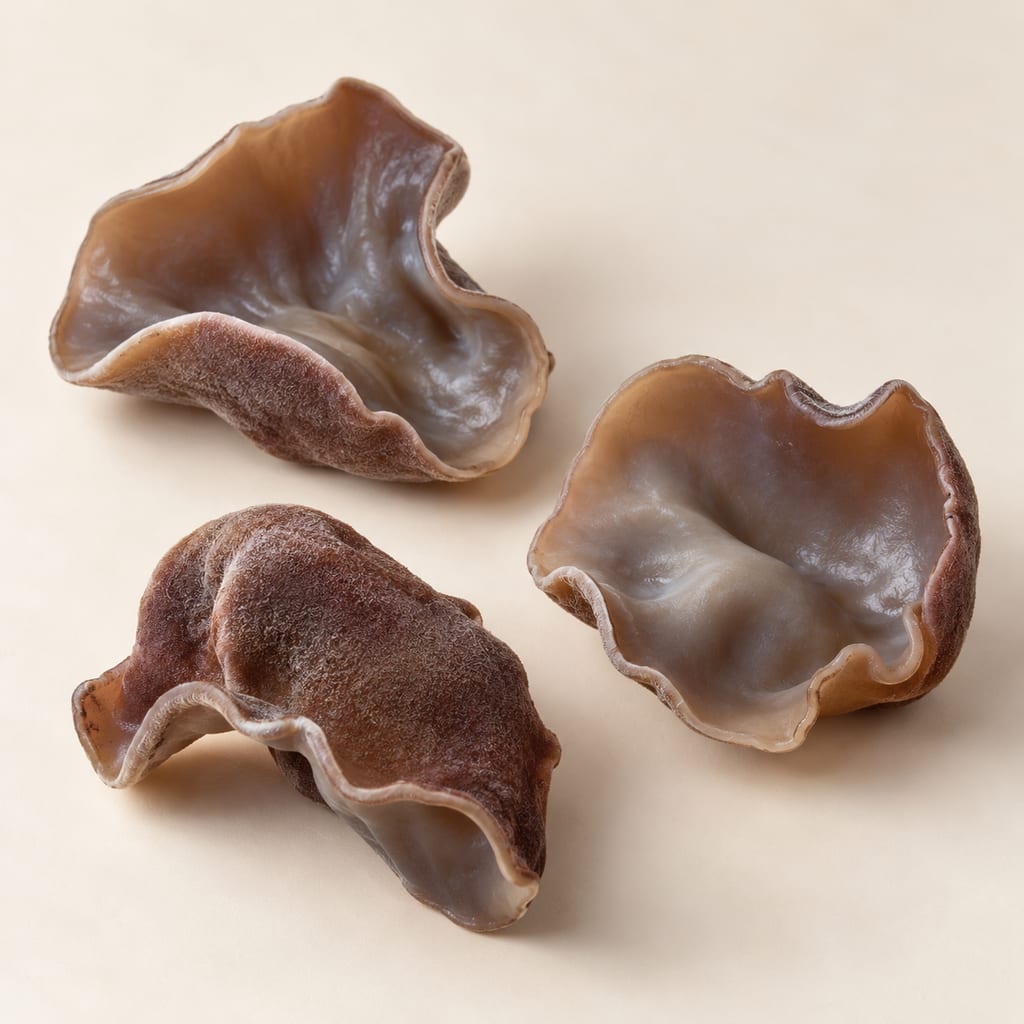
Auricularia cornea, a gelatinous wood-decay fungus recorded as food in the Congo and Asia, and cultivated and sold dried in China. It is mild in taste, and its name has been confused with Auricularia polytricha.
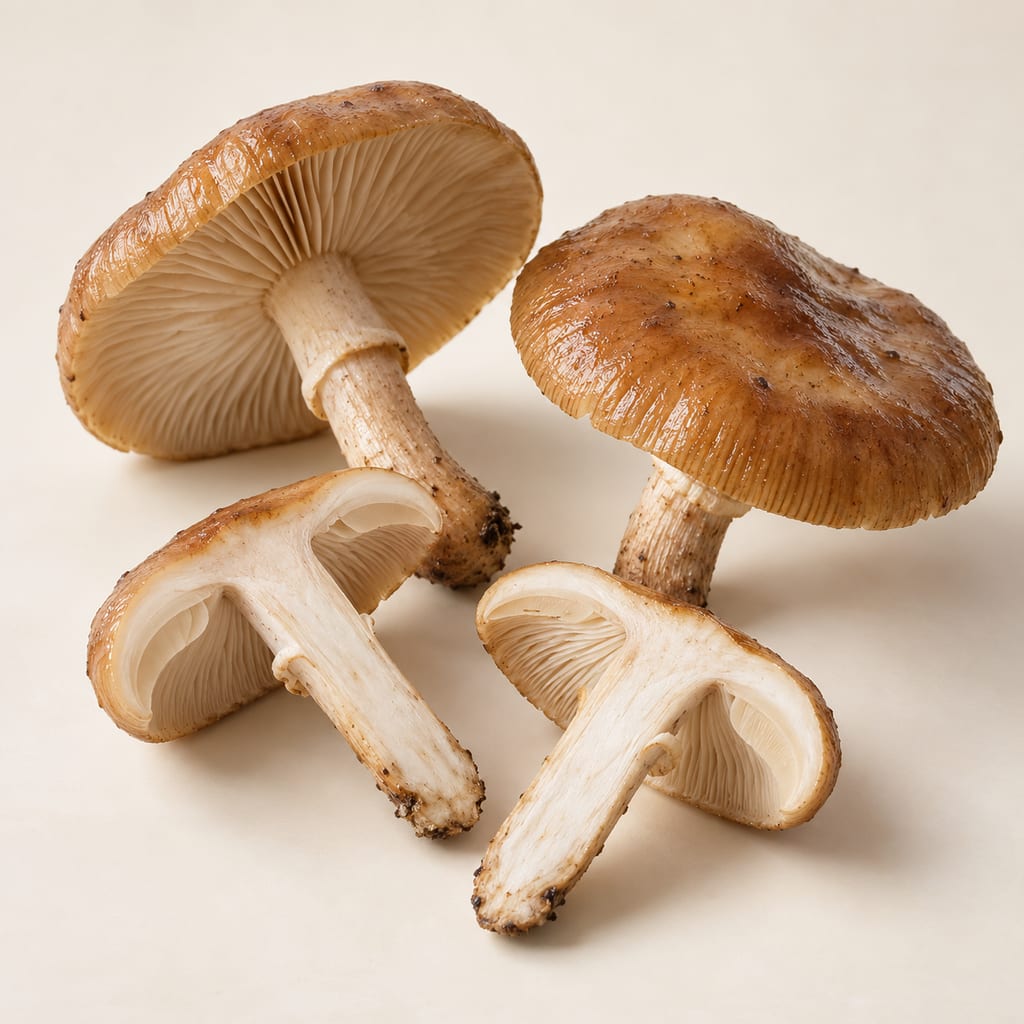
Harore, Armillaria novae-zelandiae, is a New Zealand honey fungus that grows in clusters on wood and is gathered as a traditional food by Tuhoe, with a cooking rule and close look-alikes to know.
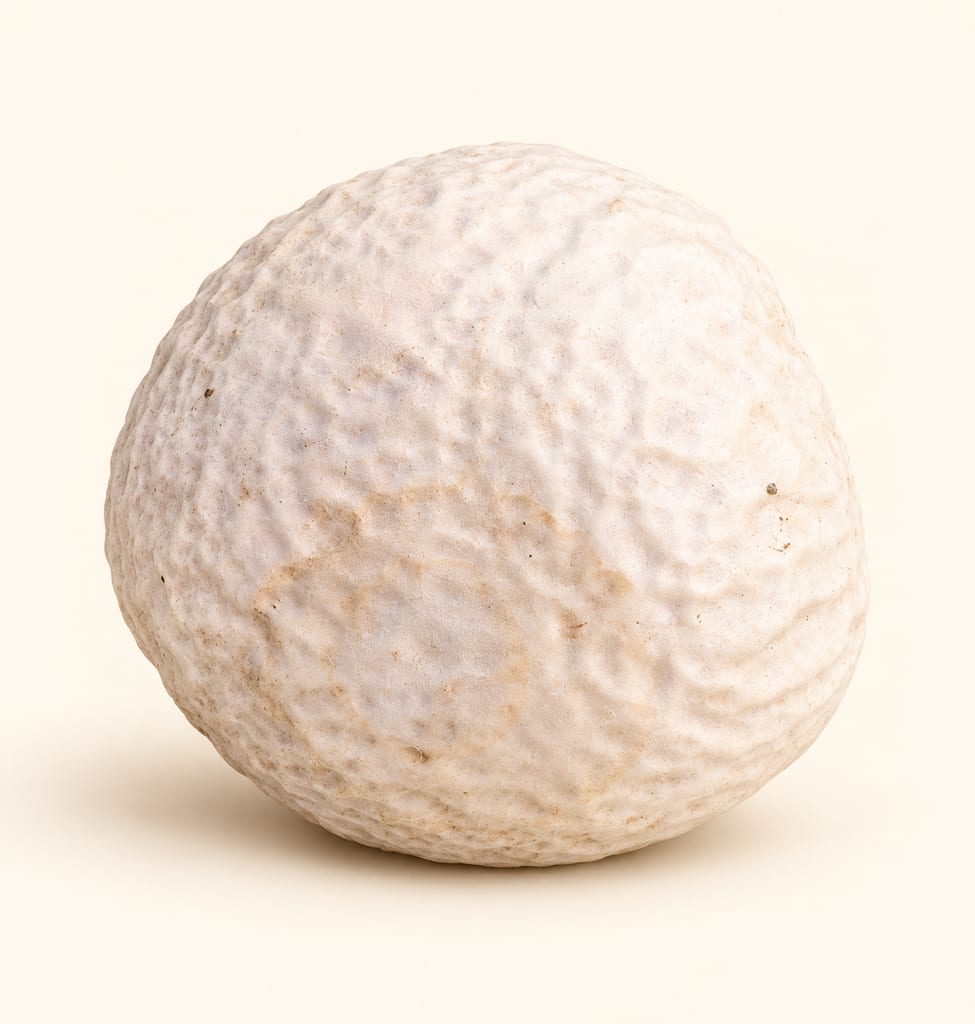
Calvatia lilacina is a lilac-tinted puffball with regional natural-history records and historical edible listings whose taxonomic and safety limits remain important.
No community contributions have been published for this entry yet.
Sign in to contribute. Published comments and photos are free to read.
WikipediaFood use · History
Fungi of New ZealandHarvest by Māori as food; autumn fruiting; famine-food note from Māori chants; little flavour
Science Learning HubFood use · Cultivation
Hericium sp. (pekepekekiore)Few reports of ancestral eating; closely related Asian species widely eaten; Hawke's Bay trials
Antioxidants (MDPI)Traditional use · Chemistry
Polysaccharides of Hericium novae-zealandiaeNative wood-decay mushroom traditionally consumed by Māori
Mycologic (commercial grower)Cultivation · Flavour
Pekepeke-kiore coral toothSavoury and umami flavour; commercial cultivation; health claims not independently confirmed
ScienceDirectCatalogue record
Supplied catalogue source F-d673ed8ad7a1Supplied source; the page returned an access error during this research and was not read