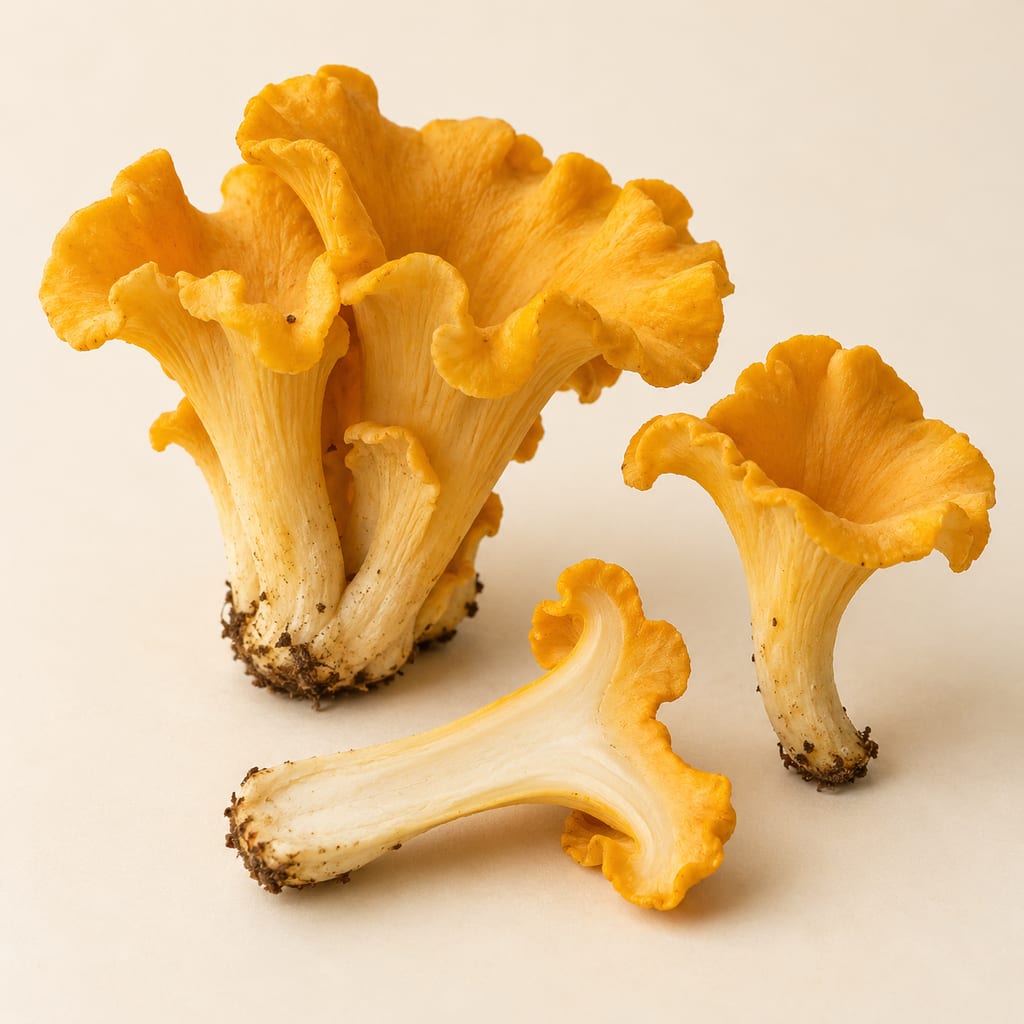
Cantharellus odoratus
Cantharellus odoratus, the fragrant chanterelle, is a North American and Central American oak-woodland fungus. It was sold in a Veracruz market in the 1980s and in Guatemala in 2002, and its name is still disputed.
 FermenteaWhere food goes to change
Mushrooms
Red coral mushroom, Ramaria araiospora, is a wild coral fungus collected and sold in Guatemala. Coral fungi have toxic look-alikes, so identification needs a specialist.
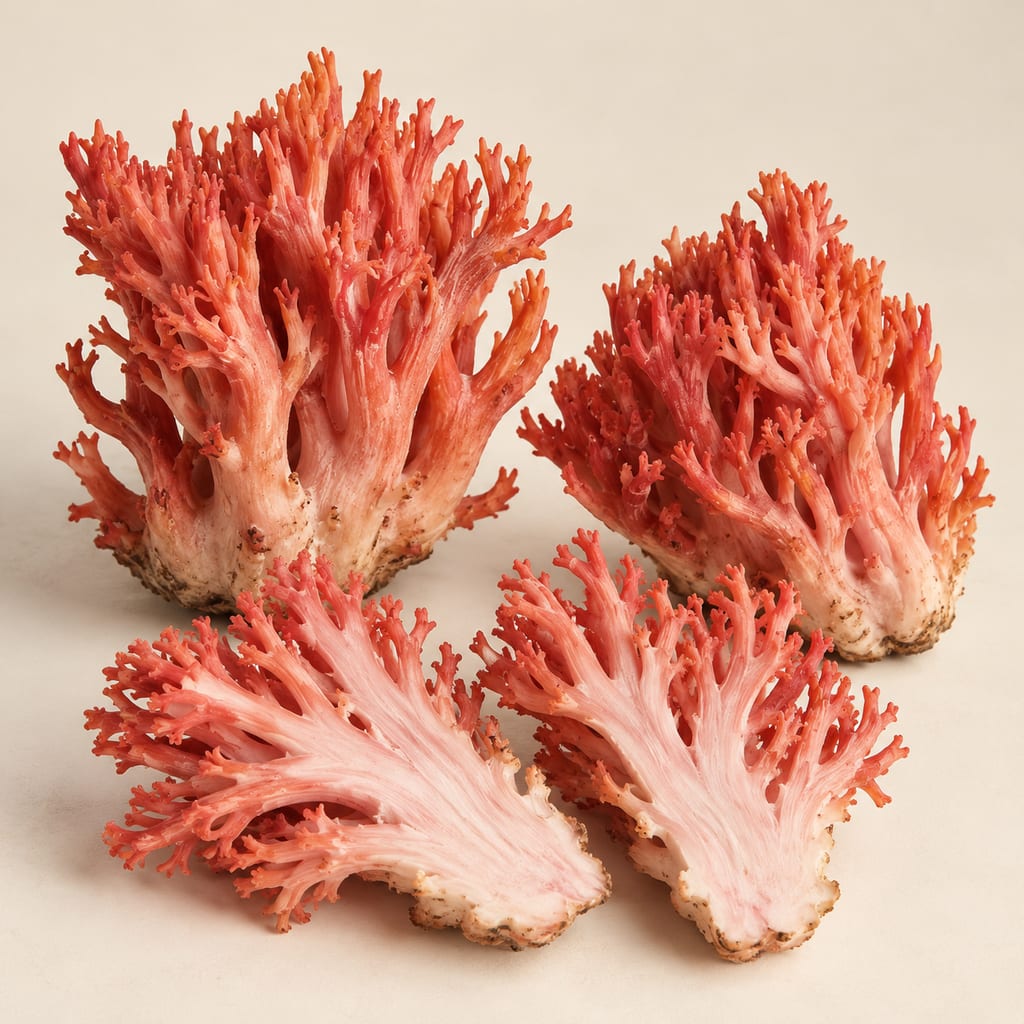
Red coral mushroom is the common name the catalogue gives to Ramaria araiospora, a coral fungus that grows on the forest floor and forms branching, coral-like fruiting bodies. Coral fungi are a large genus with many species that look alike, and the catalogue notes that the species name needs confirmation against current taxonomy.
The catalogue records the scientific name as a research label rather than a validated accepted name.
A 2019 ethnomycological study of the Kaqchikel Maya of the Guatemalan Highlands, based on four years of market visits and interviews, lists Ramaria araiospora among the wild mushrooms sold at the municipal market of San Juan Sacatepequez. The market is supplied by foraging in the surrounding pine-oak forests, and mushroom selling there is carried out by women.
Ramaria species are sold in portions, usually mixed with other species. The study's local classification records the species as edible, with the local name patitas de pajaro, and records barter and trade as its use.
The sources found for this page establish that the species is sold and eaten locally, and they establish a local classification as edible. They do not establish a toxicity study, a safe preparation, or a safety assessment for the species.
Ramaria has toxic look-alikes, and the catalogue records gastrointestinal reactions as a concern for coral fungi. Identification from appearance alone is not reliable, and a local edible label is not a safety verdict.
The sources do not describe the preparation of this species, its season, or its prices. Those points are left open.
Recorded in the municipal market of San Juan Sacatepequez, in the Kaqchikel Maya highlands.
Cantharellus odoratus, the fragrant chanterelle, is a North American and Central American oak-woodland fungus. It was sold in a Veracruz market in the 1980s and in Guatemala in 2002, and its name is still disputed.
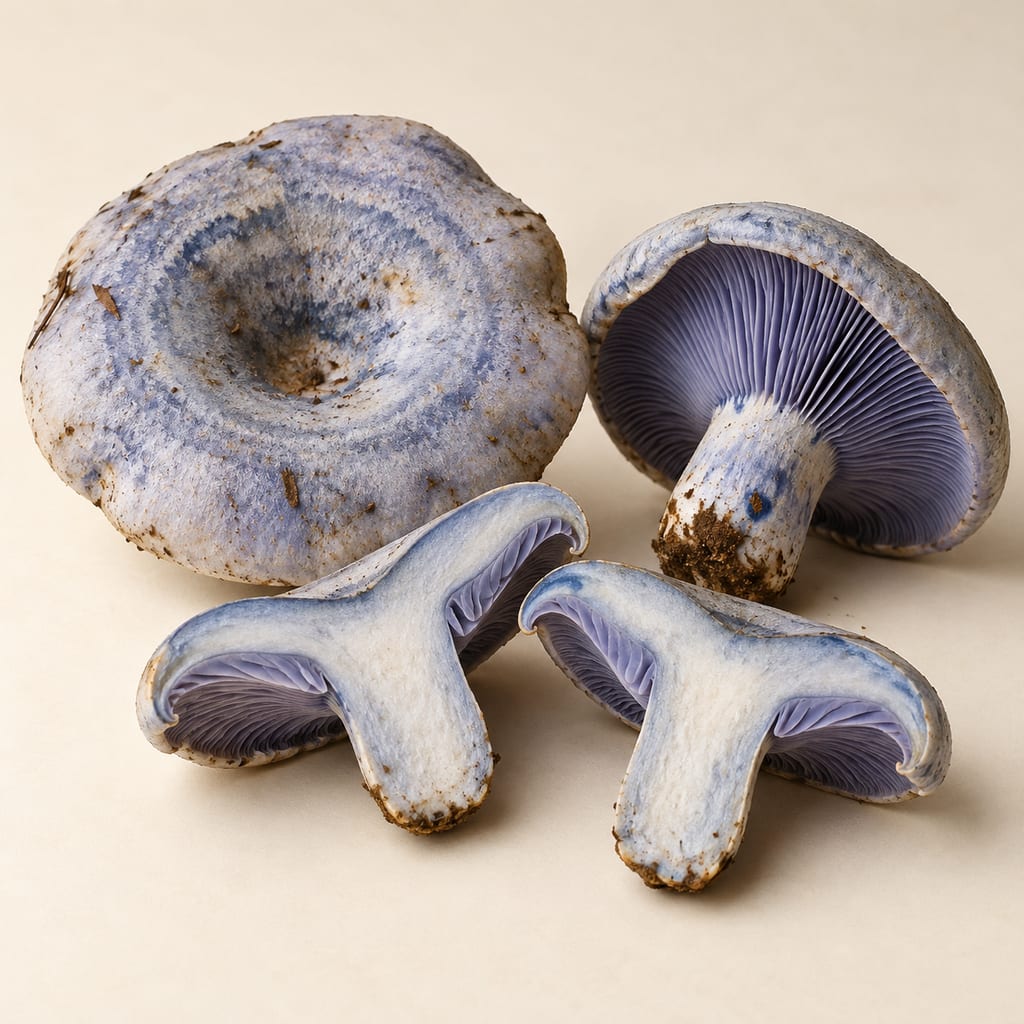
Indigo milkcap, Lactarius indigo, is a blue-latexed milkcap of Mexican and Guatemalan forests. Market and ethnomycology records describe it as roasted or dried for food, and a similar-looking species is a known confusion risk.
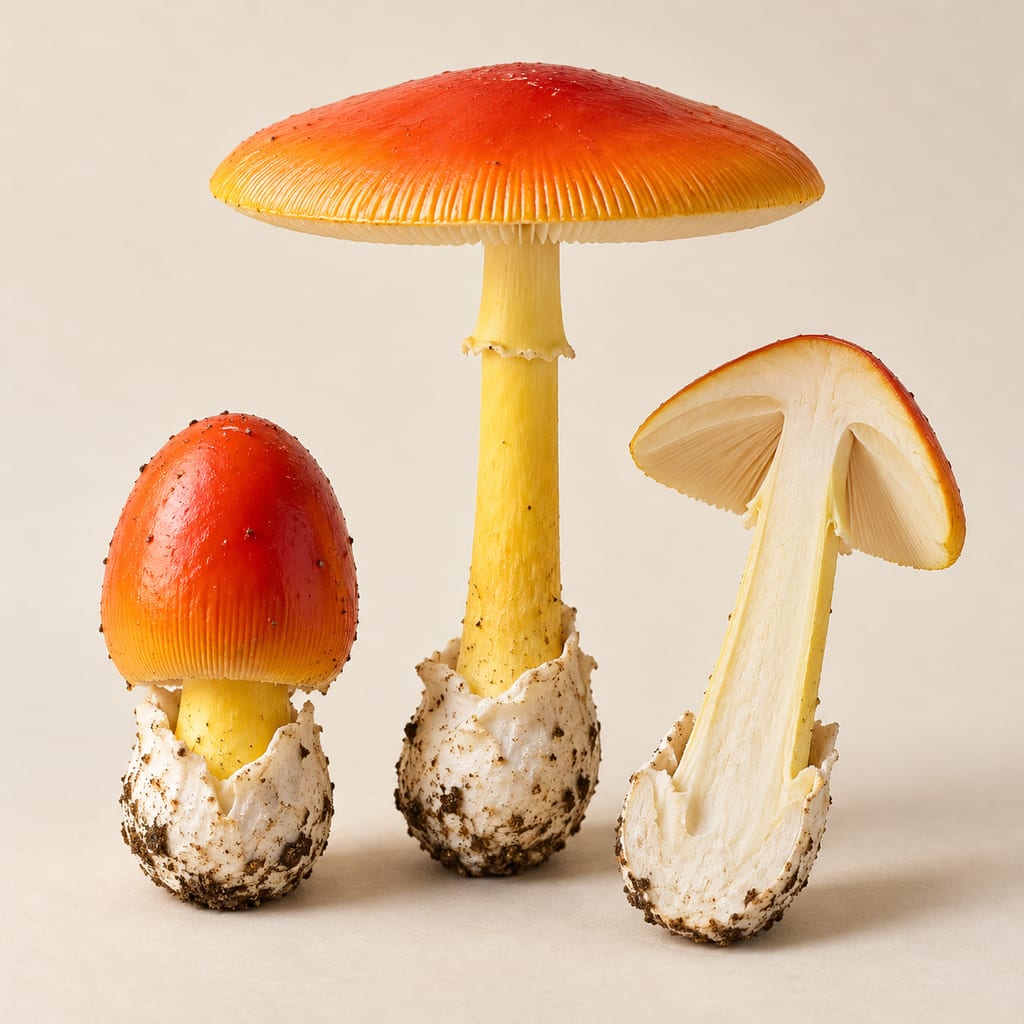
Jackson's slender Caesar, Amanita jacksonii, is a wild ectomycorrhizal fungus of Central American and Mexican forests, sold in some local markets. Amanita includes deadly species, so the name gives no basis for identification.
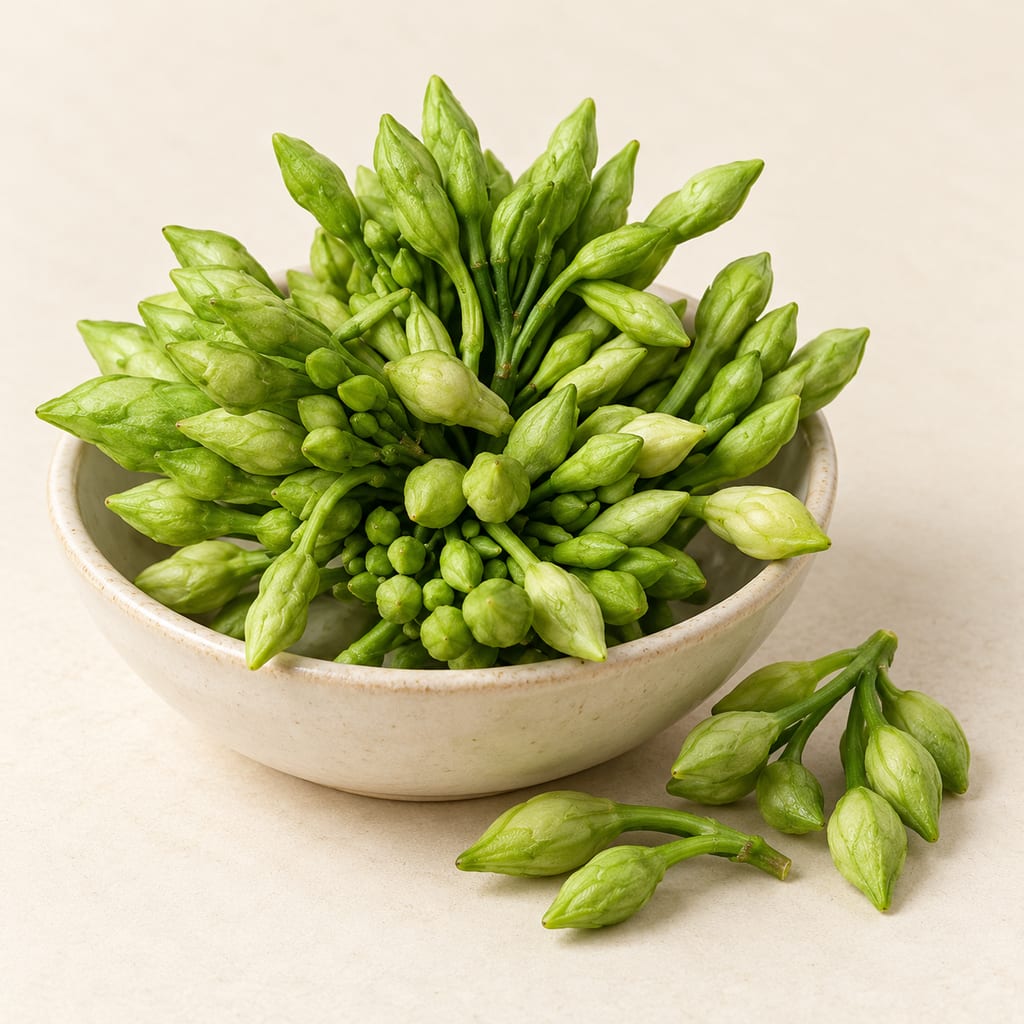
Loroco is the edible flower bud of Echites panduratus (syn. Fernaldia pandurata), eaten in Guatemalan dips, pupusas, soups and rice; local growing and preservation studies leave household production open.
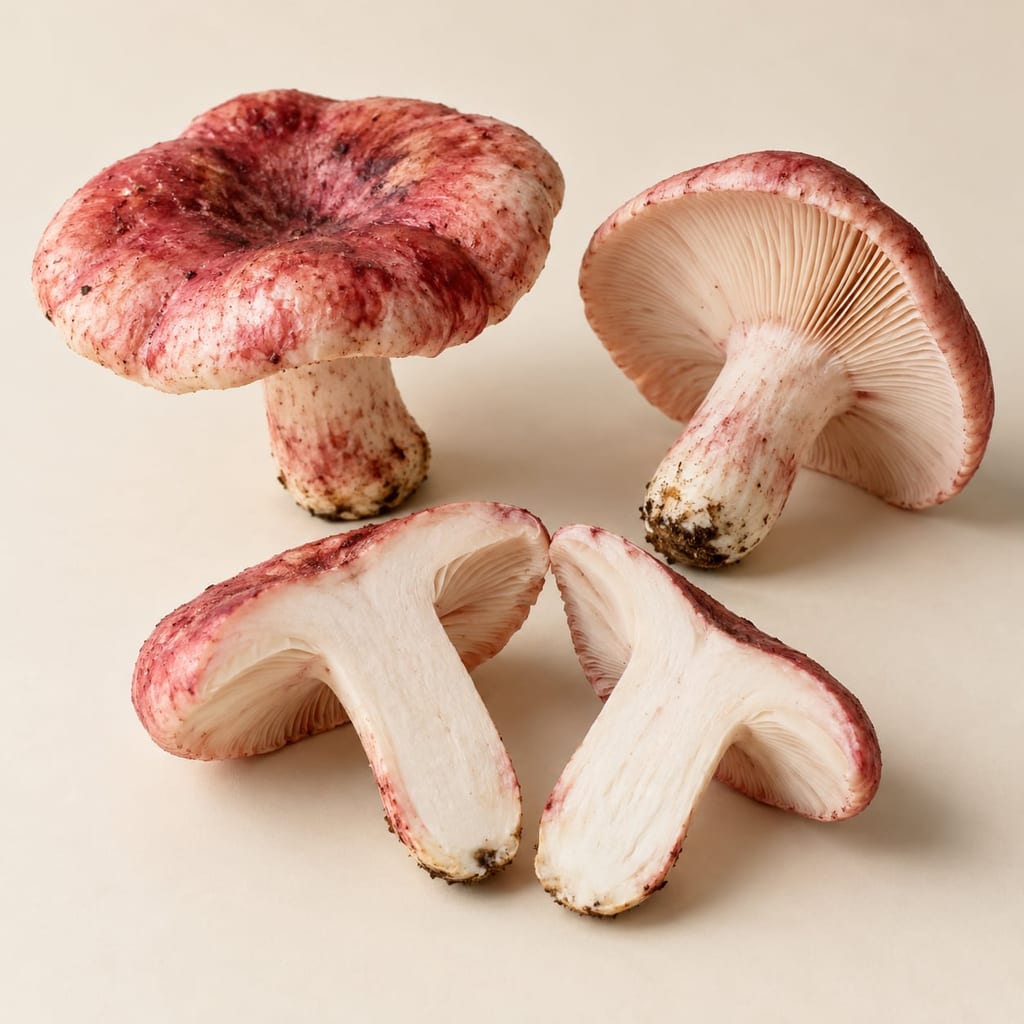
Hygrophorus russula, the pinkmottle woodwax, is a firm mycorrhizal mushroom of broadleaf woods in southern Europe and Guatemala. It is used cooked or preserved, and field guides differ on its quality.
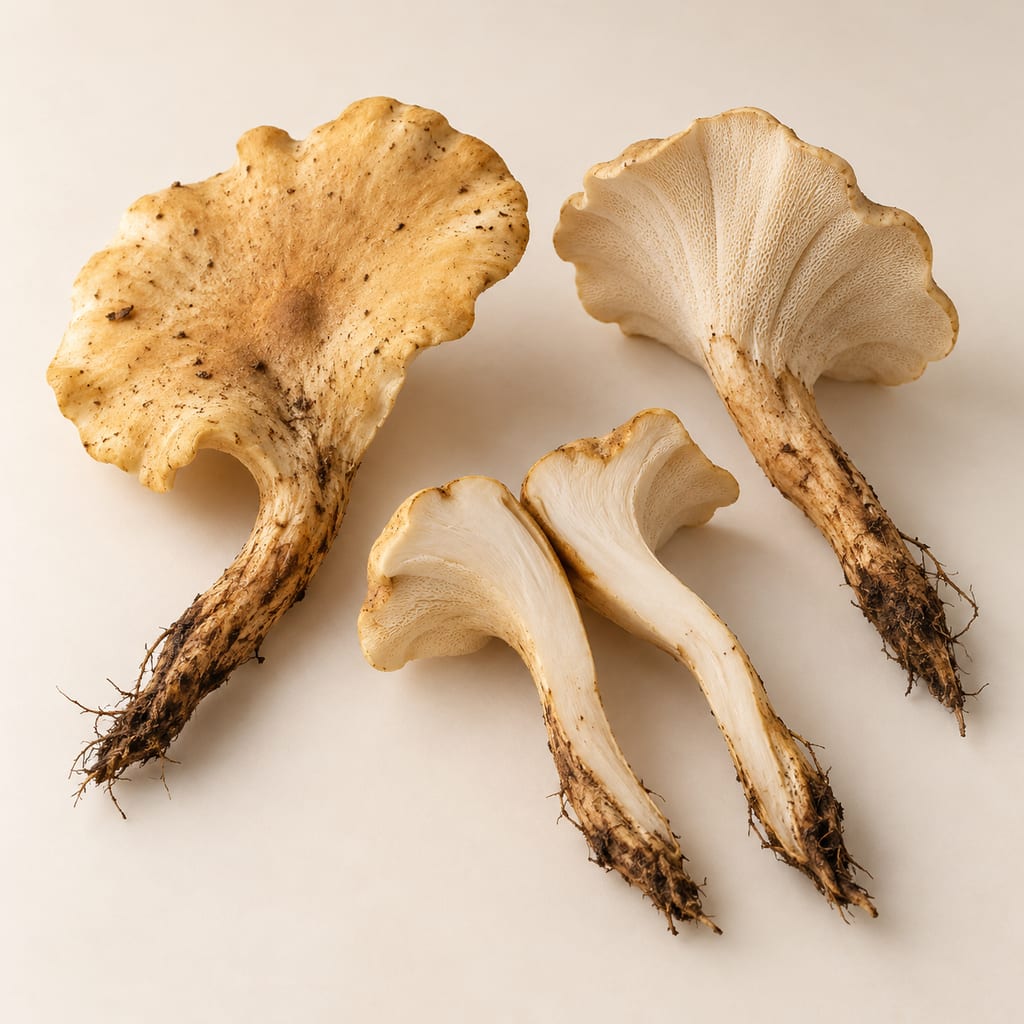
The rooting beefsteak fungus, Pseudofistulina radicata, is a wood-decaying bracket fungus with a root-like stem. A Guatemalan food record exists, but the sources found do not confirm edible use.
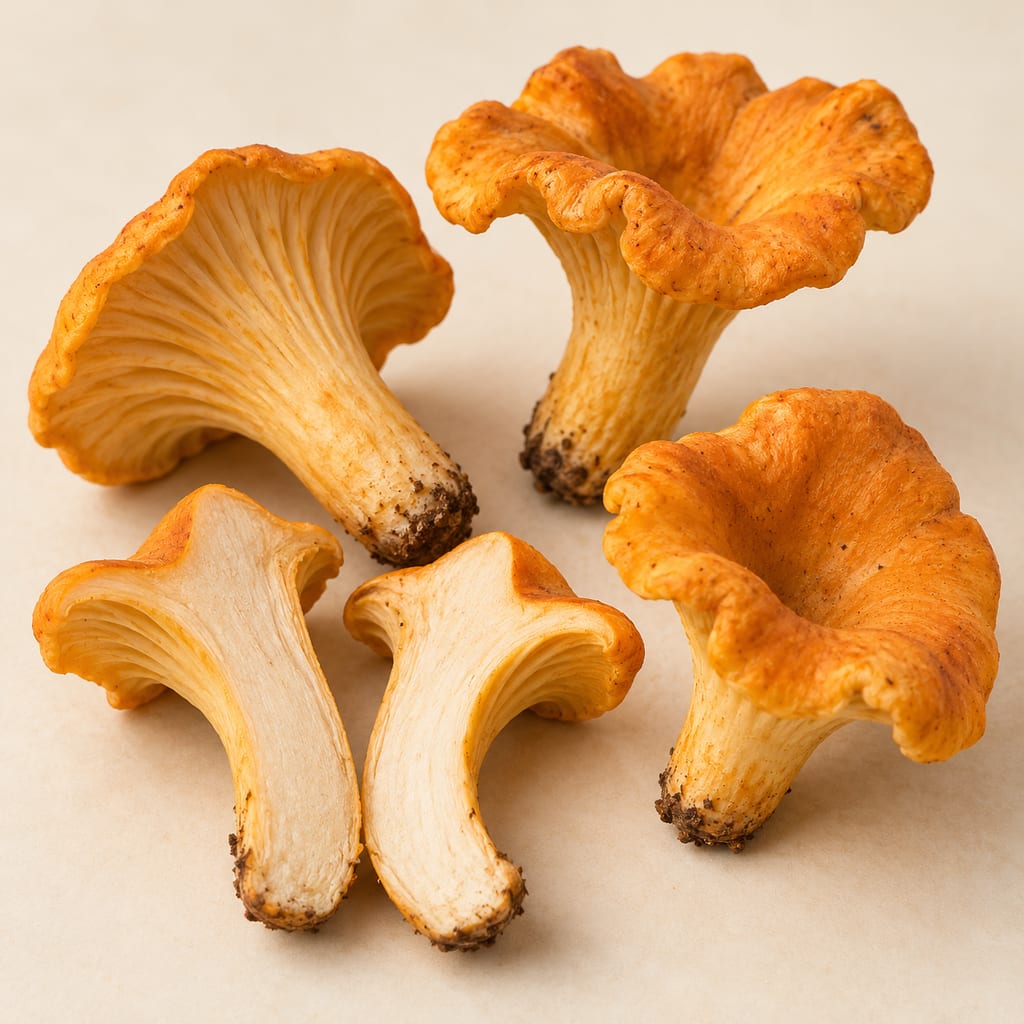
Cantharellus lateritius is a bright orange chanterelle of oak and mixed woodland. A Guatemalan market record and a Missouri field guide describe it as edible, with cautions about a poisonous lookalike.
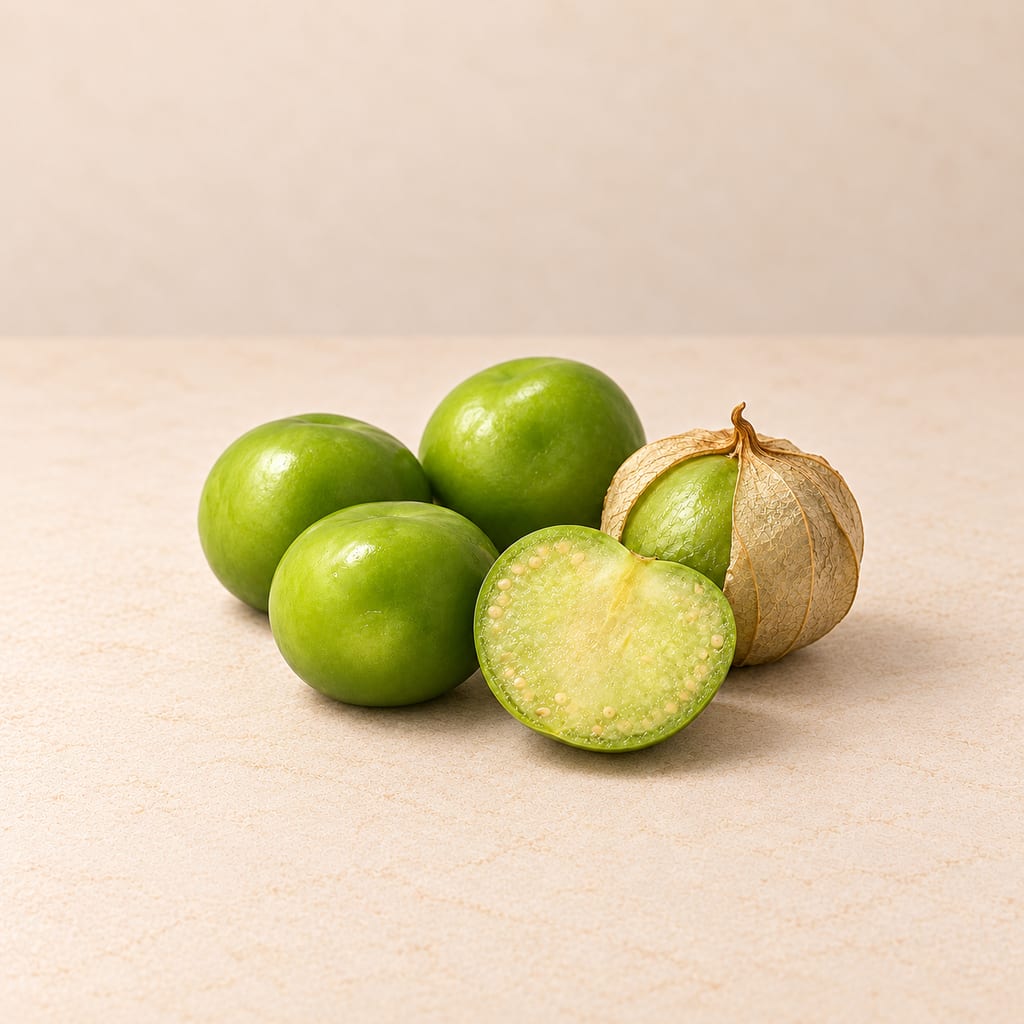
The tomatillo is the tart green fruit of Physalis ixocarpa, a Mexican relative of the tomato that grows inside a papery husk. It is the base of salsa verde.
No community contributions have been published for this entry yet.
Sign in to contribute. Published comments and photos are free to read.
Journal of Ethnobiology and EthnomedicineFood use · Market
Ethnomycological knowledge among Kaqchikel, indigenous Maya people of Guatemalan Highlands (Journal of Ethnobiology and Ethnomedicine, 2019)Ramaria araiospora in the voucher list for wild mushrooms sold at San Juan Sacatepequez; sold with other Ramaria species, usually mixed
Local name patitas de pajaro; recorded as edible in a local classification, collected from pine-oak and oak forest, with barter and trade use
Cited in: Where it is sold and eaten; Safety; Notes and gaps
Journal of Ethnobiology and Ethnomedicine (Springer)Reference
Supplied catalogue source for Ramaria araiospora (Guatemala market food-use record)Market food-use record; caution that coral-fungus identification and gastrointestinal reactions need species-specific review
Cited in: What it is; Safety