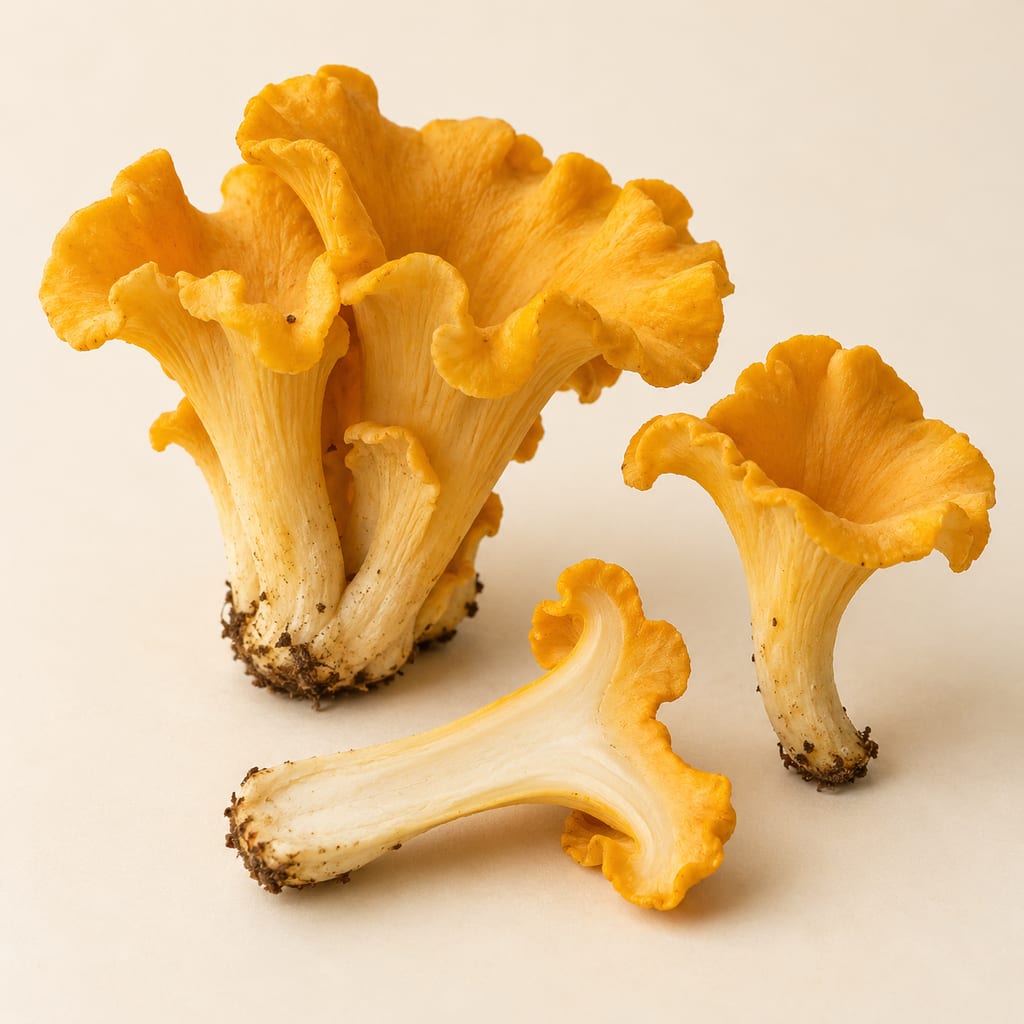
Cantharellus odoratus
Cantharellus odoratus, the fragrant chanterelle, is a North American and Central American oak-woodland fungus. It was sold in a Veracruz market in the 1980s and in Guatemala in 2002, and its name is still disputed.
 FermenteaWhere food goes to change
Mushrooms
The rooting beefsteak fungus, Pseudofistulina radicata, is a wood-decaying bracket fungus with a root-like stem. A Guatemalan food record exists, but the sources found do not confirm edible use.
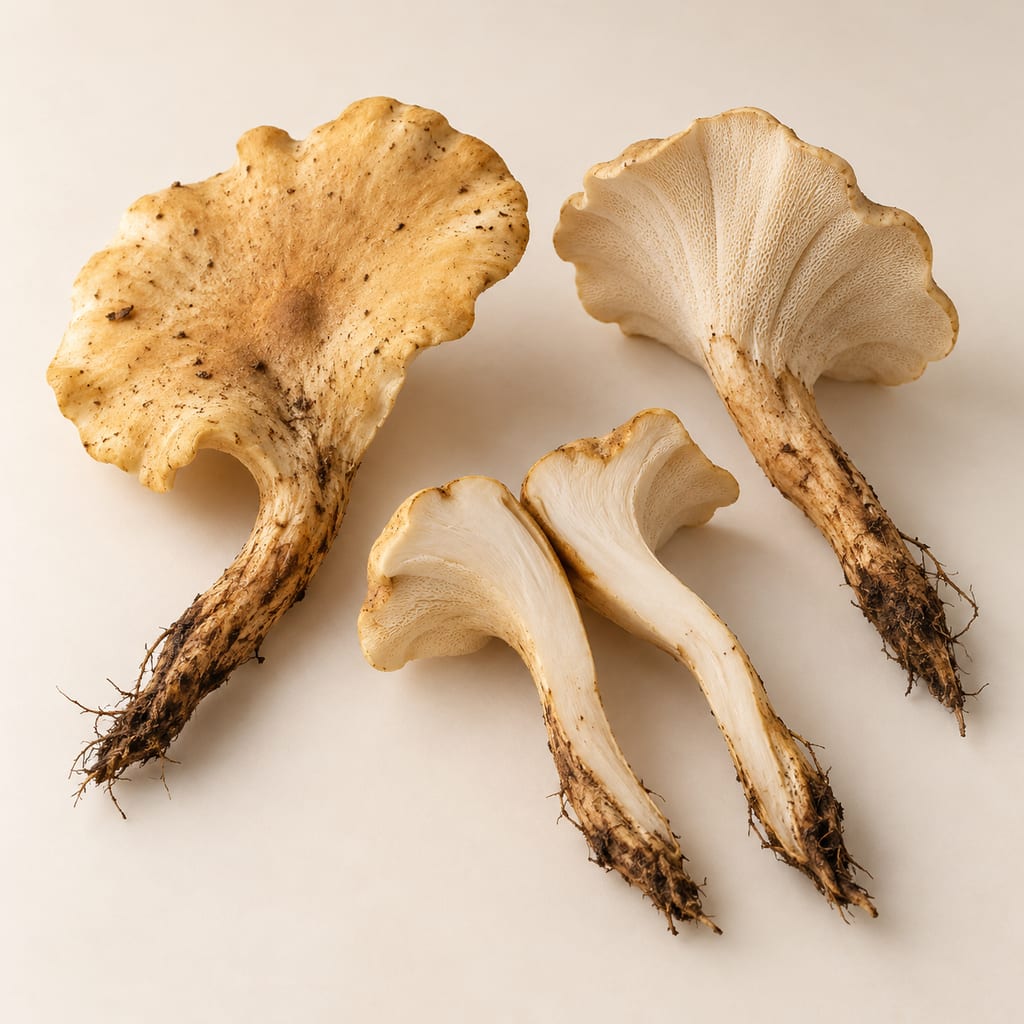
Pseudofistulina radicata is a bracket fungus that grows on dead wood and causes a white rot. It is related to the common beefsteak fungus, Fistulina hepatica. The stem is deeply rooting: it runs down into the soil, where it reaches buried roots of oak and chestnut, so the fruiting body appears to come up from the ground. The flesh is white, fairly tough and has a mild smell and taste.
The catalogue lists the common name as rooting beefsteak fungus and records the species as a research name. Wikipedia lists Pseudofistulina sinensis as a second species in the genus, and several older names, including Fistulina brasiliensis, are treated as synonyms. These taxonomic points were not checked against the original descriptions in this recovery.
The species is recorded from eastern North America and from Central and South America. Its ecology is saprotrophic and wood-associated, and the catalogue gives its supply as wild. MushroomExpert describes it as rare and seldom treated in field guides.
The catalogue records the species as a traditional edible fungus in Guatemala, taken from an older regional compilation. No other source reviewed names Guatemala, and neither MushroomExpert nor FungiAtlas reports eating it. The catalogue asks that the current taxonomy and the local identity be reconfirmed before the record is used.
The sources reviewed do not describe a preparation, and none is stated here.
The sources disagree on edibility. FungiAtlas lists the species as inedible, and MushroomExpert gives a neutral description with no verdict. The common beefsteak fungus, Fistulina hepatica, is the edible relative that people sometimes confuse with it. One guide says the rooting species is very similar in form but lacks the red bleeding response of that relative.
Inclusion in the catalogue does not establish identity, edibility or a safe preparation. This page gives no edibility verdict for wild specimens, and a specialist should confirm identity before any use.
The Guatemalan compilation has not been read here, so the record stands as the catalogue gives it. What is open is whether the Guatemalan material belongs to this species, whether it is eaten, and how it is prepared.
Catalogue record from an older regional compilation of traditionally used edible fungi; the compilation was not read in this recovery and no other source found confirms the record.
Cantharellus odoratus, the fragrant chanterelle, is a North American and Central American oak-woodland fungus. It was sold in a Veracruz market in the 1980s and in Guatemala in 2002, and its name is still disputed.
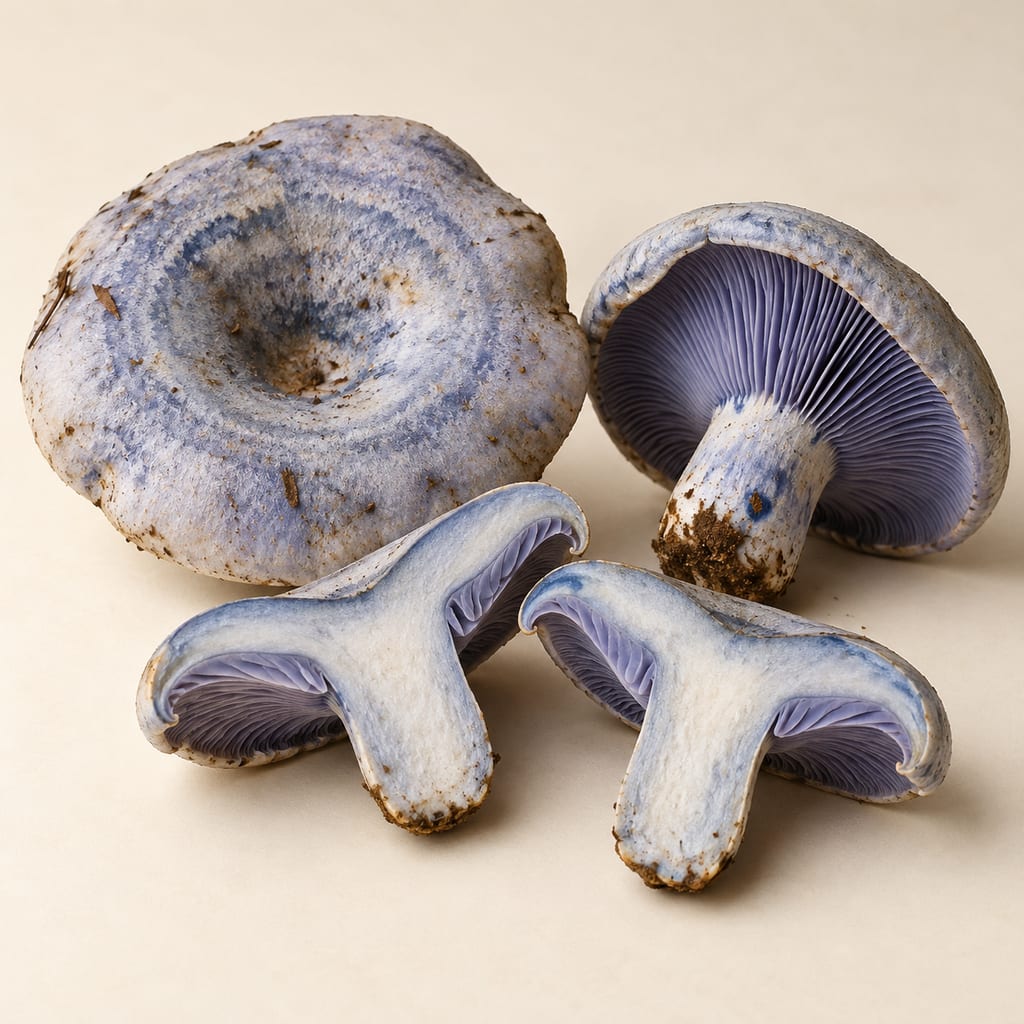
Indigo milkcap, Lactarius indigo, is a blue-latexed milkcap of Mexican and Guatemalan forests. Market and ethnomycology records describe it as roasted or dried for food, and a similar-looking species is a known confusion risk.
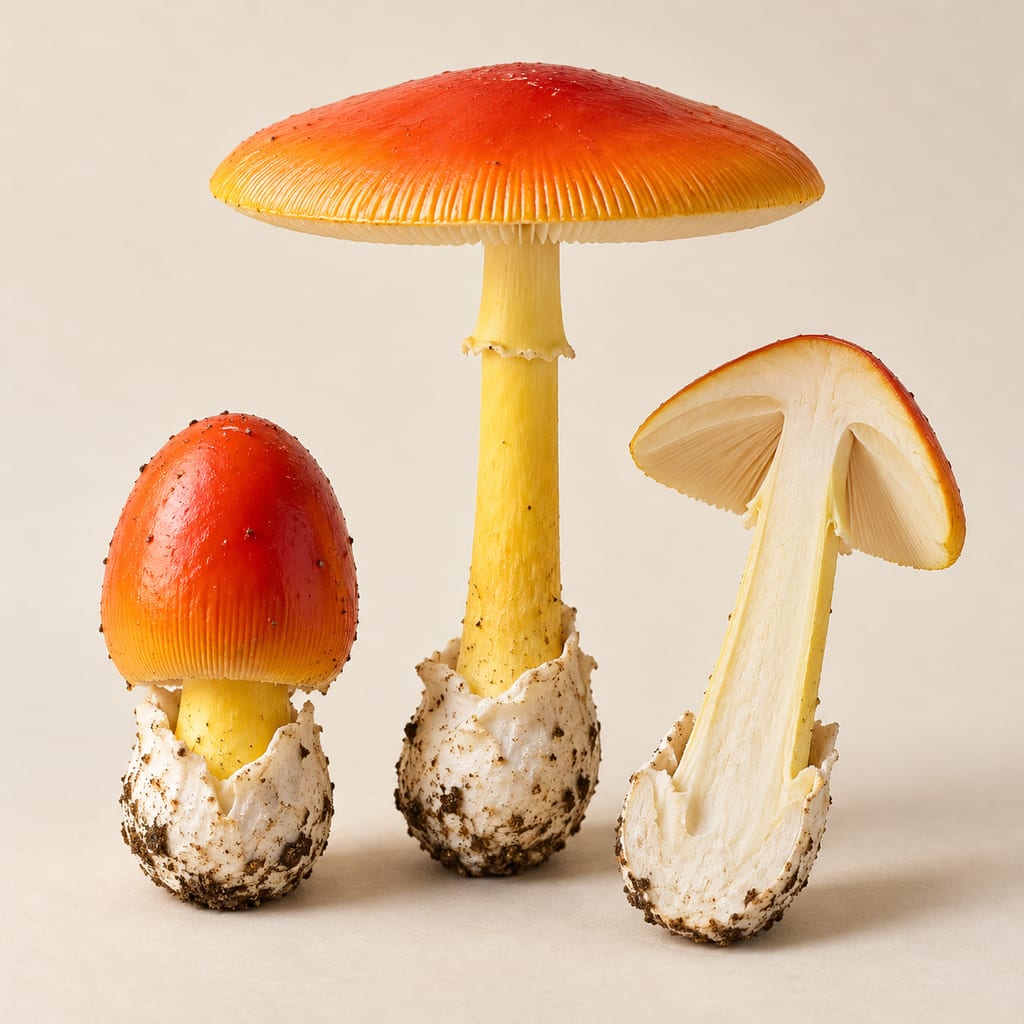
Jackson's slender Caesar, Amanita jacksonii, is a wild ectomycorrhizal fungus of Central American and Mexican forests, sold in some local markets. Amanita includes deadly species, so the name gives no basis for identification.
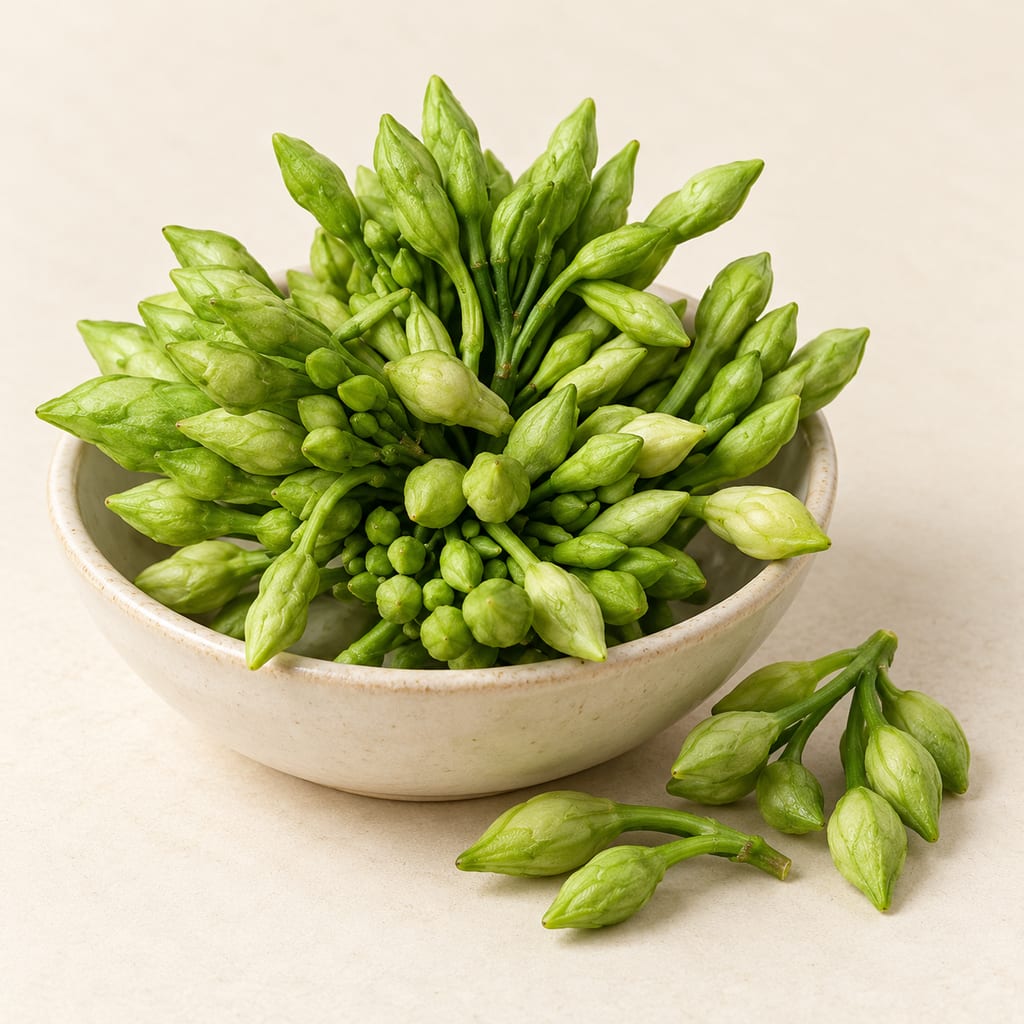
Loroco is the edible flower bud of Echites panduratus (syn. Fernaldia pandurata), eaten in Guatemalan dips, pupusas, soups and rice; local growing and preservation studies leave household production open.
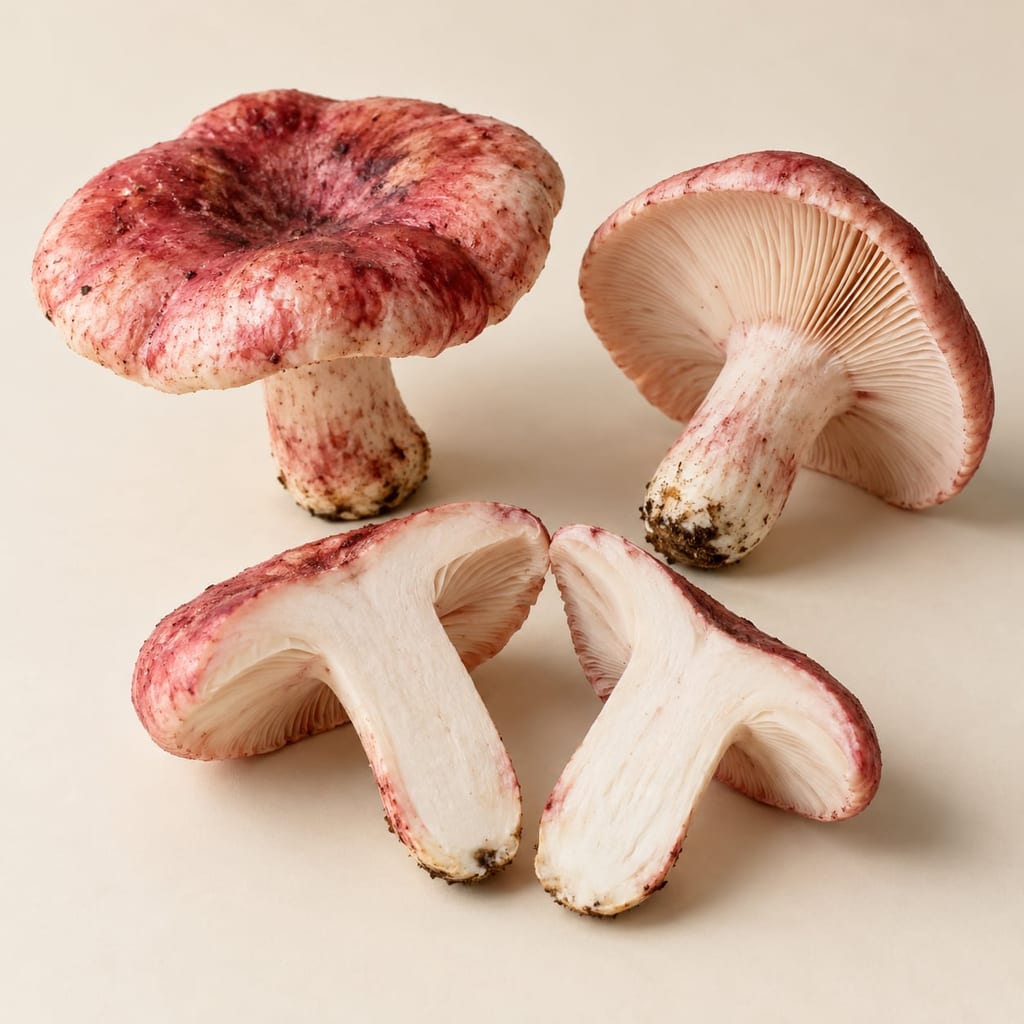
Hygrophorus russula, the pinkmottle woodwax, is a firm mycorrhizal mushroom of broadleaf woods in southern Europe and Guatemala. It is used cooked or preserved, and field guides differ on its quality.
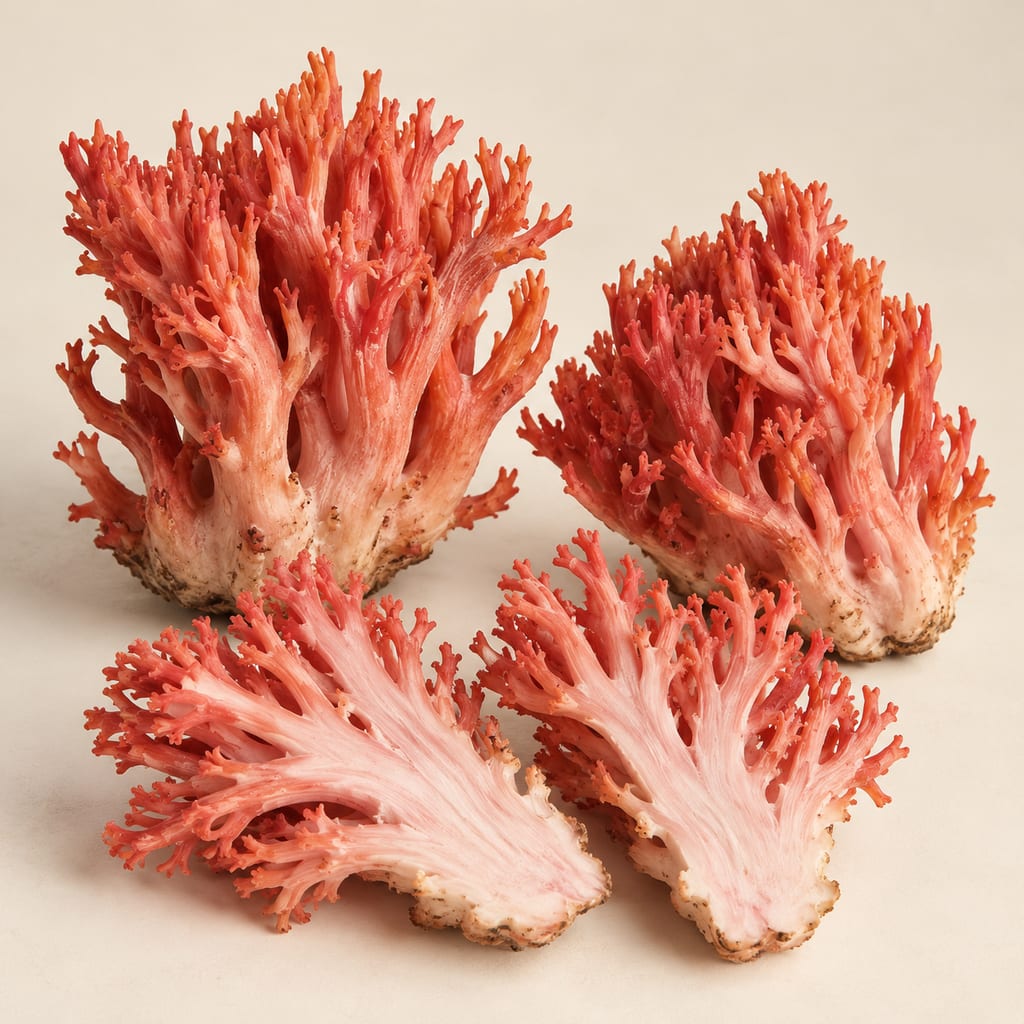
Red coral mushroom, Ramaria araiospora, is a wild coral fungus collected and sold in Guatemala. Coral fungi have toxic look-alikes, so identification needs a specialist.
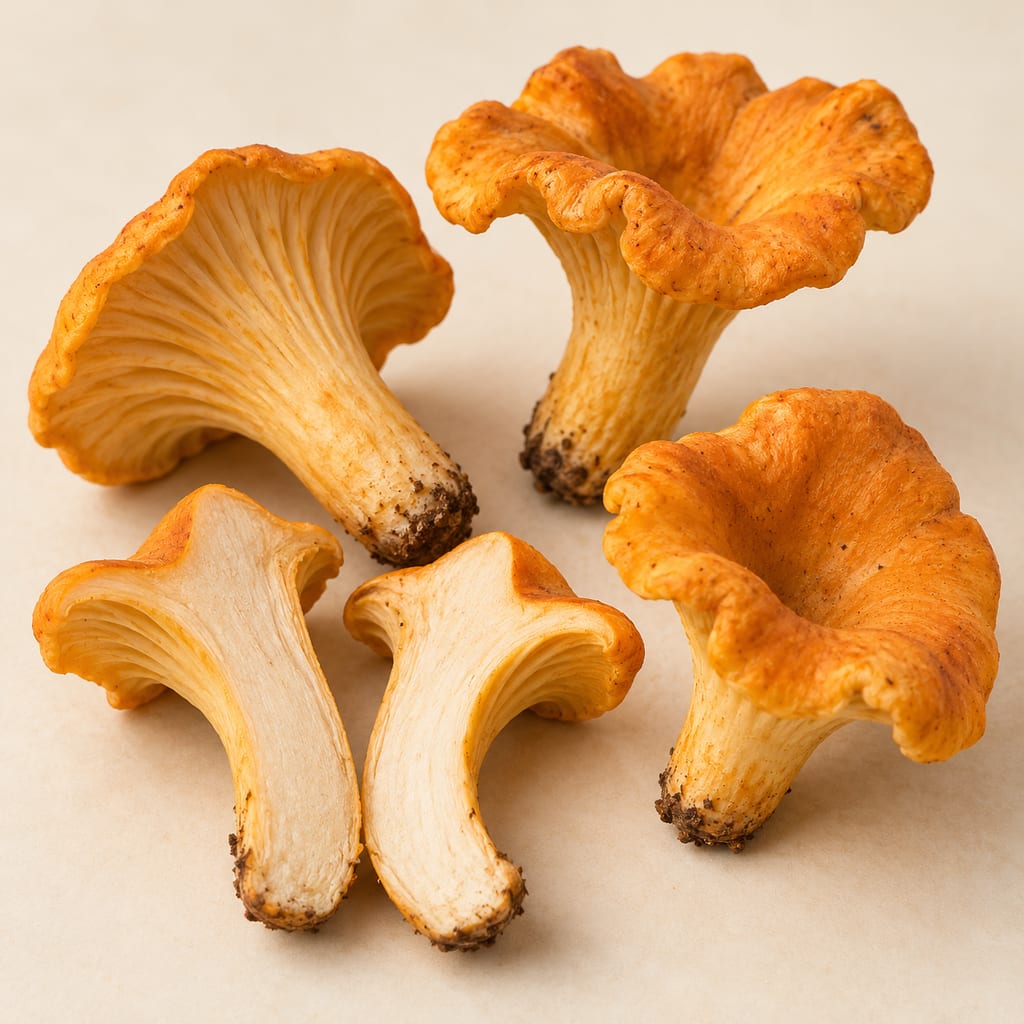
Cantharellus lateritius is a bright orange chanterelle of oak and mixed woodland. A Guatemalan market record and a Missouri field guide describe it as edible, with cautions about a poisonous lookalike.
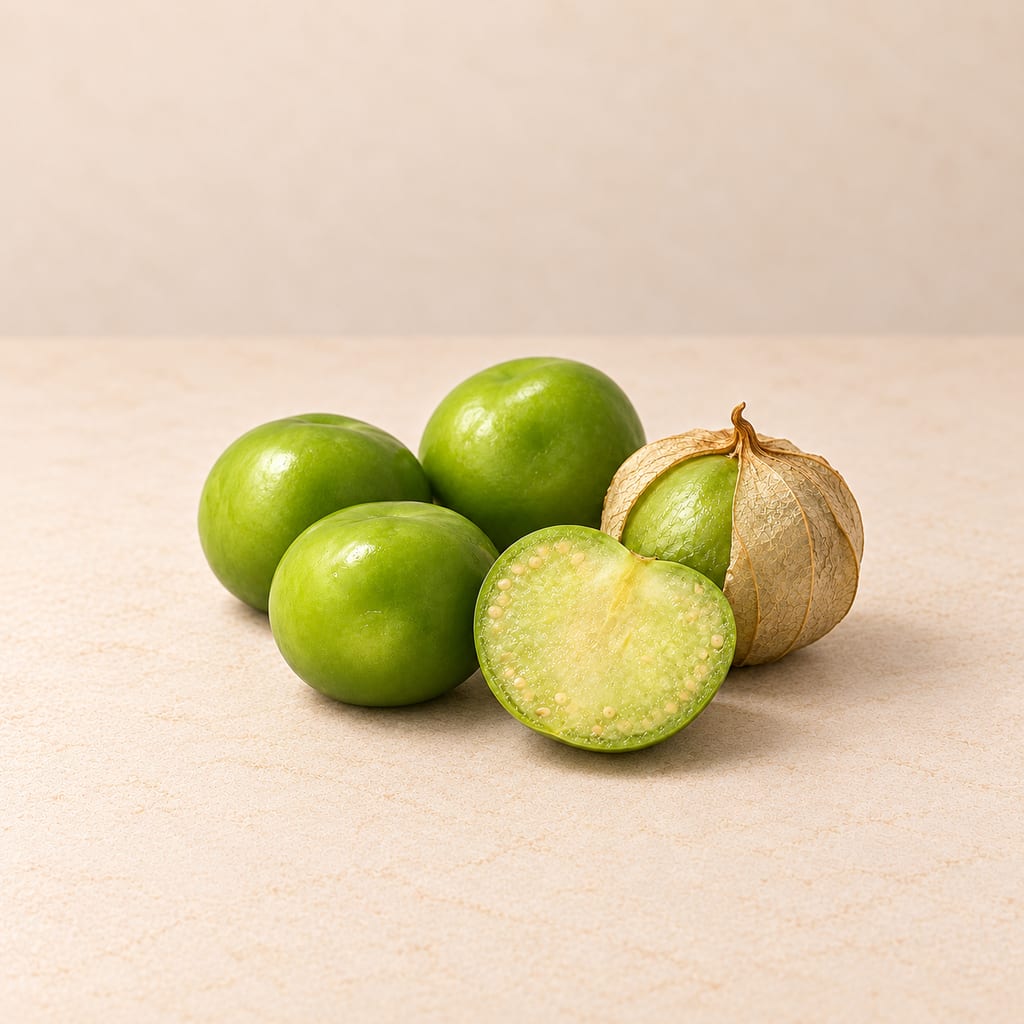
The tomatillo is the tart green fruit of Physalis ixocarpa, a Mexican relative of the tomato that grows inside a papery husk. It is the base of salsa verde.
No community contributions have been published for this entry yet.
Sign in to contribute. Published comments and photos are free to read.
ResearchGateFood
Los hongos comestibles de uso tradicional en GuatemalaSupplied catalogue record: Pseudofistulina radicata as a traditional Guatemalan edible fungus (the compilation itself was not opened in this recovery)
Cited in: Food use as recorded; Open questions
MushroomExpert.comIdentification · Ecology
Pseudofistulina radicataKnown from North America east of the Mississippi and from Central and South America; saprotrophic, causing a white rot of dead wood; flesh white, fairly tough, mild in odour and taste; a rare species seldom treated in field guides
Cited in: What the mushroom is; Range and habitat; Food use as recorded; Edibility and look-alikes
FungiAtlas.comSafety
Pseudofistulina radicata (Rooted Liver-bracket)Lists the species as inedible, describing the flesh as tough and leathery, and states that its culinary safety remains largely unverified
Cited in: What the mushroom is; Edibility and look-alikes