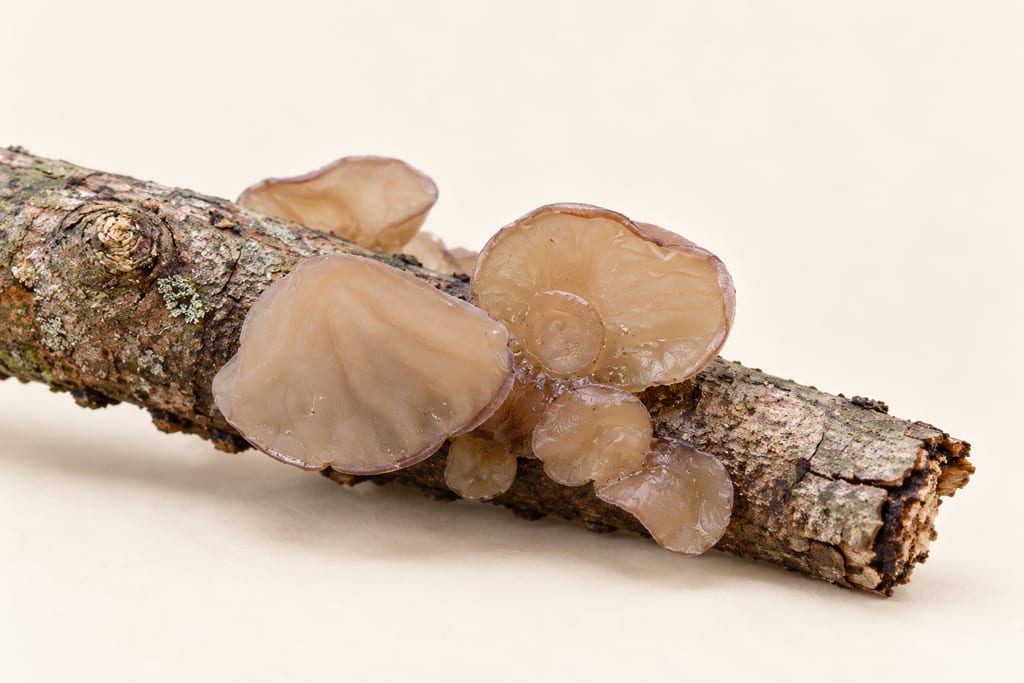
Auricularia minutissima
A small wood-decaying jelly fungus recognized as a distinct East Asian species. A Chinese edible-fungi catalogue lists it as edible, but species-specific preparation and safety evidence remain limited.
 FermenteaWhere food goes to change
Mushrooms
The rufous milkcap, Lactarius rufus, is a tree-associated milkcap of northern and eastern Europe whose acrid latex makes it a conditional food, traditionally processed and not eaten raw.
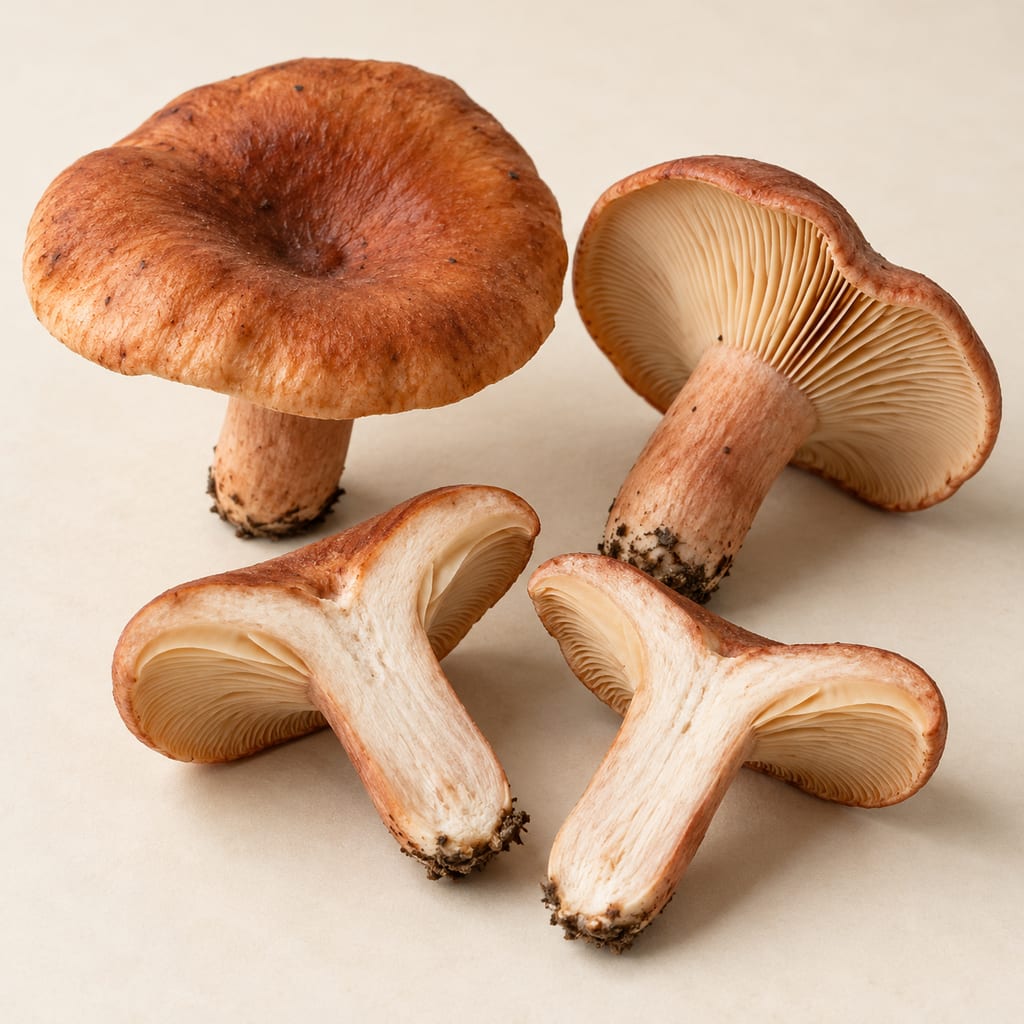
Lactarius rufus is a milkcap of the family Russulaceae. Its common name in the catalogue is rufous milkcap, and the catalogue records no other alias. The sources read for this page agree on one identifying feature, the taste of the latex: the milk is intensely acrid, and one source describes it as among the hottest of all mushrooms. It starts mild and becomes very hot within about a minute.
Milkcaps are a difficult genus to identify from one feature, and the rufous milkcap is recognised mainly by its acrid milk and the trees it grows with. The catalogue treats the record as a condition for individual checking, not as a confirmed identification.
The catalogue records Lactarius rufus as a tree-associated mycorrhizal fungus, supplied from the wild. An iNaturalist Canada entry describes it as growing with pine or birch trees.
The catalogue places the species in northern and eastern Europe. First Nature reports that it has been harvested commercially in Scandinavia and Russia for many years.
The catalogue describes the food use as a traditionally processed salted mushroom, and records that the raw fruit body is acrid and that a specific pretreatment is needed in the traditions that accept it. This page is not a preparation recipe.
First Nature notes that the mushroom is sometimes dried and powdered after thorough cooking, and used as a seasoning. A Finnish-focused blog reports a ten-minute boil before cooking, attributed to Finnish guidance. The page does not adopt that instruction, because the blog does not give a primary source and the time and method are not confirmed by an official text read here.
The sources disagree on edibility. California Fungi lists the species as inedible and very acrid. Wikipedia says it is suspected of being poisonous but has some regional culinary uses. First Nature reports that most western field guides and culinary sources class it as inedible. iNaturalist Canada describes it as edible.
The sources do not establish a safe preparation that works for most people. The honest record is a conflict between regional food tradition and field-guide advice, and this page records that conflict without resolving it.
Safety wording: this page describes what the sources record. It is not an identification guide and it gives no verdict that Lactarius rufus is safe to eat. Its acrid raw taste is a warning, not a test of safety. The catalogue states that the condition for this record is individual checking.
Anyone who wants to try a milkcap must have the specimen identified by a qualified expert and must follow a documented local tradition. Eating a raw or undercooked specimen is not recorded here as acceptable.
Commercial harvest recorded by First Nature; no locality given.
Commercial harvest recorded by First Nature; no locality given.
Regional range recorded in the catalogue.
A small wood-decaying jelly fungus recognized as a distinct East Asian species. A Chinese edible-fungi catalogue lists it as edible, but species-specific preparation and safety evidence remain limited.
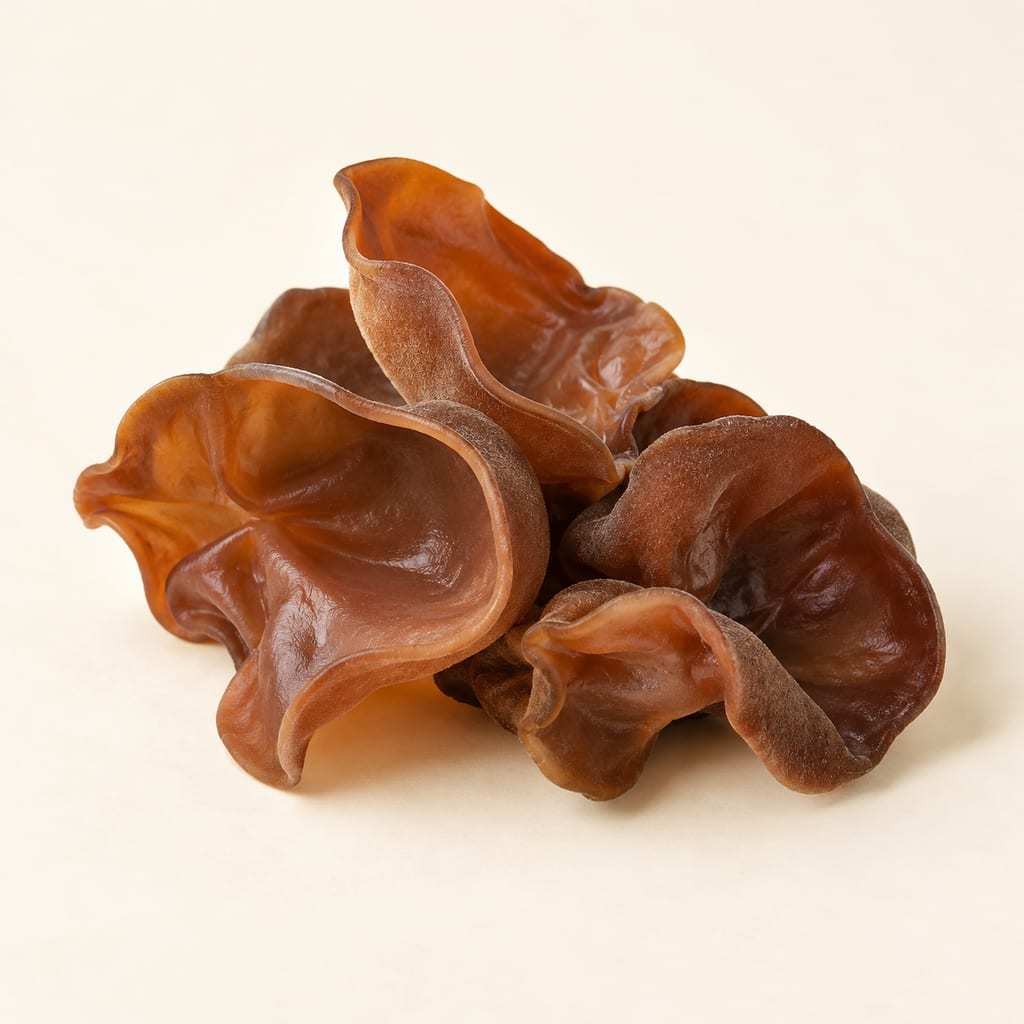
Auricularia villosula, the short-haired wood ear, is an Asian wood fungus that China lists as edible and that is cultivated in Inner Mongolia. It is easily confused with the cultivated black wood ear, so a market label does not settle the species.
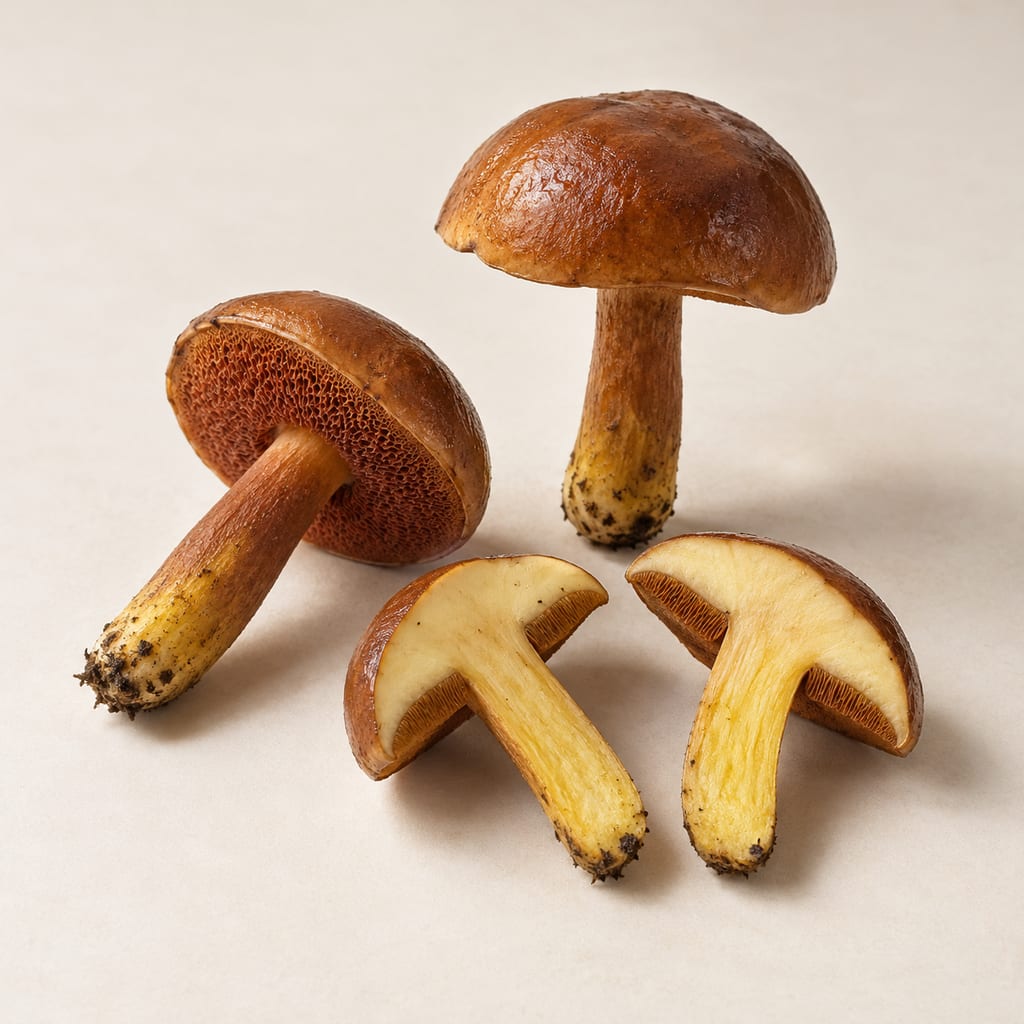
A peppery woodland bolete with historical edible labels and reported condiment use in Querétaro. Current mycological references call its edibility suspect or unestablished; this entry does not recommend consumption.
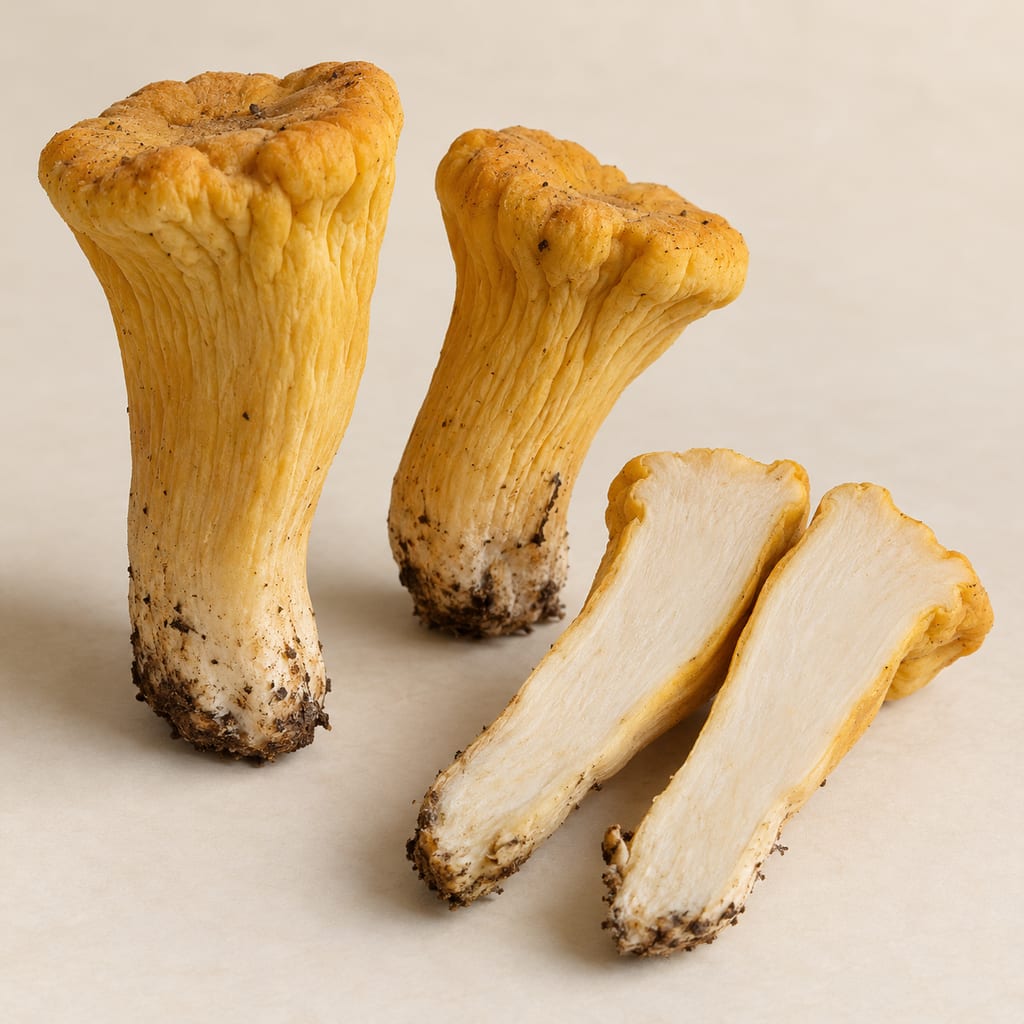
A yellow to ochre club fungus reported as food in parts of Mexico and in historical country lists. Local acceptance and taxonomy vary, and some Chinese records may refer to Clavariadelphus amplus.
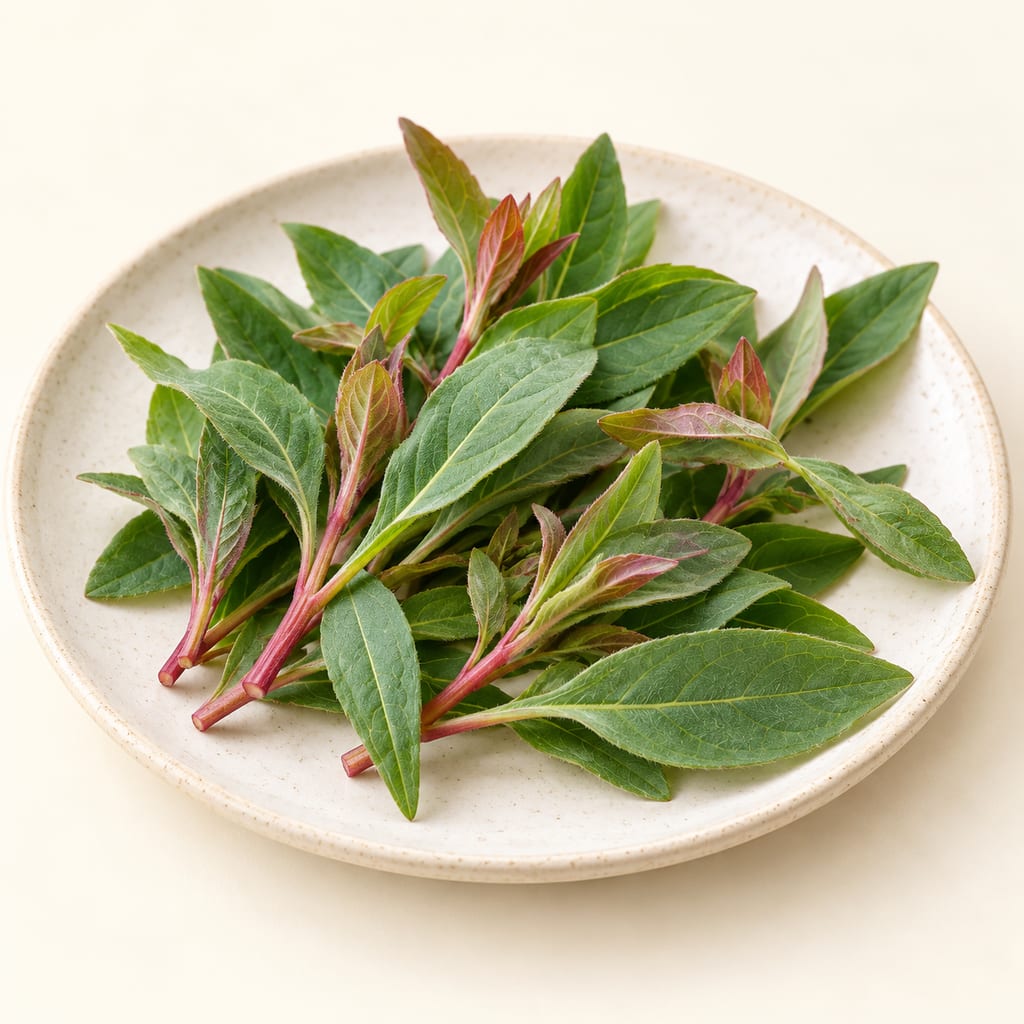
Dwarf fireweed (Epilobium latifolium) is a northern wild herb whose tender leaves and flowers appear in distinct Arctic food traditions.
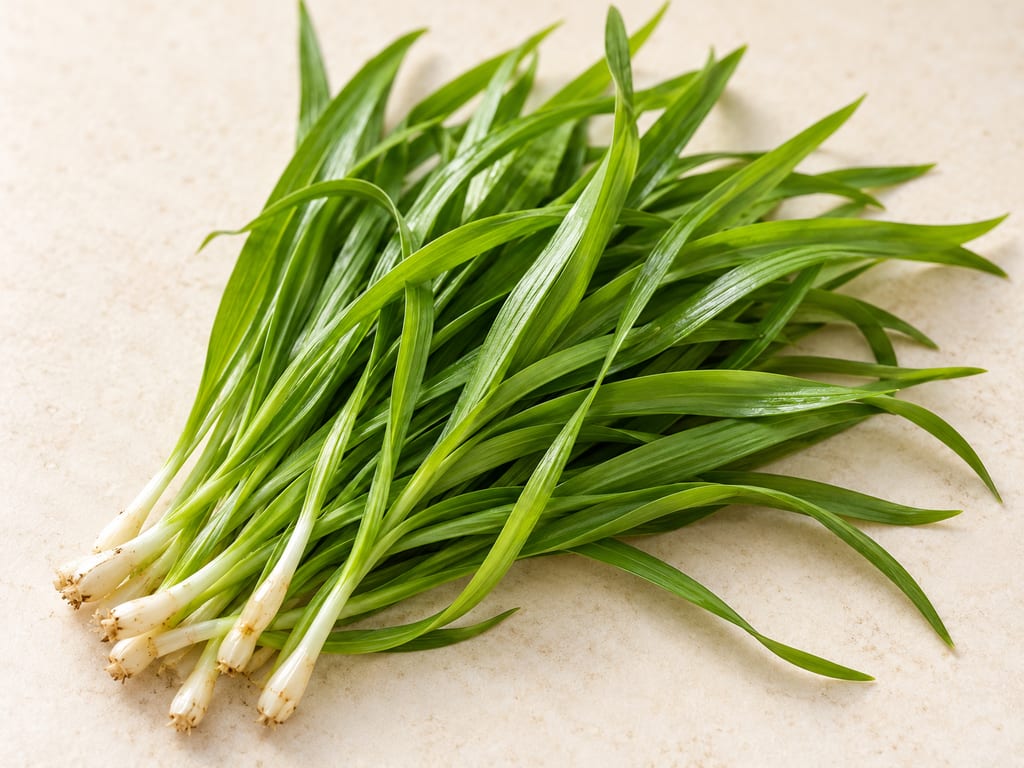
Few-flowered garlic (Allium paradoxum) is a bulbous perennial native from eastern Ukraine through the Caucasus to Iran. Its leaves and, in some documented traditions, stems, bulbs or bulbils are eaten fresh, cooked or preserved.
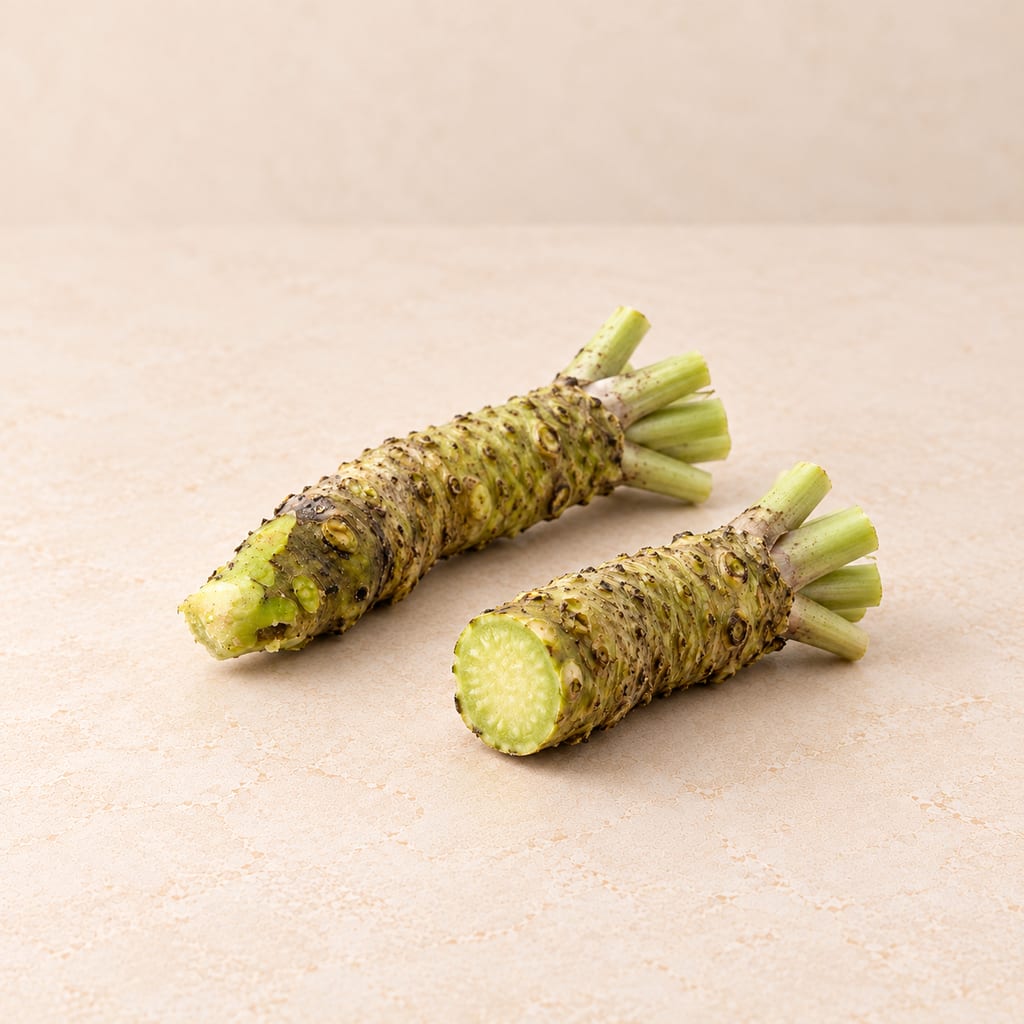
Wasabi is the enlarged stem of Eutrema japonicum, a pungent perennial in the mustard family. Fresh rhizome is grated as a Japanese condiment; powder and prepared paste are separate products.
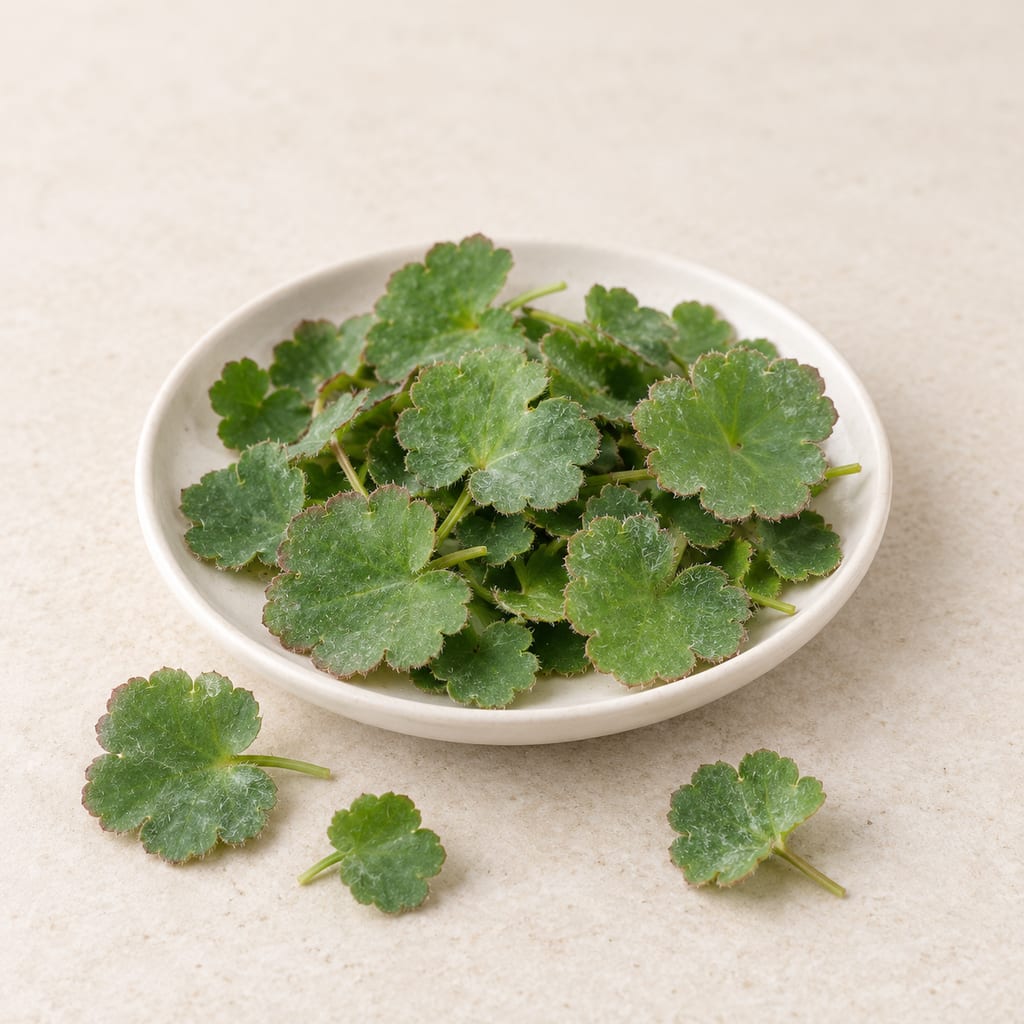
Heartleaf saxifrage is a small Arctic perennial whose soft, toothed leaves are recorded as food among Naukan and Chukchi communities. The botanical name appears as Micranthes nelsoniana and Saxifraga nelsoniana in different references.
No community contributions have been published for this entry yet.
Sign in to contribute. Published comments and photos are free to read.
Nordic report, suppliedUse · Safety
Nordic edible fungi report (supplied catalogue source)Traditionally processed salted mushroom; conditional food, pretreatment in accepting traditions
Cited in: Traditional processing
First NatureIdentification · Use · Safety
Lactarius rufus, Rufous Milkcap mushroomIntensely acrid latex; commercial harvest in Scandinavia and Russia; drying and powdering after cooking; field-guide classification as inedible
Cited in: Identity and naming; Ecology and habitat; Traditional processing; Safety and identification
California FungiSafety
Lactarius rufusListed as inedible and very acrid
Cited in: Identity and naming; Edibility status
WikipediaSafety · History
Lactarius rufusSuspected of being poisonous; some regional culinary uses
Cited in: Edibility status; Safety and identification
iNaturalist CanadaIdentification · Use
Rufous Milkcap (Lactarius rufus)Grows with pine or birch; described as edible
Cited in: Ecology and habitat; Edibility status