
Avocado (ripe flesh)
Ripe avocado flesh is the soft, buttery, fat-rich pulp of Persea americana, eaten raw. It is low in acid, so it is a fresh ingredient that needs care in chilled dishes.
 FermenteaWhere food goes to change
Mushrooms
Morchella snyderi, Snyder's morel, is a true morel found under conifers in western North America in spring. It is eaten only well cooked, because raw or undercooked morels can cause serious illness.
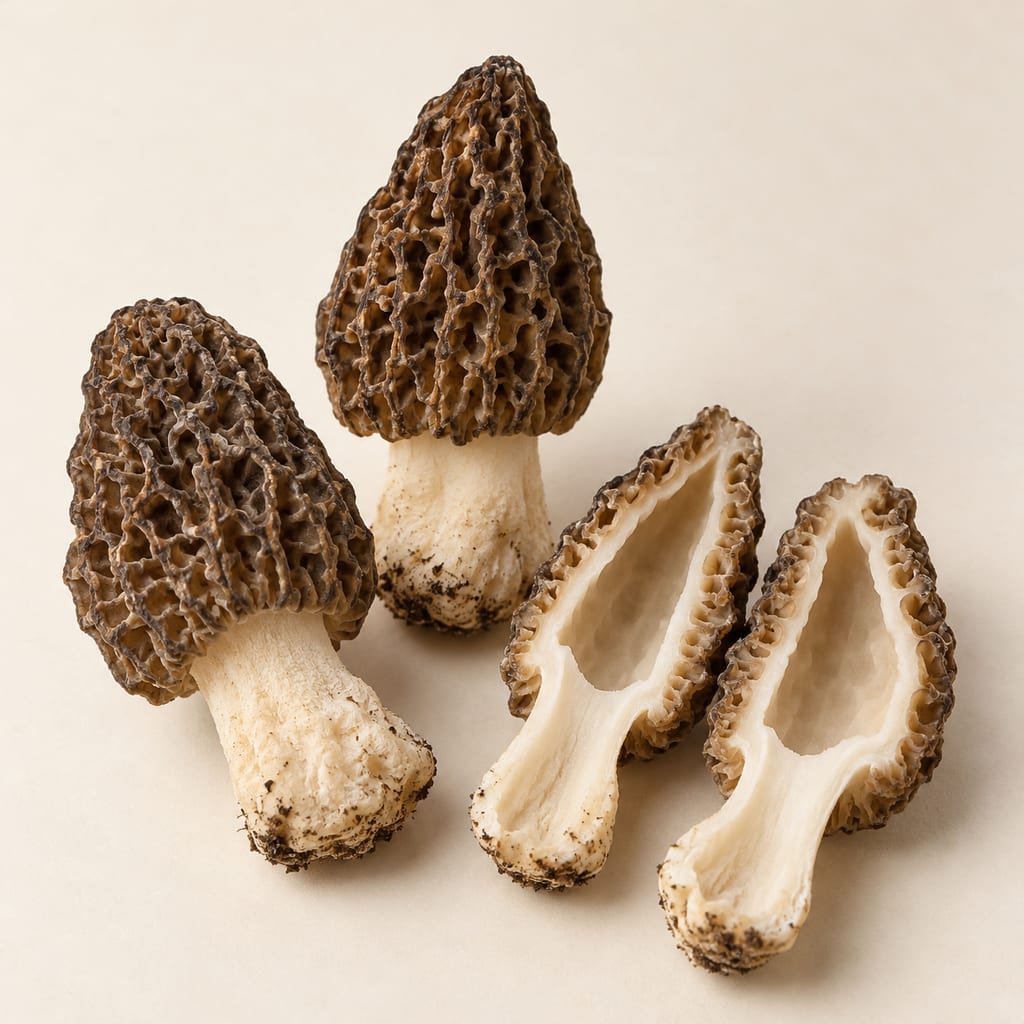
Snyder's morel is Morchella snyderi, a true morel of western North America. The California reference places it in soil rather than on wood. It is recorded as a culinary wild mushroom, and the catalogue gives its food use with one condition: it has to be cooked.
The species is not a mushroom to eat raw. The sources read for this page describe the cooking requirement as central to any use of the species, and the catalogue flags the same risk for all true morels.
Morchella snyderi was described as new to science in 2012, together with thirteen other morels from the United States and Canada. The name is a research name in the catalogue, which makes no blanket check of current accepted names.
The catalogue notes that true-morel taxonomy often needs molecular confirmation, so records should keep the name as collected until it is checked.
The California Fungi reference describes Snyder's morel as growing in soil under unburned montane conifers, including Douglas fir, ponderosa pine and white fir. The season it gives is April through June.
The catalogue records the ecology as forest and woodland, with a lineage-dependent ecology. That means the habitat detail above comes from one regional reference and may not apply to every population.
The California Fungi reference rates the species as edible and excellent, and advises that all morels be well cooked. The catalogue records the same condition: culinary use requires cooking.
The sources do not give a method beyond thorough cooking, and none is given here. The catalogue does not record a traditional preparation for this species specifically.
A 2024 report in the Morbidity and Mortality Weekly Report describes an outbreak in Montana in 2023. The species implicated was Morchella sextelata, a different true morel, and the report found that eating raw morels was more strongly linked to illness than eating cooked or partly cooked ones. It concludes that morels should be cooked before eating.
The report concerns M. sextelata, not Snyder's morel. No report read for this page links M. snyderi to an outbreak, so the outbreak evidence supports cooking as a precaution for all true morels, not a safety record for this species.
The catalogue's caution is that raw or undercooked morels can cause serious poisoning, and that cooking reduces the risk but cannot be treated as an absolute guarantee of safety. True-morel identification often requires molecular confirmation.
Anyone collecting this species should have the identification confirmed by a specialist and should cook it thoroughly.
Regional record from the catalogue; the California reference gives the habitat for California populations.
Habitat and season as given by the California Fungi reference.
Ripe avocado flesh is the soft, buttery, fat-rich pulp of Persea americana, eaten raw. It is low in acid, so it is a fresh ingredient that needs care in chilled dishes.
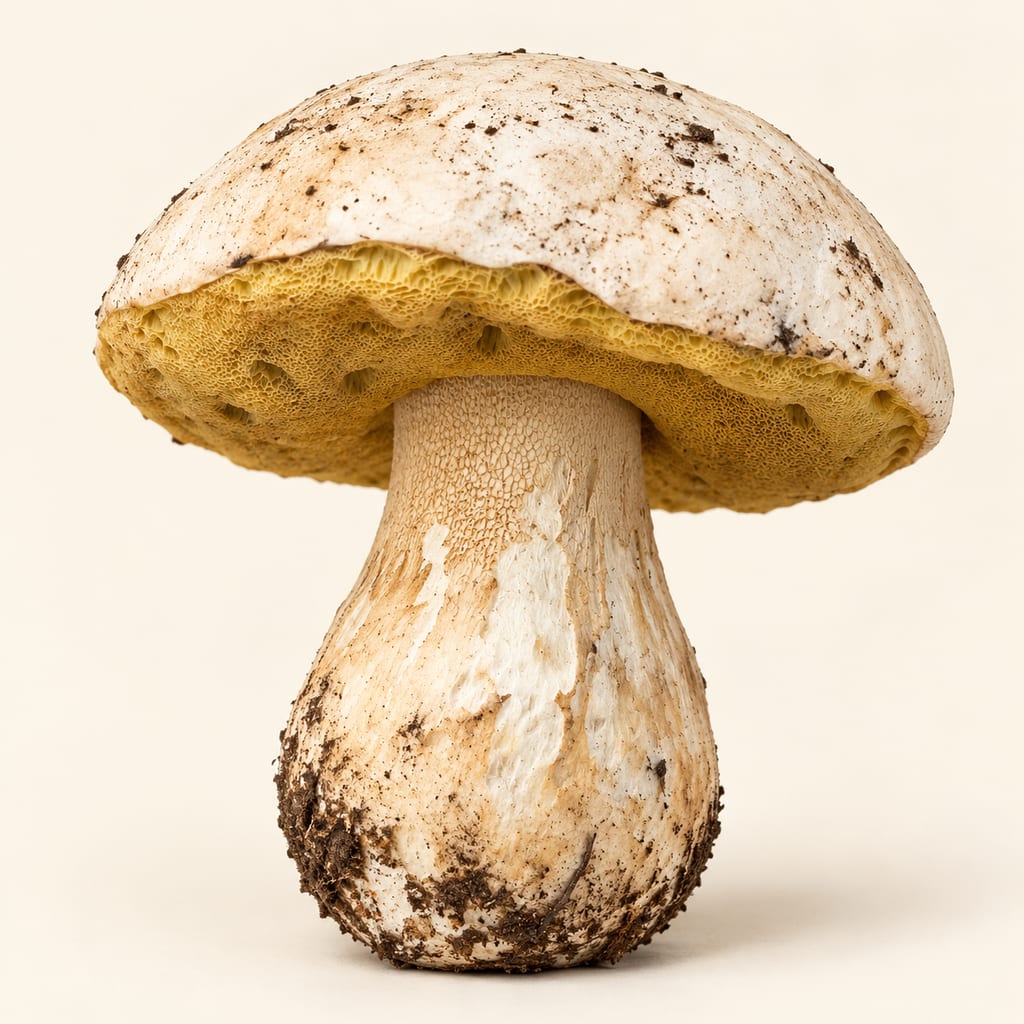
Boletus barrowsii, the white king bolete, is a western porcini relative with documented local food use in Mexico. Its pale cap and netted stem are not enough for field identification.
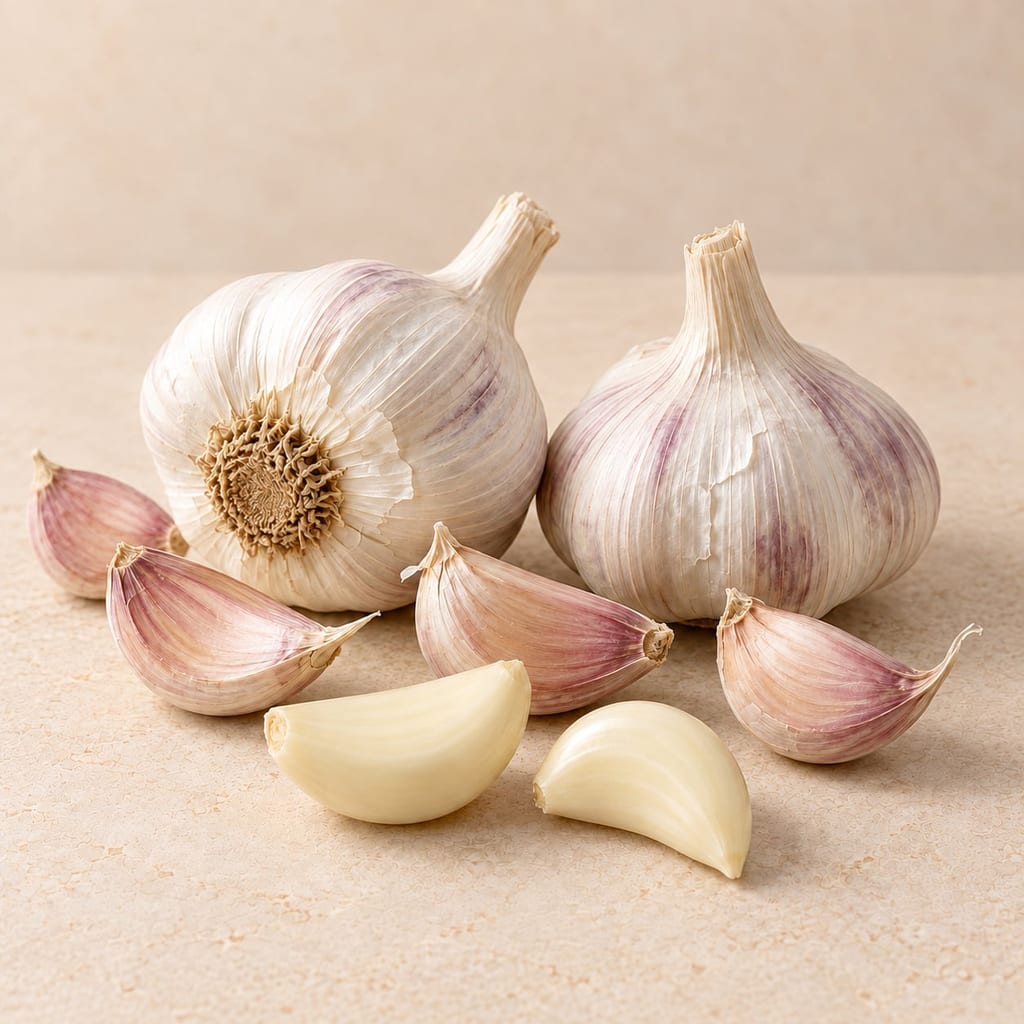
Garlic cloves are the separate bulblets of Allium sativum, pungent only once cut. They flavour herb salts, ferments such as Thai som-fak, and countless cooked dishes.
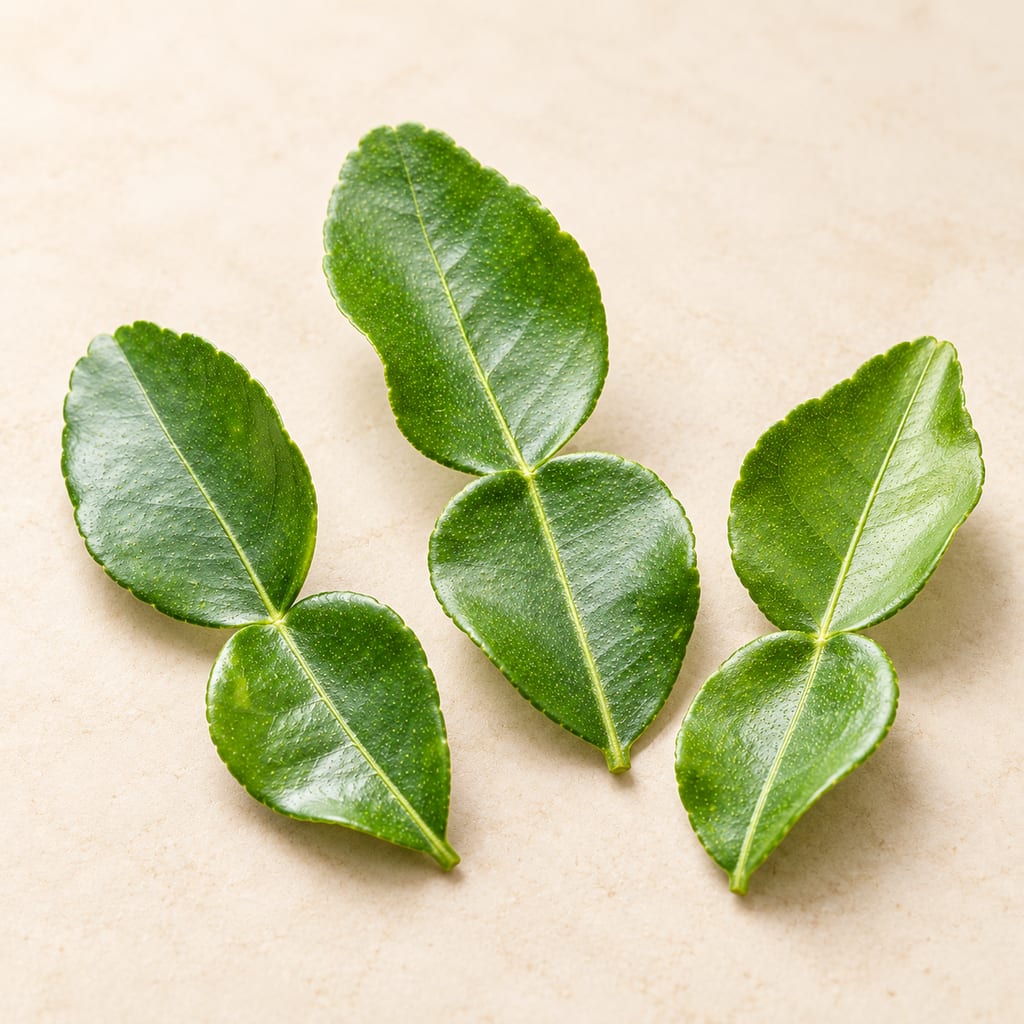
Kaffir or makrut lime leaves are the aromatic foliage of Citrus hystrix, used whole for infusion or finely cut in soups, curries and seasonings.
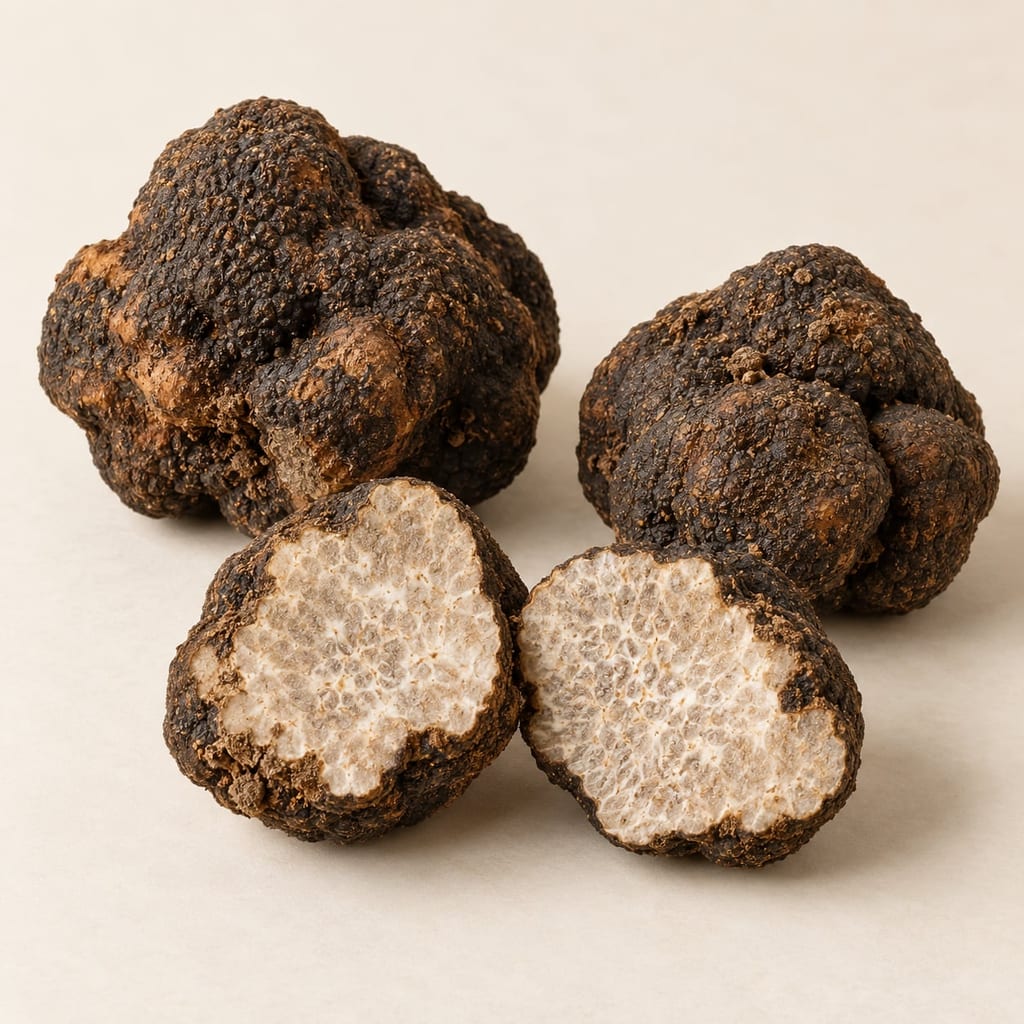
Kalapuya brunnea, the Oregon brown truffle, is a native truffle of the Pacific Northwest that is shaved raw over warm food. Sources describe it as a gourmet edible, and its safe identification needs an expert.
Heat-treated milk from domestic goats supplies lactose, proteins and fat for cultured dairy and cheese; its heat treatment and composition affect how it behaves in the vat.
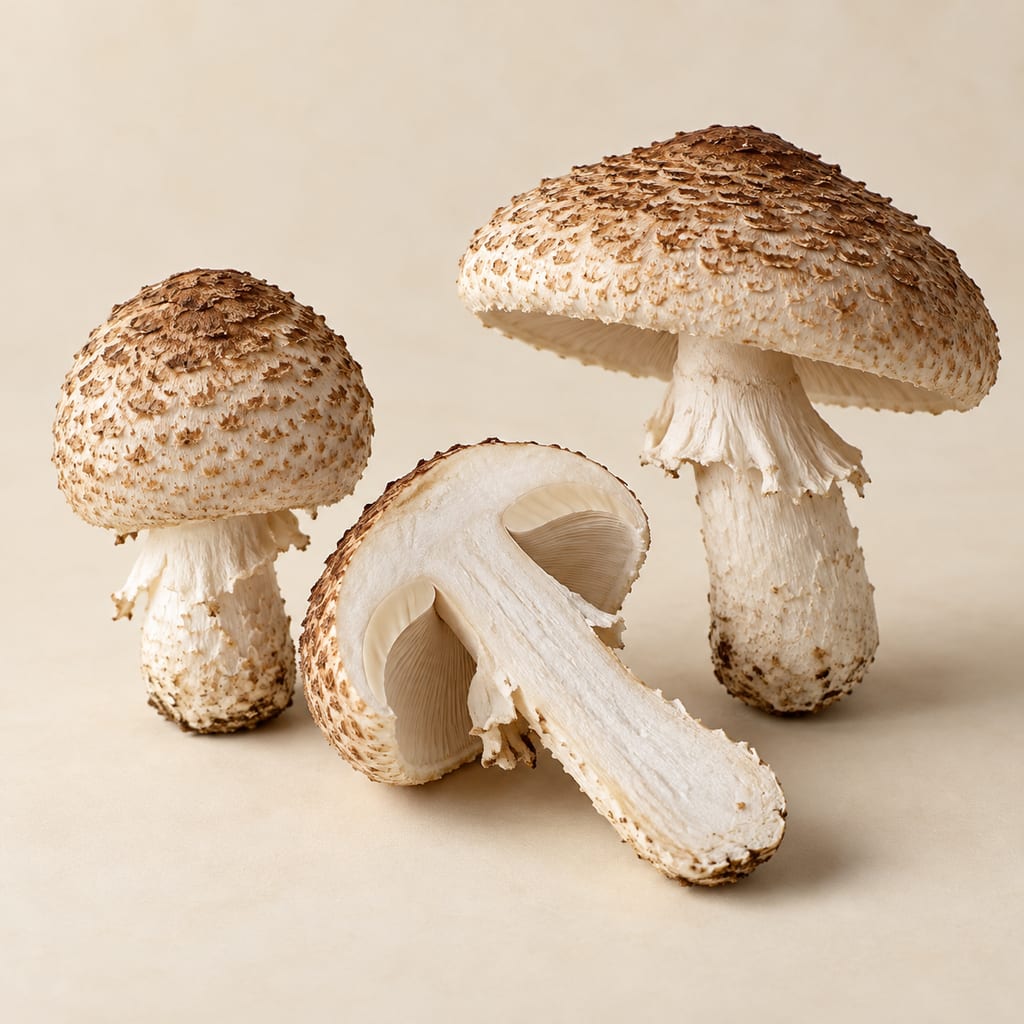
The prince (Agaricus augustus) is a large wild mushroom with a pale, brown-scaled cap and sweet almond-like aroma. Field guides describe it as edible, with species-specific contaminant cautions.
No community contributions have been published for this entry yet.
Sign in to contribute. Published comments and photos are free to read.
MykoWeb (California Fungi)Identification · Ecology · Food use · Safety
California Fungi: Morchella snyderiGrows in soil under unburned montane conifers including Douglas fir, ponderosa pine and white fir, April through June.
Rated edible and excellent; all morels should be well cooked.
Cited in: Overview; Ecology and season; Food use and cooking
Centers for Disease Control and PreventionSafety · Outbreak
Morbidity and Mortality Weekly Report, Vol. 73, No. 10 (March 14, 2024)2023 Montana outbreak linked to Morchella sextelata; raw morels more strongly associated with illness than cooked or partly cooked; cook morels before eating.
Cited in: Overview; Morel poisoning and the cooking requirement; Safety
WikipediaTaxonomy lead
Morchella snyderiDescribed as new to science in 2012 with 13 other morels from the United States and Canada.
Cited in: Taxonomy
wildmushrooms.orgIdentification · Safety
Beginner identification class handout (supplied by the catalogue)Cited by the catalogue for the true-morel identification caution; not independently read for this page.
Cited in: Taxonomy; Safety