
African locust bean seeds (Parkia biglobosa)
Parkia biglobosa seeds are fermented into regional West African seasonings, including nététou, iru, dawadawa and soumbala. The yellow fruit pulp is a separate food, and names and methods vary by place.
 FermenteaWhere food goes to change
Mushrooms
Termitomyces robustus is an African termite mushroom that grows on termite mounds, is eaten cooked in several countries, and has not been cultivated by people.
Termitomyces robustus is a mushroom of the termite-mushroom genus Termitomyces, which belongs to the family Lyophyllaceae. The accepted name is T. robustus (Beeli) R. Heim, published in 1951; an older name, Schulzeria robusta Beeli, dates from 1927. Species Fungorum also lists a variety, fuliginosus, as a synonym.
The fungus is not grown by people. In termite colonies it is grown on the fungus comb, a honeycomb-like structure that the termites build from their own faeces. The review places the mushrooms on the surface of termite mounds.
African mushroom reviews record T. robustus as food in Nigeria, where people routinely eat it among other species, and in Rwanda, where it is sold in markets in the rainy season alongside T. microcarpus. In Burundi it is one of two termite mushrooms used in a dish called Steak Ikinyinu, the other being T. striatus.
The reviews also say that people in several other countries, including Kenya, Sudan, Tanzania, Congo and Uganda, eat Termitomyces. Those statements concern the genus. They do not record T. robustus in each of those countries, and this page does not treat them as species records.
The Central and Southern African review places termite mushrooms on the surface of high termite mounds from the first rains, which it dates to October, and reports that people in Haut-Katanga in the Democratic Republic of the Congo favour them in the rainy season.
The review states that Termitomyces mushrooms are normally eaten cooked. It does not give a cooking time, a temperature or a method for storing the fresh mushroom, so none is given here.
Analyses of T. robustus report minerals such as calcium, potassium and magnesium, but the figures differ between studies, so no single value is given here.
Some ethnomedicinal reports in Nigeria list the species as used for anaemia and high blood pressure. These are reports of traditional use. They are not clinical findings, and they are not a basis for eating the mushroom for health.
The available accounts do not give a species-level safety verdict for T. robustus, and it records no specific look-alike for this species. Identification of termite mushrooms in the field should be confirmed by a qualified mycologist, and a fungus should not be eaten on the strength of this page.
Wikipedia notes that attempts to cultivate the species have failed in past trials, so supply is wild and seasonal in the sources reviewed. Whether any local preparation changes its safety is not established by these sources.
The review reports that Nigerian people routinely eat T. robustus among other species.
The review says T. microcarpus and T. robustus are found in markets during the rainy season; it does not give a sale volume.
The review names a Burundian dish, Steak Ikinyinu, made with T. robustus and T. striatus.
Parkia biglobosa seeds are fermented into regional West African seasonings, including nététou, iru, dawadawa and soumbala. The yellow fruit pulp is a separate food, and names and methods vary by place.
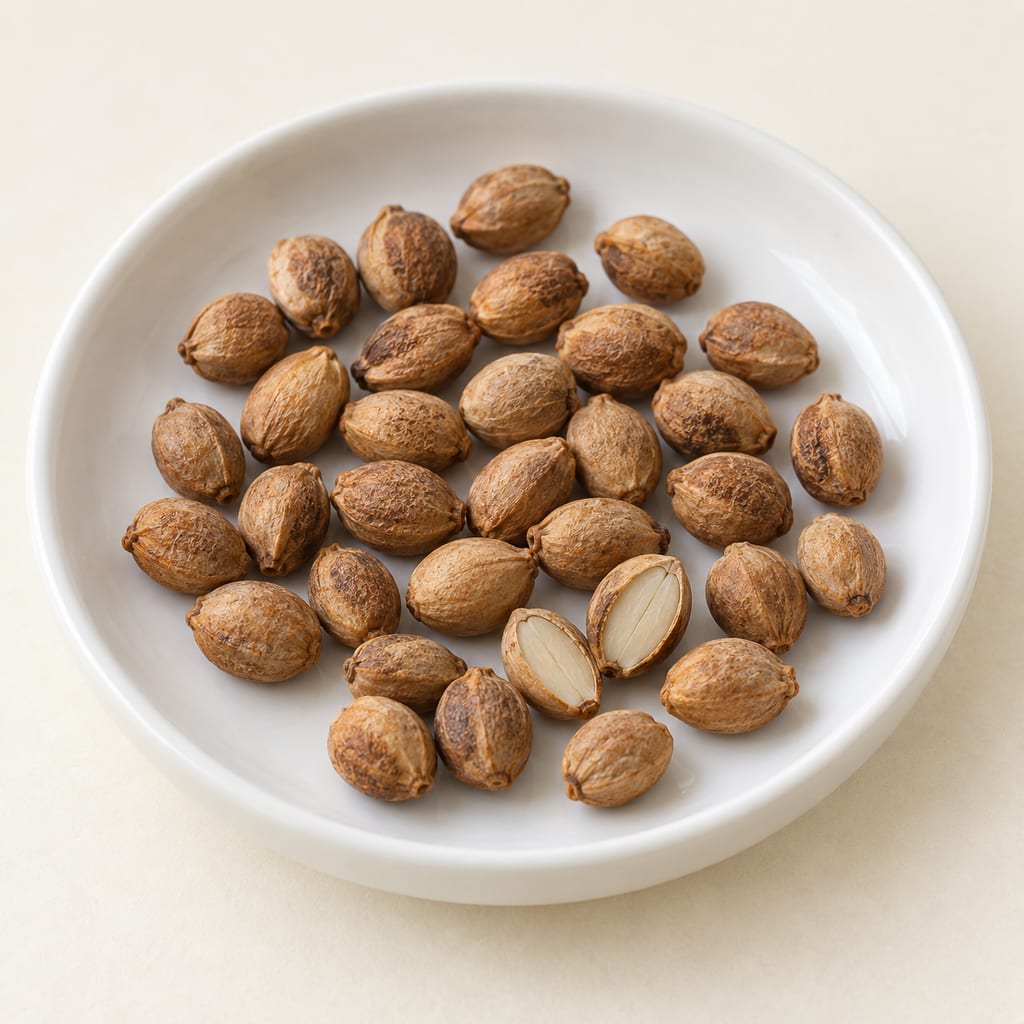
The seeds of the African breadfruit, Treculia africana, are cooked, dried and milled into flour in West and Central Africa, and the fruit is heaped and fermented before the seeds are washed out.
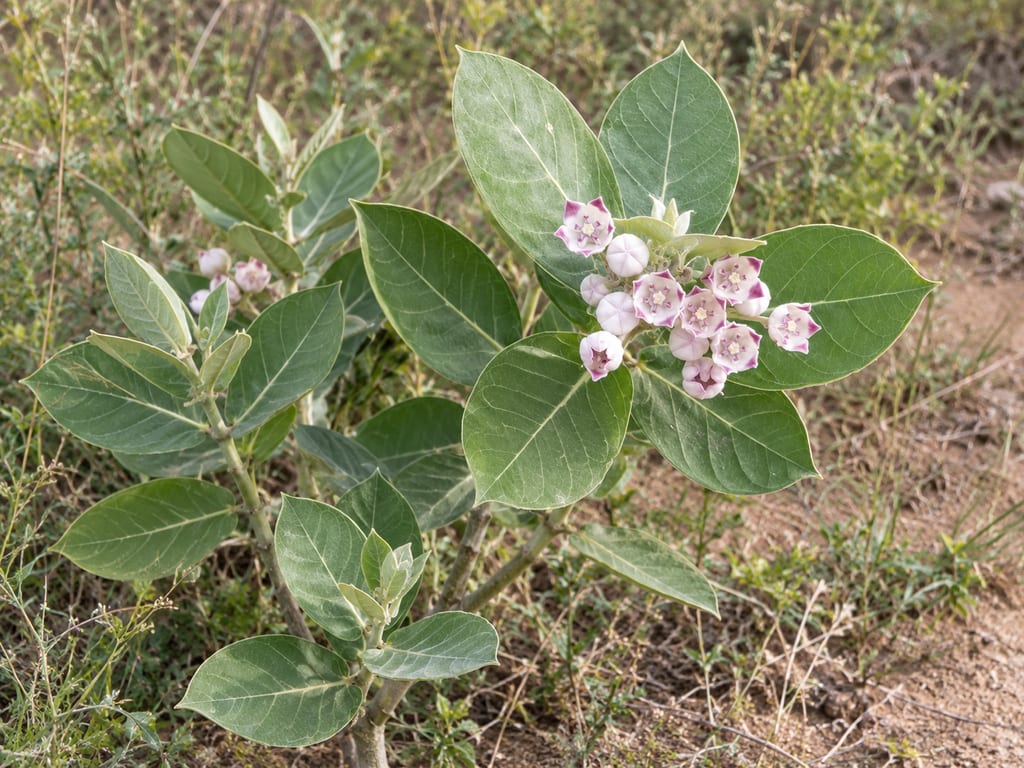
Calotropis procera preparations are documented as coagulants for wagashi gassirè in Benin and wara in Nigeria. Crude plant materials differ from purified research enzymes, and current evidence does not support a general home preparation.
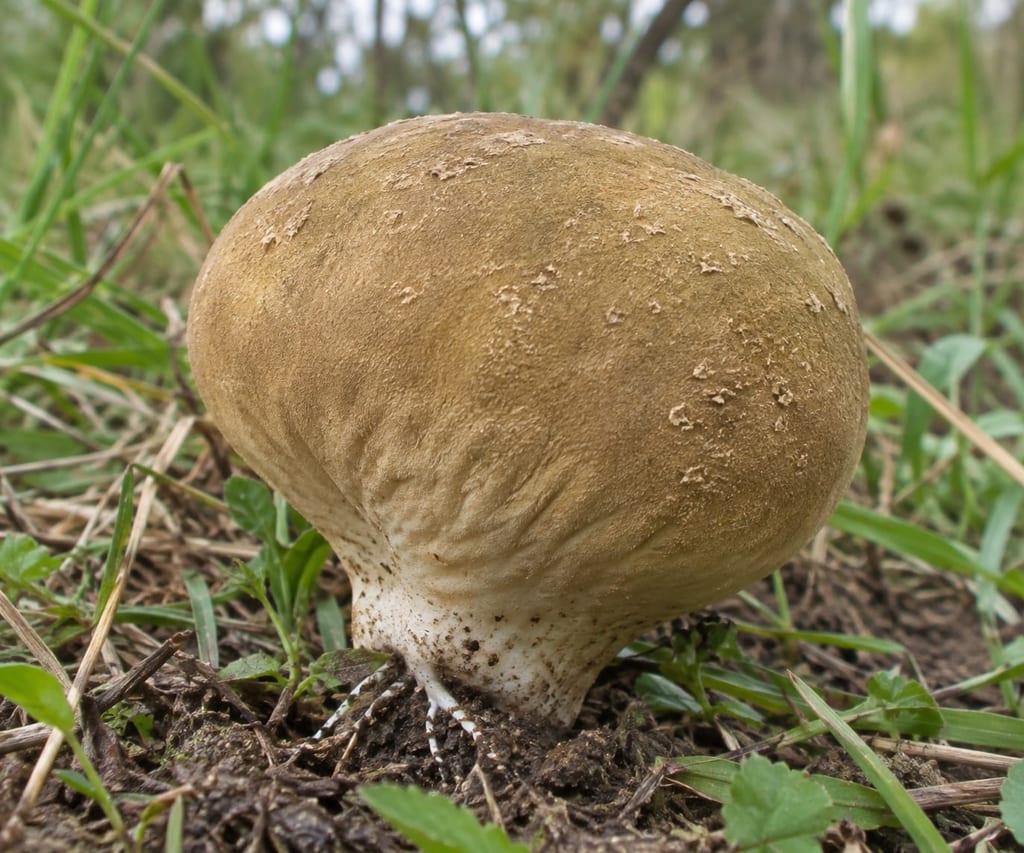
A tropical African puffball recorded in West African range accounts and Ethiopian edible-mushroom studies. Ethiopian use evidence is qualified; Benin identification and safety remain unresolved.
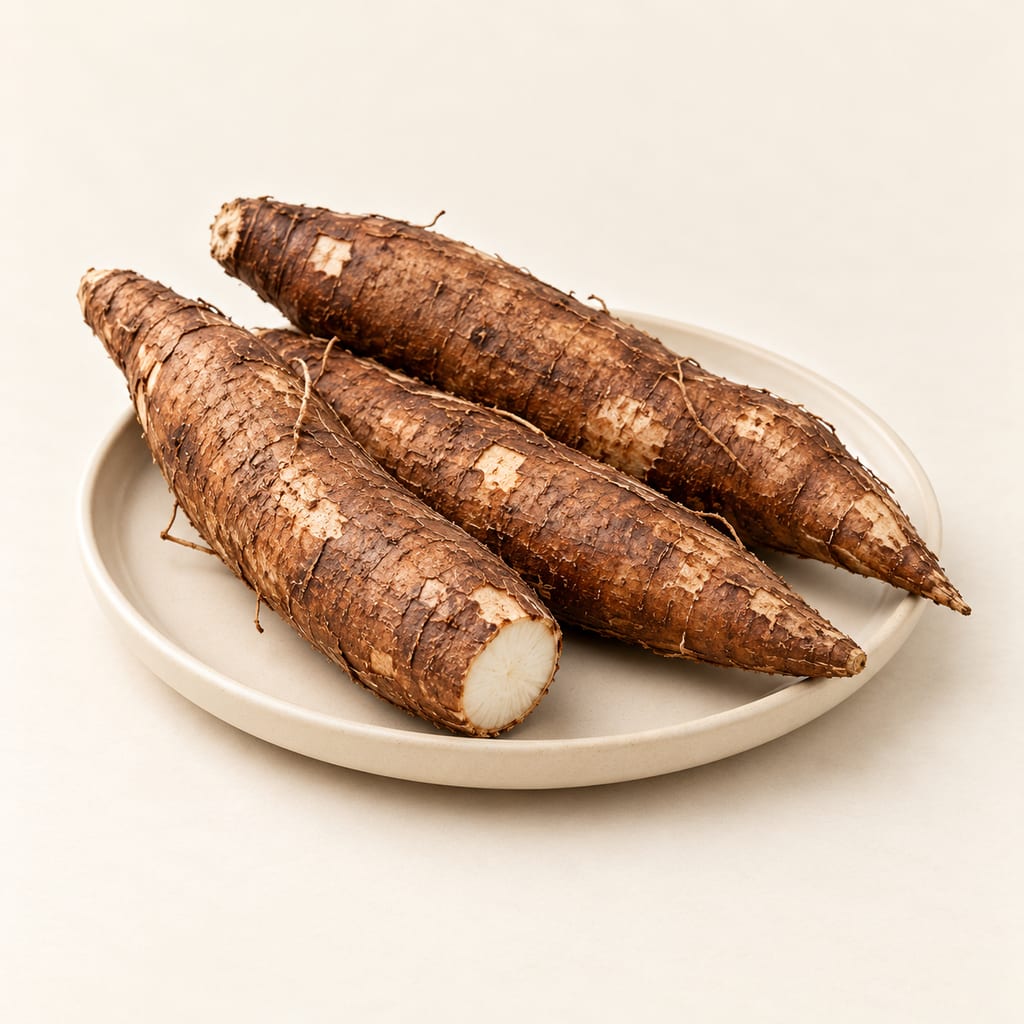
Cassava is the starchy root of Manihot esculenta, transformed across Africa into fermented doughs, granules and flours through distinct processes whose safety depends on thorough cyanogen removal.
A defined Saccharomyces cerevisiae strain, 2Y48P22, was screened in 2010 for softening cassava in lafun experiments. It is an experimental candidate, not a household starter with a verified method.
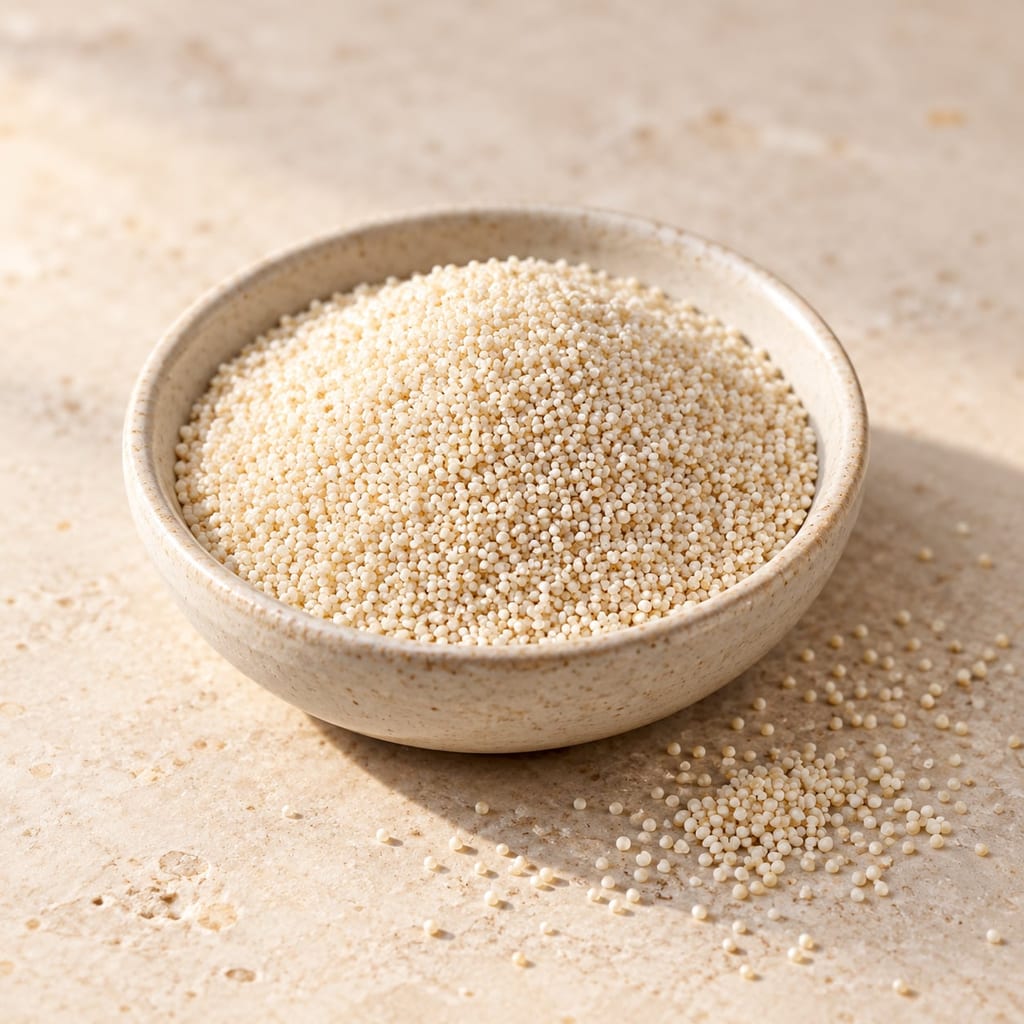
Fonio covers two distinct West African cereals: white fonio (Digitaria exilis) and black fonio (D. iburua). Both are eaten in cooked dishes; sources also document fermented drinks and controlled fonio fermentations.
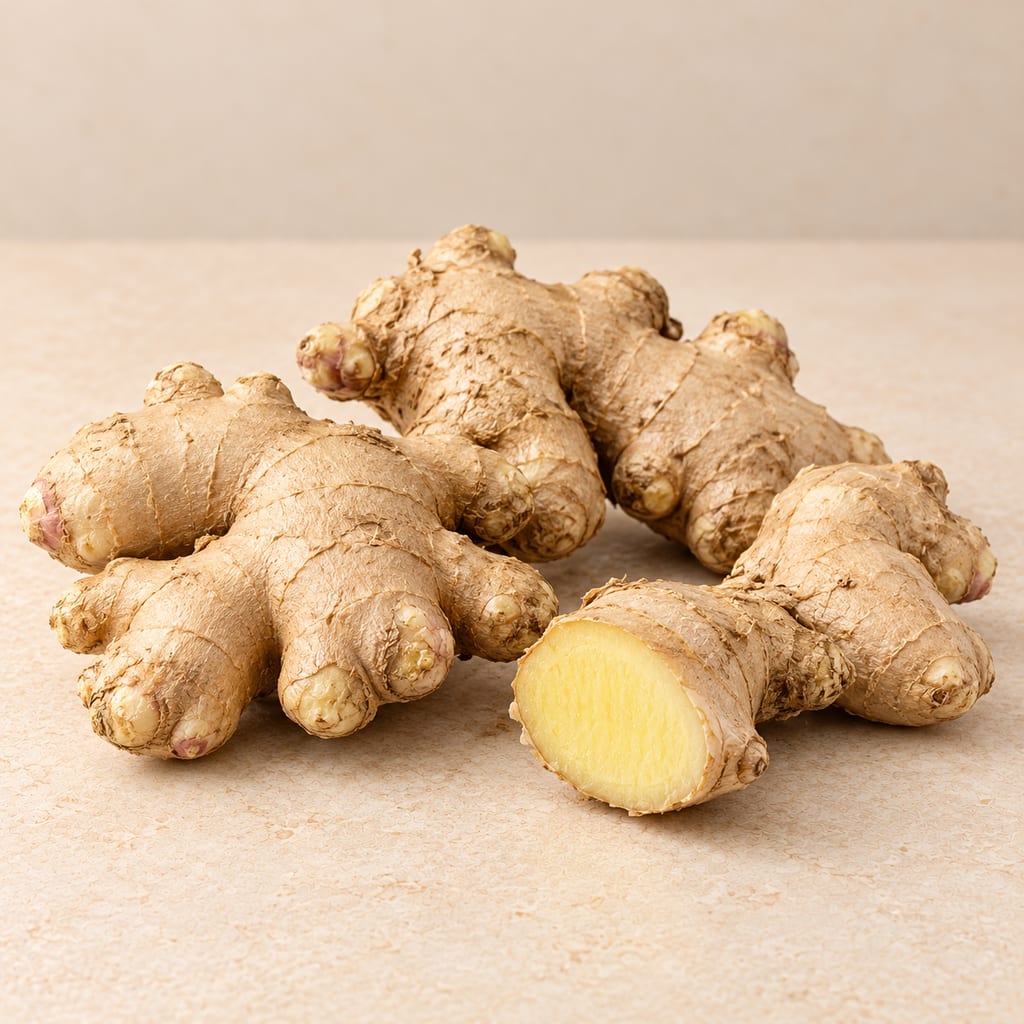
Ginger is the aromatic rhizome of Zingiber officinale, used fresh, dried and preserved. Historical ginger wines sliced or bruised it to flavour a sugar-based ferment.
No community contributions have been published for this entry yet.
Sign in to contribute. Published comments and photos are free to read.
WikipediaIdentity · Cultivation
Termitomyces robustusTermites grow the fungus on a comb made from their faeces
Attempts at human cultivation have failed in past trials
Cited in: What it is; Safety and open questions
GBIFIdentity
Termitomyces robustus (Beeli) R.HeimAccepted name Termitomyces robustus (Beeli) R. Heim, 1951; synonym Schulzeria robusta Beeli, 1927
Cited in: What it is
Species FungorumIdentity
Species Fungorum: fungal tree of lifeLists variety fuliginosus (R. Heim) R. Heim, 1951 as a synonym; genus in Lyophyllaceae, Agaricales
Cited in: What it is
Journal of FungiFood use · Nutrition · Medicinal
Termite Mushrooms (Termitomyces), a Potential Source of Nutrients and Bioactive Compounds Exhibiting Human Health Benefits: A ReviewEaten in Nigeria, Rwanda and Burundi as reported in the review
Nutrient values vary between studies
Ethnomedicinal use for anaemia and high blood pressure in Nigeria, not clinical findings
Cited in: Where it is eaten; Season and cooking; Nutrition and medicinal claims; Safety and open questions
Food FrontiersSeason · Habitat
Ethnomycological prospect of wild edible and medicinal mushrooms from Central and Southern Africa: A reviewTermitomyces appear on the surface of high termite mounds from the first rains, from October; Haut-Katanga people favour them in the rainy season
Cited in: Where it is eaten; Season and cooking