
African locust bean seeds (Parkia biglobosa)
Parkia biglobosa seeds are fermented into regional West African seasonings, including nététou, iru, dawadawa and soumbala. The yellow fruit pulp is a separate food, and names and methods vary by place.
 FermenteaWhere food goes to change
Mushrooms
Tropical sawgill, Lentinus squarrosulus, is a wild mushroom of decaying wood in tropical Africa, eaten and valued in some areas, and now under trial on farm waste, with commercial production still early.
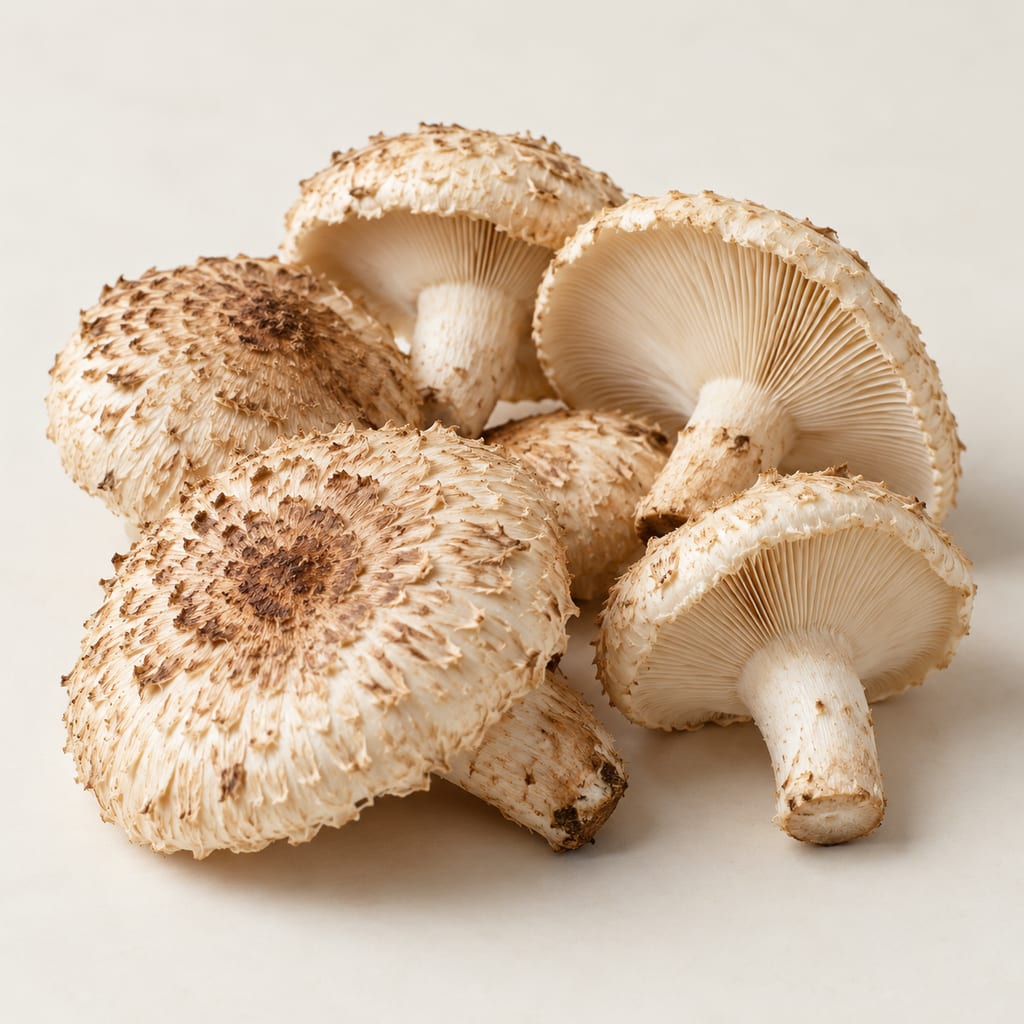
Lentinus squarrosulus is a wood-decay mushroom that grows on decaying wood in tropical forests. The sources reviewed describe it as valued both as food and as medicine in the places where it grows, including eastern Nigeria.
The sources reviewed do not describe the appearance or the cooking texture of the mushroom in detail, so this page does not give them.
In the wild the mushroom is gathered, and the sources warn that it is at risk of becoming scarce because of habitat destruction. The 2026 Nigerian study presents cultivation partly as a way to reduce reliance on picking wild mushrooms, and it notes that misidentification can lead to mushroom poisoning. That is a reason for caution with wild collection, and this page does not treat the wild mushroom as safe to pick.
The record for this species is mainly from the wild harvest in Nigeria and from a few African research reports. The sources do not give a documented food tradition across the wider region, so this page does not claim one.
A 2026 Nigerian study grew the fungus on locally available sawdust, and Treculia africana (African breadfruit) sawdust gave the best growth among the species tested. The study suggests that the mushroom can grow on sawdust from several wood species. A Cameroon study from the University of Dschang reports production under farm conditions, mainly on wood-based substrate.
A 2024 review of 93 studies names Lentinus squarrosulus, Pleurotus ostreatus and Pleurotus tuber-regium as the most common species cultivated in tropical Africa, and it notes that cultivation practices still need to be optimised. The sources do not give temperatures, yields or timings for this species, so this page gives none.
Commercial status is early. The sources say that further work is needed before widespread commercial adoption, and the lead researcher in the Nigerian study notes that profitability may be hard to achieve depending on the biological efficiency of the process.
The sources reviewed do not describe the way the mushroom is cooked or served in the places where it is eaten, so this page gives no recipe or cooking method. A preparation that uses it should carry its own method and sources.
The mushroom is a food mushroom in its wild and cultivated forms, according to the sources. The sources do not describe it as a starter culture or a fermentation organism.
The 2026 Nigerian study notes that misidentification of wild mushrooms can cause poisoning. This page gives no identification or edibility verdict for a specimen. A wild tropical sawgill should be identified by an expert before it is eaten, and a buyer should look for cultivated product that names the species.
The sources do not give a storage life, an allergen profile or a preparation for safety, so this page gives none.
The profitability of cultivation, the biological efficiency on different substrates, and the cooking traditions all need primary sources. The next research pass should read the 2024 review and the Cameroon study in full.
Country-level. The sources describe the wild mushroom in eastern Nigeria and a 2026 cultivation study. They do not describe a single locality.
Country-level. A University of Dschang study reports production under farm conditions, mainly on wood-based substrate.
Regional. The 2024 review of 93 studies lists Lentinus squarrosulus among the most common cultivated species in tropical Africa; it is not a single origin.
Parkia biglobosa seeds are fermented into regional West African seasonings, including nététou, iru, dawadawa and soumbala. The yellow fruit pulp is a separate food, and names and methods vary by place.
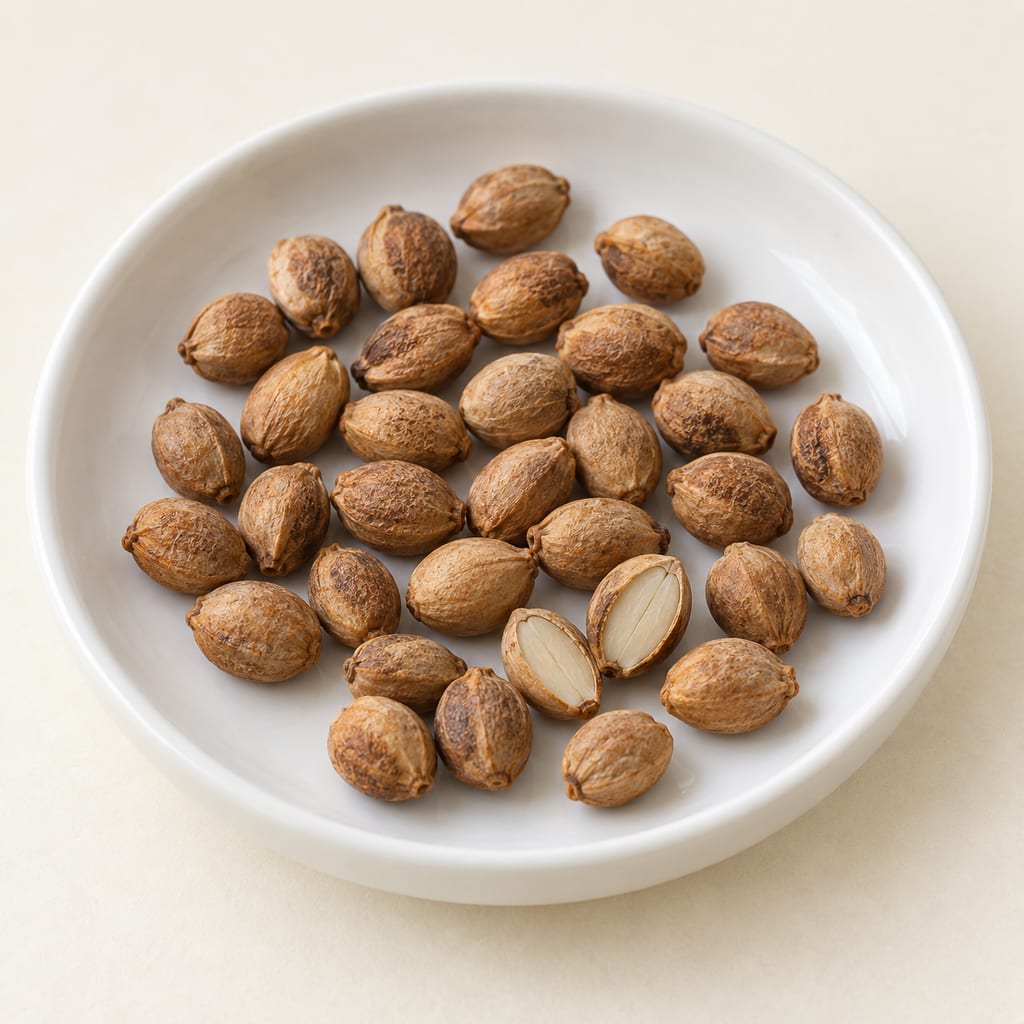
The seeds of the African breadfruit, Treculia africana, are cooked, dried and milled into flour in West and Central Africa, and the fruit is heaped and fermented before the seeds are washed out.
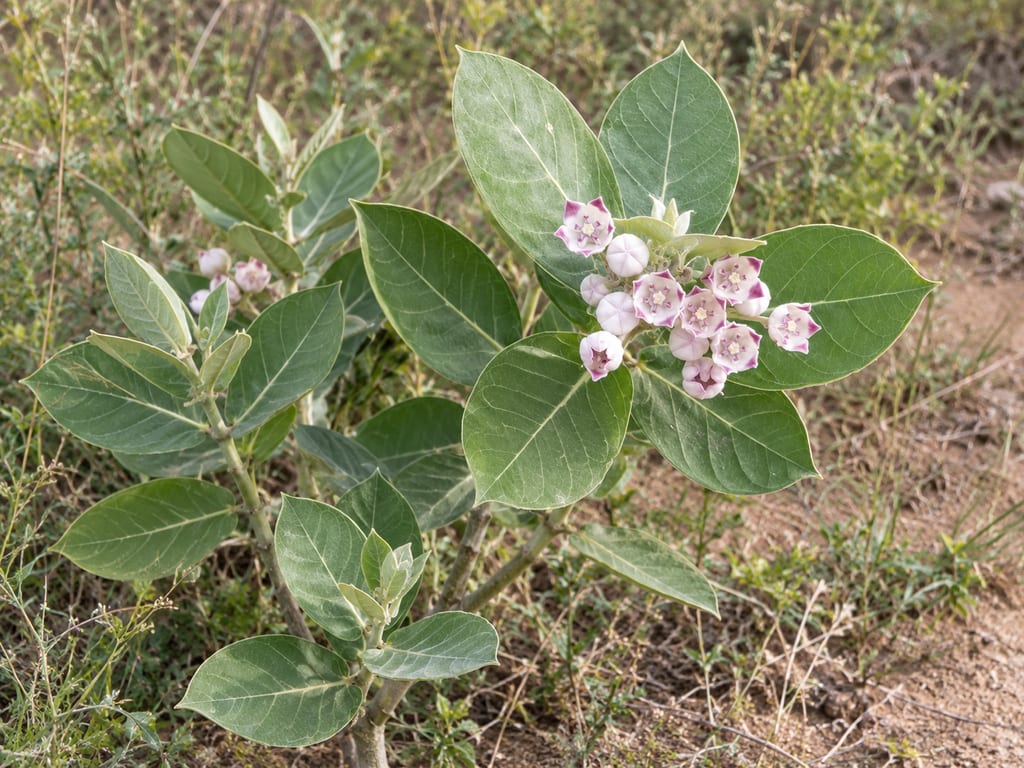
Calotropis procera preparations are documented as coagulants for wagashi gassirè in Benin and wara in Nigeria. Crude plant materials differ from purified research enzymes, and current evidence does not support a general home preparation.
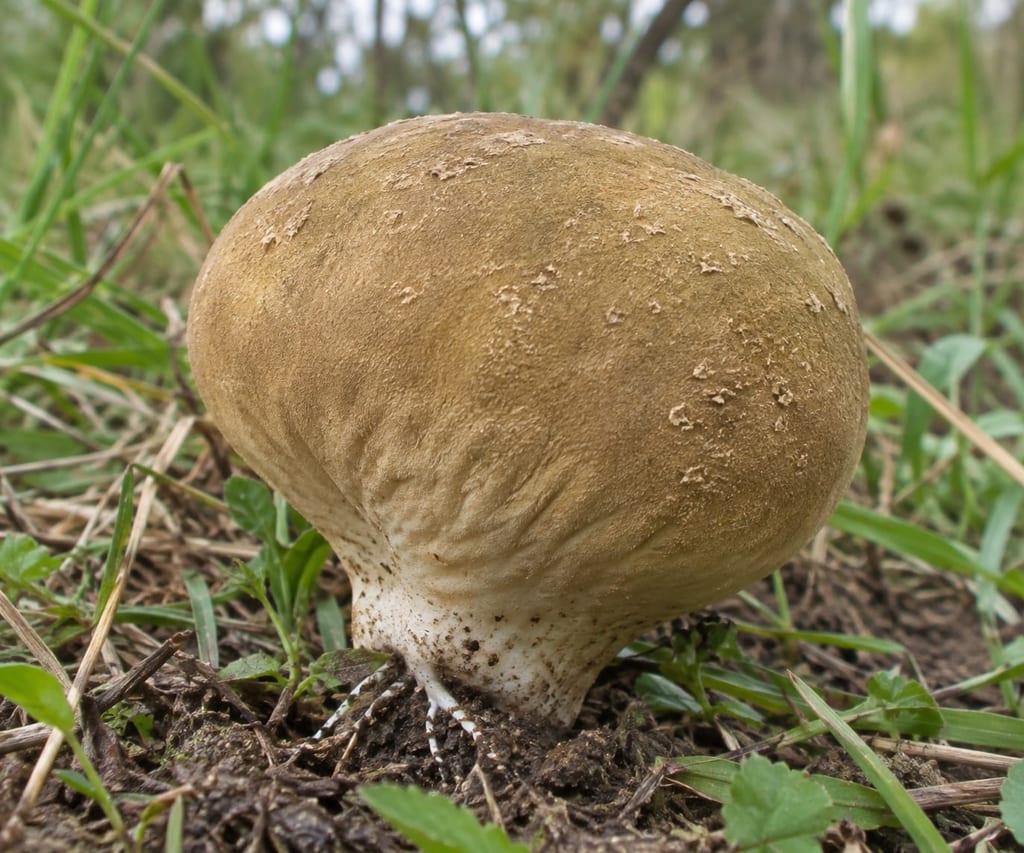
A tropical African puffball recorded in West African range accounts and Ethiopian edible-mushroom studies. Ethiopian use evidence is qualified; Benin identification and safety remain unresolved.
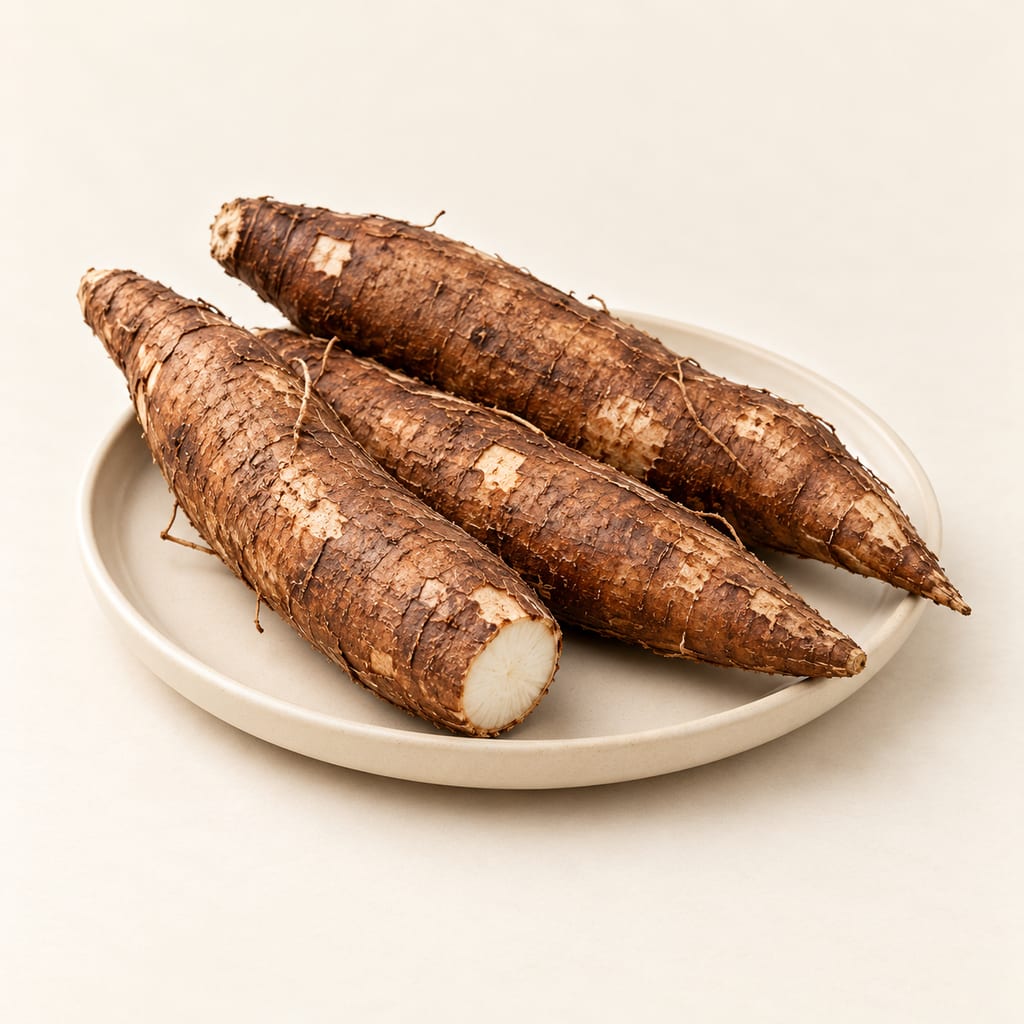
Cassava is the starchy root of Manihot esculenta, transformed across Africa into fermented doughs, granules and flours through distinct processes whose safety depends on thorough cyanogen removal.
A defined Saccharomyces cerevisiae strain, 2Y48P22, was screened in 2010 for softening cassava in lafun experiments. It is an experimental candidate, not a household starter with a verified method.
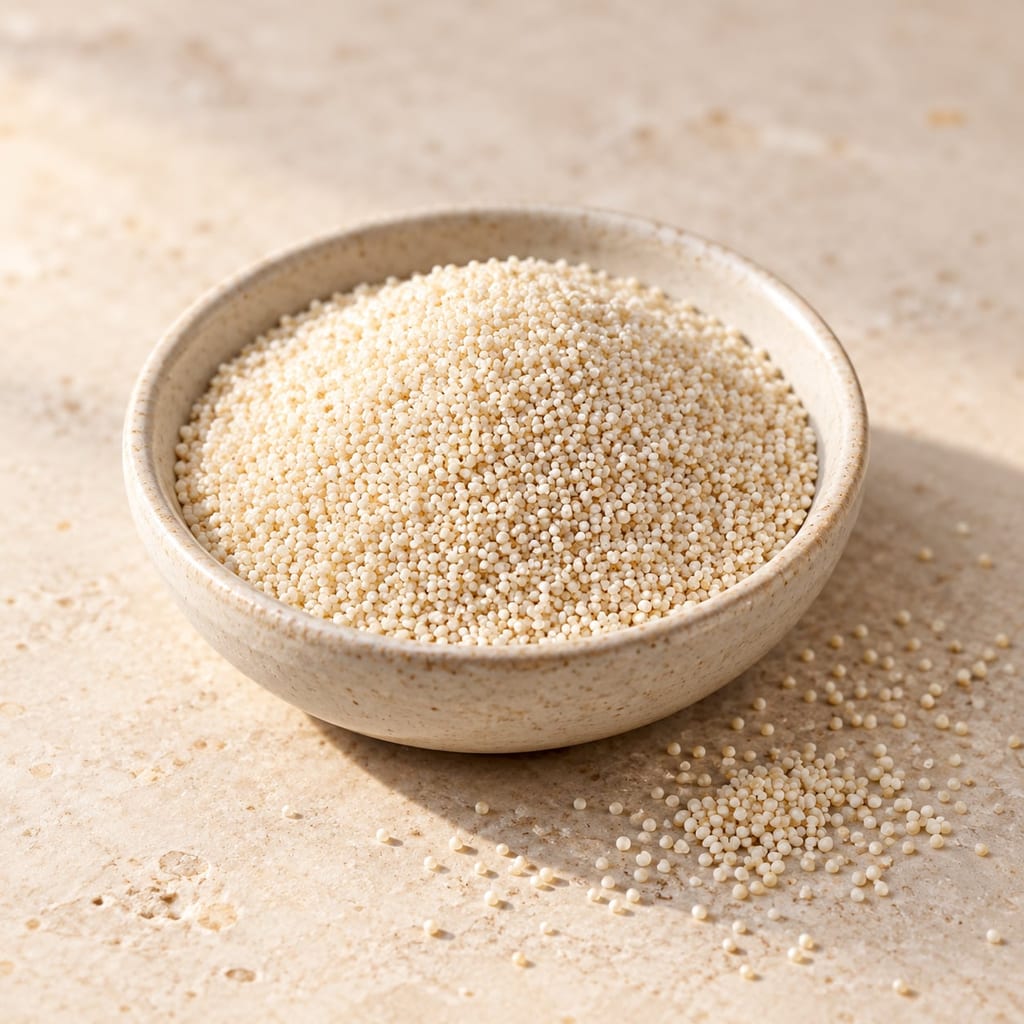
Fonio covers two distinct West African cereals: white fonio (Digitaria exilis) and black fonio (D. iburua). Both are eaten in cooked dishes; sources also document fermented drinks and controlled fonio fermentations.
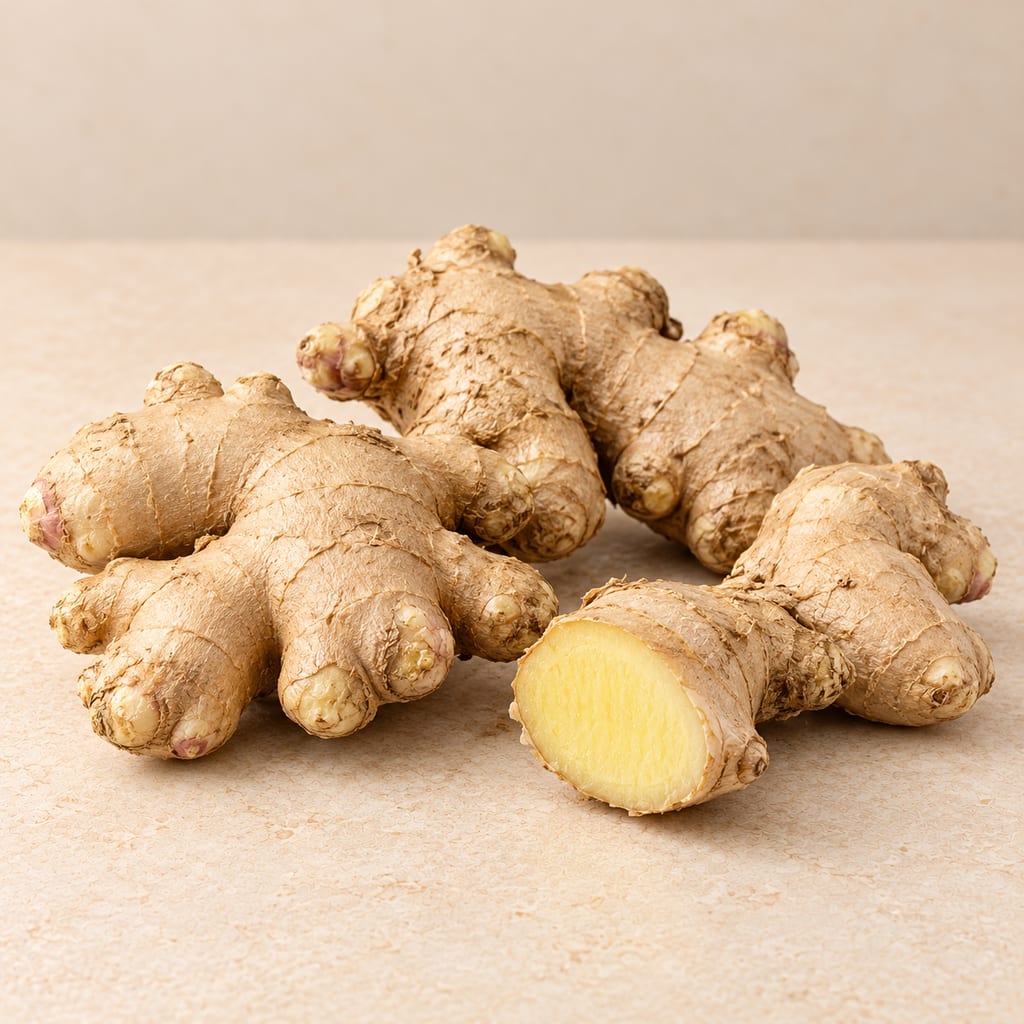
Ginger is the aromatic rhizome of Zingiber officinale, used fresh, dried and preserved. Historical ginger wines sliced or bruised it to flavour a sugar-based ferment.
No community contributions have been published for this entry yet.
Sign in to contribute. Published comments and photos are free to read.
Food ManufacturingIdentity · Method · Food use
Indigenous Mushroom Transforms Agricultural Waste into FoodWild and valued as food and medicine in eastern Nigeria; grows on decaying wood; Treculia africana sawdust gave best growth in the 2026 study (search summary; primary text not opened).
Cited in: What it is; Wild gathering and its limits; How it is grown; Cooking and eating
MongabayMethod · Safety
Researchers in Nigeria successfully cultivate wild mushroom in agricultural wasteCultivation reduces reliance on picking wild mushrooms; misidentification can cause poisoning; profitability uncertain (search summary).
Cited in: How it is grown; Safety and identification
DOAJ (Journal of Agriculture and Food Research)History · Method
Journal of Agriculture and Food Research, review of 93 studies on tropical African cultivation (Dec 2024)Pleurotus ostreatus, Pleurotus tuber-regium and Lentinus squarrosulus are the most common cultivated species in tropical Africa (search summary; primary text not opened).
Cited in: What it is; How it is grown; Open questions
Rufford Foundation media archiveMethod
International Journal of Agricultural Sciences and Veterinary Medicine, Vol 8 (2), May 2020 (Rufford project report)Cameroon University of Dschang study: production under farm conditions, mainly on wood-based substrate (search summary).
Cited in: How it is grown
Wikimedia CommonsImage
File:Lentinus squarrosulus @Ramamthali.jpgReference photograph on wood, off-white with brown dots on the cap, CC BY-SA 4.0.