
Aniseed
Aniseed is the dried ripe fruit of Pimpinella anisum, an aromatic Apiaceae spice commonly called a seed. It adds a sweet, warm aroma to breads such as Moroccan krachel and South African mosbolletjies, and is distinct from star anise.
 FermenteaWhere food goes to change
Mushrooms
The white desert truffle, Tirmania nivea, or zubaidi, is an underground fungus of North African and Arabian deserts, gathered after autumn rains and sold in markets from January to April.
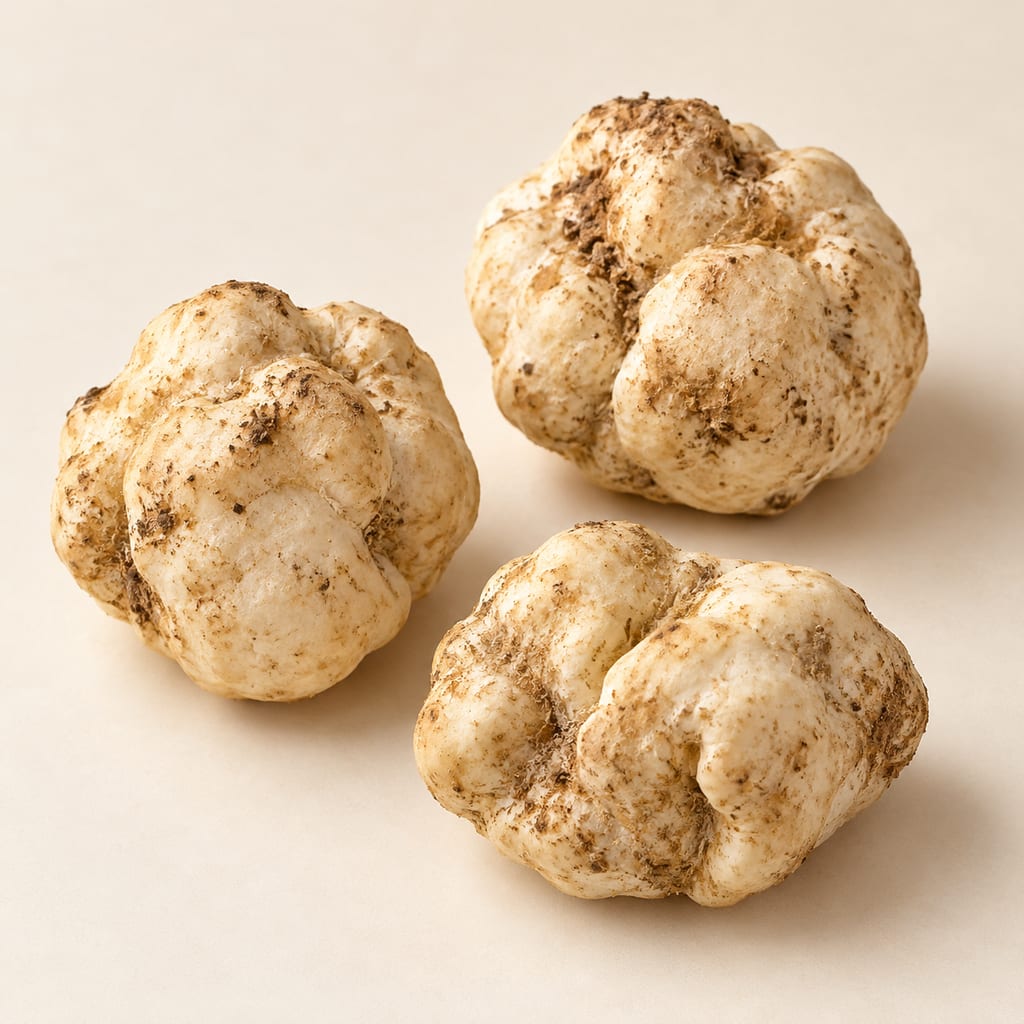
Tirmania nivea (Desf.) Trappe is a desert truffle. It is an underground fungus that is mycorrhizal with desert plants. The genus is placed in the family Pezizaceae, and a molecular study found it closely related to Terfezia, the other desert-truffle genus.
Locally the species is called zubaidi, and it is known as the white truffle in the Middle East, where it is the most prized desert truffle. Accounts also give fagaa as a Persian Gulf term for desert truffles in general, and terfez as the Moroccan name.
The species grows in the deserts from Morocco east to Iraq and the Arabian Peninsula. One study names the rockrose Helianthemum sessiliflorum as its host in the Negev desert. The accounts do not give a full list of hosts for the wider range.
The growth of the truffle depends on seasonal rain. The Slow Food account says that rains from September to November start the growth cycle, and that a sufficient wet-season rain is followed by sprouting about 85 days later.
Traditional markets carry the truffle from January to April. A Saudi collection study gathered samples at Hafar Al-Batin in March and April 2021.
The price follows the season. In good years accounts say it sells at prices comparable to meat and can stand in for meat; in poor years it becomes a costly delicacy. The accounts reviewed record no sale volume.
Accounts describe desert truffles as an important food for several desert populations, valued for their taste and for their nutritional content. They do not give a recipe, cooking time or storage method for this species, so none is given here.
The accounts reviewed describe the species as edible but give no species-level safety verdict, no warning and no preparation requirement. Identification of desert truffles in the field, and their separation from other underground fungi, should be checked by a qualified mycologist before anyone eats one.
The Slow Food page names the species Tuber magnatum, which is the Italian white truffle and a different fungus. That label is treated here as an error. The accounts do not give a verified current cultivation method for this species.
The accounts reviewed give the Moroccan name terfez; they describe no Moroccan method or quantity.
A collection study gathered samples in this area; the accounts reviewed do not record cooking or sale there in detail.
Aniseed is the dried ripe fruit of Pimpinella anisum, an aromatic Apiaceae spice commonly called a seed. It adds a sweet, warm aroma to breads such as Moroccan krachel and South African mosbolletjies, and is distinct from star anise.

Ripe avocado flesh is the soft, buttery, fat-rich pulp of Persea americana, eaten raw. It is low in acid, so it is a fresh ingredient that needs care in chilled dishes.
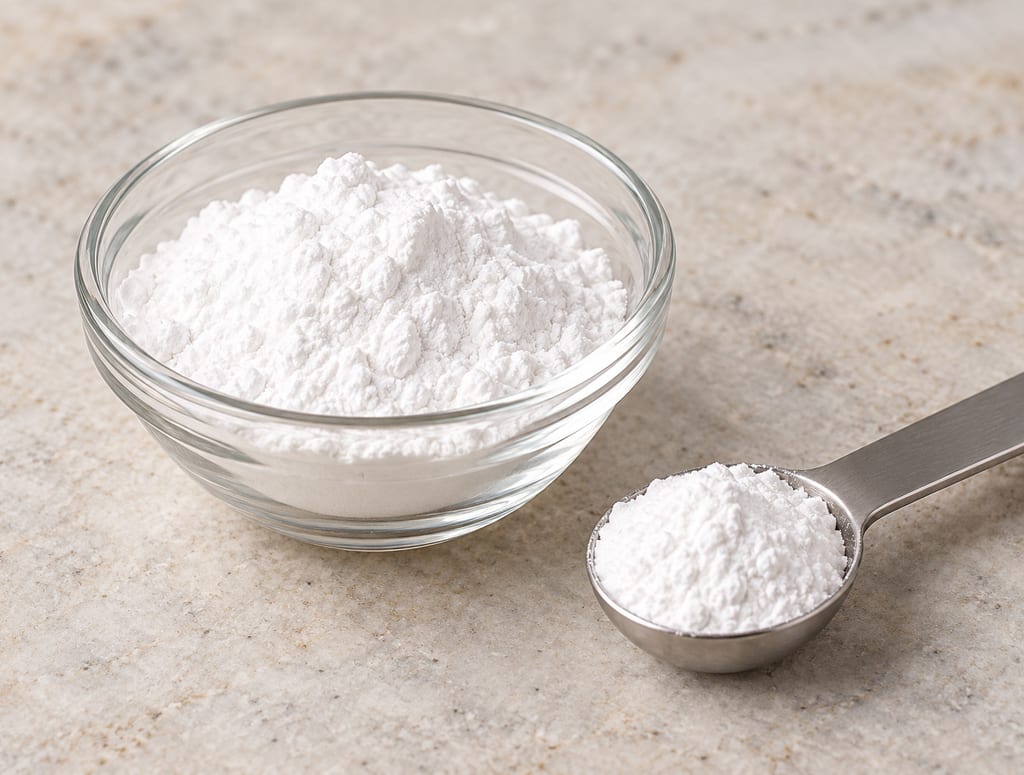
Baking powder is a dry chemical leavener that combines bicarbonate with acid-reacting ingredients and a carrier. Moisture and heat release carbon dioxide for quick breads, batters and griddle cakes.
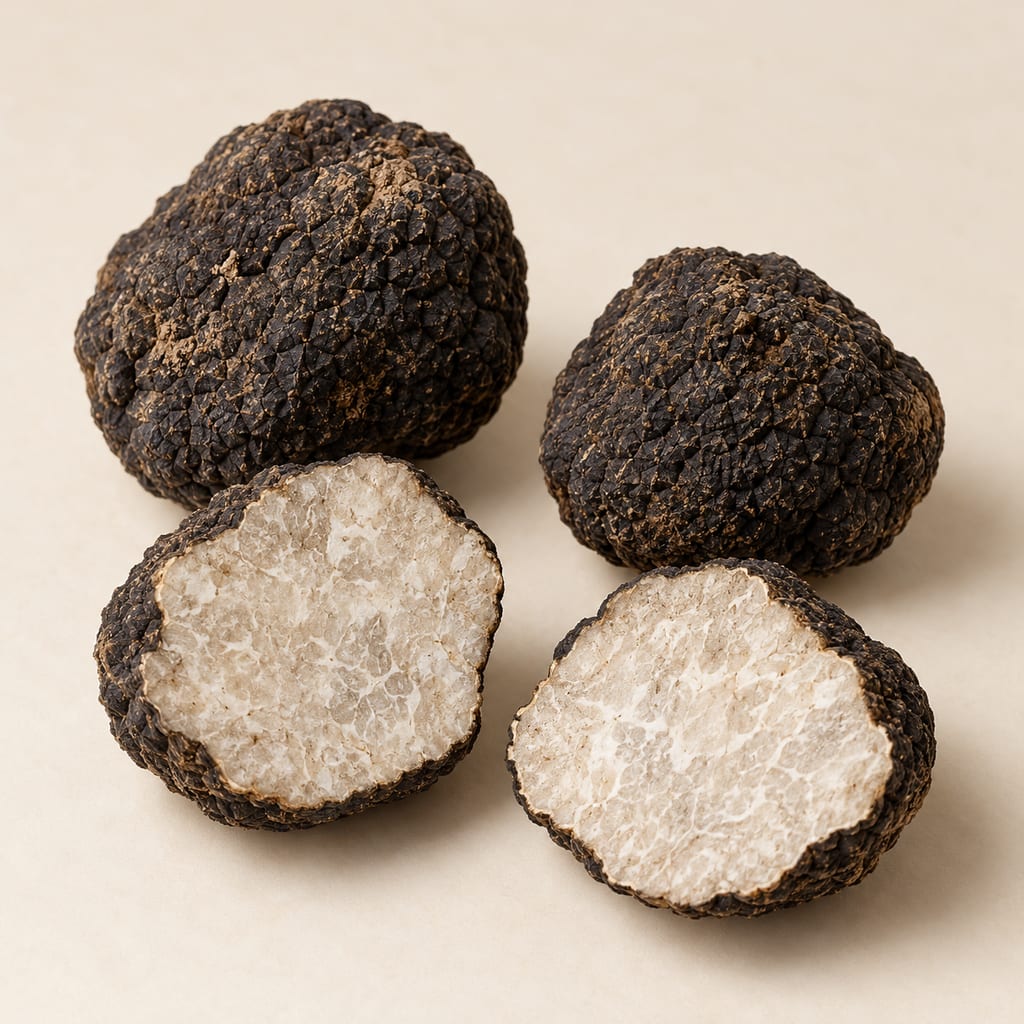
The black desert truffle, catalogued as Picoa juniperi, is a subterranean fungus gathered wild in arid and semi-arid lands. Eastern Anatolian households eat it, usually fried with eggs.

Chicken eggs supply proteins and yolk fats that set and emulsify. Atlas breads use them in enriched doughs, surface washes and a sourdough pancake batter mixed after fermentation.
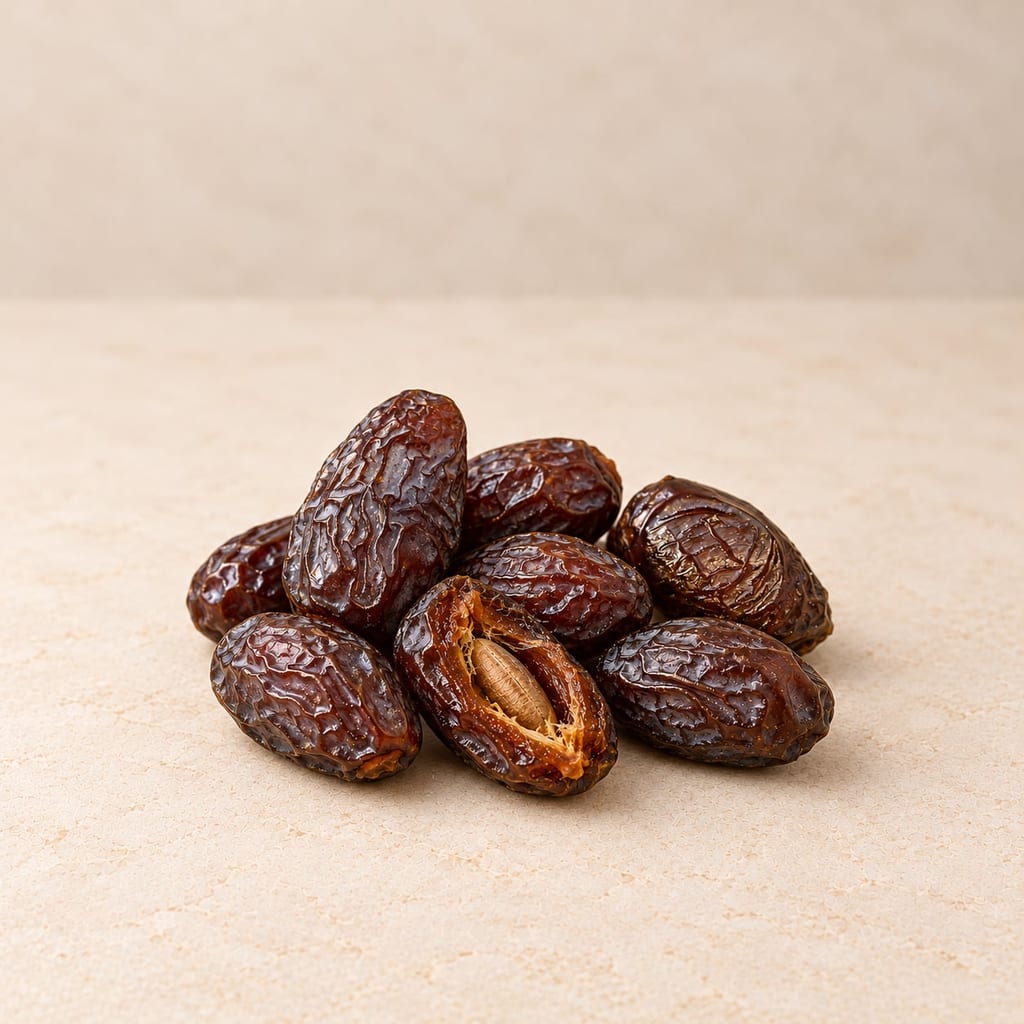
Dates are the sugar-rich fruit of the date palm, eaten soft or dried and used whole, pitted, as syrup or as paste. In sauces and chutneys they add sweetness and body.
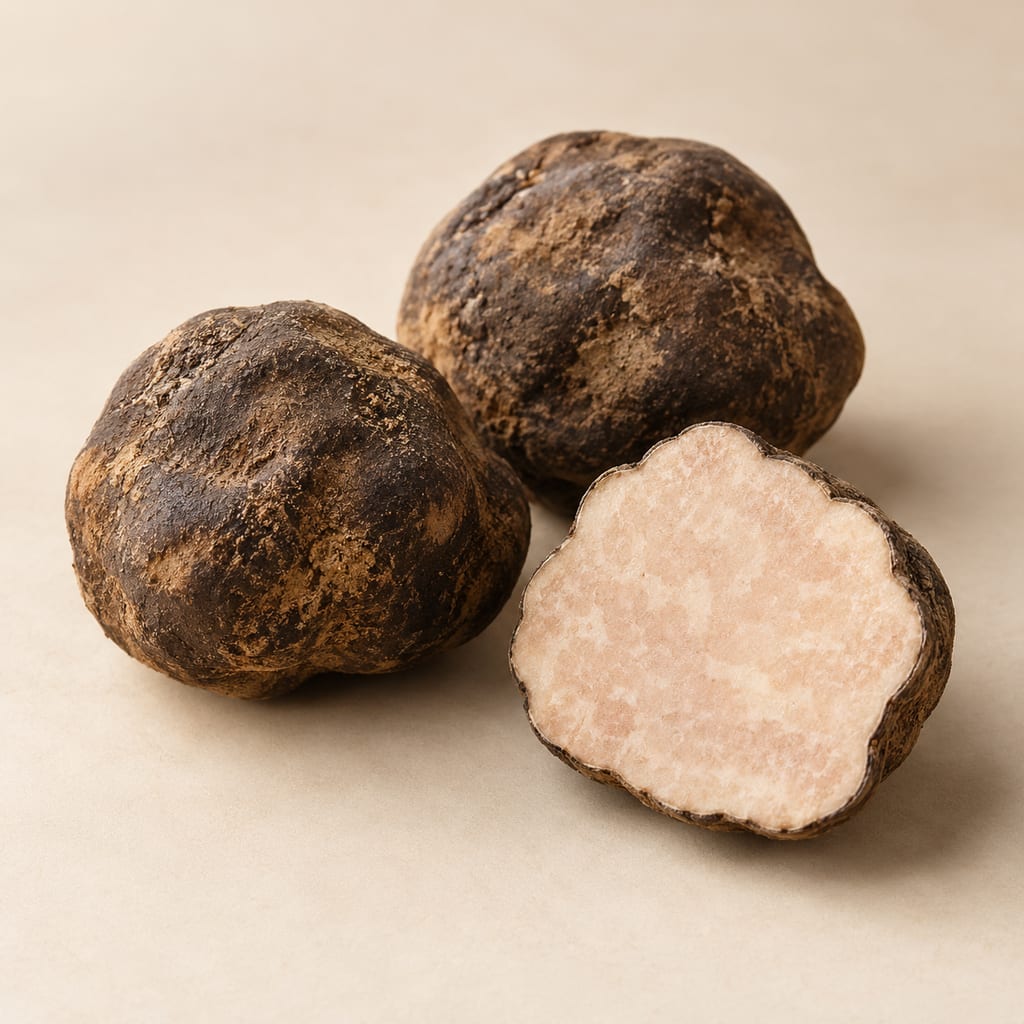
Desert truffle, Terfezia claveryi, is an underground fungus of dry Spanish and Moroccan ground that is gathered and sold seasonally, under names such as terfass, in local markets.
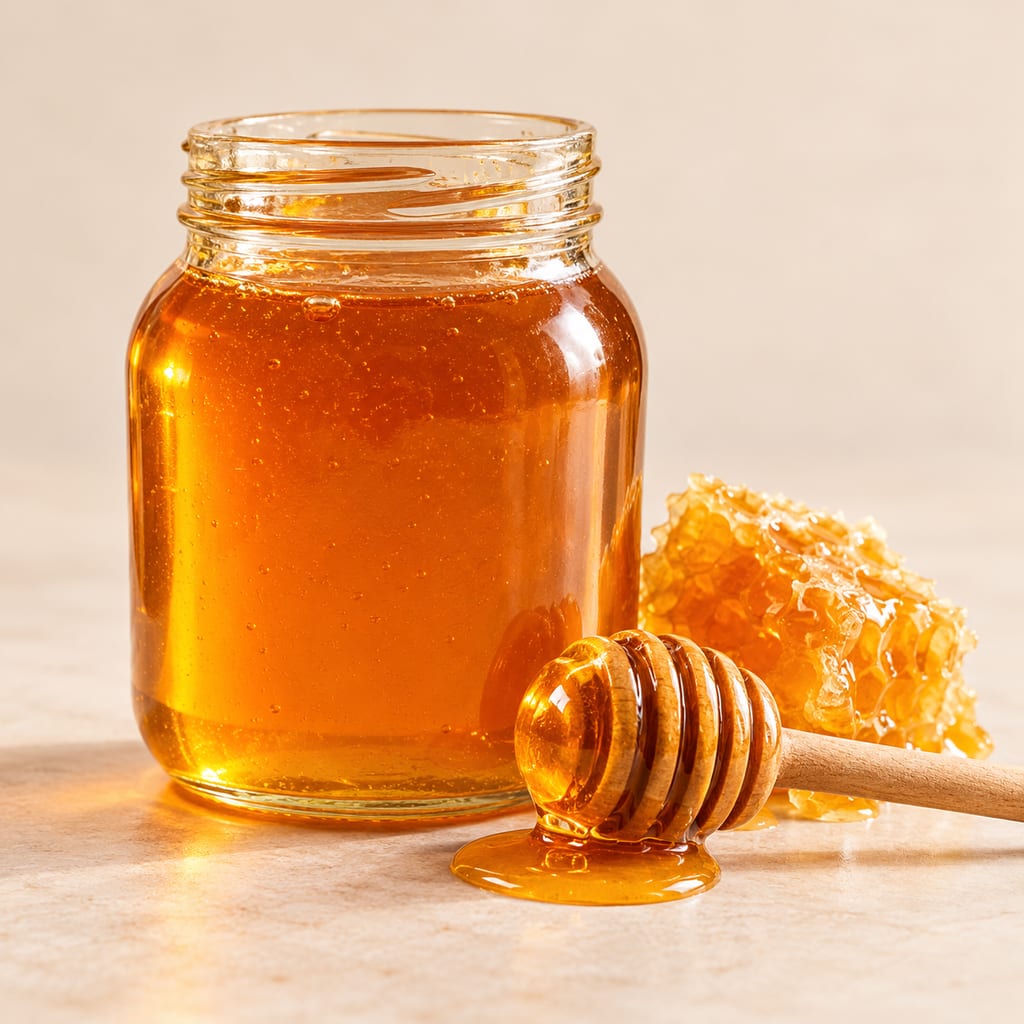
Honey is a bee-made food from floral nectar or honeydew; breads use it in dough or as a syrup served with cooked griddle breads.
No community contributions have been published for this entry yet.
Sign in to contribute. Published comments and photos are free to read.
Slow Food Foundation, Ark of TasteSeason · Rain · Identity
Zubaidi Desert TrufflesGrowth depends on seasonal rain; rains from September to November start the growth cycle; sprouting about 85 days after sufficient wet-season rain
The page names the species Tuber magnatum, which the search results show is an error for this species
Cited in: Where it grows; Safety and open questions
Fine Dining LoversFood use · Price
What is the Desert Truffle and how do you Cook with it?Prized in the Middle East, known there as white truffles or zubaidi; prices comparable to meat in good seasons and costly in poor ones
Cited in: What it is; Harvest and market; Uses and nutrition
PubMed CentralIdentity · Collection
Biochemical Profile by GC-MS of Fungal Biomass Produced from the Ascospores of Tirmania nivea as a Natural Renewable ResourceSaudi collection of samples at Hafar Al-Batin between March and April 2021
Cited in: Harvest and market
Journal of FungiIdentity · Range
Bioclimatic Origin Shapes Phylogenetic Structure of Tirmania (Pezizaceae): New Species and New Record from North AfricaGenus placed in Pezizaceae, Pezizales; Tirmania nivea ranges from Morocco east to Iraq and the Arabian Peninsula; spores ellipsoid and smooth in T. nivea, globose in T. pinoyi
Cited in: What it is; Where it grows; Safety and open questions