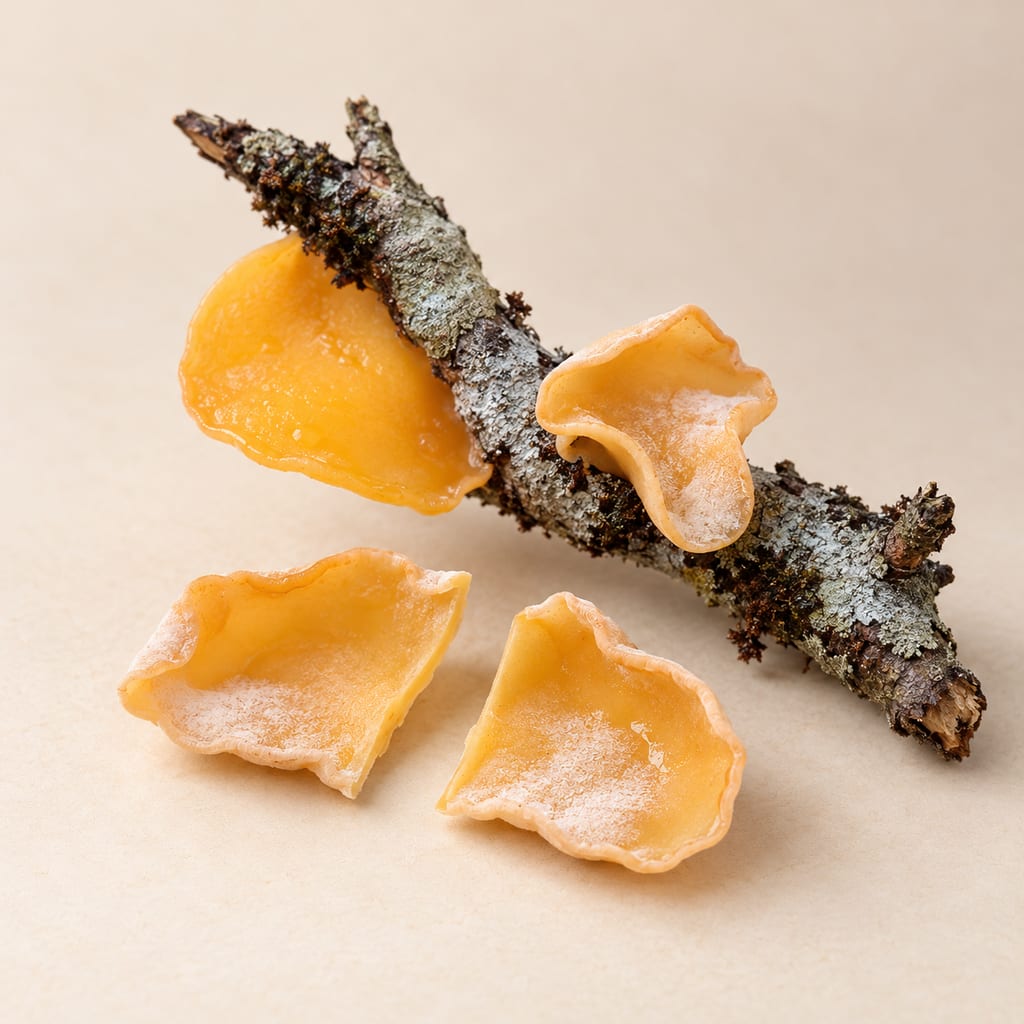
Aleurodiscus vitellinus
Aleurodiscus vitellinus, the yellow disc fungus, is a wood-growing fungus of the Nothofagus forests of Patagonia recorded as a regional food; its safety and local species identity are not established.
 FermenteaWhere food goes to change
Mushrooms
Fistulina endoxantha, a wood-decay bracket fungus of the Nothofagus forests of Patagonia, gathered as food by Mapuche-Tehuelche people. Its taxonomy and nutrition are still being worked out.
Fistulina endoxantha is a bracket fungus of the genus Fistulina, sometimes called the yellow-fleshed beefsteak fungus. It grows on wood of southern beech trees (Nothofagaceae) in Patagonia, in Argentina and Chile.
A 2021 taxonomic study reports that the two Patagonian Fistulina species, F. antarctica and F. endoxantha, are eaten and have long been gathered by the Mapuche-Tehuelche people. The same study is the basis for calling the species a food fungus in this record.
The name's status is contested. The 2021 study found three Patagonian lineages within Fistulina: F. antarctica, F. endoxantha, and a new species, F. pumiliae, which grows on Nothofagus pumilio. The study places F. endoxantha as its own lineage.
The IUCN assessment for the species notes that F. endoxantha may be a synonym of F. hepatica, according to Index Fungorum. Until that is resolved, the name in this record should be read as a working name for the Patagonian material.
The fungus grows on living and dead wood and on stumps of Nothofagaceae trees. A field study of Fistulina found that the species tend to fruit under high canopy cover.
The supplied catalogue records the supply as unknown, and the habitat is a wood-decay association.
A 2016 study of nine wild edible mushrooms from native Nothofagus forest in Argentina measured F. endoxantha at about 5 to 8 grams per 100 grams dry weight for one measured nutritional component. The authors reported this as lower than values for other Fistulina species.
The same study found no mannitol in F. endoxantha. These are single-study measurements on wild material and do not describe the species across its range.
A growth study tested F. endoxantha as one of seven potentially cultivable wild species from the region. Its strains varied notably in growth rate. The study is a laboratory assessment, and no commercial cultivation method for this species is recorded here.
The food-use record is not a comprehensive toxicity evaluation. Verify the local species concept before using the name for a food claim, because Patagonian Fistulina taxonomy is unresolved.
No edibility verdict for an individual collection follows from this record. Identification of Fistulina from Nothofagus wood requires a specialist, and the taxonomic dispute means a field name alone does not establish which species was gathered.
The sources place the species in Nothofagus forests of Argentina and Chile; the record does not establish a locality.
Aleurodiscus vitellinus, the yellow disc fungus, is a wood-growing fungus of the Nothofagus forests of Patagonia recorded as a regional food; its safety and local species identity are not established.
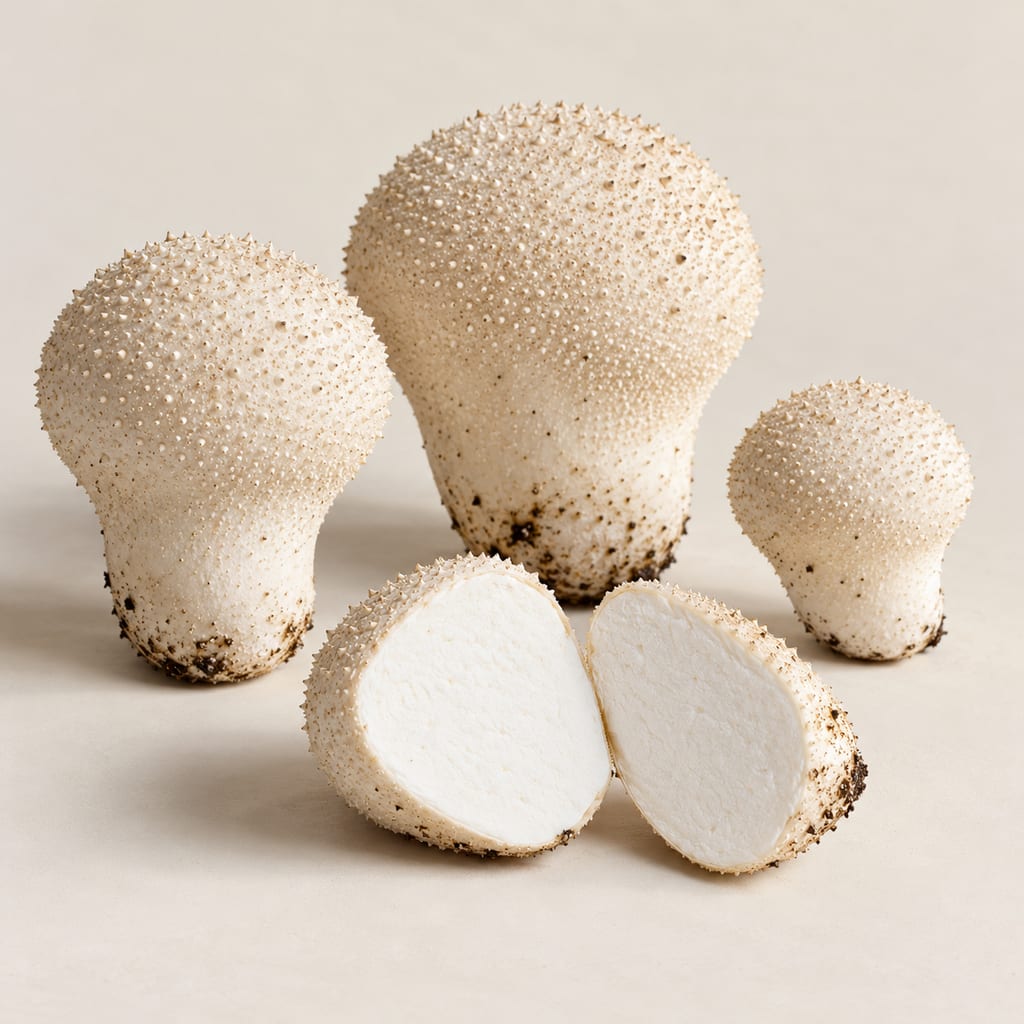
The common puffball, Lycoperdon perlatum, is a wild, ground-growing puffball. It is cooked as food in some traditions only while the flesh is still white, and its lookalikes must be excluded before any use.
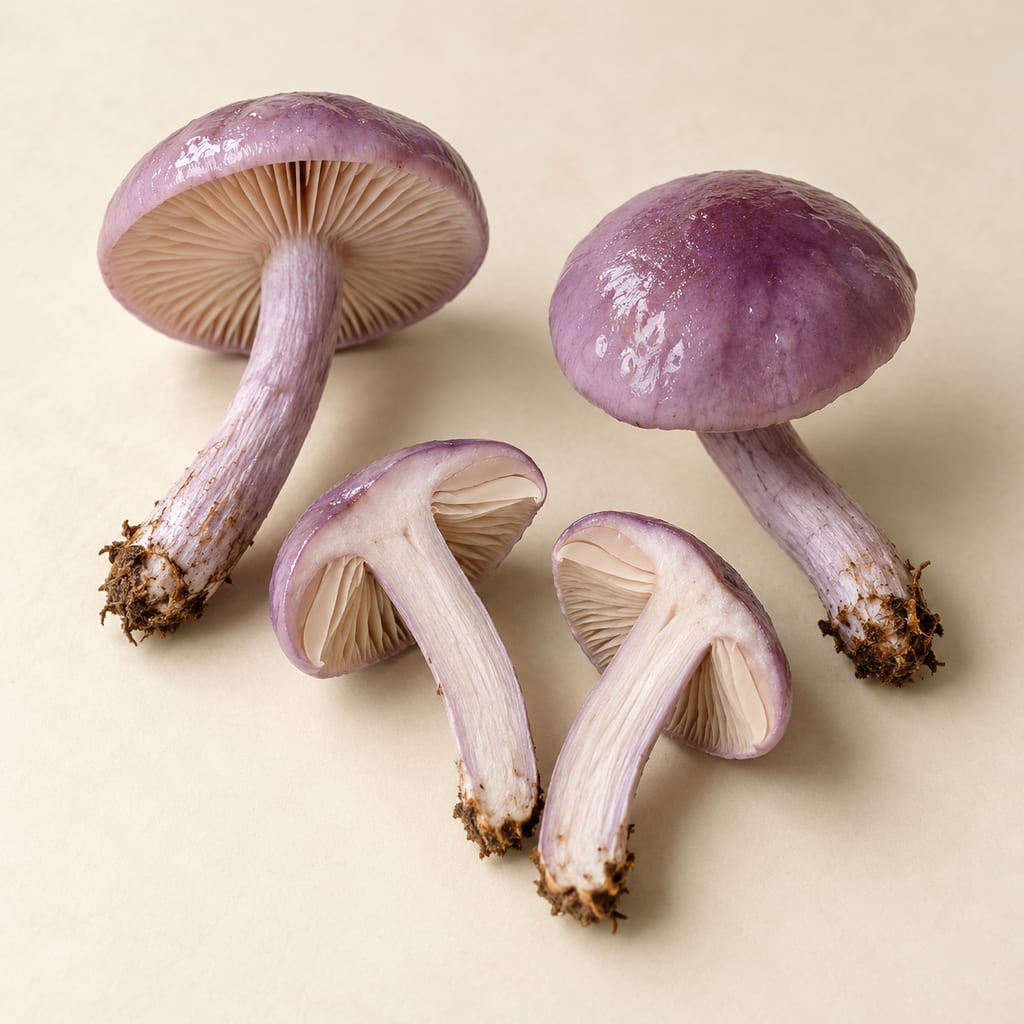
Cortinarius magellanicus is a webcap mushroom of Nothofagus forests in Patagonia, recorded in regional food use, but it belongs to a species complex and its genus contains deadly toxic species.
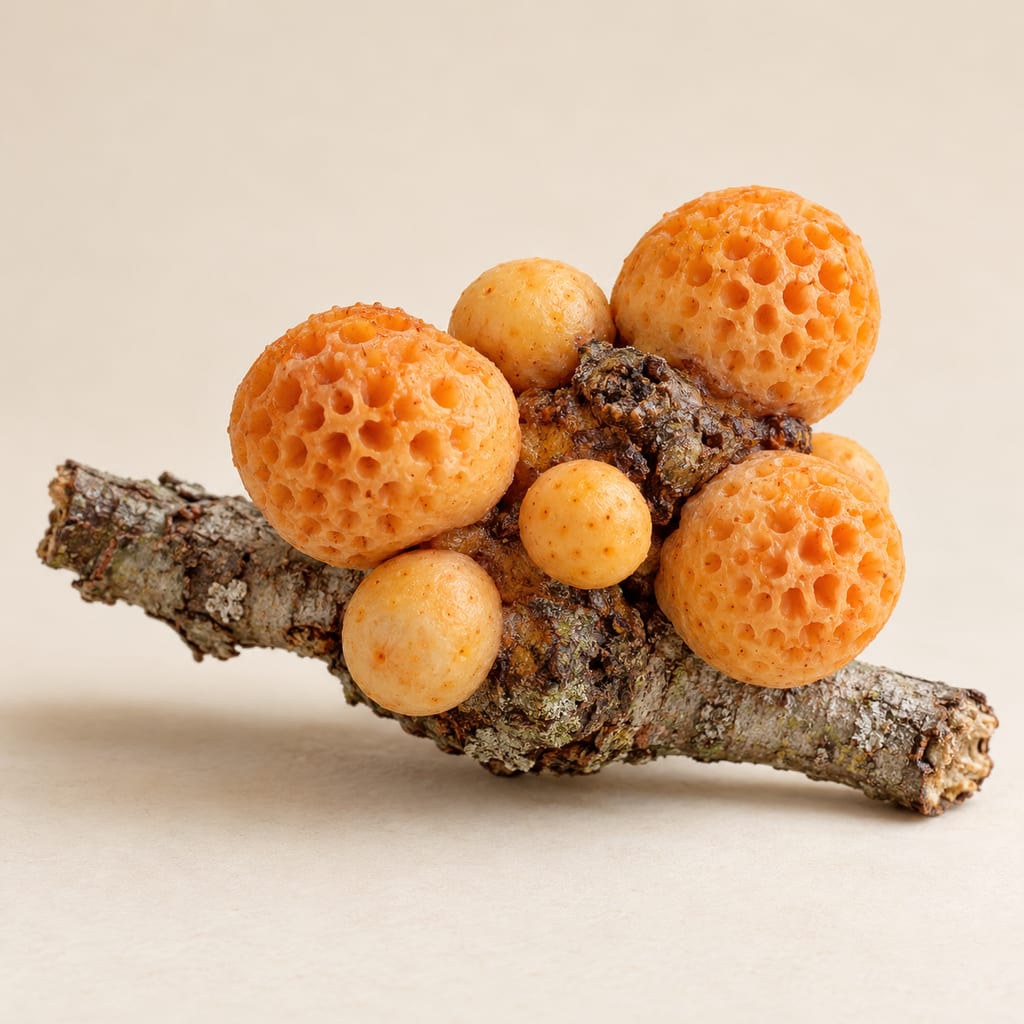
Darwin’s fungus is a pitted orange stroma that grows from galls on living southern beeches in southern Chile and Argentina. Sources document regional food use, especially in Tierra del Fuego.
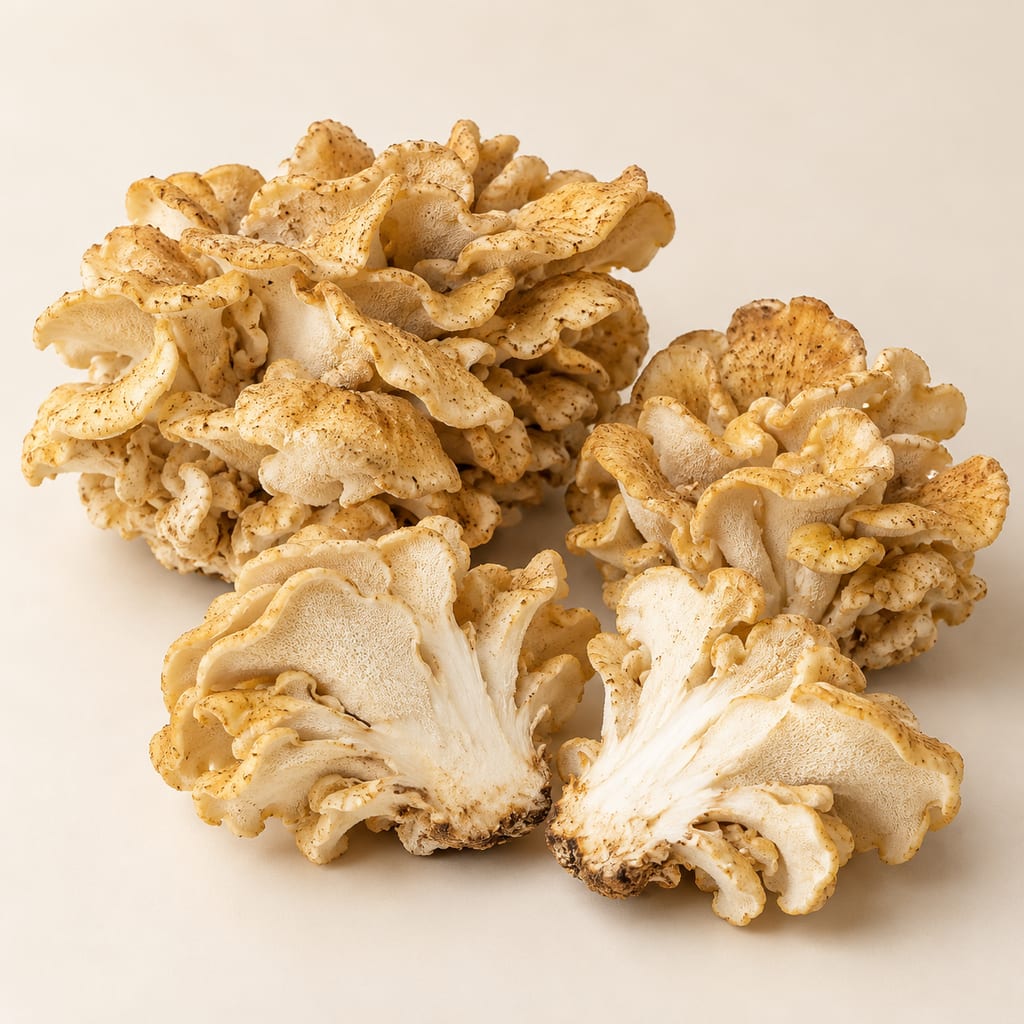
Gargal, Grifola gargal, is a wild mushroom of the Andean-Patagonian forests of Argentina and Chile, prized for its taste and now rated Endangered because wild stocks are declining.
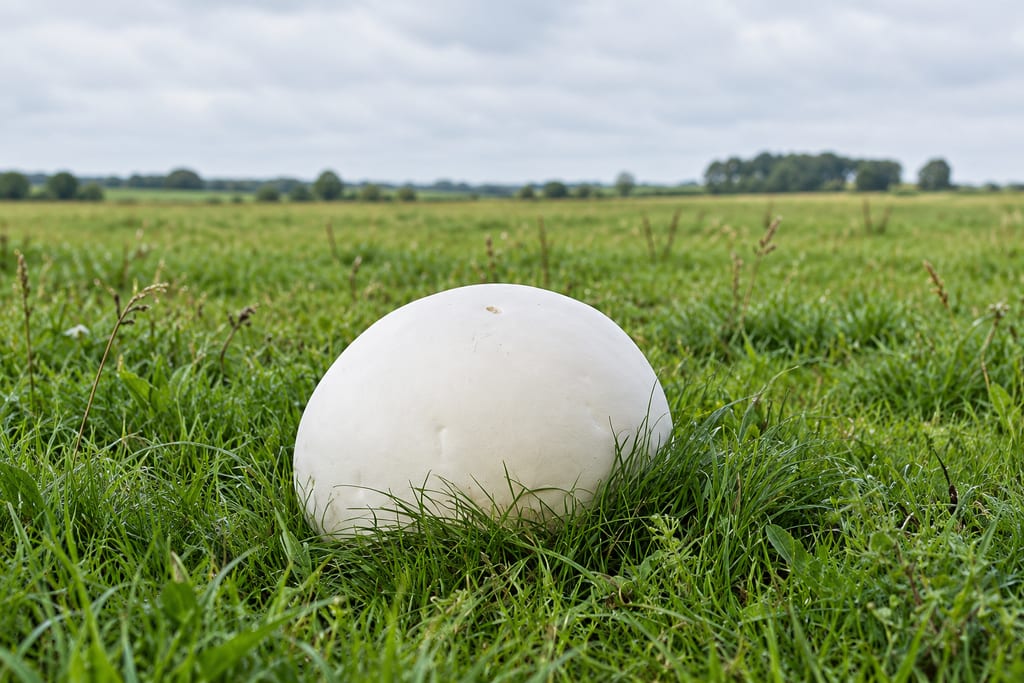
Young Calvatia gigantea is documented as a cooked food in Khiram, South Kashmir; mature or uncertain specimens are not food. Wild mushroom identification requires expert confirmation.
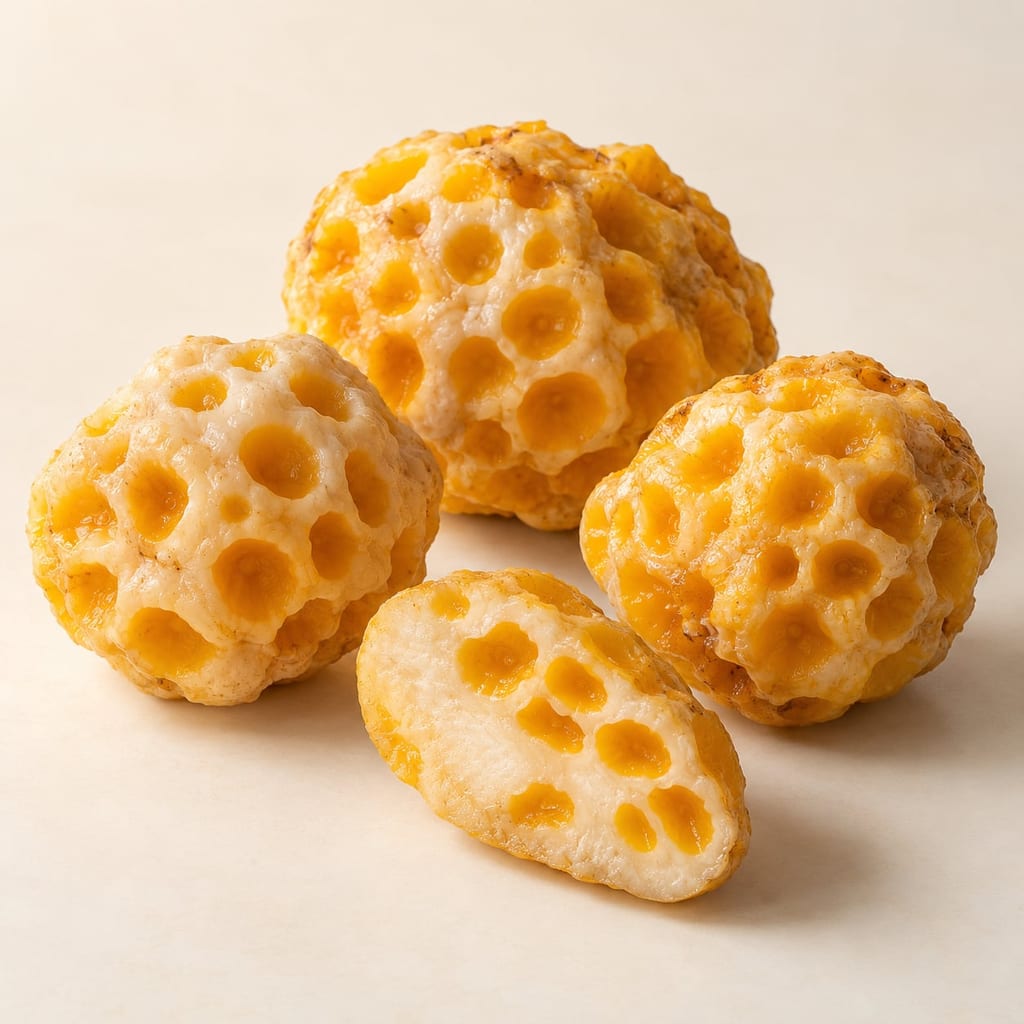
Llao-llao is the orange, gelatinous fruiting body of a southern-beech parasite in the Andean–Patagonian forests of Chile and Argentina. Regional sources document its food history, including Mapuche use in chicha.
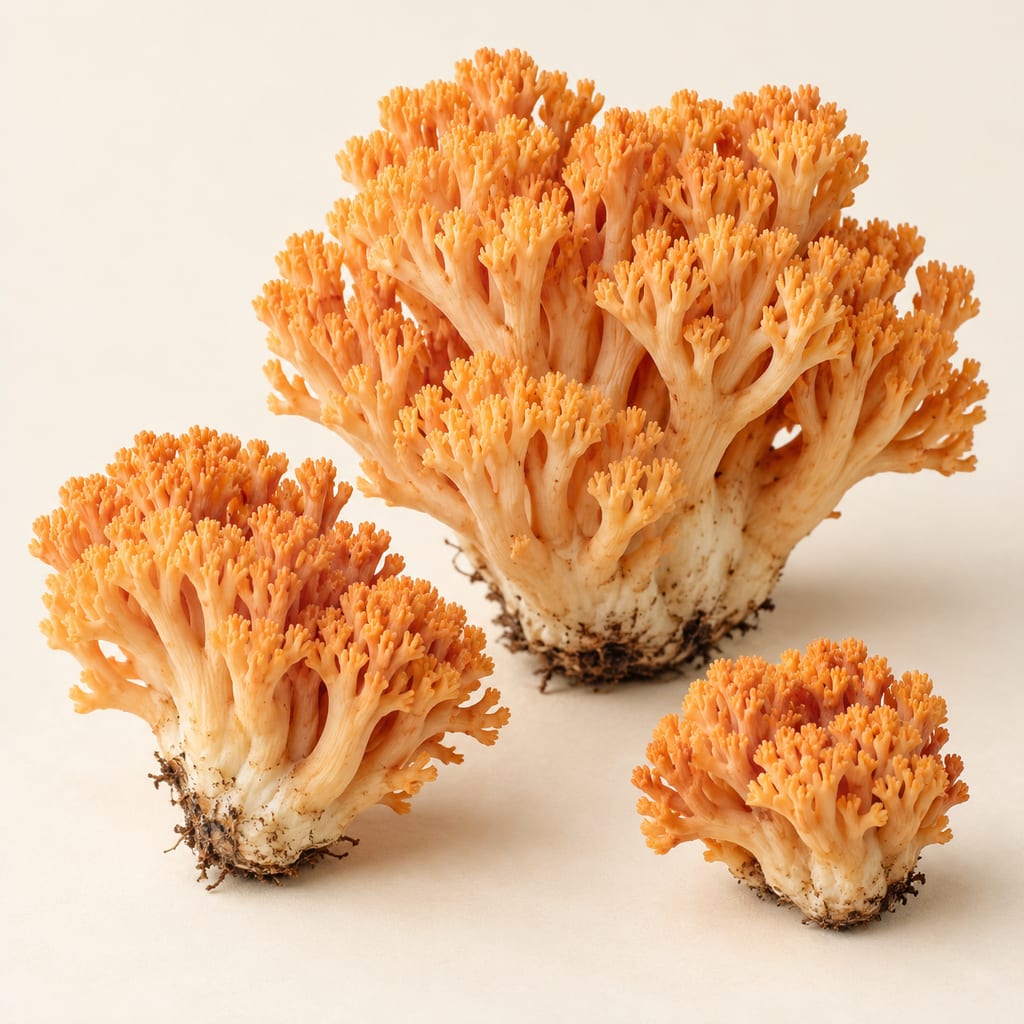
Patagonian changle, Ramaria patagonica, is a coral fungus of southern Chilean and Argentine forests that Patagonian guides list as cooked and eaten, with no species-level safety verdict.
No community contributions have been published for this entry yet.
Sign in to contribute. Published comments and photos are free to read.
MDPIIngredient · Food use
Supplied catalogue source for Fistulina endoxanthaListed in the supplied catalogue as a regional consumption record, studied as a food fungus.
CONICET Repositorio InstitucionalTaxonomy · Food use · Ecology
2021 taxonomic study of Patagonian FistulinaPatagonian Fistulina species are eaten and have long been gathered by the Mapuche-Tehuelche people.
Three Patagonian lineages, including F. pumiliae on Nothofagus pumilio.
Grows on living and dead wood and stumps of Nothofagaceae trees.
PubMed CentralComposition
Chemical and Antioxidant Properties of Wild Edible Mushrooms from Native Nothofagus spp. Forest, ArgentinaF. endoxantha measured at about 5 to 8 g per 100 g dry weight for one nutritional component, lower than other Fistulina values.
No mannitol found in F. endoxantha.
IUCN Red ListTaxonomy
IUCN Red List assessment, Fistulina endoxanthaF. endoxantha may be a synonym of F. hepatica, according to Index Fungorum.