

























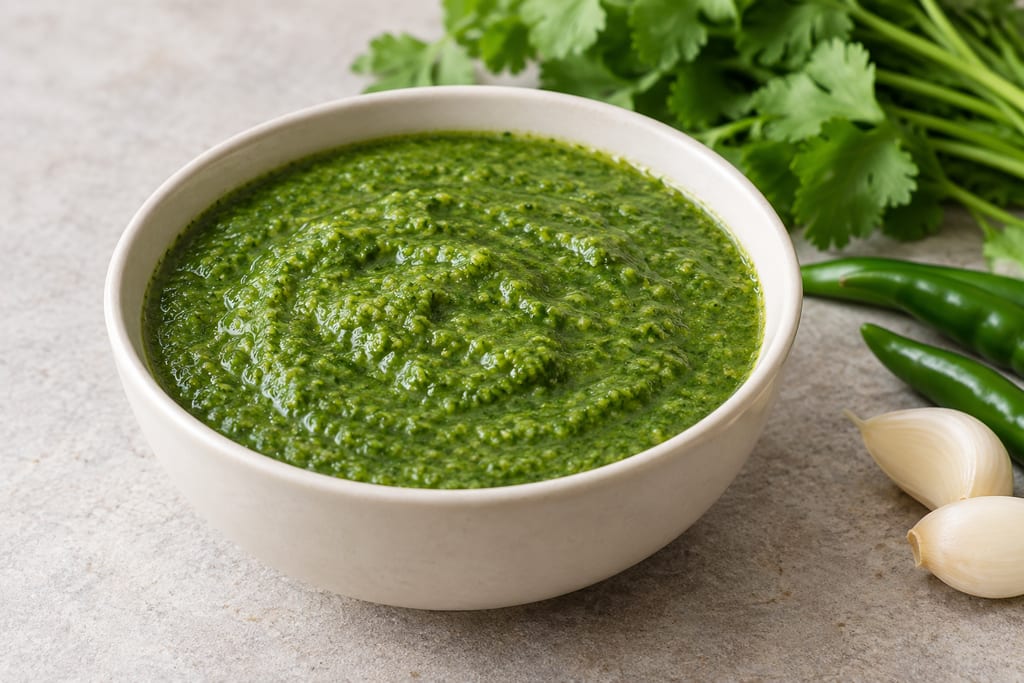
Afghan chutney (chatney)
Afghan coriander chatni is a sharp, hot herb sauce with garlic and vinegar. A 2008 Afghanistan manual records green or red pepper and optional walnut; heat and household versions vary.
 FermenteaWhere food goes to change
1504 records with their sources, across 11 categories.
 Fermented, enzyme-ripened and mixed seasonings5
 Garum and fish sauces3
 Legume, seed and plant-protein ferments1
Afghan coriander chatni is a sharp, hot herb sauce with garlic and vinegar. A 2008 Afghanistan manual records green or red pepper and optional walnut; heat and household versions vary.
Tương Bần is a thick, sweet and salty northern Vietnamese soybean sauce made from soybean and sticky rice at Bần Yên Nhân in Hưng Yên, matured in ceramic jars for months.
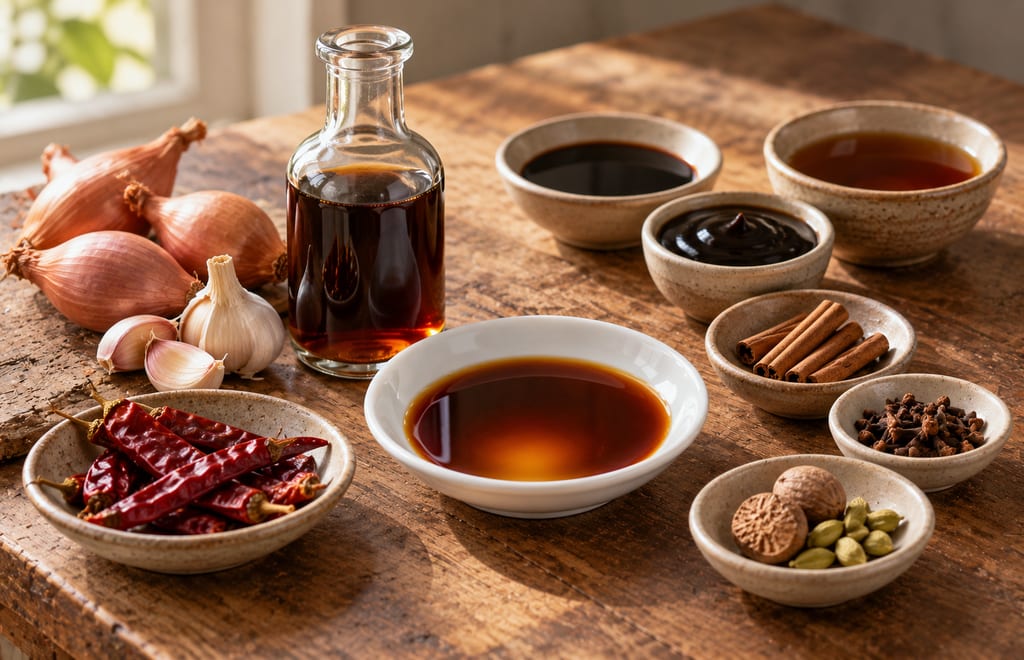
A thin, dark, sharply savoury table sauce associated with Worcester, England. This recipe preserves one historical formula printed in 1932 and distinguishes it from modern proprietary Worcestershire sauces.
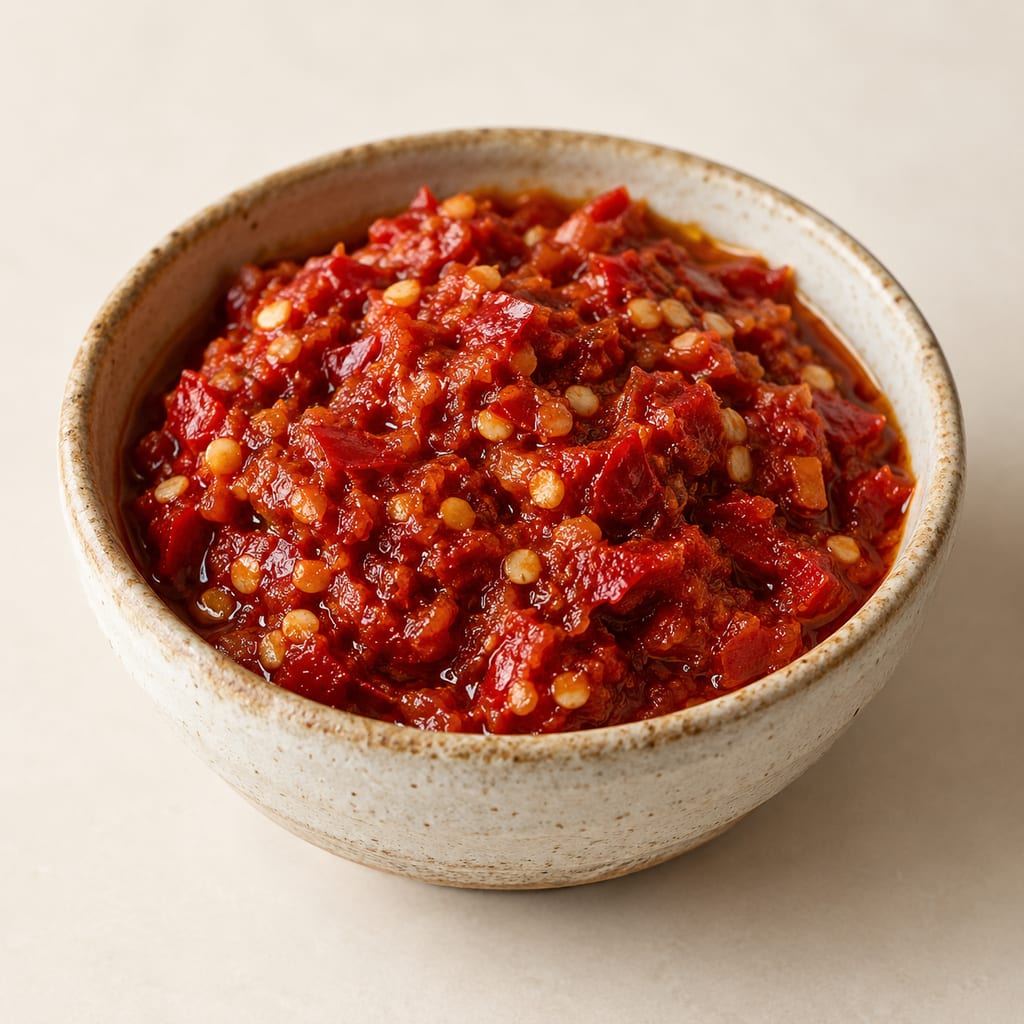
Shatta is a Palestinian chilli paste with many household forms. Abeer Najjar’s family-inspired version oven-dries salted fresh chillies, then mixes them with vinegar and olive oil for a source-described room-temperature ferment.
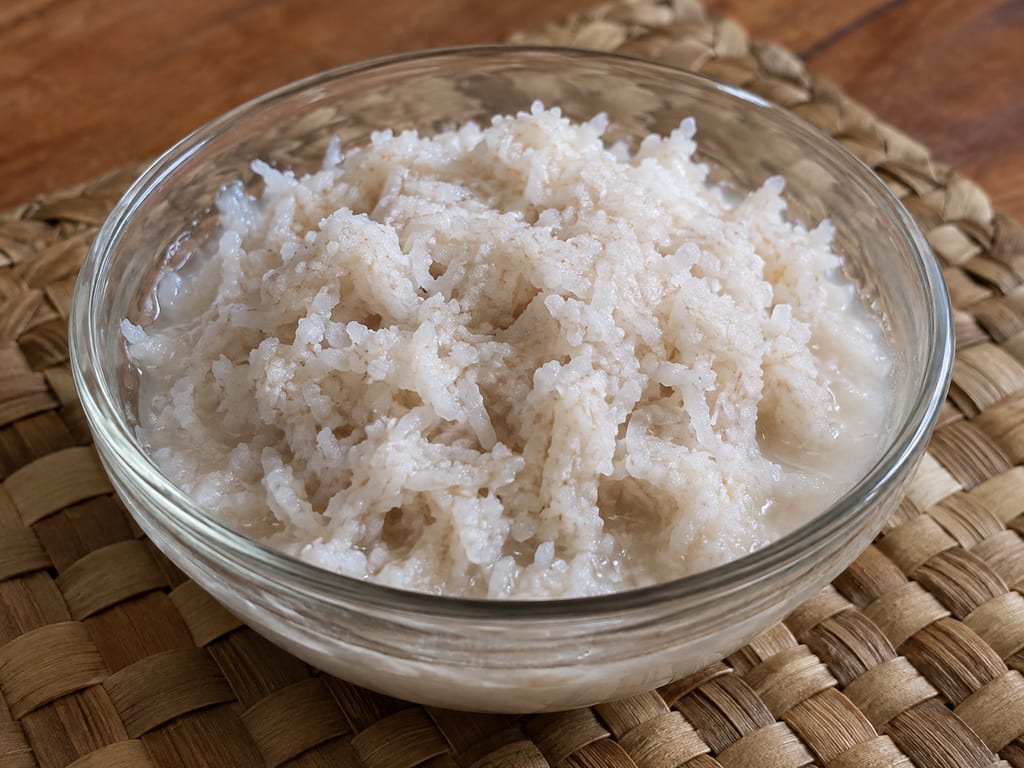
Taioro is a Polynesian condiment of grated coconut fermented with freshwater prawn heads in seawater, then rested in a cool place for a day before it is used.
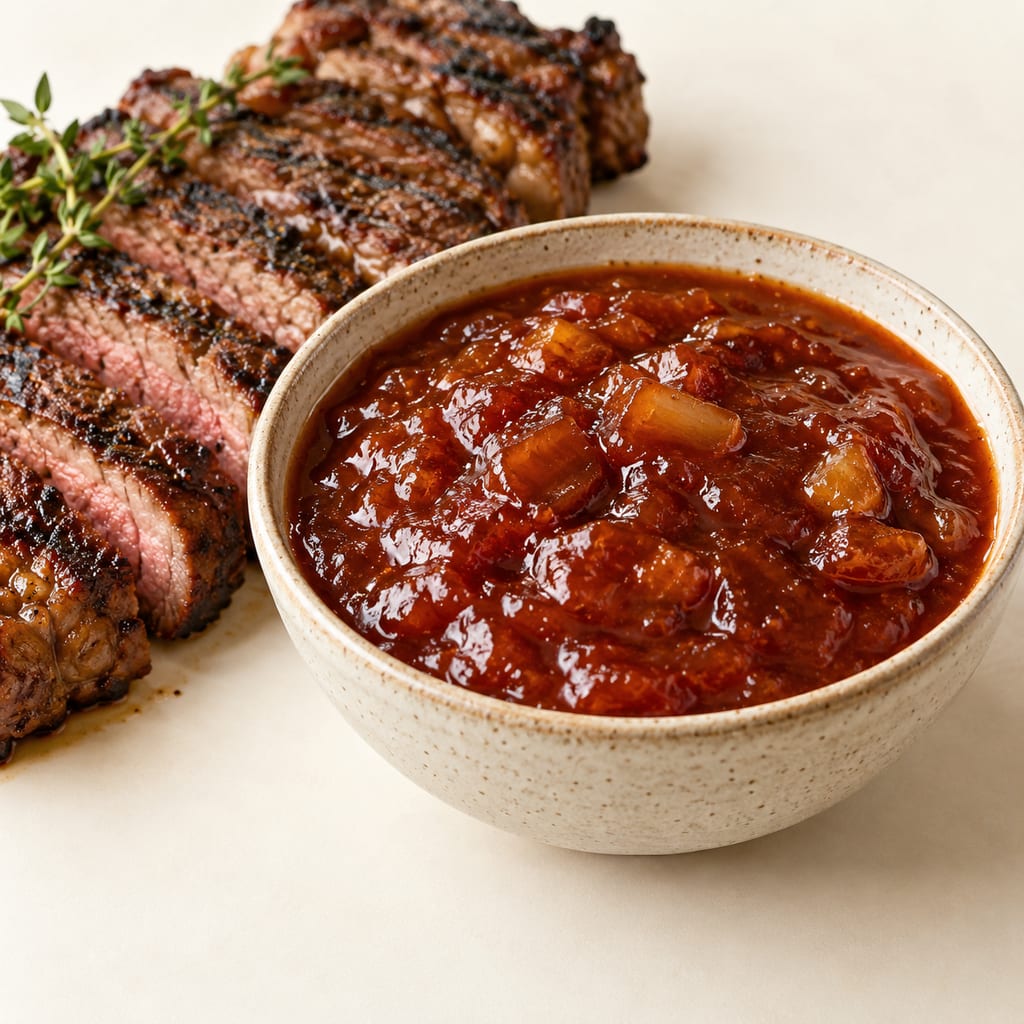
A sweet and tangy South African condiment of fruit chutney and tomato sauce, served with grilled meat and steak. It contains no monkey gland.
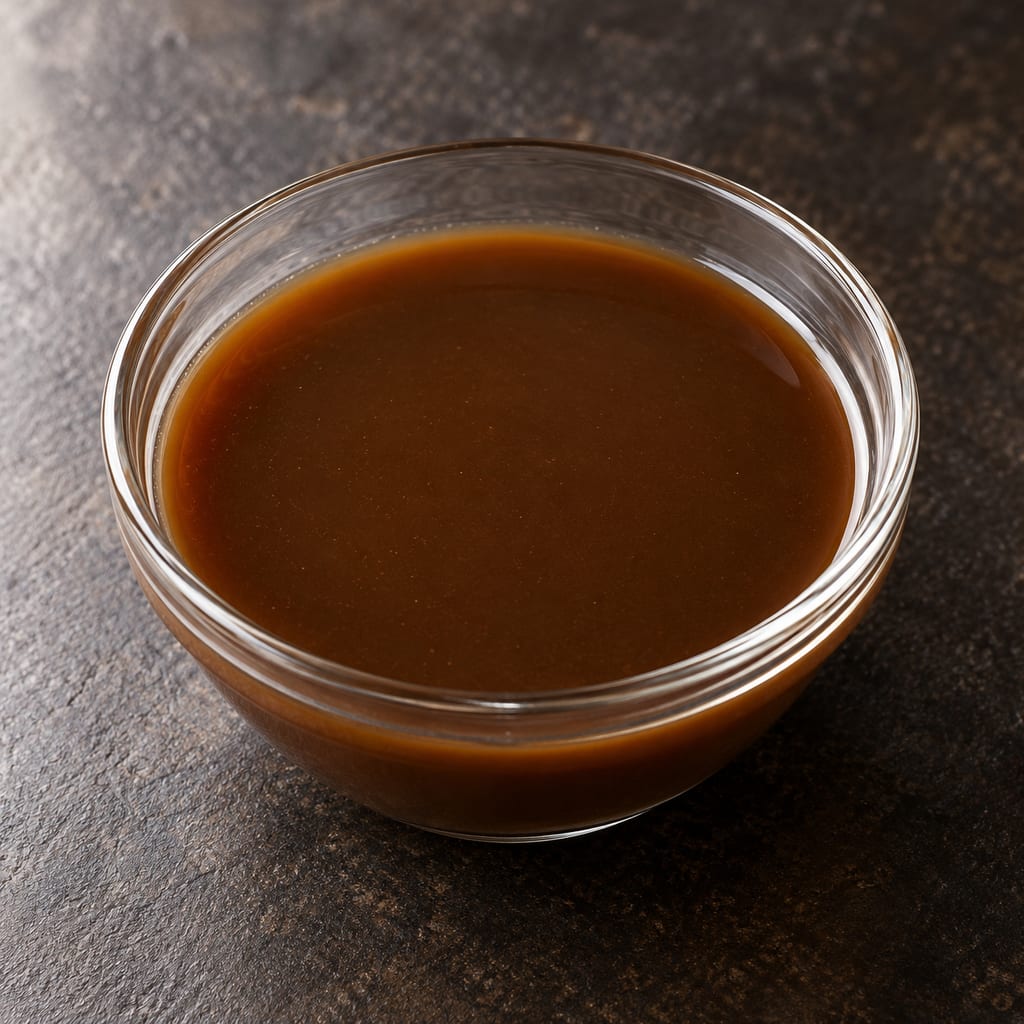
Coconut sugar starts this cooked sauce, followed by shrimp paste, garlic brine and pieces, two distinct pla-ra inputs, mulberry leaves, water and later seasonings.
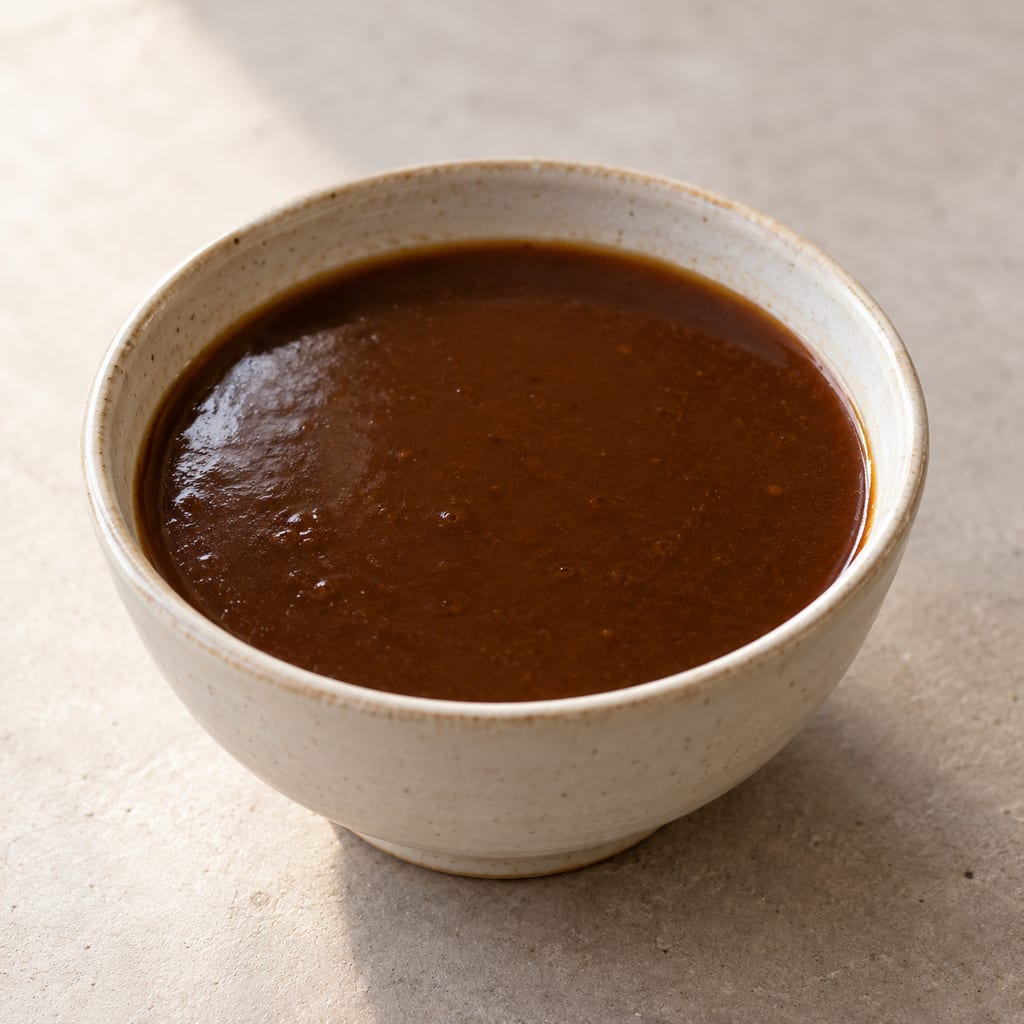
Concentrated pla-ra liquid and pla-ra ton are combined with shrimp paste, sugar and seasonings, simmered for about 30 minutes, strained and cooled.
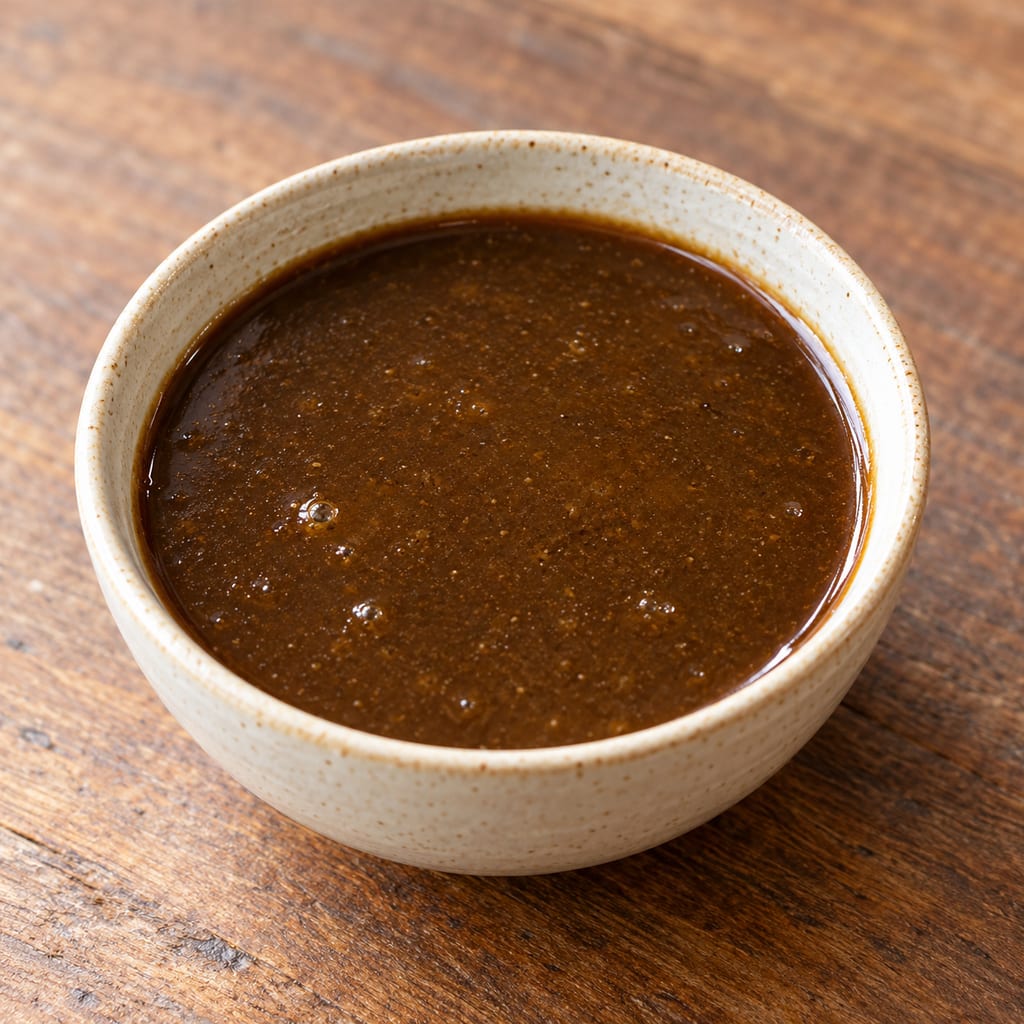
Purchased pla ra is boiled with pickled-garlic heads and water, then seasoned, boiled again, cooled and transferred; several captioned ingredient names or amounts remain unresolved.