


















Elevated risk
Hogweed barszcz
The original Polish barszcz: young hogweed leaves soured in warm water for a few days, then boiled into soup with egg, butter, cream or millet. Recorded from 1595, with warnings about the sap and lookalikes.
 FermenteaWhere food goes to change
1504 records with their sources, across 11 categories.
The original Polish barszcz: young hogweed leaves soured in warm water for a few days, then boiled into soup with egg, butter, cream or millet. Recorded from 1595, with warnings about the sap and lookalikes.
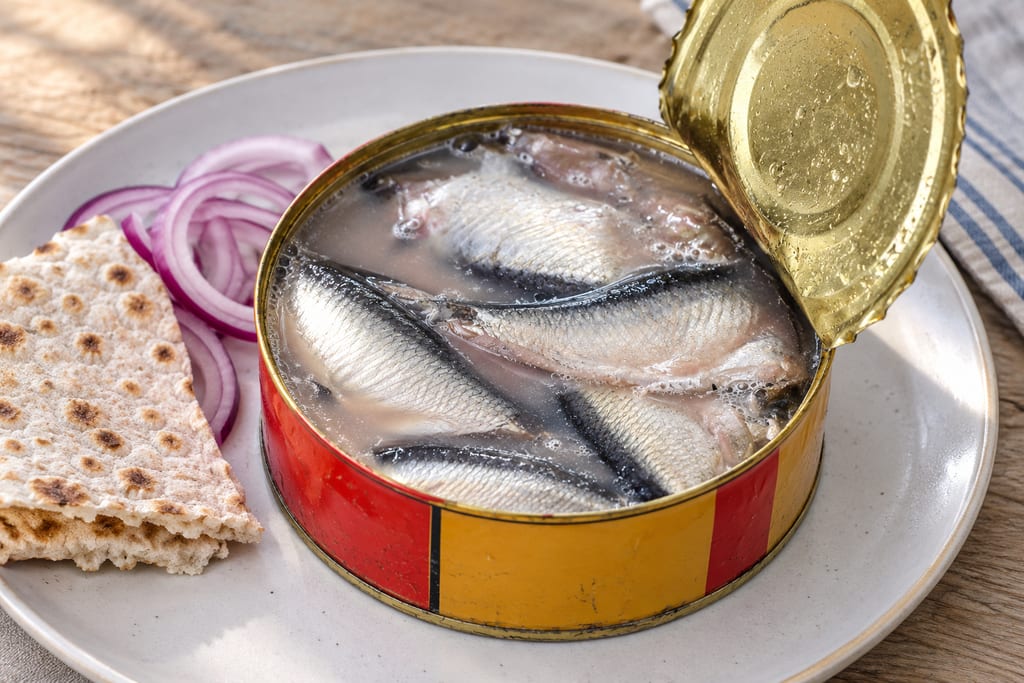
Salted, barrel-fermented Baltic herring from Sweden, surströmming is packed in shallow tins where fermentation may continue. Its traditional production is a specialist commercial process, not a household formula.
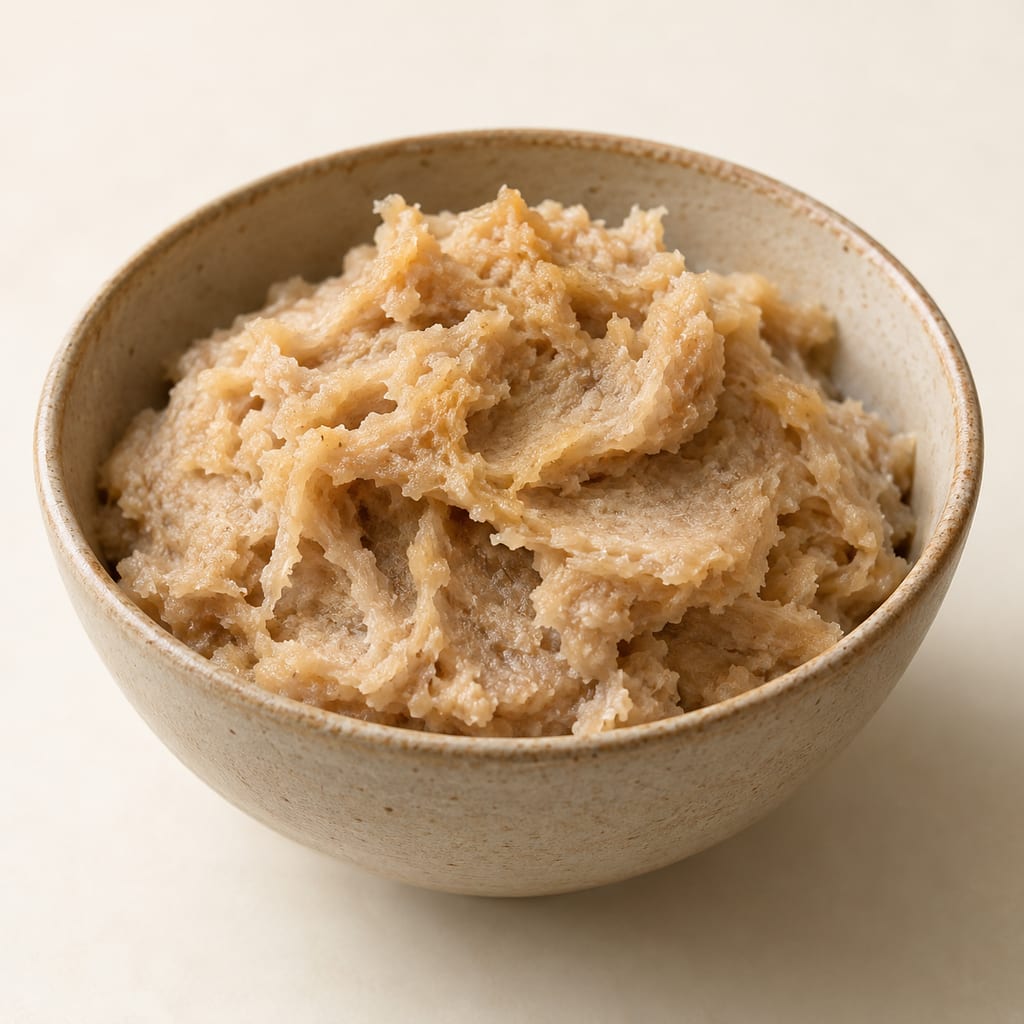
Tahitian mahi is a breadfruit paste wrapped in Cordyline leaves and kept in an earth-covered pit for several months, a scarcity food of French Polynesia. The heritage account gives no validated method.
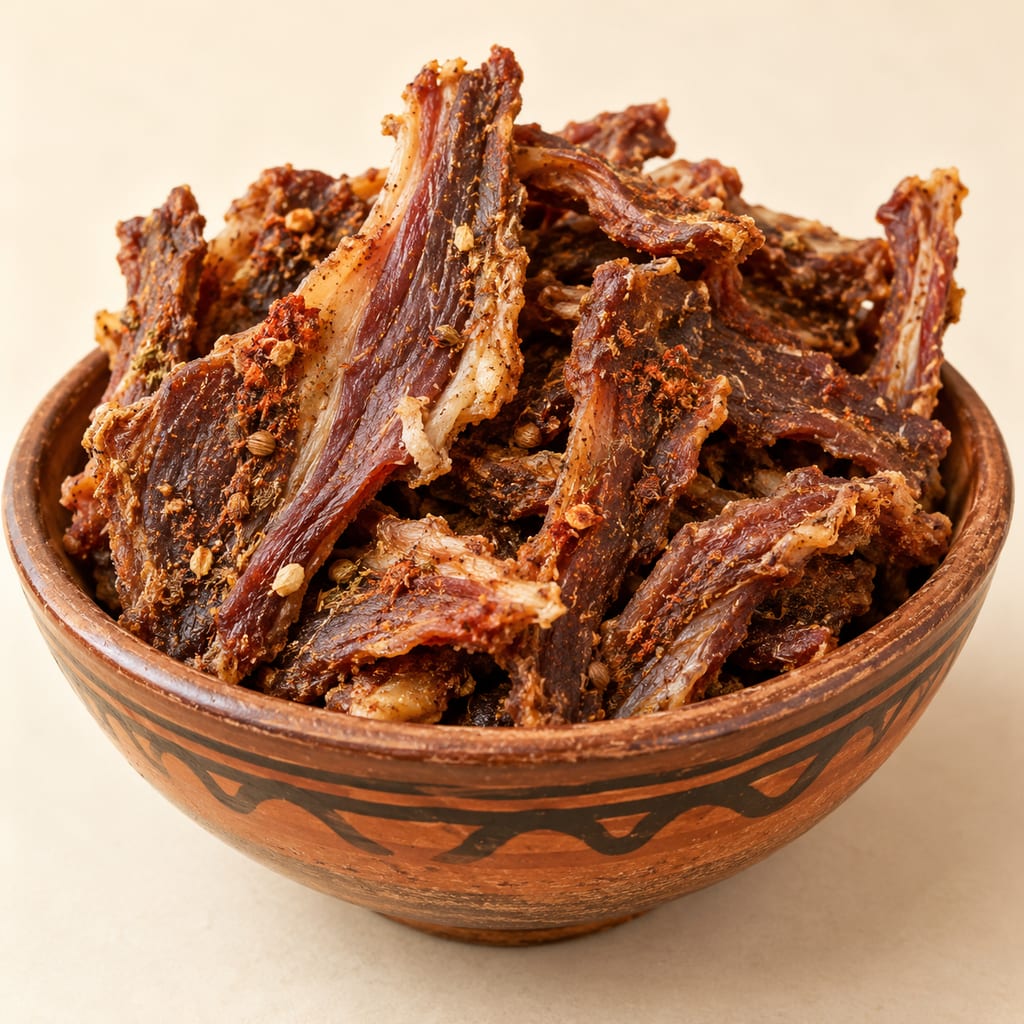
Moroccan kaddid is a traditional salted, dried meat. The measured batch here is from a 2023 Tunisian experiment and is included only as a non-instructional comparison.
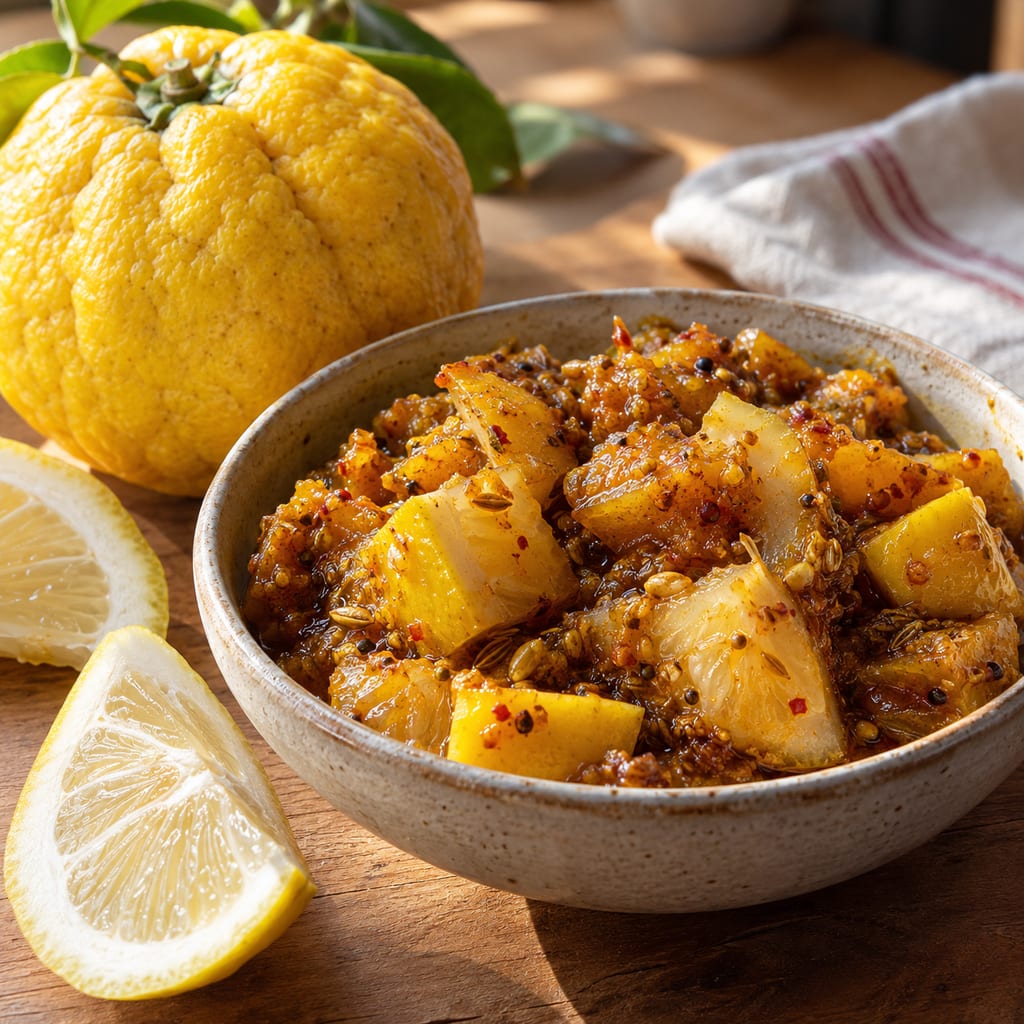
Ripe Himalayan galgal is boiled, sun-dried and cooked with mustard oil, spices and jaggery before a further rest in a ceramic jar.
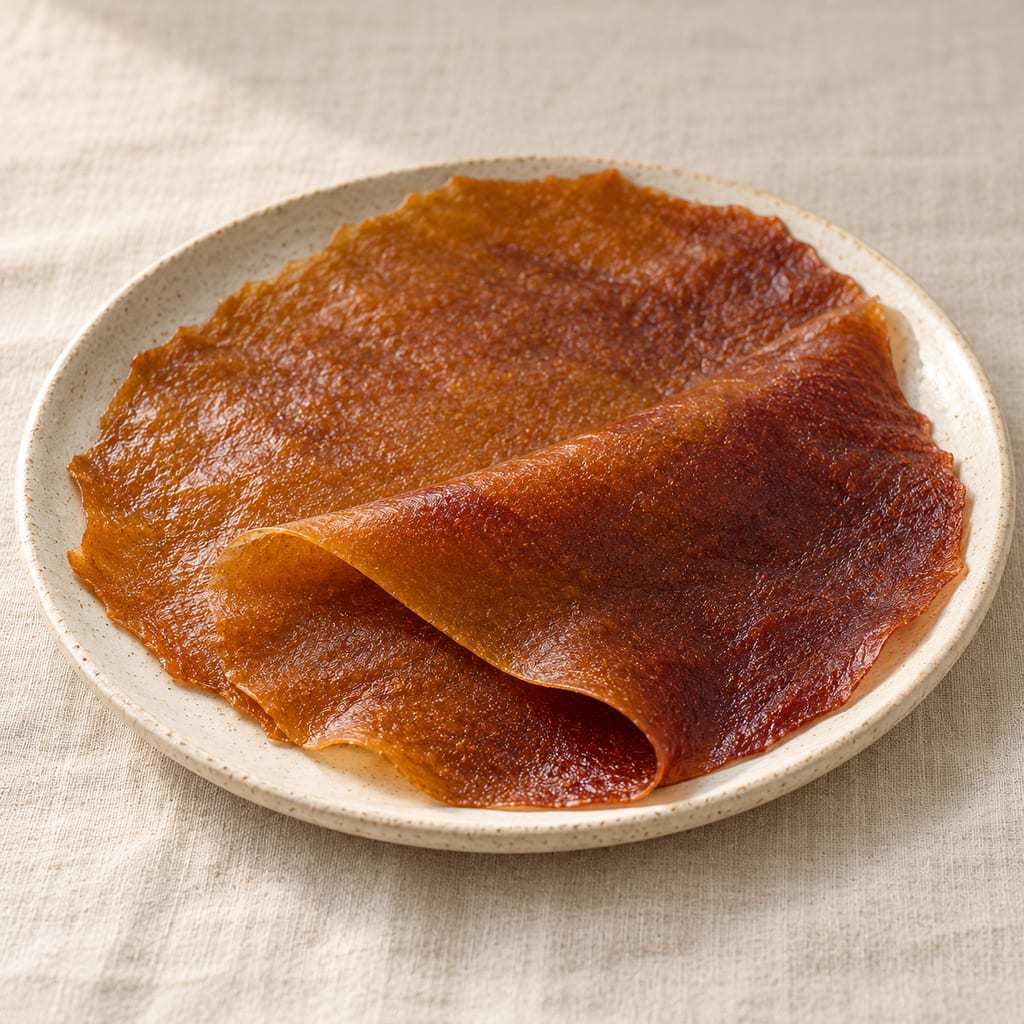
A reported Khizabavra household method cooks mulberry juice with wheat flour into a thin porridge before drying it on cloth; batch measures and a measured endpoint are absent.
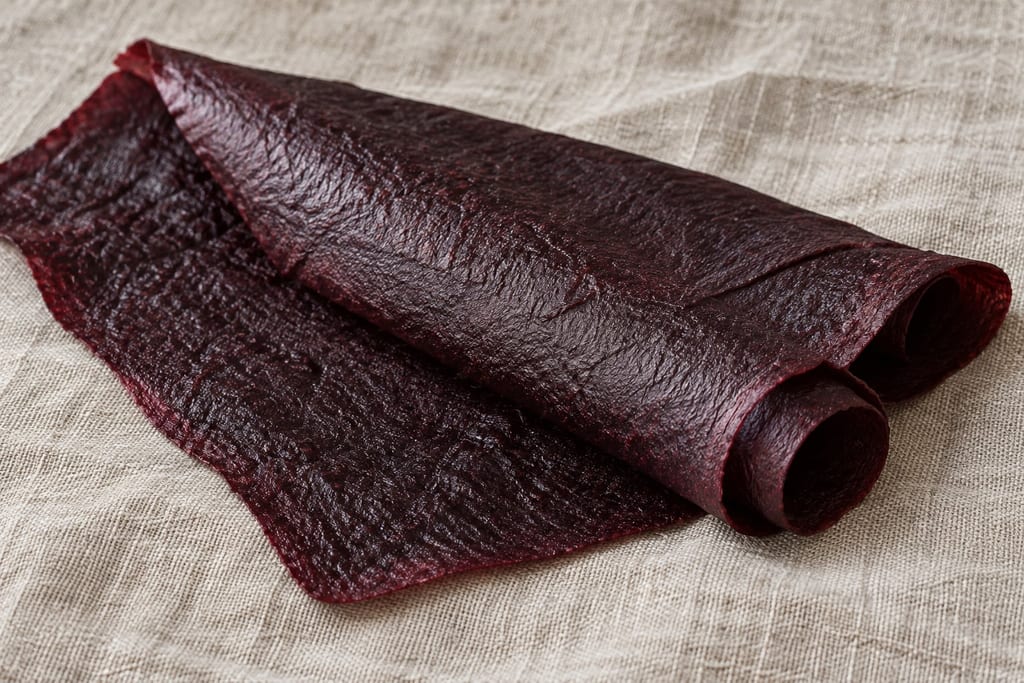
Georgian field notes describe mulberry tklapi with wheat flour but omit how the paste is cooked. FDA warns raw flour can carry harmful bacteria; this incomplete account is documentary, not a home recipe.

Pracharanda is finely reduced dried pear used as a topping on porridge, dumplings and cakes in Czech sources. Accounts of its preparation differ.
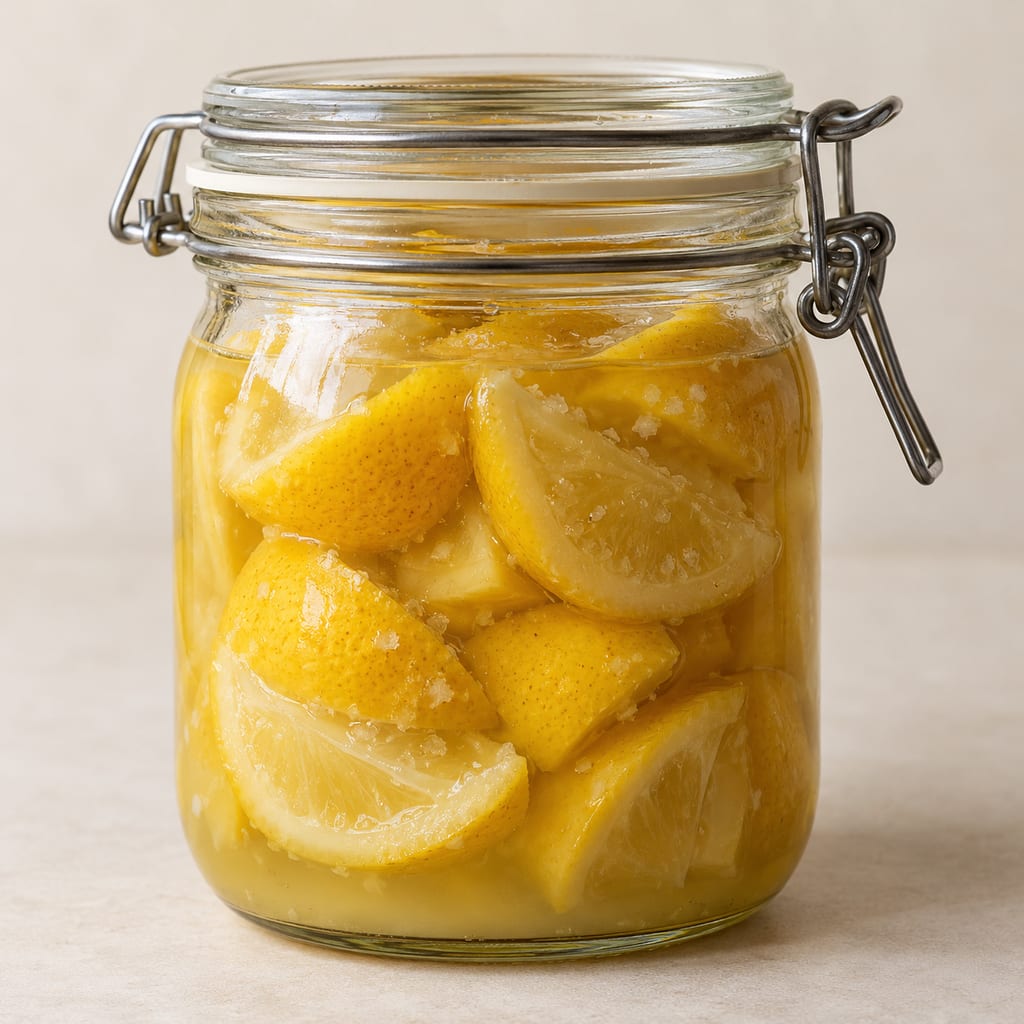
Lemon wedges are salt-cured under their own juice until the rind softens. Fermentation may begin, but the precise microbial process and safe storage limits for this formula are not established.
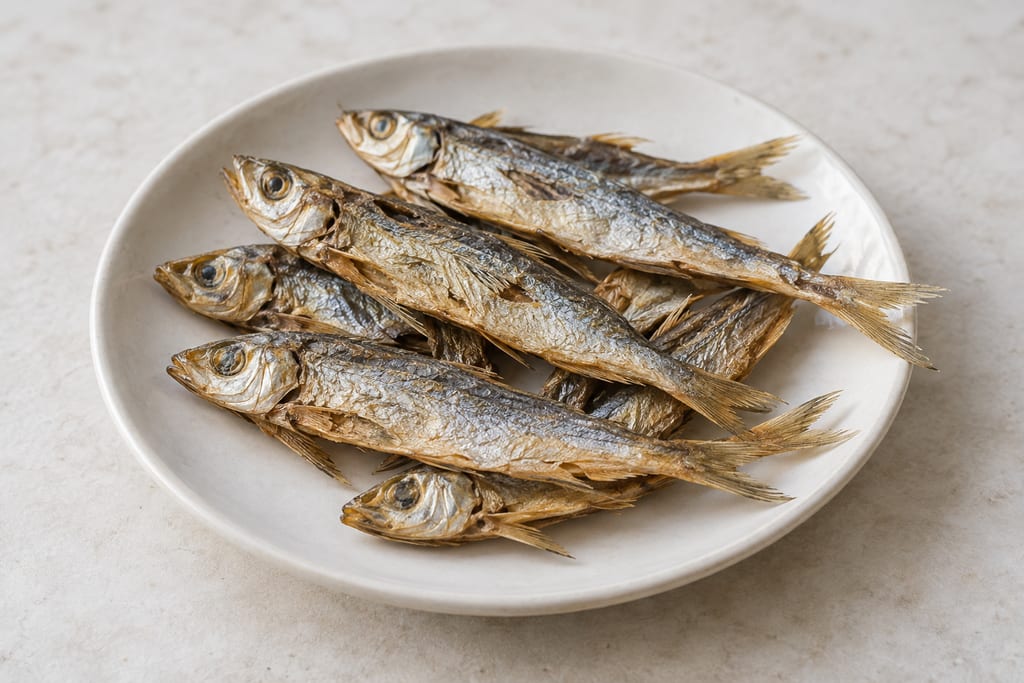
Tambadiang is a Senegalese preparation of small whole fish that is pickled or salted and then dried. Sources differ on fish and process details; no single validated recipe or safety endpoint is established.
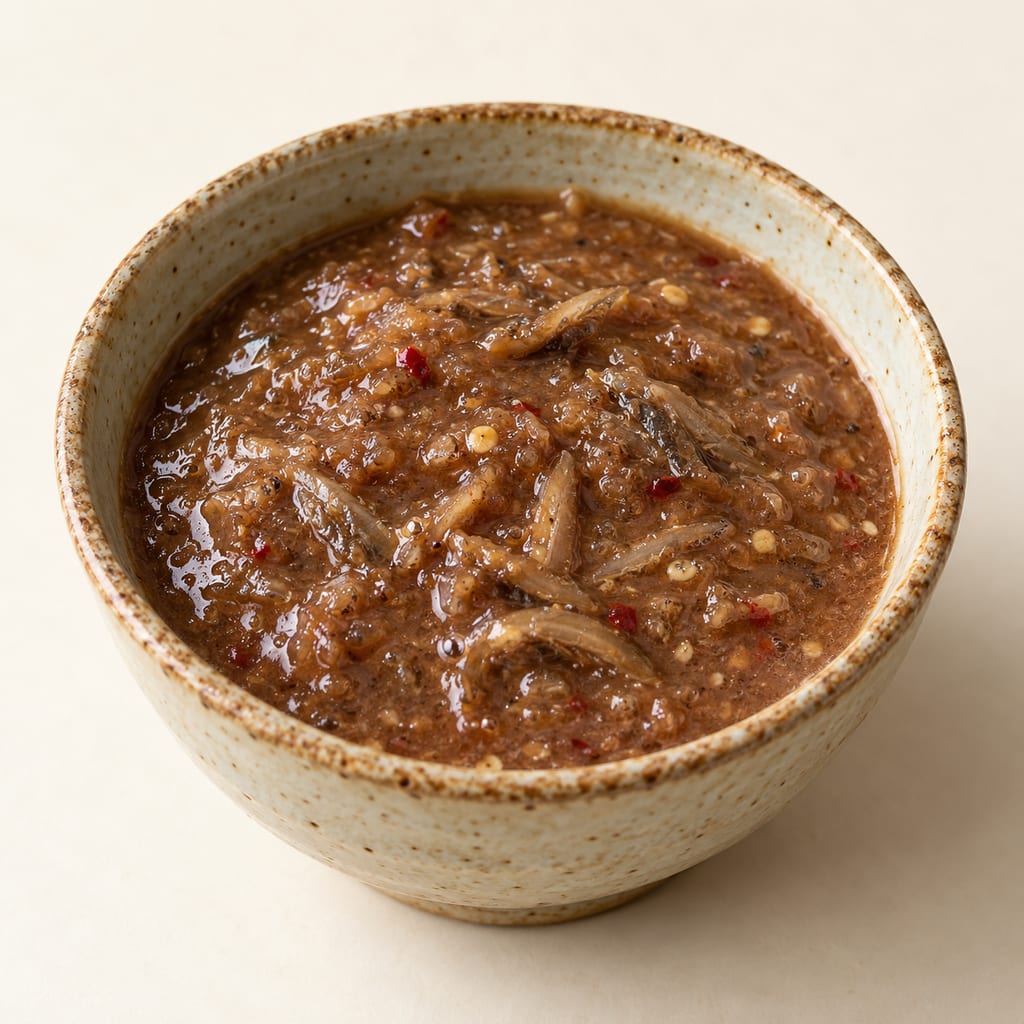
A documentary account of mắm nêm, a pungent Vietnamese fermented fish condiment and dip base. The cited cookbook describes a method, but omits essential process details; this page does not provide a home fermentation recipe.
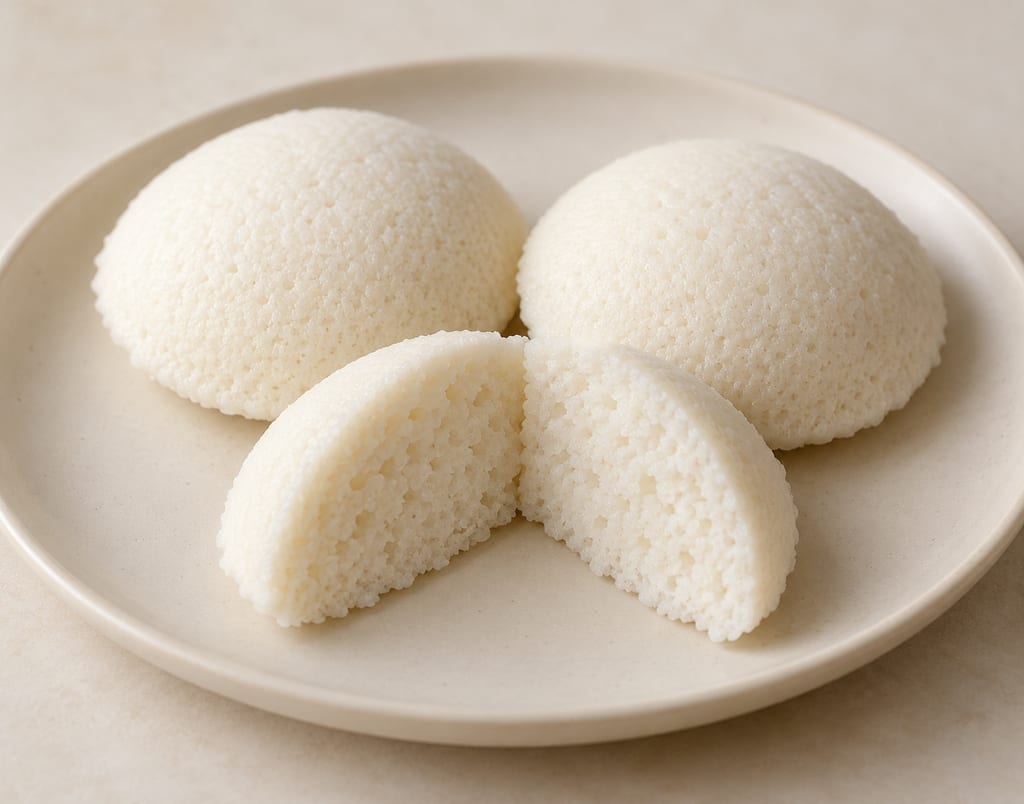
Rice and urad idli uses a source-specific naturally fermented grain and urad batter, then cooks it by steaming in moulds. The creator leaves some process measures unquantified.
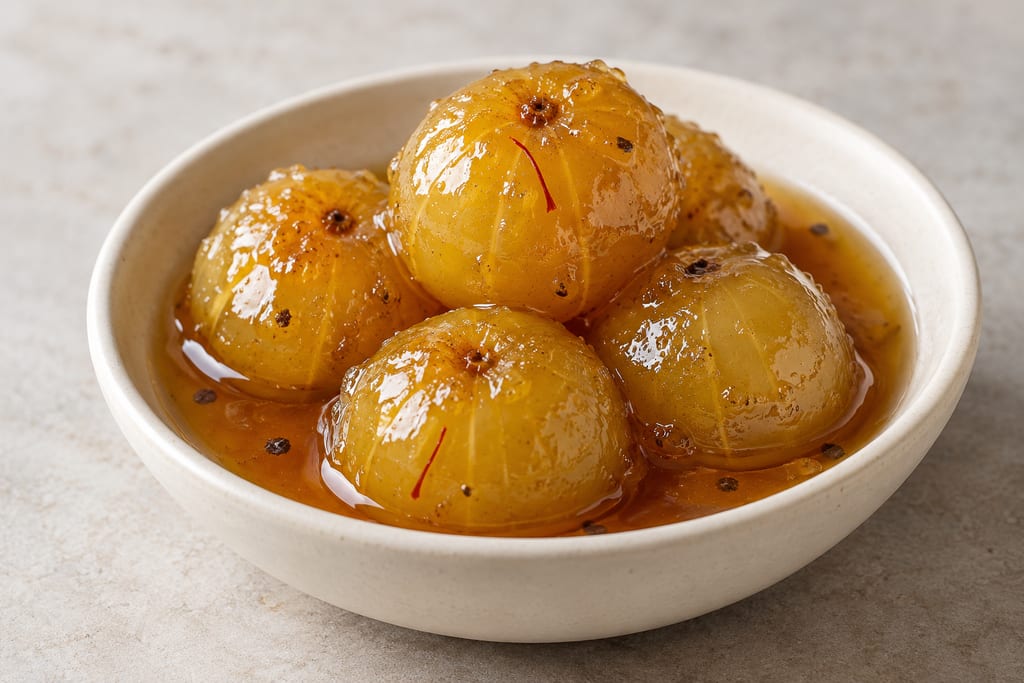
Amla murabba preserves whole Indian gooseberries in a heavy sugar syrup scented with cardamom and sharpened with pepper and black salt. This household method soaks the fruit before cooking.

Lunu dehi is Sri Lankan salted lime pickle. This version sun-dries cut, salt-stuffed ripe limes, then packs them with dried lime juice, chillies, spices and vinegar.
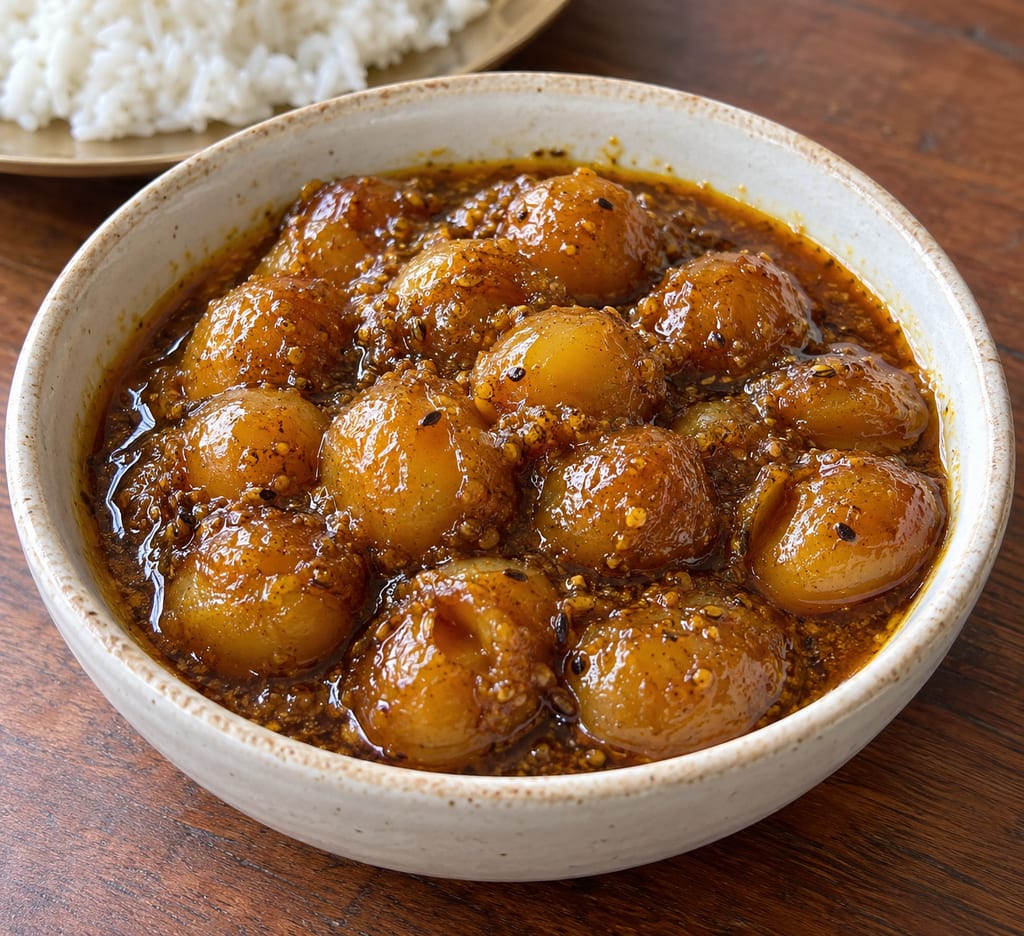
Ripe Nepali lapsi is boiled, peeled and cooked with mustard oil, salt, sugar and roasted spices to make a sweet-sour achar served alongside a meal.
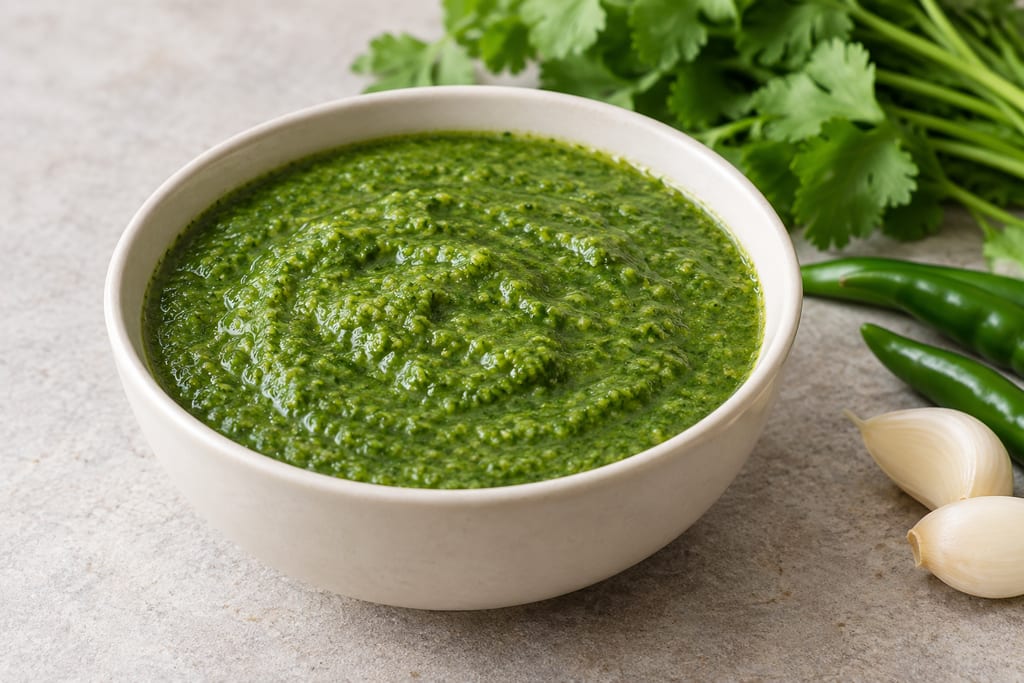
Afghan coriander chatni is a sharp, hot herb sauce with garlic and vinegar. A 2008 Afghanistan manual records green or red pepper and optional walnut; heat and household versions vary.
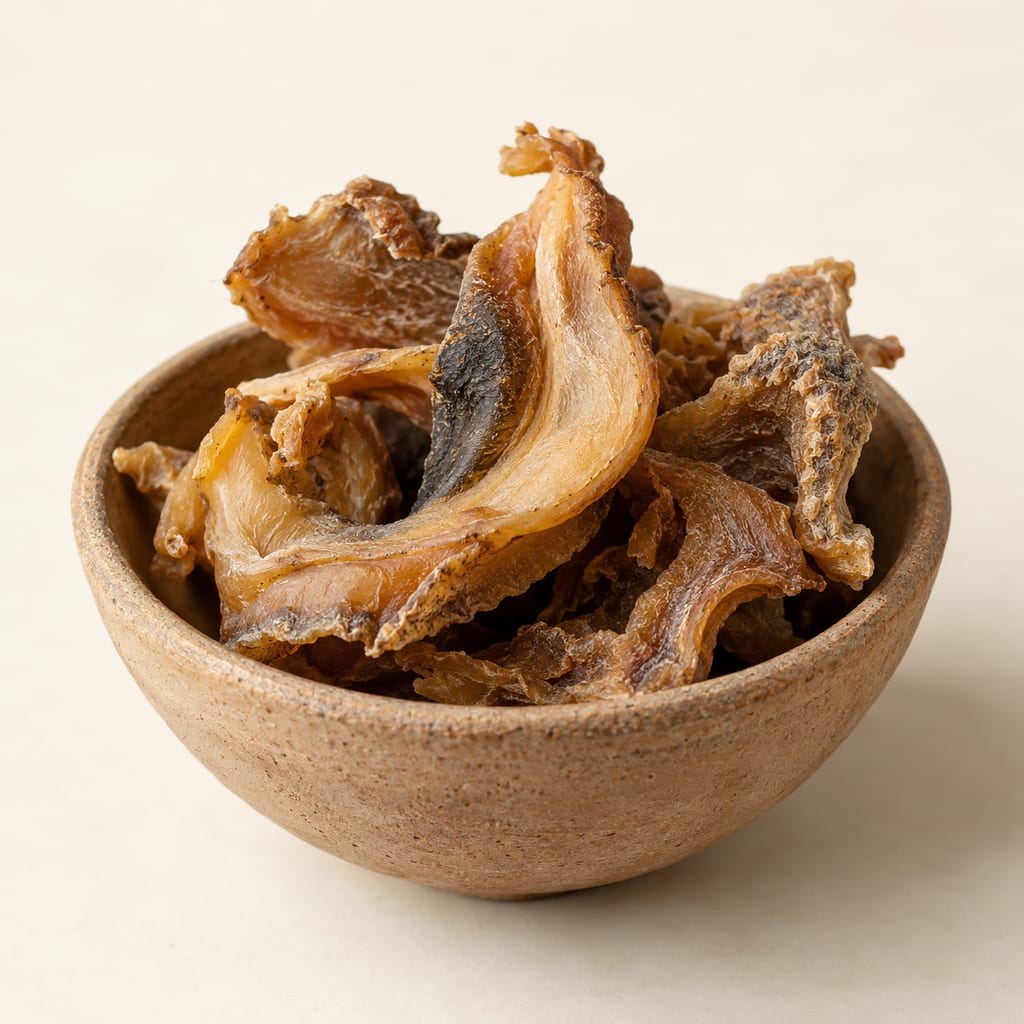
Yeet is a Senegalese condiment made by fermenting and drying Cymbium sea-snail flesh; published accounts describe different fermentation vessels and durations.

Tương Bần is a thick, sweet and salty northern Vietnamese soybean sauce made from soybean and sticky rice at Bần Yên Nhân in Hưng Yên, matured in ceramic jars for months.

Small maize-coated meatballs in a modern pork-and-lamb variant associated with Pitina; this is a documentary account, not a validated method or a claim of Pitina IGP.

Naem is a Thai sour pork preparation made with minced pork, rind or ear, glutinous rice, garlic and salt. Its documented room-temperature method has no validated food-safety endpoint.
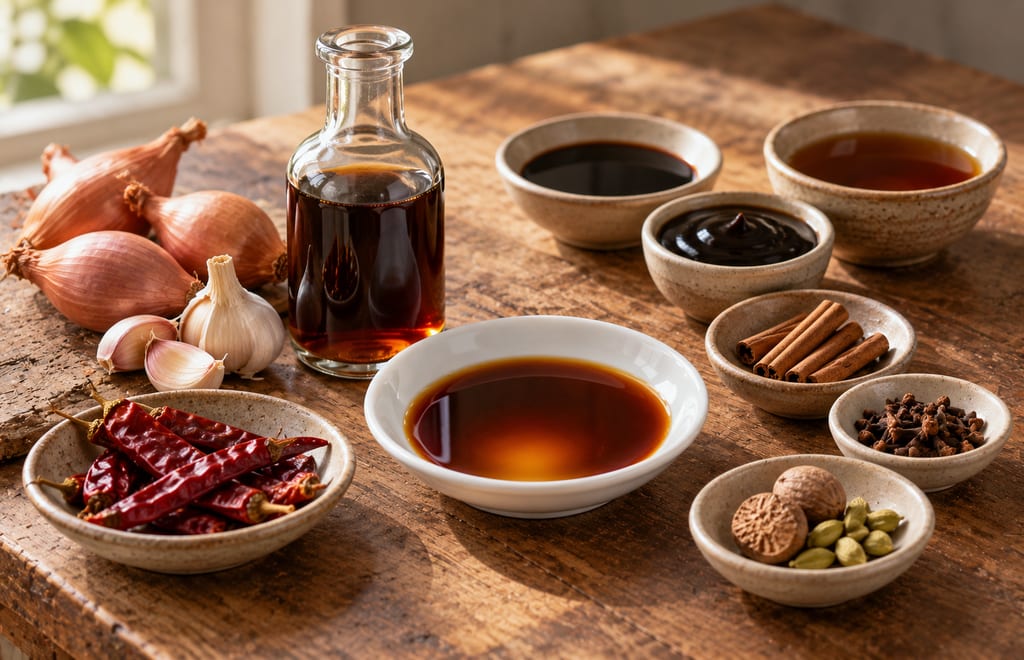
A thin, dark, sharply savoury table sauce associated with Worcester, England. This recipe preserves one historical formula printed in 1932 and distinguishes it from modern proprietary Worcestershire sauces.
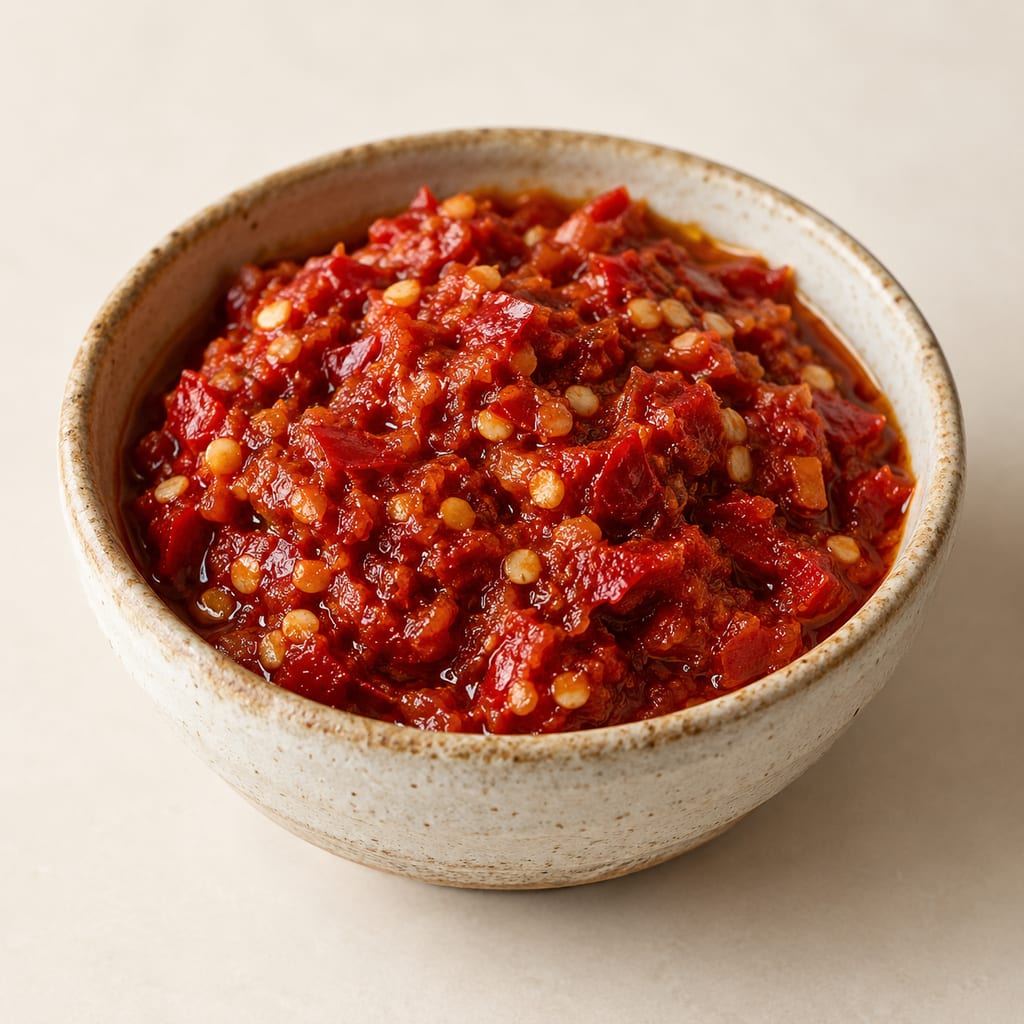
Shatta is a Palestinian chilli paste with many household forms. Abeer Najjar’s family-inspired version oven-dries salted fresh chillies, then mixes them with vinegar and olive oil for a source-described room-temperature ferment.
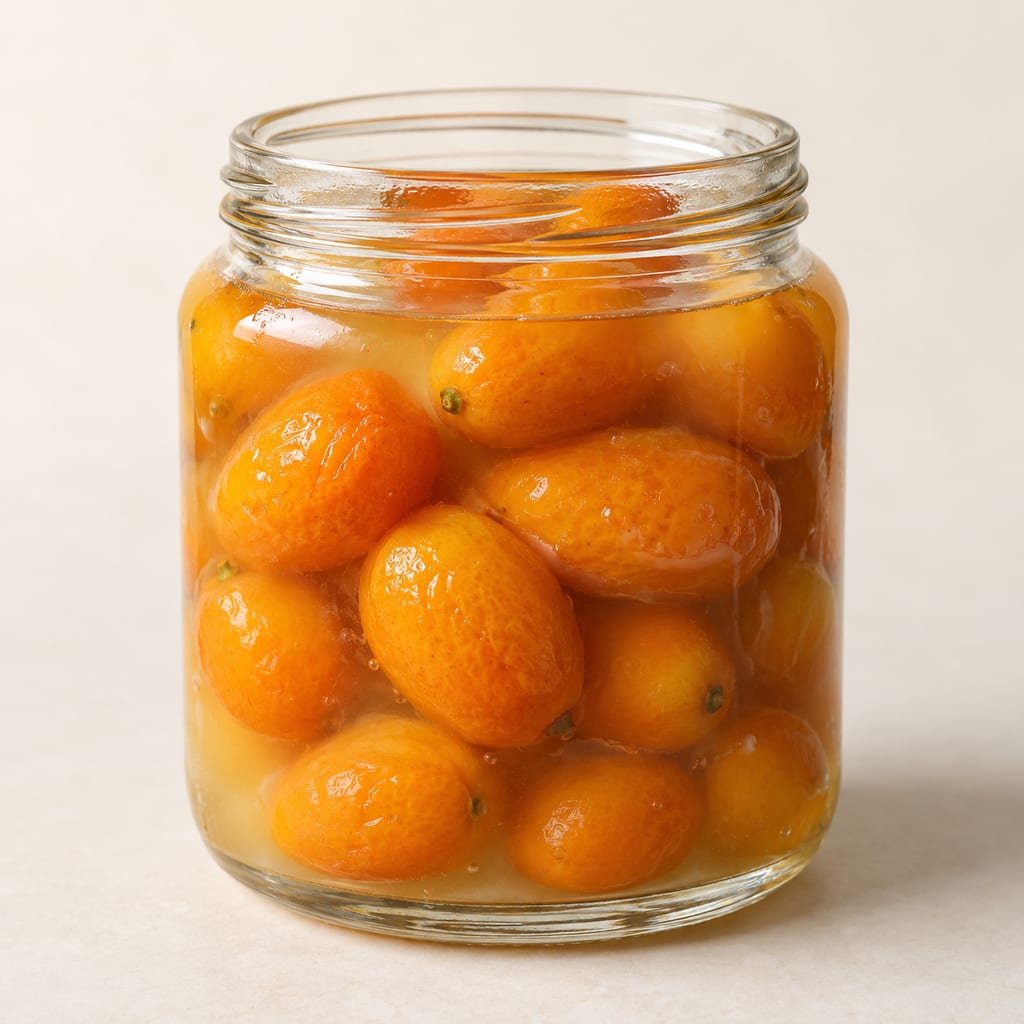
Whole kumquats are salted and covered with lemon juice, then refrigerated for two weeks. This distinct whole-fruit process is not a renamed lime pickle.
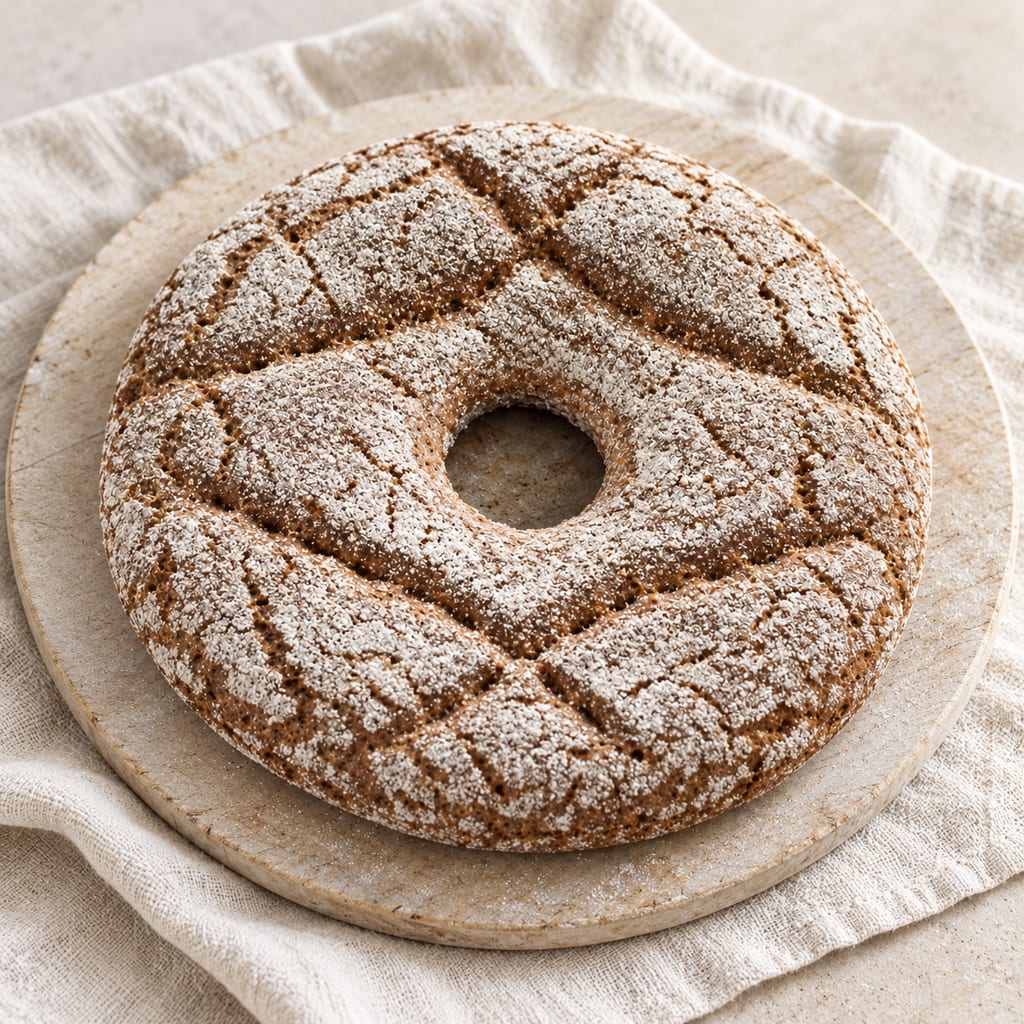
A Finnish rye sourdough shaped here as two flat ring loaves, made from rye flour, water, salt and an established rye leaven.

Pohnpeian mahr is breadfruit preserved in an earthen pit as an off-season reserve, then kneaded and prepared as bread. The FAO and NTBG accounts give no validated method or storage limit.
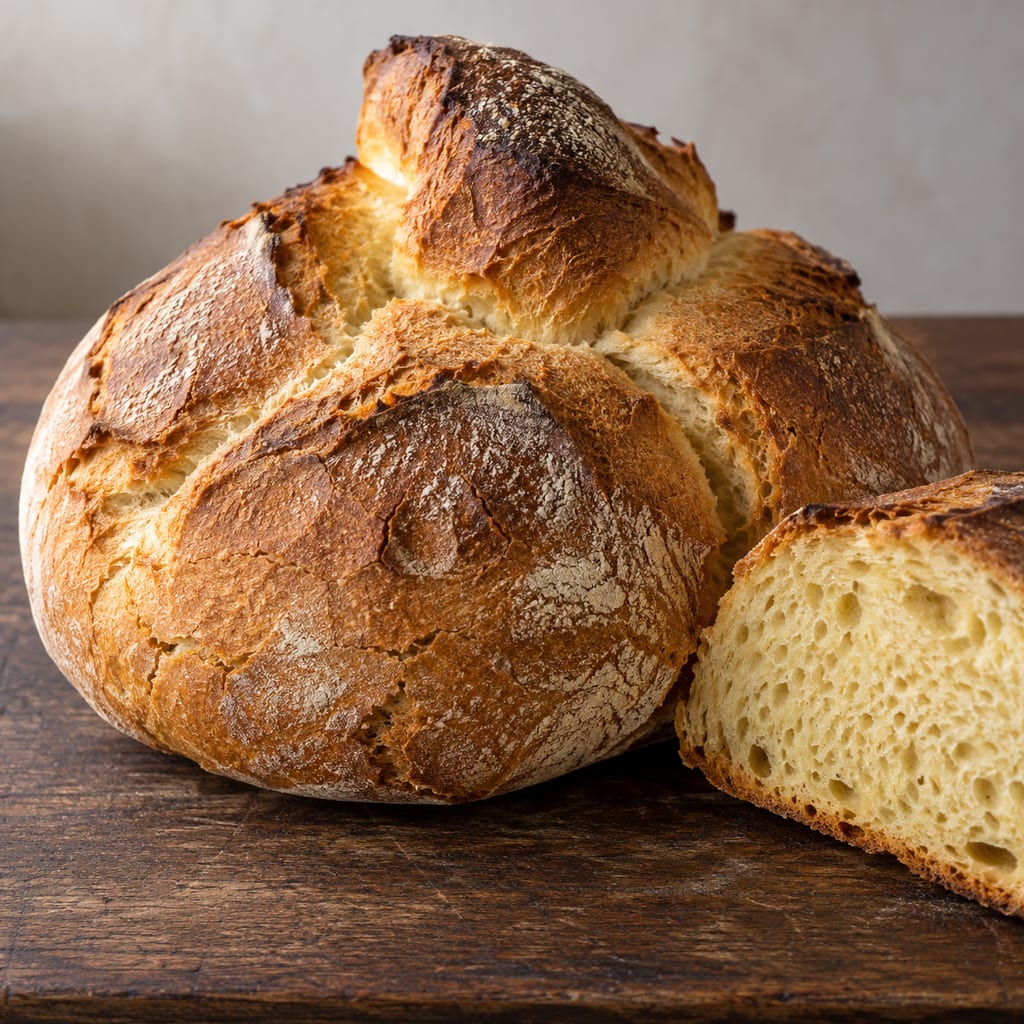
A protected durum-wheat sourdough bread documented by a commercial production specification. The official 100 kg batch and oven process are recorded without inventing a household scale.

Masi ʻulu is a Samoan breadfruit paste fermented in a leaf-lined pit, kneaded, formed into loaves, wrapped in leaves and baked. A secondary FAO account describes the method; no household batch is established.
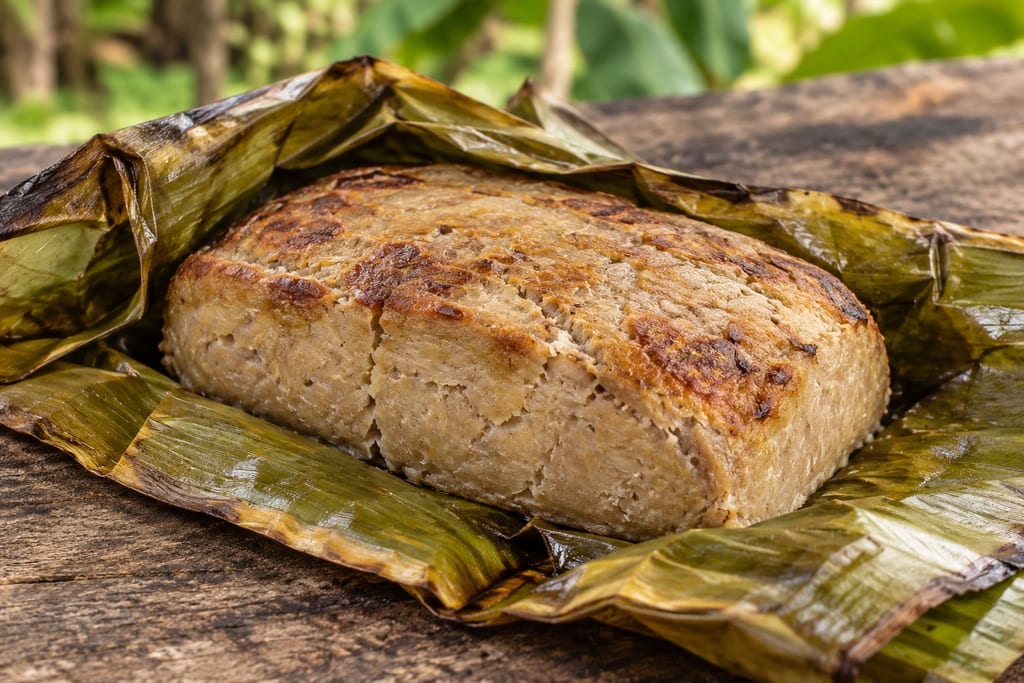
Masi fa‘i is a Western Samoan paste made by fermenting unripe banana in leaf-lined pits, later formed into loaves and baked. A secondary FAO account describes the method; no modern household batch is established.
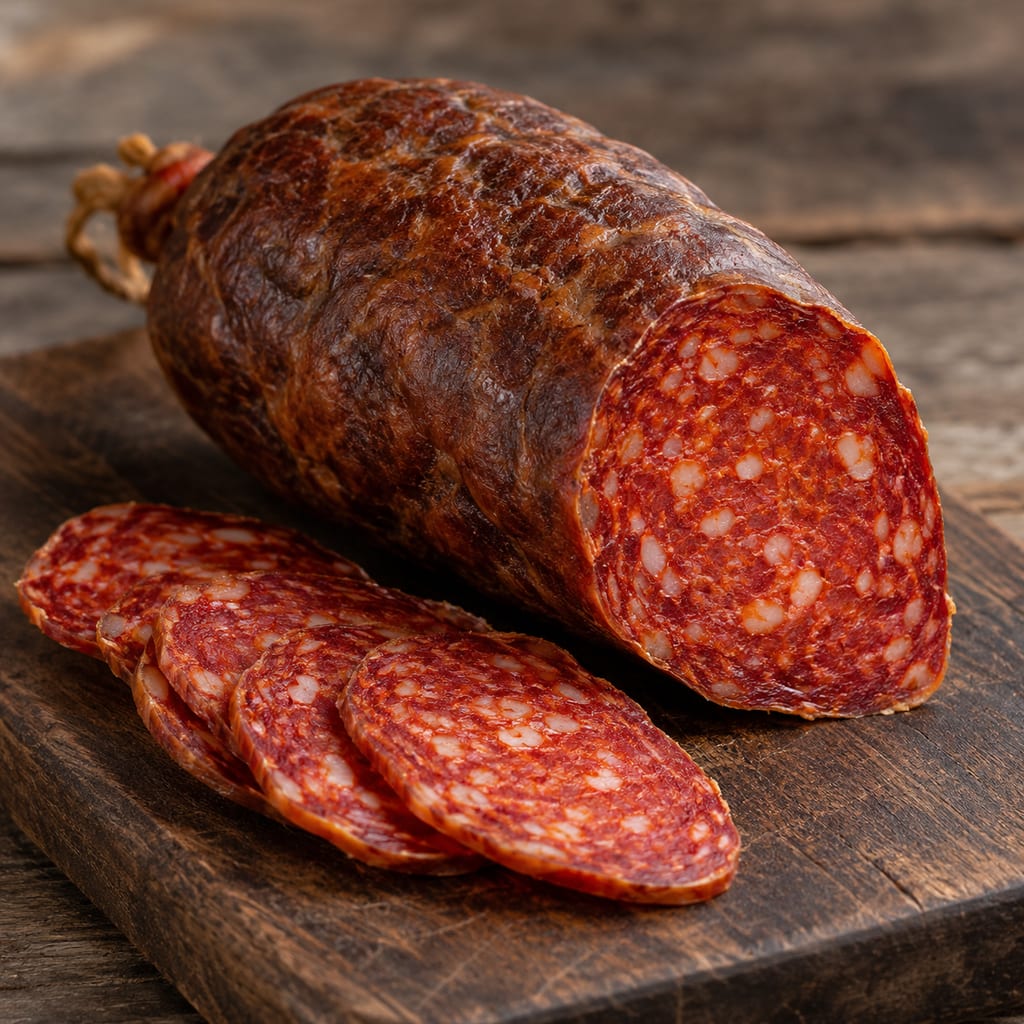
Baranjski kulen is a Croatian protected fermented pork sausage seasoned with sweet and hot paprika, garlic and white pepper, stuffed into a pig’s caecum called katica, cold-smoked and matured.

A refrigerated pork-belly brine combines beer and maple syrup with salt, garlic powder and measured Cure #1.
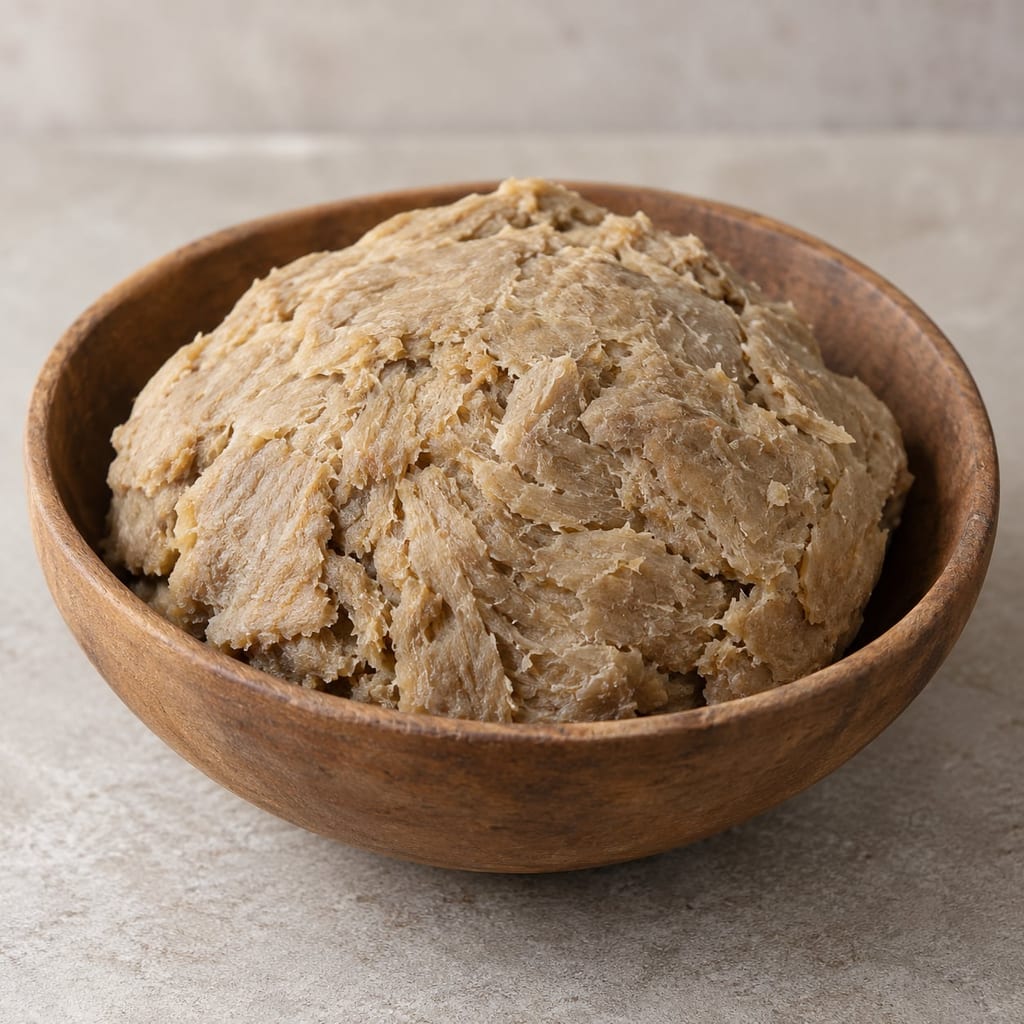
Marquesan ma is fermented breadfruit paste stored in pits and prepared as popoi. The source describes the process and dishes but gives no validated household method.

A late-antique Roman recipe in which very ripe pears are crushed with salt, matured for three months and drained, giving a pale liquid called liquamen.
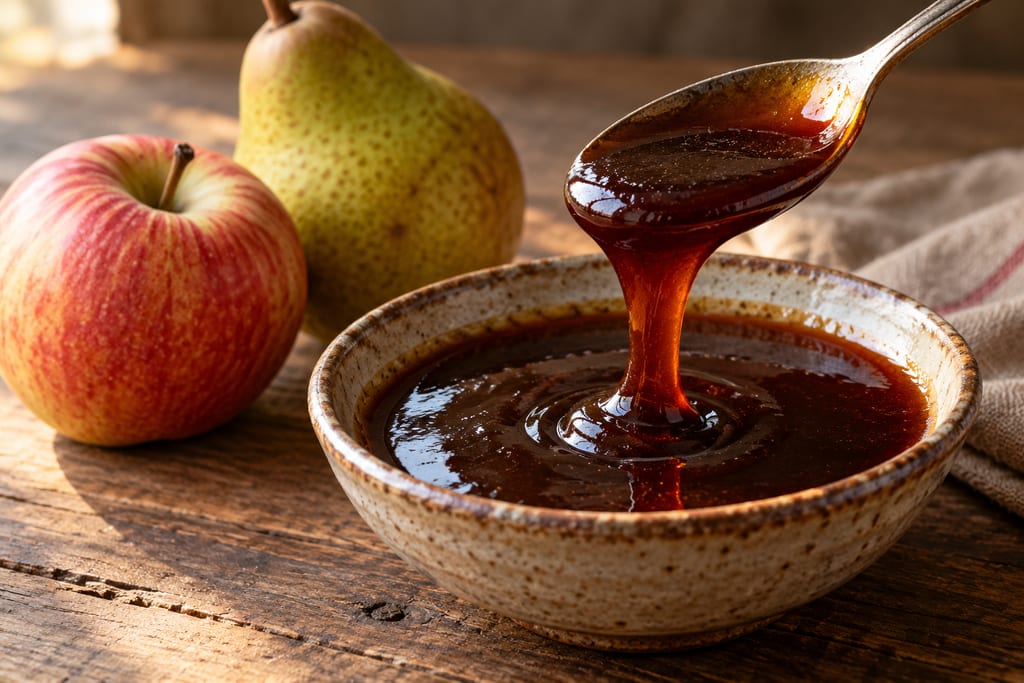
Limburgse stroop is a regional family of cooked fruit syrups from Dutch and Belgian Limburg. Producers blend apples, pears and beet differently, so no single formula exists.
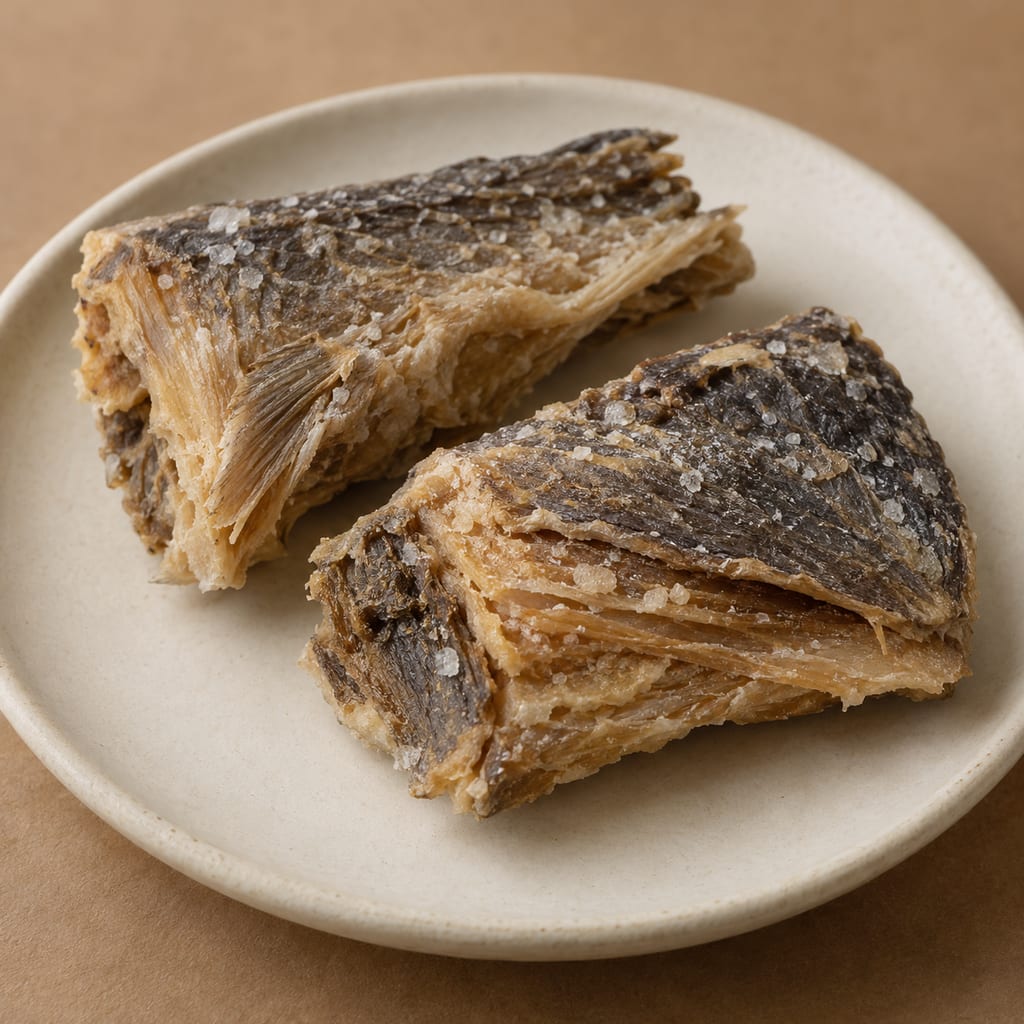
Lanhouin is a strongly flavoured fermented fish condiment documented in coastal West Africa, including southern Benin. This page records one published research reproduction as evidence, not as a validated home-preservation recipe.
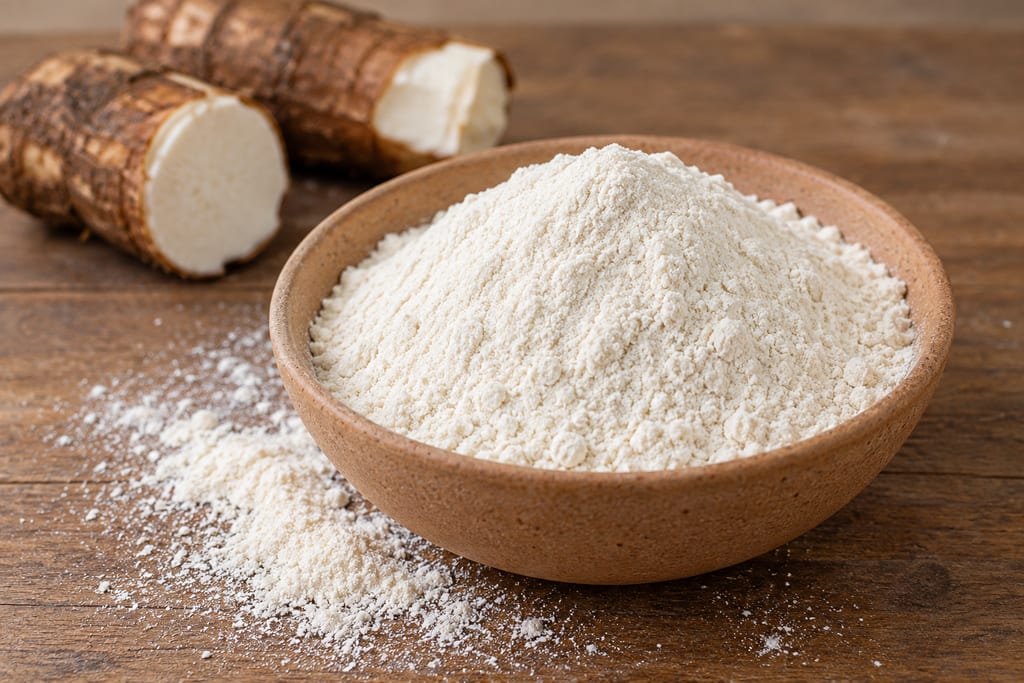
Lafun is a Nigerian fermented cassava flour described in historical accounts. This record documents reported processing stages, not a validated household method or a batch-specific cyanogen and moisture safety endpoint.
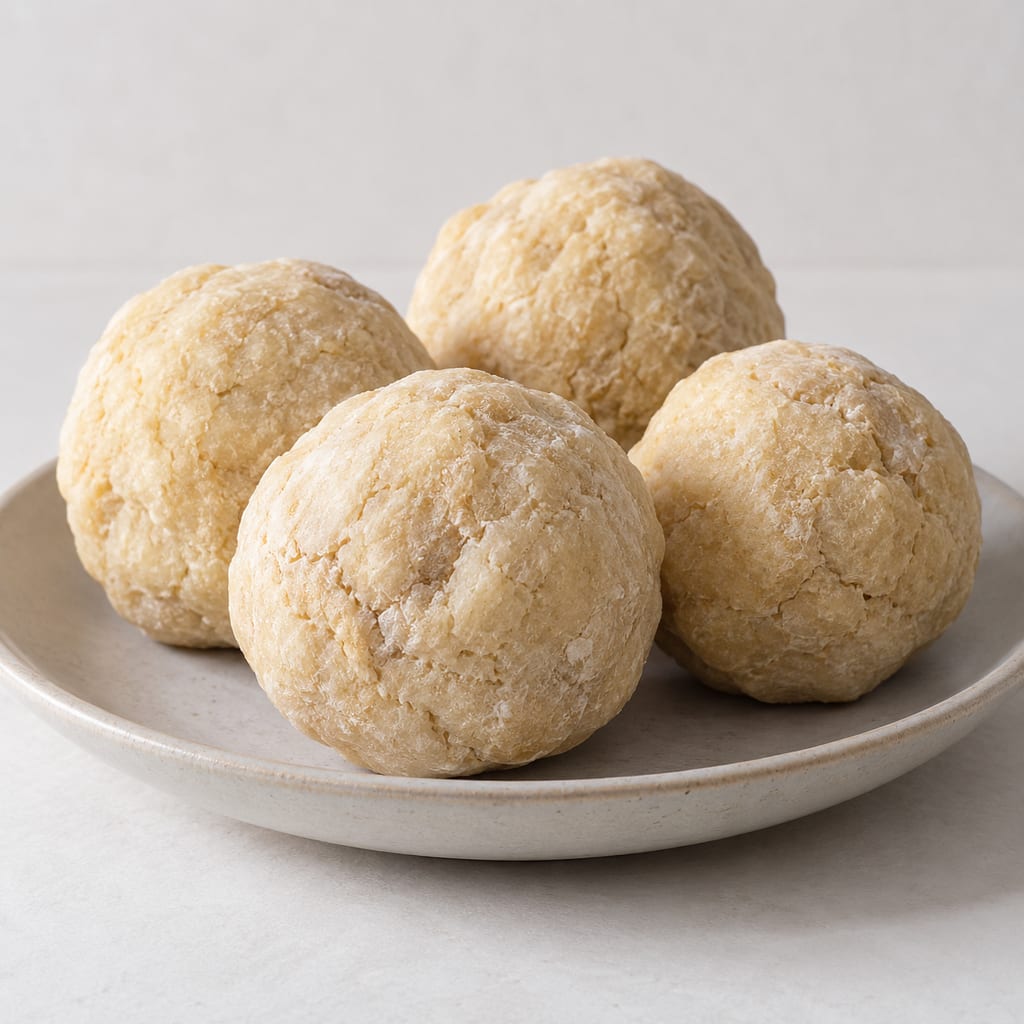
Kumkum is a Cameroonian fermented-cassava preparation described as balls dried over a fireplace and stored or milled into flour. Sources also describe a sun-dried market form; they give no Kumkum-specific safety endpoint.
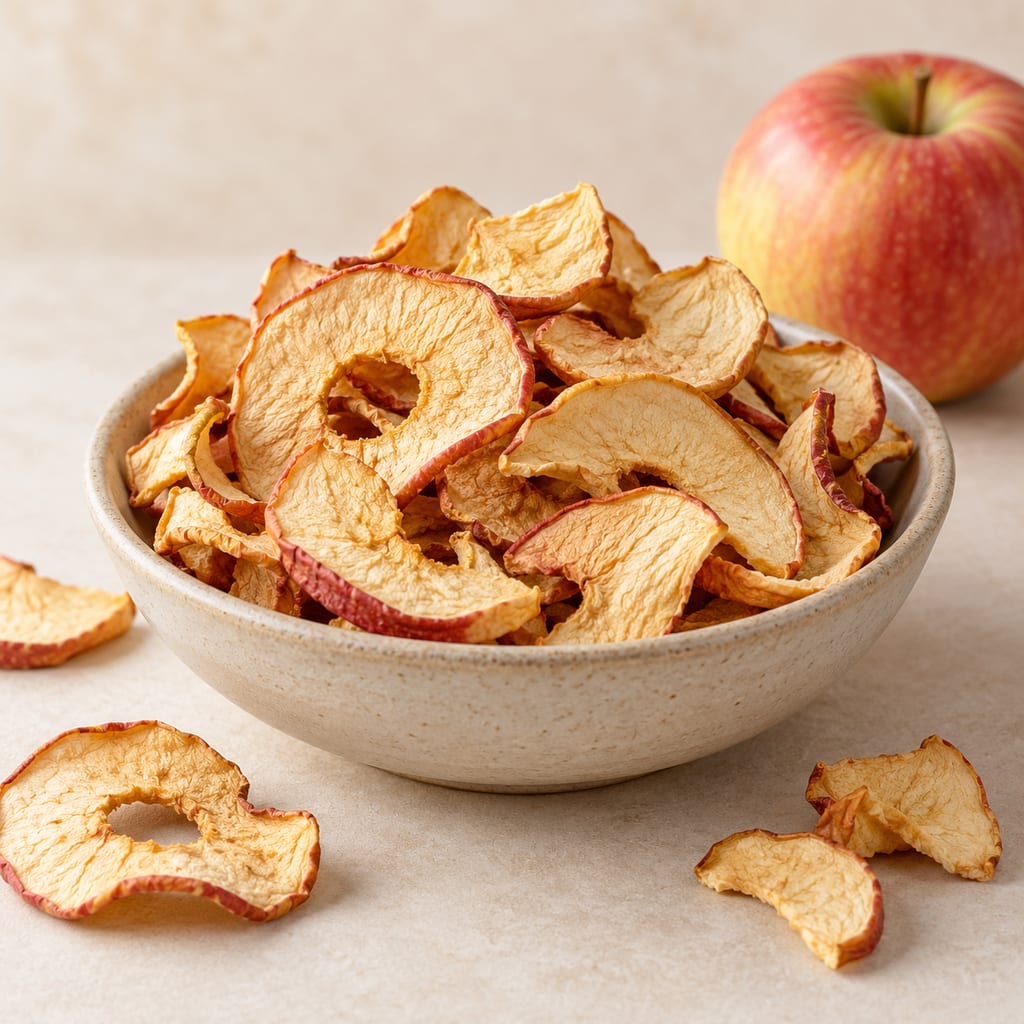
Křížaly are Czech dried apple or pear pieces. The name has regional meanings beyond apple slices, and drying practice varies by place and dryer.

Koobi is Ghanaian salted and dried tilapia. Sources differ on the brief ripening stage and drying period, and do not establish a single validated household process. This entry records documented variants and their limits.

Khiyār shūr is an Iranian cucumber pickle made in several ways; one household account in salt water is set out here, while vinegar recipes and acidified laboratory brines are kept separate.
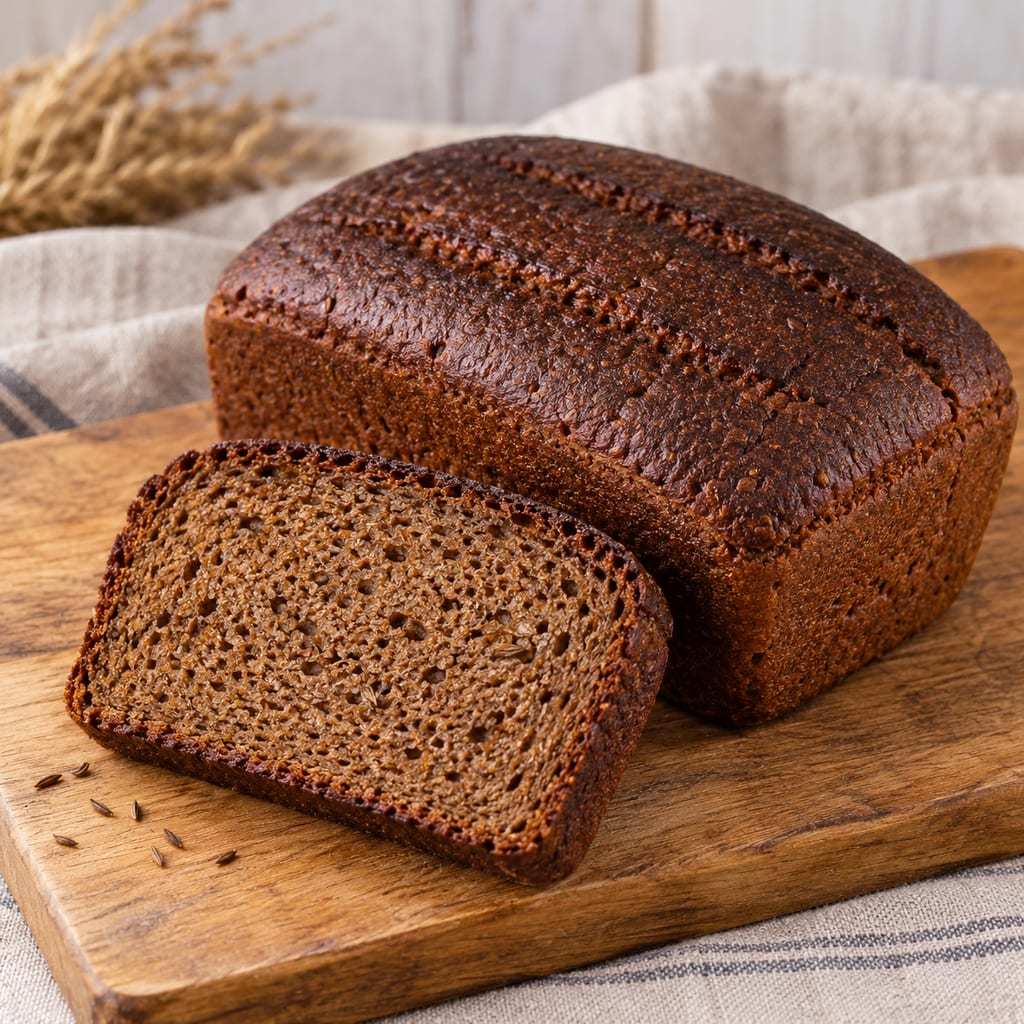
A Lithuanian dark rye loaf made with an overnight rye preferment, caraway, honey and sugar, then proofed in a loaf pan and baked in two stages.
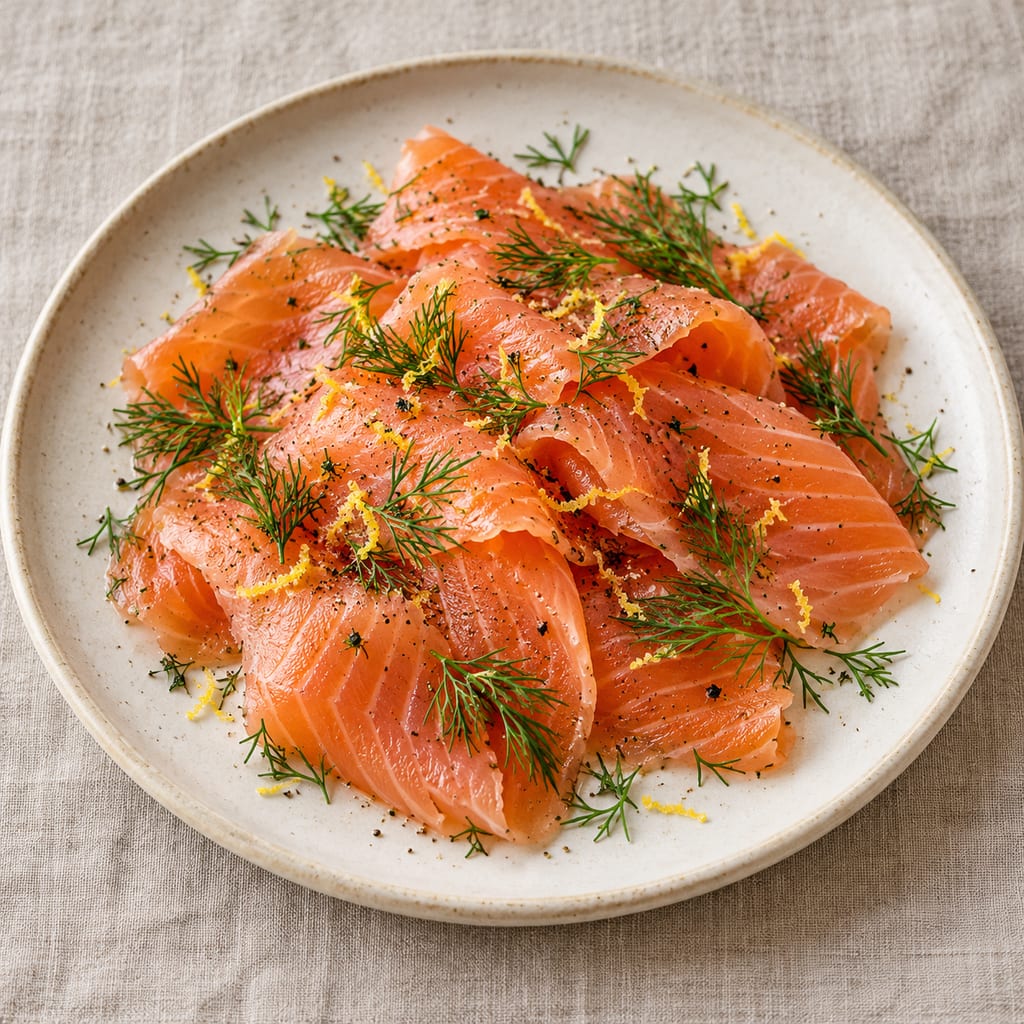
Salmon is cured with salt, sugar, pepper, dill and lemon zest under refrigeration.
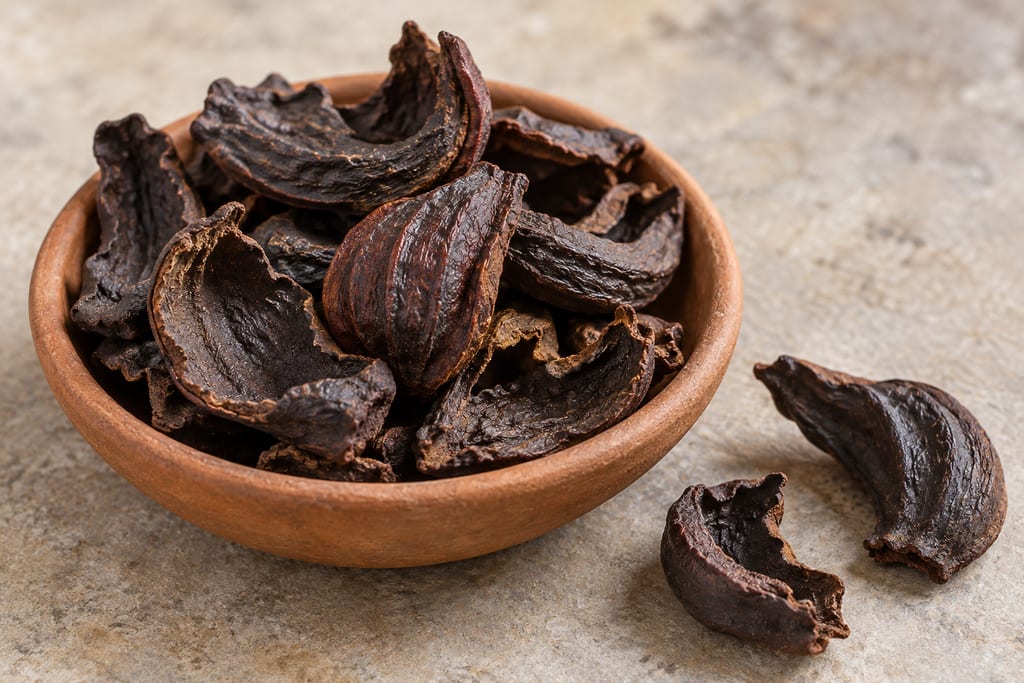
Goraka is the dried rind of Garcinia quaesita, a souring ingredient for Sri Lankan curries. Its drying is documented, but no complete household method is.
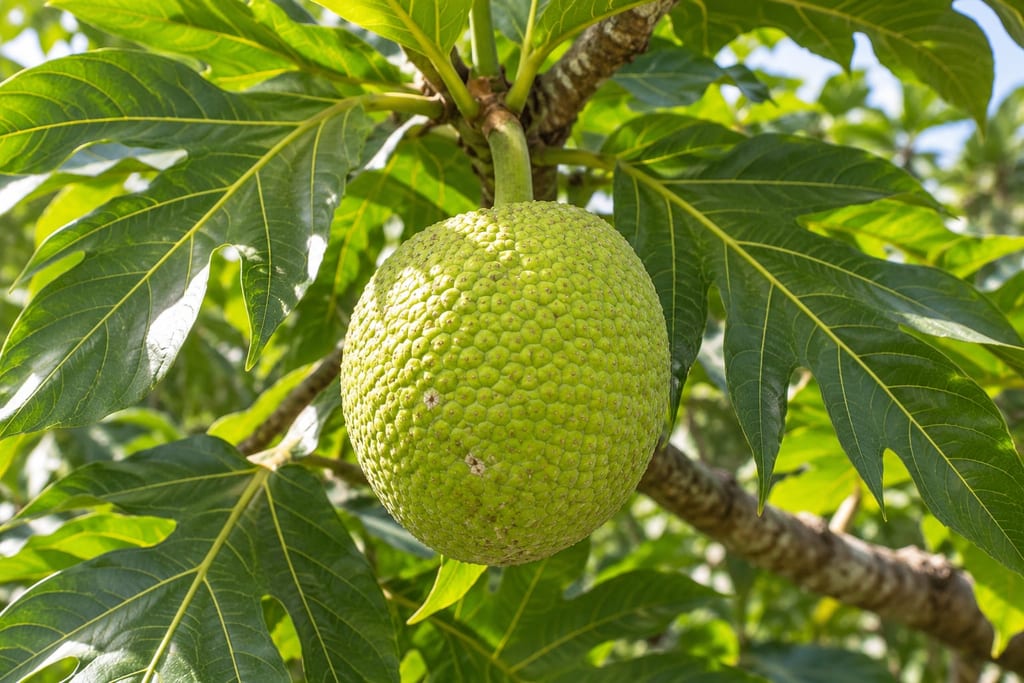
Kosraean preserved breadfruit called furo in a 1919 ethnographic monograph. Two historical pit methods are recorded; the sources give no validated household process.
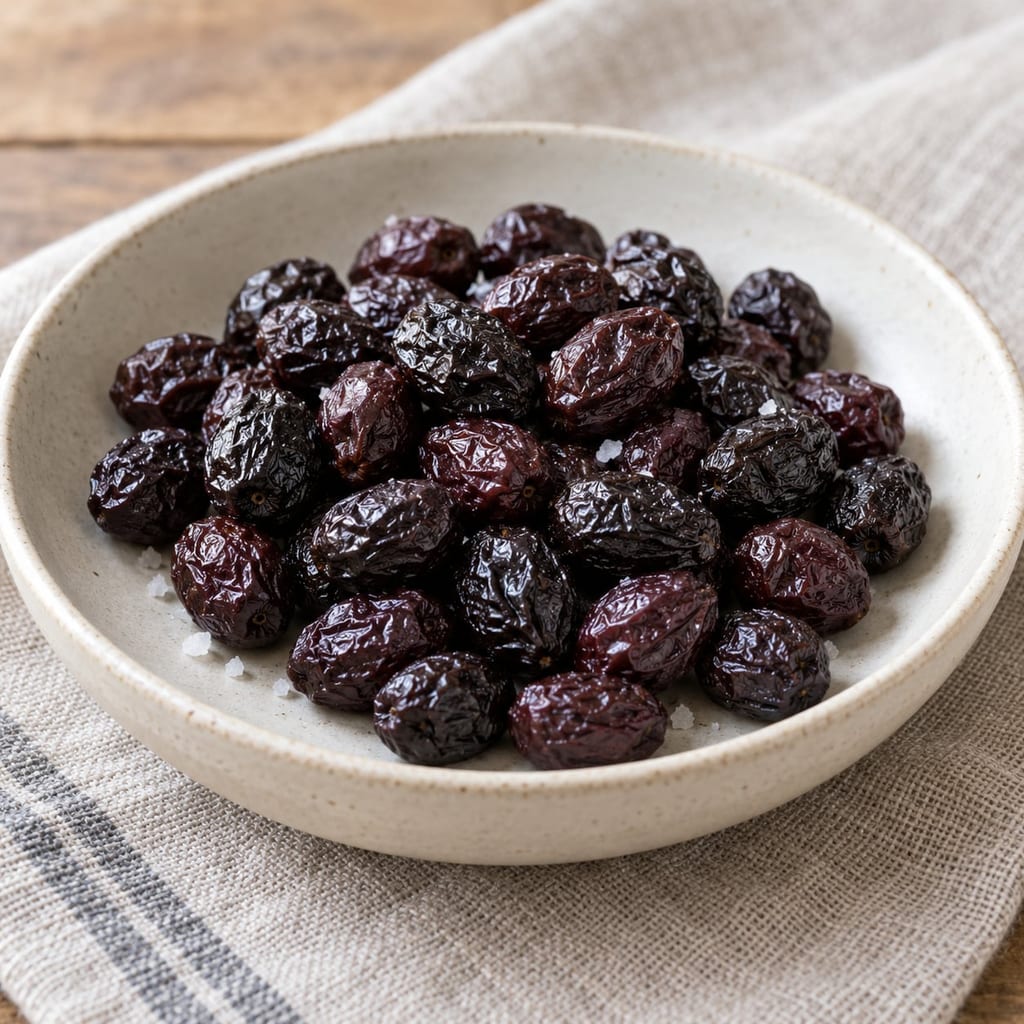
Fully ripe dark olives are mixed with salt and turned weekly as salt draws out moisture. Distinct from existing brine-fermented and lye-treated olives.
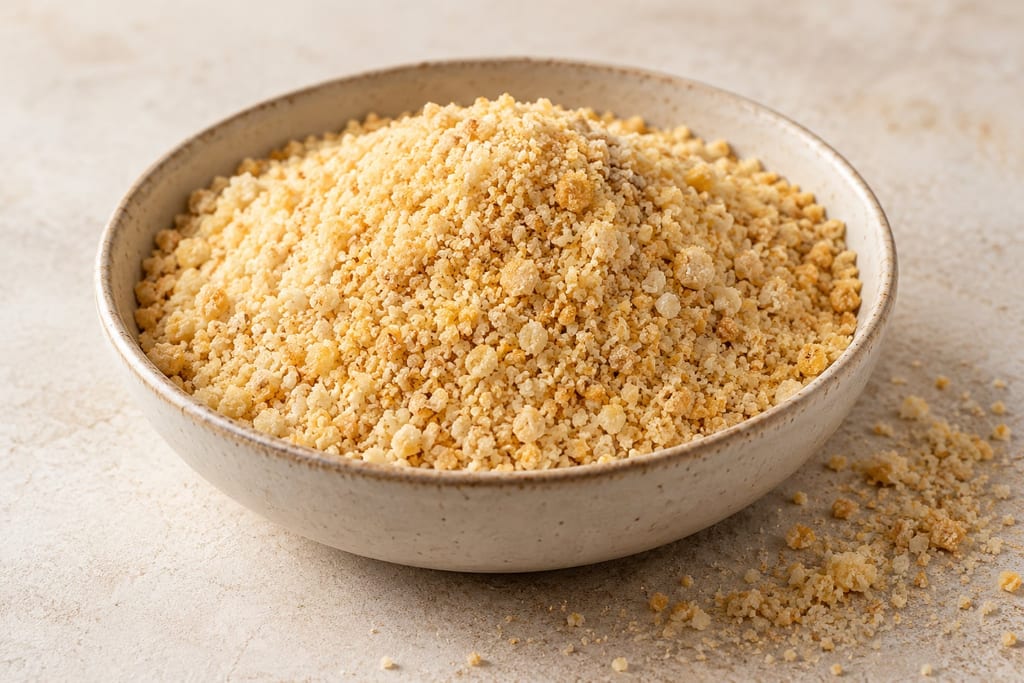
Farinha is a coarse, durable cassava meal made by grating, pressing, sifting and roasting or drying cassava. Processing is used to reduce cyanogenic compounds, but this account is not a validated detoxification procedure.

Pork belly receives a measured salt-and-sugar cure with coffee and spices, then is refrigerated before cooking or hot smoking.
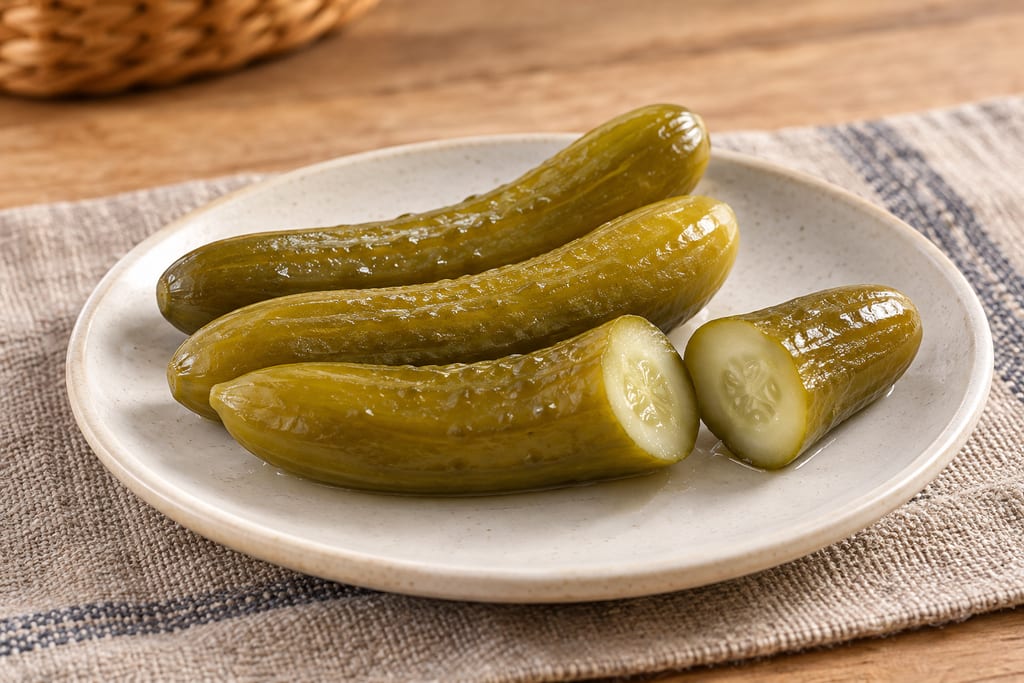
Çubuk turşusu is a registered pickle from Çubuk district in Ankara. Its cucumber variant is sold as Salatalık Turşusu, and a commercial specification sets its brine and room-temperature period.
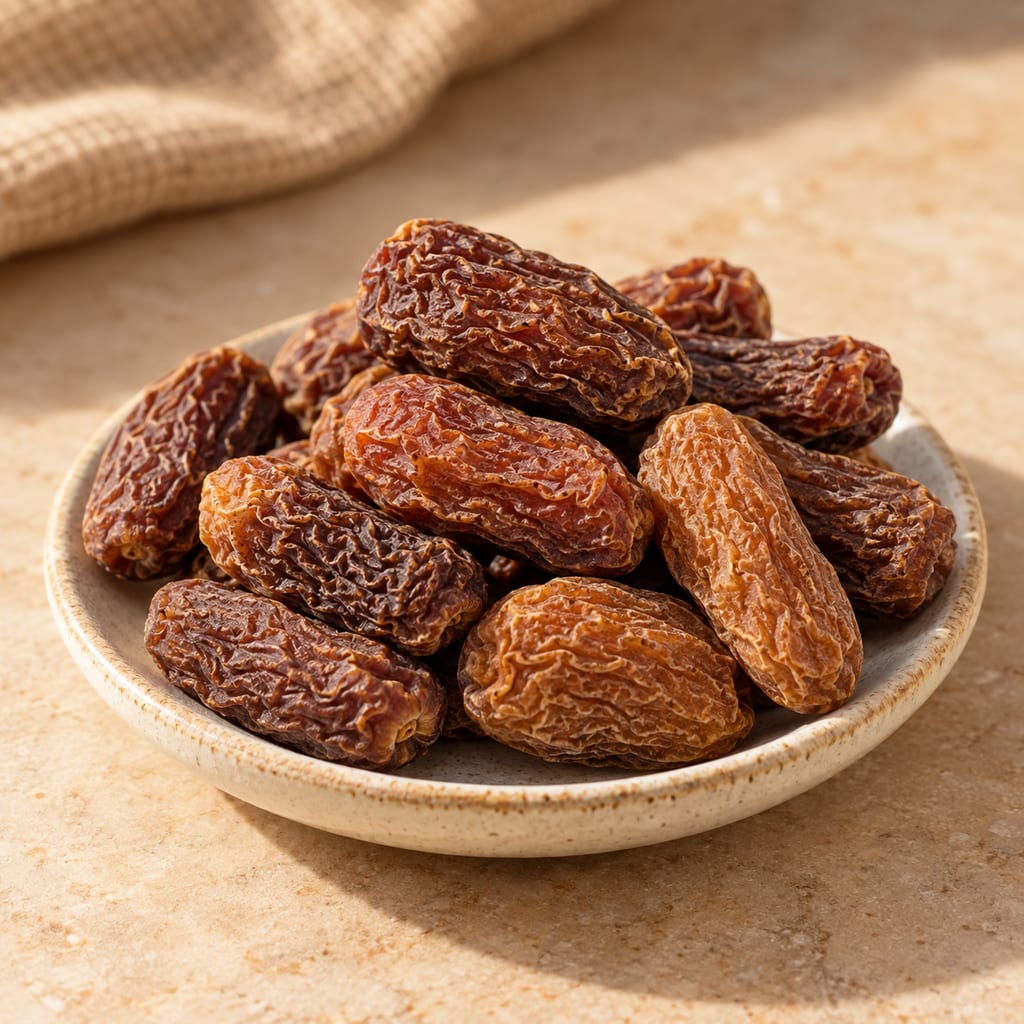
Chuhara is a processed dried-date product named in Pakistani date-production studies, distinct from other dried dates. Its household method is not established.
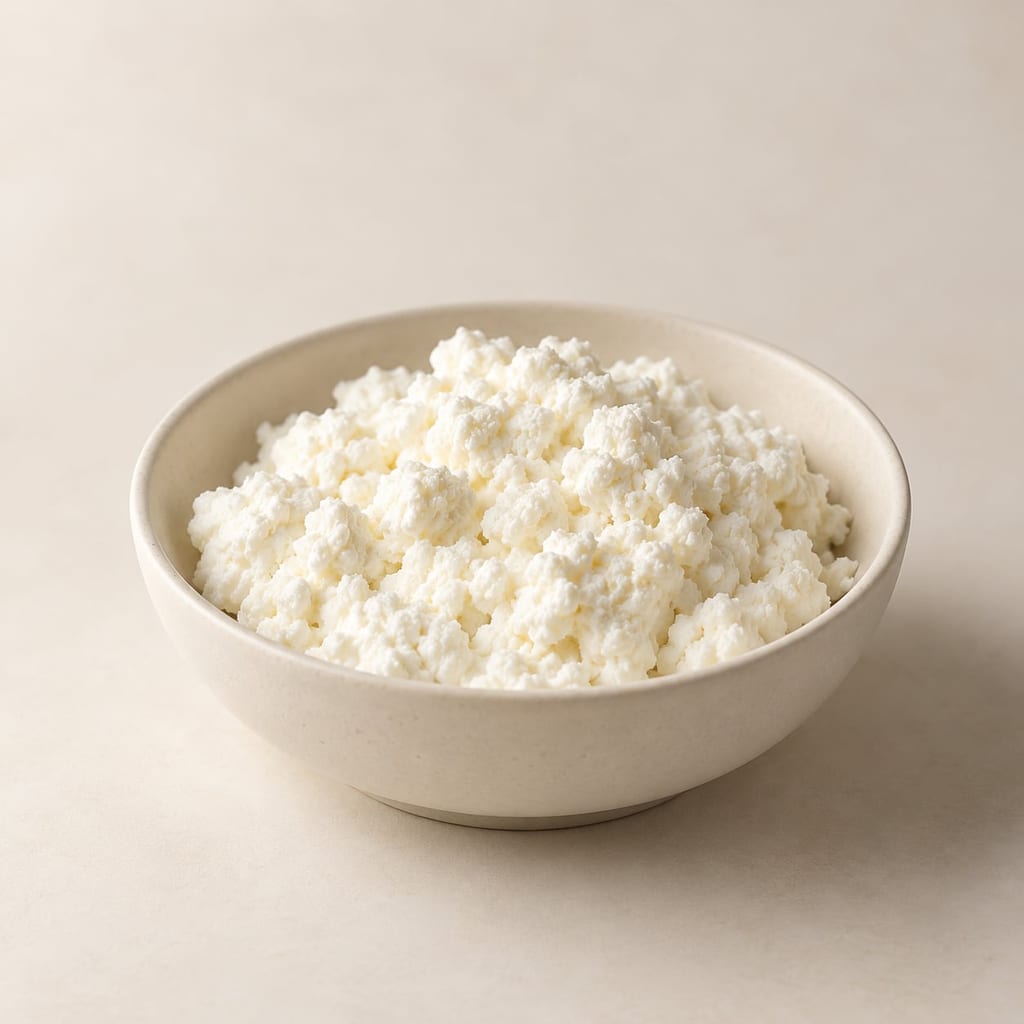
This 2 L whole-milk acid-set batch is labelled ricotta by the creator: heat below boiling, add acid and salt, rest and drain without pressing. It is separate from whey recovery; yield is unstated.
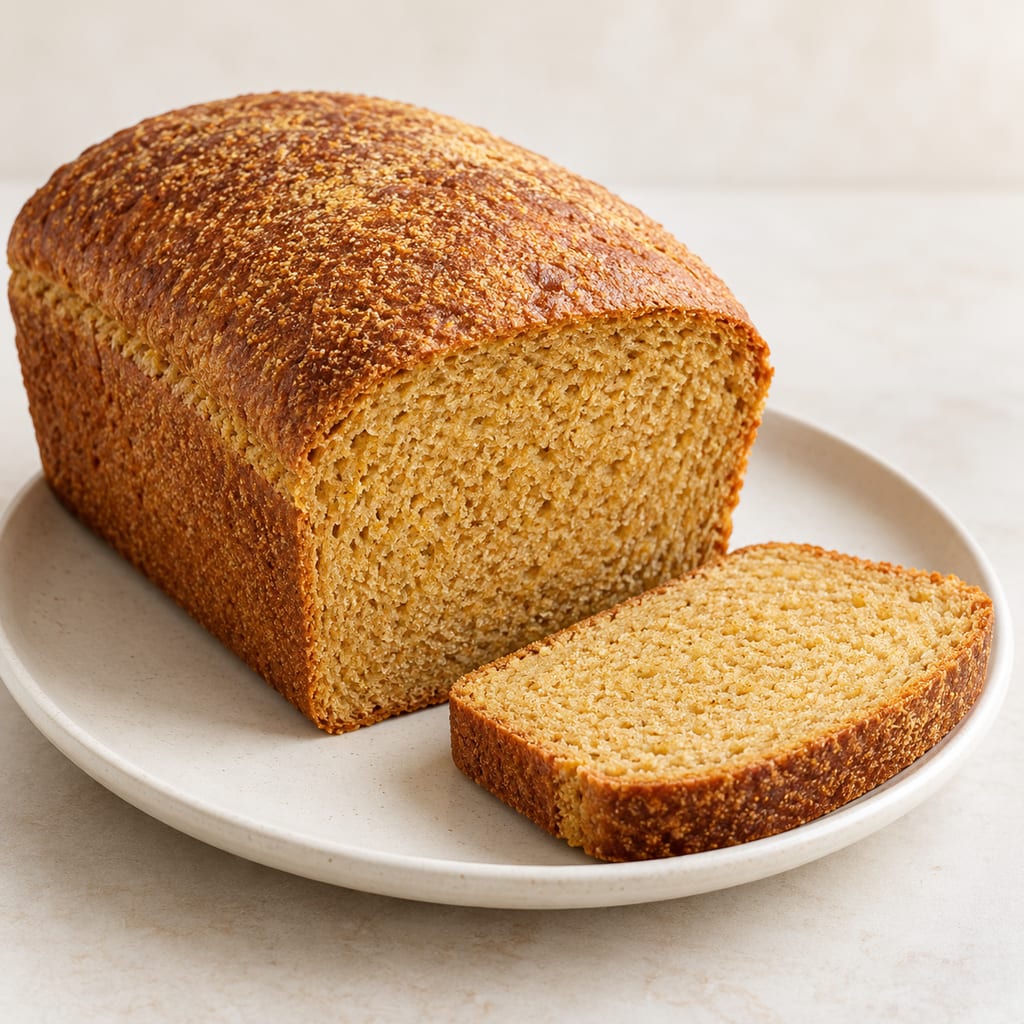
Anadama is a New England yeast loaf made with wheat flour, cornmeal and molasses. Scalded cornmeal enriches the dough, while molasses lends sweetness and a dark crust; it is especially good toasted or beside soup and baked beans.