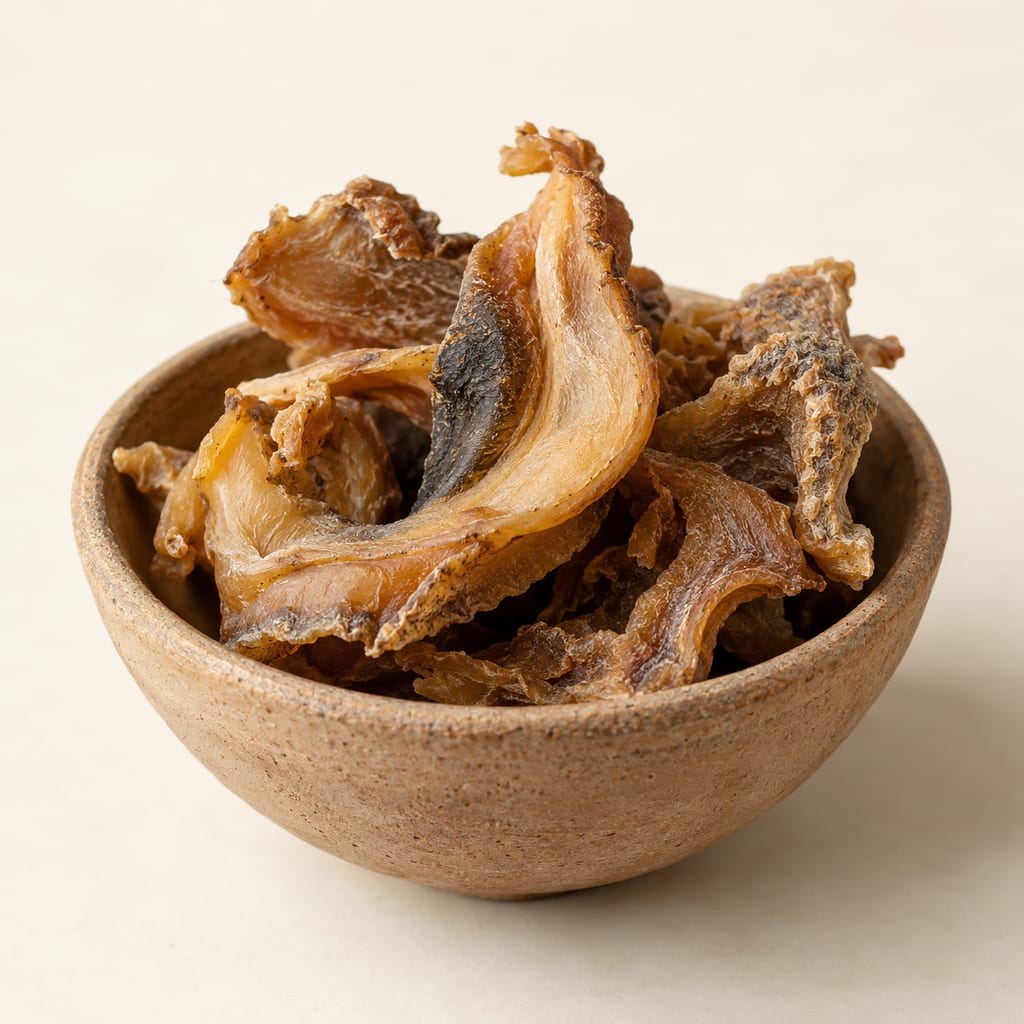
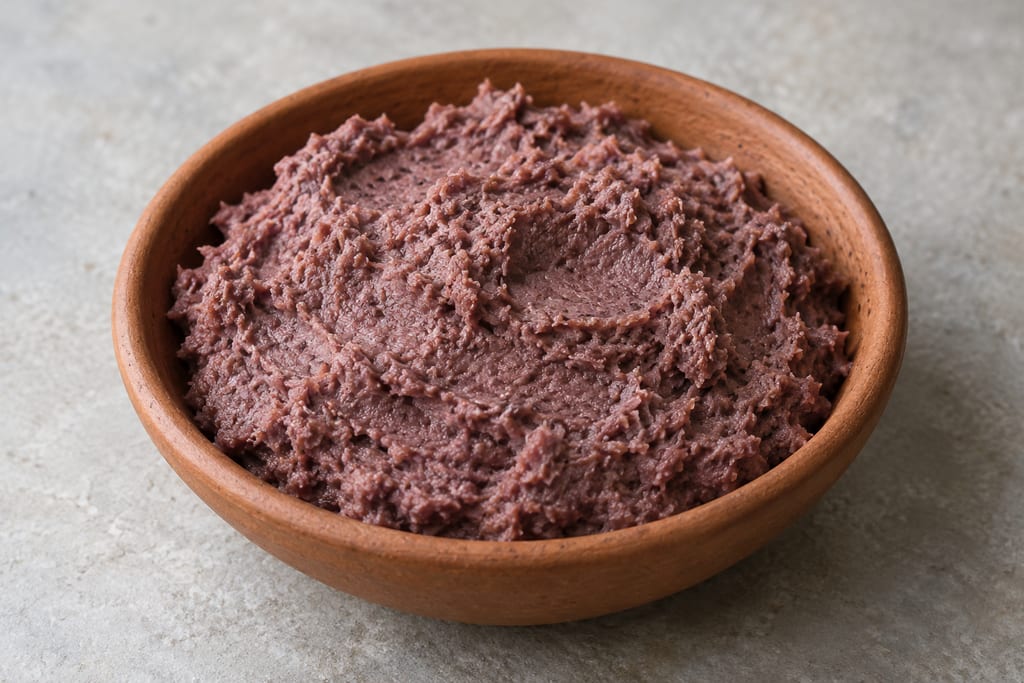
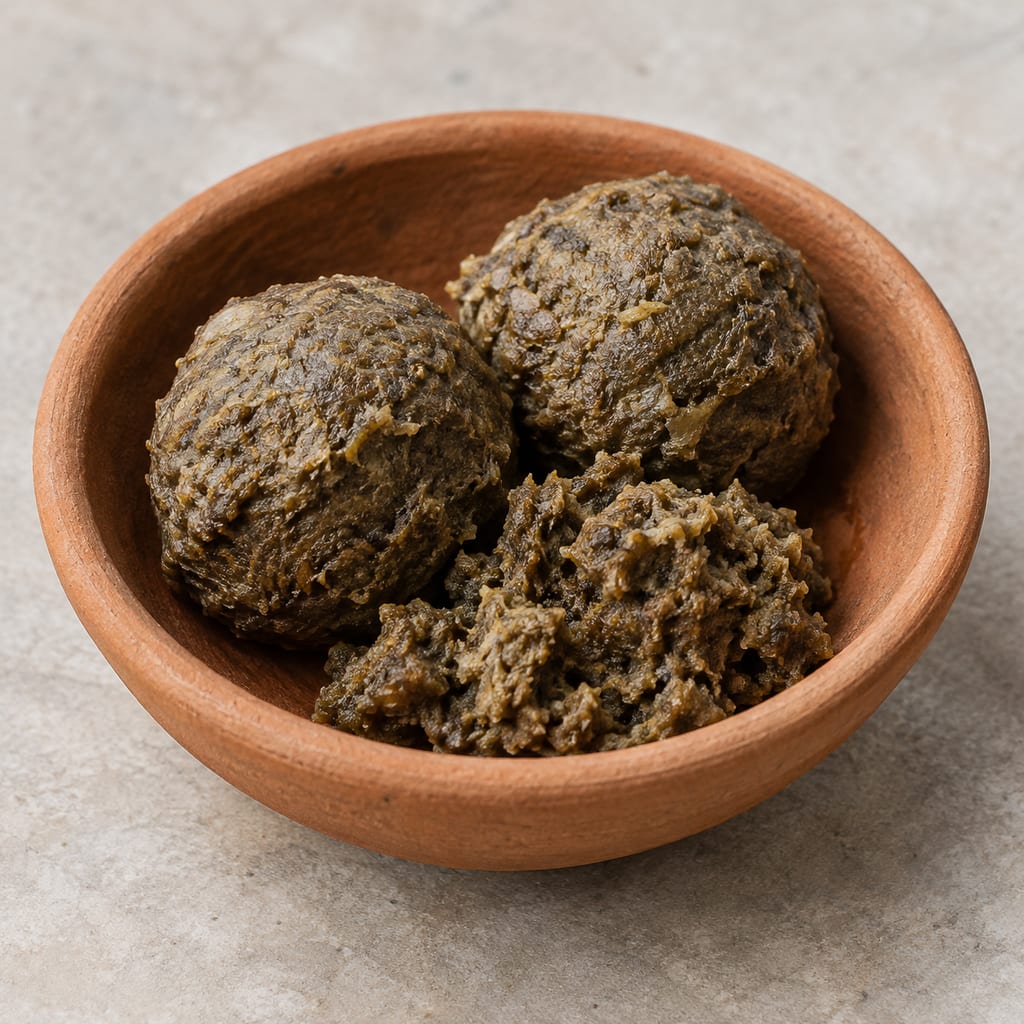
Yeet is a Senegalese condiment made by fermenting and drying Cymbium sea-snail flesh; published accounts describe different fermentation vessels and durations.
Yeet is made from Cymbium sea-snail flesh. The FAO account places Yeet among fermented products from Senegal and distinguishes it from the fish products guedj and tambadiang. A separate report also describes Cymbium retting across several West African countries. These records support a Senegal association without establishing a single birthplace or one uniform regional method.
One account describes removing the flesh from the shell, separating the guts and cutting the flesh into two or four pieces. It is fermented in a tank, jute bag or polypropylene sack for two to four days, then washed and dried on raised platforms for two to four days. The same account calls the semi-dried result light brown and strongly scented, and reports mould susceptibility during storage.
A separate FAO consultation describes Cymbium fermentation by burying it in sand and reports an average of six days for the trade across Mauritania, Senegal, Mali and Guinea-Bissau. That regional description does not establish that it is the same route or duration as the earlier Senegal table. The reports are kept separate.
Yeet is a molluscan seafood product. The inspected accounts do not document harvest-area monitoring, a Cymbium-specific pathogen or biotoxin control, a validated fermentation endpoint or a validated storage limit. The FAO chapter reports mould susceptibility during storage; its roughly two-month storage description is not a safety guarantee.
Codex guidance on fishery products treats marine biotoxins as species- and evidence-specific hazards. No evidence specific to Cymbium in Yeet was found in the consulted sources, so this note does not claim the species contains a particular toxin or that fermentation and drying control one.
FAO material documents Yeet as a Senegalese artisanal fermented and dried Cymbium product. The sources consulted do not establish its first attestation or a precise origin date.
Ingredients
Scaling: source batch only
Cymbium sea snails (gastropods)The reported process removes the flesh from its shell, separates the guts and splits the flesh into two or four pieces.
Amount not stated
No batch quantity is stated.
Method
Risks and precautions · High risk
Molluscan seafood hazards
Yeet is made from a marine gastropod. The inspected process accounts do not establish harvest-area controls, pathogen controls, marine-biotoxin monitoring or a validated fermentation and drying endpoint.
Hazard source
Mould during storage
The FAO account describes Yeet as susceptible to mould growth during storage; the cited storage description is not a validated safe shelf-life.
Hazard source
This is a source record, not a validated home process. The fermentation and drying durations vary between accounts and do not establish safety.
The sources do not give Cymbium-specific marine-biotoxin controls, a microbial endpoint or a validated storage limit.
Yeet is made from a mollusc; people with a mollusc allergy should not consume it.
Remove the Cymbium flesh from its shell, separate it from the guts and split it into two or four pieces. No source used here gives a batch quantity.
One FAO account describes fermenting the pieces in tanks, jute bags or polypropylene sacks for two to four days, then washing and drying them on raised platforms for two to four days.
A separate FAO account describes Cymbium fermentation by burial in sand; related processing in Mauritania, Senegal, Mali and Guinea-Bissau averaged about six days. It does not establish that this is the same Senegalese route as the tank or bag method.
Do not combine the different vessel and duration accounts into a single schedule. The sources do not give a validated endpoint, a complete handling protocol or a safe storage limit.
Conditions
Fermentation2–6 days
Places
Senegal
Documented preparation · Country evidence
FAO material documents Yeet as a Senegalese fermented sea-snail product; other accounts cover related Cymbium processing in neighbouring countries, so this is not an origin claim.
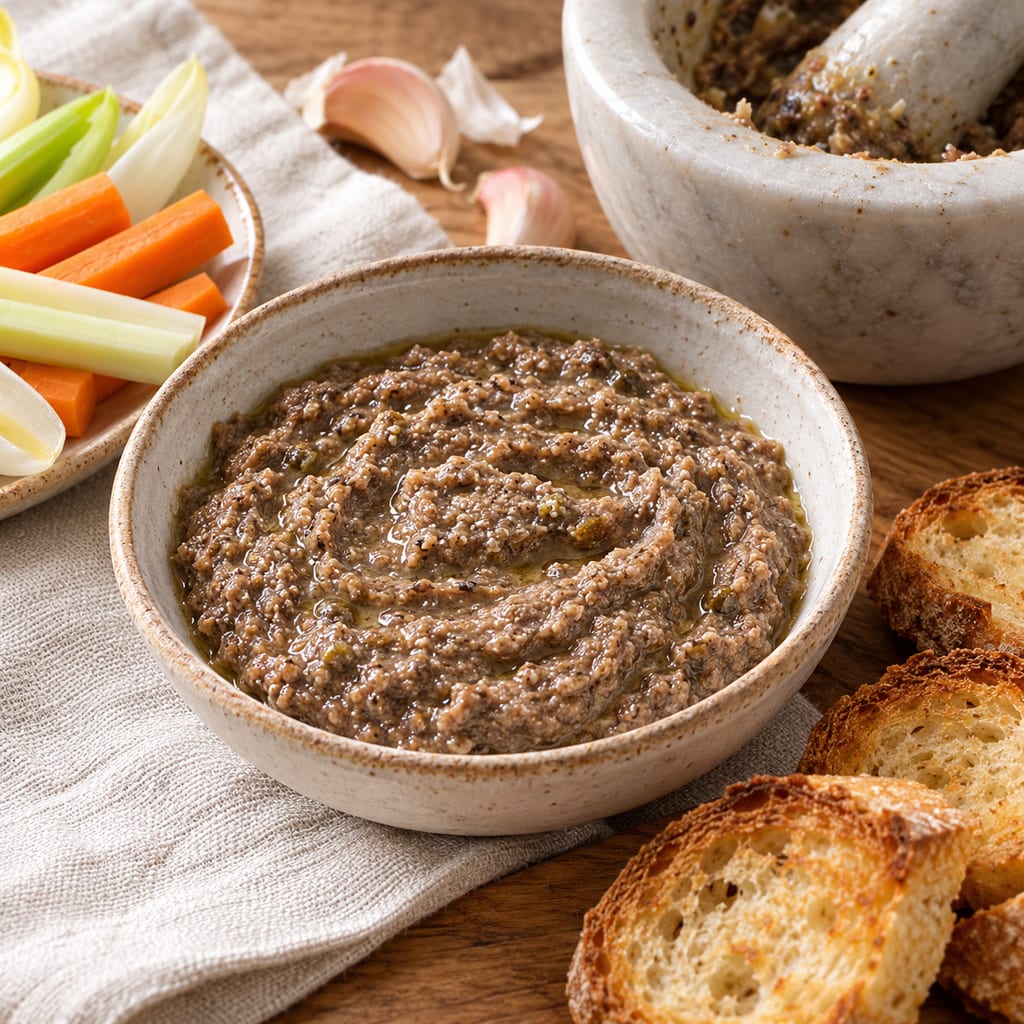
Nététou is a Senegalese condiment of fermented African locust bean cotyledons. Casamance accounts describe staged cooking, dehulling and 48–72 hours of fermentation; these are not validated household safety limits.
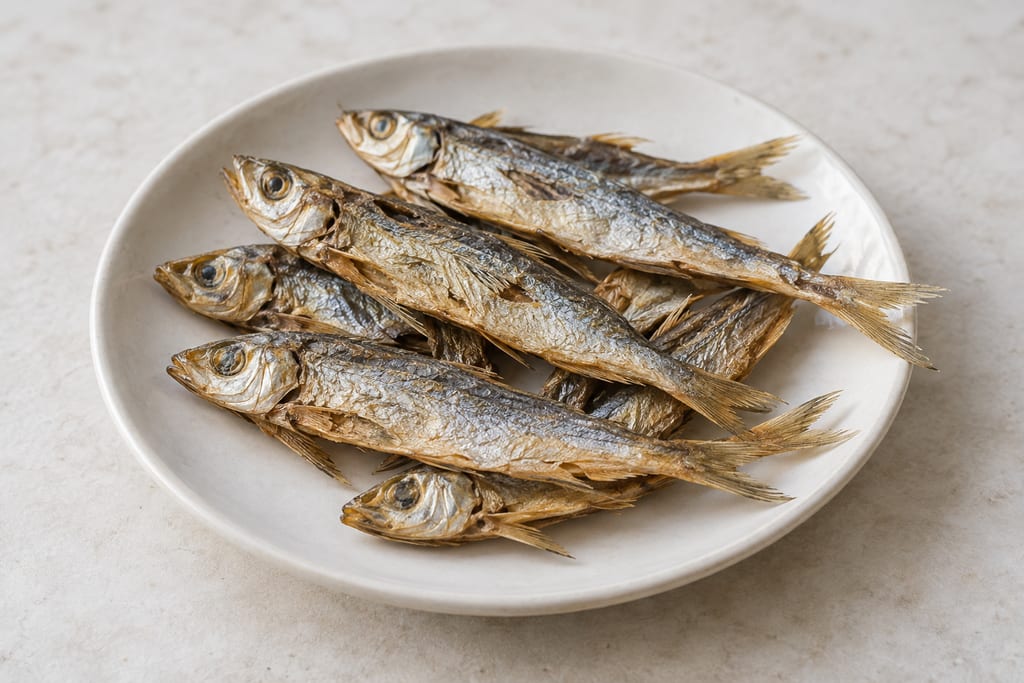
Tambadiang is a Senegalese preparation of small whole fish that is pickled or salted and then dried. Sources differ on fish and process details; no single validated recipe or safety endpoint is established.
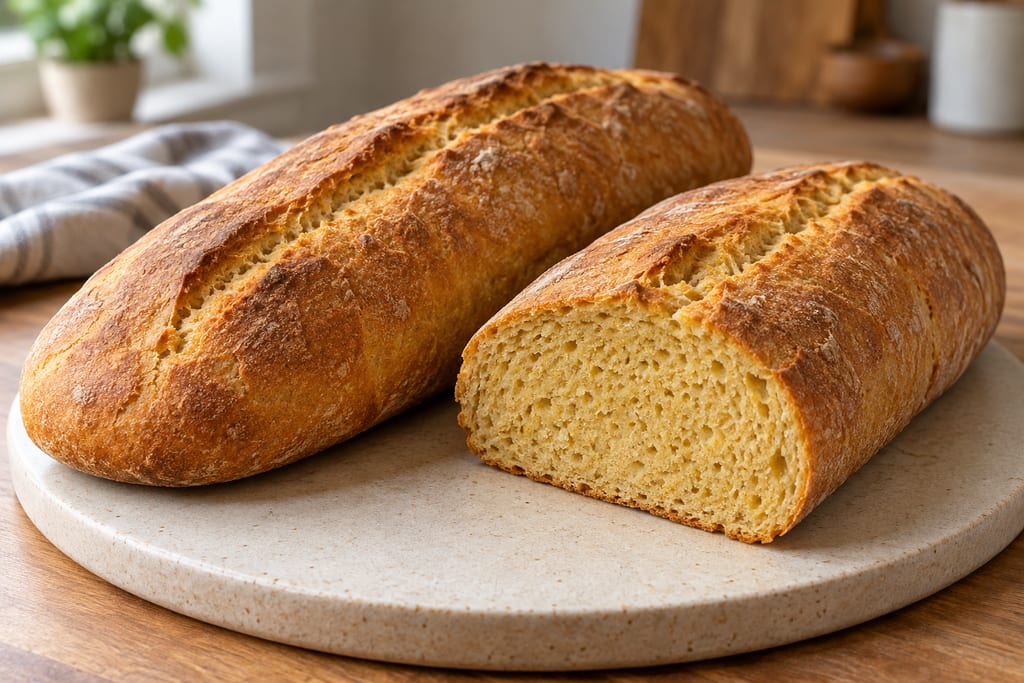
An elongated West African bread with a mixed-flour home-oven formula documented as one version; flour blends and traditional bakery methods vary by place.
Bagoong isda is a Philippine fish paste: whole small fish salted and left to ferment for a month or more in earthen jars. It is the fish counterpart of bagoong alamang.
Colatura di alici is the amber liquid drained from salted anchovies matured in wooden containers in Cetara, on the Amalfi coast of Campania, and sold under a protected designation of origin.
A Korean salted-oyster jeotgal seasoned with chili, associated especially with Seosan and Ganwoldo. This page records its food culture, not a household preparation method.
Fish sauce is a clear, salty seasoning made by maturing fish with salt and drawing off the liquid. The broad family includes distinct regional sauces rather than one interchangeable method.
Garum, Greek garos and Latin liquamen, was the fish sauce of the ancient Mediterranean: fish and viscera salted and left in the sun, then drained off as a savoury liquid.
Manipuri fermented fish-and-aroid paste, formed into balls or kept in an earthen pot, used to season Manipuri dishes. Its method is documented in outline only.
Community
No community contributions have been published for this entry yet.
Share what you made
Sign in to contribute. Published comments and photos are free to read.
Lists Yeet among Senegalese fermented seafood products and identifies sea snails (gastropods) as its raw material.
Describes removing flesh from the shell, separating guts, splitting into two or four pieces, fermenting in tanks or bags for two to four days, then washing and drying on raised platforms for two to four days.
Describes the product as semi-dry, light brown and strongly scented; reports mould susceptibility during storage and a roughly two-month storage period, which is not a validated safety limit.
Cited in: A mollusc condiment, not fermented fish; Two documented processing routes; Safety evidence and gaps
Accessed 2026-10-29
Food and Agriculture Organization of the United NationsMethod · Geography
Describes Cymbium fermentation by burying in sand and reports an average duration of six days in a regional account that includes processors in Mauritania, Senegal, Mali and Guinea-Bissau.
This account does not establish that the sand-burial route is identical to the tank or bag route in the FAO chapter.
Cited in: A mollusc condiment, not fermented fish; Two documented processing routes