
African fermented foods, drinks and preservation
From sour breads and milk to savoury seeds, cassava staples and living beers, African fermentation follows the crop, the community and the work of transformation.
 FermenteaWhere food goes to change
Tambadieng · Tambadian
Tambadiang is a Senegalese preparation of small whole fish that is pickled or salted and then dried. Sources differ on fish and process details; no single validated recipe or safety endpoint is established.
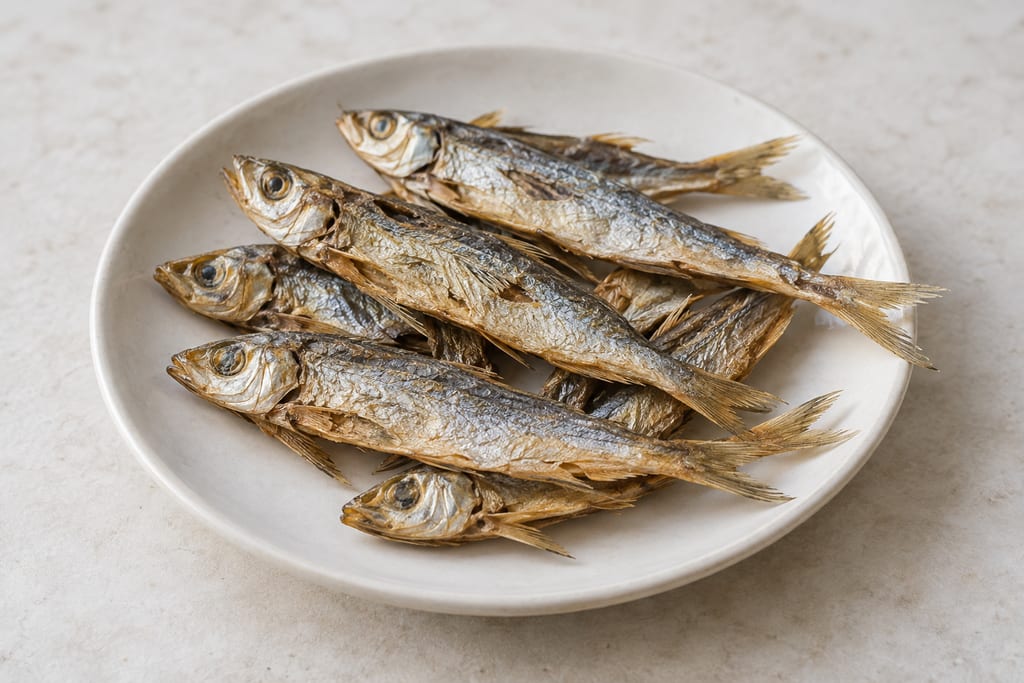
The 1996 FAO report from Joal calls Tambadiang whole dried fermented fish and says it mainly uses small fish. FAO later reported whole dried Ethmalosa under the Tambadiang name, but that does not identify every fish used for it. Tambadiang is distinguished from Guedj, which is commonly made from larger fish that are opened and processed, and from Kéthiakh, a roasted or braised, salted and dried fish product.
The Joal report gives one sequence: whole small fish pickle for 24 to 48 hours, are washed with seawater and dried for three to five days. It names no species, salt quantity, vessel or drying structure for this method. A separate FAO chapter associates Tambadiang with bonito and describes alternate layers of salt in concrete vats, one to three days of fermentation, washing and three to five days of drying on raised platforms. The sources do not define one common method, so the accounts remain separate.
The 1996 account documents Tambadiang processing in Joal, Senegal. FAO material describes it as a Senegalese product made from small pelagic fish. An AFD/Gret review describes it as a substitute for fresh fish or a condiment. The evidence supports Senegal and Joal as a documented preparation site, not an origin claim or a single fish species. This record uses Joal at locality precision and dates its documentary attestation to 1996.
Whole-fish processing leaves uncertainty about whether viscera are removed. FDA guidance identifies botulism hazards in some salt-cured, dried, pickled or fermented whole fish; toxin may be present without visible spoilage. Histamine risk depends on species and post-catch handling. FDA identifies bonito and several other fish as histamine-forming species and notes that curing does not destroy histamine already formed. The sources do not establish the Tambadiang species for every batch or give validated safety controls. They also do not provide a standard salt concentration, time-temperature schedule, water-activity or pH target, hygienic washing specification or storage duration. Drying conditions depend on weather, and FAO warns that damp or rainy conditions can delay drying and increase spoilage.
A FAO IDAF technical report documented Tambadiang processing in Joal in 1996; this is a dated documentary attestation, not an origin date.
Scaling: source batch only
This research record is not a validated preservation recipe; no safe salt ratio, time-temperature schedule, water-activity or pH target, drying endpoint or storage duration is established.
Because the Joal description keeps fish whole, whether viscera are removed is uncertain. FDA identifies botulism hazards in some preserved whole or uneviscerated fish; absence of visible spoilage does not establish safety.
Histamine risk is species-dependent. One FAO account names bonito, which FDA lists among histamine-forming fish; the sources do not identify every Tambadiang species or establish safe handling for this preparation.
Fish is a major food allergen; small whole fish may contain bones.
The FAO report names Joal in Senegal as its field site and describes Tambadiang processing there; this does not establish an origin point.
From sour breads and milk to savoury seeds, cassava staples and living beers, African fermentation follows the crop, the community and the work of transformation.
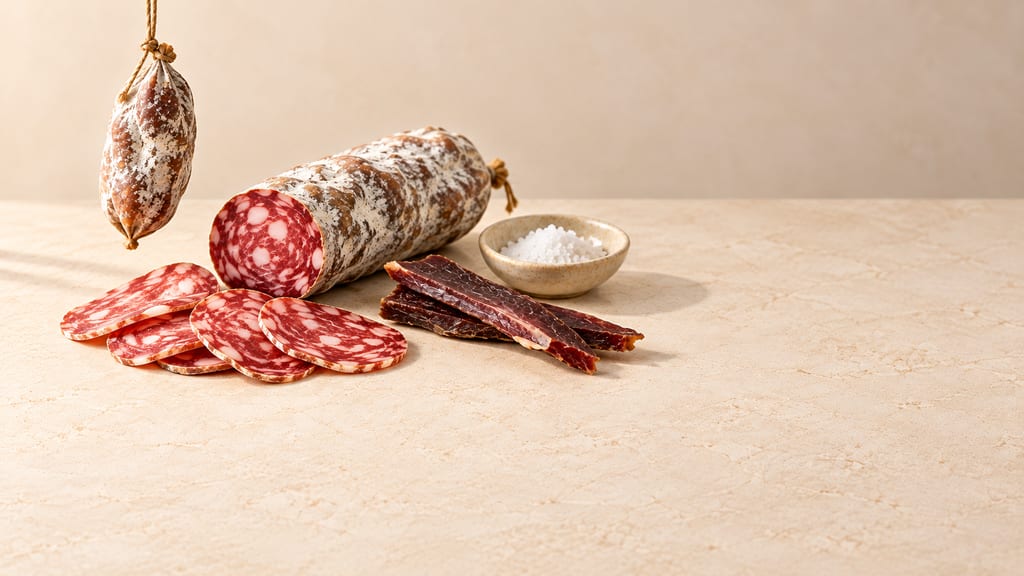
Dry salami, sour pork with rice, matured sheep and aged blubber follow different paths from animal to food. Their stories connect microbes with climate, slaughter, migration and the meals people share.
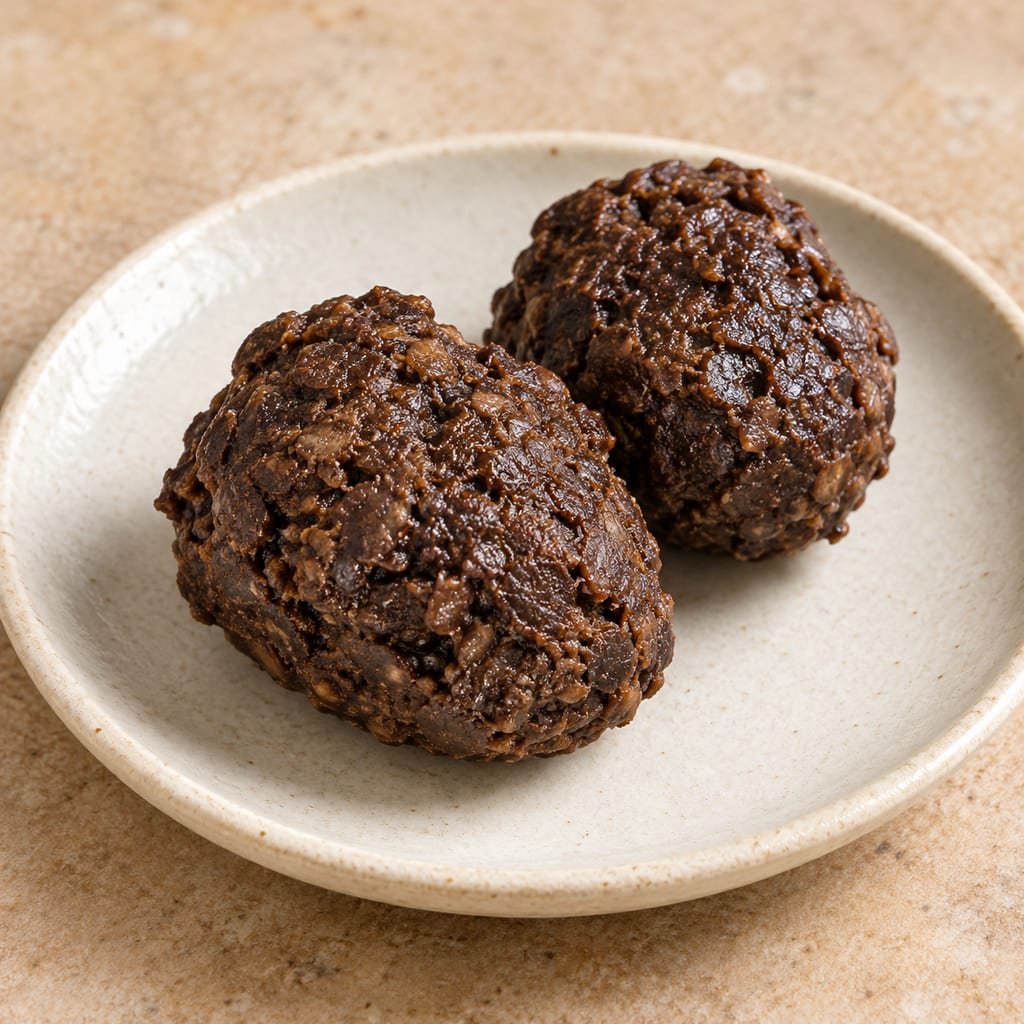
Nététou is a Senegalese condiment of fermented African locust bean cotyledons. Casamance accounts describe staged cooking, dehulling and 48–72 hours of fermentation; these are not validated household safety limits.
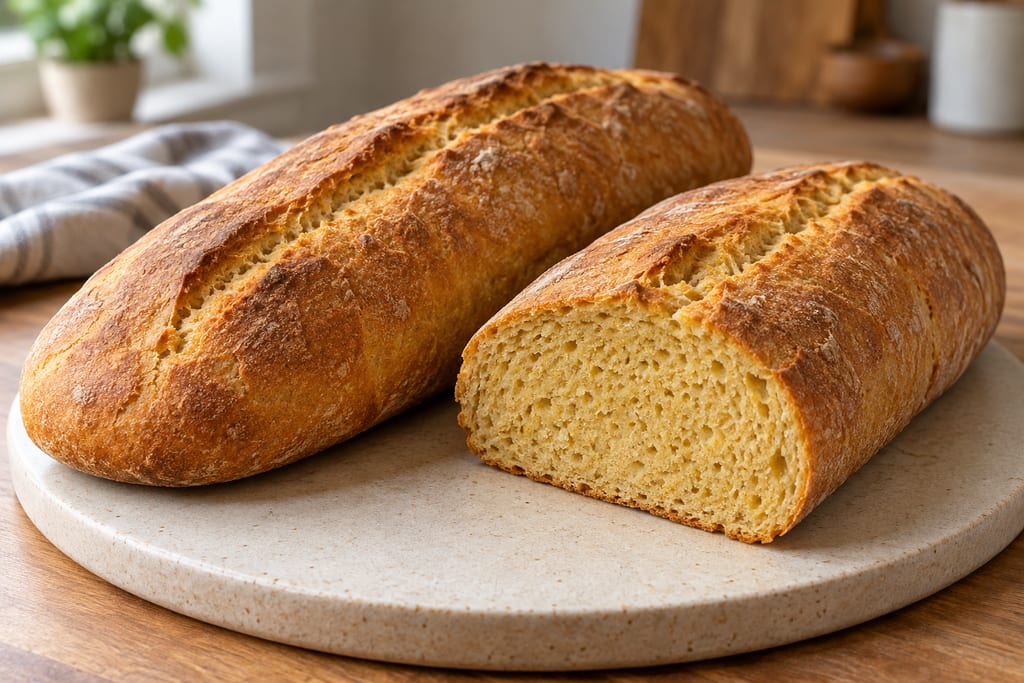
An elongated West African bread with a mixed-flour home-oven formula documented as one version; flour blends and traditional bakery methods vary by place.
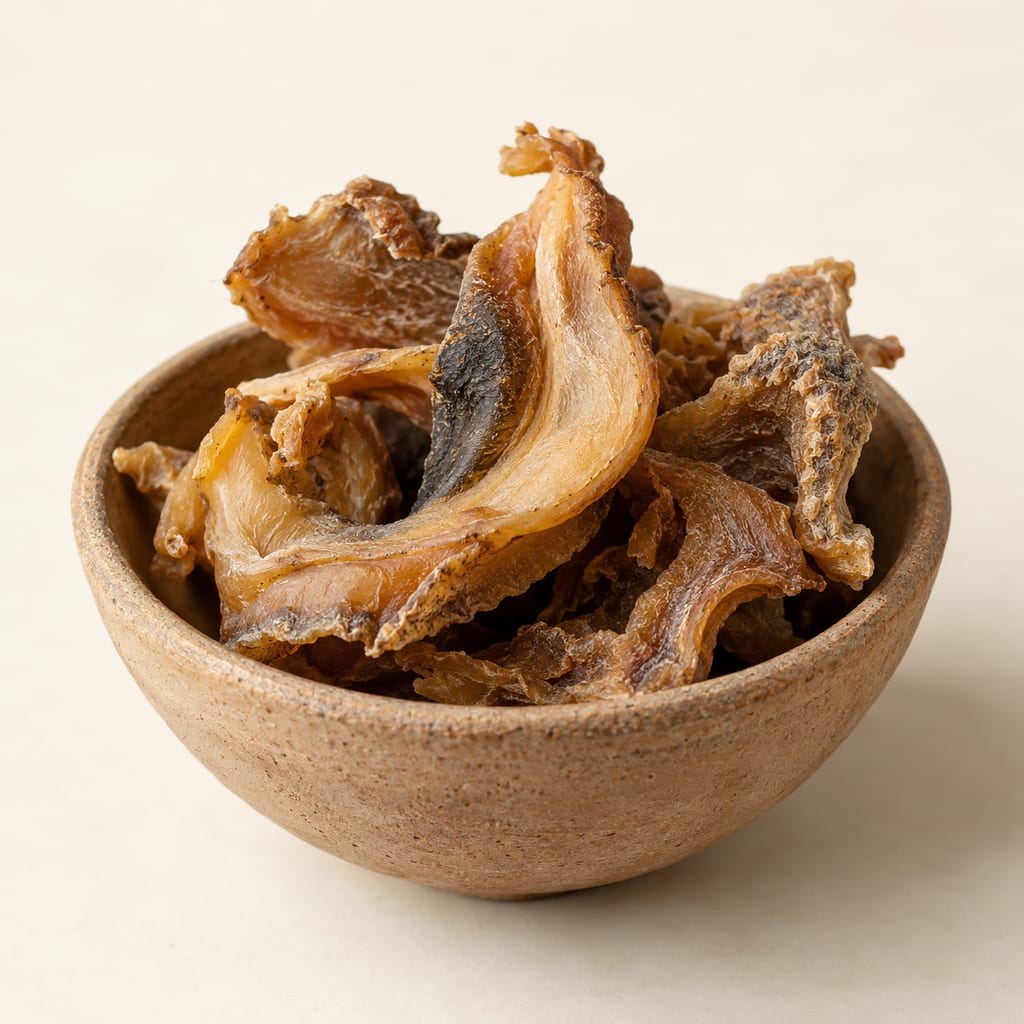
Yeet is a Senegalese condiment made by fermenting and drying Cymbium sea-snail flesh; published accounts describe different fermentation vessels and durations.

Salmon roe is separated from skeins and treated in two salt-water stages using a University of Alaska Extension formula.

Kodiak salmon, halibut and cod cut as seg'aq and hung on an initaq rack to become tamuuq, with kac'amaasaq and kupcuunaq named as different results.
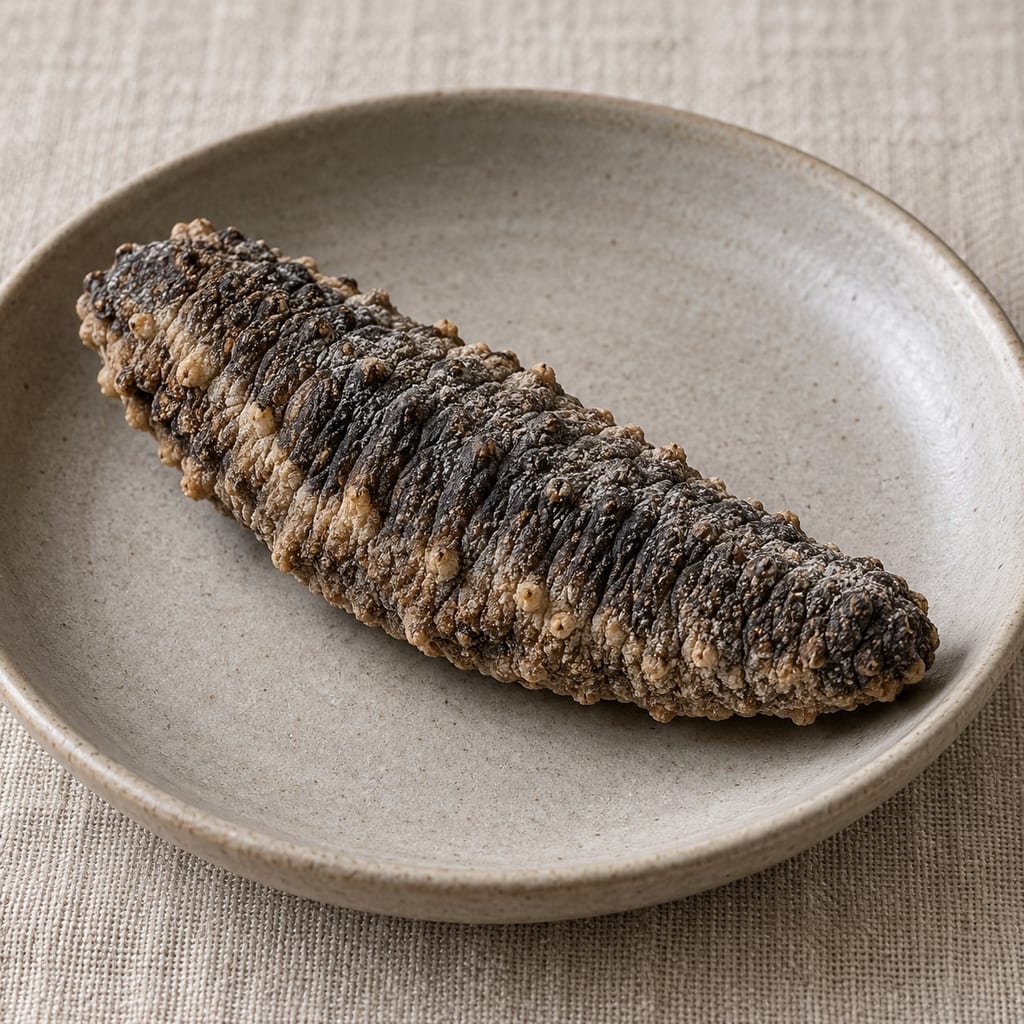
Sea cucumber cleaned, boiled and dried, sometimes with smoke, into a long-keeping trade product; Makassan processing in Arnhem Land is documented from at least the eighteenth century.
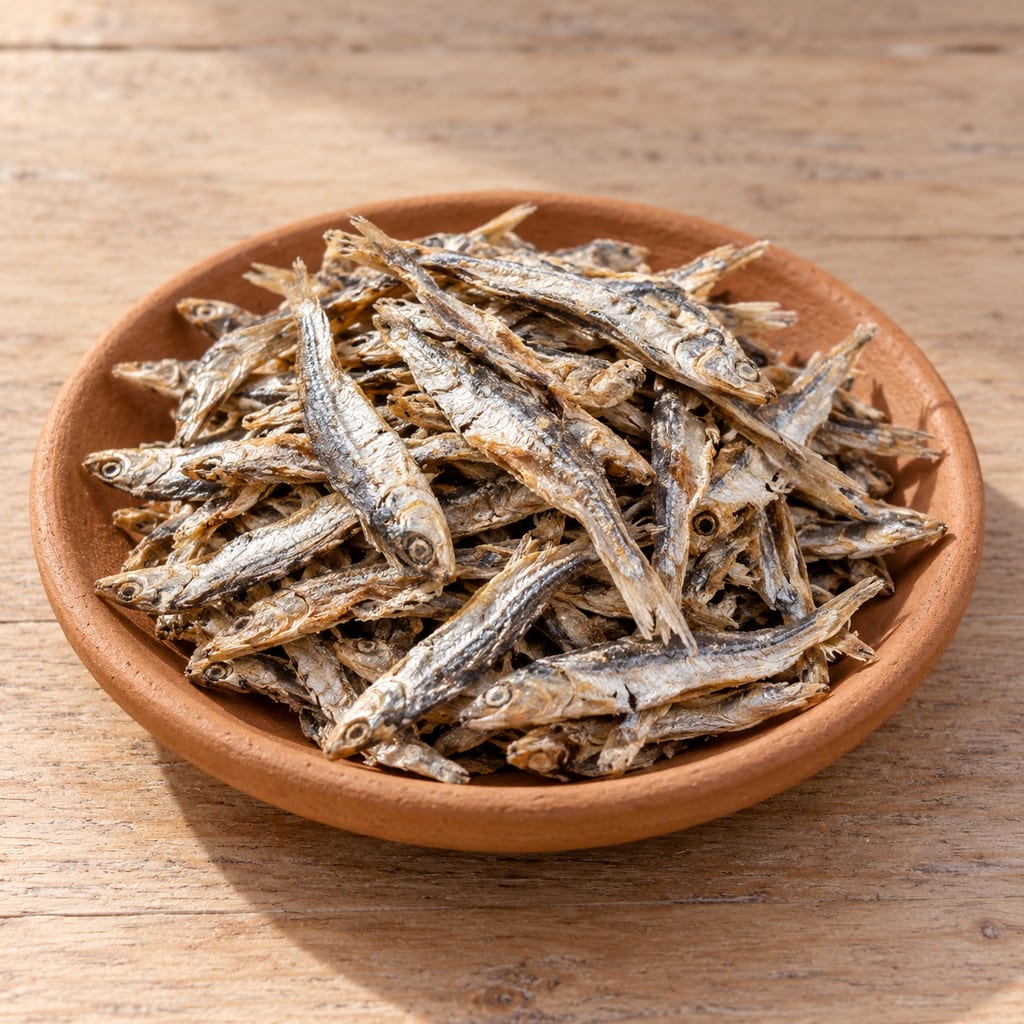
Anchoveta salted, drained of sanguaza and sun-dried on sand or stones at Caleta de Carquín, a technique declared part of Peru's cultural heritage in 2016.
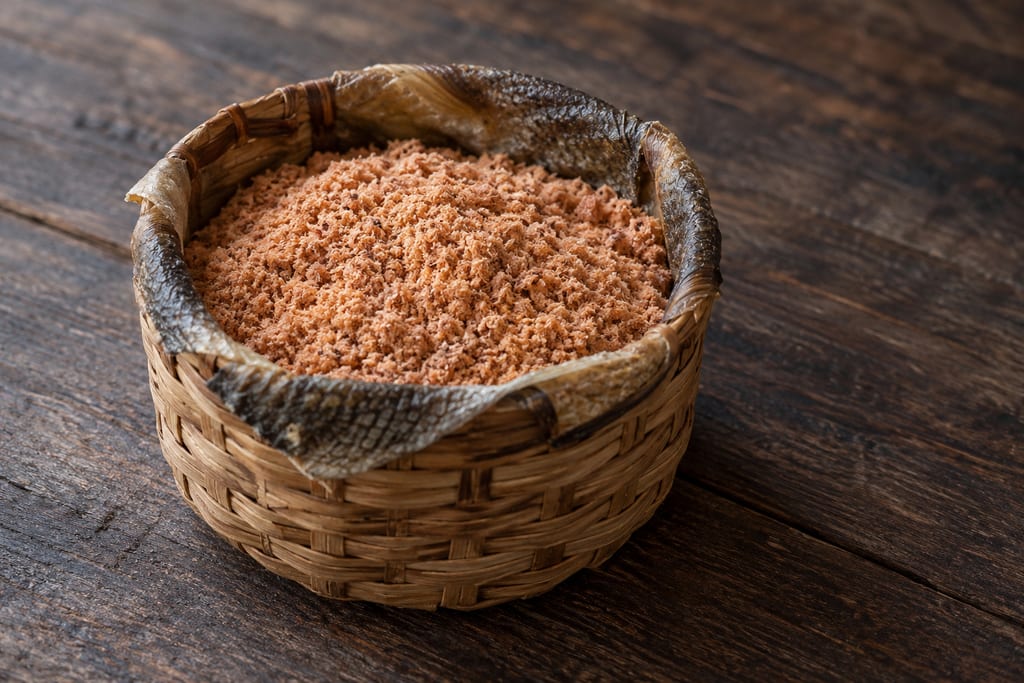
Dried salmon broken down, pounded to a meal and pressed into grass baskets lined with fish skin: the compact trade food of Celilo Falls and The Dalles.
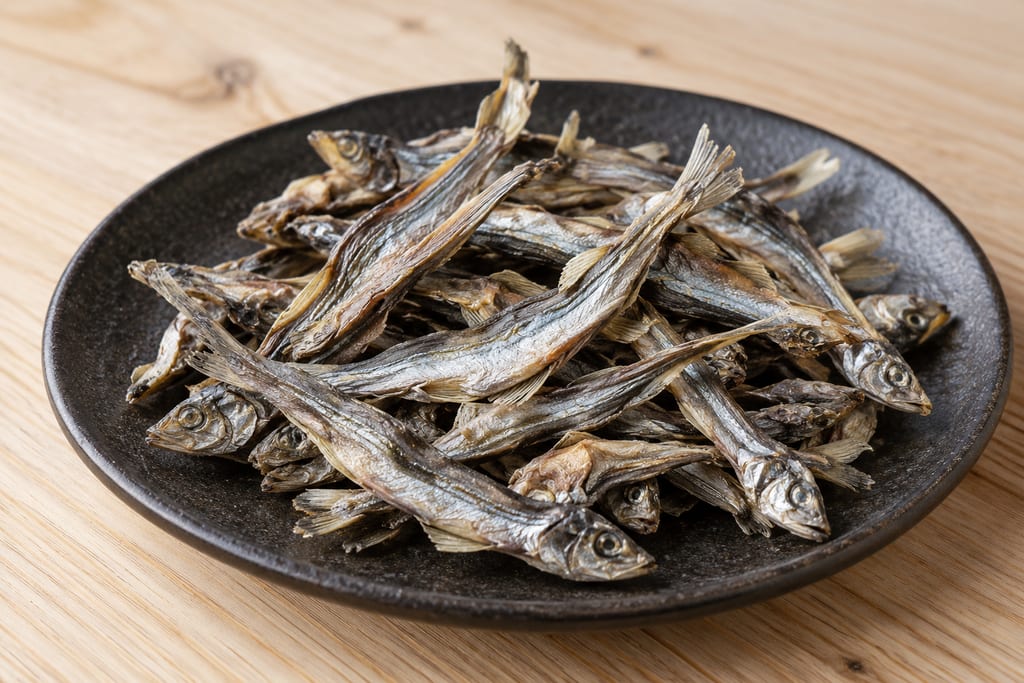
Greenlandic capelin dried whole on rocks, among crowberry vegetation or on buildings, and the microbial research that has made this small fish unusually well studied.
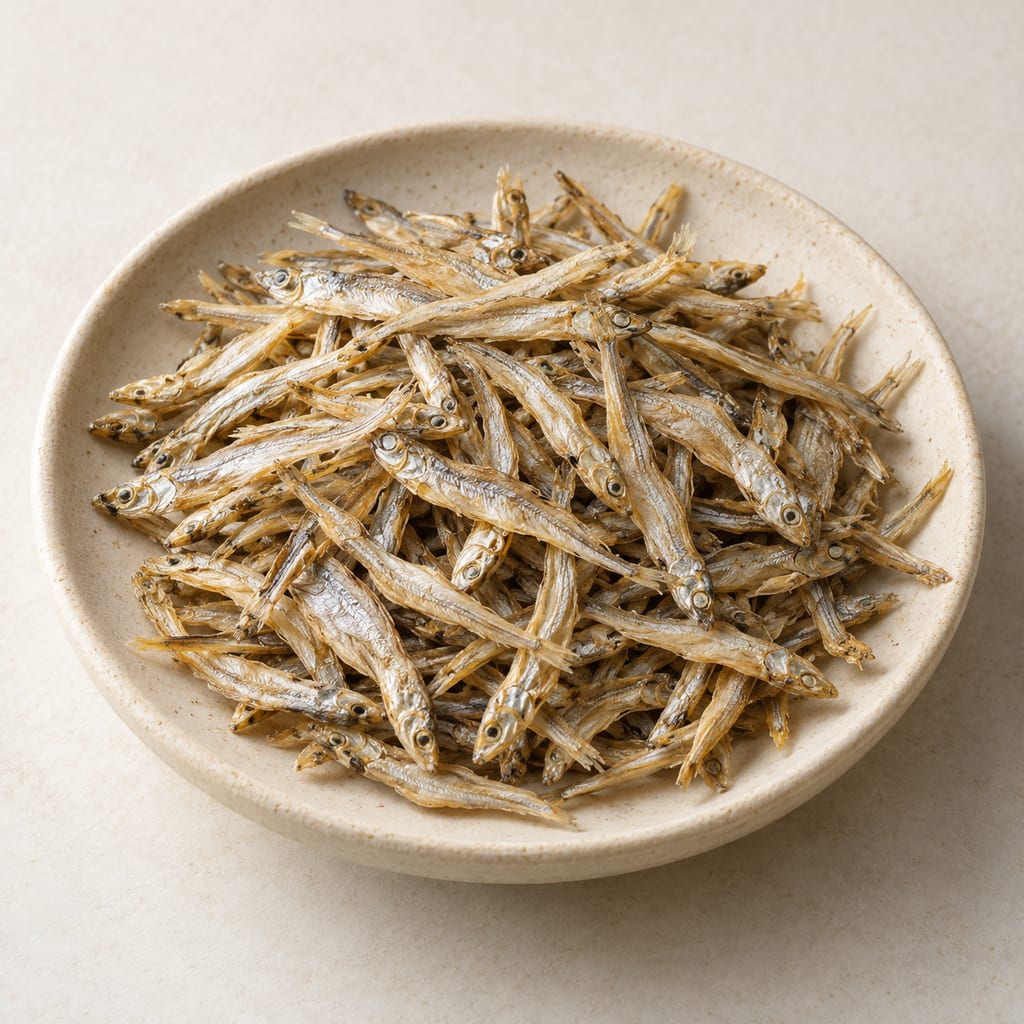
Small central-Mexican lake silversides, Chirostoma spp., dried whole and sometimes salted, then fried, roasted or simmered into Lenten tortitas and snacks.
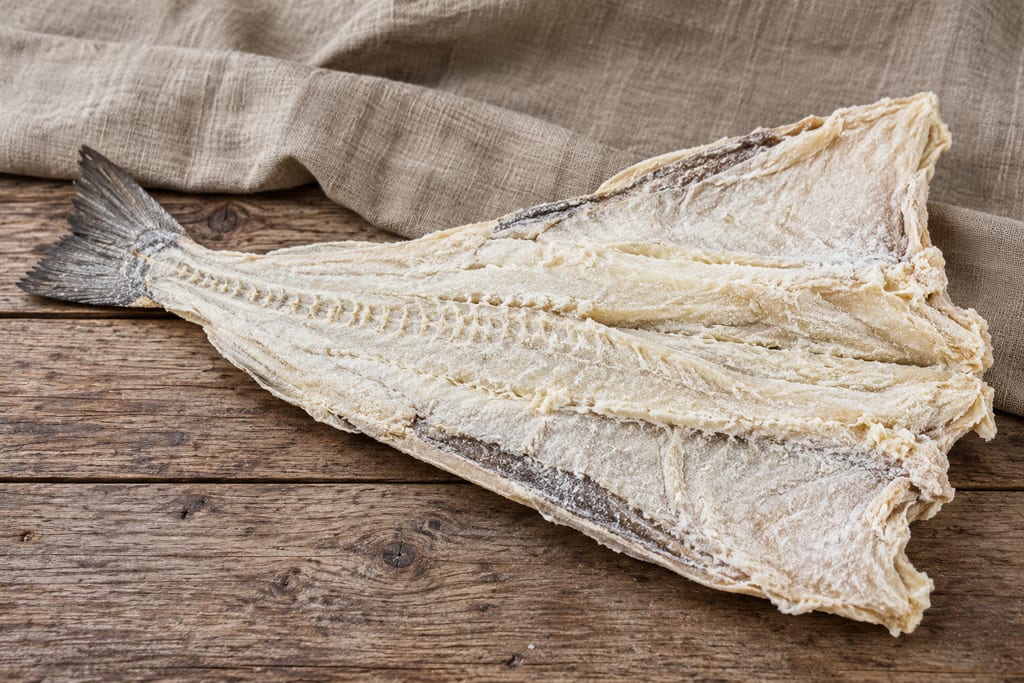
Cod split, salted and dried on flakes until hard, a long-keeping fish that must be desalted and rehydrated before use; the salting and the extensive drying together make it portable where light salting or partial drying does not.

Soft, spreadable Calabrian pork sausage made with a great deal of red chilli and fatty pork, stuffed into natural casings, sometimes smoked and matured while staying soft.

A way to add independent temperature logging to an existing food dehydrator without changing its built-in controls or protections. It is a monitoring method, not a rewiring plan.

Pleurotus cystidiosus is the abalone mushroom, a cultivated oyster-type fungus with dark brown caps that grows more slowly and is more demanding than other Pleurotus species.

A dark, balanced vinegar from Emilia-Romagna made by combining cooked or concentrated grape must with wine vinegar, then acetifying and refining it in wood under a protected specification.

A living dairy inoculum that starts controlled cream fermentation, developing acidity and aroma before sour cream or cultured butter is finished.

A small electric incubator holds jars at a selected temperature for yogurt and other documented warm food preparations. Controls, capacity and vessel arrangement vary by model.

Adygean salt is a seasoned table salt associated with Adygea and the wider North Caucasian culinary tradition. Salt is blended with garlic and a variable selection of herbs and spices; the exact mix depends on the named style and maker.

The African Caesar-group mushroom, Amanita masasiensis, is a wild ectomycorrhizal species of central and southern African woodlands, eaten locally. The genus contains deadly poisonous species, so identification needs care.
No community contributions have been published for this entry yet.
Sign in to contribute. Published comments and photos are free to read.
FAO IDAF ProgrammeIdentity · Method · Geography · History
Nutritional Condition, Food Security, Hygiene and Sanitation in the Fishing Community of Joal, SenegalThe 1996 Joal report calls Tambadiang whole dried fermented fish and says it mainly uses small fish; whole fish pickle 24–48 hours, are washed in seawater and dried 3–5 days.
This supports Joal, Senegal as a documented site. It does not name species, salt quantity, vessel or drying equipment for this sequence.
Cited in: A whole-fish product from Senegal; Different process descriptions; Geography and use
Food and Agriculture Organization of the United NationsProcess variation · Equipment
Fish Processing: Ch05A Senegal/Gambia table lists bonito for one Tambadiang process description, using concrete vats with alternate salt, fermentation 1–3 days, washing and 3–5 days on raised platforms.
This differs from the Joal small-whole-fish account and does not establish a universal species or process.
Cited in: Different process descriptions
Food and Agriculture Organization of the United NationsEquipment · Process limits
Fish Processing: Ch06FAO explains that drying duration depends on weather and fish size; humid and rainy conditions can slow drying and increase spoilage.
The chapter notes hazards from uncontrolled fermentation, reused brine, ground drying and flies; it gives no validated Tambadiang controls.
Cited in: Hazards and missing controls
FAO Fisheries Circular No. 999Fish identity · Use · Geography
Minced Sardinella Fillets in Fish Landing and Marketing Sites in SenegalFAO reports Tambadiang and yauss as whole dried Ethmalosa in Senegal market terminology; this documents a species association without identifying all Tambadiang fish.
Cited in: A whole-fish product from Senegal; Geography and use
U.S. Food and Drug AdministrationFood safety · Botulism
CPG Sec. 540.650: Uneviscerated Fish Products that are Salt-cured, Dried, or SmokedFDA describes botulism hazards in some preserved whole or uneviscerated fish and says toxin may be present without outward spoilage.
This is general guidance, not evidence that every Tambadiang batch is unsafe or that this product's process controls are known.
Cited in: Hazards and missing controls
U.S. Food and Drug AdministrationFood safety · Histamine
Scombrotoxin Poisoning and DecompositionFDA identifies histamine risk in certain fish, including bonito, and says curing does not destroy histamine already formed.
The risk is conditional on species and handling; the sources do not identify every Tambadiang species.
Cited in: Hazards and missing controls
Food and Agriculture Organization of the United NationsIdentity · Geography · Food use
Agriculture, Food and Nutrition for Africa: A Resource Book for Teachers of AgricultureFAO lists Tambadiang as salted and dried whole fish using small pelagic species and distinguishes it from Guedj and Kéthiakh.
Cited in: A whole-fish product from Senegal; Geography and use
Agence Française de Développement / GretIdentity · Method · Food use · Geography
Normes de qualité pour les produits agroalimentaires en Afrique de l’OuestThe report's Senegal product table identifies Tambadiang as whole fish from small pelagics such as Ethmalosa and Sardinella; it describes light brine fermentation and drying, and says the product substitutes for fresh fish or serves as a condiment.
This is one source's classification and does not remove the differences in other technical descriptions.
Cited in: Geography and use