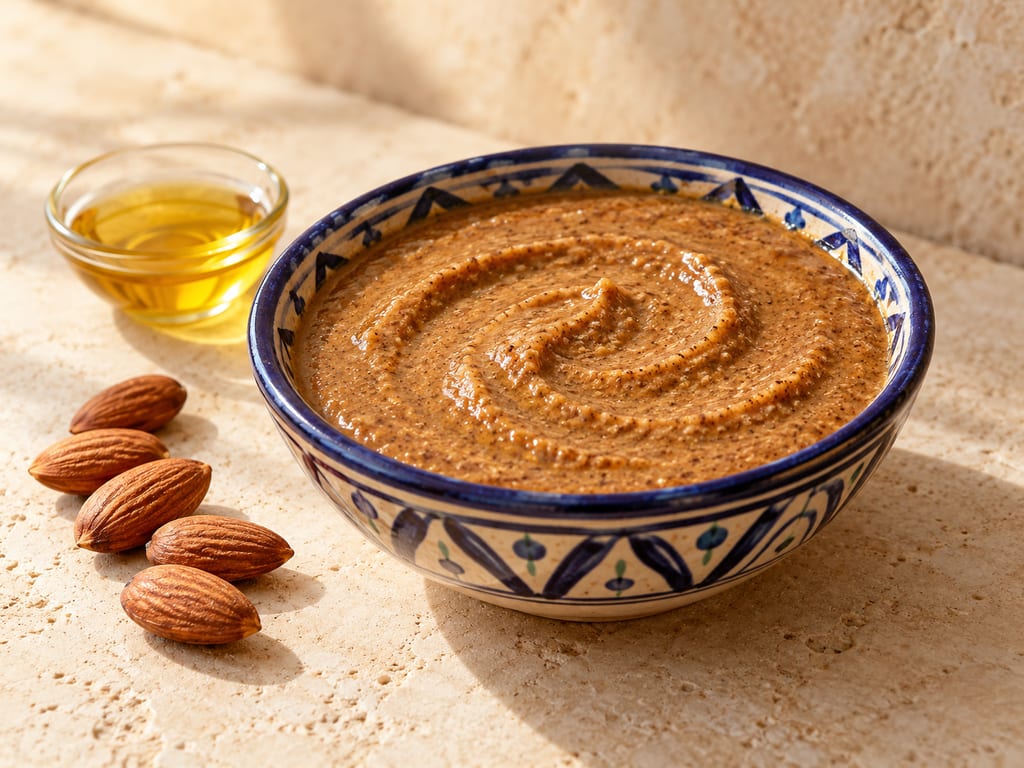
Amlou
Amlou is a nutty, lightly sweet Moroccan spread of roasted almonds, culinary argan oil and honey. The almonds are ground first, then loosened with oil and sweetened; the balance can range from a thick spread to a dip.
 FermenteaWhere food goes to change
Kaddid
Moroccan kaddid is a traditional salted, dried meat. The measured batch here is from a 2023 Tunisian experiment and is included only as a non-instructional comparison.
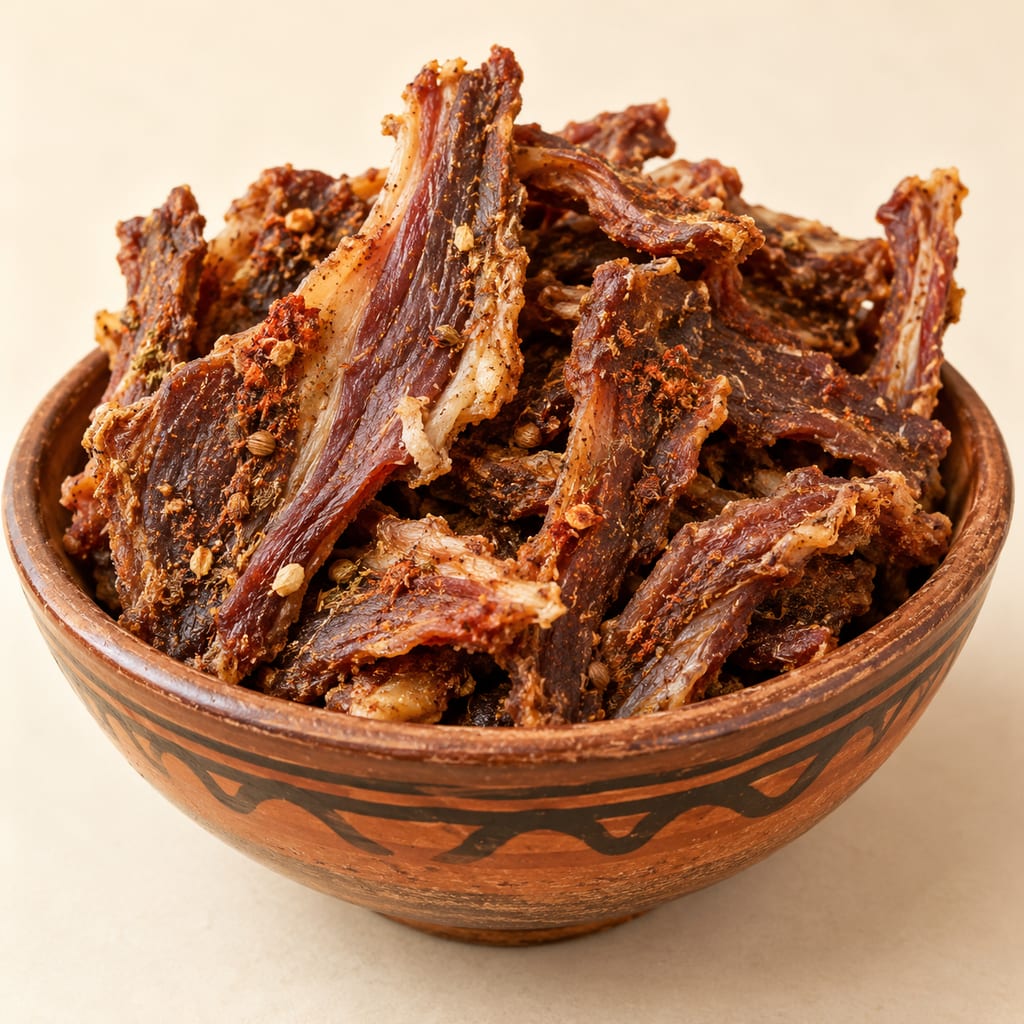
Kaddid (also written qaddid) is a Moroccan salted and dried meat. Moroccan sources describe it as a preserved food used in dishes such as couscous and tajine, with seasoning varying by household and region. A Morocco-specific scientific study documents its physicochemical and microbiological characteristics. Neither the evidence here nor the Moroccan cultural source establishes one universal formula.
The numerical batch shown in the structured fields is from a separate 2023 experiment conducted in Tunisia. The study itself concerns Tunisian kaddid and its drying methods. It is useful as a regional comparison, but its ingredient ratios, lamb source, timings and weather cannot be attributed to Moroccan practice.
The Tunisian researchers recorded lamb strips, a garlic, coriander, salt and paprika seasoning, a rest, and drying under the study's conditions. The quantities in this record reproduce that experimental batch only. They are not a tested Moroccan method, and the imperative-looking recipe fields should be read as documentation of what the researchers did.
Drying removes moisture and changes water activity, but an observed result in one batch does not establish a safe endpoint for another product or climate. The experiment's reported water activity of 0.57 describes its sample; it is not a general preservation limit.
Moroccan kaddid is eaten as preserved meat and appears in dishes including couscous, tajine and legumes. Moroccan descriptions identify salt, garlic, coriander and cumin among common seasonings while noting local variation. This account does not turn those descriptions into a reconstructed recipe.
Tunisian kaddid is related by name and broad preservation form, but it is a distinct regional preparation. Keeping the Tunisian experiment separate helps avoid treating one country's study batch as a standardized Moroccan tradition.
This page is a documentary account, not instructions for making, storing or eating home-dried meat. The Tunisian experiment does not validate a household process or a shelf-stable product. The USDA FSIS guideline treats ready-to-eat fermented, salt-cured and dried meat products as requiring validated process controls.
Do not use the study's proportions, weather, eight-day duration or sample water activity as safety controls. The sources here provide no validated Moroccan home process.
Moroccan sources document kaddid as a salted, dried meat; the quantified experimental batch in this record is Tunisian and is retained only as a regional comparison.
Scaling: source batch only
Study is not a validated home process.
Hazard sourceReady-to-eat process requires validated hurdles.
Hazard sourceUse a validated process; study conditions do not establish safety.
Control sourceDo not use study water-activity result as universal endpoint.
Control sourceStudy conditions do not validate safety.
Reported water activity is not a general safe endpoint.
Do not taste, salvage or store shelf-stable based on article.
Moroccan identity is supported by Moroccan and Morocco-specific sources; the quantitative experimental comparison is from Tunisia.
Amlou is a nutty, lightly sweet Moroccan spread of roasted almonds, culinary argan oil and honey. The almonds are ground first, then loosened with oil and sweetened; the balance can range from a thick spread to a dip.
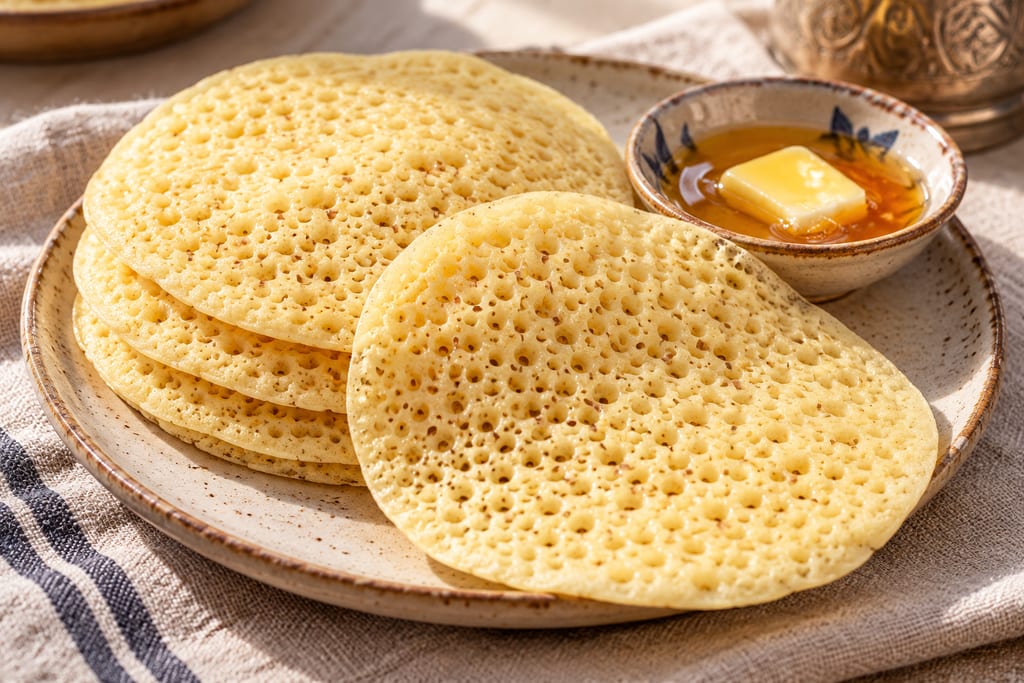
Moroccan semolina pancakes made from a thin yeast batter, rested until foamy and cooked on one side until the surface sets with a honeycomb of holes. This source-specific batch makes sixteen 5-inch pancakes.
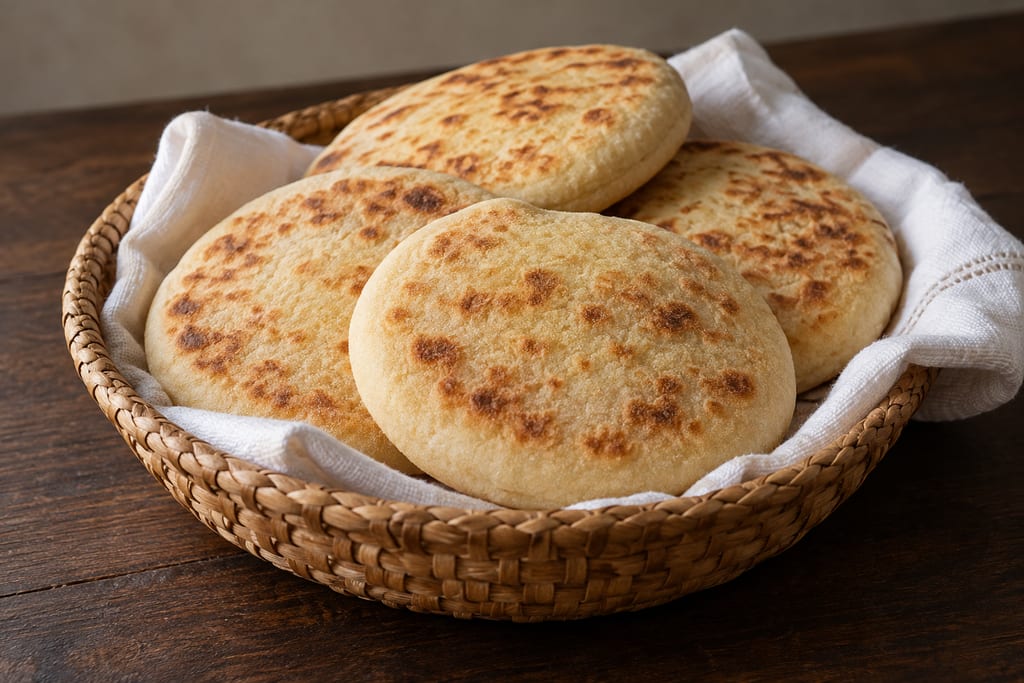
A Moroccan yeast-raised semolina pocket bread cooked on a dry pan or griddle; this measured batch makes about twenty 4-inch rounds.
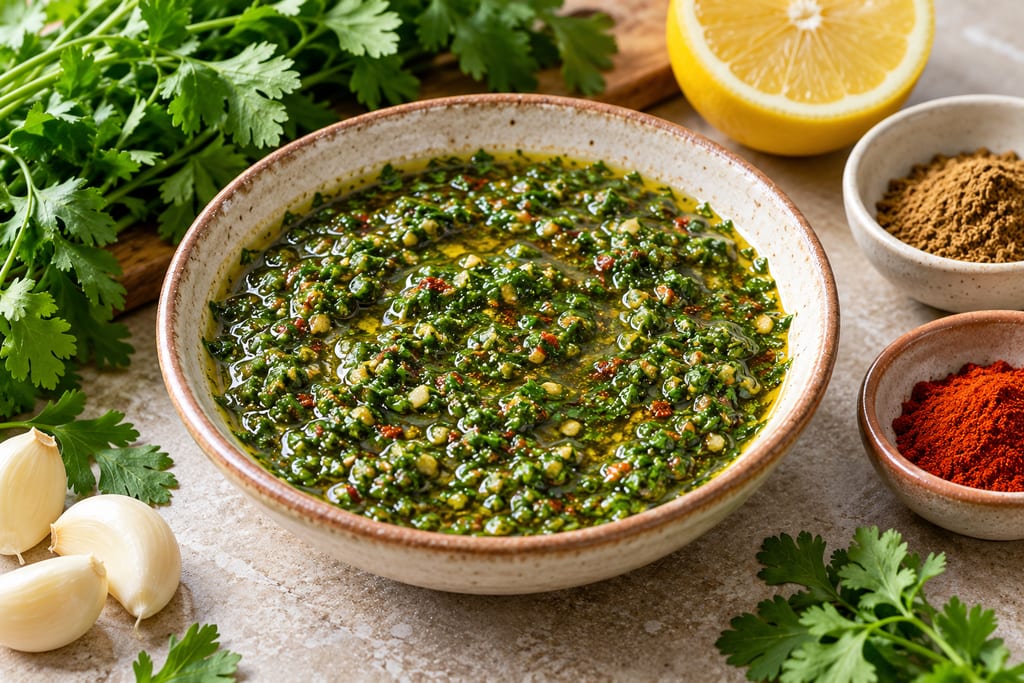
Fresh chermoula is a chopped-herb Moroccan-style sauce of coriander, parsley, garlic, lemon, olive oil and warm spices, made here as an explicitly untested development formula.
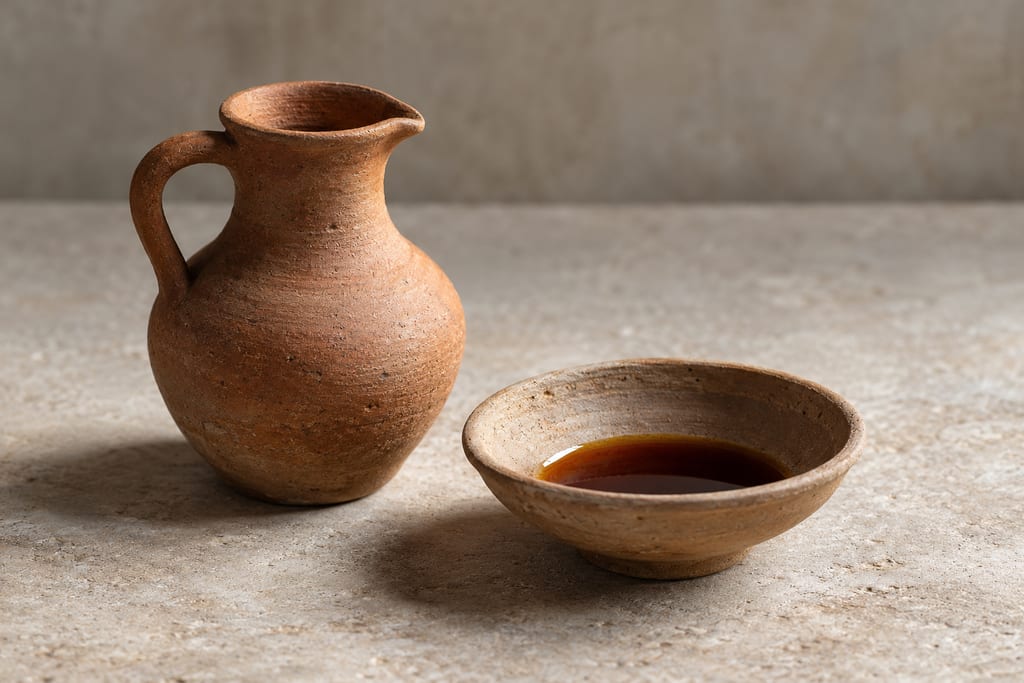
Garum, Greek garos and Latin liquamen, was the fish sauce of the ancient Mediterranean: fish and viscera salted and left in the sun, then drained off as a savoury liquid.
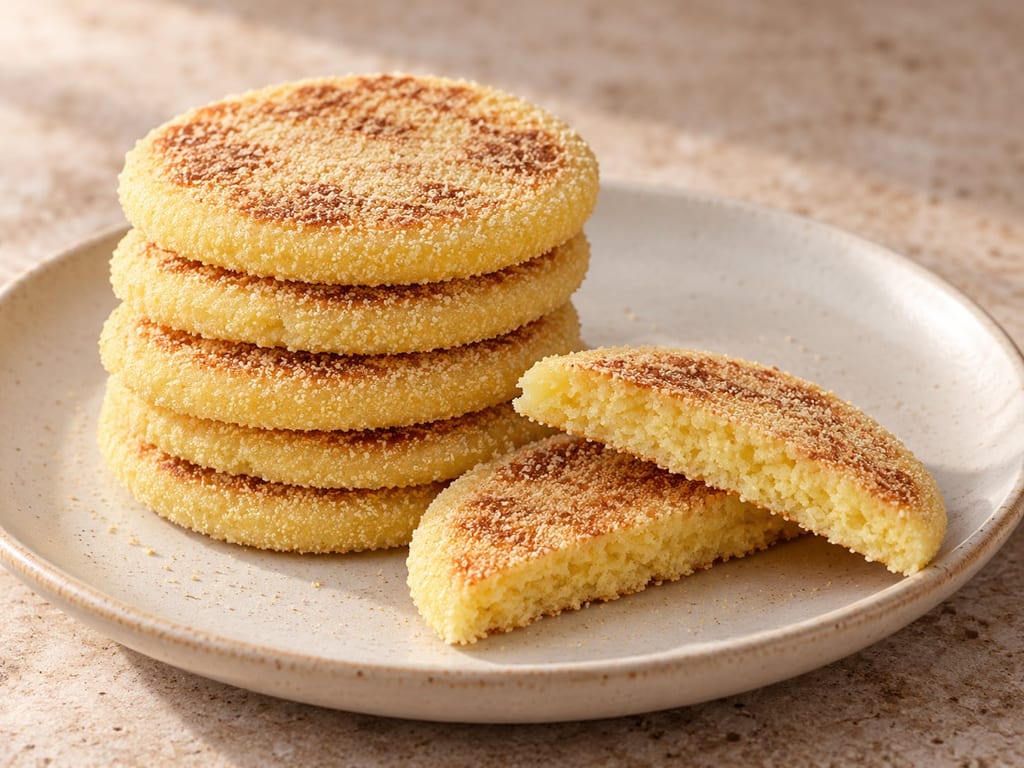
Harcha is a Moroccan semolina griddle bread with olive oil and butter rubbed into the grain, then shaped into thin rounds and cooked until golden. This family formula uses both dry yeast and baking powder.
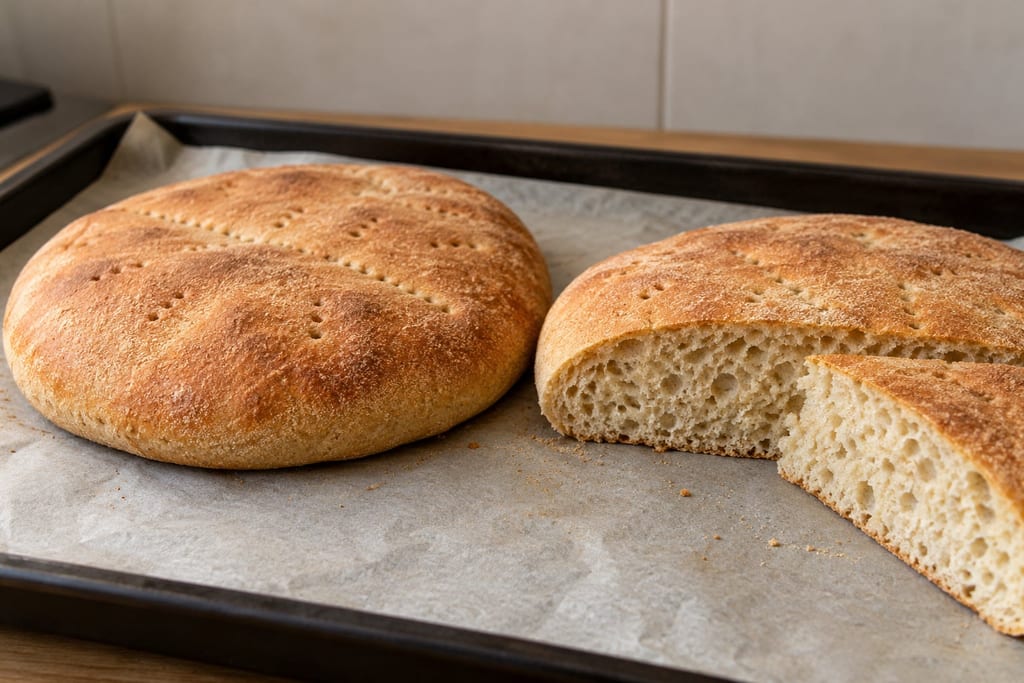
A Moroccan round wheat bread with a firm crust and coarse interior; this home formula makes two 8-inch loaves for serving with meals.
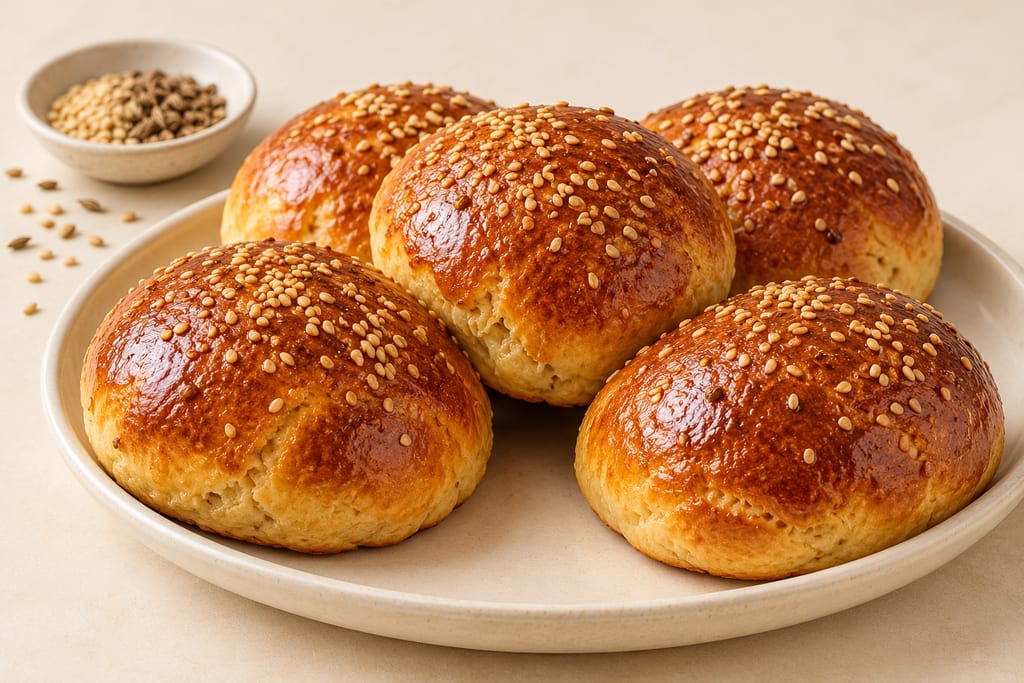
Krachel, also called el gors, are Moroccan sweet yeast rolls scented with anise, sesame and orange flower water. This version follows the three-rise method documented by Christine Benlafquih.
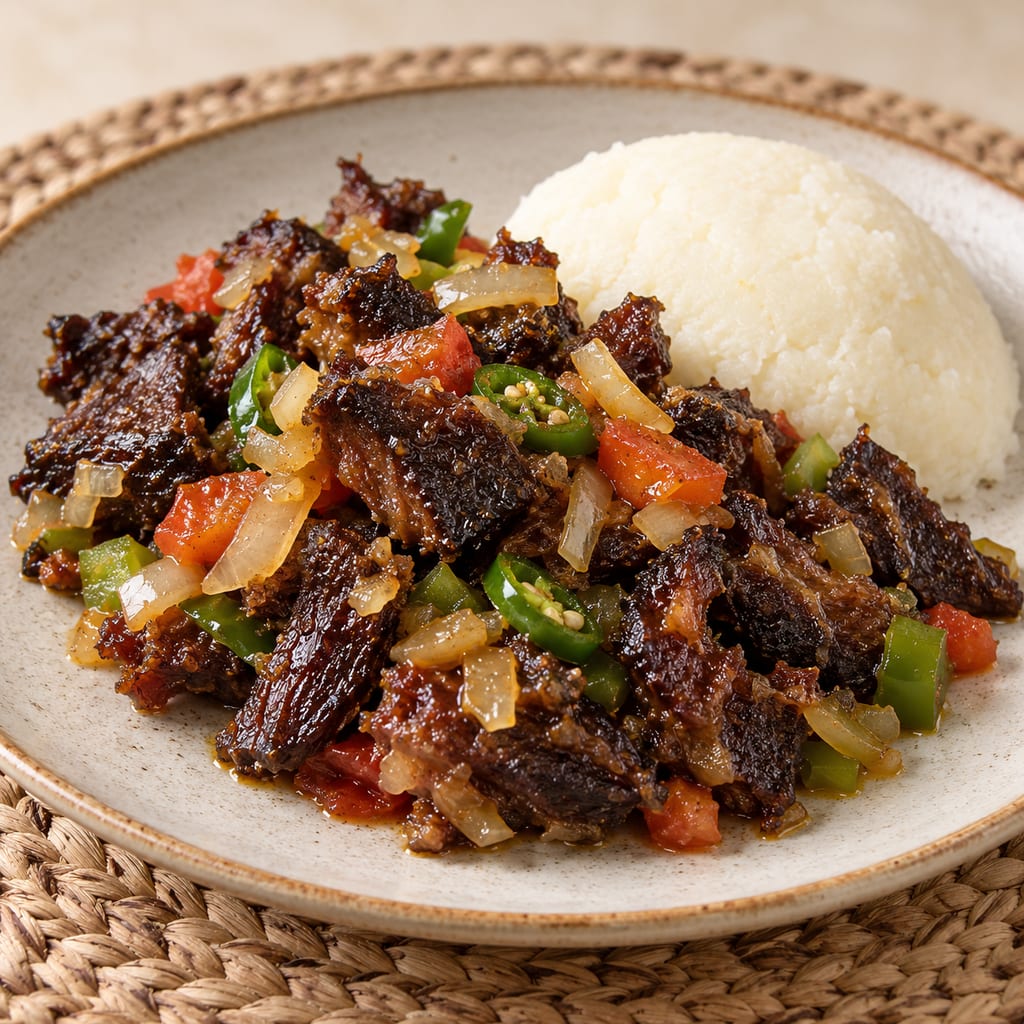
Alina Magano Johannes’s Oondhingu is a family dish from Onyaanya, Oshikoto, in northern Namibia: softened dried beef fried with vegetables and served with pap.
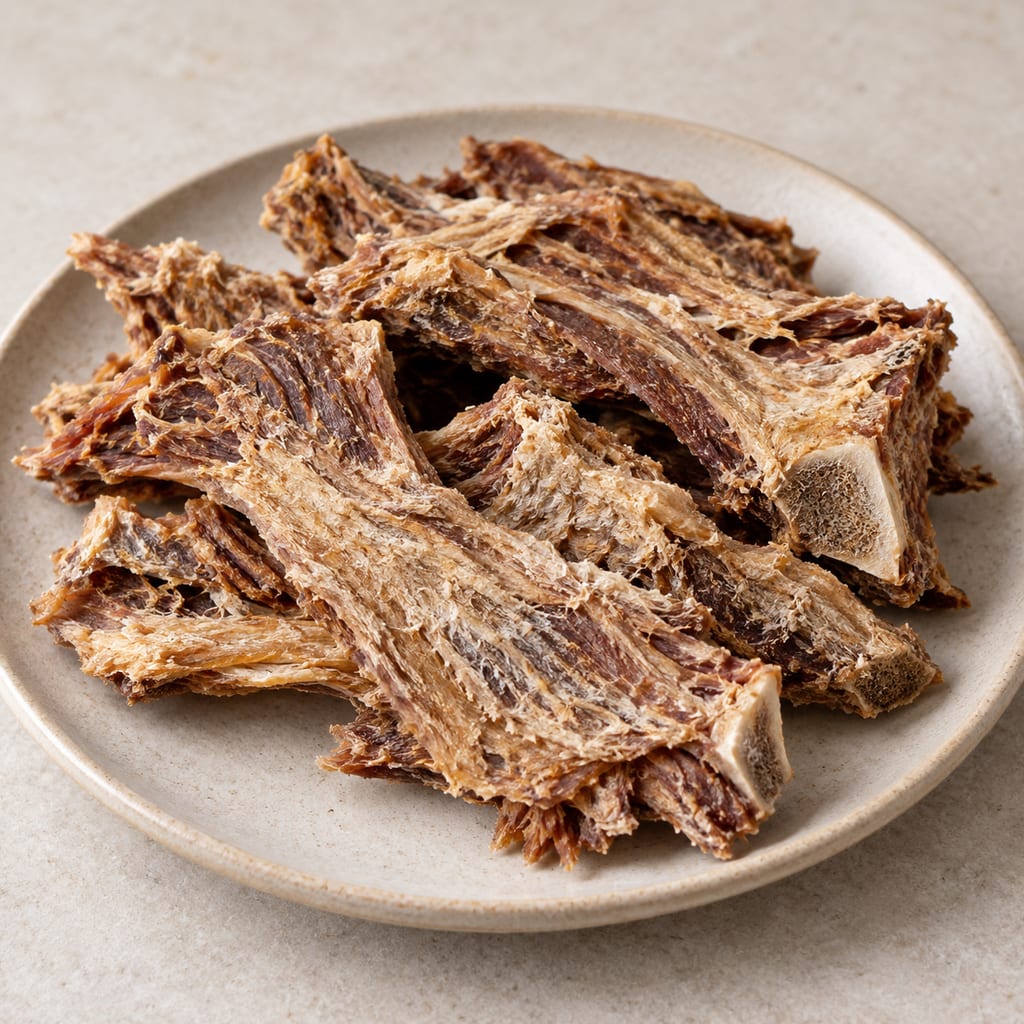
Alpaca charqui is Andean dried meat, made from camelid meat exposed to hot sun by day and frost by night at high altitude, the ancestor of the modern word jerky.
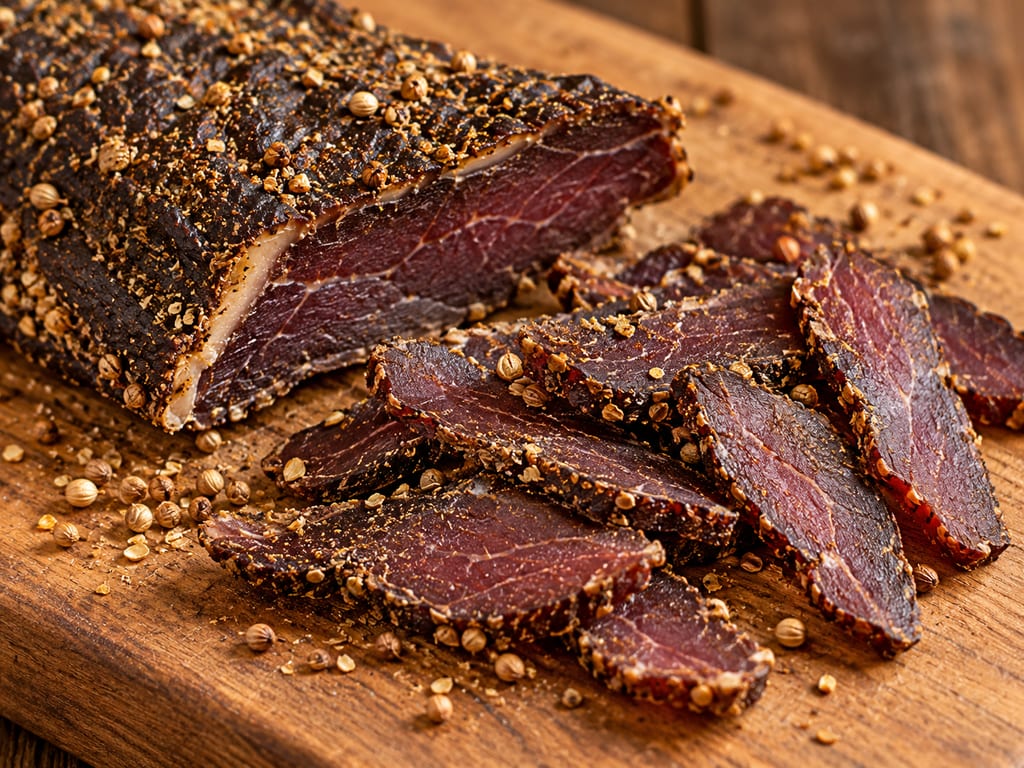
Strips of whole-muscle beef or game seasoned with salt, vinegar, roasted coriander and pepper and air-dried without cooking, sold anywhere from soft and moist to hard and very salty.
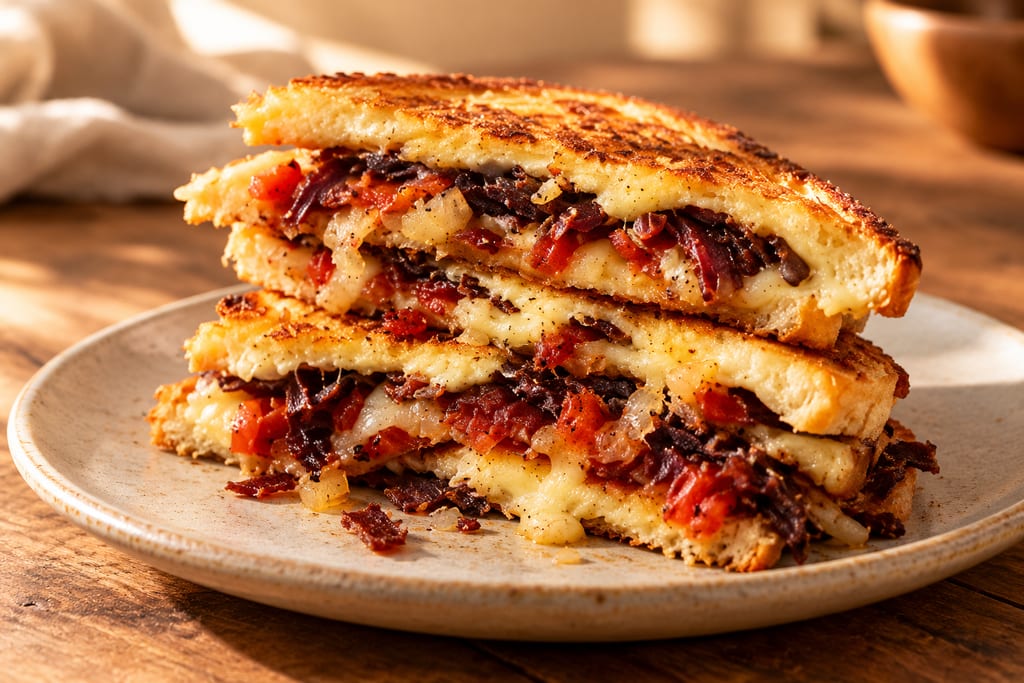
Chopped biltong, sweet onion, cream cheese and Cheddar fill bread toasted in a hinged grid over gentle coals, then finished with biltong dust.
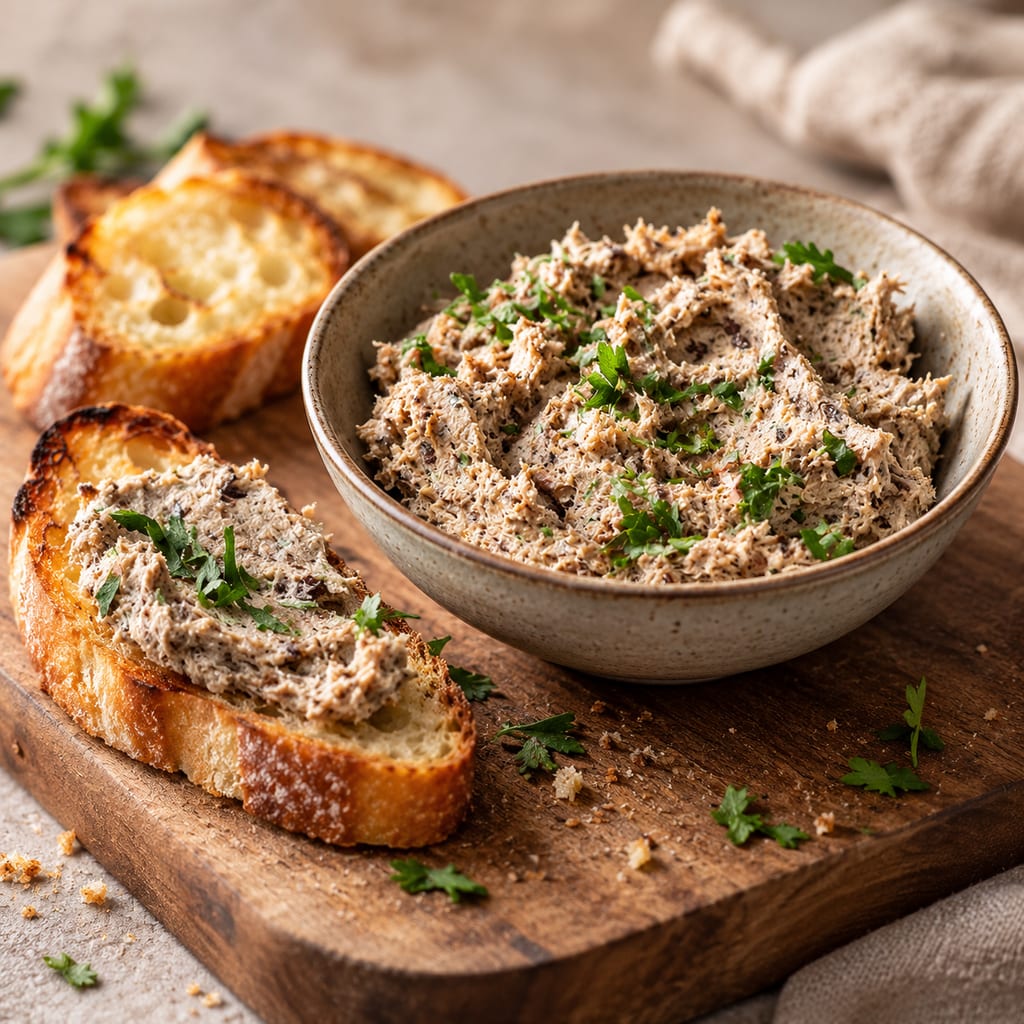
A cold biltong spread with sour cream, mayonnaise, mustard, lemon and herbs; serve it with crackers, crostini or bread.
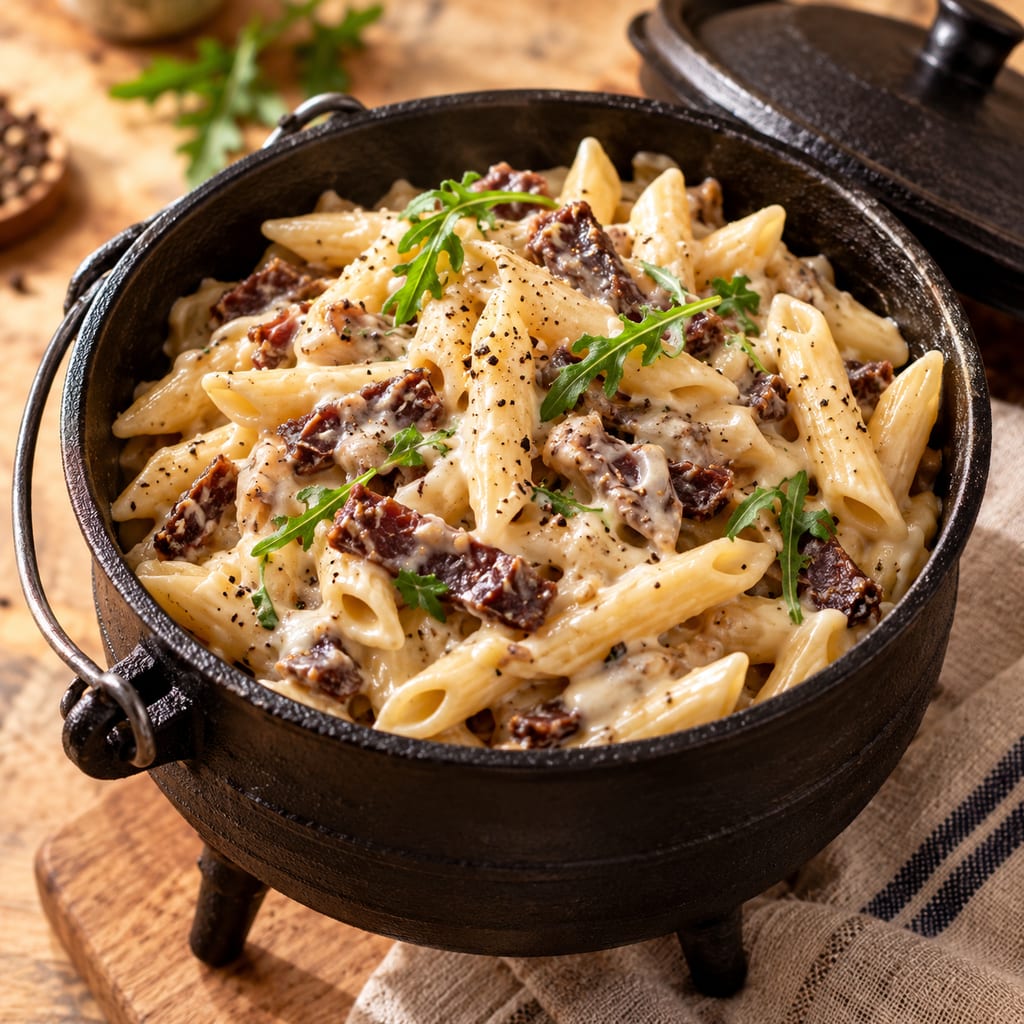
Biltong, bacon and vegetables simmer in tomato-herb stock, then join cooked pasta, milk, cream and Cheddar in this outdoor potjie.
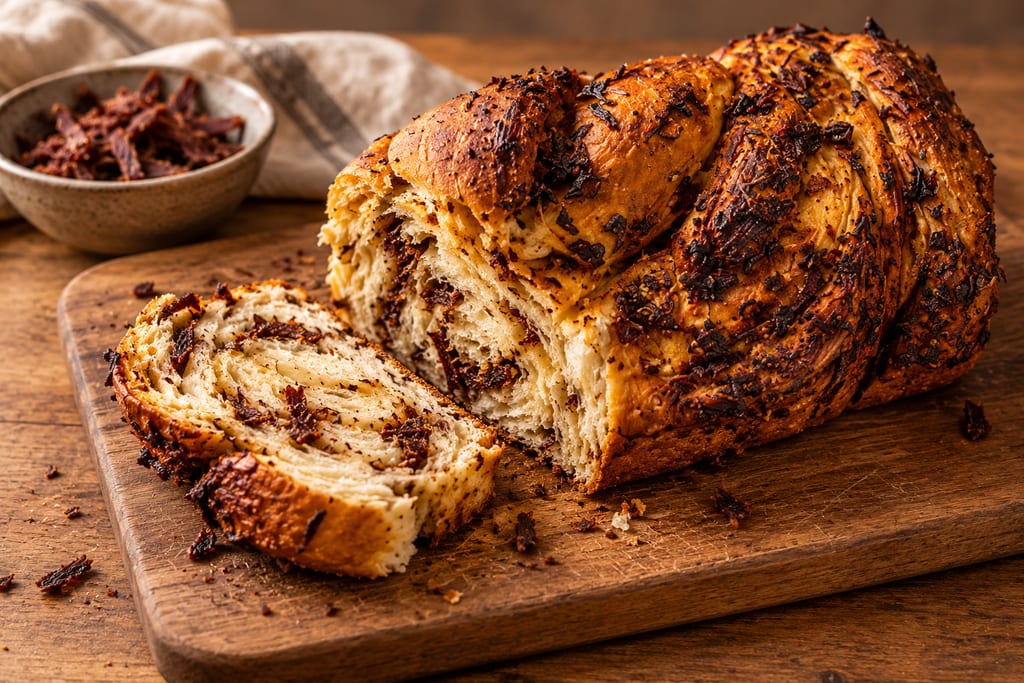
Yeasted bread wrapped around biltong, tomato pesto, Cheddar and feta, split lengthwise into a braid and baked; served with chilli-biltong butter.
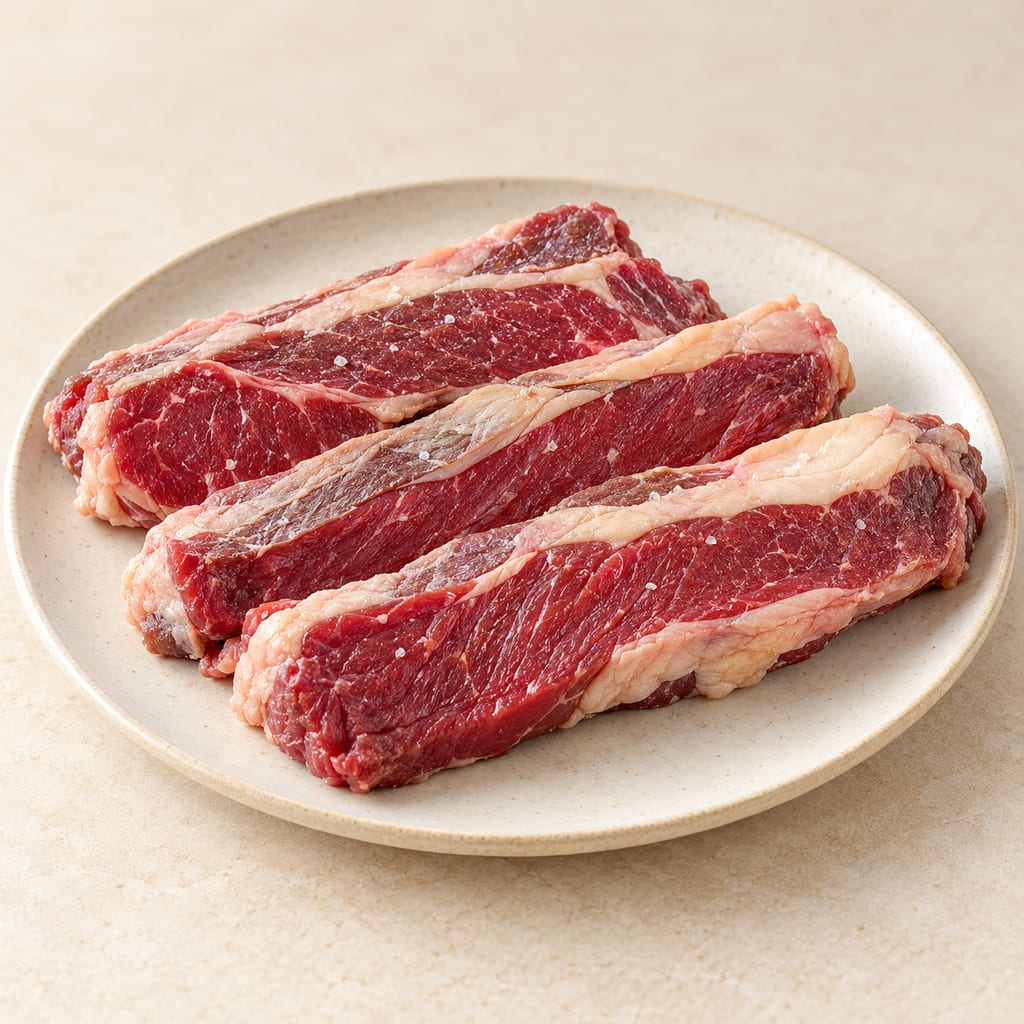
Beef given limited salt and partial surface drying, a short-keeping Brazilian meat that is much less durable than fully dried charque and is treated as a cold-chain product.
No community contributions have been published for this entry yet.
Sign in to contribute. Published comments and photos are free to read.
FoodsComparative study · Process · Safety
Effects of Drying Methods on Chemical Composition, Lipid Oxidation, and Fatty Acid Profile of a Traditional Dried Meat KaddidThe study concerns Tunisian kaddid; its ingredients, ratios, timings and drying conditions are experimental data from Tunisia, not a Moroccan formula or validated household process.
Reported sample water activity is a result for that experiment only.
Cited in: What the Tunisian experiment measured; Safety and limits
PubMedRegional context · History
Physico-chemical and microbiological characteristics of a dried salted meat product (Kaddid) in MoroccoA Morocco-specific study documents dried salted kaddid in Morocco; it does not establish a universal household recipe.
Cited in: Moroccan kaddid and the limits of this comparison; Food use and regional context
ChoumichaRegional context · Use
قديد، اللحم المجفف التقليديMoroccan cultural account identifies qaddid as traditional dried meat, discusses seasoning variation and its use in couscous and tajine.
Cited in: Moroccan kaddid and the limits of this comparison; Food use and regional context
USDA FSISSafety
FSIS Guideline for Meat and Poultry ProductsReady-to-eat cured/dried meat needs validated process hurdles.
Cited in: Safety and limits