

























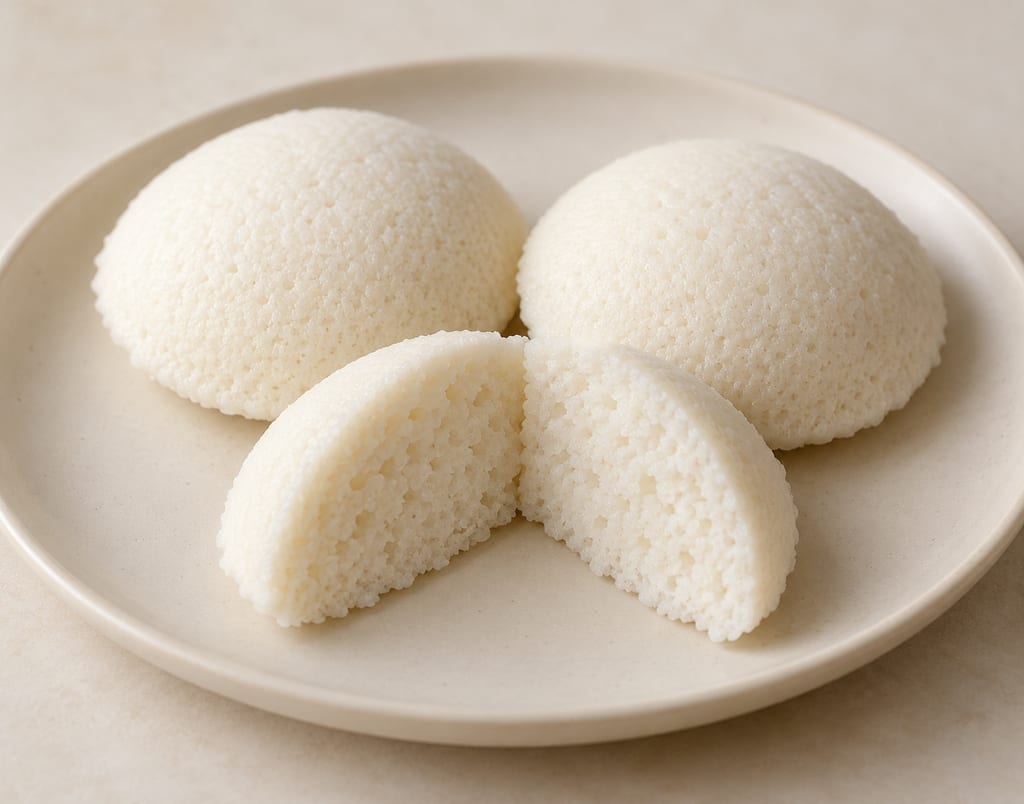
Rice and urad idli
Rice and urad idli uses a source-specific naturally fermented grain and urad batter, then cooks it by steaming in moulds. The creator leaves some process measures unquantified.
 FermenteaWhere food goes to change
1504 records with their sources, across 11 categories.
 Cereal, grain, root and starch fermentations16
 Not yet classified1
 Unfermented breads1
Rice and urad idli uses a source-specific naturally fermented grain and urad batter, then cooks it by steaming in moulds. The creator leaves some process measures unquantified.
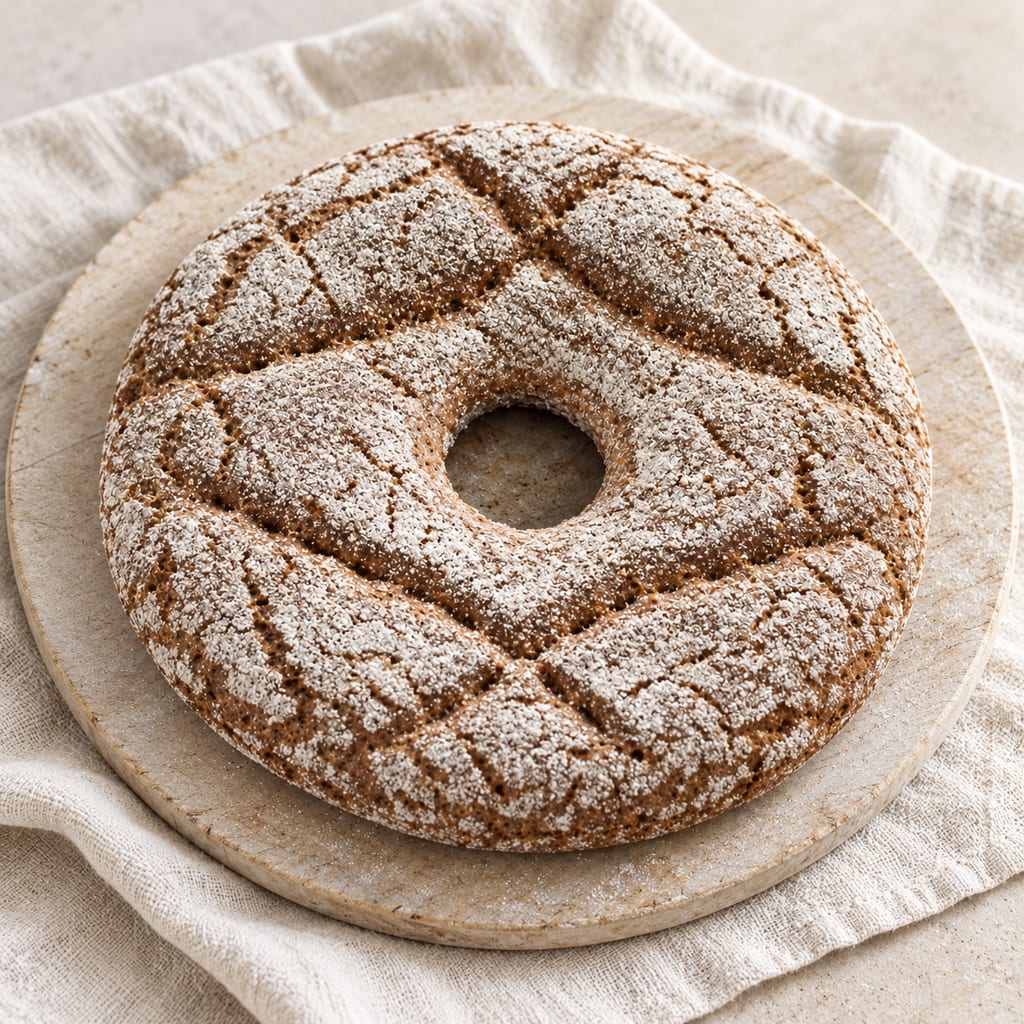
A Finnish rye sourdough shaped here as two flat ring loaves, made from rye flour, water, salt and an established rye leaven.
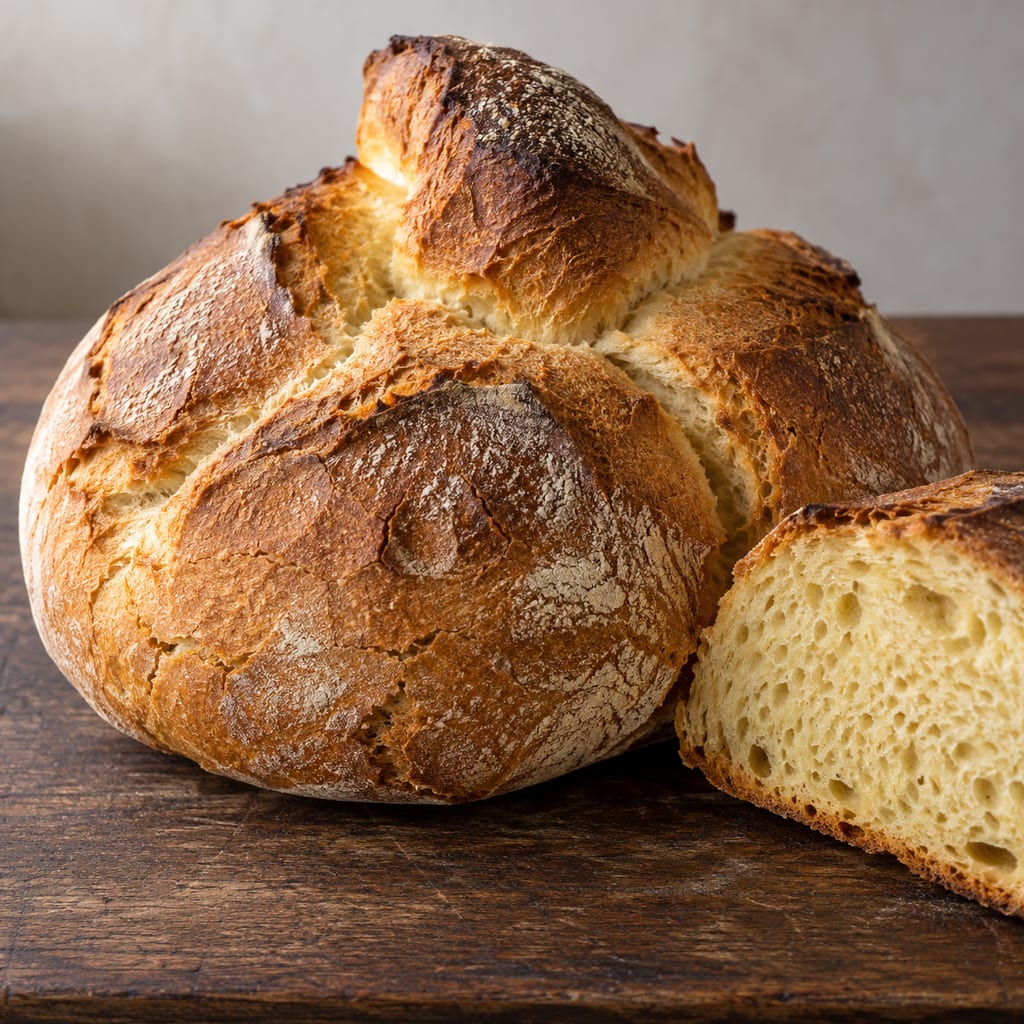
A protected durum-wheat sourdough bread documented by a commercial production specification. The official 100 kg batch and oven process are recorded without inventing a household scale.
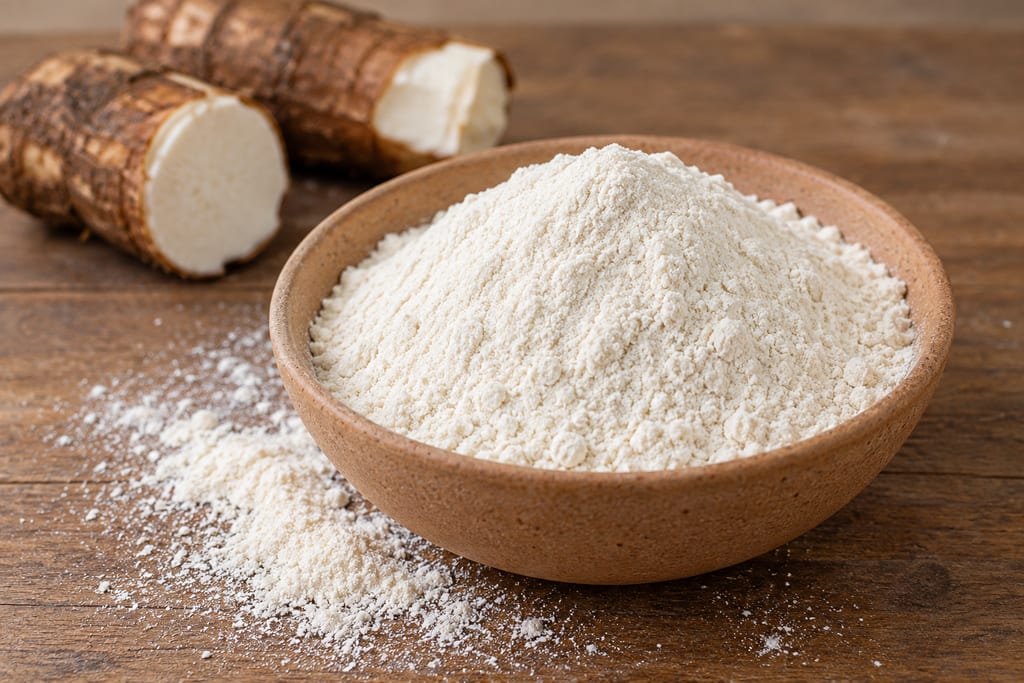
Lafun is a Nigerian fermented cassava flour described in historical accounts. This record documents reported processing stages, not a validated household method or a batch-specific cyanogen and moisture safety endpoint.
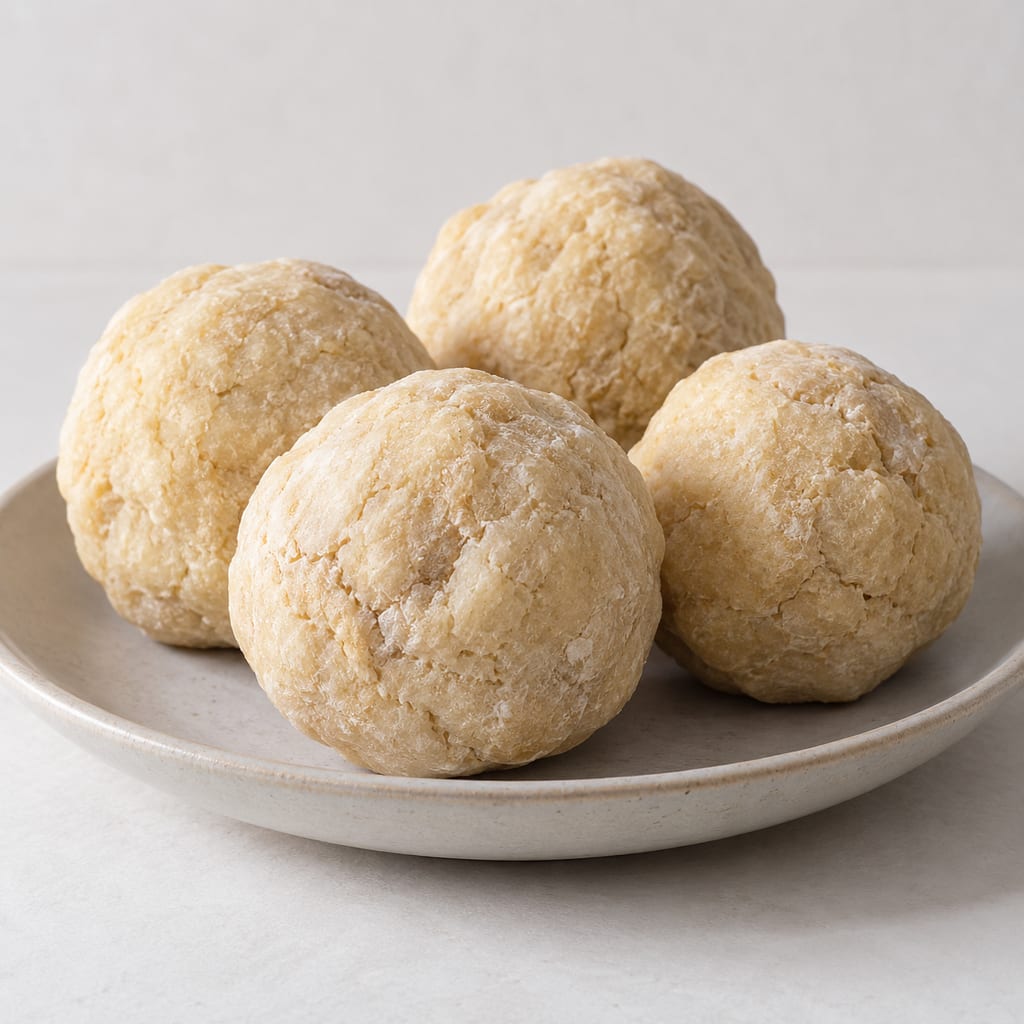
Kumkum is a Cameroonian fermented-cassava preparation described as balls dried over a fireplace and stored or milled into flour. Sources also describe a sun-dried market form; they give no Kumkum-specific safety endpoint.
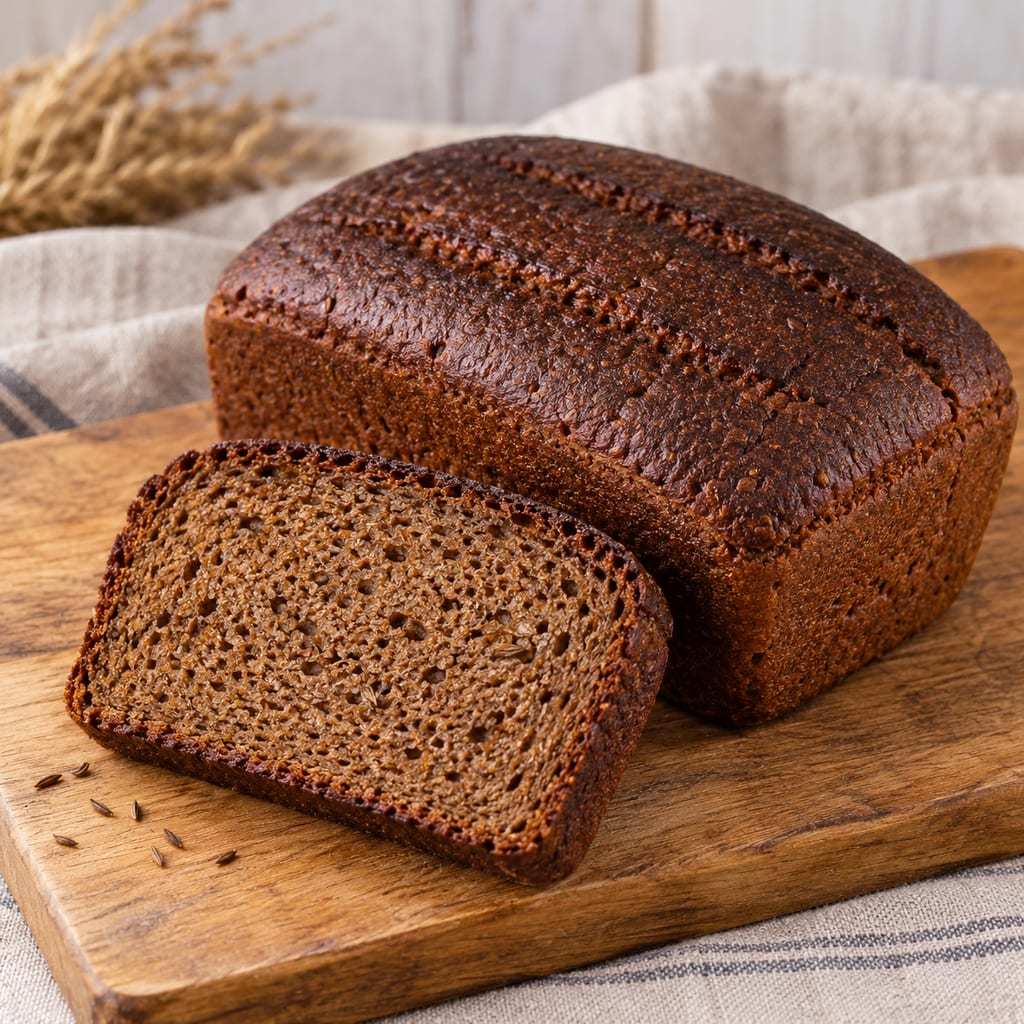
A Lithuanian dark rye loaf made with an overnight rye preferment, caraway, honey and sugar, then proofed in a loaf pan and baked in two stages.
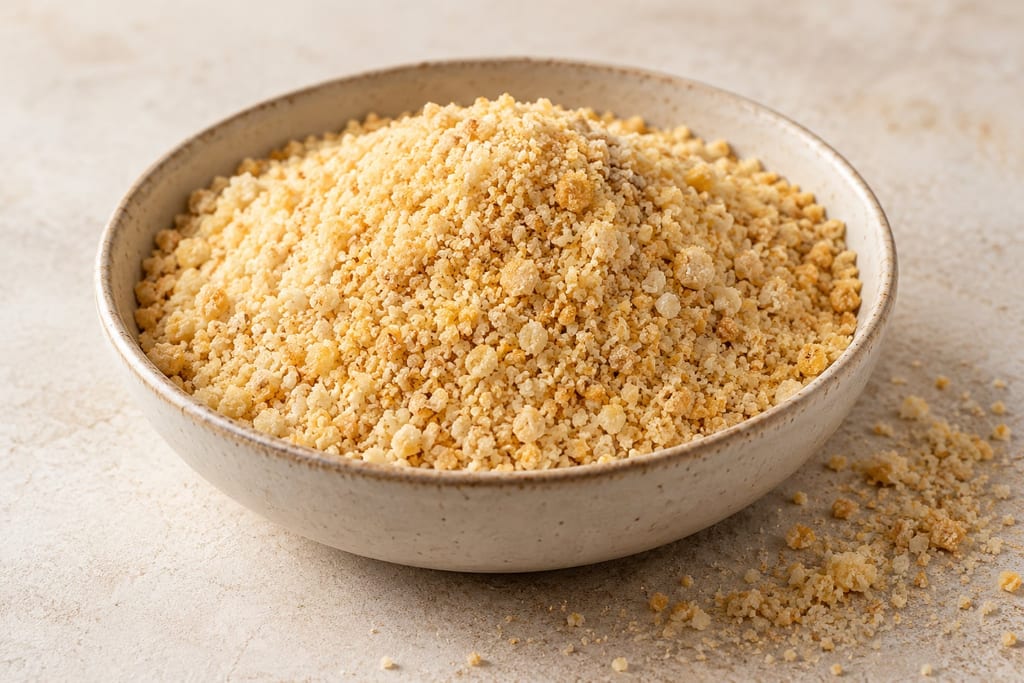
Farinha is a coarse, durable cassava meal made by grating, pressing, sifting and roasting or drying cassava. Processing is used to reduce cyanogenic compounds, but this account is not a validated detoxification procedure.
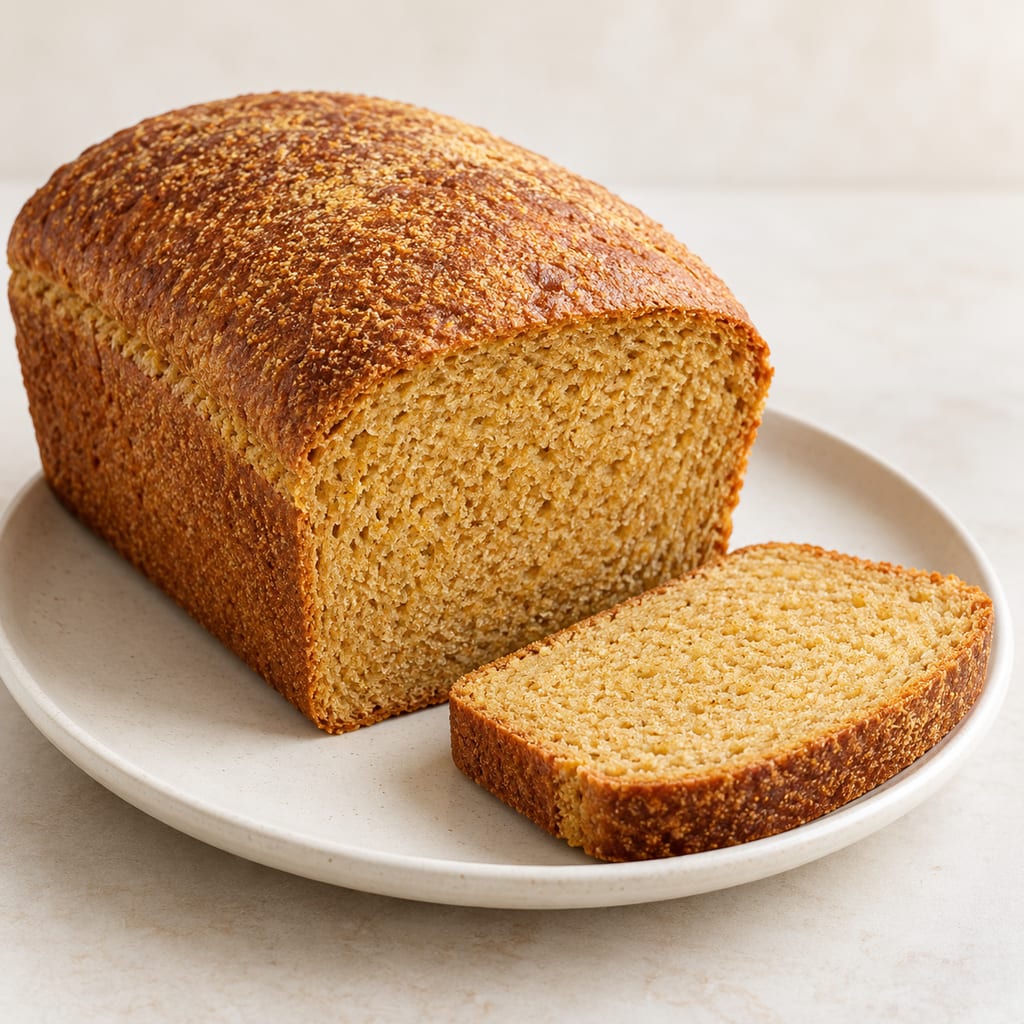
Anadama is a New England yeast loaf made with wheat flour, cornmeal and molasses. Scalded cornmeal enriches the dough, while molasses lends sweetness and a dark crust; it is especially good toasted or beside soup and baked beans.
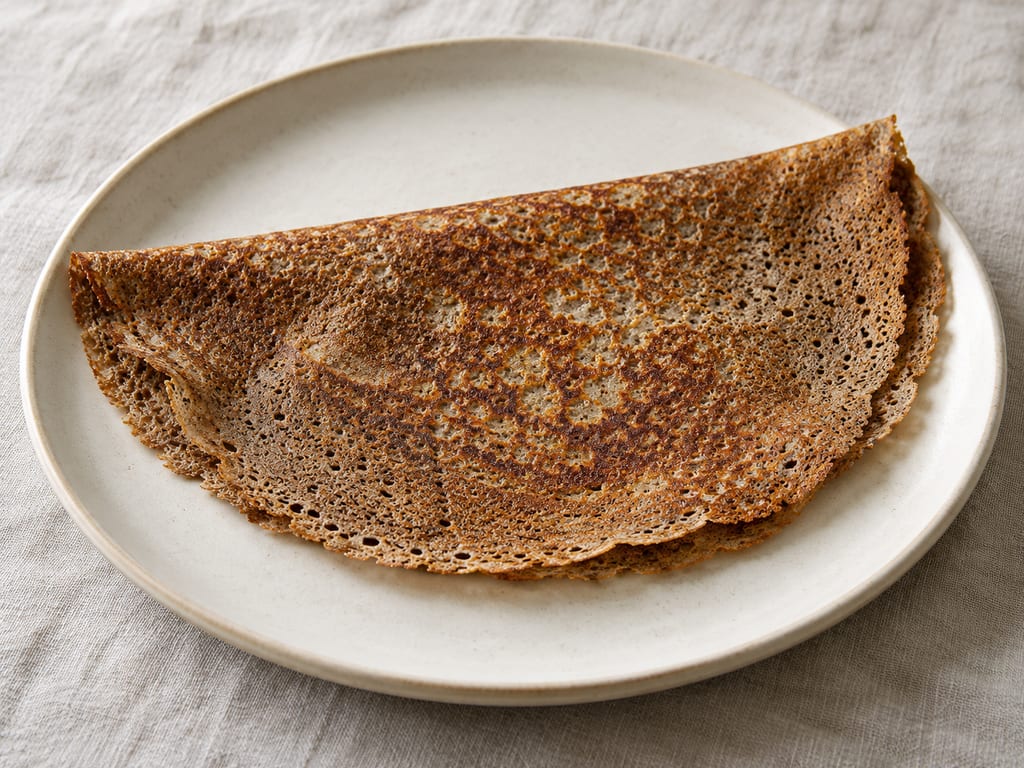
A thin Brittany galette made from buckwheat flour, water and Guérande salt. This Atelier de la Crêpe method rests the batter in a refrigerator before cooking it on a hot crêpière.
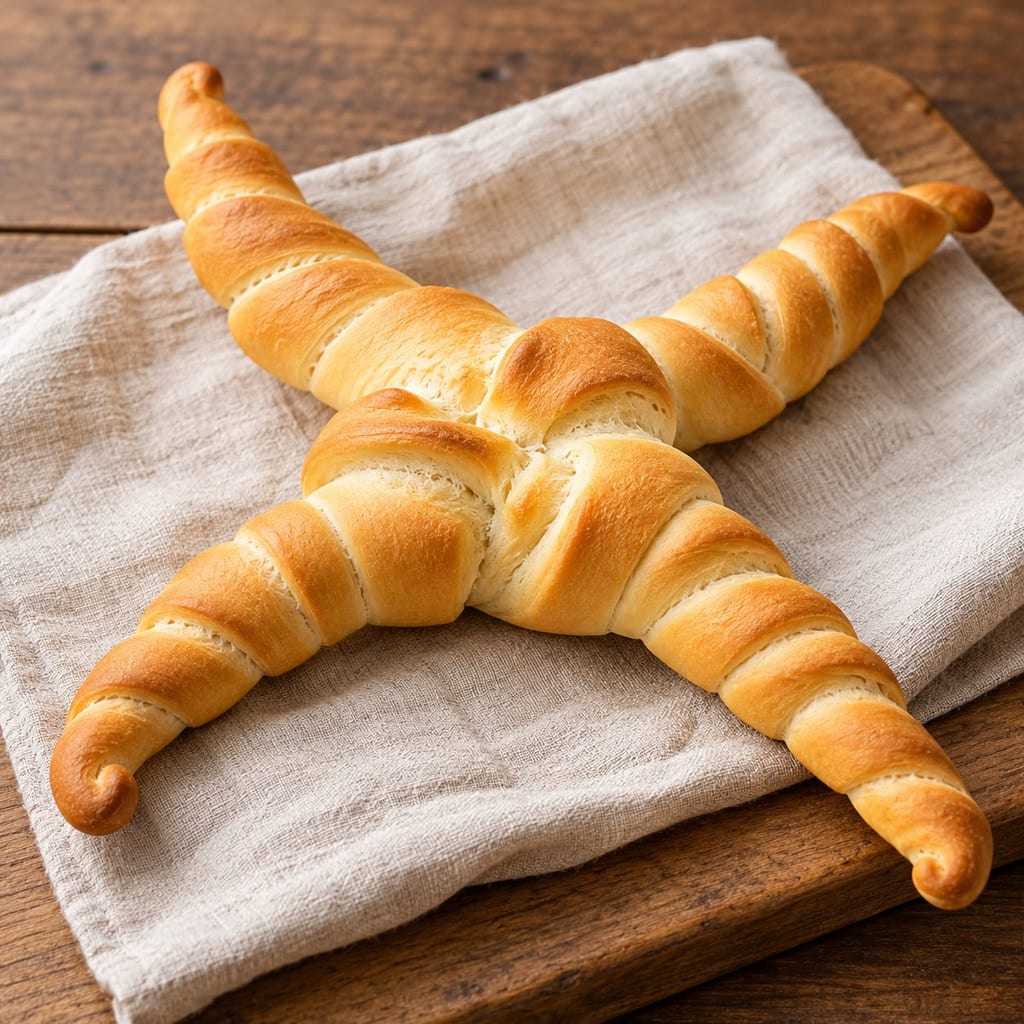
Ferrara’s paired bread twists have four pointed horns joined at a soft centre. This VisitFerrara home recipe uses type 0 flour, water, oil, lard, malt and a choice of sourdough or yeast.
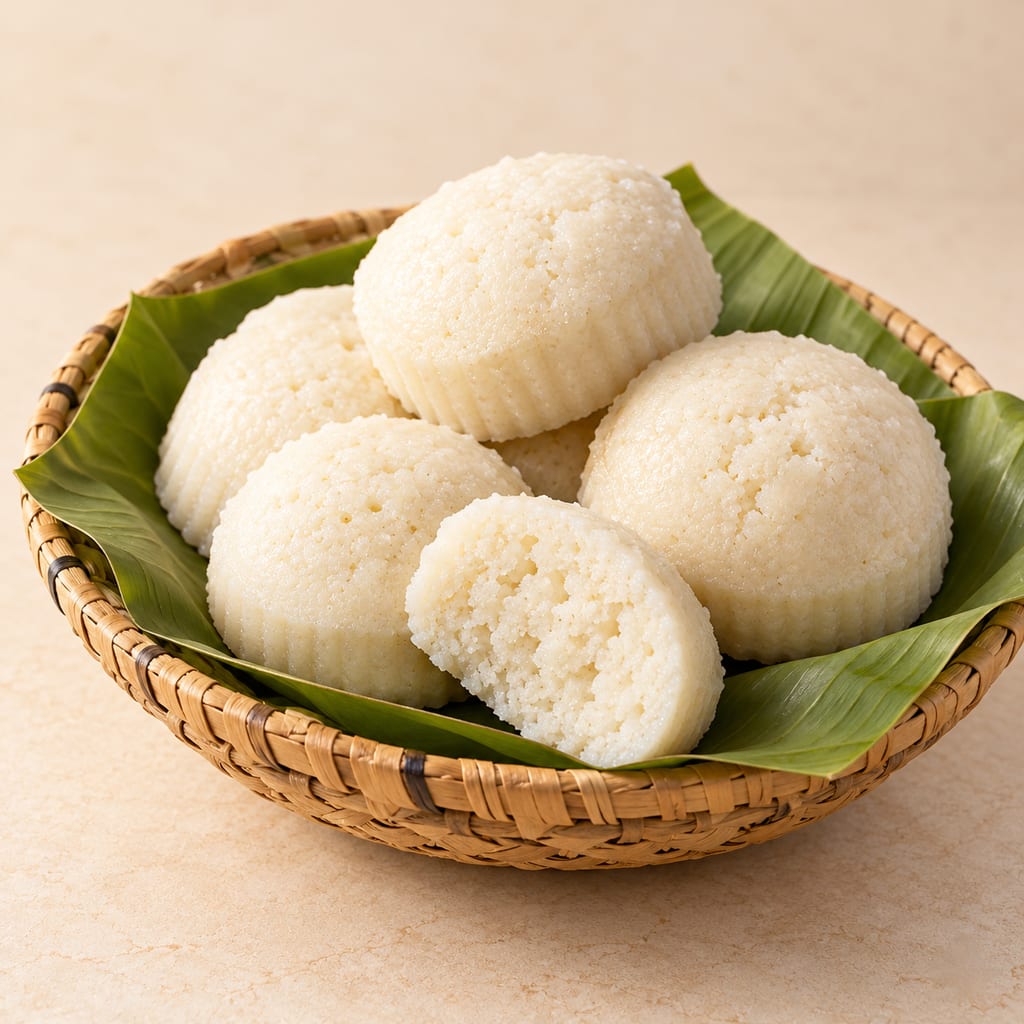
Soft, lightly tangy steamed cereal bread documented across Benin and Togo. This page gives one measured rice-flour research method; maize-based Ablo and mixed-grain versions remain distinct traditions.
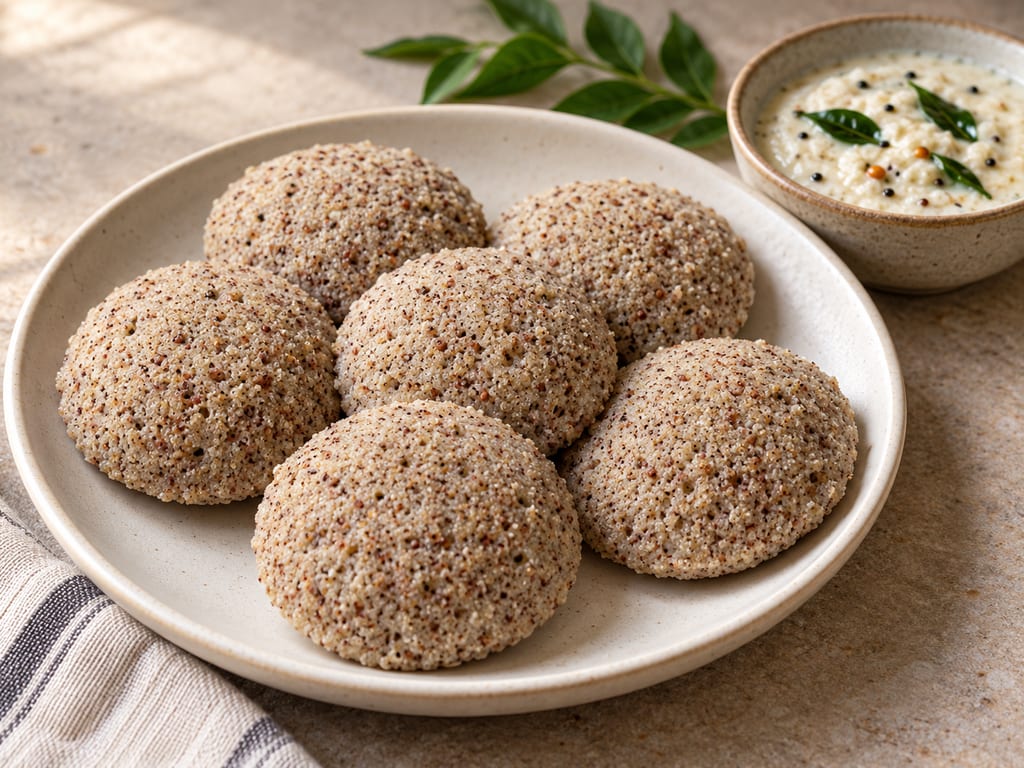
Multigrain millet idli uses a source-specific naturally fermented grain and urad batter, then cooks it by steaming in moulds. The creator leaves some process measures unquantified.
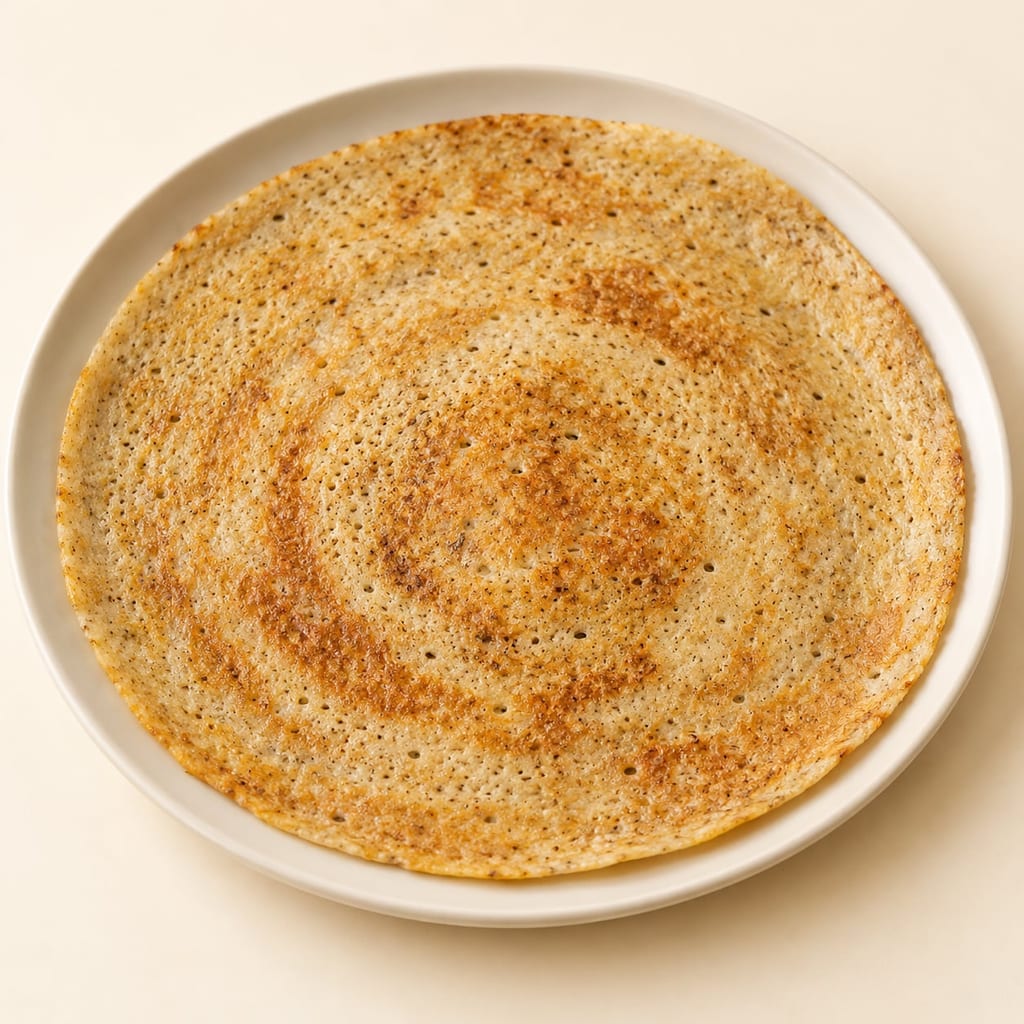
Multigrain millet dosa uses a source-specific naturally fermented grain and urad batter, then cooks it by griddling. The creator leaves some process measures unquantified.
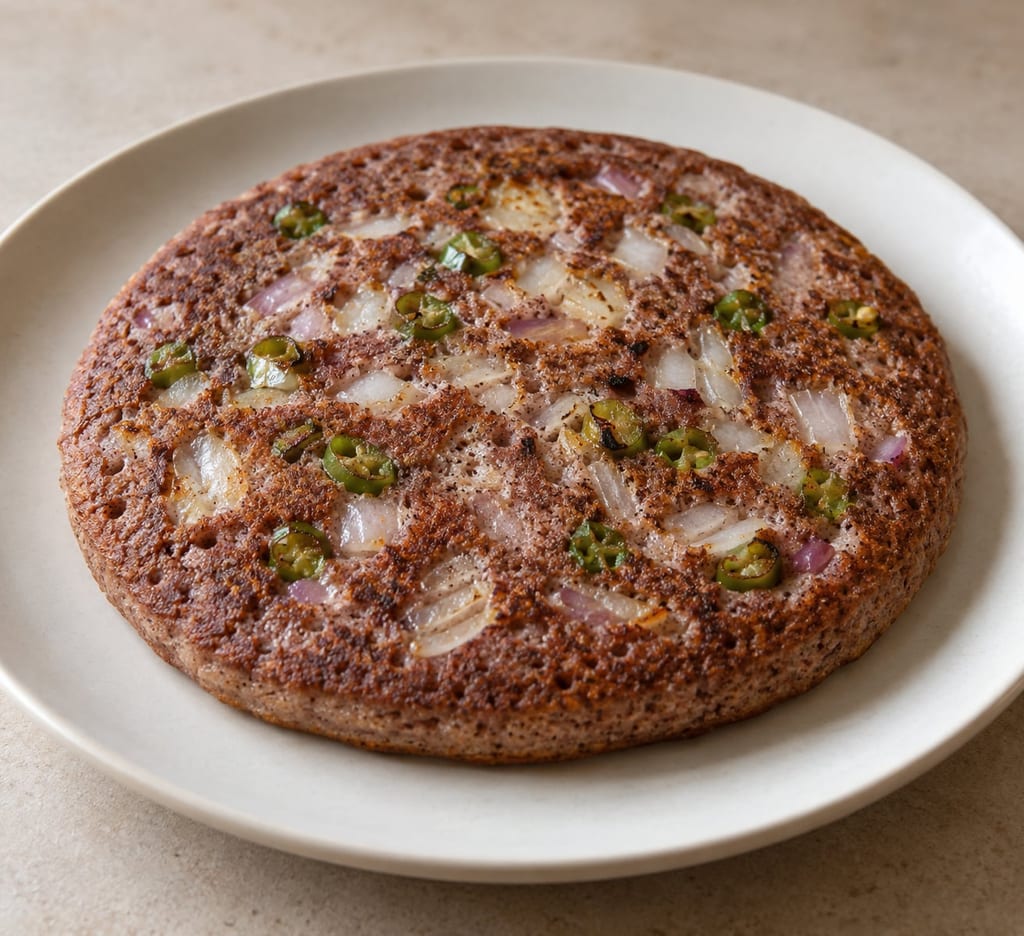
Ragi uthappam turns fermented ragi, urad and idli-rava batter into thick griddle cakes topped with onion and green chilli.
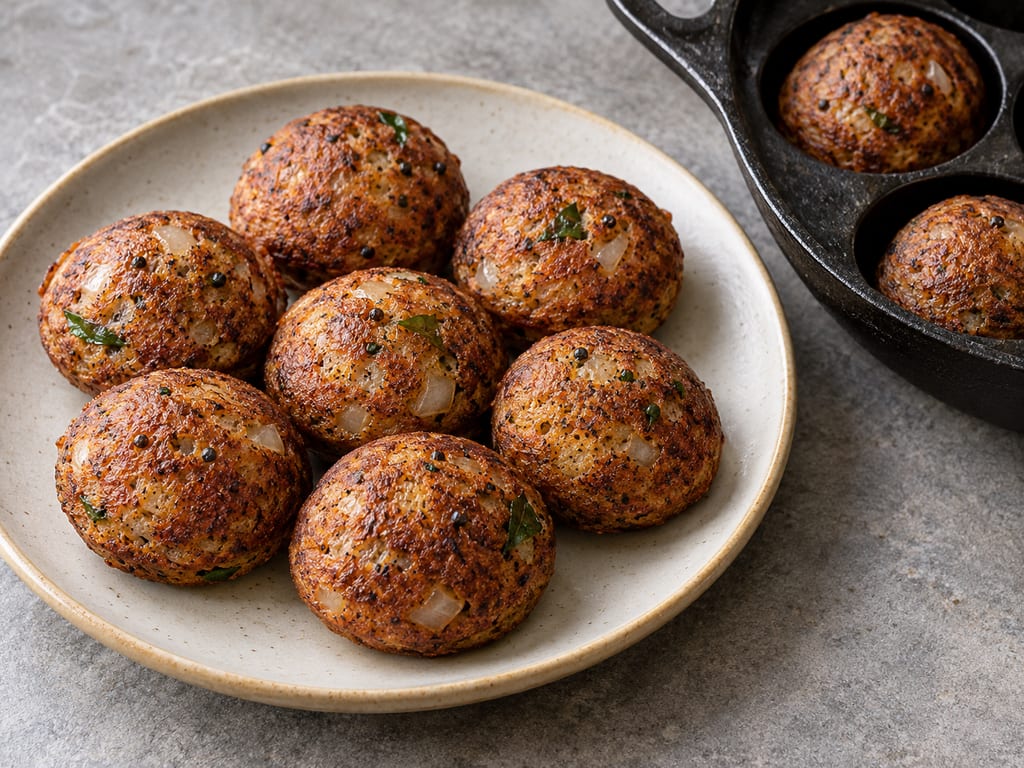
Ragi paniyaram uses fermented ragi, urad and idli-rava batter mixed with spiced onion and cooked in an oiled mould.
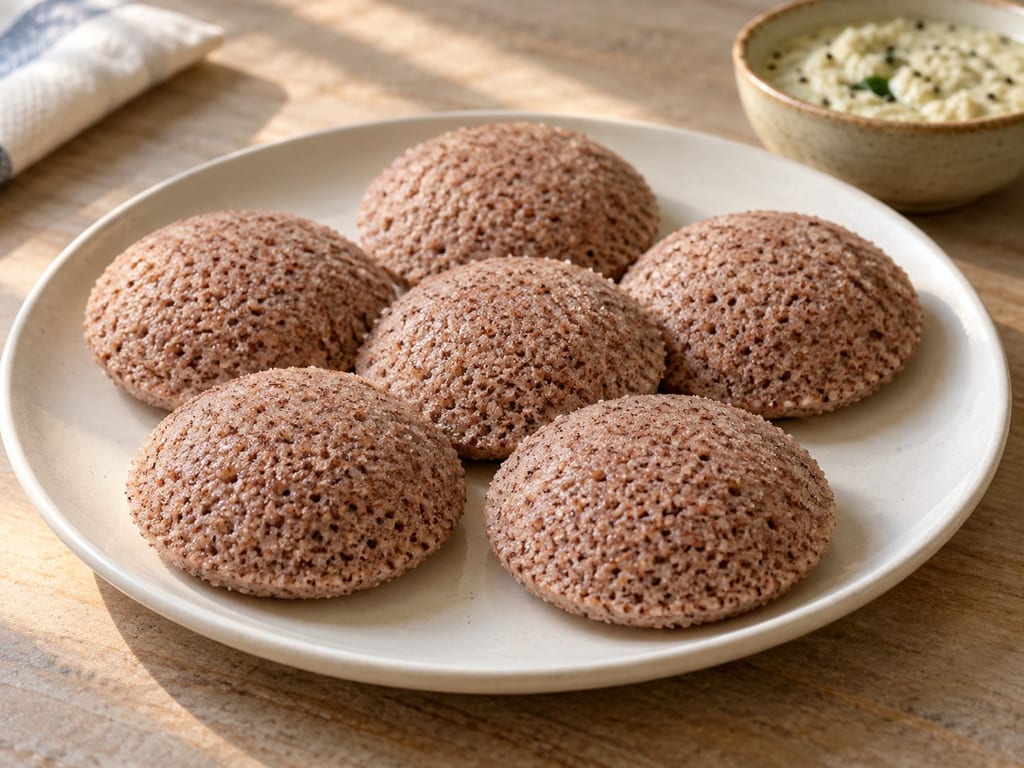
Ragi idli uses a source-specific naturally fermented grain and urad batter, then cooks it by steaming in moulds. The creator leaves some process measures unquantified.
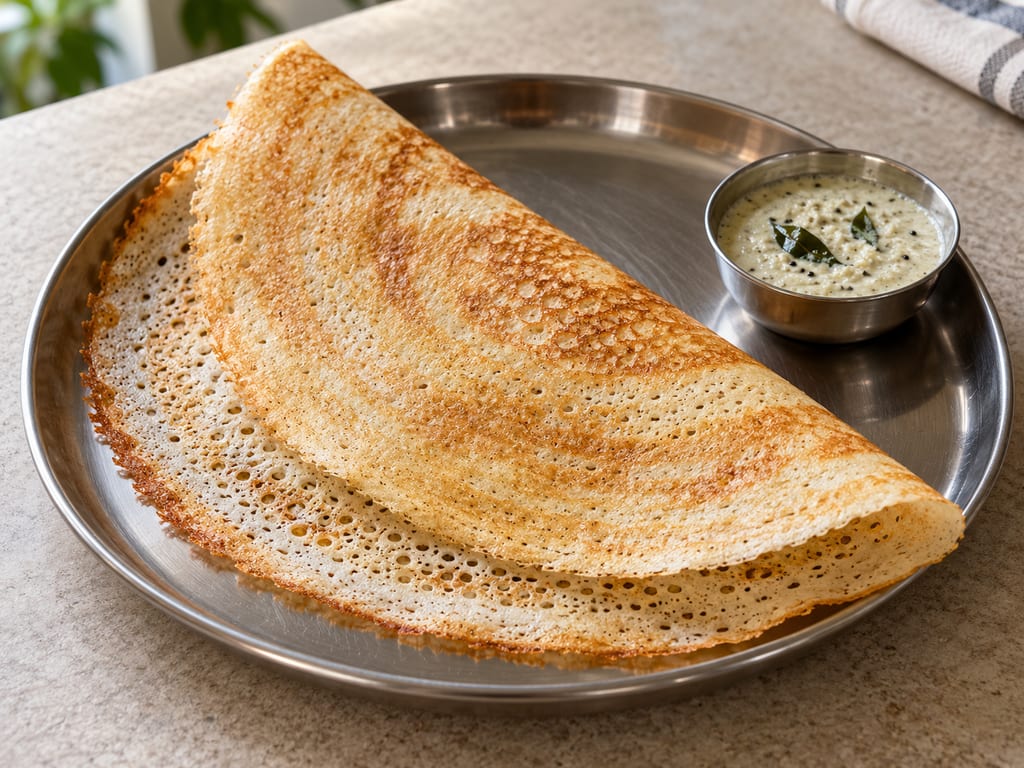
Rice and urad dosa uses a source-specific naturally fermented grain and urad batter, then cooks it by griddling. The creator leaves some process measures unquantified.
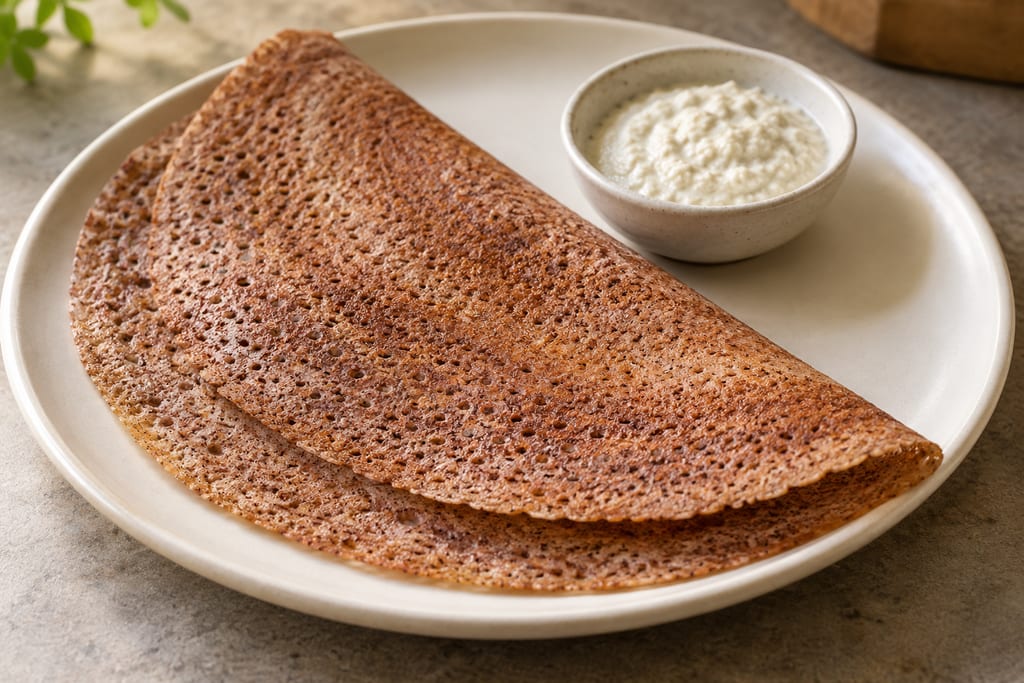
Ragi dosa uses a source-specific naturally fermented grain and urad batter, then cooks it by griddling. The creator leaves some process measures unquantified.