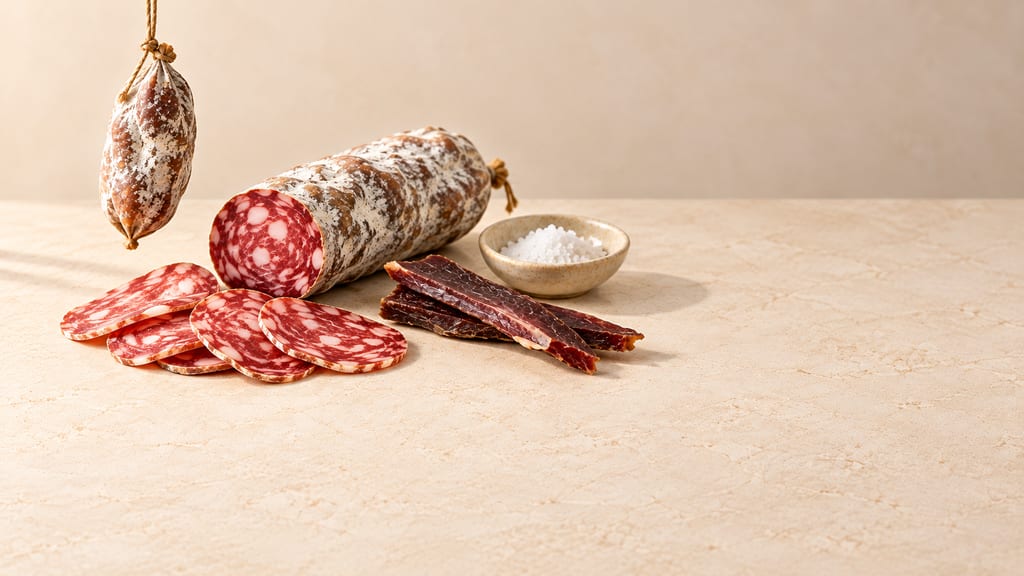
Fermented meat around the world
Dry salami, sour pork with rice, matured sheep and aged blubber follow different paths from animal to food. Their stories connect microbes with climate, slaughter, migration and the meals people share.
 FermenteaWhere food goes to change
PITINA Friulana fatta in casa - SALAME fatto in casa SENZA BUDELLO
Small maize-coated meatballs in a modern pork-and-lamb variant associated with Pitina; this is a documentary account, not a validated method or a claim of Pitina IGP.

The video depicts pork and lamb shaped into small balls, coated in maize flour, exposed to smoke and dried in a household refrigerator. This page records that source account; it is not an actionable home-preservation method.
Pitina IGP has a defined regional specification. It uses one eligible species for the lean meat with specified pork fat, maize flour and production within named Friuli Venezia Giulia municipalities. The video’s mixed pork-and-lamb formula and household method are not shown to comply with that specification; this page makes no IGP claim.
Traditional Pitina is associated with western Friuli and is described as a casing-free meat ball or loaf with a maize coating. The regional product’s cultural context does not establish safety or identity for this modern formula.
The video description lists 800 g pork, 150 g lamb, 50 g lard, 27 g salt, one teaspoon each of whole and ground pepper, one teaspoon fennel seed, half a glass of wine, one garlic clove and 100 g polenta. These quantities are reported for source identification only; the page does not present them as a usable formula.
The description’s ingredient list does not itself validate the resulting product. Source notes also describe smoke exposure and two to three weeks of refrigerator drying with turning, but provide no measured process conditions or finished-product criterion. The video formula is distinct from the documented regional protected product.
A study of sampled artisanal Pitina IGP reports its own production context and microbial findings, including organisms associated with ripening. Those observations concern the studied regional product and cannot be transferred to this video’s pork-and-lamb household adaptation.
The cited USDA FSIS guidance concerns process validation for commercial ready-to-eat fermented, salt-cured and dried products. It identifies hazards that require control, but does not validate this source’s household refrigerator process or supply a household recipe.
The source does not establish controlled smoke conditions, refrigerator temperature or humidity, a measured drying endpoint, or validated pathogen reduction. A stated duration, turning schedule, salt amount, appearance, smell or taste cannot substitute for a validated process.
Because the cited material does not support a reliable actionable home method, this page preserves the source’s cultural and documentary context without instructing readers to produce or consume the raw dried meat.
This modern home adaptation combines pork and lamb with lard, maize flour, smoke exposure and refrigerator drying. Its mixed-meat formula and apartment-fridge method differ from the defined Pitina PGI product.
Scaling: not applicable
The account describes raw pork and lamb followed by smoke exposure and household-refrigerator drying without controlled conditions or a validated pathogen-reduction endpoint.
Hazard sourceThis page is a non-instructional source account, not a recipe. Do not make or eat raw, smoked, or dried meat using the reported household method or timeline.
The USDA FSIS guidance is processor-oriented and does not validate this household process.
The video names a Friulian home adaptation but does not identify a municipality or establish compliance with the Pitina PGI specification.
Dry salami, sour pork with rice, matured sheep and aged blubber follow different paths from animal to food. Their stories connect microbes with climate, slaughter, migration and the meals people share.

Shaped dough dried thoroughly into a portable staple that keeps far longer than fresh dough, in Mediterranean and Asian food systems.

Soft, spreadable Calabrian pork sausage made with a great deal of red chilli and fatty pork, stuffed into natural casings, sometimes smoked and matured while staying soft.

A dark, balanced vinegar from Emilia-Romagna made by combining cooked or concentrated grape must with wine vinegar, then acetifying and refining it in wood under a protected specification.

Protected Italian vinegar made only from cooked grape must, fermented and aged in a battery of wooden barrels for at least 12 years: sweet, sharp and syrupy.
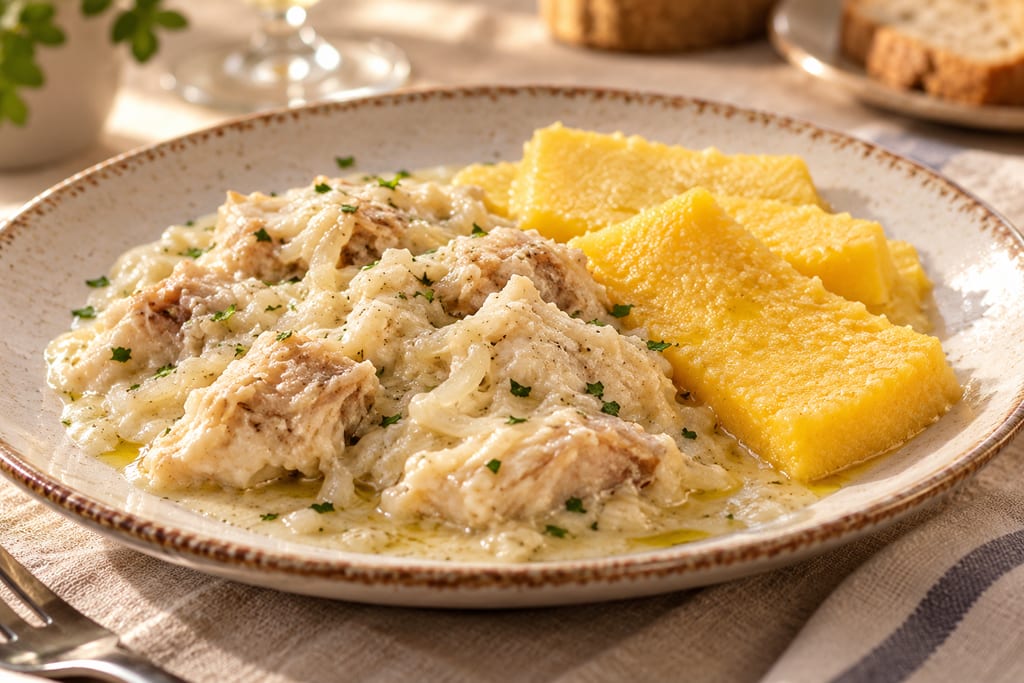
Stockfish from Vicenza, left barely bubbling for hours with onion, preserved anchovy, olive oil, milk and a little cheese until it is tender under a dense pale sauce, and eaten with polenta.
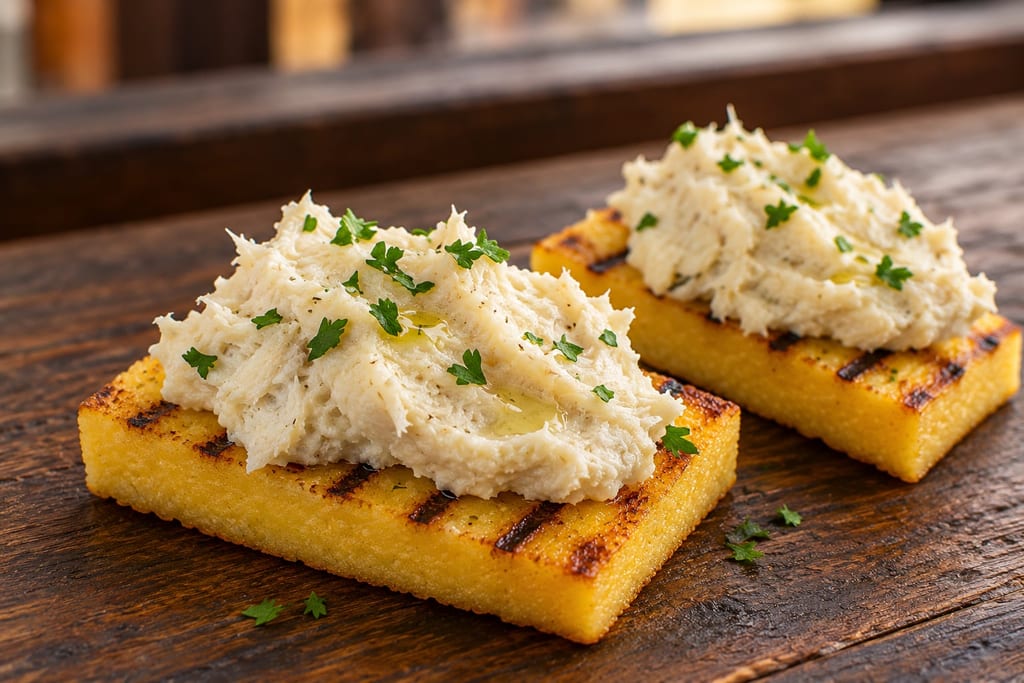
A Venetian cicchetto of cooked unsalted stockfish beaten with oil until it turns into a pale, aerated cream, spooned onto grilled polenta in the city's wine bars.

A warm dip of garlic, anchovy and olive oil, often enriched with butter, that Piedmont serves over a flame with raw and cooked vegetables and bread.
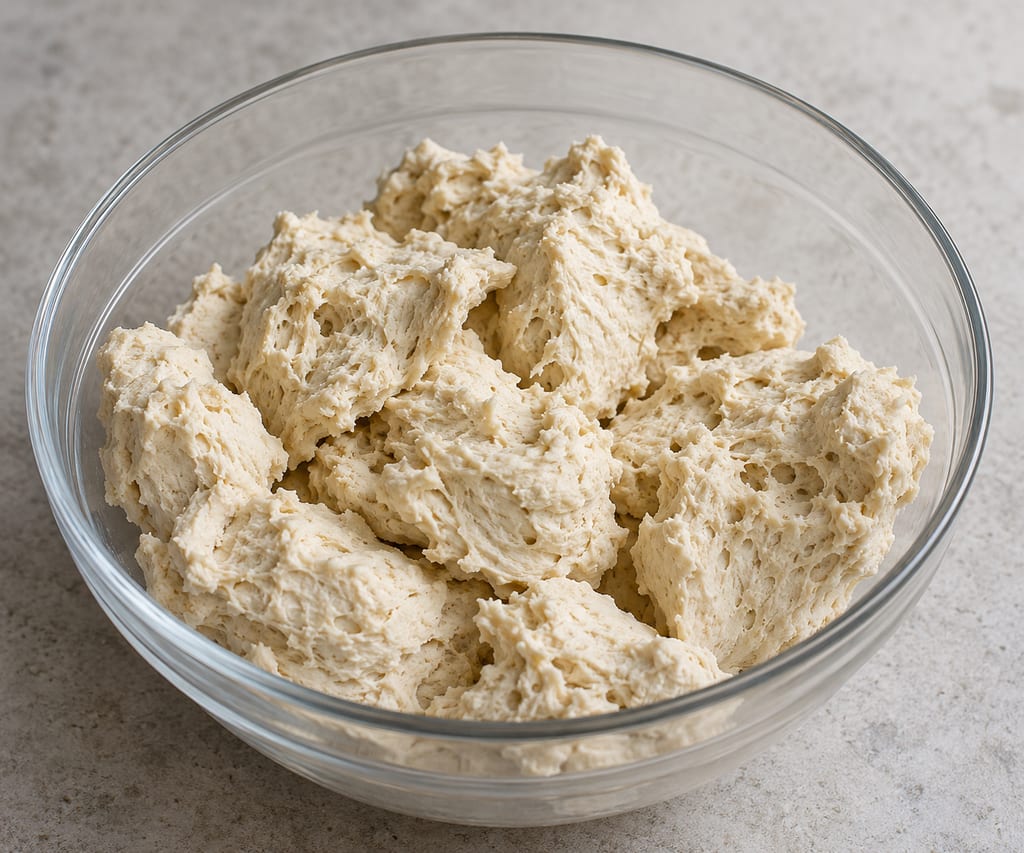
Biga is an Italian bread preferment of flour, water and a little yeast, usually a stiff unsalted mass of about 45 per cent water, fermented ahead and then mixed into the final dough.

A way to add independent temperature logging to an existing food dehydrator without changing its built-in controls or protections. It is a monitoring method, not a rewiring plan.

Pleurotus cystidiosus is the abalone mushroom, a cultivated oyster-type fungus with dark brown caps that grows more slowly and is more demanding than other Pleurotus species.

A living dairy inoculum that starts controlled cream fermentation, developing acidity and aroma before sour cream or cultured butter is finished.

A small electric incubator holds jars at a selected temperature for yogurt and other documented warm food preparations. Controls, capacity and vessel arrangement vary by model.

Adygean salt is a seasoned table salt associated with Adygea and the wider North Caucasian culinary tradition. Salt is blended with garlic and a variable selection of herbs and spices; the exact mix depends on the named style and maker.

The African Caesar-group mushroom, Amanita masasiensis, is a wild ectomycorrhizal species of central and southern African woodlands, eaten locally. The genus contains deadly poisonous species, so identification needs care.

Ghanaian sour cassava dough fermented with traditional inoculum and drained during fermentation. It is used as a base for cooked foods such as banku and akple; process variants and safety outcomes differ.
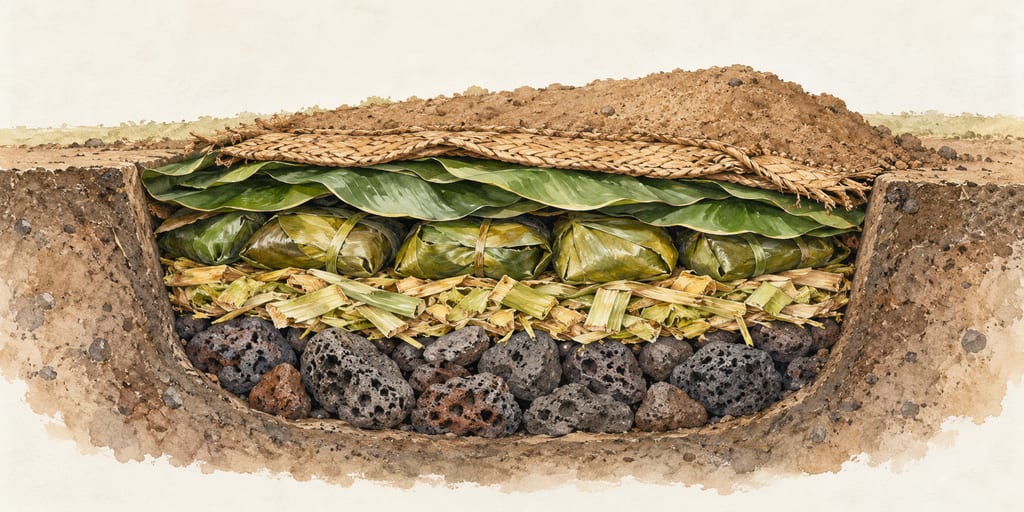
The Tahitian ahimā‘a is a ground oven built in a pit, where hot volcanic stones and layered leaves and earth cook food slowly.
No community contributions have been published for this entry yet.
Sign in to contribute. Published comments and photos are free to read.
cuoredicioccolato.itProcess · Inspiration
PITINA Friulana fatta in casa - SALAME fatto in casa SENZA BUDELLOThe video description lists 800 g pork, 150 g lamb, 50 g lard, 27 g salt, one teaspoon each of whole and ground pepper, one teaspoon fennel, half a glass of wine, one garlic clove and 100 g polenta. It describes smoke exposure and two to three weeks of household-refrigerator drying with turning. This page is documentary, not an actionable home-preservation method; no validated endpoint is established.
Cited in: A modern home-video account and protected Pitina; What the video description records; Why this account is not a home recipe
Meat Science / PubMedIdentity · Science
Microbial, chemico-physical and volatile aromatic compounds characterization of Pitina PGI, a peculiar sausage-like product of North East ItalyStudy of sampled artisanal Pitina PGI reports ungulate meat with pork lard, no selected starter or casing, smoking, drying and ripening; it identifies Staphylococcus xylosus and Lactobacillus sakei as responsible for ripening. These results describe the sampled PGI product, not the modern home adaptation.
Cited in: A modern home-video account and protected Pitina; Research on the regional product is not validation of this method
Regione Autonoma Friuli Venezia GiuliaIdentity · Geography
Pitìna IGPThe protected product's lean fraction uses one listed sheep, goat or ungulate-game species with pork belly or shoulder fat, maize-flour coating and production in named municipalities; sale is permitted after at least 30 days from mixing. The pork-and-lamb video formula does not match that stated composition.
Cited in: A modern home-video account and protected Pitina
USDA FSISSafety
Ready-to-Eat Fermented, Salt-Cured, and Dried Products GuidelineProcessor-oriented validation context for ready-to-eat fermented, salt-cured and dried meat products; does not validate the home-fridge adaptation in this recipe.
Cited in: Research on the regional product is not validation of this method; Why this account is not a home recipe