Built structures
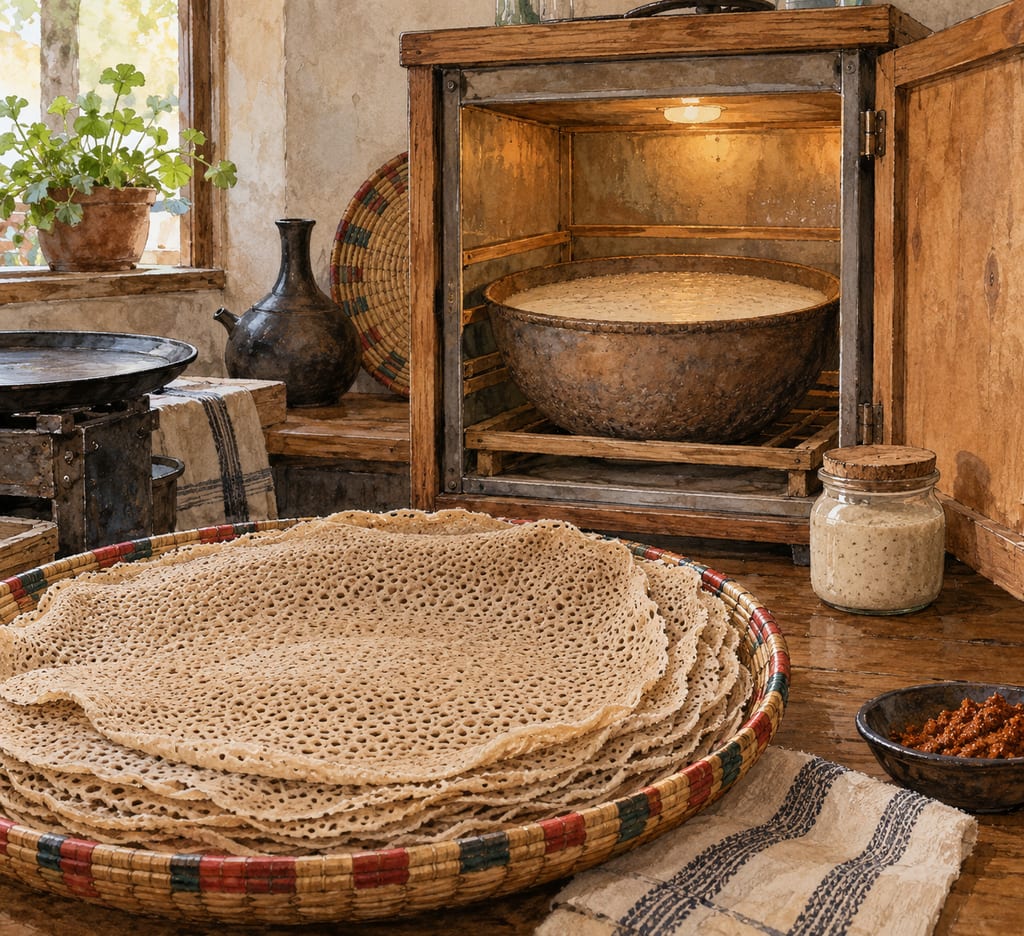
Injera batter fermentation cabinet
An enclosed, warm cabinet for fermenting teff batter for injera, started with saved ersho from the previous batch.
 FermenteaWhere food goes to change
626 sourced equipment pages: vessels, tools, appliances and built structures.
An enclosed, warm cabinet for fermenting teff batter for injera, started with saved ersho from the previous batch.
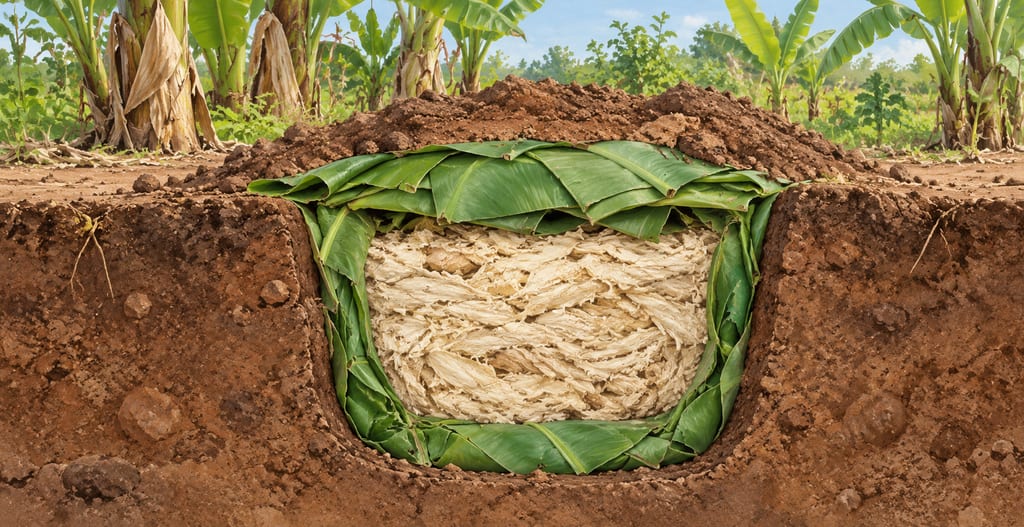
A fixed earthen pit used to ferment and store kocho, lined and covered with broad leaves of enset. Published accounts document the form in Ethiopia but do not establish one universal shape or size.
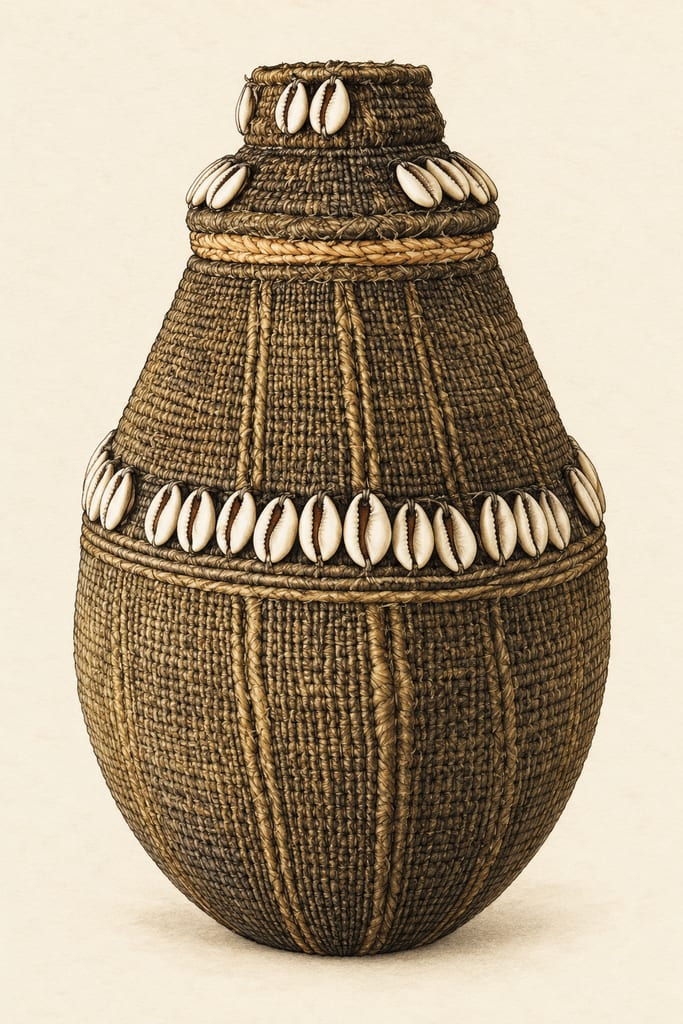
The Borana gorfa is a pear-shaped milk vessel used in southern Ethiopia to sour milk and churn it into butter. Sources document woven fiber and smoke treatment; one museum specimen also records gourd and cowrie-shell materials.
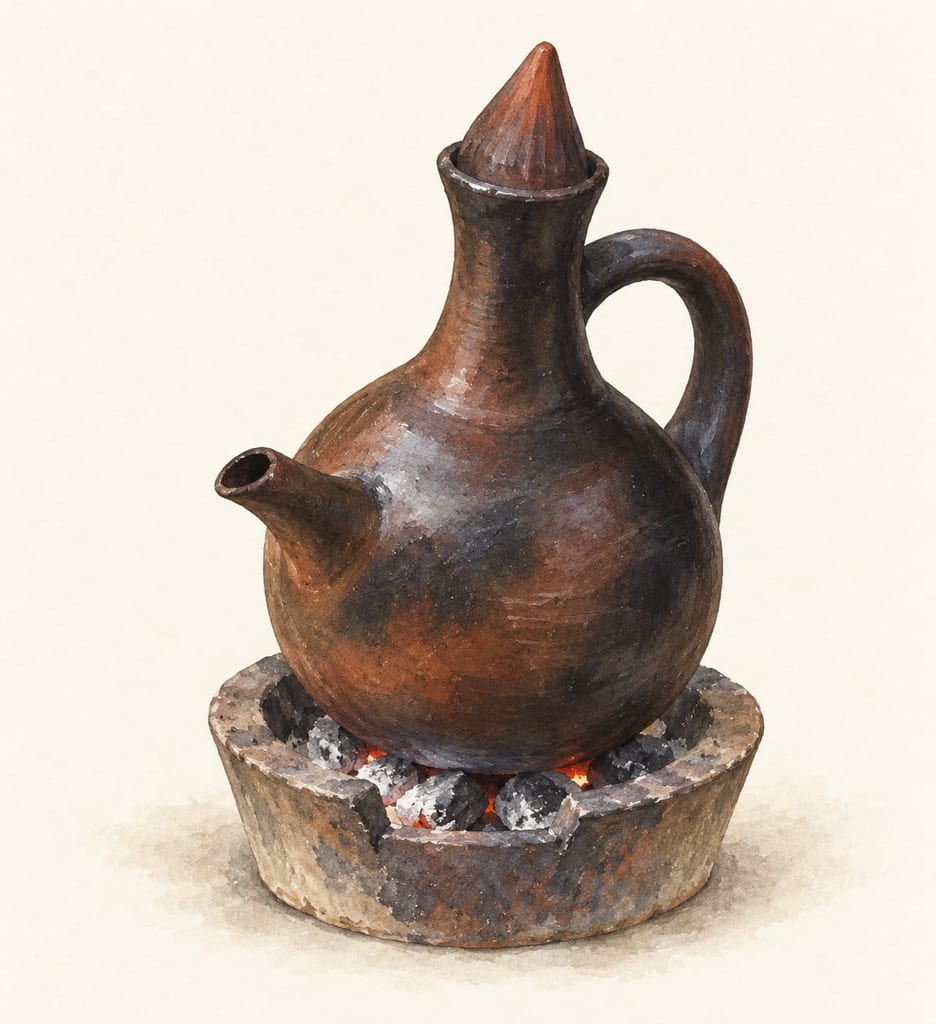
The jebena is an Ethiopian terracotta coffee pot, typically rounded at the body and narrow through the neck. It brews coffee over a fire and serves a communal ceremony; materials, profiles and household practices vary.
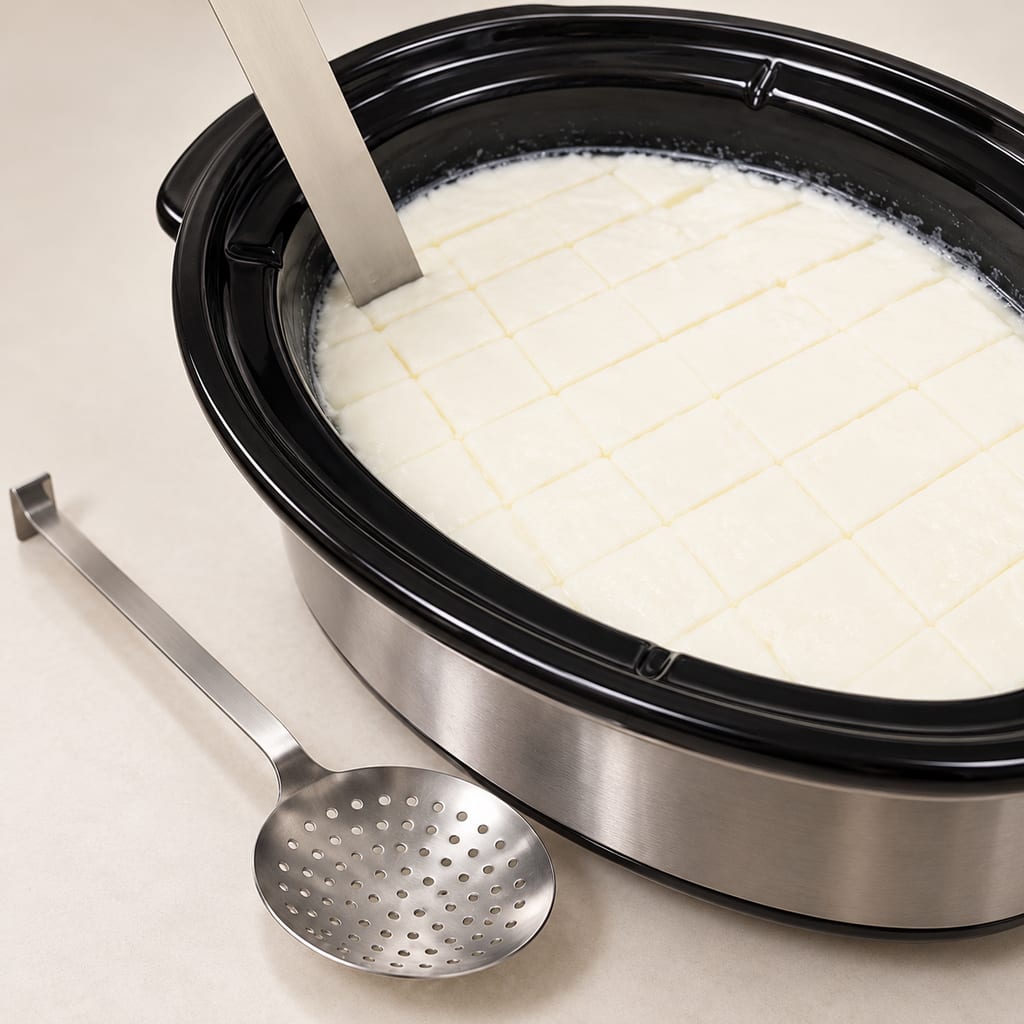
A curd knife cuts set milk into recipe-sized pieces; a perforated ladle lifts and moves curd while whey drains. The hand tools work at different moments in an open cheesemaking vessel.
An Ethiopian earthenware vessel used for stages of tella, a traditional cereal-based fermented drink. Sources describe clay insira jars alongside modern plastic alternatives and document washing and smoke preparation before brewing.
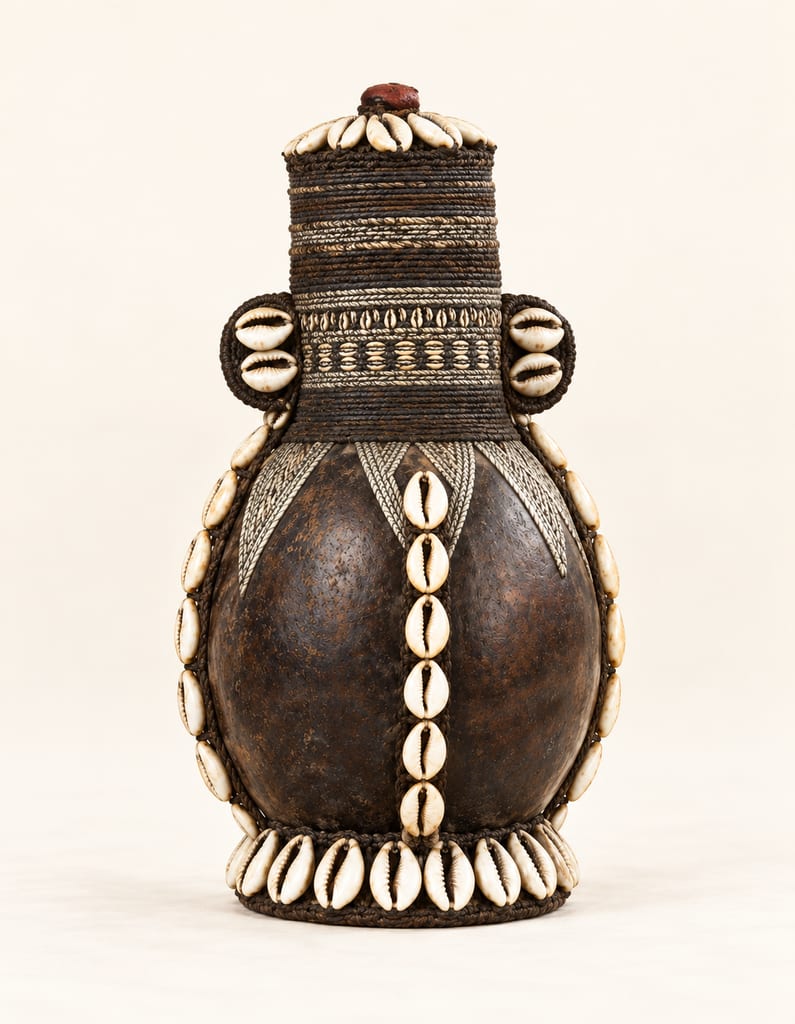
Ethiopian milk fermentation uses a family of vessels—calabashes, clay pots, fibre vessels and hollowed wood—whose interiors may be smoked before filling. Forms and roles vary by community and stage.
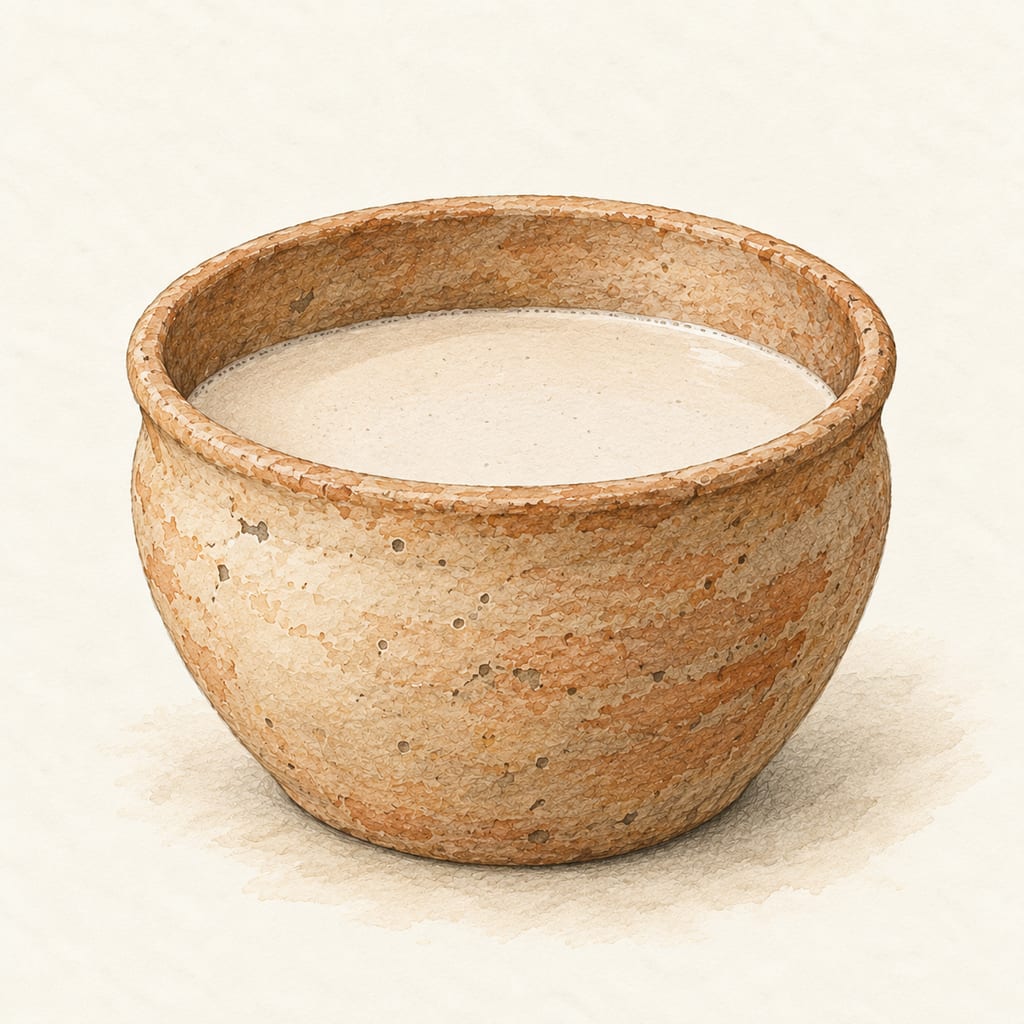
A wide-access vessel holds injera batter through successive fermentation stages. Ethiopian accounts describe clay vessels historically and metal, wood or plastic containers in contemporary kitchens.