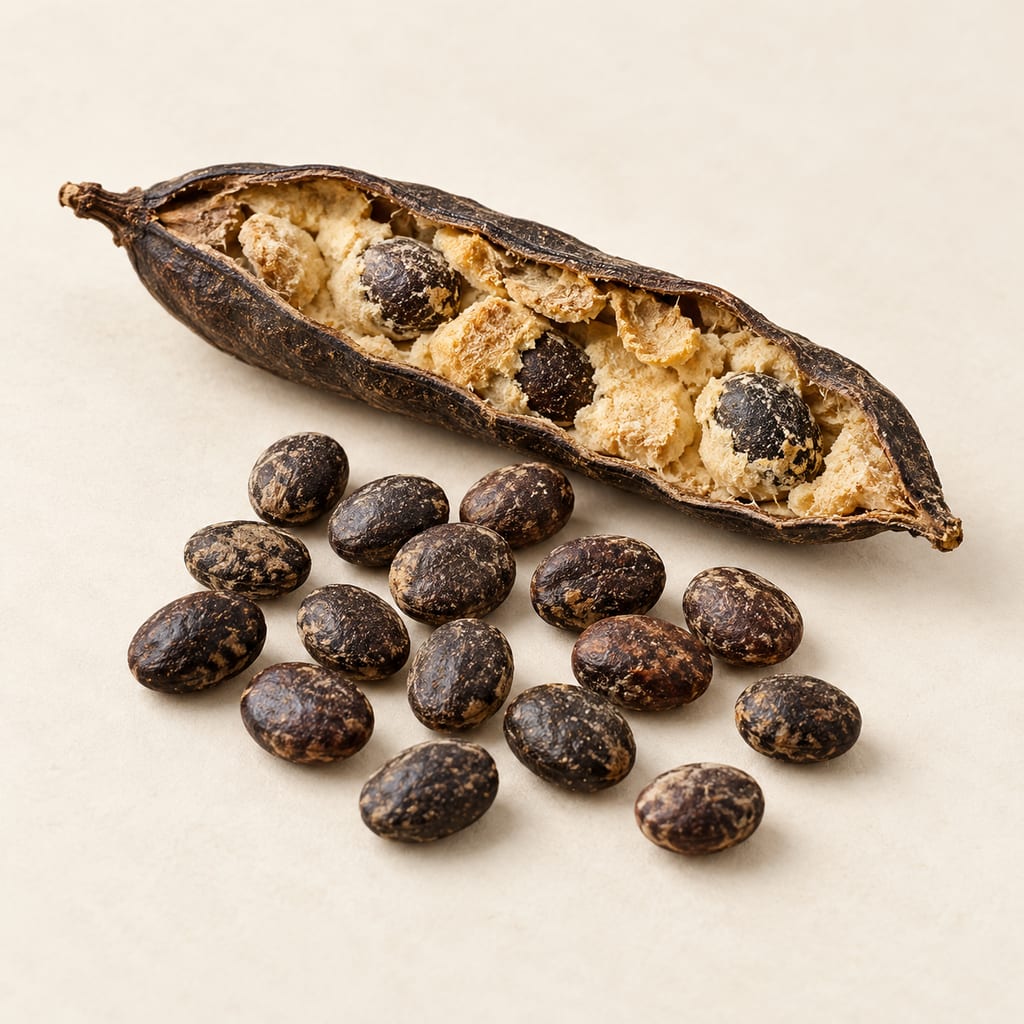
African locust bean seeds (Parkia biglobosa)
Parkia biglobosa seeds are fermented into regional West African seasonings, including nététou, iru, dawadawa and soumbala. The yellow fruit pulp is a separate food, and names and methods vary by place.
 FermenteaWhere food goes to change
Spices and aromatics
The roselle calyx, Hibiscus sabdariffa, makes bissap in Senegal, karkade in Sudan, zobo in Nigeria, agua de jamaica in Mexico, sorrel at a Jamaican Christmas and nam krachiap in Thailand.
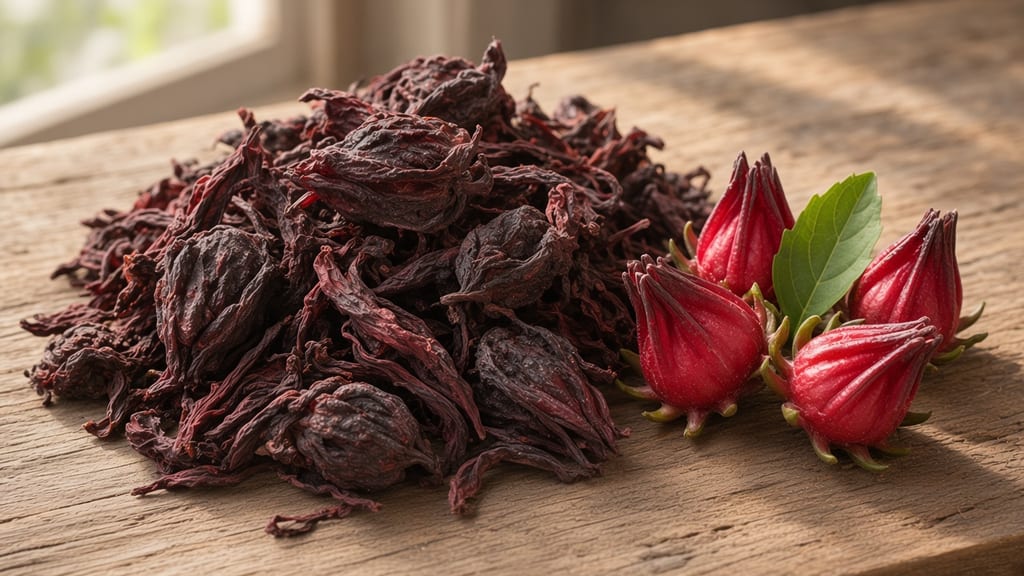
The hibiscus of drinks and syrups is Hibiscus sabdariffa, roselle, and the part used is the calyx. A 2024 article in the Mexican science journal Recursos Naturales y Sociedad, by Evelyn Regalado-Renteria and Iza Perez Ramirez of the Autonomous University of Queretaro, explains the anatomy. The plant is a shrub of 2 to 3 metres with large pale yellow flowers. When the flower falls, the cup-shaped calyx around its base keeps growing, thickens and turns fleshy. That calyx is picked, and in Mexico it is usually dried in the sun before sale.
Most calyces are deep red, but the Mexican authors note that varieties range from creamy white to purple, and that the white ones make no anthocyanins at all. A 2009 review in the French journal Fruits by M. Cisse and colleagues, written from Dakar and Montpellier, separates two varieties of the species: altissima, a tall, fibrous plant grown mainly for its fibre, and sabdariffa, the bushy plant with edible calyces. Cooks want the second.
Thailand's Department of Thai Traditional and Alternative Medicine describes krachiap daeng, red roselle, as an annual shrub with red-purple stems and a pink flower. Its deep red calyx encloses the seed pod and measures about 6 cm across, and the dried calyx tastes sour. Cisse and colleagues note that more than 500 Hibiscus species are known and that most are grown as ornamentals; sabdariffa is the exception, and the drinks on this site all use its calyces.
Few drink plants have as many names. In Senegal the calyx and its drink are bissap. Cisse and colleagues record da bilenni in Mali, Cote d'Ivoire and Burkina Faso, zobo in Nigeria and karkade in Sudan, and note that in Egypt the drink is known as the drink of the pharaohs. In Mexico and much of Latin America the plant is jamaica and the drink agua de jamaica.
In Jamaica itself the plant is sorrel. The Jamaica Information Service, the government news agency, adds red tea, roselle and Sudanese tea as other names for the drink. The Thai health ministry lists regional names: krachiap priao, sour roselle, in central Thailand; phak keng kheng and som keng kheng in the north; som talerng kreng in Tak; and som pu in Mae Hong Son. It also gives the English names Jamaica sorrel, Indian sorrel and roselle. The word sorrel can confuse European readers, since it also names a leafy green; Jamaican sorrel is the hibiscus calyx.
The Mexican authors give the plant an African origin. From Africa, they write, it spread towards Asia and the West Indies in the sixteenth and seventeenth centuries, and reached Latin America in the sixteenth century during the colonial period. The Jamaica Information Service gives Sudan as the home of the plant, which is one reason the drink is also called Sudanese tea there.
Cisse and colleagues describe how far the drink has travelled. It is made across Africa and Asia; it is drunk as an infusion or cold drink in Thailand, and in Malaysia it has drawn the interest of fruit juice makers. Roselle jams and jellies are made in the United States, Australia, Senegal, the Caribbean and Asia. The calyces are also fermented into a wine-like alcoholic drink, and concentrates and dried powders are sold to food and drug makers as a natural red colouring.
The 2009 review was written partly in Dakar, and bissap gets the most attention in it. Cisse and colleagues report that in Senegal, where the drink is much loved, consumption peaks during the month of Ramadan. The crop also matters to farmers. In parts of Senegal, especially the groundnut basin of the centre, a crisis in agriculture made roselle a way to diversify away from growing groundnuts alone.
The review describes the general method used for bissap and its relatives. The calyces are soaked in hot water or water at room temperature to make an extract. After filtering, sugar is added, along with other ingredients that vary by country: other fruit juices, flavourings, or pieces of fruit such as pineapple, strawberry or ginger. The drinks are all non-alcoholic and are sold as refreshing and restoring.
In Sudan, Cisse and colleagues write, karkade tea is so common that it is drunk hot or cold according to the season. Sudan also uses the seeds. Cooked seeds are fermented for nine days to make furundu, a meat substitute also known in Nigeria; in Benin, fermented roselle seeds become condiments such as iru, afitin and sonru.
In Nigeria the drink is zobo, and the review describes it as popular across every social class. Its popularity has grown, the authors note, because of the health properties attributed to it and because imported soft drinks have become more expensive.
In Mexico, the Queretaro authors write, jamaica is part of the everyday diet. Regalado-Renteria and Perez Ramirez describe it as a drink of the whole of Latin America and the Caribbean, made by decoction of the dried calyces into a red drink with a light acidity and floral notes. The calyces also go into jams, sauces and salads.
Mexico grows about 7,000 tonnes a year on just over 19,000 hectares, mainly in Guerrero and Oaxaca, and the harvest is done by hand. Even so, the same article reports, half of national consumption is imported. A 2017 paper from INIFAP, the national agricultural research institute, gives 18,416 hectares and 4,878 tonnes of calyces for 2010, with Guerrero and Oaxaca providing 85 per cent. The crop depends on a low-yielding criollo genotype that is sensitive to day length; it is grown from July to December and most of the harvest comes in December, which keeps prices low.
Guerrero dominates. A Colegio de Postgraduados study of the Costa Chica gives national production of 7,889 tonnes in 2019, of which 5,810 tonnes came from Guerrero, 884 from Michoacan and 507 from Oaxaca. Growers at El Pericon in the municipality of Tecoanapa keep their own criollo seed, and local cooks turn the calyces into mermelada, gelatina, licor and atole de jamaica.
In Jamaica sorrel is a Christmas drink. The Jamaica Information Service describes it as an integral part of the island's Christmas, made well in advance of the day and traditionally stored in stainless steel, earthenware or enamel containers. Its method is a cold steep after a hot start. Boiled water is poured over the sorrel, grated ginger, cloves and pimento. After at least four hours the liquid is sweetened with sugar and flavoured with rum or wine, and sorrel is served on ice. Cisse and colleagues describe the same drink: calyces, ginger, sugar and boiling water, strained, iced and often served with rum.
The harvest is hard work. In 2012 the agriculture minister Roger Clarke said, as reported by the Jamaica Information Service, that two people take about 15 days to harvest one acre of sorrel. In 2015 the service reported a machine built by Oral and Allison Turner, farmers in St Elizabeth, which separates the calyx from the seed pod. It handles 600 pounds of picked sorrel in a 10-hour day and gives 300 pounds of de-seeded calyces, so stripping the seed pods halves the weight.
The Thai Department of Thai Traditional and Alternative Medicine publishes a recipe for nam krachiap daeng, red roselle drink, as an everyday herbal drink. Wash half a cup of dried calyces once. Bring 5 cups of water to the boil, add the calyces and boil until the water is red and the calyces soft. Strain, return the liquid to the heat, add 2 cups of sugar and 1 tablespoon of salt, and simmer gently until the sugar has dissolved. Cool, bottle and chill, or drink over ice. Thai teaching classes it as a sour drink that refreshes.
The Thai Department of Health publishes a lighter version for a single glass. Wash 2 dried calyces two or three times. Bring 200 g of water to the boil with a little salt and 8 g of sugar, add the calyces and boil for about 3 minutes. Leave to cool, then strain through cheesecloth or a fine sieve, and serve chilled or hot. The card gives 32 kcal and 12 mg of vitamin C per glass, and far less sugar than a syrup made to keep.
The same booklet gives practical advice that applies to every roselle syrup. Boil in an enamelled pot. Aluminium should be avoided because the acids in the herbs may attack it, and brass changes the taste. Store the drink in glass bottles, which are easy to sterilise by steaming and do not react with it. And do not make it too sweet; the herb's own taste and smell should lead.
Roselle's sourness comes from several acids. Cisse and colleagues report succinic, oxalic, tartaric and malic acids in the calyces, with succinic and oxalic together making up 76 per cent of the total. Glucose is the main sugar, at about 40 per cent of the total, with fructose and sucrose.
The colour comes from anthocyanins, which can reach 1.5 g per kg of dried calyx. The main one, delphinidin 3-sambubioside, also called hibiscin, accounts for about 70 per cent and gives the red-violet colour. These pigments are unstable in storage, the review notes, which limits the use of roselle extract as a food colouring. The Mexican authors add that decoction does not extract everything, and that the spent calyces left after making agua de jamaica still hold fibre and polyphenols.
Most syrups and drinks start from dried calyces. Mexican calyces are sun-dried and the Thai recipes start from dried krachiap. Look for whole, deep-coloured calyces with no mould; the Thai booklet asks for fresh, clean herbs and tells cooks to check colour and smell. Fresh calyces in Jamaica are sold with the seed pod inside, and the pod has to be removed first, by hand or, as the Turner machine does, mechanically.
There are two extraction styles. The Thai and Mexican methods boil the calyces in water. The Jamaican method pours boiling water over them and leaves them for at least four hours, and the Senegalese drinks, according to Cisse, may be made with hot or room-temperature water. Either way, strain the liquid before sweetening.
The US National Center for Complementary and Integrative Health (NCCIH) notes that research suggests roselle may help lower blood pressure in people with hypertension, but that the evidence is limited and the effects small. It advises anyone with high blood pressure to follow the treatment prescribed by their doctor and to tell their doctor about any herbal products they take, since some supplements can interact with blood pressure medicines.
For the drink itself, use enamel, stainless steel or glass. The Thai booklet warns against aluminium pots for acidic herbal drinks, and Jamaican sorrel was traditionally kept in stainless steel, earthenware or enamel. Bottle in clean glass and keep the drink cold.
Origin: the Mexican authors say Africa; the Jamaica Information Service names Sudan. Mexican production: CIBNOR gives about 7,000 tonnes on 19,000 hectares; INIFAP gives 4,878 tonnes from 18,416 hectares in 2010; the Colegio de Postgraduados gives 7,889 tonnes in 2019. The figures come from different years.
Bissap; groundnut basin crop.
Karkade; furundu from the seeds.
Main producing state; agua de jamaica.
Christmas sorrel.
Nam krachiap daeng.
Parkia biglobosa seeds are fermented into regional West African seasonings, including nététou, iru, dawadawa and soumbala. The yellow fruit pulp is a separate food, and names and methods vary by place.
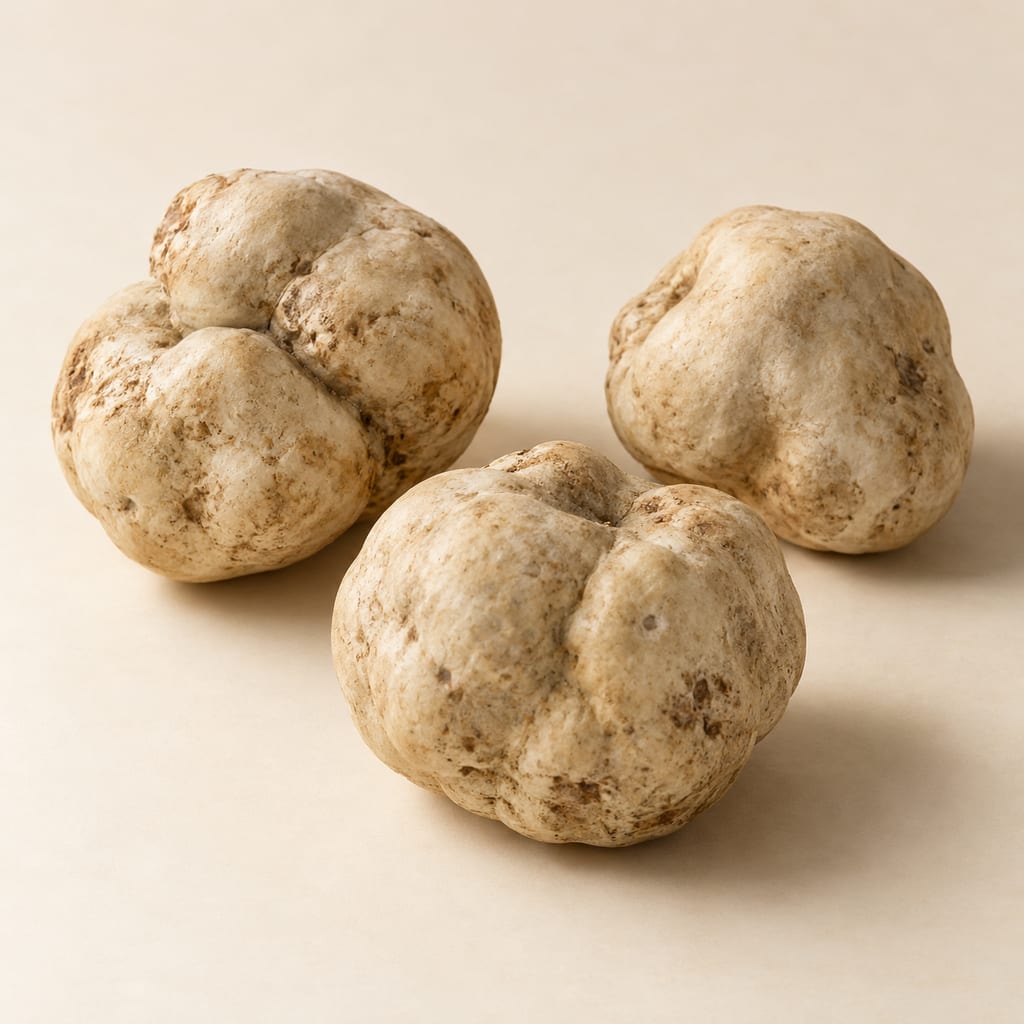
Afrocastellanoa ivoryana is a truffle-like false truffle of African woodlands, ectomycorrhizal with woodland trees and recorded as a regional wild food in West and Central Africa.
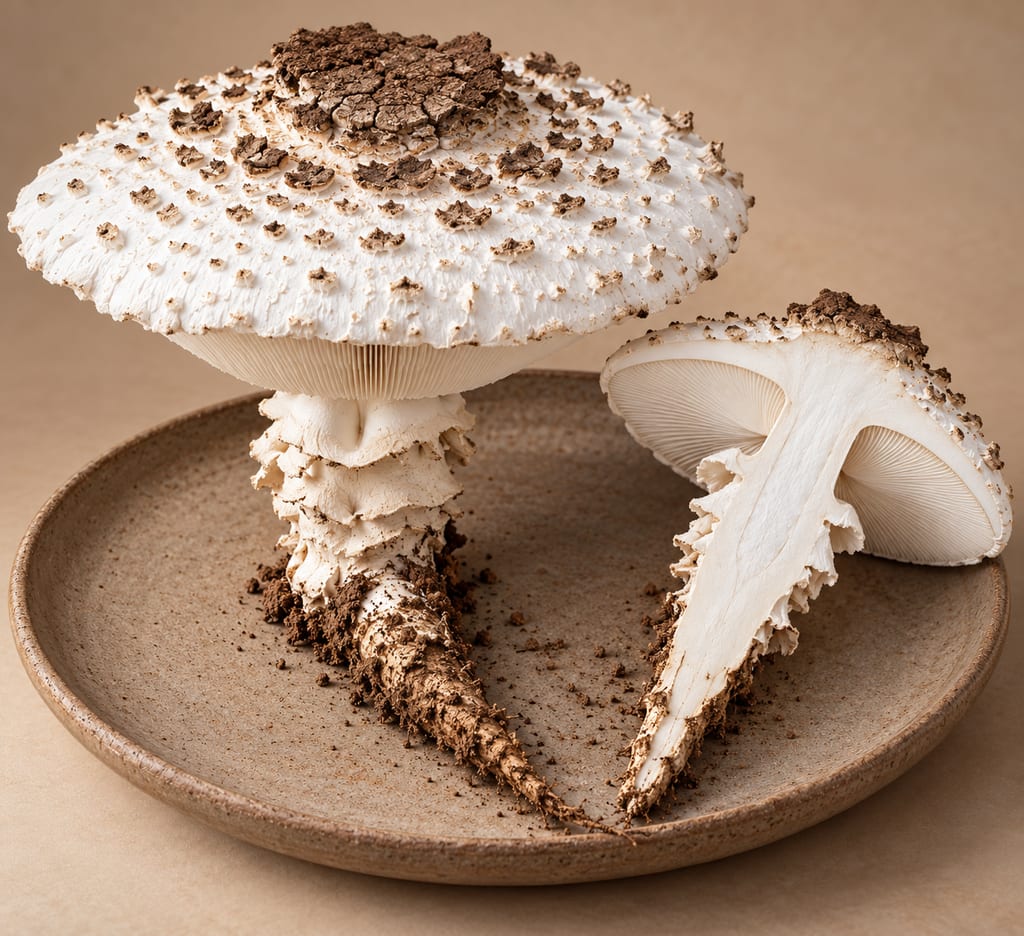
A large wild termite-associated mushroom gathered across parts of tropical Africa. Local food uses and fruiting seasons vary by place and rainfall; its appearance alone cannot establish a safe identification.
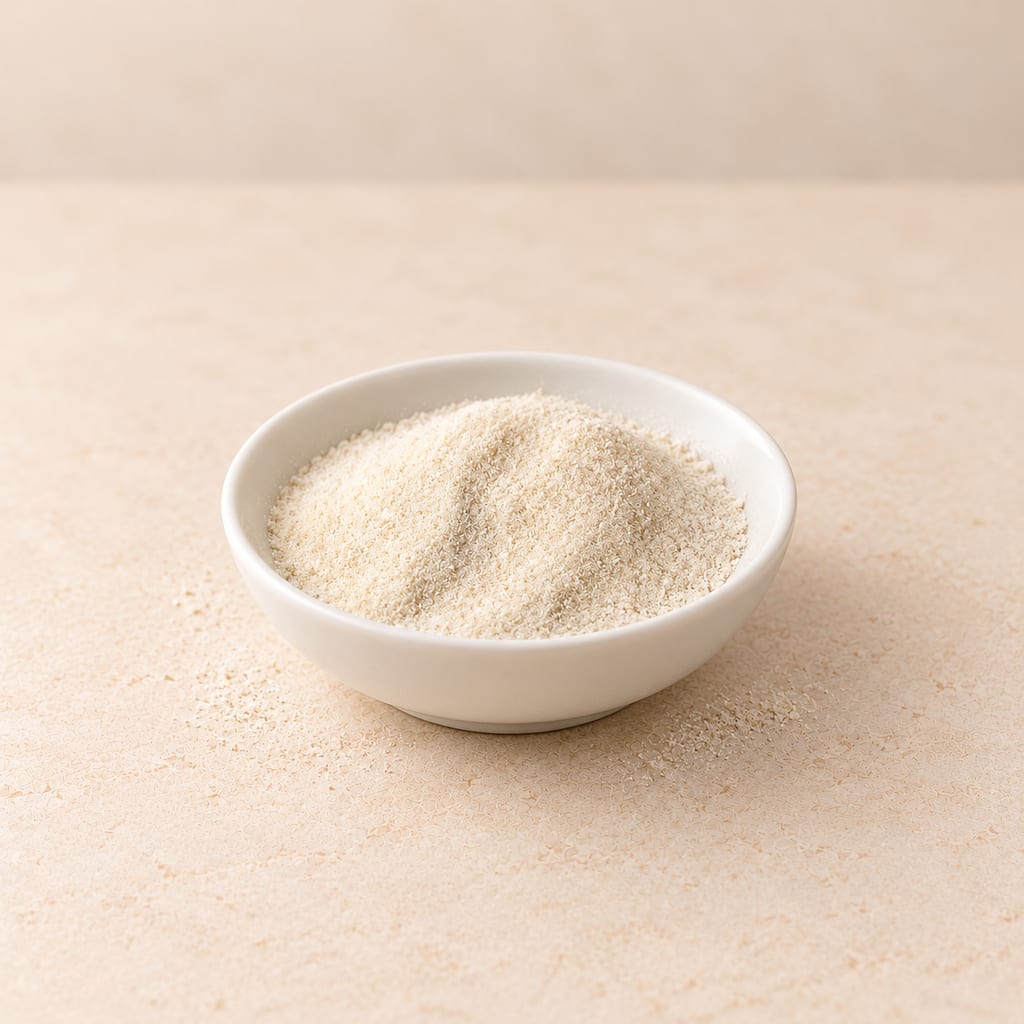
A gelling polysaccharide extracted from red seaweeds, sold as kanten strips or powder; it sets firm at a low concentration and stays solid until about 85 °C.
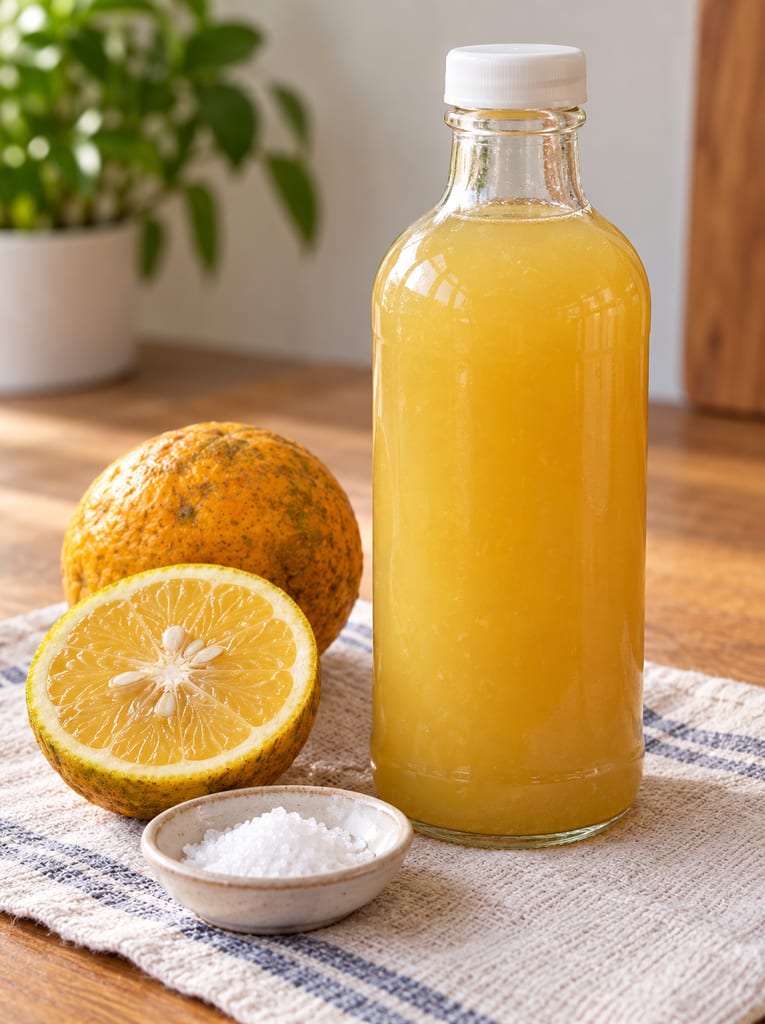
A Dominican table and seasoning condiment of sour orange juice, mixed with lime and salt and bottled raw; garlic, oregano or a hot pepper may be added for meat or a spicier bottle.
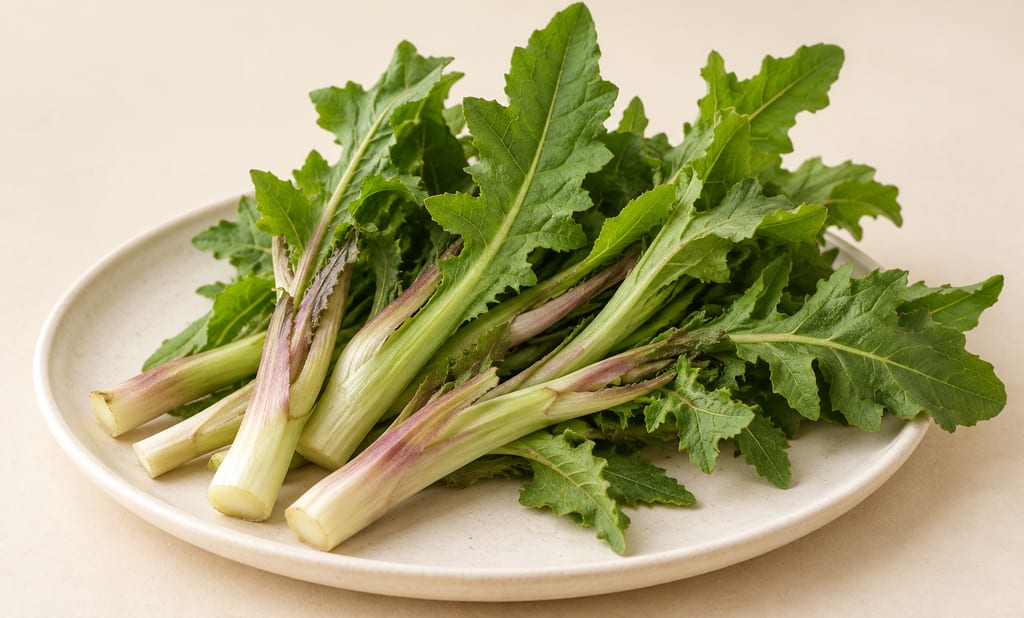
Cicerbita alpina is an alpine perennial whose tender shoots and leaves have been eaten raw or cooked. Sámi milk preparations and modern Carnian dishes are distinct uses, with serious identification and preservation limits.
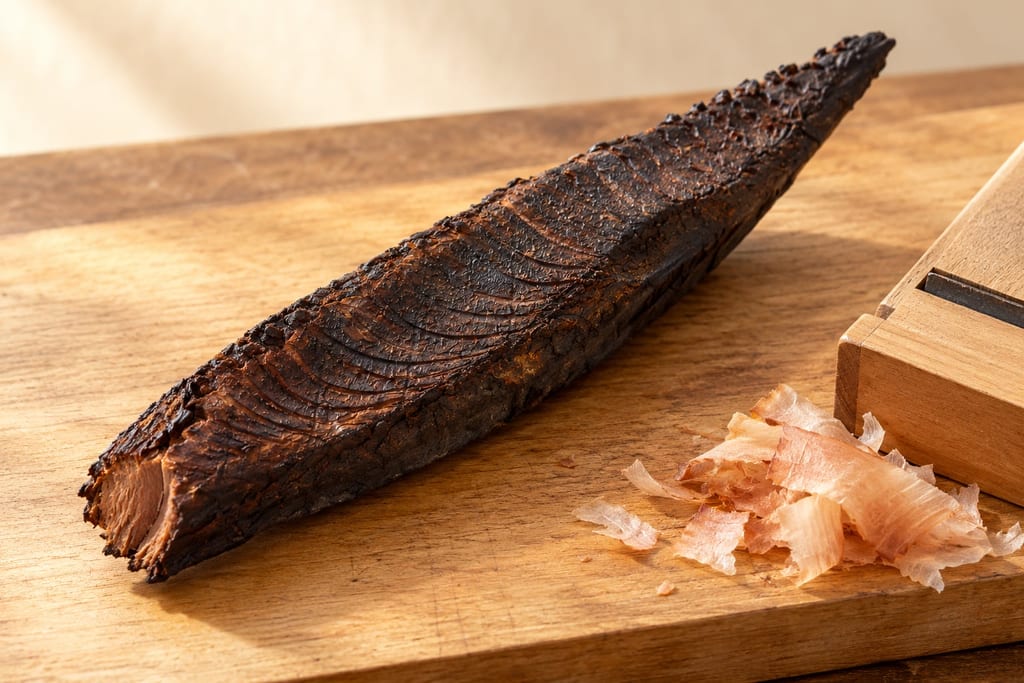
Japanese skipjack tuna cooked, then repeatedly smoked and dried over a wood fire by the hand-fired tebiyama method into a hard block for shaving into dashi: the first stage of katsuobushi.
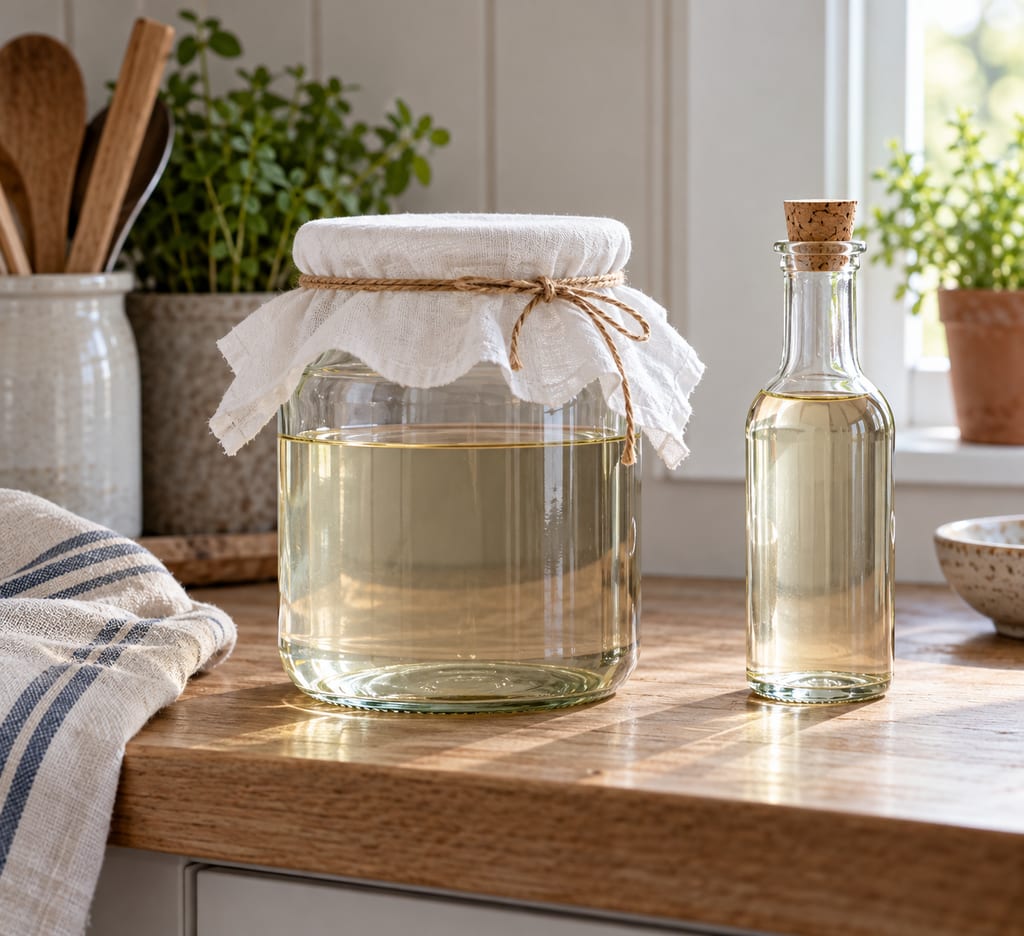
A Swedish-style spirit vinegar made by fermenting neutral alcohol with live vinegar bacteria, with a separate guide to commercial ättika strengths.

A yeast-raised wheat ring shaped from a firm dough, briefly boiled and baked. This source-batch formula gives a gently malted crust and a chewy crumb.
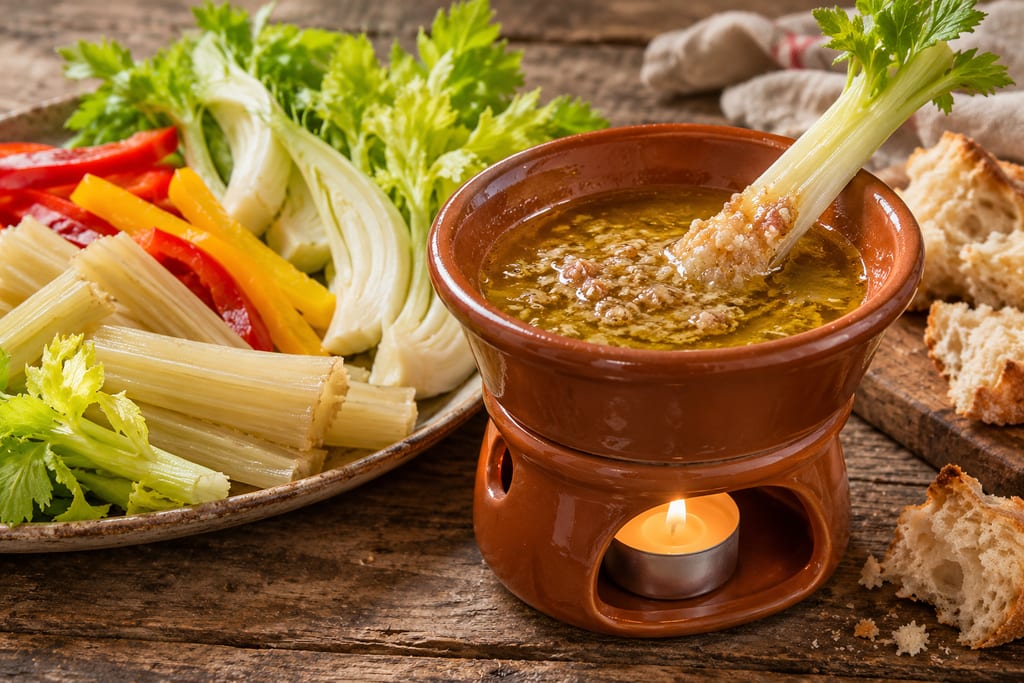
A warm dip of garlic, anchovy and olive oil, often enriched with butter, that Piedmont serves over a flame with raw and cooked vegetables and bread.
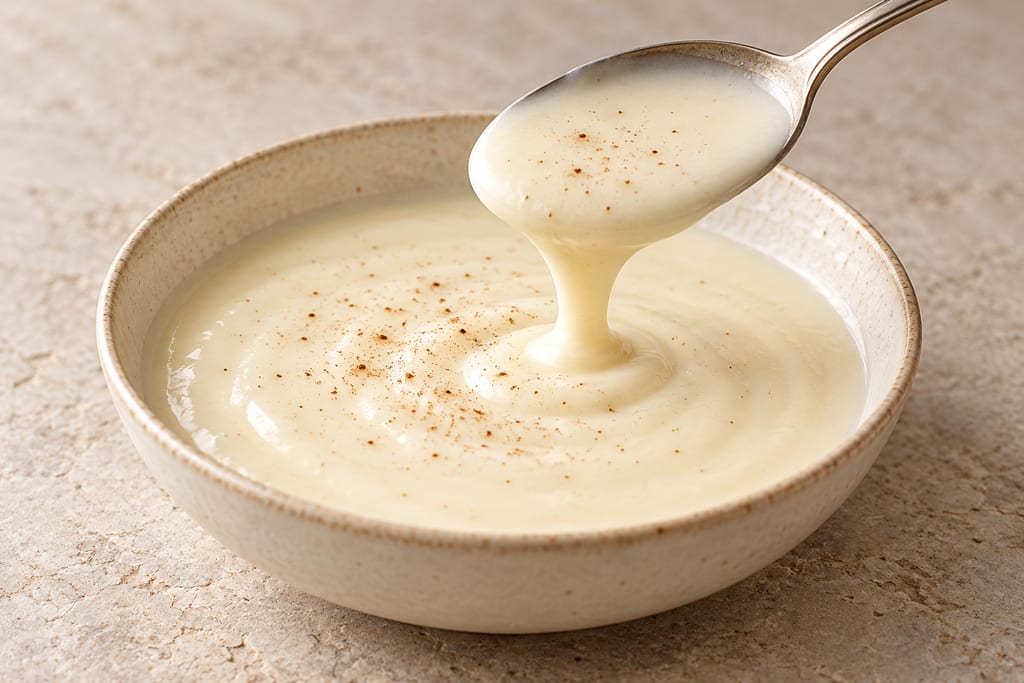
Bechamel is a white sauce of milk thickened with a butter and flour roux, one of the French mother sauces, and the base from which Mornay and other cheese and cream sauces are made.
No community contributions have been published for this entry yet.
Sign in to contribute. Published comments and photos are free to read.
Fruits 64 (3): 179-193, Cirad/EDP Sciences, 2009
Le bissap (Hibiscus sabdariffa L.): composition et principales utilisationsOver 500 Hibiscus species, mostly ornamental; var. altissima for fibre, var. sabdariffa with edible calyces; Senegal groundnut basin diversification.
Drinks by soaking calyces in hot or room-temperature water, filtering, adding sugar and juices, flavourings or fruit; bissap (Senegal, peak in Ramadan), da bilenni, drink of the pharaohs (Egypt), karkade (Sudan), Jamaican Christmas drink with ginger and rum, zobo (Nigeria), Malaysia, Thailand.
Jams and jellies; wine-like fermented drink; colourant with unstable pigments; seeds fermented into condiments and furundu.
Succinic and oxalic acids 76 per cent of acids; glucose about 40 per cent of sugars; anthocyanins up to 1.5 g/kg dry, 70 per cent delphinidin 3-sambubioside.
Cited in: What cooks mean by hibiscus; A plant of many names; From Africa to the Americas and Asia; Bissap in Senegal; Karkade and zobo; Sorrel at a Jamaican Christmas; What makes it sour and red; Choosing and using calyces for syrup
Recursos Naturales y Sociedad 10 (2): 107-117, CIBNOR, 2024
Mas alla de una bebida, revelando el valioso residuo del agua de jamaicaAfrican origin; spread to Asia and the West Indies in the 16th and 17th centuries, Latin America in the 16th.
Shrub 2 to 3 m; calyx thickens after the flower falls; sun-dried in Mexico; colours creamy white to purple.
Agua de jamaica by decoction; part of everyday Mexican diet; about 7,000 t on 19,000 ha, mainly Guerrero and Oaxaca, hand-harvested; half of consumption imported.
Cited in: What cooks mean by hibiscus; A plant of many names; From Africa to the Americas and Asia; Agua de jamaica and the Guerrero harvest; What makes it sour and red; Choosing and using calyces for syrup; Where the sources disagree
Revista Mexicana de Ciencias Agricolas 8 (2), INIFAP, 2017
Caracteristicas bioquimicas y calidad nutraceutica de cinco variedades de jamaica cultivadas en Mexico2010: 18,416 ha, 4,878 t of calyces; Guerrero and Oaxaca 85 per cent; criollo photoperiod-sensitive genotype grown July to December, harvest concentrated in December.
Cited in: Agua de jamaica and the Guerrero harvest; Where the sources disagree
Agro Divulgacion, Colegio de Postgraduados
Propuesta para productores de jamaica de la costa chica de Guerrero, Mexico2019: 7,889 t nationally; Guerrero 5,810 t, Michoacan 884 t, Oaxaca 507 t; El Pericon, Tecoanapa growers keep criollo seed; mermelada, gelatina, licor, atole de jamaica.
Cited in: Agua de jamaica and the Guerrero harvest; Where the sources disagree
Jamaica Information Service
ChristmasSorrel drink also called red tea, roselle or Sudanese tea; origin given as Sudan; made in advance and stored in stainless steel, earthenware or enamel; boiled water over sorrel, grated ginger, cloves and pimento; after at least four hours sweetened and flavoured with rum or wine; served on ice.
Cited in: A plant of many names; From Africa to the Americas and Asia; Sorrel at a Jamaican Christmas; Choosing and using calyces for syrup; Safety and storage; Where the sources disagree
Jamaica Information Service, 16 November 2012
Ministry Seeking to Boost Sorrel ProductionTwo people take about 15 days to harvest one acre of sorrel (minister Roger Clarke).
Cited in: Sorrel at a Jamaican Christmas
Jamaica Information Service, 22 December 2015
Processing of Sorrel for Popular Christmas Drink Now Cheaper and EasierMachine by St Elizabeth farmers Oral and Allison Turner separates calyx from seed pod; 600 lb in 10 hours gives 300 lb de-seeded.
Cited in: Sorrel at a Jamaican Christmas; Choosing and using calyces for syrup
Institute of Thai Traditional Medicine, Department of Thai Traditional and Alternative Medicine, Ministry of Public Health, Thailand
Khrueang duem samunphrai (Herbal drinks)Nam krachiap daeng: 1/2 cup dried calyces, 2 cups sugar, 1 tablespoon salt, 5 cups water; boil until red and soft, strain, reheat with sugar and salt, cool, bottle, chill; sour and refreshing.
Use enamel pots, not aluminium; brass changes taste; glass bottles; do not oversweeten; choose fresh clean herbs without mould.
Cited in: Nam krachiap in Thailand; Choosing and using calyces for syrup; Safety and storage
Department of Thai Traditional and Alternative Medicine, Ministry of Public Health, Thailand, 2015
Herb cultivation promotion handbook, volume 1Krachiap daeng; regional names krachiap priao, phak keng kheng, som keng kheng, som talerng kreng, som pu; Jamaica sorrel, Indian sorrel, roselle; red-purple stems, pink flower, deep red calyx about 6 cm enclosing the seed pod; dried calyx sour.
Cited in: What cooks mean by hibiscus; A plant of many names; Nam krachiap in Thailand
Bureau of Nutrition, Department of Health, Ministry of Public Health, Thailand
Nam krachiap (single-serving recipe card)2 dried calyces, 8 g sugar, 200 g water, salt; boil about 3 minutes; cool, strain through cheesecloth; serve chilled or hot; 32 kcal and 12 mg vitamin C.
Cited in: Nam krachiap in Thailand
National Center for Complementary and Integrative Health, US National Institutes of Health
Hypertension (High Blood Pressure)Roselle may help reduce blood pressure but evidence is limited and effects small; do not replace prescribed treatment; tell your provider about supplements, which may interact with medicines.
Cited in: Safety and storage