
All-purpose wheat flour
A refined common-wheat flour blended for a broad range of baking; its protein and behavior vary with wheat, milling and market.
 FermenteaWhere food goes to change
Mushrooms
The lobster mushroom, Hypomyces lactifluorum, is a parasitic fungus that turns a white milk-cap or brittlegill orange-red and is gathered as a wild food in North America. Its host species must be identified too.
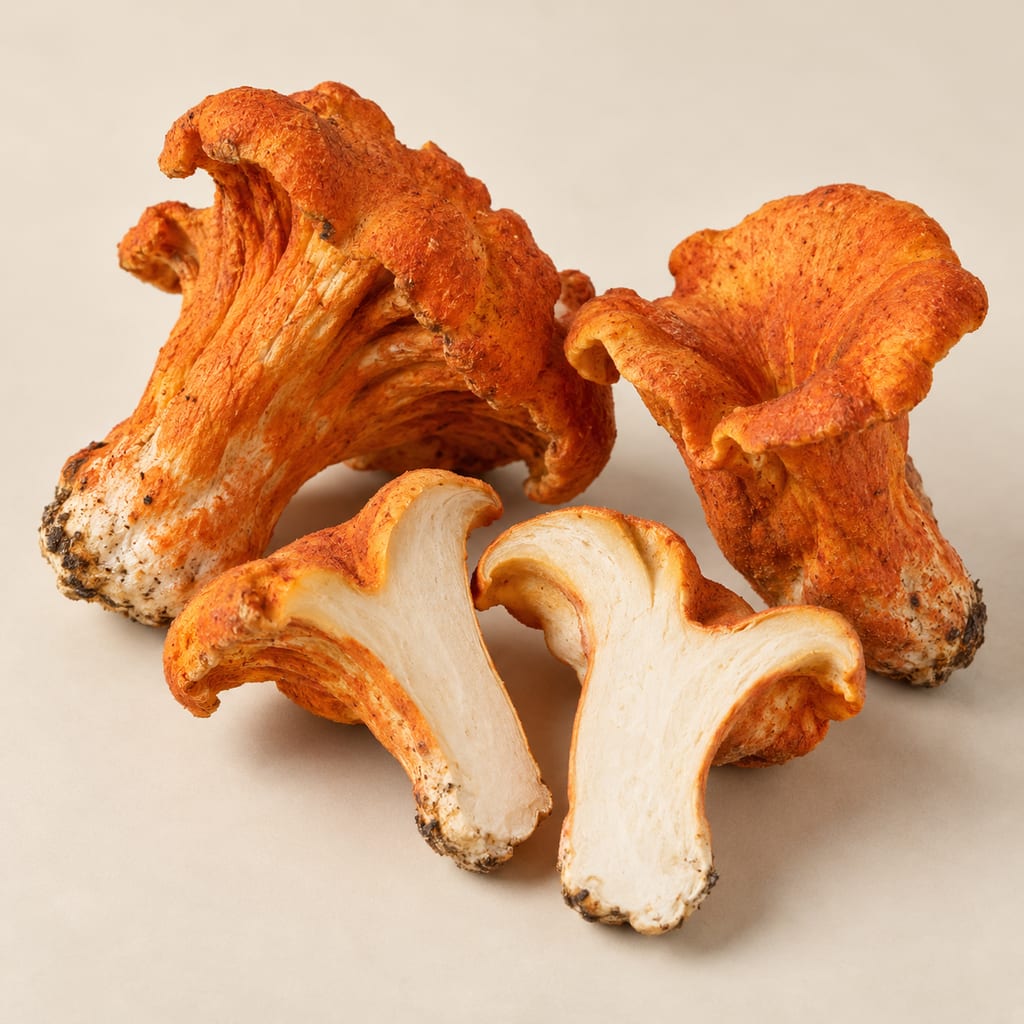
The lobster mushroom is not a mushroom in its own right. It is a parasitic fungus, Hypomyces lactifluorum, that grows over a host mushroom until it covers the whole fruiting body. The host is usually a white species, most often a Russula or a Lactarius, and the parasite changes its colour, shape and flavour.
The surface of the result is a finely bumpy, vivid orange to orange-red crust that often hides the gills. When cut, the flesh is pure white, which reflects the host. The field guide for Missouri describes spores that are spindle-shaped and strongly warted, with a clear spore print. Its size depends on the host.
In Missouri it grows statewide in mixed woods, singly or in groups of many, from July through October. Before it fully emerges it can appear as humps on the forest floor.
The guide names Russula brevipes and Lactifluus piperatus among possible hosts and says the host is usually a nonedible white species. Because the host determines much of the result, the same orange crust can sit on very different mushrooms.
The Missouri guide calls the lobster mushroom a choice edible and describes its flavour as meaty and good. The parasite alters the host's flavour, so the result is not the same as the host.
The guide gives no preparation advice, so this page records none. It gives no quantities, times or temperatures.
The Missouri guide says there are no lookalikes for this fungus in the state, and still advises being absolutely sure of the identification before eating any wild mushroom. It advises eating only a small amount the first time, to watch for a reaction.
The guide does not address the toxicity of the host directly. It says the host is nonedible, and the page advises against assuming that the result is safe on the strength of that page alone. Anyone gathering the lobster mushroom needs to be sure of the host as well as of the parasite.
Statewide in mixed woods, as the Missouri Department of Conservation field guide describes it.
A refined common-wheat flour blended for a broad range of baking; its protein and behavior vary with wheat, milling and market.

Toasted almonds are whole sweet almond kernels dry-roasted until golden to brown. Heat replaces their marzipan note with a roasted, nutty one; they thicken and flavour romesco.
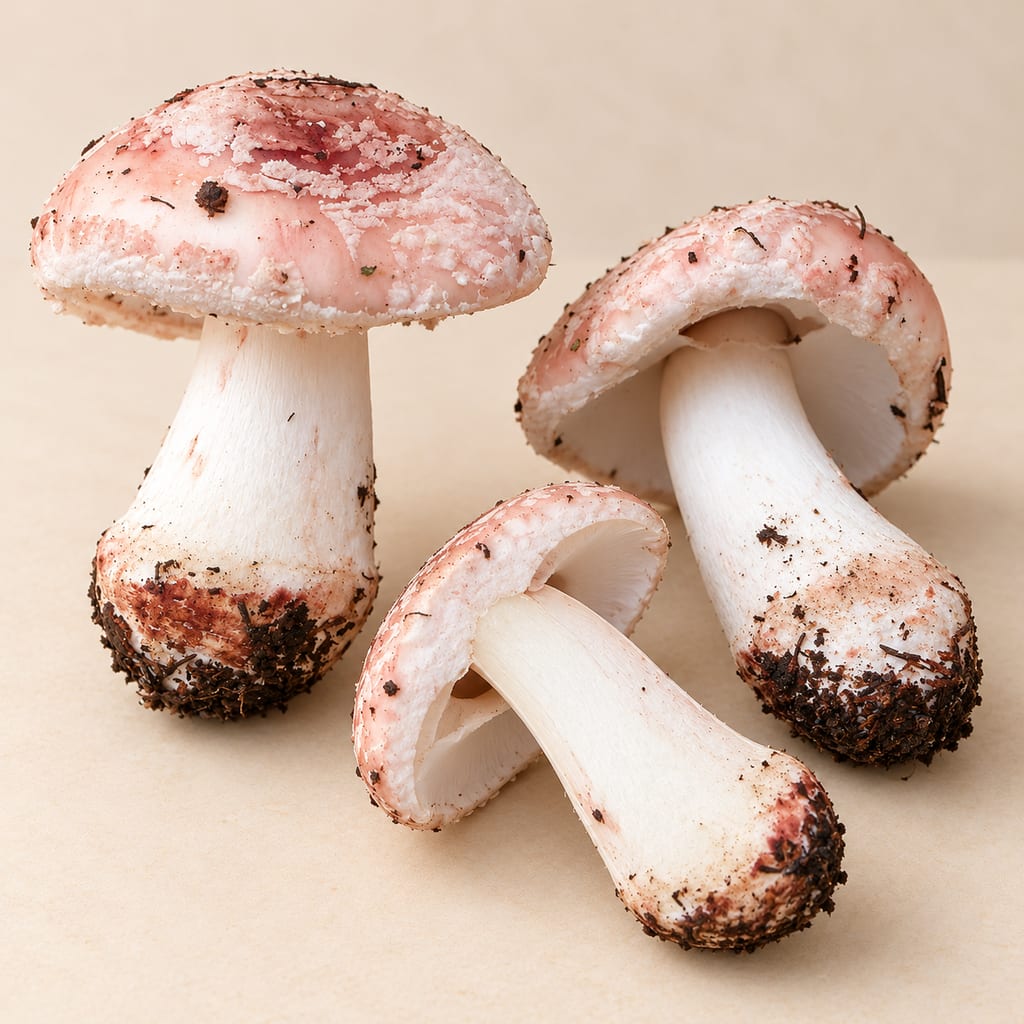
Amanita novinupta is a western North American blusher, a forest mushroom recorded as food in Mexico, and one that must be cooked because its raw flesh is toxic.
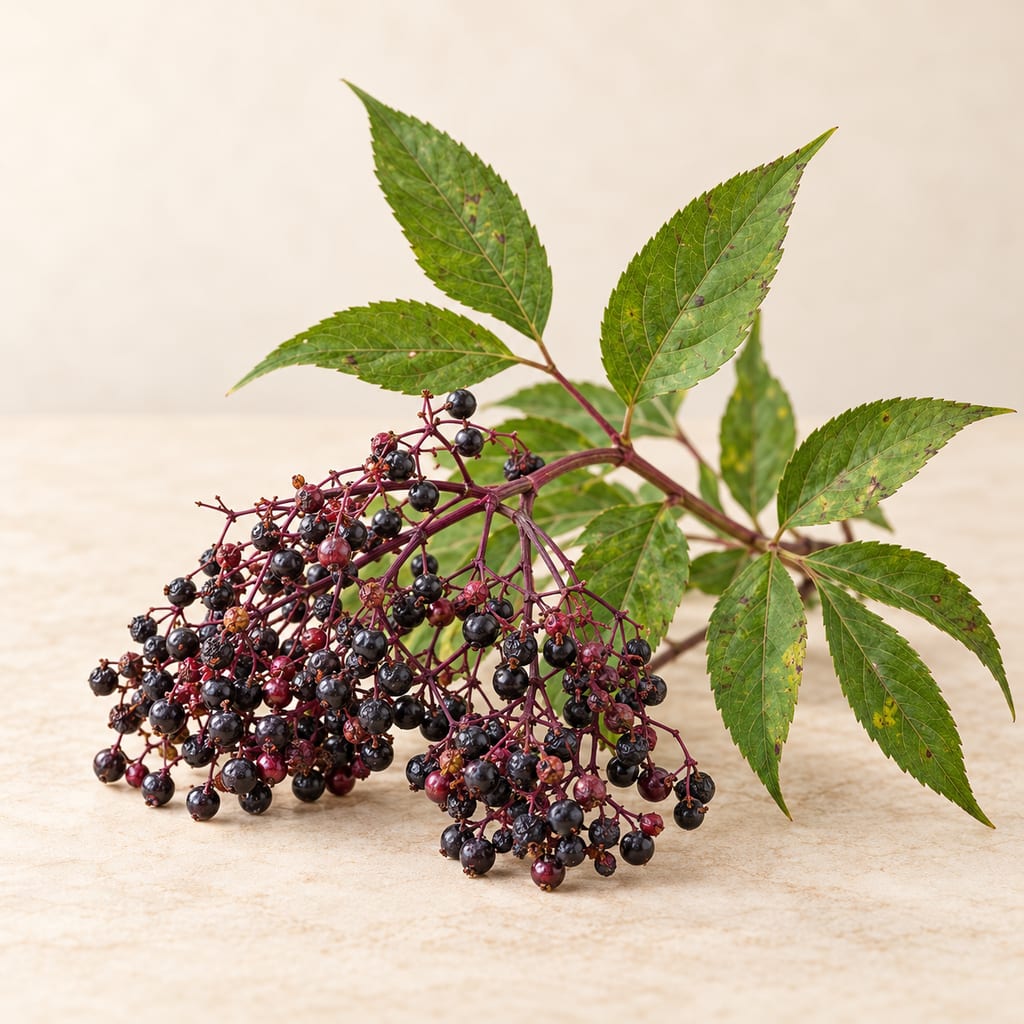
Sambucus canadensis is the accepted name used here for American elderberry. Missouri production guidance and named-cultivar studies give useful regional growing information, while food and analytical sources leave process questions open.
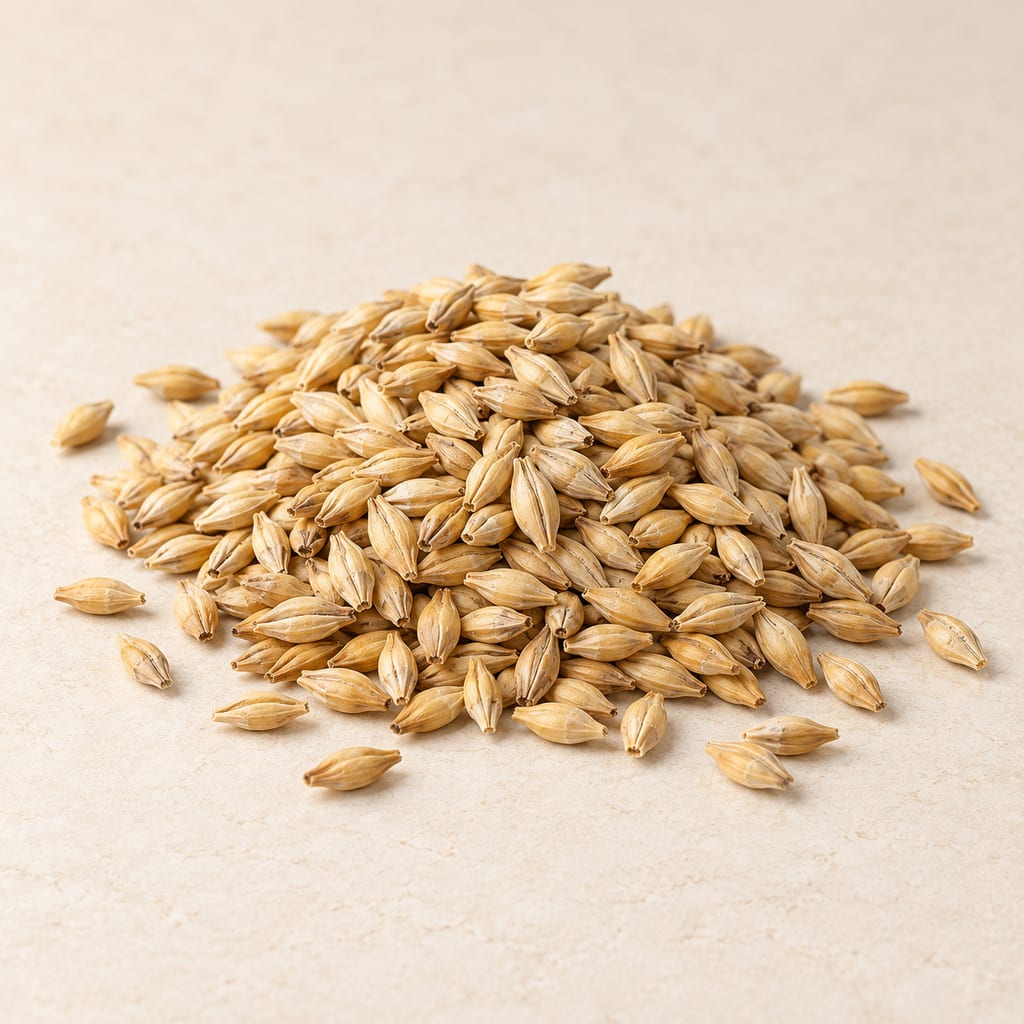
A lightly kilned brewing base made from two-row barley. It supplies starch and enzymes for the mash, with the maltster’s product and lot analysis defining its brewing properties.

Ripe avocado flesh is the soft, buttery, fat-rich pulp of Persea americana, eaten raw. It is low in acid, so it is a fresh ingredient that needs care in chilled dishes.
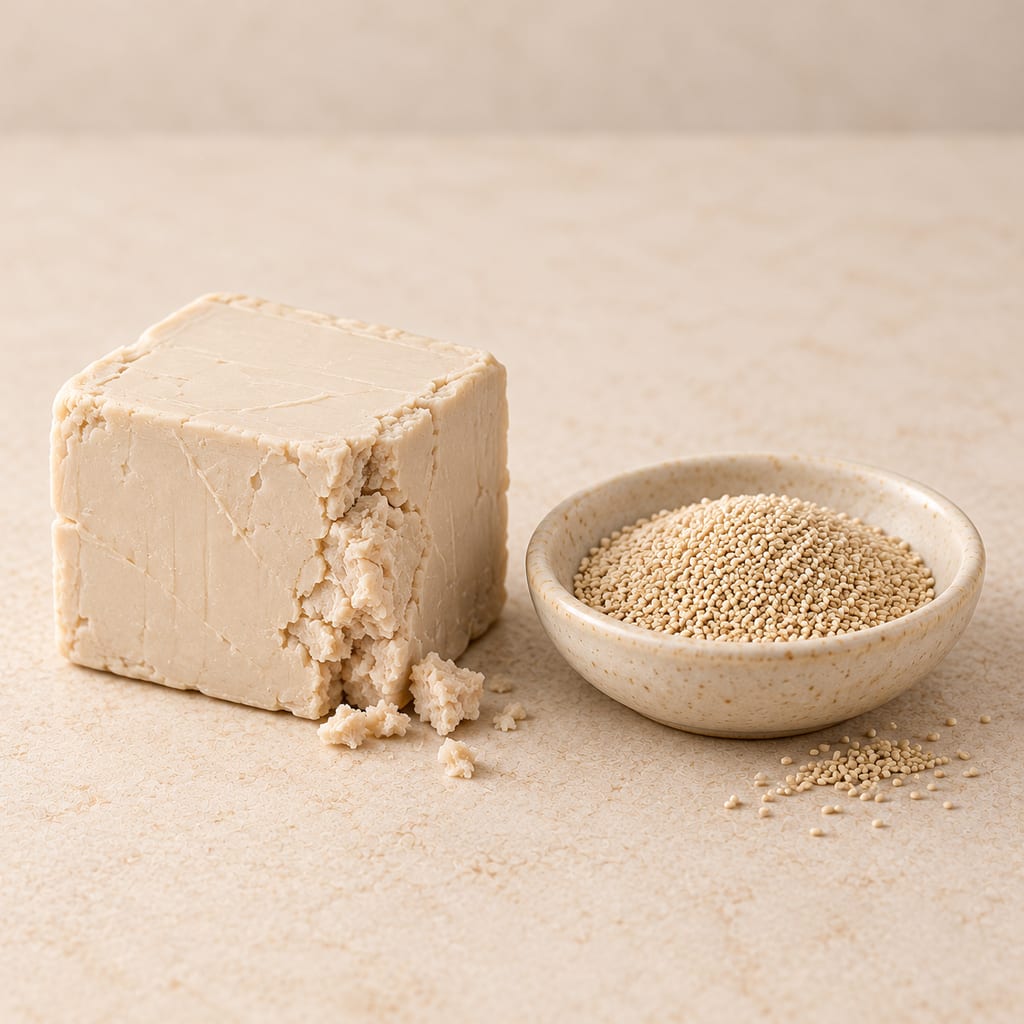
Baker's yeast is a cultivated living leavener, commonly sold fresh or dried. In dough, selected Saccharomyces cerevisiae cells make gas that can raise bread.
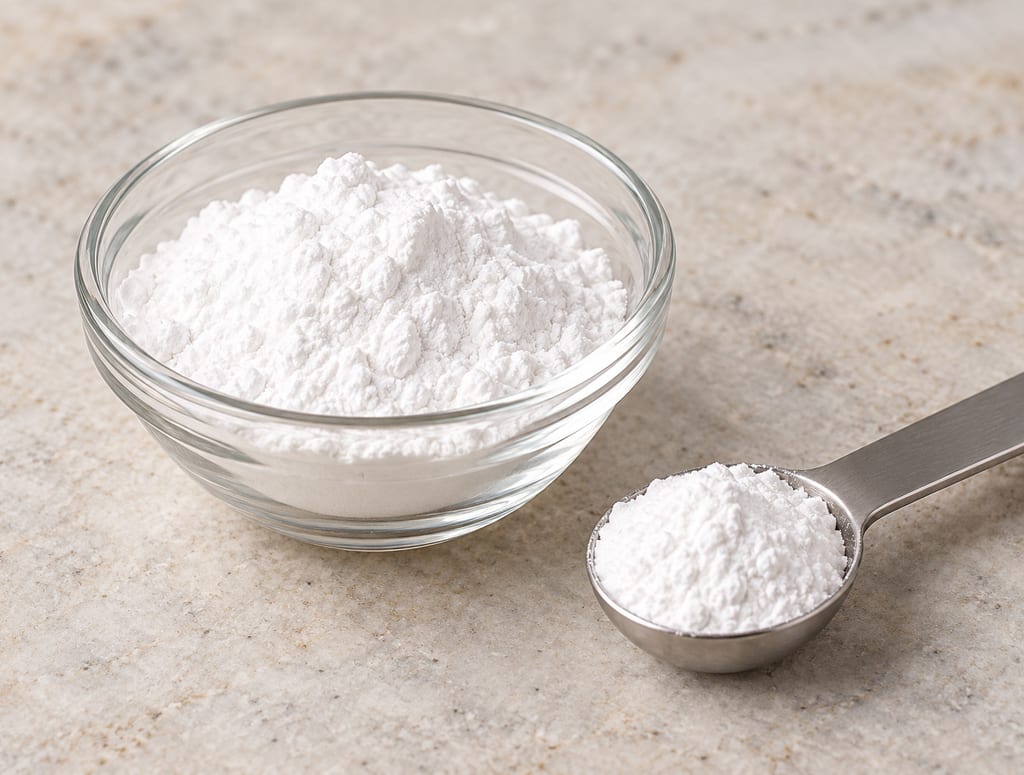
Baking powder is a dry chemical leavener that combines bicarbonate with acid-reacting ingredients and a carrier. Moisture and heat release carbon dioxide for quick breads, batters and griddle cakes.
No community contributions have been published for this entry yet.
Sign in to contribute. Published comments and photos are free to read.
Missouri Department of ConservationIdentification · Method · Safety · Distribution
Lobster MushroomParasitic fungus over a white Lactarius or Russula; orange-red crust; white flesh; spores
Statewide in mixed woods, July to October; hosts Russula brevipes or Lactifluus piperatus
Choice edible, meaty flavour; no preparation advice
No Missouri lookalikes; be absolutely sure of the ID; small first portion; host not addressed for toxicity
Cited in: A fungus that grows over another mushroom; Habitat, season and hosts; Food use and flavour; Identification and host toxicity