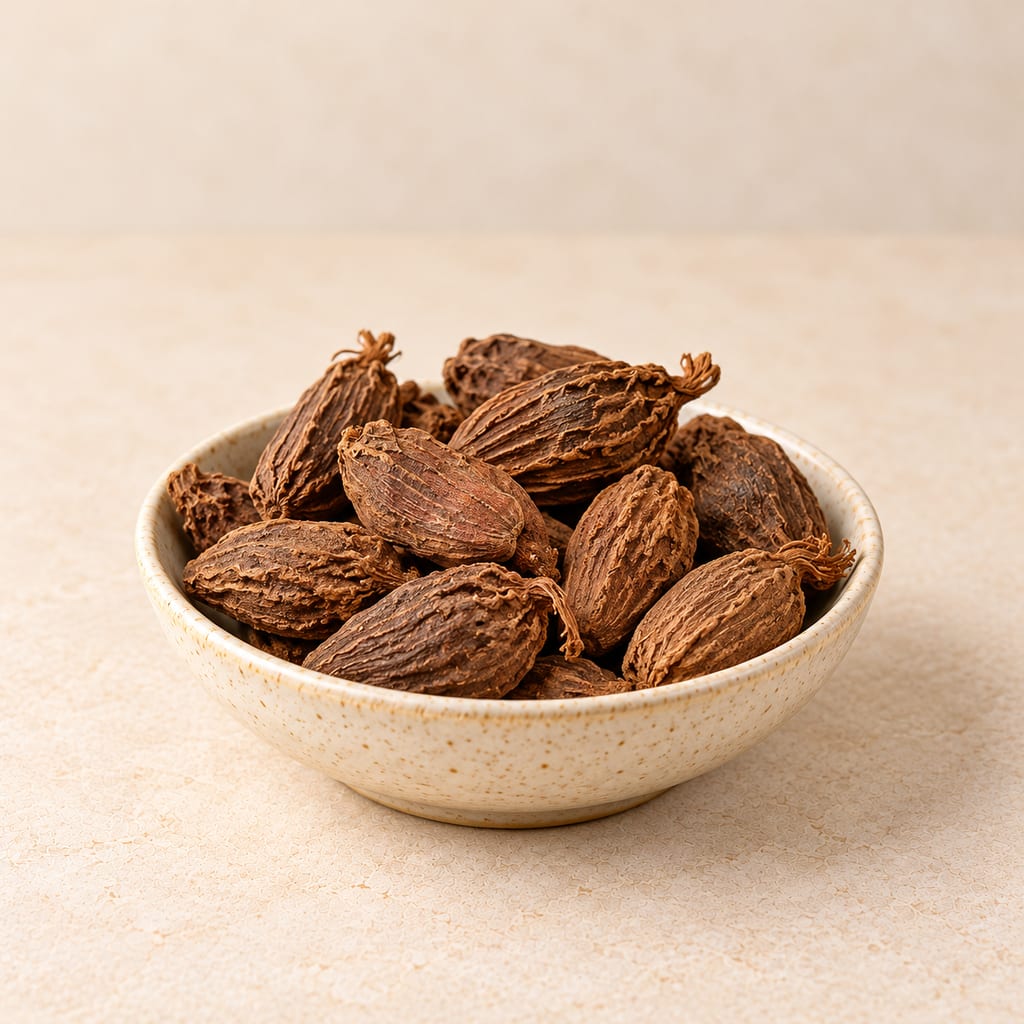
Alainchi (cardamom)
Alainchi is the large or black cardamom of the eastern Himalaya, the dark, smoke-dried pods of Amomum subulatum. Its camphor-cool, smoky seeds season Himalayan and North Indian cooking and a sweet Nepali lapsi achar.
 FermenteaWhere food goes to change
Mushrooms
Silky rosegill, Volvariella bombycina, is a wild edible mushroom of dead wood on several continents, grown in laboratory trials and on a small scale in India, and its commercial record is thin.
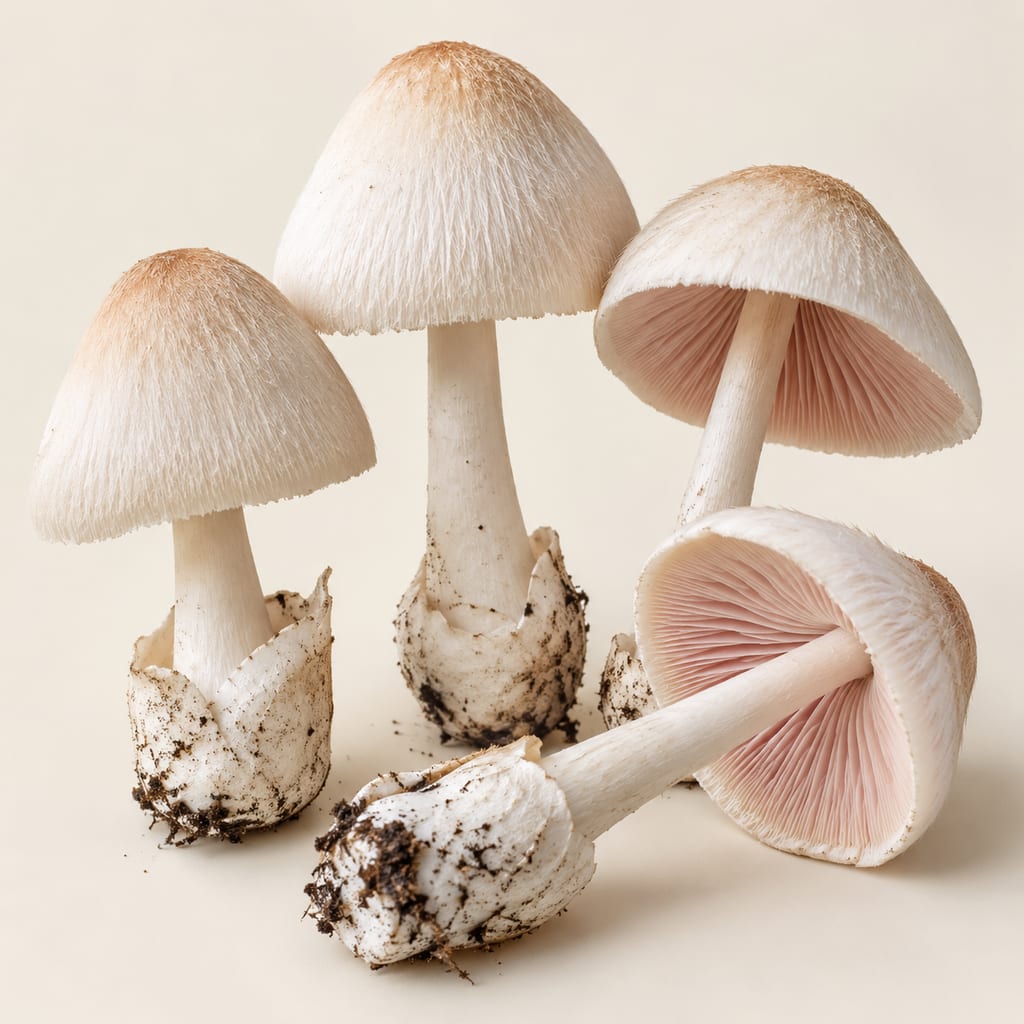
Volvariella bombycina is a wild mushroom that grows on dead wood. The Nepalese study collected its wild specimens on poplar. The sources describe it as a wild edible and give the common name silky rosegill, but they do not describe its colour or surface in enough detail to support a description here.
The genus Volvariella includes the paddy straw mushroom, Volvariella volvacea, which is commercially cultivated in Asia. The two are different species. The Diversity paper reviewed attributes commercial cultivation to V. volvacea, and this page does not transfer that claim to V. bombycina.
The Nepalese study records the mushroom as a newly reported wild edible and describes its in vitro culture from wild specimens collected on poplar. A Guatemalan report says the species is grown on a small scale in India because of its delicate flavour, and that it grows on dead wood across Europe, Asia and the Americas. A Kazakhstan study documents it in forests along the Ural River Valley.
The sources reviewed give these as records of occurrence and small-scale use, not as a documented food tradition with a history. The page does not claim one.
The Nepalese work grew the mushroom from wild specimens. It began with mycelium on potato dextrose agar slants and then produced fruiting bodies on substrates after two to four weeks at about 28 degrees Celsius. The work reports an optimised process for in vitro culture.
These are laboratory and trial results. The sources do not describe a commercial farm process for this species, and this page does not give a household method.
One hobbyist mushroom site rates the species as a fair edible, with more gill than flesh. That is a secondary and informal rating. The sources reviewed do not describe its cooking behaviour, texture or flavour in depth, so this page gives no culinary claim.
Safety wording: the genus Volvariella can be confused with deadly Amanita species, especially at the button stage. This page gives no identification or edibility verdict for a specimen, and a wild silky rosegill should be identified by an expert before it is eaten. The sources give no storage life or allergen profile, so none is given.
The domestication work reported in a 2025 Mycosystema paper and the commercial record of this species need primary sources. The next research pass should read the Nepalese study and the Mycosystema domestication paper in full.
Country-level. The Nepalese study records a newly reported wild edible from Nepal and its in vitro culture from wild specimens collected on poplar.
Country-level. The source says the species is grown on a small scale in India because of its delicate flavour; the report is secondary.
Alainchi is the large or black cardamom of the eastern Himalaya, the dark, smoke-dried pods of Amomum subulatum. Its camphor-cool, smoky seeds season Himalayan and North Indian cooking and a sweet Nepali lapsi achar.
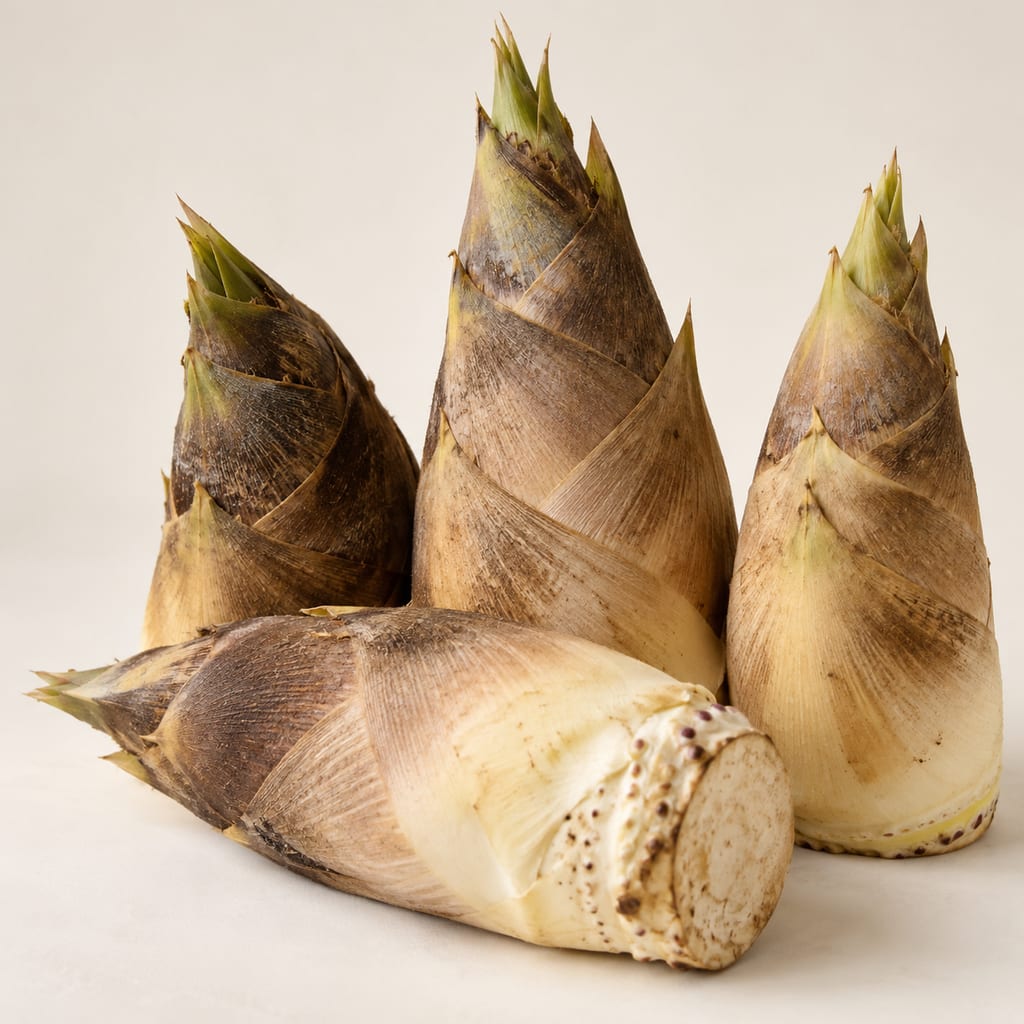
Bamboo shoots are the young culms of many bamboo species, eaten after boiling or leaching in Asia, and fermented into sour and preserved foods in the Himalayas, northeast India and Burma.
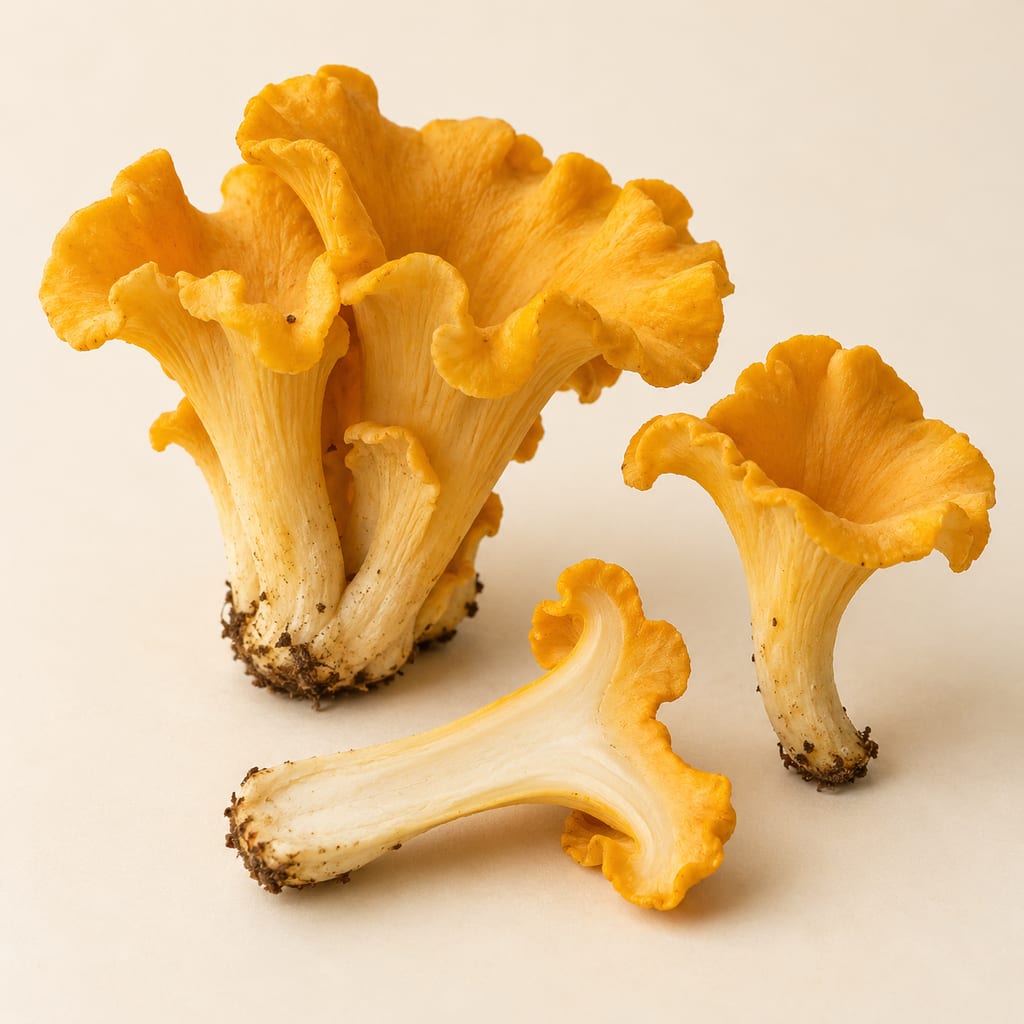
Cantharellus odoratus, the fragrant chanterelle, is a North American and Central American oak-woodland fungus. It was sold in a Veracruz market in the 1980s and in Guatemala in 2002, and its name is still disputed.
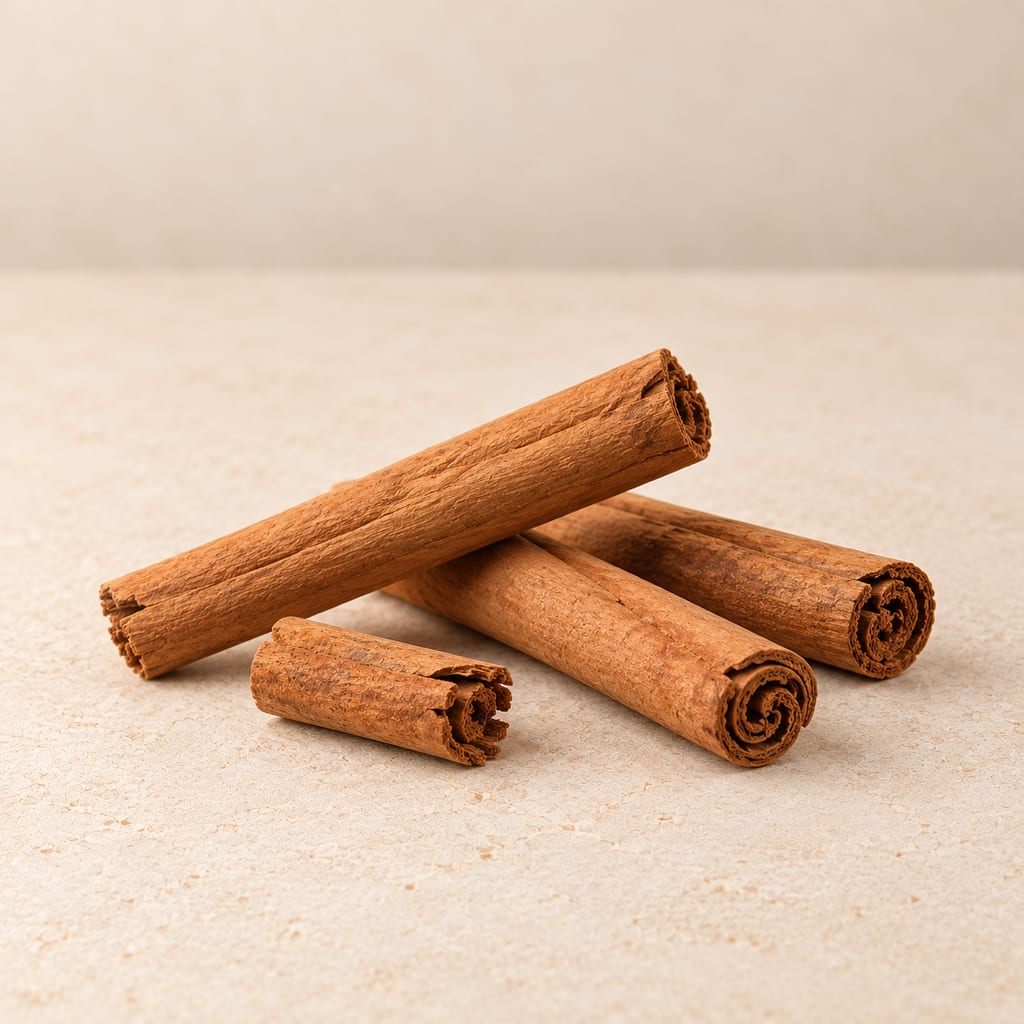
Cinnamon is the dried inner bark of Cinnamomum trees, rolled into quills or ground; Ceylon cinnamon comes from C. verum of Sri Lanka and cassia from related species.
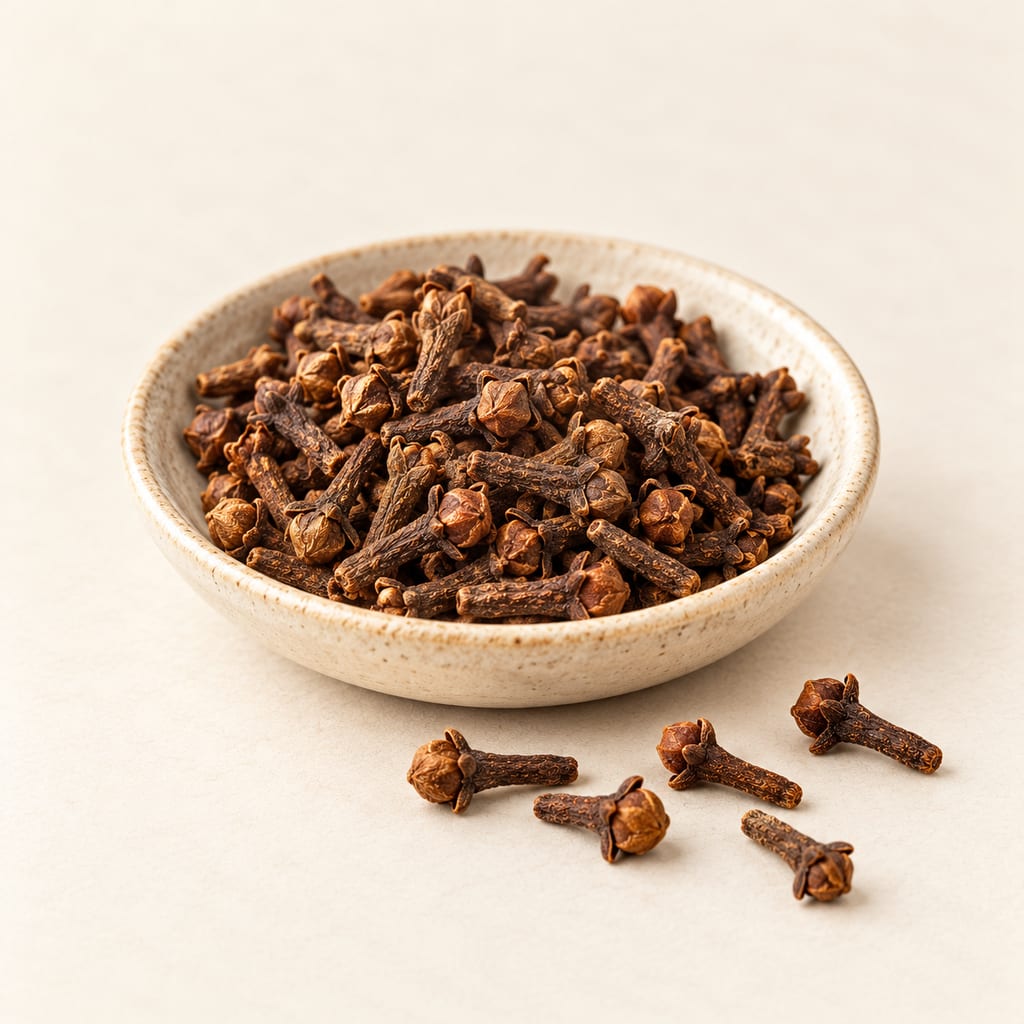
Cloves are the dried unopened flower buds of Syzygium aromaticum. Whole buds infuse liquids and can be removed; ground clove disperses its intense aroma through food.
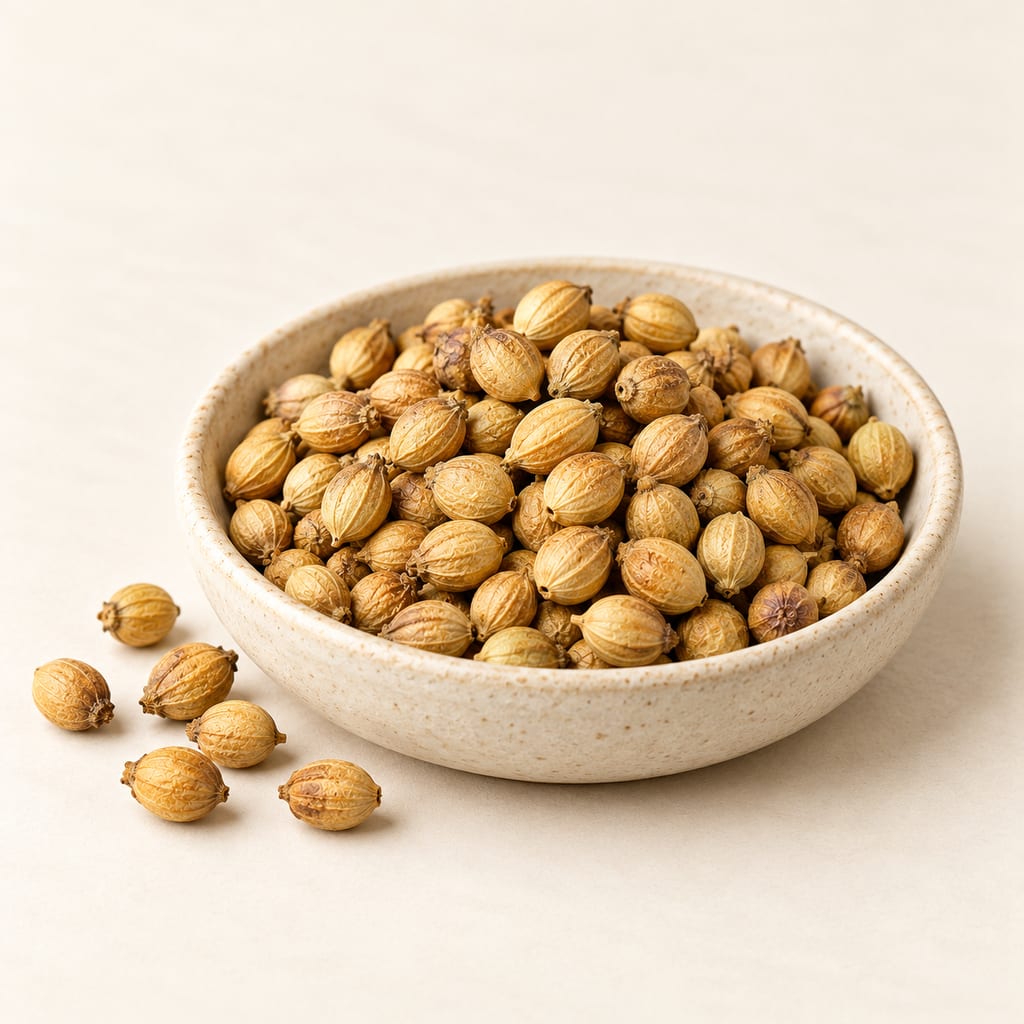
Coriander seed is the dried, aromatic fruit of Coriandrum sativum, used whole, cracked or ground in spice blends, pickles and cooked dishes.
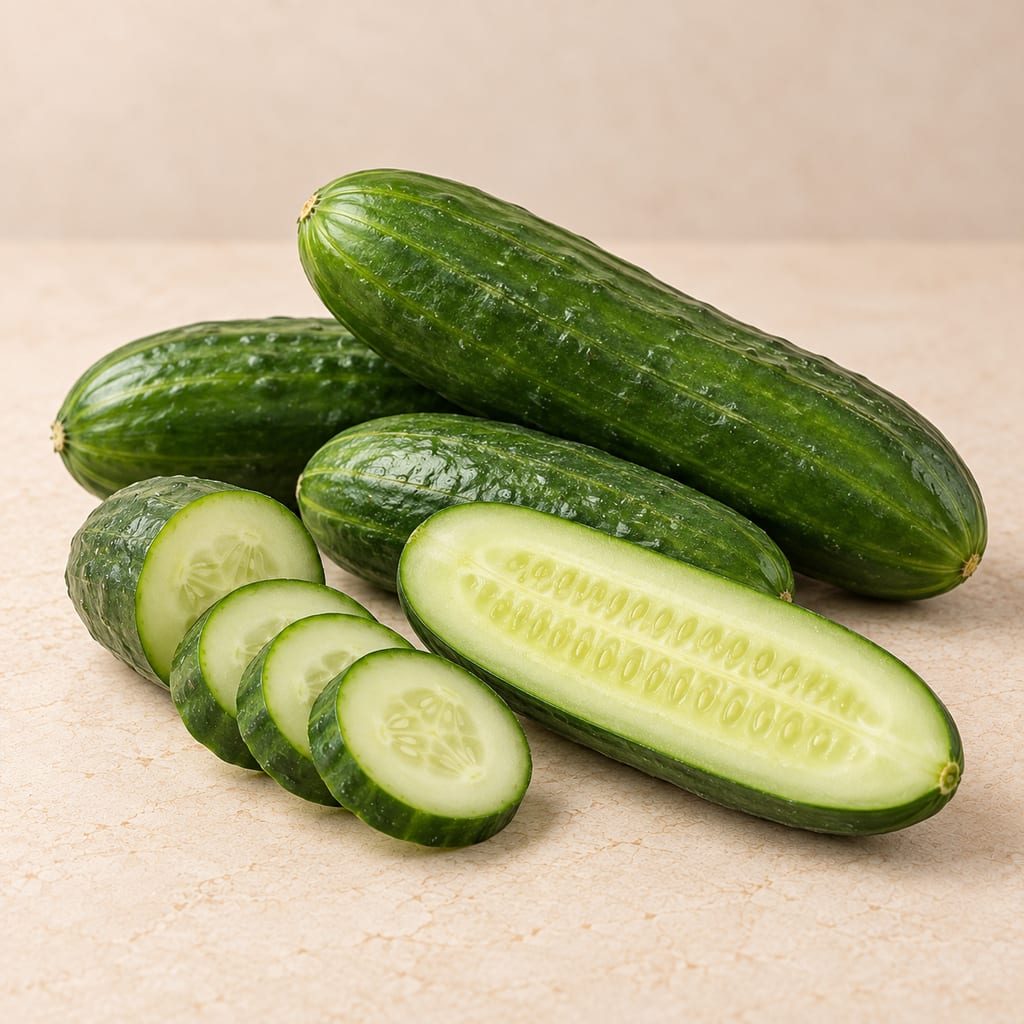
Cucumber is the watery fruit of Cucumis sativus, domesticated in India, and the classic raw material of brine pickles from New York dills to Nepali khalpi and Korean oi-sobagi.
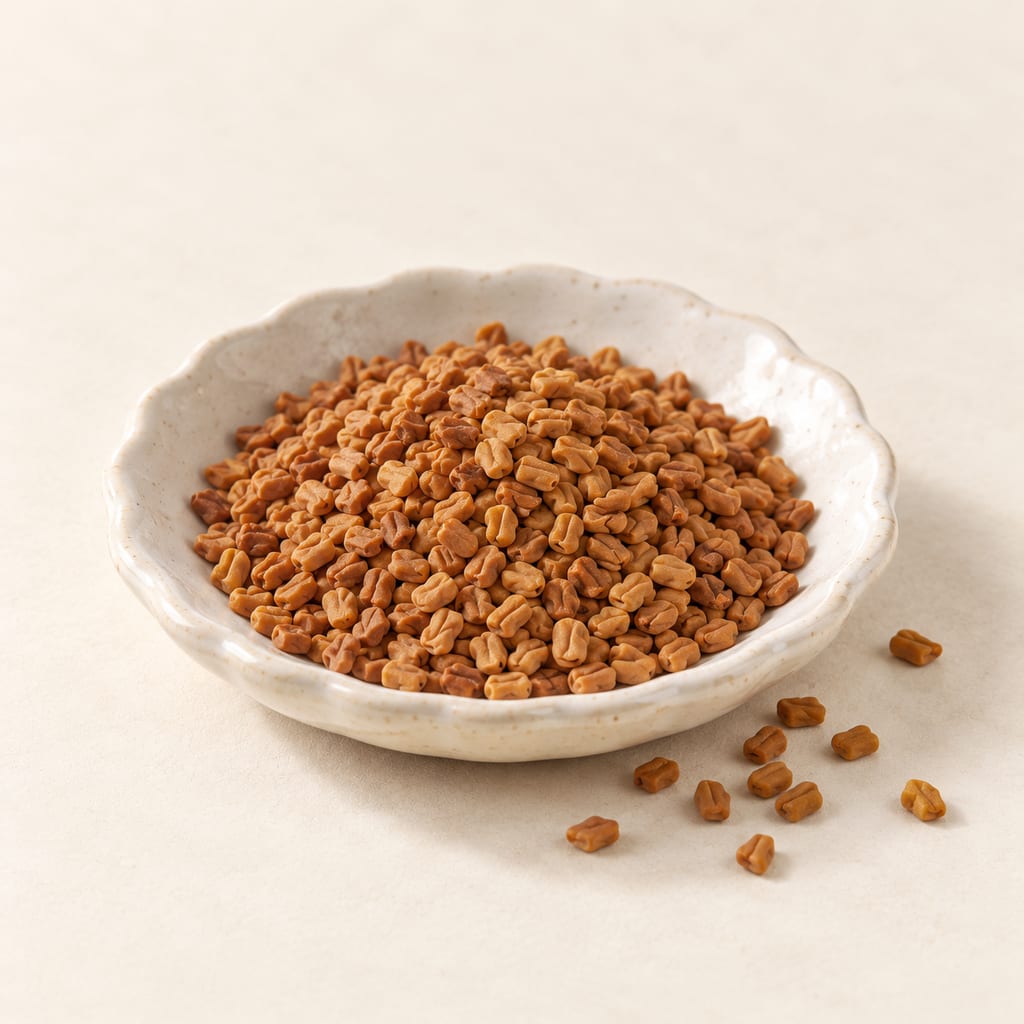
Fenugreek seed is the bitter, fragrant dry seed of Trigonella foenum-graecum, used in tempering, pickles, breads and spice mixtures.
No community contributions have been published for this entry yet.
Sign in to contribute. Published comments and photos are free to read.
Nepal Journal of Biotechnology (NepJOL)Identity · Method
In vitro Cultivation of Newly Reported Wild Edible Mushroom Volvariella bombycina from NepalWild edible from Nepal; in vitro culture from wild specimens on poplar; fruiting after two to four weeks at about 28 degrees Celsius (search summary; primary text not opened).
Cited in: What it is; Where it is recorded; How it is cultivated in the laboratory; Eating and handling; Open questions
Universidad de San Carlos de GuatemalaGeography · Food use
Guatemalan report on Volvariella bombycina (INF-2017-04)Small-scale growing in India because of delicate flavour; occurrence on dead wood across Europe, Asia and the Americas (search summary).
Cited in: Where it is recorded
Wikimedia CommonsImage
File:Volvariella bombycina 100851795.jpgReference photograph labelled Silky Rosegill (Volvariella bombycina), CC0.