
Almond mushroom
The almond mushroom, Agaricus subrufescens, was cultivated in eastern North America in the 1800s, lost its market, and returned as a cultivated mushroom from Brazil, where it is grown under several names.
 FermenteaWhere food goes to change
Mushrooms
Collybia sordida, formerly Lepista sordida, is a leaf-litter and grassland mushroom. Foraging guides list it as edible. The catalogue's Brazilian record does not establish a food-safety assessment.
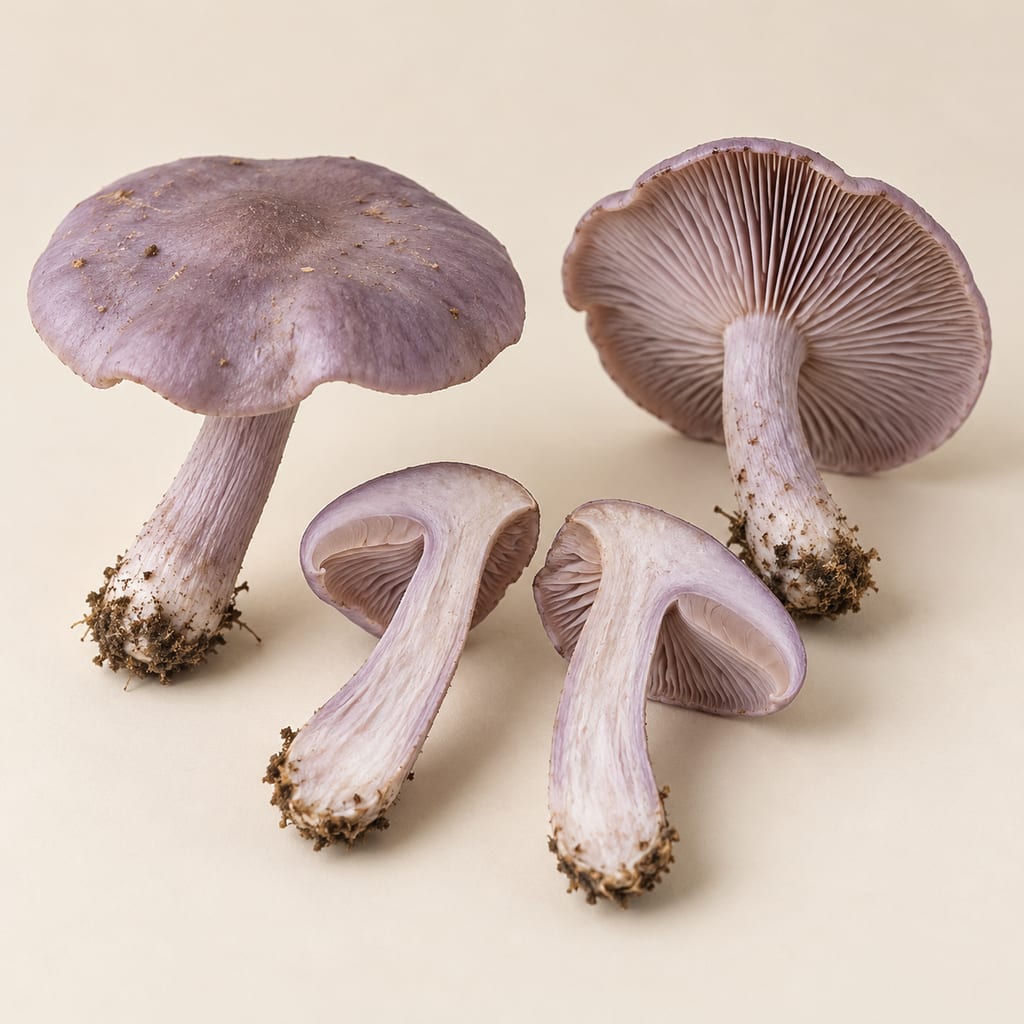
Collybia sordida is a mushroom of the Tricholomataceae, a terrestrial species that grows in leaf litter, on compost heaps containing leaf litter, and in grassland near trees. It was formerly placed in the genus Lepista as Lepista sordida, and both names appear in older literature.
The catalogue names the species as sordid blewit, a research label that does not validate the current name. Wikipedia lists the species under Collybia sordida, so that name is used as the heading here.
Several foraging guides list the sordid blewit as edible. One guide places it among intermediate-level edibles that appear from autumn into winter, and another says it can be prepared in the same way as the field blewit and the wood blewit.
The Brazilian food-use record in the supplied catalogue is recorded alongside the statement that documented occurrence and consumption do not establish a standardized food-safety assessment. The sources reviewed here give no quantity, no cooking time and no storage advice for the species.
The wood blewit, Lepista nuda, is nearly identical to the sordid blewit and is also edible, so confusing the two carries little risk according to the guides. The lilac fibrecap, Inocybe lilacina, is a deadly poisonous lookalike. Its buff gills turn clay brown with age, which separates it from the blewits.
These comparisons come from foraging guides and nature sites. The sources reviewed here do not give a comparison based on examined specimens.
The guides record the species in Britain, Ireland, mainland Europe, Texas and Algeria. The supplied catalogue adds the Brazilian record in the Atlantic rainforest, where the species is terrestrial. No Brazilian locality was found in the sources reviewed for this page.
Blewits are often named in foraging guides as edible, but the lookalikes include a deadly species. Confirm any identification with an experienced local forager or a mycologist before eating a wild fungus. This page gives no identification or edibility verdict for Collybia sordida.
Brazilian food-use record from the supplied catalogue. The sources reviewed for this page did not find a Brazilian locality.
Recorded in leaf litter, compost and grassland near trees. Edibility is described in foraging guides, not in a regional food survey.
The almond mushroom, Agaricus subrufescens, was cultivated in eastern North America in the 1800s, lost its market, and returned as a cultivated mushroom from Brazil, where it is grown under several names.
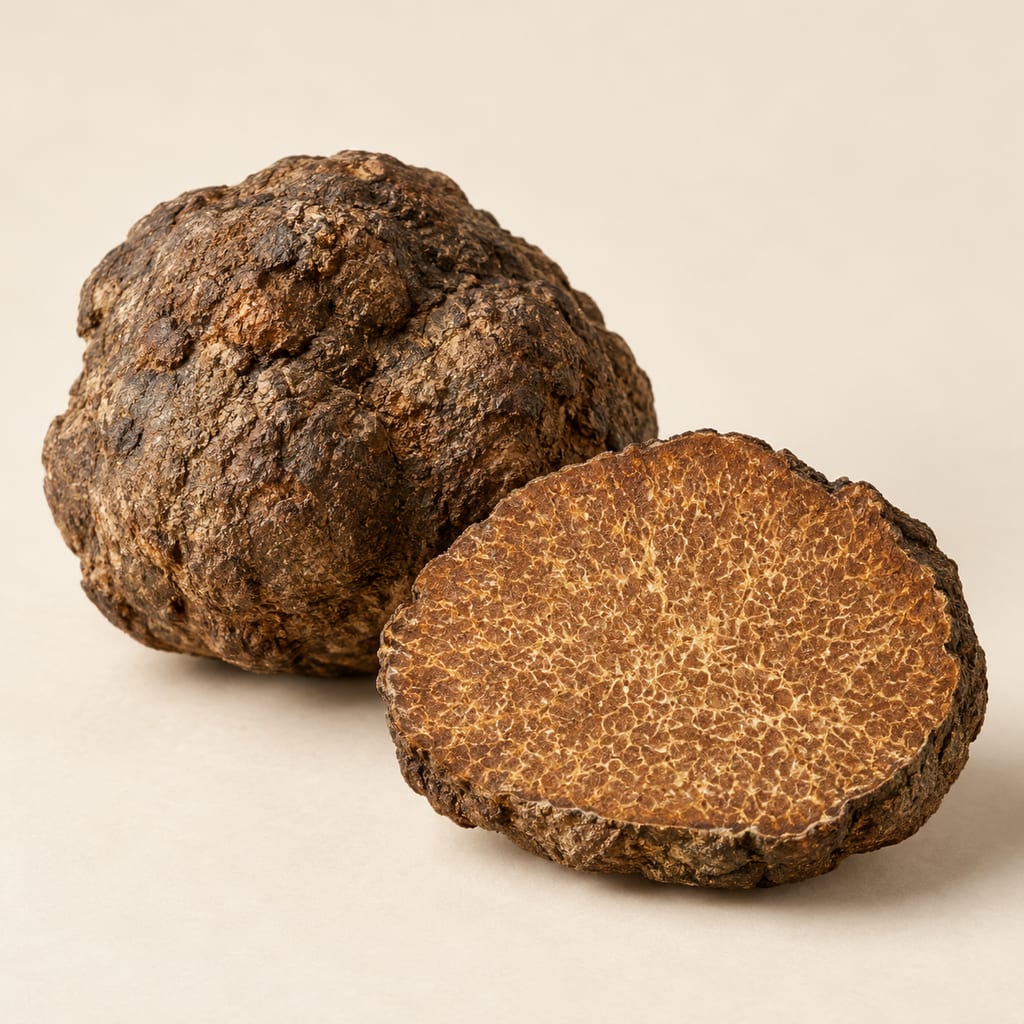
Polyporus indigenus, a polypore of the Brazilian Amazon. Its underground sclerotium, not the fruiting body, is the part people eat, and it is known locally as pão do índio.
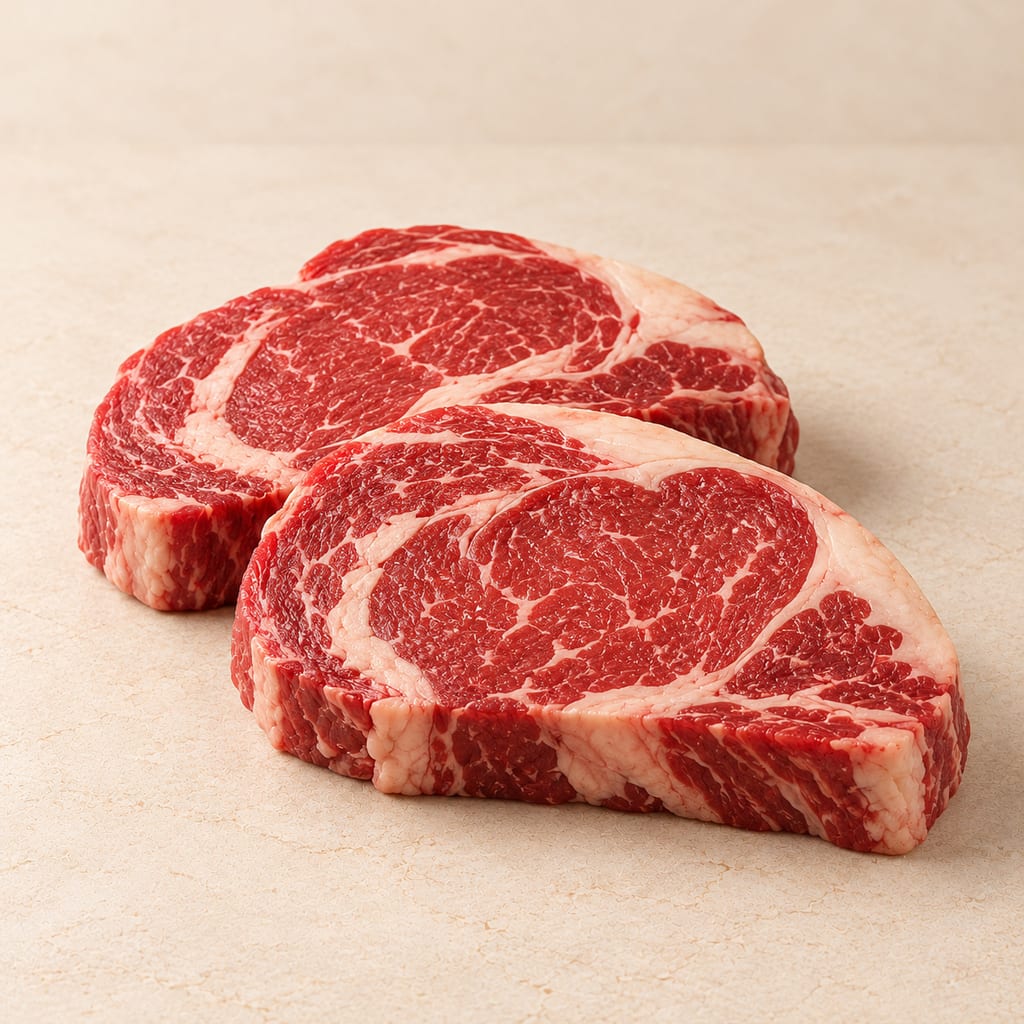
Beef is the meat of domestic cattle, Bos taurus and Bos indicus, sold as steaks, roasts, ground meat and cured products, and used in broths, salami and koji seasonings.
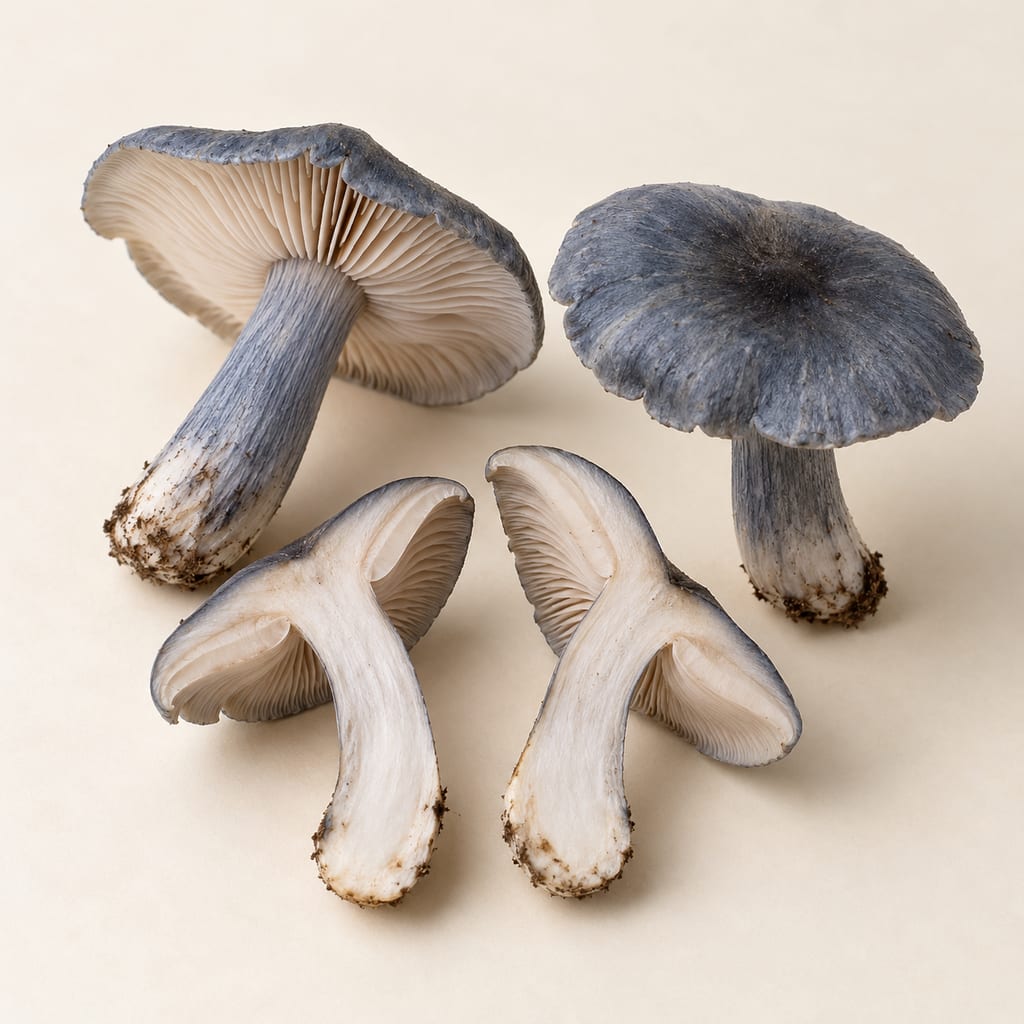
Bloxam's entoloma is a rare pink-gilled mushroom of old grasslands. Historical sources call it edible, but food-use evidence and older identifications remain uncertain; this does not recommend gathering or eating it.
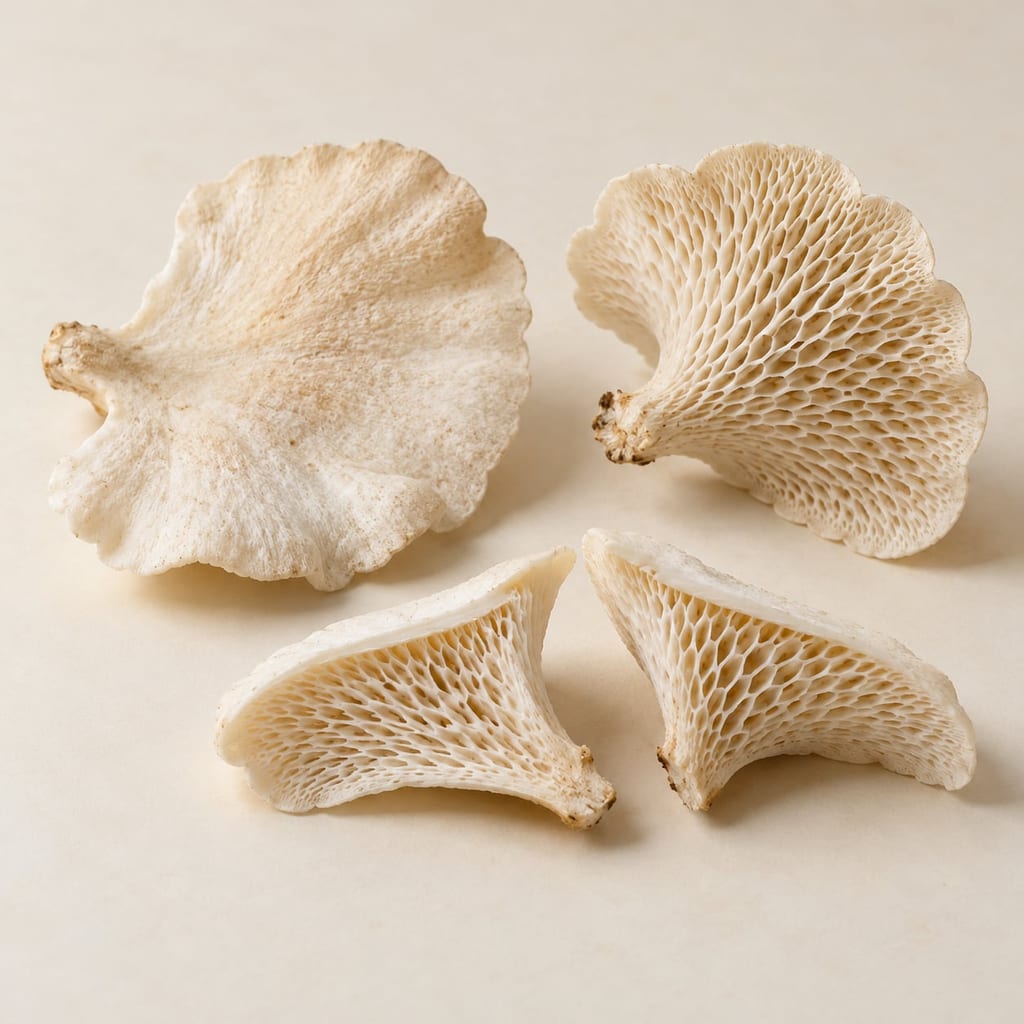
Brazilian honeycomb polypore, Favolus brasiliensis, is a wood-growing fungus of tropical forests recorded as food in Brazil and Guyana. It has no standardized food-safety assessment.
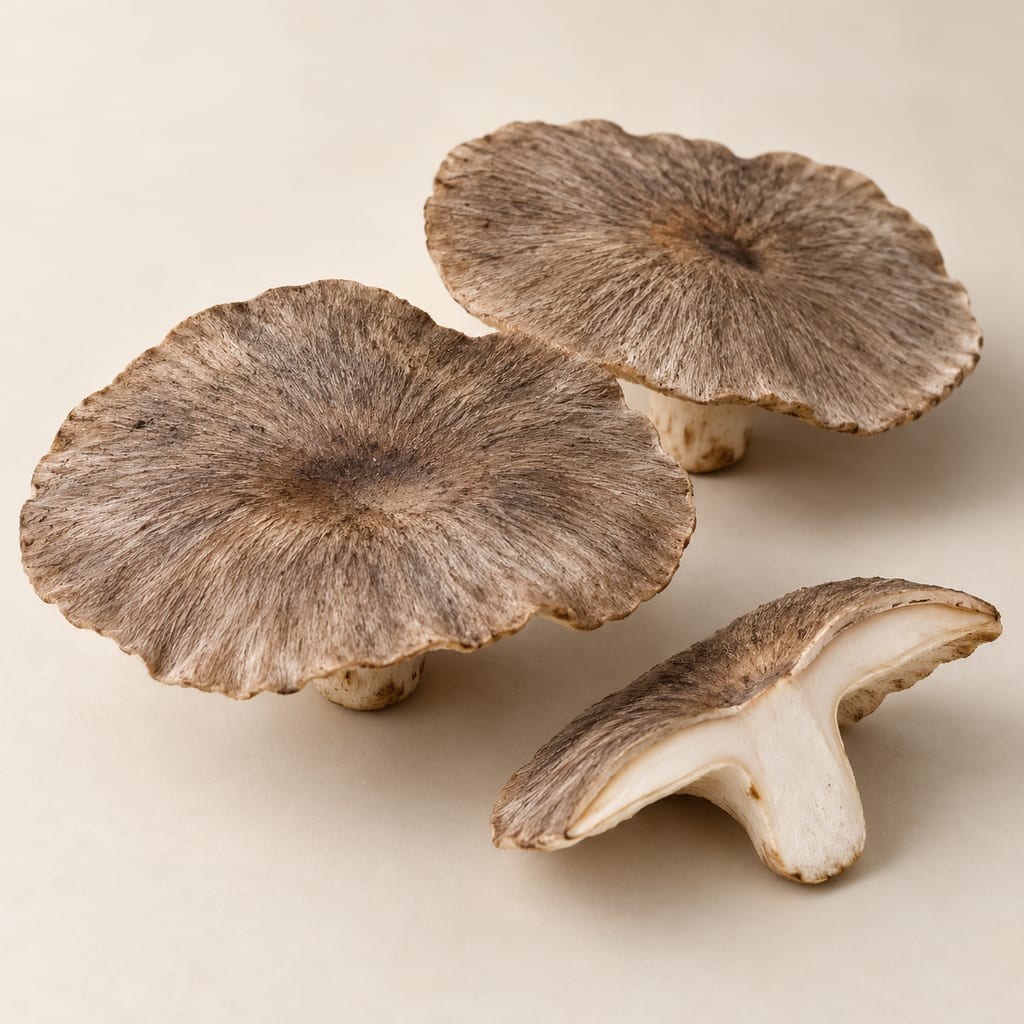
Bresadolia paradoxa is a large fungus of dead hardwood logs in Amazon and Atlantic Forest sites in Brazil and Colombia. Its only edibility source is a conservation assessment, so the claim is lightly documented.
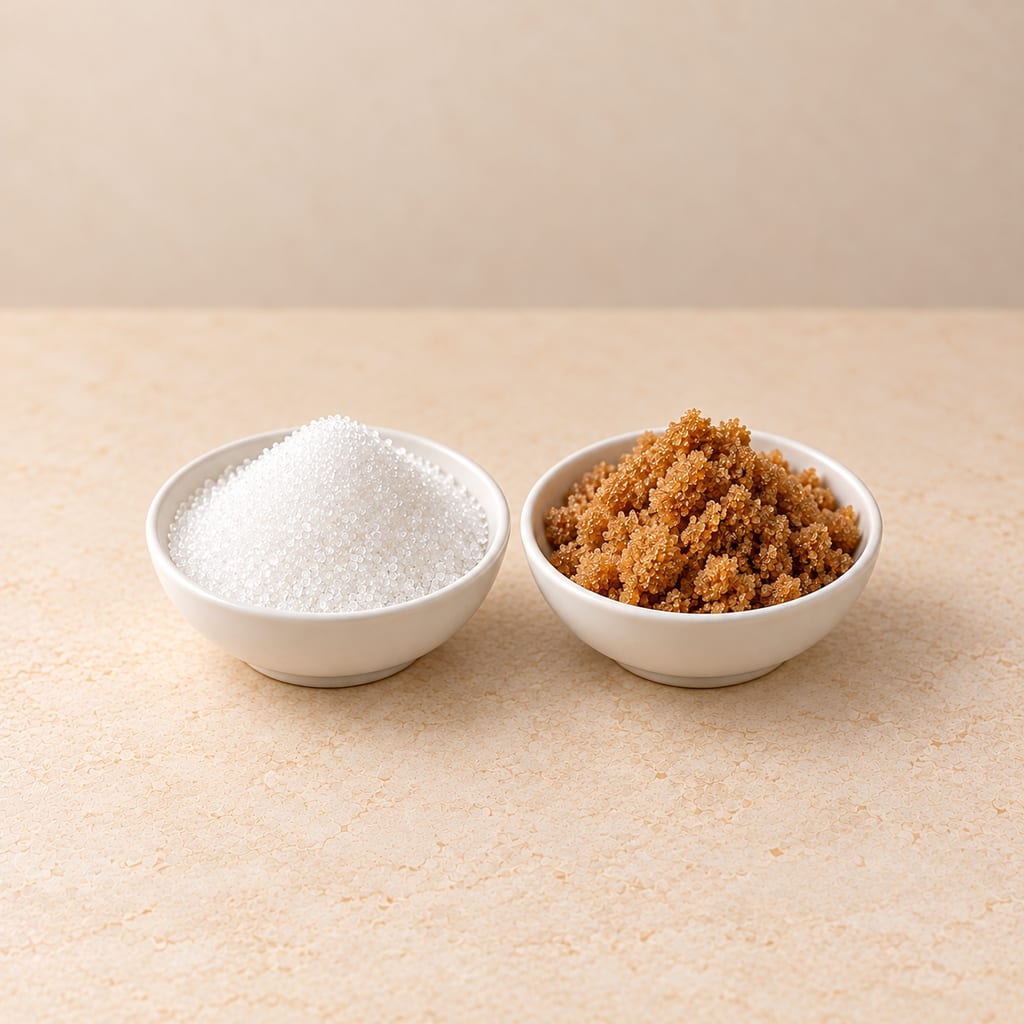
White sugar is refined sucrose, almost pure; brown sugar is sucrose with molasses, left in or added back. Molasses makes brown sugar moister, darker and more strongly flavoured.
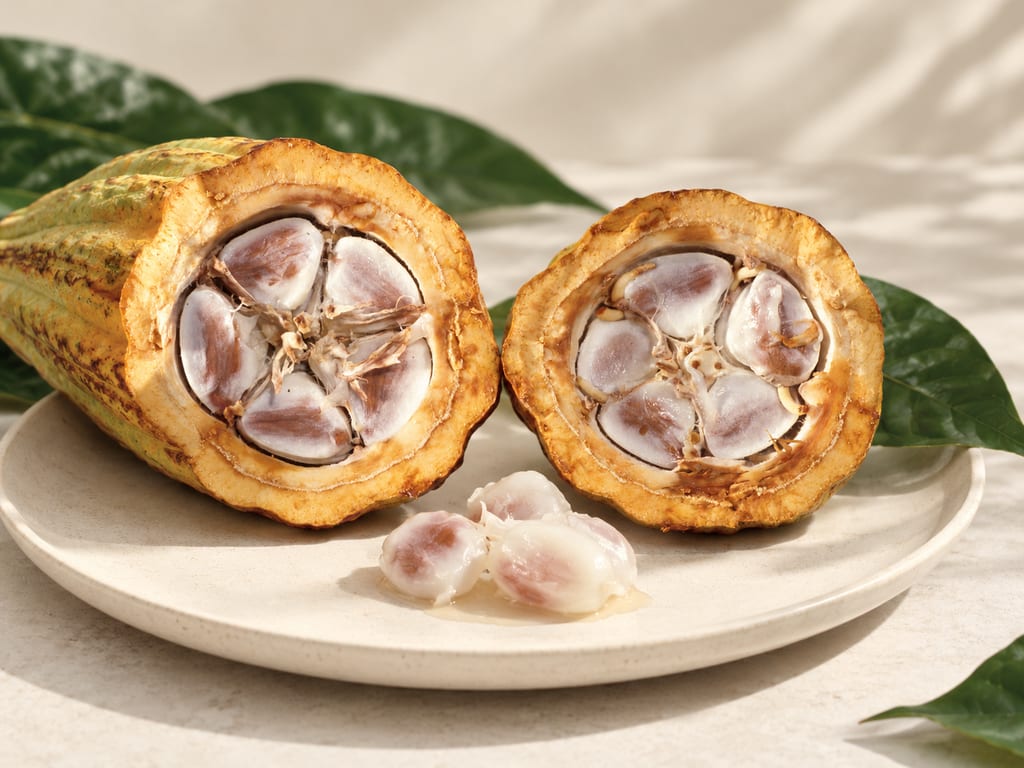
Cacao pulp is the moist, sweet-acid mucilage around cacao seeds. It fuels bean fermentation and can be extracted for fruit drinks, wine and vinegar.
No community contributions have been published for this entry yet.
Sign in to contribute. Published comments and photos are free to read.
WikipediaTaxonomy
Collybia sordidaFormerly Lepista sordida; current placement under Collybia sordida.
Cited in: What the mushroom is
Wild Food UKFood use · Lookalikes · Habitat
Sordid blewitEdible; intermediate level; autumn to winter.
Prepared like field and wood blewits.
Wood blewit nearly identical and edible; lilac fibrecap a deadly lookalike with buff gills turning clay brown (reported in a search summary; not re-read on the page).
Cited in: Food use; Lookalikes; Habitat and distribution; Identification and safety
First NatureHabitat · Distribution
Lepista sordida (Sowerby) Pat. Sordid blewitFound in leaf litter, compost heaps and grassland near trees; records from Britain, Ireland and mainland Europe.
Cited in: What the mushroom is; Lookalikes
SpringerFood use · Safety
Supplied catalogue reference (Springer, s43008-024-00171-8)Brazilian food-use record in the Atlantic rainforest; documented consumption does not establish a standardized food-safety assessment.
Cited in: Food use; Habitat and distribution; Identification and safety