
Almond mushroom
The almond mushroom, Agaricus subrufescens, was cultivated in eastern North America in the 1800s, lost its market, and returned as a cultivated mushroom from Brazil, where it is grown under several names.
 FermenteaWhere food goes to change
Mushrooms
Panus velutinus, the velvety wood fungus, is a wood-rotting fungus recorded in Brazil, where a 2024 review of wild edible mushrooms lists it. Its food use is documented; no standardized safety assessment exists.
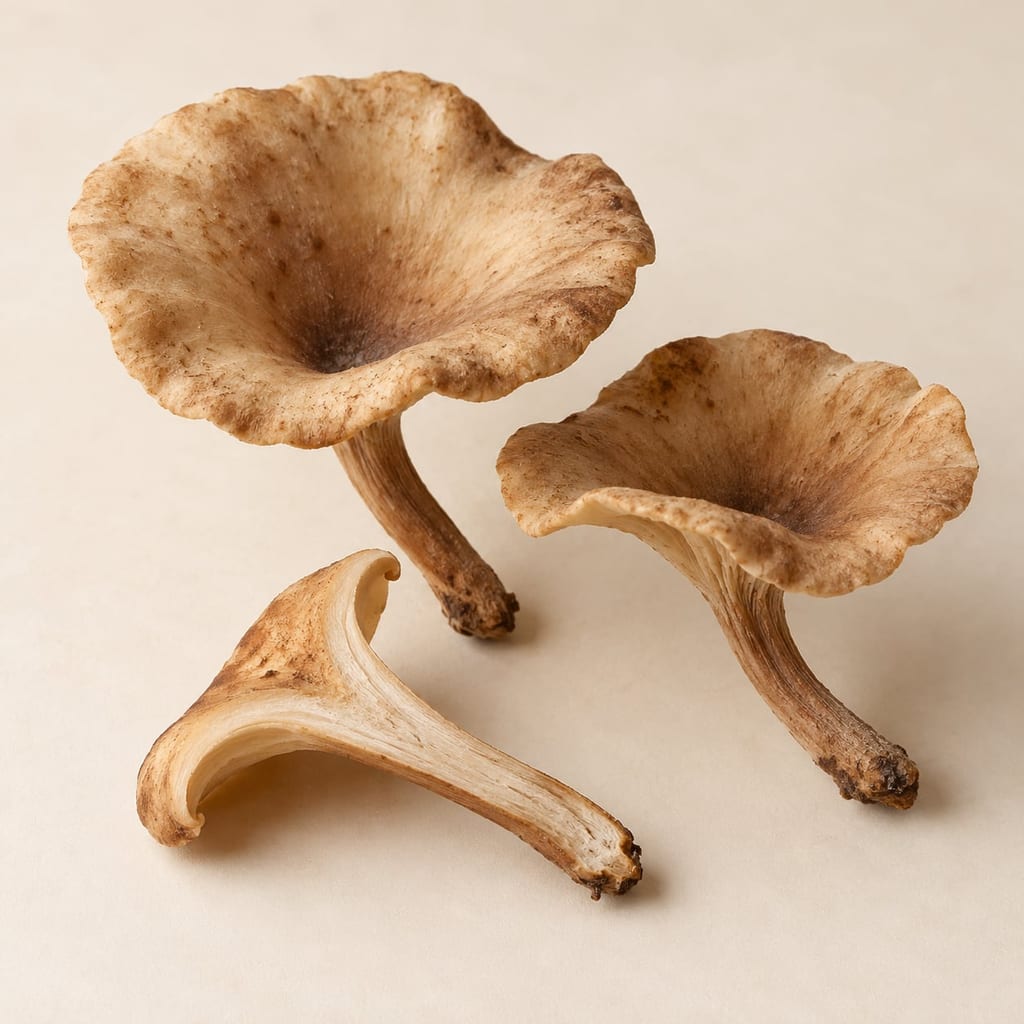
Velvety wood fungus is the common name the catalogue records for Panus velutinus, a wood-rotting fungus recorded from tropical forests. It is known from Brazil, where it appears in published lists of wild edible mushrooms. The record is a food-use record, not an identification guide: what is known about the species comes from a few collections and one national review.
Its place in the food record is modest. Brazilian researchers have compiled hundreds of wild food species into evidence-based lists, and this species is one of the names that appear in them. The sources read for this page do not describe how it is cooked, which parts are eaten, or how often it is gathered.
The species is named Panus velutinus in MycoBank, which records a Brazilian holotype collected from a tree trunk and a later epitype collected from a dead fallen trunk. Phylogenetic studies of Panus place the genus in the order Polyporales.
The catalogue lists the name as a research label. It has not been checked against a current accepted-name list for every entry, and the catalogue does not assert that the name is accepted in its current form. Readers who find the name in another source should check its synonyms before comparing records.
The catalogue records the ecology as wood in tropical forests. MycoBank's type material is from trunks, which fits a wood-decaying habit.
A review of Brazilian wild edible mushrooms reports Panus velutinus from 32 references covering 12 Brazilian states. A separate study of lentinoid fungi in Brazil's semi-arid region records the species there for the first time. These records show where the fungus has been reported, not how common it is.
The food-use record for this species is Brazilian. The catalogue classes it as food, market or specialist edible-fungi evidence, and as wild. The sources read do not record a traditional name, a preparation method, a seasonal pattern or a market.
Because the preparation is unknown, no cooking method is recommended here. Any use of the species should rest on a confirmed identification made by someone with experience of Brazilian wood fungi.
Velvet shank, Flammulina velutipes, is a different velvety wood fungus. Its common name is close to this species, so the two should be kept apart in records and in the field.
Wood-rotting fungi that look alike vary widely in edibility, and the catalogue records no verified look-alike list for this species. Identification should be confirmed by a specialist before any fungus is eaten.
The catalogue's caution is that documented occurrence and consumption do not establish a standardized food-safety assessment. No toxicological study of this species was read for this page, and the catalogue does not classify it as safe to eat.
The catalogue includes it as a food record, not as a recommendation. A wild fungus should not be eaten on the strength of a regional list alone.
The food-use record is country-level; the review does not pin a locality for the food use.
The almond mushroom, Agaricus subrufescens, was cultivated in eastern North America in the 1800s, lost its market, and returned as a cultivated mushroom from Brazil, where it is grown under several names.
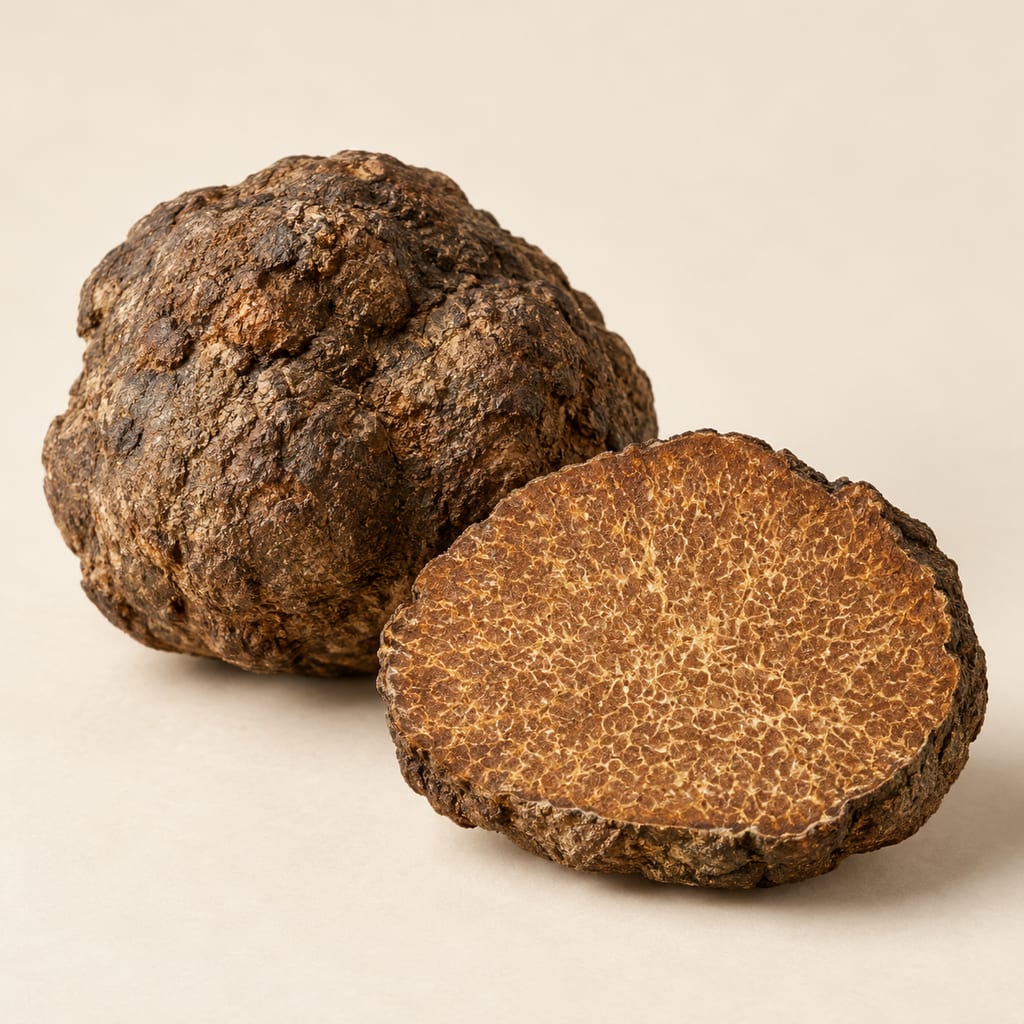
Polyporus indigenus, a polypore of the Brazilian Amazon. Its underground sclerotium, not the fruiting body, is the part people eat, and it is known locally as pão do índio.
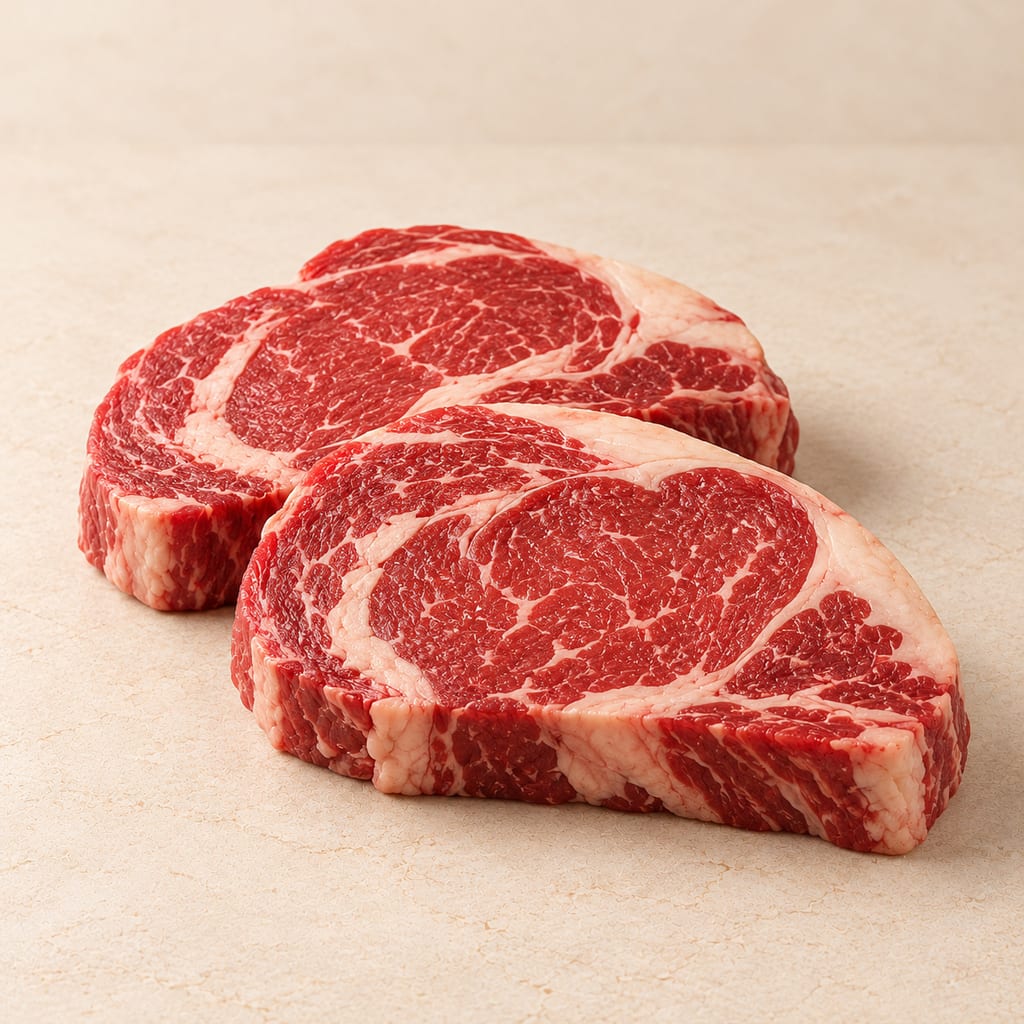
Beef is the meat of domestic cattle, Bos taurus and Bos indicus, sold as steaks, roasts, ground meat and cured products, and used in broths, salami and koji seasonings.
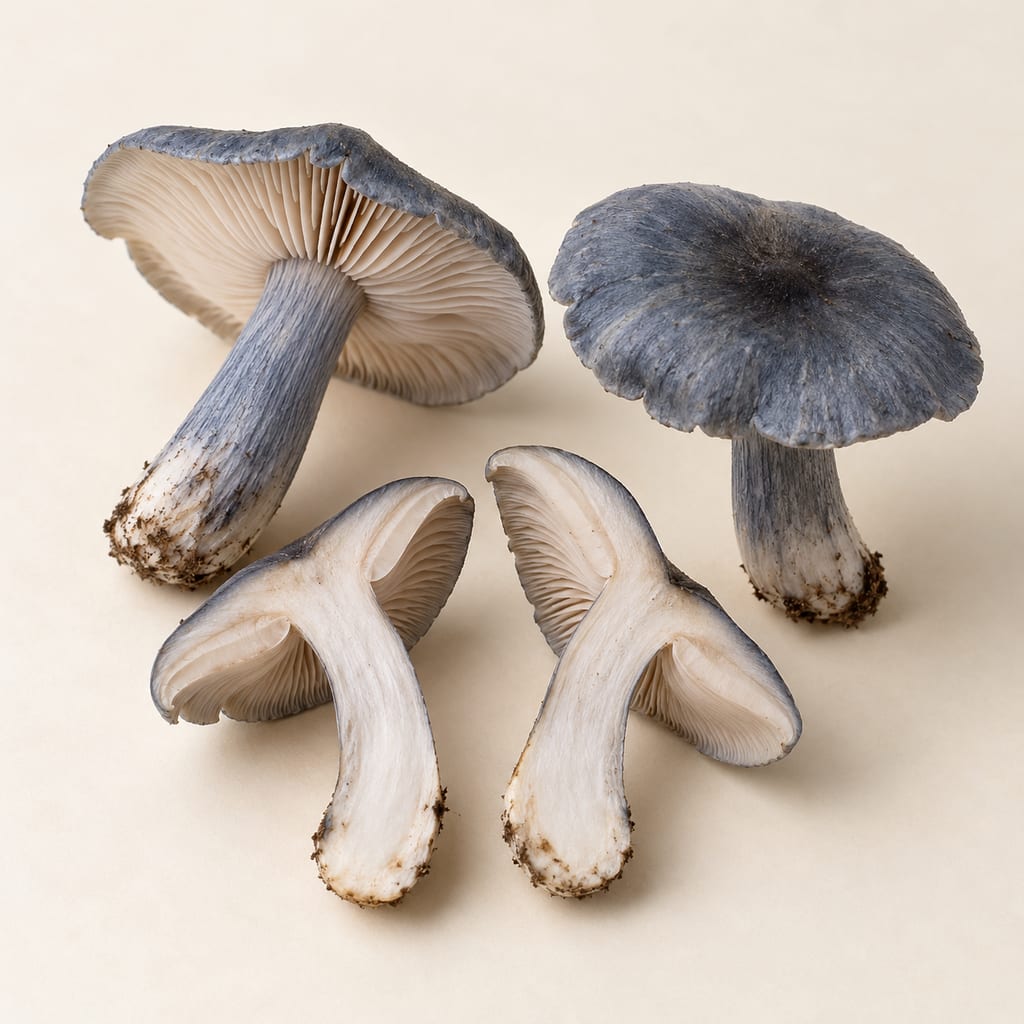
Bloxam's entoloma is a rare pink-gilled mushroom of old grasslands. Historical sources call it edible, but food-use evidence and older identifications remain uncertain; this does not recommend gathering or eating it.
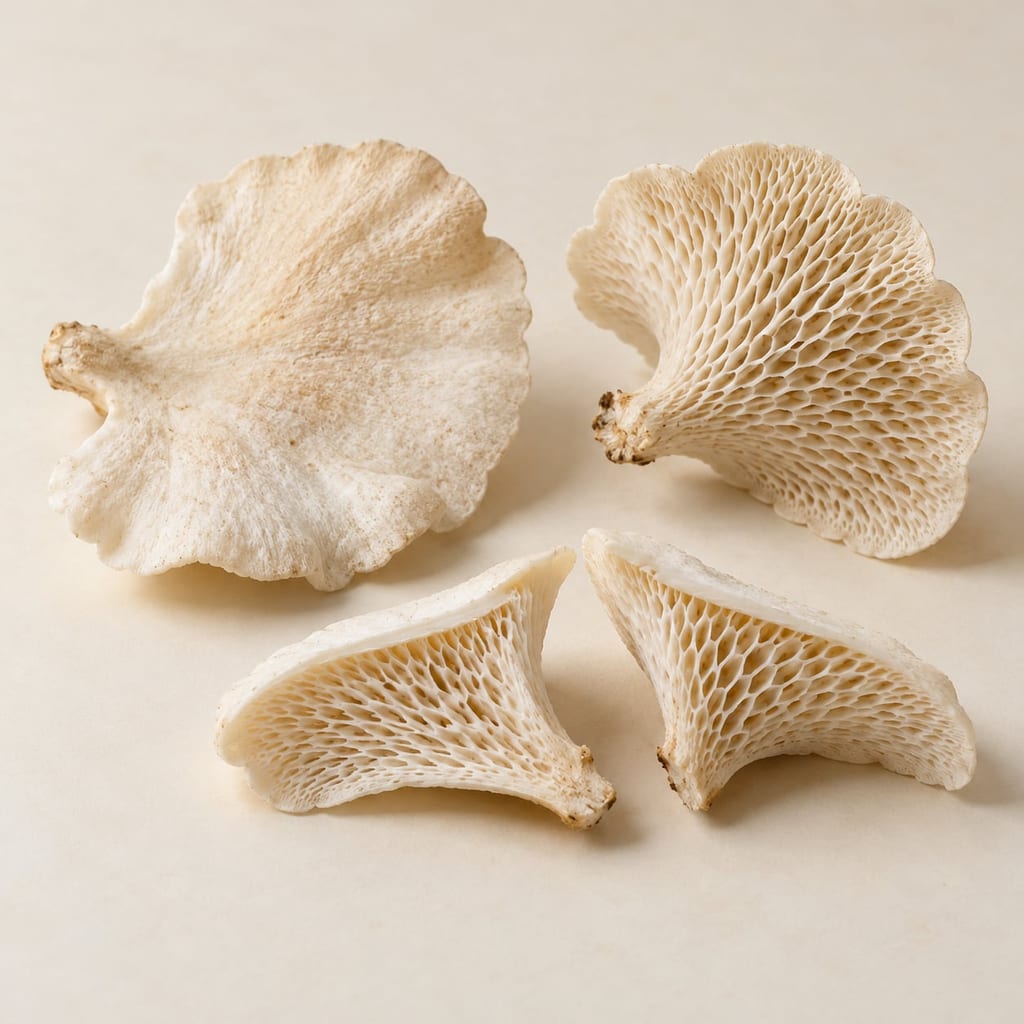
Brazilian honeycomb polypore, Favolus brasiliensis, is a wood-growing fungus of tropical forests recorded as food in Brazil and Guyana. It has no standardized food-safety assessment.
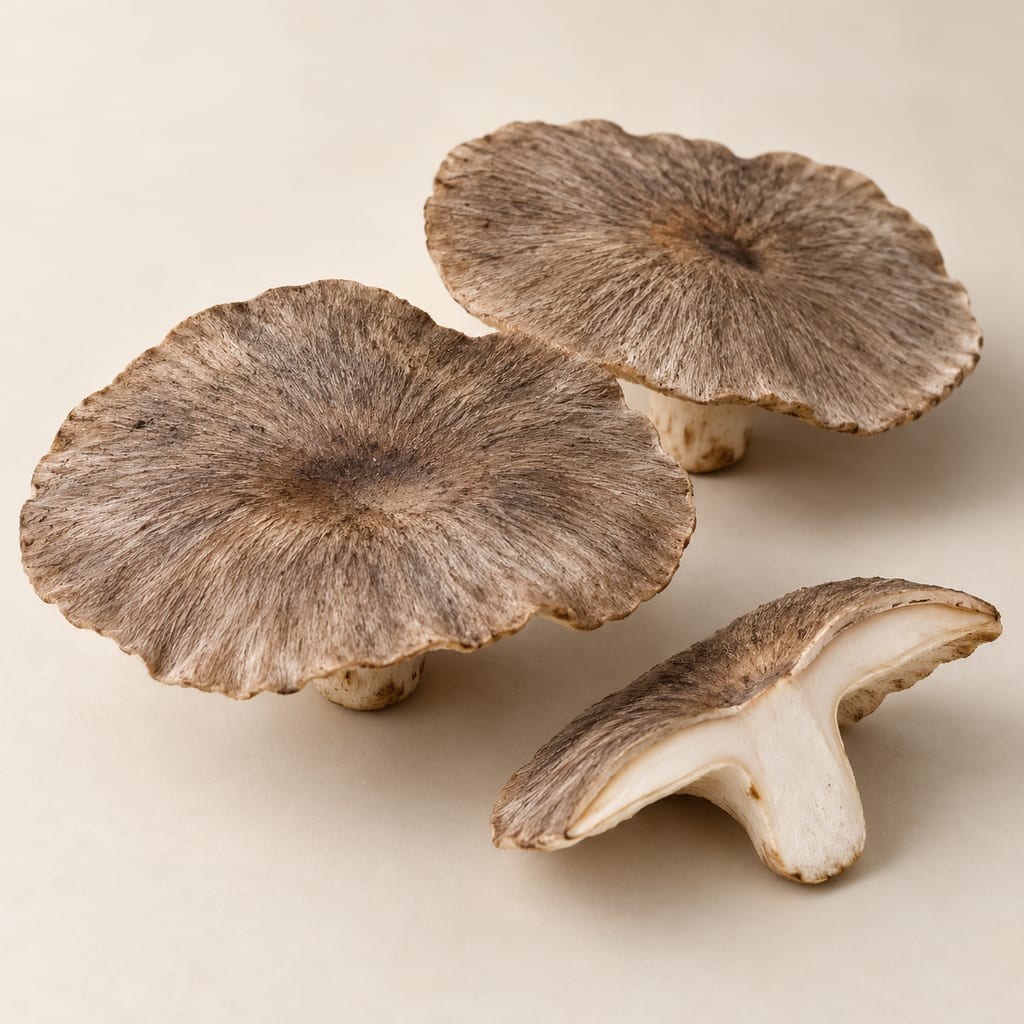
Bresadolia paradoxa is a large fungus of dead hardwood logs in Amazon and Atlantic Forest sites in Brazil and Colombia. Its only edibility source is a conservation assessment, so the claim is lightly documented.
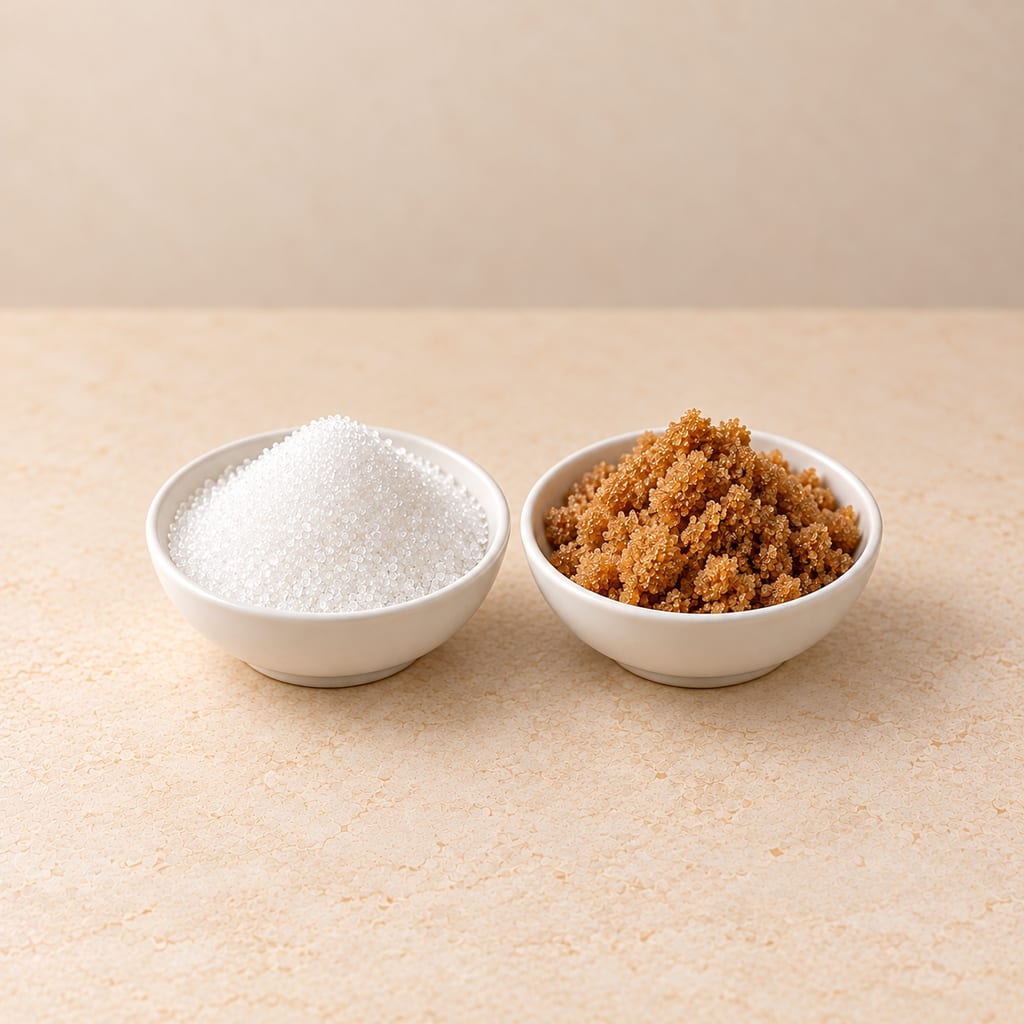
White sugar is refined sucrose, almost pure; brown sugar is sucrose with molasses, left in or added back. Molasses makes brown sugar moister, darker and more strongly flavoured.
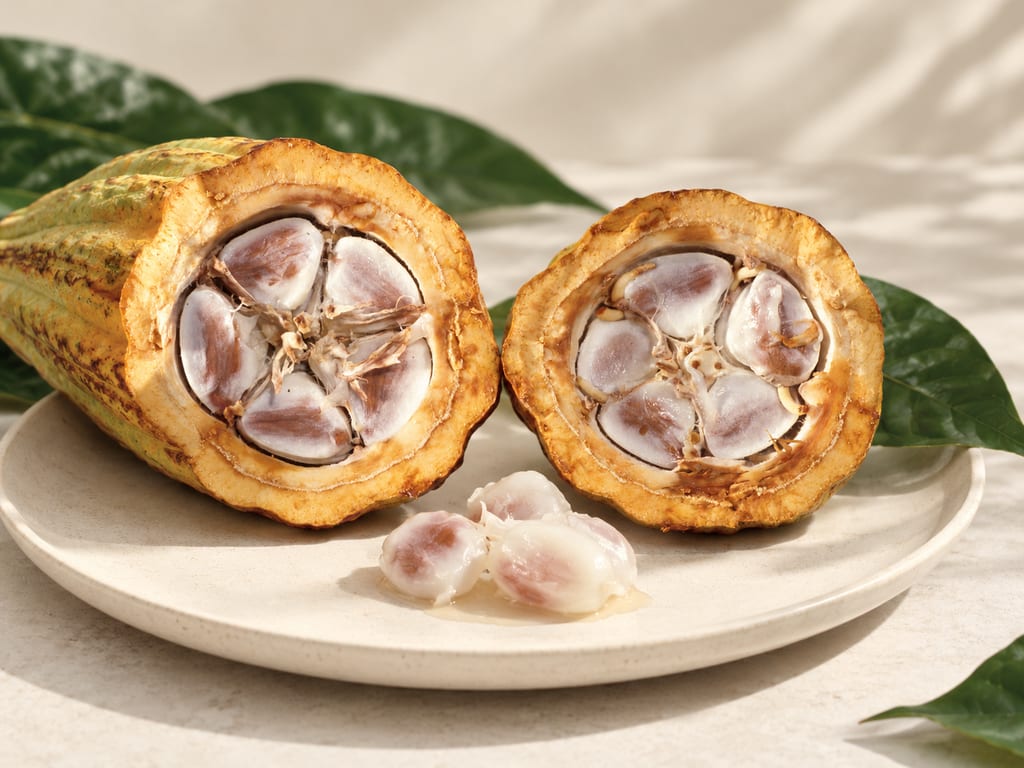
Cacao pulp is the moist, sweet-acid mucilage around cacao seeds. It fuels bean fermentation and can be extracted for fruit drinks, wine and vinegar.
No community contributions have been published for this entry yet.
Sign in to contribute. Published comments and photos are free to read.
SpringerFood use · Distribution · Safety
Over 400 food resources from Brazil: evidence-based records of wild edible mushroomsPanus velutinus is listed among wild edible mushrooms of Brazil.
Reported in 32 references for 12 Brazilian states.
Cited in: Overview; Ecology and distribution; Food use; Safety
MycoBankTaxonomy · Type
Panus velutinus name detailsBrazilian holotype from a tree trunk; later epitype from a dead fallen trunk.
Cited in: Overview; Taxonomy and identity
ResearchGate (journal article record)Distribution
Studies on lentinoid fungi (Lentinus and Panus) from the semiarid region of BrazilFirst record of the species for the Brazilian semi-arid region.
Cited in: Ecology and distribution
The Woodland TrustLook alike
Velvet shankVelvet shank is Flammulina velutipes, a separate velvety wood fungus.
Cited in: Look-alikes and identification