Recipes

1507 records with their sources, across 11 categories.

All grains and starches5Cereal, grain, root and starch fermentations4Beverages1
Filtered to

Recipes

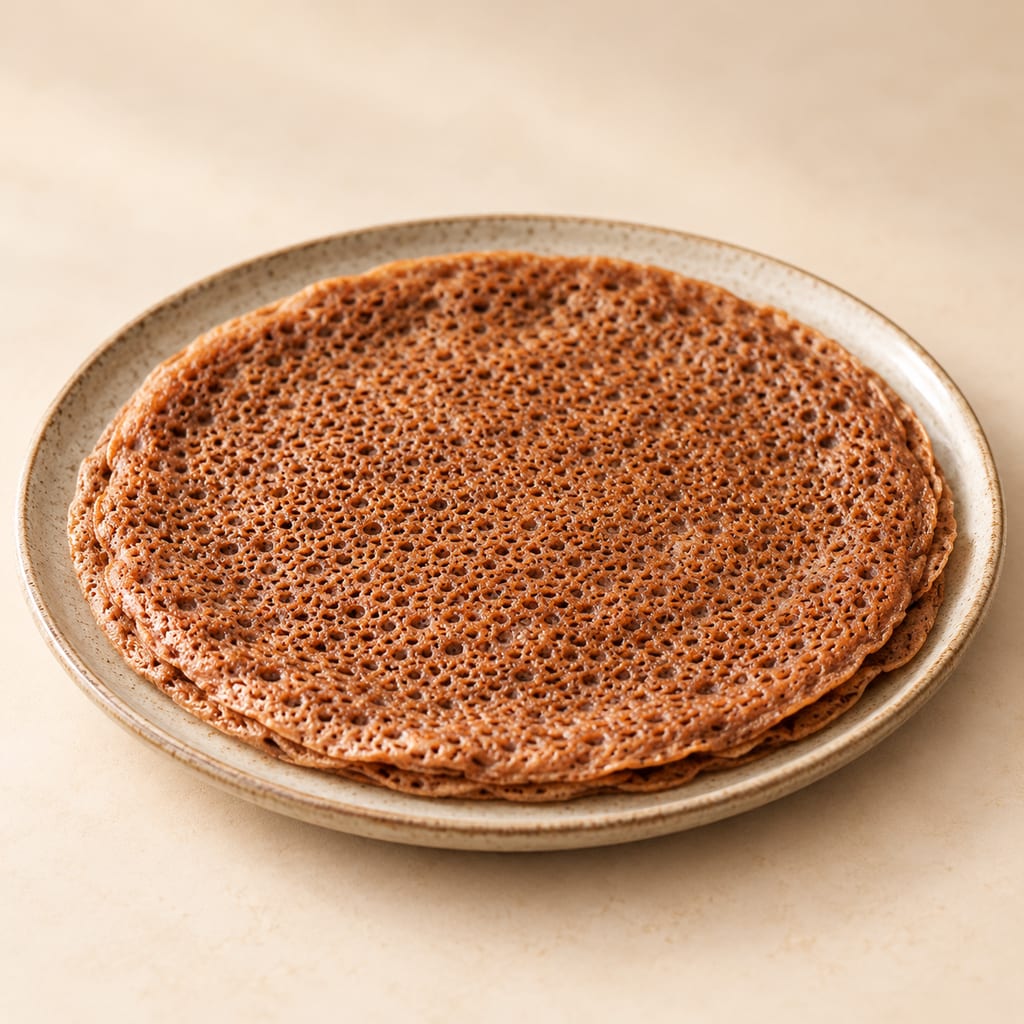
Porous brown teff injera on a ceramic plate.
Elevated risk

Teff injera, 24-hour home method

A modern home adaptation of Ethiopian injera using a 24-hour fermentation window. This method balances traditional souring with accessible ingredients like baking powder or starter cultures to achieve the characteristic porous texture.
Debre Zeyit · Modern method
· Grains and starches
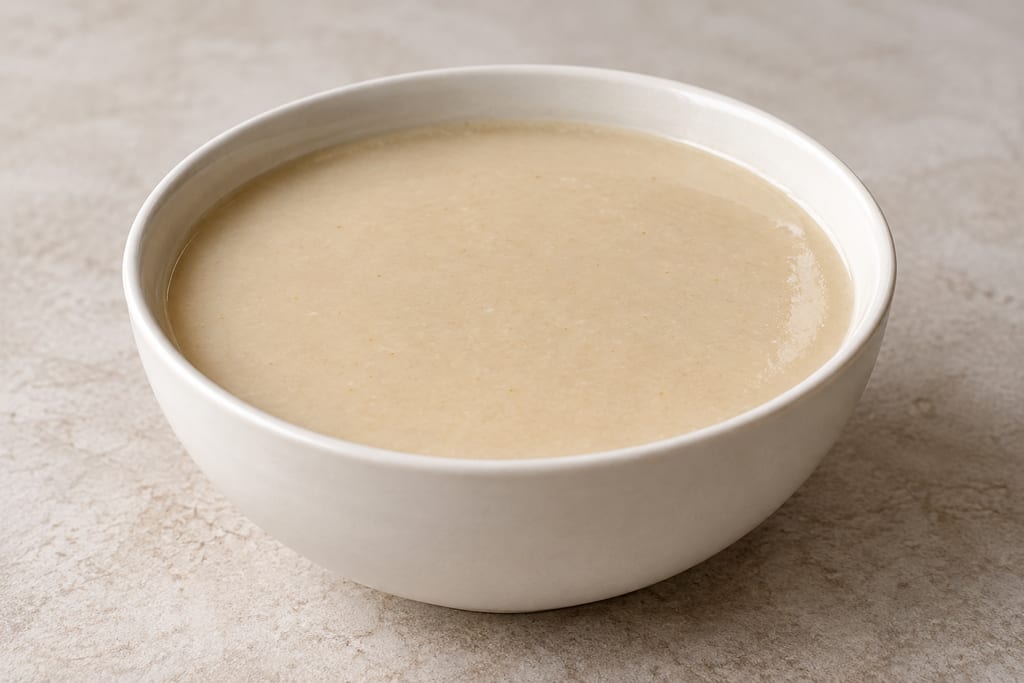
A smooth, fine-textured pearl-millet gruel, cooked and served in a plain bowl. This original illustration follows the documented fluid form of Ben-saalga; it does not depict a specific historical vessel or producer batch.
Elevated risk

Ben-saalga

A fermented pearl-millet gruel documented in Ouagadougou, Burkina Faso. Whole grain is soaked, wet-milled and sieved; the settled paste ferments again before it is cooked with its liquid.

Ouagadougou · Traditional method
· Grains and starches
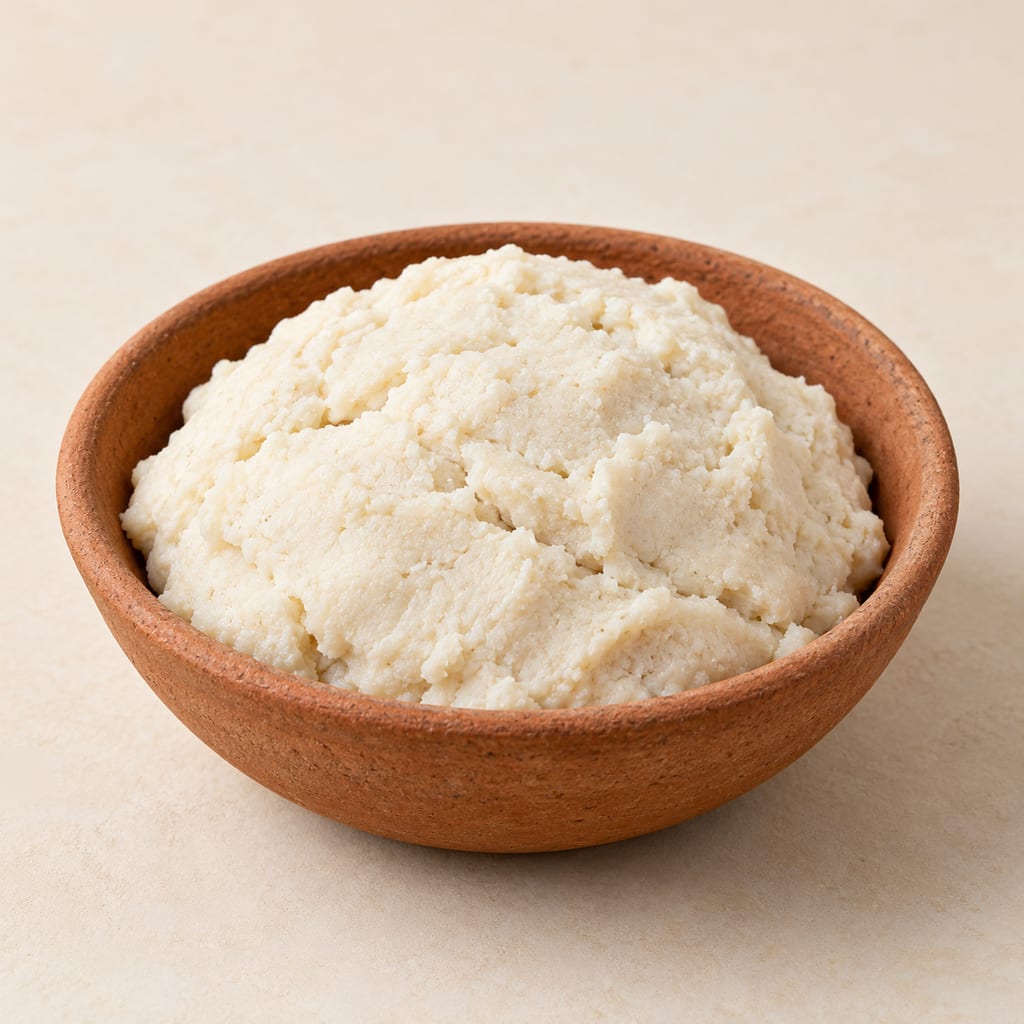
Illustrative pale cream Agbelima fermented cassava dough in a plain shallow earthenware bowl.
Elevated risk

Agbelima (Ghanaian fermented cassava dough)

Ghanaian sour cassava dough fermented with traditional inoculum and drained during fermentation. It is used as a base for cooked foods such as banku and akple; process variants and safety outcomes differ.

Ghana
· Grains and starches
Two sake brewers use long wooden paddles to grind pale rice-and-koji mash in a shallow wooden hangiri during kimoto yamaoroshi.

Kimoto and yamahai moto (traditional sake yeast starters)

Traditional Japanese sake yeast starters made from steamed rice, rice koji and water, acidified by naturally growing lactic acid bacteria. Kimoto grinds the rice mash with paddles; yamahai omits that step.

Japan · Traditional method
· Grains and starches
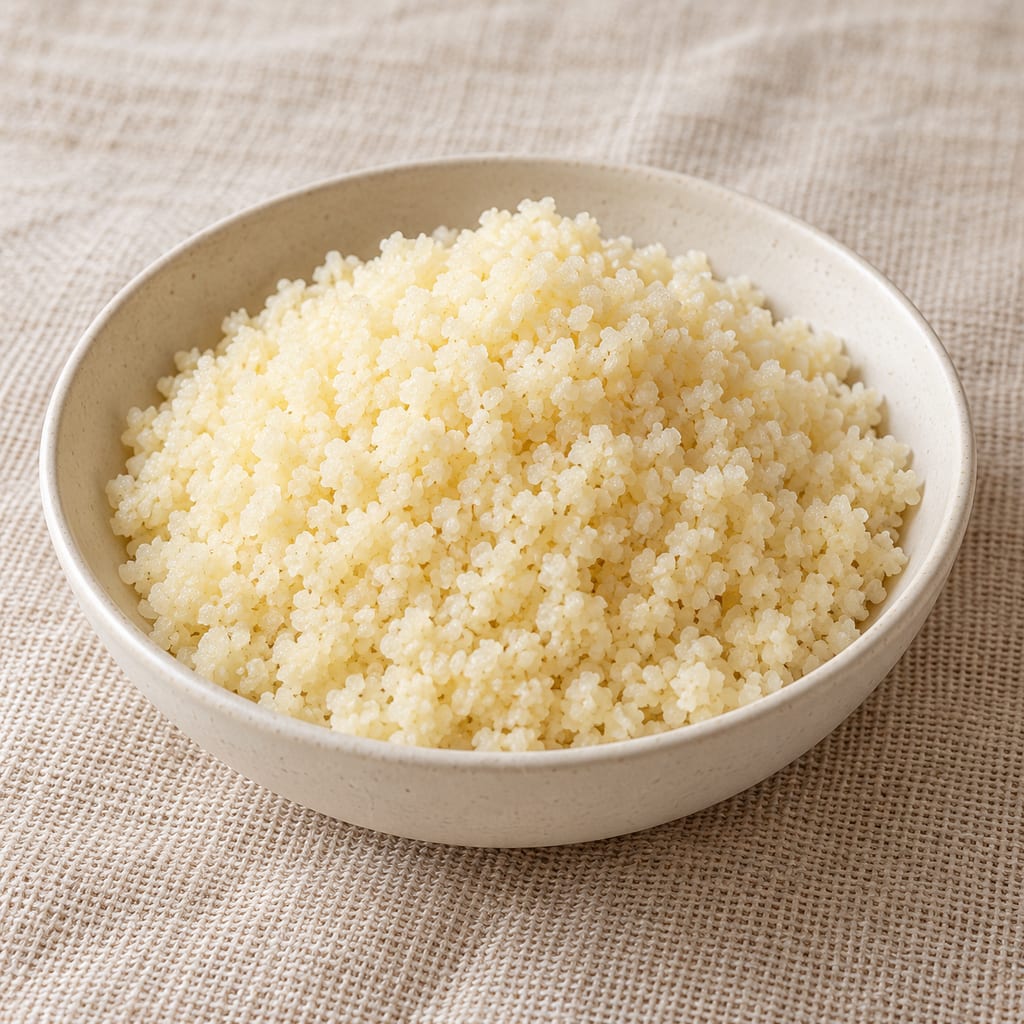
Steamed attiéké cassava granules served in a shallow cream ceramic bowl.

Attiéké

Ivorian cassava semolina: grated cassava is fermented overnight with a traditional inoculum, pressed, sieved into granules, dried and steamed. Documented in a 2006 field study; no sole original process is established.

Southern Côte d'Ivoire
Grains and starches