












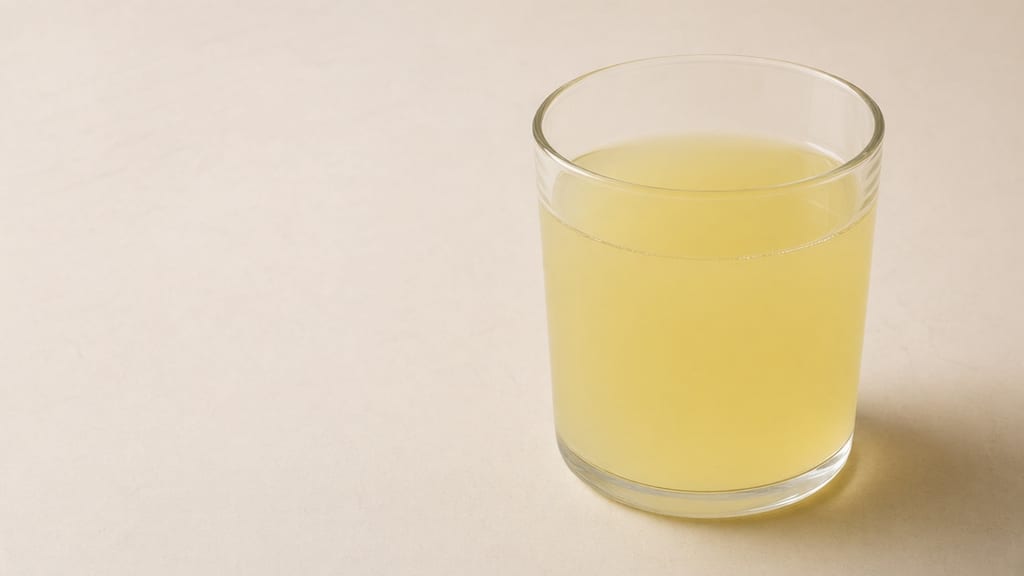
Sýra
Sýra is Icelandic soured skyr whey kept as a household acid store: a drink when diluted, and historically the medium for súrmatur. Fresh leftover whey is not the same material.
 FermenteaWhere food goes to change
1504 records with their sources, across 11 categories.
Sýra is Icelandic soured skyr whey kept as a household acid store: a drink when diluted, and historically the medium for súrmatur. Fresh leftover whey is not the same material.
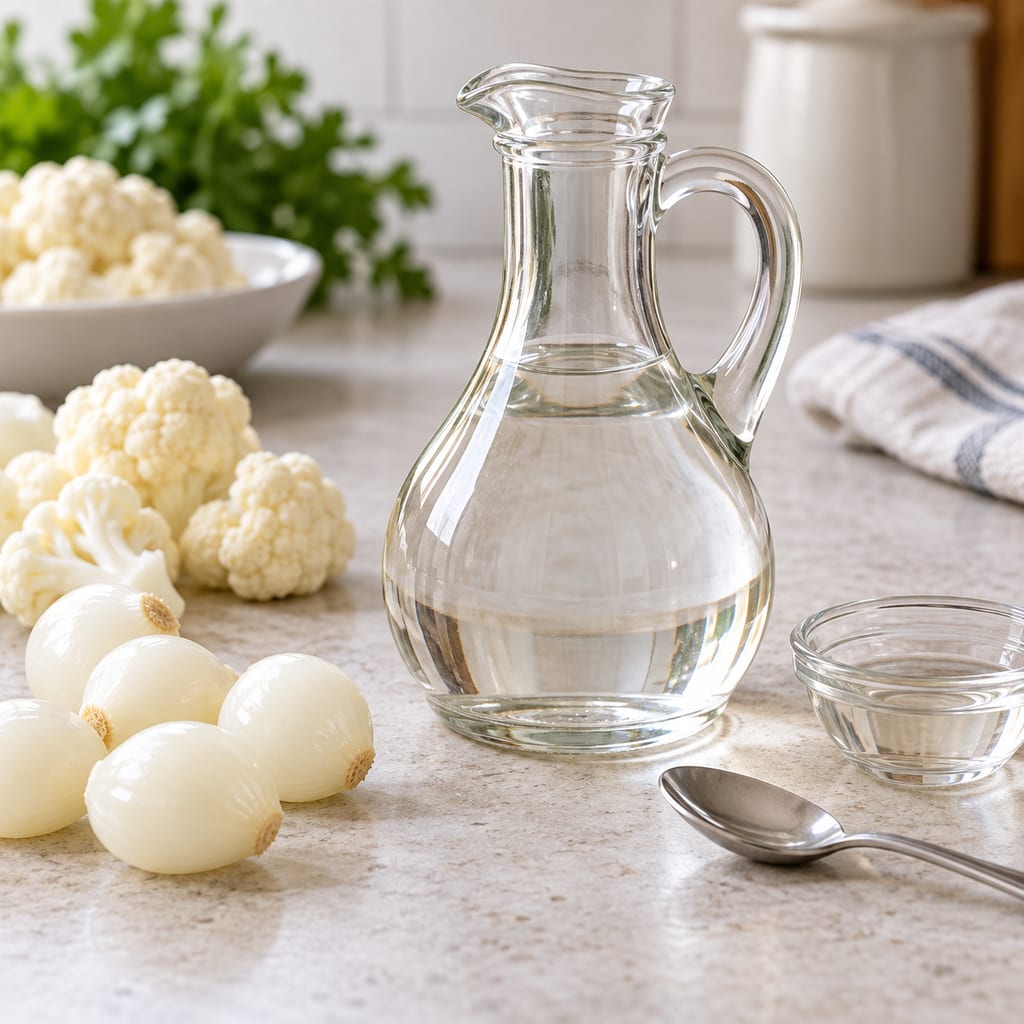
A clear, sharp vinegar made by acetifying alcohol. Its restrained color and aroma suit pickles, sauces and dressings where darker or more aromatic vinegars would change the result.
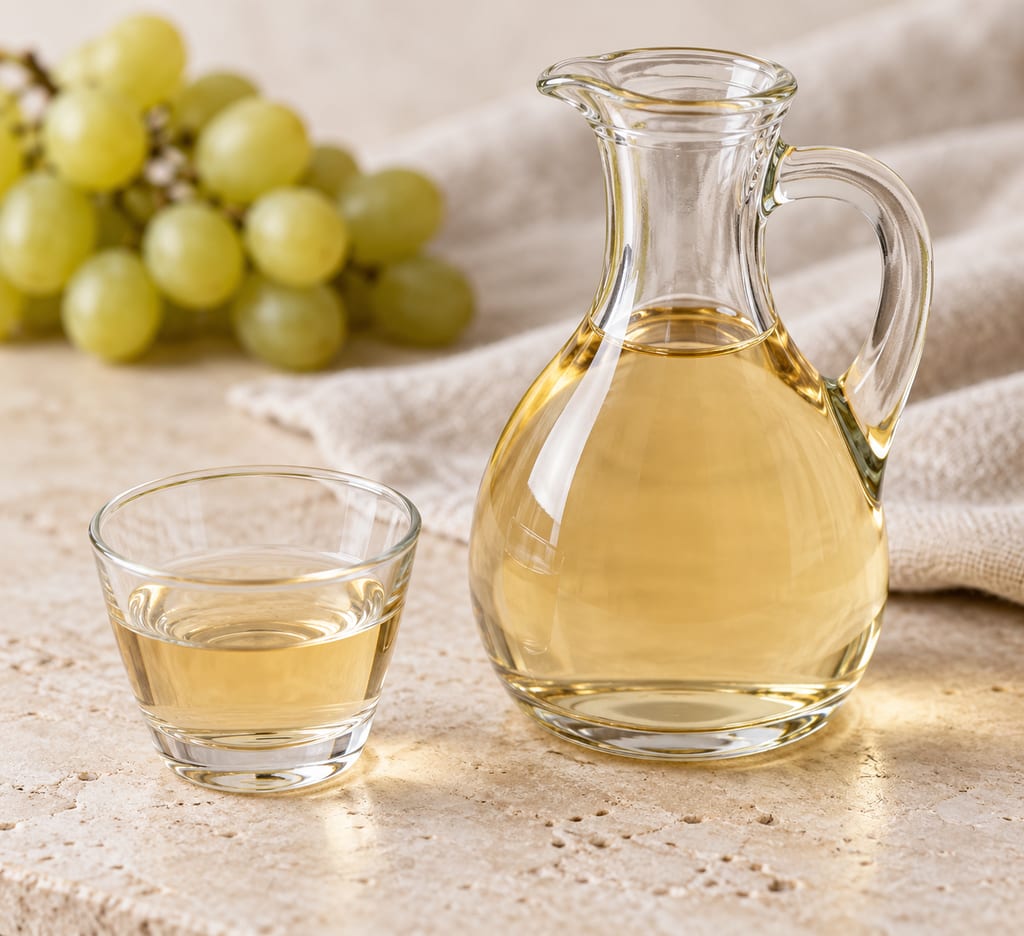
White-wine vinegar is made when acetic acid bacteria oxidise the alcohol in finished white grape wine, yielding a pale, wine-derived souring condiment for dressings, sauces and cooking.
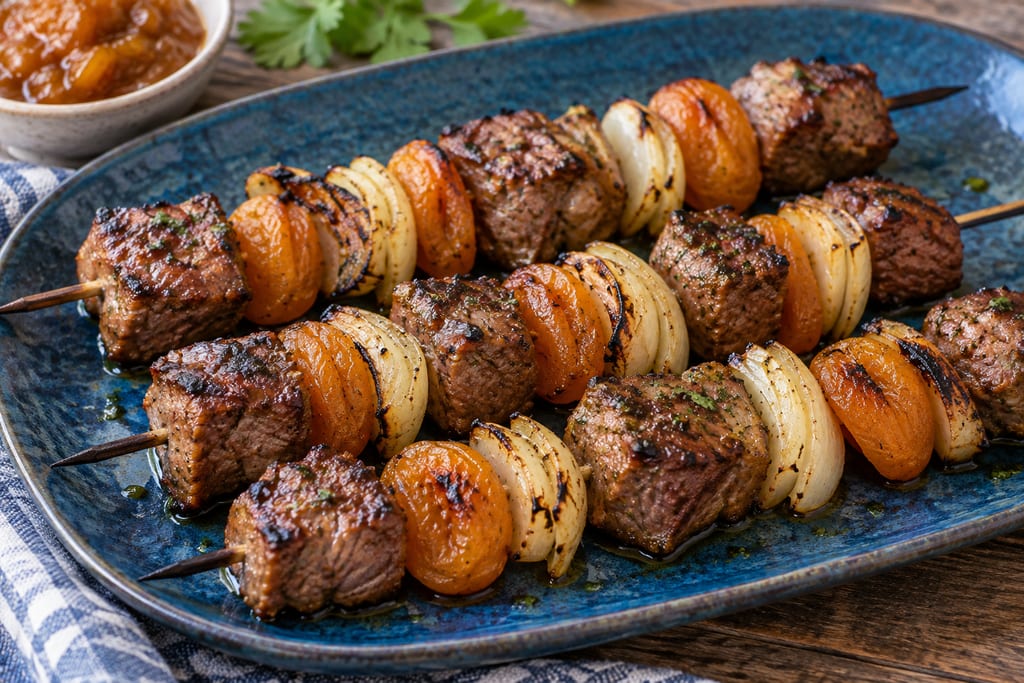
Cape skewers of marinated lamb or mutton threaded with onion, fat or dried fruit and grilled, their marinade balancing curry spice against vinegar or tamarind and something sweet.
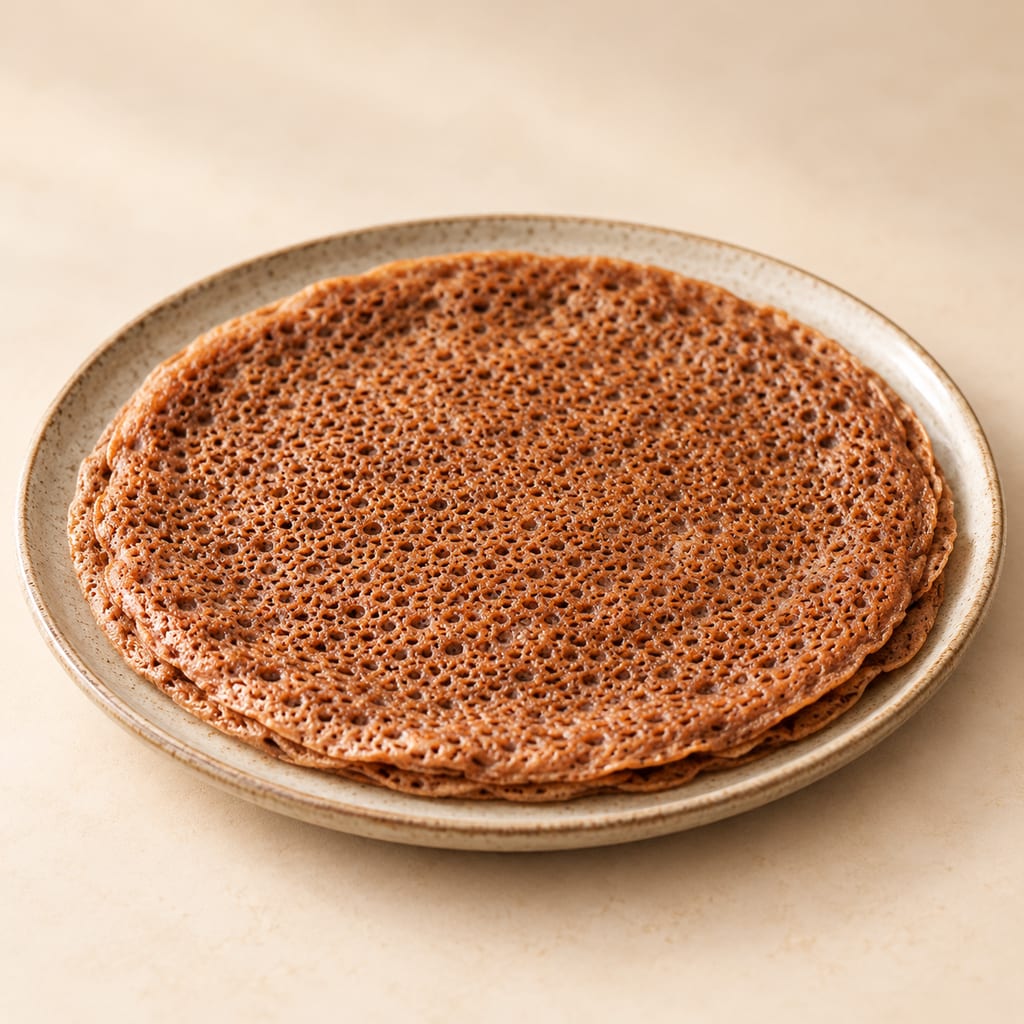
A modern home adaptation of Ethiopian injera using a 24-hour fermentation window. This method balances traditional souring with accessible ingredients like baking powder or starter cultures to achieve the characteristic porous texture.
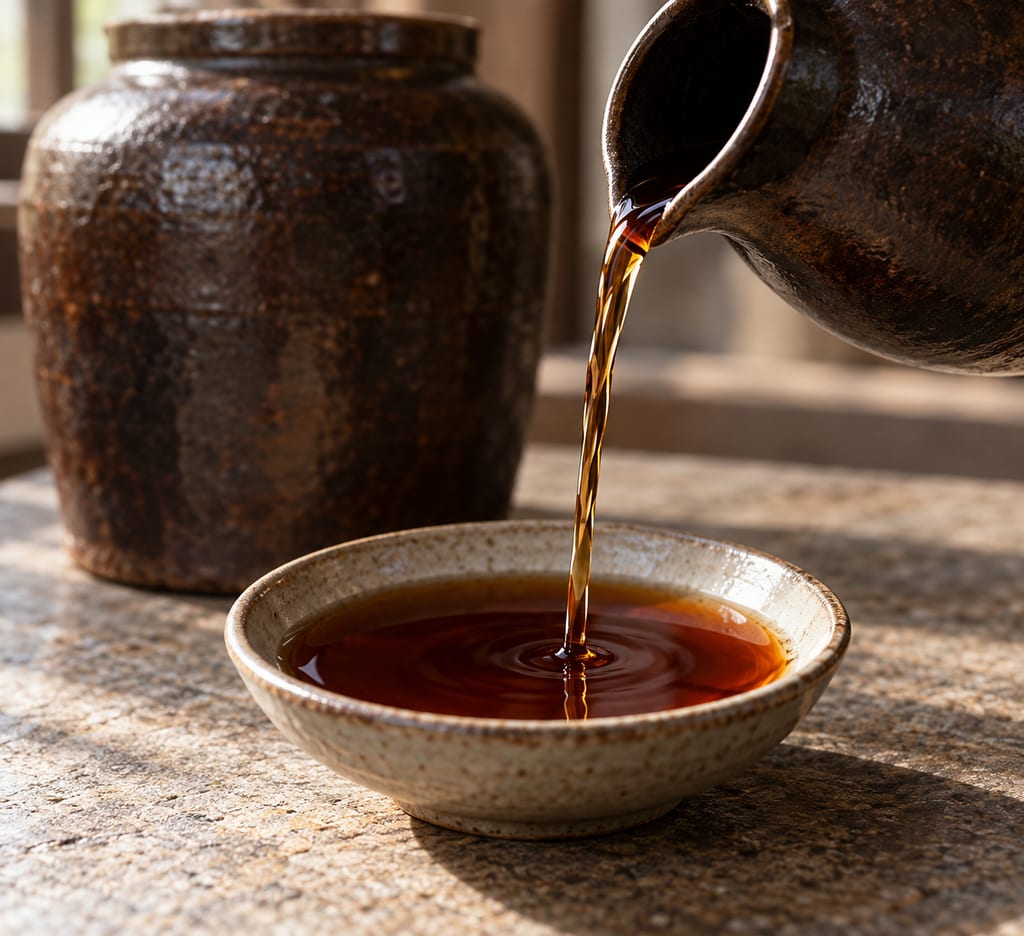
Dark Fujian rice vinegar: glutinous rice and red Monascus koji make a red rice wine, liquid acetification turns it to vinegar, and it ages at least three years.
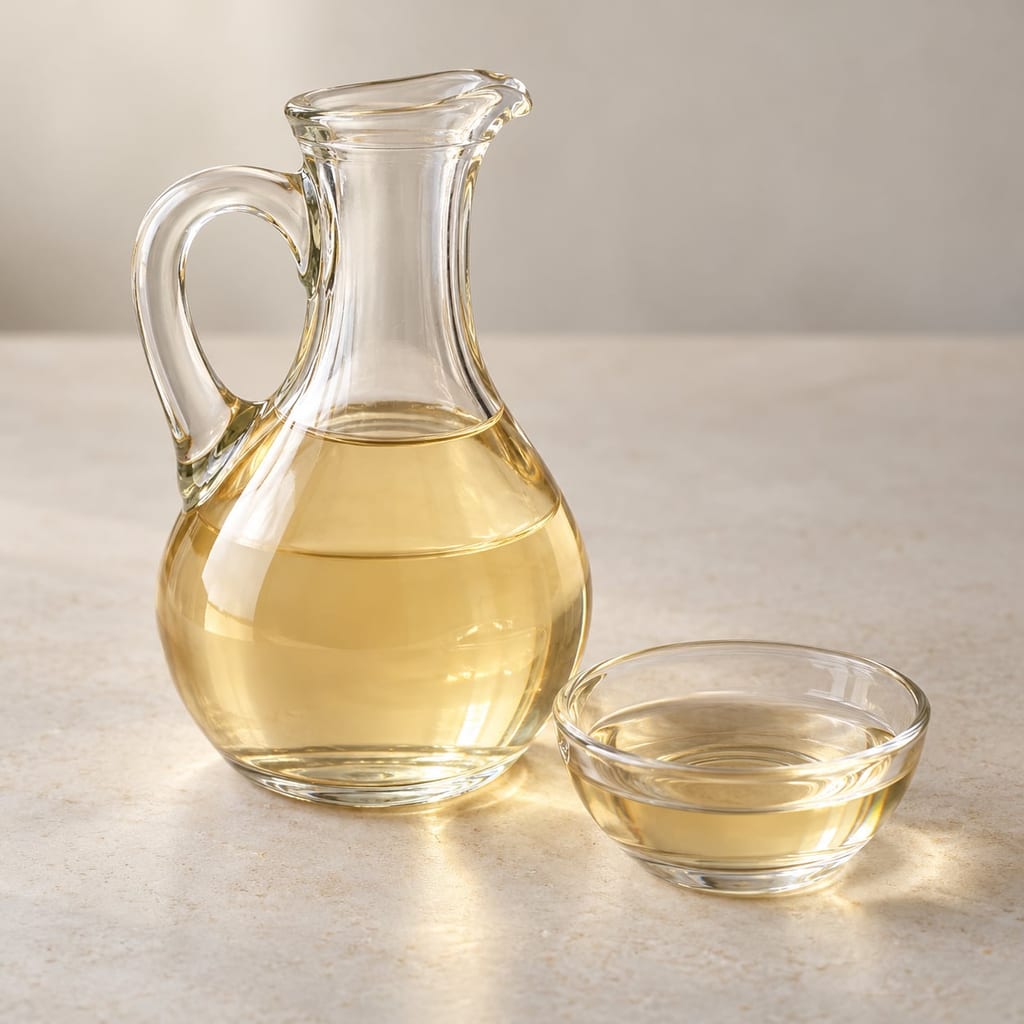
Vinegar made by fermenting the lactose of cheese whey to alcohol with a Kluyveromyces yeast and then to acetic acid; sold in Switzerland as Lactavinaigre from the 1950s.
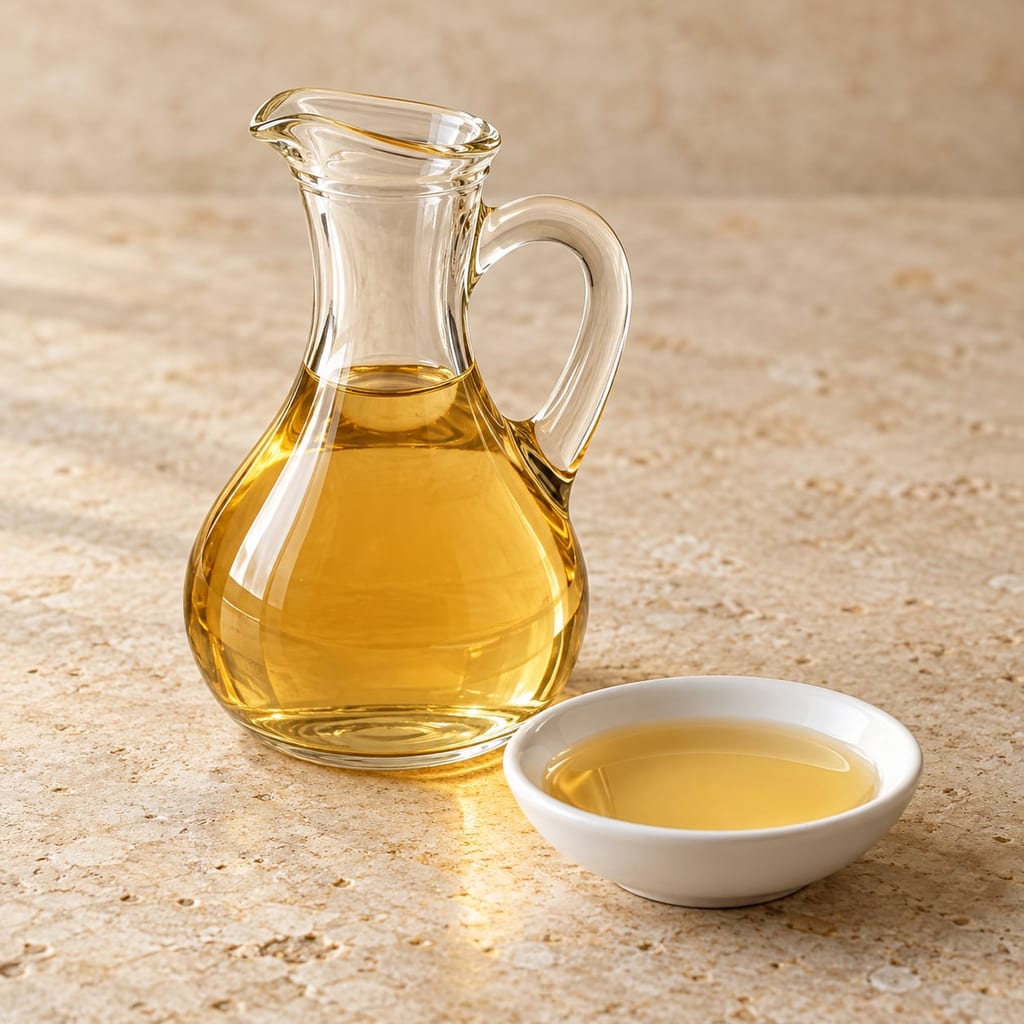
Protected Andalusian wine vinegar made by acetifying certified Montilla-Moriles wine, dry or sweetened with Pedro Ximénez or Moscatel must, and often aged in oak by solera or añada.
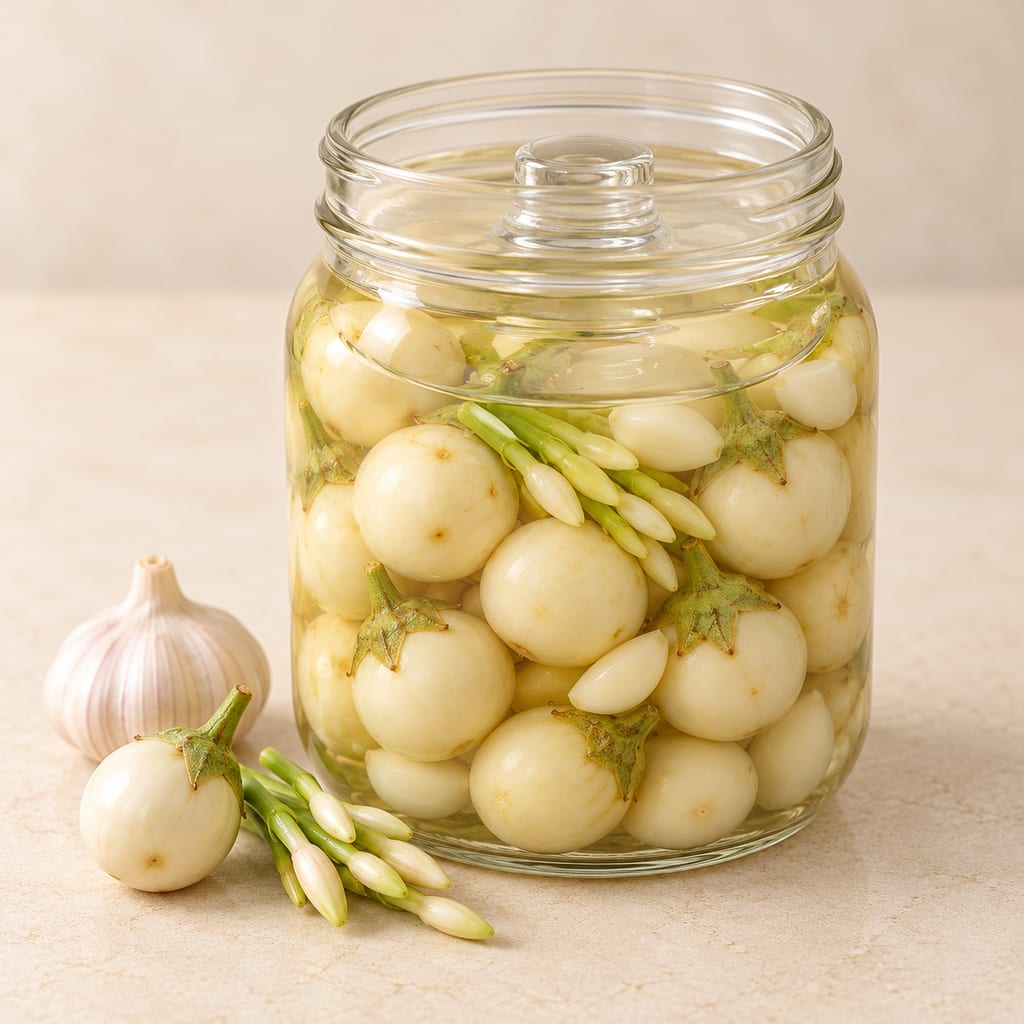
Vietnamese salted and fermented small eggplant, dried on the day of purchase, then held submerged in warm salty water with garlic and galingale flower for a week or longer.
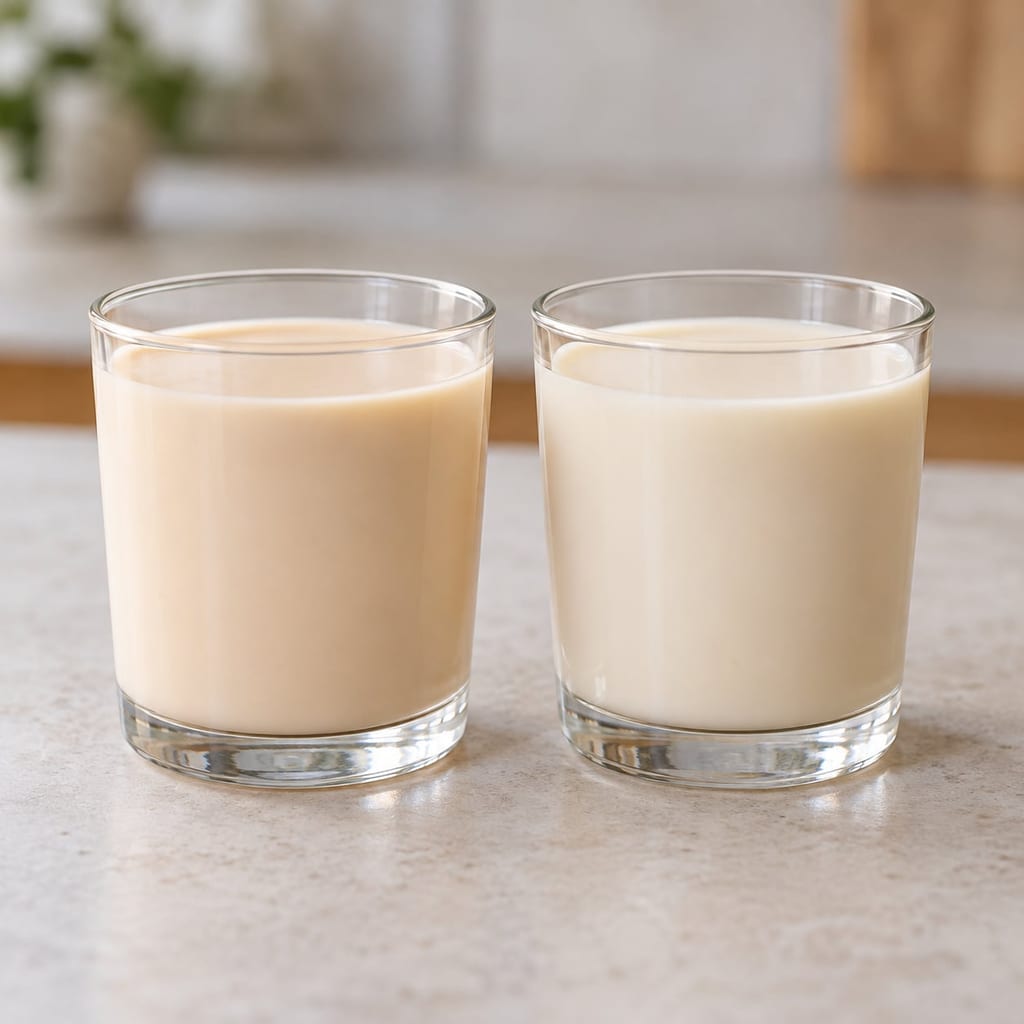
Ryazhenka is a Ukrainian and Russian cultured milk made from long-heated, baked cow's milk, cream-coloured and gently sour; varenets is its close relative with a shorter heat treatment.
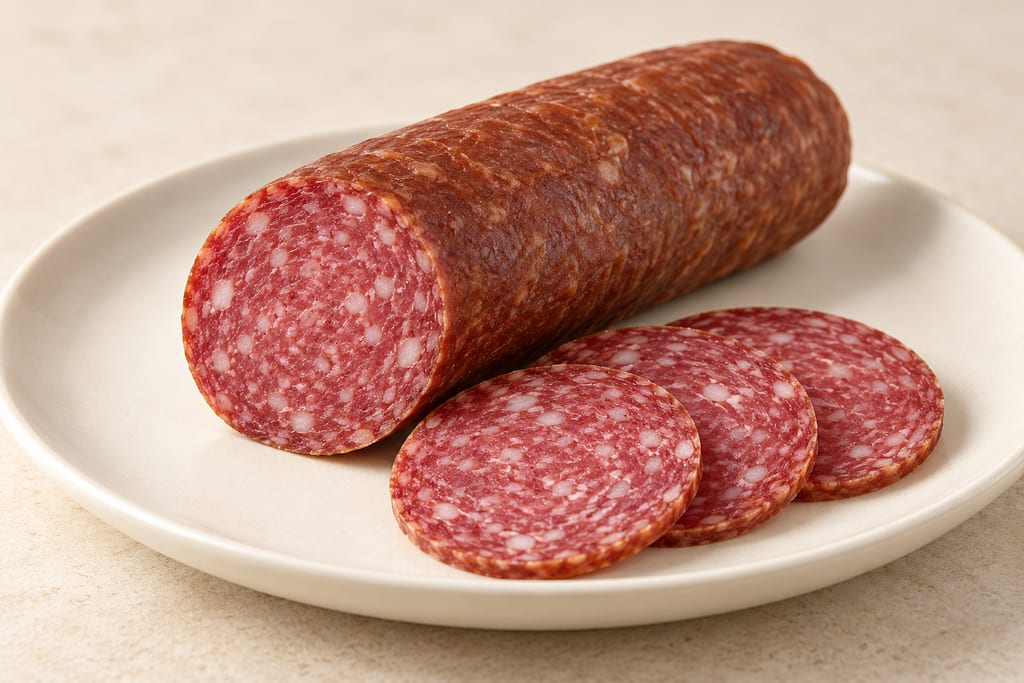
A family of salted minced-meat sausages fermented in casings, then dried and sometimes smoked. This description is not a validated household method; critical safety limits are not established.
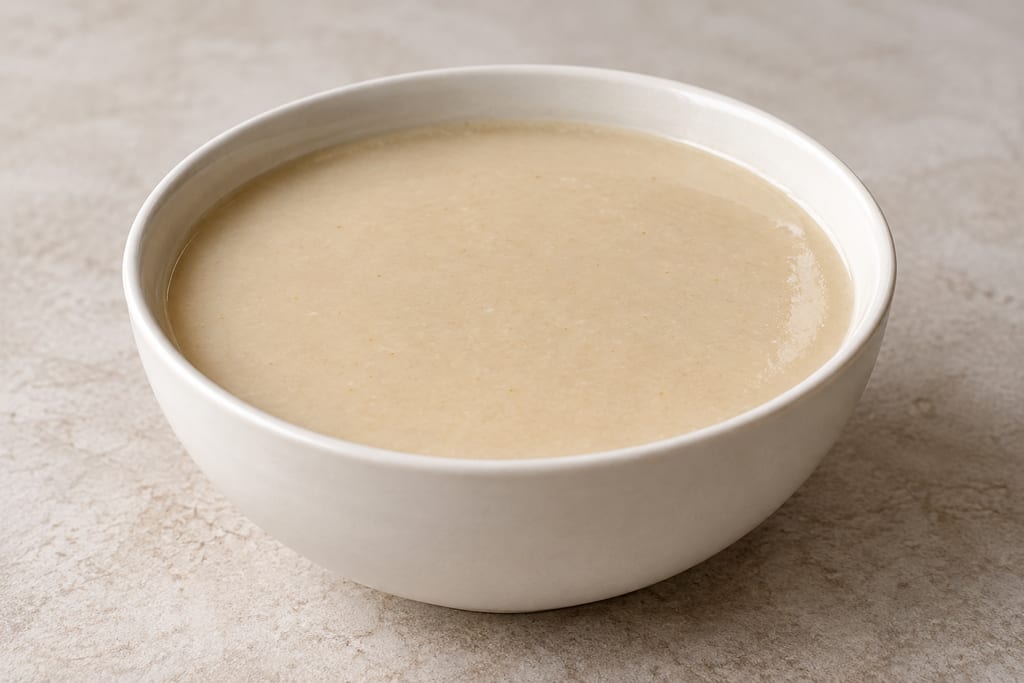
A fermented pearl-millet gruel documented in Ouagadougou, Burkina Faso. Whole grain is soaked, wet-milled and sieved; the settled paste ferments again before it is cooked with its liquid.
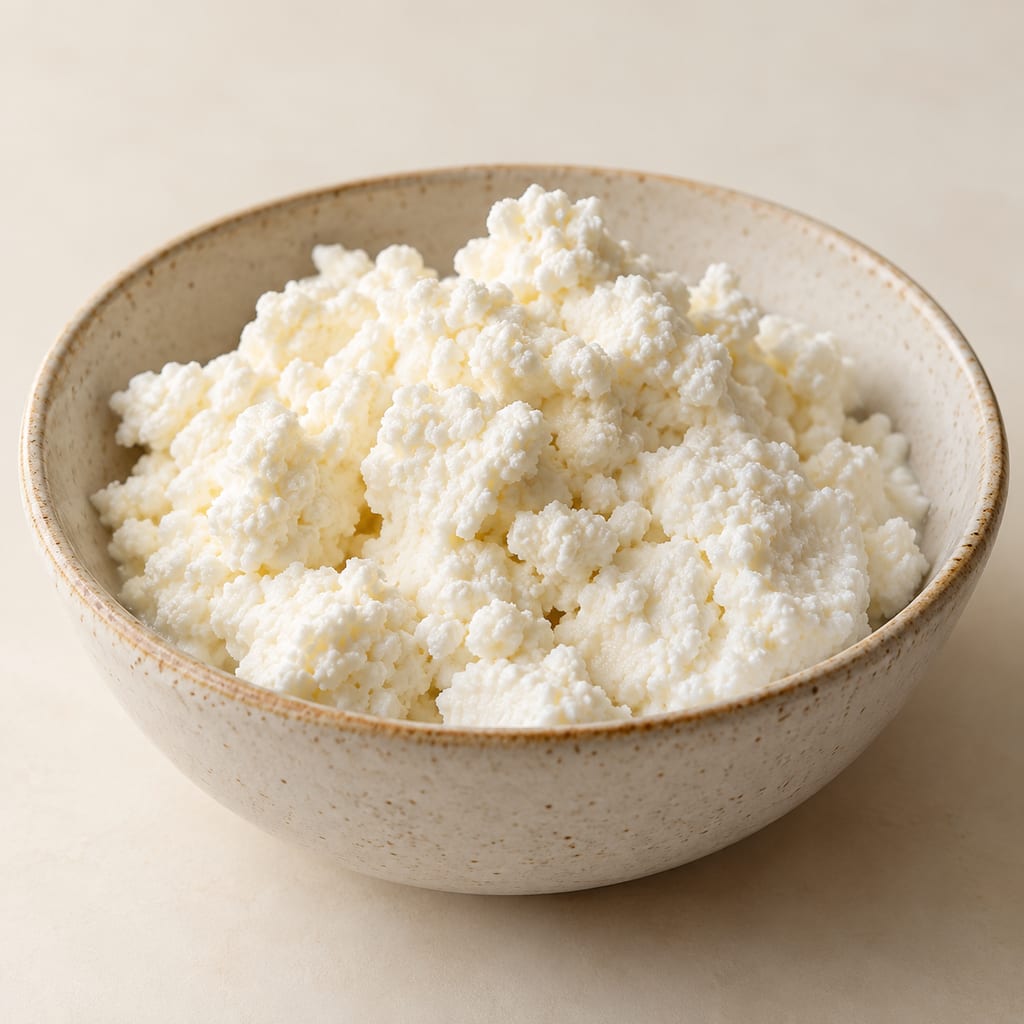
Whey ricotta recovers fine curds from leftover cheesemaking whey, often with added milk, by heating the whey and acidifying it until the curds separate.
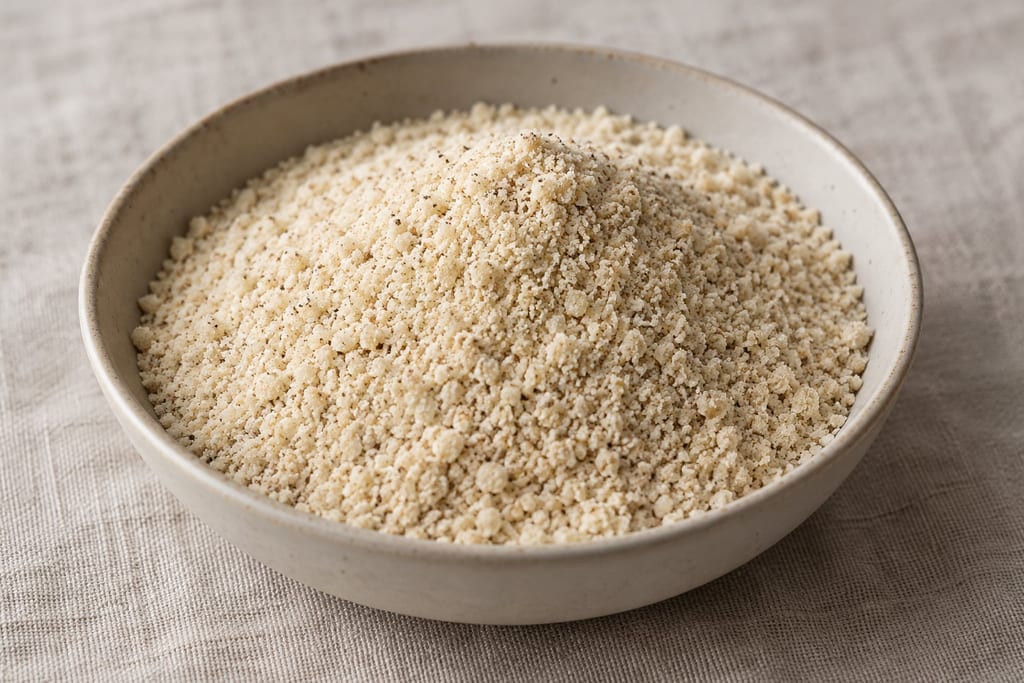
Bulgur mixed with fermented dairy, fermented again and dried, then powdered. The dry kishk is a shelf-stable composite staple used as an acid, savoury base for soup.
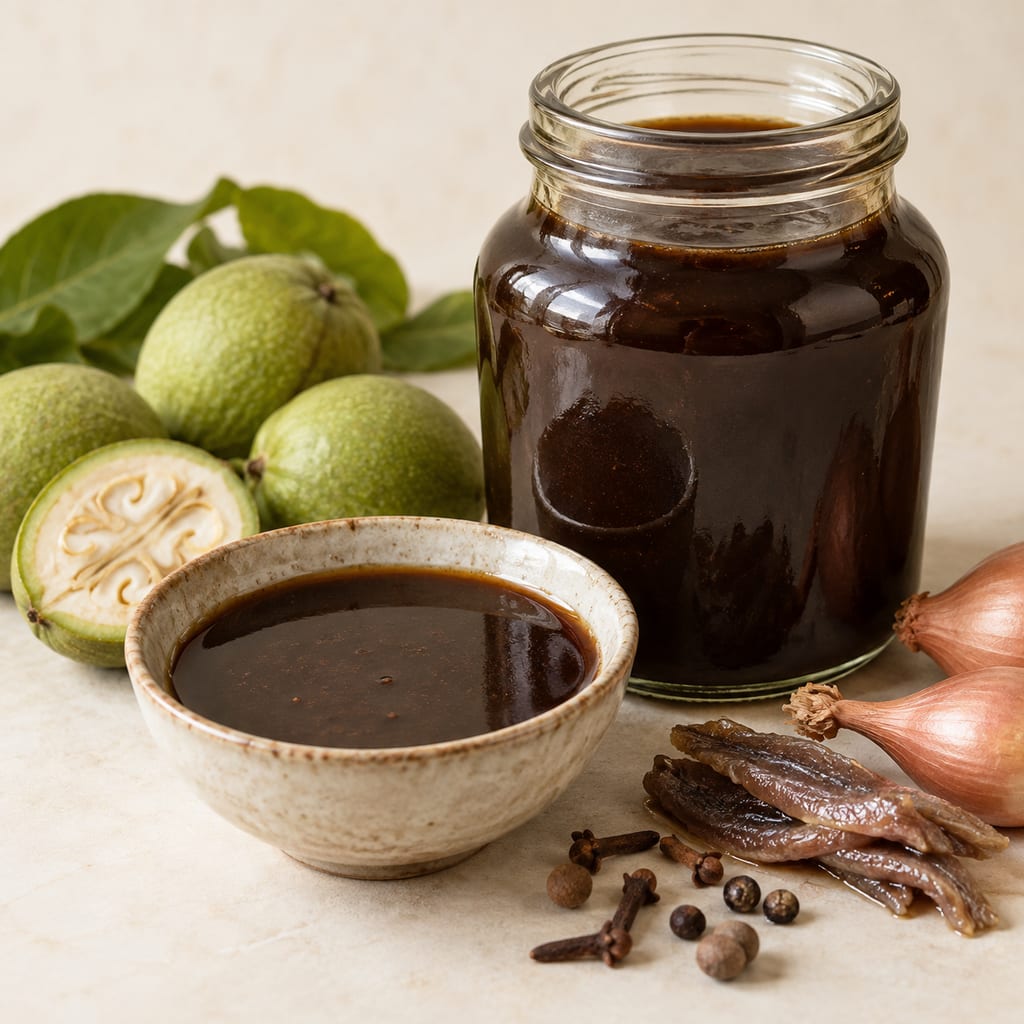
A dark liquid seasoning made from young green walnuts steeped in salt and vinegar, then boiled with spices, shallots and anchovies. It belongs to the British ketchups of the 1700s and 1800s.
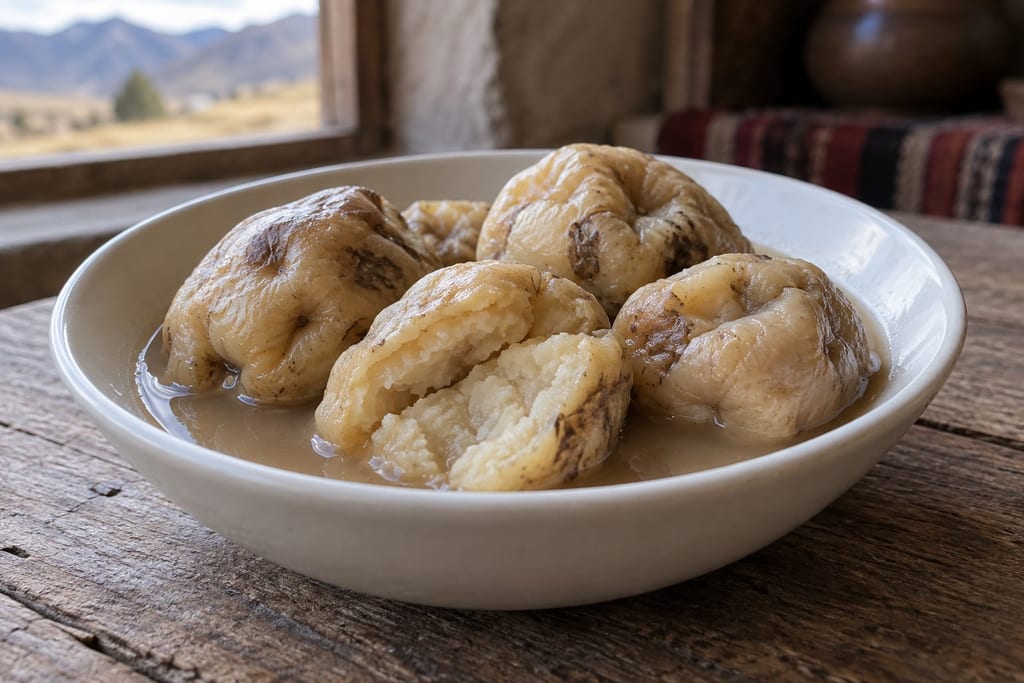
Peruvian Andean fermented potato: tubers held in water-fed earthen wells for a long lactic fermentation, giving an acidic food that can be dried and ground into flour for storage.
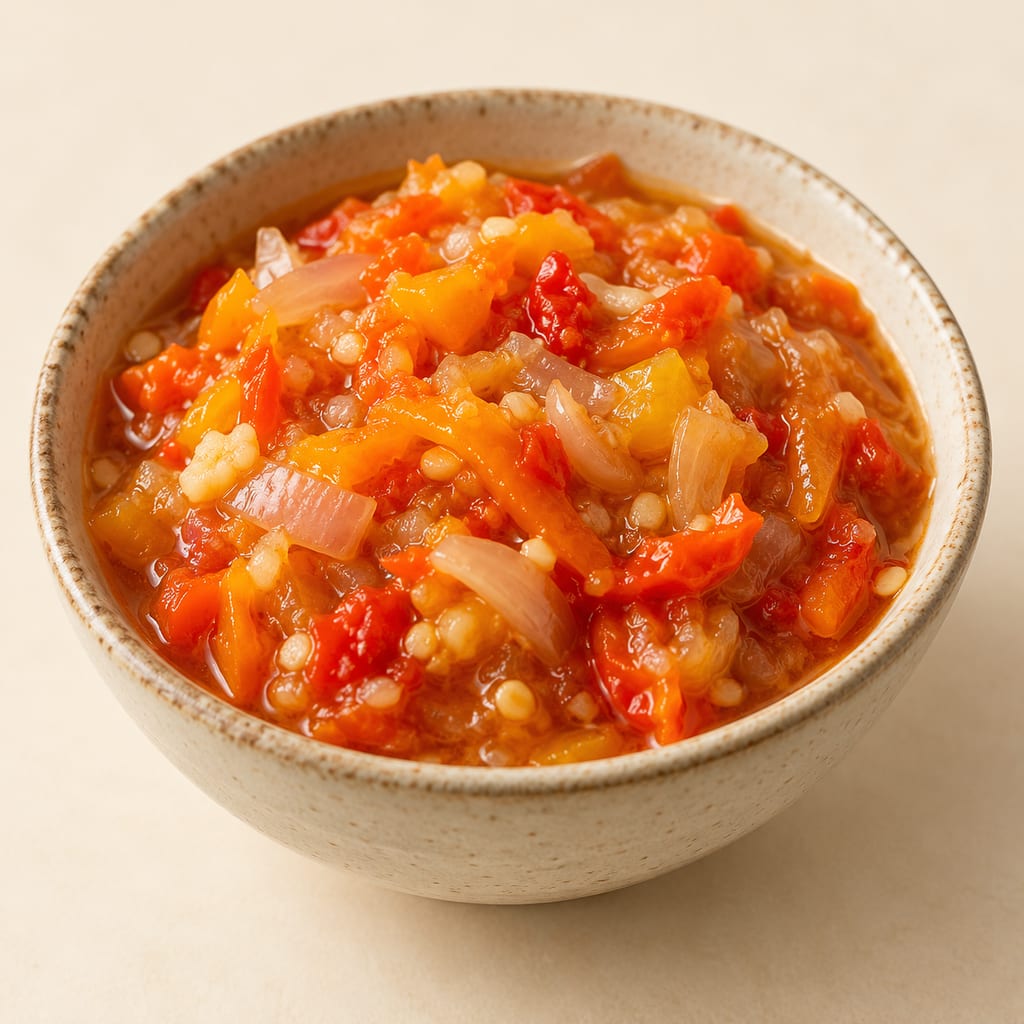
A Haitian hot sauce of habanero or Scotch bonnet, onion, shallot and garlic, softened in vinegar and lime, simmered briefly and served on grilled or fried meat and seafood.
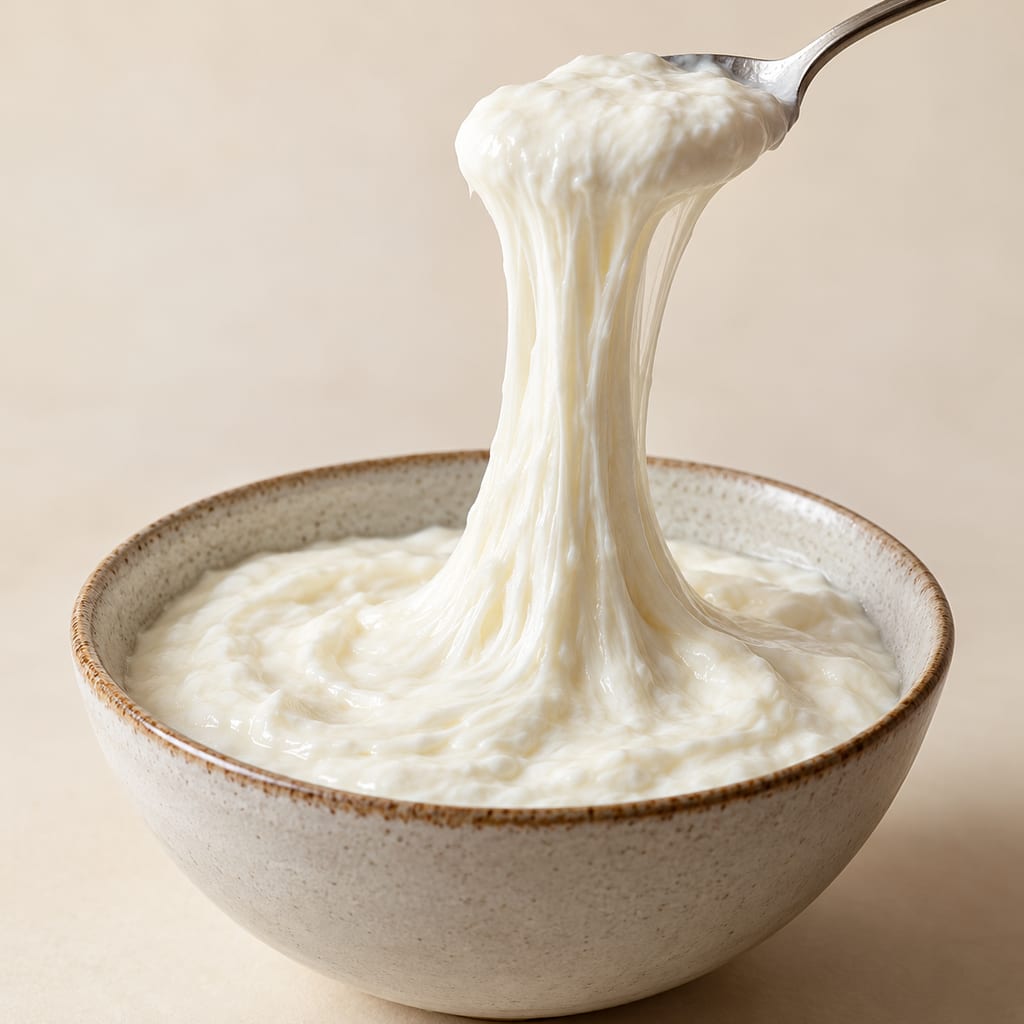
Pitkäpiimä is a Finnish cultured milk whose defining trait is a long, stretchy, ropy texture. It is closely related to viili and is made by lactic fermentation with a specific culture.

A documentary account of jameed, a traditional dried cultured-milk food. The cited sources do not provide a complete validated home process or a measurable endpoint for making it shelf-stable.

Jam is fruit cooked with enough sugar and concentration to reduce the water available to microbes. Jelly uses clarified juice and firmer fruit pastes lose still more moisture.
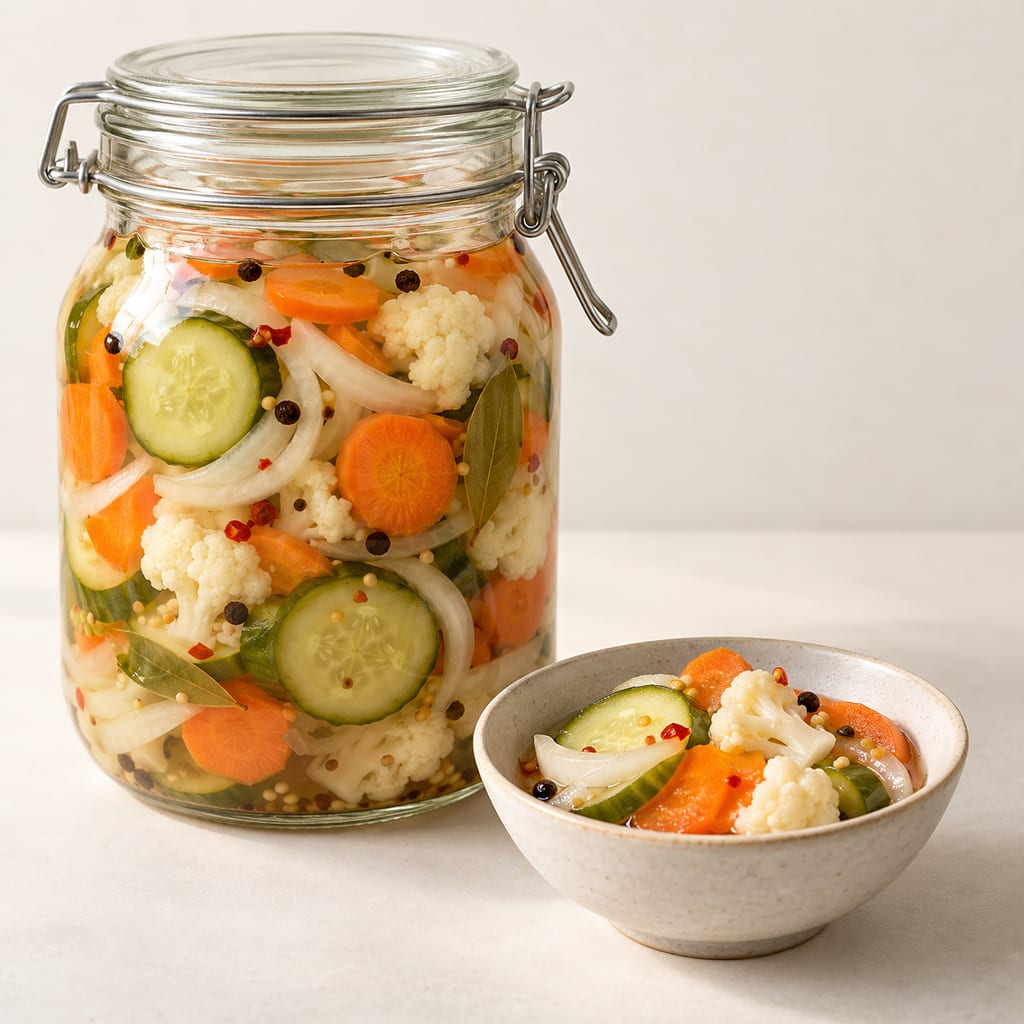
Food placed in an already acidic liquid, vinegar, so that acidity comes from the vinegar rather than from microbes; Roman texts document the practice, and later household books extended it to vegetables, fruit, fish and meat.
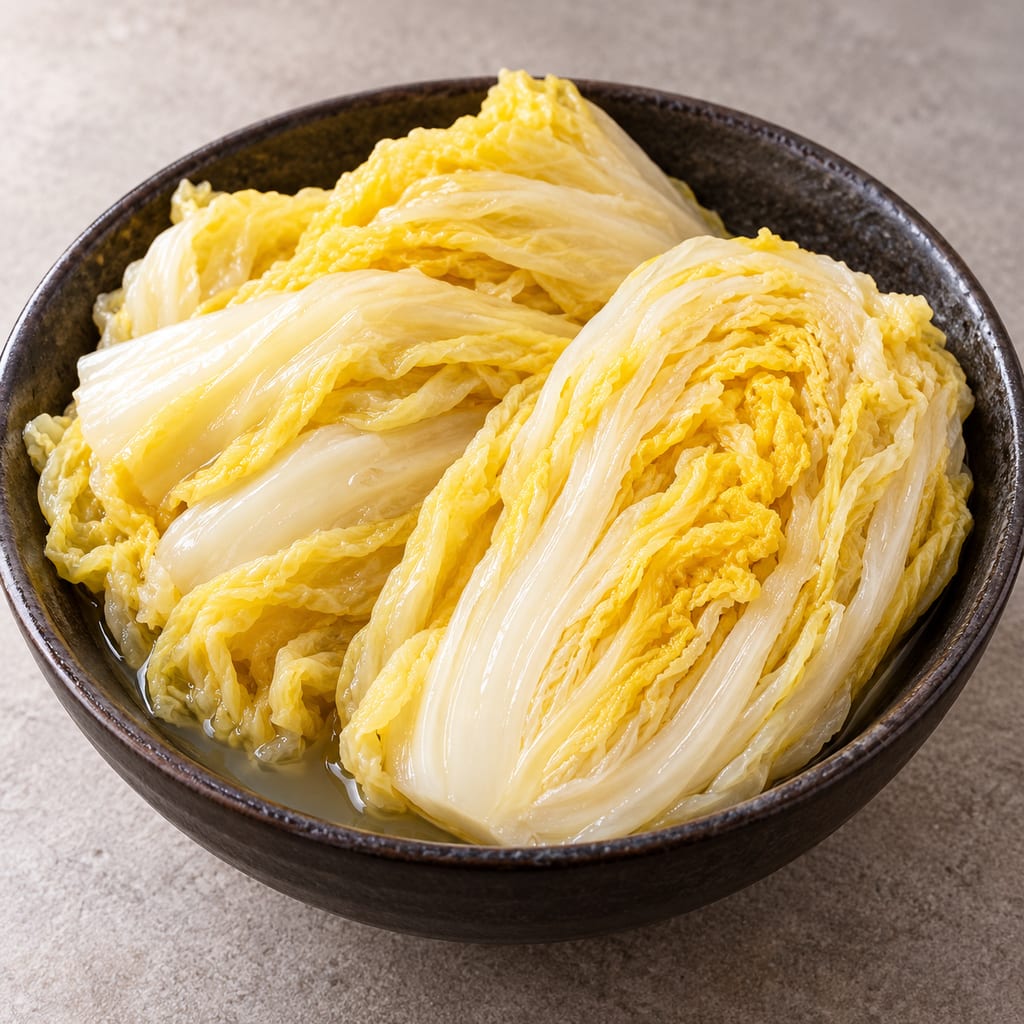
Napa cabbage fermented in a salt brine in Northeast China, traditionally in large ceramic or glass jars, until it turns sour.
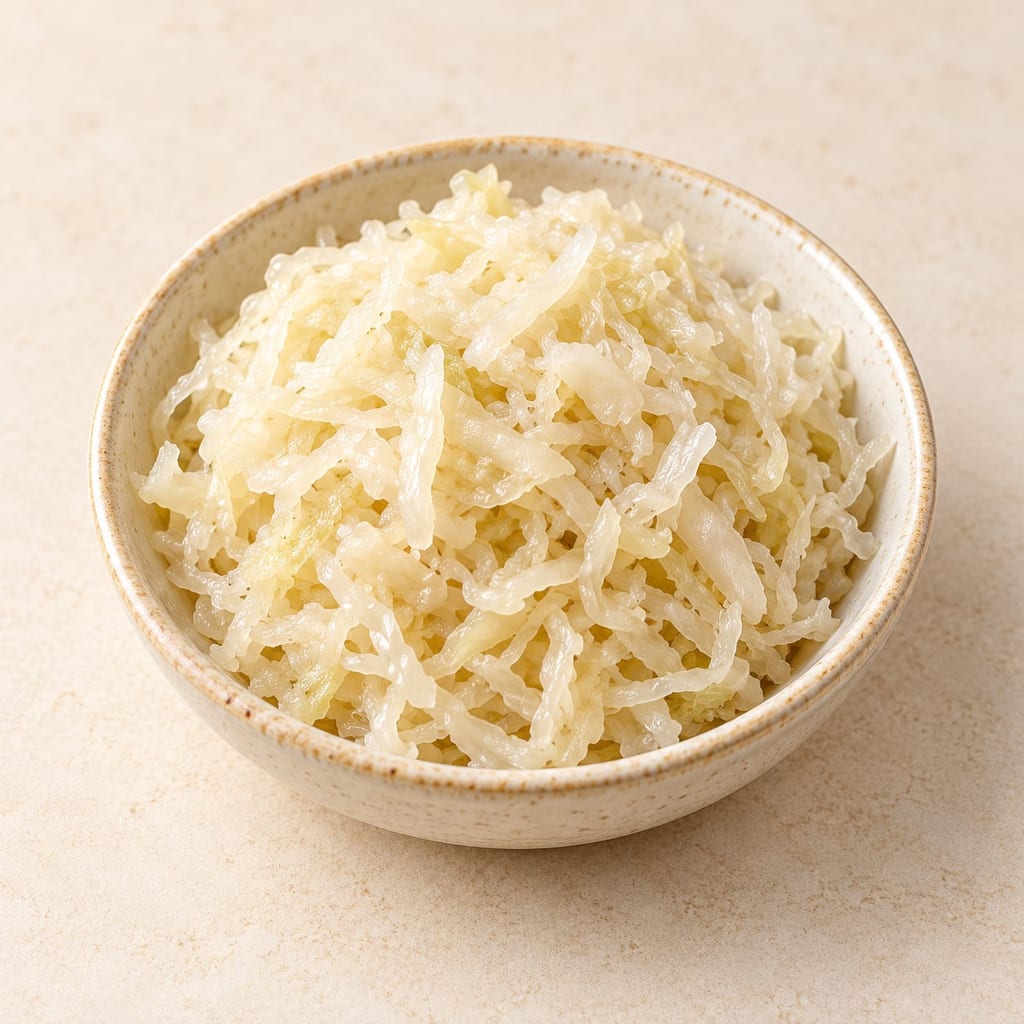
Finely cut cabbage fermented with salt in vats by natural lactic fermentation, a protected Alsatian product sold raw or cooked after fermentation.
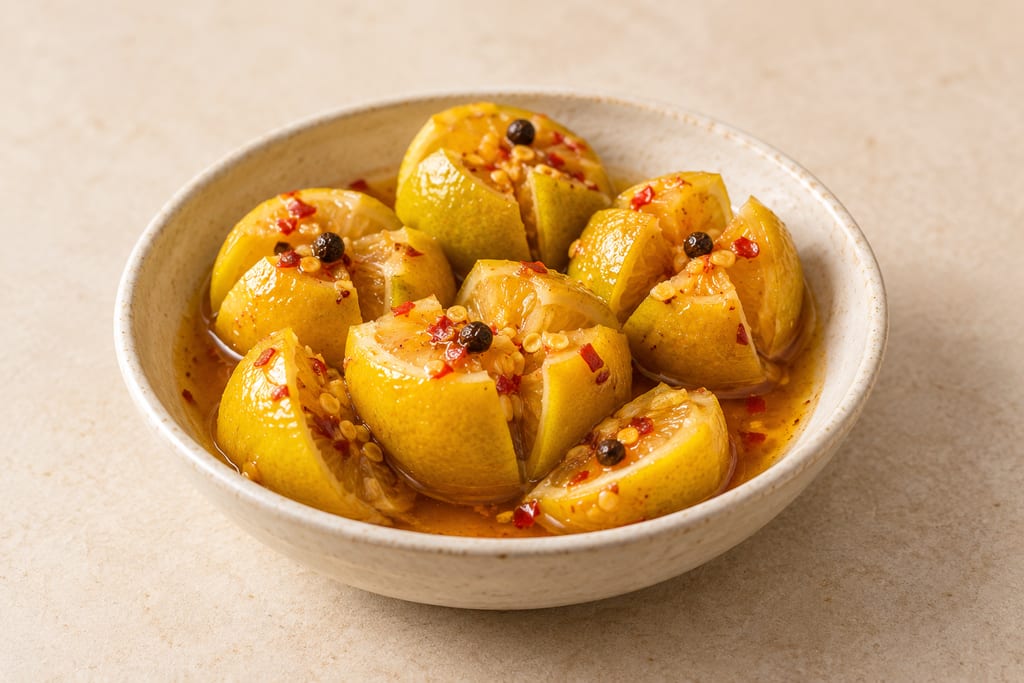
Peter Kuruvita’s published lime pickle stuffs 20 limes with rock salt, then simmers them in vinegar, sugar and chilli before a two-week rest.
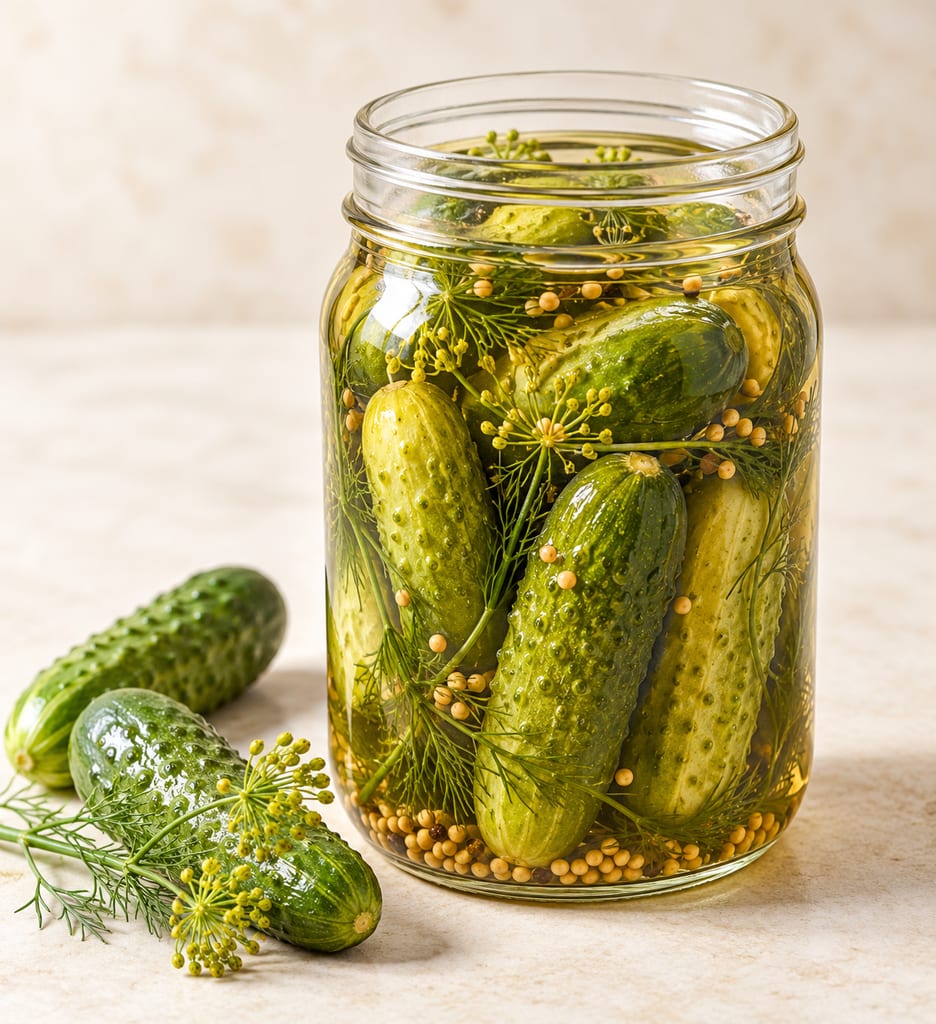
Whole small cucumbers are soaked in a measured salt solution, packed with dill and mustard seed, then covered with a boiling 5% vinegar brine and processed in a boiling-water canner.
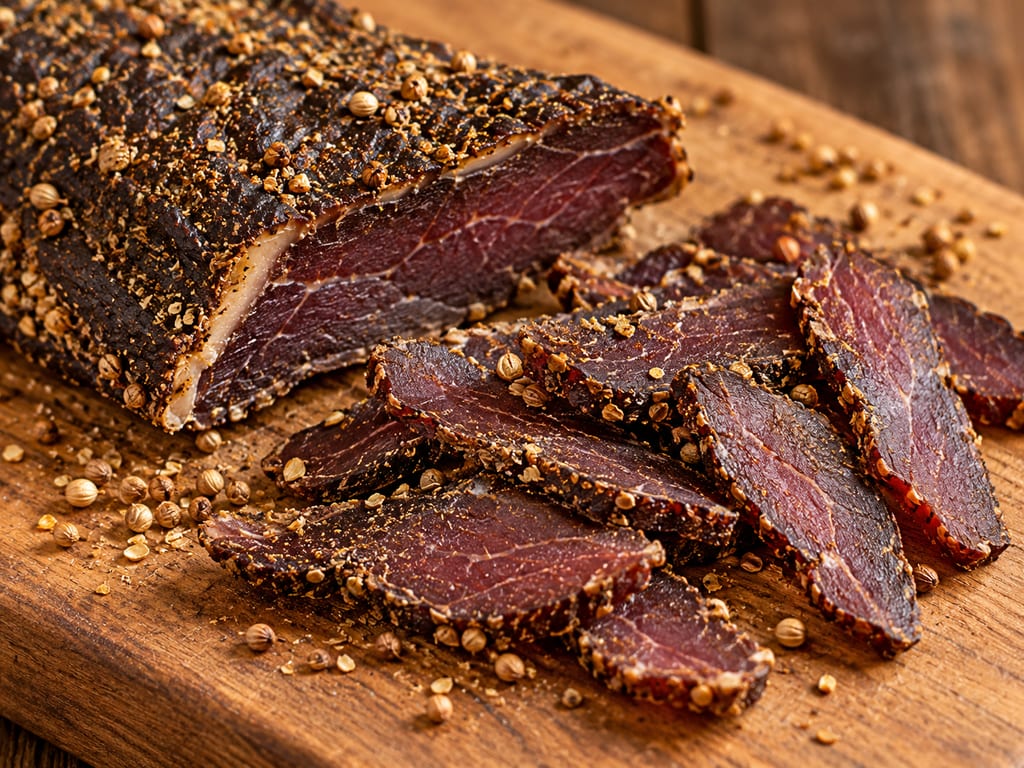
Strips of whole-muscle beef or game seasoned with salt, vinegar, roasted coriander and pepper and air-dried without cooking, sold anywhere from soft and moist to hard and very salty.
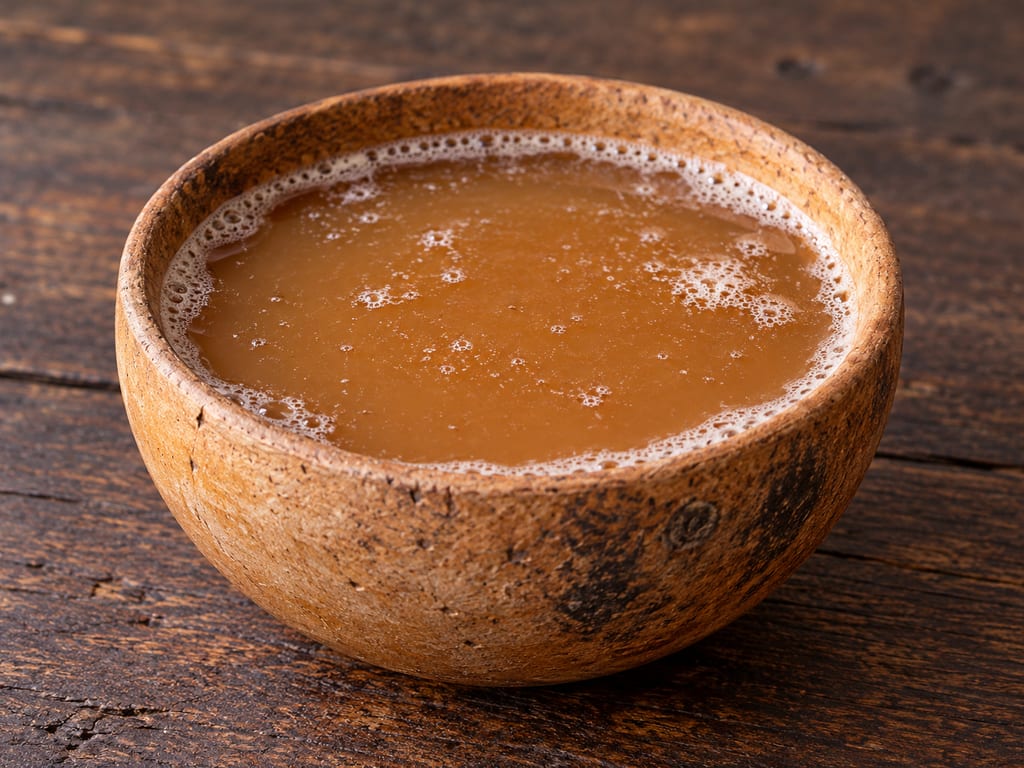
A Burkina Faso sorghum beer brewed from malted grain, soured by a spontaneous lactic stage and then fermented with a traditional yeast leaven.
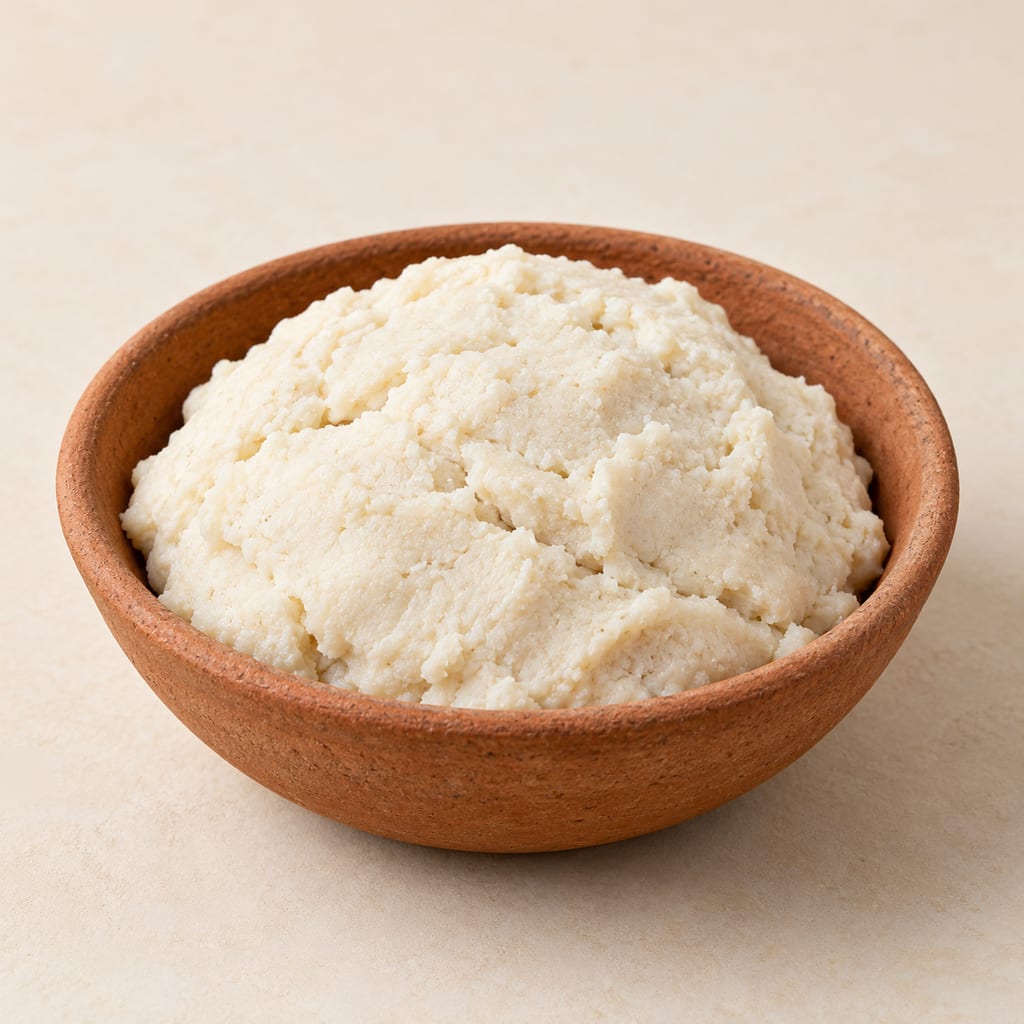
Ghanaian sour cassava dough fermented with traditional inoculum and drained during fermentation. It is used as a base for cooked foods such as banku and akple; process variants and safety outcomes differ.
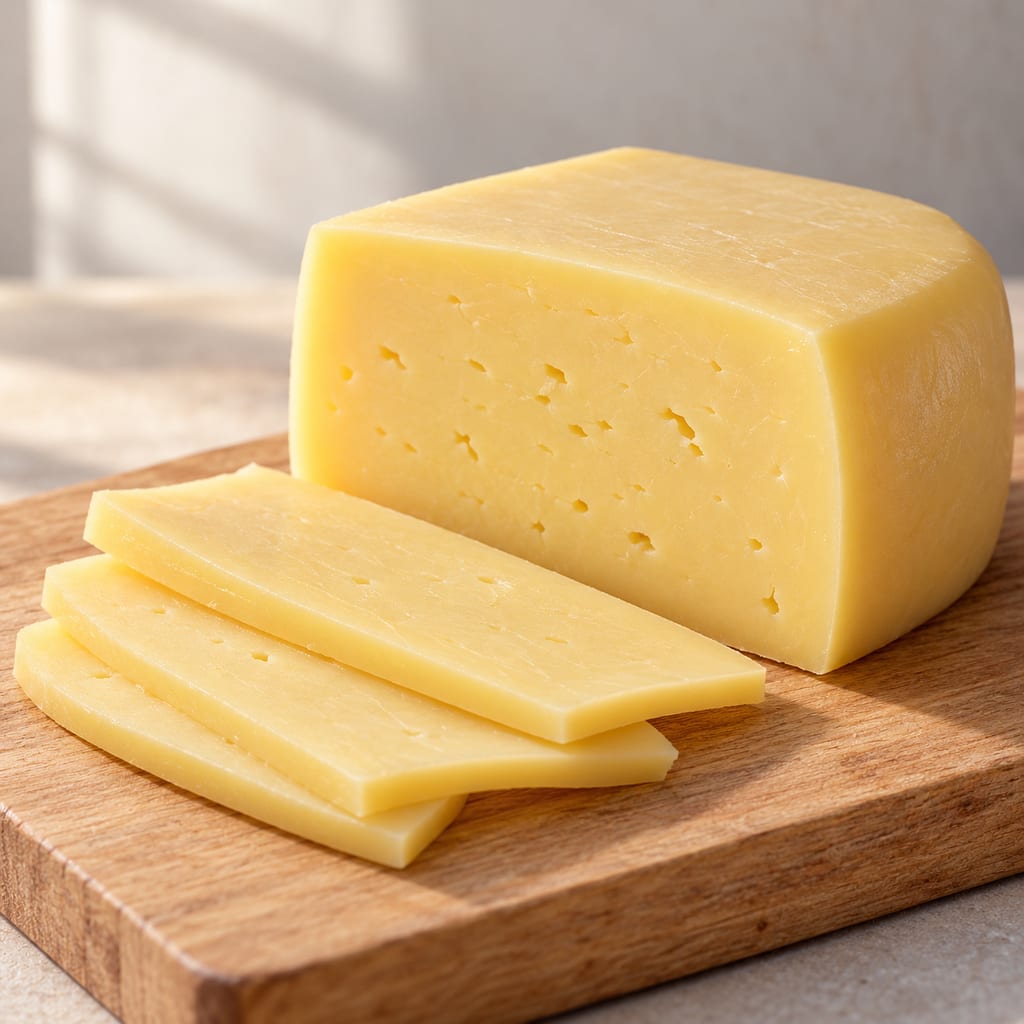
A yellow stretched-curd cheese made by acidifying, draining and kneading curd in hot brine. This small-batch kashkaval uses a commercial starter and a brine finish.
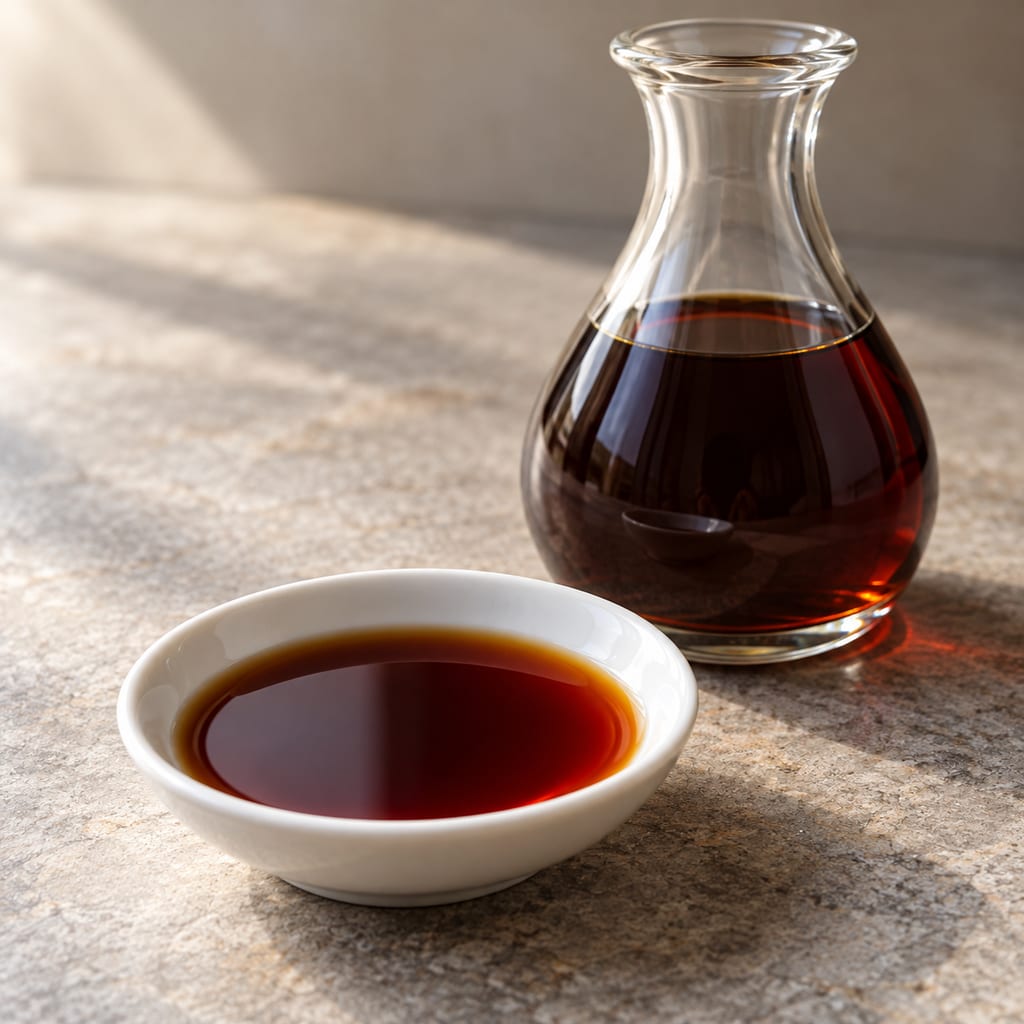
Zhenjiang black vinegar is a Chinese glutinous-rice vinegar made by mixed-culture fermentation, solid-state acetification, roasted-rice extraction and ageing, giving a dark, savoury, mildly sweet condiment.
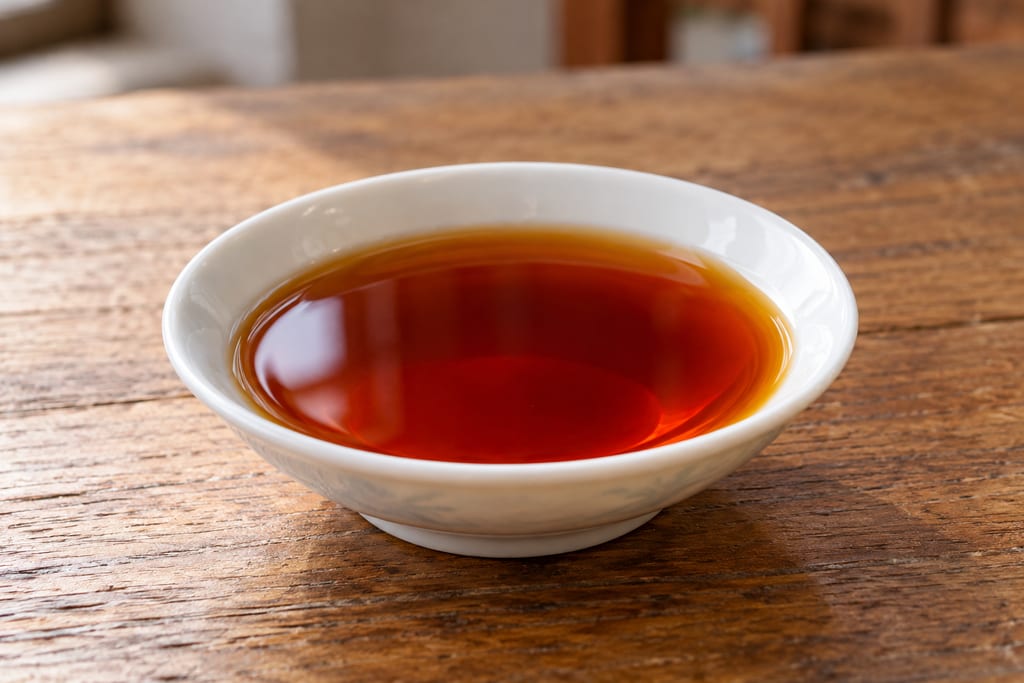
Tianjin grain vinegar of millet and sorghum made with daqu: liquid alcoholic fermentation, two-layer solid-state acetification, and at least three years of outdoor ageing of the grain mash.
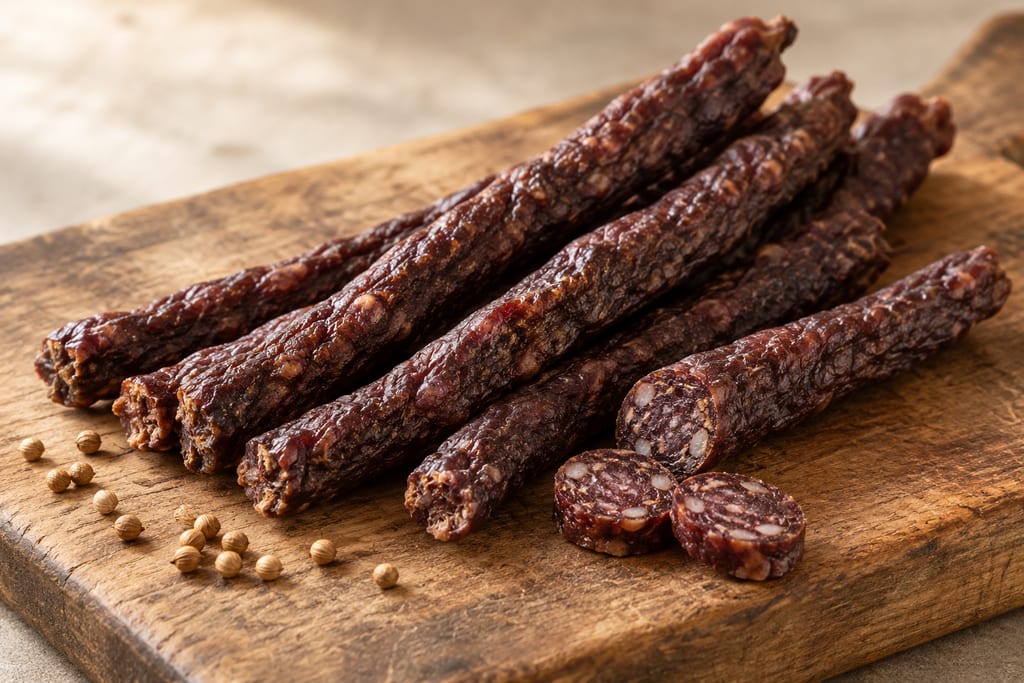
South Africa's dried sausage: seasoned minced meat in narrow casings, dried until it can be eaten without cooking, which makes it a far more demanding product than fresh boerewors.

Traditional Japanese sake yeast starters made from steamed rice, rice koji and water, acidified by naturally growing lactic acid bacteria. Kimoto grinds the rice mash with paddles; yamahai omits that step.
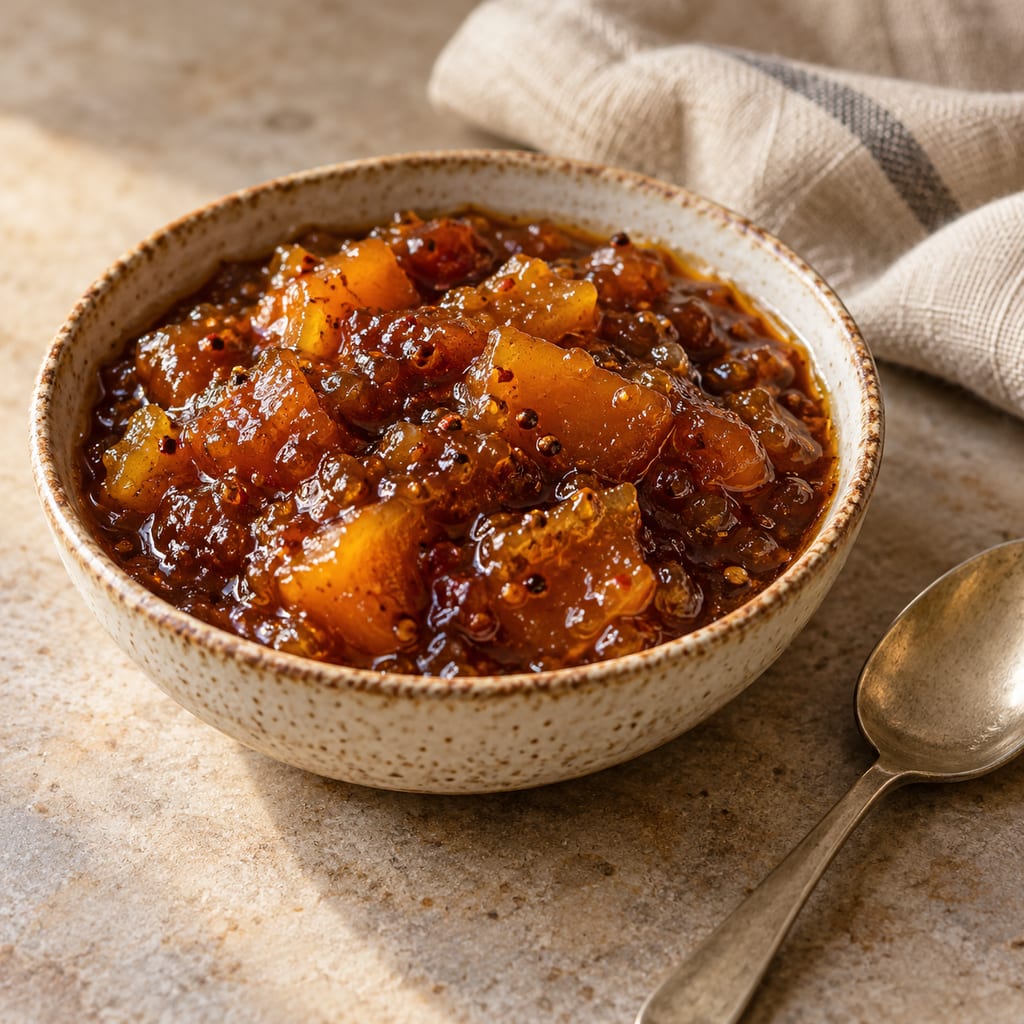
A broad account of cooked chutney traditions: fruit or vegetables combined with sugar, spices and sometimes acid, often boiled into a thick condiment. This record is historical and process context, not a formula or storage recipe.

Fried or cooked food covered in a vinegar-based preparation, the heat and the externally supplied acid working together; a family of methods whose early form is a Roman instruction for treating fried fish with hot vinegar.
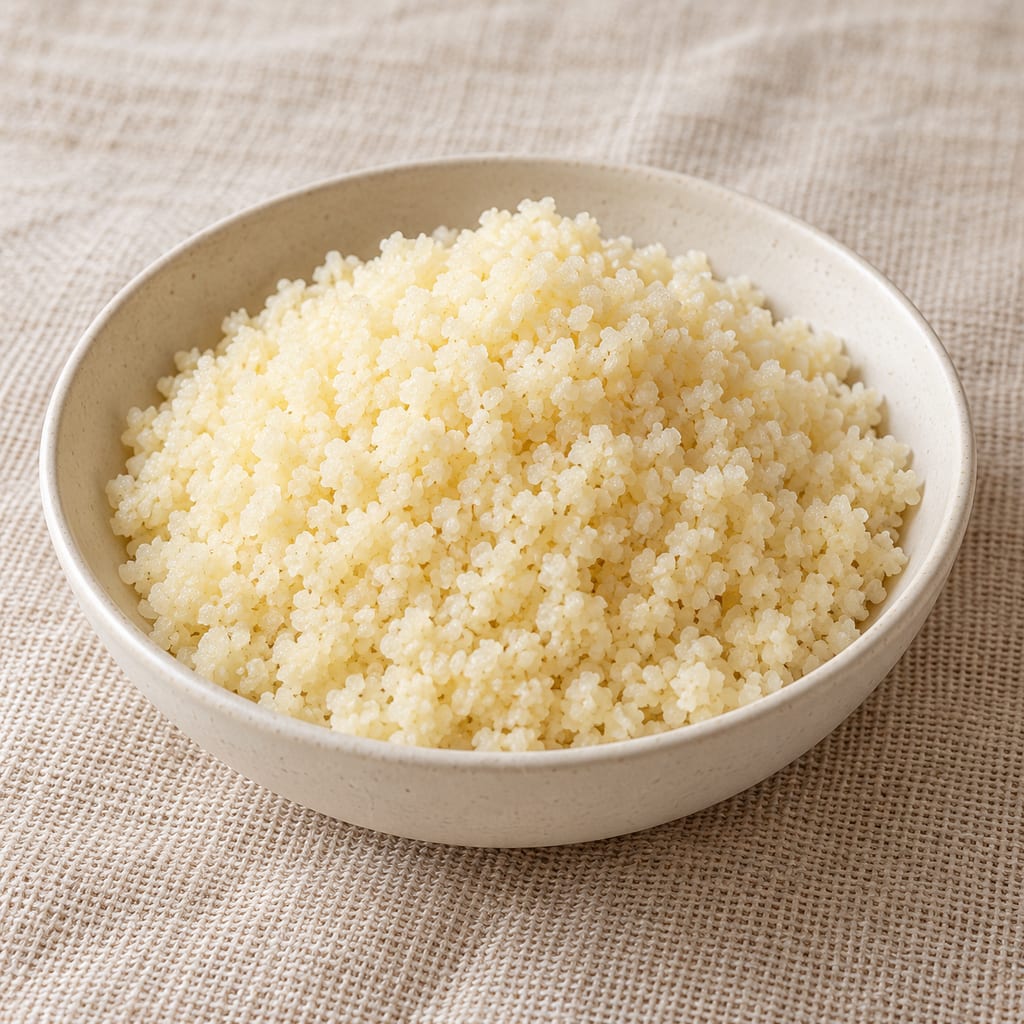
Ivorian cassava semolina: grated cassava is fermented overnight with a traditional inoculum, pressed, sieved into granules, dried and steamed. Documented in a 2006 field study; no sole original process is established.
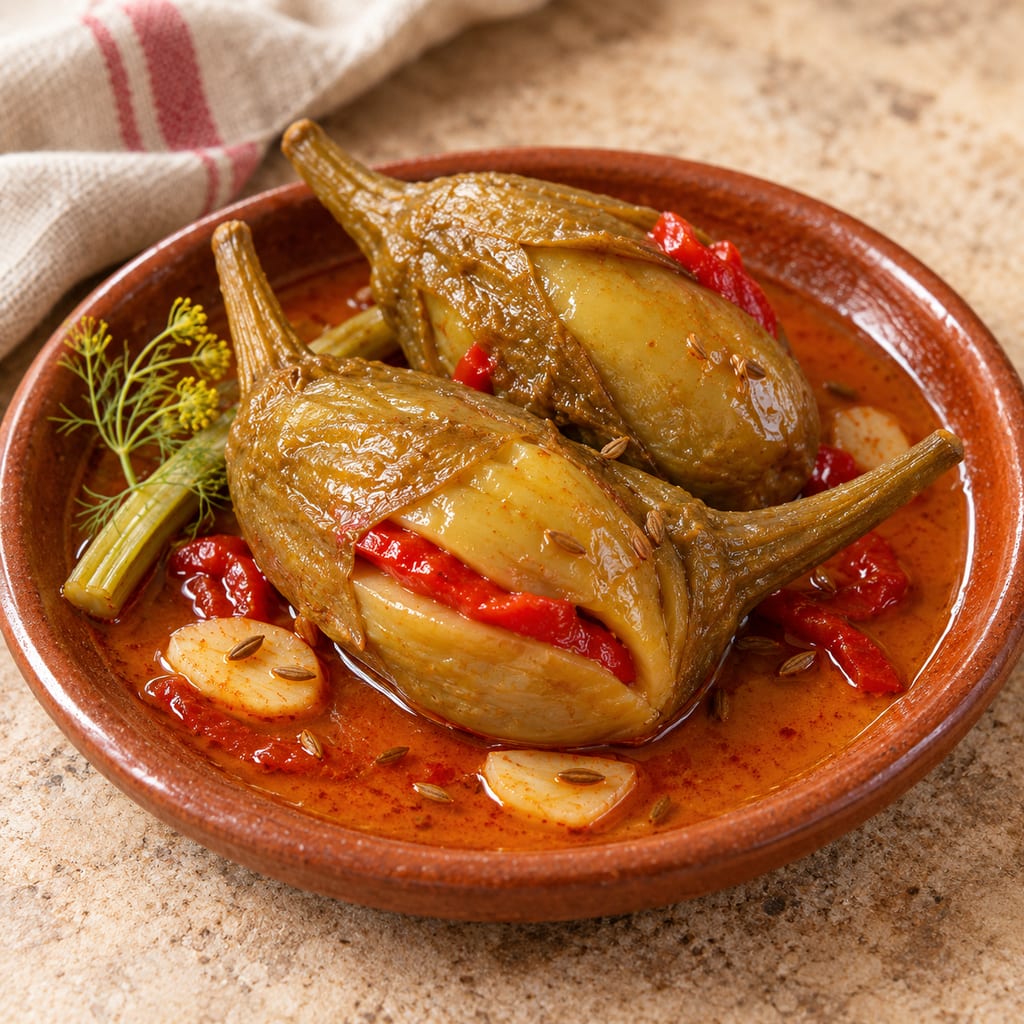
A protected aubergine preserve from Ciudad Real in Spain: tender fruit of the local Dealmagro variety, cooked briefly and then fermented in a vinegared, paprika-seasoned dressing.
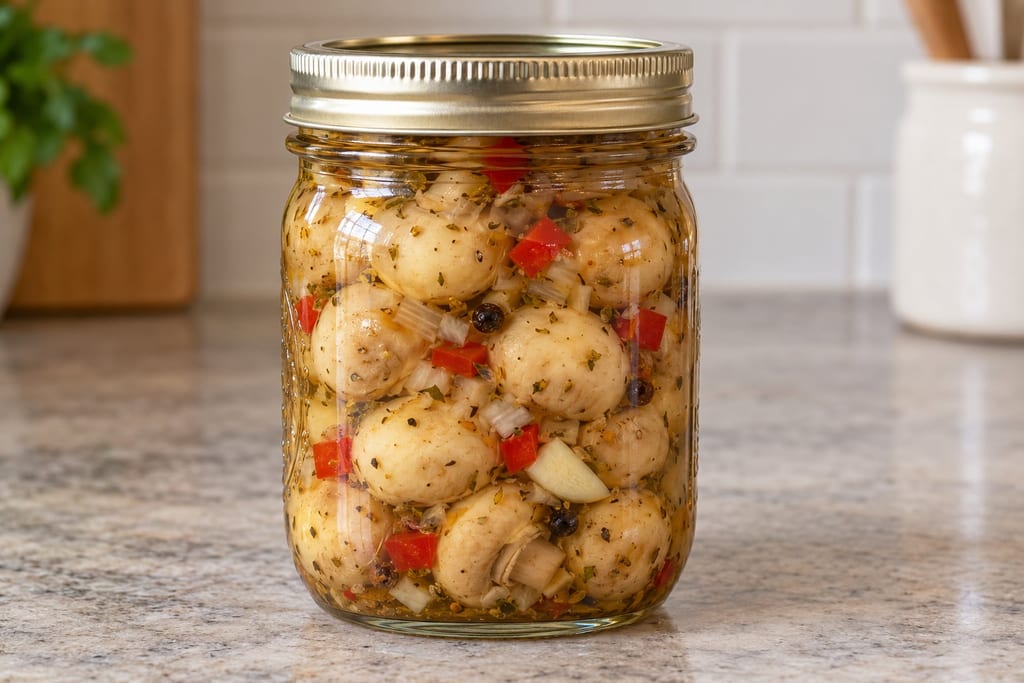
Small whole button mushrooms cooked in an acid and oil marinade and sealed in half-pint jars for shelf storage, using the tested US home-canning method.
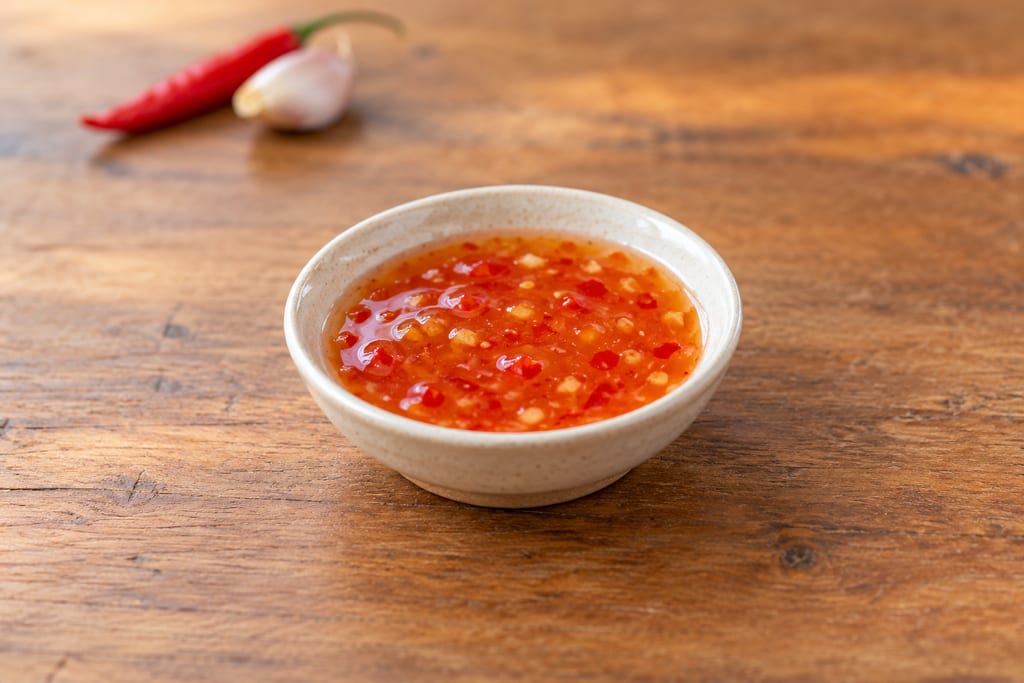
A cooked Thai-style sweet chilli dip combines red chillies, garlic, sugar and vinegar, then uses a small cornflour slurry to give this batch a glossy, spoonable body.
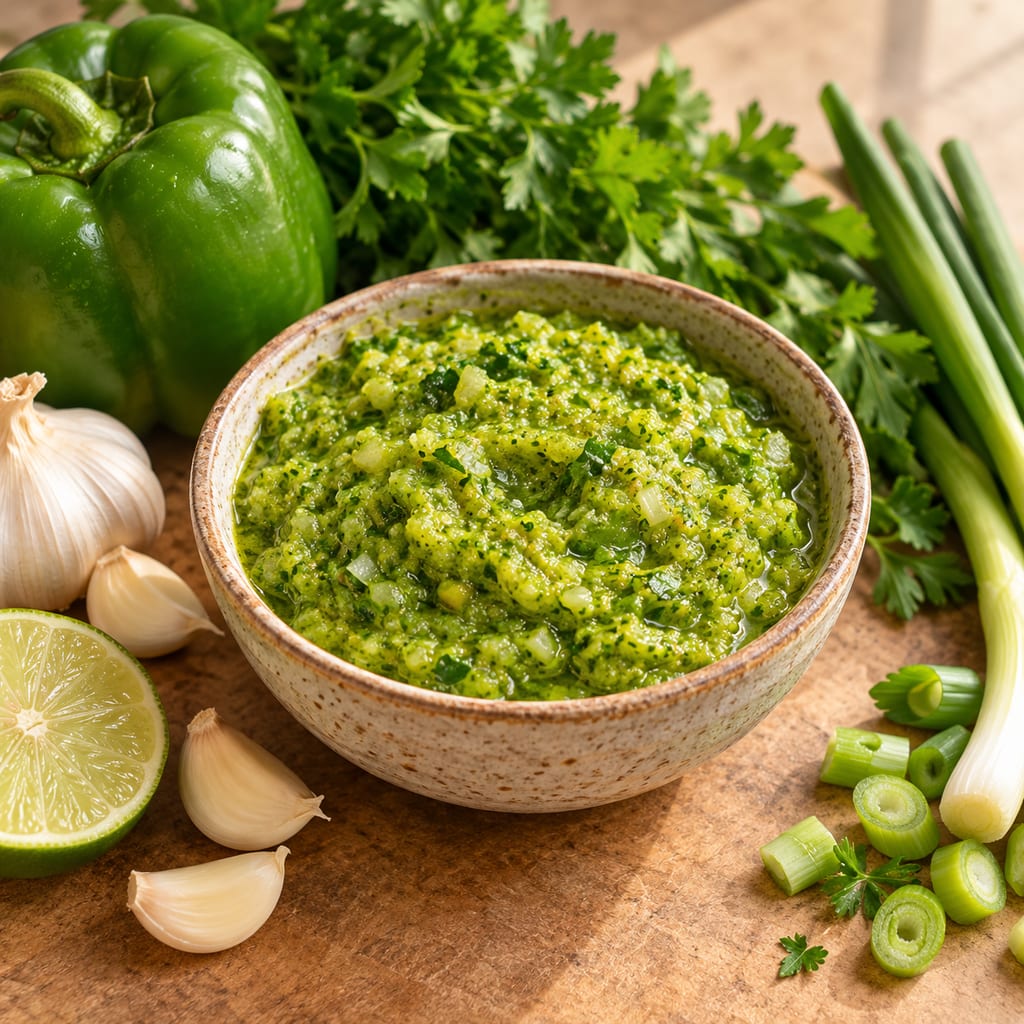
A Haitian seasoning base of fresh herbs, peppers, onion, garlic, citrus and vinegar, blended to a paste, used to marinate meat and fish and to start soups, stews, rice and beans.
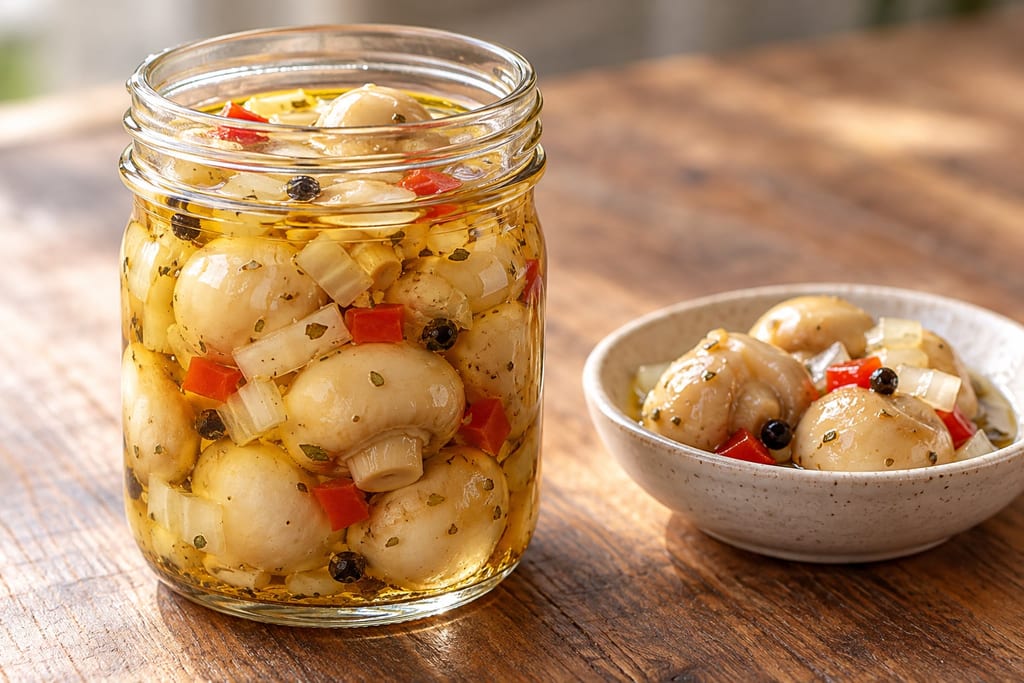
Small edible mushrooms are briefly cooked and packed in a seasoned vinegar marinade, a sweet-sour preserve served cold in Poland and neighbouring cuisines.
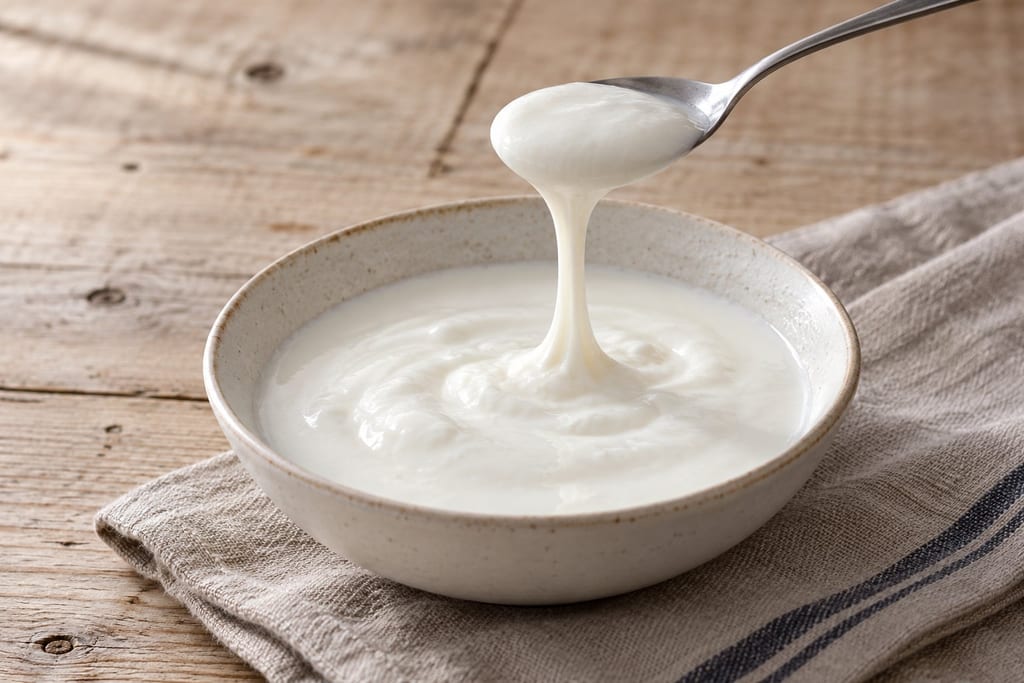
Långfil and tettemelk are traditional Swedish and Norwegian cultured milks with a mild sour taste and a stretchy texture produced by ropy lactic acid bacteria.
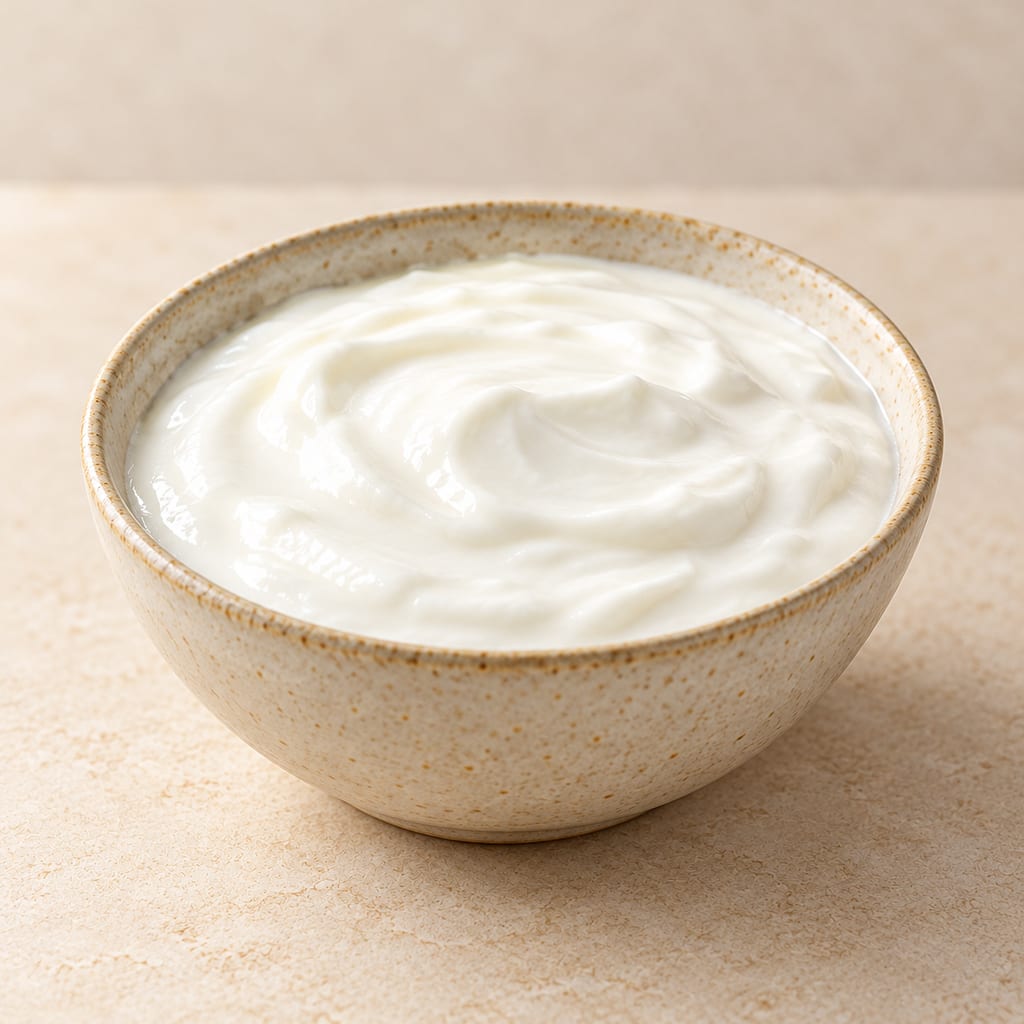
Katyk is a traditional fermented milk of Turkic-speaking peoples, made by souring heated milk with lactic bacteria, often with a spoonful of the last batch, into a thick, sour curd.

Japanese vinegar from ripe persimmons: yeast turns the fruit sugar to alcohol and acetic bacteria turn that to acid; made at home in a month and by makers in Wakayama and Nagasaki over several years.
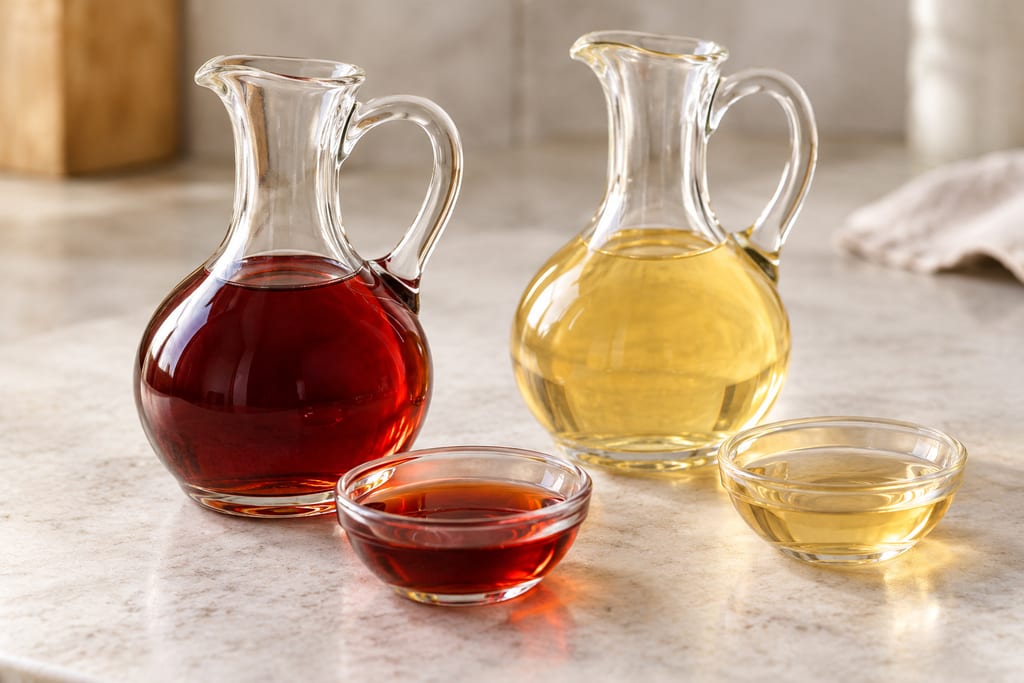
Wine vinegar is made by the aerobic oxidation of wine's alcohol into acetic acid by bacteria, producing a sour, wine-derived condiment used in dressings, sauces, marinades and preserved foods.
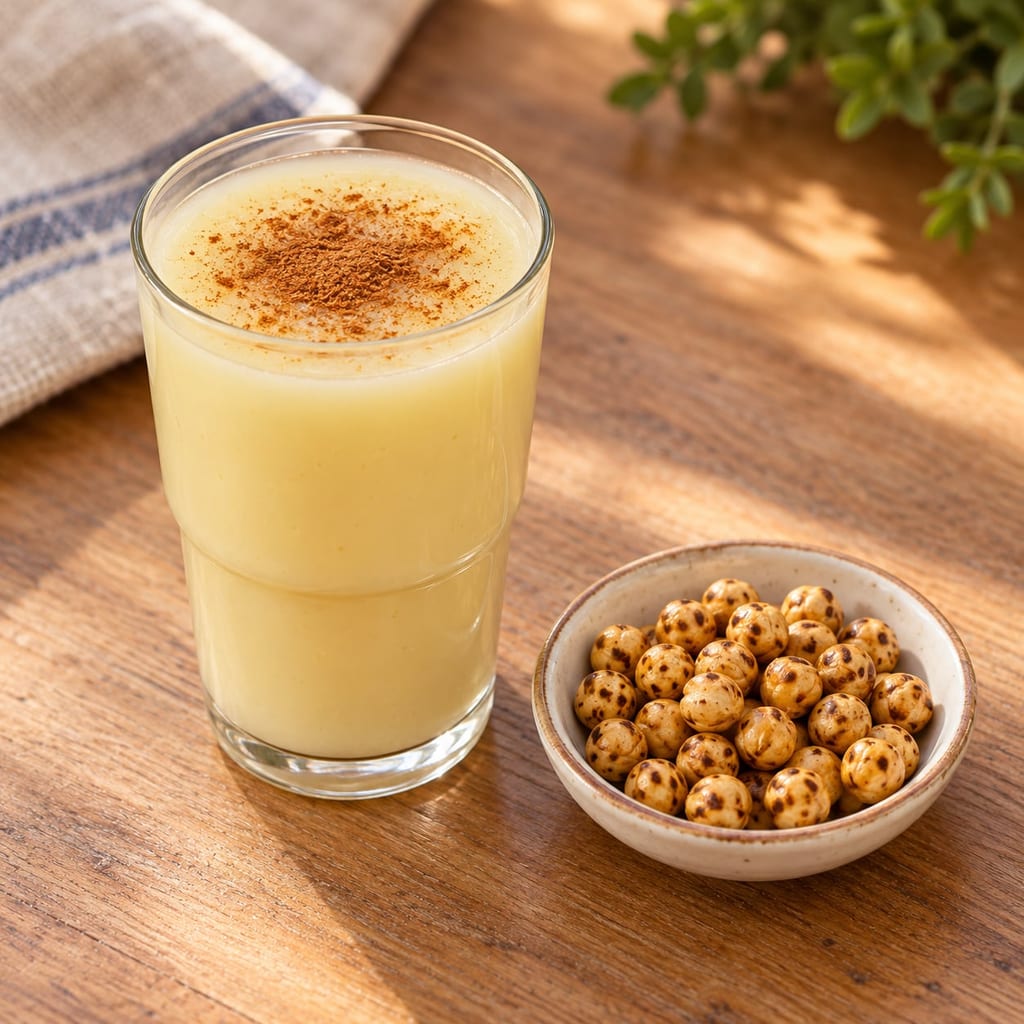
A thick, pale Turkish winter drink of bulgur and rice cooked to a soft cereal base, sweetened with grape molasses and fermented for two days.
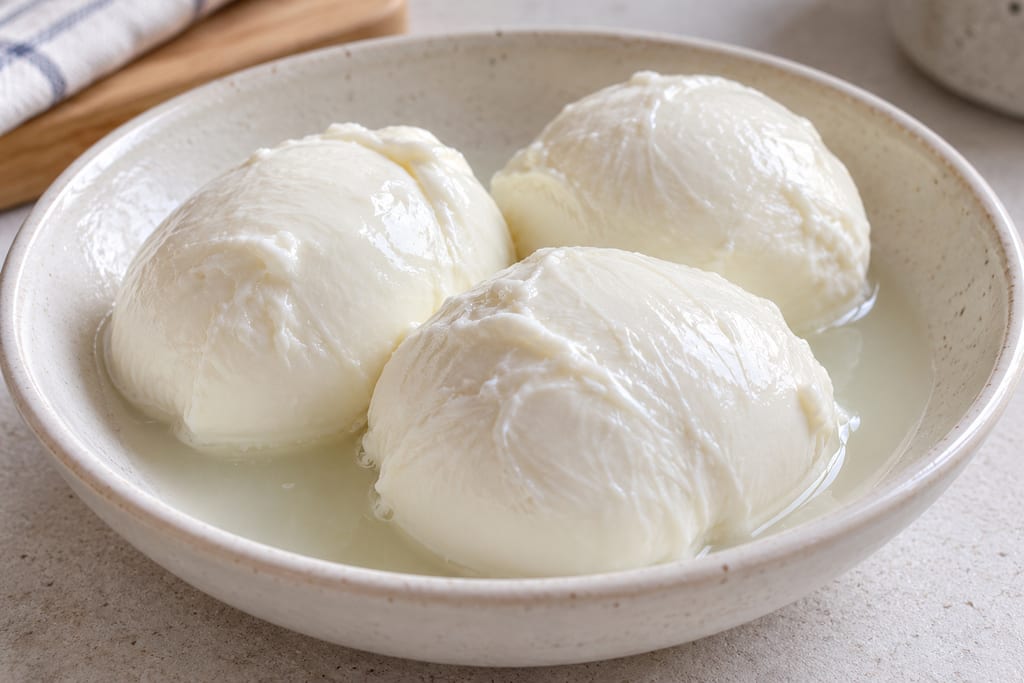
A quick fresh batch uses low-temperature-pasteurized whole milk, citric acid and rennet; the curd is warmed, drained and stretched in hot whey.

Protected Italian vinegar made only from cooked grape must, fermented and aged in a battery of wooden barrels for at least 12 years: sweet, sharp and syrupy.
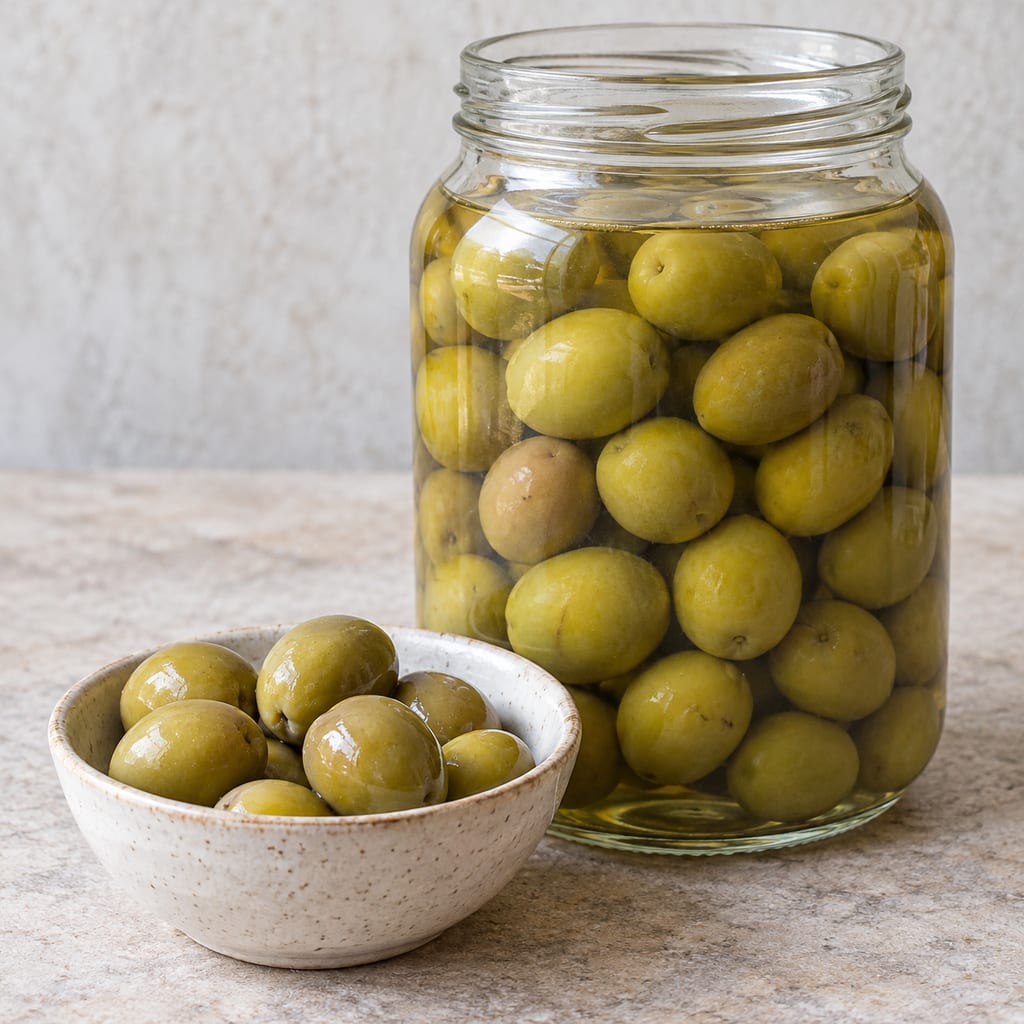
Green-ripe olives are fermented in seasoned, vinegar-adjusted brine; UC ANR gives size-dependent salt concentrations and multi-month handling.
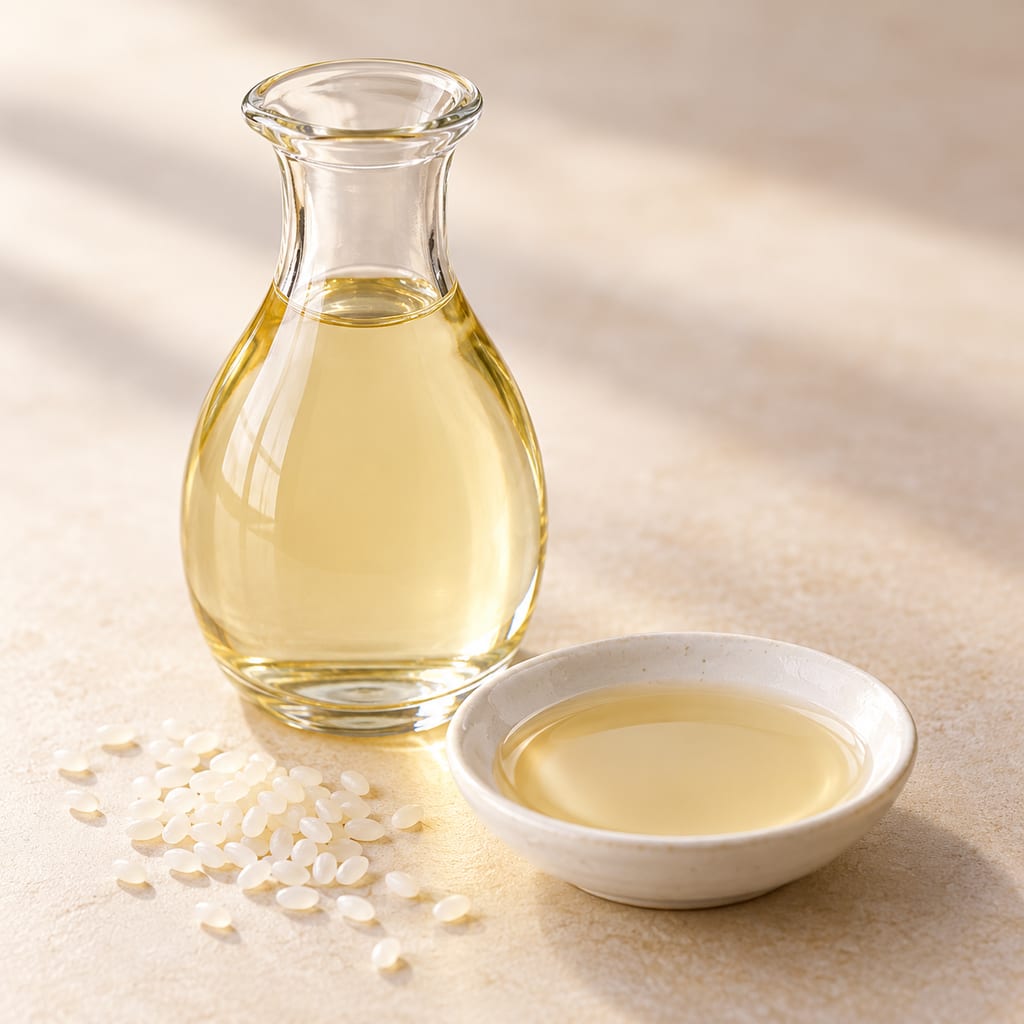
Japanese komezu is a pale, unseasoned rice vinegar made through alcoholic and acetic fermentation; rice, water, koji and yeast shape its character.