












































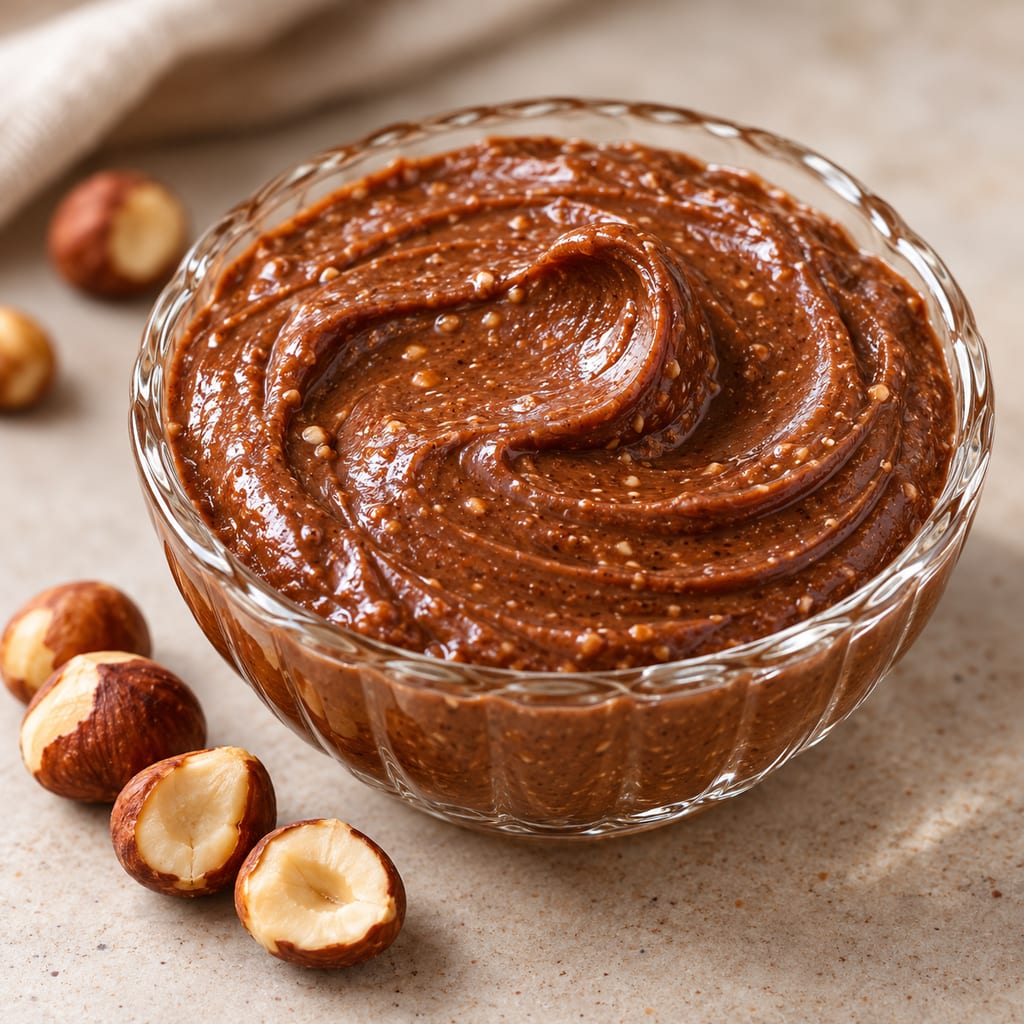
Hazelnut paste and gianduja-style spread
Roasted, skinned hazelnuts refined in a stone melanger into a fluid paste, then sweetened and finished with cocoa as a gianduja-style spread.
 FermenteaWhere food goes to change
1504 records with their sources, across 11 categories.
 Adjacent and excluded9
 Grain and starch ferments1
 Legume, seed and plant-protein ferments1
 Not yet classified1
Roasted, skinned hazelnuts refined in a stone melanger into a fluid paste, then sweetened and finished with cocoa as a gianduja-style spread.
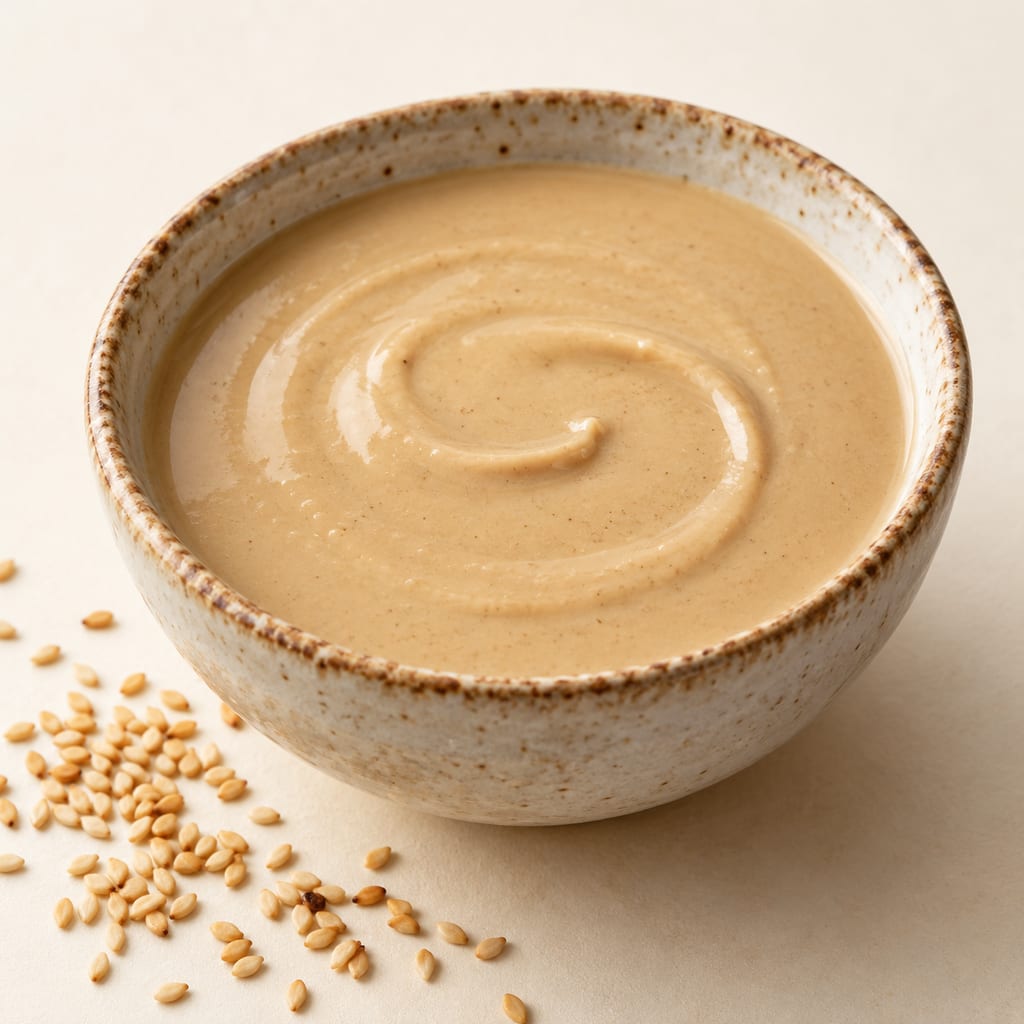
Toasted sesame seeds ground to a pourable paste, made by two manufacturer routes: a high-speed blender in minutes, or a stone chocolate refiner over three hours.
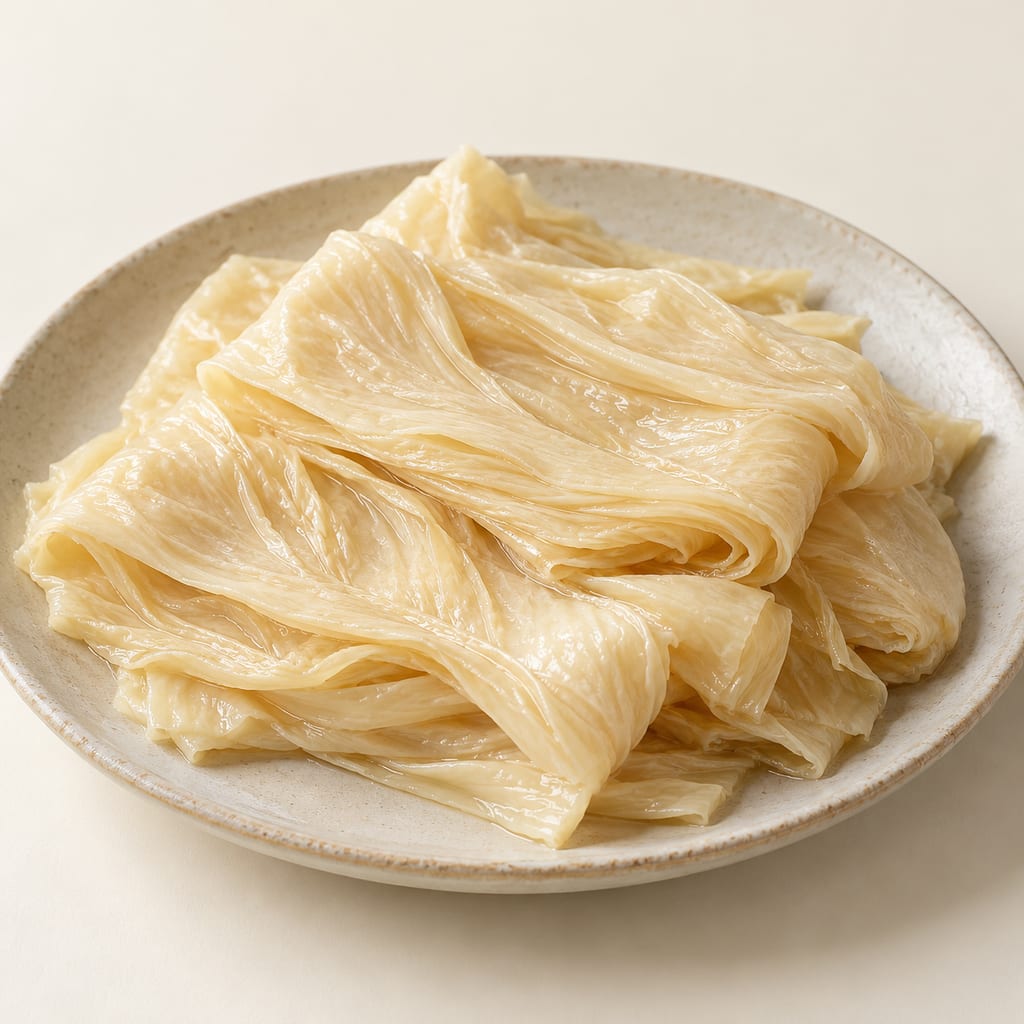
The protein-lipid film that forms on hot soy milk, lifted sheet by sheet from a wide shallow pan; eaten fresh, or dried for later use.
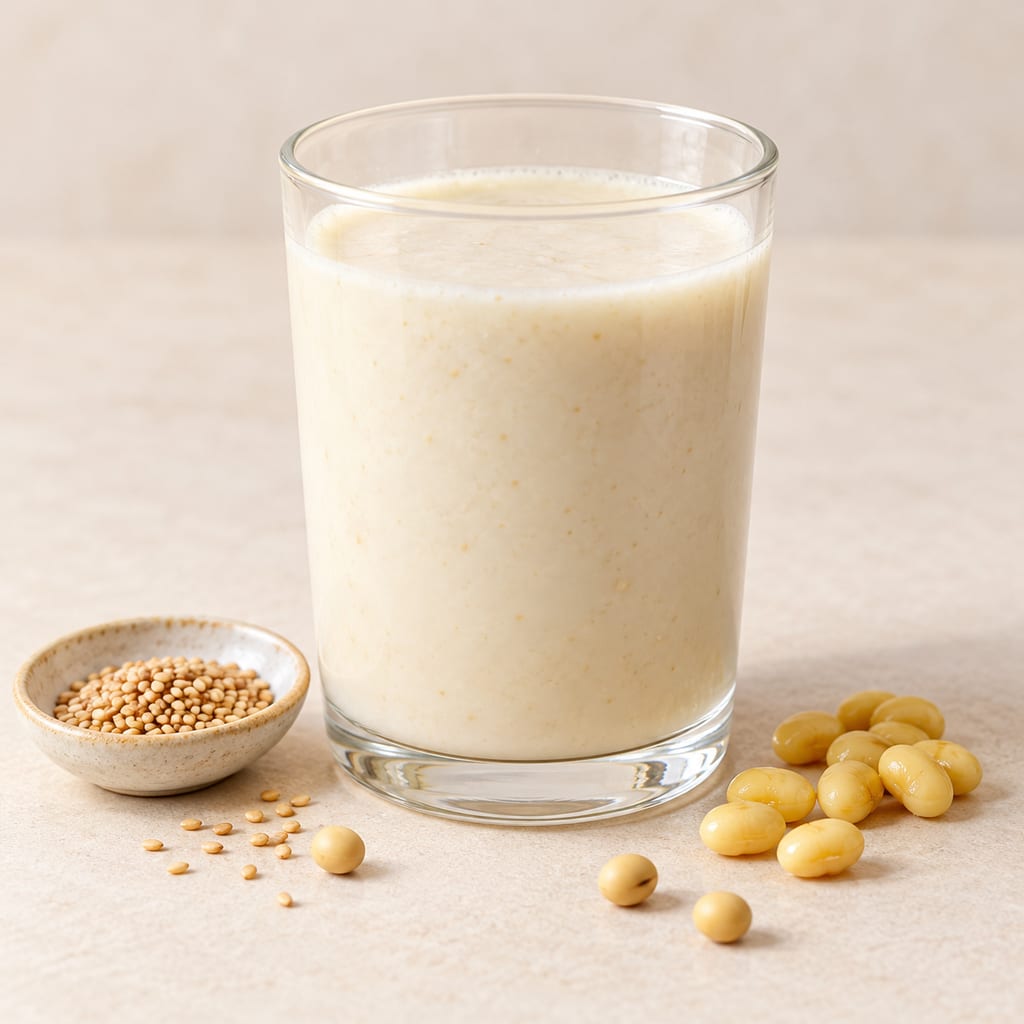
A Korean-style soy drink of cooked whole soybeans blended with cold water, sesame and salt and served at once; tofu-making soy milk is a different, filtered milk.
Peanut butter is a paste of ground roasted peanuts, usually with salt. Smooth and granular versions come from the same method, differing in how finely the nuts are ground.
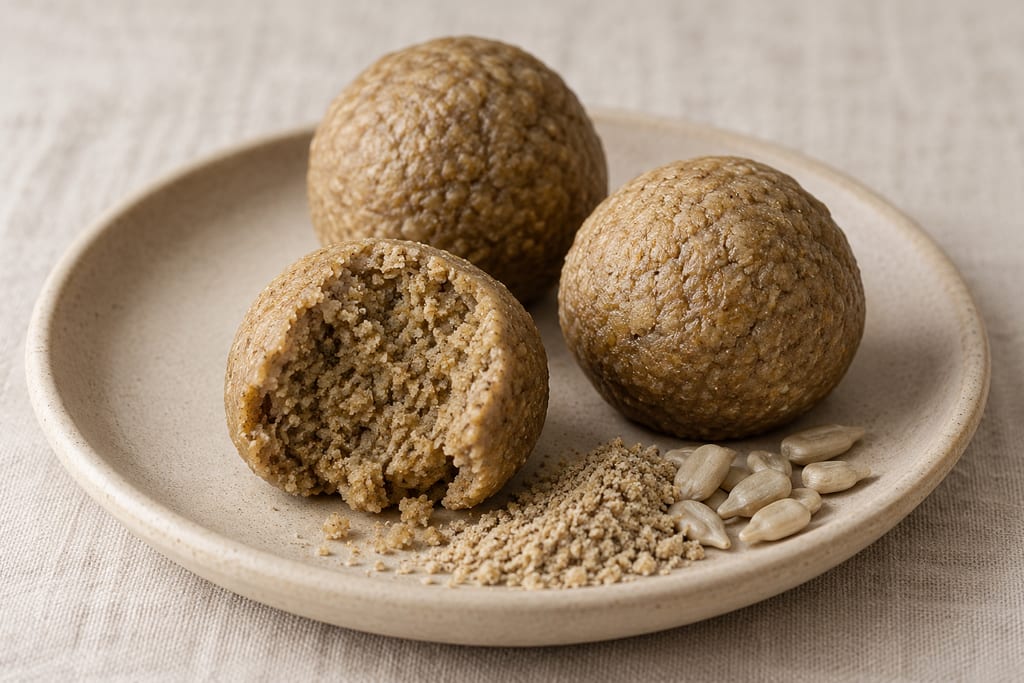
Mapi' are Hidatsa sunflower-seed balls formed from parched meal. This modern, untested kitchen adaptation uses toasted kernels and keeps the historical method distinct.
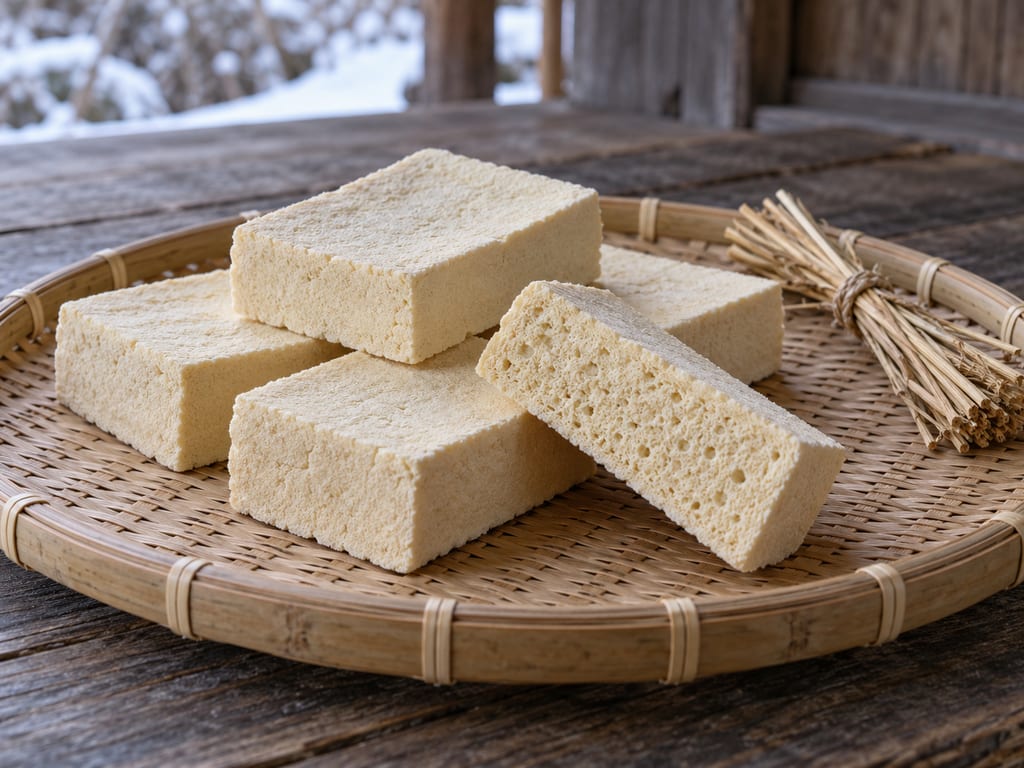
Tofu frozen, thawed, pressed and dried into a porous, durable soybean food; Japanese sources trace the tradition to the late Kamakura period.
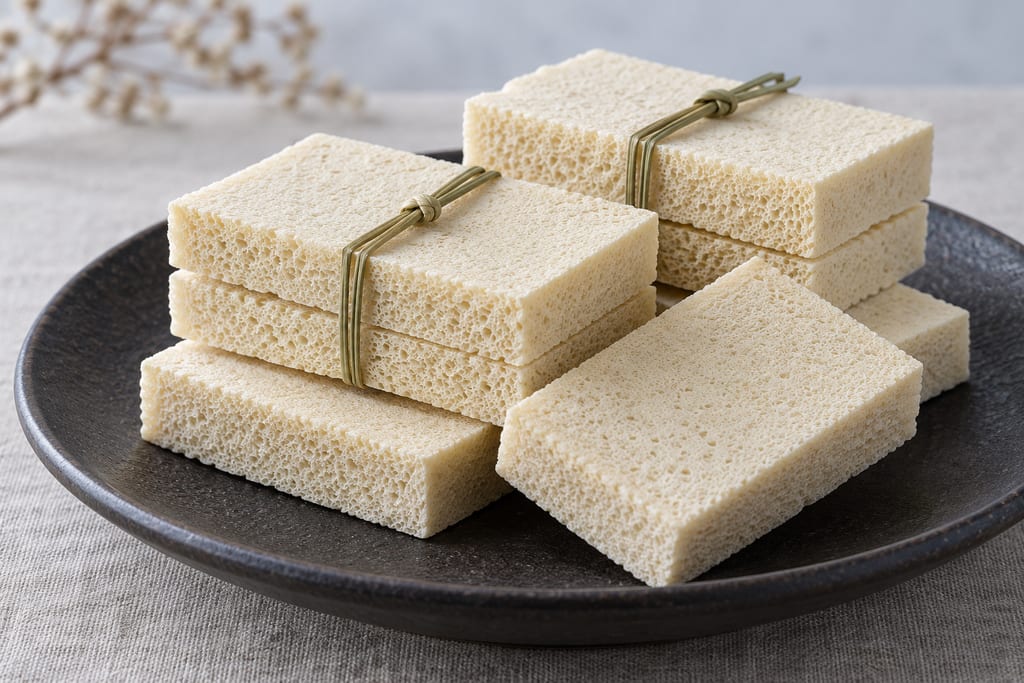
Japanese tofu frozen, aged below freezing, thawed and dried to a light sponge that is simmered in dashi; Iwadeyama makes it in winter air.
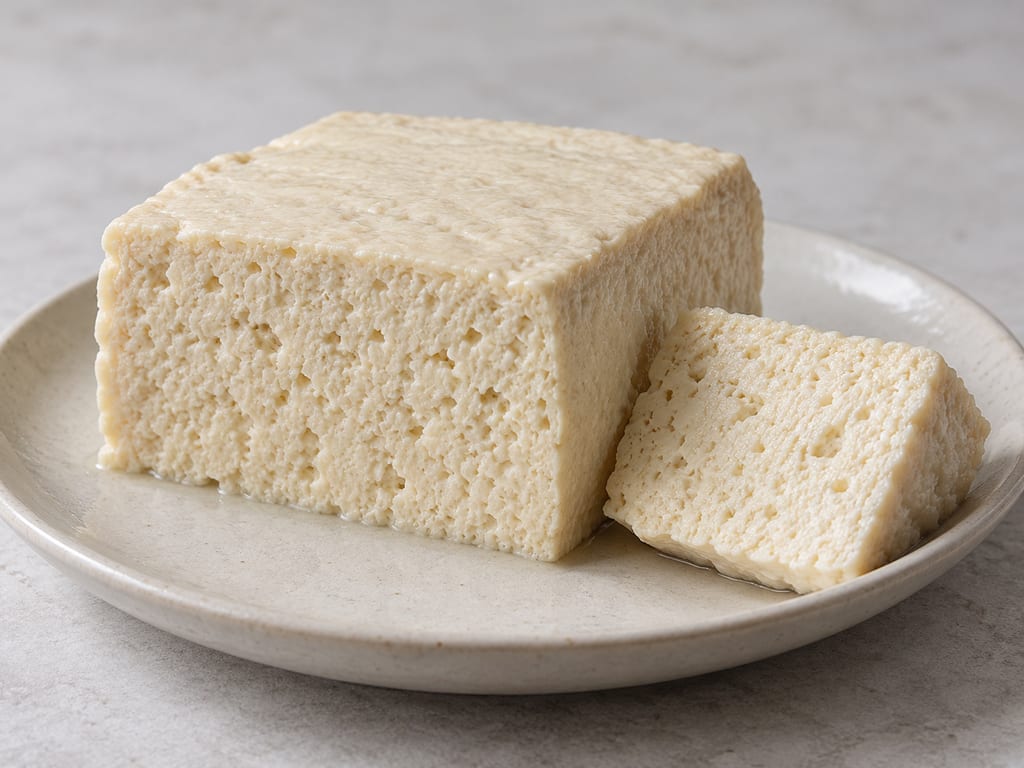
Drained firm tofu frozen in a home freezer so that ice reshapes the curd into a firmer, spongy, porous block for cooking; not the dried kori-dofu.