








































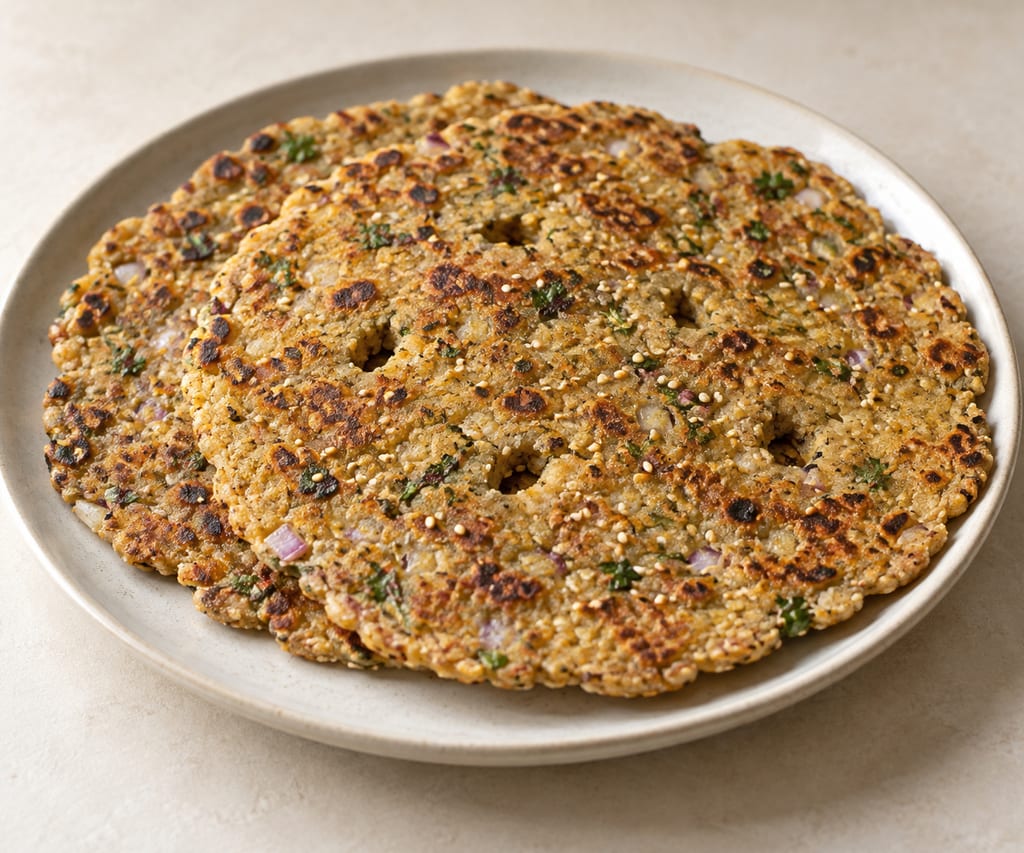
Thalipeeth
A Maharashtrian multigrain flatbread, patted by hand and cooked on a hot griddle. This home version mixes five flours with onion, sesame and spices.
 FermenteaWhere food goes to change
1504 records with their sources, across 11 categories.
 Unfermented breads100
 Cereal, grain, root and starch fermentations10
 Not yet classified2
 Adjacent and excluded1
 Fruit preserves1
 Smoked salted and dried foods1
A Maharashtrian multigrain flatbread, patted by hand and cooked on a hot griddle. This home version mixes five flours with onion, sesame and spices.
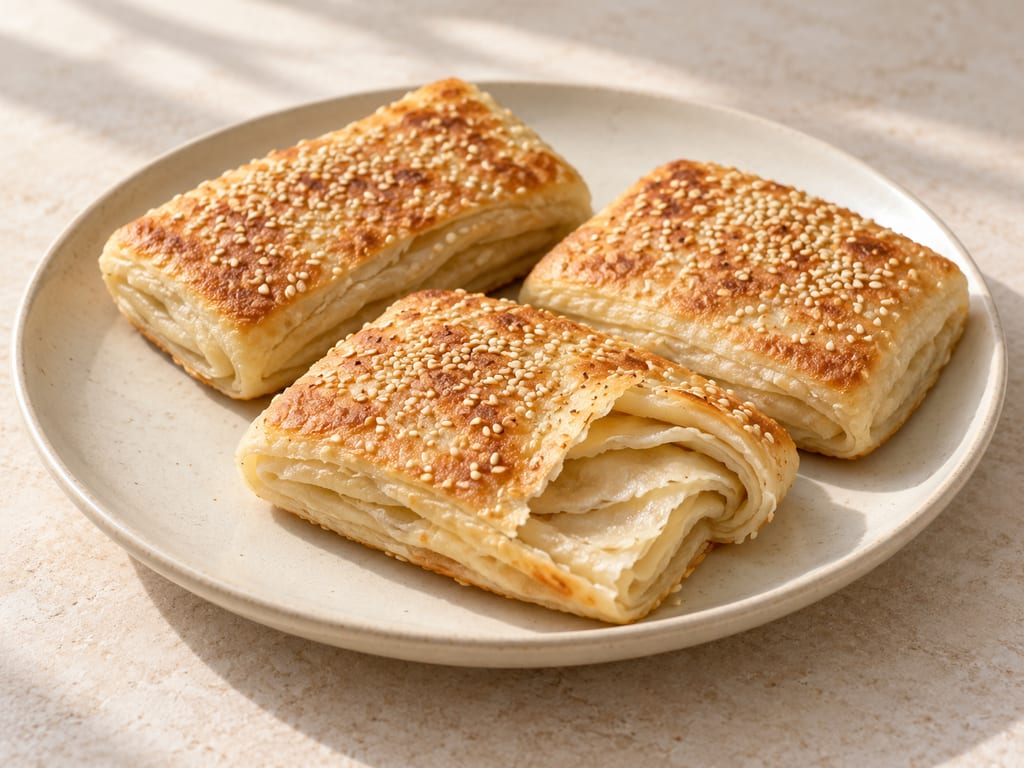
A Taichung family recipe uses a hot-and-cool water dough, vegetable-oil roux, repeated folds and sesame seeds for crisp, layered shaobing.
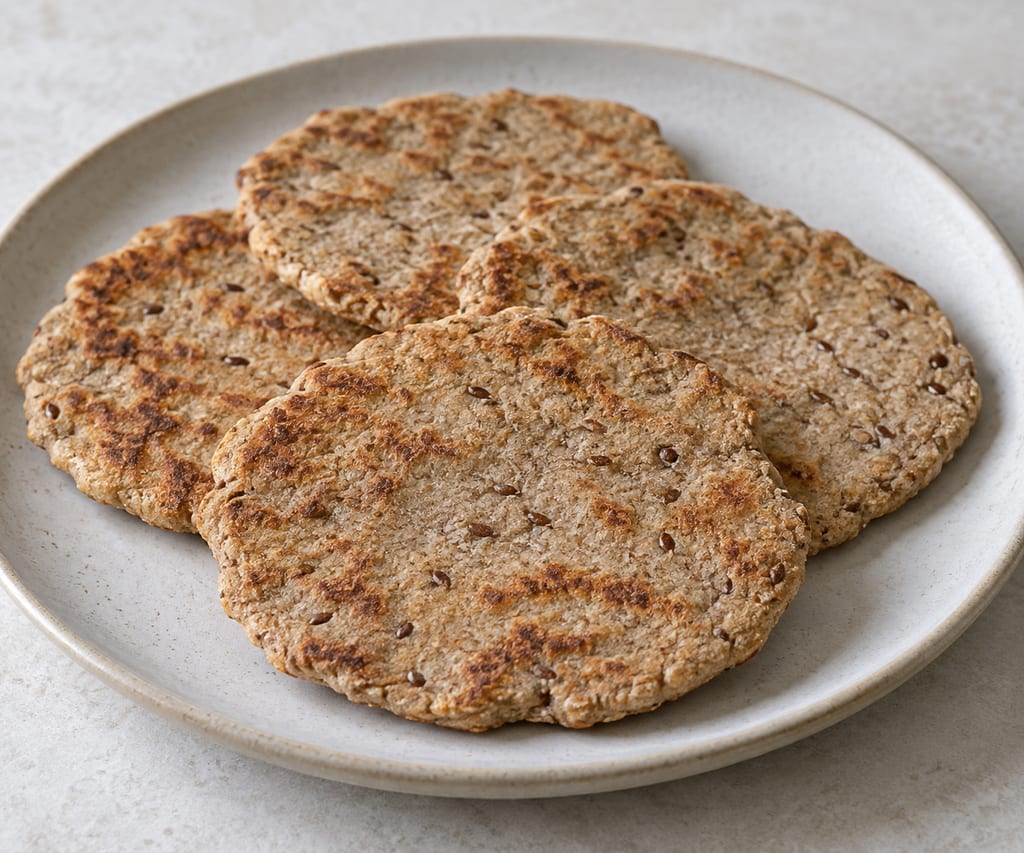
A small, dense cake of ground barley mixed with liquid and cooked against a hot surface, the form a low-gluten northern cereal takes when a household turns stored grain into bread.
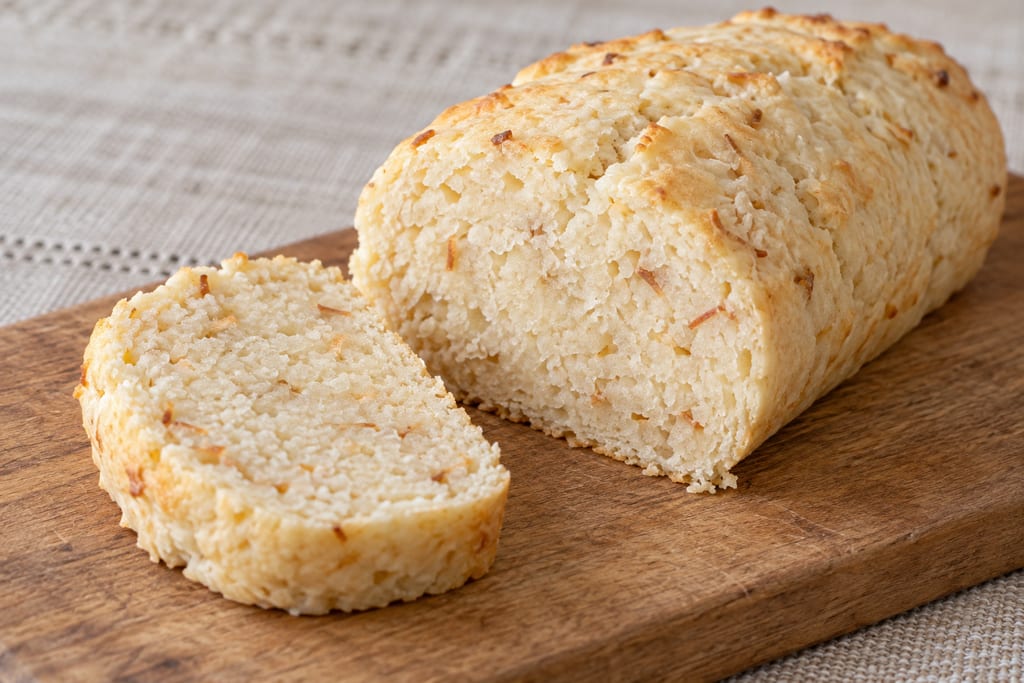
Sweet dough with grated coconut is divided into ten logs, wrapped in foil and baked slowly in this Polynesian Cultural Center version demonstrated by Gina Pasi.
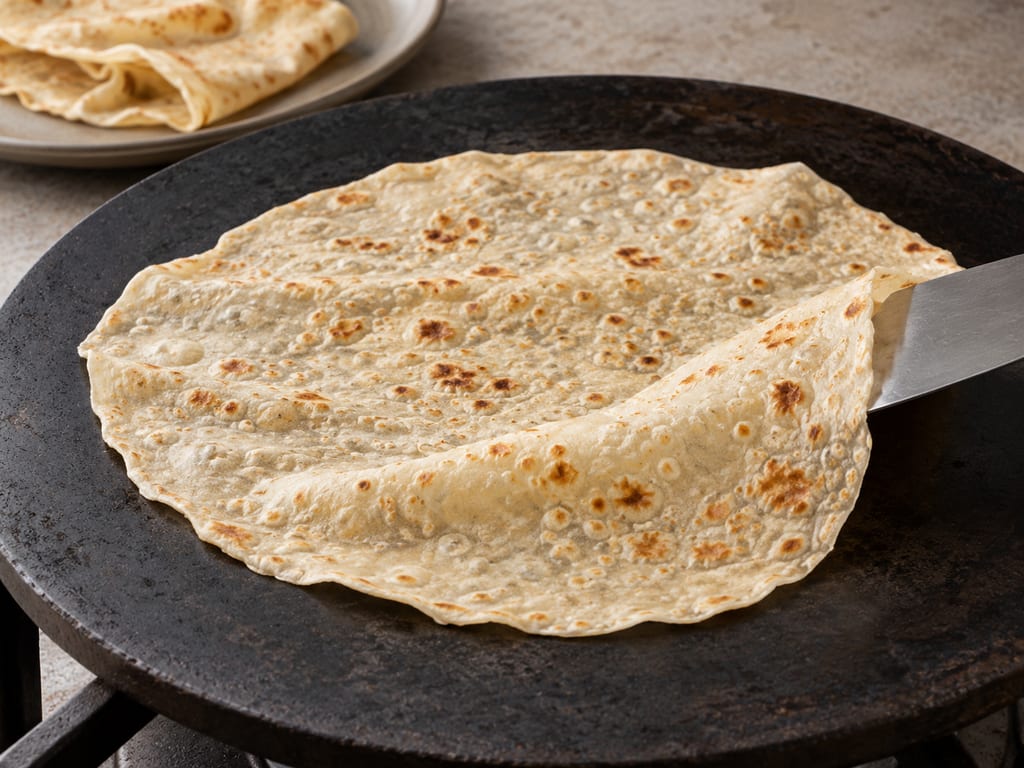
Regag is a thin Emirati wheat bread cooked on an ungreased pan. This measured home method uses a soft dough that rests covered, then gets spread thin with a palette knife or bench scraper.
Panrkhash is an Armenian bread-and-cheese dish associated with Gyumri and Shirak. One published oven-baked version layers lavash and string cheese with butter-sautéed onion and hot water; regional methods vary.
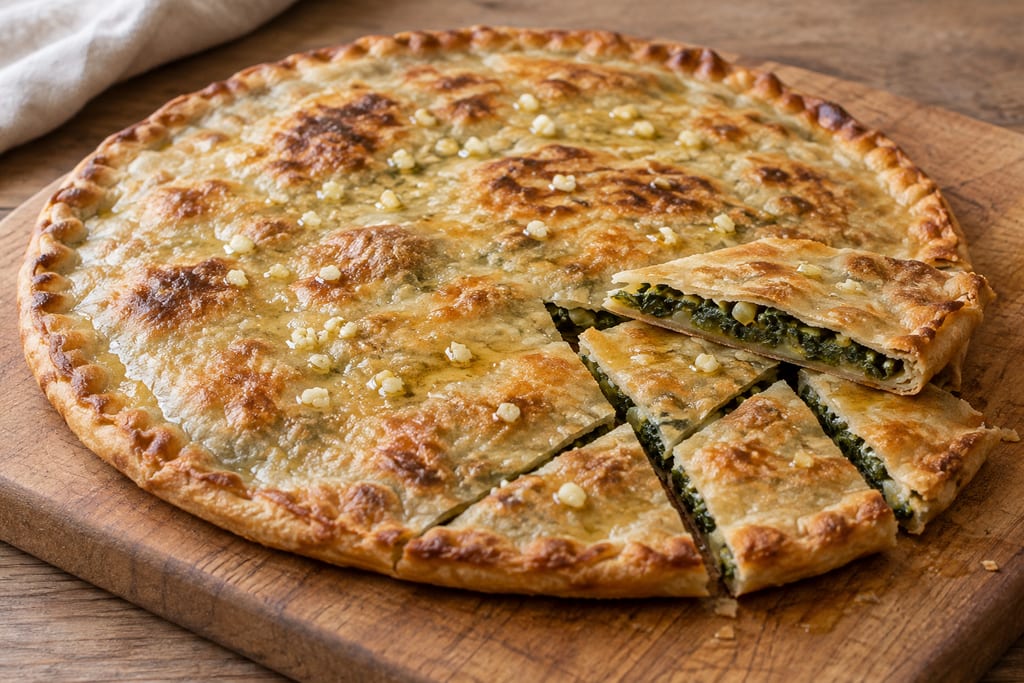
A Croatian chard-filled flatbread baked in a home oven and finished with garlic oil.
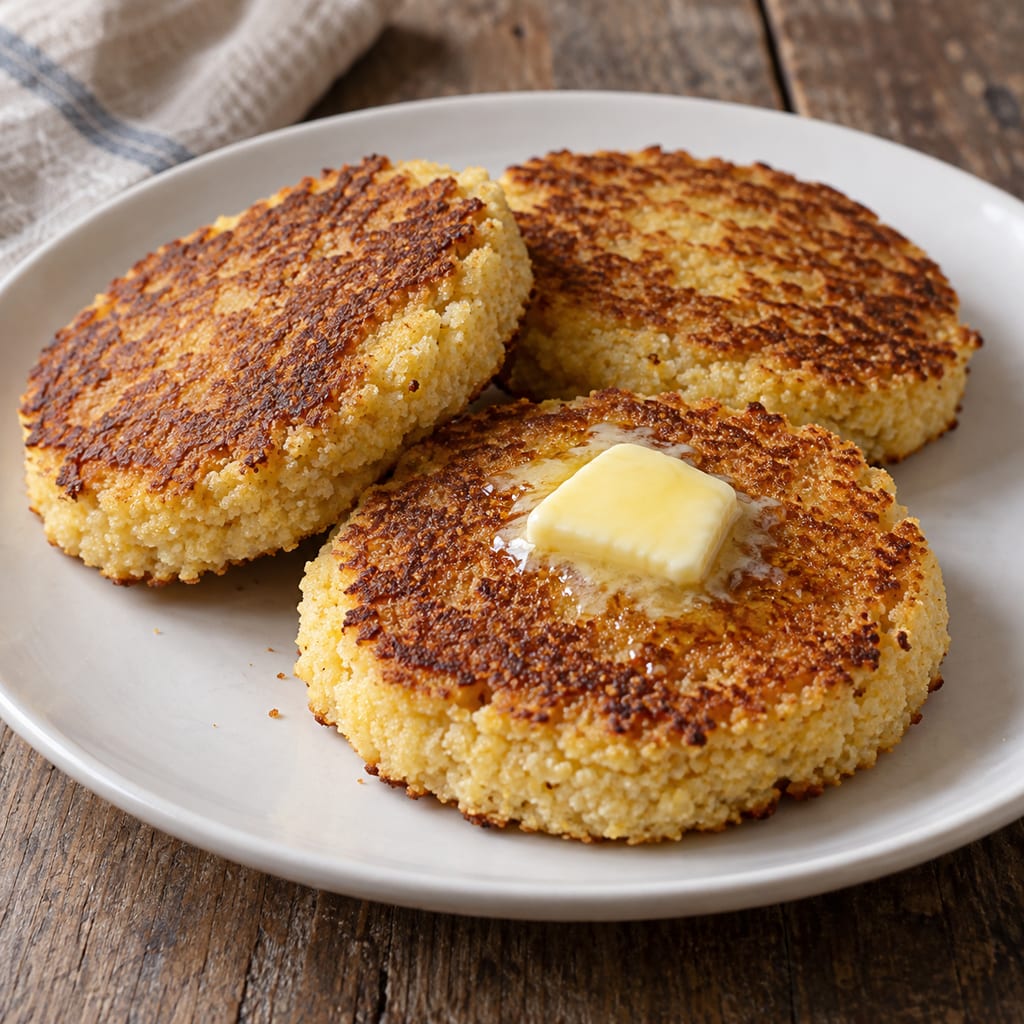
Thicker cornmeal cakes scalded with boiling water and cooked in butter. This South County formula is separate from thin Newport milk-batter cakes and Caribbean wheat breads.
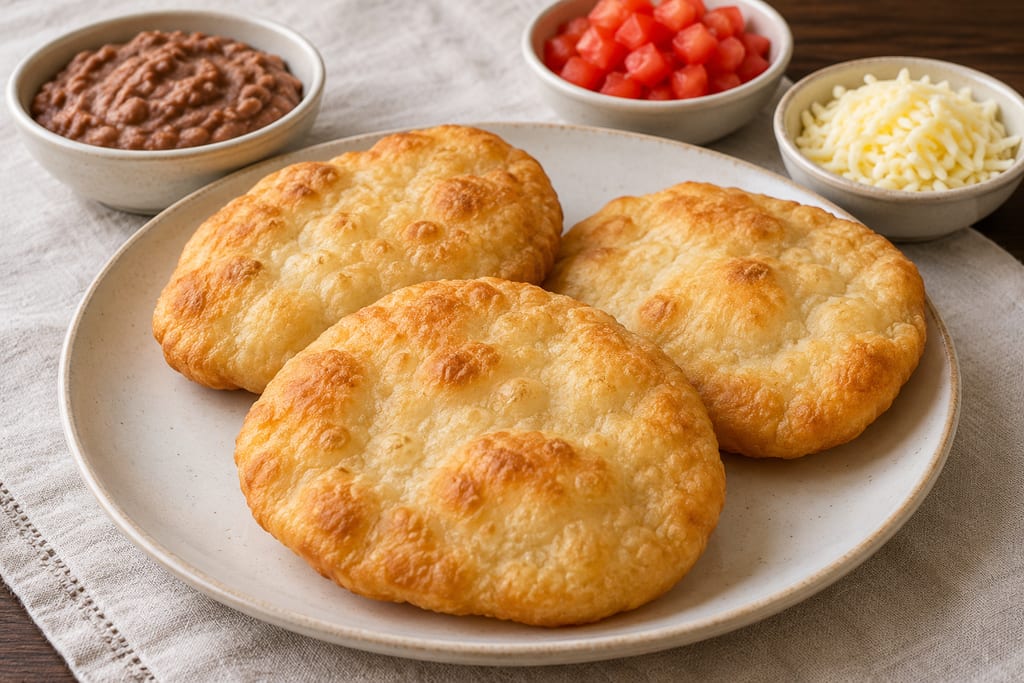
A Belizean fried breakfast bread made from baking-powder dough with evaporated milk, shaped into rounds and fried until golden.
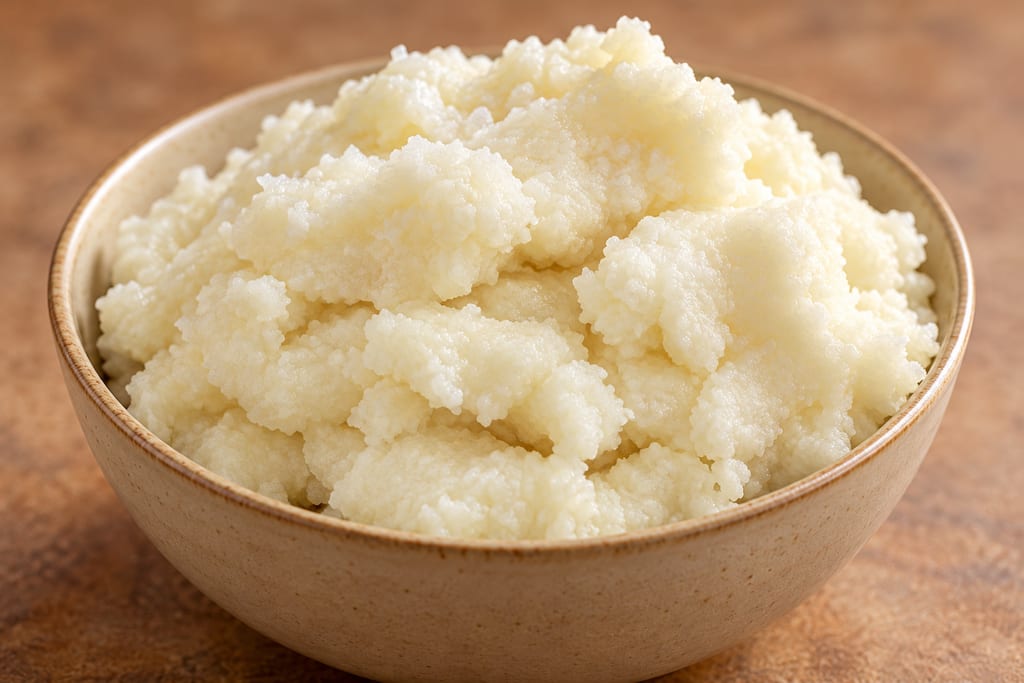
South Africa's maize-meal porridge, which the same white meal turns into a soft breakfast pap, a firm sliceable mound or the separate moist granules of phuthu depending only on water and handling.
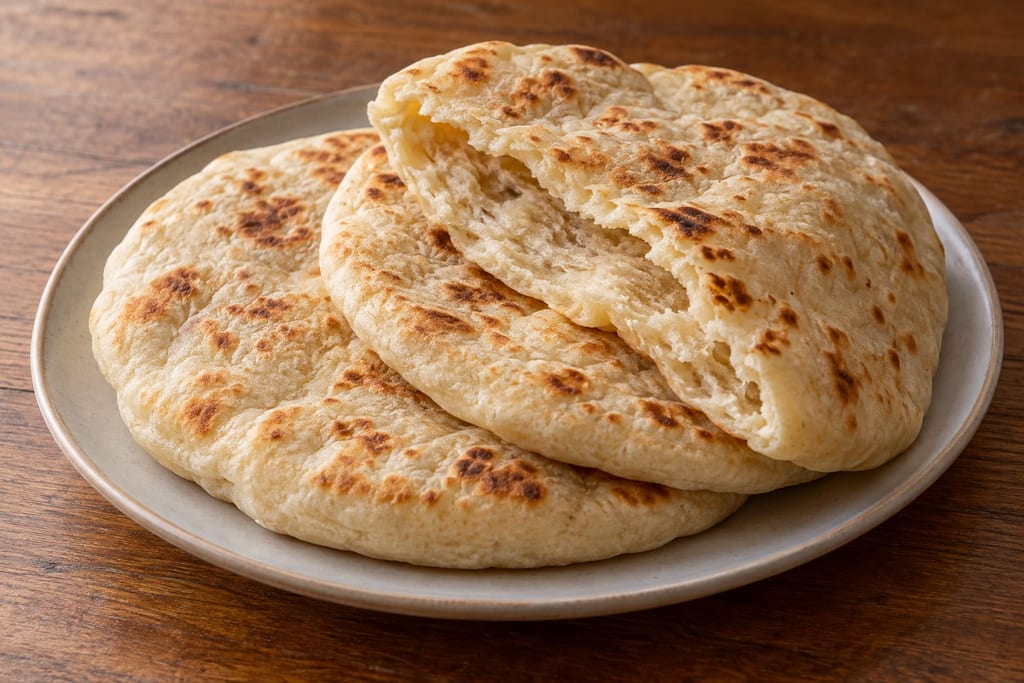
A Trinidad and Tobago baking-powder flatbread cooked on a hot stone, then briefly exposed to direct heat to puff.
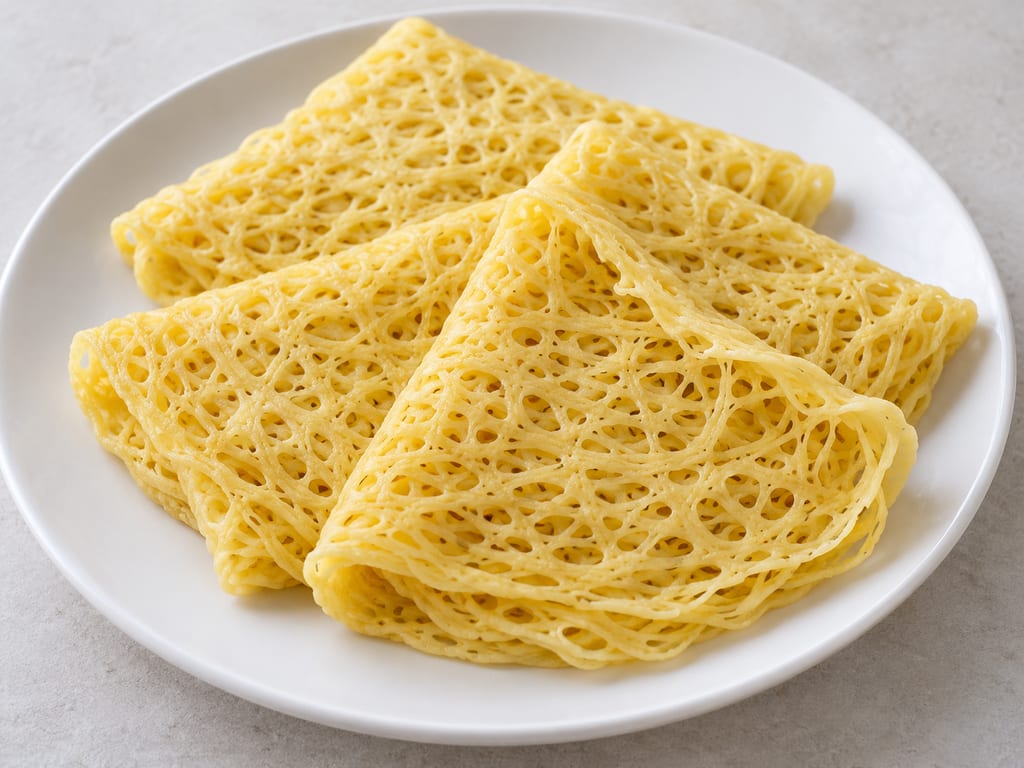
Malaysian lacy pancakes made by pouring coconut-milk batter in a net on a hot pan.
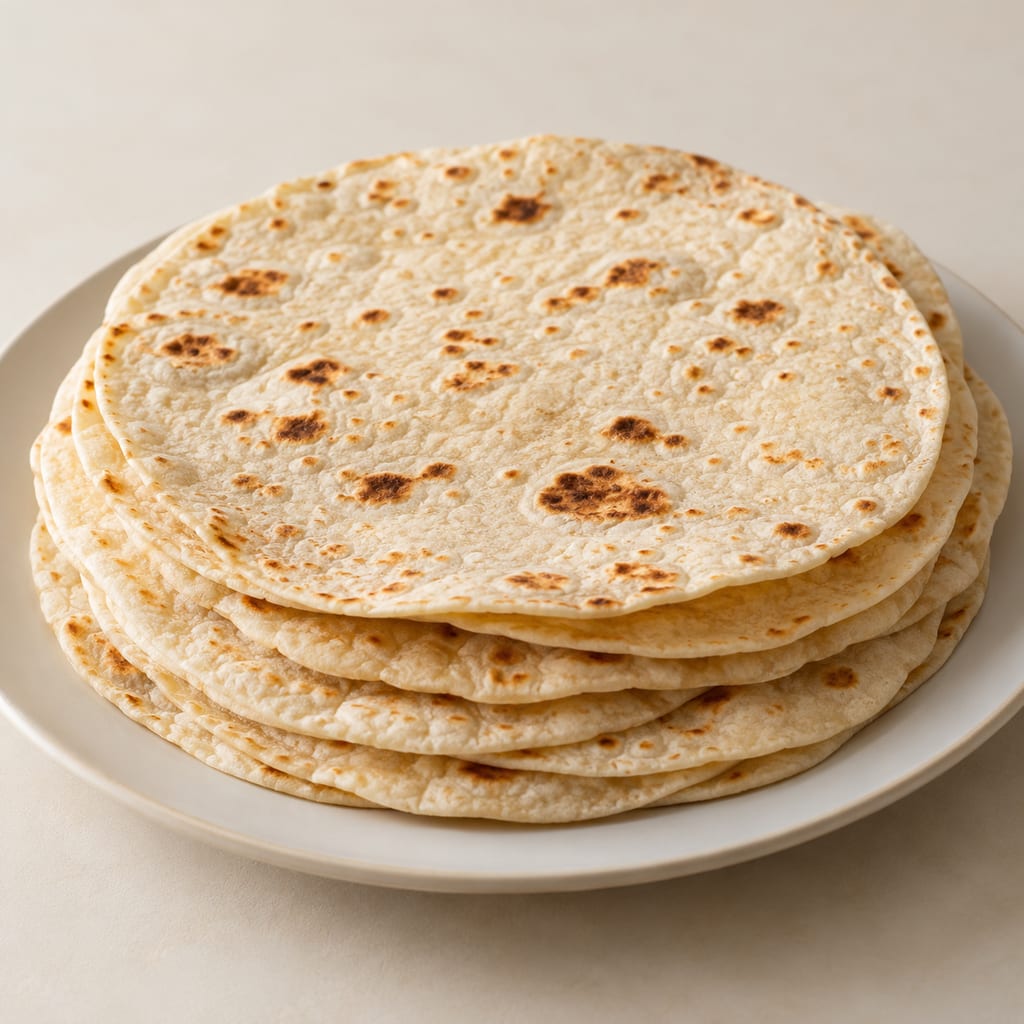
A soft wheat-flour tortilla made with baking powder and a fat, rolled and cooked dry on a hot griddle. The King Arthur version is contemporary and distinct from nixtamalized maize tortillas.
Potatoes frozen and thawed as for black chuño, then washed or soaked for a long time before drying, giving a pale highland tuber product with different bitterness and colour.
Tipak is a Kapingamarangi breadfruit product: cooked breadfruit mashed, spread into sheets, sun-dried, rolled and wrapped in pandanus leaves as provisions for later.
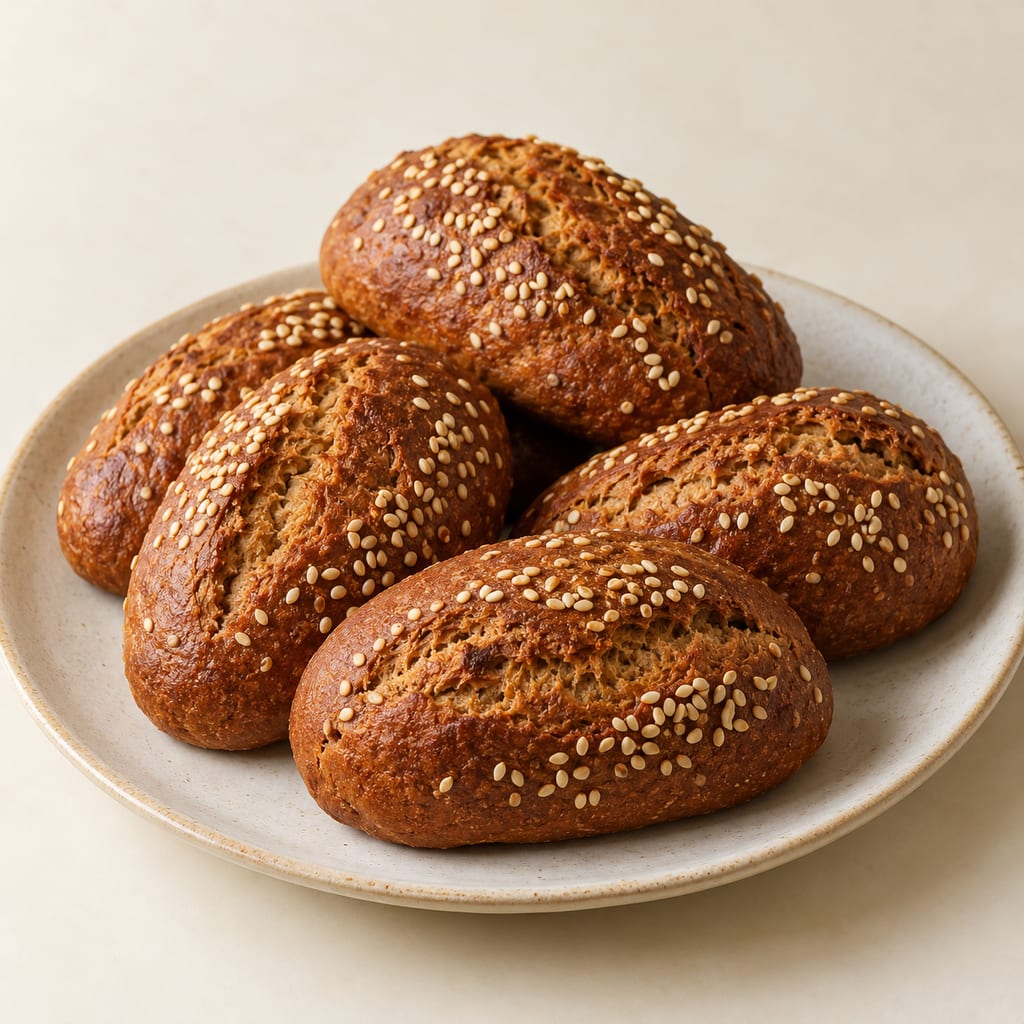
A spiced, breadcrumb-enriched Indonesian loaf raised with baking soda and baking powder, shaped into ovals and baked with sesame seeds.
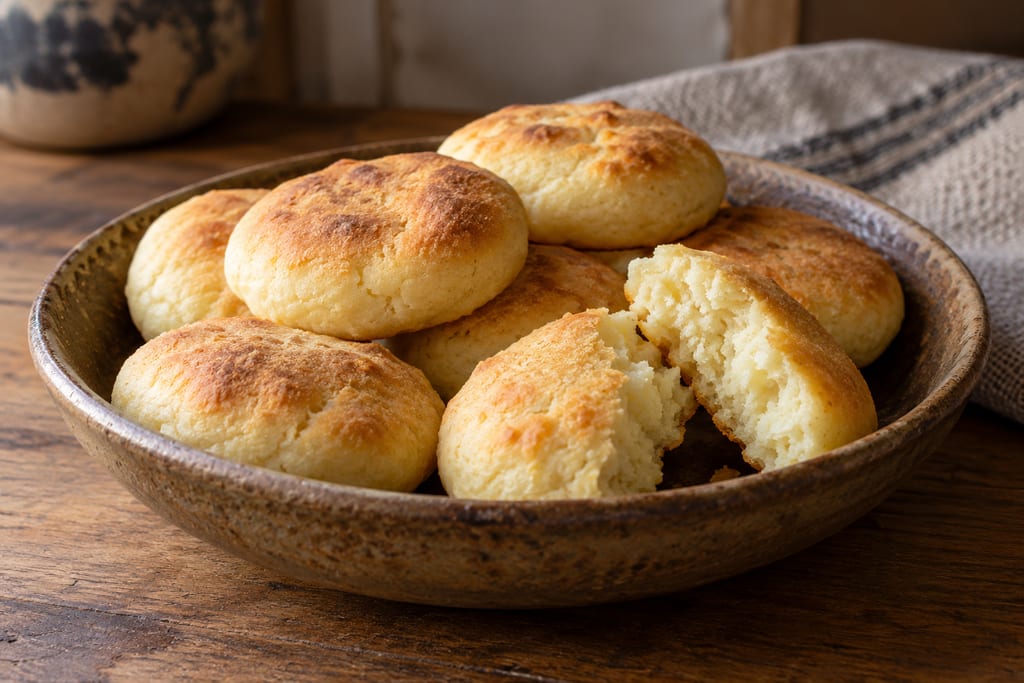
A baked Chiloé chapalele based on Gourmet's recipe: smooth cooked potato mixed with wheat flour, baking powder, sea salt and butter, shaped into 16 pieces.
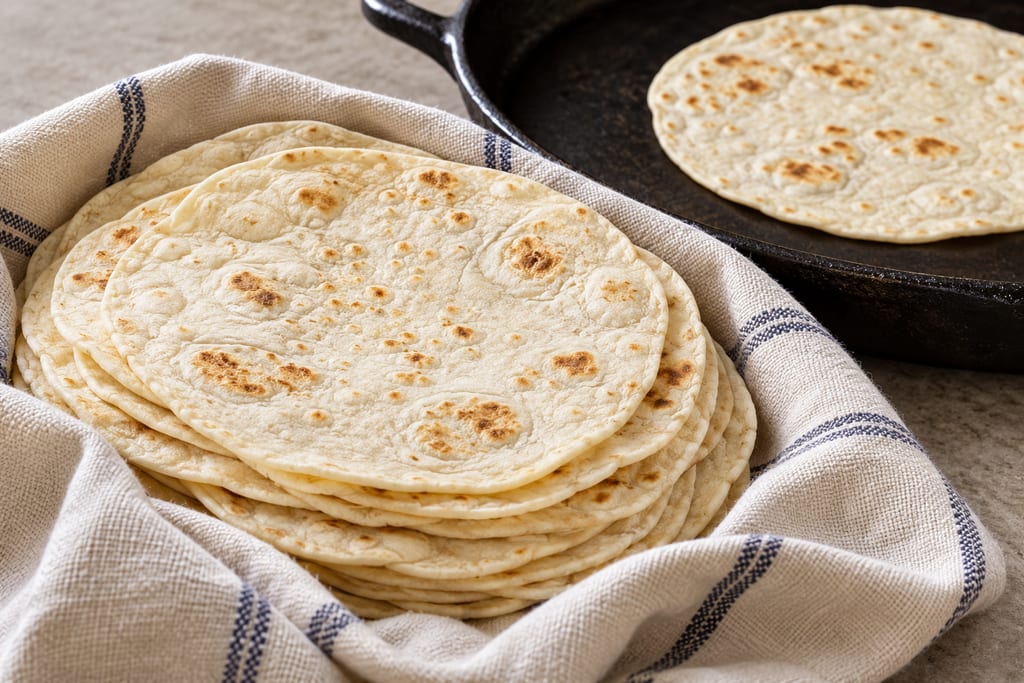
Soft wheat-flour rounds from an INCAP Honduran baleada recipe are rolled thin and cooked on a dry skillet; this record covers tortillas, not the filled dish.
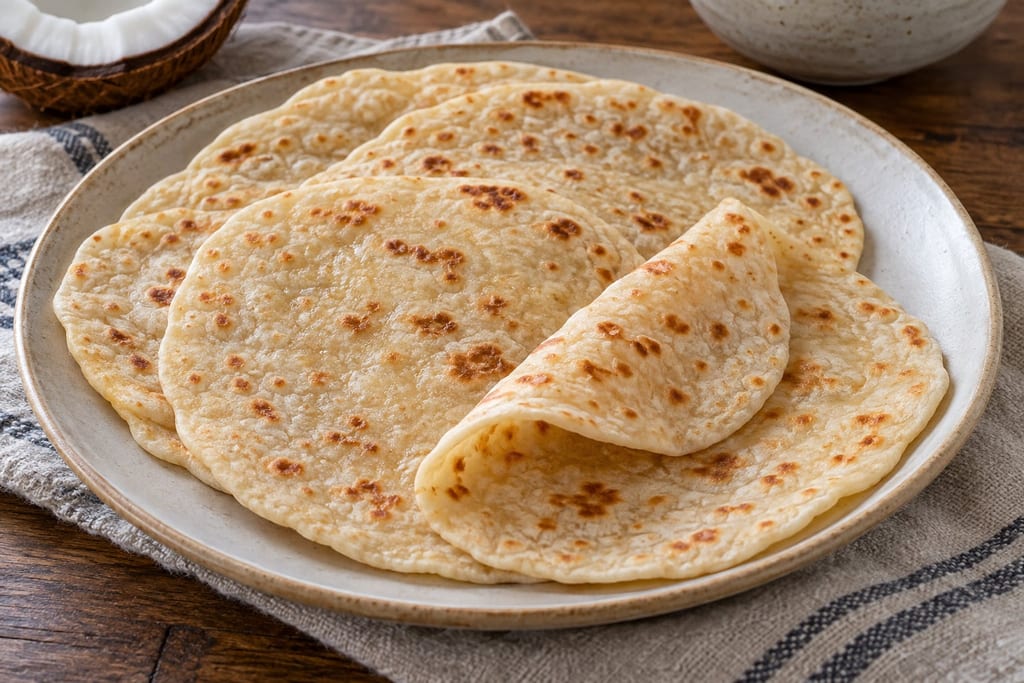
A sweet, soft CHamoru flour titiyas made with wheat flour, coconut milk, butter and cream of coconut, rolled thin and cooked on a dry skillet.
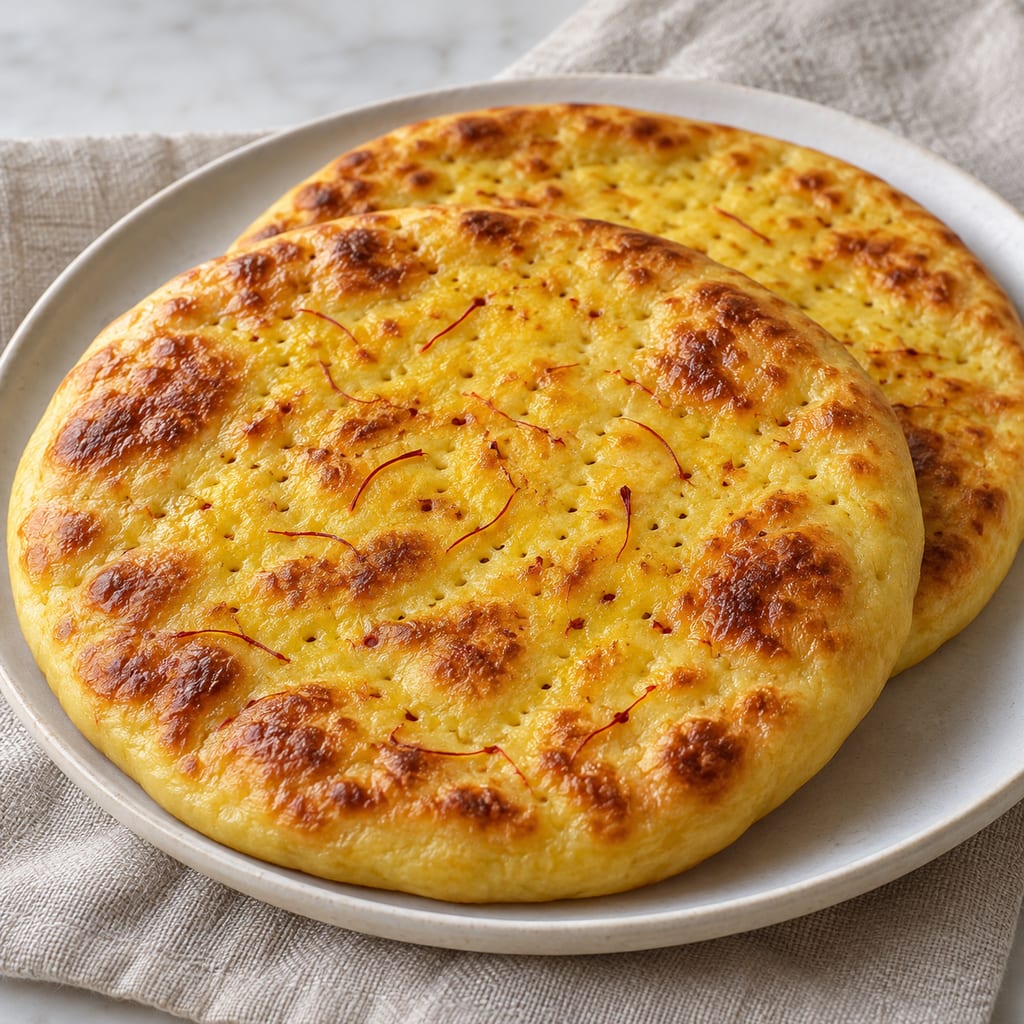
Dassana Amit’s measured sheermal makes eight mildly sweet, saffron-brushed flatbreads without a leavener. Milk, cardamom and a large quantity of ghee enrich the dough, which can be cooked on a covered skillet or baked.
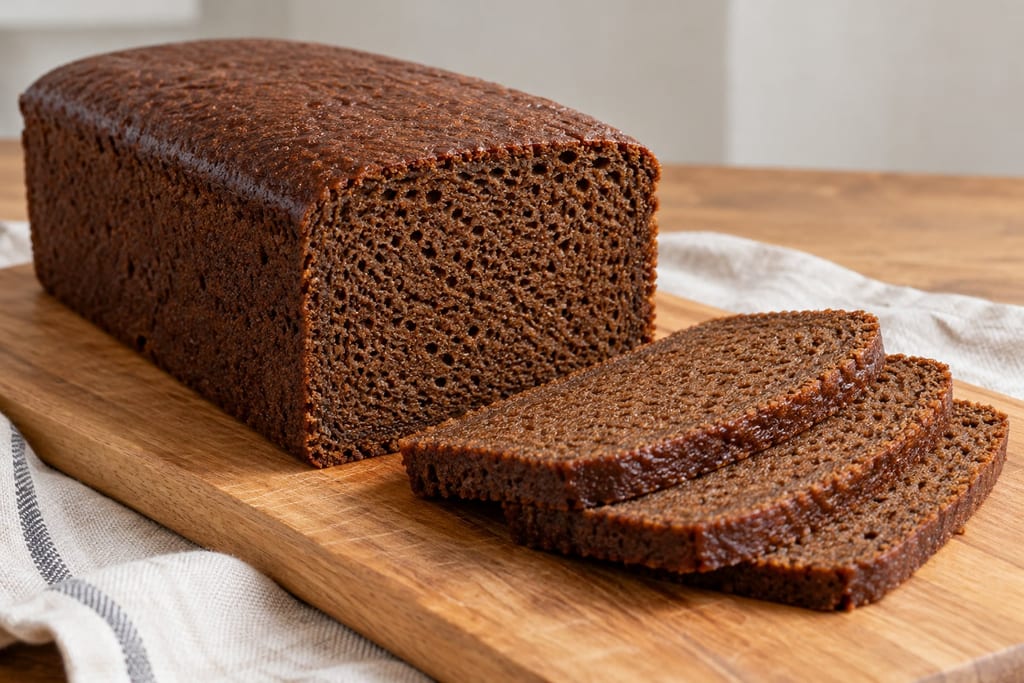
A dense, gently sweet Icelandic rye loaf leavened with baking powder and baking soda, mixed with buttermilk, honey and molasses, then baked under a lid in a Pullman pan.
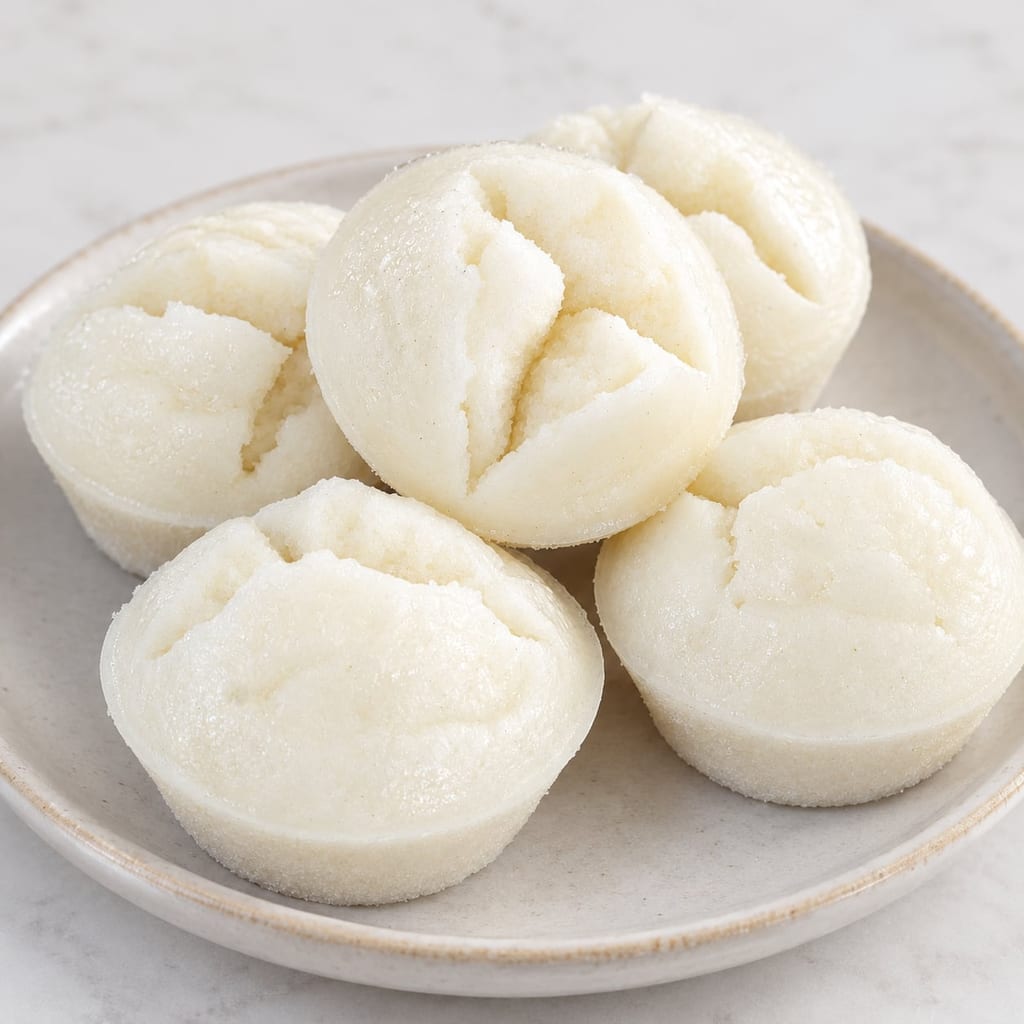
Putong bigas is a rice-flour Filipino steamed cake made with coconut milk and baking powder, then served as a snack or alongside savoury dishes.
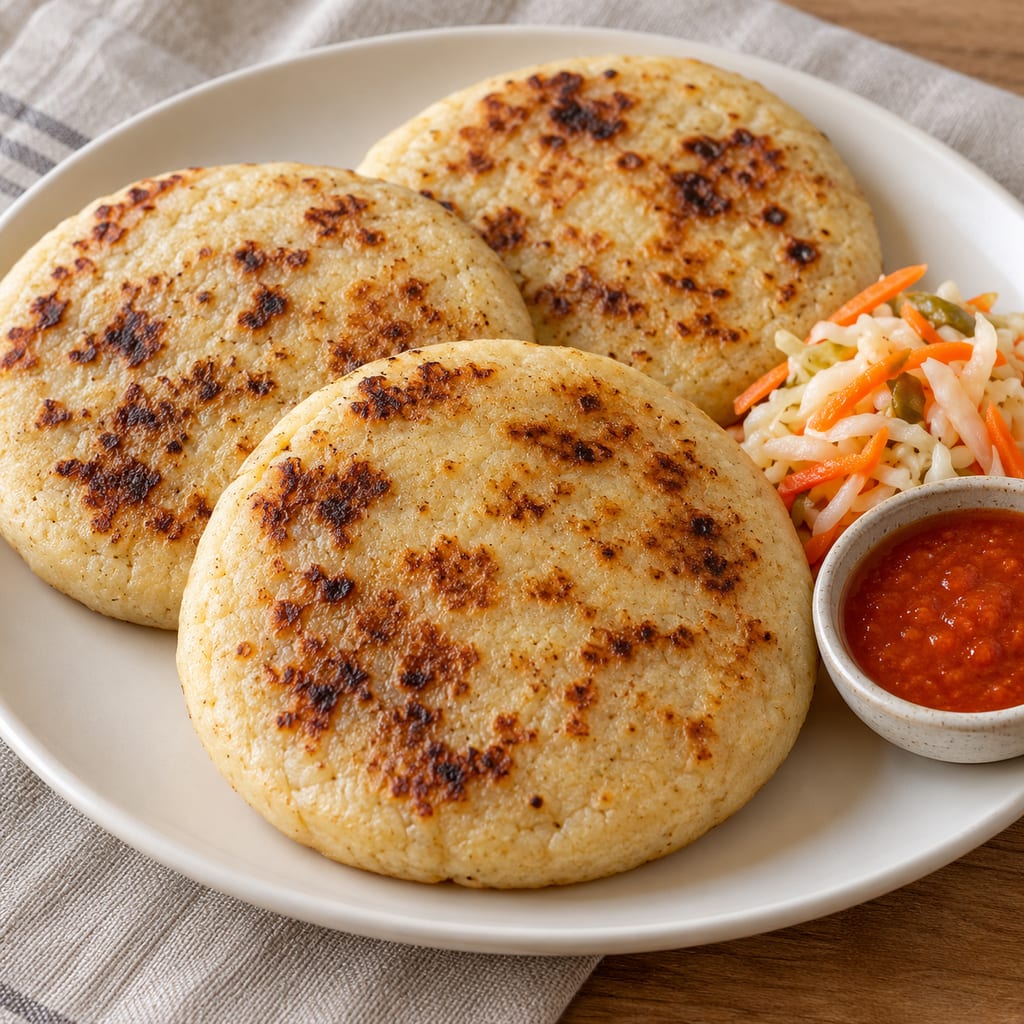
Salvadoran-style masa harina cakes filled with refried beans and cheese, sealed and cooked on an oiled skillet.
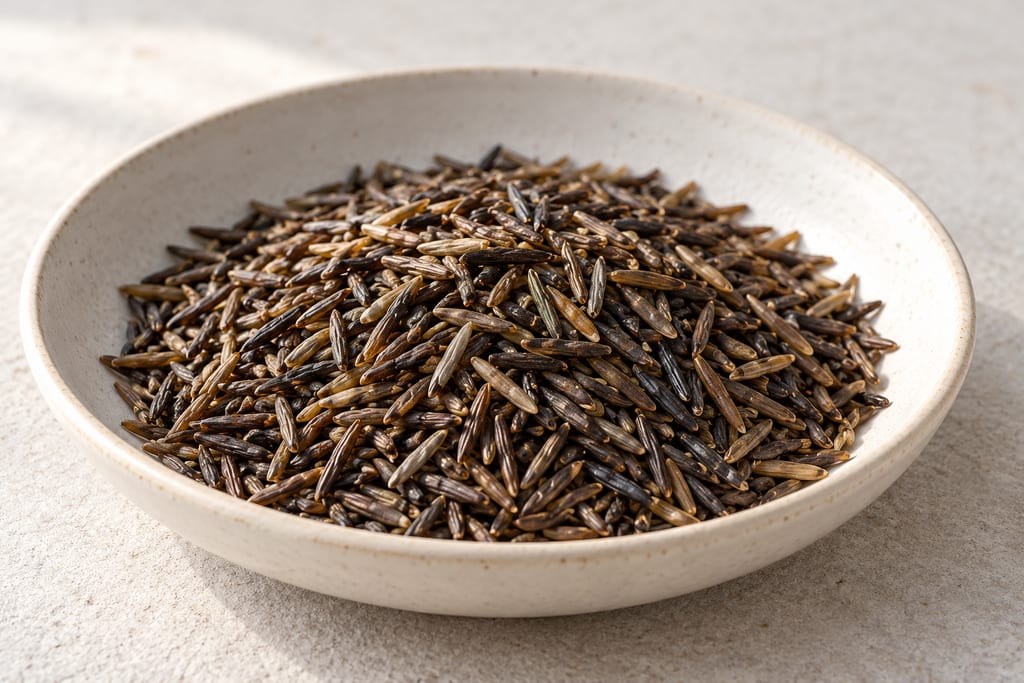
Harvested wild rice dried, parched over heat and hulled, a step that keeps the grain for storage in Ojibwe food systems and does more than cook it.
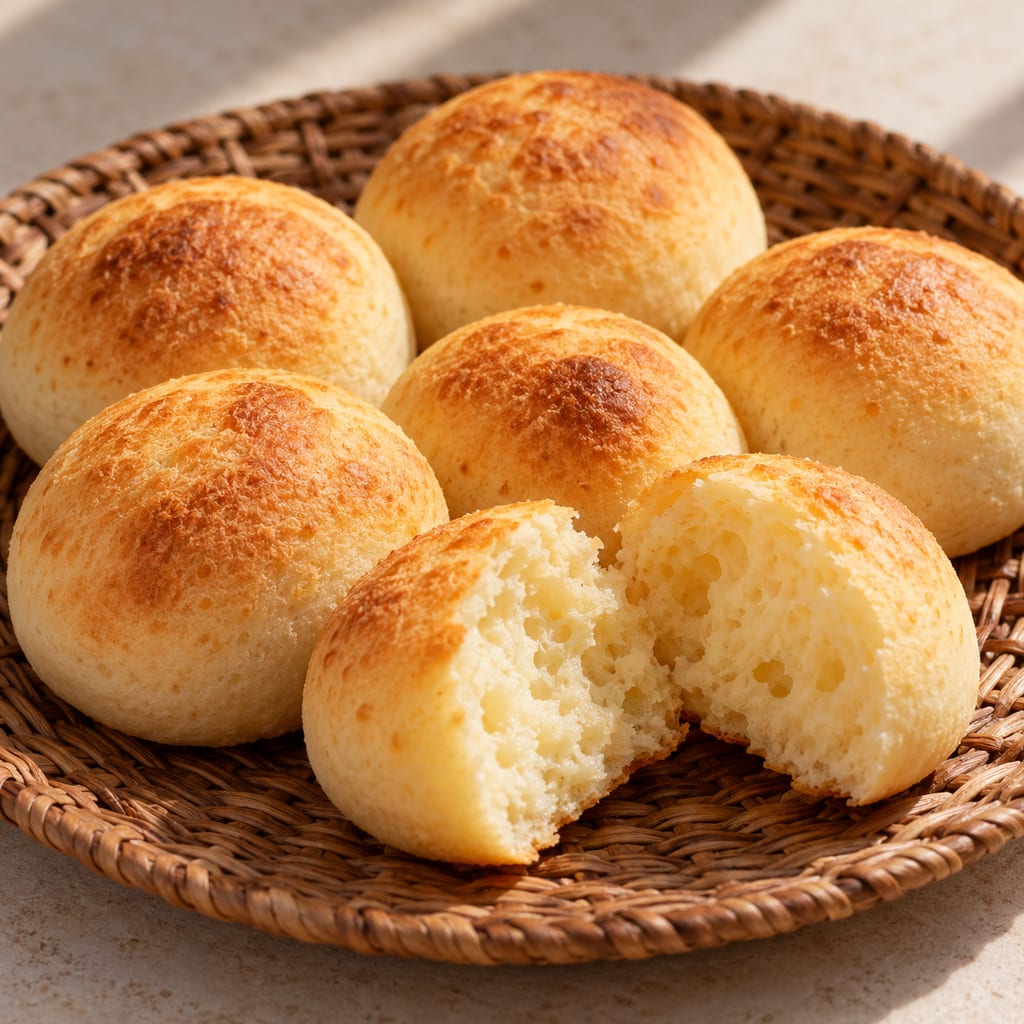
Colombian cheese breads made from cassava starch, precooked cornmeal, queso fresco or quesito, feta and egg; this source's version makes 12 warm, round rolls.
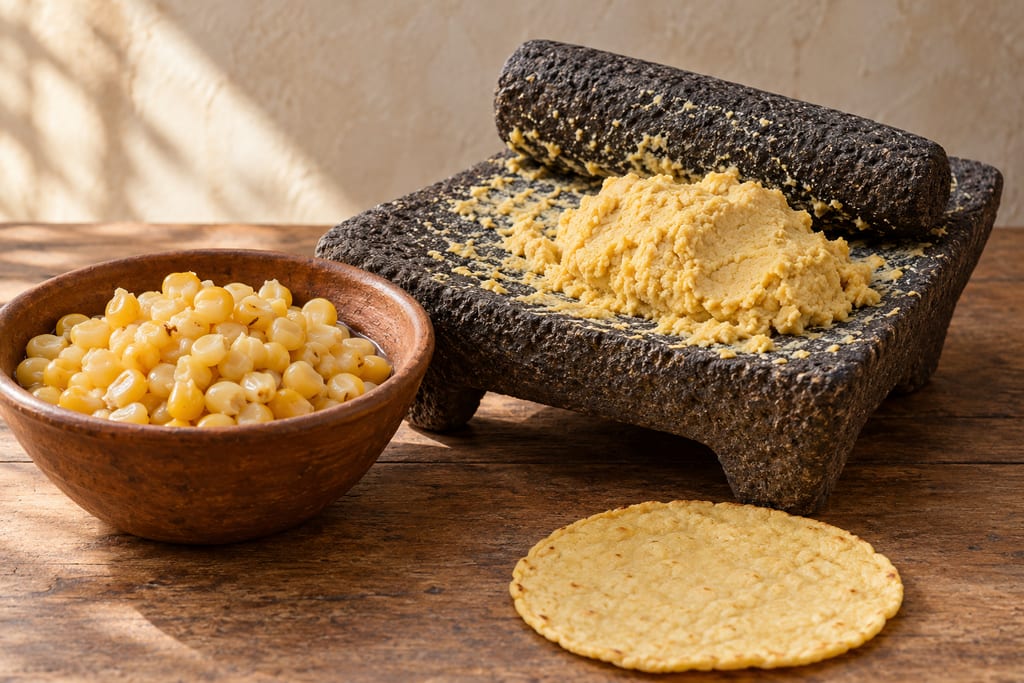
Whole maize cooked and steeped overnight in lime water, washed of its skins and excess lime, then ground into the moist dough used for tortillas.
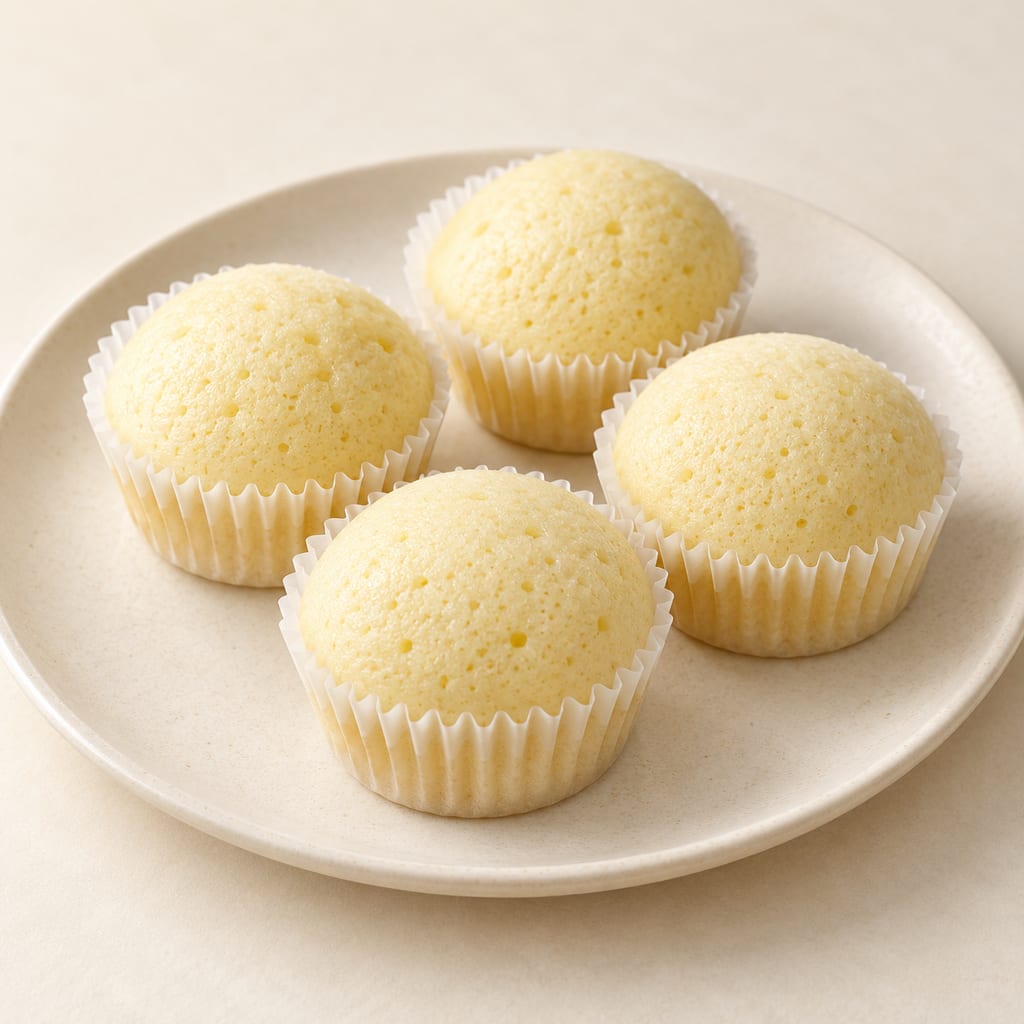
Mushi-pan are Japanese steamed quick cakes made from a lightly sweetened wheat batter raised with baking powder. This four-cake version is cooked in paper-lined ramekins set in a shallow pan of boiling water.
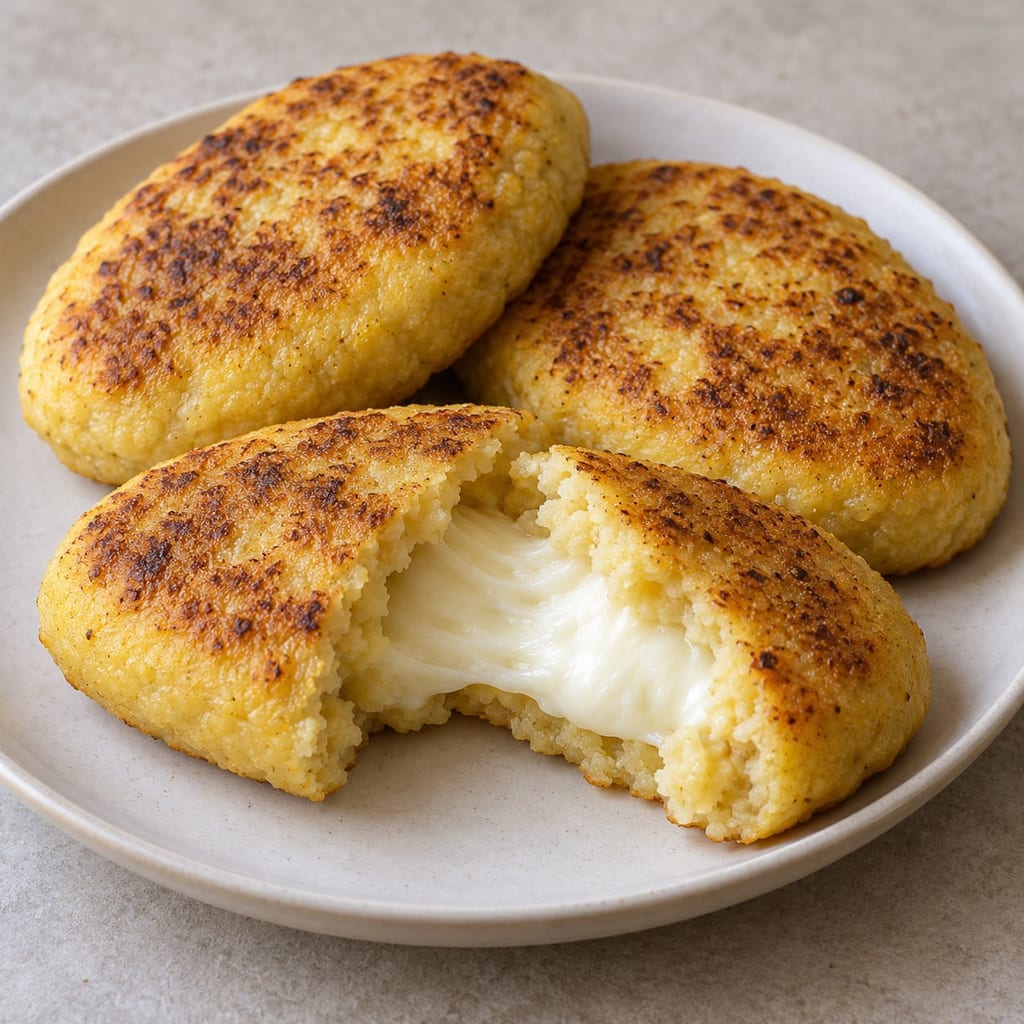
Megrelian chvishtari uses a maize dough with sulguni wrapped around a cheese piece, then cooks covered over low heat in a skillet.
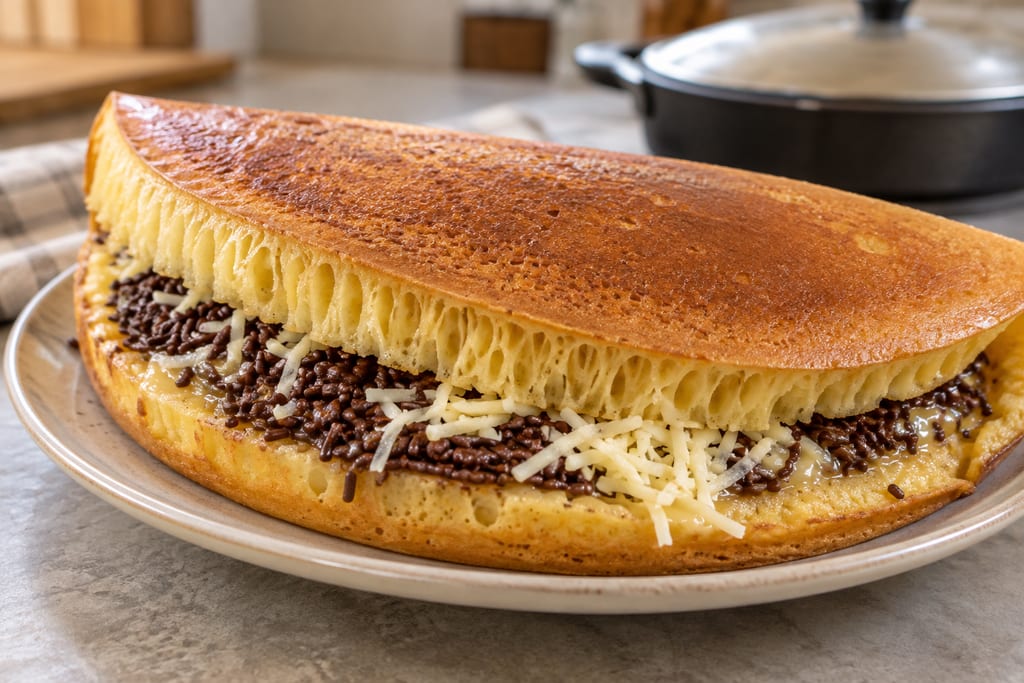
Martabak manis is a thick Indonesian griddle pancake with a porous, honeycomb crumb, cooked under a lid and finished with butter and sweet toppings.
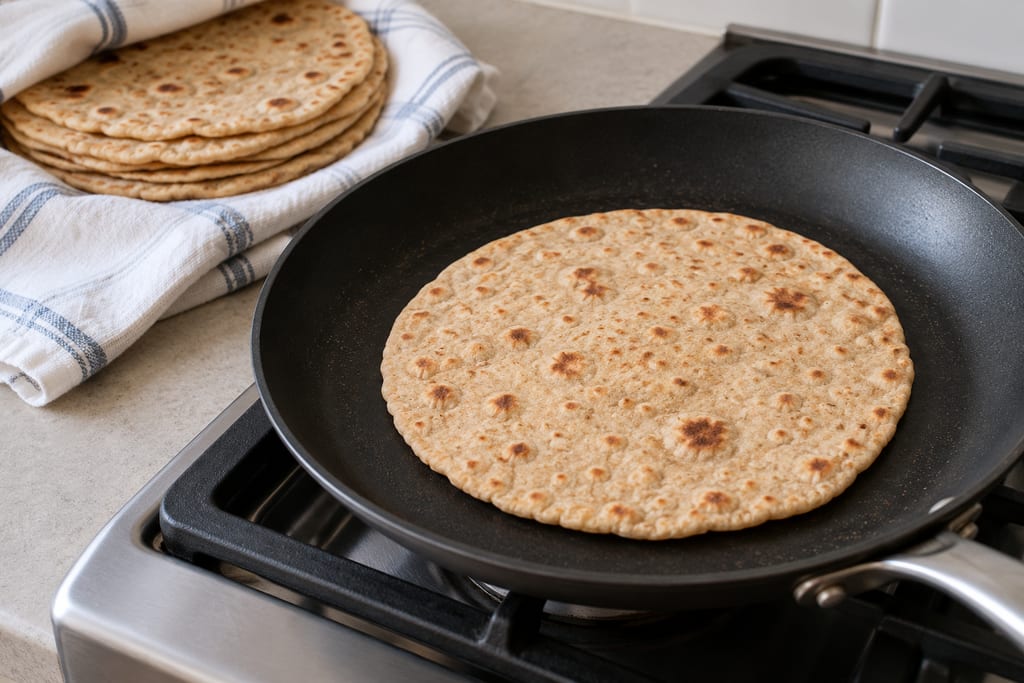
A small home-pan adaptation of Levantine markouk: rested wheat dough rolled into small rounds and cooked quickly on a hot flat pan. It is thicker and smaller than the hand-stretched sheets made on a saj.
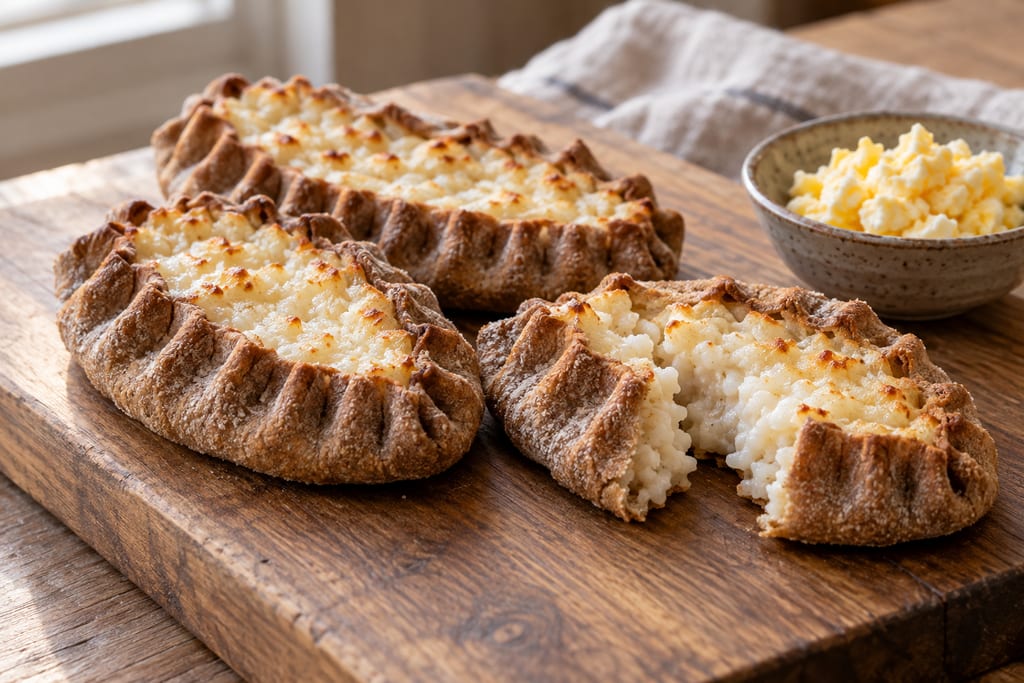
Karjalanpiirakka are open, pleated rye-and-wheat pastries filled with creamy rice porridge, baked hot and brushed with butter and milk.
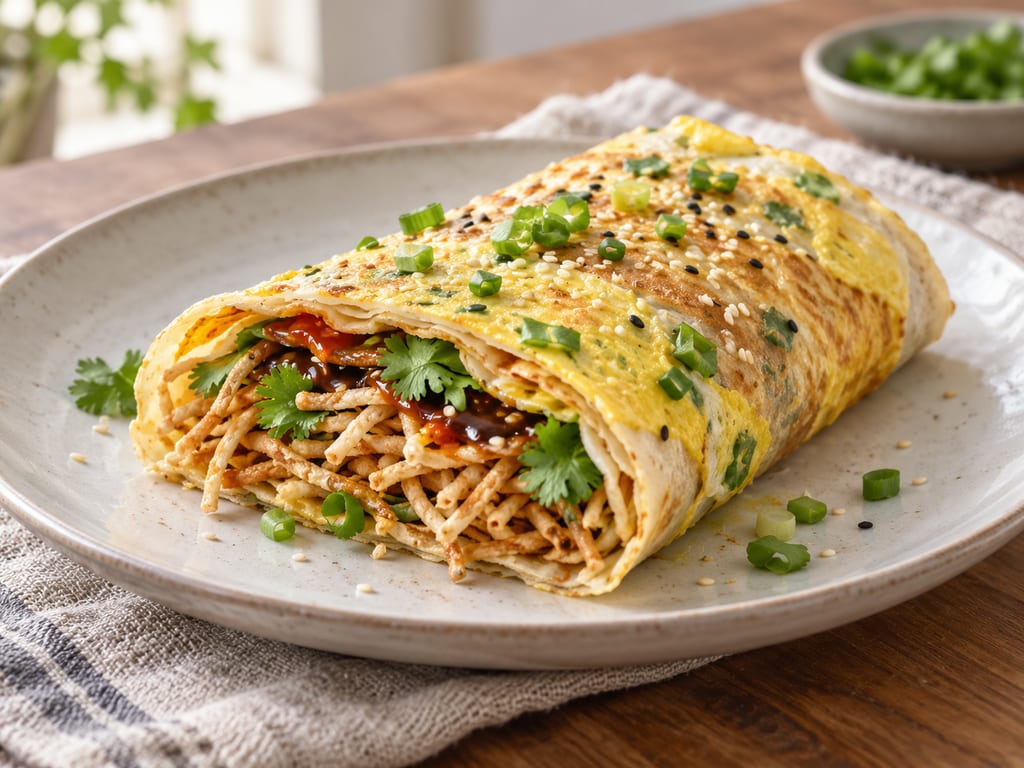
A four-serving home adaptation of jianbing: thin wheat batter cooked with egg, spring onion and sesame, then folded around crisp fried noodles and sauce.
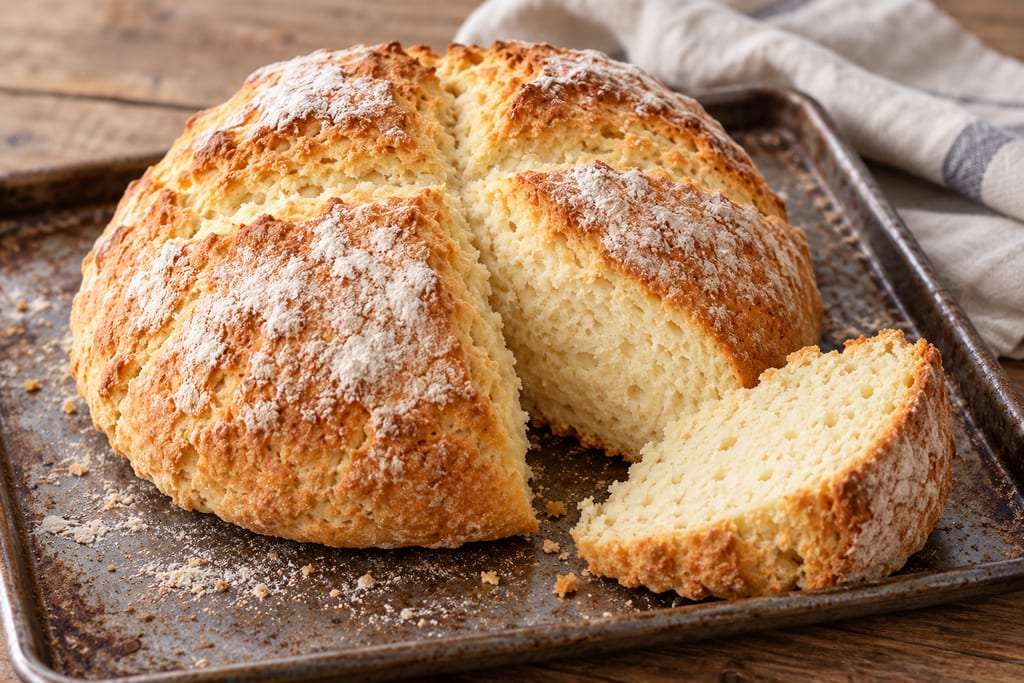
A source-specific Irish quick loaf of plain flour, bicarbonate of soda, buttermilk, egg and butter, mixed briefly and baked as a cross-marked round.
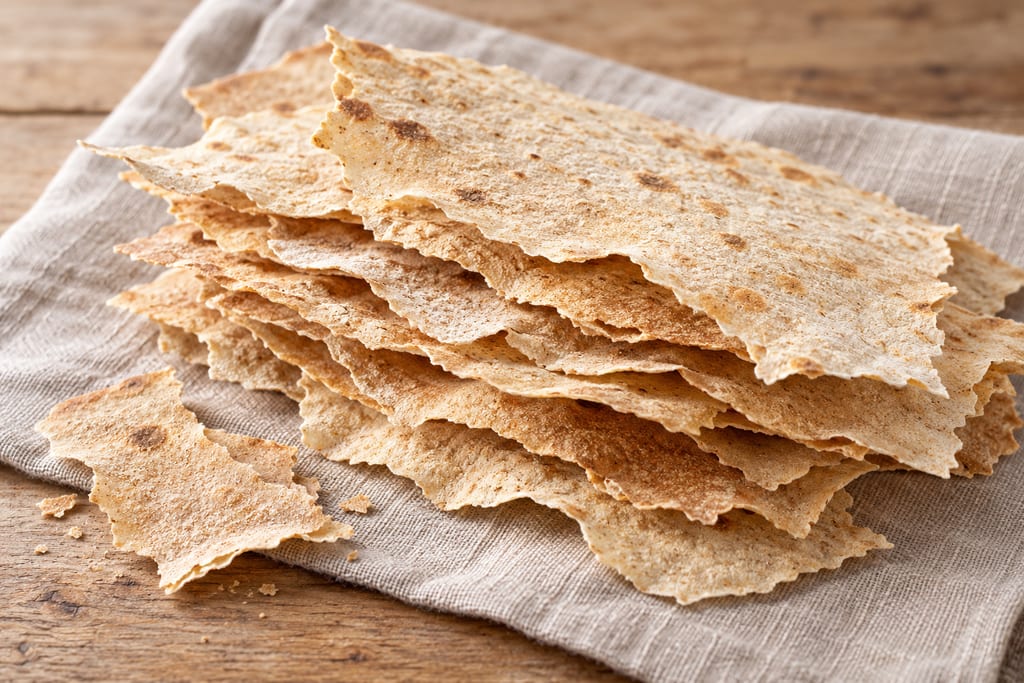
Thin, unleavened Norwegian flatbread made from sifted wheat and oat flours, fine whole rye, salt and water, then rolled with barley flour and cooked on a takke.
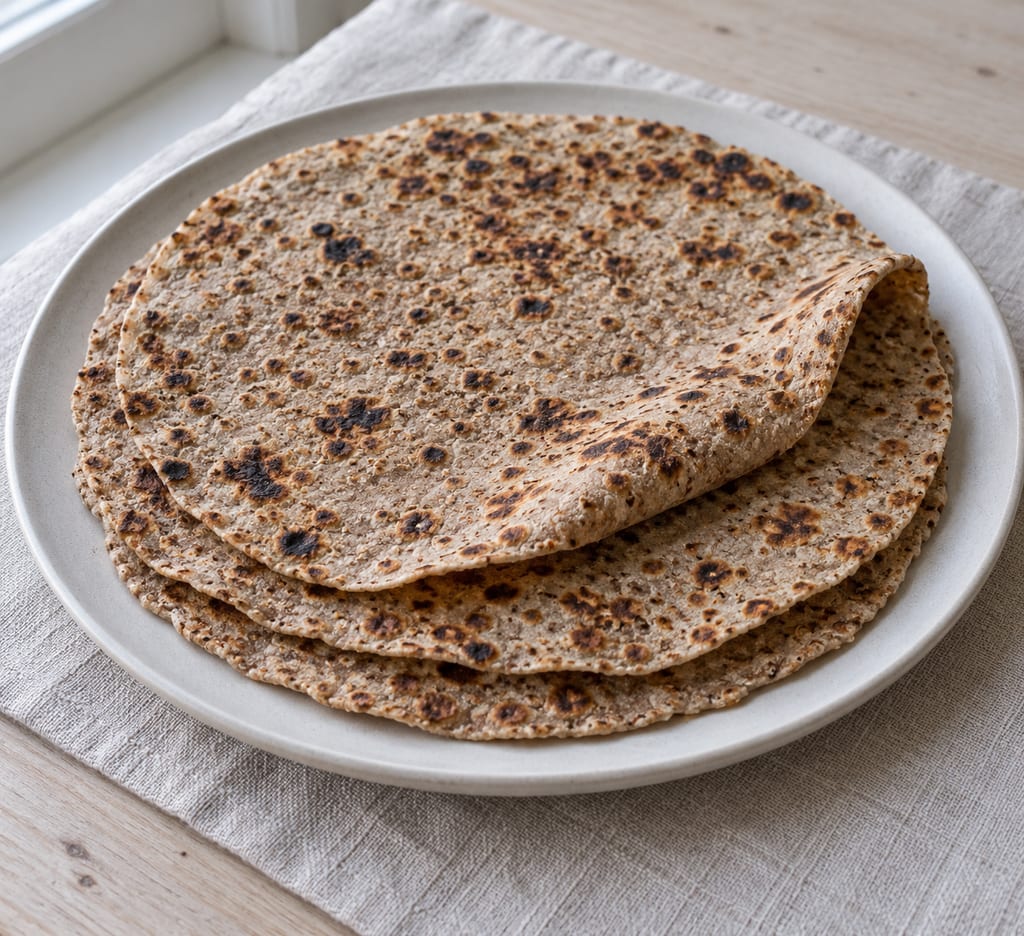
Thin Icelandic flatbreads made from rye and whole-wheat flour with boiling water, shaped into rounds, docked and cooked on a hot stovetop or gas grill.
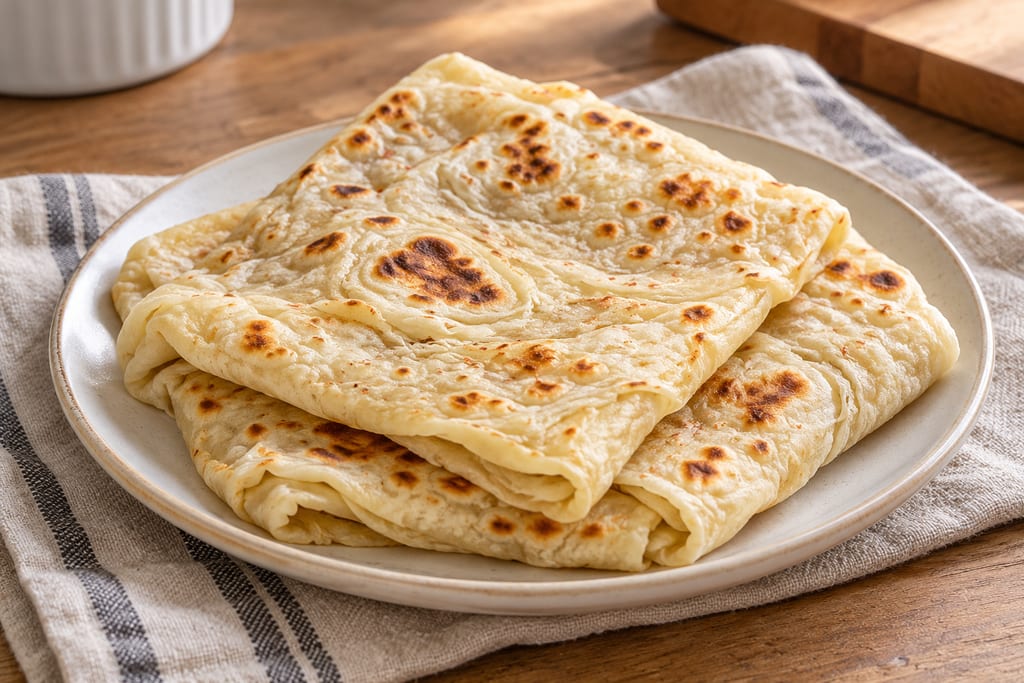
Teenuja Dahari’s oil-free Mauritian farata uses hot-water wheat dough, folded square parcels and a tawa to make six soft, layered flatbreads.
Eba is a West African dish of cooked gari, stirred into hot water until it forms a thick paste. It is a cooking stage with no new fermentation, served with soup.
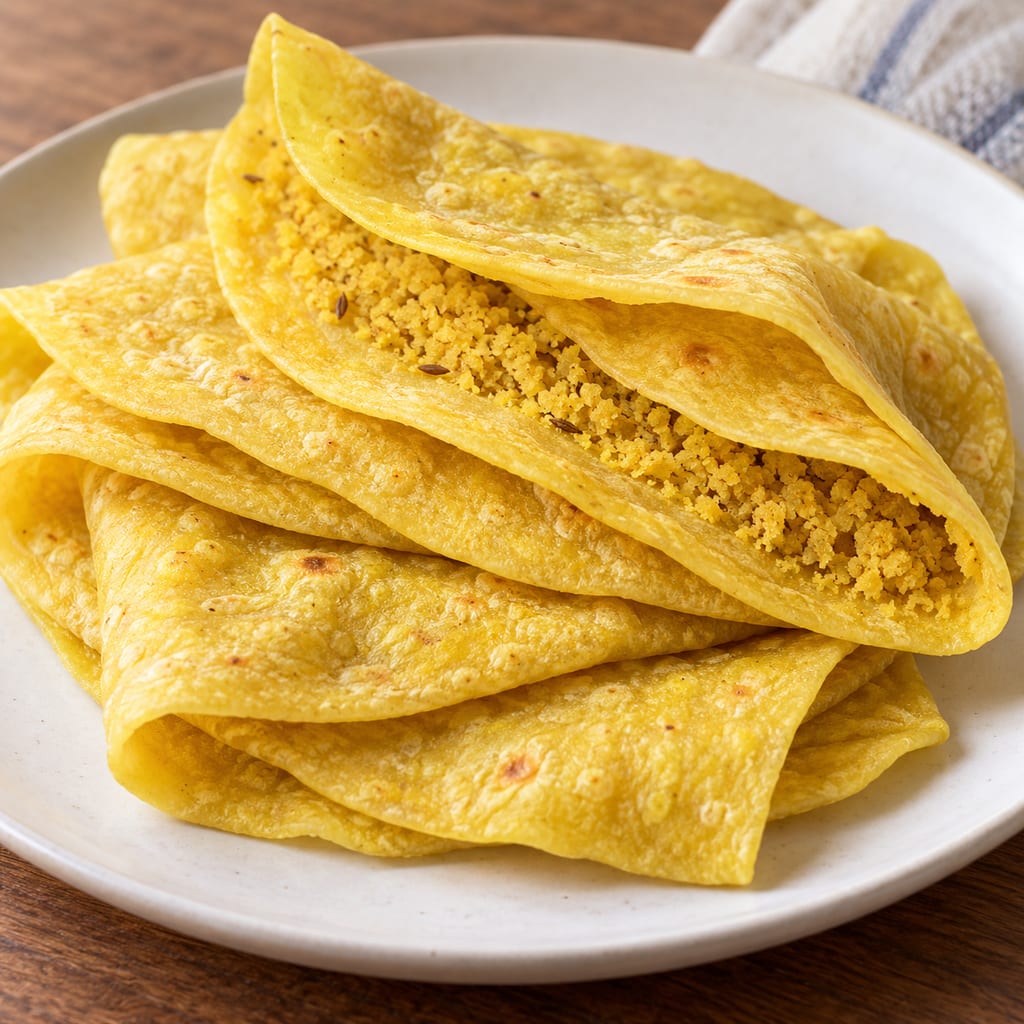
Kavi Hurrydoss’s Mauritian dholl puri encloses finely ground cumin-seasoned yellow split peas in wheat dough, then rolls and griddle-cooks each filled bread.
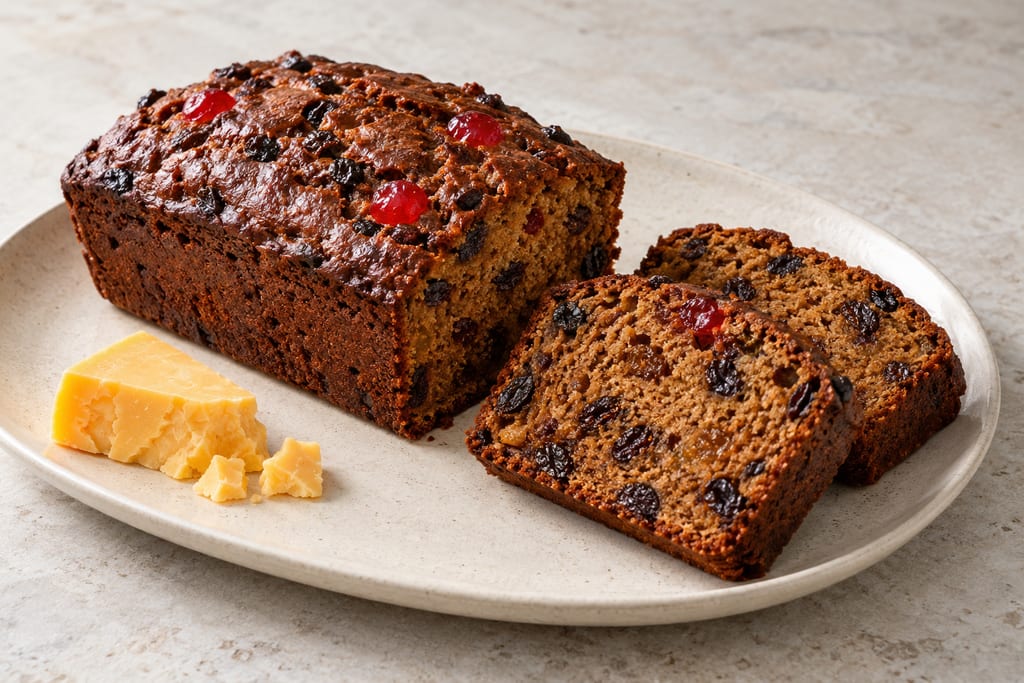
A Jamaican Easter loaf made from a dark, sweet batter of stout, dried fruit and warm spices. This version uses baking powder and a loaf pan; yeast-raised variations are separate preparations.

Firm Mongolian fried pastries made from an unyeasted wheat dough enriched with butter and sweetened with sugar; the dense dough is rested, cut or knotted, and fried until golden.
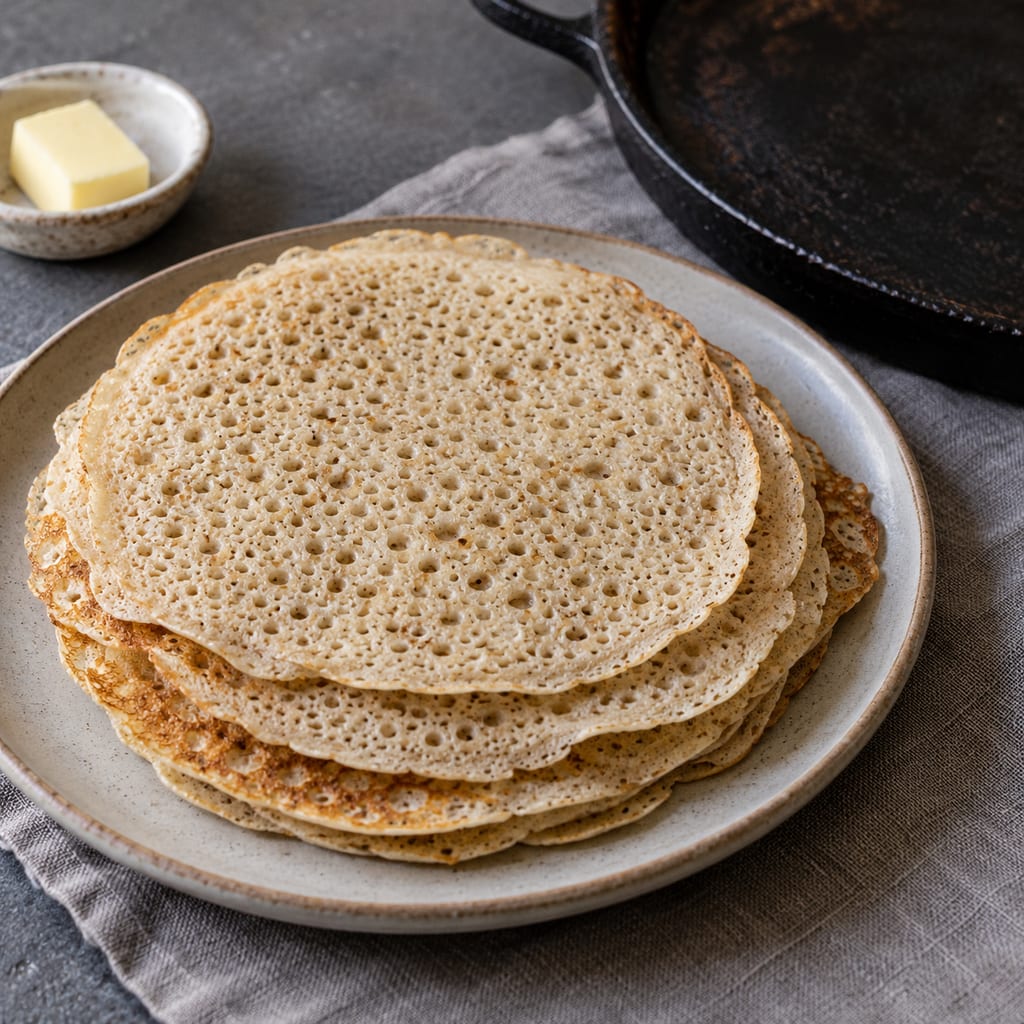
A thin buckwheat-and-wheat batter, loosened with cold and hot water, cooked on one side until lacy holes form and the top sets.
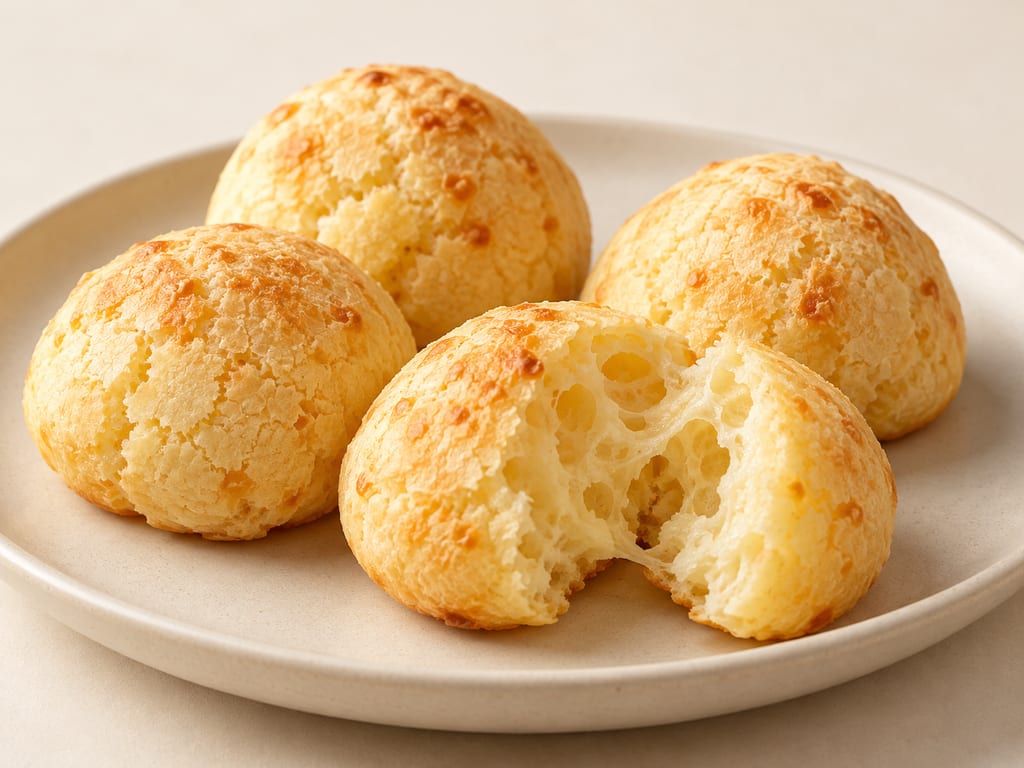
Scooped tapioca-starch buns made by scalding the starch, then beating in garlic, cheese and eggs. This named version has no dough-fermentation stage.
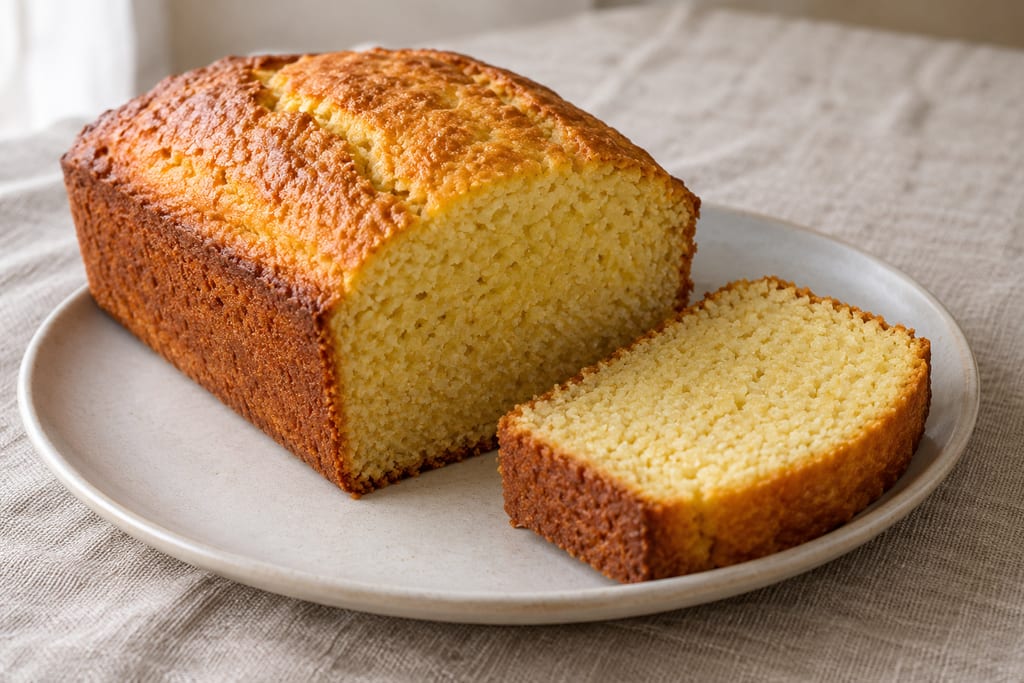
A Zimbabwean maize-meal bread, baked with buttermilk and served plain or with a spread.
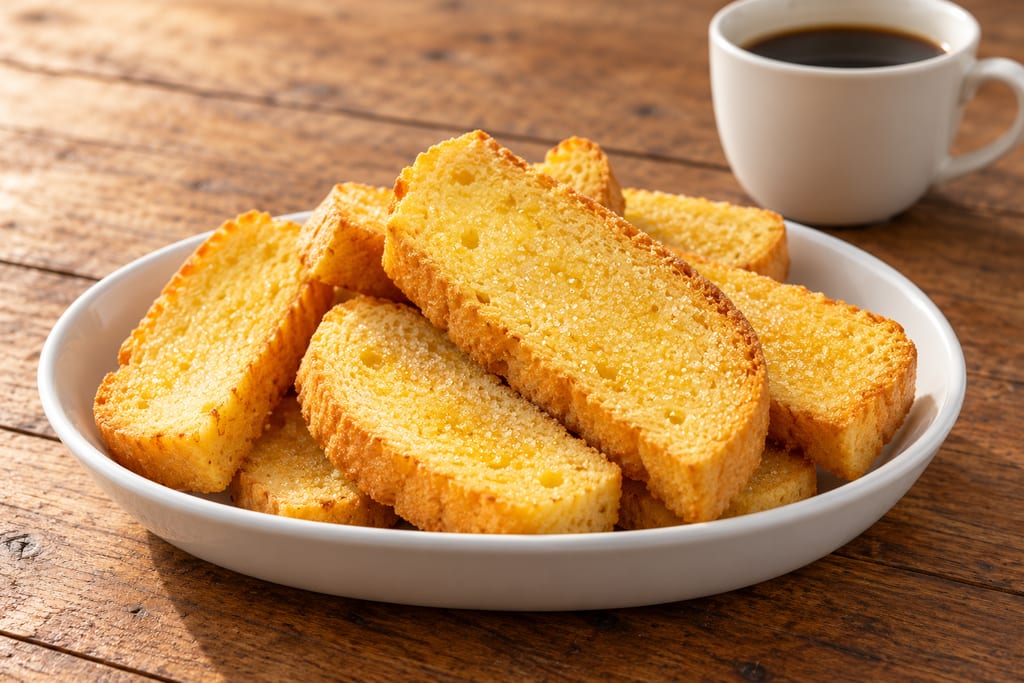
PagkainPinoy’s 24–30 piece version twice-bakes day-old soft bread with a thin butter-and-sugar coating.
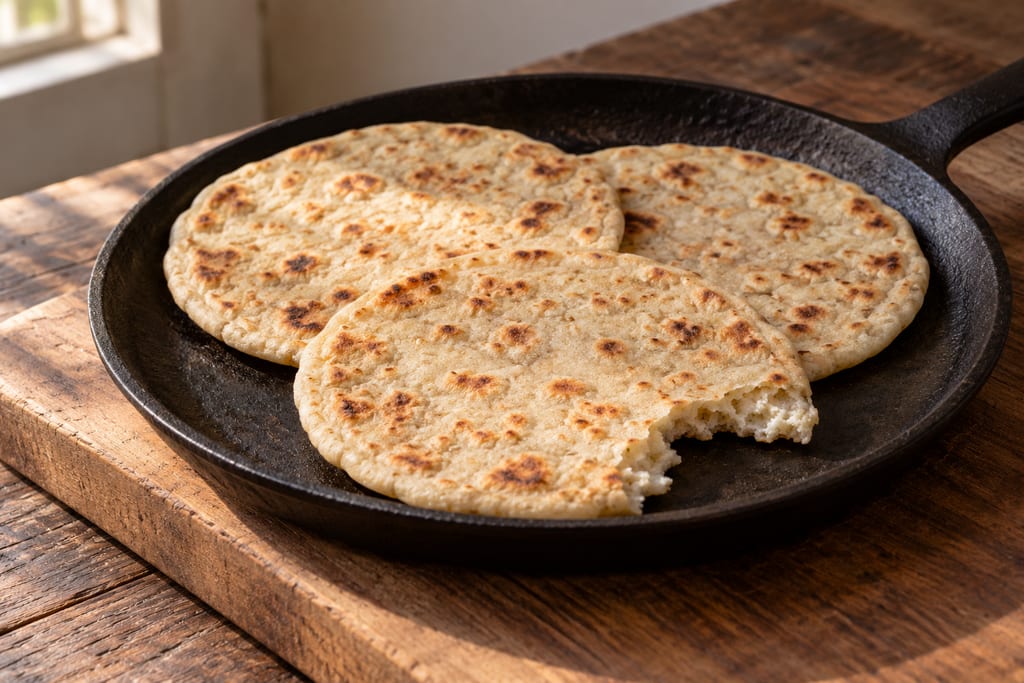
Six quick Chilean wheat flatbreads made with oil, baking soda and baking powder, then cooked in a dry skillet.
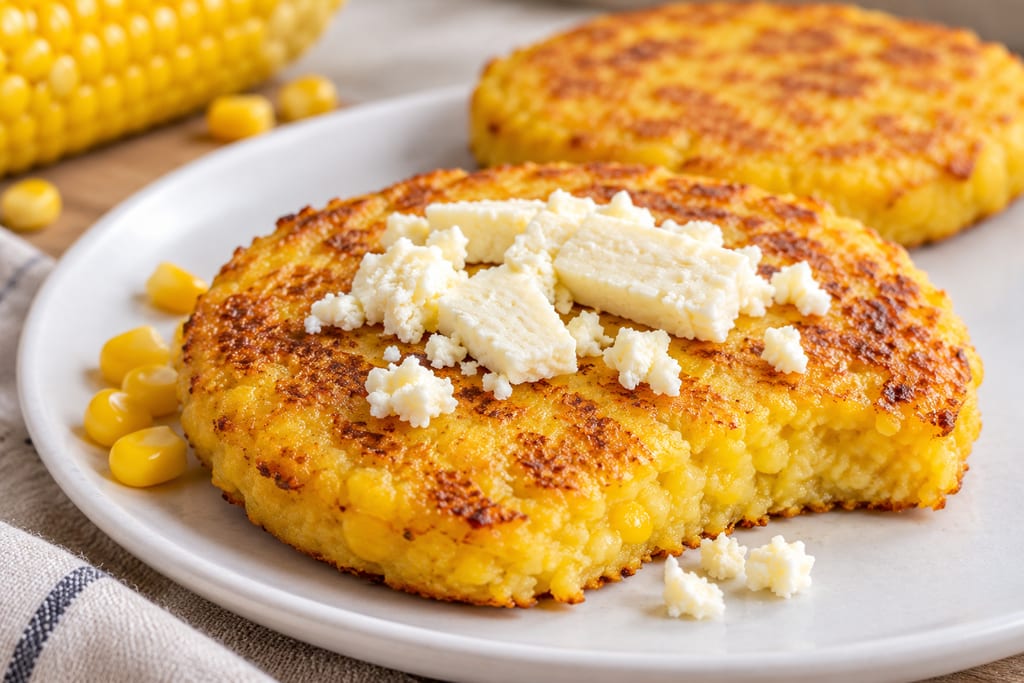
A Colombian Andean griddle cake made from fresh sweet-corn batter, cooked in butter and served with white cheese.
Shaped dough dried thoroughly into a portable staple that keeps far longer than fresh dough, in Mediterranean and Asian food systems.
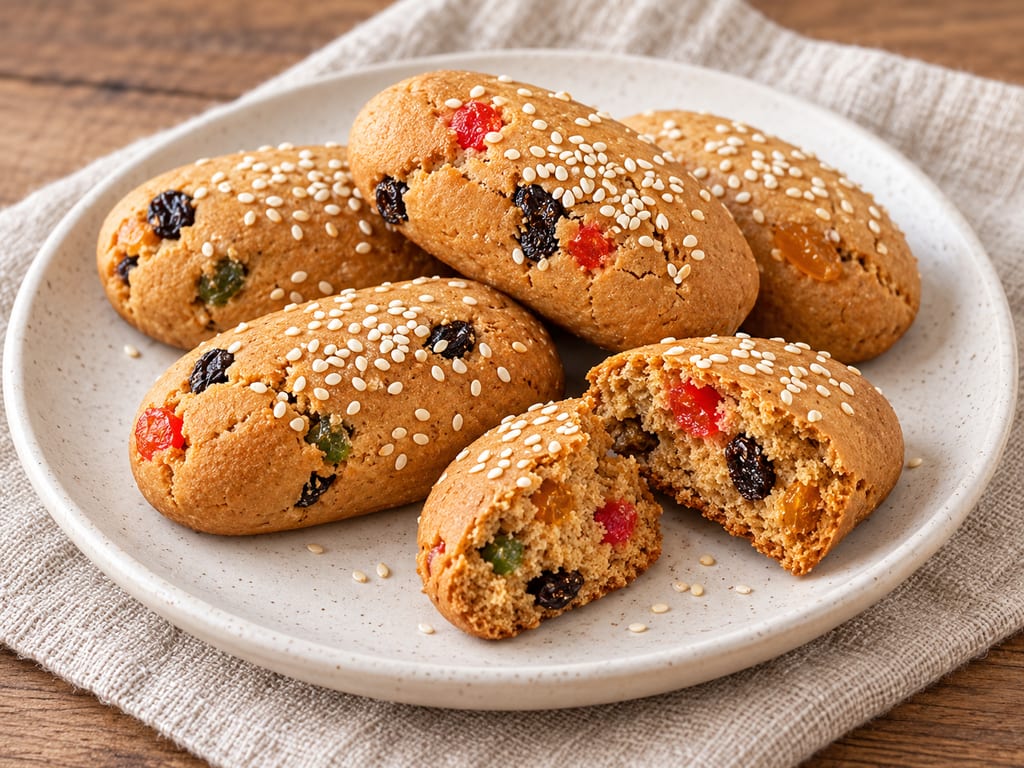
An Indonesian palm-sugar and cinnamon quick bread with dried fruit and sesame.

Crushed or milled barley cooked in water until the starch softens and the mixture thickens, the plainest way a northern household turned stored grain into a meal, here with apple and hazelnut.
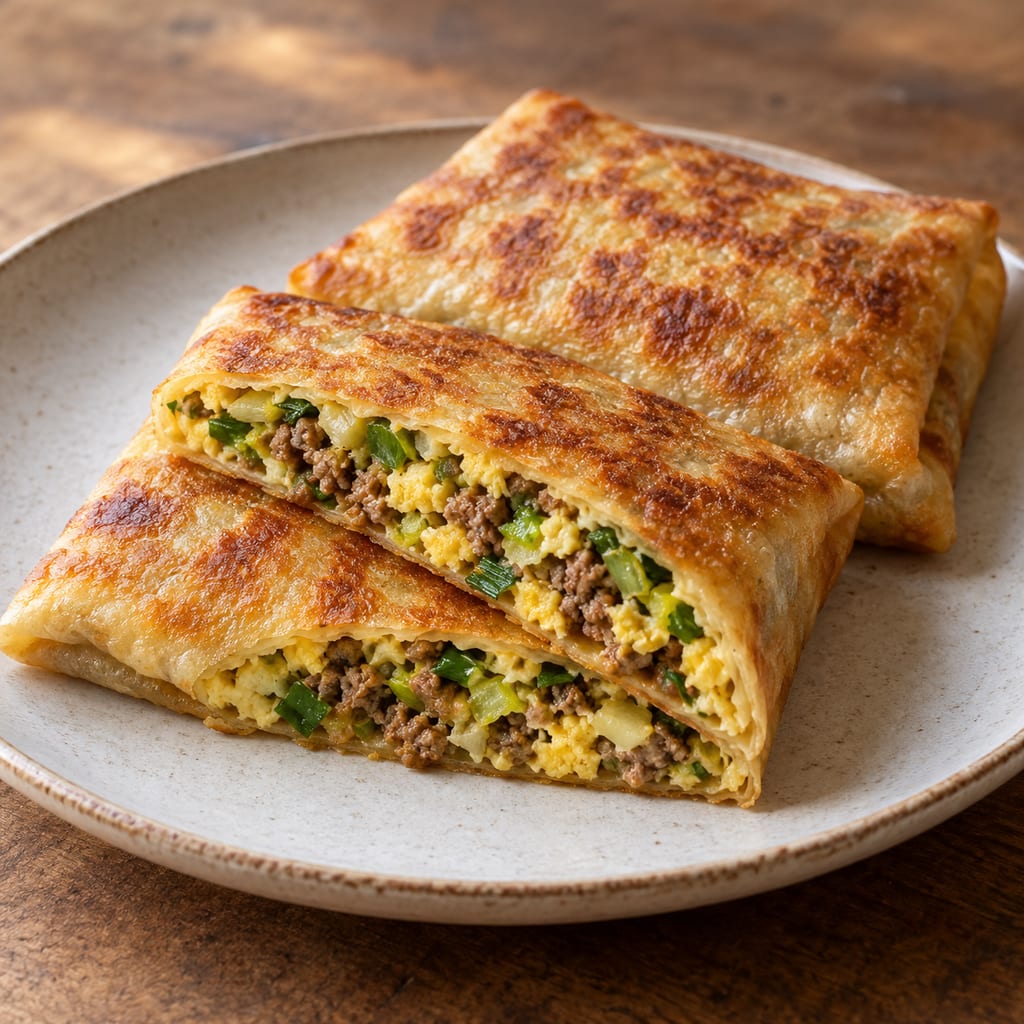
A Javanese-style Indonesian savoury parcel of thin rested wheat dough folded around curry-seasoned beef and egg, then cooked in an oiled skillet.