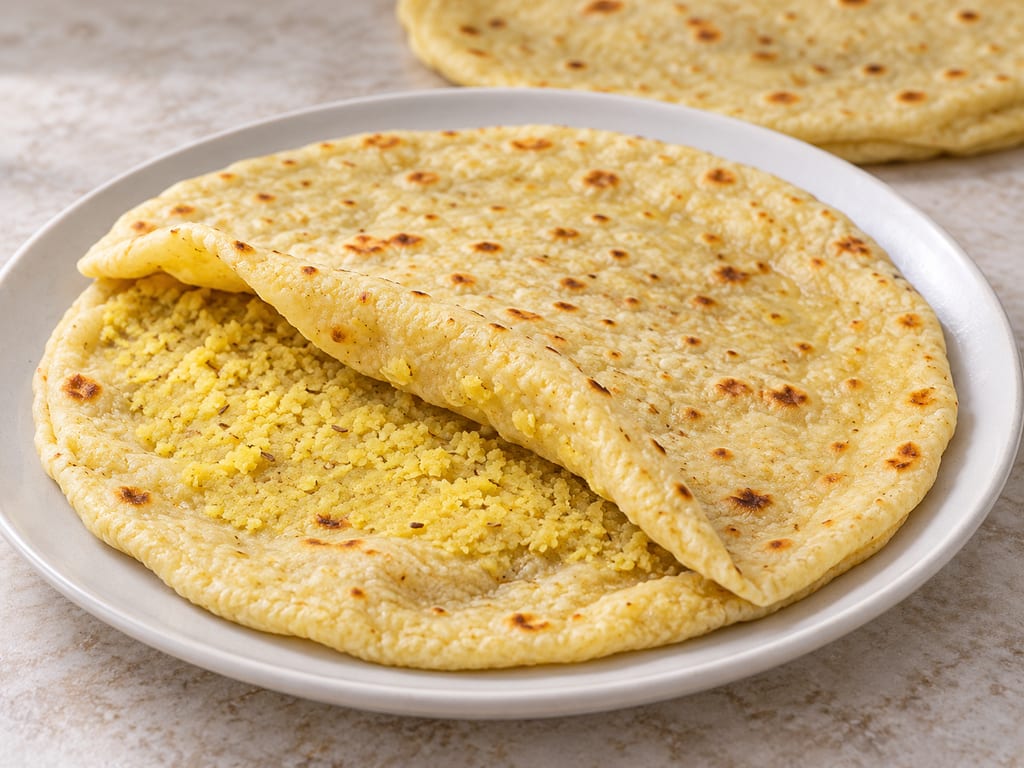
Dhalpuri roti
Trinidadian stuffed roti with a fine split-pea filling sealed inside soft wheat dough, rolled thin and cooked on a hot tawa.
 FermenteaWhere food goes to change
Traditional method
Sada
A Trinidad and Tobago baking-powder flatbread cooked on a hot stone, then briefly exposed to direct heat to puff.
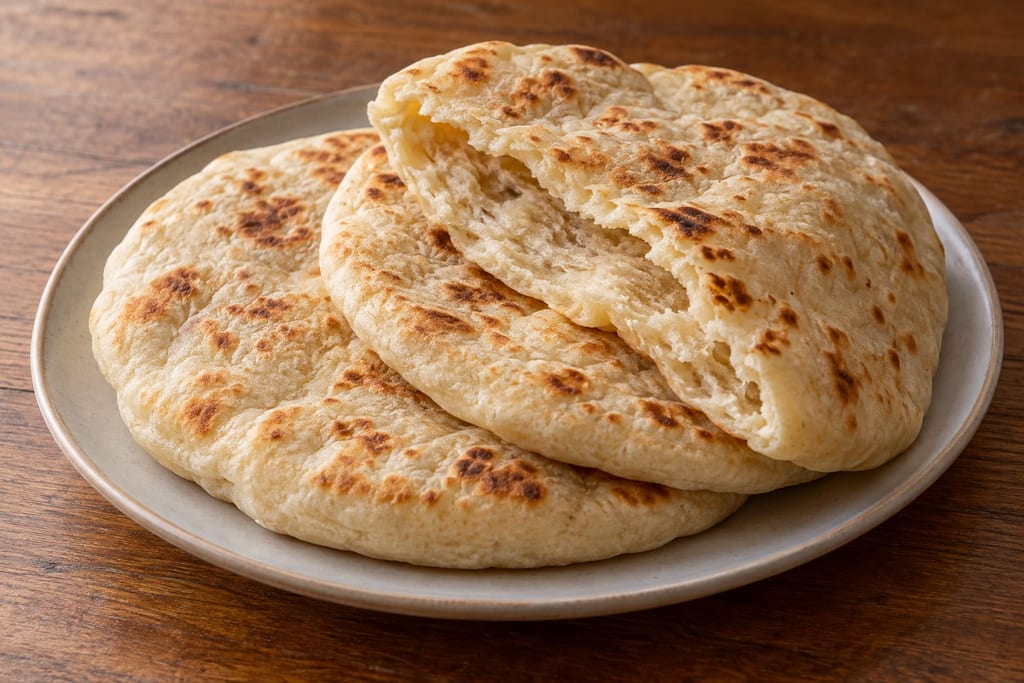
This cookbook version cooks the dough on a heated baking stone, then finishes it over exposed flame or a heat element until it balloons. The source specifies the flour, baking powder, salt and fat, but leaves the water amount to the cook and gives no stone temperature.
National Flour Mills in Trinidad and Tobago publishes a sada recipe under its Lion Brand name, built around its roti and doubles flour. The card lists three cups of that flour, baking powder, salt, sugar and ghee or oil, and lukewarm water without an amount, and divides the dough into four portions for a griddle or pan.
The card does not give the flour's grain composition, and it documents one commercial formula rather than the history, household use or keeping of sada.
The High Commission for the Republic of Trinidad and Tobago in London published this recipe in its May 2019 newsletter and credits The Multi-Cultural Cuisine of Trinidad and Tobago and the Caribbean, an updated and revised Naparima Girls’ High School cookbook. That publication date does not establish when the food or method first appeared. The formula uses baking powder and gives no water quantity. The archive describes sada roti as an Indo-Caribbean griddled bread; this formula's stone-and-flame finish is specific to the cookbook recipe.
Yield 4 rotis · Scaling: source batch only
The source directs the cook to move a hot baking stone and expose the bread to an open flame or heat element; use heat protection and keep the bread under control while turning.
A Trinidad and Tobago source republishes the recipe from the Naparima Girls’ High School cookbook; this is a documented preparation, not a birthplace claim.
Trinidadian stuffed roti with a fine split-pea filling sealed inside soft wheat dough, rolled thin and cooked on a hot tawa.

Caribbean browning is a dark liquid of deeply caramelised sugar, used in small amounts for colour and a smoky, bitter-sweet flavour in stews and black cake.
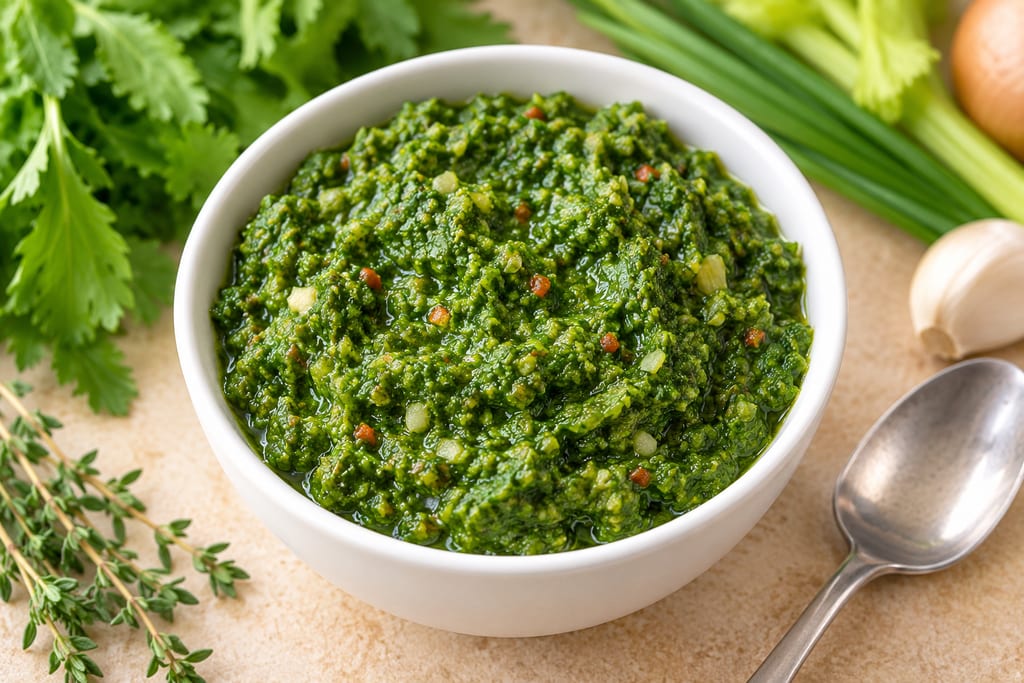
A fresh herb and aromatic paste of chadon beni (culantro), thyme, chives, celery, onion, garlic and peppers, blended with vinegar and water and used as the base for Trinidadian cooking.
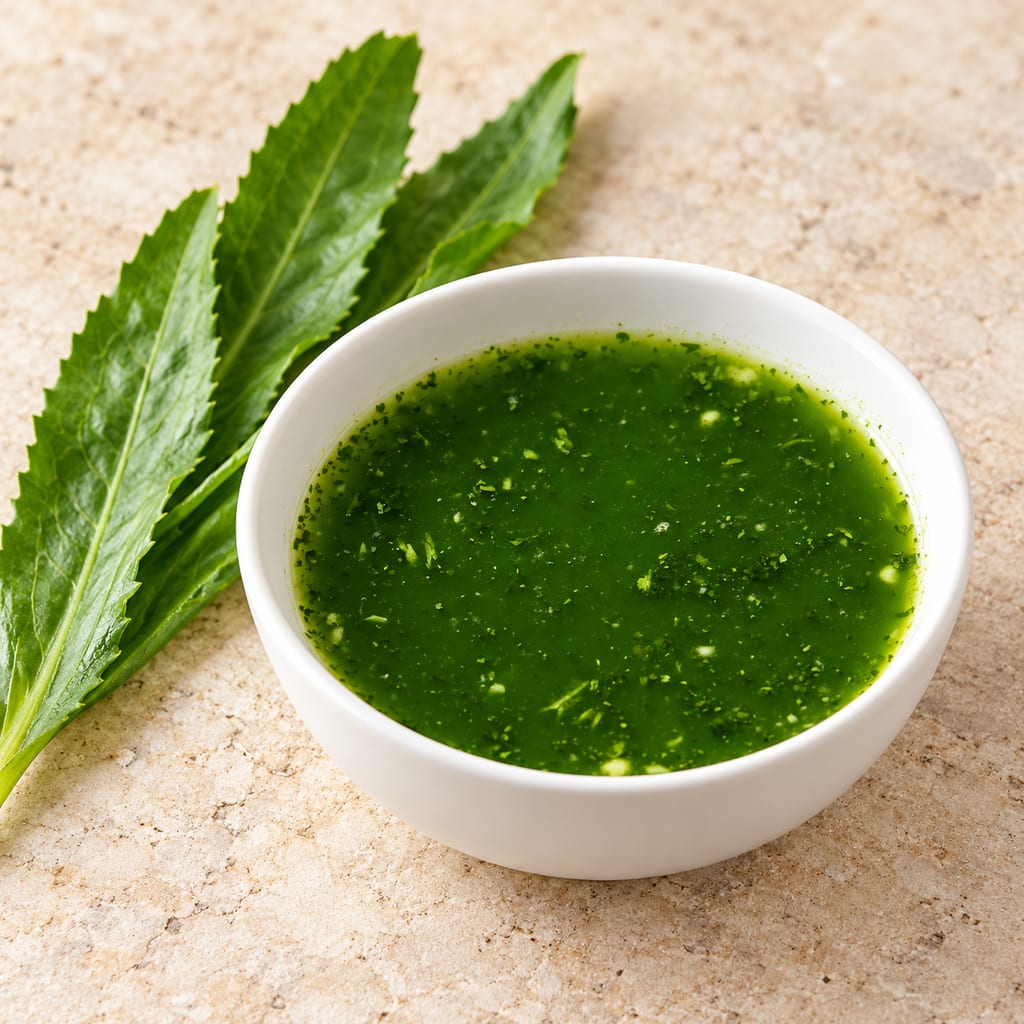
A bright green Trinidadian hot sauce of chadon beni (shado beni, culantro) with garlic, hot pepper, lime and water, blended to a pourable sauce for grilled meat, wings and eggs.
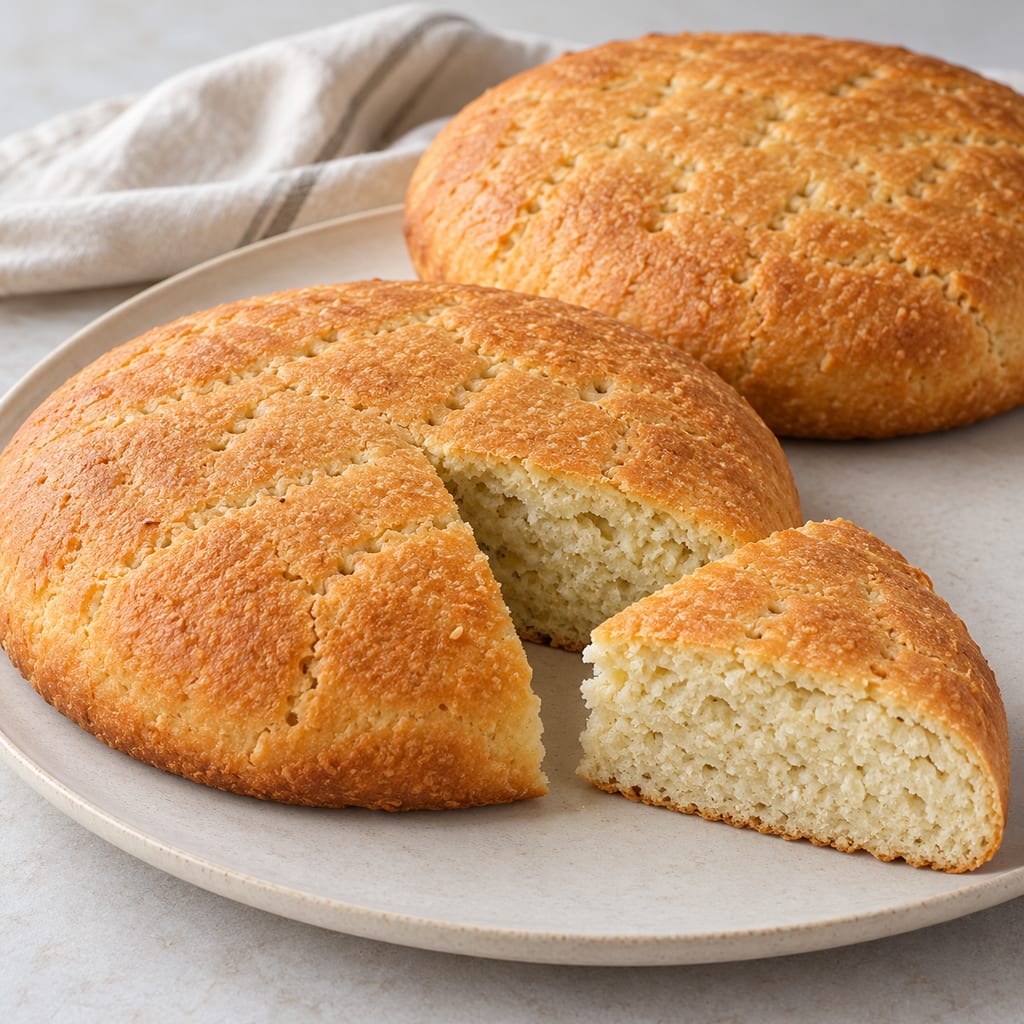
A yeast-raised Trinidadian wheat bread with blended fresh coconut, baked as two thick rounds.
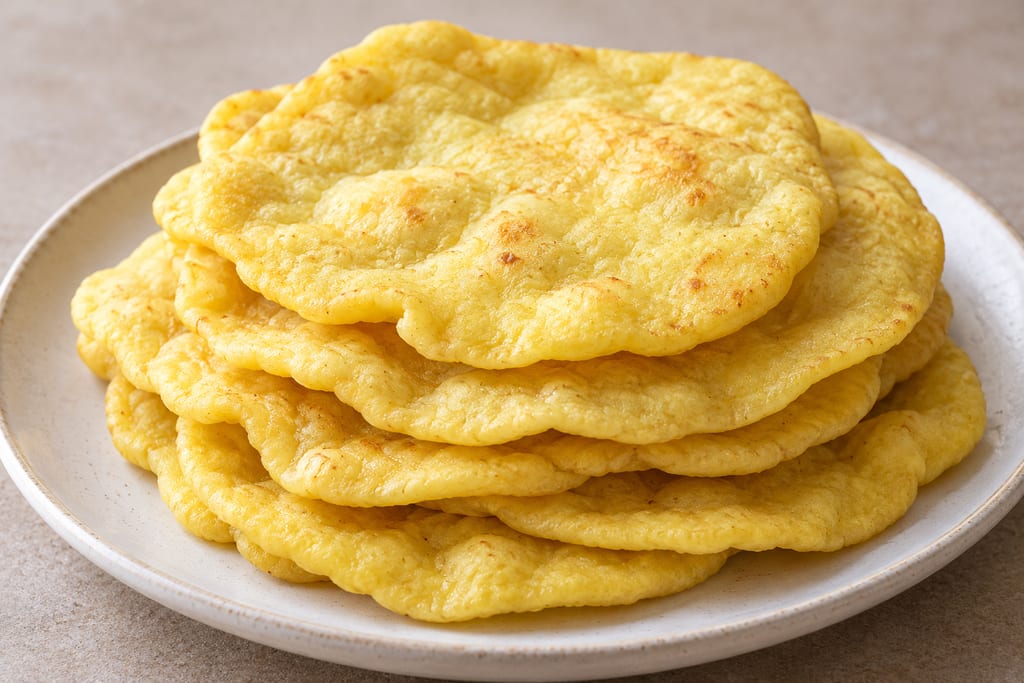
Soft Trinidad bara are thin yeast-raised wheat rounds fried briefly, then paired as two breads around channa and condiments to make doubles.
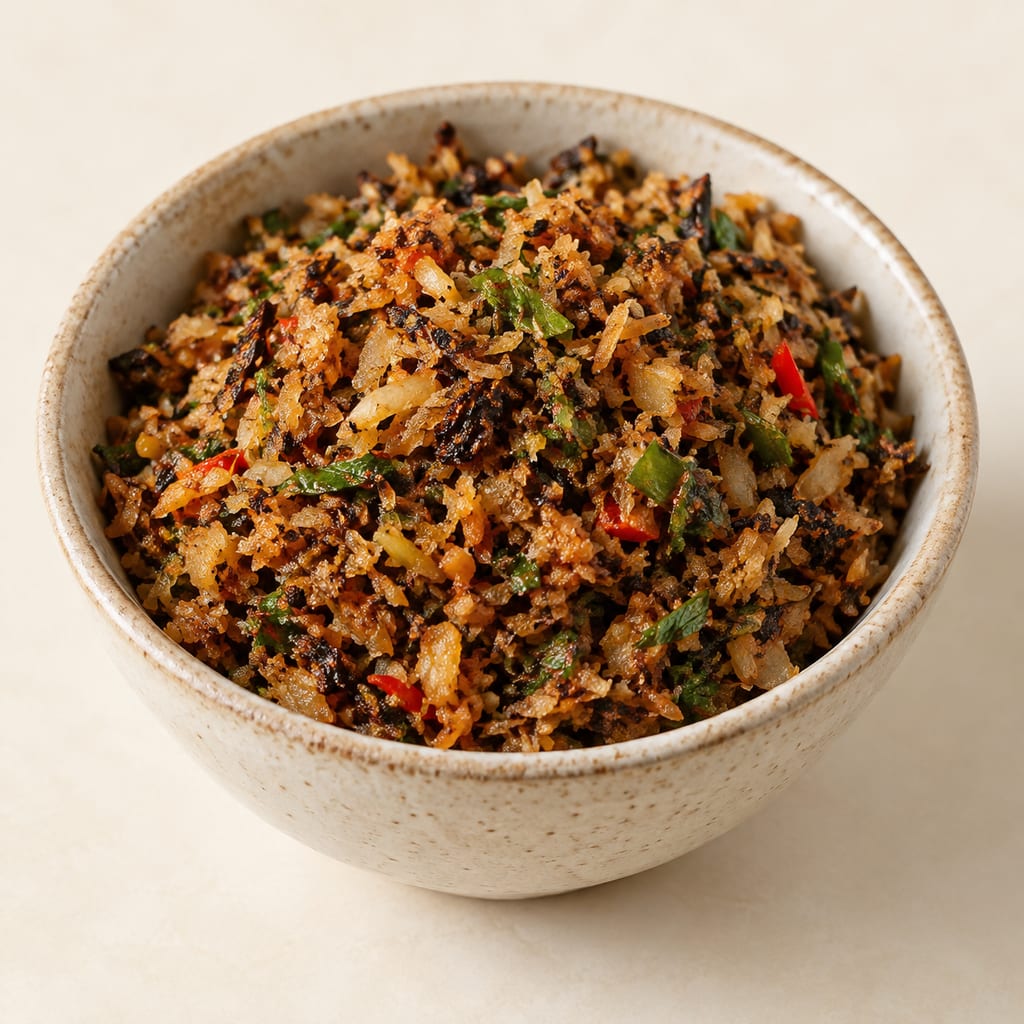
Trinidad coconut chutney is dried coconut roasted until charred, then ground on a stone with garlic, hot pepper, pimento and chadon beni to a coarse paste.
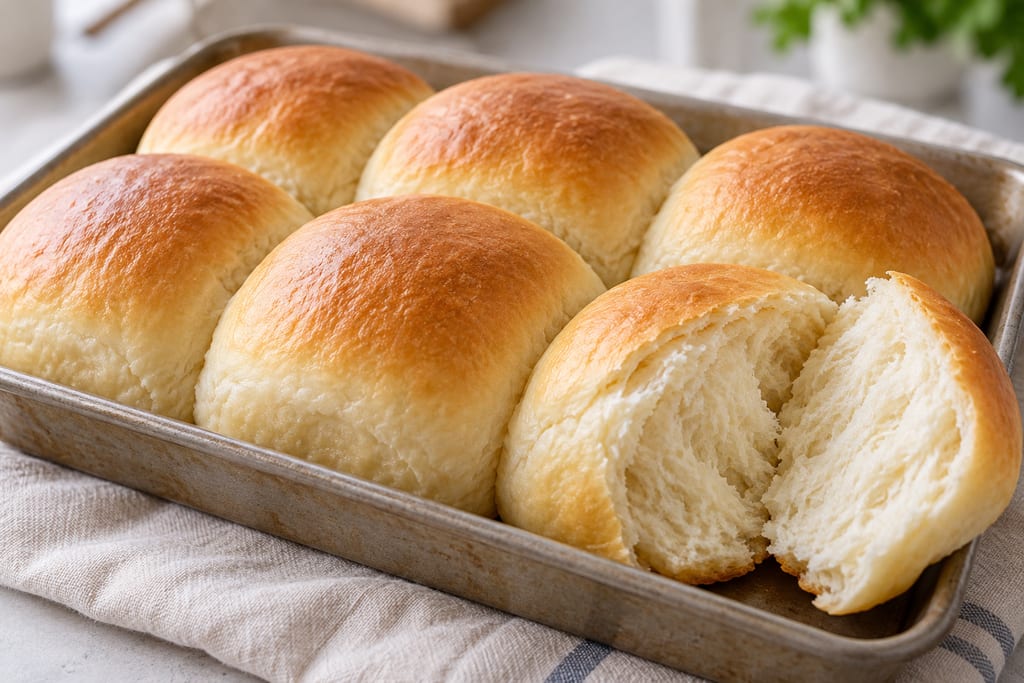
Soft, buttery yeast rolls known in Trinidad and Tobago as hops bread. This batch follows one published family method; local recipes vary in dough and baking technique.
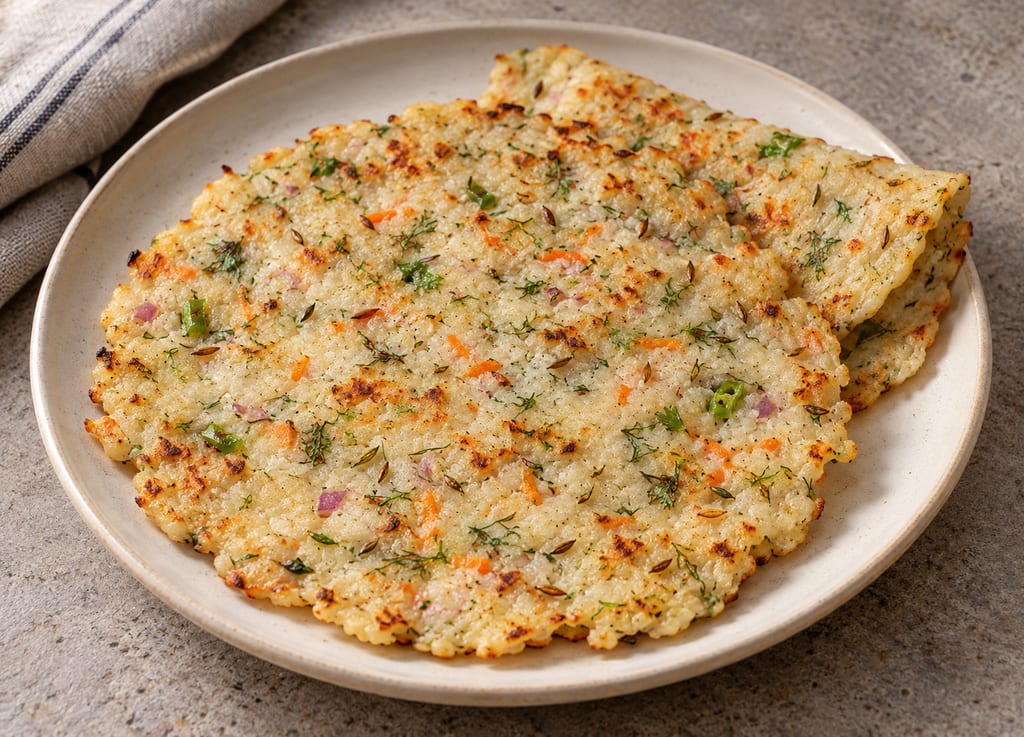
This Karnataka-style akki rotti mixes fine rice flour with vegetables, coconut, herbs and spices, then hand-pats and griddle-cooks the dough.
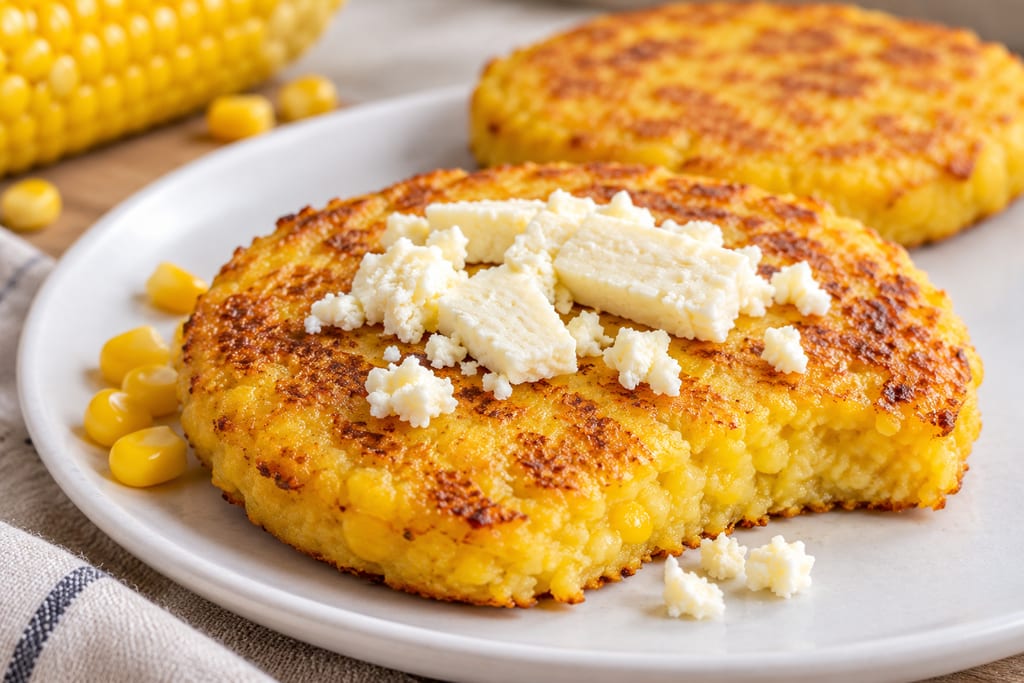
A Colombian Andean griddle cake made from fresh sweet-corn batter, cooked in butter and served with white cheese.
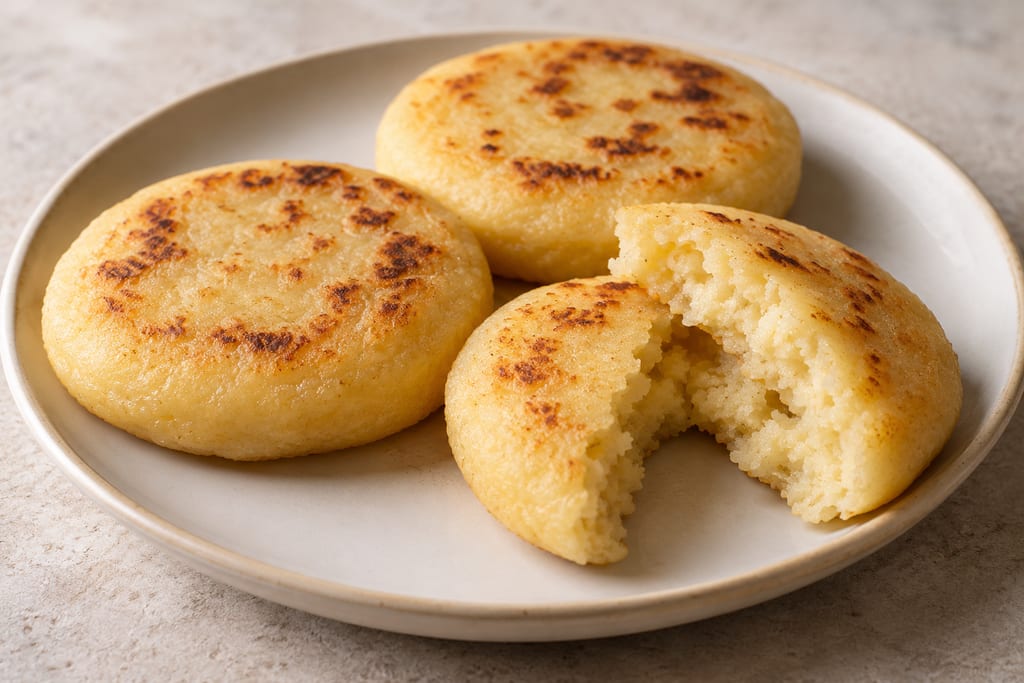
This household version combines precooked corn flour, warm water and salt, then cooks thick rounds on a lightly oiled skillet or griddle. It is one source-specific arepa method, not a universal Colombian or Venezuelan formula.
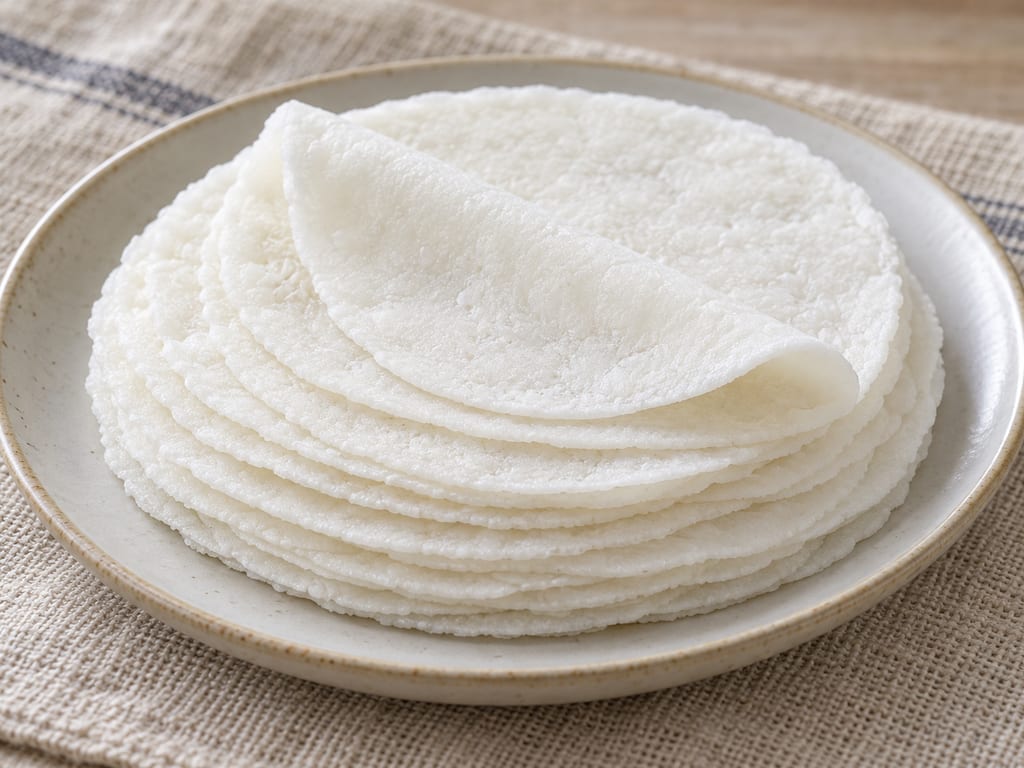
Thin Malabar rice-flour rounds made from roasted rice flour cooked into salted boiling water, kneaded after cooling, and rolled to about 1 mm. They cook on a hot griddle without taking on colour.
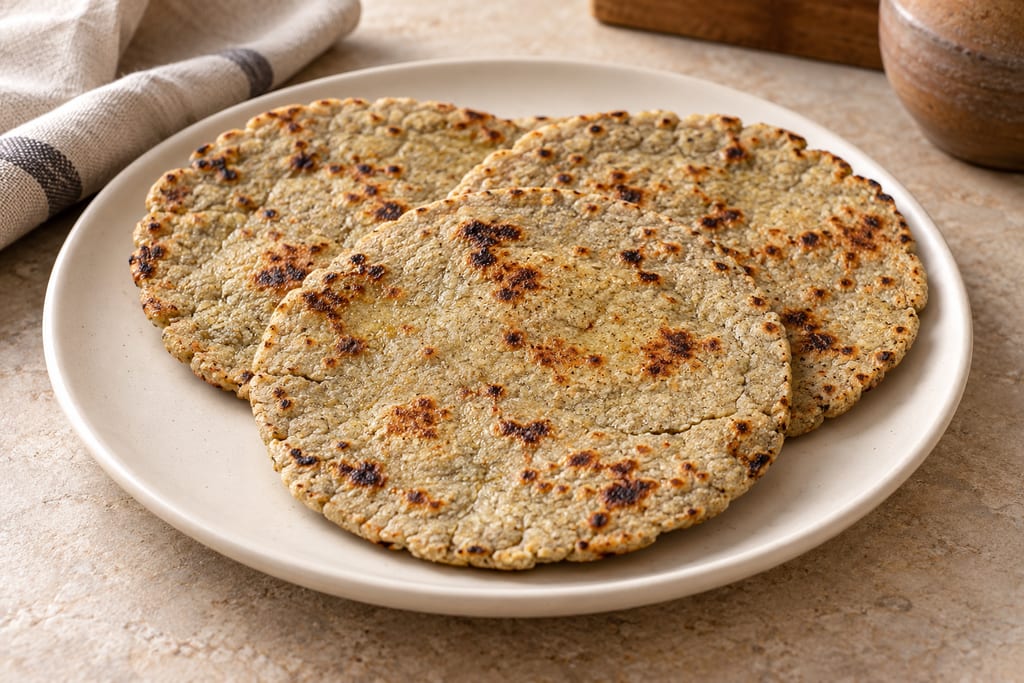
A pearl-millet flatbread shaped between sheets and cooked on a hot tawa. This home batch makes eight.
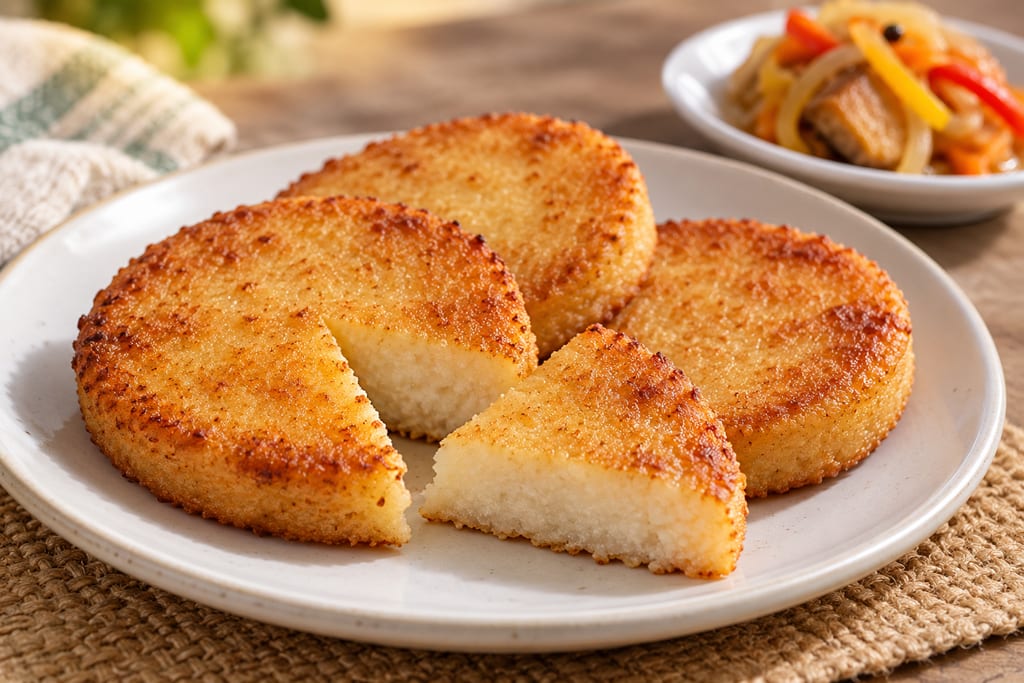
A serving method for approved, prepared bammy rounds: soak them in coconut milk and refry until golden. It does not process raw cassava.
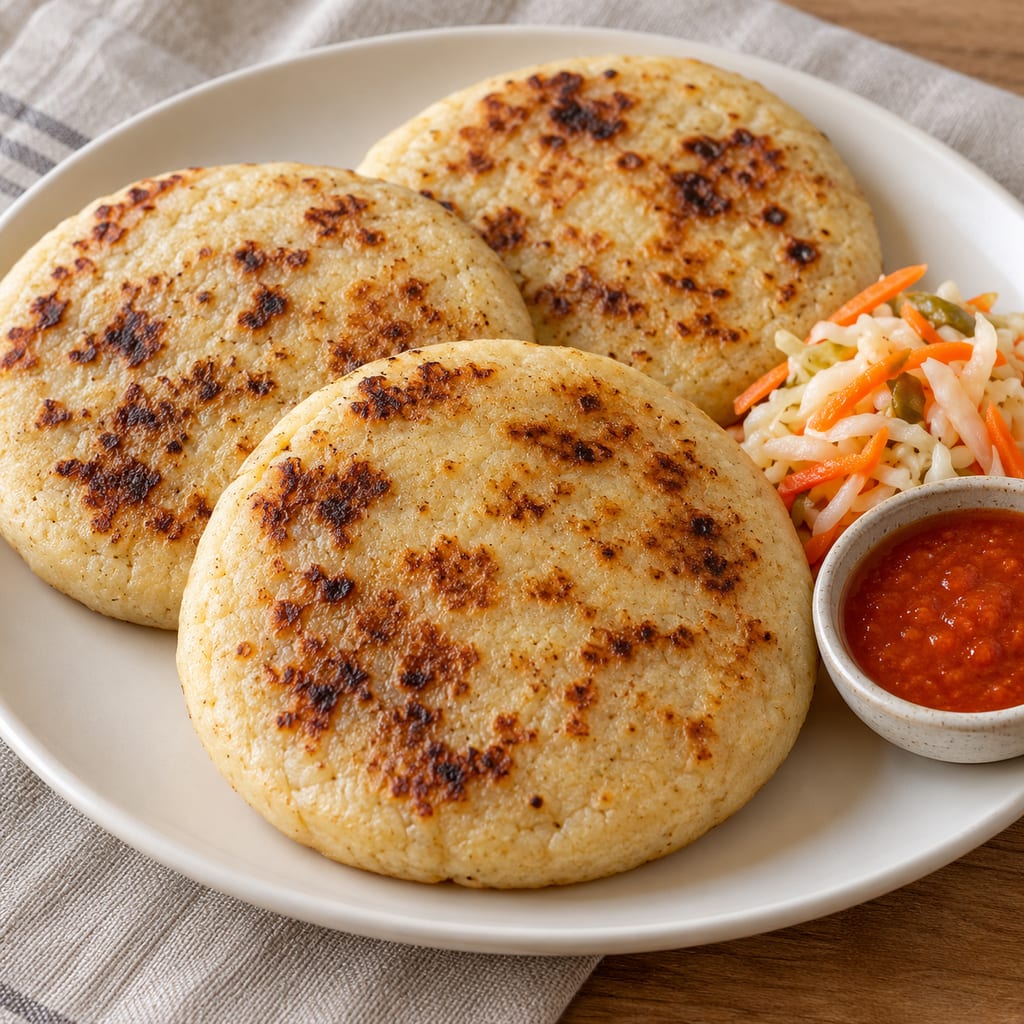
Salvadoran-style masa harina cakes filled with refried beans and cheese, sealed and cooked on an oiled skillet.
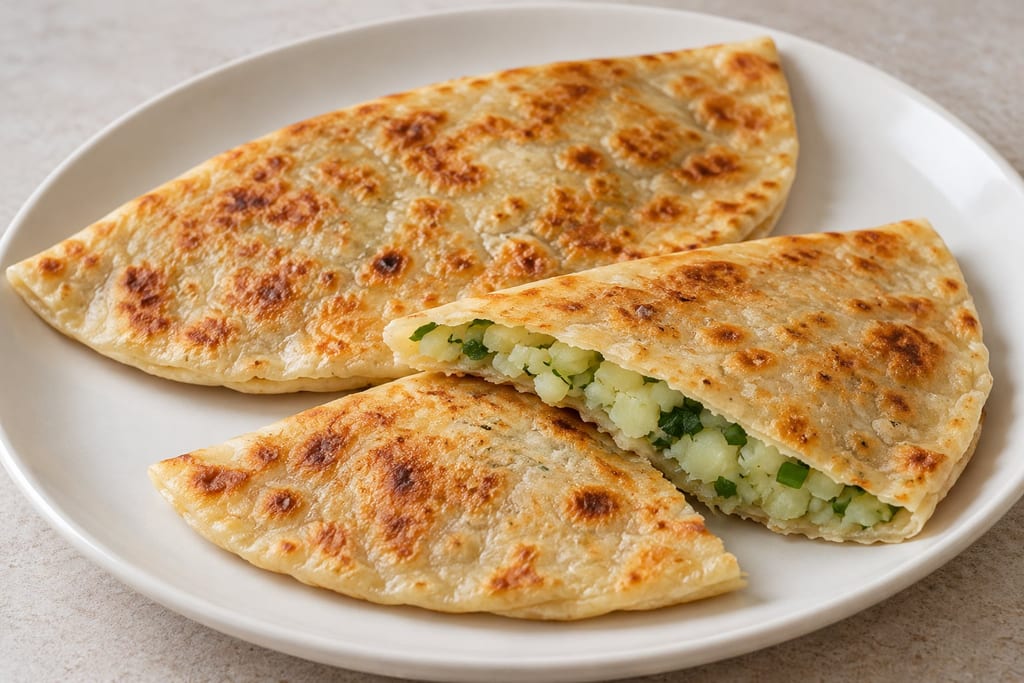
A thin, unleavened Afghan flatbread filled with mashed potato, scallion and cilantro, folded and pan-browned. This version uses a dough made from scratch.
No community contributions have been published for this entry yet.
Sign in to contribute. Published comments and photos are free to read.
High Commission for the Republic of Trinidad and Tobago in LondonMethod · Geography · History
London Mission, Volume 74, May 2019The recipe credits The Multi-Cultural Cuisine of Trinidad and Tobago and the Caribbean, updated and revised edition, by Naparima Girls’ High School.
The source lists 4 cups all-purpose flour, 4 teaspoons baking powder, 1 teaspoon salt, 1 teaspoon ghee or butter, and water in an unspecified amount.
It describes kneading a firm dough for about 5 minutes, dividing into four balls, resting covered for 15 minutes, rolling to about 1/2 inch, cooking on a hot baking stone until bubbles form, cooking about 4 minutes after turning, and finishing over exposed flame or heat element until ballooned.
The recipe yields four rotis. The source does not give water volume or a cooking temperature.
Cited in: Method and equipment
National Flour Mills Ltd., Trinidad and TobagoMethod · Geography
Lion Brand SadaLists 3 cups Lion Brand Roti and Doubles Flour, baking powder, salt, sugar and ghee or oil, with lukewarm water unmeasured.
Divides the dough into four portions for a griddle or pan.
Does not identify the flour's grain composition.
Cited in: A flour mill's card