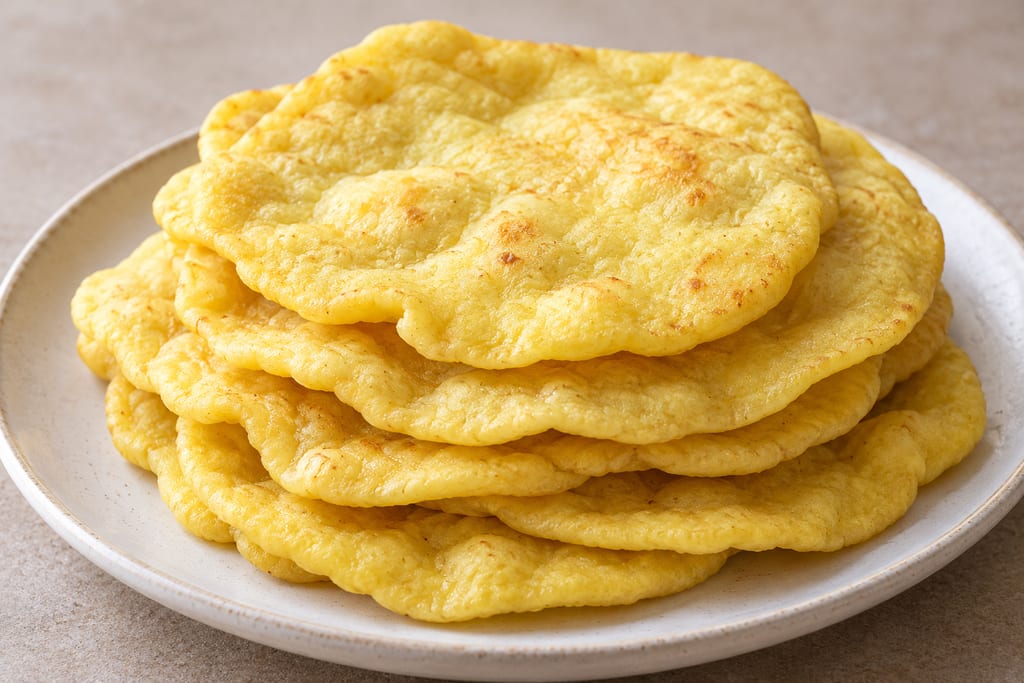
Trinidad bara for doubles
Soft Trinidad bara are thin yeast-raised wheat rounds fried briefly, then paired as two breads around channa and condiments to make doubles.
 FermenteaWhere food goes to change
Trinidad coconut bake · roast bake · pot bake
A yeast-raised Trinidadian wheat bread with blended fresh coconut, baked as two thick rounds.
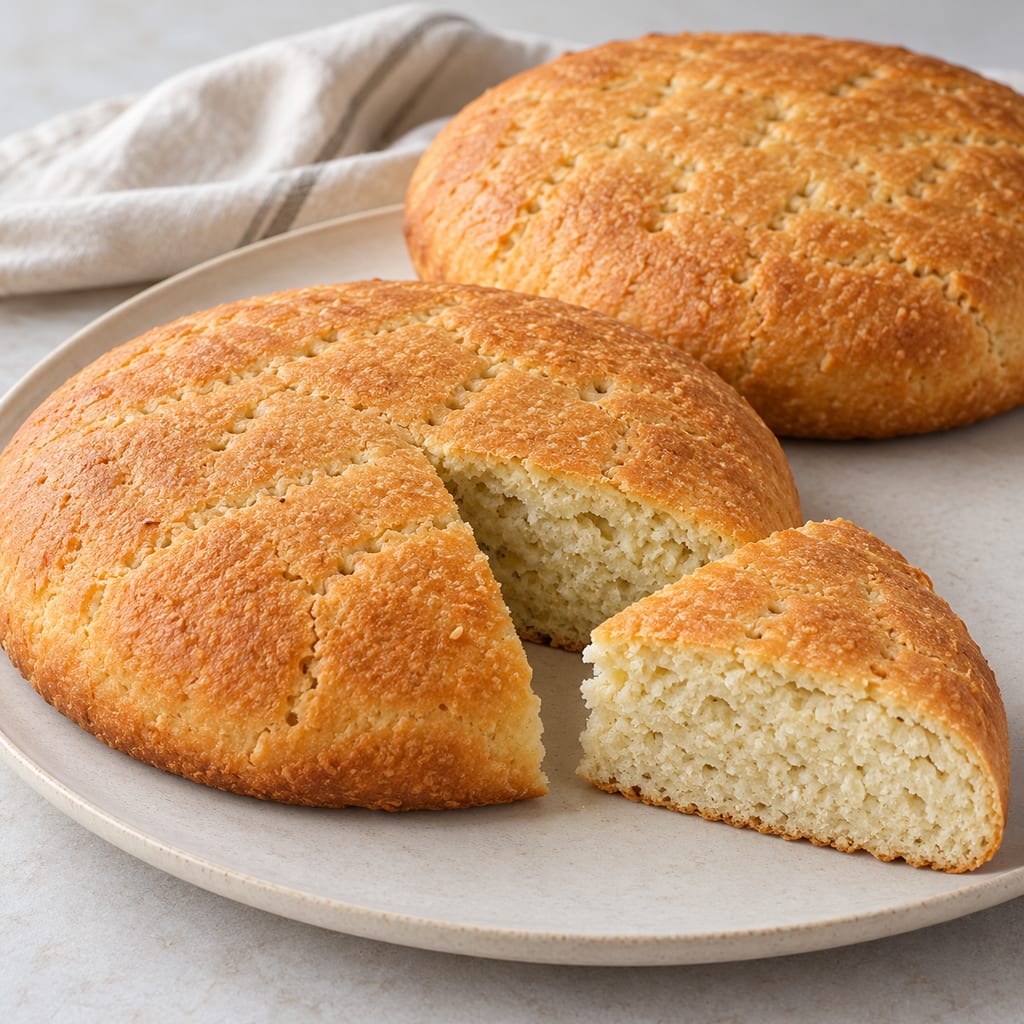
Coconut bake is a savory Trinidadian bread, commonly served for breakfast with saltfish, cheese or other savoury foods. We Trini Food describes its method as one home preparation; the names roast bake and pot bake cover a wider set of recipes and cooking approaches. This page records one yeast-raised formula.
Fresh coconut is blended with water to make the liquid for the dough. Yeast leavens this version. The source lists baking powder as optional, but the recipe below leaves it out to keep a single yeast-only raising method. Butter is rubbed into the flour, while coconut lends flavour and texture. The source also permits Cookeen shortening in place of butter.
The source makes two rounds from a dough with a 30-minute rest. After punching it down, roll each piece to ½–¾ inch thick, prick the surface and rest the shaped breads for another 15 minutes. A fork helps vent the rounds, so they do not puff as much in the oven.
Bake at 400°F for 20–30 minutes, until golden on top and cooked through in the centre. The source gives 16 servings and no tested scaling method. It suggests serving the bread hot, cut into wedges or squares, with savoury fillings or alongside breakfast.
This butter version contains wheat and milk. Flour is raw and may carry harmful bacteria: keep it away from ready-to-eat food, wash hands and equipment after handling, and do not taste the dough before it is baked.
We Trini Food describes coconut bake as a Trinidadian savory bread traditionally eaten in Trinidad and Tobago, including at breakfast with savoury accompaniments. The cited formula is a contemporary yeast-raised home recipe. It does not date the bread's earliest attestation or represent every bake, roast bake or pot bake method.
Yield 16 servings · Scaling: source batch only
Flour may carry harmful bacteria; do not taste the dough before baking.
Hazard sourceThe formula contains wheat; the selected butter option contains milk.
Hazard sourceKeep raw flour and dough away from ready-to-eat food, wash hands and tools after handling, and do not taste dough before it is baked.
Control sourceTell diners this butter version contains wheat and milk. The source also allows a shortening option; use a label-checked product for guests with food allergies.
Control sourceContains wheat and milk (butter version).
The source gives no storage duration.
We Trini Food presents this yeast-raised formula as Trinidad coconut bake and describes its use in Trinidad and Tobago. This records a contemporary recipe association, not a precise origin or an exhaustive formula for the bread family.
Soft Trinidad bara are thin yeast-raised wheat rounds fried briefly, then paired as two breads around channa and condiments to make doubles.
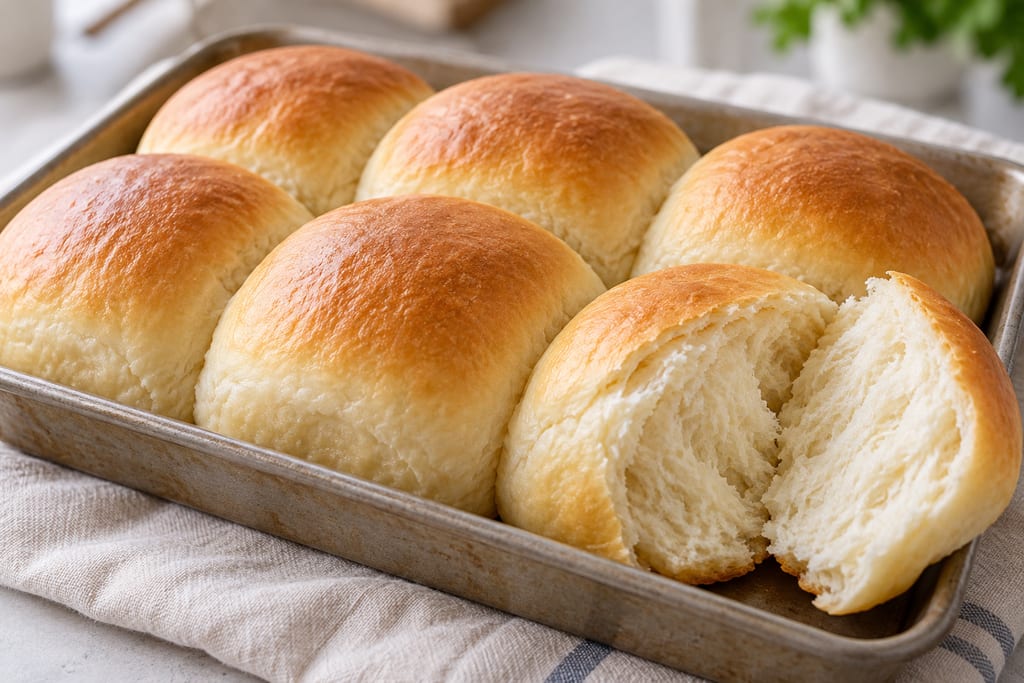
Soft, buttery yeast rolls known in Trinidad and Tobago as hops bread. This batch follows one published family method; local recipes vary in dough and baking technique.

Caribbean browning is a dark liquid of deeply caramelised sugar, used in small amounts for colour and a smoky, bitter-sweet flavour in stews and black cake.
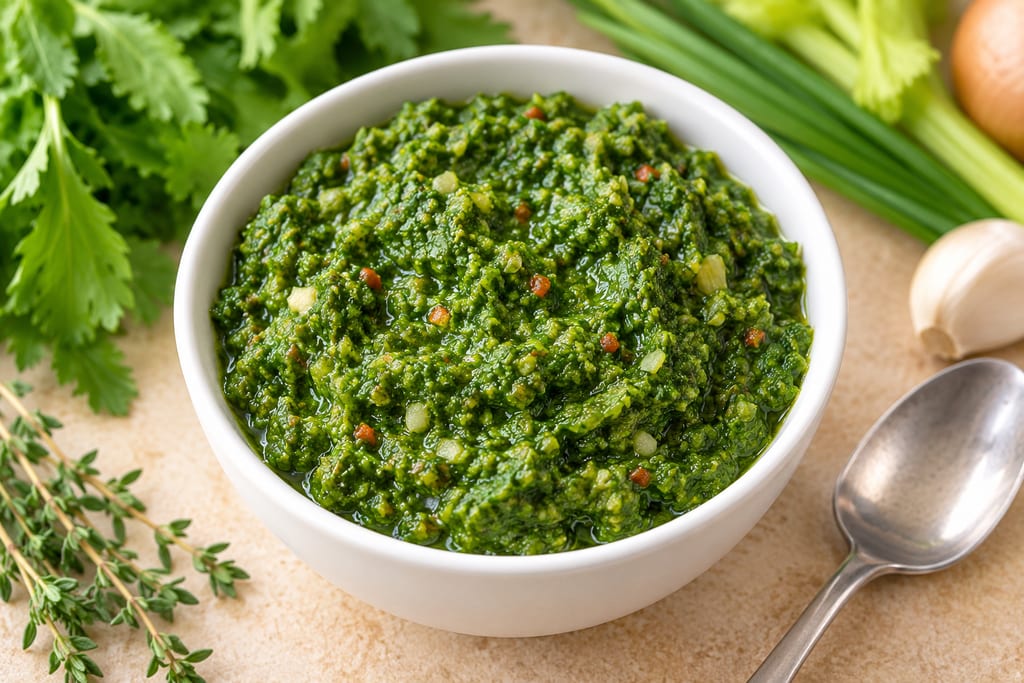
A fresh herb and aromatic paste of chadon beni (culantro), thyme, chives, celery, onion, garlic and peppers, blended with vinegar and water and used as the base for Trinidadian cooking.
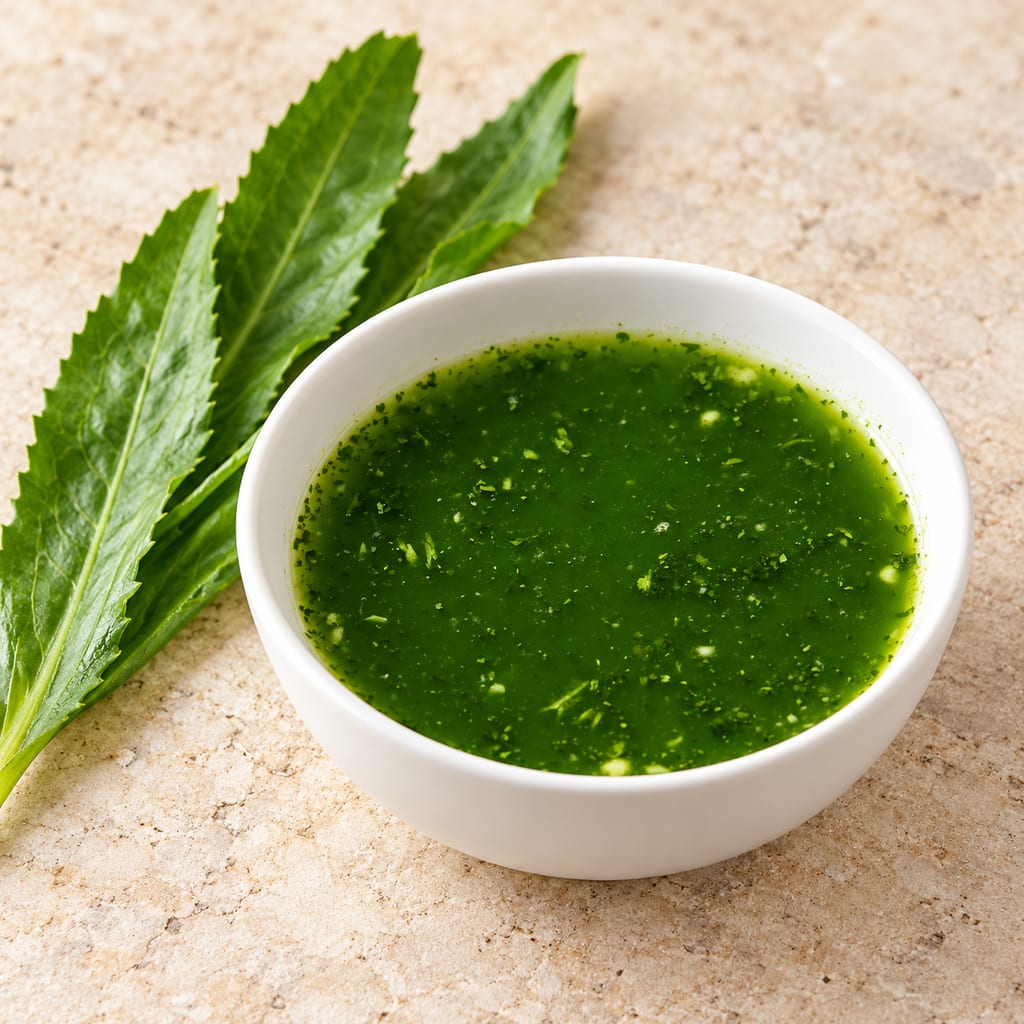
A bright green Trinidadian hot sauce of chadon beni (shado beni, culantro) with garlic, hot pepper, lime and water, blended to a pourable sauce for grilled meat, wings and eggs.
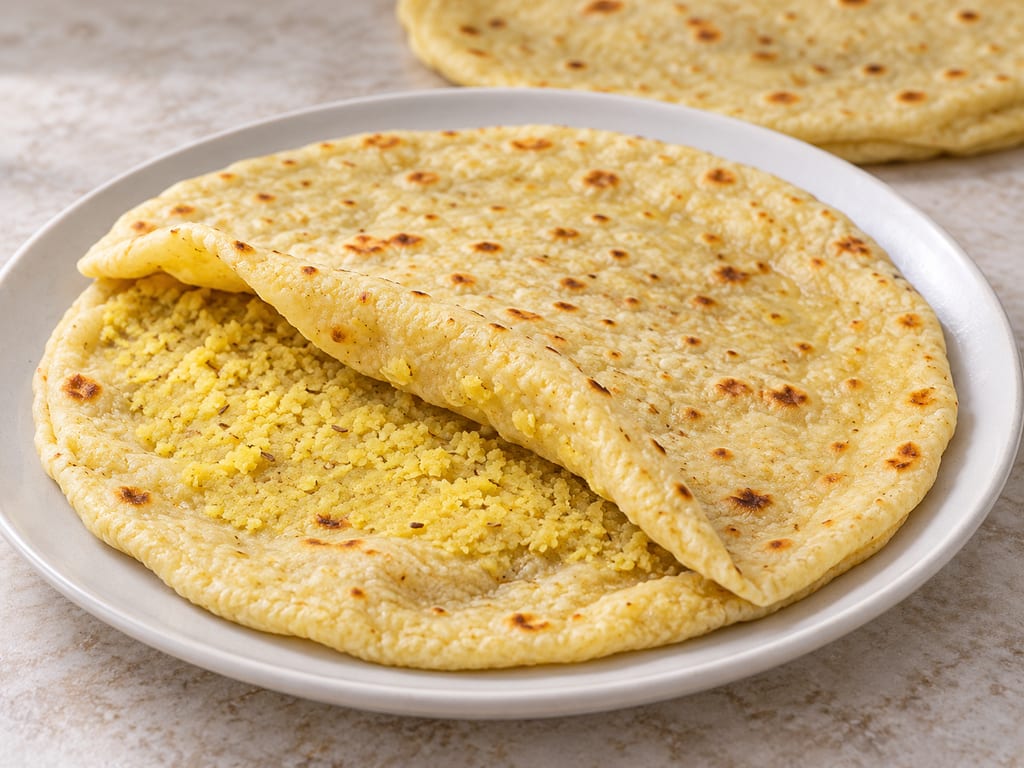
Trinidadian stuffed roti with a fine split-pea filling sealed inside soft wheat dough, rolled thin and cooked on a hot tawa.
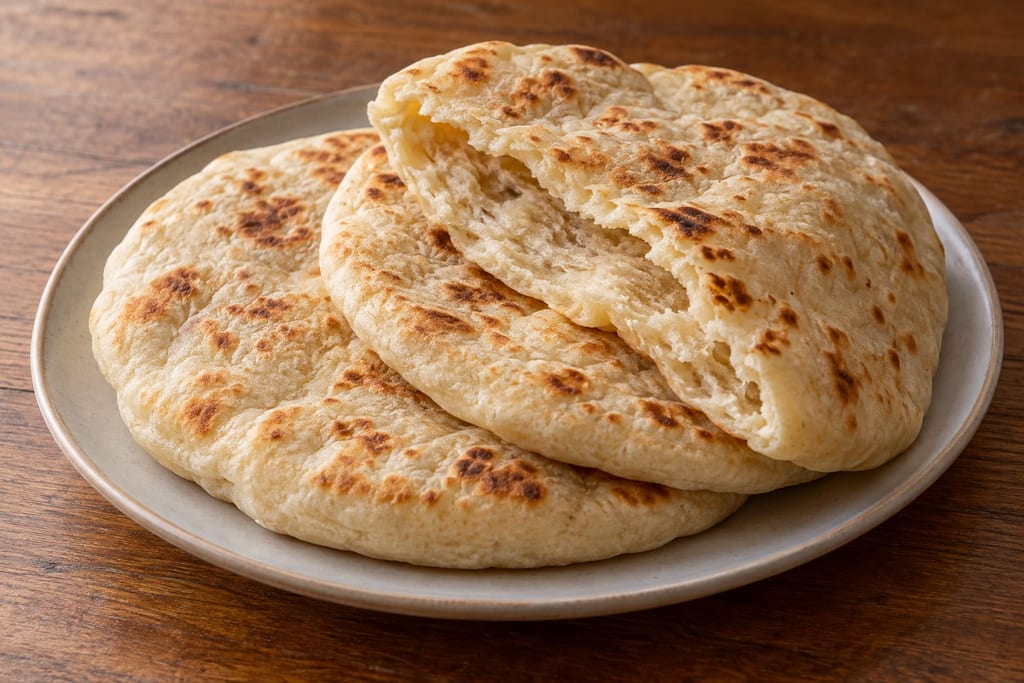
A Trinidad and Tobago baking-powder flatbread cooked on a hot stone, then briefly exposed to direct heat to puff.
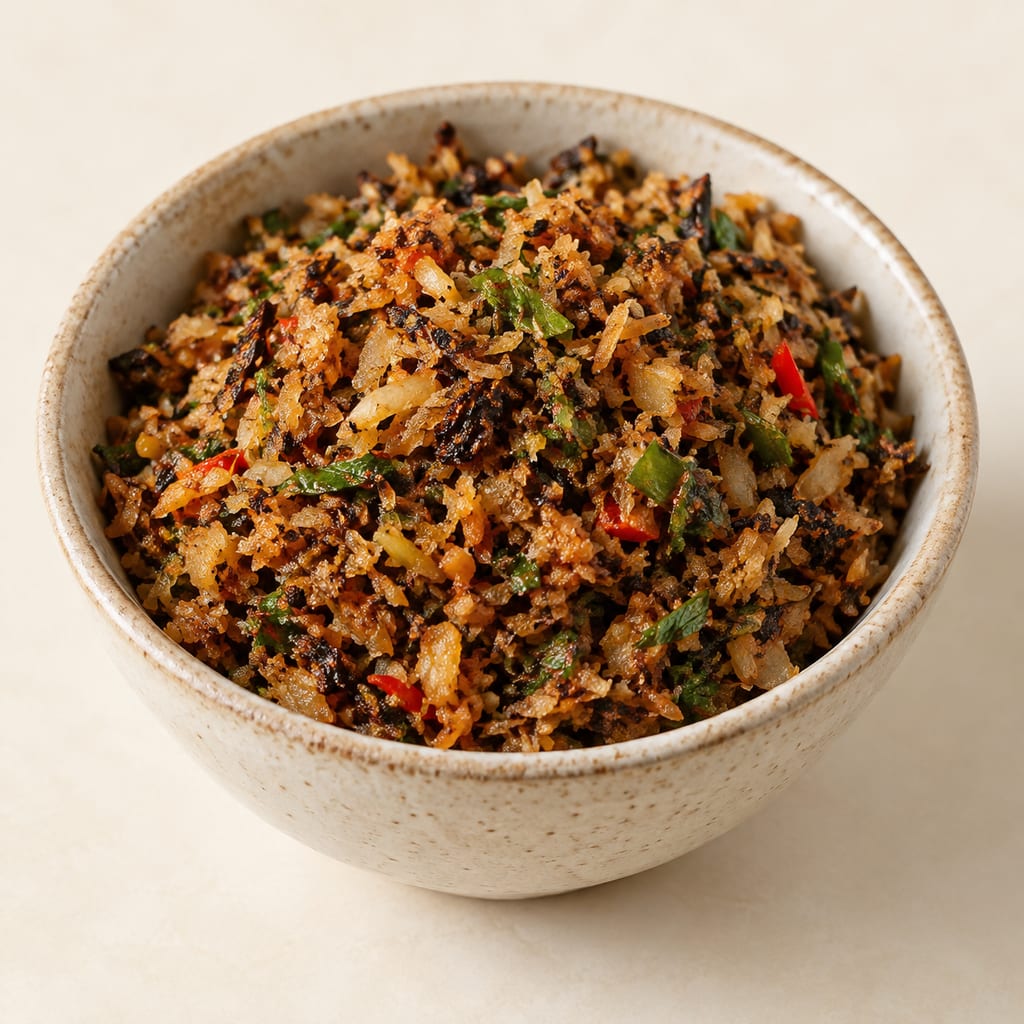
Trinidad coconut chutney is dried coconut roasted until charred, then ground on a stone with garlic, hot pepper, pimento and chadon beni to a coarse paste.
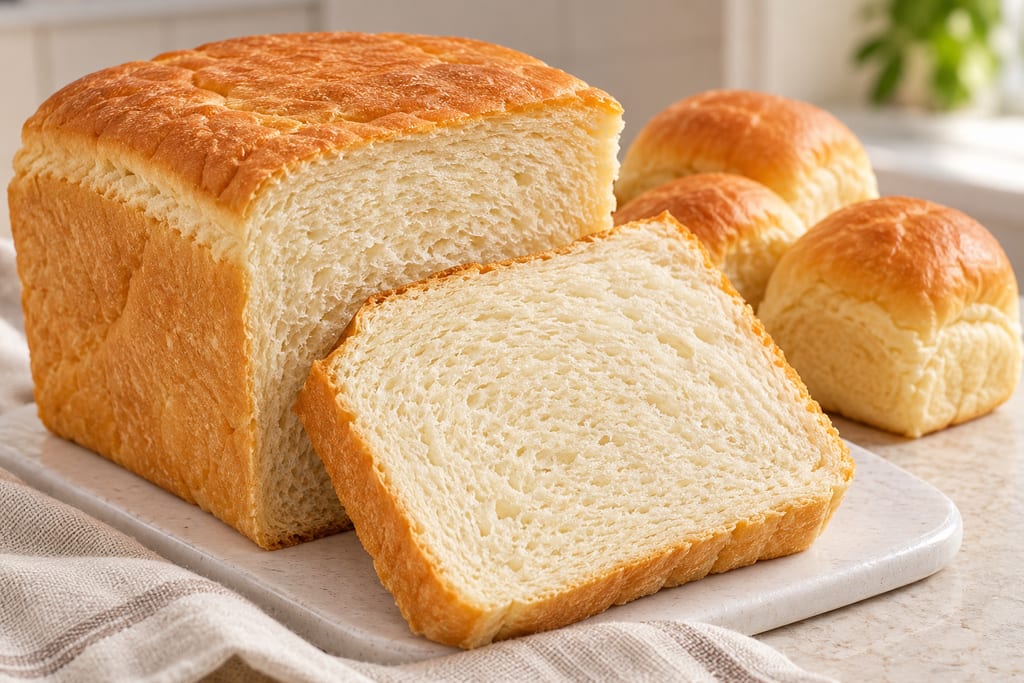
This softer home-style Agege bread uses a scalded flour paste, an enriched yeast dough and a 9×5-inch loaf pan, with rolls from the extra dough.
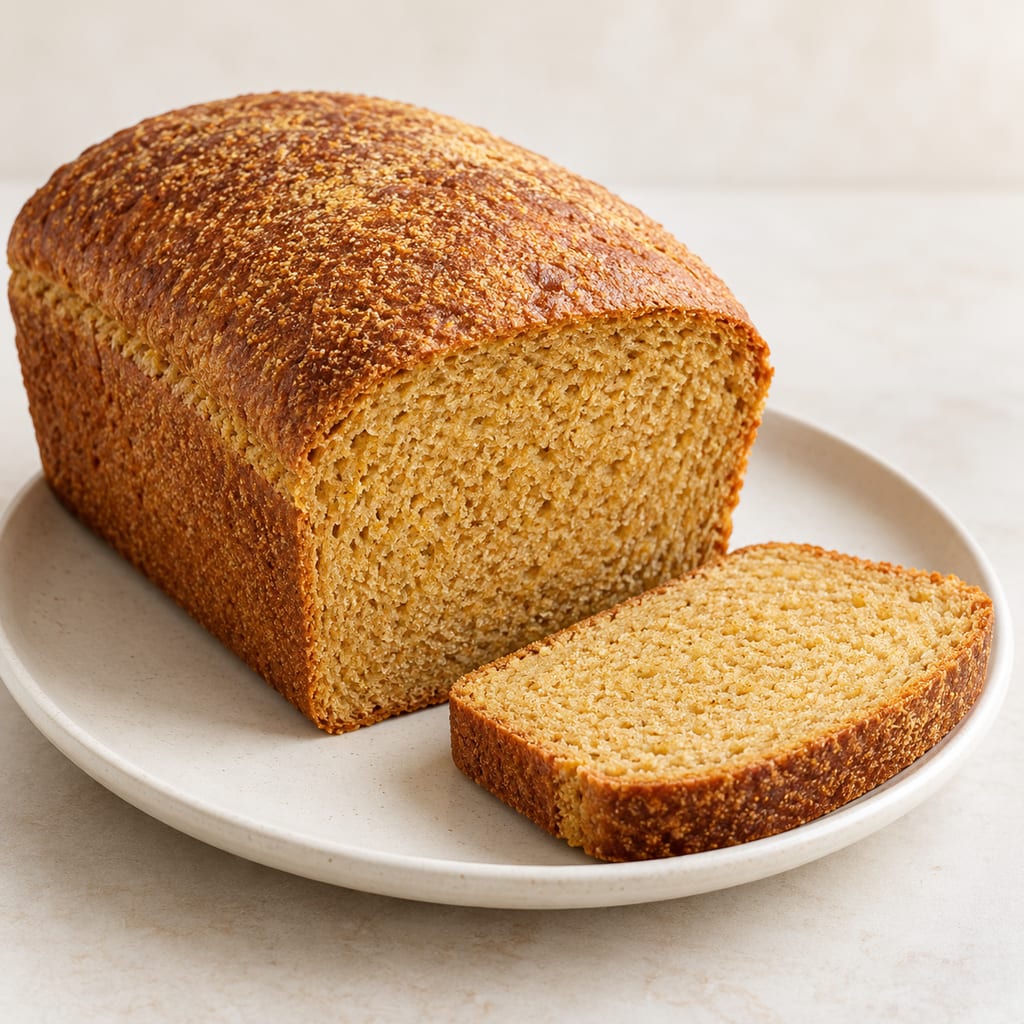
Anadama is a New England yeast loaf made with wheat flour, cornmeal and molasses. Scalded cornmeal enriches the dough, while molasses lends sweetness and a dark crust; it is especially good toasted or beside soup and baked beans.

A yeast-raised wheat ring shaped from a firm dough, briefly boiled and baked. This source-batch formula gives a gently malted crust and a chewy crumb.

Three long, crusty wheat loaves made with an overnight yeast poolish, shaped by hand and baked with steam for a crisp crust.
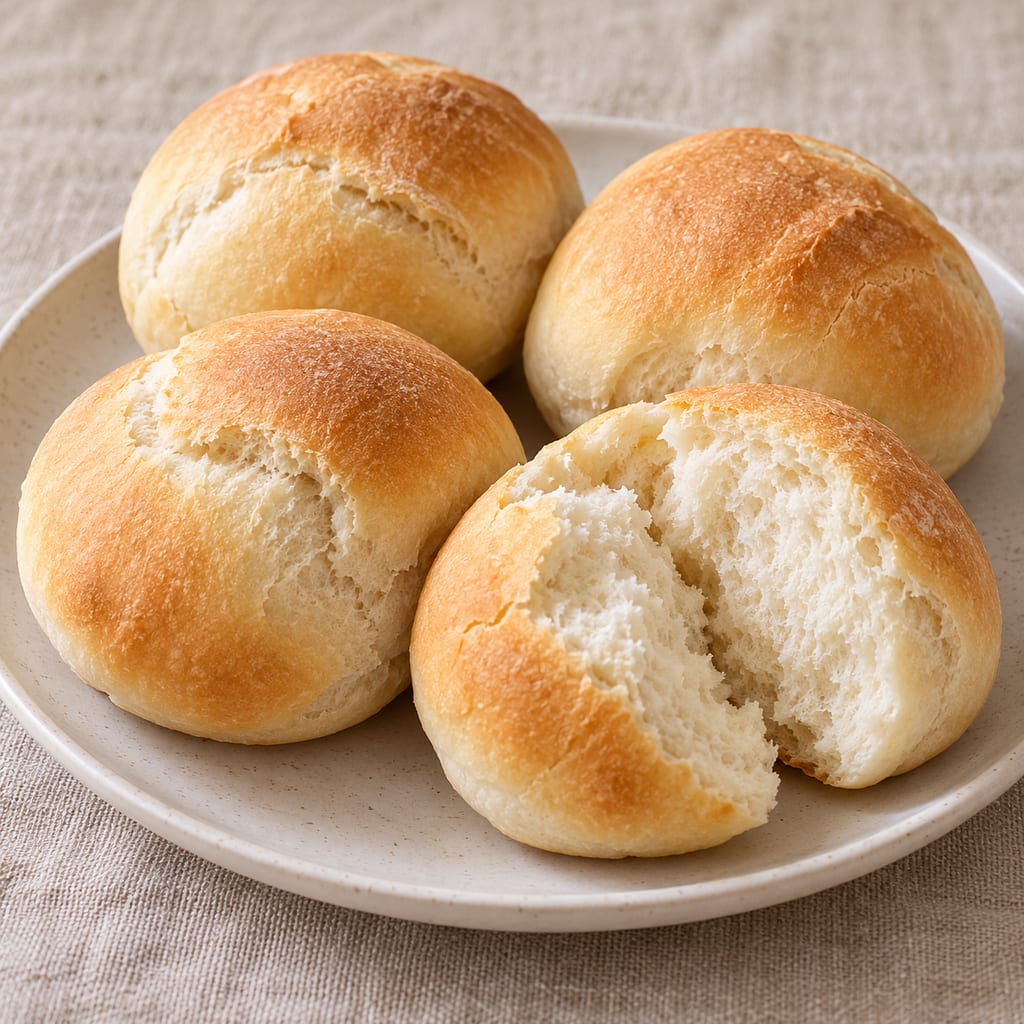
A lightly salted, yeast-raised Barbadian roll, baked in a dozen-roll home batch and often split for cutters.
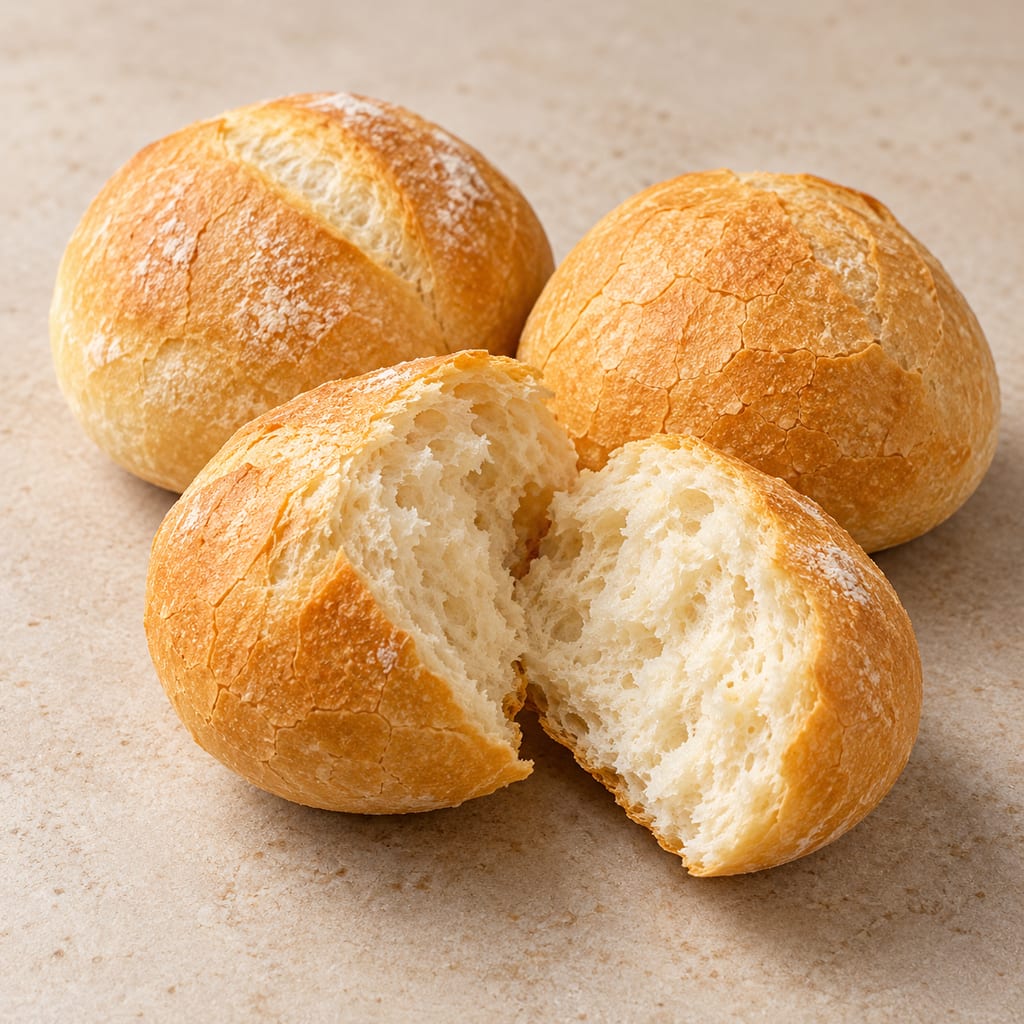
A crisp Belgian roll made from a supplier’s Croc-flour dough, mixed by hand or machine, proofed in rounds and baked with steam.
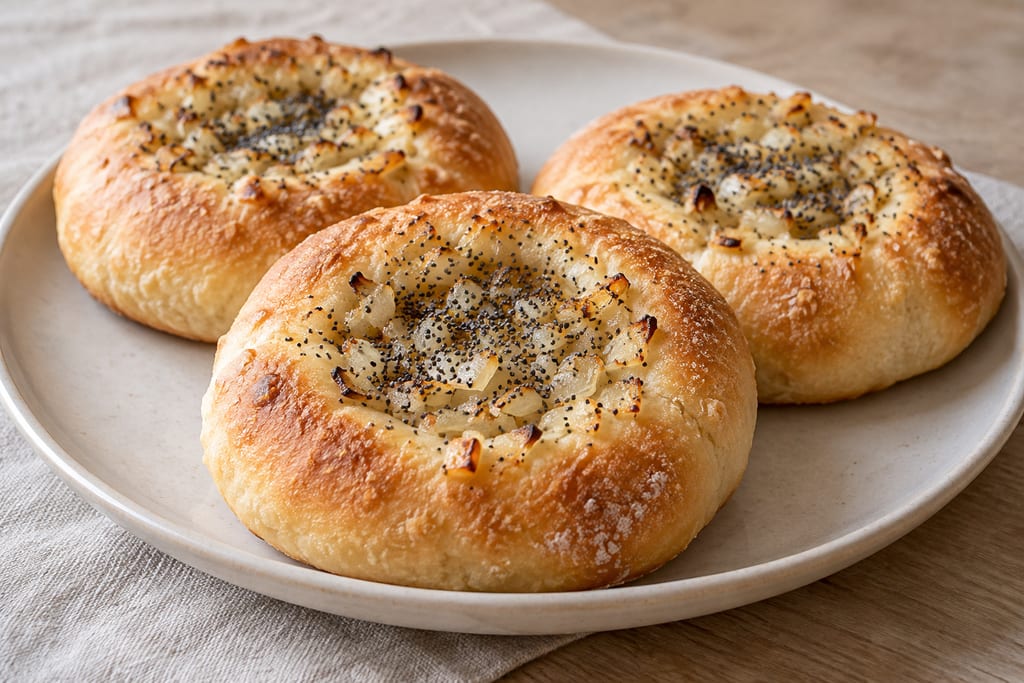
Bialys are soft, yeasted wheat rolls baked without boiling, each shaped with an onion-filled central depression instead of a hole.
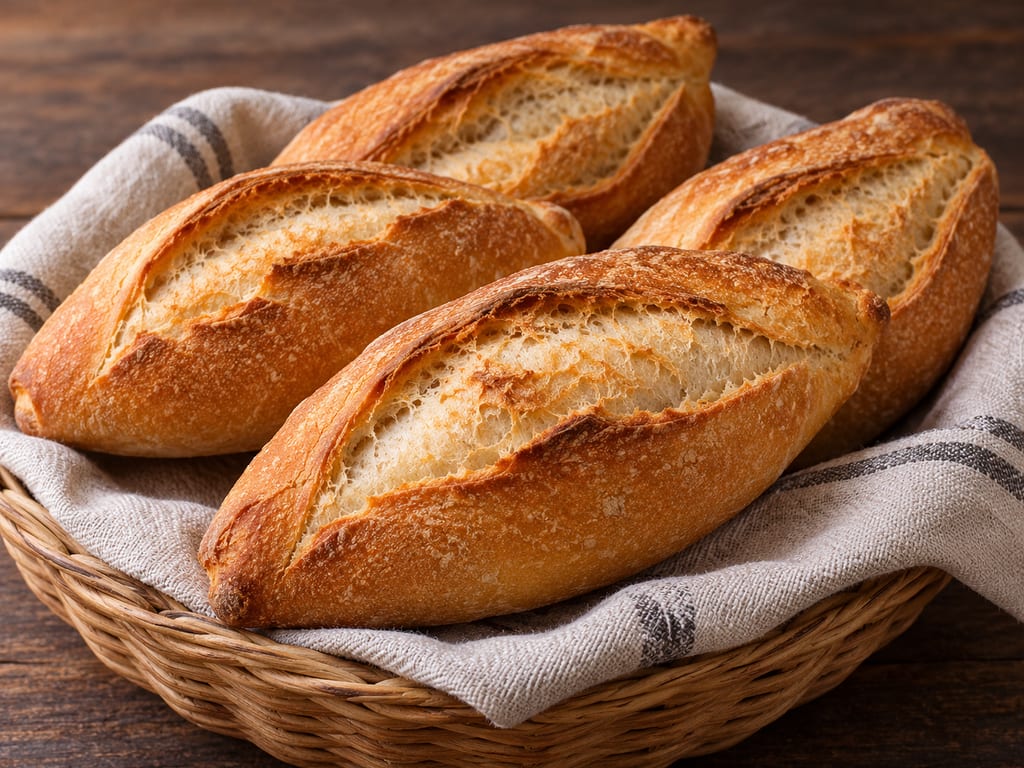
A measured, commercial-yeast home method for Guadalajara-style birote salado, with a six-hour preferment, shaped rolls and a two-temperature steam bake. This formula contains no egg.
No community contributions have been published for this entry yet.
Sign in to contribute. Published comments and photos are free to read.
We Trini FoodMethod · History · Geography
The Best Trinidad Coconut Bake Recipe: Simple and EasyThe author presents this as Trinidad coconut bake, a savory bread eaten in Trinidad and Tobago, especially with breakfast accompaniments; the page says traditional use is not a dated origin claim.
The source lists a small brown coconut or ¾–1¼ cups grated coconut meat (105–175 g), 2 cups warm water with up to ½ cup kept aside for adjustment, 2 teaspoons instant yeast, 4½ cups flour plus ¼ cup held back, 1 tablespoon sugar, 1½ teaspoons salt, ¼ teaspoon nutmeg and ¼ cup cookeen or butter; ½ teaspoon baking powder is optional.
Method includes blending coconut and water, proofing yeast 10–15 minutes, kneading 5–10 minutes, a 30-minute dough rest, shaping two ½–¾-inch rounds, a 15-minute rest, and baking at 400°F for 20–30 minutes; the page gives 16 servings.
Cited in: Trinidadian coconut bread; Shape and bake
U.S. Food and Drug AdministrationSafety
Handling Flour Safely: What You Need to KnowRaw flour may contain harmful bacteria; do not taste raw flour or dough; keep it separate from ready-to-eat food and clean hands, tools and surfaces after handling.
Cited in: Food handling
U.S. Food and Drug AdministrationSafety
Food AllergiesThe FDA lists wheat and milk among major food allergens.
Cited in: Food handling