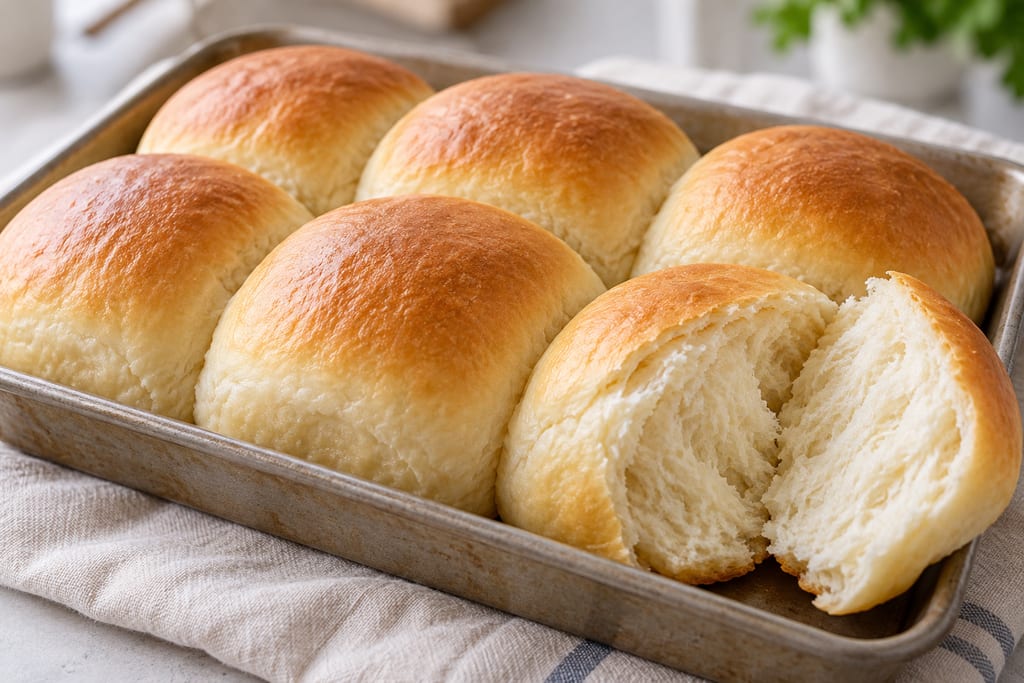
Trinidad hops bread
Soft, buttery yeast rolls known in Trinidad and Tobago as hops bread. This batch follows one published family method; local recipes vary in dough and baking technique.
 FermenteaWhere food goes to change
Dhalpuri · Dhal puri roti
Trinidadian stuffed roti with a fine split-pea filling sealed inside soft wheat dough, rolled thin and cooked on a hot tawa.
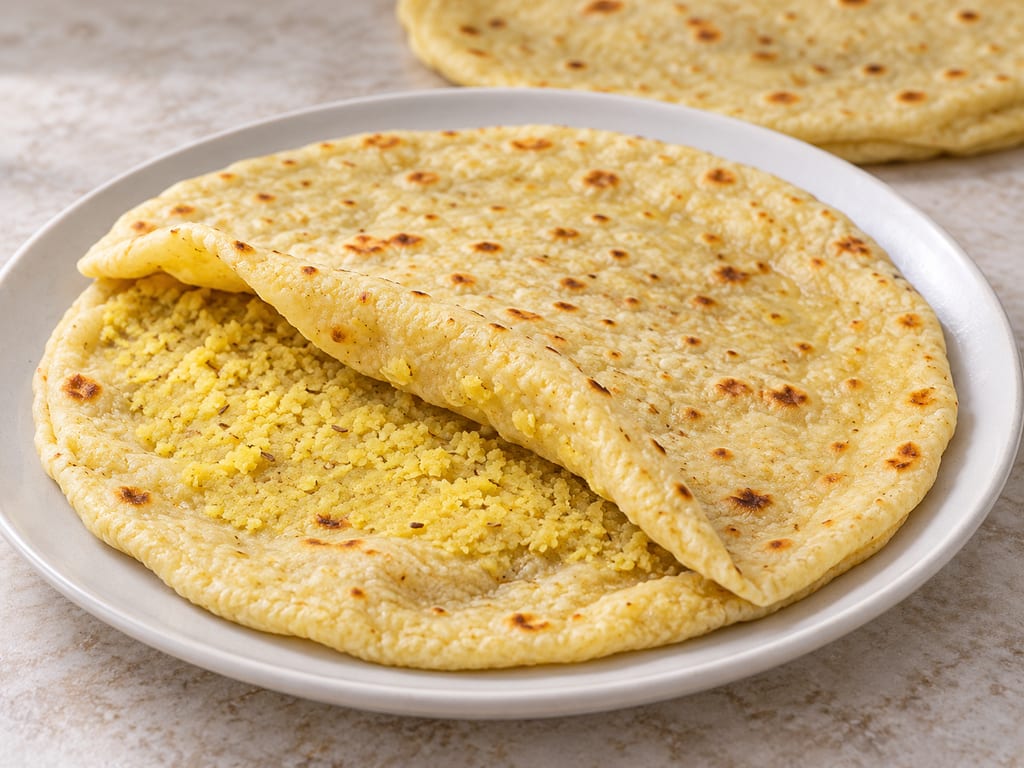
Dhalpuri is wheat dough wrapped around a seasoned split-pea filling, rolled into a thin round and cooked on a flat hot surface. This version follows Chris De La Rosa's CaribbeanPot recipe, first published in 2011. He recalls it as a special food from his upbringing in Trinidad and Tobago and says his mother helped with the recipe. His account is evidence for this family preparation, not a single formula for every Indo-Caribbean roti.
The recipe adds a pinch of fast-acting yeast and baking powder to the dough. It does not ask for a separate proof: the covered dough rests for about 20 minutes, then the filled pieces are shaped and cooked. Other dhalpuri recipes may use different leaveners, proportions or seasoning. This record keeps De La Rosa's quantities together and does not merge them with Mauritian dholl puri, which the archive treats separately.
The filling begins with 2 cups of split peas. Sort out any foreign pieces, rinse the peas, then cook them with turmeric in about 5 to 6 cups of boiling water. De La Rosa gives two times: about 20 minutes if the peas will go through a traditional food mill, and 25 to 30 minutes if using a food processor. Drain the peas and leave them to cool before grinding.
The filling's measured seasoning is 1 teaspoon salt, 2 garlic cloves, 1 teaspoon roasted ground cumin (geera) and a quarter of a Scotch bonnet, or another hot pepper to taste. Grind these with the cooled peas, working in batches if necessary. Aim for a fine, even texture with no whole peas or large pieces; the author warns that coarse pieces can puncture the thin dough. He says a food mill makes a softer paste, while a processor yields a finer crumb-like texture.
In a large bowl, combine 3 cups all-purpose flour, a pinch of fast-acting yeast, 2 tablespoons baking powder and 1/4 teaspoon salt. Begin with about 1 cup water and add it gradually as you knead. De La Rosa reports using close to 1¾ cups. The goal in his recipe is a smooth, tender dough firm enough to hold its shape; the water amount is approximate because flour absorbency varies.
Cover the dough with a tea towel or plastic wrap and rest it for about 20 minutes. The recipe cautions against a much longer rest. It gives no dough temperature, proofing volume or yeast-rise schedule, so this short rest should not be mistaken for a separately measured fermentation stage.
Divide the dough into six portions and round them. Flatten one portion in your hand into a circle about 6 inches across. Dust it lightly with flour, then place about 4 tablespoons of filling in its centre. Cup the dough around the filling, draw the edges together and pinch them shut. Repeat with the remaining portions.
The author notes that the filling quantity is generous: after filling these six pieces, about enough remains for four more rotis. That is leftover filling, not a yield of ten, because this source's dough batch makes six portions. Extra filling can be frozen or paired with additional dough.
Heat a tawa (flat griddle) over medium-high heat and brush it with some of the recipe's 5 tablespoons vegetable oil. On a floured surface, turn and roll one stuffed ball into a 12 to 14 inch round about 1/8 inch thick. Match the round to the size of the cooking surface; the source suggests a large frying pan as a substitute but warns that its sides can make flipping harder.
Lay the dough carefully on the hot surface. Turn it after about 30 seconds, using spatulas if needed, then brush the upper side with oil. Continue turning as needed. De La Rosa estimates 4 to 6 minutes total and says the roti swells while cooking. Repeat with the other five pieces. Oil can splatter if a filled roti splits, so keep a little distance and let the stove cool before cleaning.
Set each cooked roti on paper towels to absorb excess oil. Wrap the stack in a tea towel to limit drying, and serve as a curry wrap or alongside a meal. De La Rosa describes storing rotis for later that day and freezing cooked rotis for at least a month, then reheating in short microwave intervals. Those are his household suggestions, not a tested shelf-life or reheating validation.
Chris De La Rosa describes dhalpuri as a special food from his upbringing in Trinidad and Tobago, made occasionally by his family, and says his mother helped with this version. His first-person account supports this Trinidadian family preparation. It does not establish a first date or origin for the wider roti family, and the archive notes that Mauritian dholl puri is a separate form rather than a formula to merge here.
Yield 6 rotis · Scaling: source batch only
The recipe boils peas in several cups of water and cooks thin rotis on an oiled, hot tawa; the source warns that oil may splatter if a roti breaks.
Hazard sourceUse a stable deep saucepan, drain peas carefully, keep hands clear of the hot tawa, and apply oil with a brush or utensil to reduce contact and splatter.
Control sourceThe recipe does not provide numerical pan temperatures or a measured doneness endpoint. Its time and swelling cues are source instructions, not a validated safety test.
Wash hands and utensils after handling Scotch bonnet or other hot pepper; avoid touching eyes.
Chris De La Rosa recalls dhalpuri as a family food from his upbringing in Trinidad and Tobago and presents his mother's assistance with this recipe. This supports a Trinidadian association for this particular version, not a precise origin or a uniform diaspora formula.
Soft, buttery yeast rolls known in Trinidad and Tobago as hops bread. This batch follows one published family method; local recipes vary in dough and baking technique.
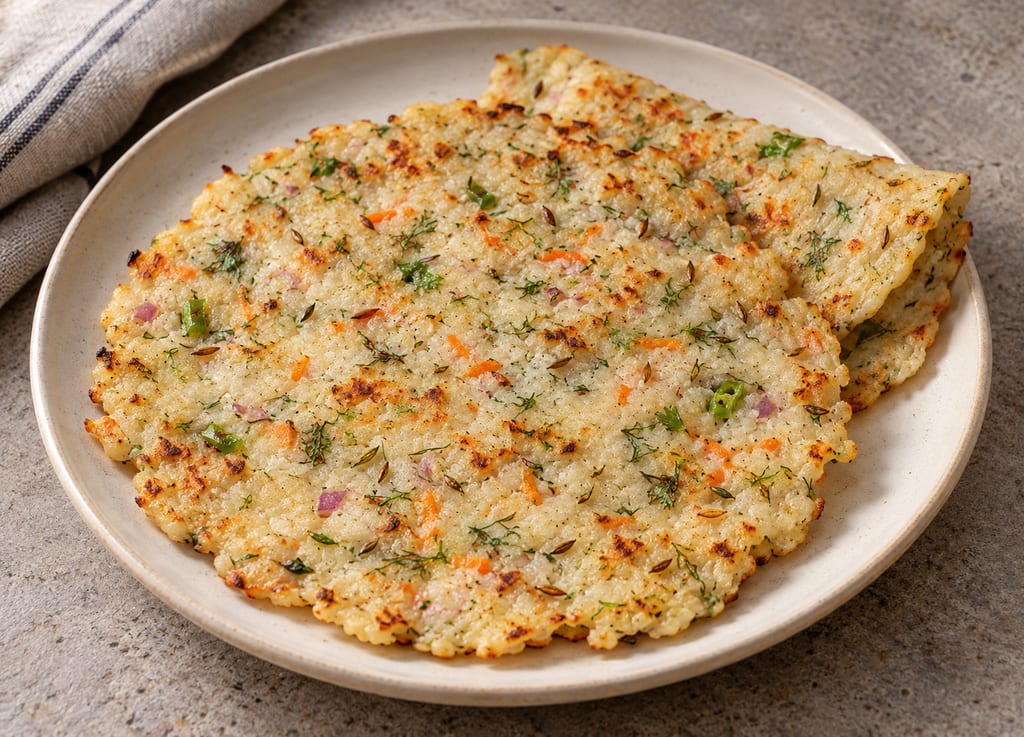
This Karnataka-style akki rotti mixes fine rice flour with vegetables, coconut, herbs and spices, then hand-pats and griddle-cooks the dough.
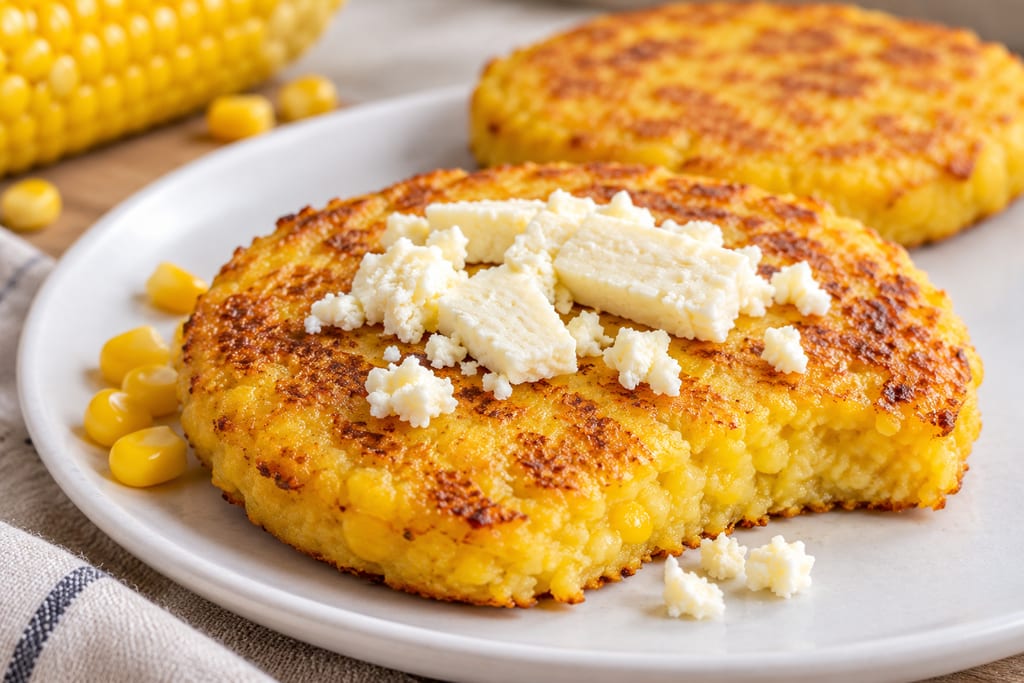
A Colombian Andean griddle cake made from fresh sweet-corn batter, cooked in butter and served with white cheese.
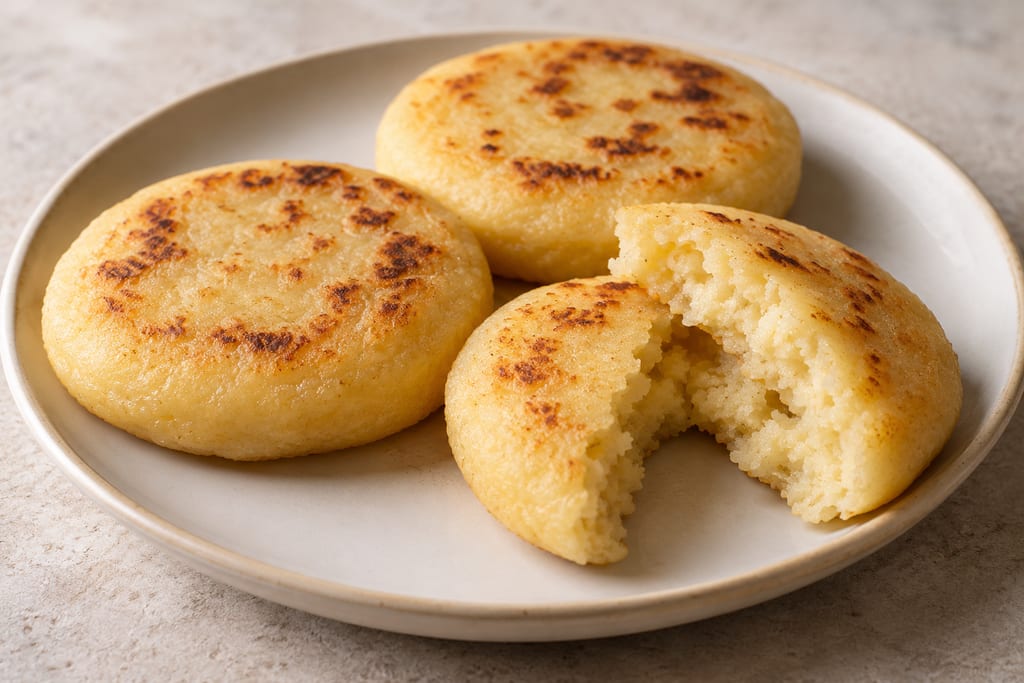
This household version combines precooked corn flour, warm water and salt, then cooks thick rounds on a lightly oiled skillet or griddle. It is one source-specific arepa method, not a universal Colombian or Venezuelan formula.
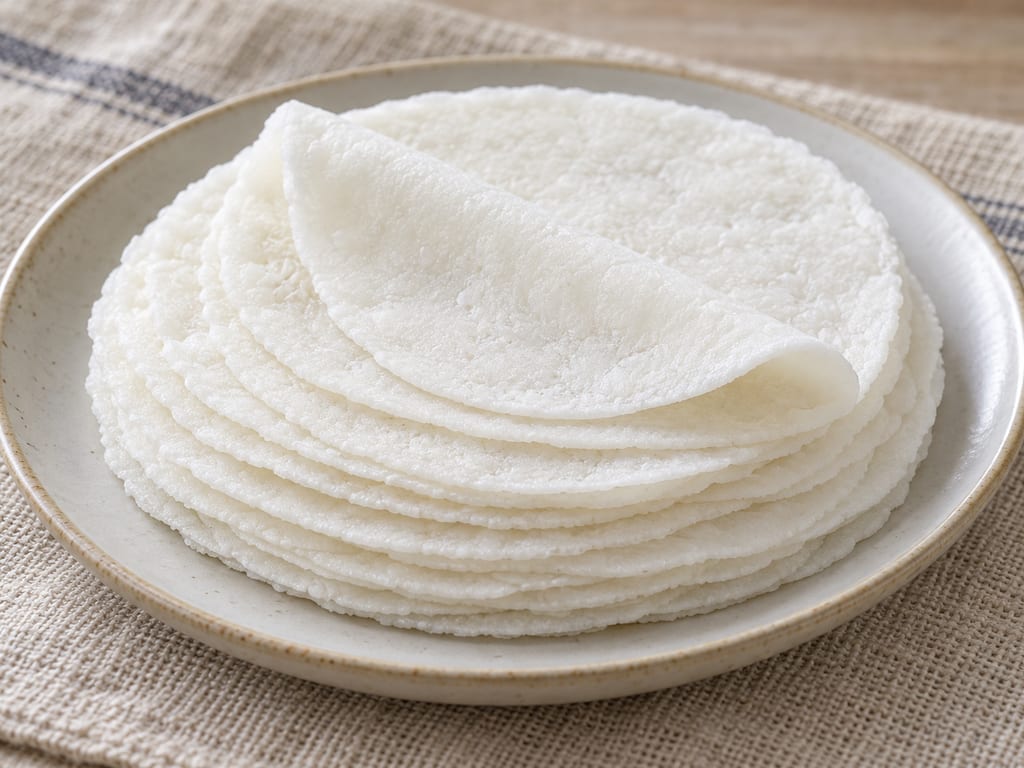
Thin Malabar rice-flour rounds made from roasted rice flour cooked into salted boiling water, kneaded after cooling, and rolled to about 1 mm. They cook on a hot griddle without taking on colour.
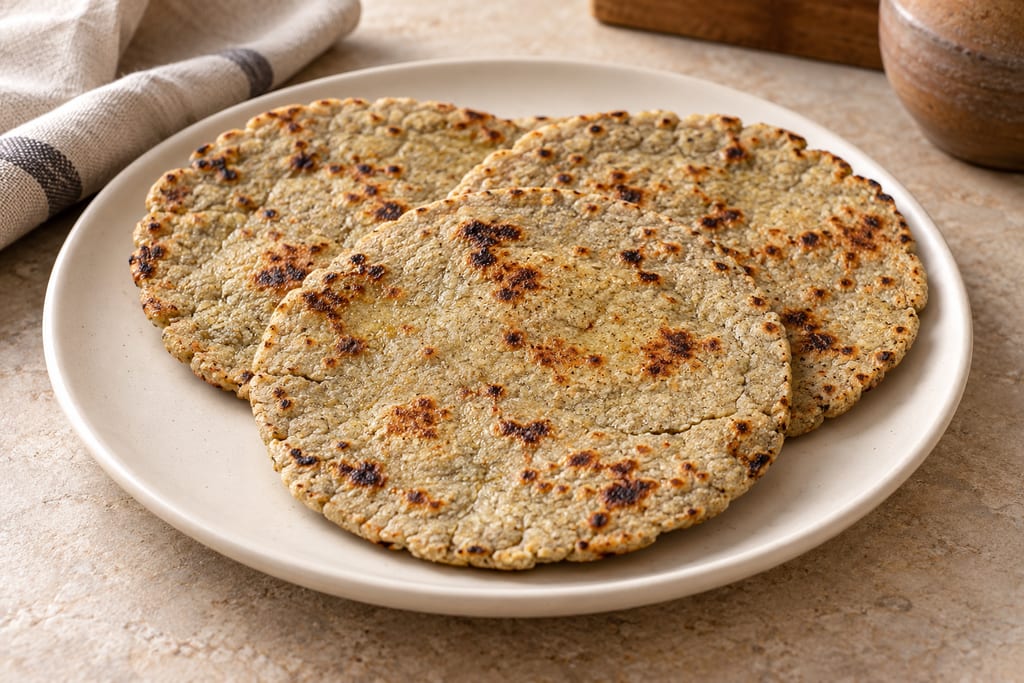
A pearl-millet flatbread shaped between sheets and cooked on a hot tawa. This home batch makes eight.
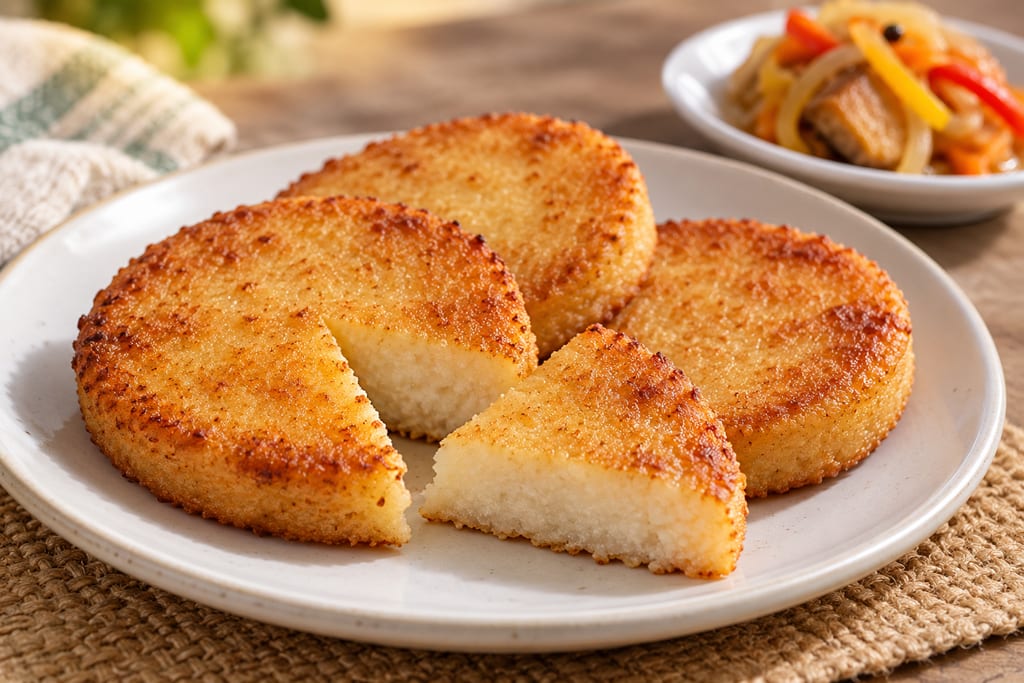
A serving method for approved, prepared bammy rounds: soak them in coconut milk and refry until golden. It does not process raw cassava.
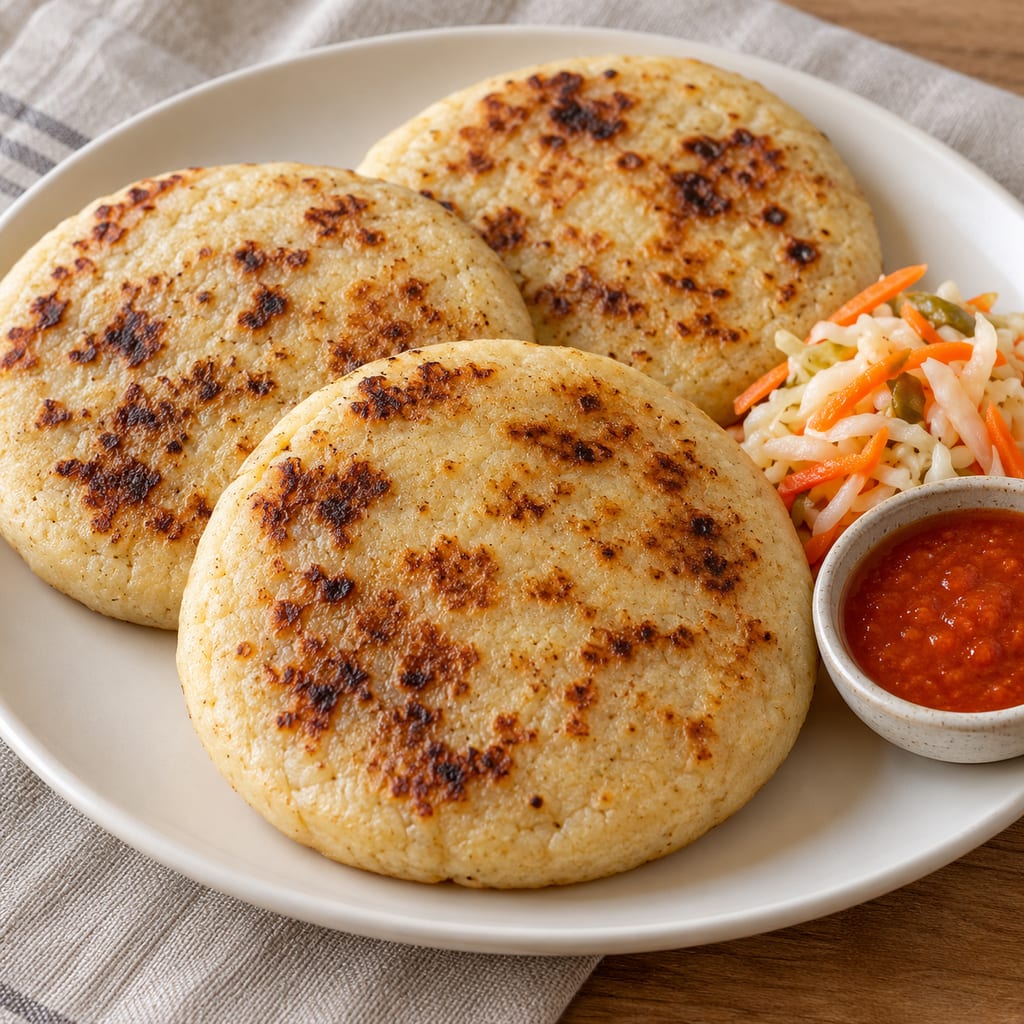
Salvadoran-style masa harina cakes filled with refried beans and cheese, sealed and cooked on an oiled skillet.
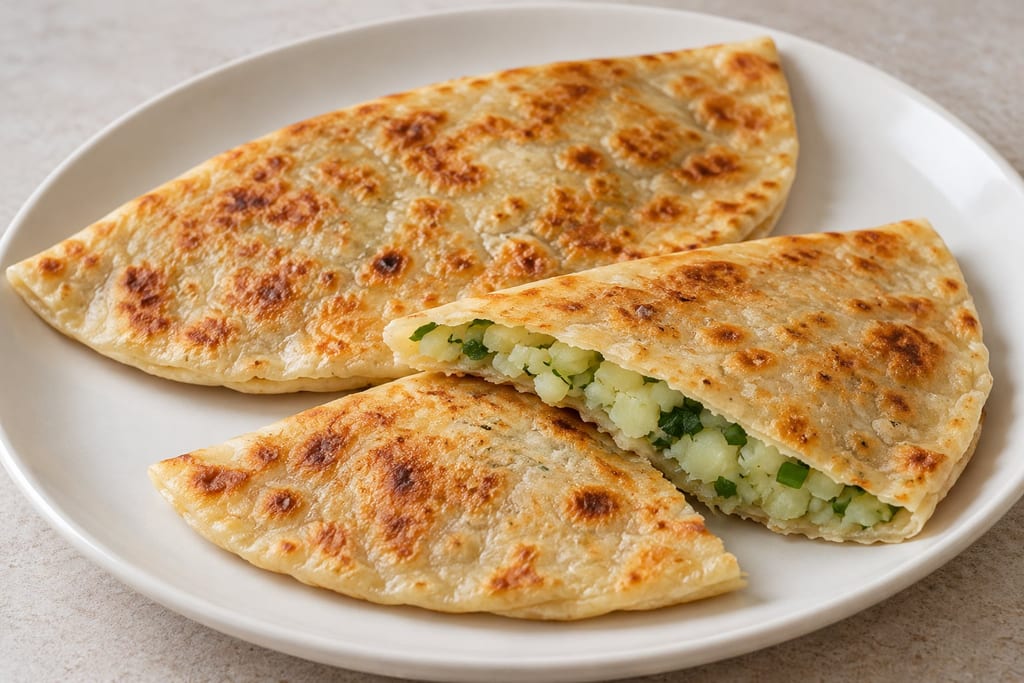
A thin, unleavened Afghan flatbread filled with mashed potato, scallion and cilantro, folded and pan-browned. This version uses a dough made from scratch.
No community contributions have been published for this entry yet.
Sign in to contribute. Published comments and photos are free to read.
CaribbeanPot.comRecipe · Method · Ingredients · Modern use · Geography
The Ultimate Dhalpuri RecipeDe La Rosa dates the article to 23 September 2011 and recalls dhalpuri as a special occasional Sunday food from his upbringing in Trinidad and Tobago; he says his mother helped with the version.
The filling lists 2 cups split peas, 5–6 cups cooking water, 1/4 teaspoon turmeric, 1 teaspoon salt, 2 garlic cloves, 1 teaspoon roasted ground cumin and 1/4 Scotch bonnet or another hot pepper.
The dough lists 3 cups all-purpose flour, a pinch of fast-acting yeast, 2 tablespoons baking powder, 1/4 teaspoon salt and water. The author says he used close to 1 3/4 cups, starting with about 1 cup; the dough rests about 20 minutes.
The source cooks the peas about 20 minutes for a food mill or 25–30 minutes for a food processor, grinds the filling finely, divides dough into six pieces and fills each with about 4 tablespoons.
The filled rounds are rolled to 12–14 inches and about 1/8 inch thick, cooked on an oiled medium-high tawa for 4–6 minutes total, with a first turn after about 30 seconds. The author says extra filling remains for about four more rotis.
Cited in: A Trinidadian filled roti; Cook and cool the split peas; Mix and rest the dough; Fill and seal six dough balls; Roll thinly and cook on the tawa; Keep the rotis soft