















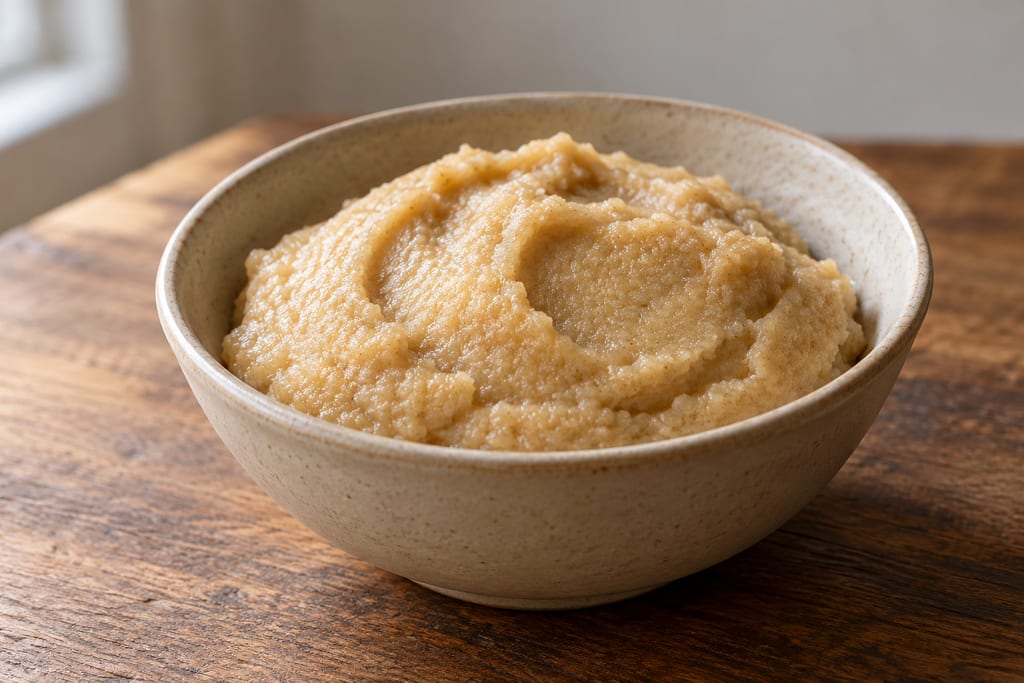
























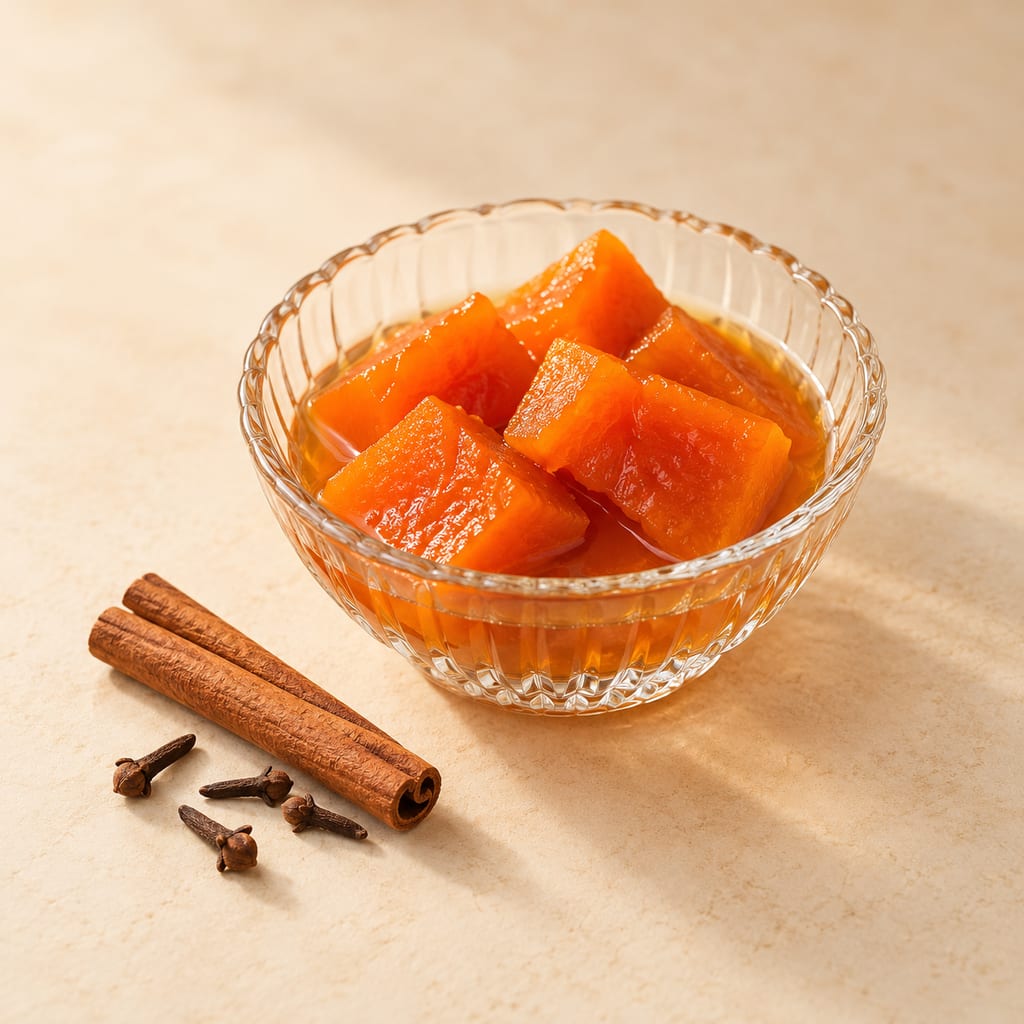
Brazilian doce de abóbora: a preserve of small pumpkin pieces
Brazilian doce de abóbora: Freeze for winter; small fresh portion refrigerated up to 48 hours.
 FermenteaWhere food goes to change
1504 records with their sources, across 11 categories.
 Fruit preserves19
 Acid and oil pickles11
 Adjacent and excluded7
 Condiments and enzymatic seasonings3
 Grain and starch ferments2
 Smoked salted and dried foods2
 Unfermented breads1
Brazilian doce de abóbora: Freeze for winter; small fresh portion refrigerated up to 48 hours.
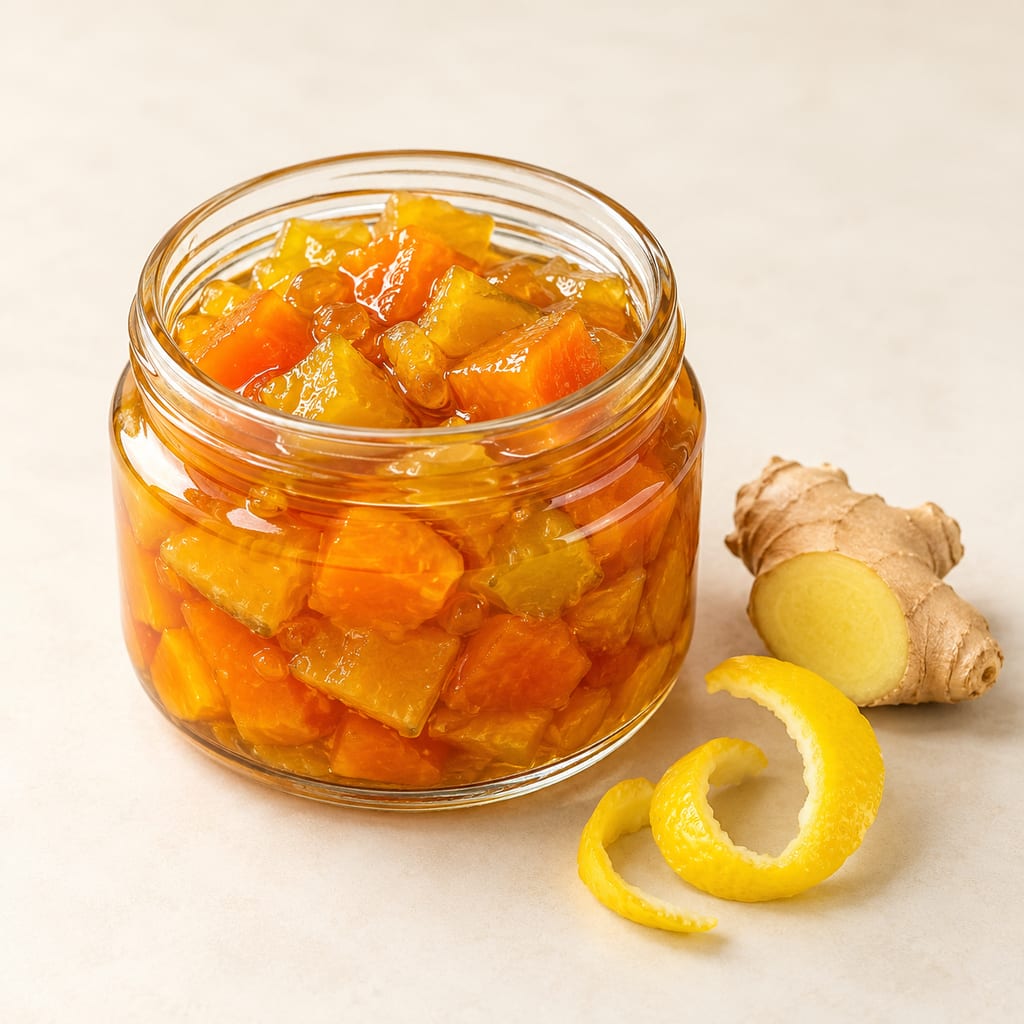
English lemon-and-ginger preserved pumpkin, after an 1861 recipe: Freeze for winter; small fresh portion refrigerated up to 48 hours.
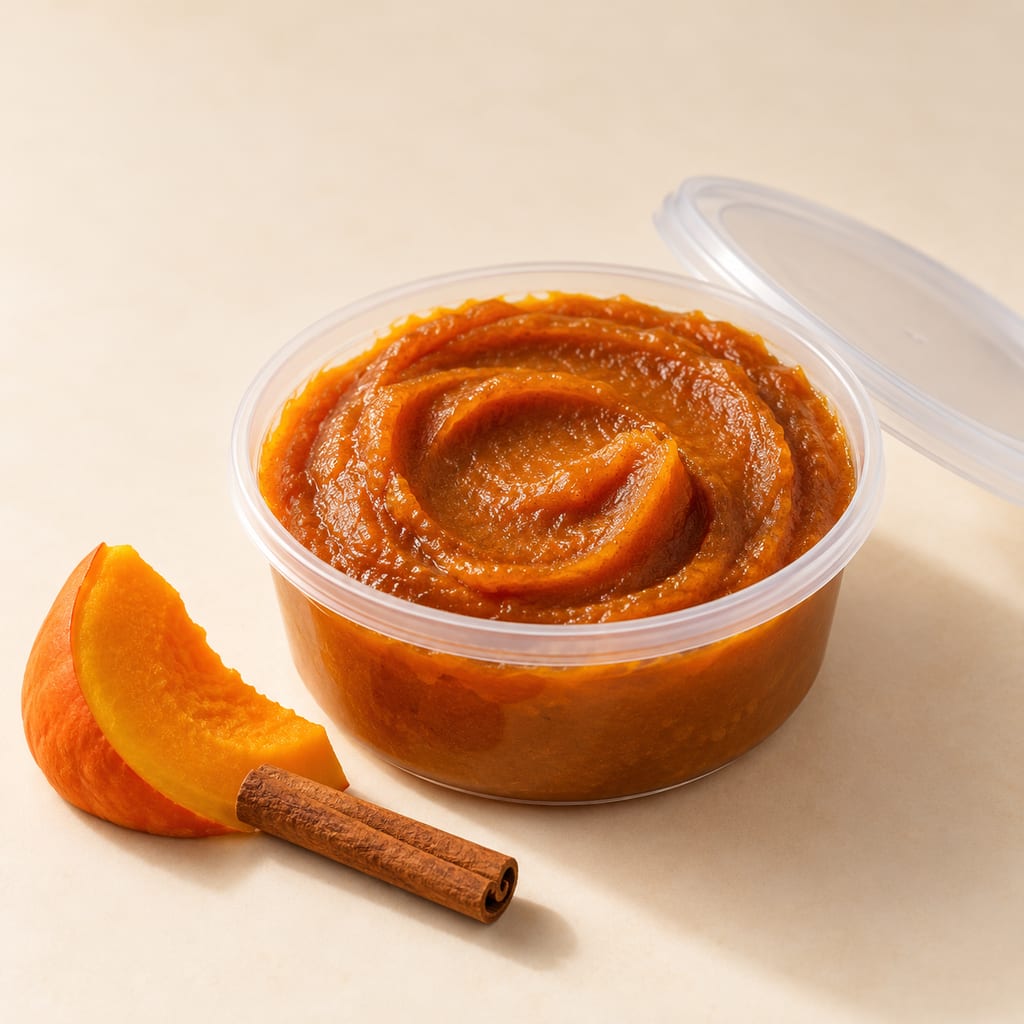
Spiced freezer pumpkin butter: Freeze for winter; small fresh portion refrigerated up to 48 hours.
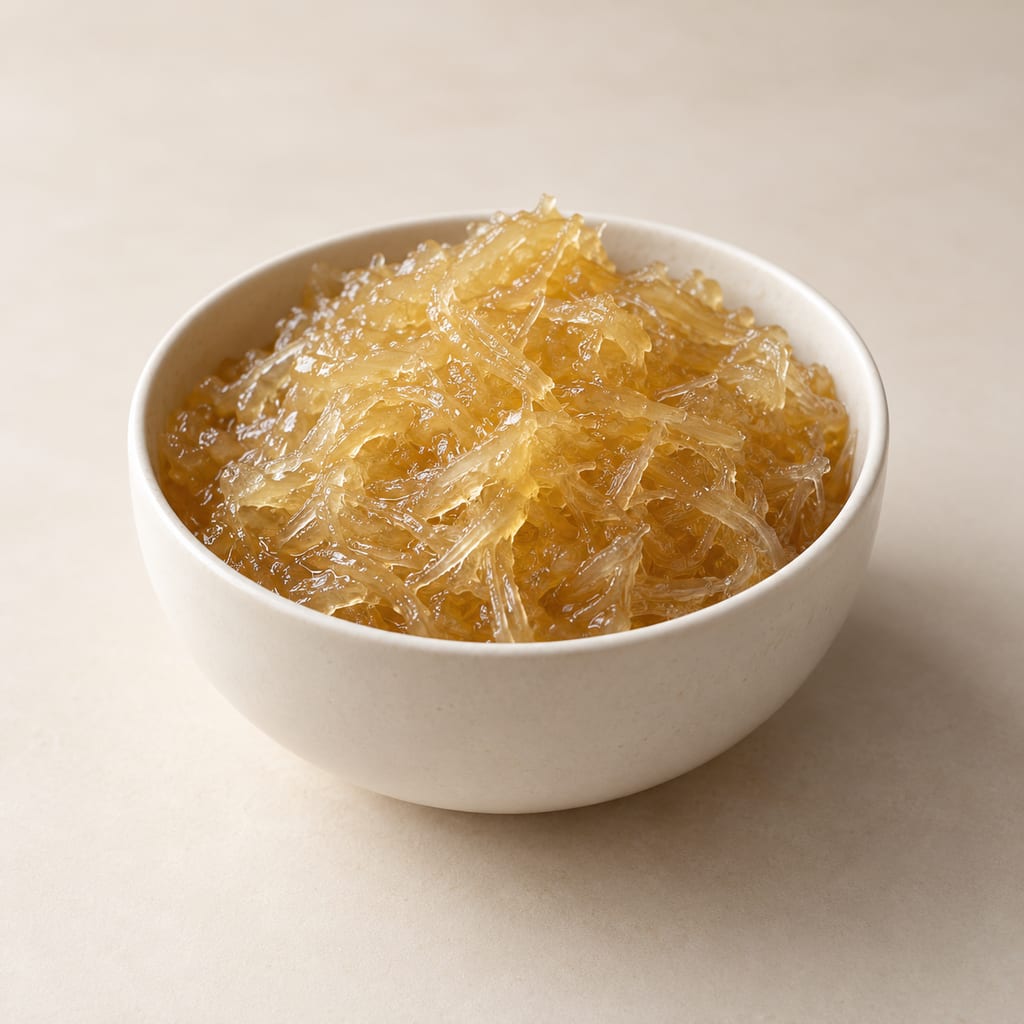
Fine strands of Cucurbita ficifolia cooked in an equal weight of sugar, then portioned for refrigerator or freezer storage. Ordinary orange pumpkin does not give the same fibres.
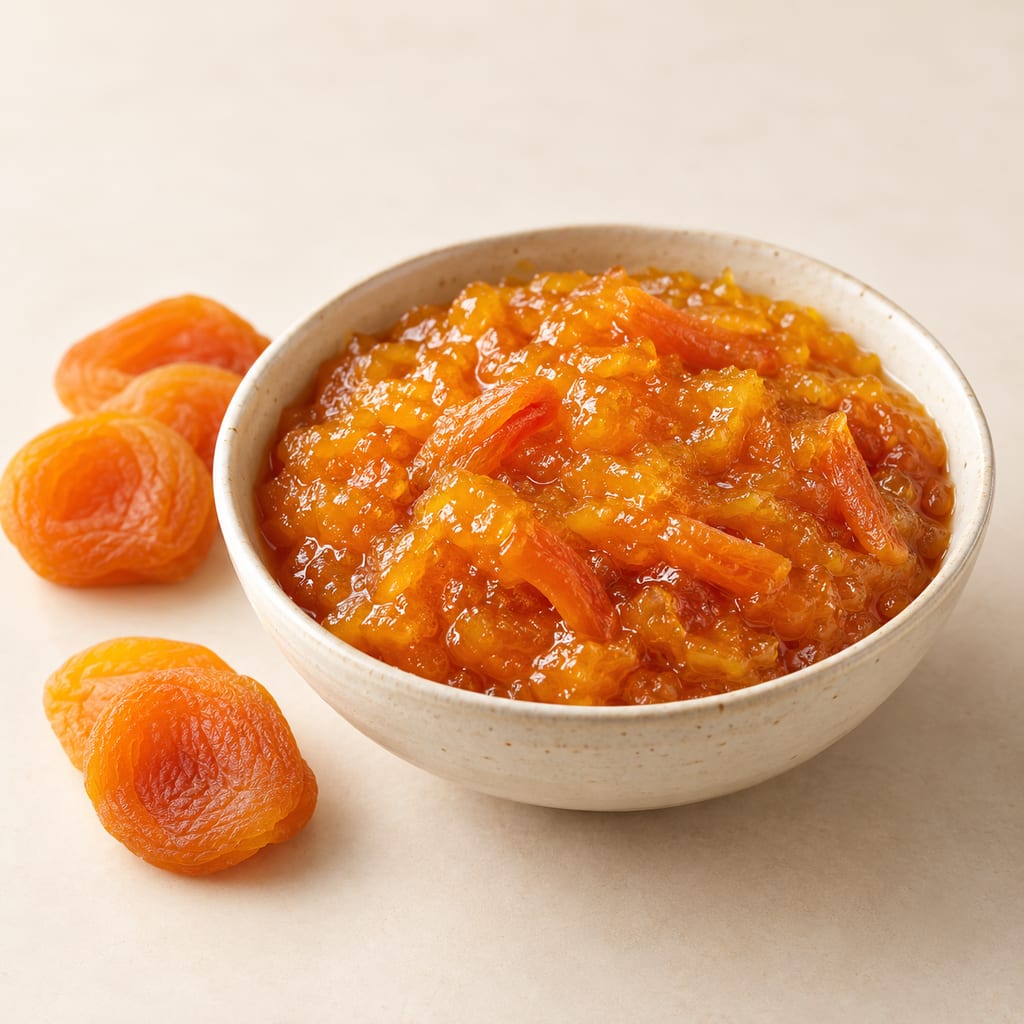
Pumpkin and dried-apricot jam: Freeze for winter; small fresh portion refrigerated up to 48 hours.
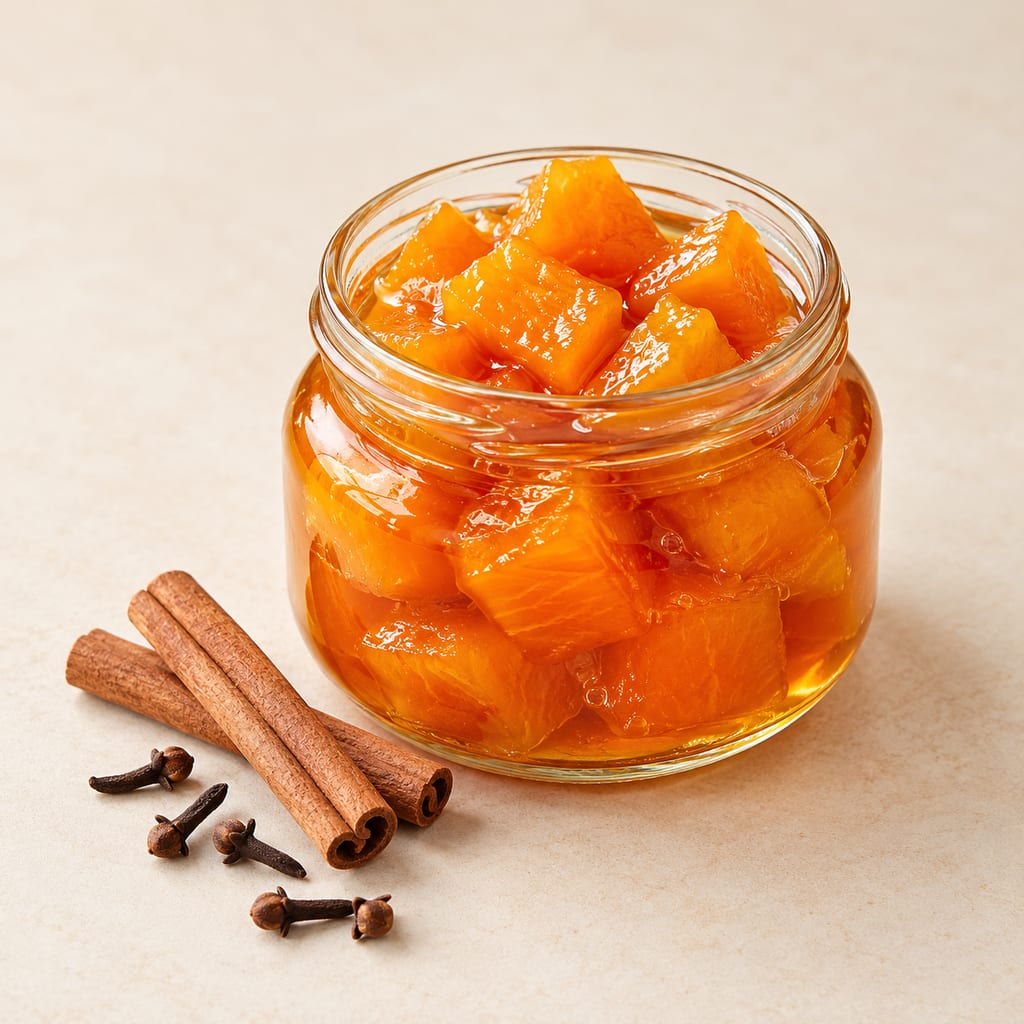
Turkish pumpkin jam without lime: Freeze for winter; small fresh portion refrigerated up to 48 hours.
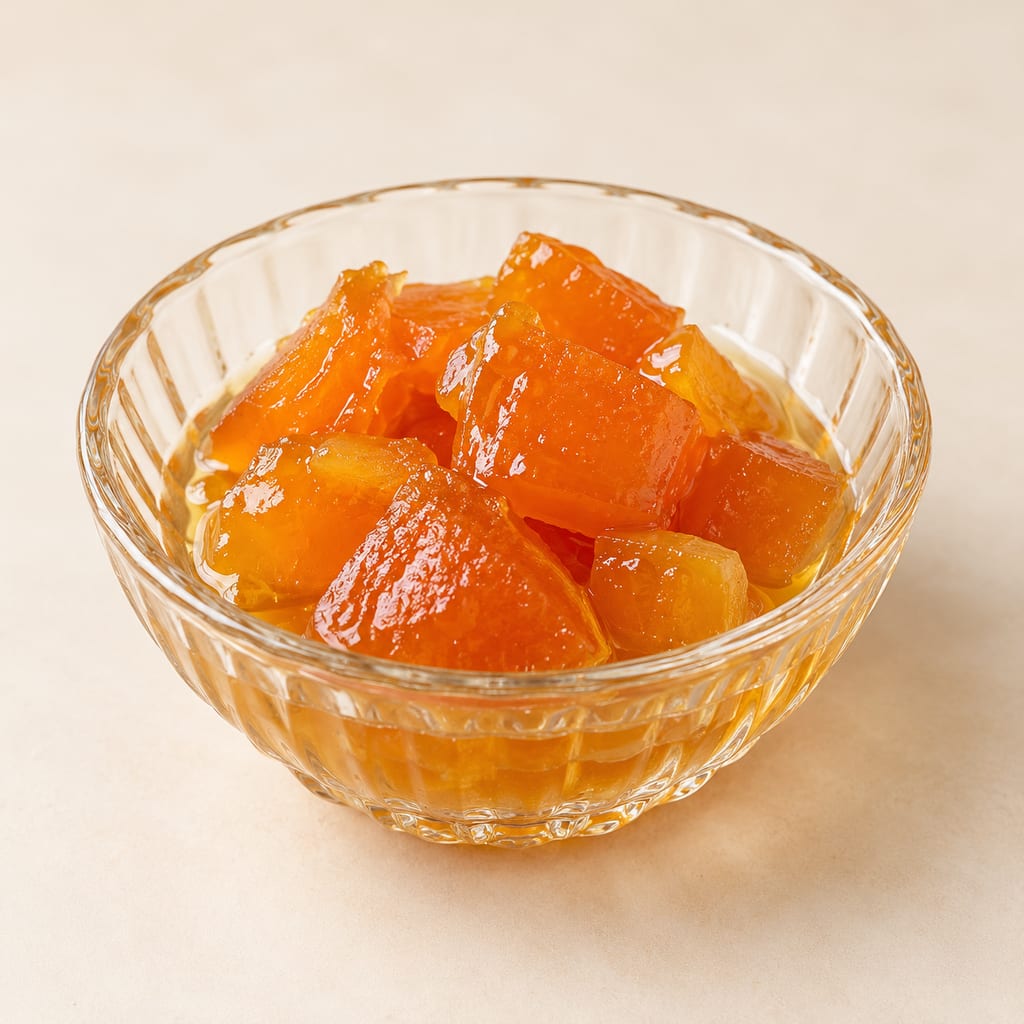
Greek pumpkin spoon sweet, with Cypriot context: Freeze for winter; small fresh portion refrigerated up to 48 hours.
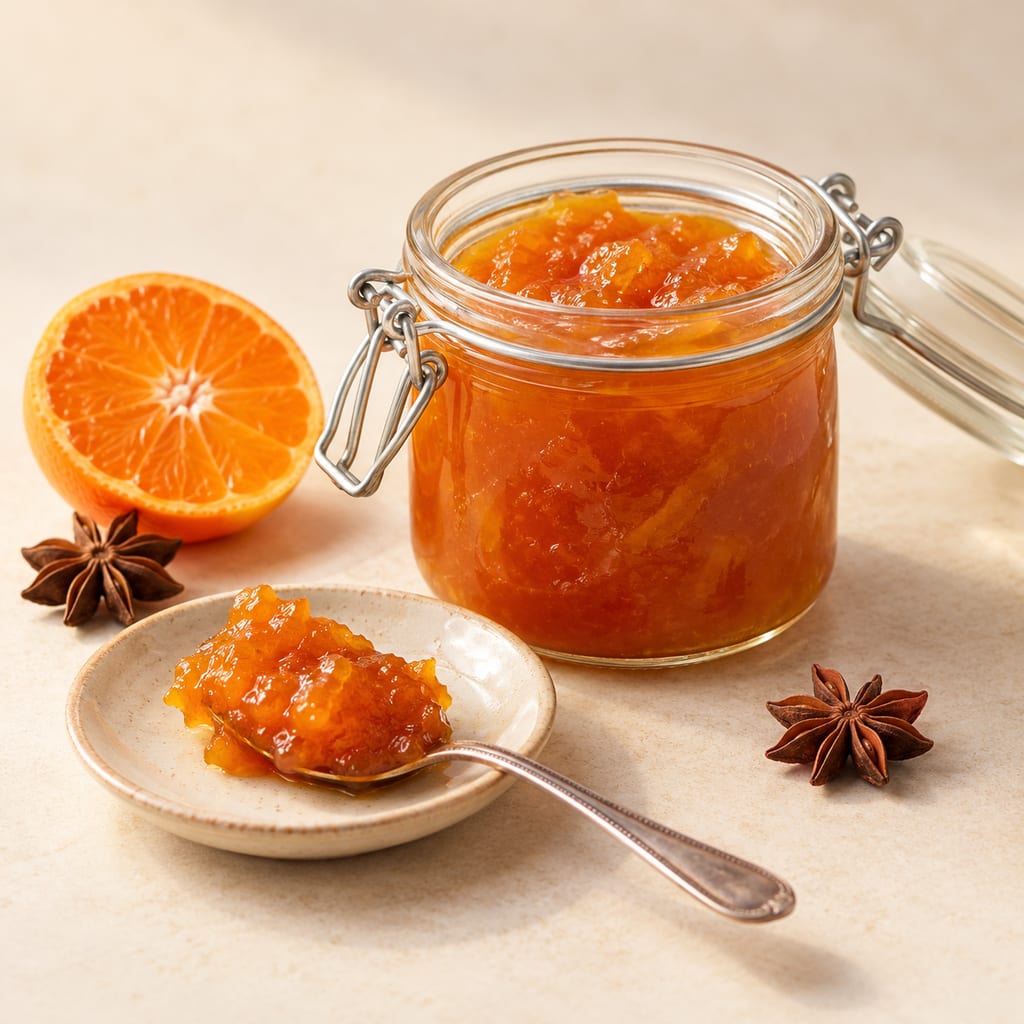
Portuguese pumpkin jam: Freeze for winter; small fresh portion refrigerated up to 48 hours.
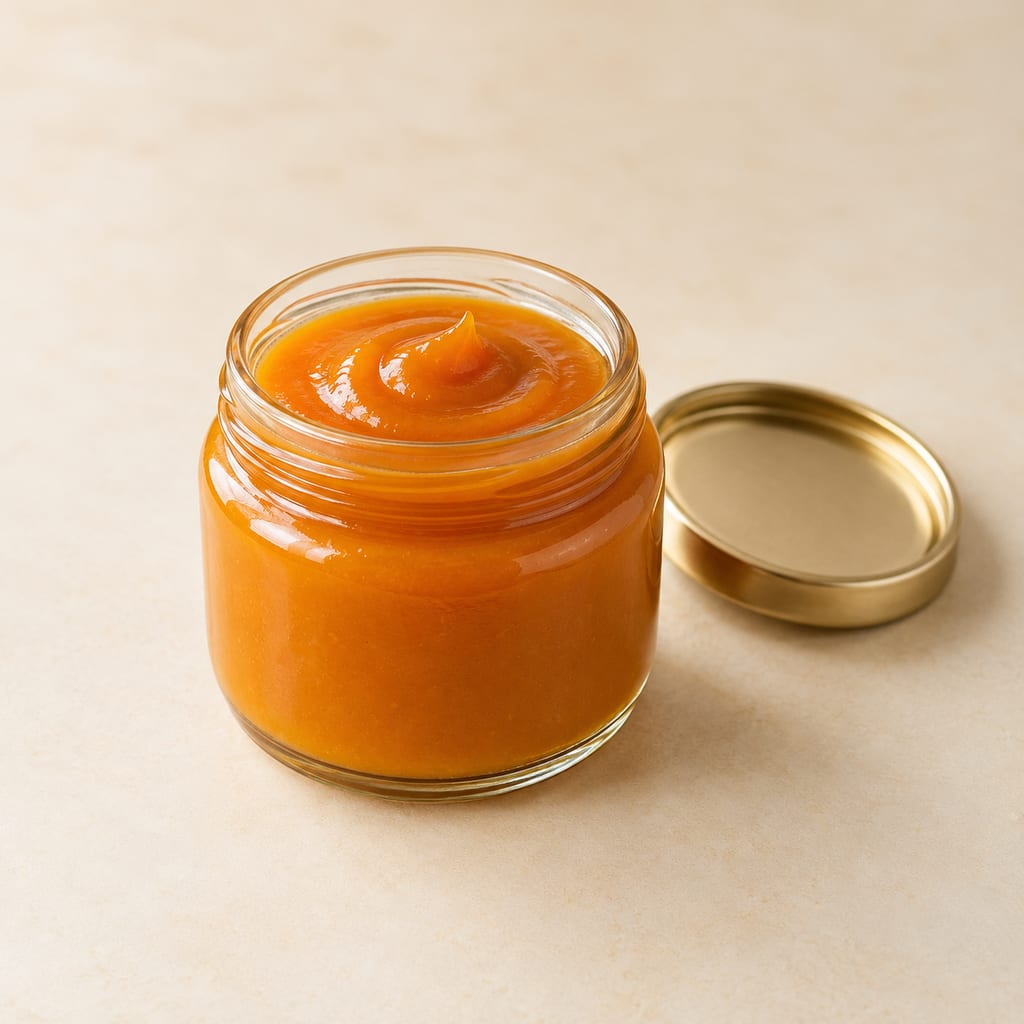
Kalabasa catsup: Freeze for winter; small fresh portion refrigerated up to 48 hours.
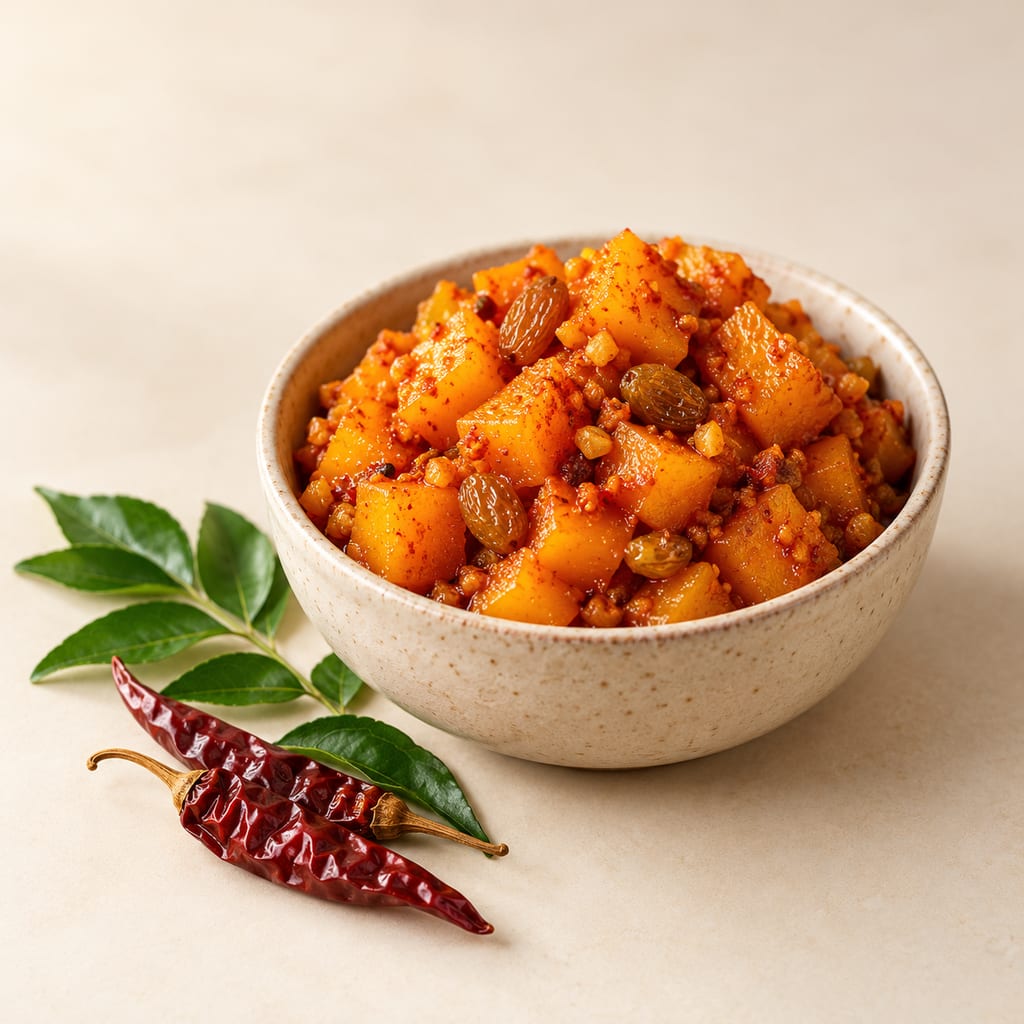
Mathanga achar: Freeze for winter; small fresh portion refrigerated up to 48 hours.
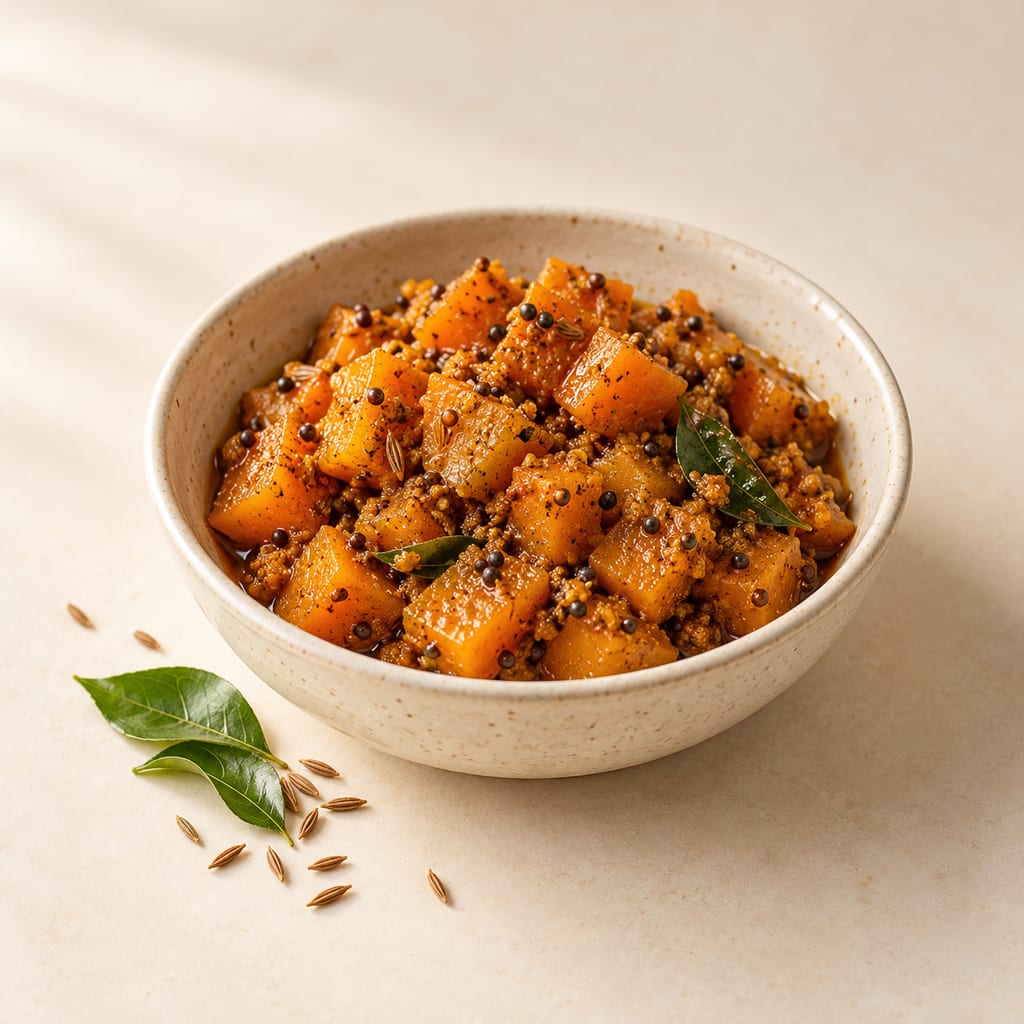
South African pumpkin atchar: Freeze for winter; refrigerated 48-hour limit includes overnight marination.
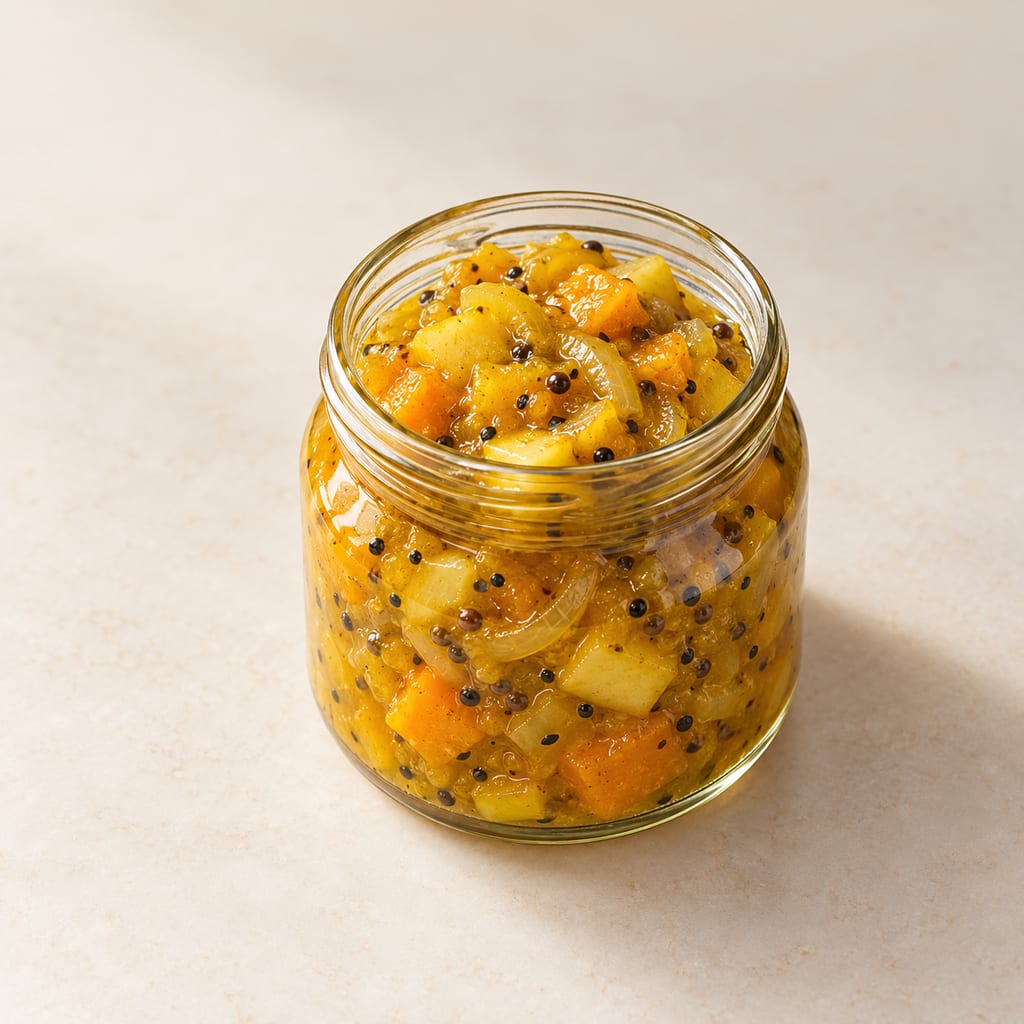
British pumpkin, apple and mustard pickle: Freeze for winter; small fresh portion refrigerated up to 48 hours.
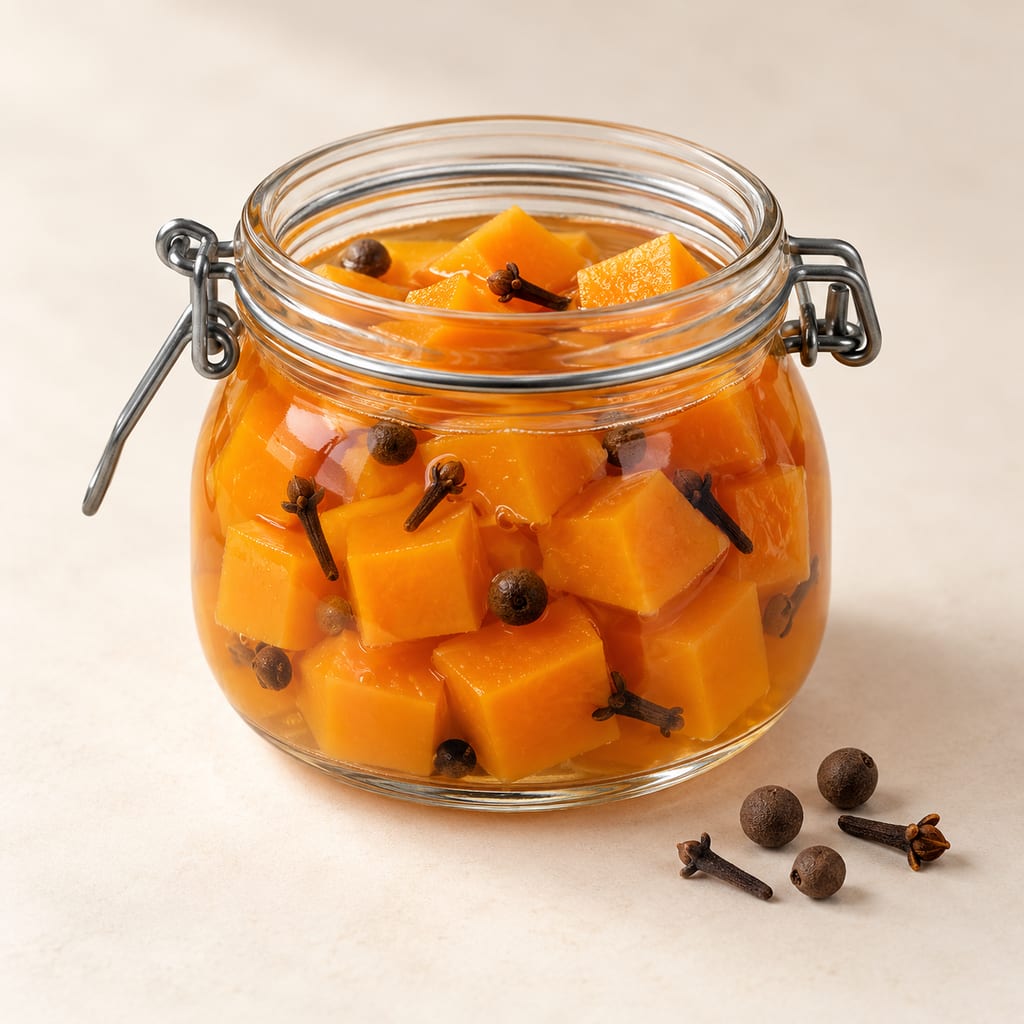
Dynia marynowana: Freeze for winter; small fresh portion refrigerated up to 48 hours.
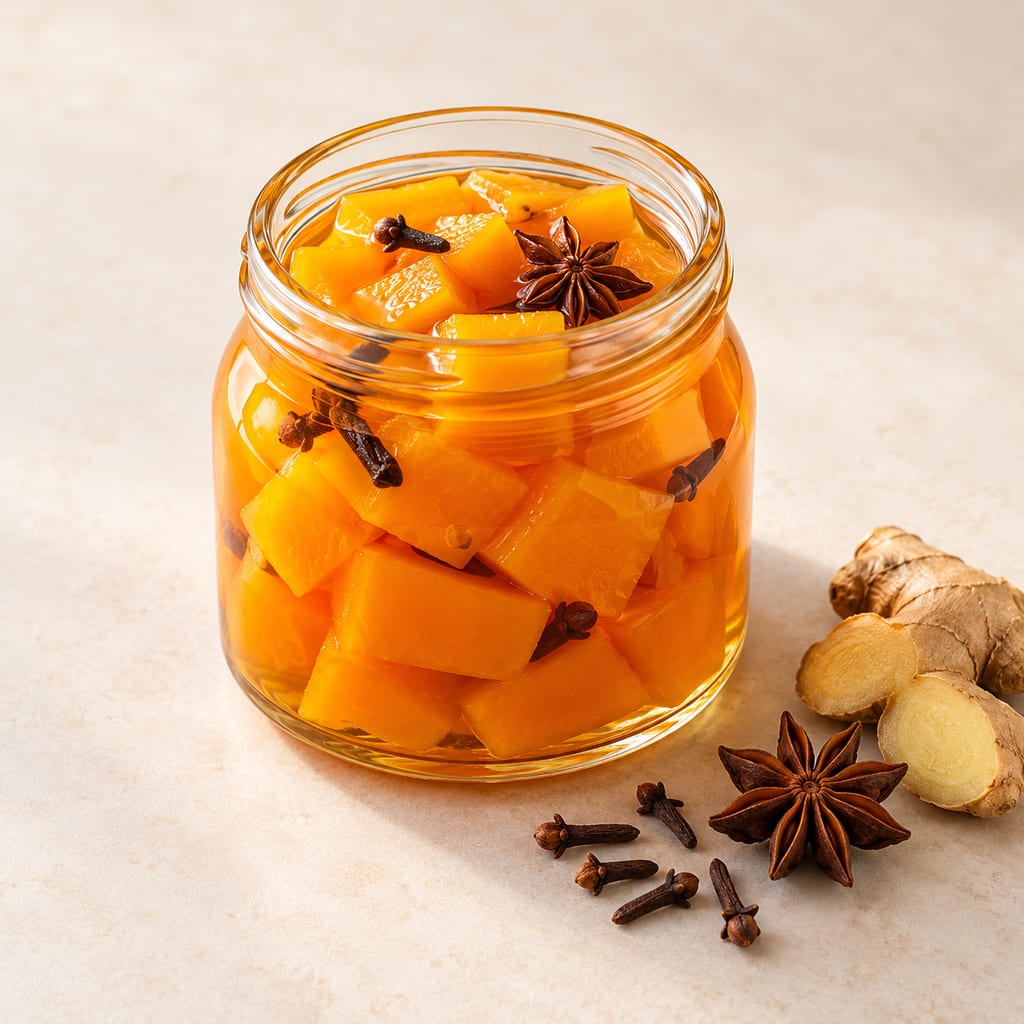
Marineeritud kõrvits: Freeze for winter; small fresh portion refrigerated up to 48 hours.
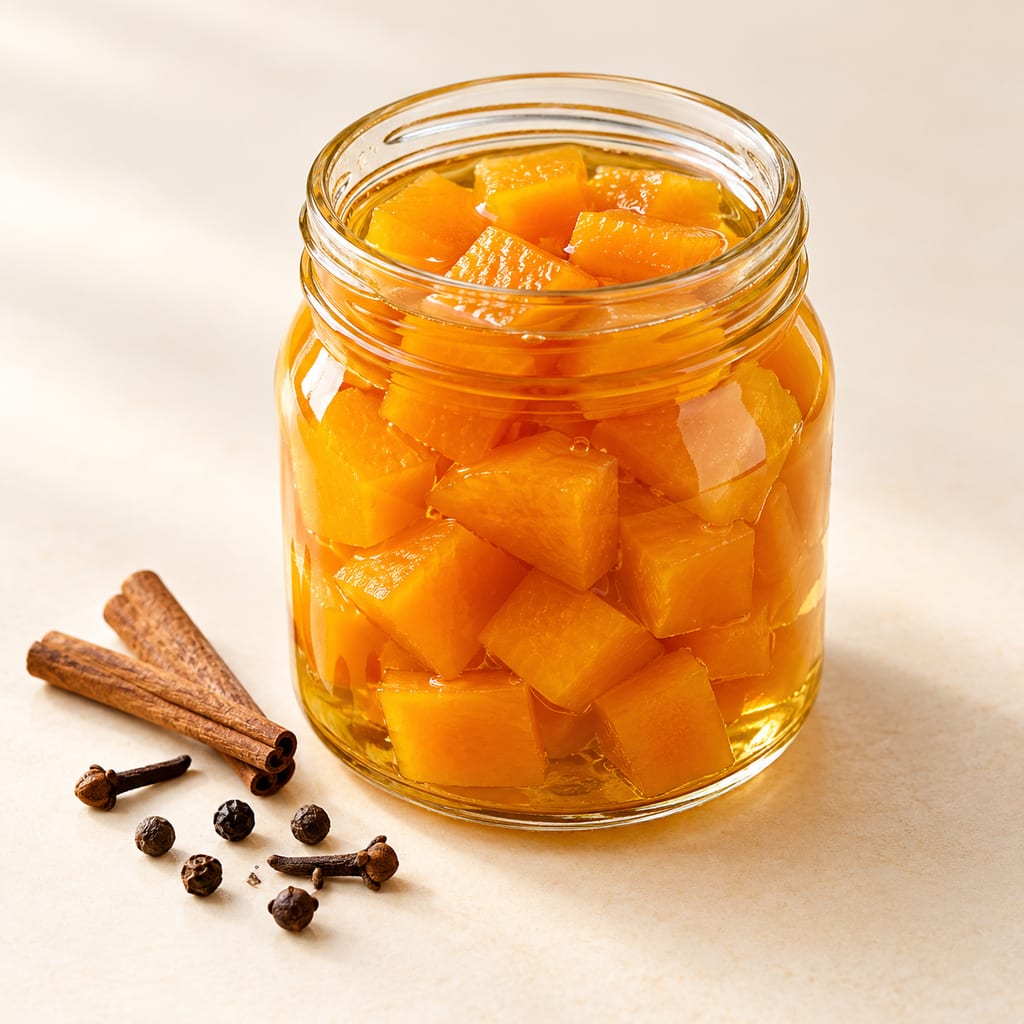
Ball sweet pumpkin pickles: Cupboard: exact published Ball formulation and water-bath process.
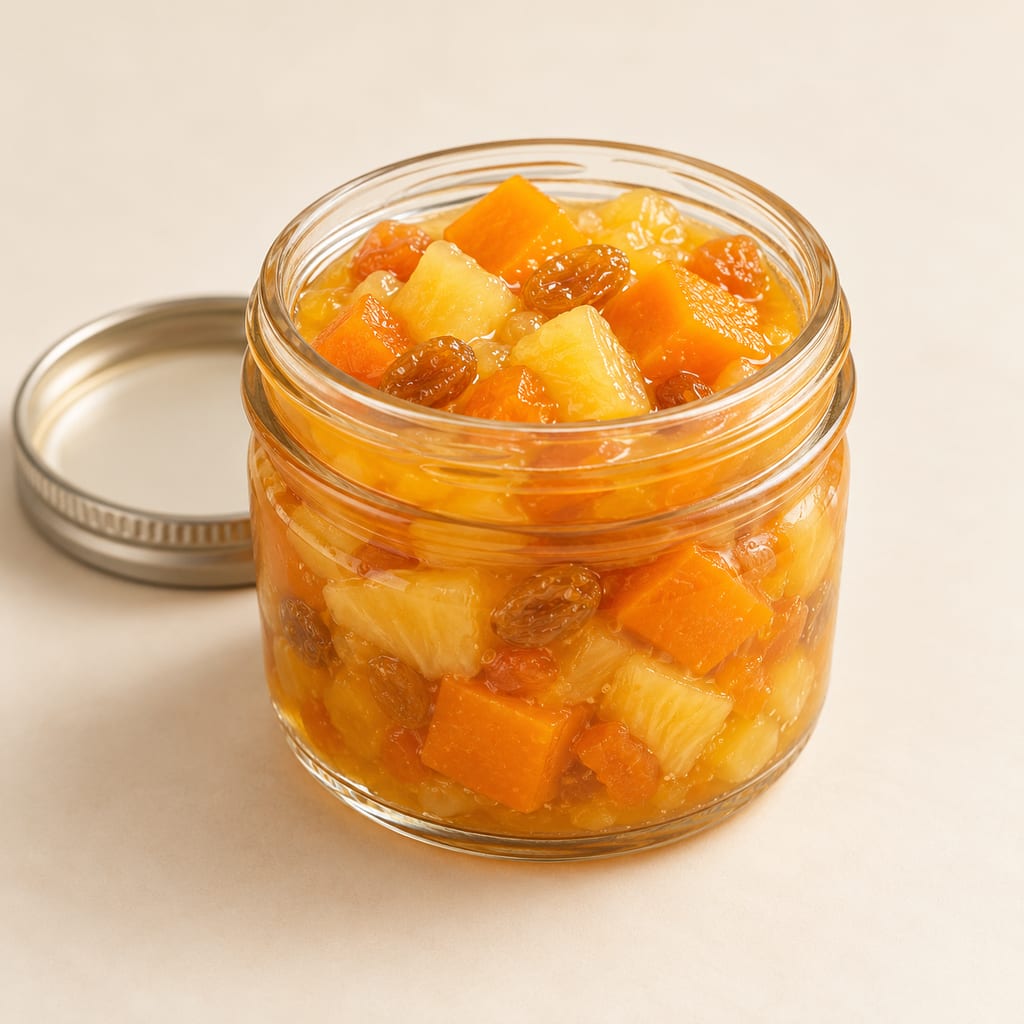
Pumpkin and pineapple Autumn Glory compote: Cupboard: exact Bernardin formulation and water-bath process.
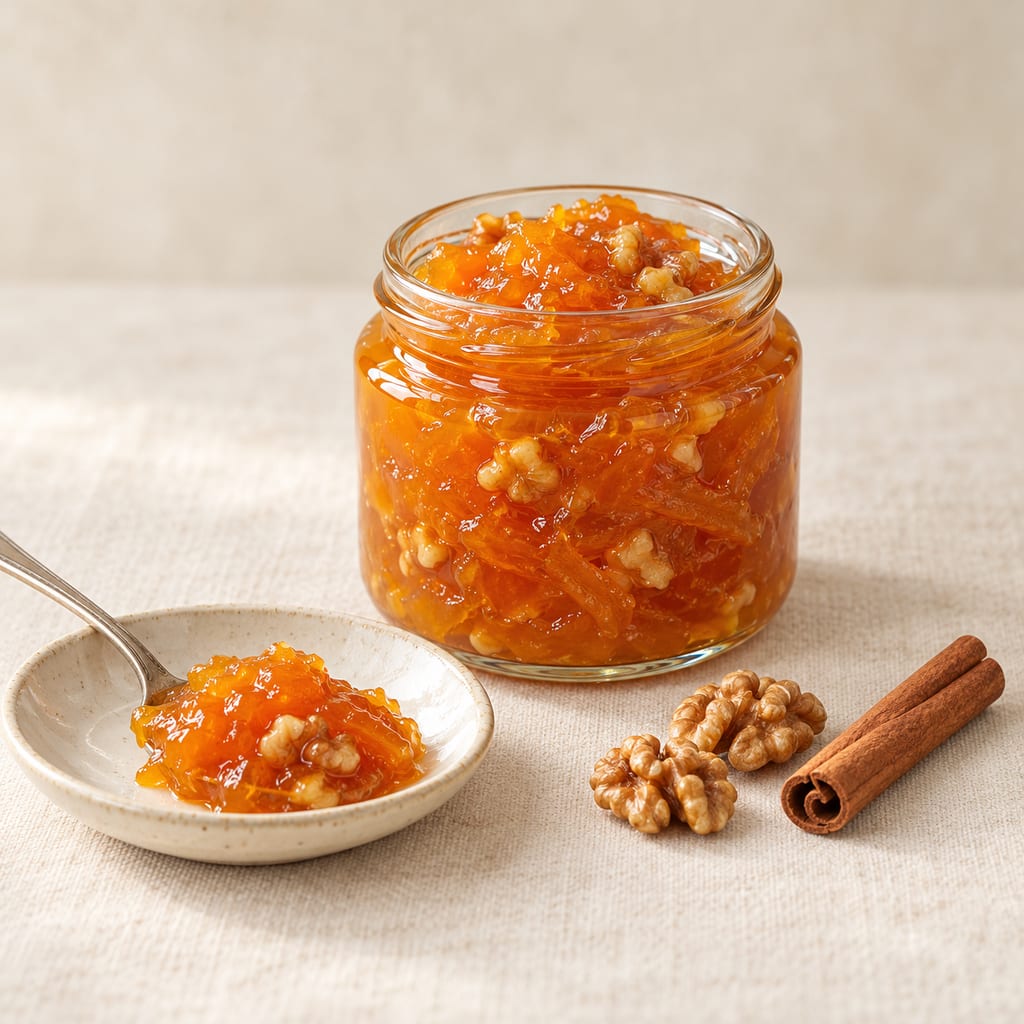
Portuguese pumpkin jam cooked with cinnamon and optional walnuts. A sweet spread to refrigerate or freeze, rather than a home-canned preserve.
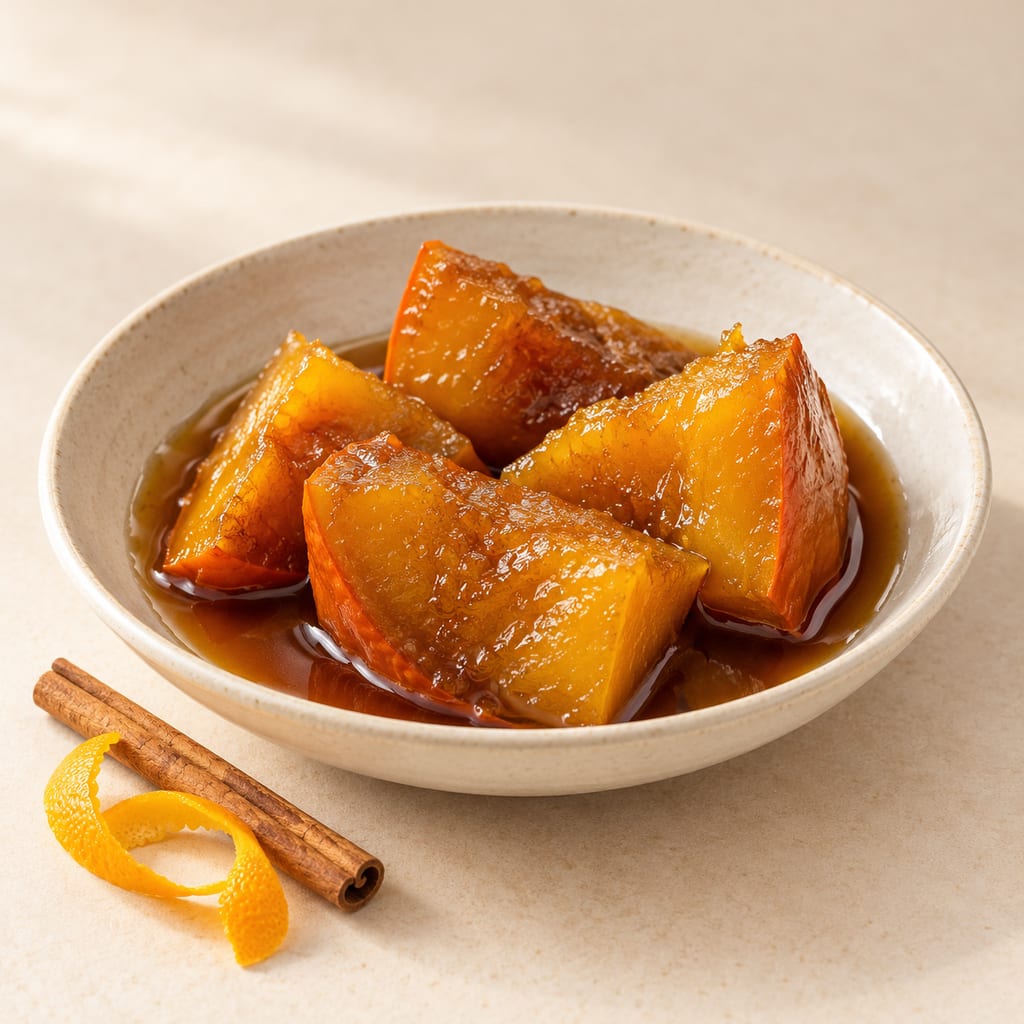
Rind-on pumpkin simmered with piloncillo, orange and cinnamon until glazed. This Mexican sweet keeps refrigerated for up to one week.
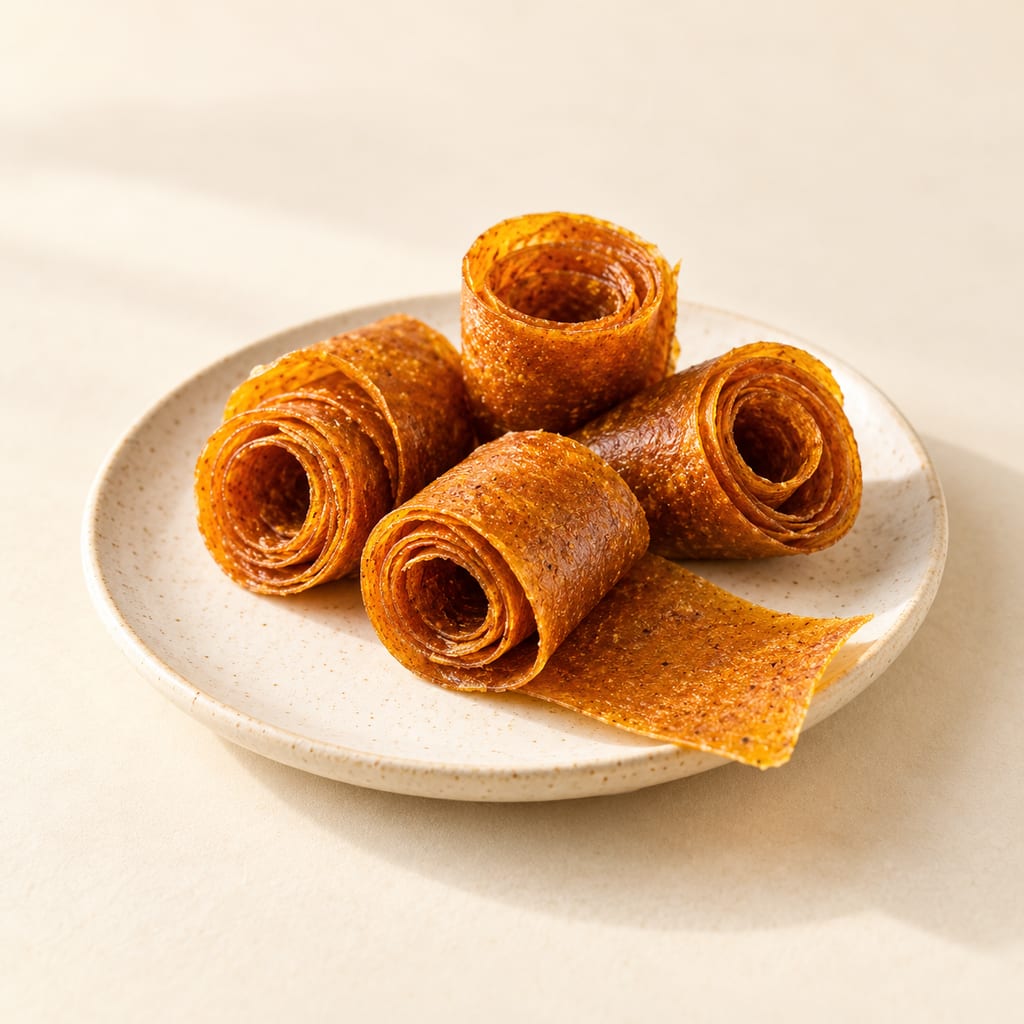
Cooked pumpkin blended with honey, cinnamon, nutmeg and cloves, spread thinly and dried into a rollable sheet.
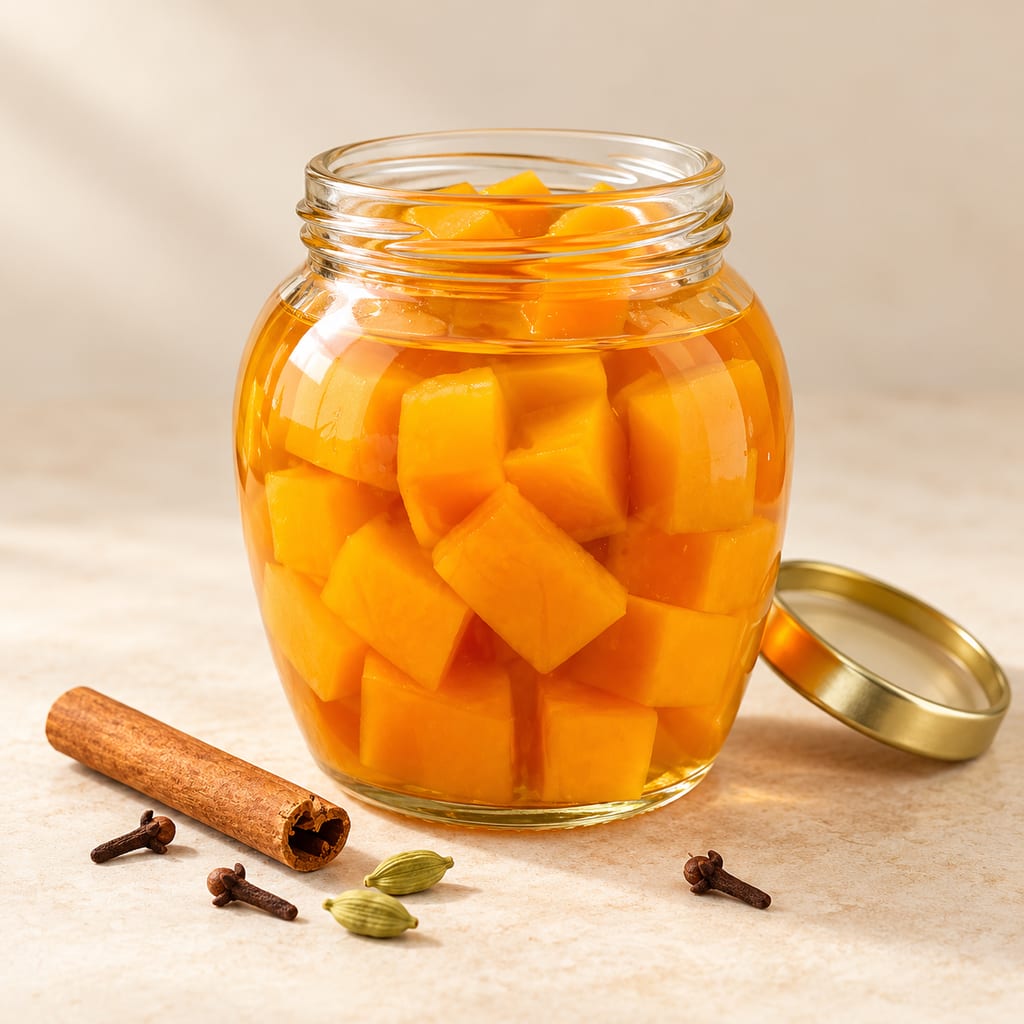
Pumpkin simmered with 5% vinegar, sugar, cinnamon, cardamom and cloves, then chilled. A sweet-sour pickle for the refrigerator.
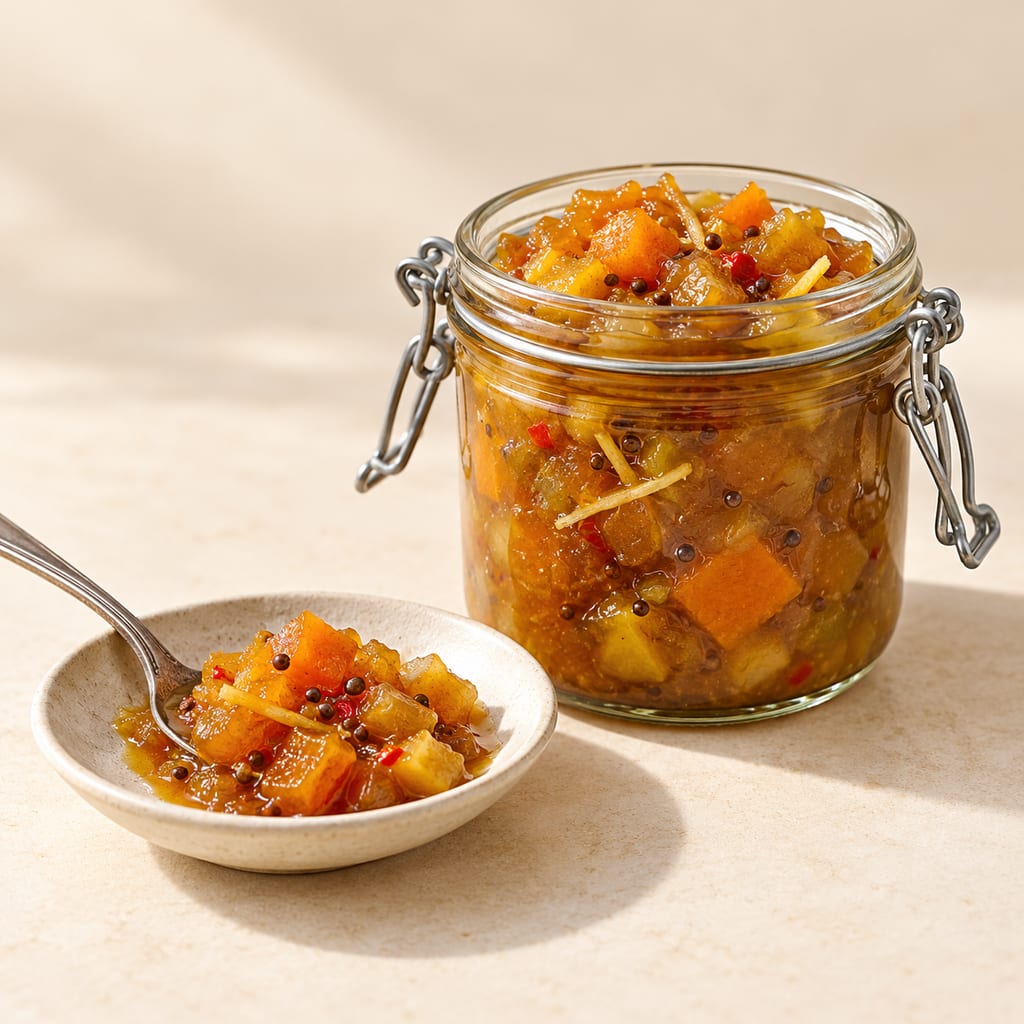
Pumpkin chunks and tart apples cooked with ginger, whole spices and cider vinegar. This version is for refrigeration or freezing, not cupboard storage.
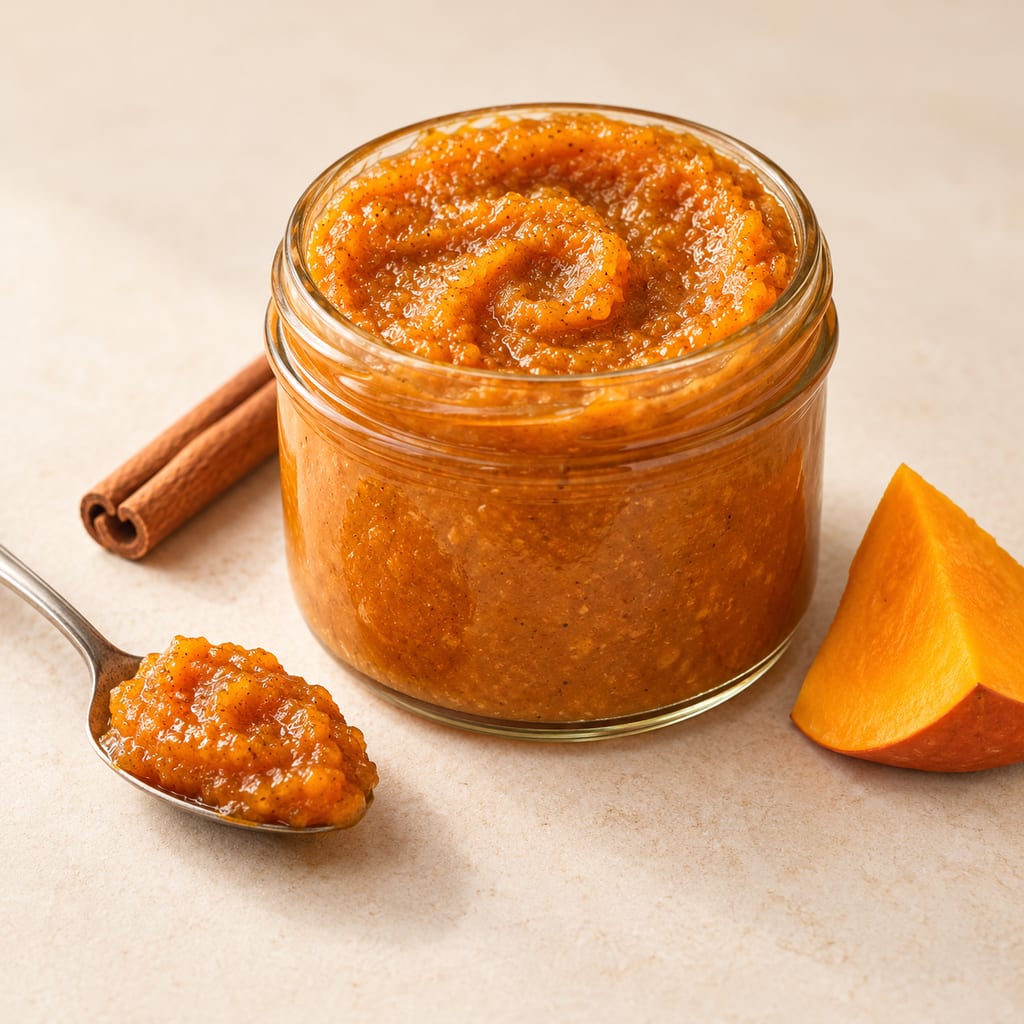
A smooth pumpkin spread cooked with apple juice, lemon and warm spices. Keep it refrigerated for up to seven days, or freeze for longer storage.
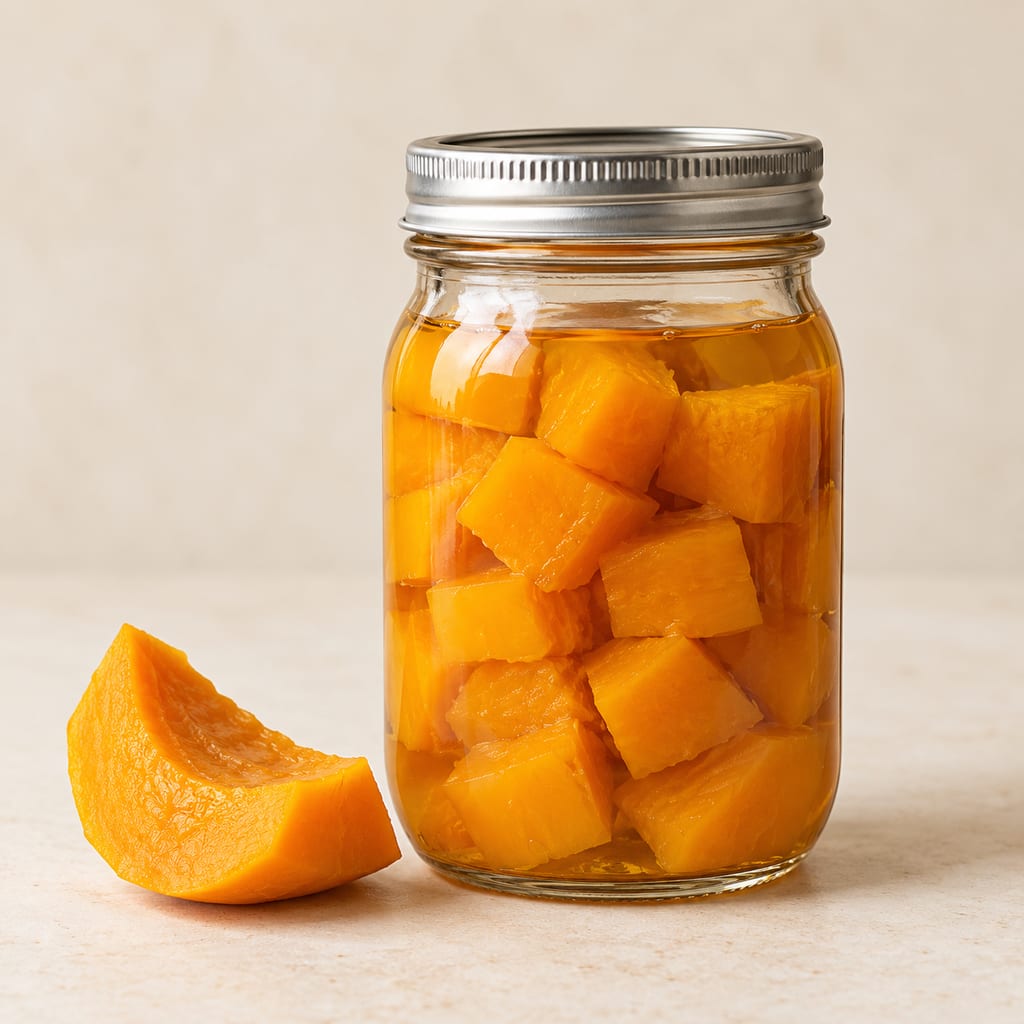
Plain pumpkin cubes hot-packed in water and pressure-canned for later cooking. The pieces stay intact during canning; mash them only after opening.
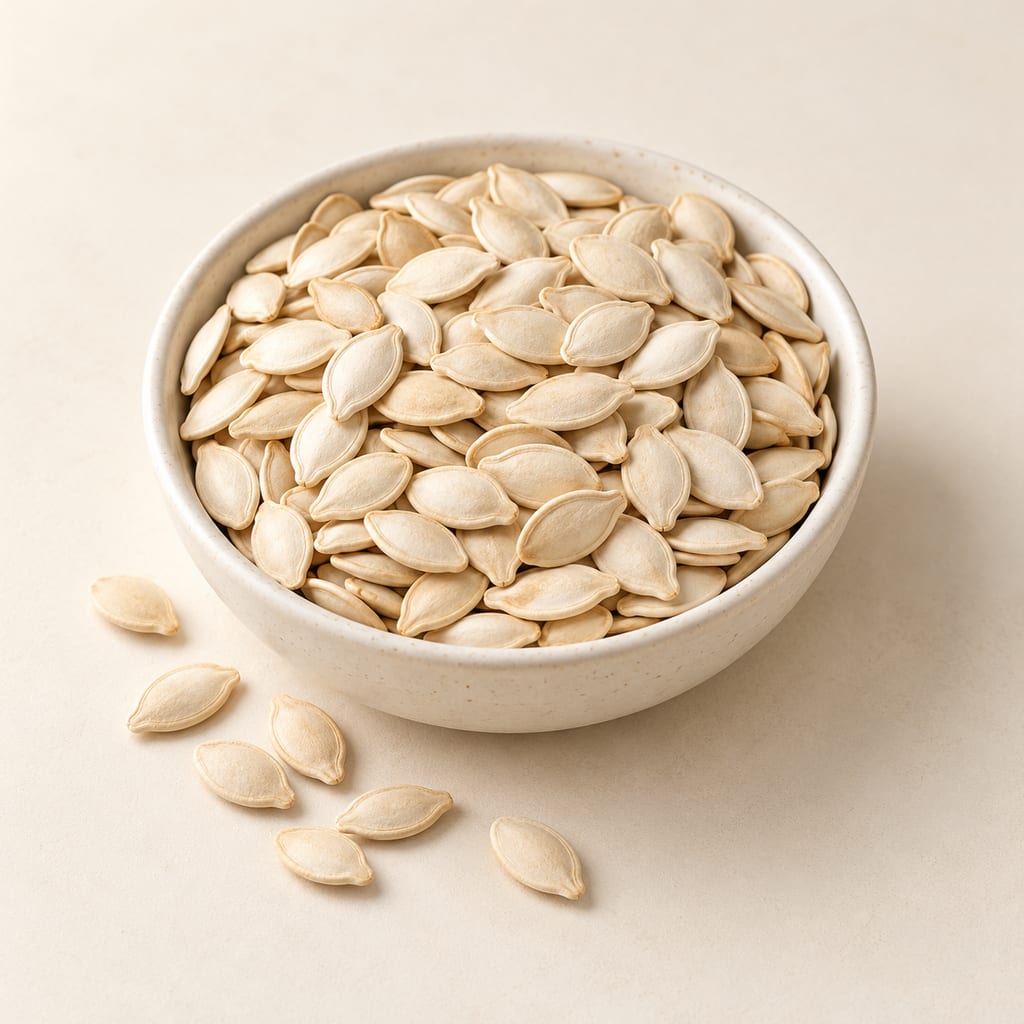
Washed pumpkin seeds dried gently for storage, with an optional roasting step before eating. Refrigerate or freeze the cooled seeds.
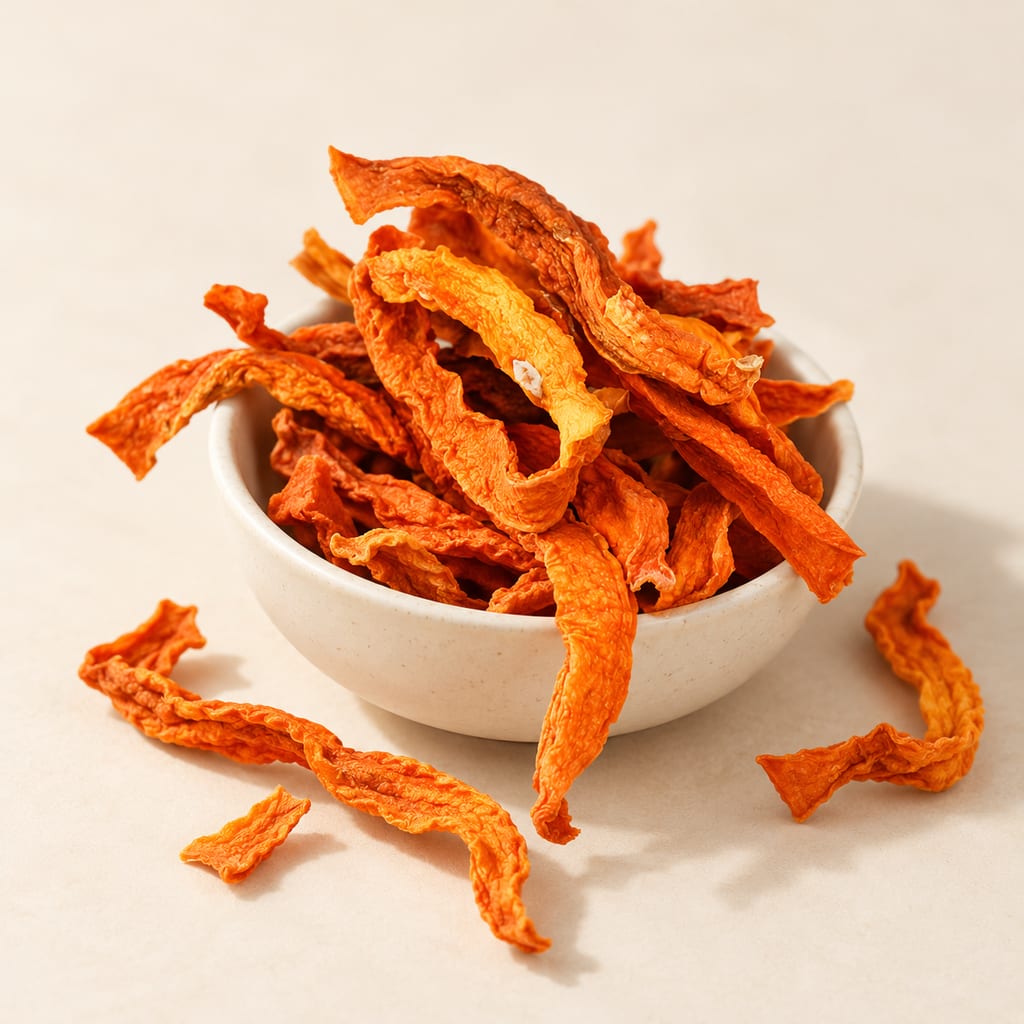
Steam-blanched pumpkin dried until brittle, kept as pieces or ground into powder, with pumpkin-specific packaging and quality guidance.
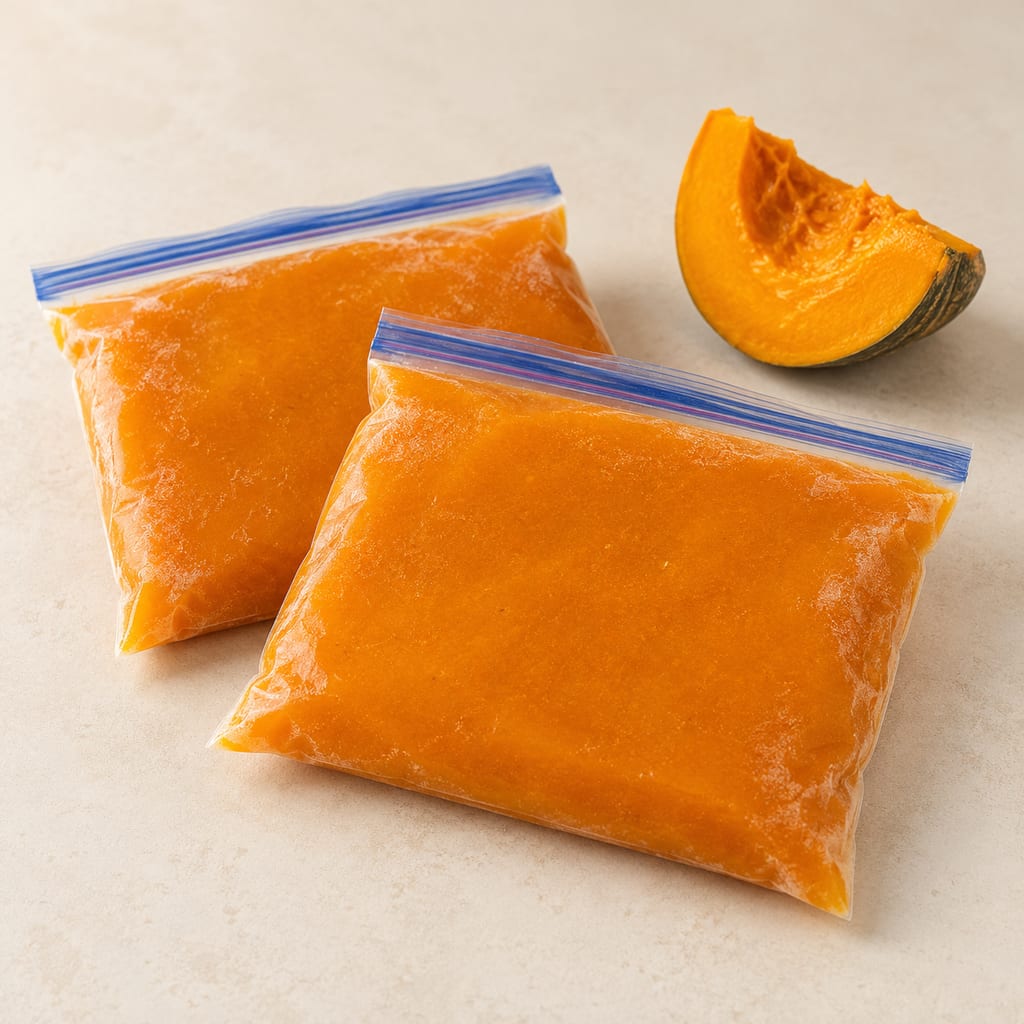
Cooked pumpkin mashed, cooled and frozen in portions: a plain base for pies, soups and baking without canning a dense purée.
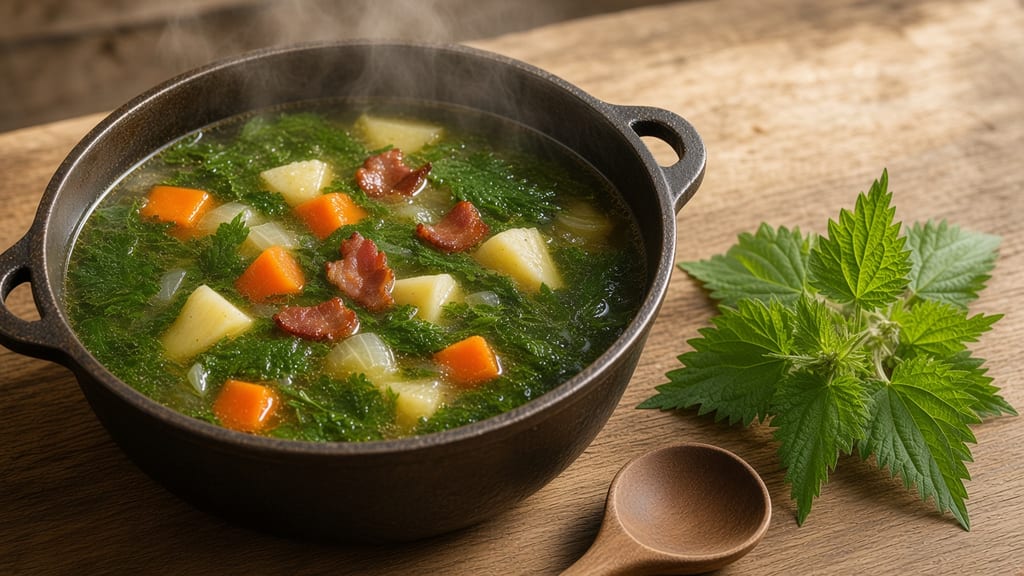
Young stinging nettle shoots cooked with bacon, onion, garlic and three roots into a thick spring soup, from a Danish Viking museum's recipe, with a meat-broth variation and ember-baked turnips.
A spicy South African vegetable relish of onion, carrot, pepper, tomato, curry seasoning and beans, cooked briefly and served warm or cold beside pap and grilled meat.
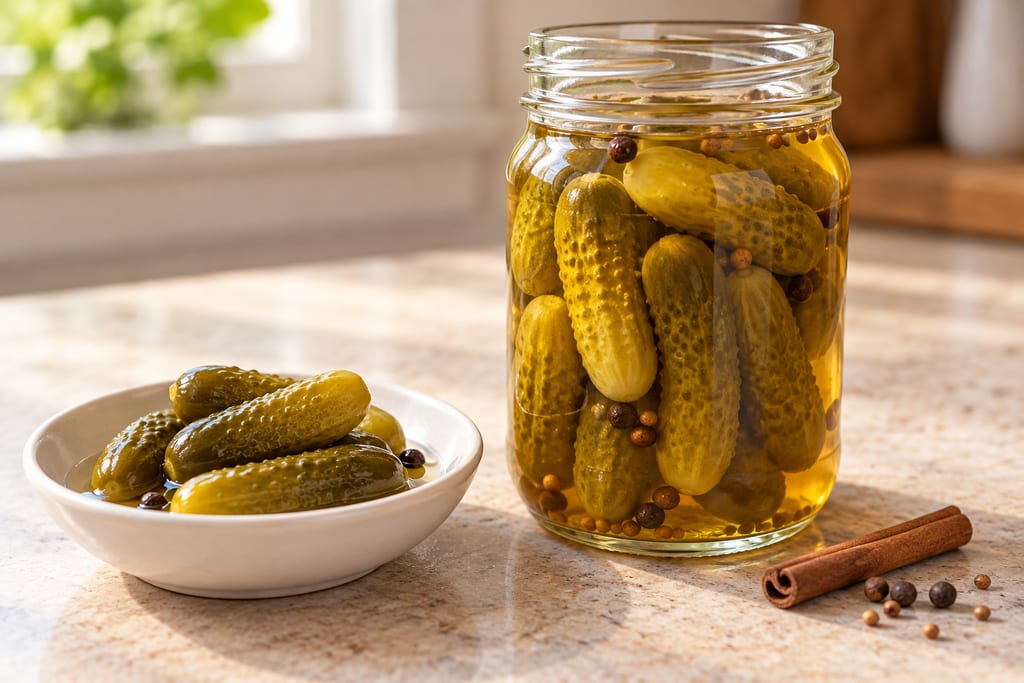
Sweet gherkin pickles are small whole cucumbers preserved in a spiced, sweet vinegar syrup. This four-day U.S. canning method uses repeated hot-water soaks, staged syrup additions, and a boiling-water process.
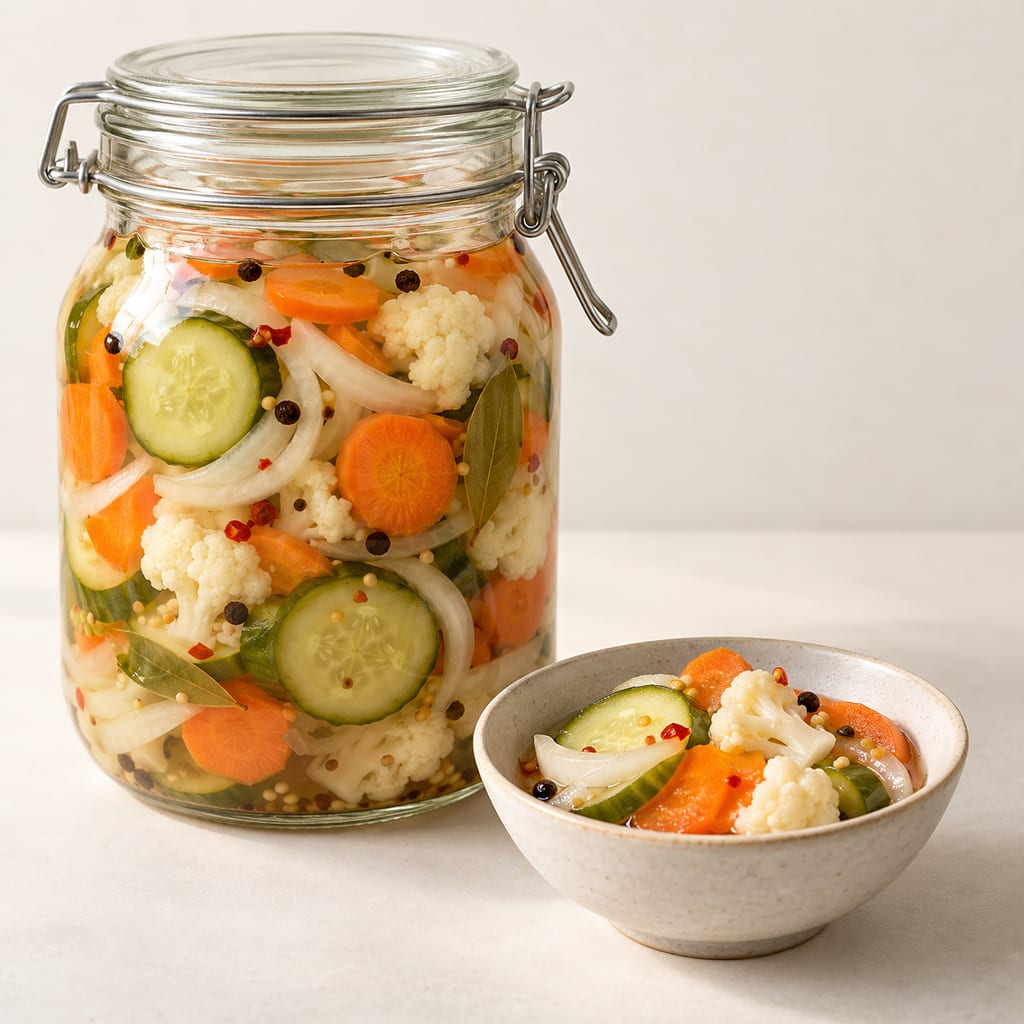
Food placed in an already acidic liquid, vinegar, so that acidity comes from the vinegar rather than from microbes; Roman texts document the practice, and later household books extended it to vegetables, fruit, fish and meat.
Chuño negro is a source-documented Andean potato-preservation practice. This entry records producer tradition; it is not a validated household process for making potentially toxic bitter potatoes safe.
A preserve of pezik and other non-sugar beet stalks from Sivas Province, blanched, salted and acidified with lemon juice and vinegar, then held for one to three weeks as the registered specification directs.
Chipotle is a ripe jalapeño pepper smoke-dried in a wood-fired cocedor. Camargo, Chihuahua, documents a large-scale version of the process; its source accounts do not establish a complete home batch or validated safety endpoint.
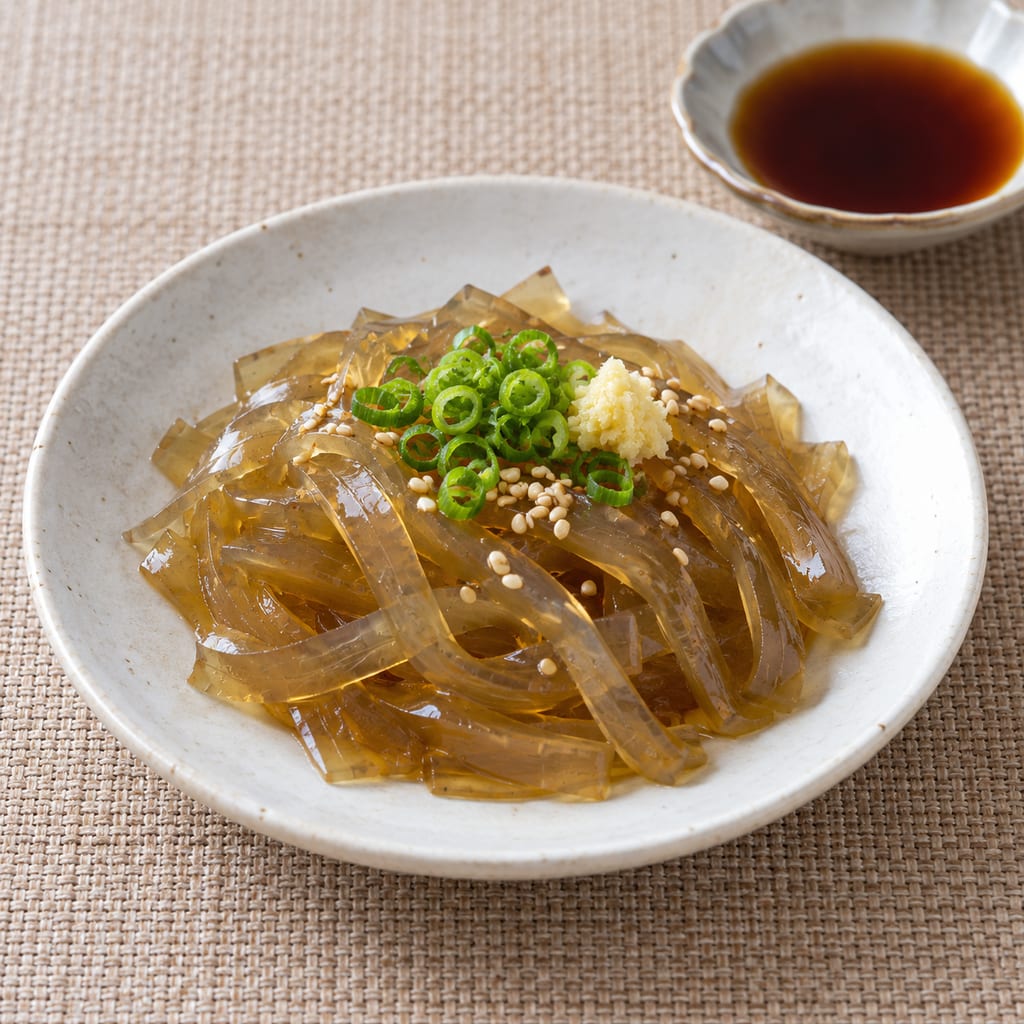
A traditional Fukuoka seaweed jelly made by boiling dried egonori, sometimes with igisu, until it forms a thick extract that sets into soft sheets, eaten cold with soy sauce, vinegar and aromatic condiments.
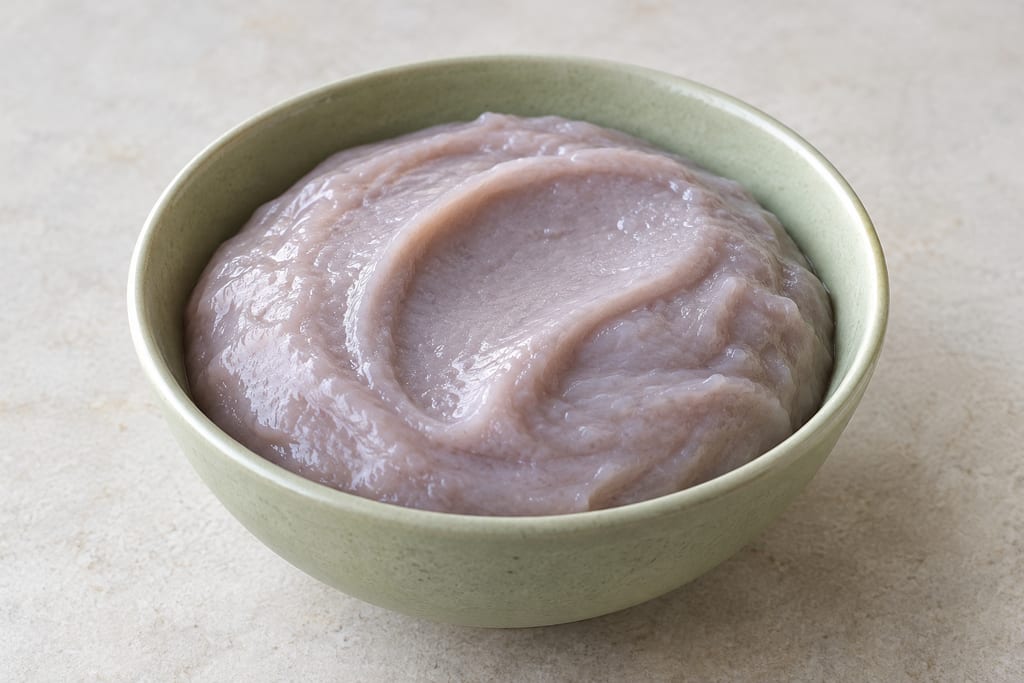
This modern introductory batch boils 500 g edible taro, then pounds it with water into fresh poi. It stops before fermentation and makes no preservation claim.
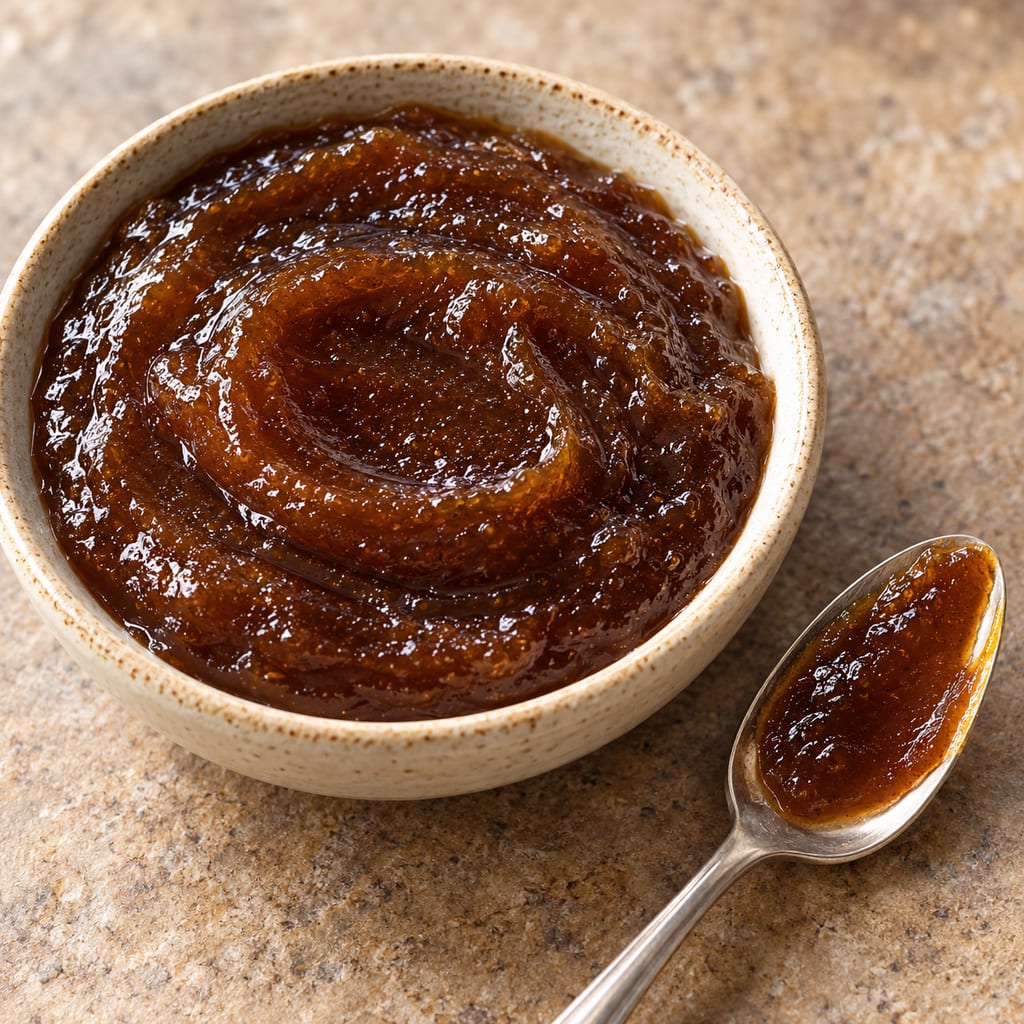
An experimental sweet mushroom preserve developed in Indian food-processing research, made by cooking mushroom pulp with sugar, added pectin and citric acid until concentrated into a thick, spreadable jam.
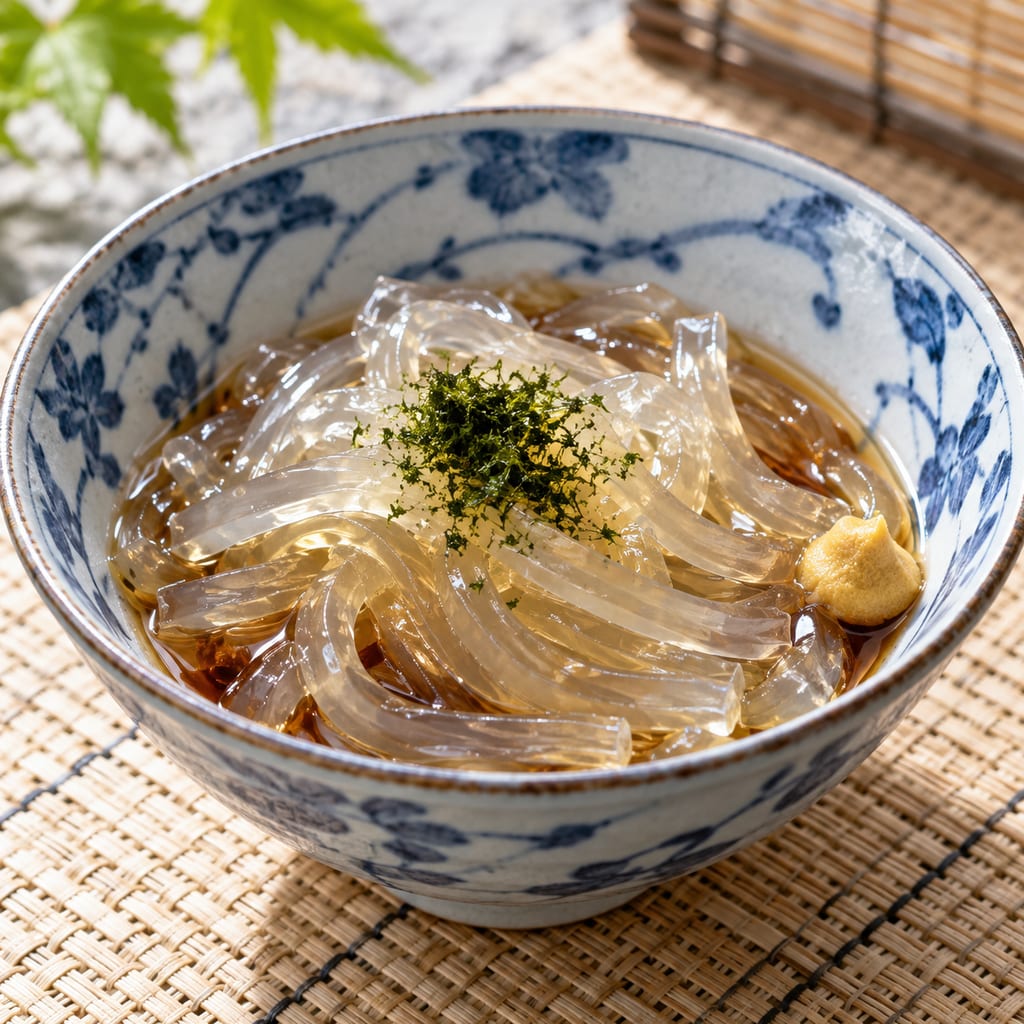
A Japanese jelly made by boiling agar-rich red seaweed, straining the extract and letting it set, then pressing it into strands served with vinegar-soy sauce or sweet syrup.
Chiloé potato cakes combine cooked mashed potatoes with drained raw grated potato; this measured version is fried and yields 20.
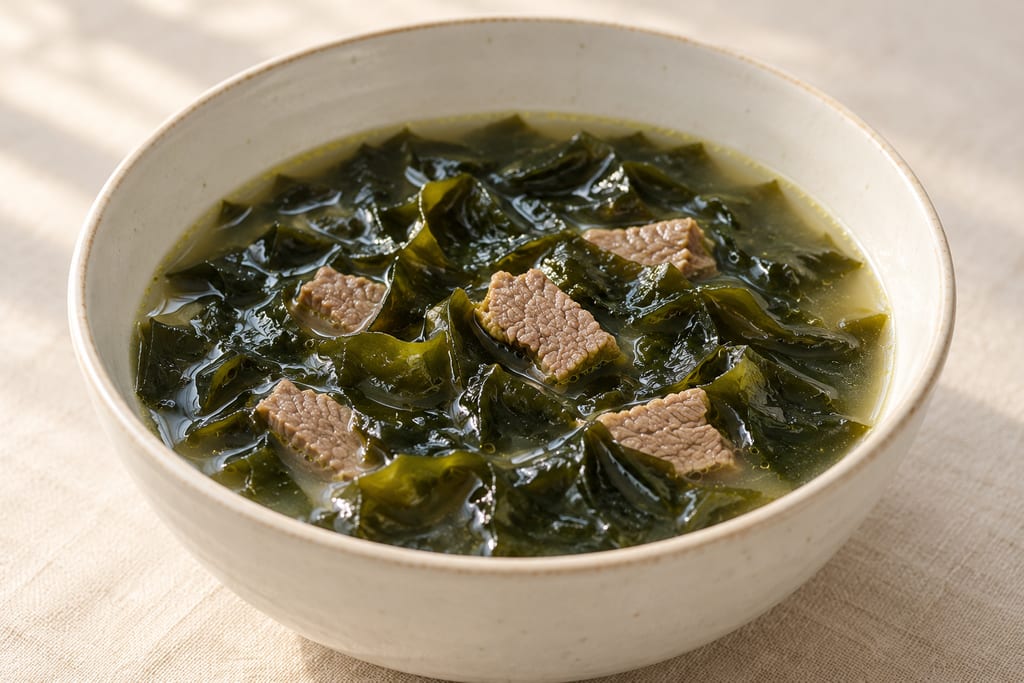
A Korean soup of rehydrated brown seaweed simmered with beef, seafood or a plain seasoned broth, traditionally served after childbirth, on birthdays and as an everyday meal.
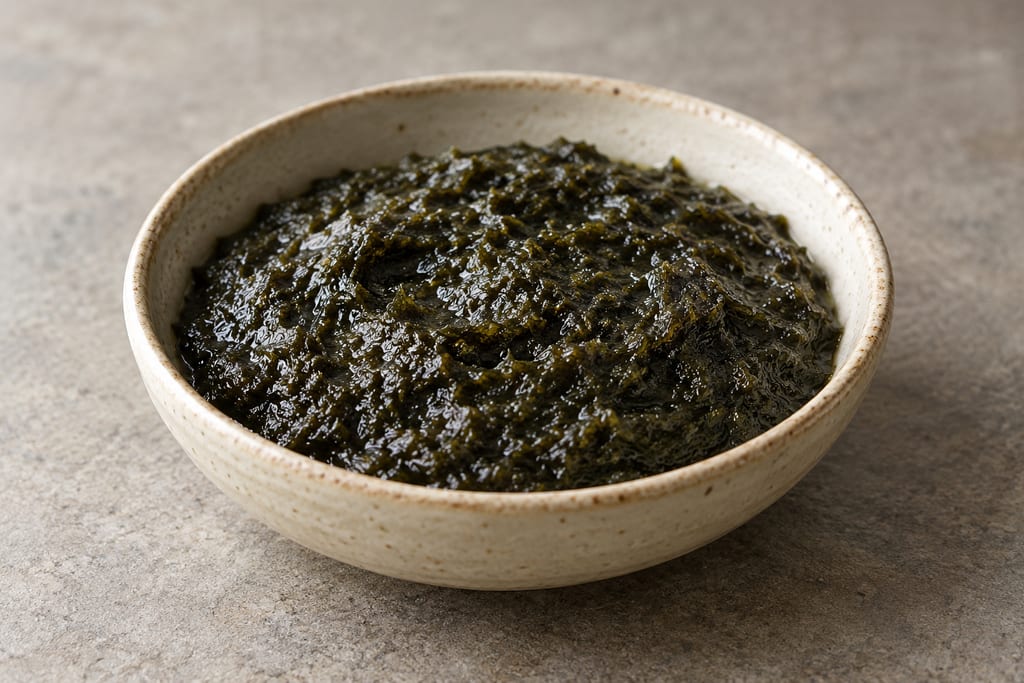
Welsh laverbread is hand-gathered purple laver slowly cooked to a dark green-black paste, eaten with oatmeal, bacon and cockles or on toast.
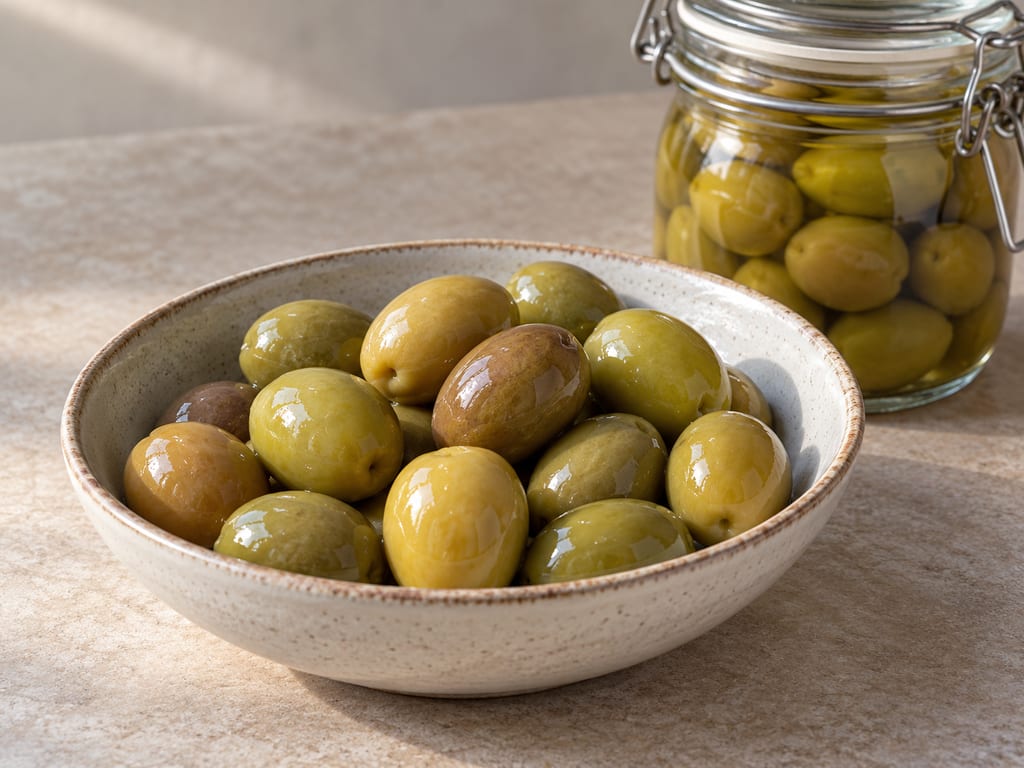
Green olives debittered in a sodium hydroxide solution, then rinsed repeatedly and held in brine, by the University of California's published home-pickling method.
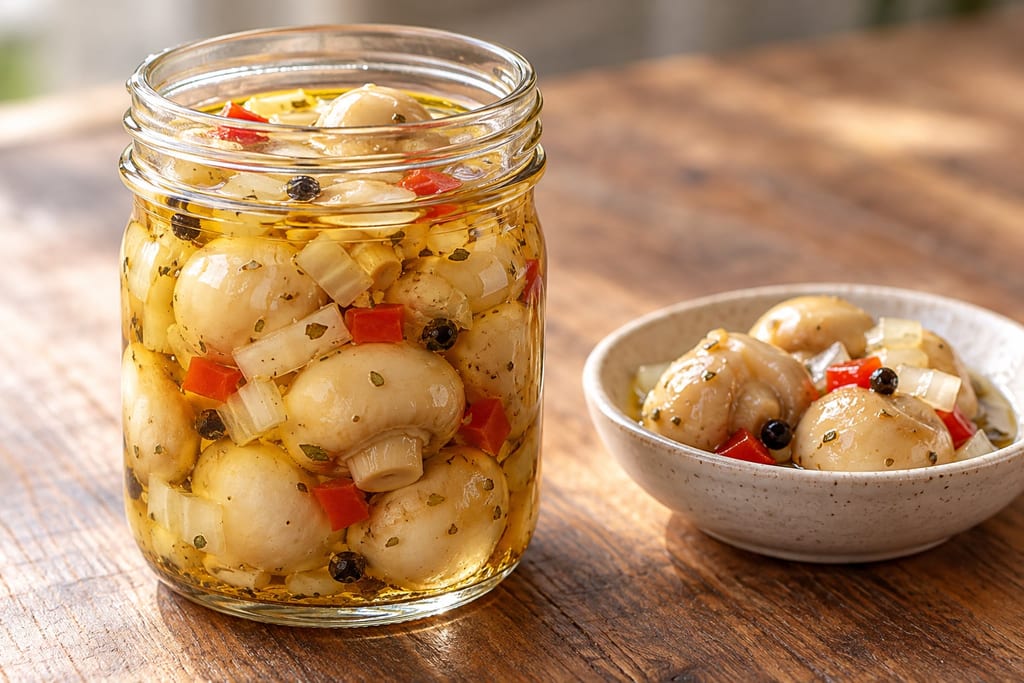
Small edible mushrooms are briefly cooked and packed in a seasoned vinegar marinade, a sweet-sour preserve served cold in Poland and neighbouring cuisines.
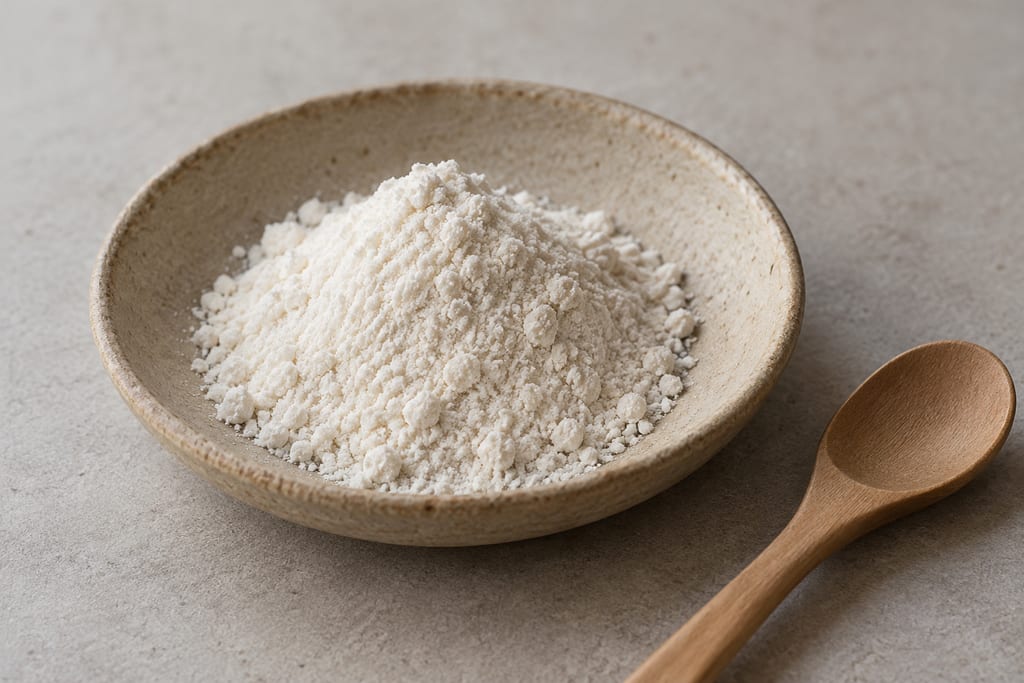
Starch released from giant woodland lily bulbs by pounding, washed out in water, settled and dried: the refined fraction of an Ainu process that also yields fermented cakes from the residue.
Salted mushrooms are a traditional wild-mushroom preserve, especially of Finnish and Russian milk caps, made by layering boiled mushrooms with coarse salt or keeping them under brine, and kept cold.
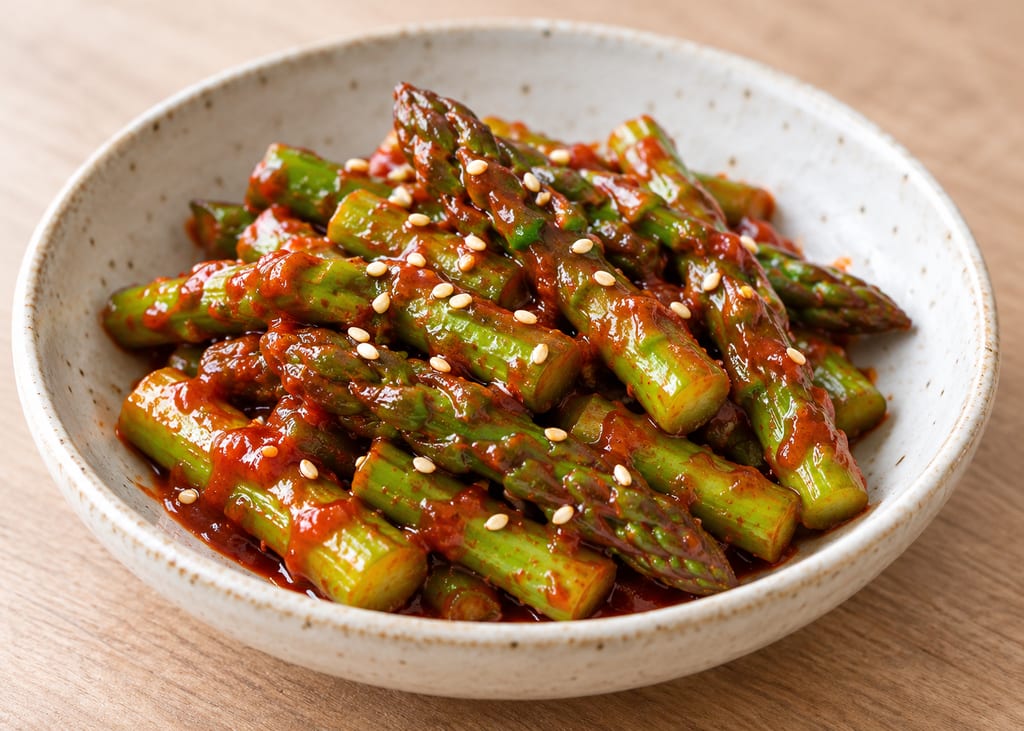
A Korean banchan of blanched asparagus dressed with a sweet-sour cho-gochujang sauce; Hyosun's version cools the spears in ice water before tossing.