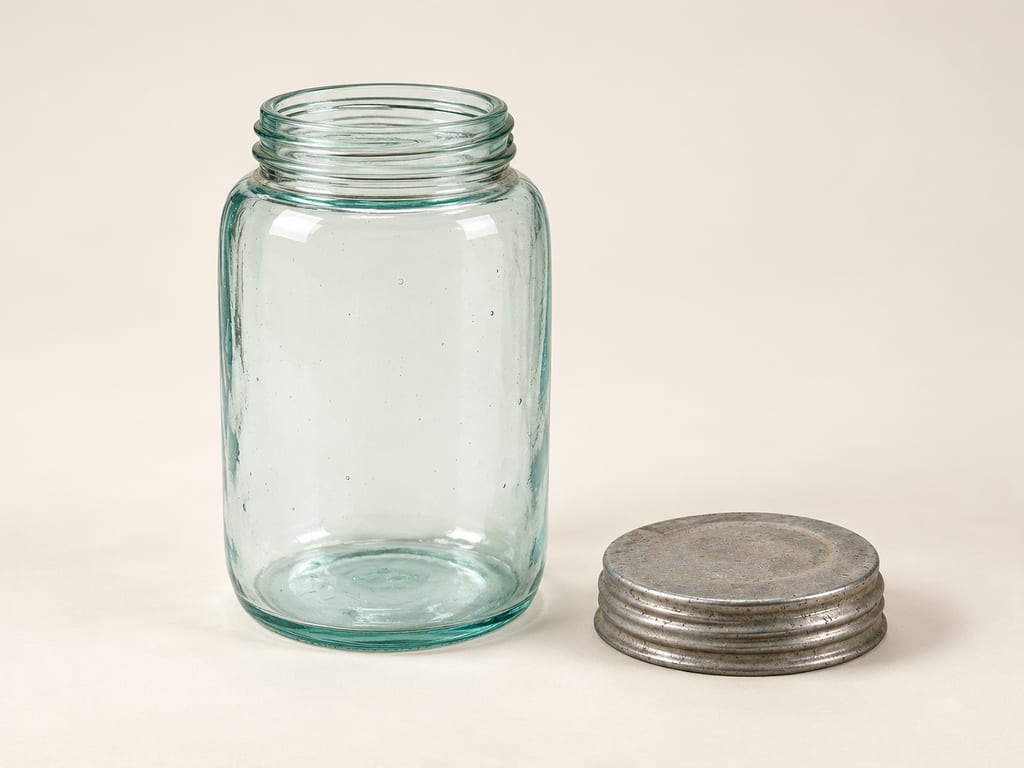
Canning jars
Threaded, heat-processing jars hold food and a fitted lid during a tested canning process; jar size and process belong to the specific recipe.
 FermenteaWhere food goes to change
Modern method
Pumpkin and pineapple Autumn Glory compote: Cupboard: exact Bernardin formulation and water-bath process.
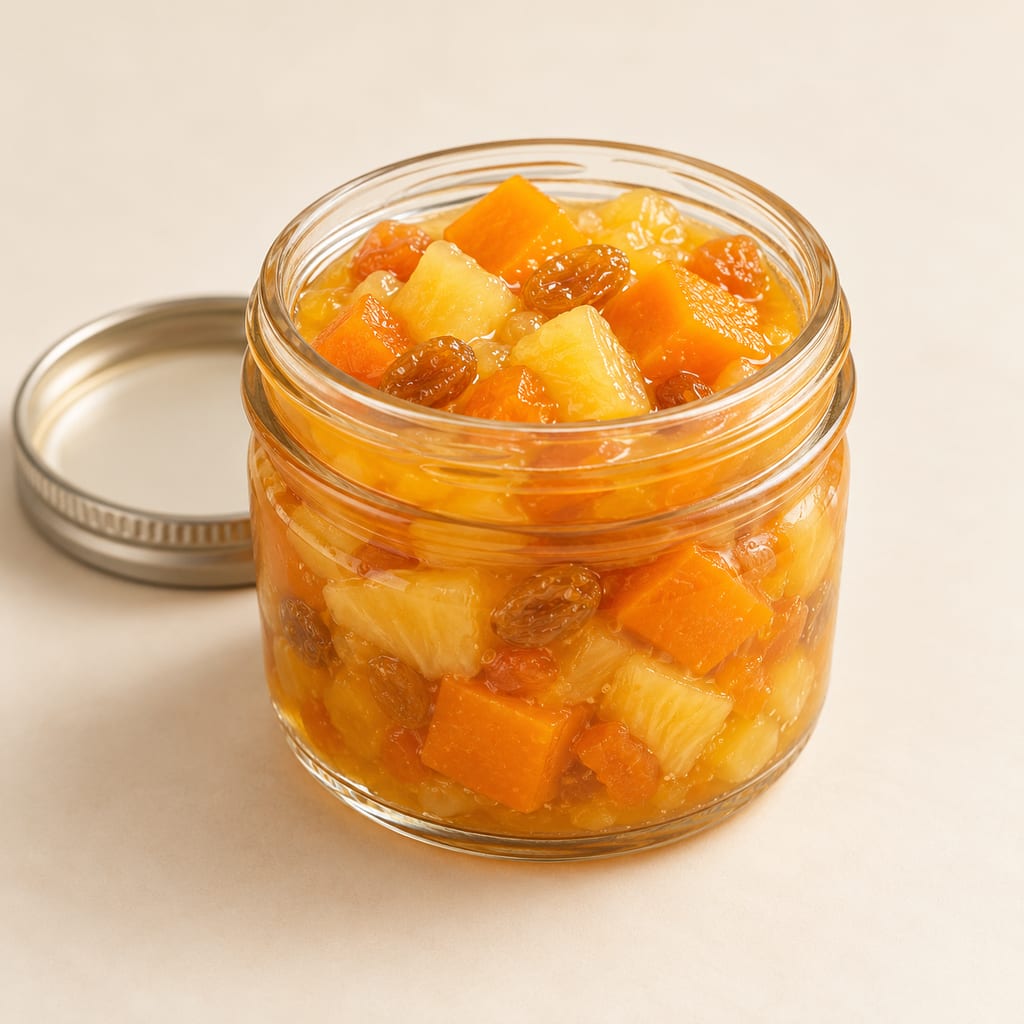
This is an important exception to the idea that pumpkin can never be water-bath canned. A specifically formulated mixture of pumpkin, pineapple, lemon and dried fruit can be processed that way. It does not establish that an arbitrary pumpkin jam or chutney is safe. Bernardin explicitly instructs readers not to change its ingredients, quantities, jar size or process.
The University of California Master Food Preservers' 2025 presentation identifies the recipe as tested and uses bottled lemon juice. The version below follows that bottled-juice choice while retaining Bernardin's measured Canadian volumes and 500 ml jar format.
Approximately four 500 ml jars. Measure the prepared produce; “one pineapple” is a buying estimate, not a substitute for the specified volume.
These are the source's volume measures, including sugar and dried fruit, not invented gram conversions. The pumpkin purchase estimate is about 1.4 kg whole fruit, but preparation losses vary.
Elevation, feet: 0–1,000; Time for the specified jars: 25 minutes.
Elevation, feet: 1,001–3,000; Time for the specified jars: 30 minutes.
Elevation, feet: 3,001–6,000; Time for the specified jars: 35 minutes.
Elevation, feet: 6,001–8,000; Time for the specified jars: 40 minutes.
Elevation, feet: 8,001–10,000; Time for the specified jars: 45 minutes.
The altitude schedule is given by UC Master Food Preservers. Do not extrapolate above the published range.
Keep successfully sealed jars in a cool, dark place and plan to use within one year for best quality. Refrigerate after opening. If a jar has not sealed after cooling, treat it as a refrigerated preparation, not a cupboard preserve.
This is a preserved component, not a complete dish. Its inclusion is useful because it provides a documented shelf-storage option for pumpkin pieces in an acidified sweet preserve. Do not increase the pumpkin, reduce the fruit or juice, substitute a different dried fruit, omit sugar, or puree the contents while retaining this canning schedule.
This is an important exception to the idea that pumpkin can never be water-bath canned. A specifically formulated mixture of pumpkin, pineapple, lemon and dried fruit can be processed that way. It does not establish that an arbitrary pumpkin jam or chutney is safe. Bernardin explicitly instructs readers not to change its ingredients, quantities, jar size or process.
Scaling: source batch only
Cool dark cupboard while sealed; refrigerate after opening
Hazard sourceCool dark cupboard while sealed; refrigerate after opening
Control sourceCool dark cupboard while sealed; refrigerate after opening
Do not transfer a canning schedule from a different pumpkin preparation.
Geographical association of this documented version, not an asserted origin.
Threaded, heat-processing jars hold food and a fitted lid during a tested canning process; jar size and process belong to the specific recipe.
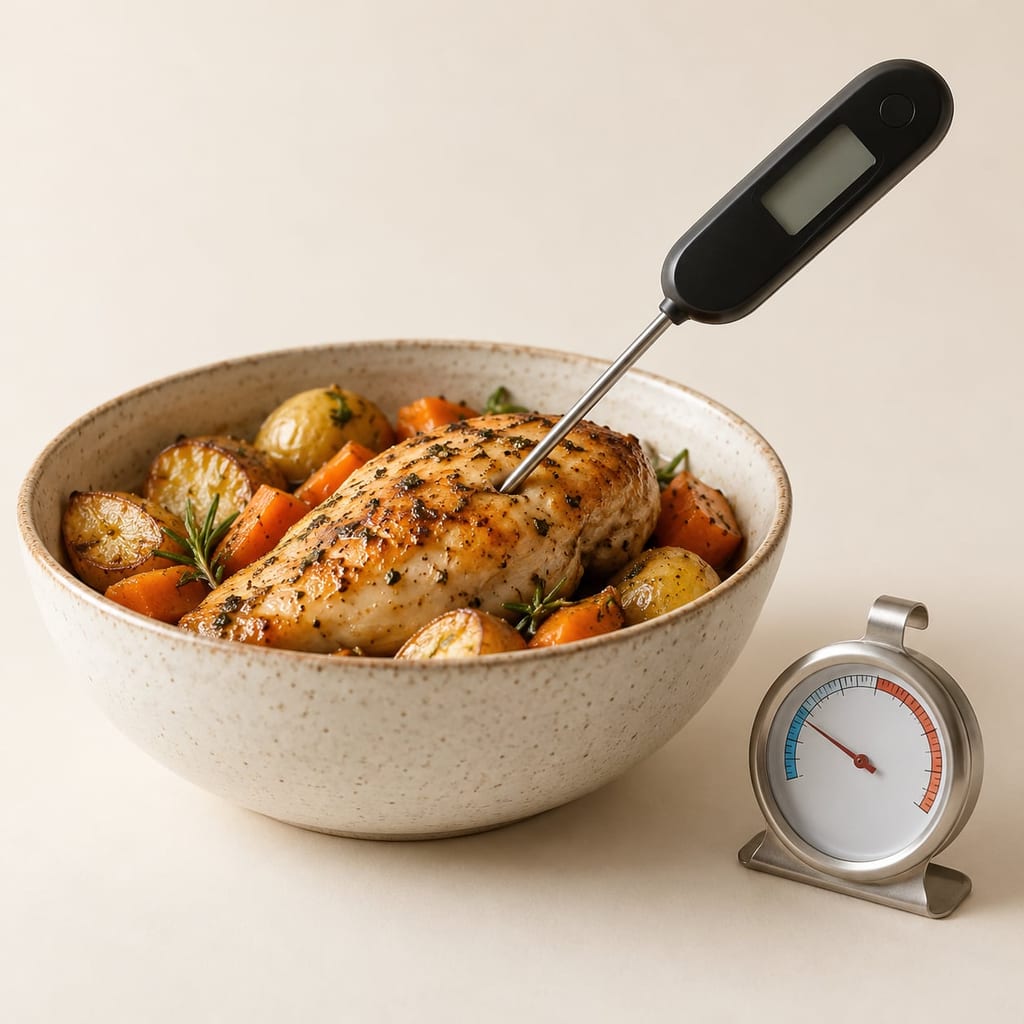
A food probe measures the temperature inside food at the probe tip; a refrigerator thermometer measures the cold storage environment. They answer different questions and cannot establish acidity or validate a preservation process.
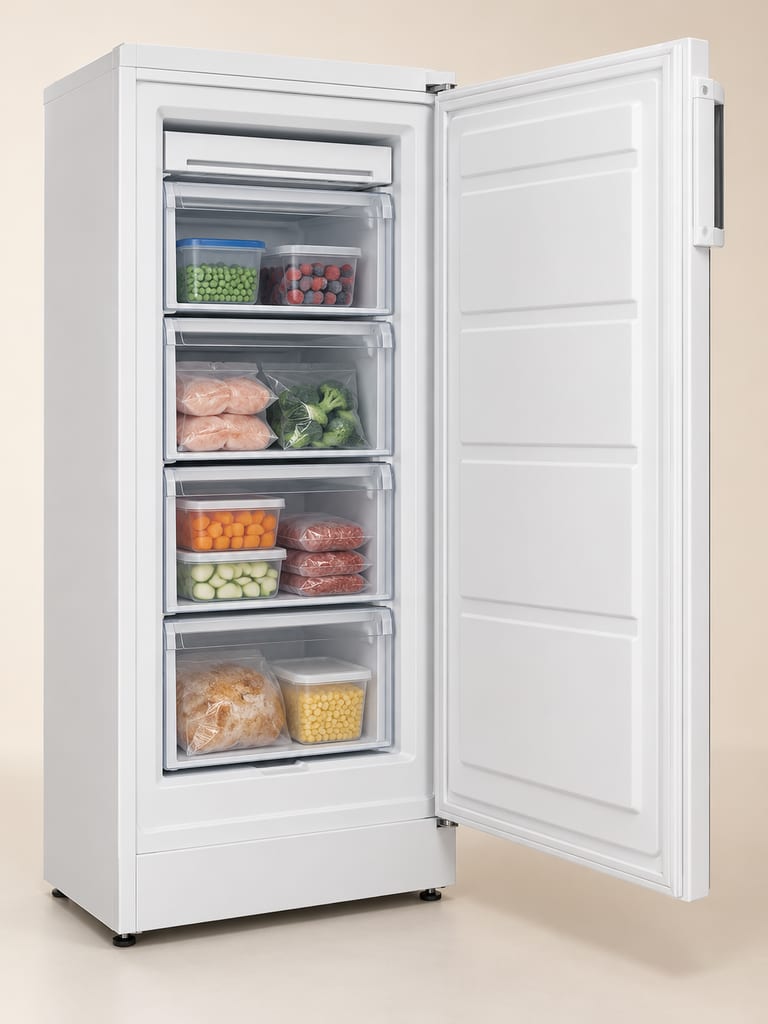
A household freezer holds food in a frozen state for storage and selected texture or separation work; its batch-storage role differs from industrial equipment that freezes individual pieces separately.
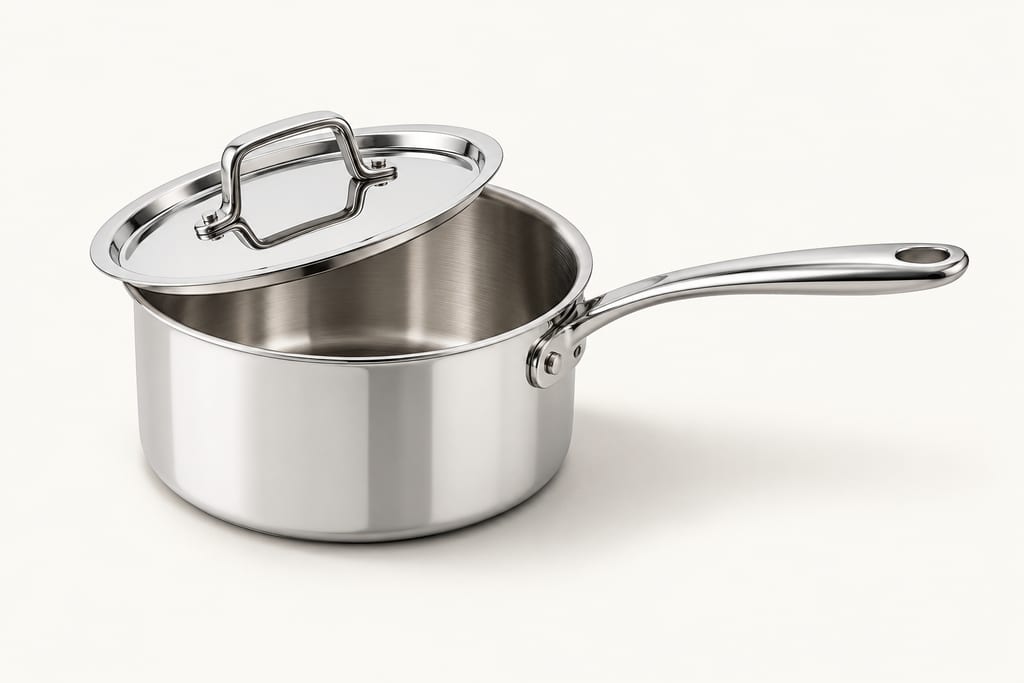
A modern, portable stovetop pan with a stainless-steel cooking surface for sauces and other small simmering jobs. Size, cladding, lid, compatibility and care vary by model.
An ordinary household refrigerator used to store selected fresh produce in vented crates or drawers, at low temperature and at a humidity chosen by the drawer. Not every crop benefits from cold.
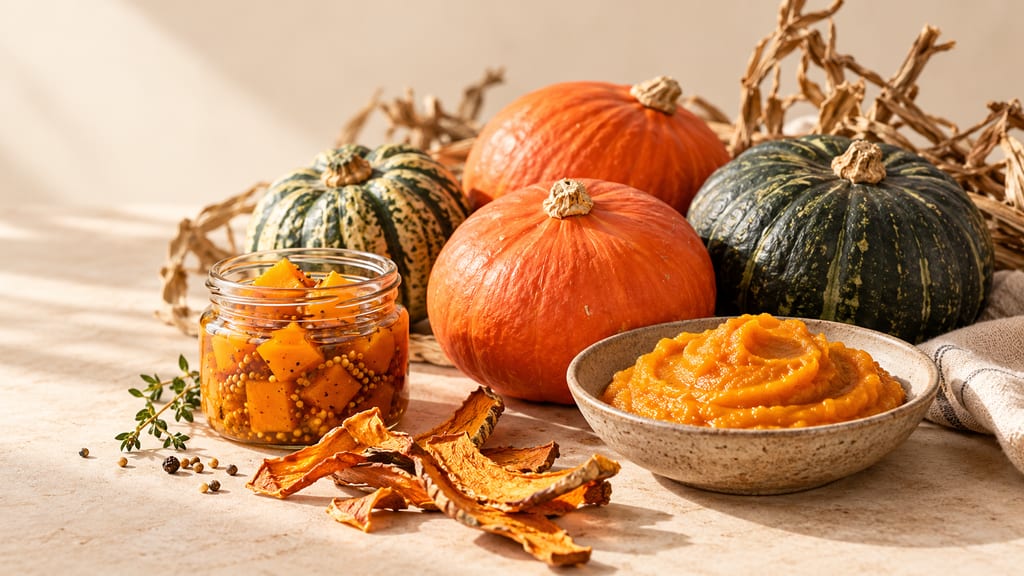
A full harvest-to-pantry guide to keeping pumpkins whole, drying and freezing them, and making pickles and sweet preserves around the world—with the exact distinction between tested canning and cold storage.
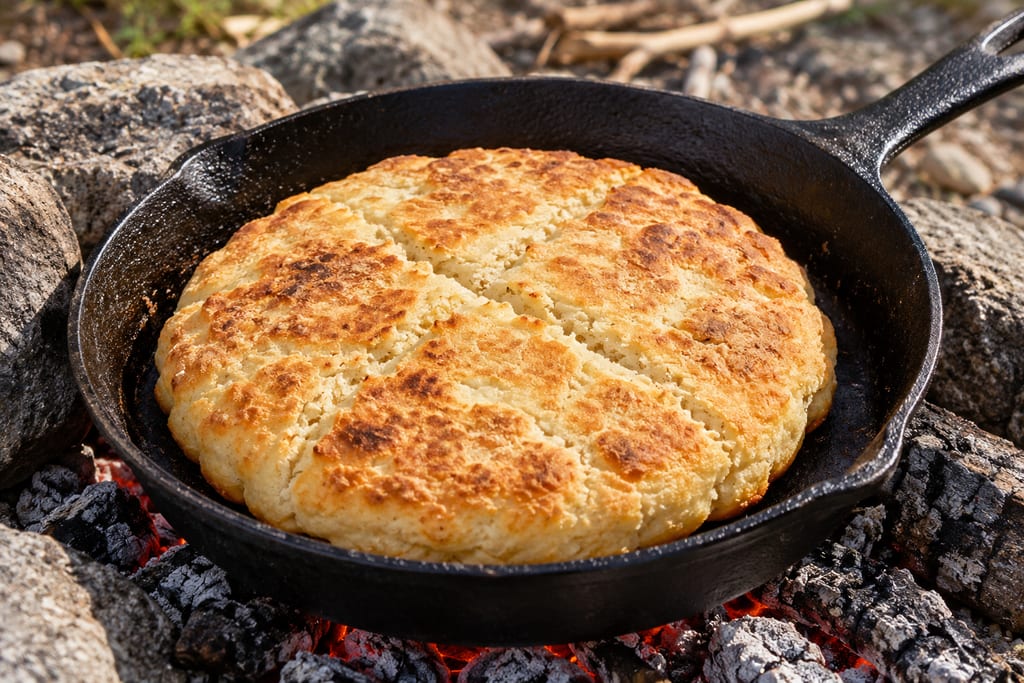
This flour, baking-powder and oil dough is Parks Canada’s contemporary Métis-interpreter version prepared at Rocky Mountain House; its specific recipe origin is unknown.
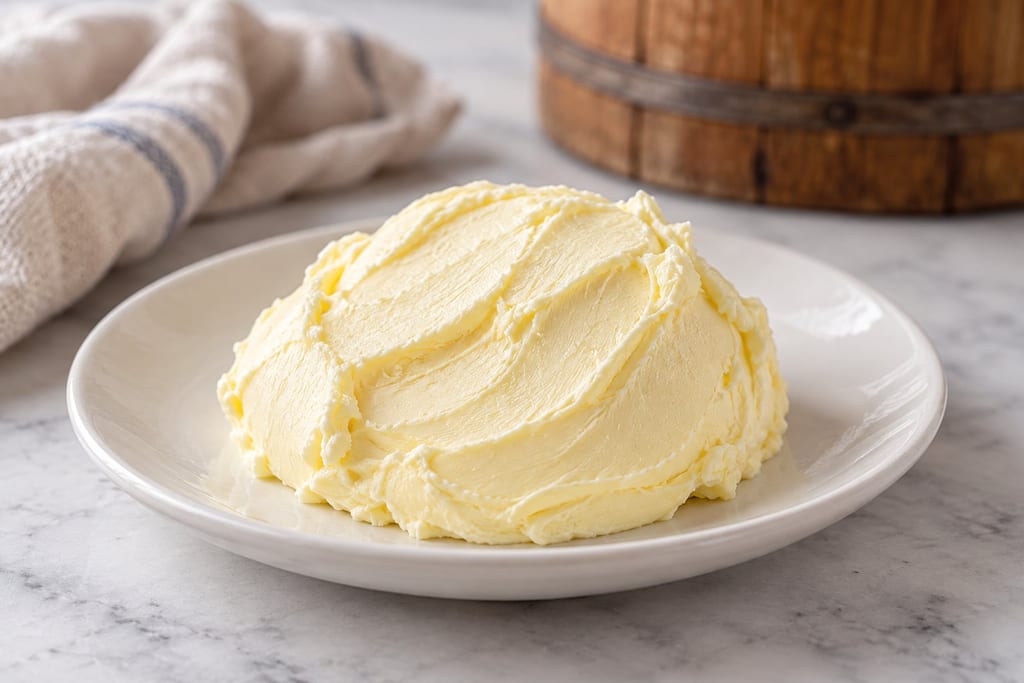
Sweet-cream butter is made by churning unsoured cream until its butterfat globules join, then draining, washing, salting and packing the butter.
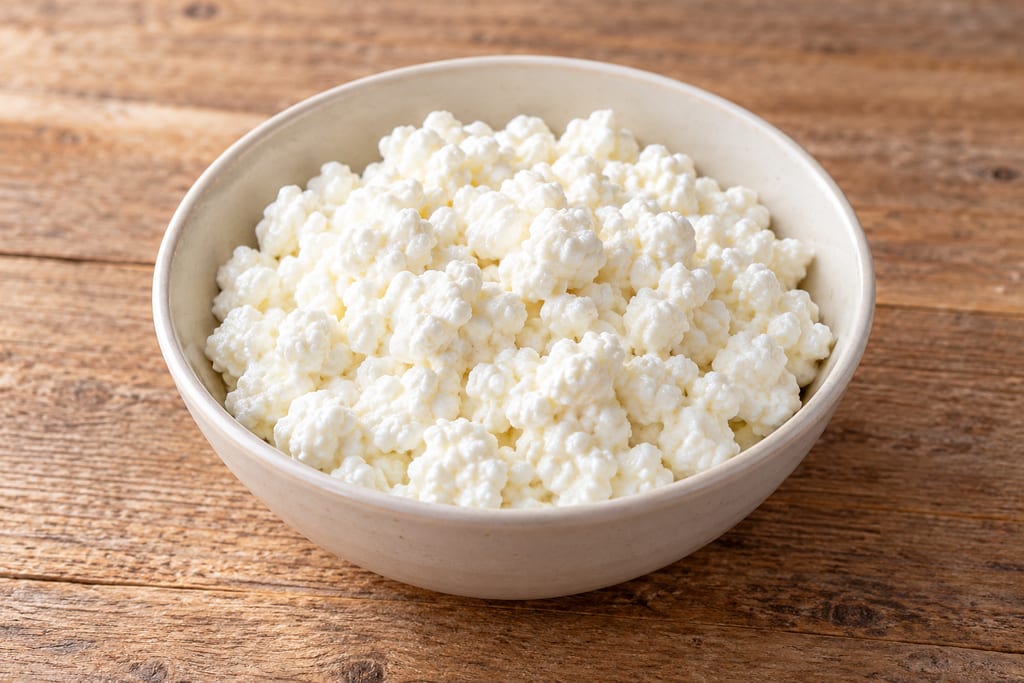
Skim milk is cultured slowly, cut into curds, warmed and drained to make fresh cottage cheese. Cold-water washing softens its flavour before cream and salt are added.
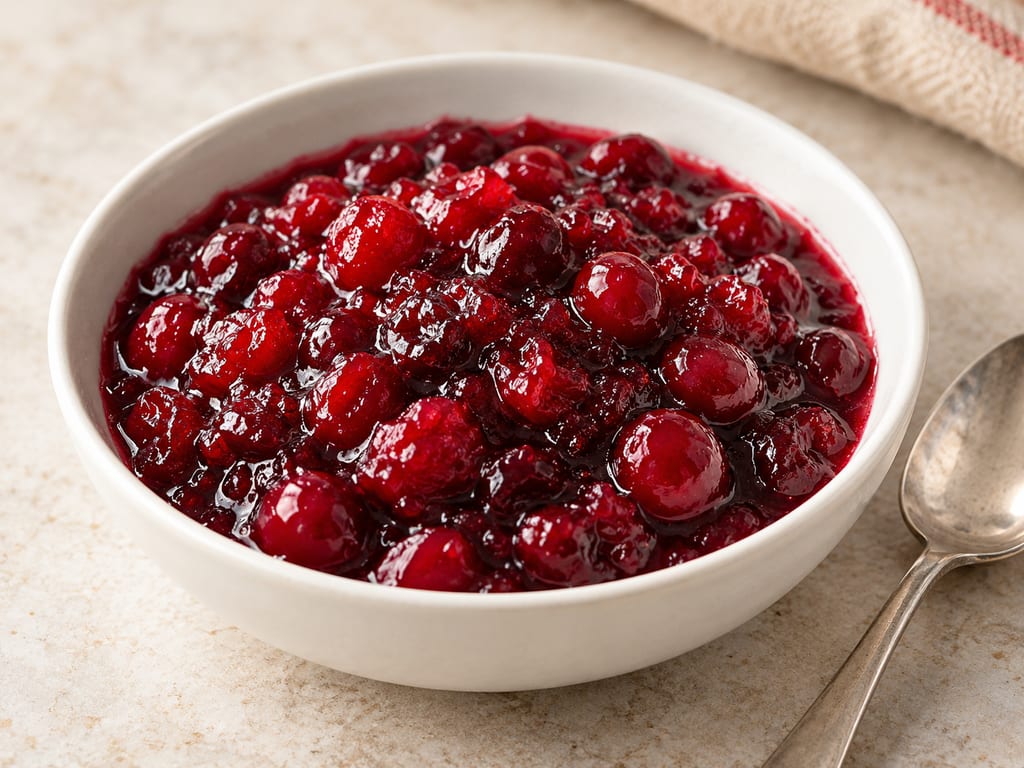
Cranberry sauce is a sauce of cranberries cooked in sugar syrup until the berries burst and thicken, served with roast turkey, pork, chicken and ham.
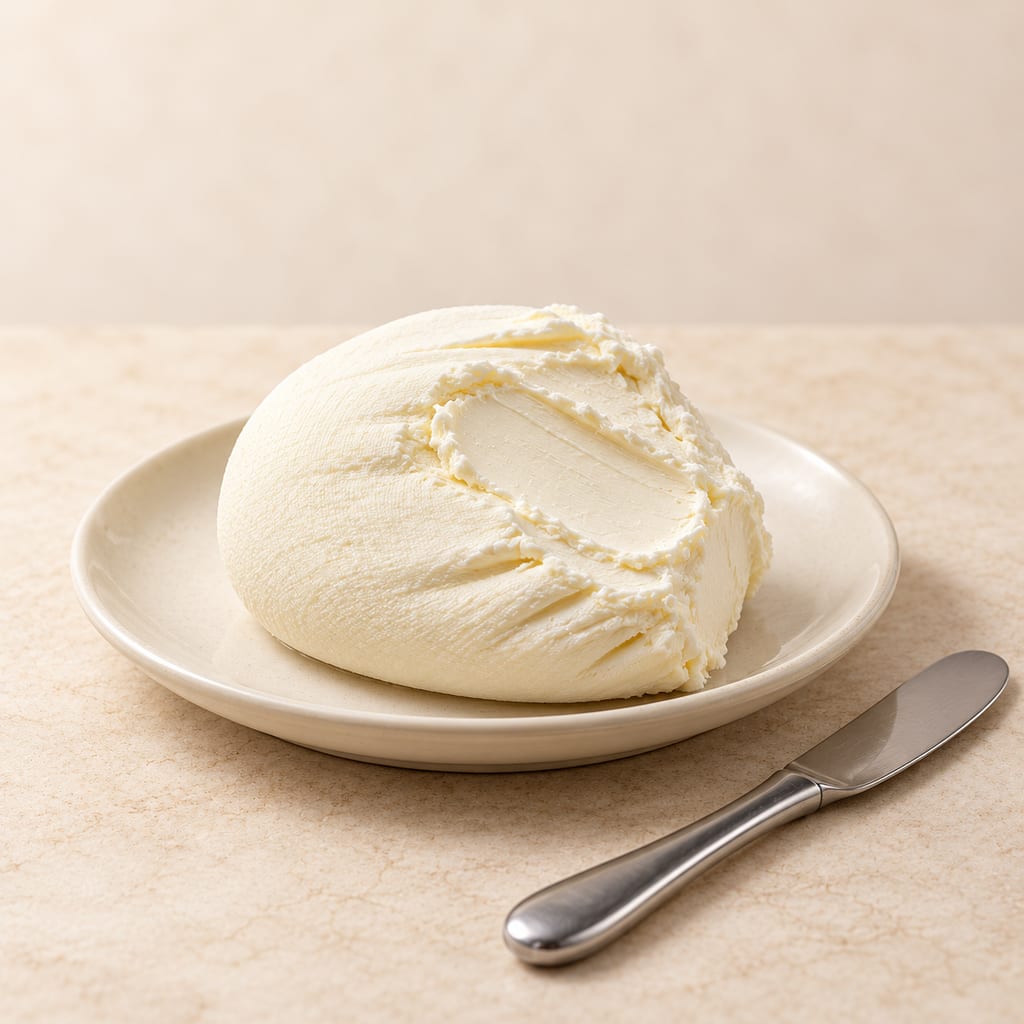
A fresh cultured-cream spread, set gently and drained in muslin in the refrigerator. This home method uses light cream and a small amount of cultured buttermilk.
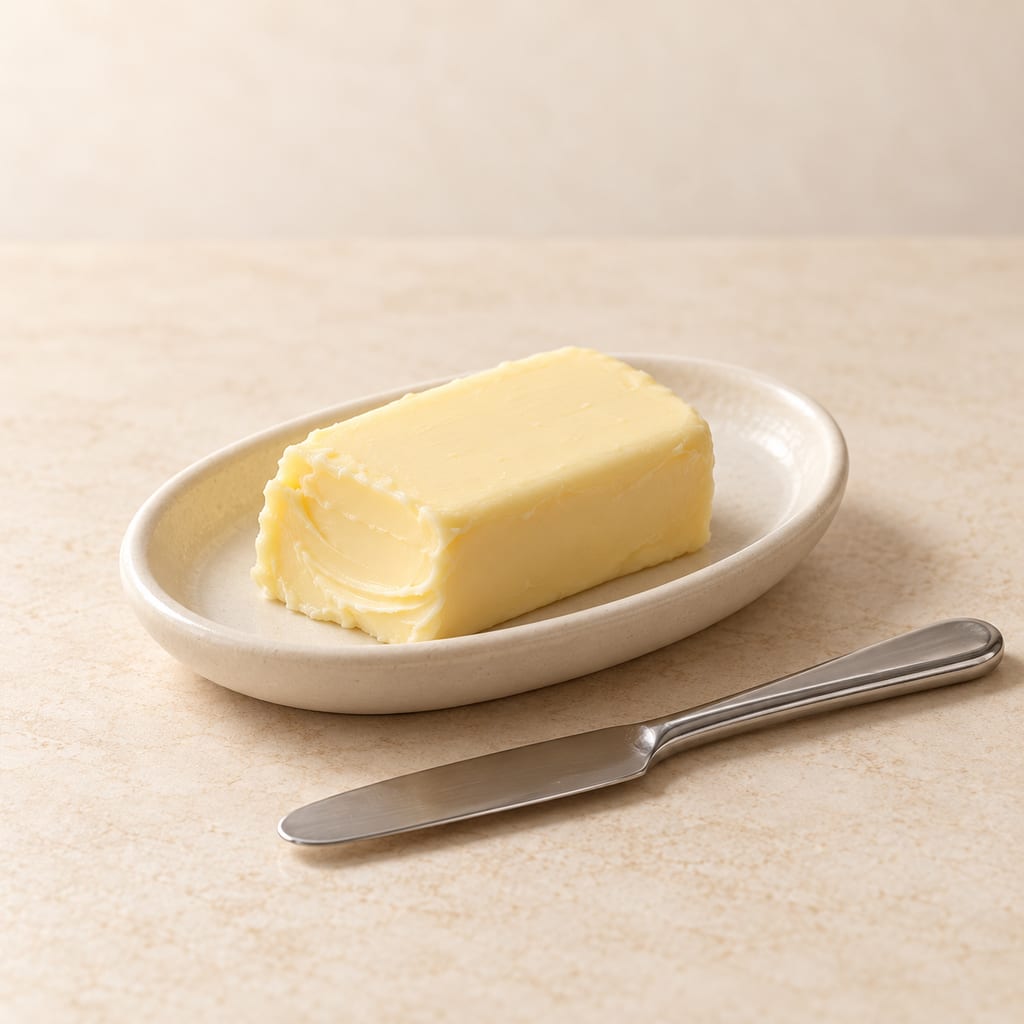
Cultured butter is churned from cream soured with lactic cultures. Its lightly tart flavour comes from the cultured cream, which separates into butter grains and buttermilk.
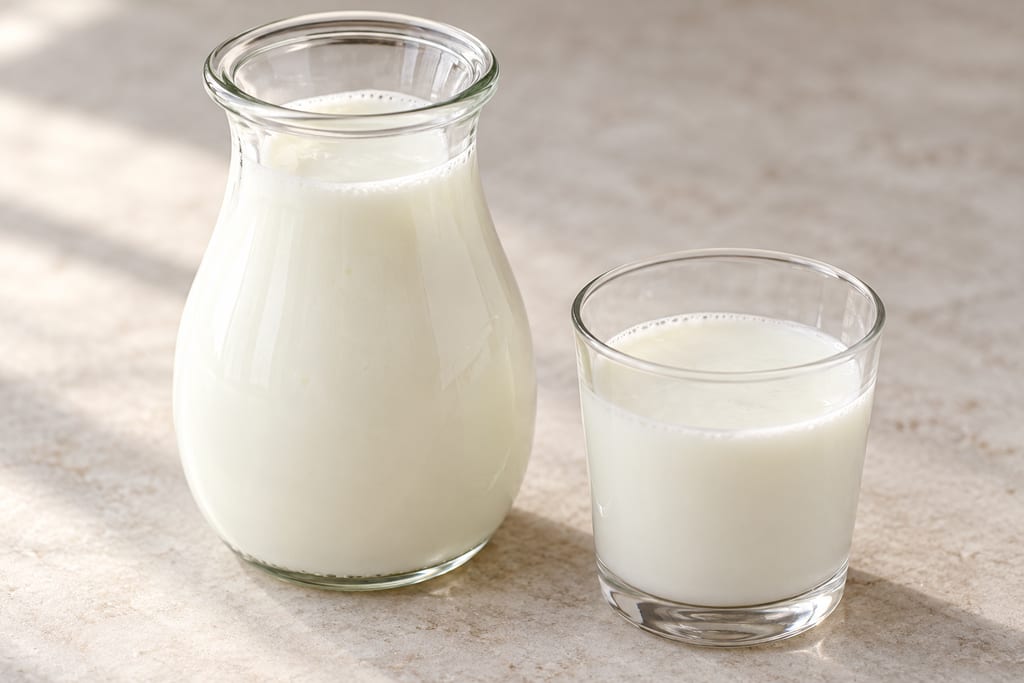
Cultured buttermilk is skim milk soured with a lactic starter into a tangy drink. This Canadian home method sets the milk without churning cream.
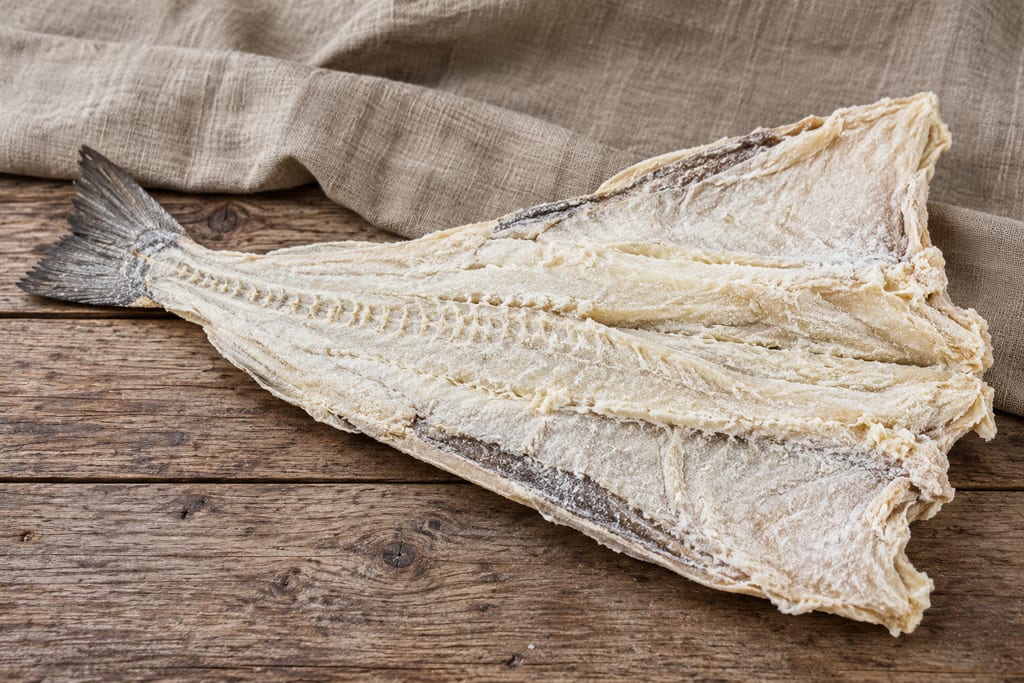
Cod split, salted and dried on flakes until hard, a long-keeping fish that must be desalted and rehydrated before use; the salting and the extensive drying together make it portable where light salting or partial drying does not.

Adrak murabba preserves young ginger in sugar syrup, a sweet South Asian preparation recorded in Indian cookery and food-processing sources.
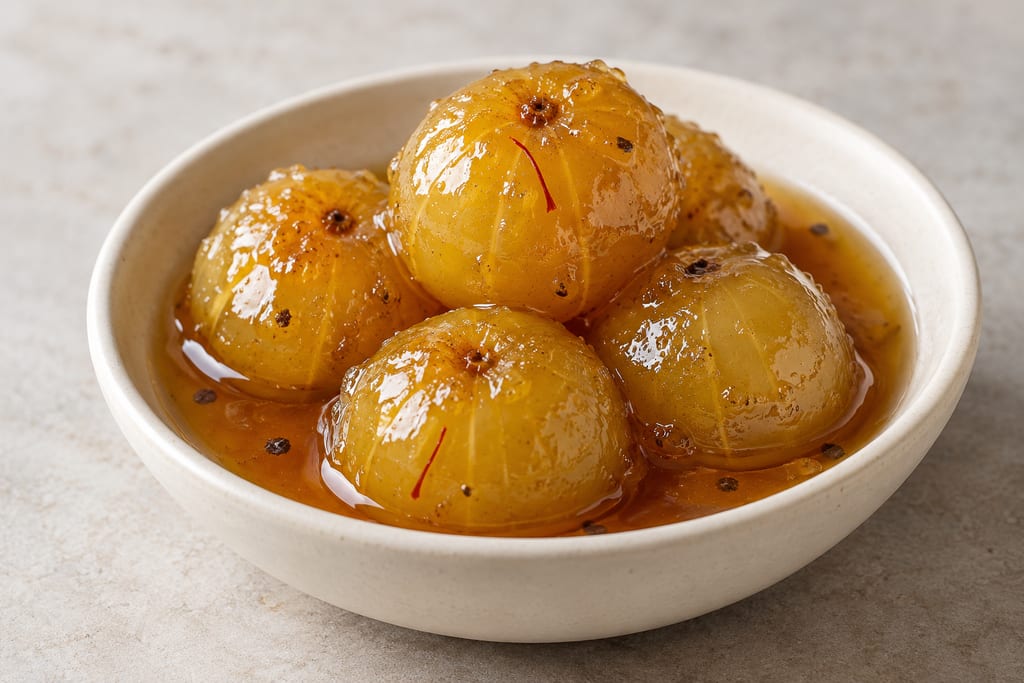
Amla murabba preserves whole Indian gooseberries in a heavy sugar syrup scented with cardamom and sharpened with pepper and black salt. This household method soaks the fruit before cooking.
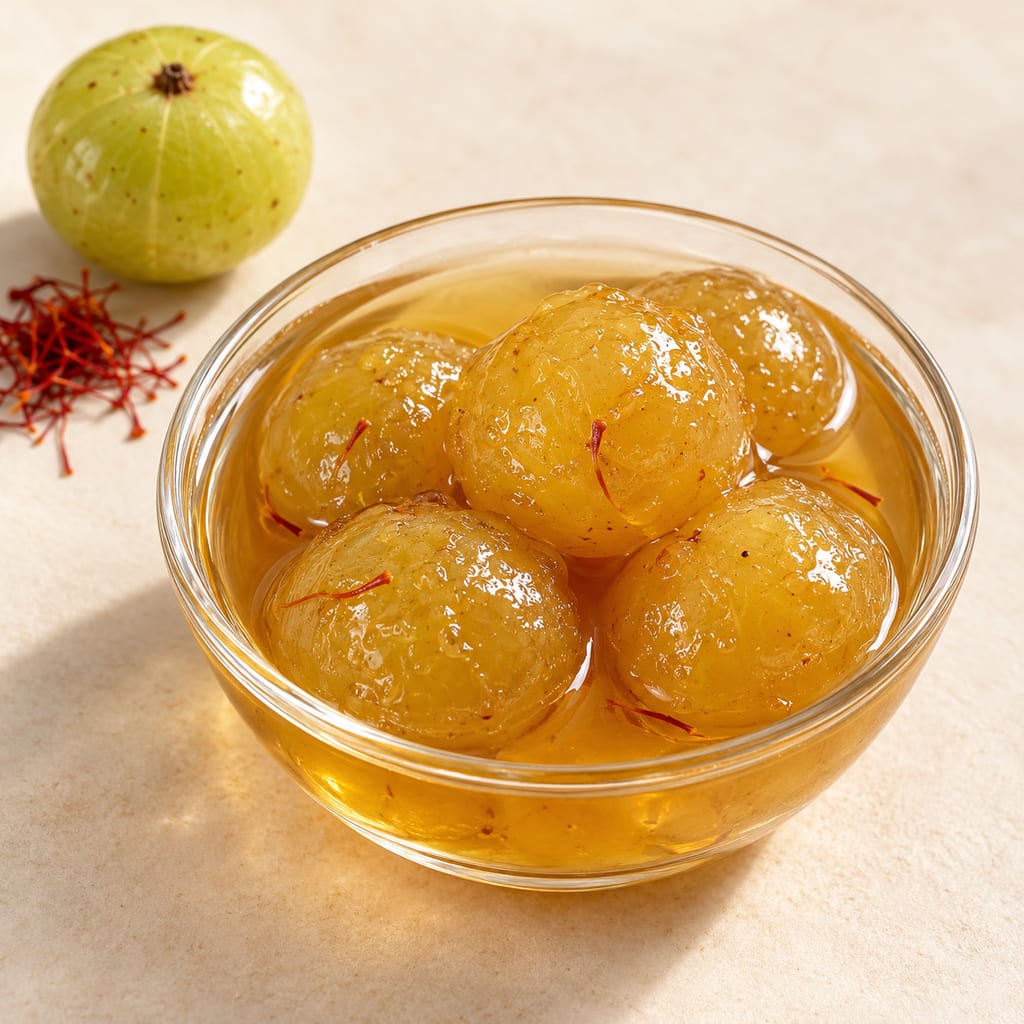
Whole amla simmer in sugar syrup with saffron, black cardamom and pepper in this chef's version of the Indian fruit preserve. The fruit is soaked overnight before cooking.
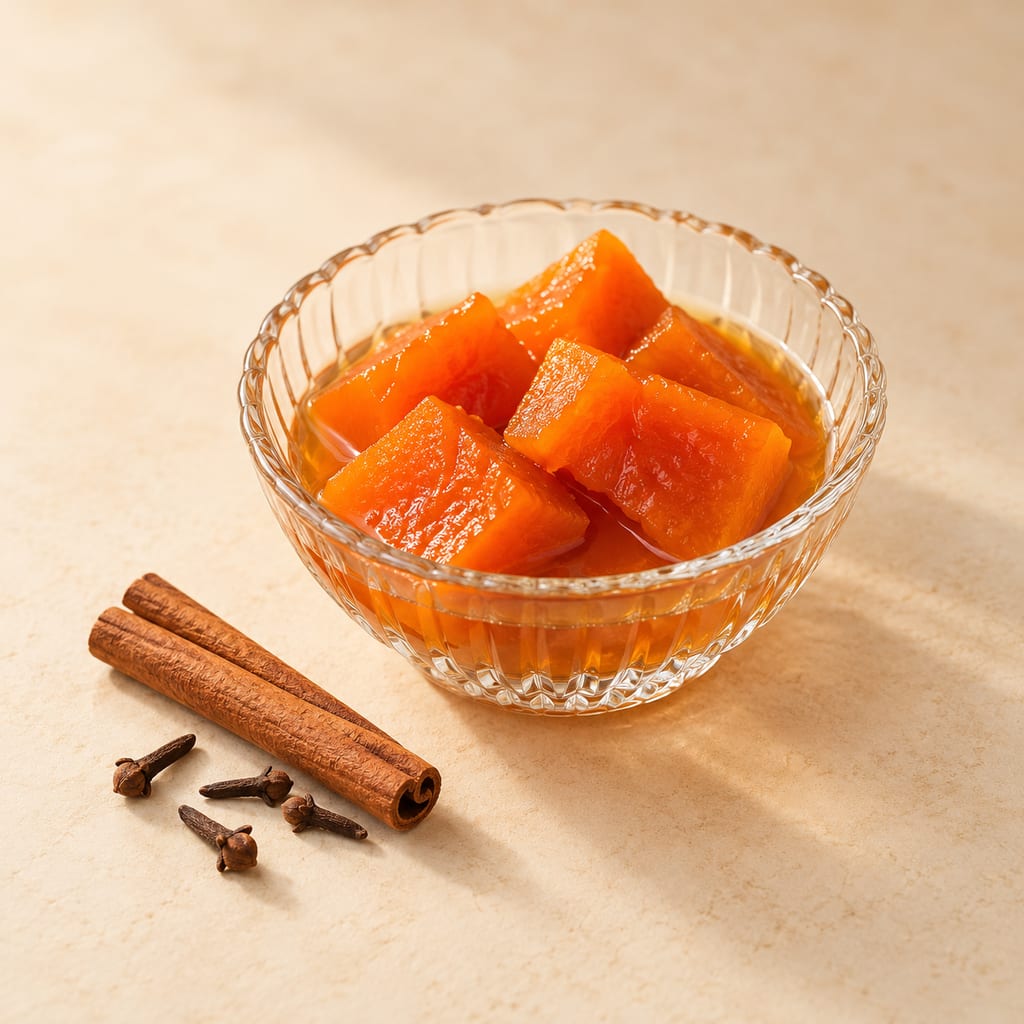
Brazilian doce de abóbora: Freeze for winter; small fresh portion refrigerated up to 48 hours.
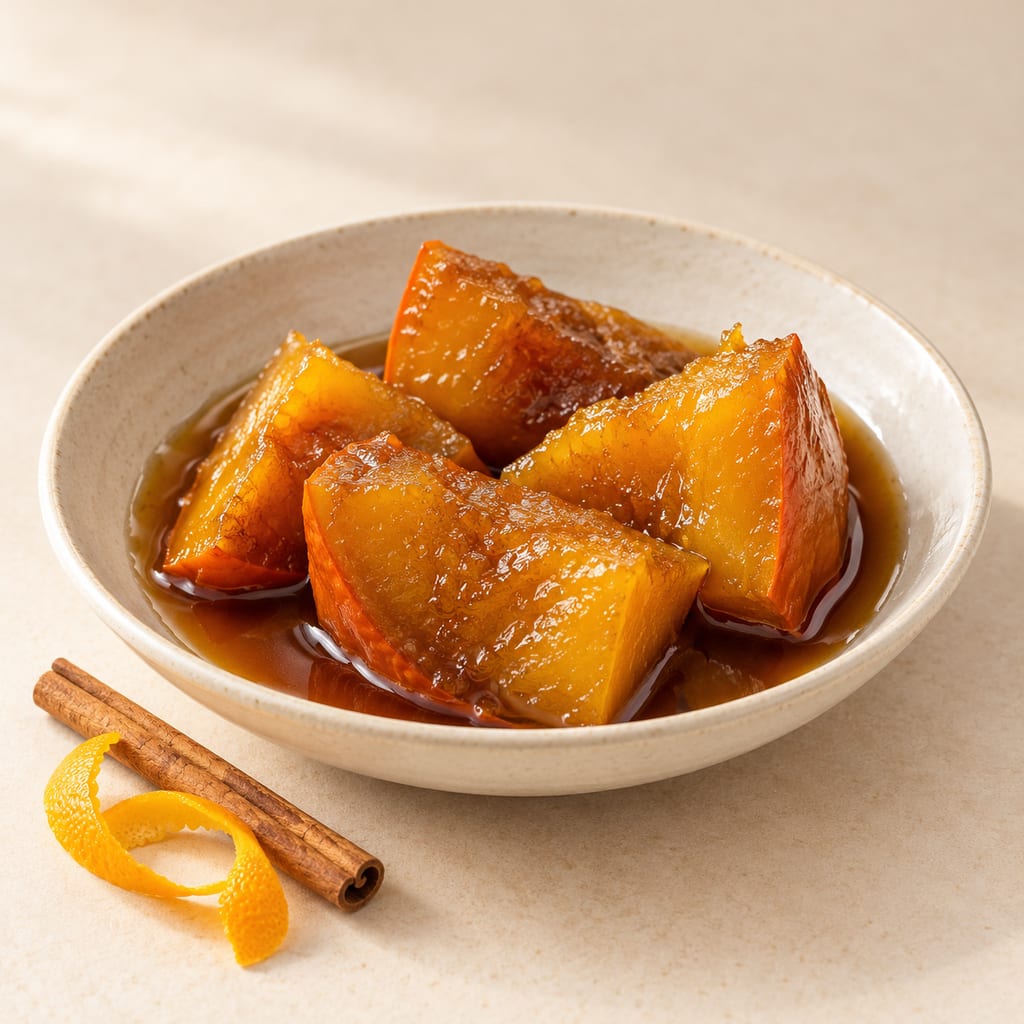
Rind-on pumpkin simmered with piloncillo, orange and cinnamon until glazed. This Mexican sweet keeps refrigerated for up to one week.
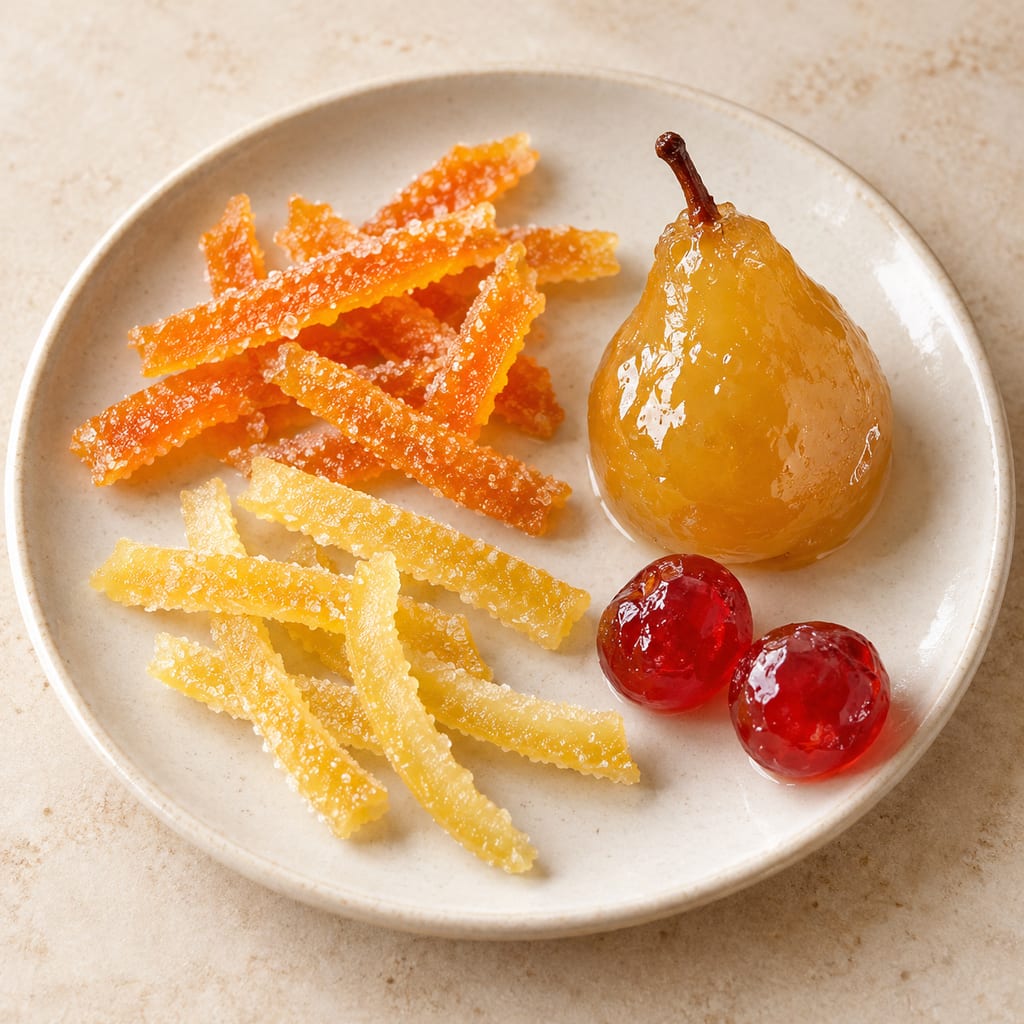
Candied fruit is fruit that has been repeatedly steeped in concentrated sugar syrup, which replaces part of its water with sugar, often followed by drying. It differs from fruit served in a thin syrup.
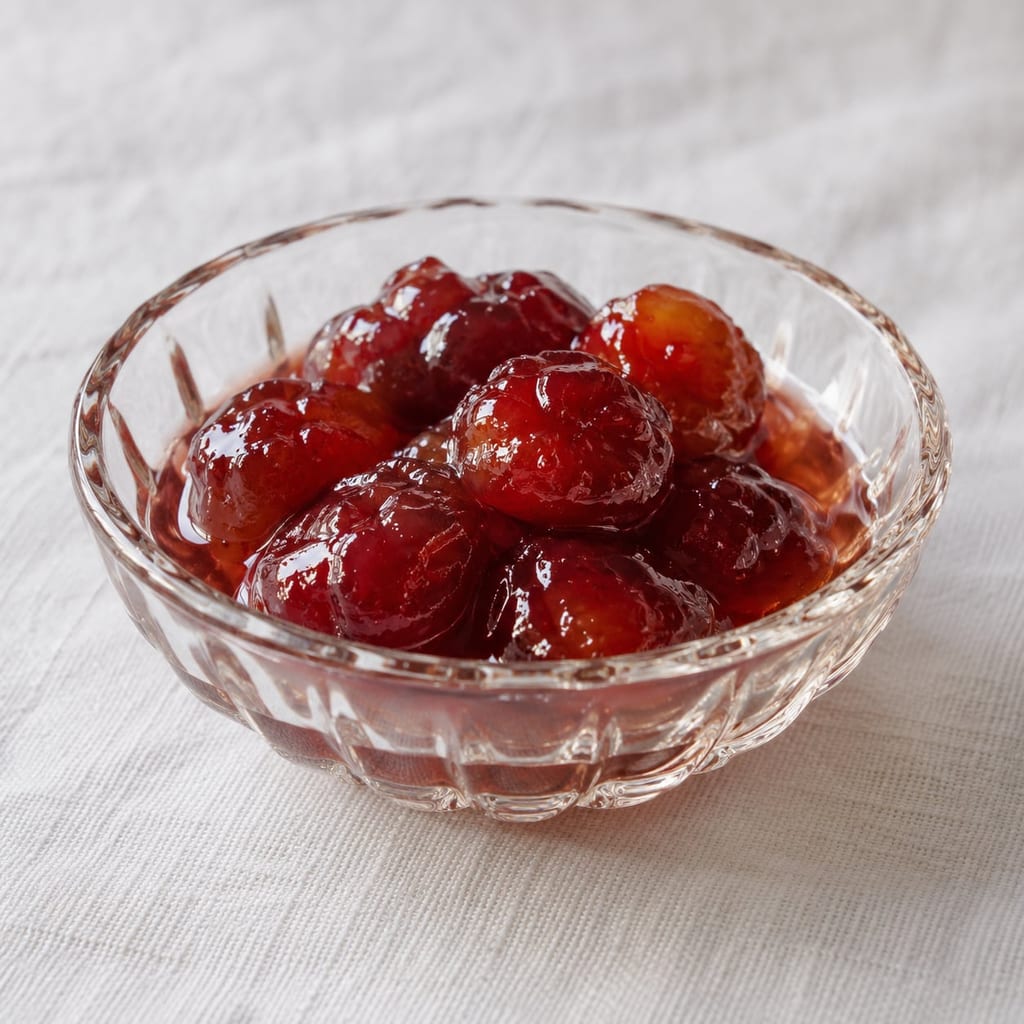
Cypriot cherry glyka made by layering firm pitted cherries with sugar, briefly boiling them, chilling overnight, and boiling again to concentrate the syrup. This version is refrigerated and has no shelf-stable canning process.
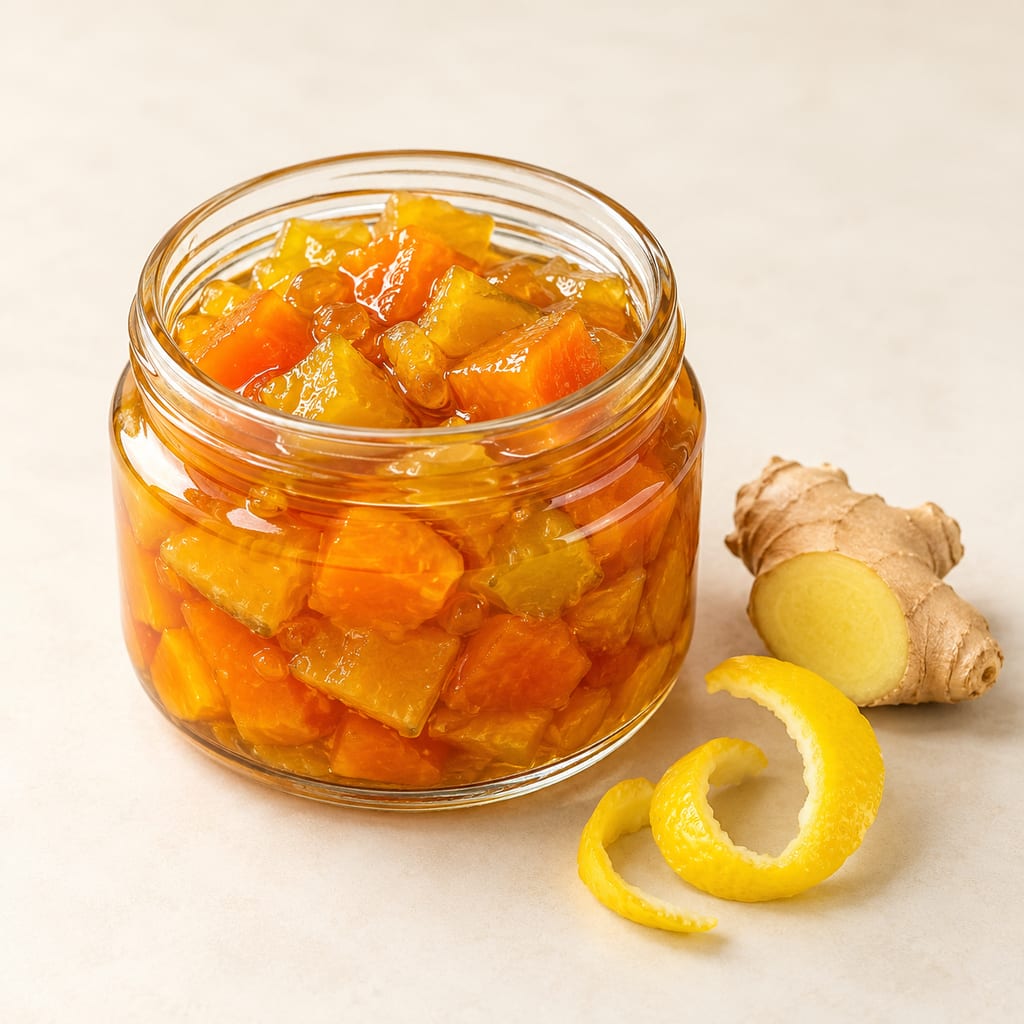
English lemon-and-ginger preserved pumpkin, after an 1861 recipe: Freeze for winter; small fresh portion refrigerated up to 48 hours.
No community contributions have been published for this entry yet.
Sign in to contribute. Published comments and photos are free to read.
www.bernardin.caMethod · Context · Handling
Bernardin: Pumpkin Pineapple Autumn Glory CompoteDocumented preparation, regional context or preservation handling, with the limits stated in the text.
Cited in: The preserve; Yield and ingredients; Boiling-water processing time; Storage and scope
ucanr.eduMethod · Context · Handling
UC Master Food Preservers, 2025: compote with bottled lemon juice and altitude scheduleDocumented preparation, regional context or preservation handling, with the limits stated in the text.
Cited in: The preserve; Yield and ingredients; Boiling-water processing time; Storage and scope
nchfp.uga.eduMethod · Context · Handling
National Center for Home Food Preservation. Using boiling-water canners.Documented preparation, regional context or preservation handling, with the limits stated in the text.
Cited in: The preserve; Yield and ingredients; Boiling-water processing time; Storage and scope
nchfp.uga.eduMethod · Context · Handling
National Center for Home Food Preservation. Cooling jars and testing jar seals.Documented preparation, regional context or preservation handling, with the limits stated in the text.
Cited in: The preserve; Yield and ingredients; Boiling-water processing time; Storage and scope