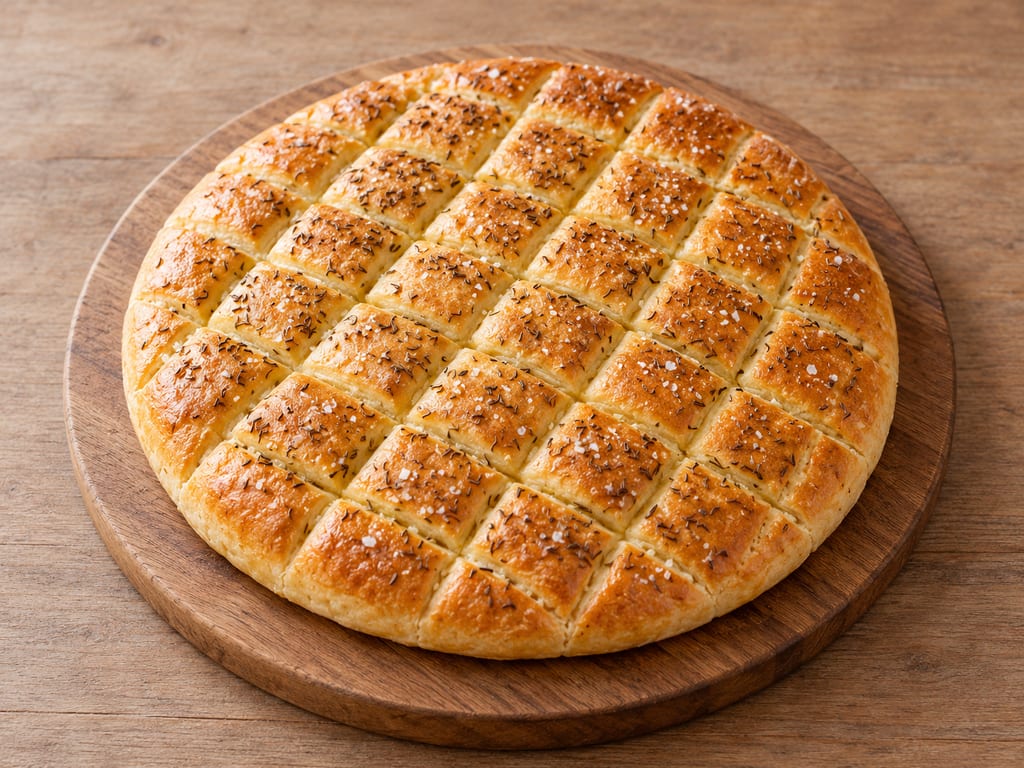
Belokranjska pogača
A round Slovenian flatbread scored in a grid and topped with caraway and coarse salt.
 FermenteaWhere food goes to change
kisla repa · kisla repa · kislo repo · sour turnip · kisla turnip
Kisla repa is Slovenian sour turnip, made either from grated turnip or from whole roots; a 2023 household guide gives a 1 kg grated batch salted with 20 g salt.
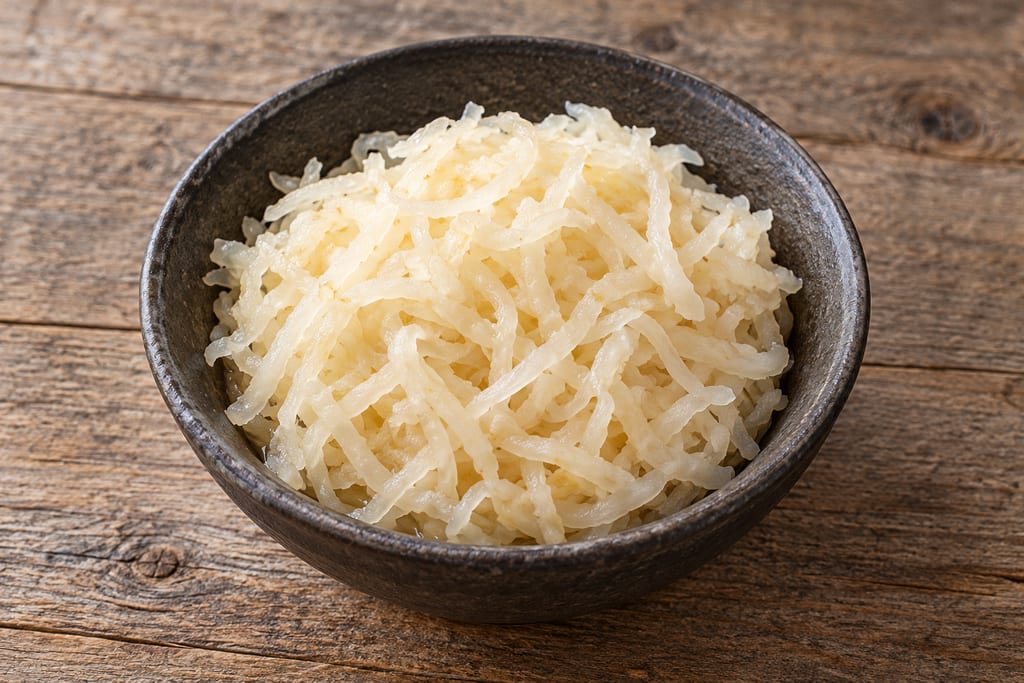
Kisla repa is Slovenian sour turnip. Slovenian sources describe two household forms, grated turnip and whole roots, which should not be merged into one formula. The name does not establish the Friulian Brovada PDO, which uses a locally specified turnip with red-grape marc, or the Karst preparation sometimes called repa tropinka.
The agricultural guide describes grating healthy, mature turnip into strands of 2 to 4 millimetres, salting it at 2 percent of its weight, packing it down under the liquid it releases and weighting it. Naturally present vegetable microorganisms drive the lactic fermentation. The household guide gives about three weeks at 18 °C, with a stated range of 10 to 18 °C and a longer time at the lower end. Those figures come from household guidance, not from a validated process.
The Slovenian agricultural guide places the harvest of stubble turnip in late October and the first half of November, and it cautions against frost for roots intended for souring. This describes the raw crop, not storage for the finished pickle. A farm-stay association's recipe documents one cooked use, bujta repa, which combines sour turnip with pork and millet. The household guide also mentions raw salad, stewed or boiled turnip and jota.
Alenka Kociper's 2023 guide in Delo gives a grated batch of 1 kg turnip with 20 g salt and peppercorns. The mixture is rested, packed into jars under its liquid, covered with mesh and a tray, and then covered with dark cloth. The author suggests checking after three days. The source does not report the finished yield or jar capacity, and its timing is not an objective safety endpoint.
The 2019 guide describes the naturally present plant lactic fermentation and separate grated and whole-root approaches. It gives broad guidance for cabbage and turnip but no controlled study or validated endpoint for kisla repa.
No inspected source establishes an objective endpoint, a food-safety validation, a maximum storage life or after-opening guidance. Advice to keep vegetables covered, skim foam or refrigerate a finished batch does not prove safety. The whole-root method's salt basis and full procedure are not established here, and the earliest attestation and origin of kisla repa remain unknown.
A second variant leaves the roots whole and covers them with salt water. The Slovenian tourism-farm source describes it as a distinct process. Its salt basis is not the same as the percentage used for the grated method, so the two should not be combined.
Slovenian household and crop sources describe the food. No dated origin is established.
A round Slovenian flatbread scored in a grid and topped with caraway and coarse salt.

A home adaptation of Slovenia's walnut potica specification: enriched yeast dough is rolled around a cold walnut filling, proofed in a ring mould and baked.
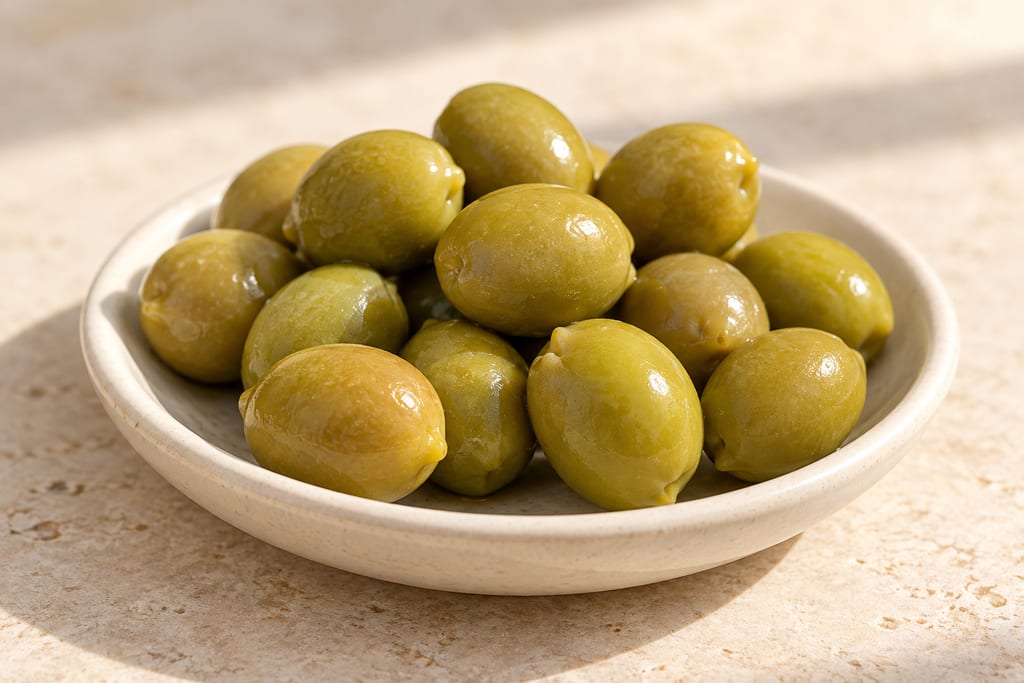
A Portuguese table-olive product from the Negrinha cultivar in northeastern Portugal, sold in three commercial styles, two of them brined fermentations and one oxidised to black.
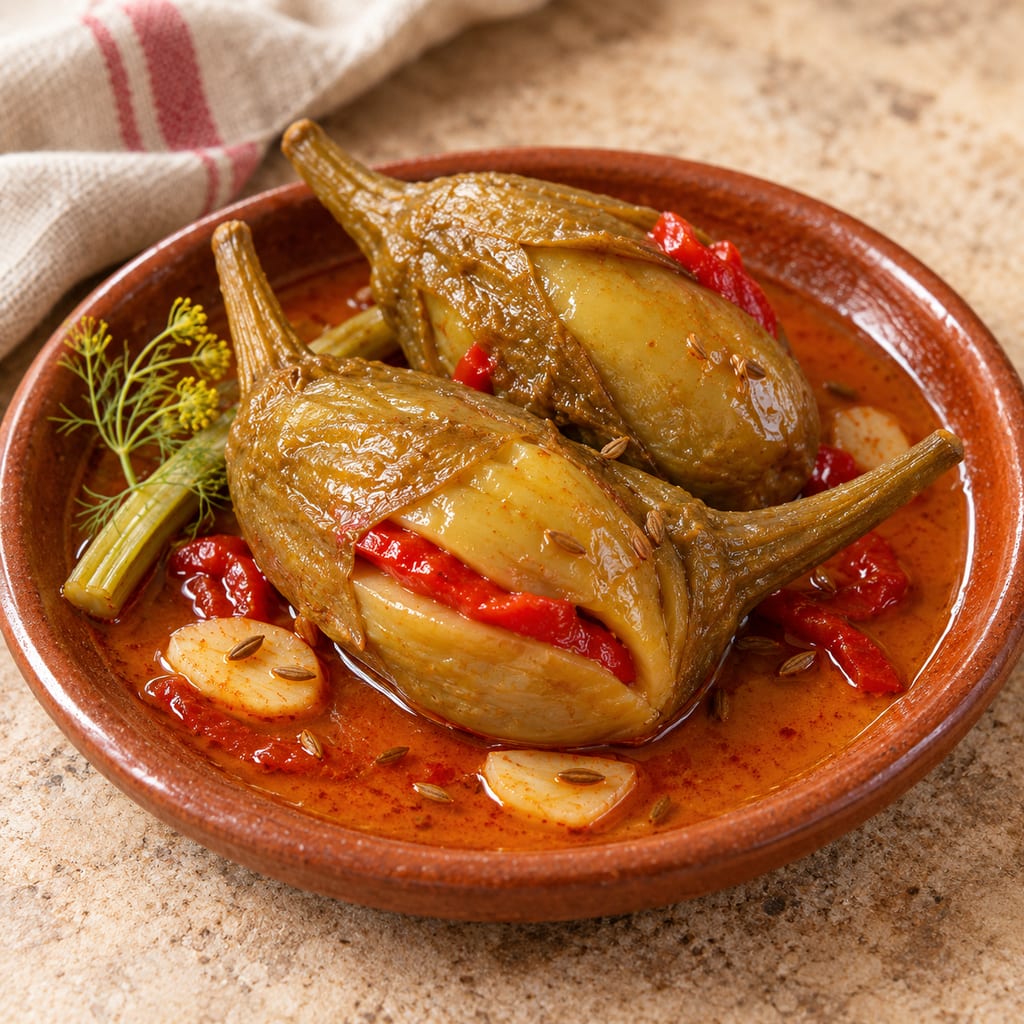
A protected aubergine preserve from Ciudad Real in Spain: tender fruit of the local Dealmagro variety, cooked briefly and then fermented in a vinegared, paprika-seasoned dressing.
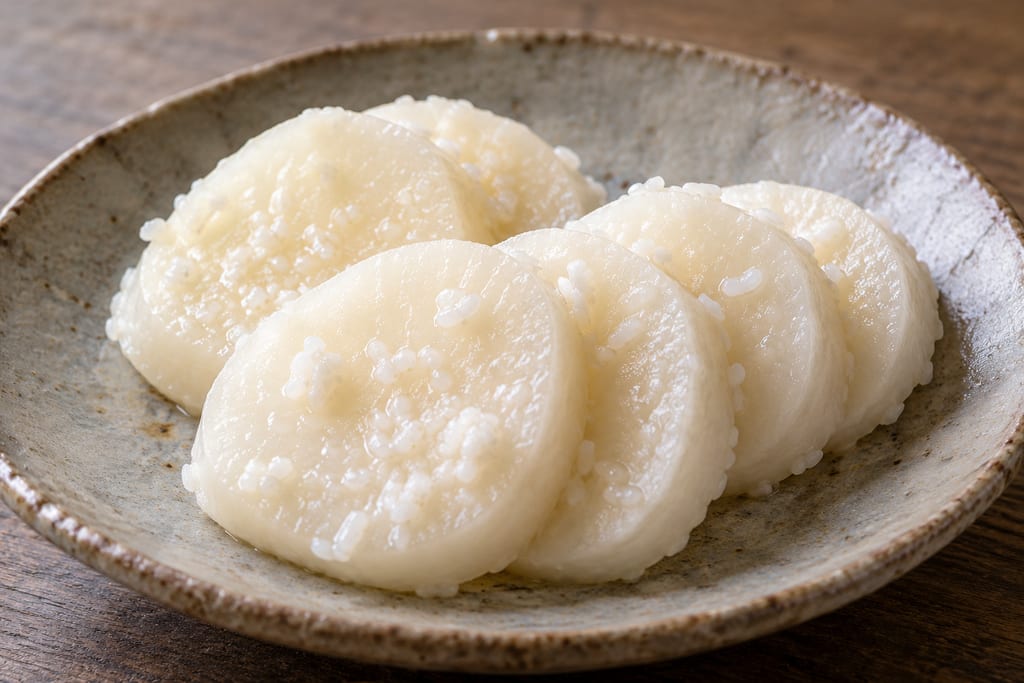
A sweet, crisp Japanese daikon pickle from Tokyo's Nihonbashi district, made by salting fresh radish and dressing it in rice koji, sugar or koji amazake without the heavy drying used for takuan.
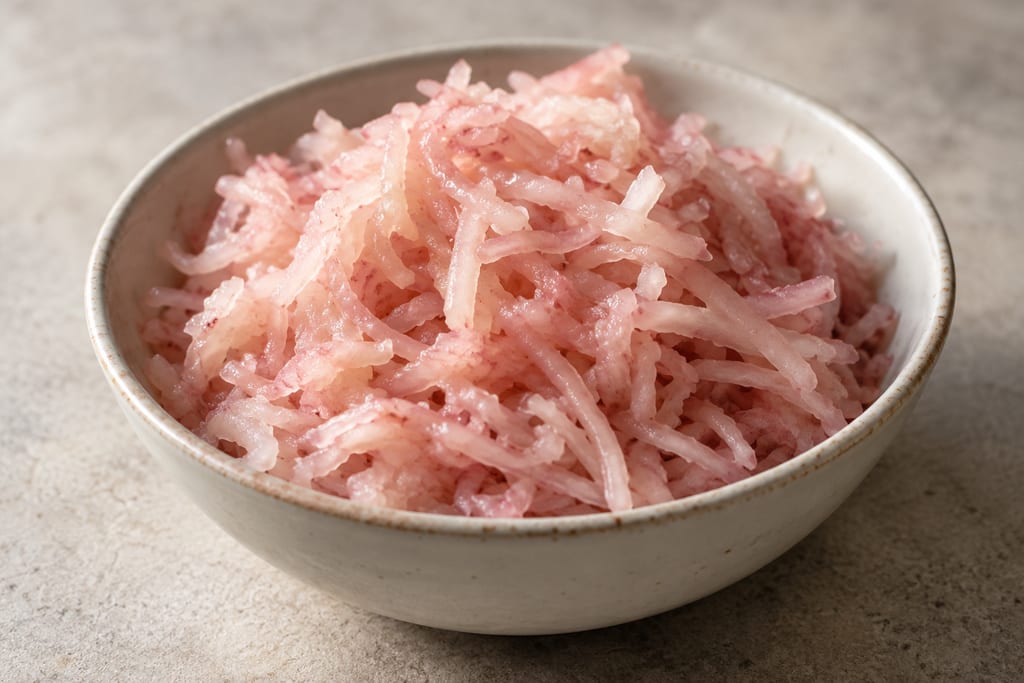
Source-specific Brovada DOP producer method for Friuli Venezia Giulia turnips and red-grape marc. This records a regulated producer process; it is not a validated home-scale recipe.
An industrial fermentation patio places factory-made fiberglass-reinforced polyester olive tanks below floor level, with drainage and transfer infrastructure arranged around the buried vessels.
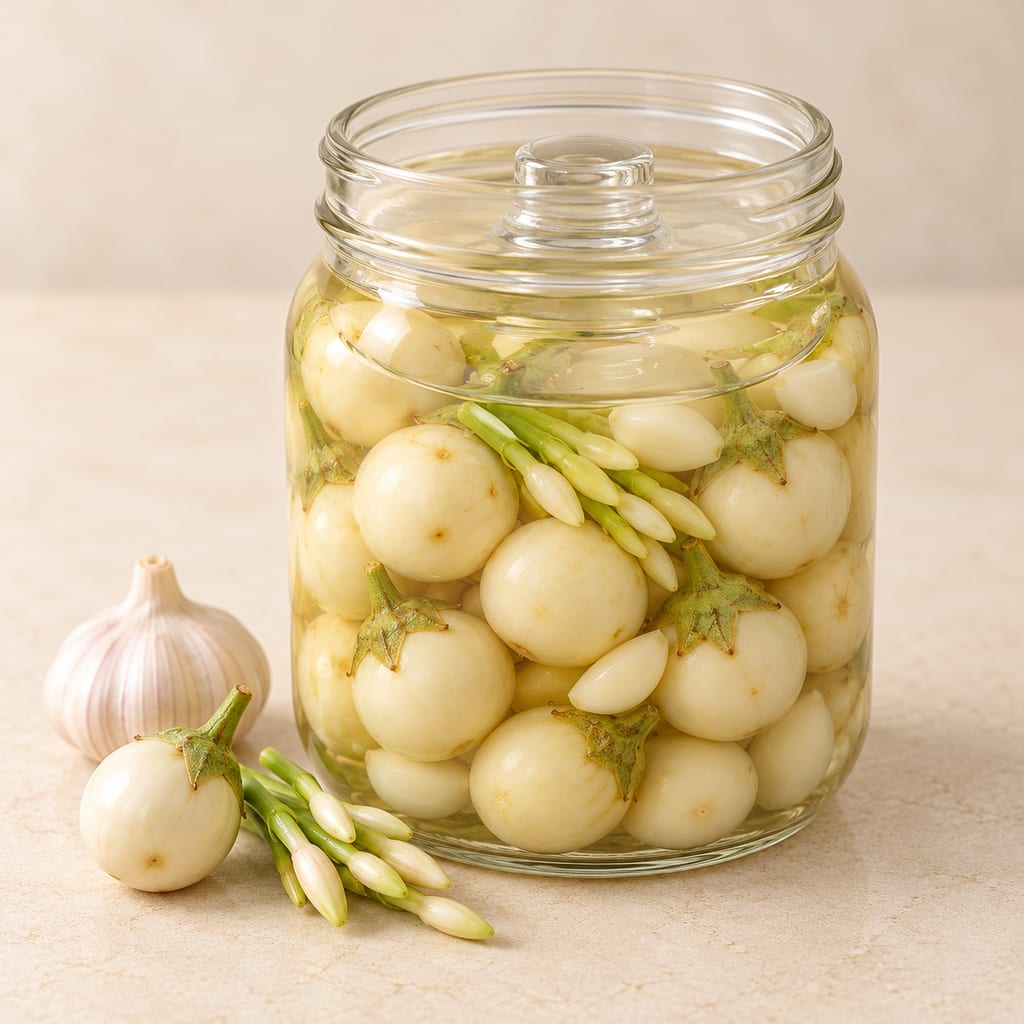
Vietnamese salted and fermented small eggplant, dried on the day of purchase, then held submerged in warm salty water with garlic and galingale flower for a week or longer.
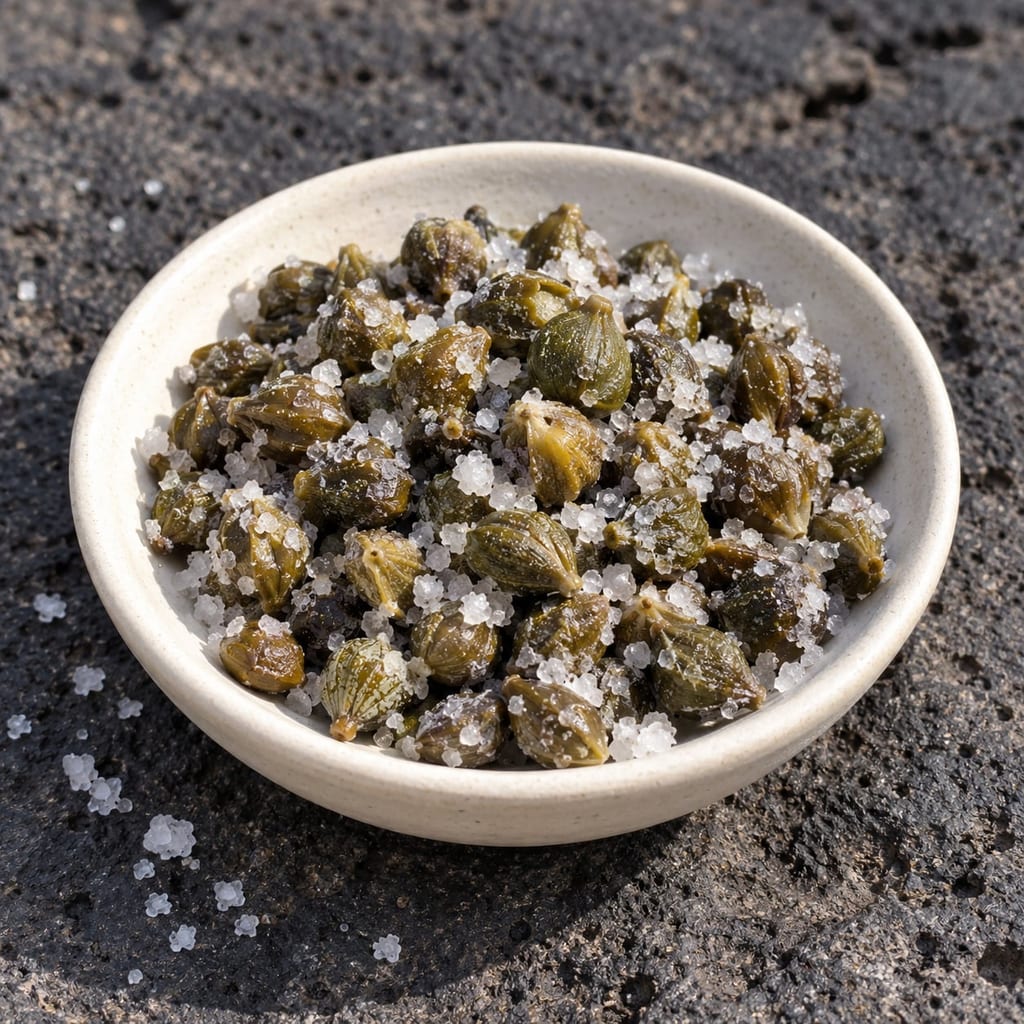
A protected Sicilian product: unopened caper buds from the island of Pantelleria, dry-salted with sea salt in a two-stage process that encourages lactic fermentation.
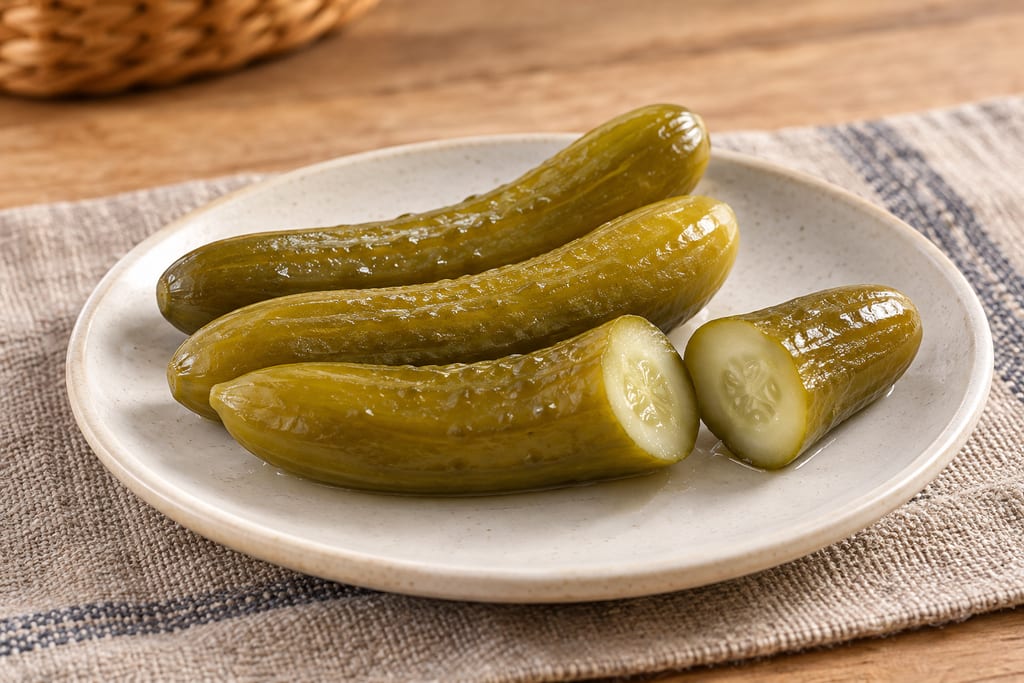
Çubuk turşusu is a registered pickle from Çubuk district in Ankara. Its cucumber variant is sold as Salatalık Turşusu, and a commercial specification sets its brine and room-temperature period.
No community contributions have been published for this entry yet.
Sign in to contribute. Published comments and photos are free to read.
Odprta kuhinja / Delo medijiMethod
Preprost način, kako doma okisamo repoGrated batch: 1 kg turnip, 20 g salt, peppercorns; jars under liquid; mesh, tray and dark cloth; check after three days
Cited in: The 2023 grated batch; What remains open
Delo in dom / Delo medijiMethod · Safety
Vse o kisanju zelja in repeGrated and whole-root approaches; naturally present lactic fermentation; no validated endpoint
Cited in: Overview; Grated method salt and timing; The 2023 grated batch; What remains open
Kmetijsko gozdarska zbornica Slovenije (KGZS)History
Tehnološka navodila za ekološko pridelavo poljščinStubble-turnip harvest late October to first half of November; frost caution for roots intended for souring; varieties Kranjska okrogla and podolgovata
Cited in: Grated method salt and timing; Harvest and winter use
Združenje turističnih kmetij Slovenije / Slovensko podeželjeInspiration
Bujta repaBujta repa: sour turnip with pork and millet
Cited in: Harvest and winter use; Whole-root variant
Ministero delle politiche agricole alimentari e forestali; Gazzetta Ufficiale della Repubblica Italiana, Serie Generale n. 282History
Provvedimento 17 novembre 2011: Iscrizione della denominazione “Brovada” nel registro; attached disciplinare di produzioneBrovada PDO is a separate Friulian turnip product; not a source for kisla repa ratios
Cited in: Overview
Kmetijsko gozdarska zbornica Slovenije (KGZS)Method · Geography · Timing
Tehnološka navodila za ekološko pridelavo poljščinKranjska podolgovata and Kranjska okrogla turnip varieties for souring
Grated turnip 2 to 4 mm, salted at 2 percent by weight, packed under liquid and weighted
Cited in: Grated method salt and timing; Harvest and winter use