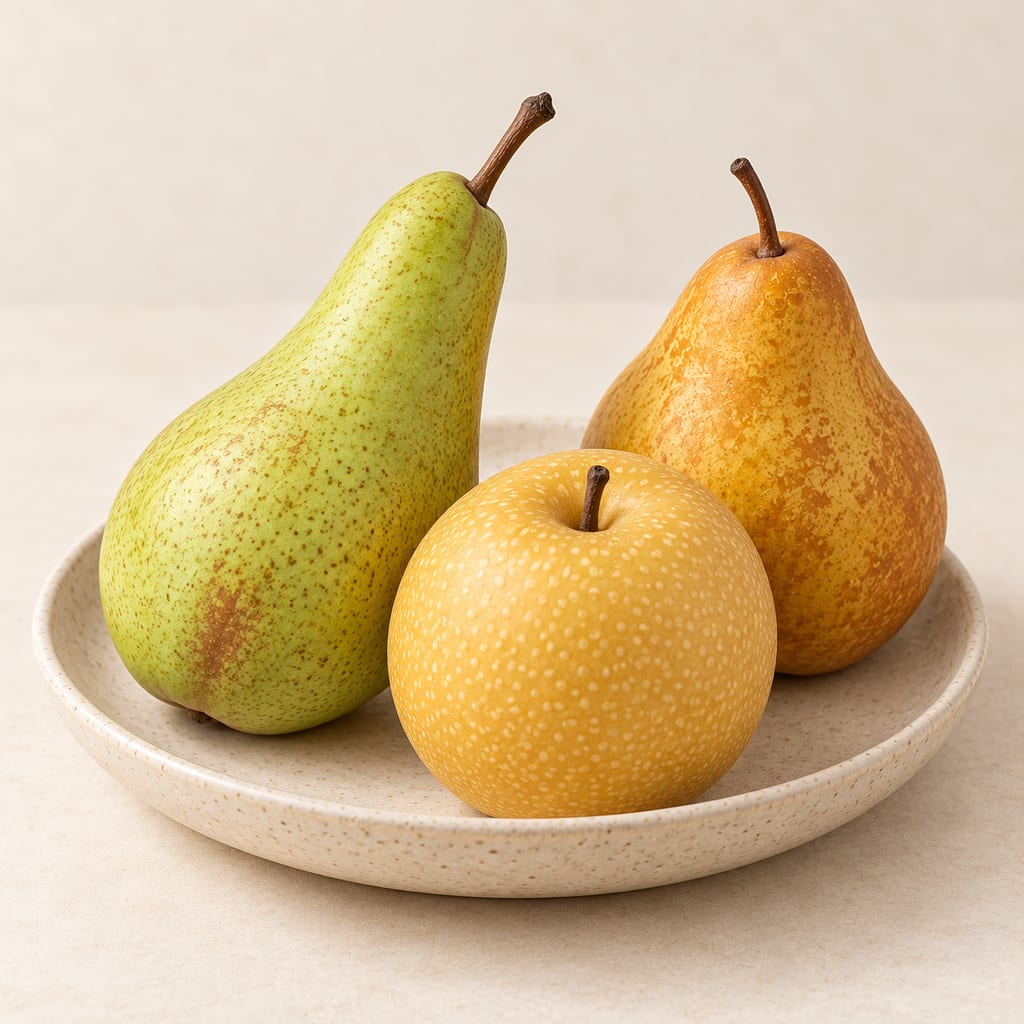
Pear
Pears are Pyrus fruits used fresh, pressed for perry, or crushed for fruit spirits; cultivar, species and ripening stage shape each preparation.
 FermenteaWhere food goes to change
Built structures · Place · crop-curing-kilns
Sušírna ovoce ze Seninky
A late-19th-century log-built fruit-drying house from Seninka, south of Vsetín. Its documented interior had a firebox, oven body and a section for inserting wooden fruit racks.
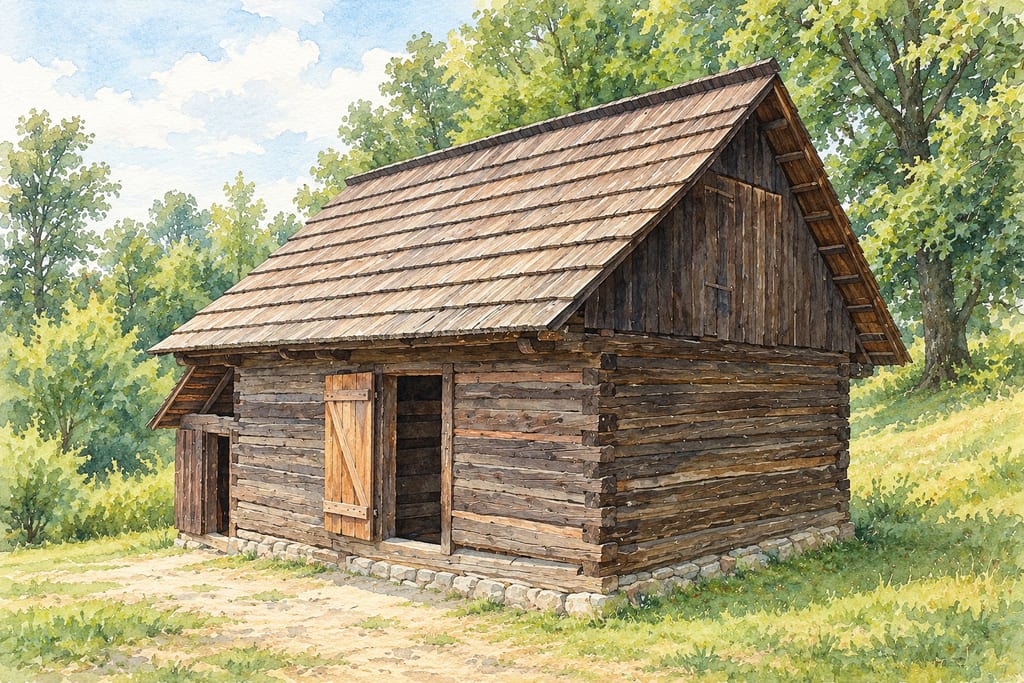
The Seninka drying house is a fixed timber building rather than a portable dehydrator or a generic smokehouse. The National Open Air Museum dates the log-built structure to the late nineteenth century and identifies Seninka, several kilometres south of Vsetín, as its place of origin. Today the building is preserved at Valašská dědina, the Wallachian village section of the museum at Rožnov pod Radhoštěm. The pictured museum specimen is the building named in the Commons photograph; its present museum location should not be mistaken for its original village site.
The museum describes a three-part interior: a firebox, the oven body and a section where wooden racks carrying fruit are pushed into the oven. The source establishes these parts but does not give a measured plan, explain the exact construction of the firebox, or specify the fuel. The timber log walls and steep roof visible in the linked photograph are evidence of the surviving specimen's exterior, not a complete specification for rebuilding a historical dryer.
The museum records apples, pears and plums as the fruits dried here. Racks allowed fruit to be carried into the oven section; the three-part arrangement connects the fire area to the place where the fruit was loaded without requiring the racks to sit in a field or household room. The museum does not specify temperatures, rack capacity, drying times or a universal loading sequence, so none is supplied here.
A good harvest could keep the dryer in operation without interruption for several weeks. The museum describes drying as a social occasion as well as preservation work: neighbours met and talked while fruit was processed. Dried fruit was eaten directly or used in other dishes, and surpluses could be sold at markets. These uses show why a shared, fixed structure could serve more than one household, but the sources do not state how ownership, booking or payment was organized in Seninka.
Czech food-authority material documents křížaly, dried apple or pear pieces, as a familiar fruit-preservation product. It gives cultural and food context rather than technical evidence about this building. The Seninka museum record is the evidence for the specific house, its fruits and its use.
The museum says drying houses were set away from farmyards because of the danger of fire. That detail places the building within a rural working landscape: it needed access to harvested fruit but also a separate location for a heat-producing process. The source does not provide a safe distance, a fireproofing method or a modern fire-control plan. It would be misleading to turn this historical siting note into a construction rule.
The museum reports that this particular house remains functional and is used to dry apples, pears and plums in years with good harvests. Its ongoing museum use is not evidence that every historic building of this type survived or that one operating practice covered the whole region. The record supports a named late-nineteenth-century example and a broad purpose; dimensions, fuel, thermal controls, fruit quantities and exact drying endpoints are not documented in the cited sources.
The National Open Air Museum identifies the Seninka building as a log-built structure from the late nineteenth century. It records fruit drying as both a preservation activity and a village social occasion; the museum says the preserved building still dries apples, pears and plums in good harvest years.
A build is made where it stands: moving it means building it again.
The museum explains that fruit-drying houses were sited away from farmyards because of fire risk.
Hazard sourceThis page describes a historic building and use. It is not a construction or operating guide.
The museum names Seninka as the building's origin; the Czech regional information service locates the municipality in Zlín Region and Vsetín District.
This is its present museum location, not its original village site.
Pears are Pyrus fruits used fresh, pressed for perry, or crushed for fruit spirits; cultivar, species and ripening stage shape each preparation.
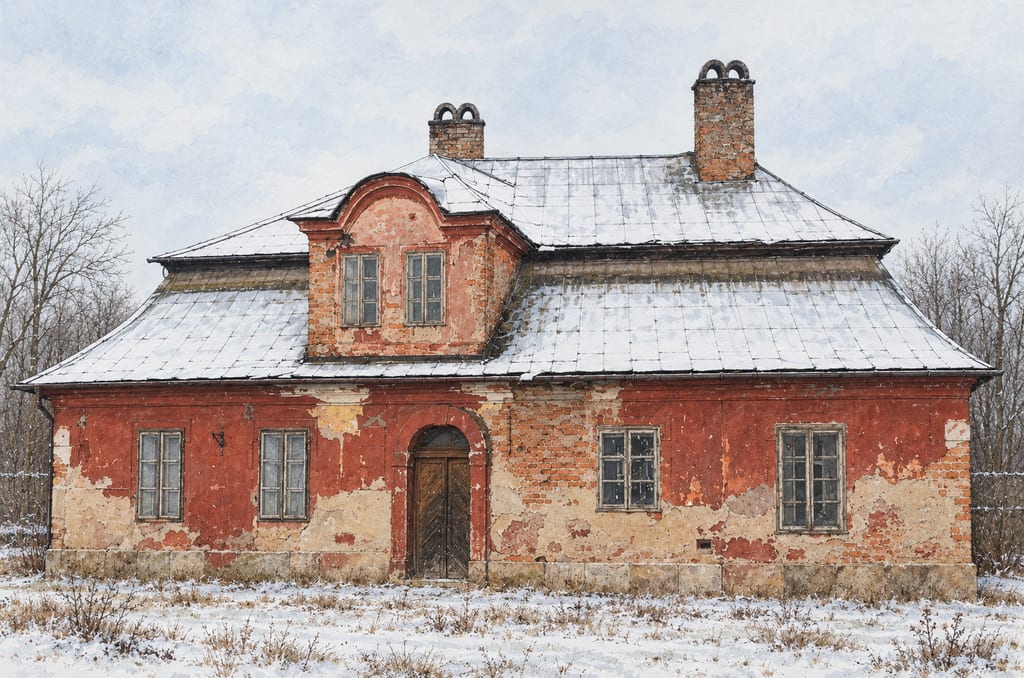
A chimney opening in the historic Červený dvůr farmhouse at Hradec Králové was documented as a smoke chamber beside the remains of a black kitchen; its construction details and smoking practice are not recorded.

A Cap-Pelé boucanière is an Acadian herring-smoking building. The documented Willie Niles example is a one-storey wood-frame structure with a ridge smoke vent and interior bays for hanging fish-bearing cannes.

Achcharu is a family of Sri Lankan vinegar pickles made with mixed vegetables or seasonal fruit and a piquant spice dressing. This version is a quick, refrigerated, non-fermented mixed-vegetable pickle.

The acocote is a long, hollowed and dried gourd used to draw aguamiel from a mature maguey. It is a harvesting tool: the sap is transferred to a separate vessel before it ferments into pulque.

Adrak murabba preserves young ginger in sugar syrup, a sweet South Asian preparation recorded in Indian cookery and food-processing sources.

Parkia biglobosa seeds are fermented into regional West African seasonings, including nététou, iru, dawadawa and soumbala. The yellow fruit pulp is a separate food, and names and methods vary by place.

Japanese reddish-brown vinegar from sake lees matured about three years, turned to vinegar by acetic bacteria; the vinegar of Handa and Edomae sushi rice.

A refined common-wheat flour blended for a broad range of baking; its protein and behavior vary with wheat, milling and market.

The almond mushroom, Agaricus subrufescens, was cultivated in eastern North America in the 1800s, lost its market, and returned as a cultivated mushroom from Brazil, where it is grown under several names.
No community contributions have been published for this entry yet.
Sign in to contribute. Published comments and photos are free to read.
Národní muzeum v přírodě (National Open Air Museum)Site · Date · History · Use · Fire risk · Geography
Sušírna ovoce ze SeninkyThe museum identifies a log-built fruit-drying house from the late nineteenth century, originating in Seninka south of Vsetín. It says fruit-drying houses were placed away from farmyards because of fire risk; in good harvests this one could operate for weeks. Apples, pears and plums were dried, eaten directly or used in dishes; surplus was sold at markets.
Cited in: A drying house from Seninka; Fruit, heat and a village-scale harvest; Siting, preservation and limits of the record
Národní muzeum v přírodě (National Open Air Museum)Interior · Method · Materials · Current use
Historické fotografie / Historic photographs: Sušírna ovoce ze SeninkyThe museum describes three interior parts: the firebox, oven body and area where wooden fruit racks are inserted. It says the building remains functional and is used to dry apples, pears and plums in good harvest years.
Cited in: A drying house from Seninka; Fruit, heat and a village-scale harvest; Siting, preservation and limits of the record
Státní zemědělská a potravinářská inspekce (Czech Agriculture and Food Inspection Authority)Food context · Drying
Nejen známé křížalyThe Czech food authority documents křížaly, dried apple or pear pieces, as a Czech fruit-preservation product. This supports context for dried fruit, not the design of the Seninka building.
Cited in: Fruit, heat and a village-scale harvest
Regionální informační servis, Czech Ministry for Regional DevelopmentGeography
Seninka (okres Vsetín)The Czech regional information service places Seninka in Vsetín District and Zlín Region.
Wikimedia CommonsImage · Current location
Sušírna ovoce ze Seninky (2)The file page identifies the pictured building at Valašská dědina in the Wallachian Open Air Museum, Rožnov pod Radhoštěm; the photograph is by Jan Polák and licensed CC BY-SA 3.0.
Cited in: A drying house from Seninka