
All-purpose wheat flour
A refined common-wheat flour blended for a broad range of baking; its protein and behavior vary with wheat, milling and market.
 FermenteaWhere food goes to change
Mushrooms
Calvatia sculpta is a high-elevation western North American and rarely reported Brazilian puffball, named for its tall, terraced pyramidal warts.
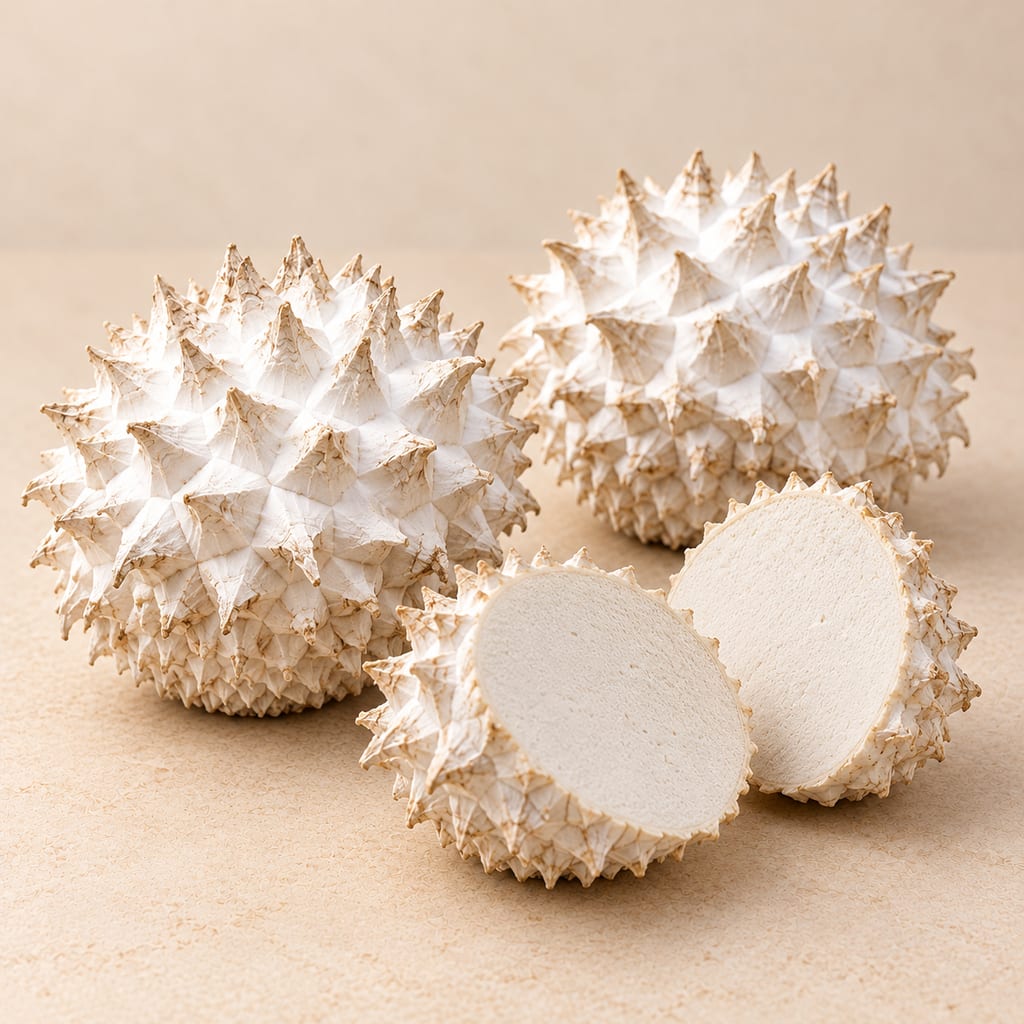
Calvatia sculpta is a ground-growing puffball recognised in field accounts by its upright pear-like body and dramatic pyramidal warts. Those pointed scales are often terraced by horizontal lines and may bend or weather as the fruit body ages. In a fresh specimen the outer surface is white to cream. Inside, the spore-bearing gleba begins pale, then turns yellowish olive and eventually brown and powdery. A sterile base of firmer tissue supports part of the fruit body.
The name has a taxonomic history: Harkness described the fungus as Lycoperdon sculptum from California in 1885; Lloyd transferred it to Calvatia in 1904. Index Fungorum currently accepts Calvatia sculpta (Harkn.) Lloyd and places it in Lycoperdaceae. Higher-level treatments sometimes use Agaricaceae, so the family placement can vary between databases even while the species name remains stable.
The sculpted surface is not enough to identify a specimen safely. Calbovista subsculpta can occur in overlapping mountain habitat and has a similar puffball form, though its warts are generally shorter and felted. A young Amanita magniverrucata can also look superficially like a white, warted ball before its cap and gills are evident. MykoWeb warns that a suspected puffball should be cut lengthwise to rule out an embryonic Amanita; this profile is not a substitute for an expert examination.
The name is anchored in California, and taxonomic and regional accounts place the species in the western United States, including California, Idaho, Oregon and Washington. The best described habitat is upland conifer forest: solitary or in small groups on soil and forest duff in the Sierra Nevada. MykoWeb reports fruiting from late spring to early summer there; dry old fruit bodies may persist later, but that persistence is not a second fruiting season.
A distant published record comes from Parque Estadual das Dunas in Natal, Rio Grande do Norte, Brazil. A 2008 taxonomic paper described a specimen collected on sandy soil in an Atlantic Forest remnant among coastal dunes, associated with native tree roots. A later state checklist repeats Natal and sandy soil. This is a Brazilian occurrence record, not a broad Brazilian range. The cause of the North American–Brazilian disjunction is unresolved in the literature, so the populations are not genetically confirmed as one continuous biological range.
The Brazilian voucher was collected in June 2007, but one collection date is not a fruiting calendar. The seasonal guidance that is actually established is late spring to early summer for the Sierra Nevada. Do not transfer that northern-hemisphere mountain schedule to Natal.
North American mycological references describe the species as edible only while the inside remains white and firm. In that stage the fruit body is still immature; once the gleba yellows, darkens or becomes powdery, it is past the eating stage described by those sources. A Central Miwok ethnographic record uses the earlier name Lycoperdon sculptum for a food fungus, and a later review links that record to Calvatia sculpta. A California cultural-resources report recounts a historical preparation involving summer or fall gathering, sun-drying, pounding and cooking with heated stones to accompany acorn soup. That is a documented cultural practice, not a universal recipe or current safety instruction.
The Brazilian taxonomic report establishes a specimen and habitat, not people eating this fungus in Brazil. A geographic occurrence record and a food-use record answer different questions; the source reviewed here supports only the former.
The available sources do not supply species-specific toxicology or a modern controlled preparation study. The edible designation in a regional guide is not proof that a particular wild specimen has been identified correctly or is safe for a particular person. Do not eat a puffball identified from a photograph or this page; an Amanita lookalike makes immature specimens especially consequential.
No cultivation method, commercial supply chain, storage life, nutrient profile, fermentation function or Brazil-specific food tradition was established by the sources reviewed for this draft. It is described here as a wild ingredient because the evidence concerns gathered fruit bodies, not a cultivated food product. The places listed distinguish a Central Miwok historical food attestation in California from the separately documented Brazilian taxonomic occurrence; neither relationship should be expanded beyond its evidence.
Central Miwok food use is reported under the basionym Lycoperdon sculptum and linked to Calvatia sculpta by a later review; this is a historical cultural attestation, not a claim about all Californians.
One published taxonomic collection from sandy soil at Parque Estadual das Dunas, Natal; not evidence of Brazilian food use or a wider national range.
A refined common-wheat flour blended for a broad range of baking; its protein and behavior vary with wheat, milling and market.

Toasted almonds are whole sweet almond kernels dry-roasted until golden to brown. Heat replaces their marzipan note with a roasted, nutty one; they thicken and flavour romesco.
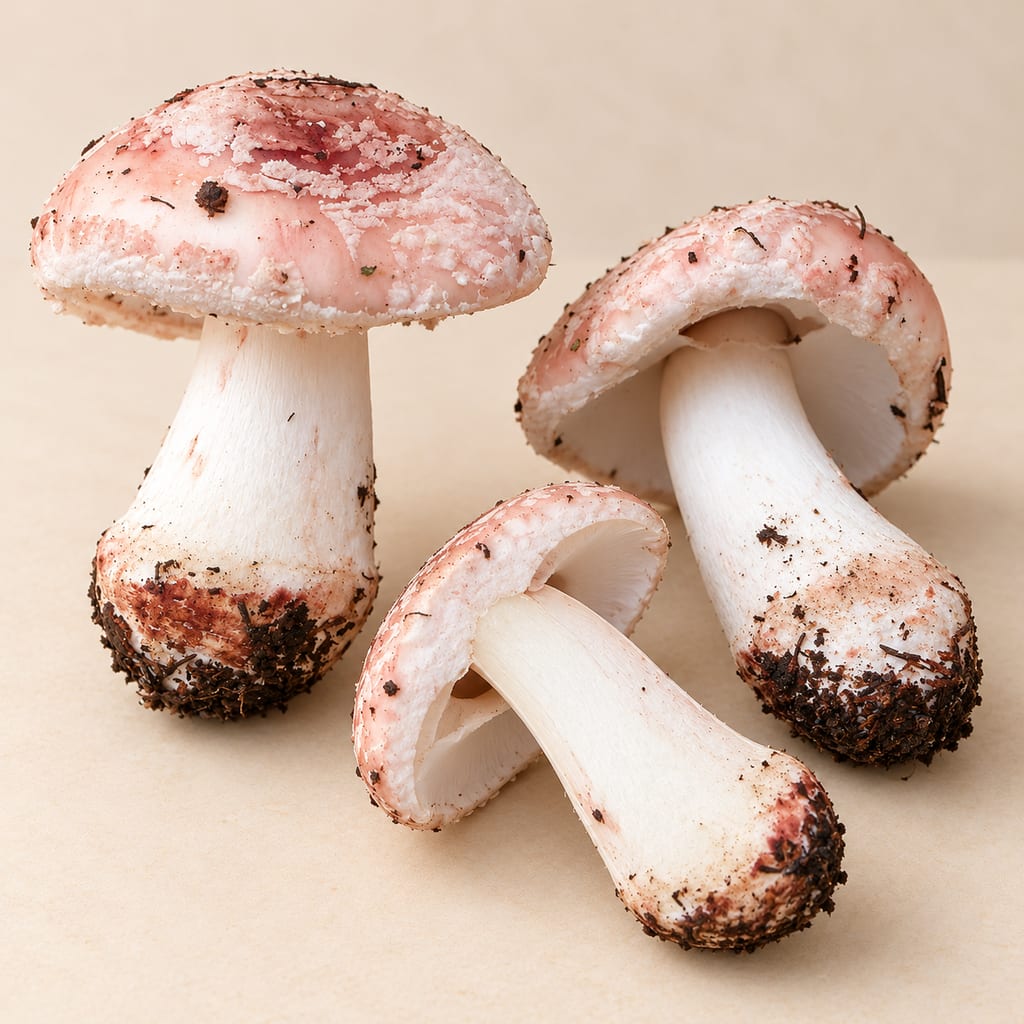
Amanita novinupta is a western North American blusher, a forest mushroom recorded as food in Mexico, and one that must be cooked because its raw flesh is toxic.
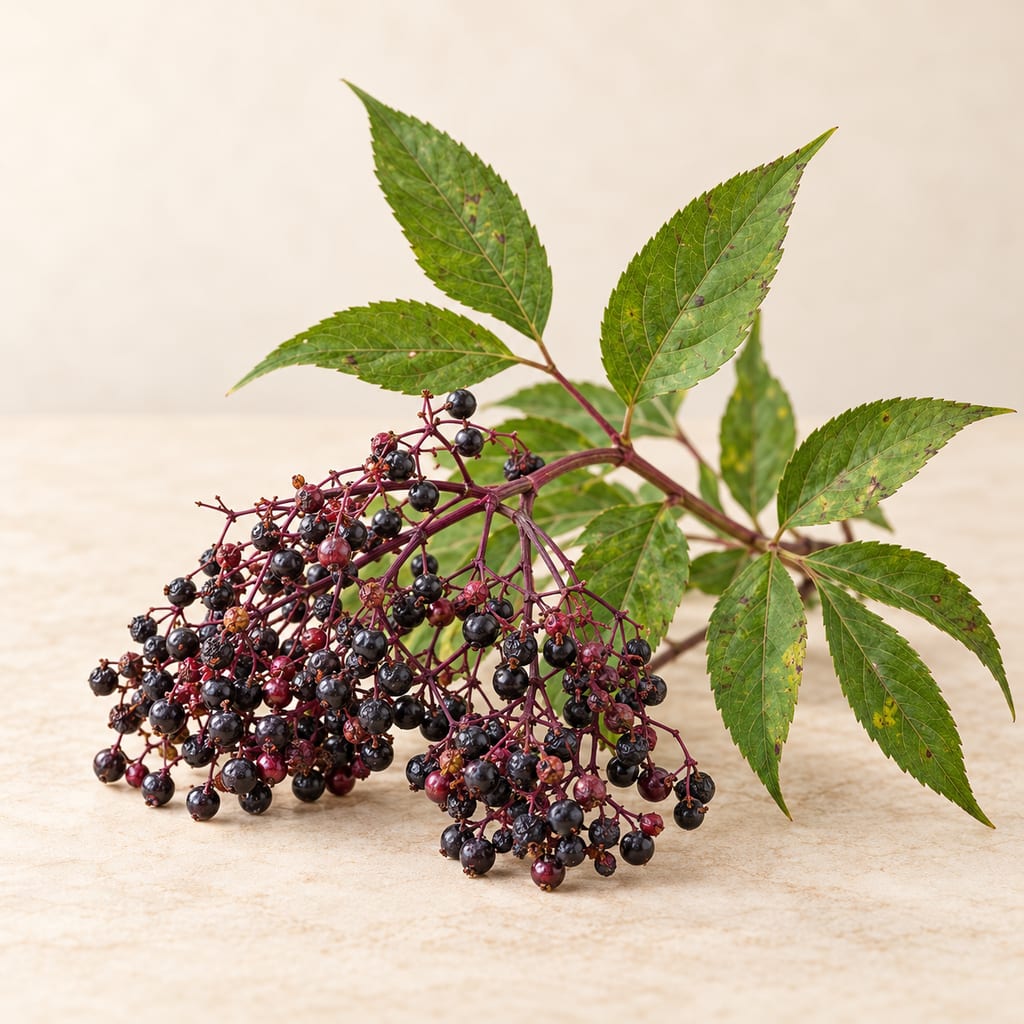
Sambucus canadensis is the accepted name used here for American elderberry. Missouri production guidance and named-cultivar studies give useful regional growing information, while food and analytical sources leave process questions open.
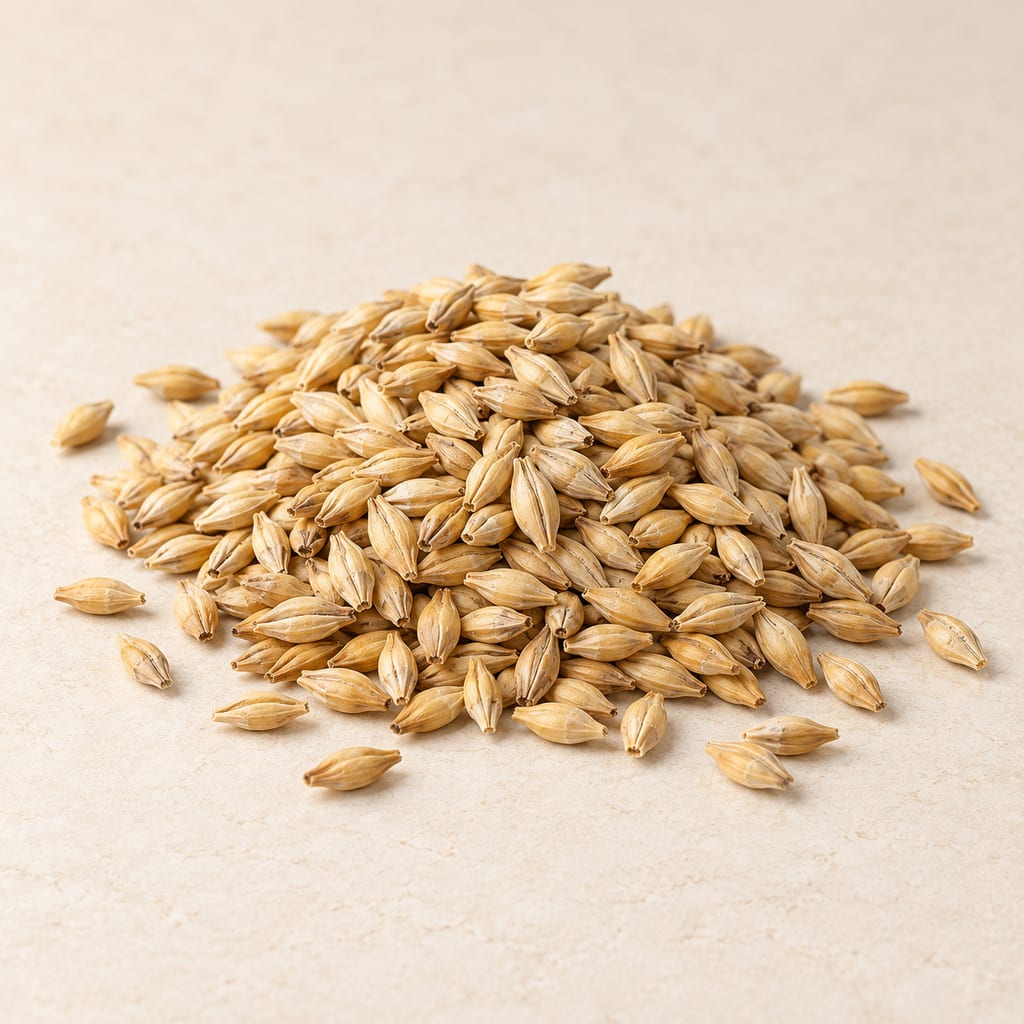
A lightly kilned brewing base made from two-row barley. It supplies starch and enzymes for the mash, with the maltster’s product and lot analysis defining its brewing properties.

Ripe avocado flesh is the soft, buttery, fat-rich pulp of Persea americana, eaten raw. It is low in acid, so it is a fresh ingredient that needs care in chilled dishes.
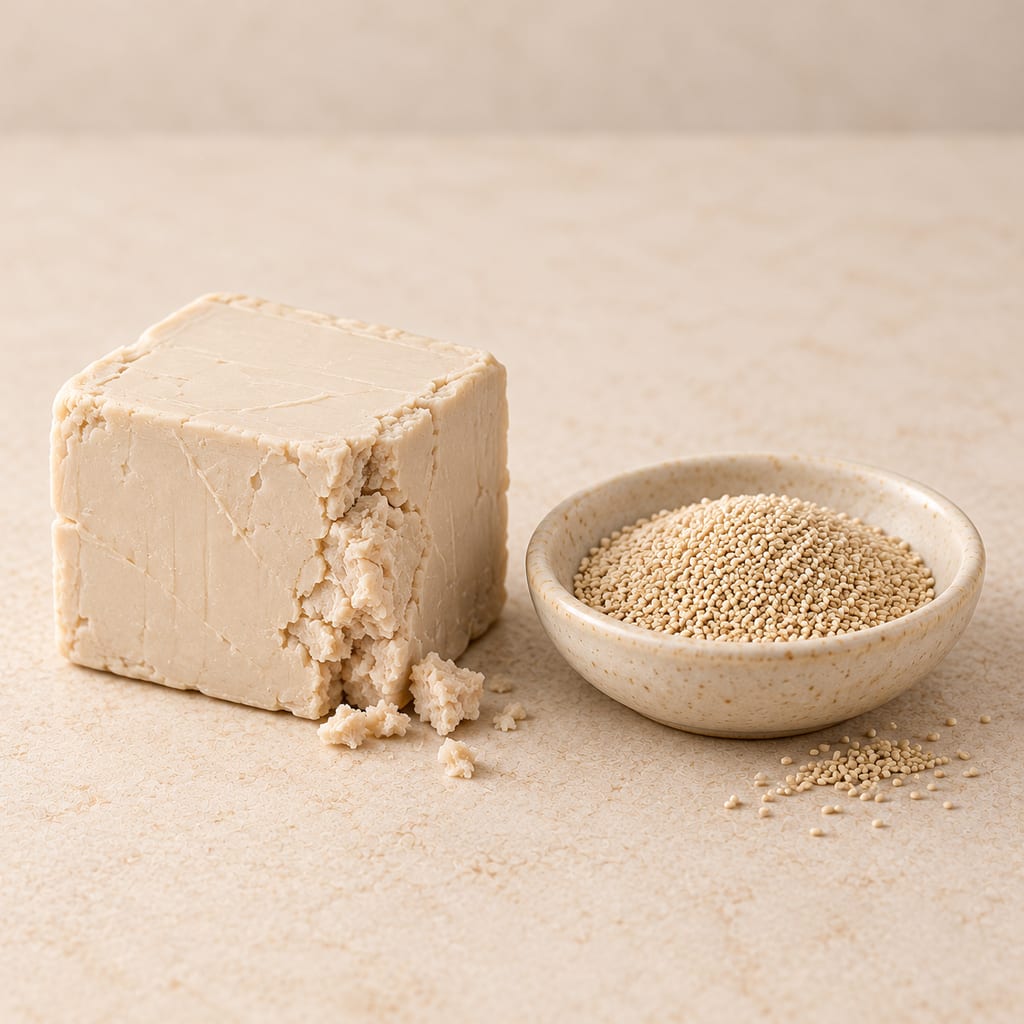
Baker's yeast is a cultivated living leavener, commonly sold fresh or dried. In dough, selected Saccharomyces cerevisiae cells make gas that can raise bread.
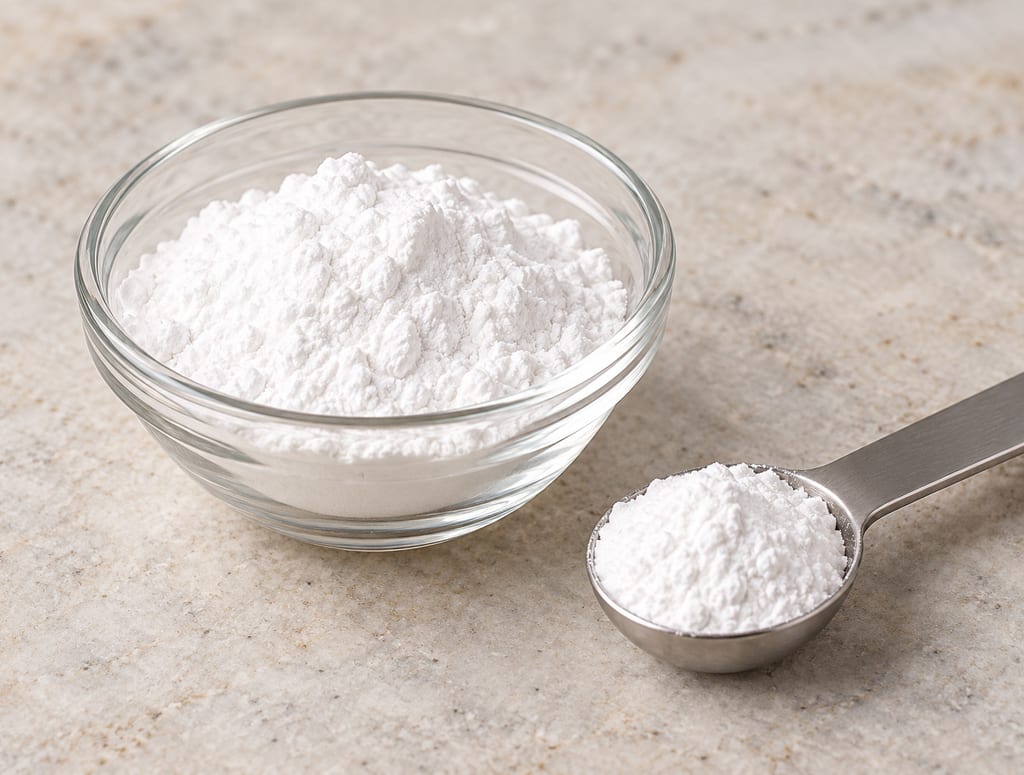
Baking powder is a dry chemical leavener that combines bicarbonate with acid-reacting ingredients and a carrier. Moisture and heat release carbon dioxide for quick breads, batters and griddle cakes.
No community contributions have been published for this entry yet.
Sign in to contribute. Published comments and photos are free to read.
Index FungorumTaxonomy
Calvatia sculpta (Harkn.) Lloyd — Name record 307658Current accepted name and authority; combination published in 1904; classification in Lycoperdaceae.
Cited in: A puffball with a sculpted surface
Index FungorumTaxonomy · History
Lycoperdon sculptum Harkn. — Name record 172086Basionym published in 1885; type locality California; type Harkness 3580.
Cited in: A puffball with a sculpted surface
MykoWebIdentity · Habitat · Season · Food use · Safety
California Fungi: Calvatia sculptaMorphology and gleba maturation; Sierra Nevada conifer woods on soil and duff; late spring to early summer; edible only while young and white; cautions about Calbovista subsculpta and Amanita magniverrucata.
Cited in: A puffball with a sculpted surface; Where and when it fruits; Food use and its limits
PersooniaTaxonomy · Distribution · Habitat
An emendation and the rest of the world species of the genus CalvatiaWestern United States distribution, high-altitude conifer forest habitat, and morphological comparison with Calbovista subsculpta.
Cited in: A puffball with a sculpted surface; Where and when it fruits
MycotaxonTaxonomy · Distribution · Habitat · Season
Calvatia sculpta, a striking puffball occurring on Brazilian sand dunesNorth American species reported in South America; field expedition in June 2007 at Parque Estadual das Dunas, Natal, Rio Grande do Norte; on sandy soil in an Atlantic Forest remnant; voucher UFRN-Fungos 612; reported association with native tree roots.
Cited in: Where and when it fruits; Food use and its limits; What the evidence does not establish
Current Research in Environmental & Applied MycologyDistribution · Habitat
Gasteroid fungi (Basidiomycota) from two protected natural areas in Rio Grande do Norte State, BrazilRegional checklist reports Calvatia sculpta in Natal, Parque Estadual das Dunas do Natal, on sandy soil, citing Baseia and Calonge 2008.
Cited in: Where and when it fruits
Yosemite Online LibraryHistory · Food use
Miwok Material Culture: FungiHistorical Central Miwok ethnographic food record using the basionym Lycoperdon sculptum.
Cited in: Food use and its limits; What the evidence does not establish
Journal of EthnobiologyHistory · Food use
Puffball usages among North American IndiansReview table links Central Miwok Lycoperdon sculptum to Calvatia sculpta and food use.
Cited in: Food use and its limits; What the evidence does not establish
Don Pedro ProjectHistory · Food use
Don Pedro Project cultural resources studySecondary summary of the historical preparation attributed to the named puffball and Central Miwok: summer/fall gathering, sun-drying, pounding and cooking with heated stones alongside acorn soup.
Cited in: Food use and its limits
