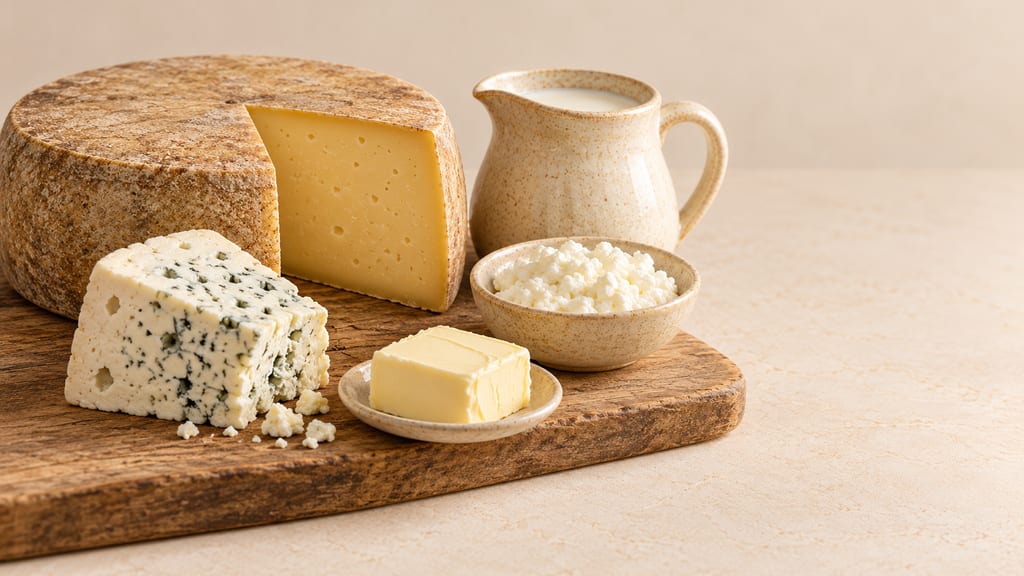
Milk, curd and the world's dairy stores
Follow milk into cheese, cultured drinks, butter, dried curds and sweets: a journey through the animals, seasons and household decisions behind the world's dairy foods.
 FermenteaWhere food goes to change
Cultures
Pingo is a whey-derived natural starter used in some Minas Gerais artisanal cheese traditions, collected as whey drains from salted, moulded cheese and used to inoculate a later batch.
Pingo is a liquid whey-derived starter culture associated especially with Queijo Minas Artesanal (QMA) in Minas Gerais, Brazil. Its name refers to the whey drops that fall from moulded cheese into a vessel below the draining bench. It is an endogenous mixed culture carried from one production cycle to another, not a single selected strain or packet culture. In documented Serro and Serra da Canastra methods, producers collect whey draining from salted cheese and use it with milk for a later batch. It is not interchangeable with arbitrary sweet whey: its source, salt, microbes and handling come from the cheese process.
The word matters because it describes a relationship between batches, not merely the liquid's appearance. A pale, salty whey can only be identified as Pingo when it is kept as the starter from a relevant cheesemaking cycle. The described practice involves a dairy room, the salted cheese draining on a bench and a receiving container positioned to catch its whey. If any of those details are missing, a reader cannot infer that a liquid is Pingo from colour or taste.
Because Pingo is a culture rather than the main milk substrate, the page describes it separately from milk and rennet. It is introduced into the milk before coagulation, where its living community begins the acid-producing part of the cheese's transformation. It is still a product of the earlier cheese cycle, carrying qualities created by that milk, the salt and the local process. These roles should not be flattened into a general label such as whey.
Neither the name nor the appearance can identify a jar's exact composition. The production account identifies its origin in drained salted cheeses; scientific work measures samples and finds differences. The available evidence does not support assigning a particular bacterial species or strain to every Pingo. A label or narrative that names organisms without a sample-specific source would overstate what is known.
The supplied atlas links Pingo with Serra da Canastra and Serro in Minas Gerais. Embrapa describes the starter in the production methods of both places, while quantities and practices vary. These are documented associations, not claims that Pingo originated in either region or that every Minas cheese uses it. The name here refers to the Minas practice, not every whey-derived starter worldwide.
The two regional associations do not erase variation inside either place. Embrapa's account records a range of local decisions and cites producers' experience of how the season affects curd handling. It presents the culture alongside differences in the surrounding cheese process. The same name therefore does not promise an identical culture from every farm or day. The atlas's Canastra and Serro entries describe uses in named cheese traditions; they do not turn the starter into a nationally uniform product.
Serro and Canastra are regional cheese contexts, not ingredient cultivation regions: Pingo is collected during cheesemaking rather than grown as a crop. A locality shown for these traditions should therefore describe documented preparation, not a biological birthplace or exclusive area of production. Minas Gerais is the state named by the traditions; the cited methods give finer regional associations but do not show that the practice is limited to those two places.
In the described process, milk is inoculated with Pingo and rennet. After curd forms, it is cut and worked so whey separates. The curd is drained, moulded and pressed; the cheese is dry-salted and rests on a draining bench. Whey continues to seep from the salted cheese, running along the bench into a receiving vessel. Producers retain some as starter for a later batch. Embrapa documents next-day use and also records a Serro producer's preference for whey from later stages of drainage. These are reported practices, not a stand-alone home recipe or universal schedule.
The bench and collector are part of the meaning of this ingredient. Whey is released as the cheese is salted and drained, so Pingo is gathered after other steps have shaped it. It is not the initial sweet whey separated during curd cutting, nor is it necessarily equivalent to whey from a finished unsalted cheese. Embrapa describes the liquid as salty and biologically active; both qualities depend on the cheese cycle that precedes collection. The following batch then inherits a variable inoculum, rather than a laboratory-defined dose of named strains.
The sequence also explains why the ingredient is time-linked to a working dairy. It appears as a result of forming, moulding and salting cheese, and is retained for subsequent cheesemaking. It cannot be produced from a list of isolated ingredients without the preceding cheese and its drainage. The method references are descriptions of specialist production; they leave legal, hygienic and process controls in place.
Pingo carries lactic acid bacteria and other members of a mixed microbial community from milk, cheese and the production environment. In the next batch, these organisms begin acidification and contribute to the transformations that set curd and shape flavour, aroma and texture. The starter also carries dissolved salt from the cheese's dry salting. Salt concentration, drainage, season and producer practice affect its composition, so one sample cannot represent every farm. Research describes microbial differences among producers and seasons. Pingo helps explain why cheeses made with similar ingredients can differ; it does not guarantee a particular result.
A mixed starter can help direct acidification, but the effect is coupled to the milk, rennet, temperature, drainage, salt, timing and hygiene of the wider process. The supplied material identifies Pingo as an important component of Minas cheese production; it does not isolate the starter as the sole cause of a particular flavour or texture. Scientific sampling helps describe the organisms and counts present in collected samples, but those measurements are not a recipe specification. Results from one farm, region or sampling period cannot be transferred unchanged to another.
Lactic acid bacteria can convert lactose into lactic acid, lowering milk acidity as a cheese process proceeds. That general role helps explain why an inoculum affects coagulation and the conditions that follow, but the precise rate and outcome depend on the microbes, milk and process. The sources here do not warrant a target pH, acidification curve, starter dose or prediction for an untested batch. Keep those measurements tied to a validated regional process.
Pingo is maintained as part of a working cheese process, not manufactured to a single specification. Embrapa reports that the amount added varies with milk volume, producer and season. Its chapter gives examples for Canastra and Serro, but these are observations tied to particular documented practices, not recommendations for adapting the process at home. Studies examine samples from particular producers and regions; they do not establish one stable microbial profile or universal composition. Some Serro producers have also used rala, grated cheese, in place of Pingo. That is a separate practice; the terms are not synonyms.
The difference between traditional carryover and a prepared culture is practical as well as biological. A commercial starter may be selected and produced under a specification; the sources reviewed here describe Pingo as a farm-derived culture whose composition responds to previous batches and local conditions. Rala, where documented, introduces material from grated cheese instead. Neither comparison justifies substituting one for the other in a recipe that has not been tested for the change.
The practice is maintained by carrying material forward, but continuity does not mean a fixed composition from day to day. Each generation of culture reflects its starting material and process conditions. Researchers study differences because the microbial profile and physicochemical properties can shift with farm and season. These observations matter to interpretation: Pingo's local identity can be important even though it is not a standardised commercial culture.
The making of Queijo Minas Artesanal is described as knowledge passed through generations, and Pingo is embedded in that daily cycle: yesterday's drainage helps start today's cheese. The name reflects the collection of drops beneath the bench. The evidence reviewed here documents the practice in modern descriptions of Serro and Canastra production and contemporary studies. It does not establish a first date for Pingo, a single inventor or a precise birthplace. The age of the wider cheese tradition is not a dated first attestation of the starter.
The term is embedded in the practice of making cheese rather than in a detached origin story. The sources reviewed point to continuity of knowledge, but a modern description of repeated use cannot date the first collection. Nor does recognition of artisanal cheesemaking as cultural heritage establish the age of each technical detail. A careful account can describe how producers understand and use Pingo while leaving its earliest attestation open.
The archival and cultural record has a different scope from the food science. Heritage accounts explain the cultural importance of a craft, while production manuals document steps and studies analyse samples. None should be stretched to answer a question outside its purpose. In particular, a broad claim about a centuries-old cheese tradition cannot by itself assign an ancient date to a particular starter-culture routine.
Pingo is used as a starter within particular artisanal cheese traditions, not as a drink, condiment or general-purpose cooking ingredient. Embrapa's process includes raw milk and regulated handling, hygiene and maturation requirements. Those controls apply to the full production chain; they cannot be replaced by retaining whey at room temperature or judging a starter by smell, taste or appearance. Government and scientific reporting warn that contaminated Pingo can carry unwanted bacteria and contribute to defects. Microbial variation is documented; a lively culture does not prove safety. This account gives no household collection, storage or reuse procedure. Producers must follow current rules and competent food-safety guidance for their location.
A raw-milk cheese starter is not made safe by being traditional or by containing lactic acid bacteria. The regional practice depends on controls applied to animals, milk, equipment, the production room, the cheese and its maturation. A starter collected from a contaminated cycle may carry unwanted microbes forward. A later batch can also differ from the one that supplied its Pingo. The evidence does not identify a household test that rules out pathogens, nor does it support a universal refrigeration or room-temperature holding period.
Safety belongs to the complete dairy operation. Official production descriptions discuss animal and milk health, hygiene, clean equipment and controlled cheese maturation. A jar separated from that context is not covered by the evidence. Because no home-use validation is available here, do not use this page to maintain or inoculate a homemade raw-milk cheese. Consult competent local authorities and use a process specifically approved for the producer and product.
The sources do not establish a definition that covers every local use of the name, a universal recipe or dose, or safe storage limits outside regulated production. Microbial findings are tied to the samples and study designs. Pingo should be understood through the cheese tradition and process that produced it, not as a standardised culture with predictable behaviour.
The available studies have boundaries. Reviews describe the field and its challenges; government research reports describe particular producers, samples or interventions; and production manuals document region-specific steps. They answer different questions. None establishes a single microbial profile, a guaranteed outcome or an independent safe-use protocol for a jar of Pingo removed from the regulated cheese cycle.
This item is a focused account of Pingo, not a complete guide to Queijo Minas Artesanal. It does not prescribe preparation, storage, dosing or a rescue procedure for a failed batch. A reader looking for a specific regional cheese needs the linked cheese record and its own process documentation; this entry explains the starter those documented methods name.
A documented context for Pingo in Queijo Minas Artesanal; not a claim of origin.
A documented context for Pingo in Queijo Minas Artesanal; not a claim of origin.
Follow milk into cheese, cultured drinks, butter, dried curds and sweets: a journey through the animals, seasons and household decisions behind the world's dairy foods.

The almond mushroom, Agaricus subrufescens, was cultivated in eastern North America in the 1800s, lost its market, and returned as a cultivated mushroom from Brazil, where it is grown under several names.
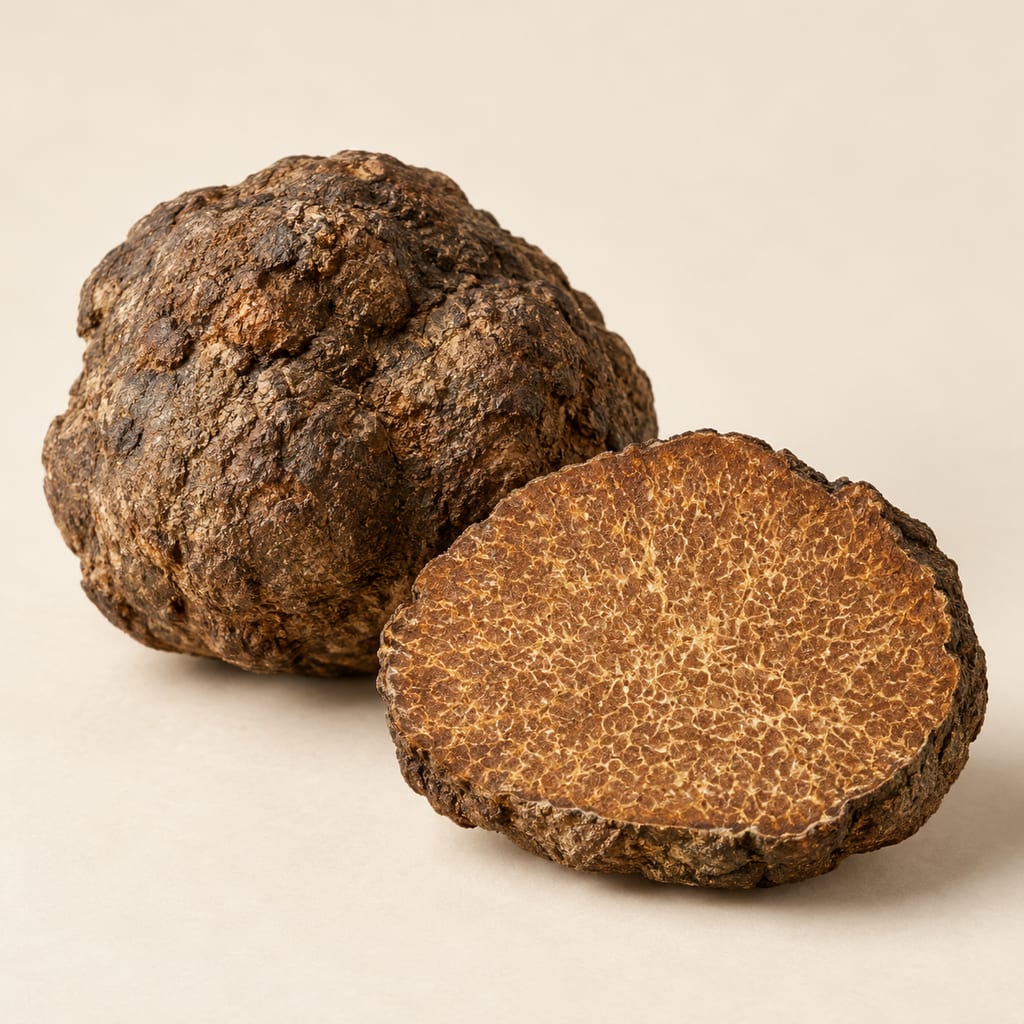
Polyporus indigenus, a polypore of the Brazilian Amazon. Its underground sclerotium, not the fruiting body, is the part people eat, and it is known locally as pão do índio.
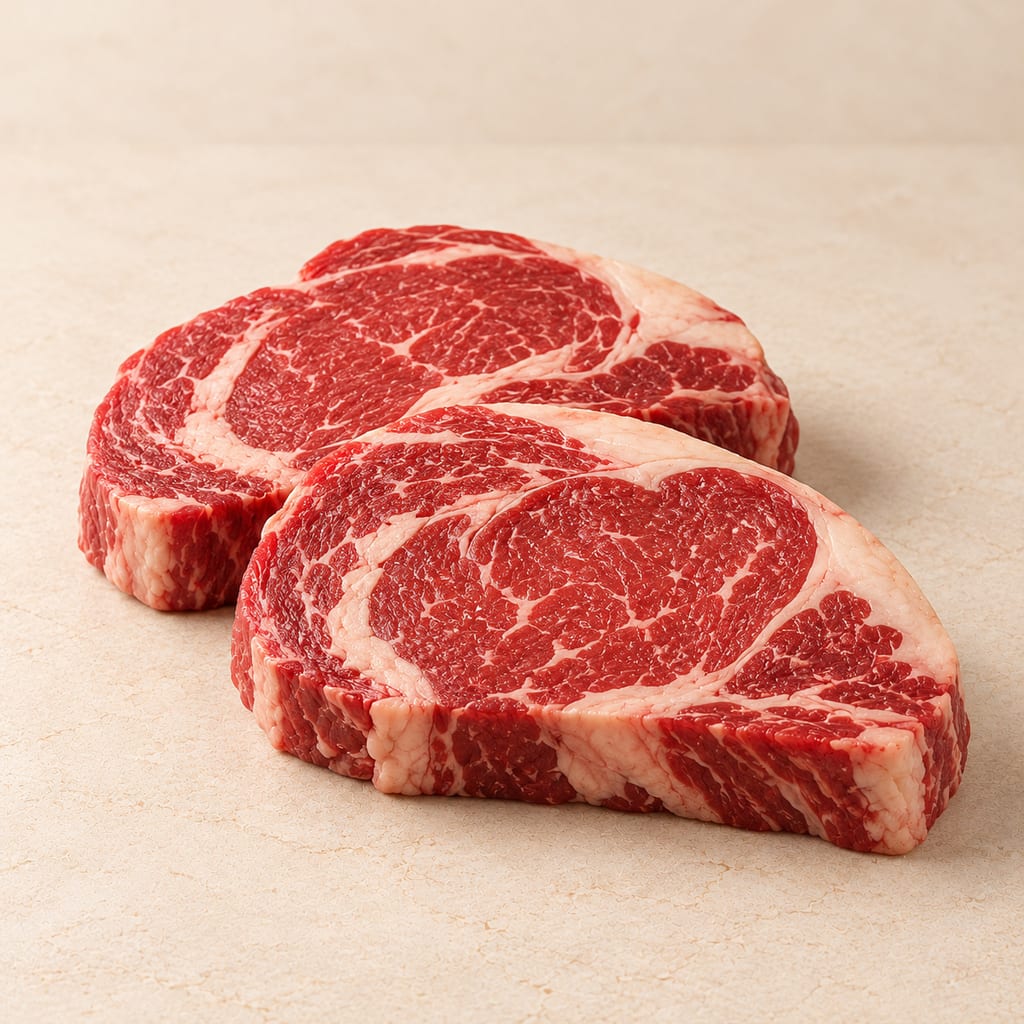
Beef is the meat of domestic cattle, Bos taurus and Bos indicus, sold as steaks, roasts, ground meat and cured products, and used in broths, salami and koji seasonings.
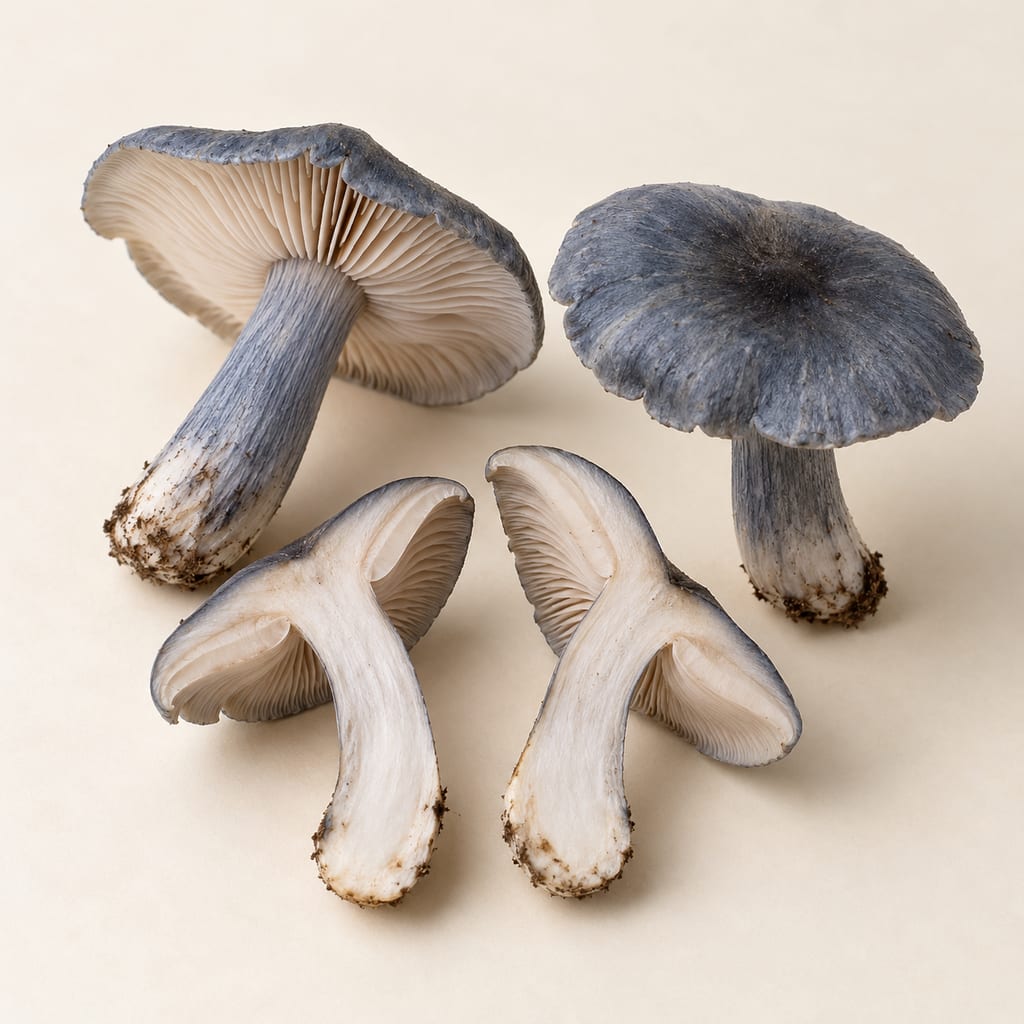
Bloxam's entoloma is a rare pink-gilled mushroom of old grasslands. Historical sources call it edible, but food-use evidence and older identifications remain uncertain; this does not recommend gathering or eating it.
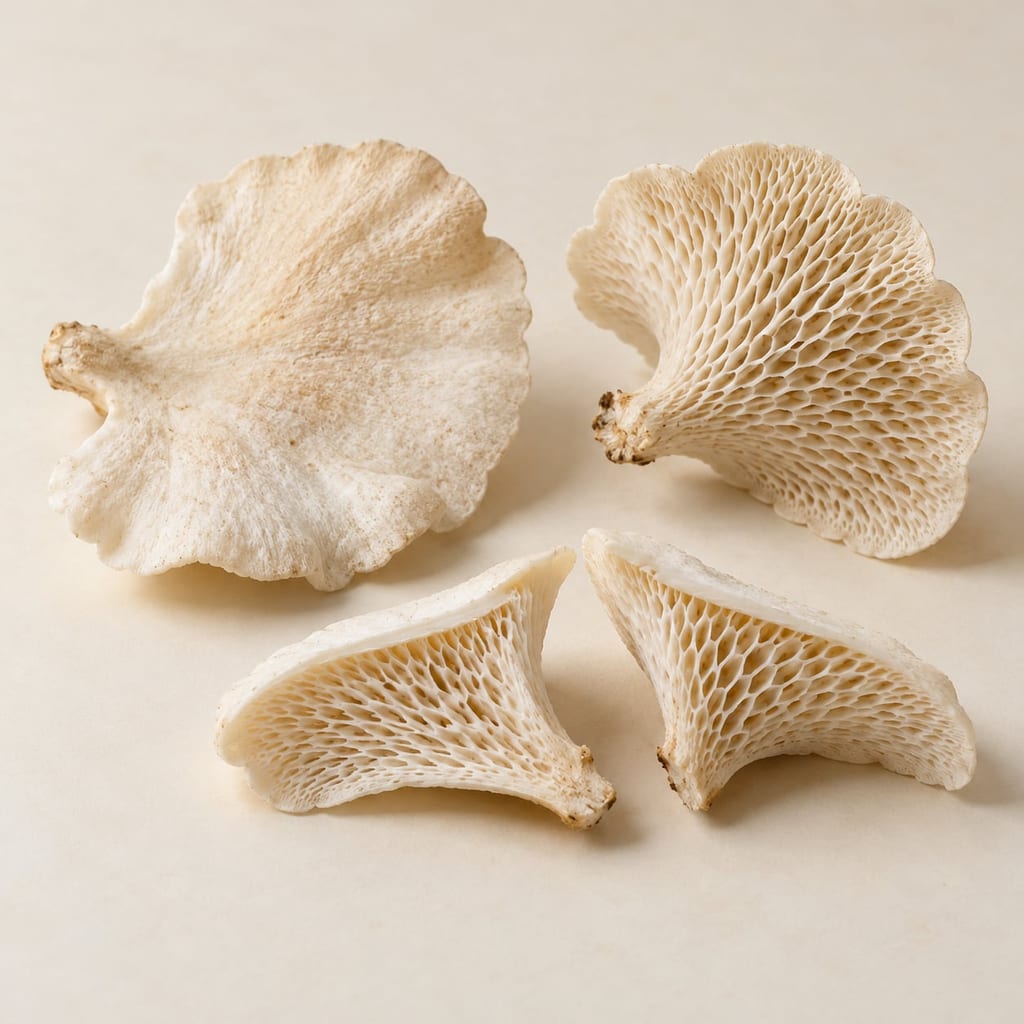
Brazilian honeycomb polypore, Favolus brasiliensis, is a wood-growing fungus of tropical forests recorded as food in Brazil and Guyana. It has no standardized food-safety assessment.
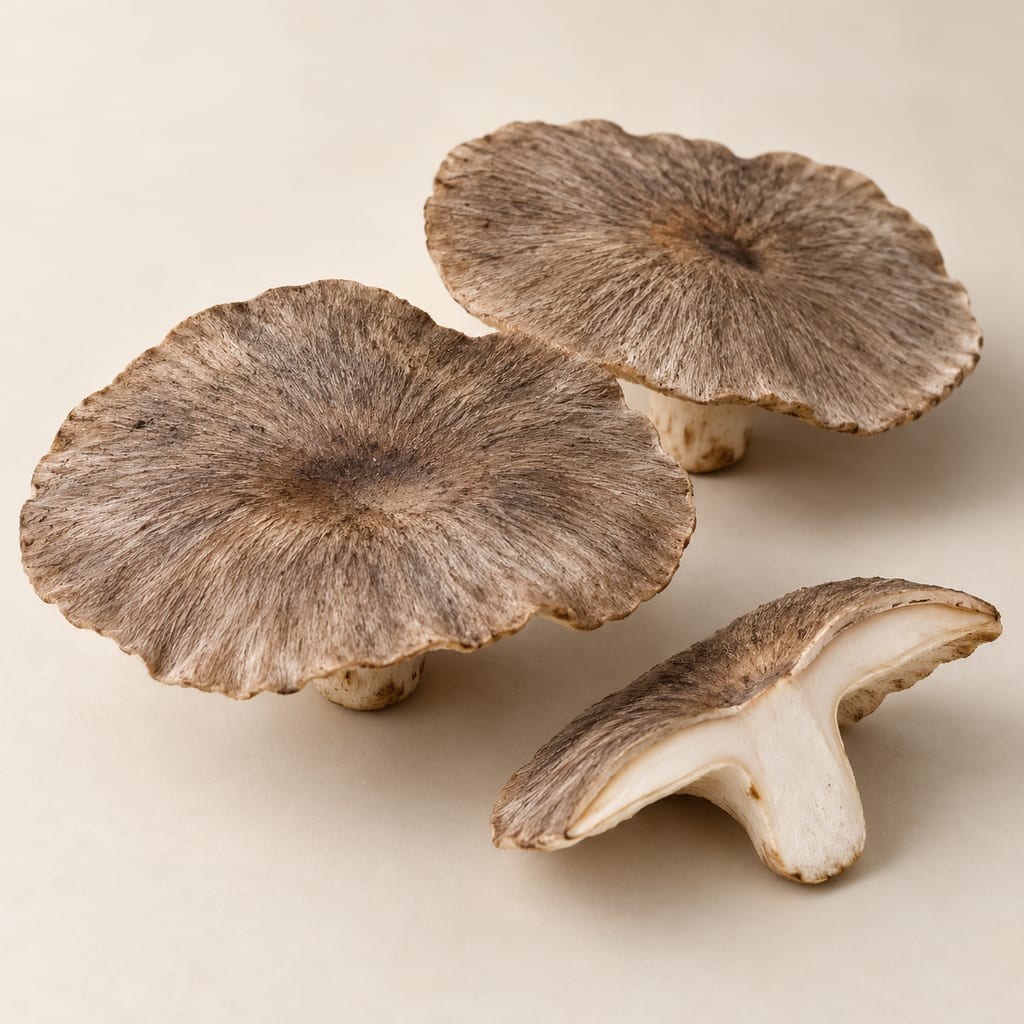
Bresadolia paradoxa is a large fungus of dead hardwood logs in Amazon and Atlantic Forest sites in Brazil and Colombia. Its only edibility source is a conservation assessment, so the claim is lightly documented.
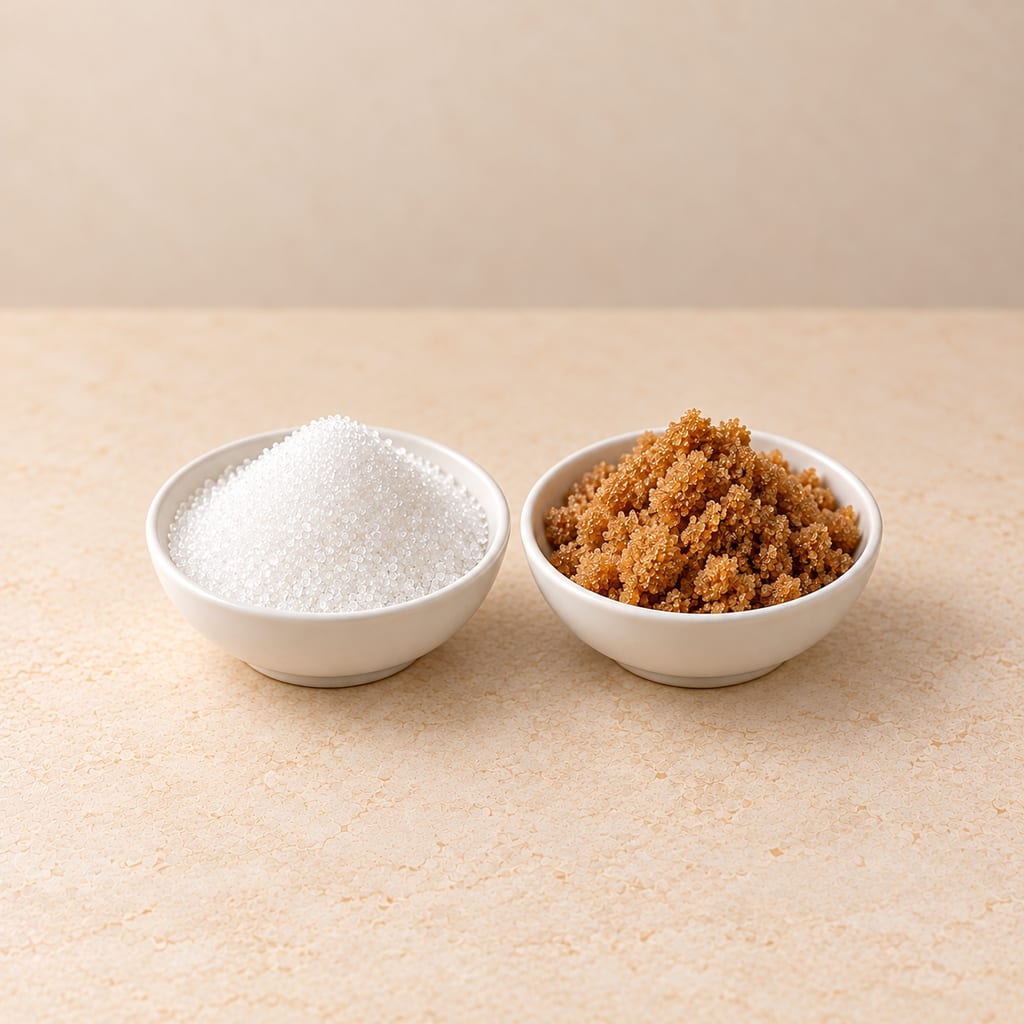
White sugar is refined sucrose, almost pure; brown sugar is sucrose with molasses, left in or added back. Molasses makes brown sugar moister, darker and more strongly flavoured.
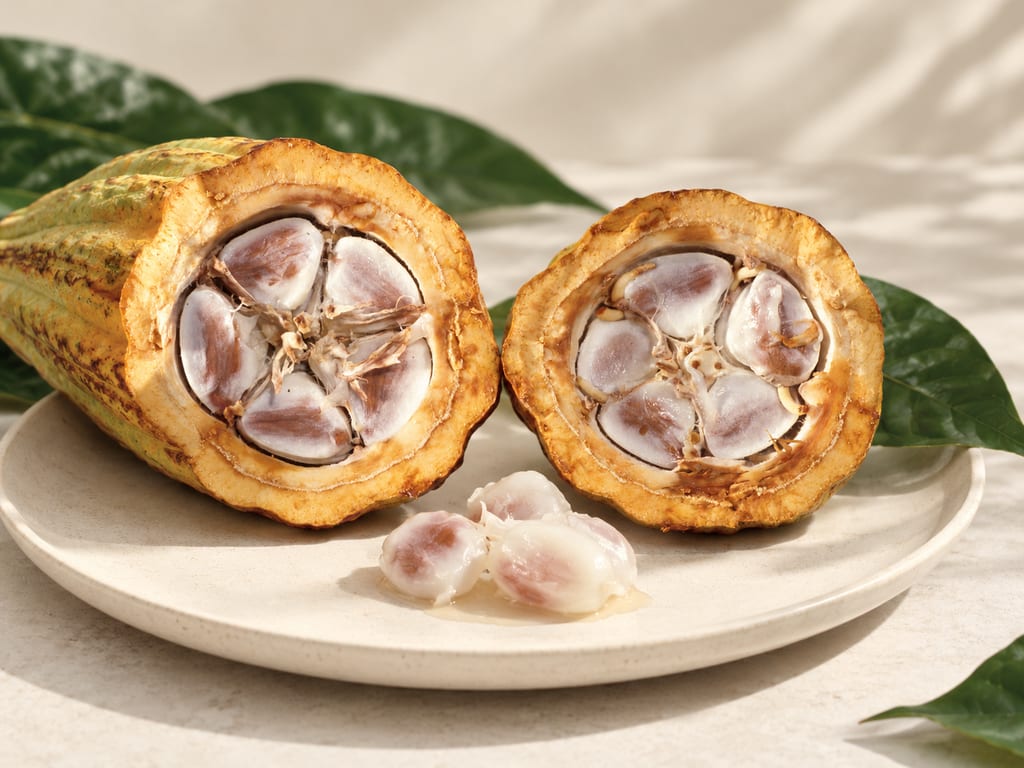
Cacao pulp is the moist, sweet-acid mucilage around cacao seeds. It fuels bean fermentation and can be extracted for fruit drinks, wine and vinegar.
No community contributions have been published for this entry yet.
Sign in to contribute. Published comments and photos are free to read.
EmbrapaIdentity · Production · Use · Geography · Variation · Safety
Capítulo 4 - Processo de Produção do Queijo Minas ArtesanalDefines Pingo as whey starter collected from moulded cheese and used in a later batch; explains salt and lactic bacteria.
Describes Serro and Serra da Canastra practices, variability by producer and season, and production safeguards.
Cited in: A starter that comes from the cheese; Places and tradition; Collection inside the cheesemaking cycle; What it contributes; A local culture, not a standardised product; History and evidence; Use and safety; What remains uncertain
Instituto do Patrimônio Histórico e Artístico Nacional (IPHAN)Identity · History · Production
Queijo Artesanal de Minas: patrimônio cultural do BrasilGlossary defines Pingo as a lactic starter made on the property by collecting whey after cheese making and salting; describes its heritage context.
Cited in: A starter that comes from the cheese; Collection inside the cheesemaking cycle; History and evidence
Foods via PubMed CentralIdentity · Production · Microbiology · Variation
Brazilian Artisanal Cheeses: Diversity, Microbiological Safety, and Challenges for the SectorExplains Pingo as an endogenous starter collected from whey and used for a later batch; discusses regional microbial diversity.
Cited in: A starter that comes from the cheese; What it contributes
PubMed; Brazilian Journal of MicrobiologyMicrobiology · Variation · Safety
Temporal and production-related determinants of microbial counts in pingo, the natural starter culture of minas artisanal cheeseStudy of Pingo samples from multiple QMA regions documents variation in microbial counts and production factors; its findings do not set universal safety limits.
Cited in: What it contributes; A local culture, not a standardised product; History and evidence; Use and safety; What remains uncertain
Agência Minas Gerais; Empresa de Pesquisa Agropecuária de Minas Gerais (EPAMIG)Production · Safety
Epamig realiza estudos sobre qualidade e armazenamento do pingo, ingrediente essencial do queijo mineiroDescribes traditional collection after salting and first turning; notes contamination can encourage unwanted bacteria and defects.
Cited in: Use and safety
Revista do Instituto de Laticínios Cândido TostesVariation
Características físico-químicas de queijo Minas artesanal do Serro fabricados com pingo e com ralaDocuments comparison of Serro cheese made with Pingo and rala.
Cited in: A local culture, not a standardised product
Governo do Estado de Minas GeraisSafety
Legislação - Queijos ArtesanaisLists the current legal framework for artisanal cheeses in Minas Gerais; specific production must follow applicable current rules.
Cited in: Use and safety