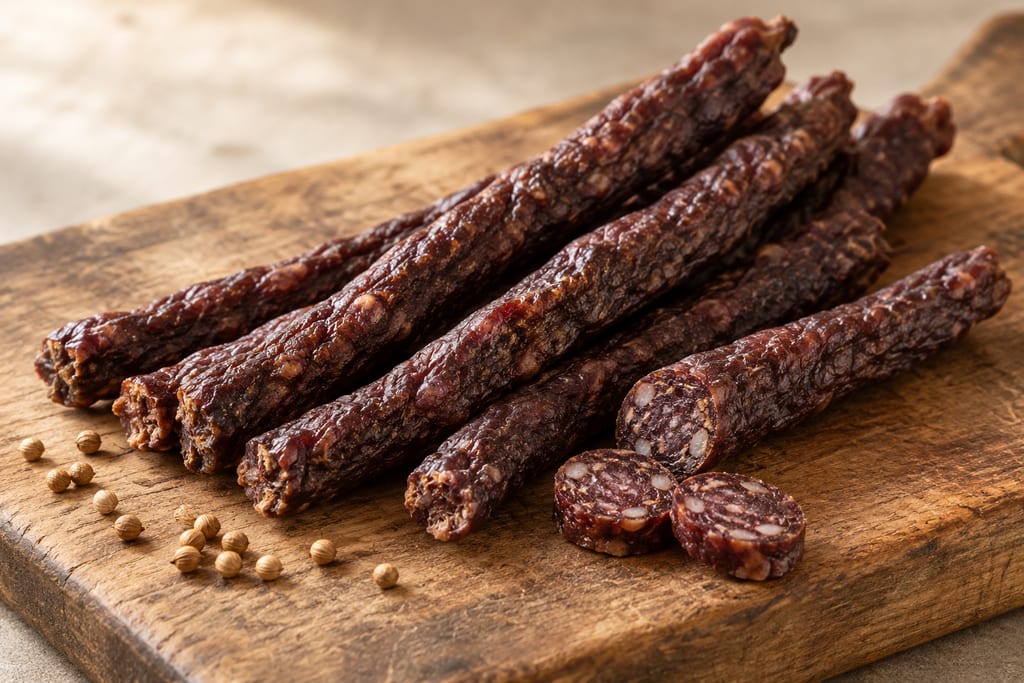
Droëwors
South Africa's dried sausage: seasoned minced meat in narrow casings, dried until it can be eaten without cooking, which makes it a far more demanding product than fresh boerewors.
 FermenteaWhere food goes to change
Fat or oil
Sheep fat is edible adipose tissue from sheep, including back and tail depots. A South African zebra-droëwors experiment compared several fat levels; its findings are specific to that formulation.
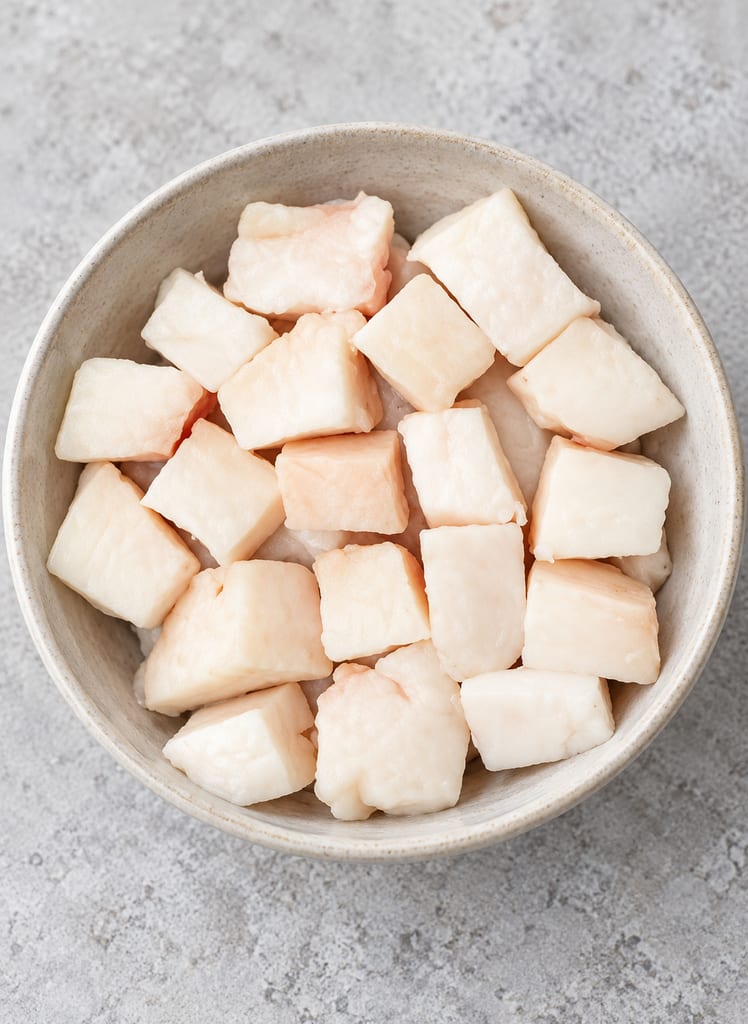
Sheep fat is edible adipose tissue from a sheep carcass. It can come from different anatomical deposits. In one documented droëwors formulation, back fat and tail fat were combined; the general ingredient name does not specify one cut.
Sheep fat is animal-derived. In the linked droëwors preparation it is part of a minced-meat mixture that is seasoned, stuffed and dried. It is not a starter or a stand-alone preserving agent.
A South African zebra-droëwors experiment used sheep back and tail fat. The researchers compared three separate mixes containing 10%, 15% or 20% sheep fat by weight. This establishes a documented research use; it does not make any of those proportions a standard for other meats or producers.
The finished products differed in several measured properties. The 10% and 15% formulations had greater weight loss during drying and lower measured water activity than the 20% formulation. Their protein, ash and salt concentrations were also higher after drying, while reported pH was lower. These comparisons describe the trial's product, ingredients and controlled process.
Fat level also affected lipid-oxidation measurements in the zebra droëwors experiment. The 15% formulation had the lowest reported TBARS values after drying and across the sampled storage period. That finding describes oxidative stability in this experiment; it is not a microbiological safety result and does not validate an unrefrigerated home-made sausage.
A fat percentage cannot be separated from the meat species, other ingredients, casing size, drying conditions and storage system. These factors interact in the finished product. The three experimental levels are best read as comparisons, not as a universal formula or a substitute for a validated food-safety process.
The documented use here is in a meat preparation, and sheep fat is not suitable for vegan or vegetarian diets. The available evidence does not provide a broader allergen assessment.
The cited product was a controlled research preparation. Appearance, firmness or weight change cannot by themselves establish that a ready-to-eat dried meat is safe. Use only a process validated for the actual meat mixture and equipment.
The formulation was prepared at Stellenbosch University with sheep back and tail fat. This records a use in South Africa, not the origin or worldwide sourcing of sheep fat.
South Africa's dried sausage: seasoned minced meat in narrow casings, dried until it can be eaten without cooking, which makes it a far more demanding product than fresh boerewors.
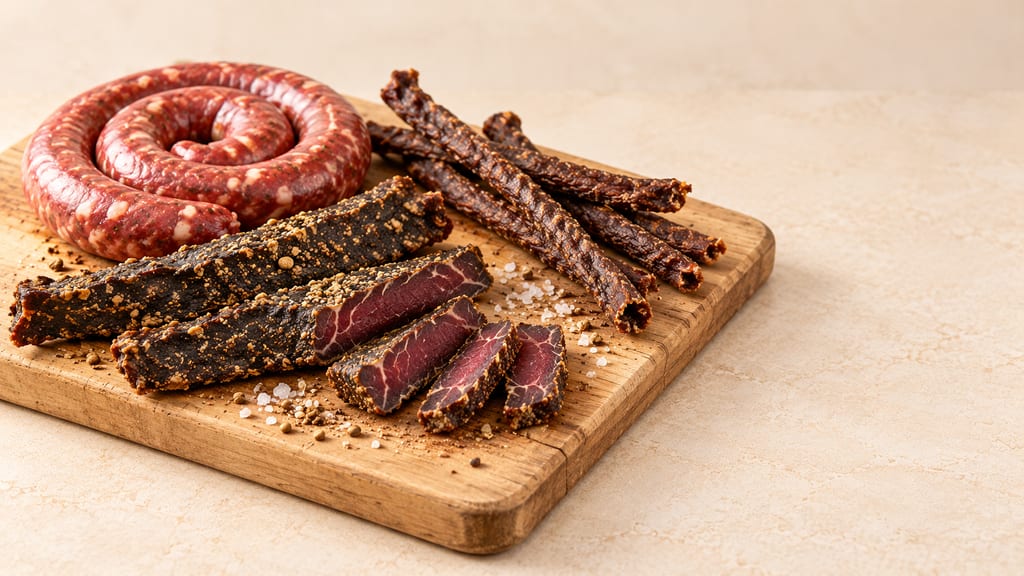
Boerewors, biltong and droëwors share a table but follow different paths from meat to meal. Their histories lead from the braai and butcher's counter to drying lines, household pots and the science of keeping food.

Aniseed is the dried ripe fruit of Pimpinella anisum, an aromatic Apiaceae spice commonly called a seed. It adds a sweet, warm aroma to breads such as Moroccan krachel and South African mosbolletjies, and is distinct from star anise.
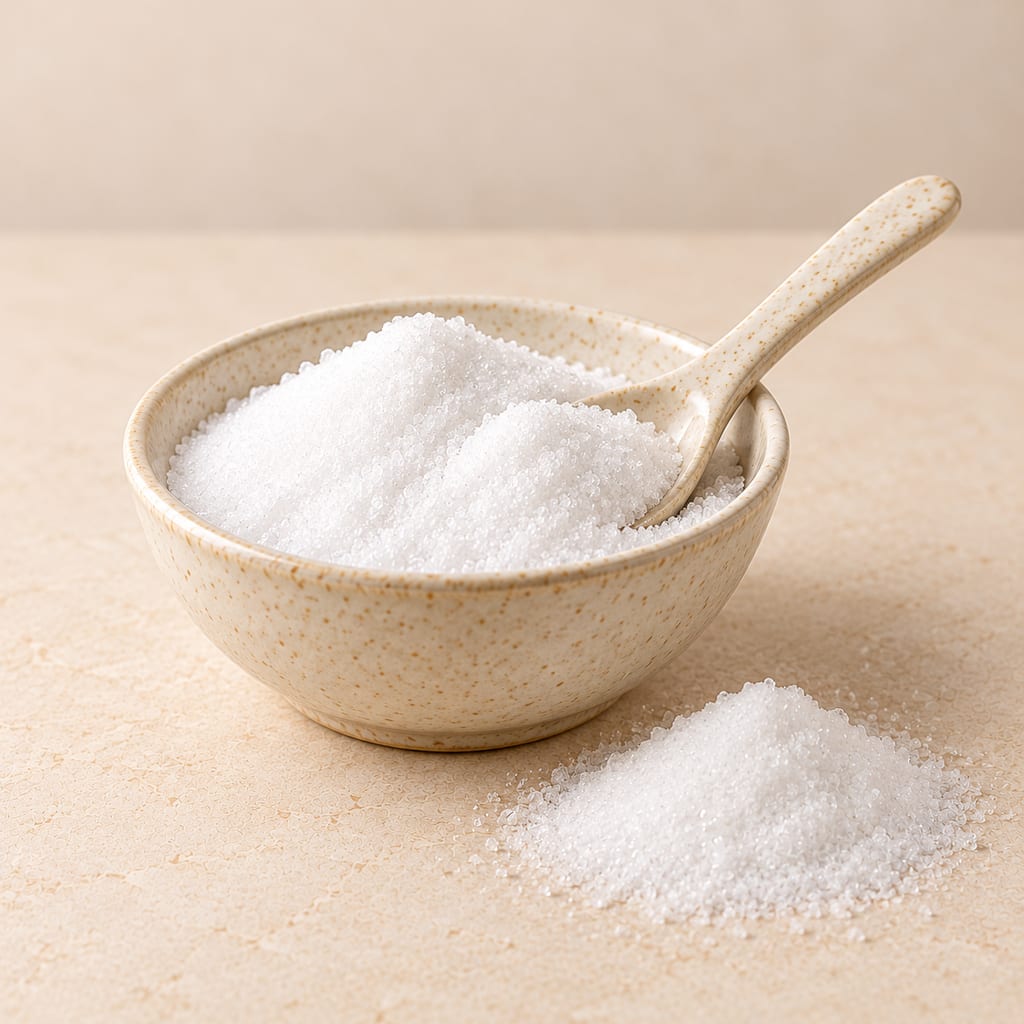
Sodium bicarbonate is a mildly alkaline kitchen powder used for leavening and, in two published South African green-fig konfyt methods, in the preliminary boil.
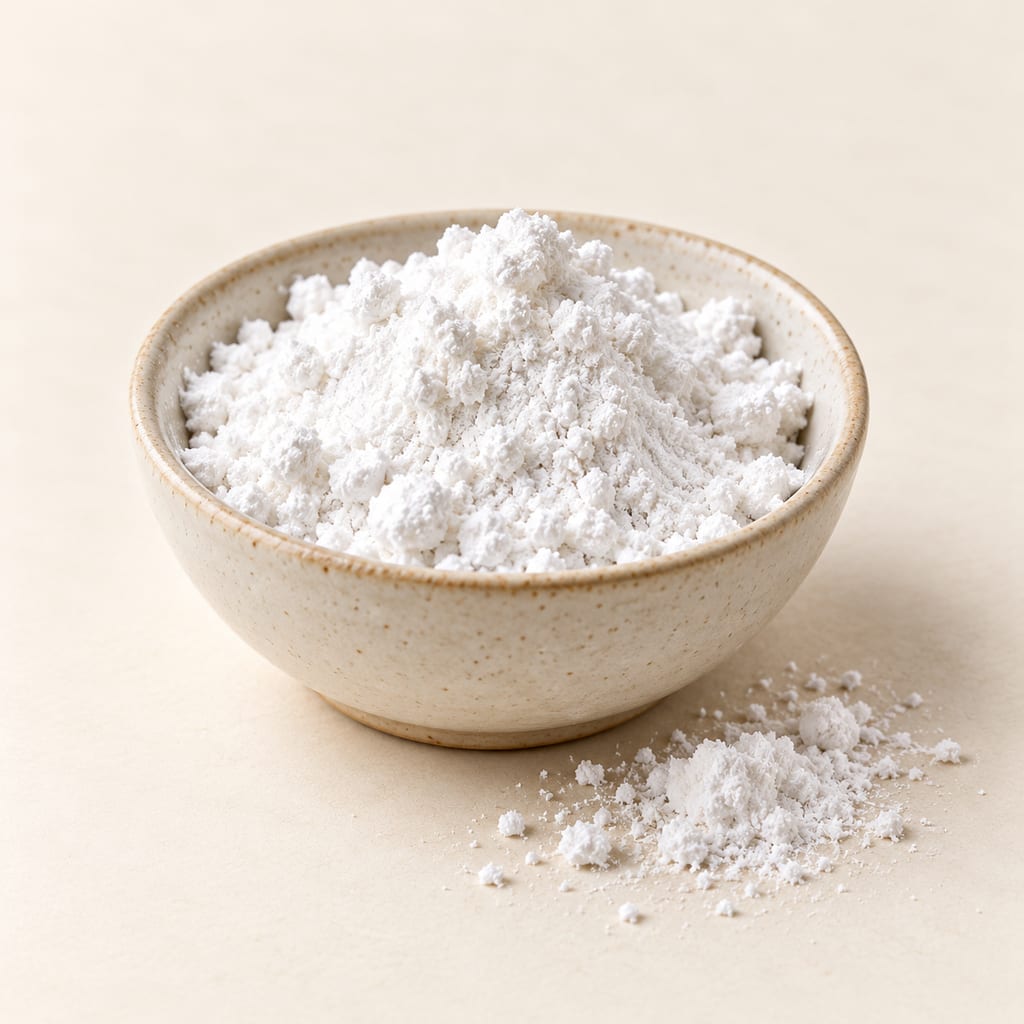
Cream of tartar is a grape-derived potassium tartrate salt used as a dry baking acid, foam aid and measured syrup ingredient.
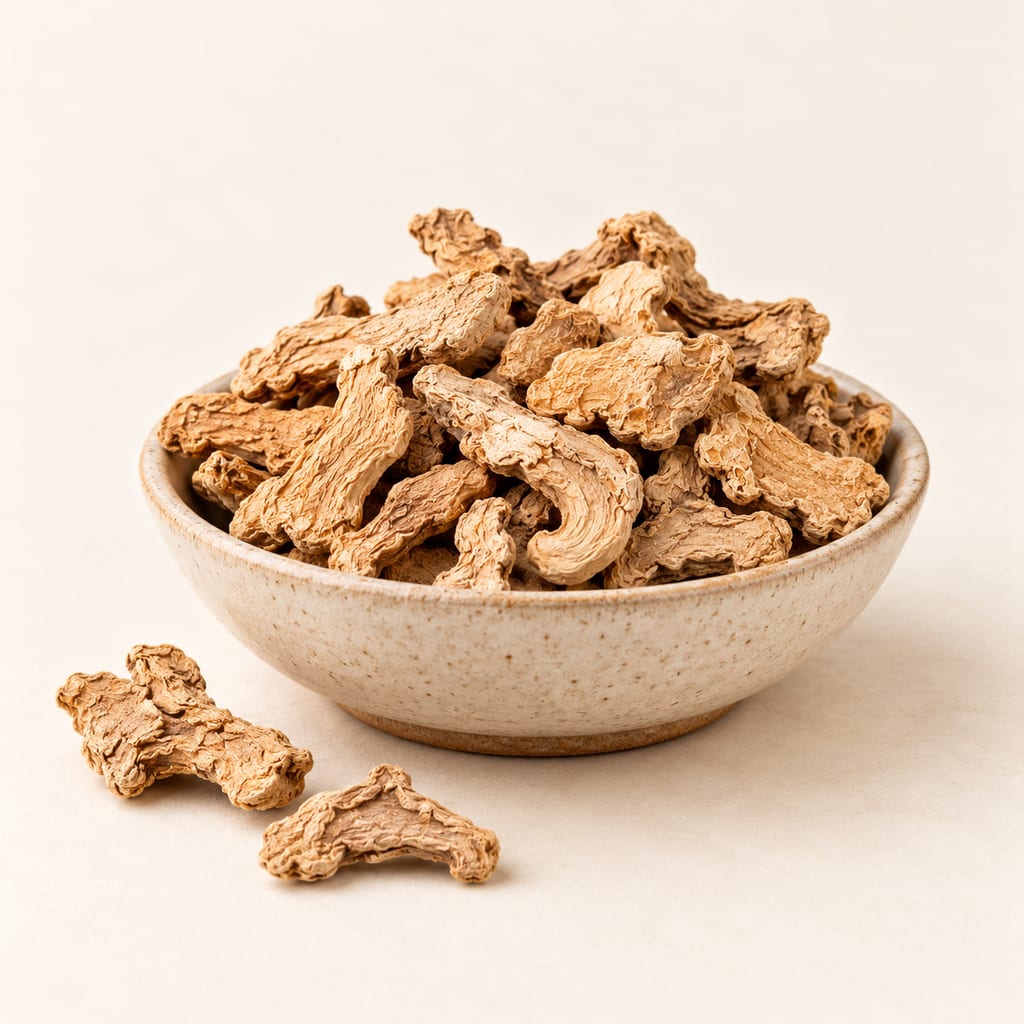
Dried ginger is the mature, dried rhizome of Zingiber officinale; its warm flavor and whole, sliced or ground forms serve different kinds of cooking.
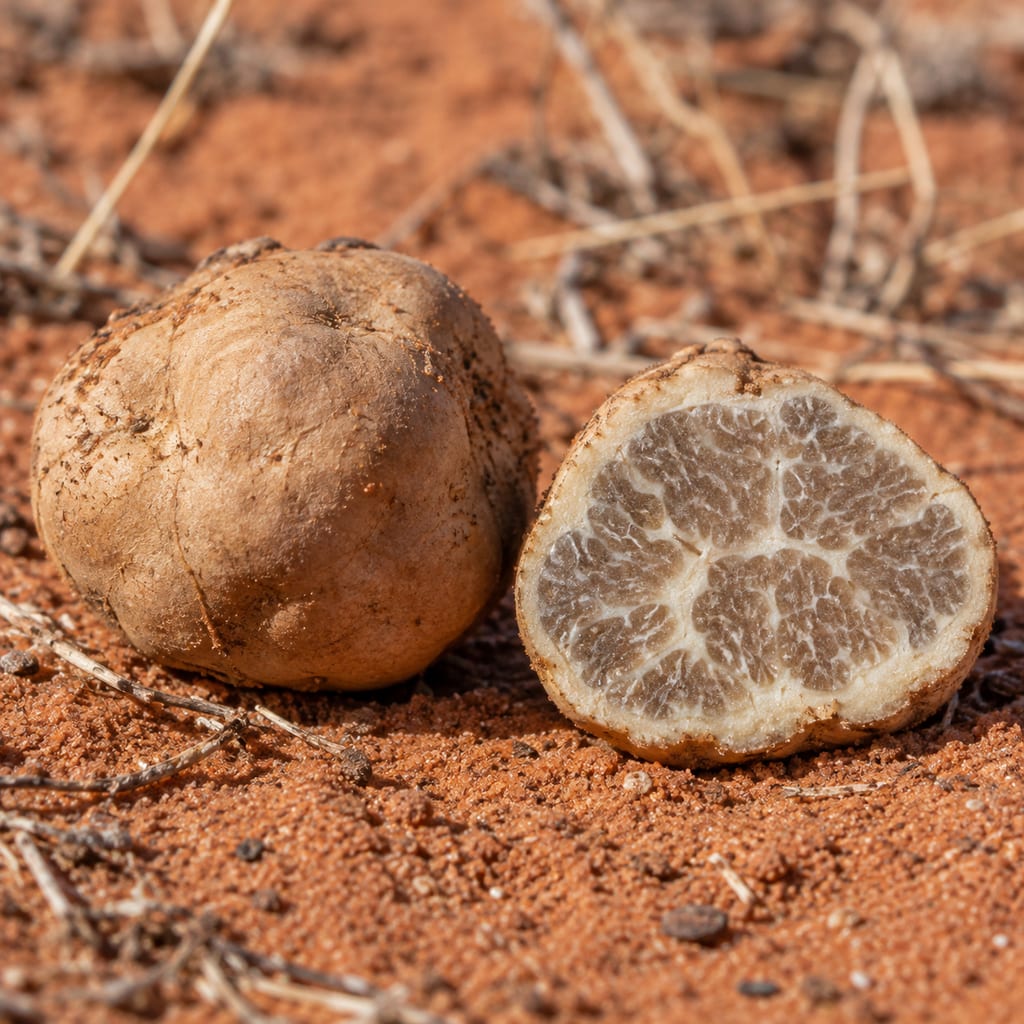
Eremiomyces echinulatus is a subterranean desert truffle of the Kalahari, recorded as food in regional ethnomycology and easily confused with the better-known Kalahari truffle, Kalaharituber pfeilii.
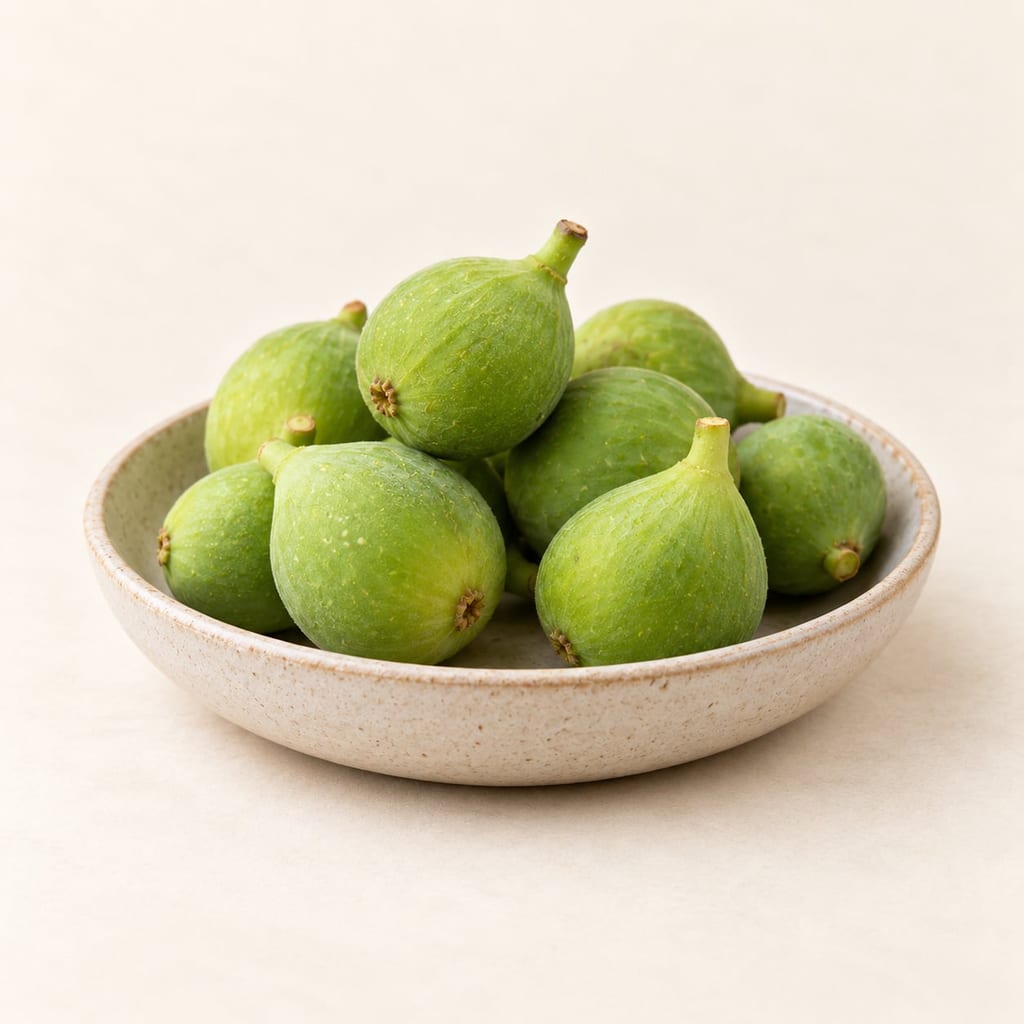
Firm green figs are the unripe fruit of the fig tree selected for preserves that keep the fruit whole and let it absorb syrup.
A rarely reported subterranean fungus from South Africa’s Northern Cape. It is grouped with Kalahari truffles in some literature, but occurrence in the Kalahari Desert proper and food use are unconfirmed.
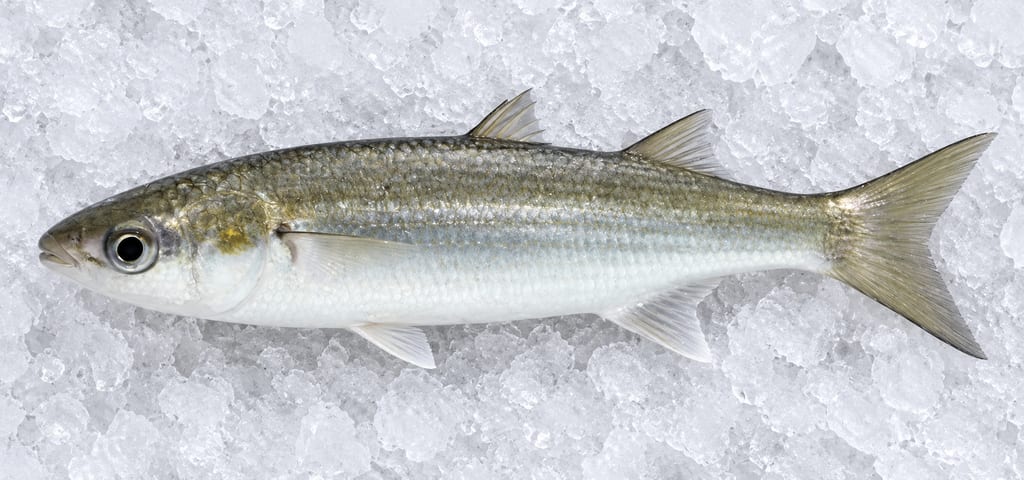
Mullet is a broad name for several coastal fishes. In the Cape West Coast bokkom tradition, the local harder is the southern mullet Chelon richardsonii, formerly Liza richardsonii; identify species and product before substituting.
No community contributions have been published for this entry yet.
Sign in to contribute. Published comments and photos are free to read.
Foods (MDPI), 10(10), article 2497; full text hosted by PubMed CentralIdentity · Documented use · Food science
Physico-Chemical Characteristics and Lipid Oxidative Stability of Zebra (Equus burchelli) Droëwors Made Using Different Levels of Sheep FatThe researchers sourced sheep back and tail fat and used it in zebra-droëwors formulations.
The experiment compared separate meat-to-fat formulations containing 10%, 15% and 20% sheep fat by weight.
In this trial, fat level affected measured composition and water activity; the 15% formulation had the lowest reported TBARS values after drying and during storage.
The findings describe one experimental product and do not establish a universal proportion, household method or safety endpoint.
Cited in: Sheep fat as an ingredient; A documented use in zebra droëwors; Fat level and product quality; Scope and dietary context