
Almond mushroom
The almond mushroom, Agaricus subrufescens, was cultivated in eastern North America in the 1800s, lost its market, and returned as a cultivated mushroom from Brazil, where it is grown under several names.
 FermenteaWhere food goes to change
Mushrooms
Phlebopus beniensis, a bolete of tropical South American forests and savannas, recorded as a food in Brazil and Paraguay, where it is known locally by names such as chapéu-de-baiano.
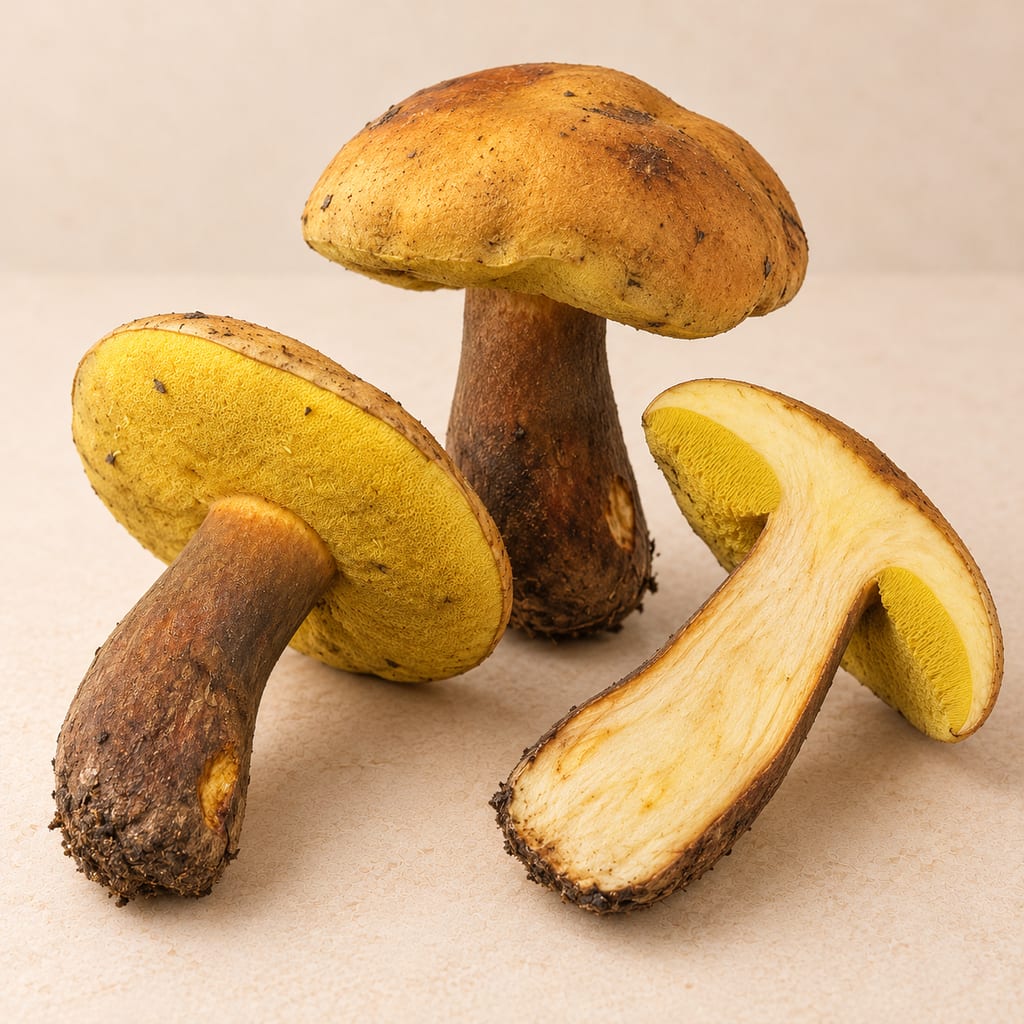
The tropical bolete is the common name used for Phlebopus beniensis, a bolete, a mushroom with a pored rather than gilled underside, of the genus Phlebopus. The genus is placed in the family Boletinellaceae, and reviews of it describe several of its species as widely eaten and prized in local markets in tropical countries. The catalogue treats the scientific name as a research name, not a reconciled current name.
The species is recorded from Brazil, in tropical Atlantic and Amazonian forests and in seasonal savanna (Cerrado). The supplied catalogue records its ecology as terrestrial, in tropical and subtropical Brazil, and its supply as unknown.
Documented food use of this species is recent and sparse. A study of the species with ethnomycological notes from Paraguay reports that two records of its consumption had recently been documented in Brazil, and it is described as the first formal documentation of consumption by local people in the literature. The local Brazilian name recorded in that work is chapéu-de-baiano, meaning Bahian hat.
The same kind of account notes that, in some rural areas of São Paulo, people know the name chapeu do baiano but did not eat the mushroom. The sources found here do not say how often rural households in the Amazon eat it, how often they gather it, or what role it plays in local incomes.
A 2023 analysis of the species reports a low fat content, about 4 per cent, and a protein content of 39.2 per cent of the dry matter analysed. The authors of that study describe their preliminary toxicological analysis as suggesting that the mushroom is innocuous. That is a laboratory result on the material analysed, and it is not a standard food-safety assessment of the species or a guide for any specimen.
The catalogue states that documented occurrence and consumption do not establish a standardised food-safety assessment for this species.
The genus Phlebopus includes species that are eaten in several tropical countries, and reviews of the genus describe several of them as widely consumed and as having potential for economic development. Food records for one Phlebopus species do not extend to another, and the sources reviewed here do not give a dedicated preparation for P. beniensis.
This entry is not an identification guide. Boleti are easily confused with other mushrooms, and some bolete look-alikes are toxic. Identification of this species from a photograph or a regional name is not reliable, and no edibility verdict for any specimen follows from this entry.
The sources read for this entry do not give a preparation method, a cooking time, or any advice on whether the mushroom needs to be cooked. Anyone who wants to eat a wild bolete needs a qualified identification of that specimen.
Three points are open: how much the species is eaten in Amazonian communities; whether the Brazilian records and the Paraguayan records refer to the same material; and how the species is prepared locally. The toxicological work is preliminary and needs a fuller study before the safety of the species is described as established.
Two documented consumption records in Brazil and a local name; the record does not describe the extent of use.
Ethnomycological notes from Paraguay are part of the same study; the level of local use is not stated in the sources read.
The almond mushroom, Agaricus subrufescens, was cultivated in eastern North America in the 1800s, lost its market, and returned as a cultivated mushroom from Brazil, where it is grown under several names.
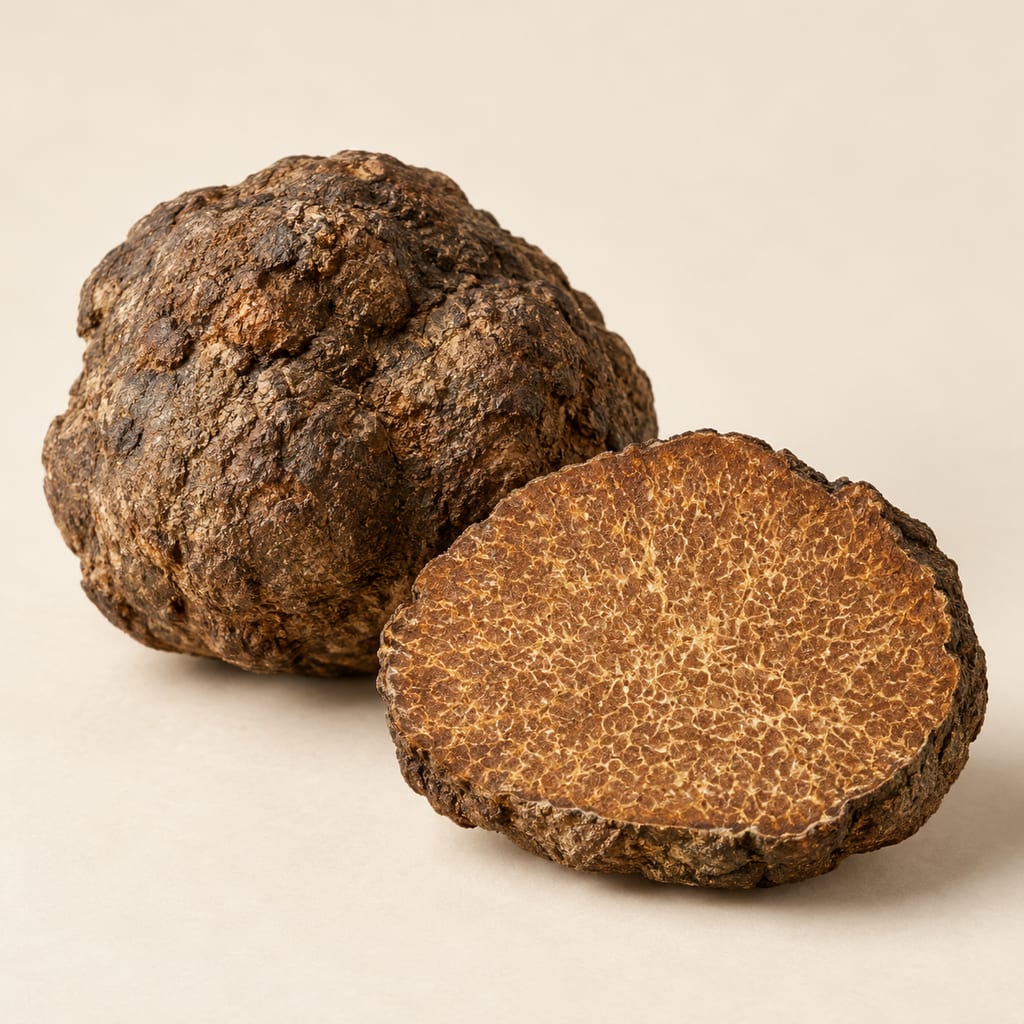
Polyporus indigenus, a polypore of the Brazilian Amazon. Its underground sclerotium, not the fruiting body, is the part people eat, and it is known locally as pão do índio.
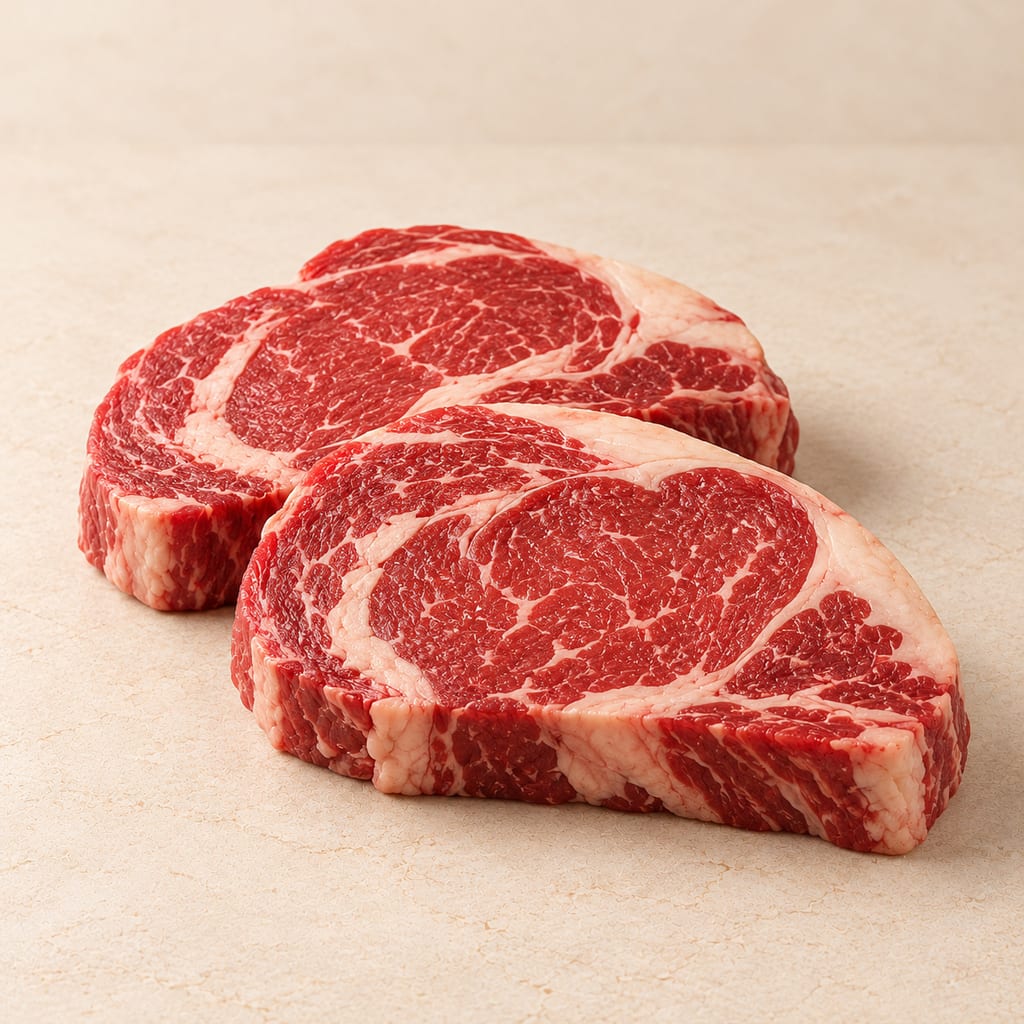
Beef is the meat of domestic cattle, Bos taurus and Bos indicus, sold as steaks, roasts, ground meat and cured products, and used in broths, salami and koji seasonings.
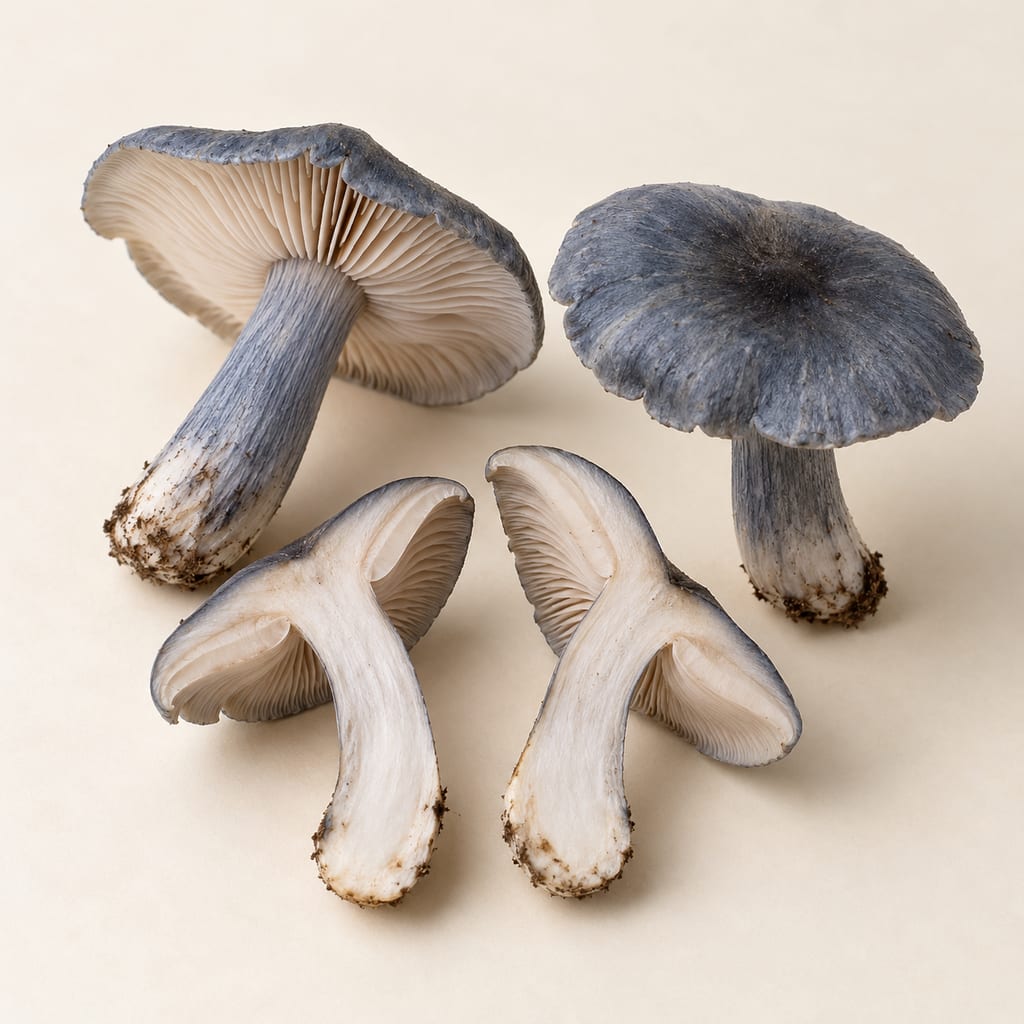
Bloxam's entoloma is a rare pink-gilled mushroom of old grasslands. Historical sources call it edible, but food-use evidence and older identifications remain uncertain; this does not recommend gathering or eating it.
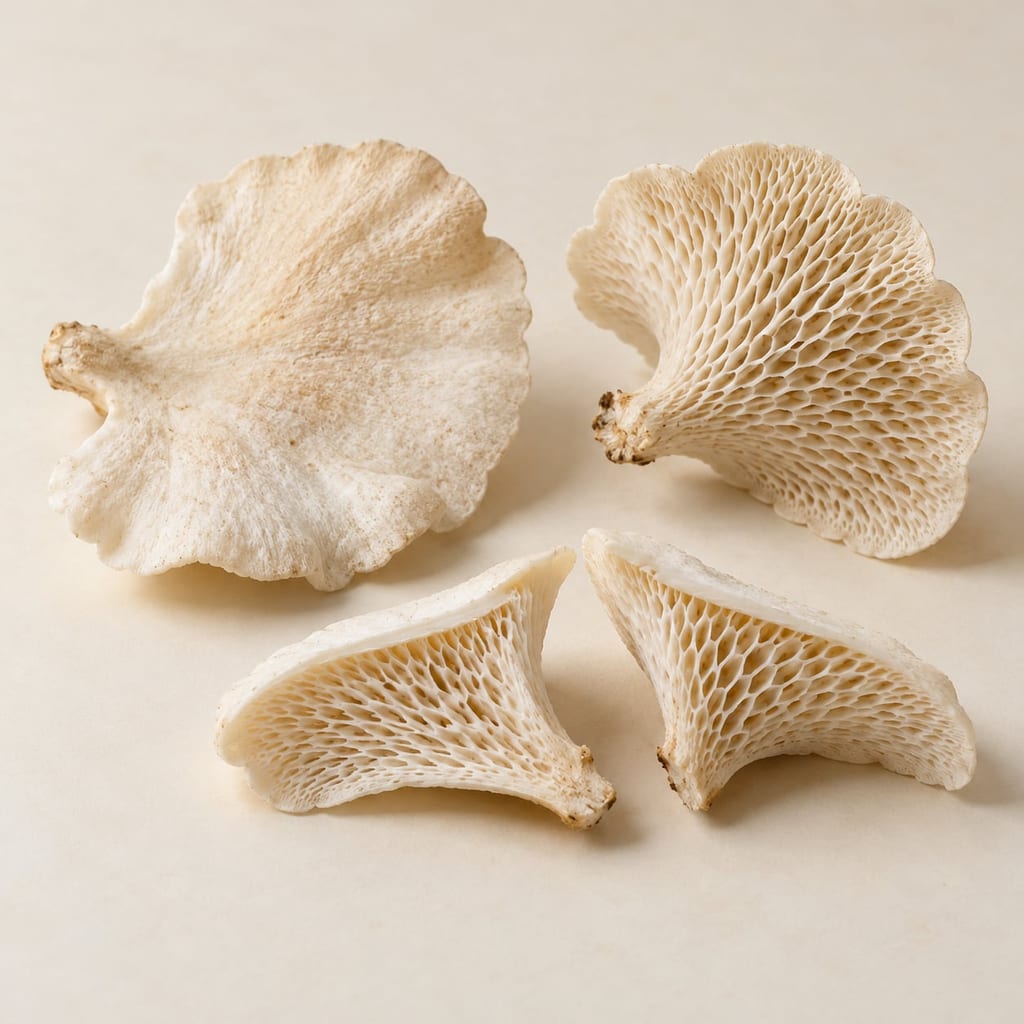
Brazilian honeycomb polypore, Favolus brasiliensis, is a wood-growing fungus of tropical forests recorded as food in Brazil and Guyana. It has no standardized food-safety assessment.
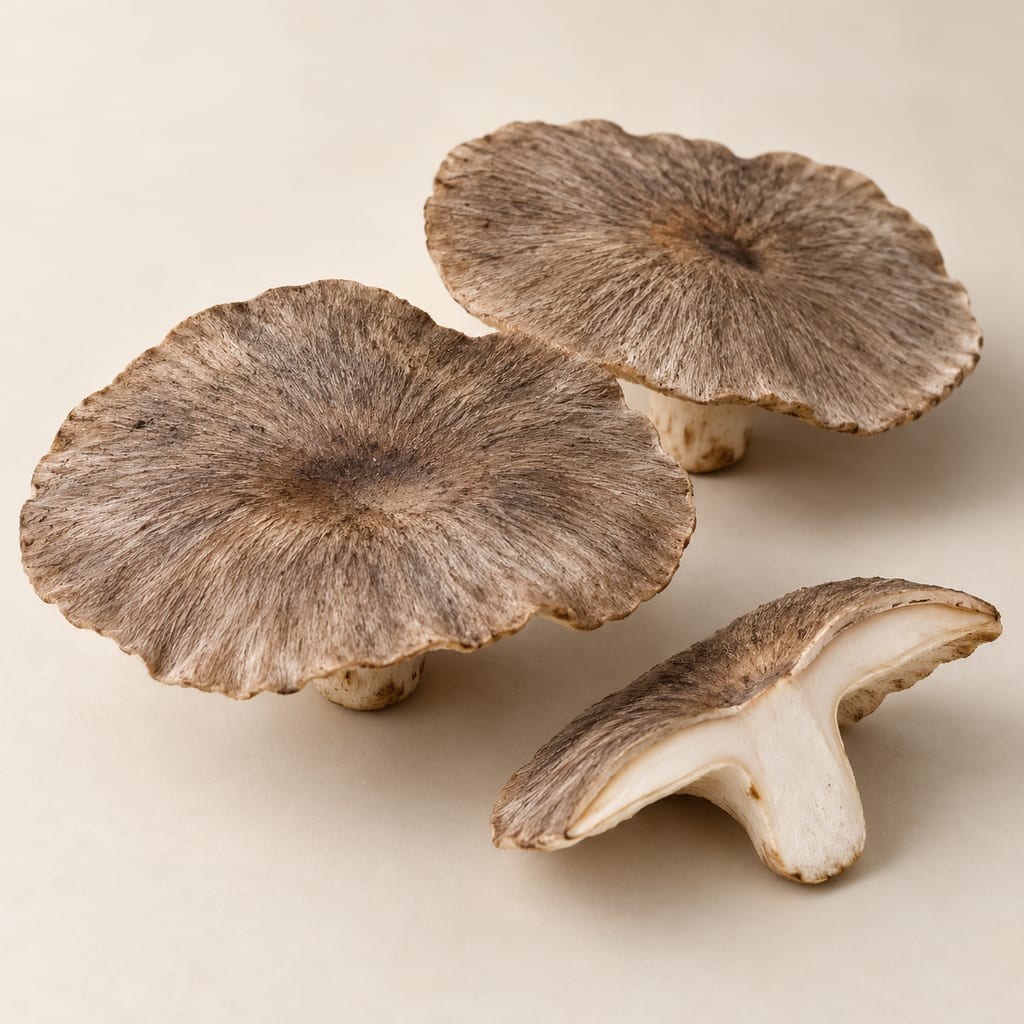
Bresadolia paradoxa is a large fungus of dead hardwood logs in Amazon and Atlantic Forest sites in Brazil and Colombia. Its only edibility source is a conservation assessment, so the claim is lightly documented.
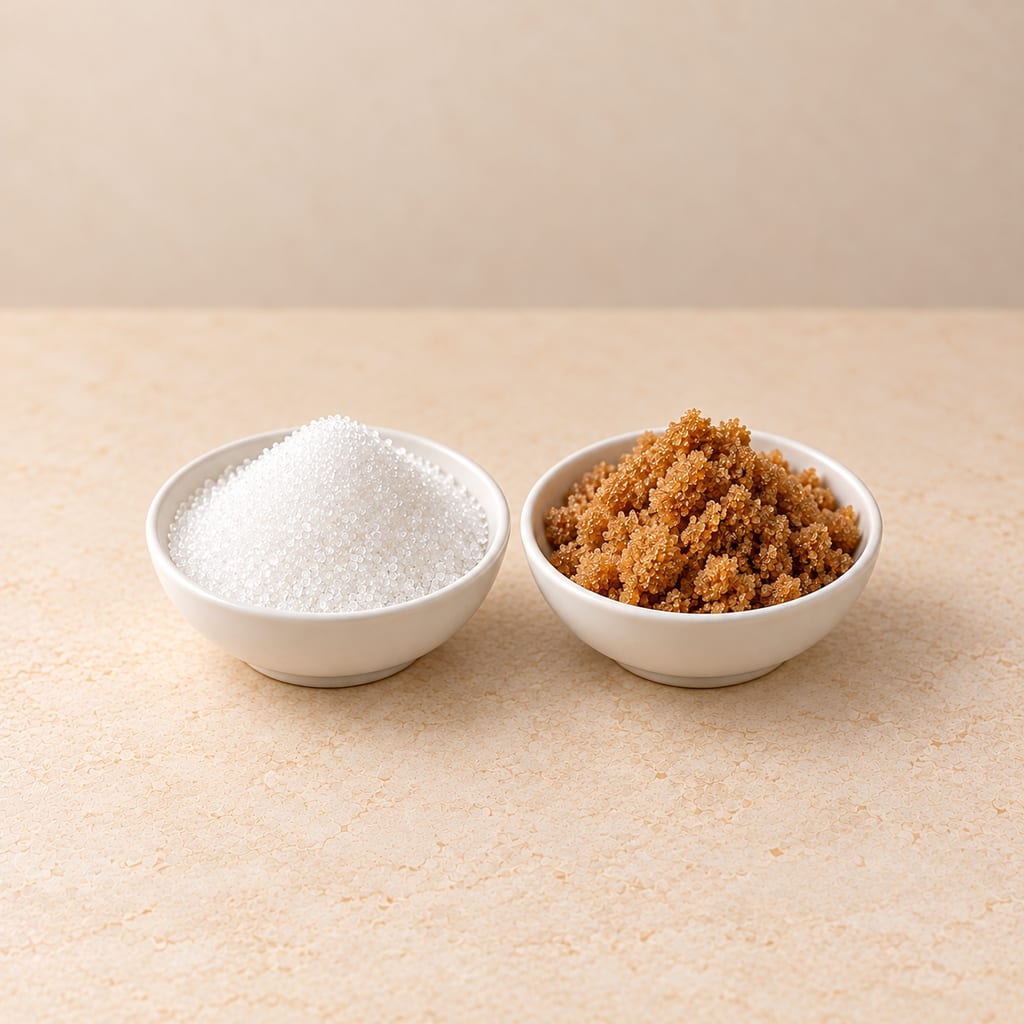
White sugar is refined sucrose, almost pure; brown sugar is sucrose with molasses, left in or added back. Molasses makes brown sugar moister, darker and more strongly flavoured.
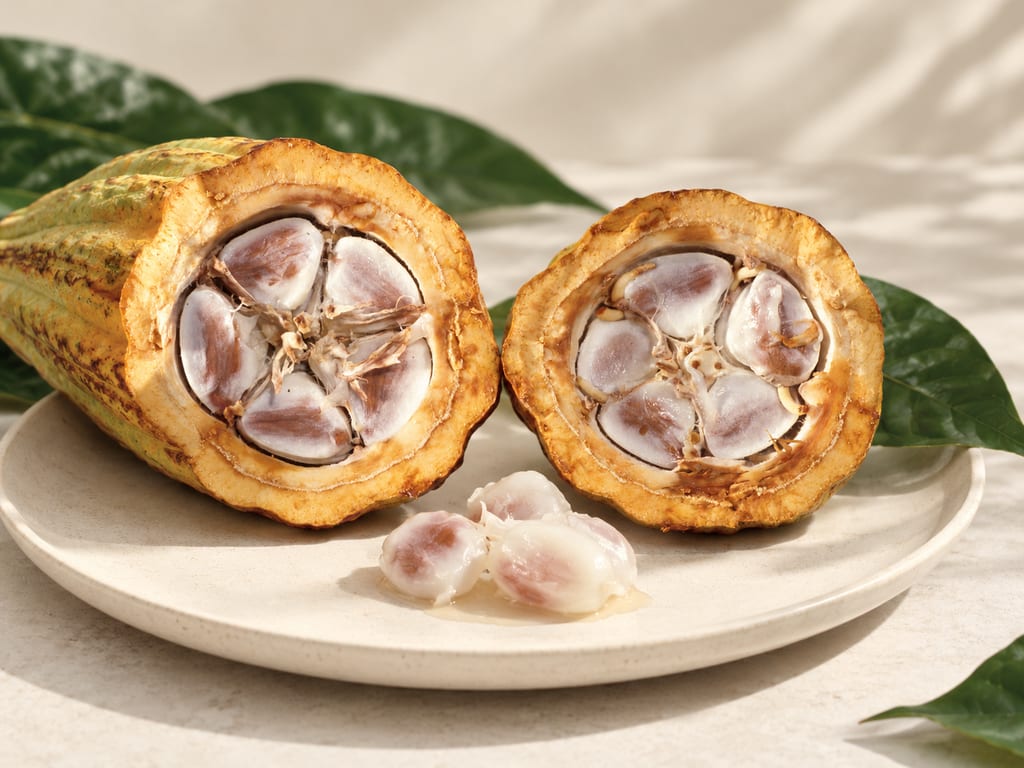
Cacao pulp is the moist, sweet-acid mucilage around cacao seeds. It fuels bean fermentation and can be extracted for fruit drinks, wine and vinegar.
No community contributions have been published for this entry yet.
Sign in to contribute. Published comments and photos are free to read.
Brazilian Journal of Food Technology (SciELO)Food · Safety · Nutrition
Biochemical, nutritional, and toxicological properties of the edible species Phlebopus beniensis with ethnomycological notes from ParaguayTwo recent consumption records in Brazil; local name chapéu-de-baiano; first formal documentation of consumption by local people
Low fat (about 4 per cent) and protein 39.2 per cent in the analysed material; preliminary toxicological analysis suggests innocuousness
ScienceDirectBackground · Food
Phlebopus (Boletales, Boletinellaceae), a peculiar bolete genus with widely consumed edible species and potential for economic development in tropical countriesThe genus has about 17 species, several edible and prized in local markets; sold sliced and dried in villages and city markets
Springer (IMA Fungus)Food
Brazilian fungi food audit cited in the supplied catalogue for Phlebopus beniensisSupplied catalogue source; the full text was not read during this recovery, so no fact is taken from it directly