










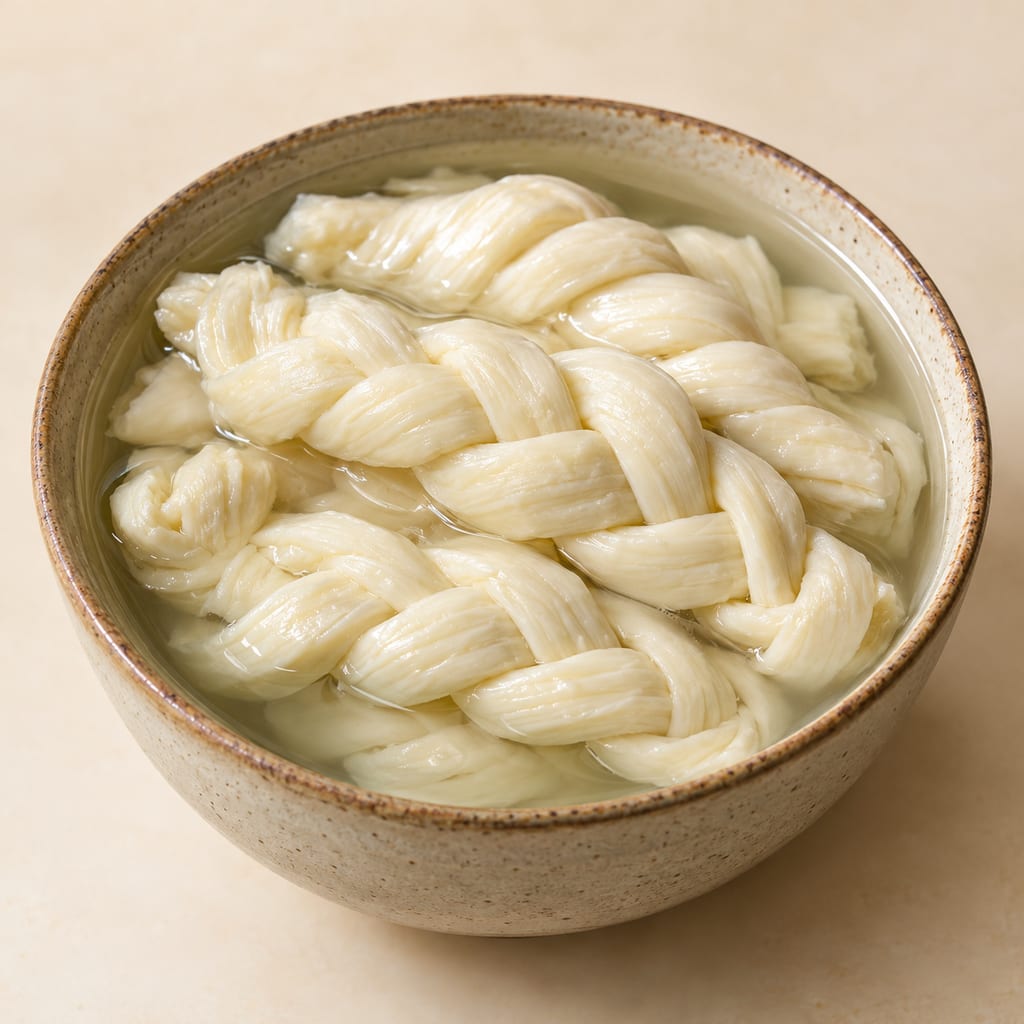
Sudanese braided cheese in brine
Sudanese braided cheese: curd ladled, salted, cut into strips and braided, then salted in brine and packed into tins filled with brine. A staple kept in brine rather than dried.
 FermenteaWhere food goes to change
1507 records with their sources, across 11 categories.
Sudanese braided cheese: curd ladled, salted, cut into strips and braided, then salted in brine and packed into tins filled with brine. A staple kept in brine rather than dried.
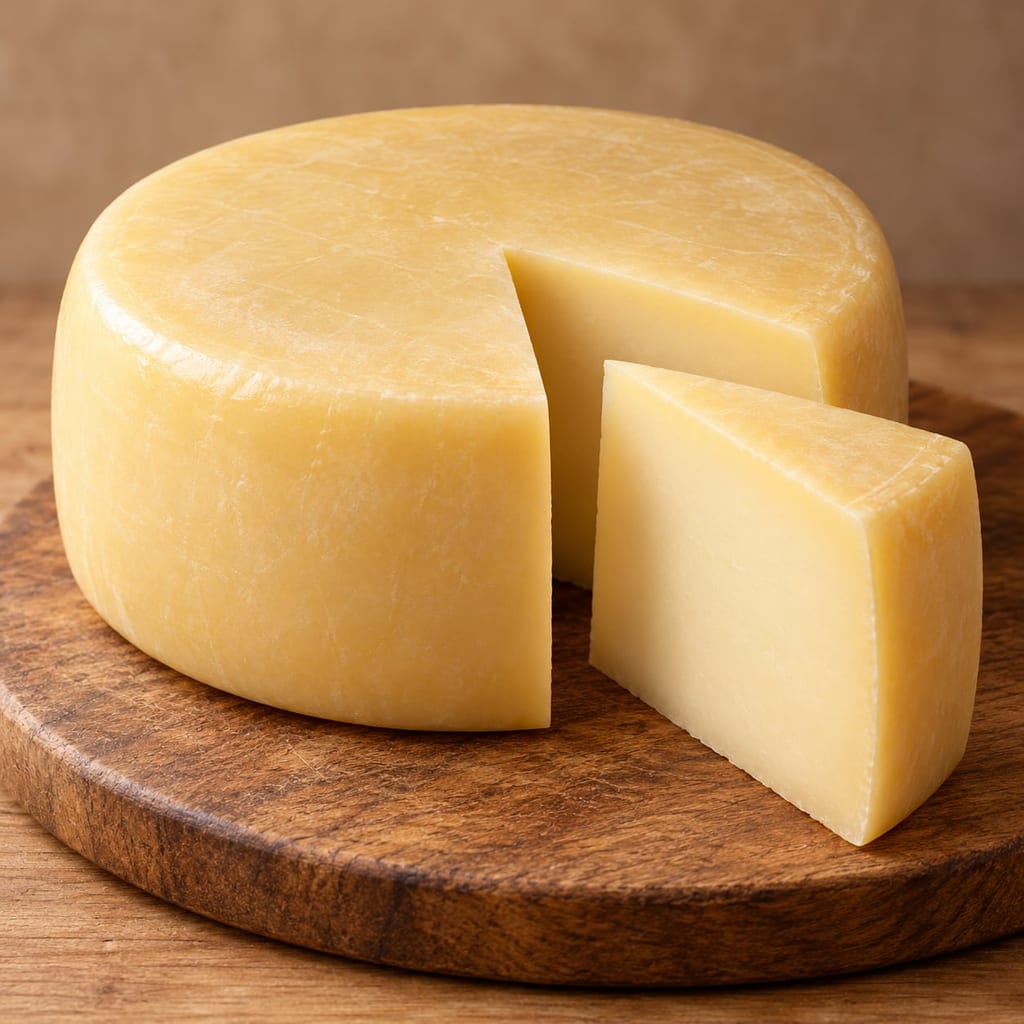
Kashkaval is a firm sheep-milk cheese whose acidified curd is worked in hot brine. This large-batch method finishes with repeated dry salting, wax coating and cool ripening.

Beyaz peynir is a Turkish white cheese matured in brine. Sheep milk, alone or mixed with other milks, gives a close-textured cheese cut into blocks and packed in cans.
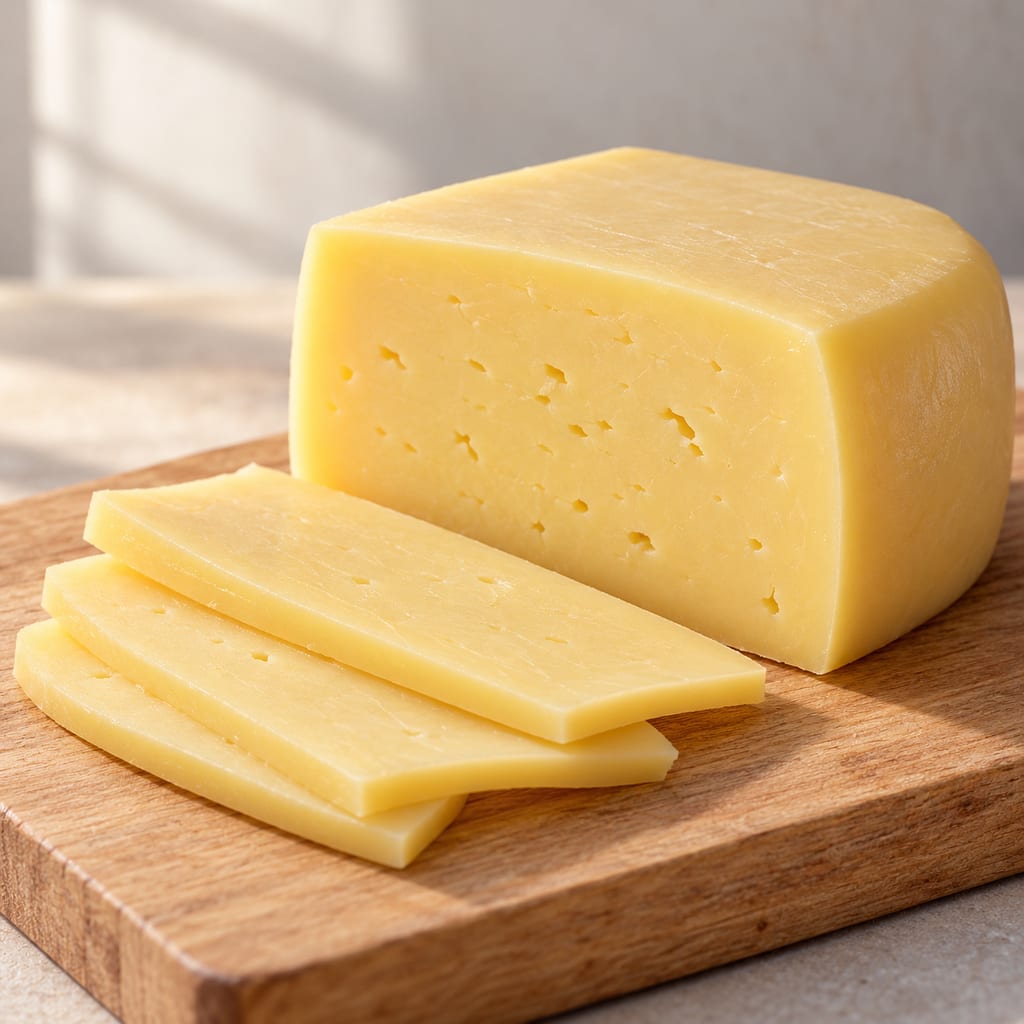
A yellow stretched-curd cheese made by acidifying, draining and kneading curd in hot brine. This small-batch kashkaval uses a commercial starter and a brine finish.
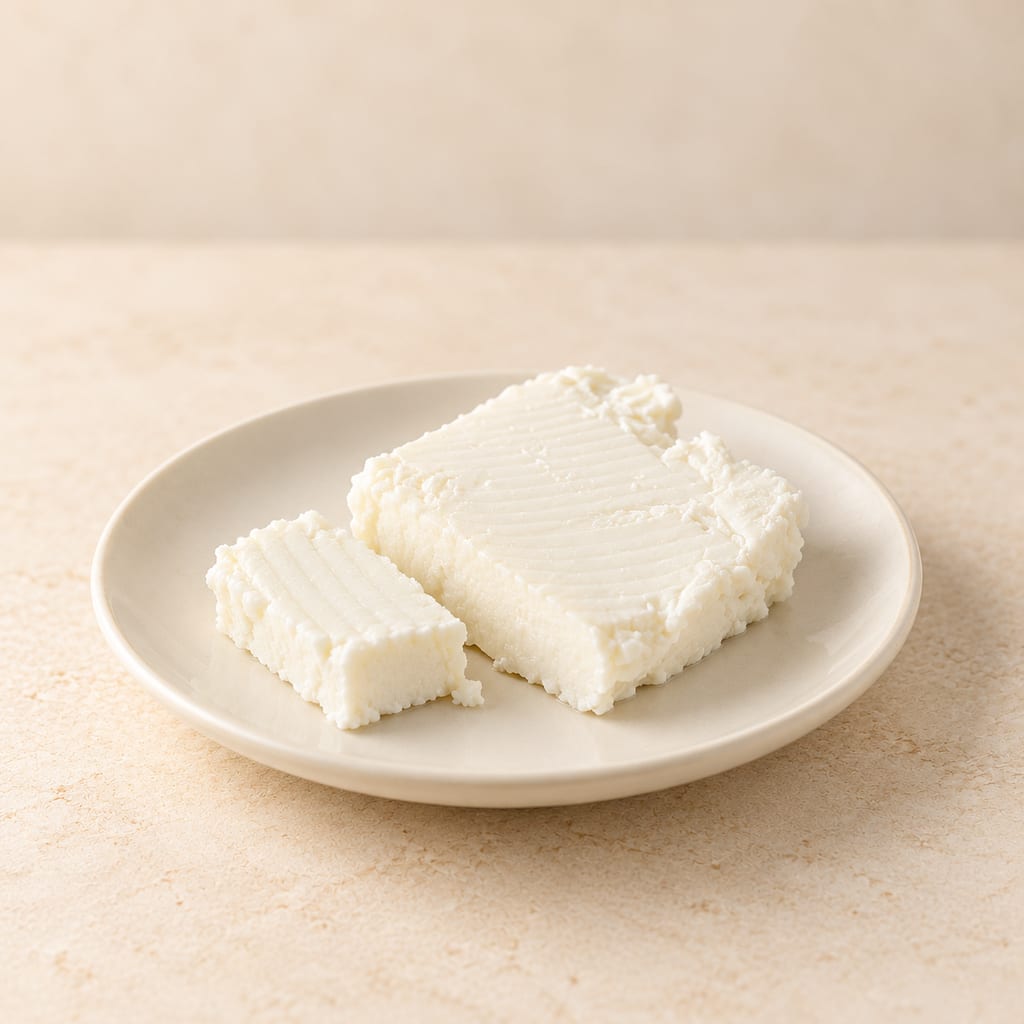
Domiati is a soft Egyptian white cheese made by salting milk before renneting. It is eaten fresh or ripened in brine, with cow and buffalo milk used in varying proportions.
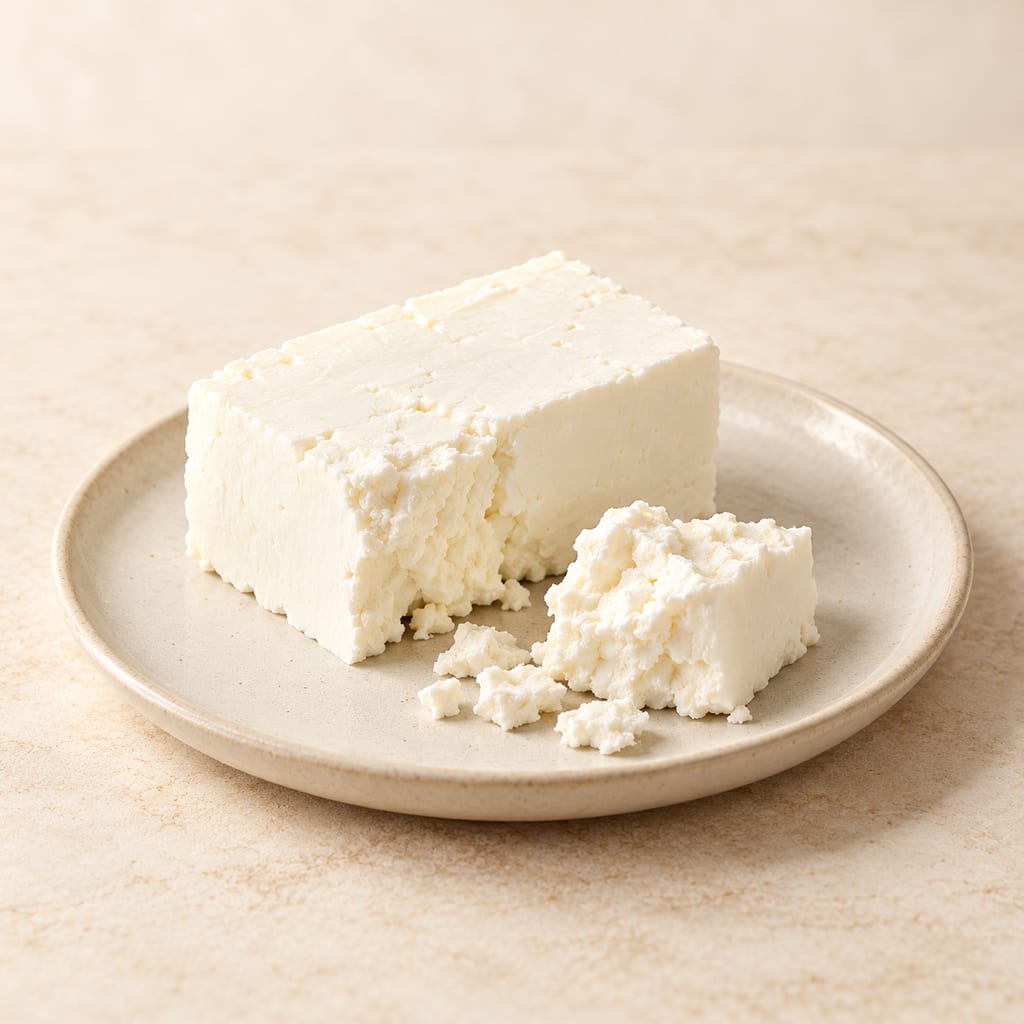
White cheese made with a lactic starter and rennet, drained without pressing, dry-salted and covered in brine. This home adaptation allows whole milk from different dairy animals.
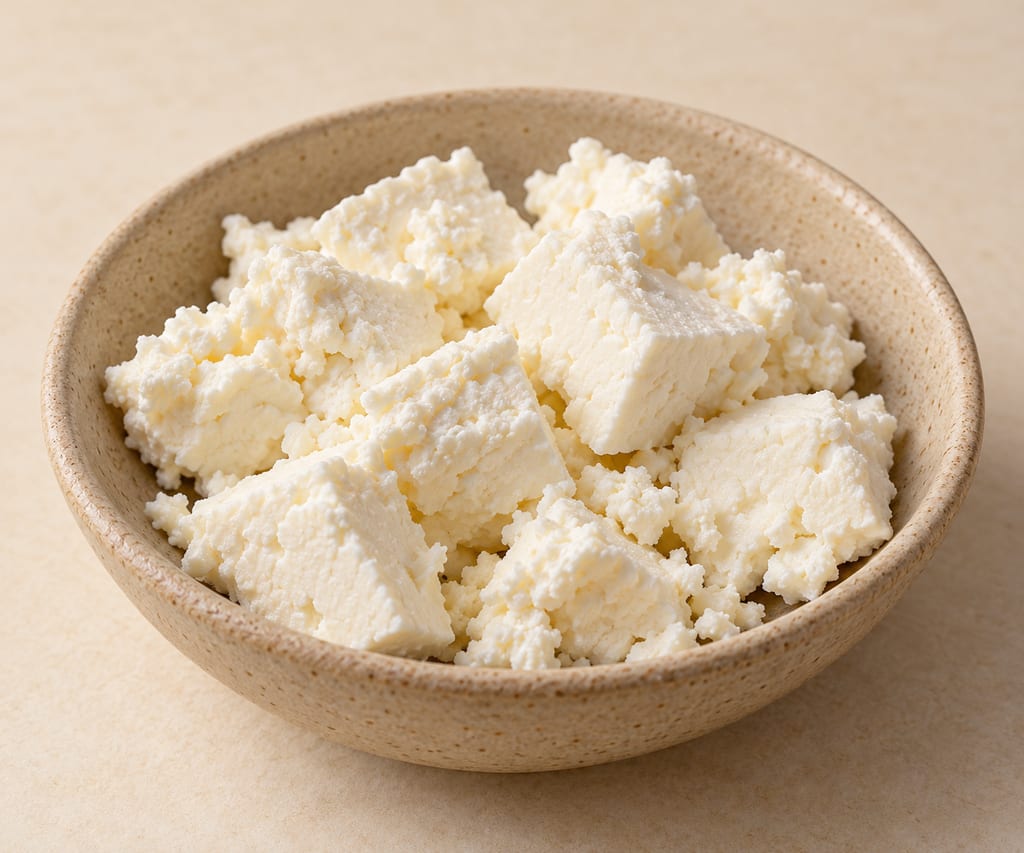
Whole milk set with a mesophilic starter and rennet makes a fresh, crumbly feta-style cheese. Its curds pass through hot salted whey before molding.
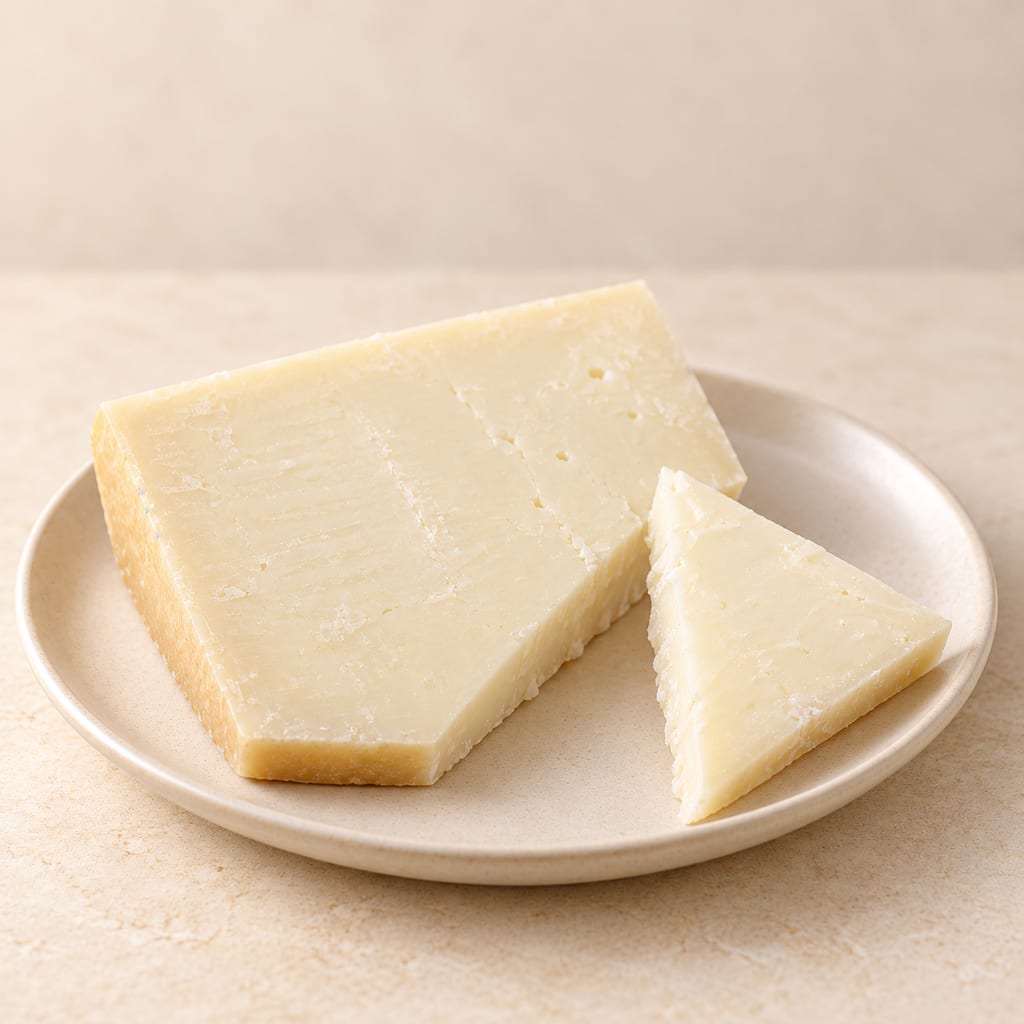
Kefalotyri is a hard sheep-and-goat-milk cheese made in Cyprus as well as Greece. This Cypriot method cooks and presses the curd, then brines, coats and matures the cheese.
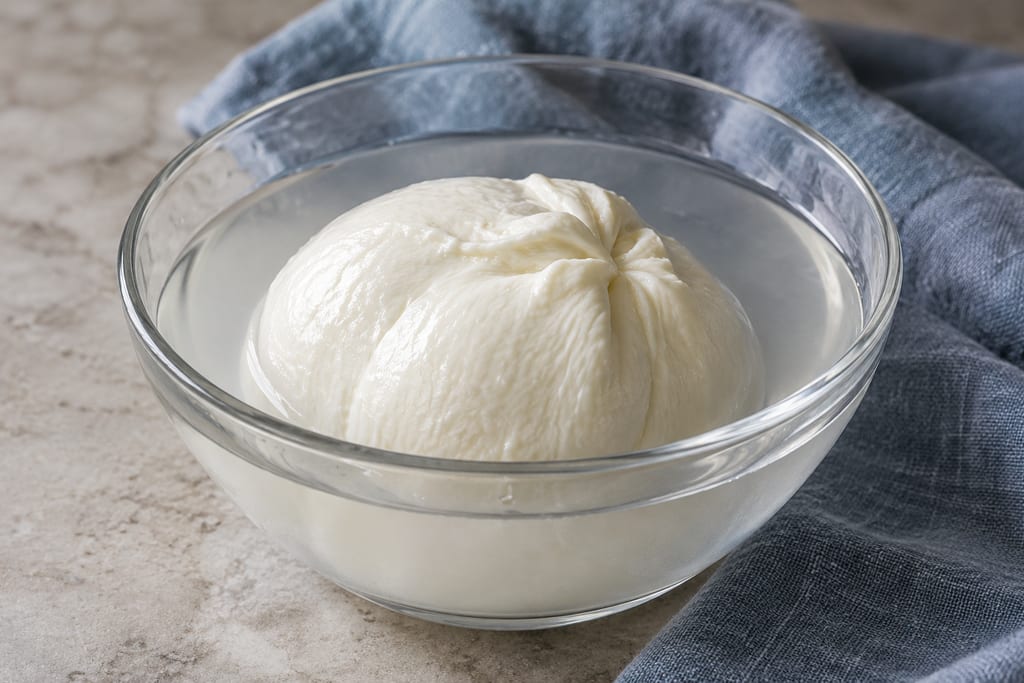
A Ukrainian creator sets fresh cow’s milk with vinegar, squeezes the curd, warms it in salted whey, then stretches it and cools it in water.