















High risk
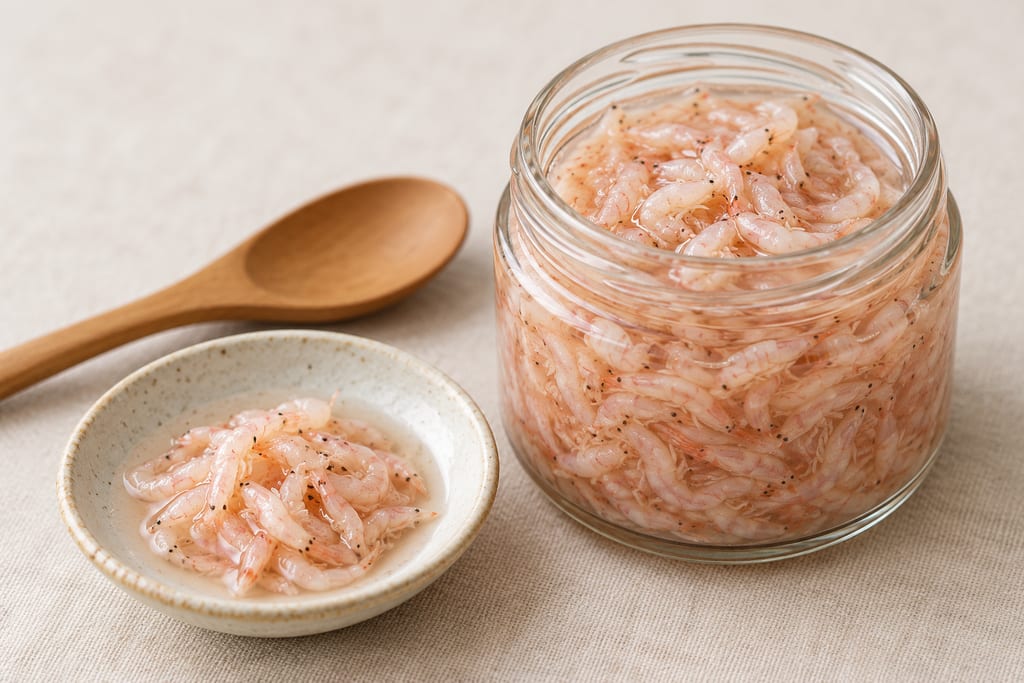
Saeujeot (Korean salted fermented shrimp)
Korean fermented seafood made by salting whole small shrimp and maturing them in their own brine, used as a seasoning, in kimchi and with pork.
 FermenteaWhere food goes to change
1504 records with their sources, across 11 categories.
 Garum and fish sauces9
 Fermented whole fish and seafood3
 Smoked salted and dried foods2
Korean fermented seafood made by salting whole small shrimp and maturing them in their own brine, used as a seasoning, in kimchi and with pork.
Yúlù is a Chinese fish sauce, a liquid drawn from salted fish, shrimp or fish-processing material after a long natural maturation, most associated with coastal southeastern production.
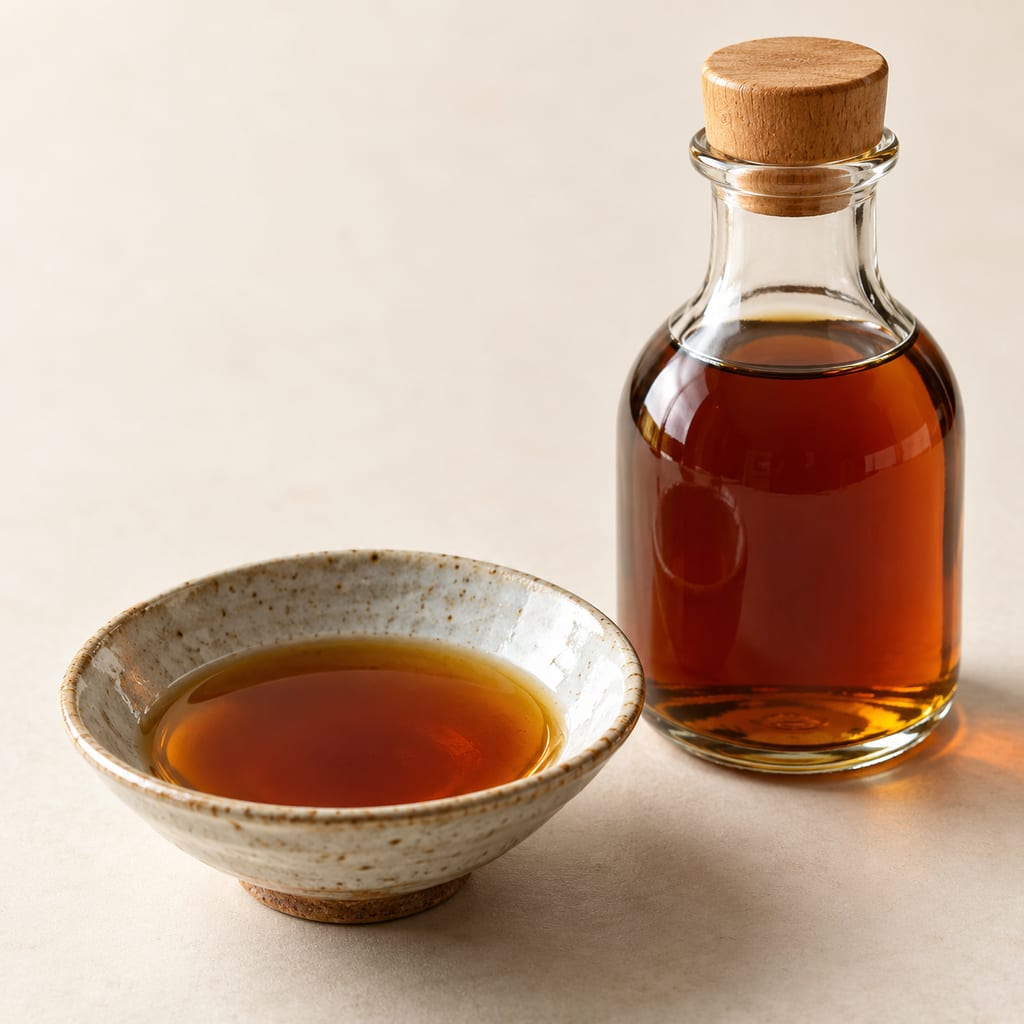
Shottsuru is the fish sauce of Akita, Japan, made from salted fish, most often the sandfish hatahata, which liquefies over a long maturation of a year or more.
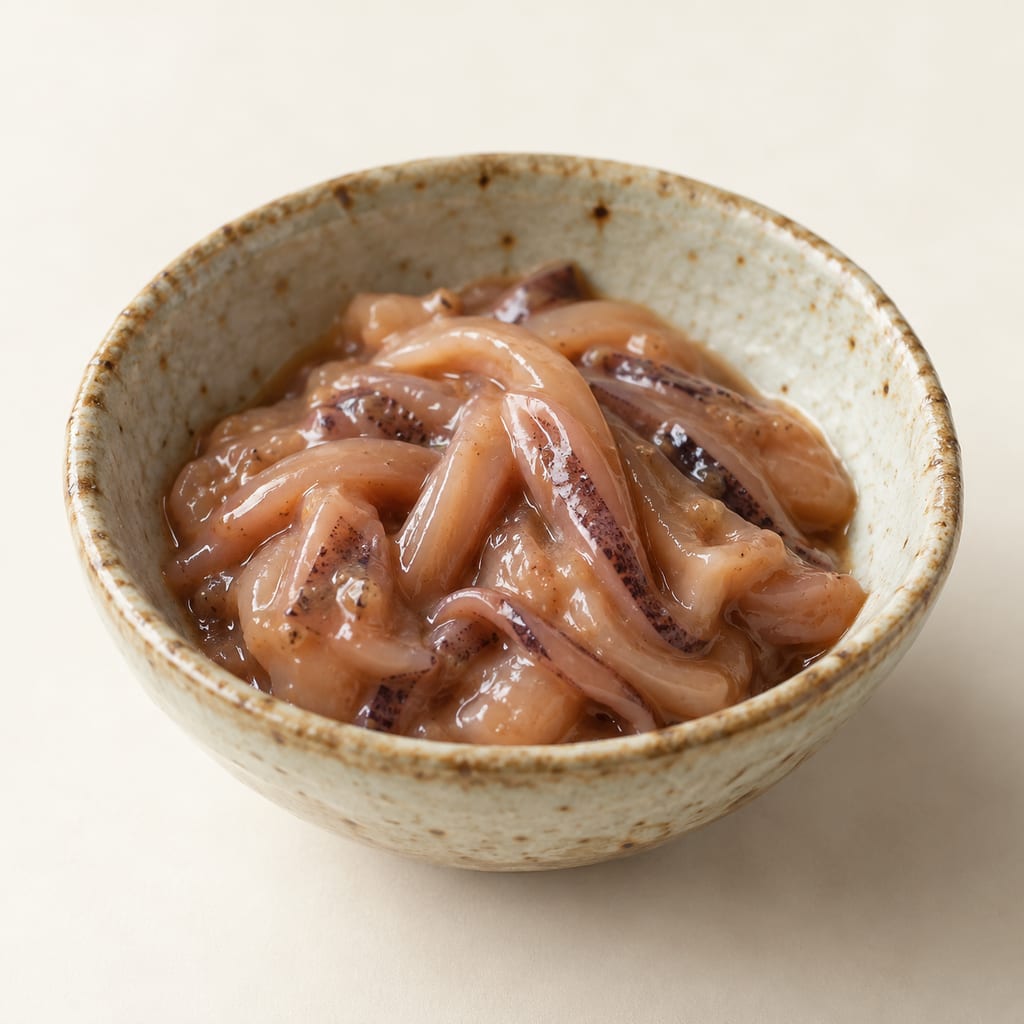
Shiokara is a Japanese salted and fermented seafood preparation, in which squid or the organs of other fish are matured in salt until the flesh breaks down into a thick, savoury paste that keeps its solids.
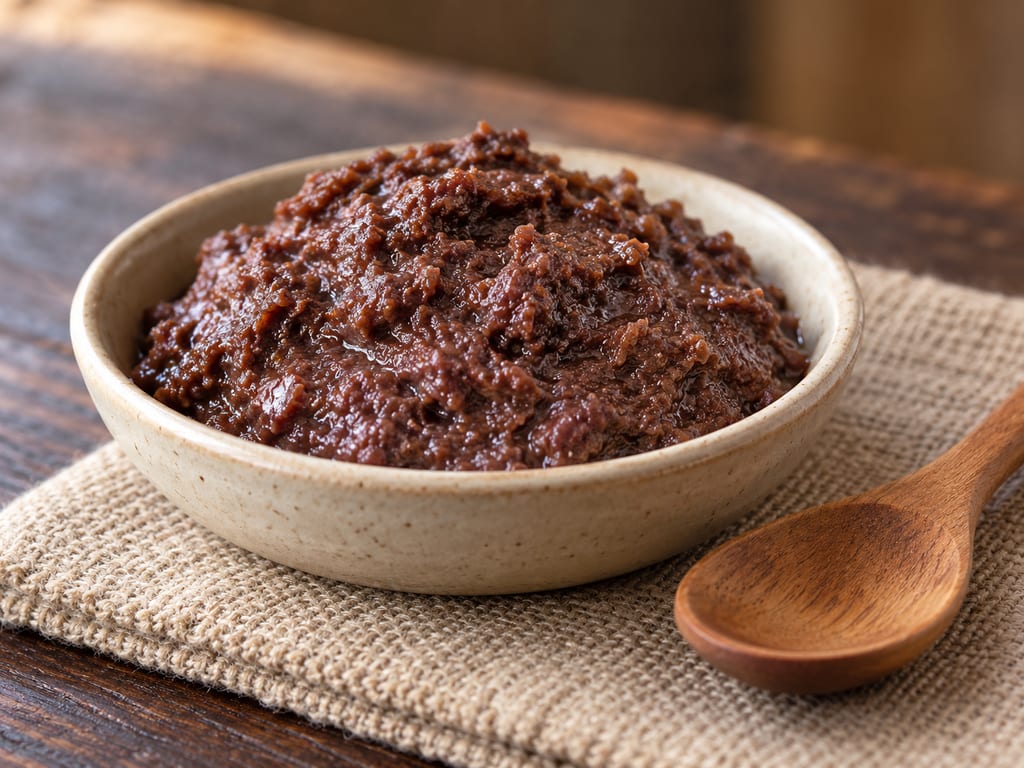
Bagoong isda is a Philippine fish paste: whole small fish salted and left to ferment for a month or more in earthen jars. It is the fish counterpart of bagoong alamang.
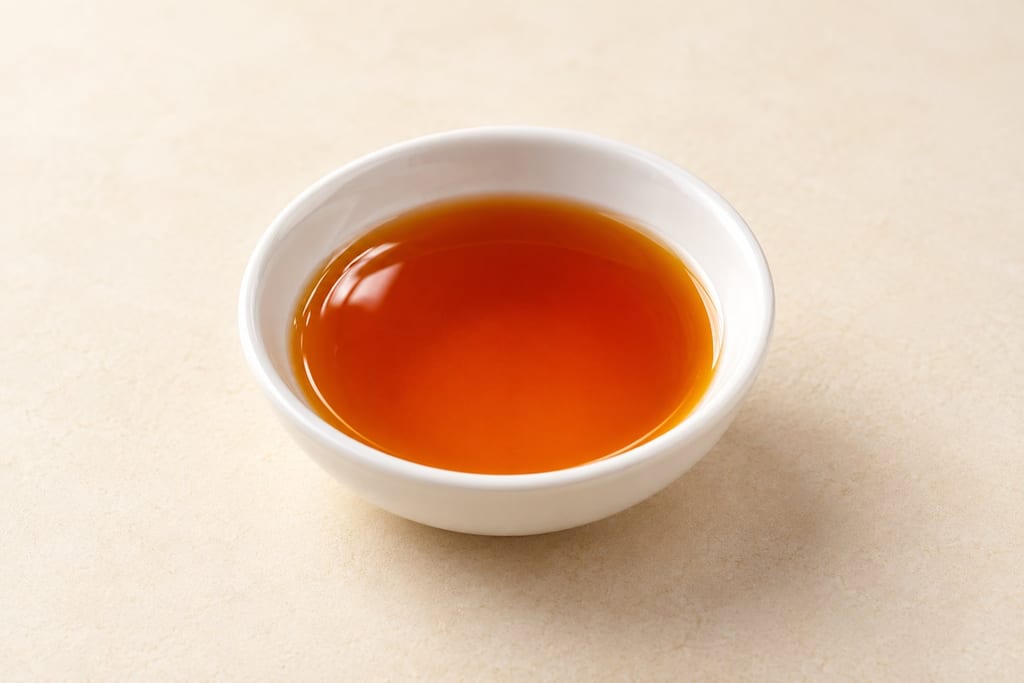
Fish sauce is a clear, salty seasoning made by maturing fish with salt and drawing off the liquid. The broad family includes distinct regional sauces rather than one interchangeable method.

Colatura di alici is the amber liquid drained from salted anchovies matured in wooden containers in Cetara, on the Amalfi coast of Campania, and sold under a protected designation of origin.
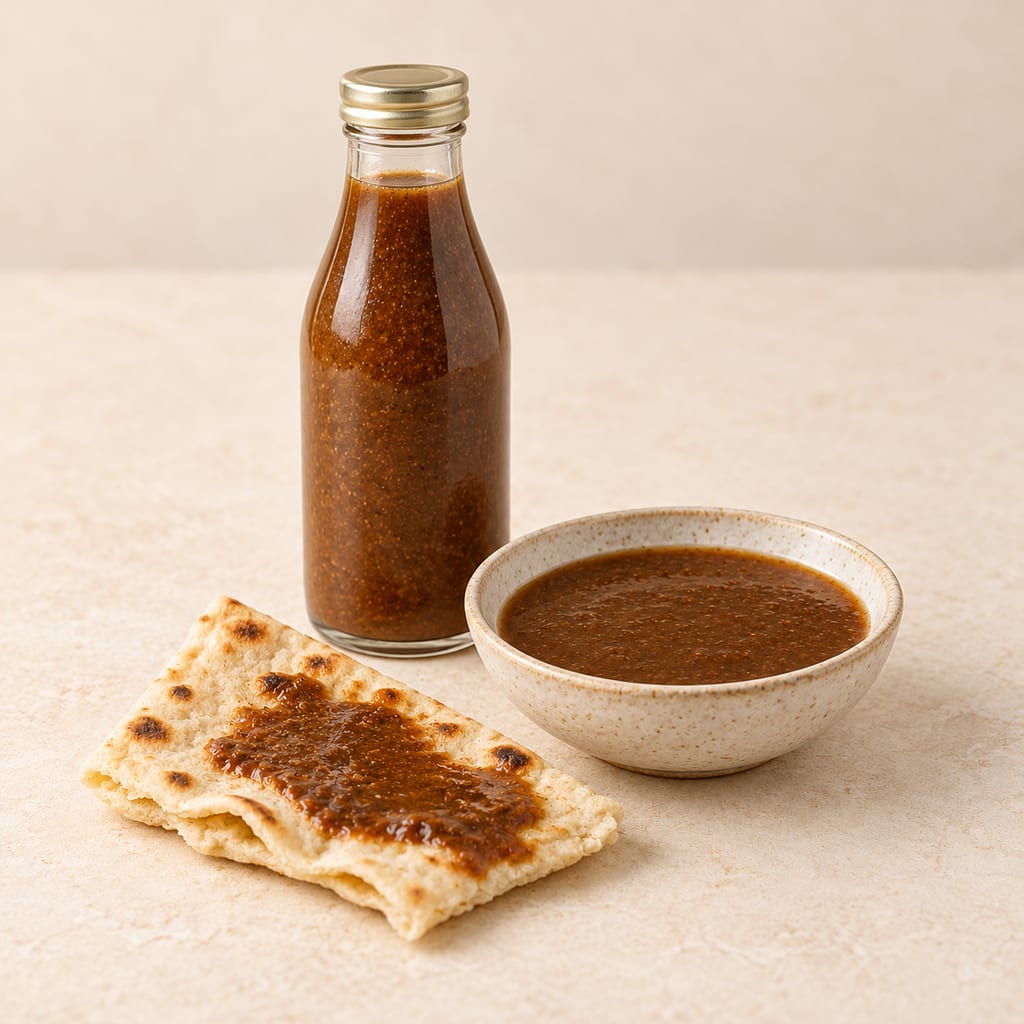
Mahyawa, also written mahyaveh, is a traditional fish sauce from southern Iran, made by salting small sardines or anchovies in water, maturing them in jars and seasoning the filtered liquid with mustard and spices.
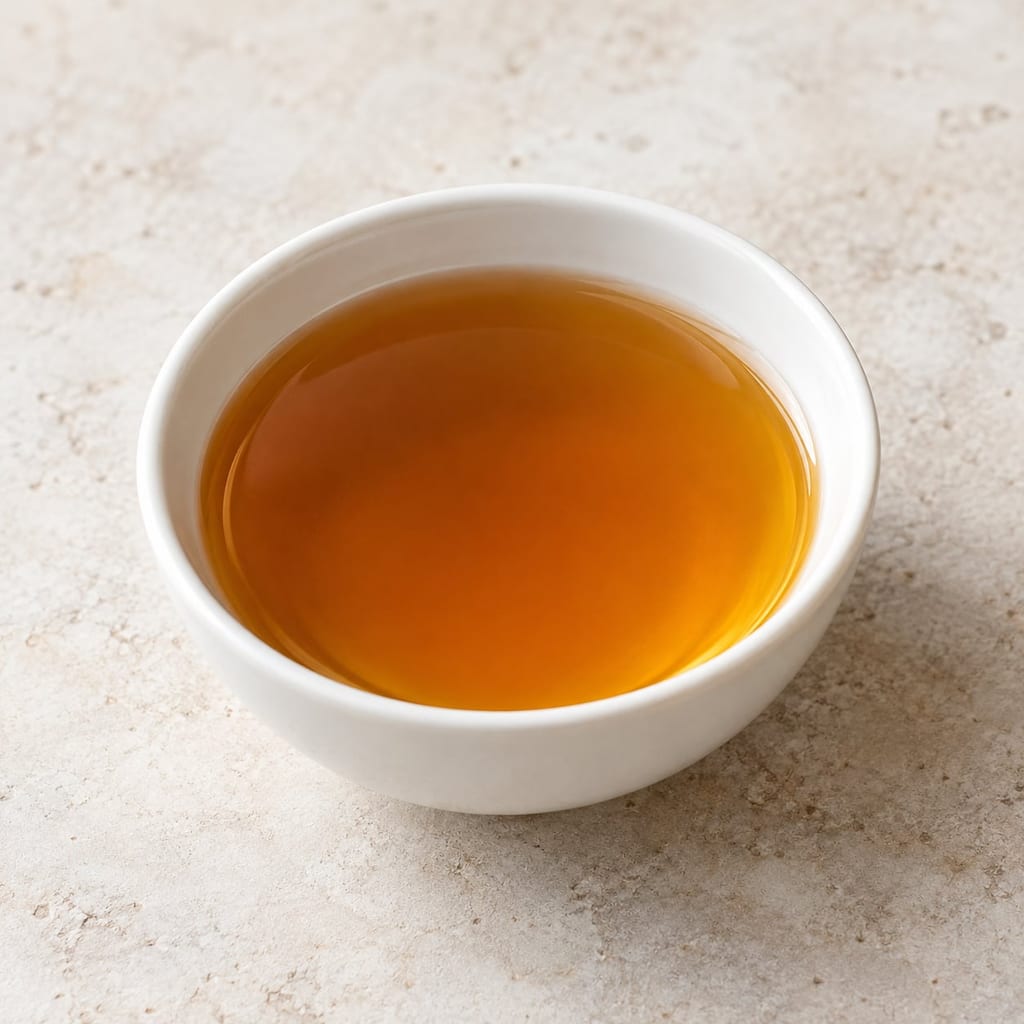
Thai fish sauce is a clear yellow-brown seasoning drawn from salted fish. Tank maturation produces a first extract, with further brine extractions giving other grades.