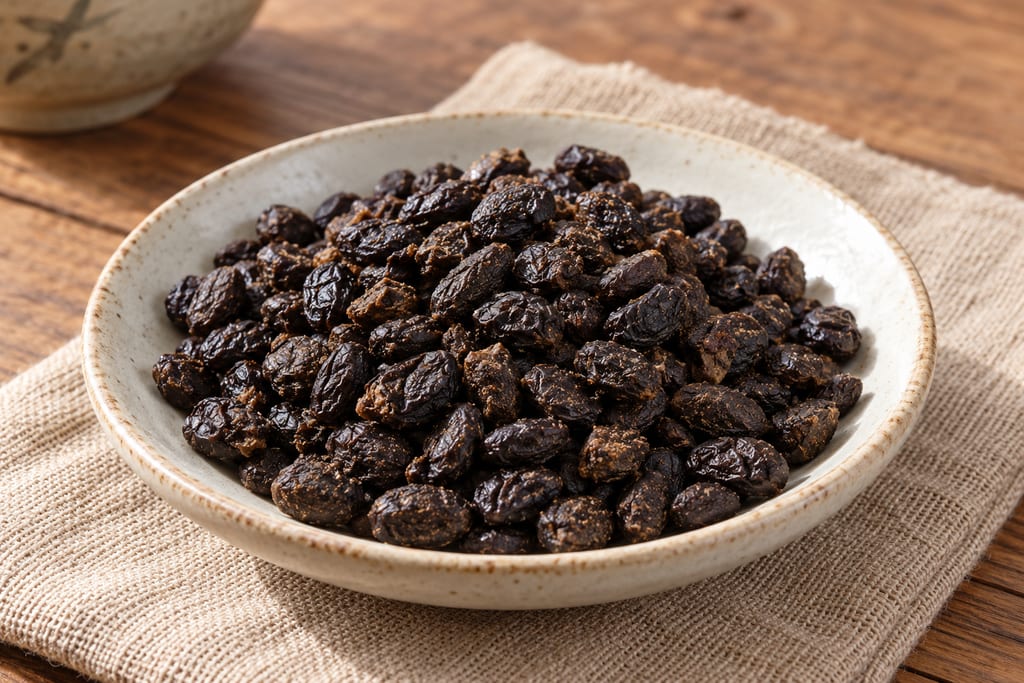
Bacterial-type douchi
A Chinese fermented soybean condiment in which Bacillus-led bacteria, not moulds, drive the fermentation. Documented in Zunyi, Guizhou, and kept separate from mould-led douchi.
 FermenteaWhere food goes to change
鱼露 · yu-lu · yulu · fish sauce, Chinese · 鱼露
Yúlù is a Chinese fish sauce, a liquid drawn from salted fish, shrimp or fish-processing material after a long natural maturation, most associated with coastal southeastern production.

Yúlù is the Chinese liquid fish sauce, made from salted fish, shrimp or fish-processing material that matures for a long time before the liquid is drawn off. It belongs to the same family as the fish sauces of Southeast Asia and Japan, and it is most associated with the southeastern coast, in Fujian in particular.
The sauce is best understood against an older Chinese repertoire of fermented seafood and meat. Its early written record is the Qimin Yaoshu.
The Qimin Yaoshu, compiled in the sixth century CE, records a fish jiang made with fish, salt and moulded grain material, meat jiang made with beef, lamb, deer or rabbit, shrimp preparations with rice and salt, and zhuyi made from fish internal organs. It gives seasonal maturation periods for zhuyi: about 20 days in summer, 50 in spring or autumn and 100 in winter.
These records show a sophisticated repertoire of proteins and methods. They do not show that every early jiang was a clear liquid, or that an ancient word matches a modern commercial sauce.
Salted fish, shrimp or fish-processing material matures under natural temperatures for about 10 to 12 months, as the Fuzhou study describes. The liquid is then extracted. A Guangdong factory process, studied at the microbial level, held a similar salted mixture at 25 degrees Celsius for a year, with the tank stirred twice a day.
The sources do not establish the same method in every district, and the studies are modern. Microbes and enzymes both shape the flavour, and the studies follow them through the process; the sources do not split the contribution between them here.
The sources consulted give no histamine limit, safe salt level or shelf life for home production. Appearance, smell and taste do not establish that yúlù is safe.
Open questions: whether the Fuzhou timing matches older regional methods, and the link between the sixth-century texts and the modern sauce.
The Qimin Yaoshu, compiled in the sixth century CE, records a repertoire of fish and meat jiang, shrimp preparations and a fish-organ preparation with salt and grain starters, with maturation periods by season. The connection with yúlù is clear at a broad level; an unchanged recipe across the intervening centuries is not established.
Scaling: source batch only
Smell and taste do not establish that the sauce is safe.
The Fuzhou production study describes this region; the sources do not establish an unchanged recipe across centuries.
A Chinese fermented soybean condiment in which Bacillus-led bacteria, not moulds, drive the fermentation. Documented in Zunyi, Guizhou, and kept separate from mould-led douchi.
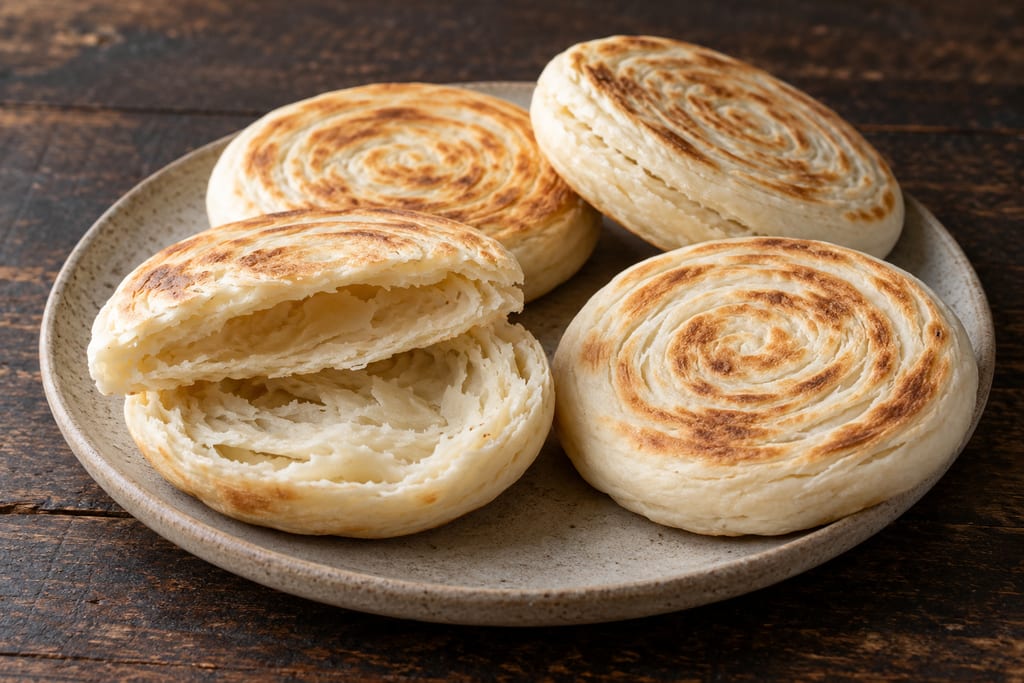
This Shaanxi-associated yeast flatbread uses a simple water dough, coiled shaping and a skillet bake. It is the bread used in roujiamo, not the filled meat dish.
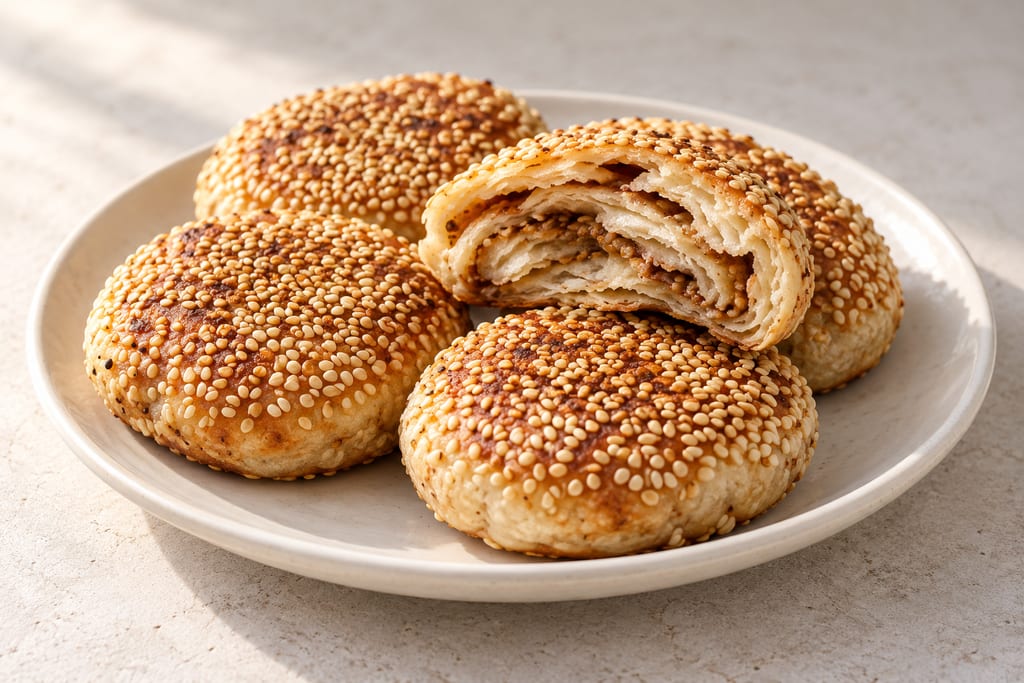
A Beijing-style yeast dough is layered with seasoned sesame paste, sealed into small buns, briefly pan-fried, seeded, and baked.
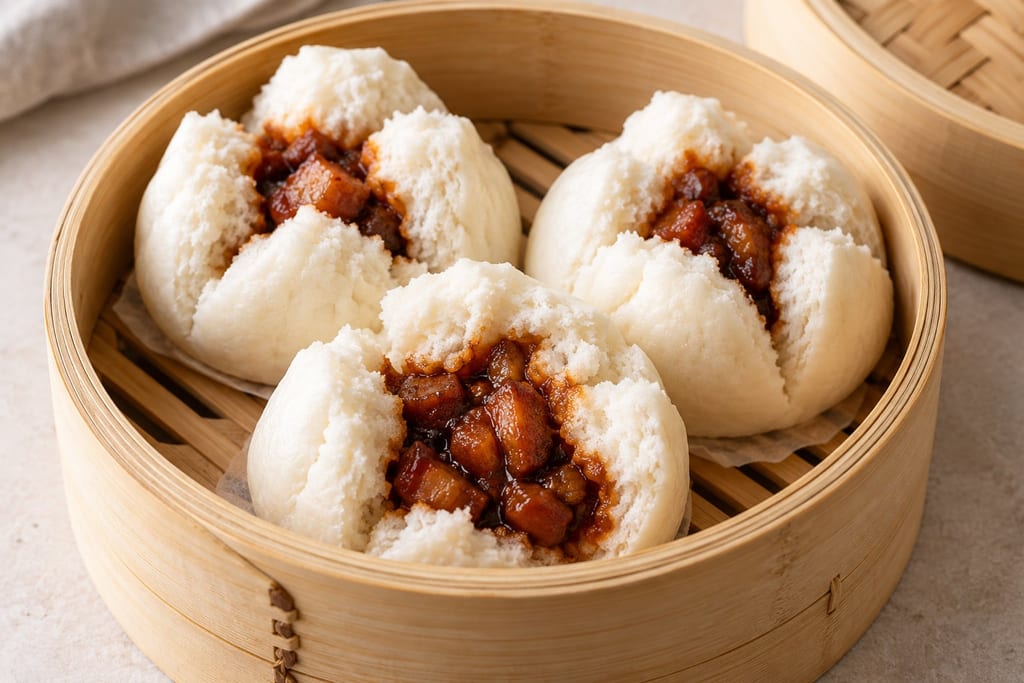
Fourteen fluffy steamed buns filled with cooked char siu and a thickened oyster-soy sauce.
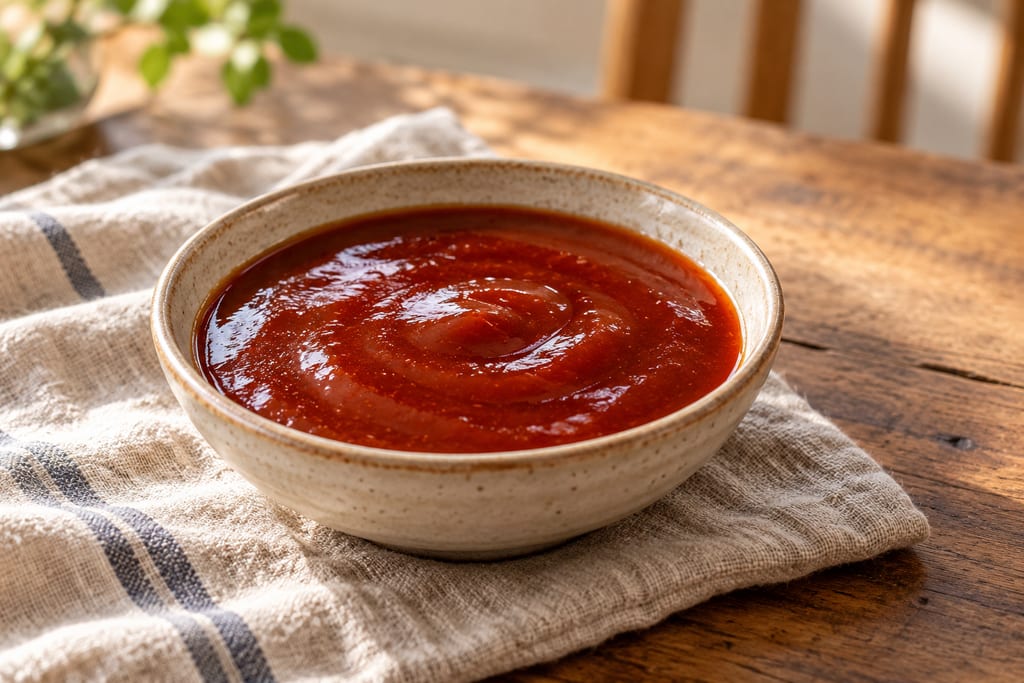
A smooth, tomato-based sweet-and-sour sauce of sugar, vinegar, tomato paste and soy sauce, thickened with starch for dipping or coating; it is not the sauce on Hangzhou's sweet-and-sour ribs.
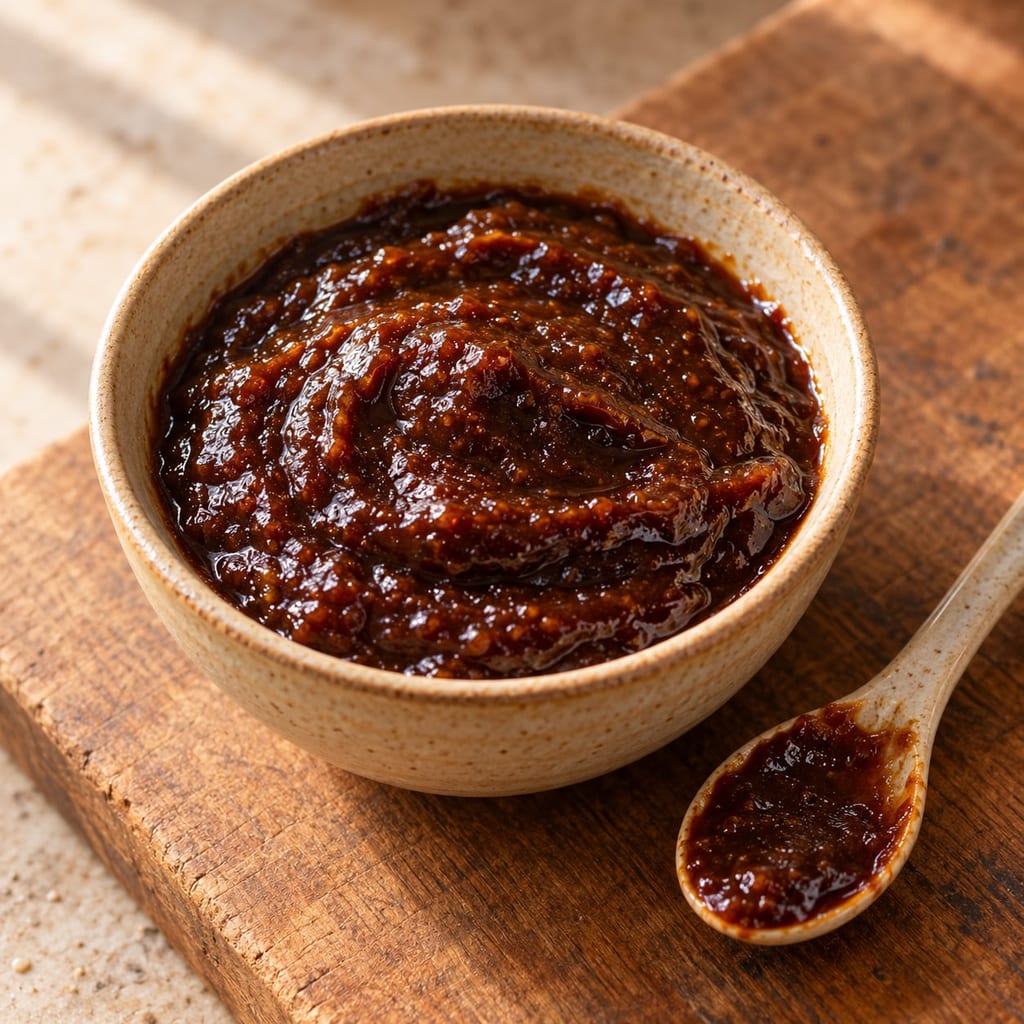
Chu hou is a sweet, savoury Cantonese paste of fermented soybeans, fermented bean curd, garlic, ginger and sesame, used mainly to braise meat.
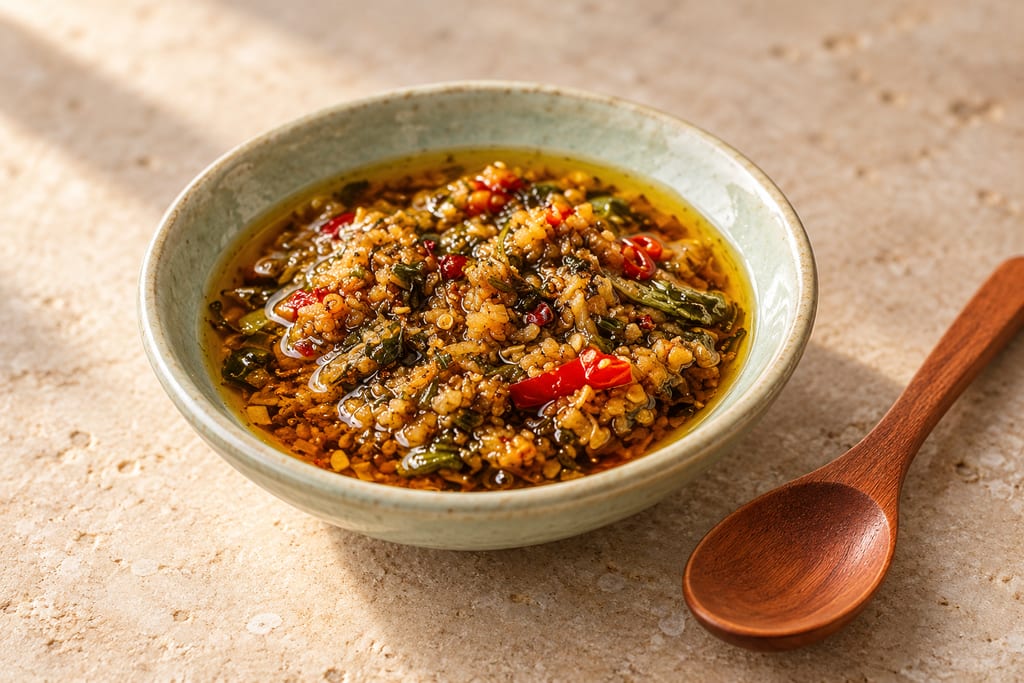
A Cantonese condiment of ginger, garlic, scallion and fresh chilli fried slowly in oil and seasoned with soy sauce, sugar, wine and salt, served over roast meats and poached chicken.
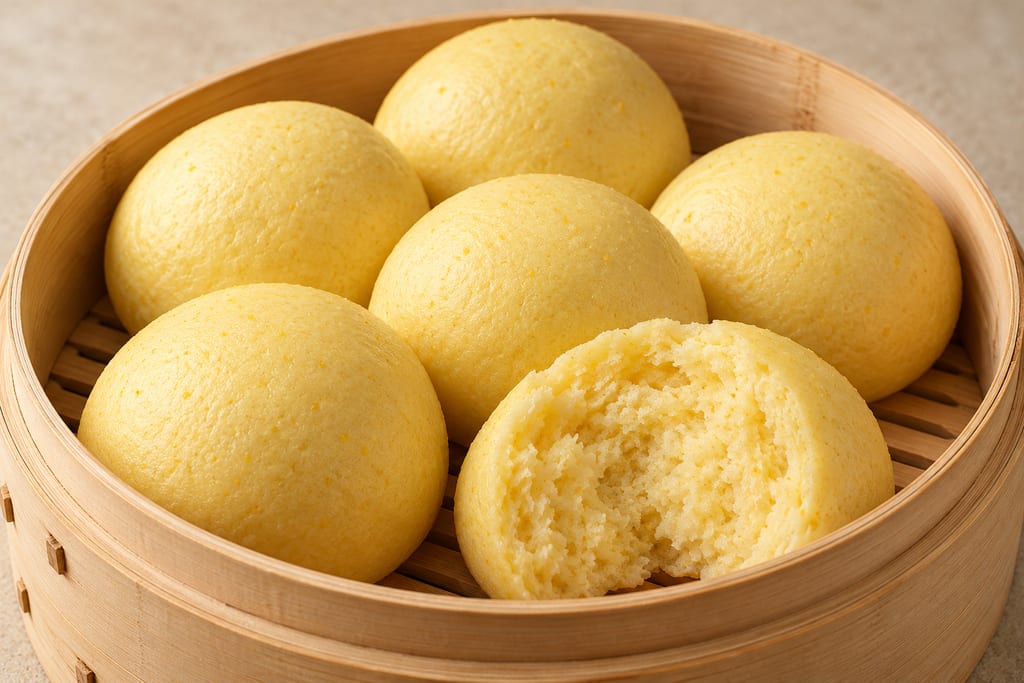
A Chinese cornmeal mantou made with wheat flour, cornmeal, water and yeast. The dough rises until doubled, is shaped into ten rounds, proofed briefly and steamed.
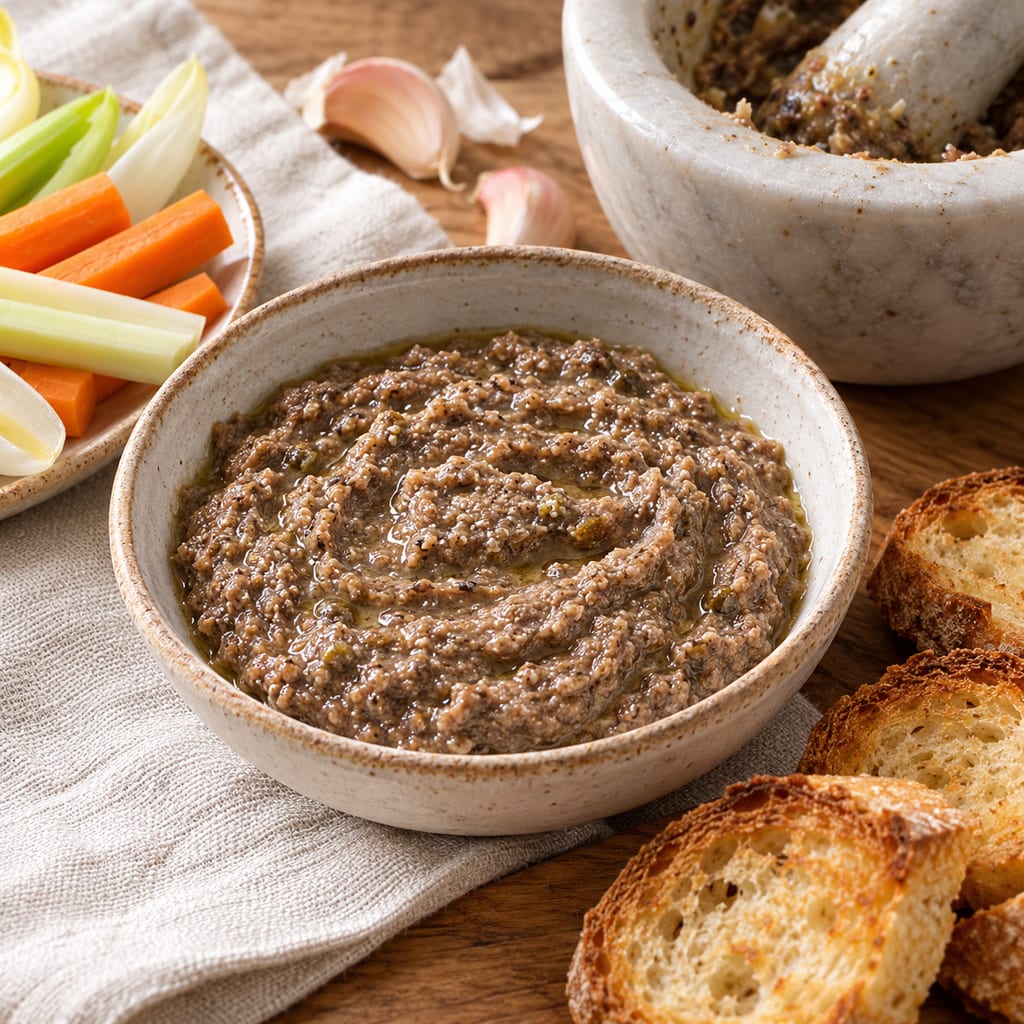
A Provencal dip of anchovies, garlic, capers and olive oil, pounded or blended to a creamy paste and served with raw vegetables, bread and eggs.
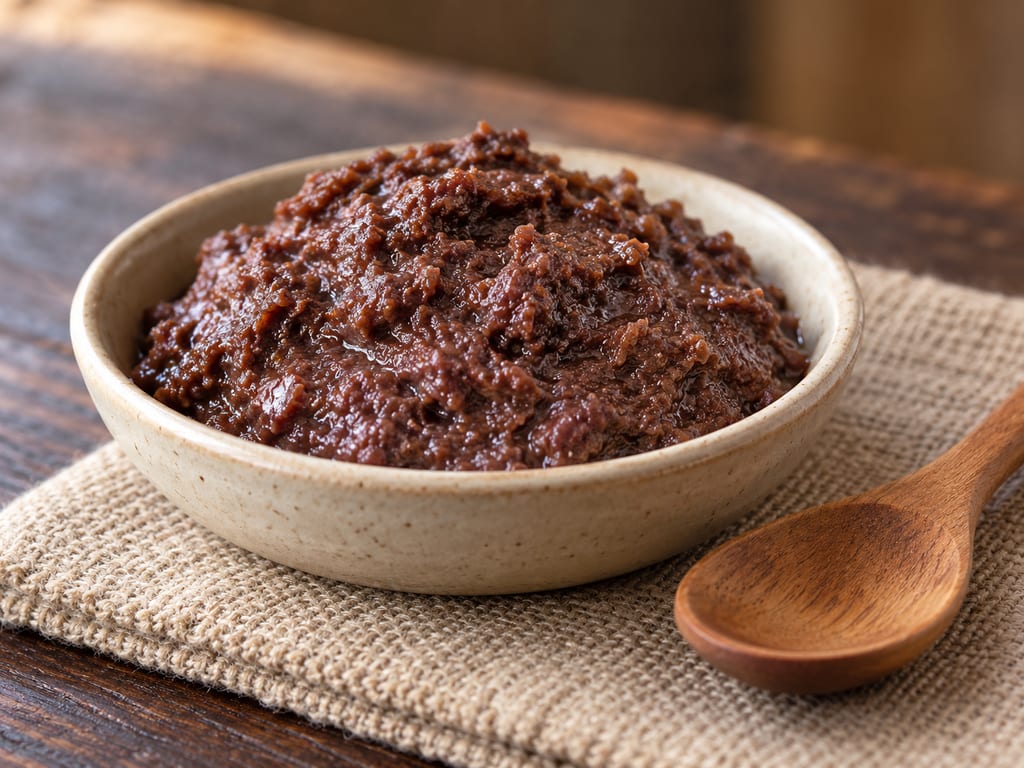
Bagoong isda is a Philippine fish paste: whole small fish salted and left to ferment for a month or more in earthen jars. It is the fish counterpart of bagoong alamang.
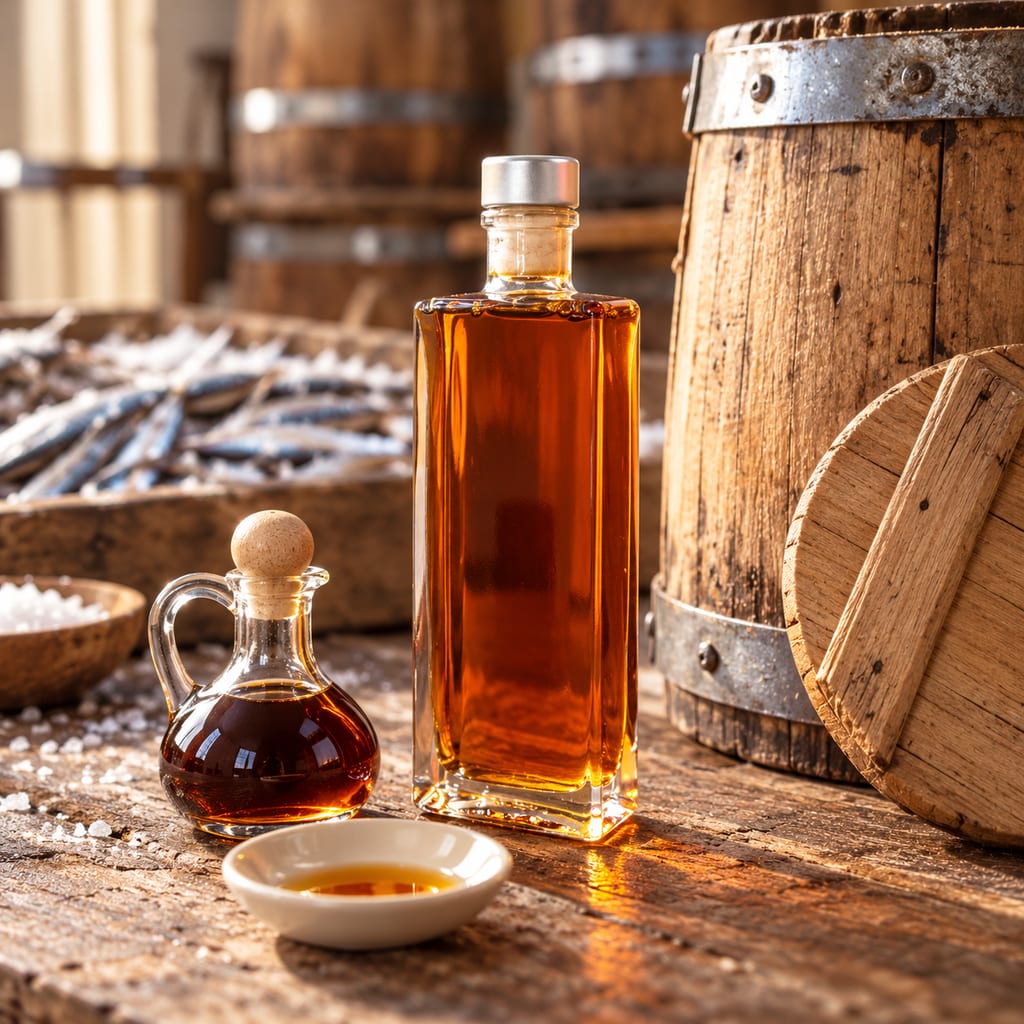
Colatura di alici is the amber liquid drained from salted anchovies matured in wooden containers in Cetara, on the Amalfi coast of Campania, and sold under a protected designation of origin.
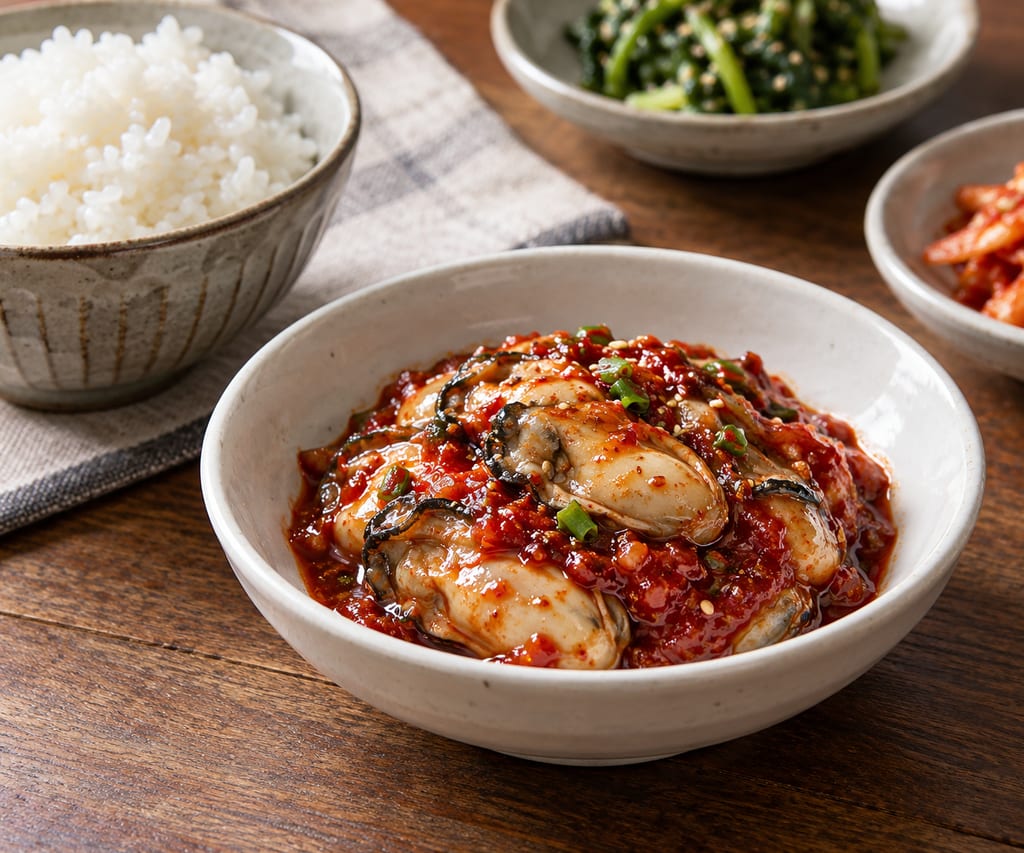
A Korean salted-oyster jeotgal seasoned with chili, associated especially with Seosan and Ganwoldo. This page records its food culture, not a household preparation method.
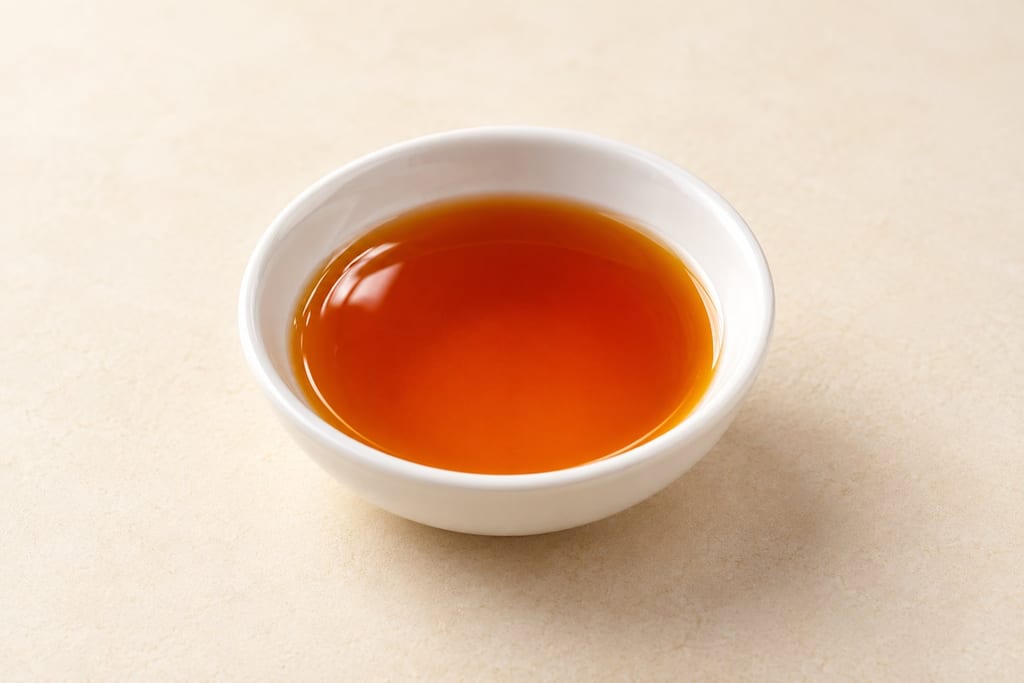
Fish sauce is a clear, salty seasoning made by maturing fish with salt and drawing off the liquid. The broad family includes distinct regional sauces rather than one interchangeable method.
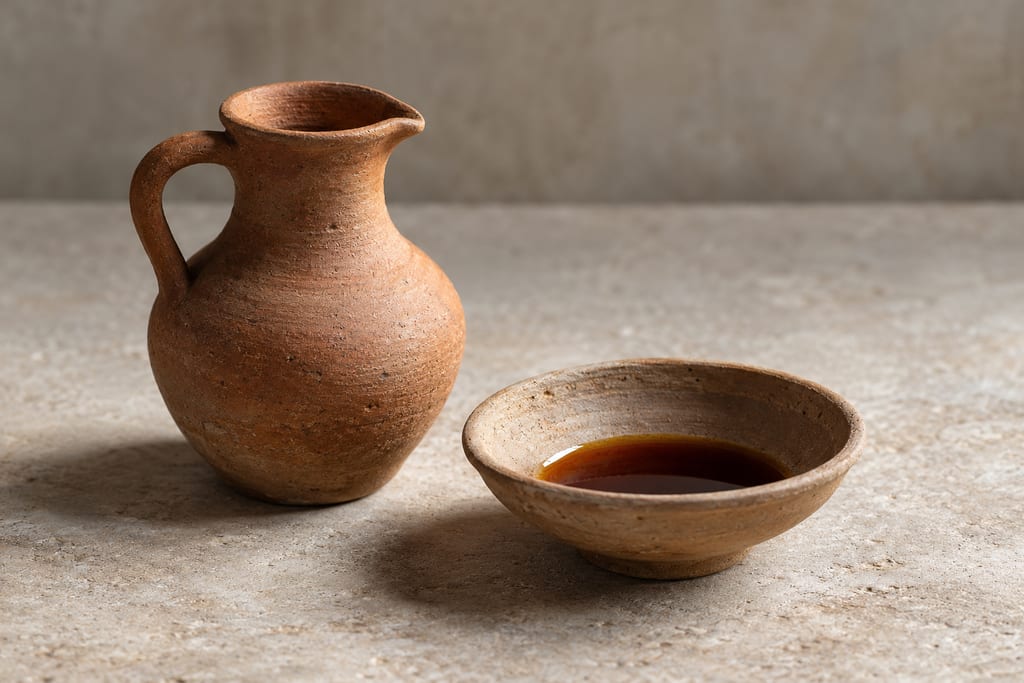
Garum, Greek garos and Latin liquamen, was the fish sauce of the ancient Mediterranean: fish and viscera salted and left in the sun, then drained off as a savoury liquid.
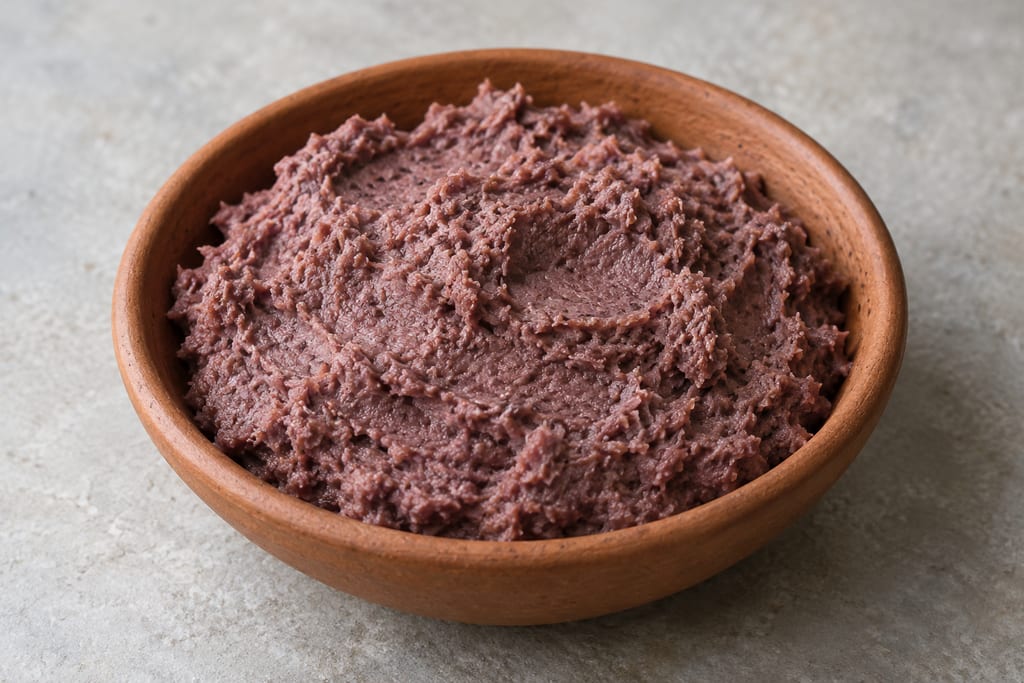
Guinamos is a shrimp paste made on Guimaras in the Philippines: small shrimp salted by hand, sun-dried and trodden by foot until it turns smooth.
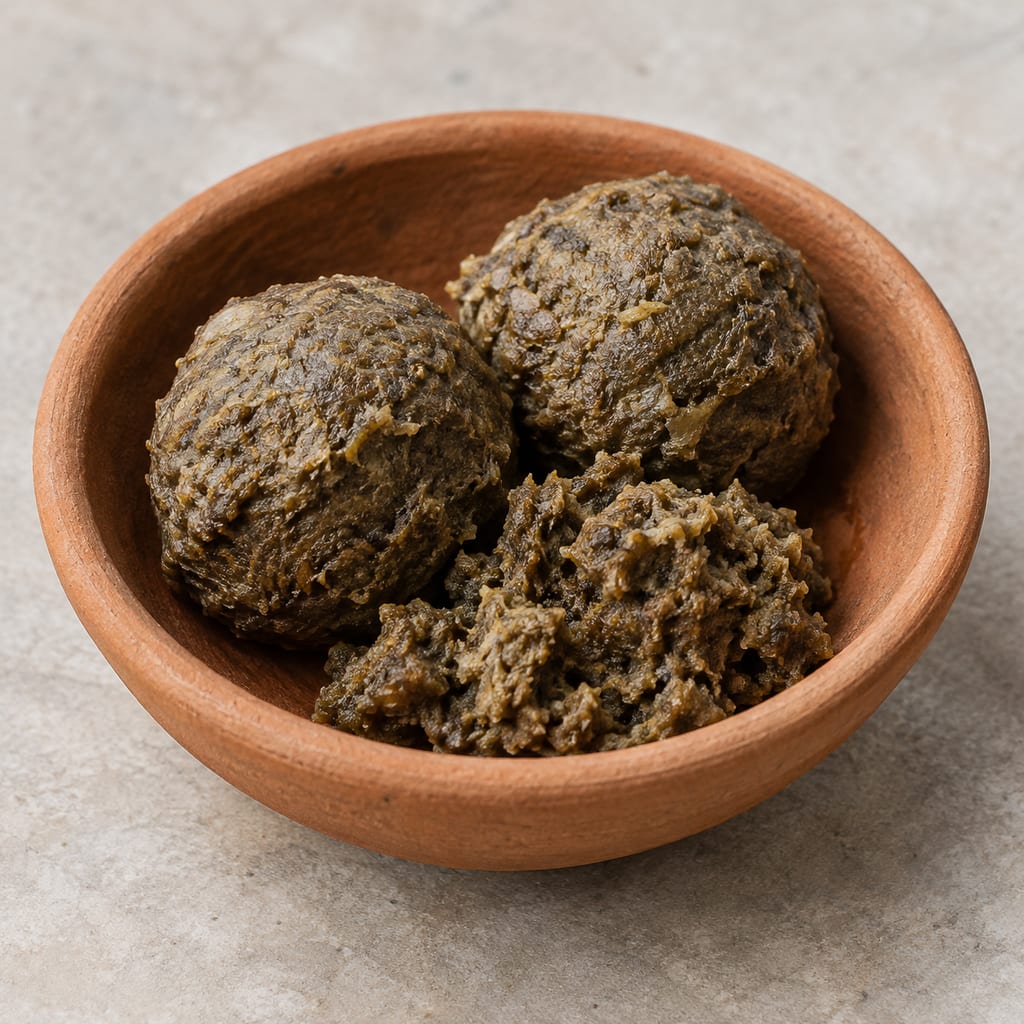
Manipuri fermented fish-and-aroid paste, formed into balls or kept in an earthen pot, used to season Manipuri dishes. Its method is documented in outline only.

Protected Italian vinegar made only from cooked grape must, fermented and aged in a battery of wooden barrels for at least 12 years: sweet, sharp and syrupy.

Airag is Mongolia’s fermented mare’s-milk drink, traditionally churned with saved starter in a reusable cowhide khokhuur.

Appam, or hoppers, are South Indian and Sri Lankan rice pancakes made from a fermented coconut-and-rice batter and cooked in a curved pan to a crisp lacy rim and a soft, spongy centre.

Auricularia tremellosa is a wood ear fungus of the genus that supplies most dried wood ear sold in China; its own food record is thin, and the culinary practice described here comes from the closely related wood ear species.

Ayran is Turkey’s cold, savoury yogurt drink: plain yogurt is loosened with water and lightly salted, then whisked smooth or aerated into a soft cap of foam.
A thin stone griddle used over an open hearth. Norwegian archaeology documents the established tradition from the early Middle Ages; a Viking-period origin is only a cautious suggestion linked to Shetland.

Crushed or milled barley cooked in water until the starch softens and the mixture thickens, the plainest way a northern household turned stored grain into a meal, here with apple and hazelnut.

Black carrot is the anthocyanin-pigmented Eastern carrot (Daucus carota var. atrorubens), the purple root that preceded orange types and still colours kanji and şalgam.
No community contributions have been published for this entry yet.
Sign in to contribute. Published comments and photos are free to read.
Journal of Zhejiang University Science BMethod
Study of yúlù production in FuzhouSalted fish, shrimp or fish-processing material maturing under natural temperatures for about 10 to 12 months, followed by liquid extraction.
Cited in: A fish sauce of southern China; How it is made; Safety and open questions
gushiwen.cnHistory
Qimin Yaoshu (Jia Sixie, sixth century CE)The text records fish jiang, meat jiang, shrimp preparations and zhuyi with salt, and maturation periods of about 20 days in summer, 50 in spring or autumn and 100 in winter for zhuyi.
Cited in: A fish sauce of southern China; Early records
PubMed CentralScience
Genome-resolved metaproteomic analysis of microbiota and metabolic pathways involved in taste formation during Chinese traditional fish sauce (Yu-lu) fermentationA Guangdong factory process ran at 25 degrees Celsius for one year with the tank stirred twice a day.
Cited in: How it is made