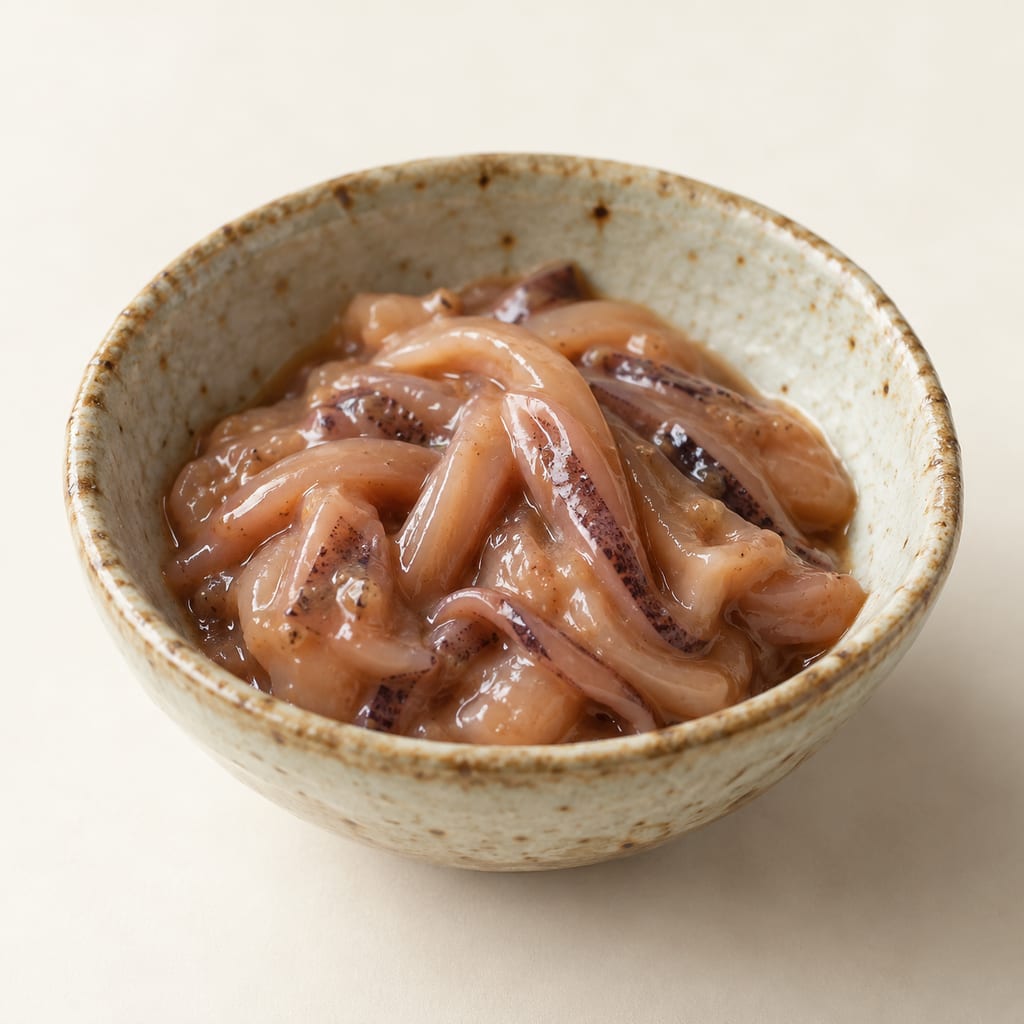
Shiokara
Shiokara is a Japanese salted and fermented seafood preparation, in which squid or the organs of other fish are matured in salt until the flesh breaks down into a thick, savoury paste that keeps its solids.
 FermenteaWhere food goes to change
しょっつる · shottsuru · shotturu
Shottsuru is the fish sauce of Akita, Japan, made from salted fish, most often the sandfish hatahata, which liquefies over a long maturation of a year or more.
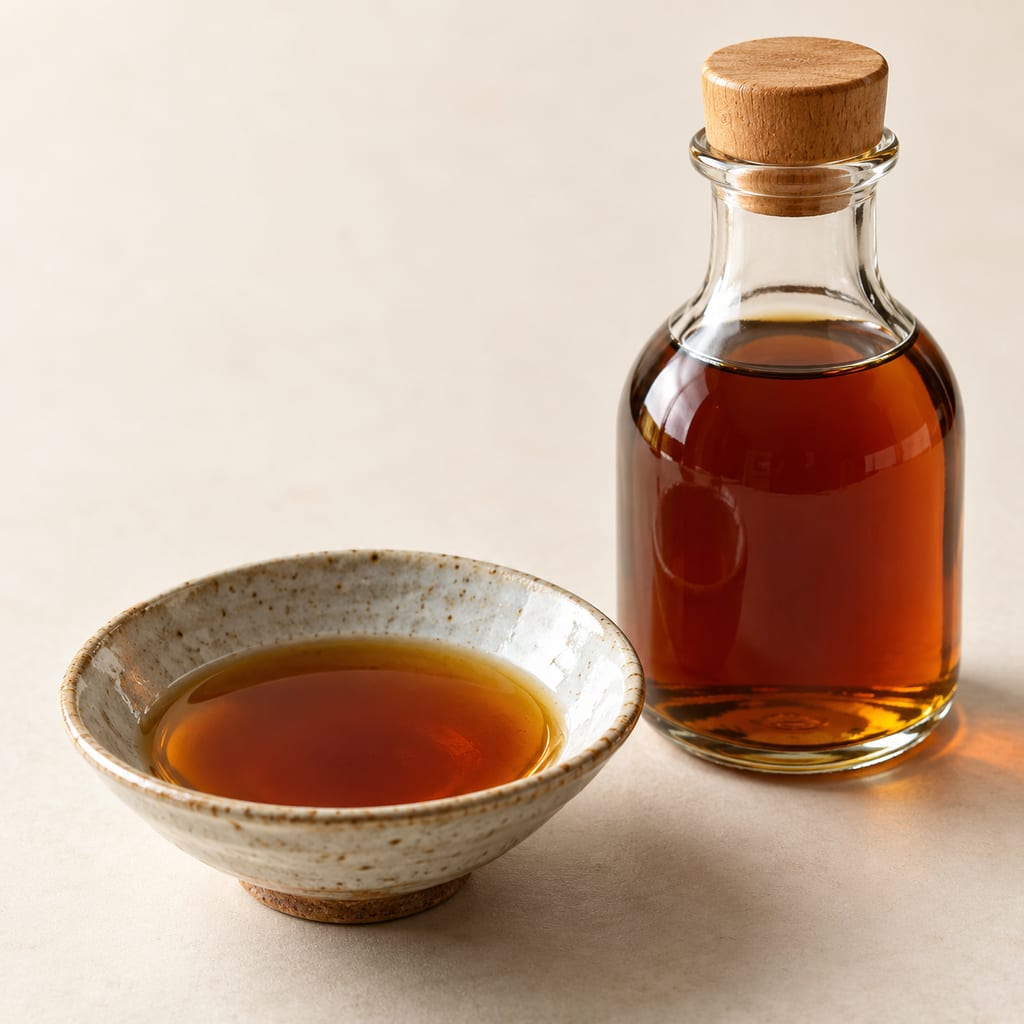
Shottsuru is the fish sauce of Akita on the Japanese northwest coast. It is made from salted fish that liquefies over a long maturation, and it is one of the three major regional fish sauces of Japan, alongside ishiru and ikanago shōyu.
Hatahata, the Japanese sandfish, is the fish most strongly associated with the sauce, though other fish are also used.
The fish is salted and left to mature. Over a year or longer the fish liquefies, and the liquid is then processed and filtered. Production times vary, and the MAFF account gives the year as the common length rather than a fixed one.
The liquefaction is the change that gives the sauce its character. The sources do not split the causes of that change between microbes and enzymes.
Salting holds the fish steady while the long maturation takes place. The long maturation is what turns solid fish into a liquid sauce, and the filtering removes what remains solid. The sources do not give the salt measure or the temperature.
The MAFF account gives no histamine limit, safe salt level or shelf life for home production. Appearance, smell and taste do not establish that shottsuru is safe.
Open questions: the date of first production, and how the process varies between producers.
Shottsuru is a longstanding regional tradition of Akita, with variable production times; the MAFF account does not date its first production.
Scaling: source batch only
Smell and taste do not establish that the sauce is safe.
The MAFF account names Akita as the place of the tradition.
Shiokara is a Japanese salted and fermented seafood preparation, in which squid or the organs of other fish are matured in salt until the flesh breaks down into a thick, savoury paste that keeps its solids.

Japanese reddish-brown vinegar from sake lees matured about three years, turned to vinegar by acetic bacteria; the vinegar of Handa and Edomae sushi rice.

A thick, naturally sweet rice-and-koji preparation used to add body and sweetness to marinades, dressings and sauces. This method follows a published Marukome home recipe and is an enzyme-conversion hold, not a way to grow koji mould.
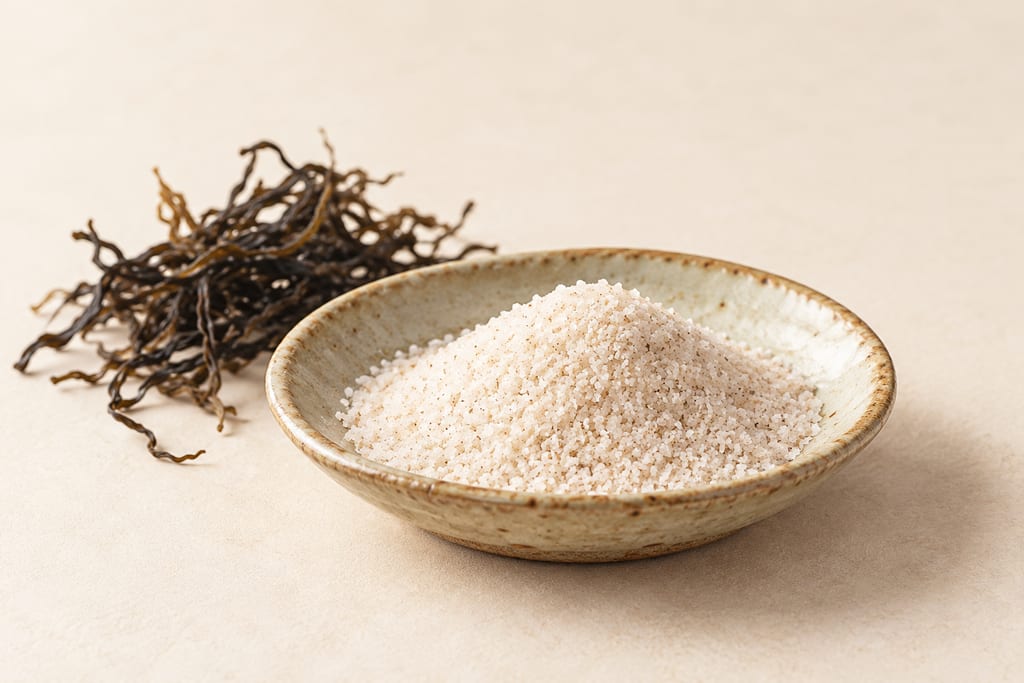
Amabito no Moshio is a modern, pale beige Japanese seaweed salt made from Seto Inland Sea water and hondawara seaweed. Its documented factory method concentrates filtered brine in kettles, then separates and dries the salt.

Anpan is a soft wheat bun filled with sweet red-bean paste and finished with egg wash and black sesame. This dough rises with commercial instant yeast.

Japanese skipjack tuna cooked, then repeatedly smoked and dried over a wood fire by the hand-fired tebiyama method into a hard block for shaving into dashi: the first stage of katsuobushi.
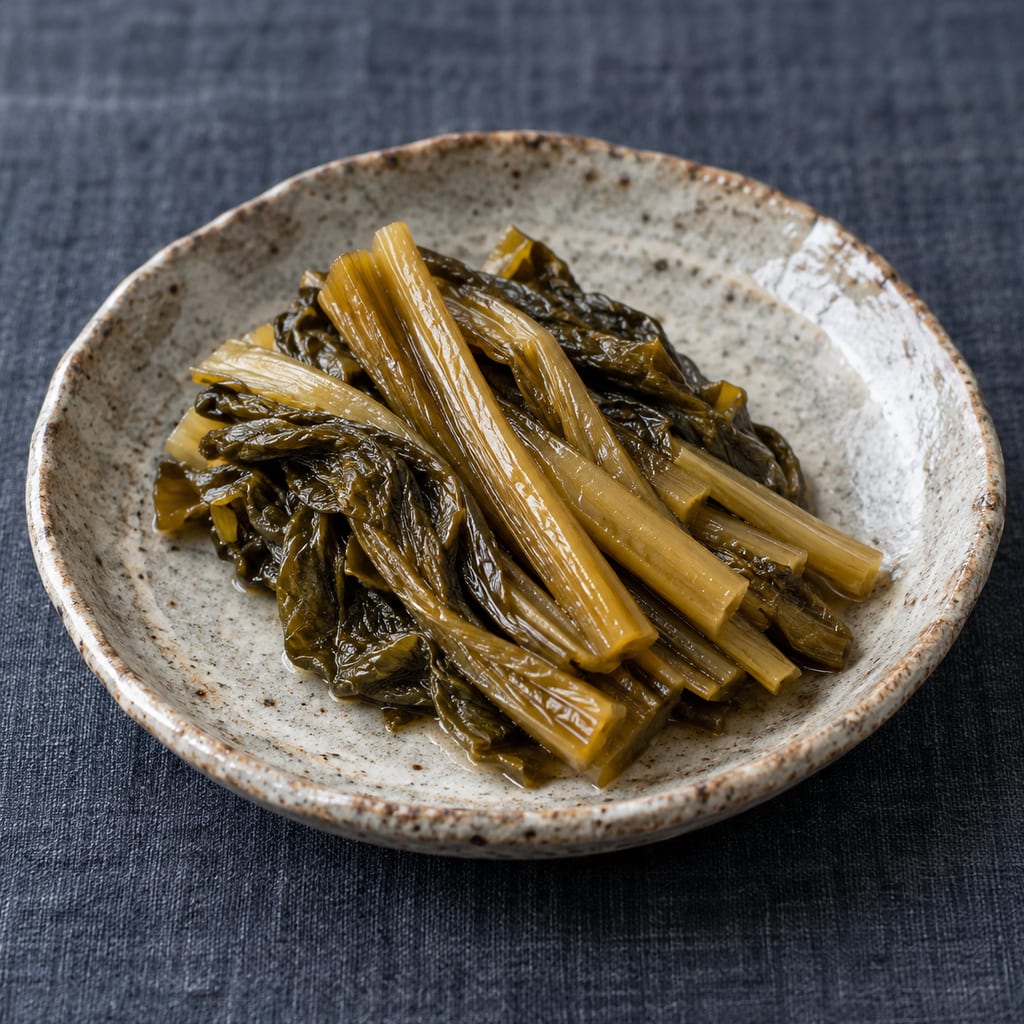
Takana mustard greens from Aso in Kumamoto are salted and pressed into a fresh spring pickle, or aged into a sour furuzuke that is fried and mixed into takana rice.
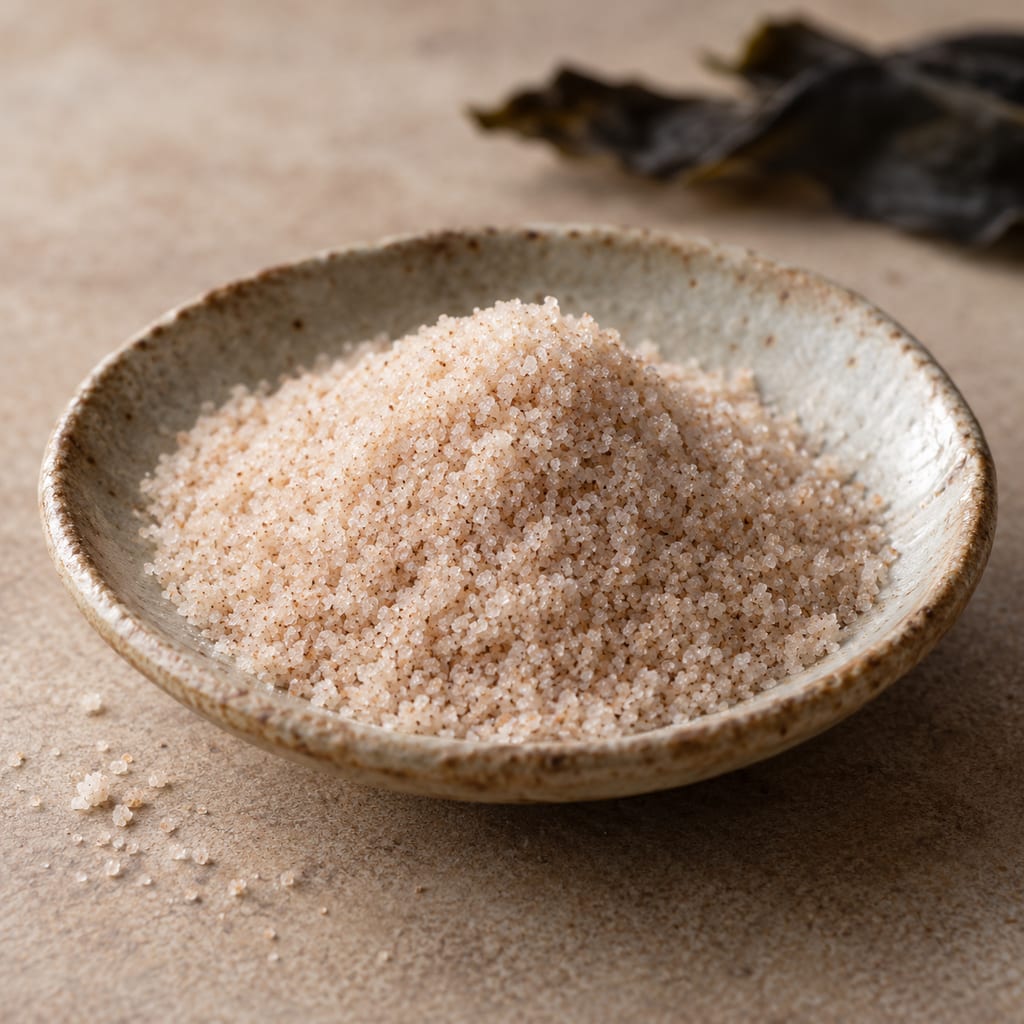
Awaji moshio is a modern Japanese seaweed salt made by TaDa PHILOSOPHY from Awaji Island seawater and seaweed. Its premium process concentrates brine, extracts seaweed flavor, then crystallizes, separates, dries and grades the salt.
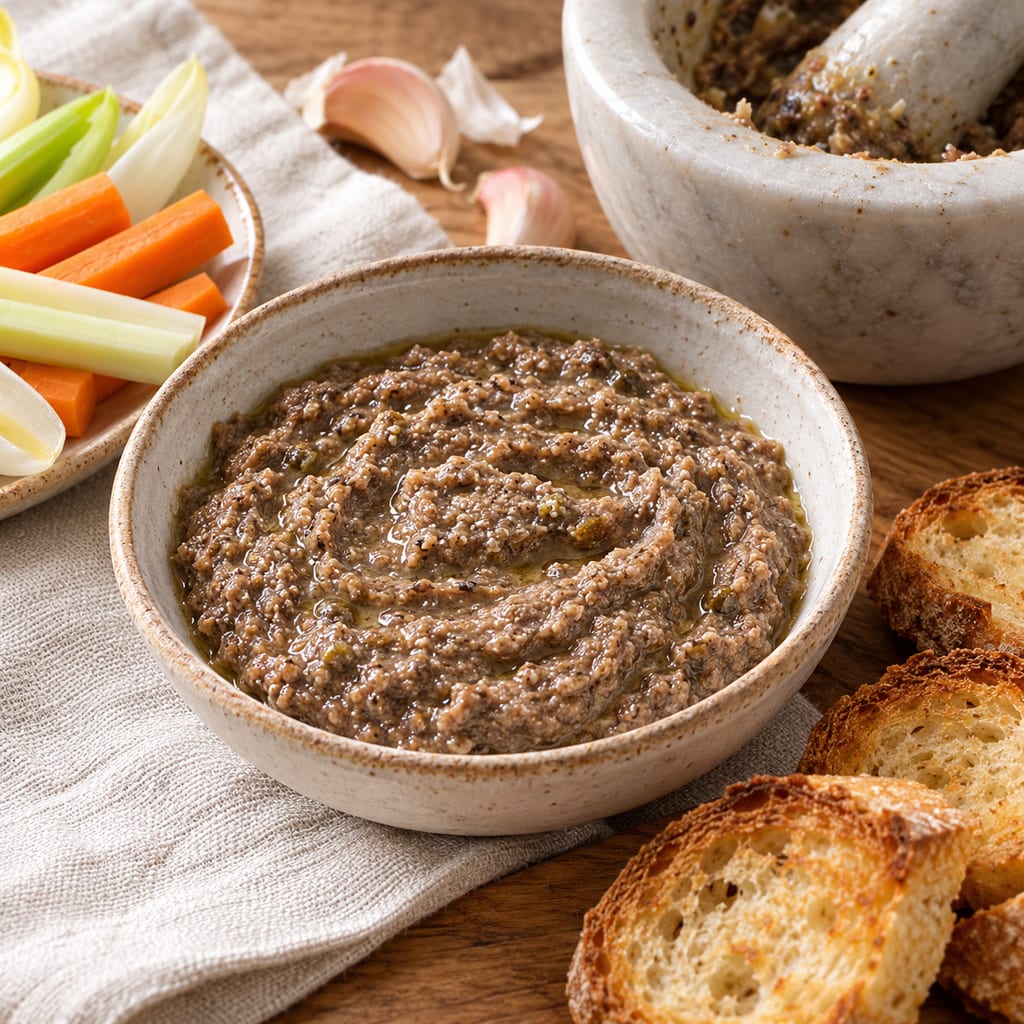
A Provencal dip of anchovies, garlic, capers and olive oil, pounded or blended to a creamy paste and served with raw vegetables, bread and eggs.
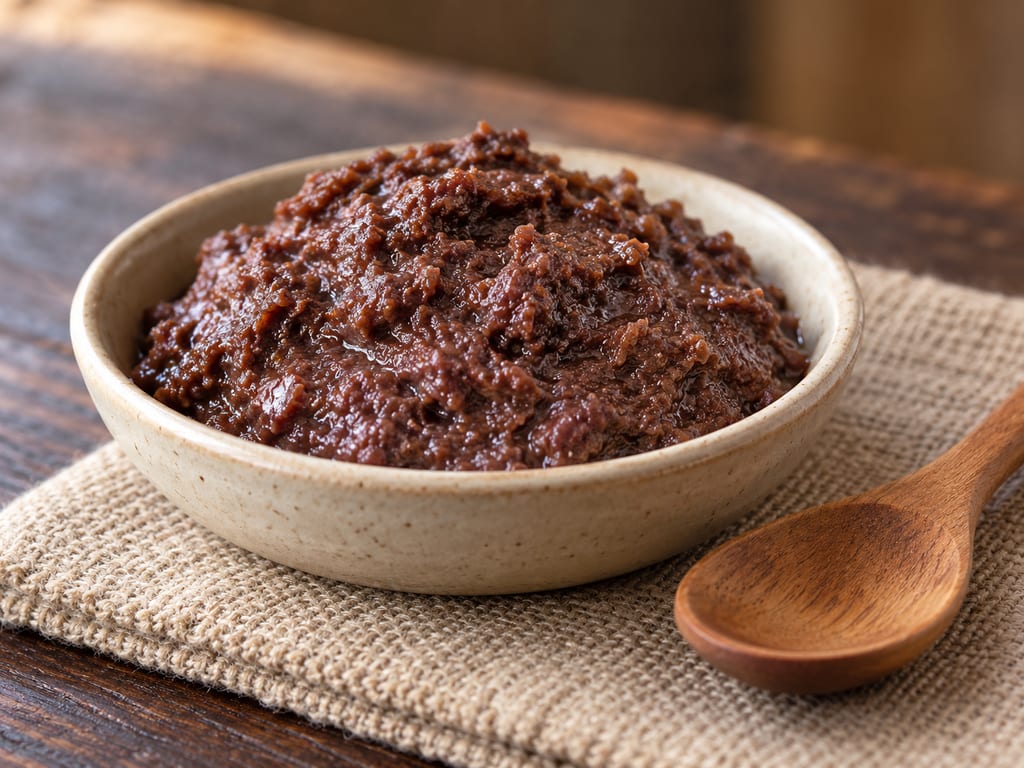
Bagoong isda is a Philippine fish paste: whole small fish salted and left to ferment for a month or more in earthen jars. It is the fish counterpart of bagoong alamang.
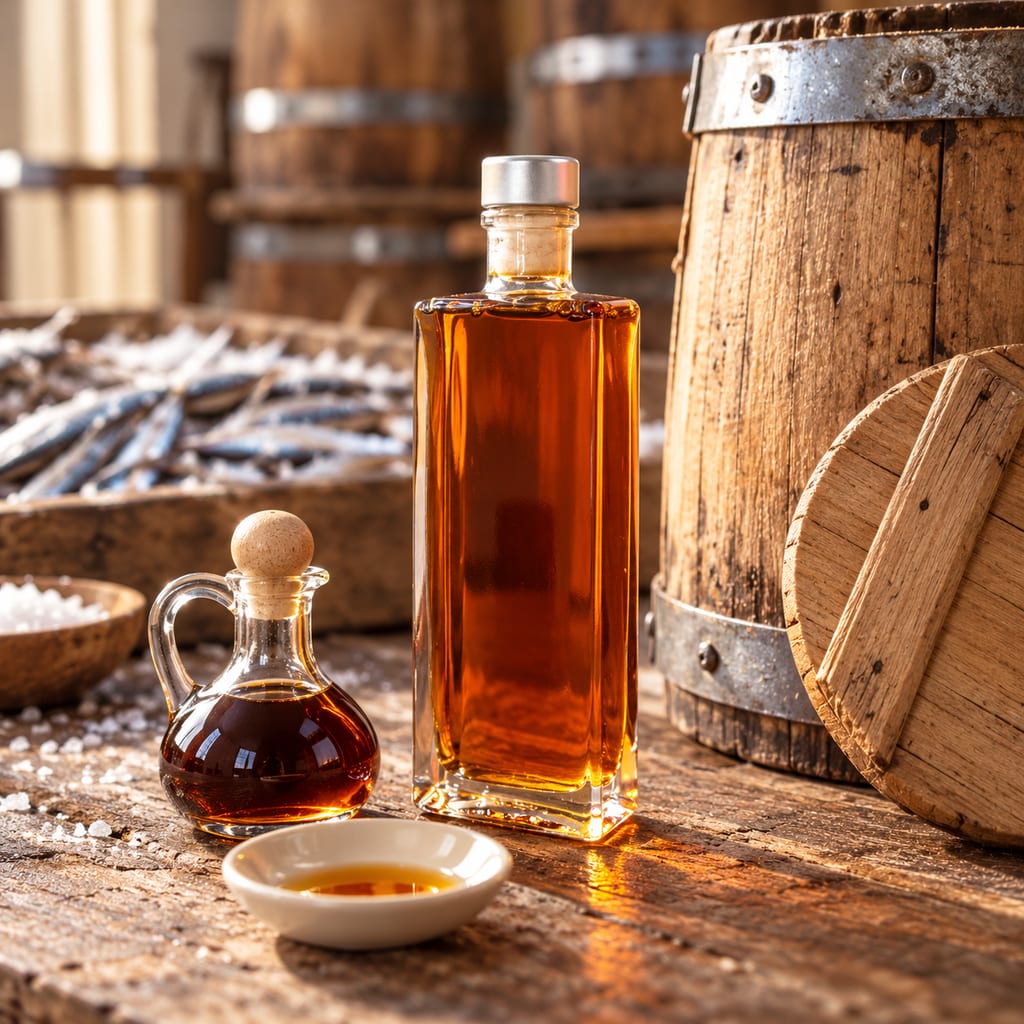
Colatura di alici is the amber liquid drained from salted anchovies matured in wooden containers in Cetara, on the Amalfi coast of Campania, and sold under a protected designation of origin.
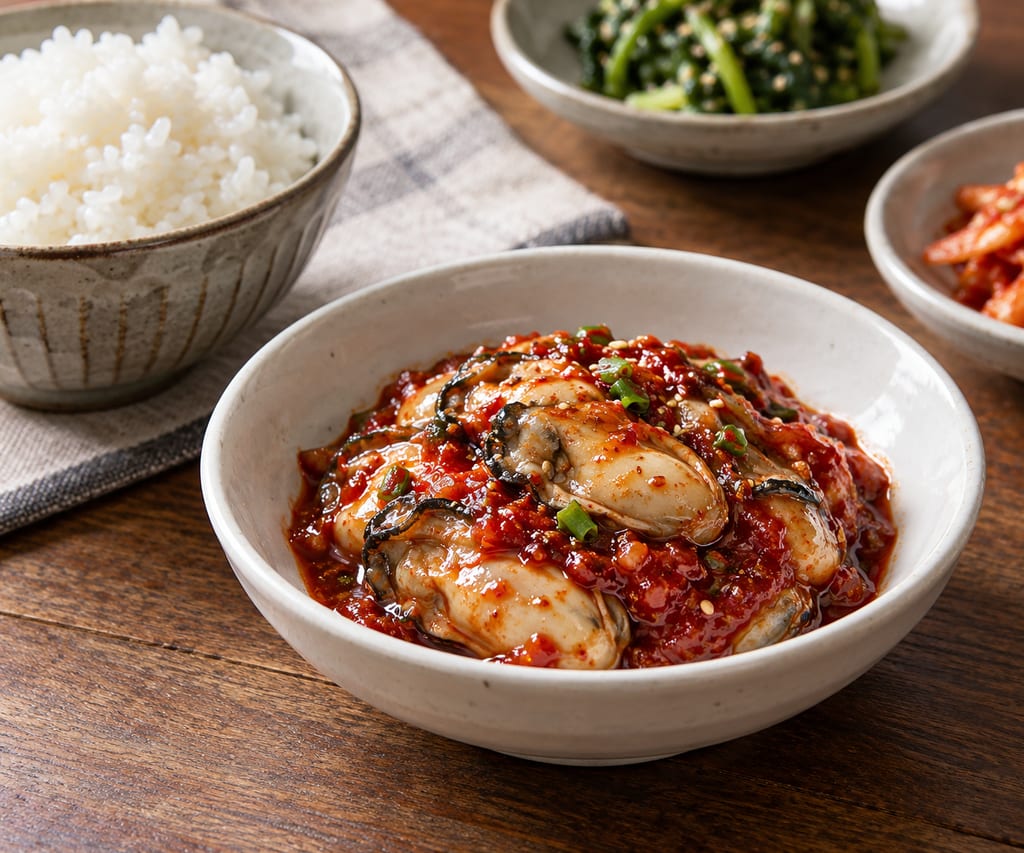
A Korean salted-oyster jeotgal seasoned with chili, associated especially with Seosan and Ganwoldo. This page records its food culture, not a household preparation method.
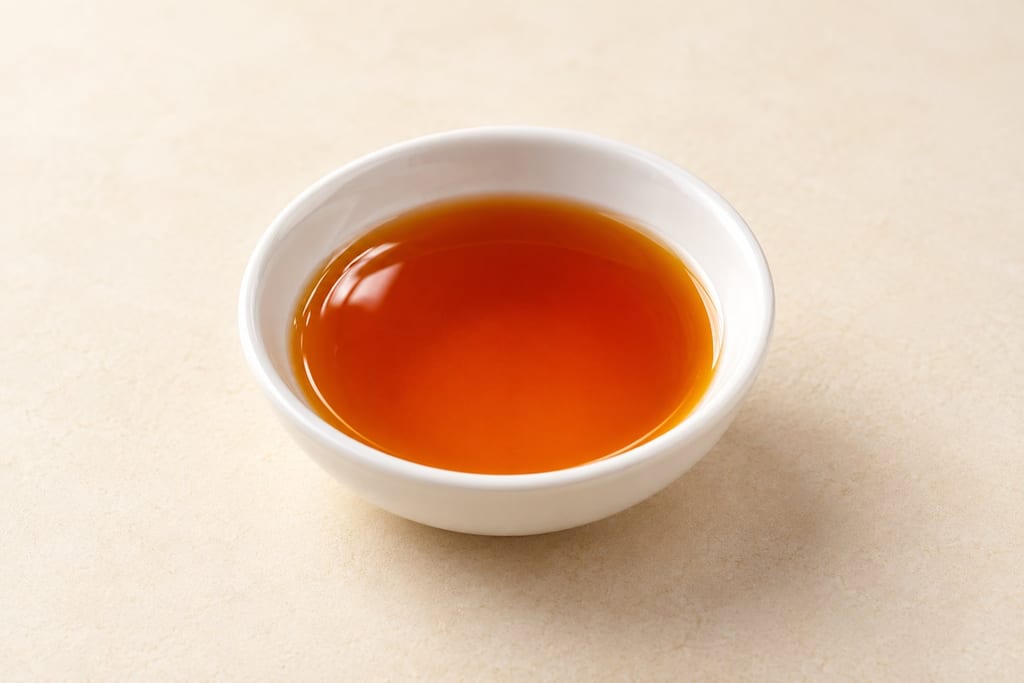
Fish sauce is a clear, salty seasoning made by maturing fish with salt and drawing off the liquid. The broad family includes distinct regional sauces rather than one interchangeable method.
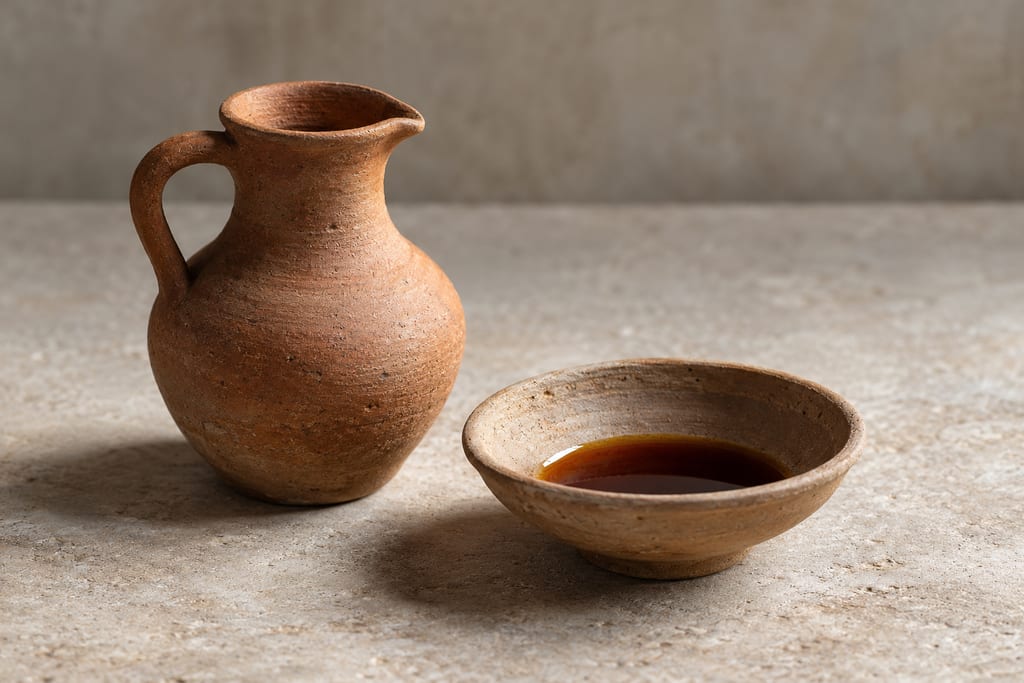
Garum, Greek garos and Latin liquamen, was the fish sauce of the ancient Mediterranean: fish and viscera salted and left in the sun, then drained off as a savoury liquid.
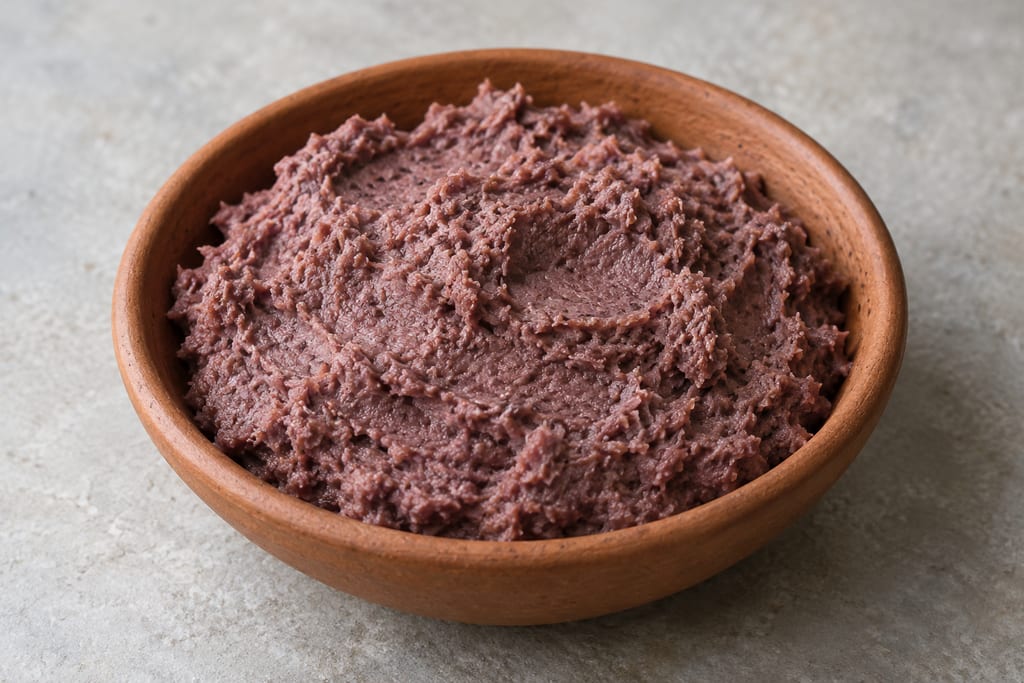
Guinamos is a shrimp paste made on Guimaras in the Philippines: small shrimp salted by hand, sun-dried and trodden by foot until it turns smooth.
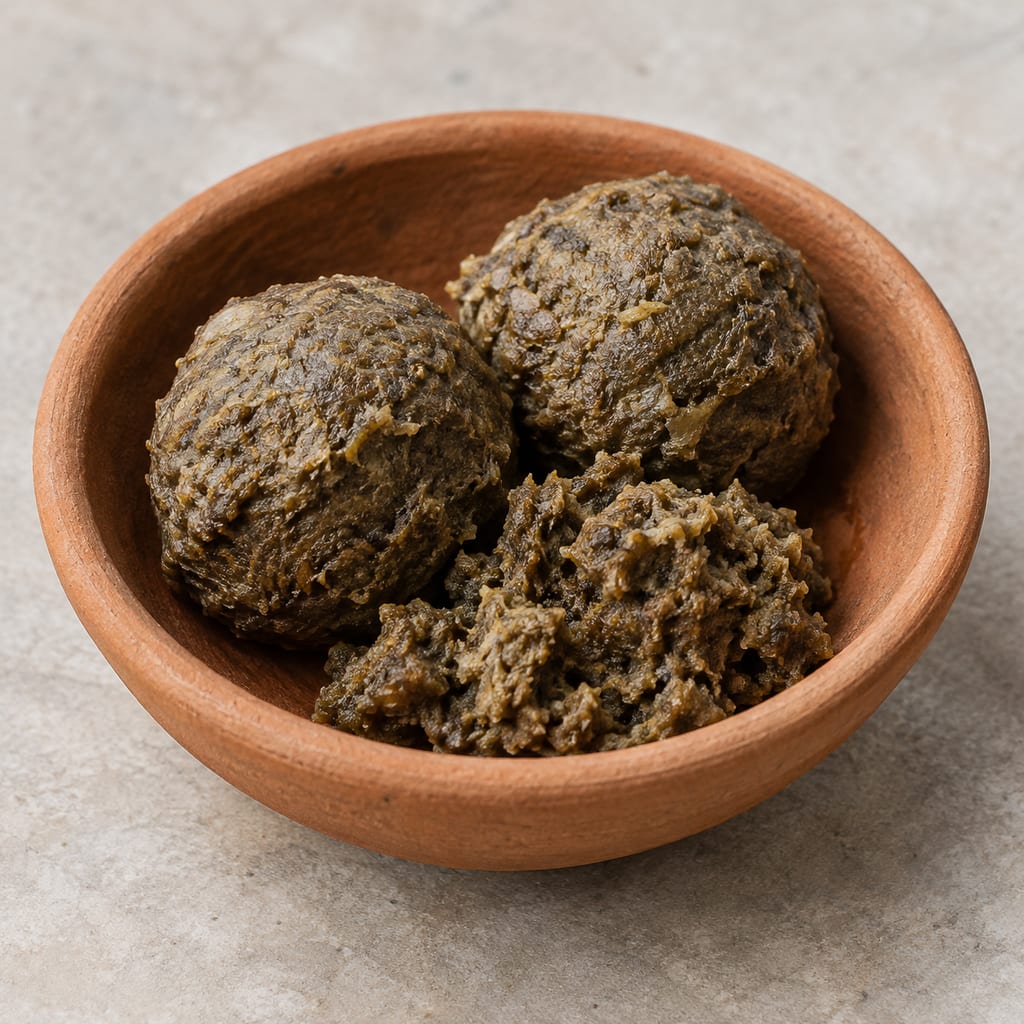
Manipuri fermented fish-and-aroid paste, formed into balls or kept in an earthen pot, used to season Manipuri dishes. Its method is documented in outline only.
No community contributions have been published for this entry yet.
Sign in to contribute. Published comments and photos are free to read.
Ministry of Agriculture, Forestry and Fisheries, JapanMethod · History
Shottsuru (MAFF Japan)Akita; strongly associated with hatahata, Japanese sandfish, though other fish are also used.
Salted fish liquefies during long maturation, commonly a year or longer; the liquid is processed and filtered.
Cited in: Akita's fish sauce; How it is made; Why the stages matter; Safety and open questions