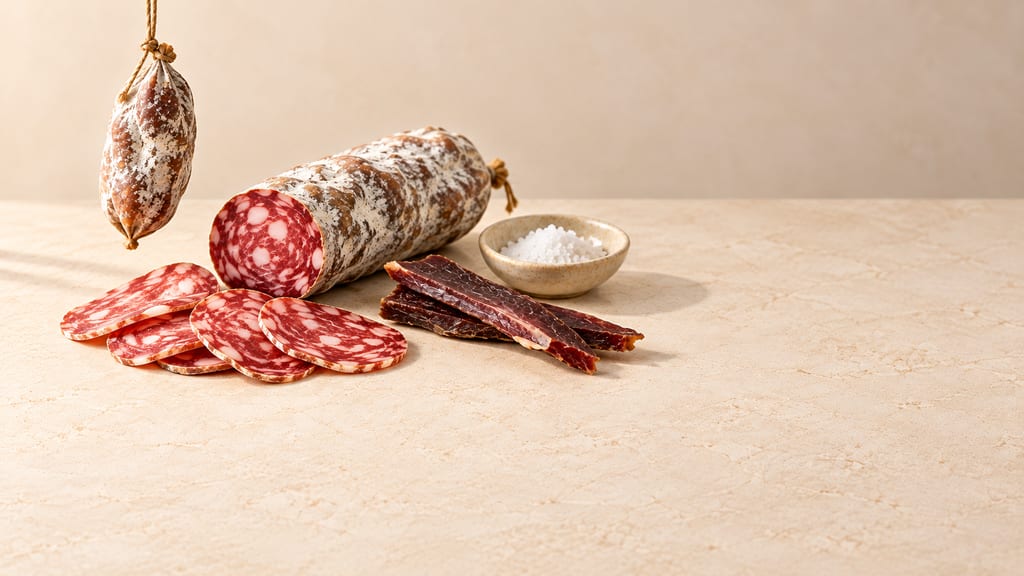
Fermented meat around the world
Dry salami, sour pork with rice, matured sheep and aged blubber follow different paths from animal to food. Their stories connect microbes with climate, slaughter, migration and the meals people share.
 FermenteaWhere food goes to change
塩辛 · ika no shiokara · squid shiokara · shiokara
Shiokara is a Japanese salted and fermented seafood preparation, in which squid or the organs of other fish are matured in salt until the flesh breaks down into a thick, savoury paste that keeps its solids.
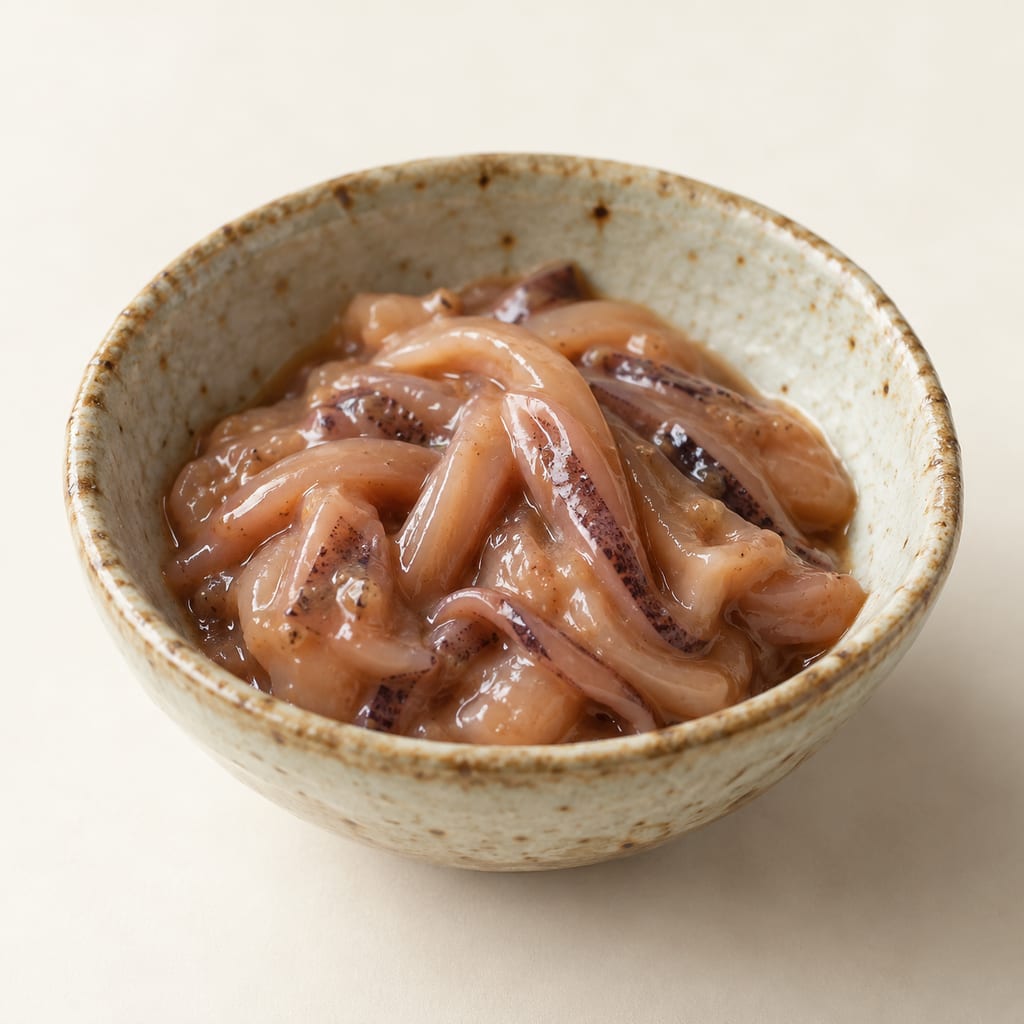
Shiokara is a Japanese preparation of salted and matured seafood. The defining feature is that substantial solids remain in the mixture while it matures, so the product is eaten as a dense, savoury paste rather than strained into a liquid. The best-known form is ika no shiokara, made from squid.
The category is wide. Across Japan, the same method is applied to different seafood, including the gut of bonito, sea cucumber intestine and sweetfish gut, and each has its own name and history.
The seafood is salted and matured. Because the solids stay in the mixture, the maturation breaks the flesh down into a paste rather than a clear liquid. The sources do not give measures, temperatures or durations for the general method, so they are not recorded here.
Ika no shiokara is the squid preparation. Shutō uses the gut of bonito, konowata uses sea cucumber intestine and uruka uses sweetfish gut. Each is a separate product with a separate history, and the MAFF account treats them as one family rather than one recipe.
Shiokara is distinct from the regional fish sauces, which are liquids drawn from matured fish. The contrast with those liquid sauces explains why the solids matter.
The reference photograph shows squid shiokara in its own sauce, served in a small bowl. The product is eaten in small amounts as a strong, salty accompaniment.
The MAFF account sets no safe limit or shelf life for home production. Appearance, smell and taste do not establish that a product is safe.
Open questions: the date of shiokara as a named product, and the separate history of each version.
Medieval Japanese literature documents the broader tradition of salted-fermented seafood; the individual products named below need separate histories.
Scaling: source batch only
Smell and taste do not establish that the product is safe.
The sources name numerous Japanese regions; no single origin is established.
Dry salami, sour pork with rice, matured sheep and aged blubber follow different paths from animal to food. Their stories connect microbes with climate, slaughter, migration and the meals people share.
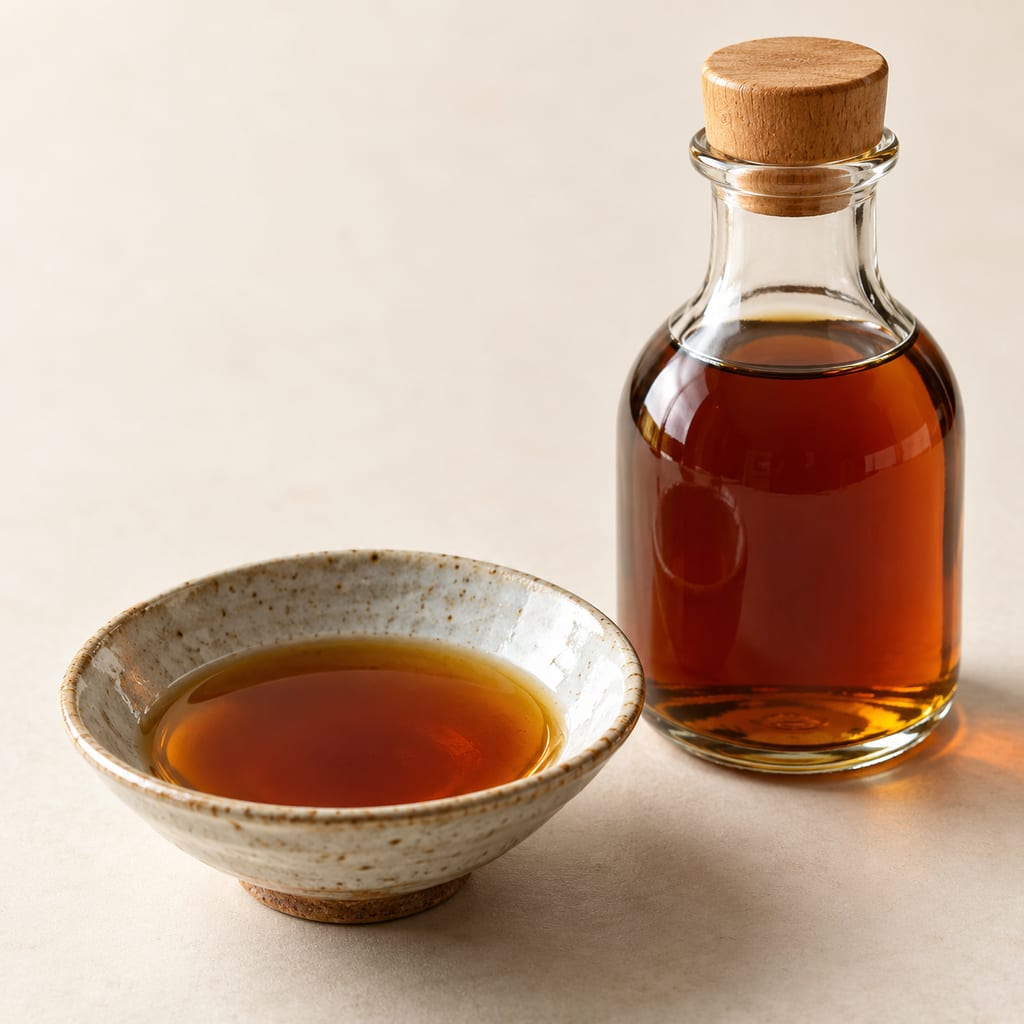
Shottsuru is the fish sauce of Akita, Japan, made from salted fish, most often the sandfish hatahata, which liquefies over a long maturation of a year or more.

Japanese reddish-brown vinegar from sake lees matured about three years, turned to vinegar by acetic bacteria; the vinegar of Handa and Edomae sushi rice.

A thick, naturally sweet rice-and-koji preparation used to add body and sweetness to marinades, dressings and sauces. This method follows a published Marukome home recipe and is an enzyme-conversion hold, not a way to grow koji mould.
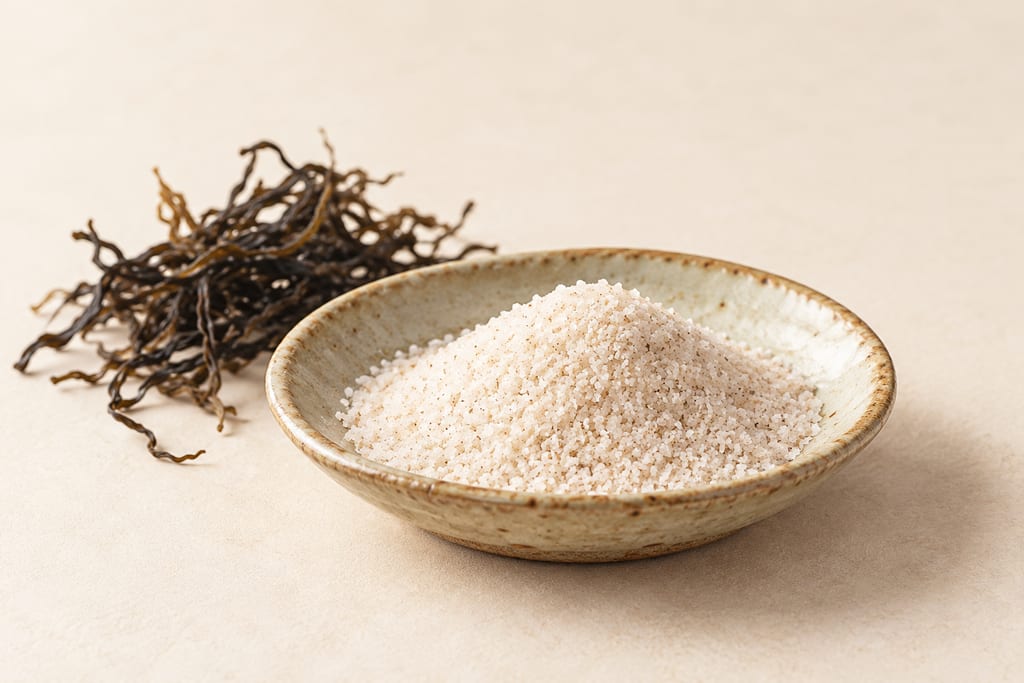
Amabito no Moshio is a modern, pale beige Japanese seaweed salt made from Seto Inland Sea water and hondawara seaweed. Its documented factory method concentrates filtered brine in kettles, then separates and dries the salt.

Anpan is a soft wheat bun filled with sweet red-bean paste and finished with egg wash and black sesame. This dough rises with commercial instant yeast.

Japanese skipjack tuna cooked, then repeatedly smoked and dried over a wood fire by the hand-fired tebiyama method into a hard block for shaving into dashi: the first stage of katsuobushi.
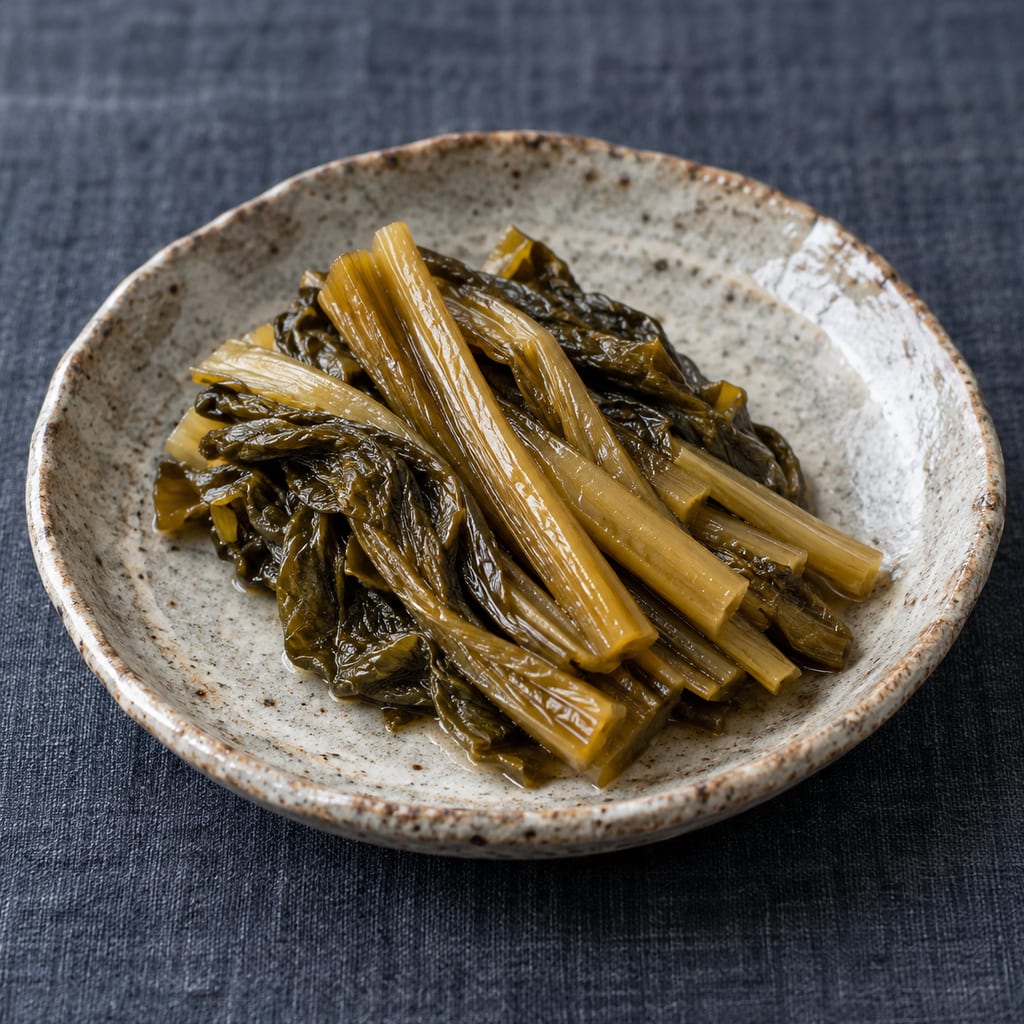
Takana mustard greens from Aso in Kumamoto are salted and pressed into a fresh spring pickle, or aged into a sour furuzuke that is fried and mixed into takana rice.
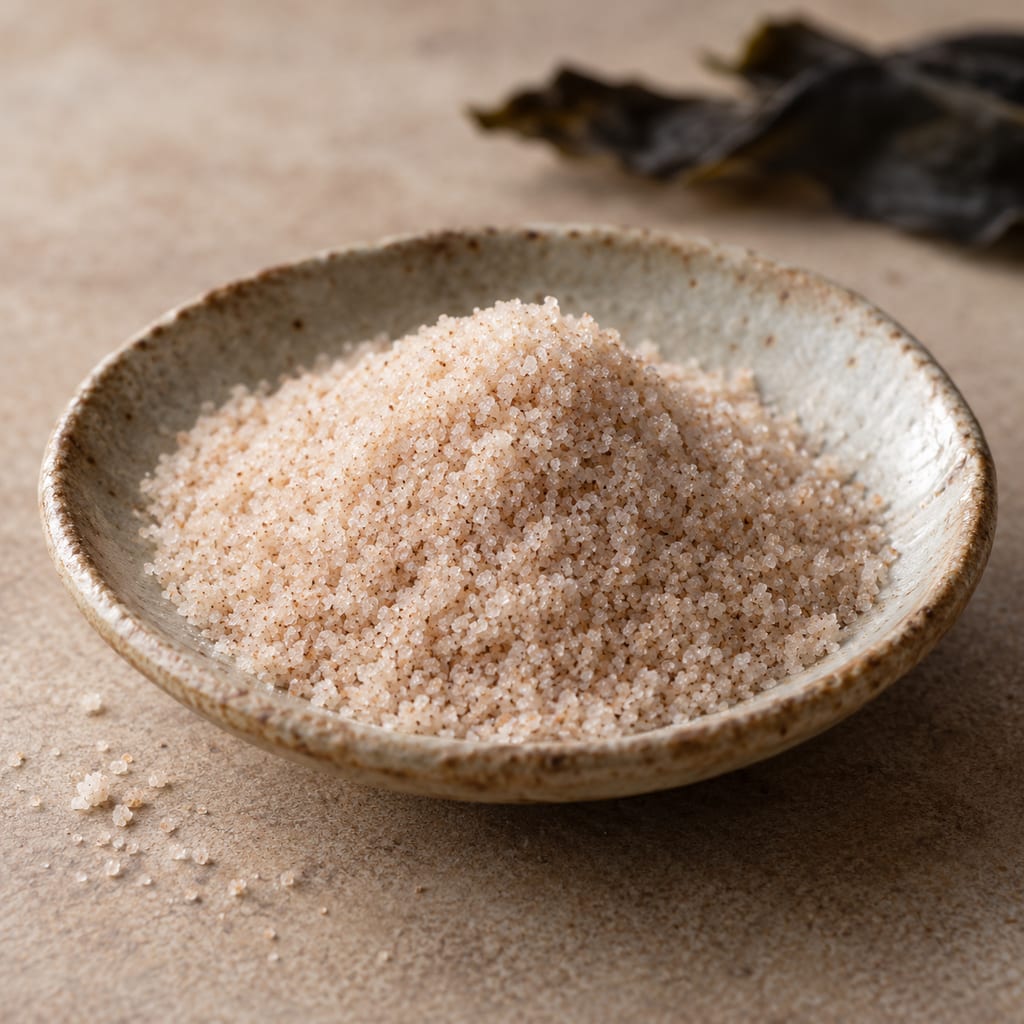
Awaji moshio is a modern Japanese seaweed salt made by TaDa PHILOSOPHY from Awaji Island seawater and seaweed. Its premium process concentrates brine, extracts seaweed flavor, then crystallizes, separates, dries and grades the salt.
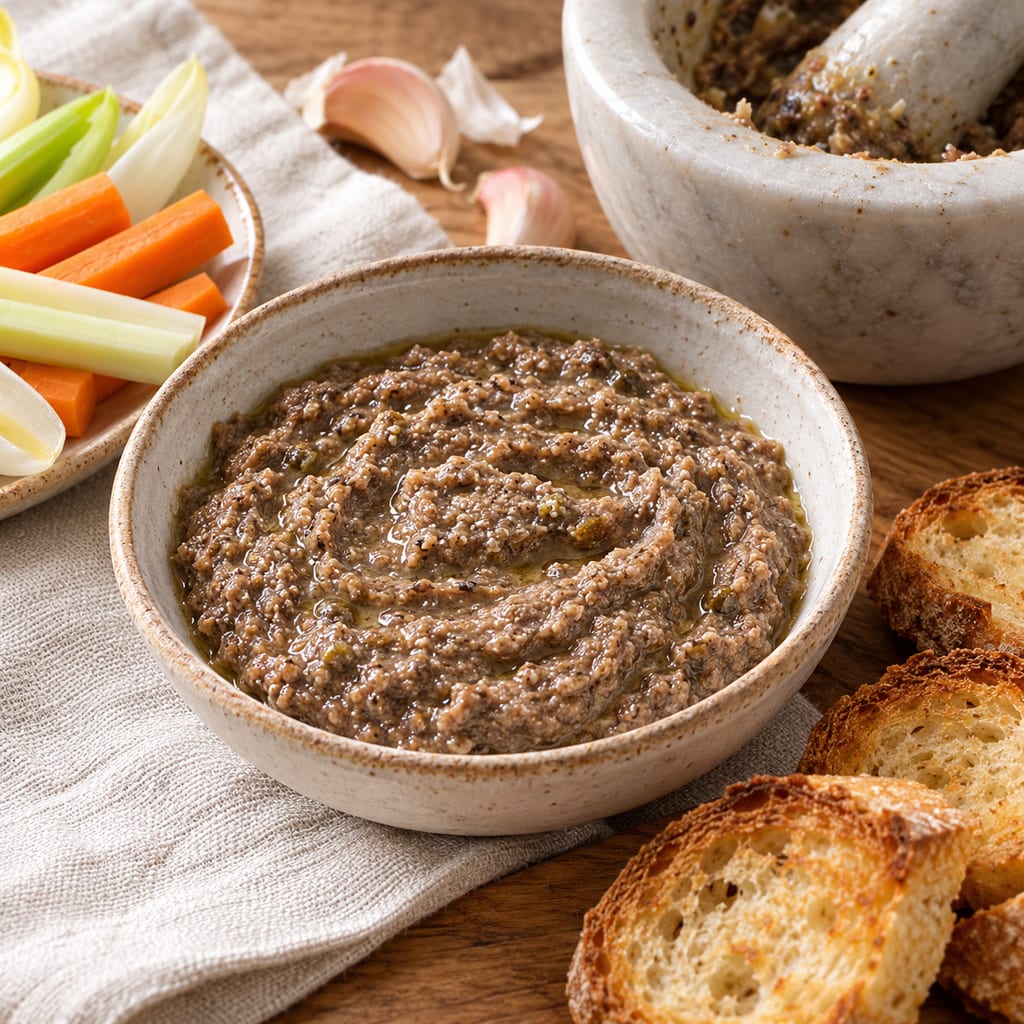
A Provencal dip of anchovies, garlic, capers and olive oil, pounded or blended to a creamy paste and served with raw vegetables, bread and eggs.
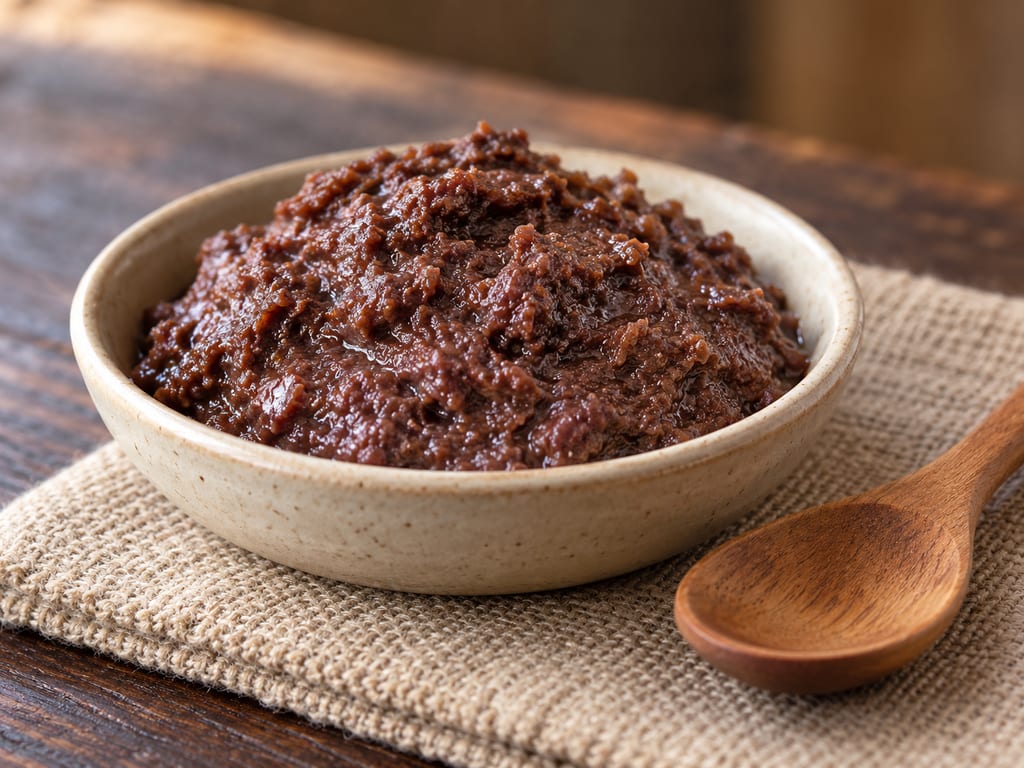
Bagoong isda is a Philippine fish paste: whole small fish salted and left to ferment for a month or more in earthen jars. It is the fish counterpart of bagoong alamang.

Colatura di alici is the amber liquid drained from salted anchovies matured in wooden containers in Cetara, on the Amalfi coast of Campania, and sold under a protected designation of origin.
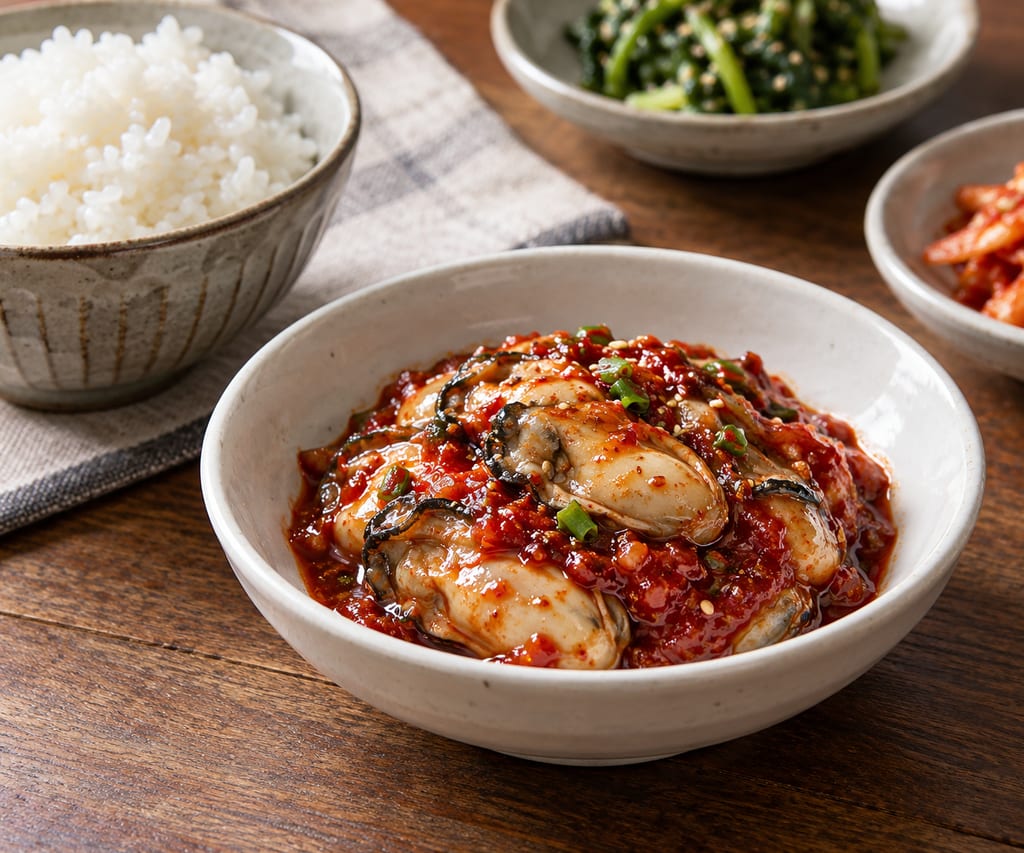
A Korean salted-oyster jeotgal seasoned with chili, associated especially with Seosan and Ganwoldo. This page records its food culture, not a household preparation method.
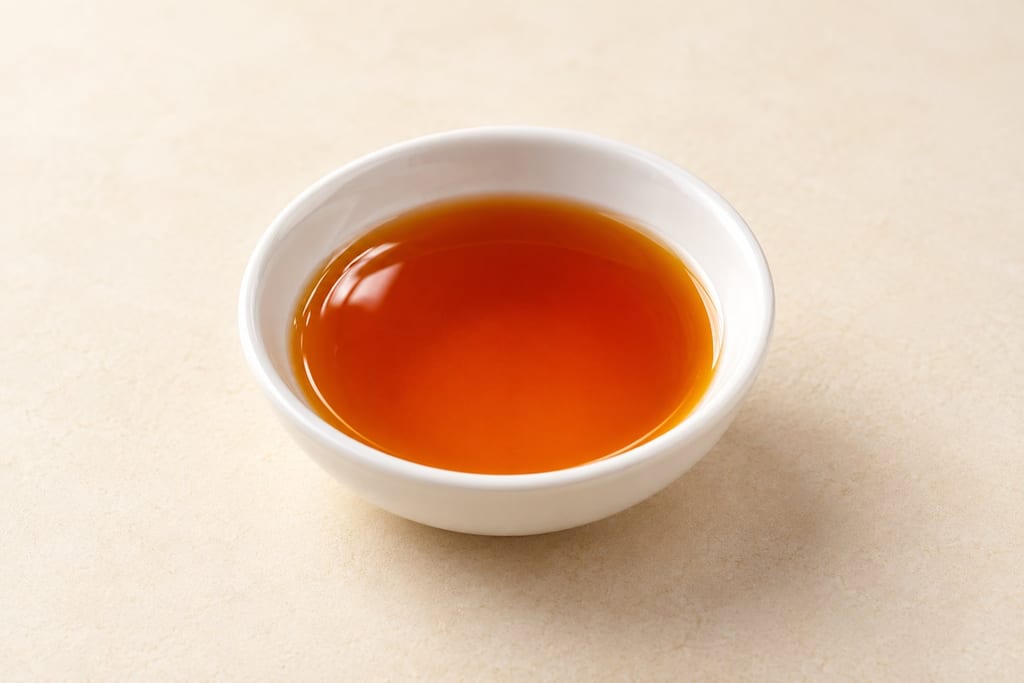
Fish sauce is a clear, salty seasoning made by maturing fish with salt and drawing off the liquid. The broad family includes distinct regional sauces rather than one interchangeable method.
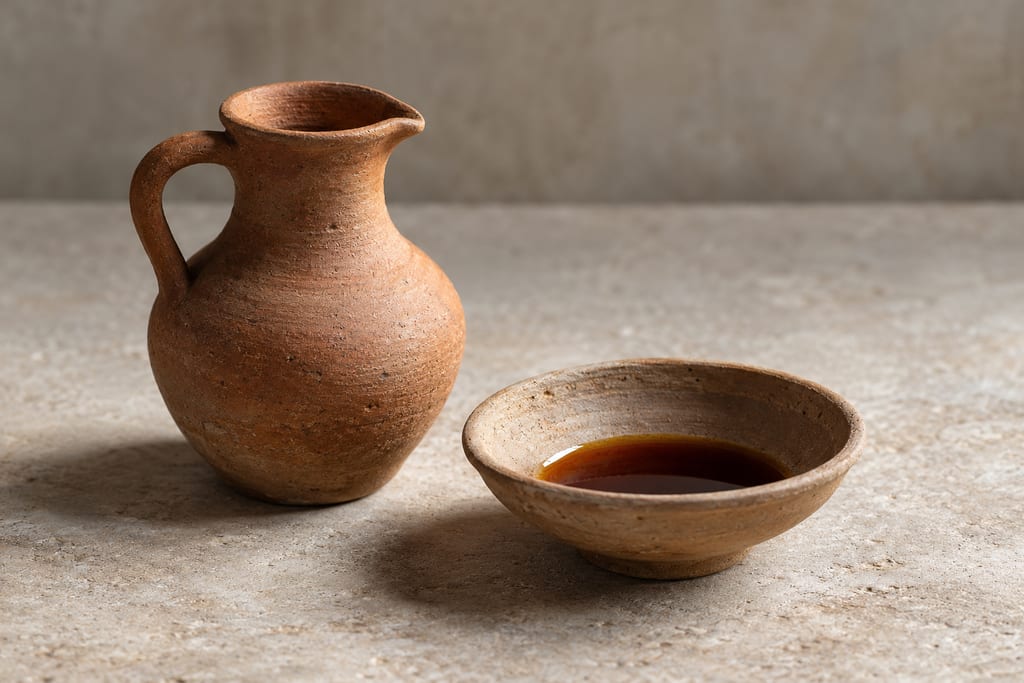
Garum, Greek garos and Latin liquamen, was the fish sauce of the ancient Mediterranean: fish and viscera salted and left in the sun, then drained off as a savoury liquid.
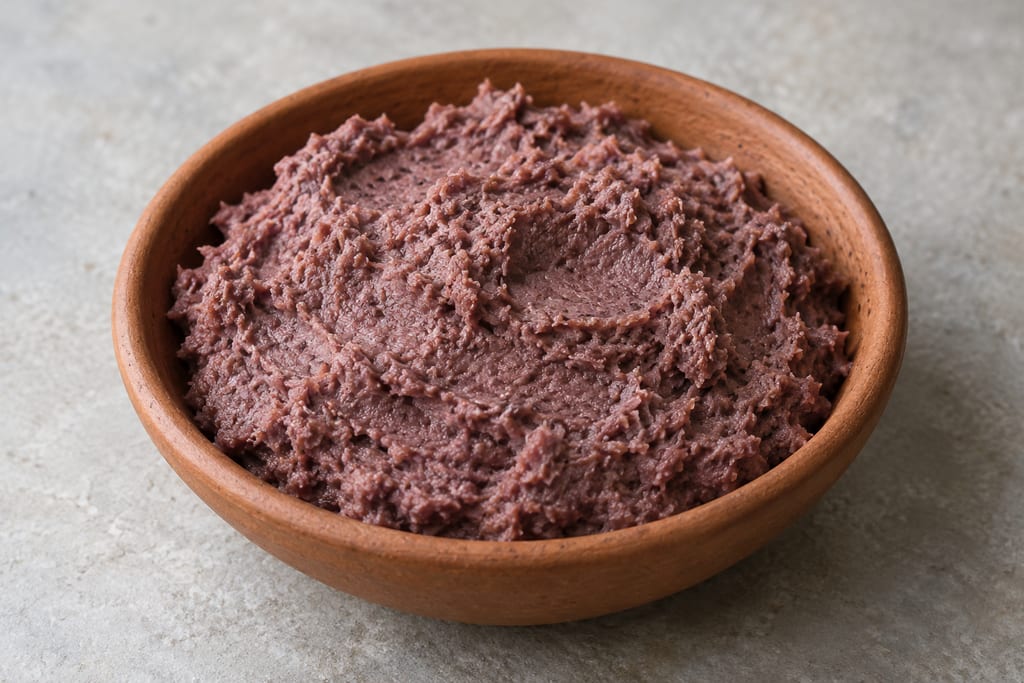
Guinamos is a shrimp paste made on Guimaras in the Philippines: small shrimp salted by hand, sun-dried and trodden by foot until it turns smooth.
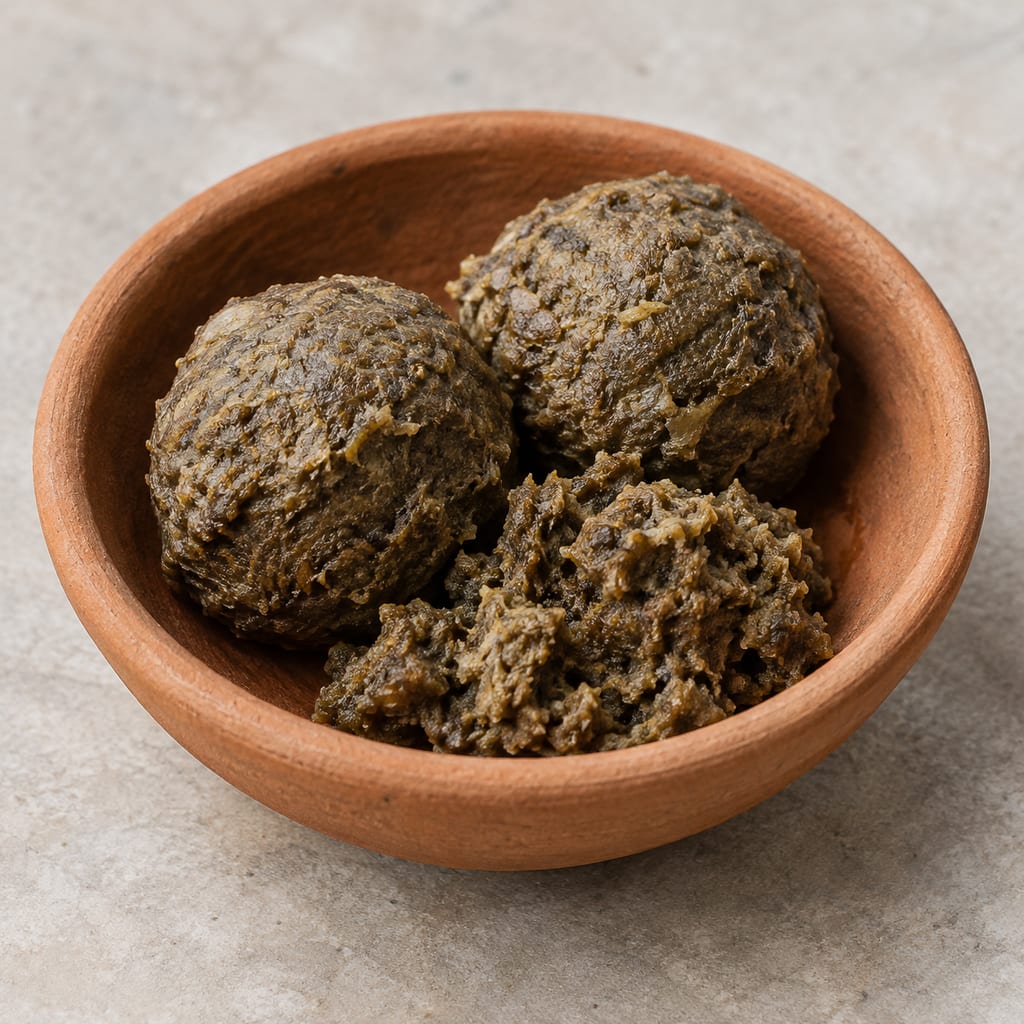
Manipuri fermented fish-and-aroid paste, formed into balls or kept in an earthen pot, used to season Manipuri dishes. Its method is documented in outline only.

Protected Italian vinegar made only from cooked grape must, fermented and aged in a battery of wooden barrels for at least 12 years: sweet, sharp and syrupy.
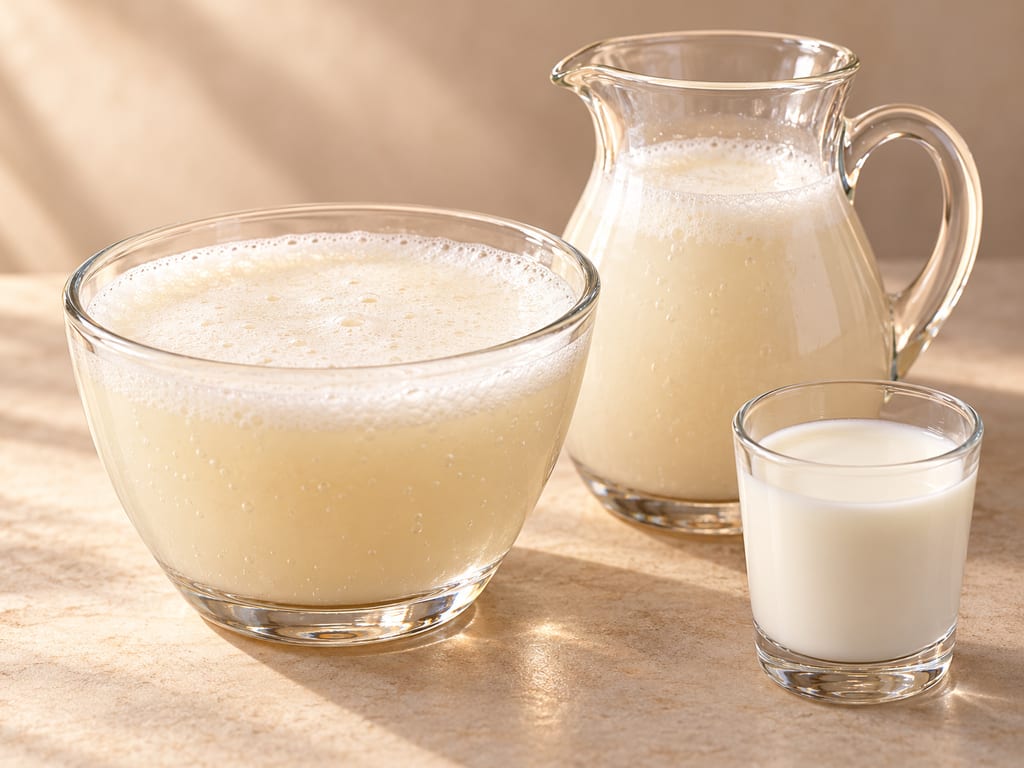
Airag is Mongolia’s fermented mare’s-milk drink, traditionally churned with saved starter in a reusable cowhide khokhuur.

Appam, or hoppers, are South Indian and Sri Lankan rice pancakes made from a fermented coconut-and-rice batter and cooked in a curved pan to a crisp lacy rim and a soft, spongy centre.
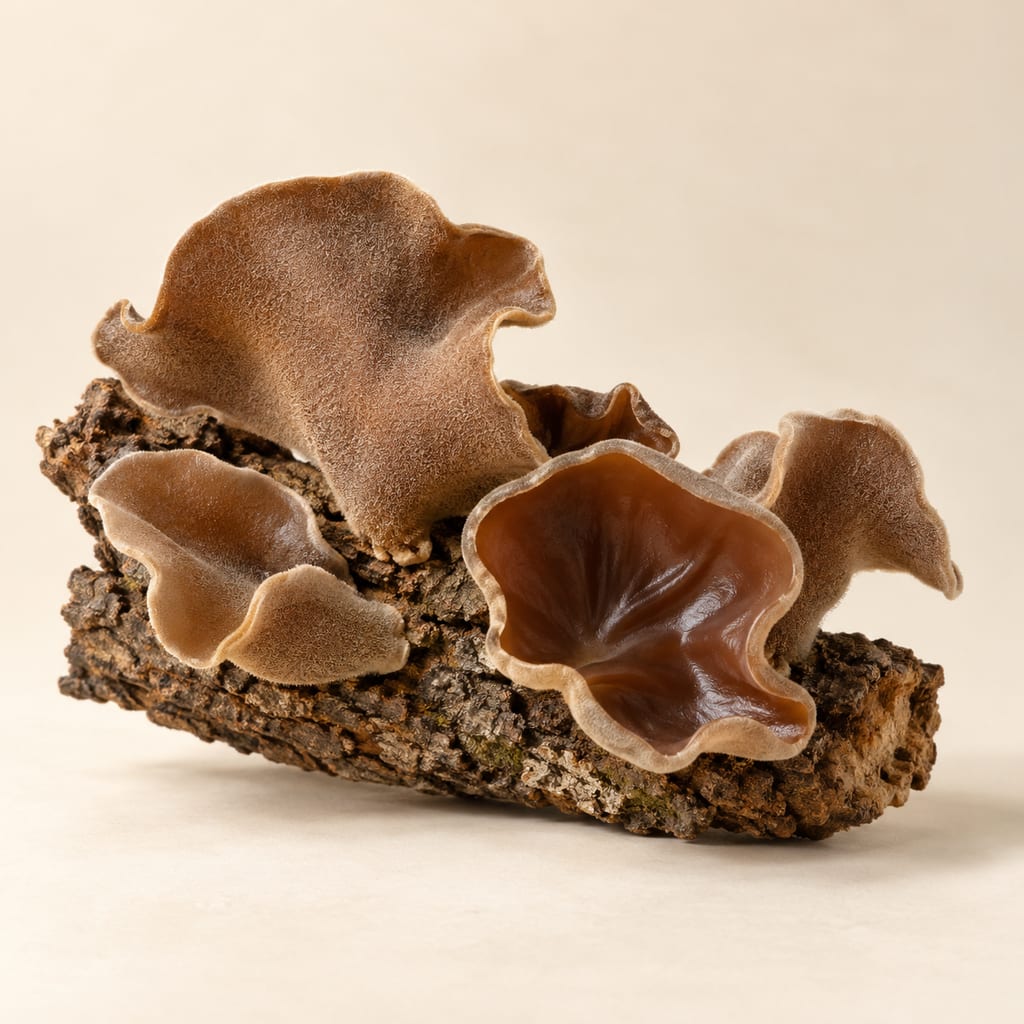
Auricularia tremellosa is a wood ear fungus of the genus that supplies most dried wood ear sold in China; its own food record is thin, and the culinary practice described here comes from the closely related wood ear species.

Ayran is Turkey’s cold, savoury yogurt drink: plain yogurt is loosened with water and lightly salted, then whisked smooth or aerated into a soft cap of foam.
A thin stone griddle used over an open hearth. Norwegian archaeology documents the established tradition from the early Middle Ages; a Viking-period origin is only a cautious suggestion linked to Shetland.

Crushed or milled barley cooked in water until the starch softens and the mixture thickens, the plainest way a northern household turned stored grain into a meal, here with apple and hazelnut.
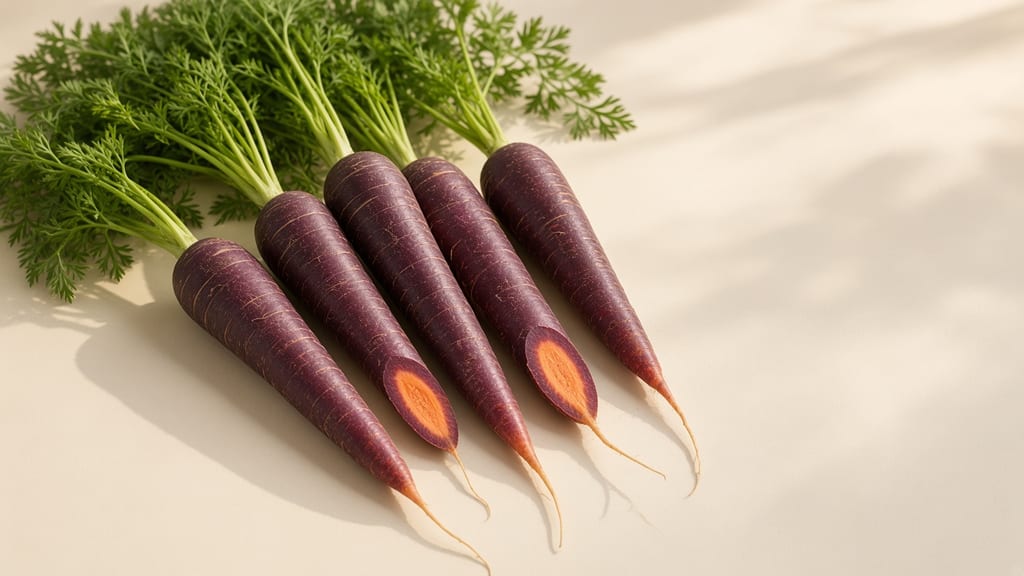
Black carrot is the anthocyanin-pigmented Eastern carrot (Daucus carota var. atrorubens), the purple root that preceded orange types and still colours kanji and şalgam.
No community contributions have been published for this entry yet.
Sign in to contribute. Published comments and photos are free to read.
Ministry of Agriculture, Forestry and Fisheries, JapanMethod · History
Salted and fermented seafood (MAFF Japan)Salted seafood matures while substantial solids remain.
Examples include ika no shiokara, shutō, konowata and uruka.
Medieval literature documents the broader salted-fermented seafood tradition.
Cited in: Salted seafood that keeps its solids; How it is made; Versions; Eating and use; Safety and open questions