













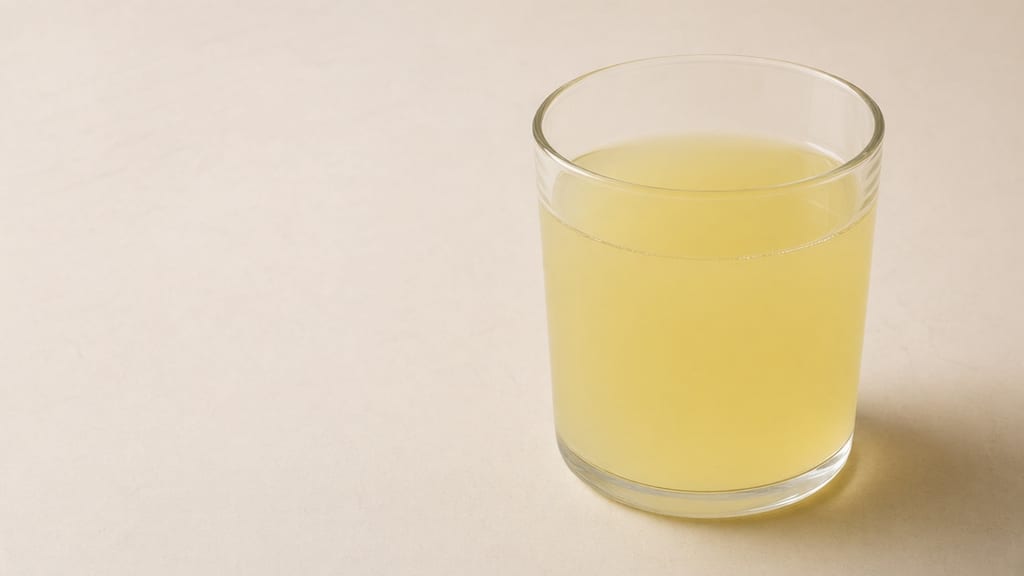
Sýra
Sýra is Icelandic soured skyr whey kept as a household acid store: a drink when diluted, and historically the medium for súrmatur. Fresh leftover whey is not the same material.
 FermenteaWhere food goes to change
1504 records with their sources, across 11 categories.
Sýra is Icelandic soured skyr whey kept as a household acid store: a drink when diluted, and historically the medium for súrmatur. Fresh leftover whey is not the same material.
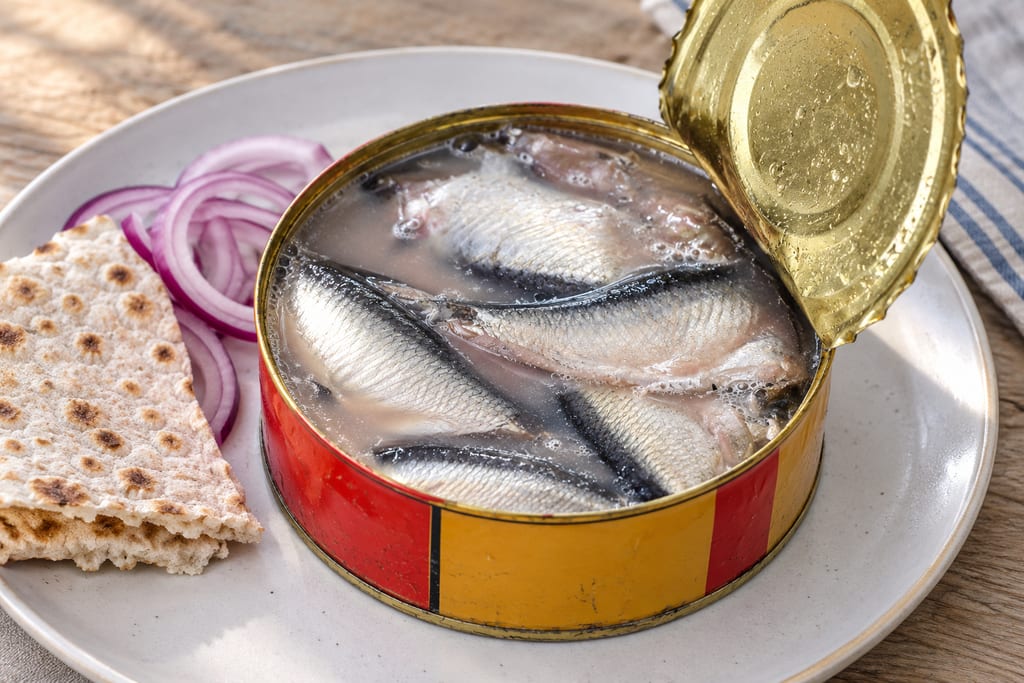
Salted, barrel-fermented Baltic herring from Sweden, surströmming is packed in shallow tins where fermentation may continue. Its traditional production is a specialist commercial process, not a household formula.

Dry, lightly sparkling cider from Asturias in northern Spain, pressed from cider apples, fermented without added sugar, matured through the winter and poured from a height.
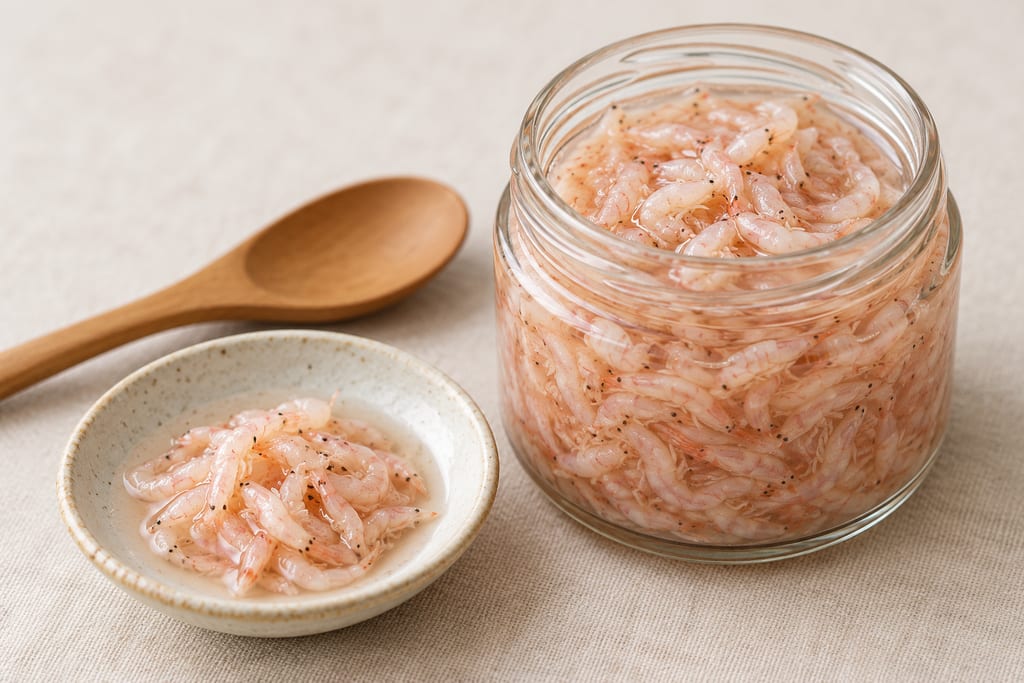
Korean fermented seafood made by salting whole small shrimp and maturing them in their own brine, used as a seasoning, in kimchi and with pork.
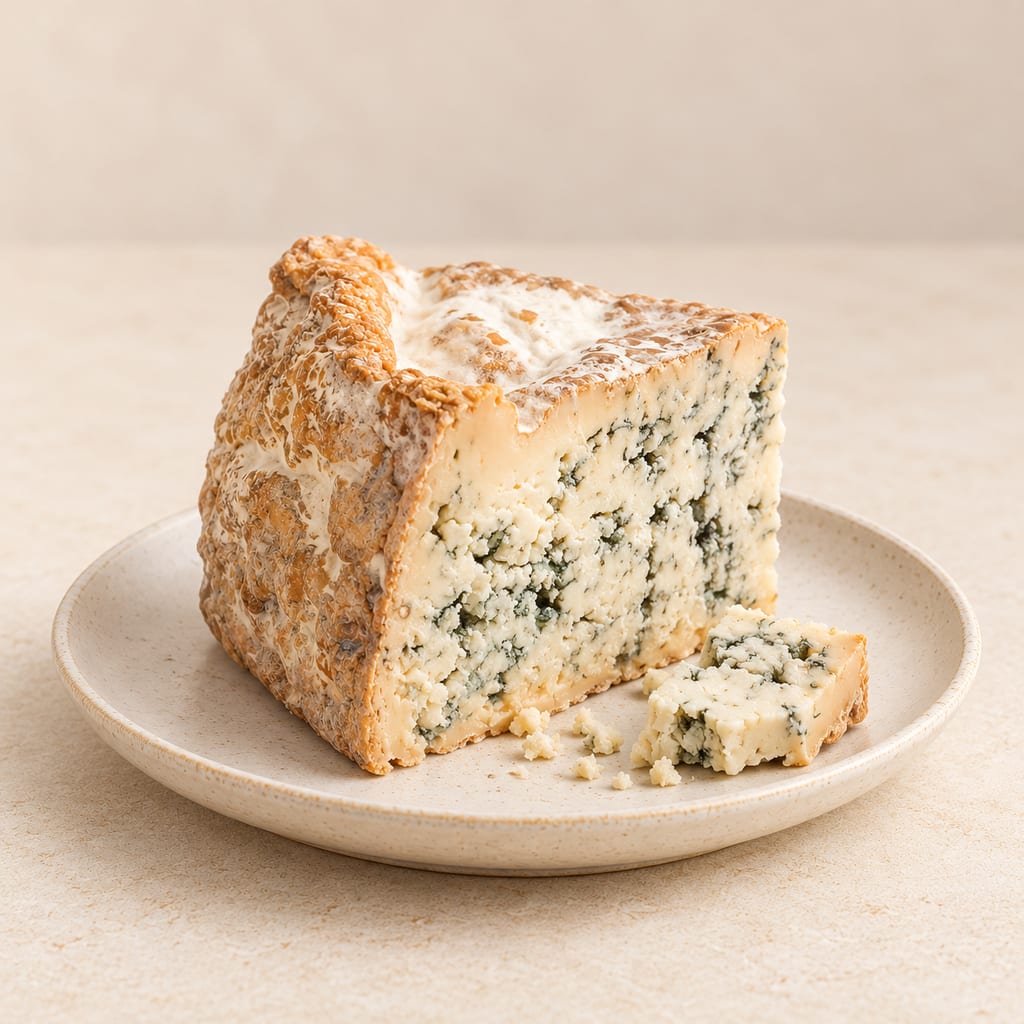
A moist blue cheese inspired by Cantabrian styles, made with pasteurized milk, a lactic starter and Penicillium roqueforti, then ripened in two stages.
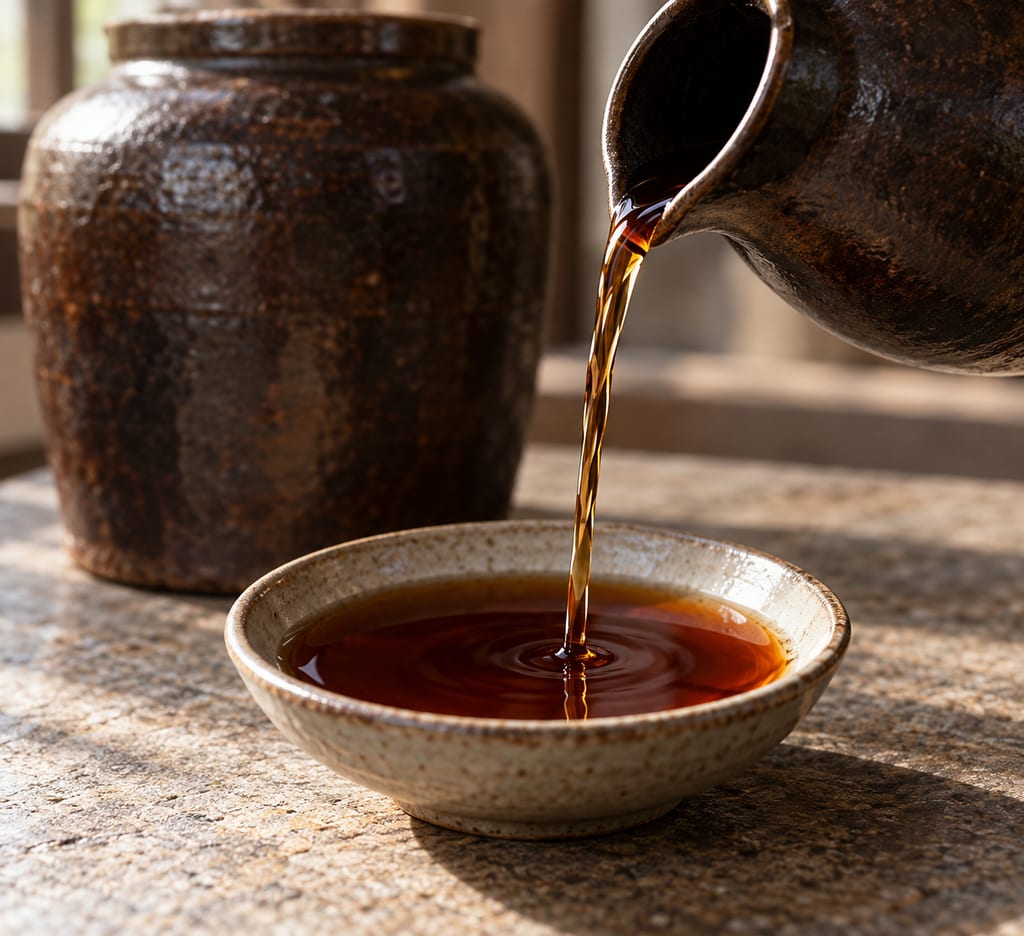
Dark Fujian rice vinegar: glutinous rice and red Monascus koji make a red rice wine, liquid acetification turns it to vinegar, and it ages at least three years.
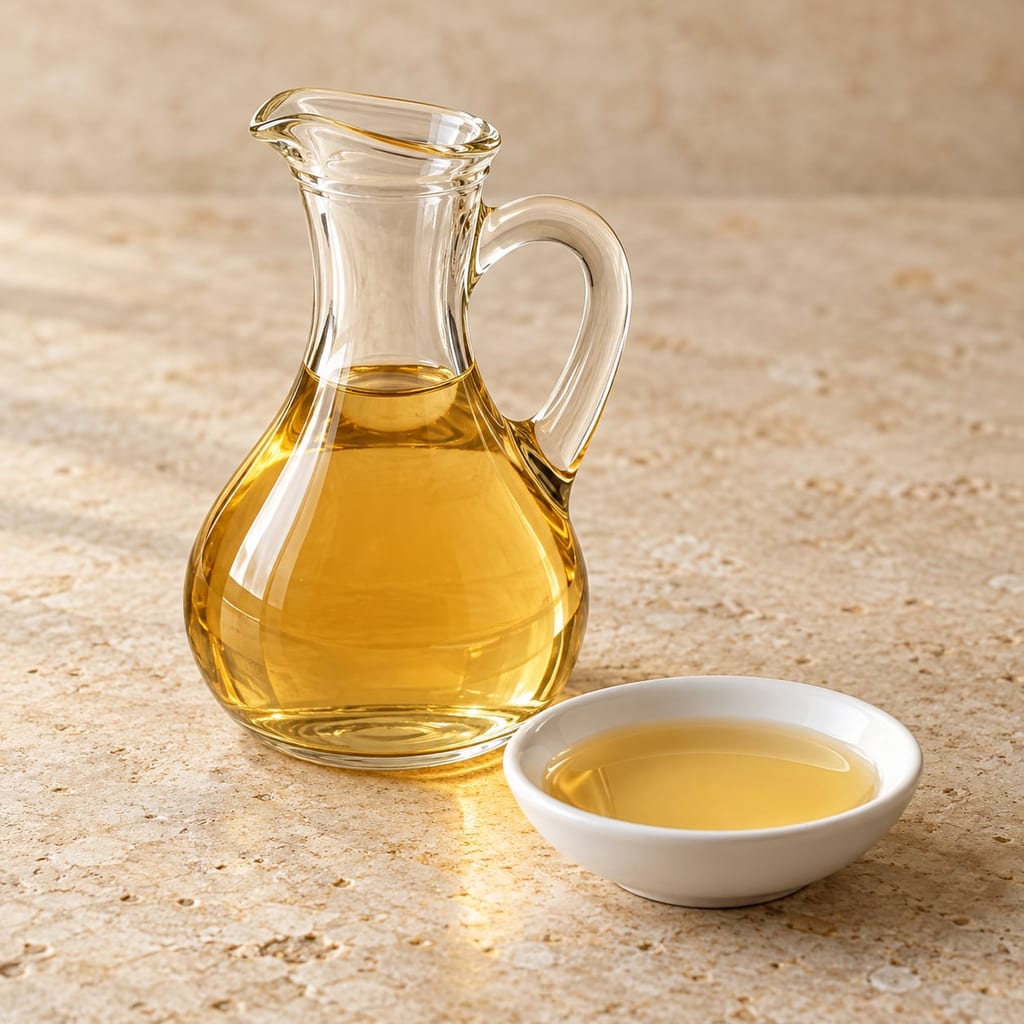
Protected Andalusian wine vinegar made by acetifying certified Montilla-Moriles wine, dry or sweetened with Pedro Ximénez or Moscatel must, and often aged in oak by solera or añada.

An Okinawan fermented tofu: dried tofu cubes matured in rice koji, awamori and salt, traditionally with red Monascus koji, until the curd turns smooth and intensely savoury.
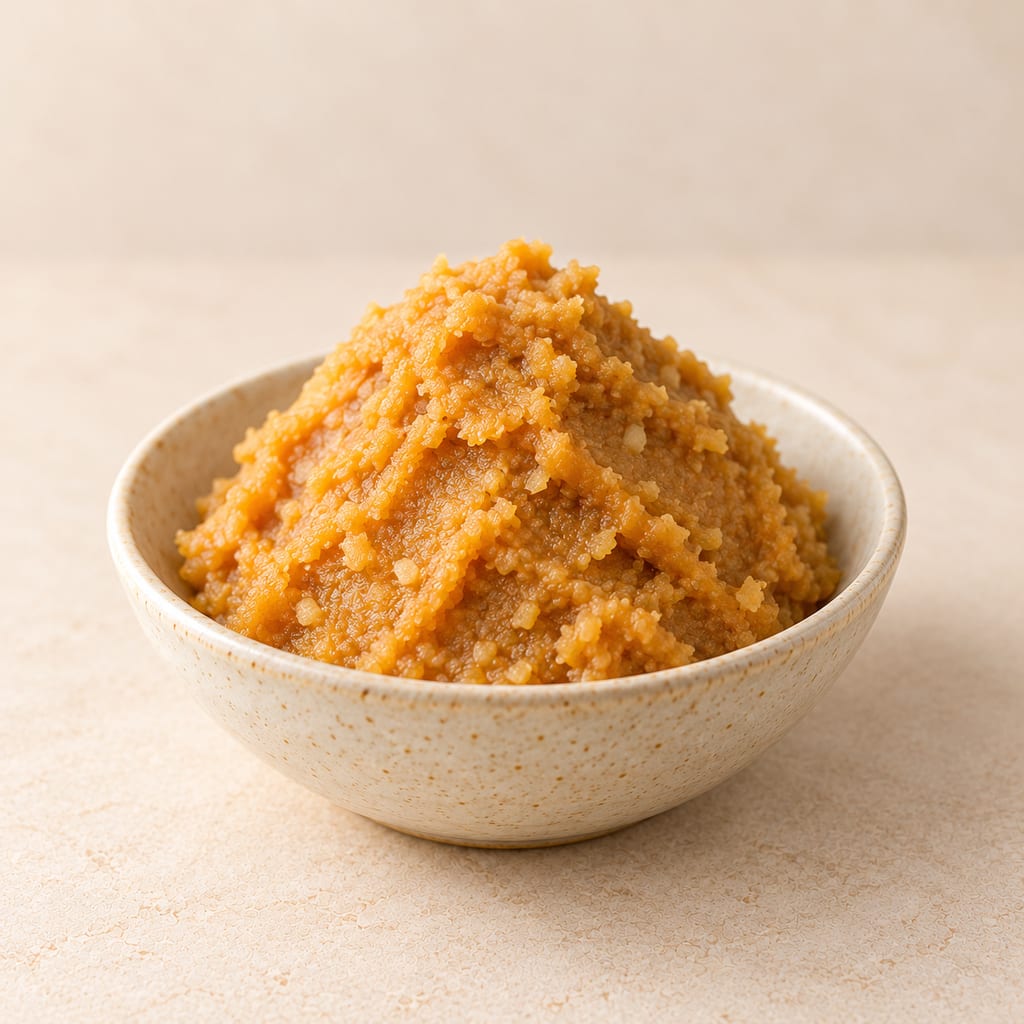
A traditional Japanese fermented paste made by mixing cooked soybeans with rice koji and salt. This guide details the ratio, the long enzymatic breakdown, and the months-long maturation required for depth.
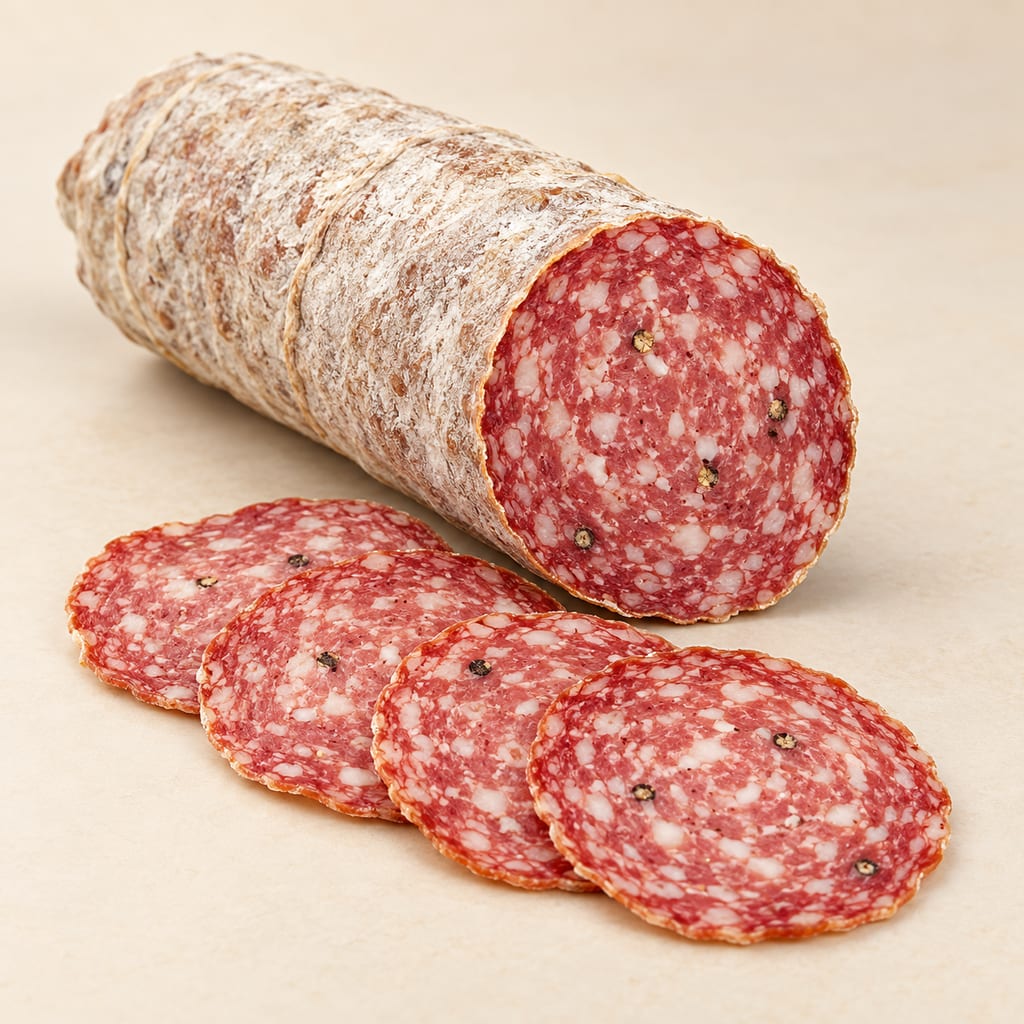
Pork, beef and back fat ferment with a named starter, cure and red wine before the sausages dry in casings. This contemporary formula uses no wood-smoke stage.
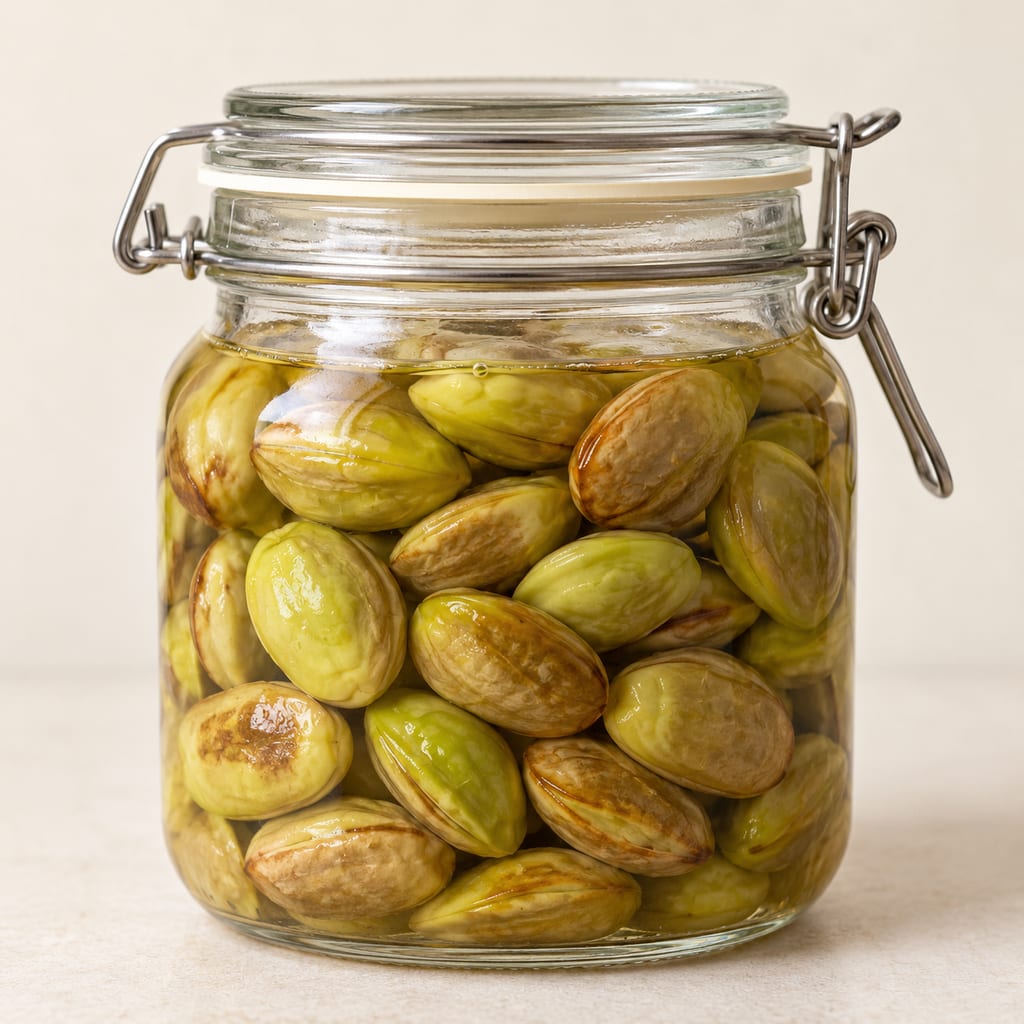
Thai pickle of stink bean seeds, Parkia speciosa, with the testa left on, held in a 10 percent salt brine in a glass jar in shade. JIRCAS records a three to four day ferment and a separate seven day flavour note.
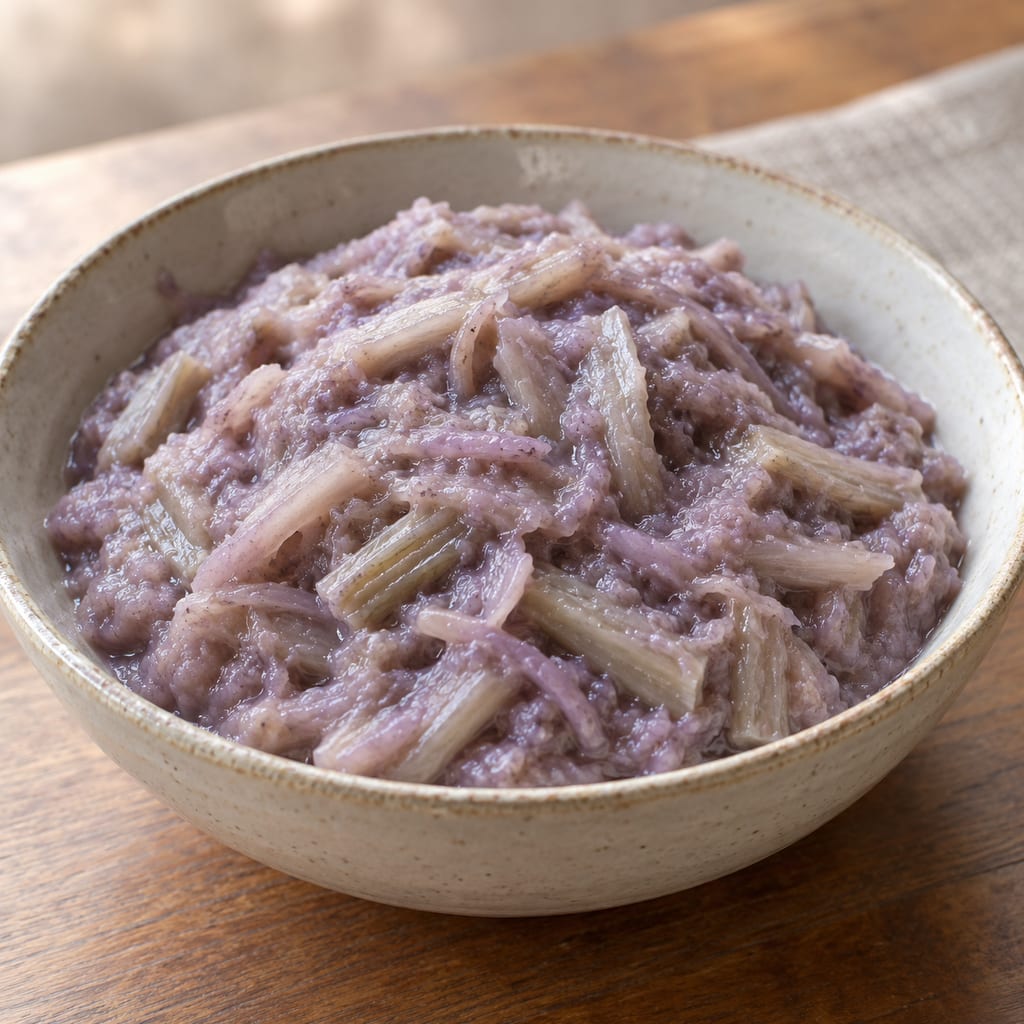
Thai pickle of young taro leaf stalks, salted, kneaded and held in rice-washing water in an earthen jar at room temperature. JIRCAS records it as a home-level product with no validated endpoint.

Northern Thai fermented tea leaf: Assam tea leaves tied in bundles, steamed, packed in a lined tank and held under weight for three to four months. Eaten after meals.
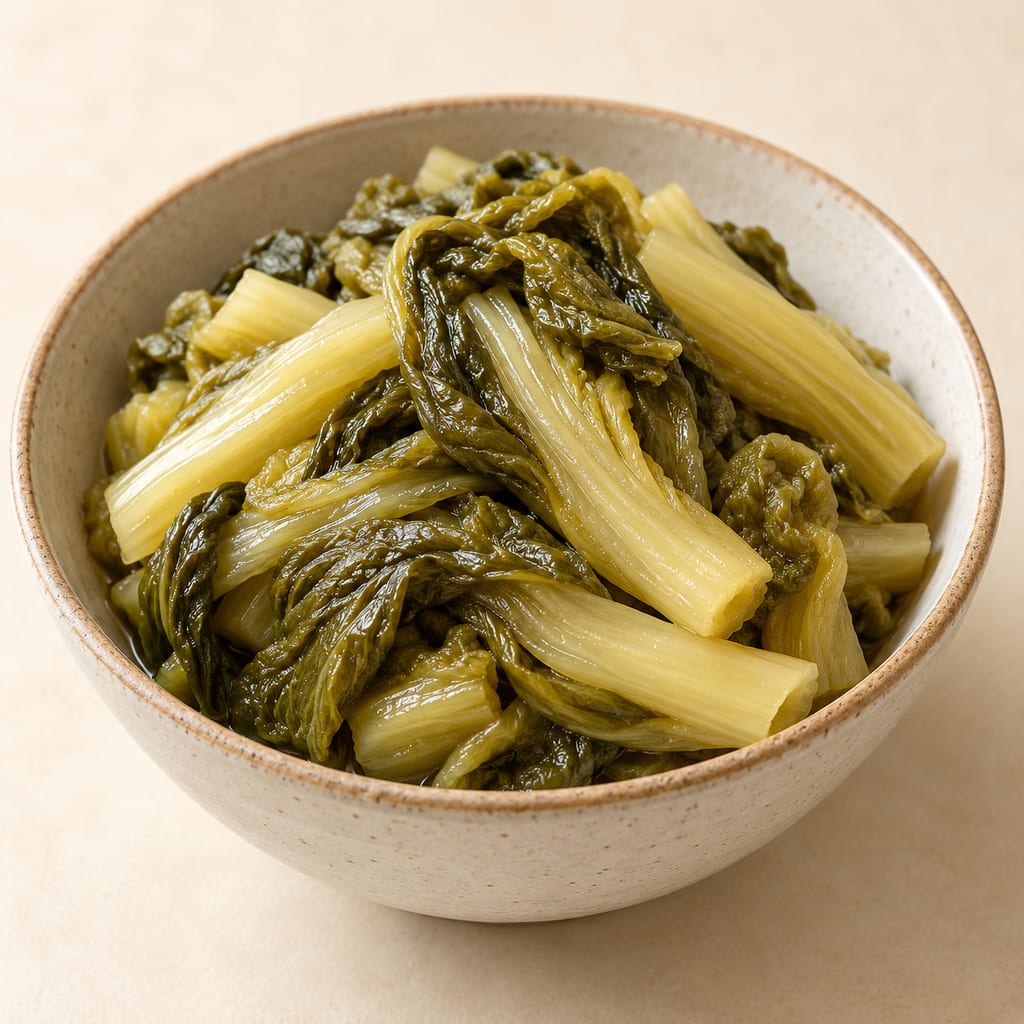
Cambodian pickle of blanched Chinese mustard greens, dried, then packed in a sweet-salt brine. Sold in Phnom Penh markets and made at home. The readiness times in the home recipe are not validated.
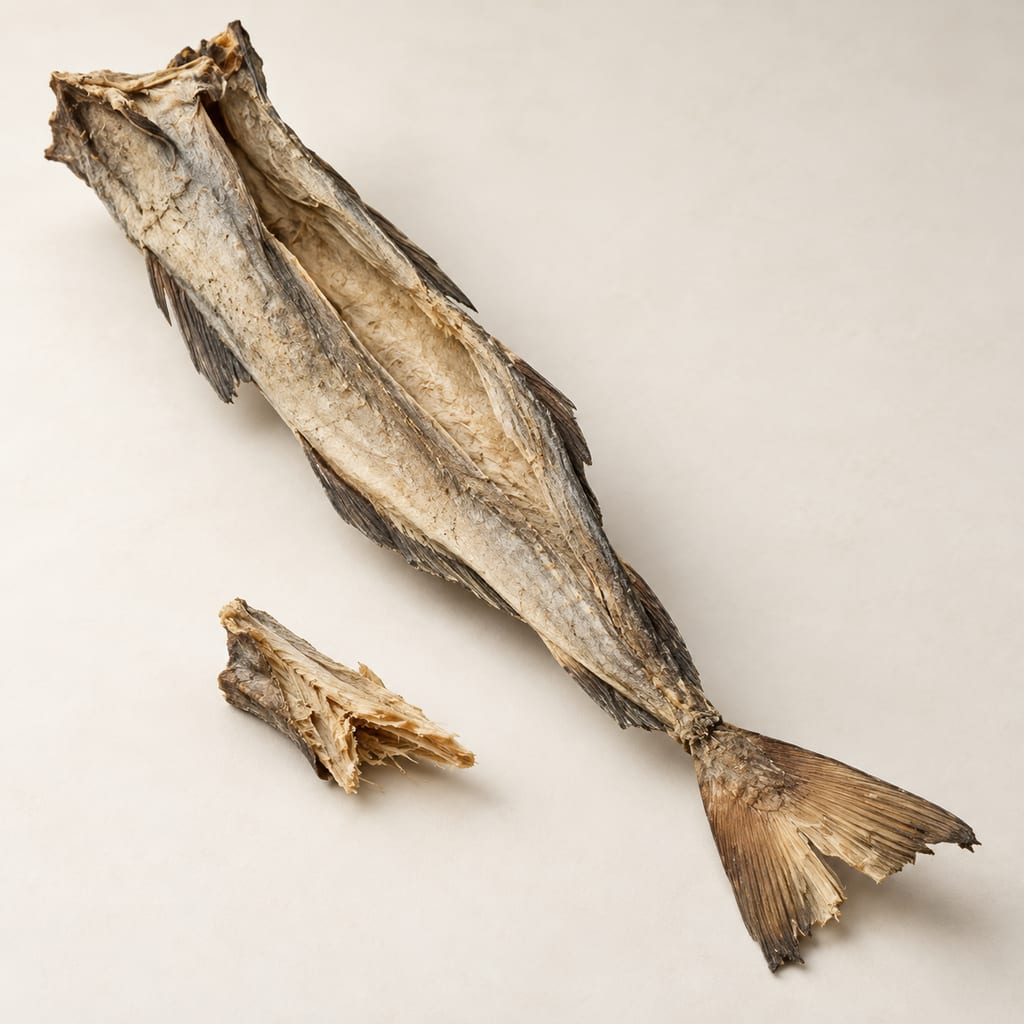
Cod hung on open racks in cold northern air until most of its water has gone, leaving a hard, light, unsalted fish that keeps and travels and must be soaked for days before cooking.
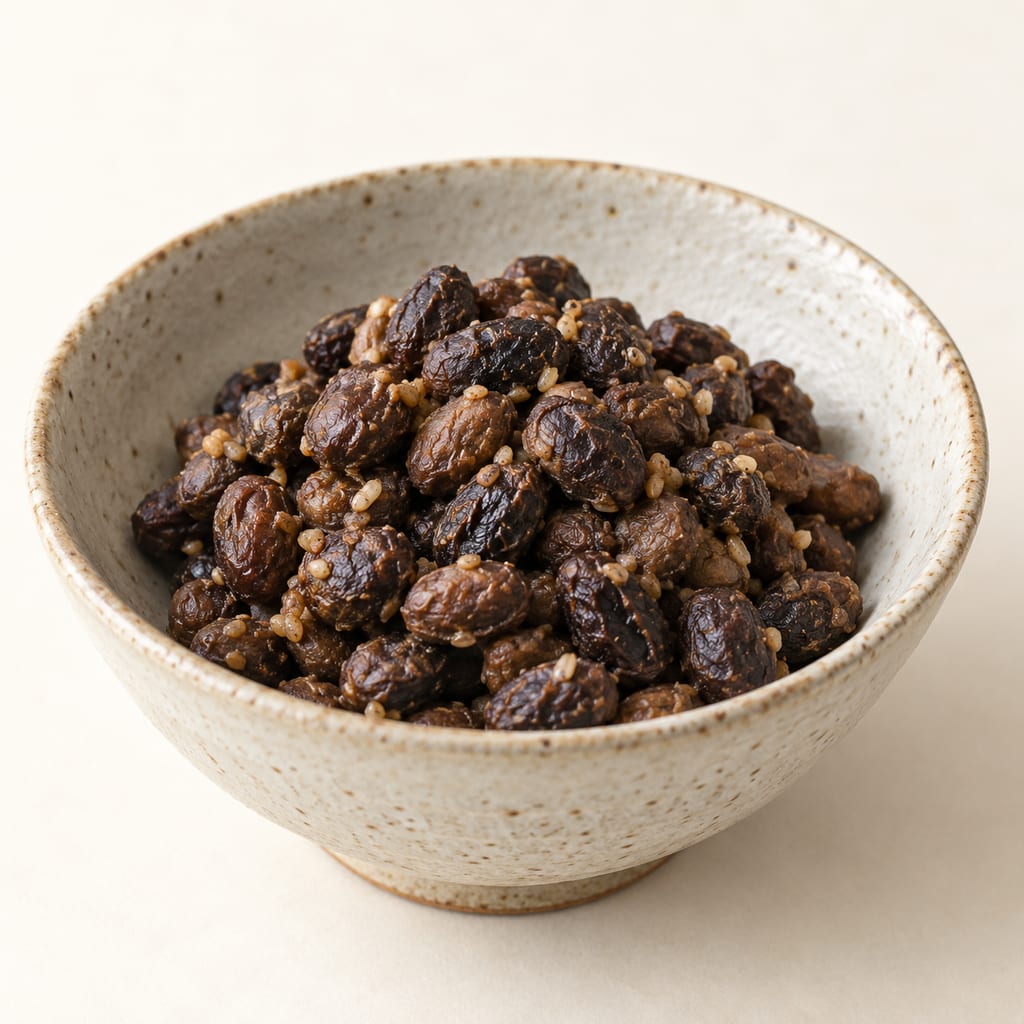
A Japanese family of salted, dark, non-stringy natto made from whole soybeans, roasted grain and salt water, with names such as hama-natto, Daitokuji-natto and tera-natto. Not the sticky Bacillus natto.
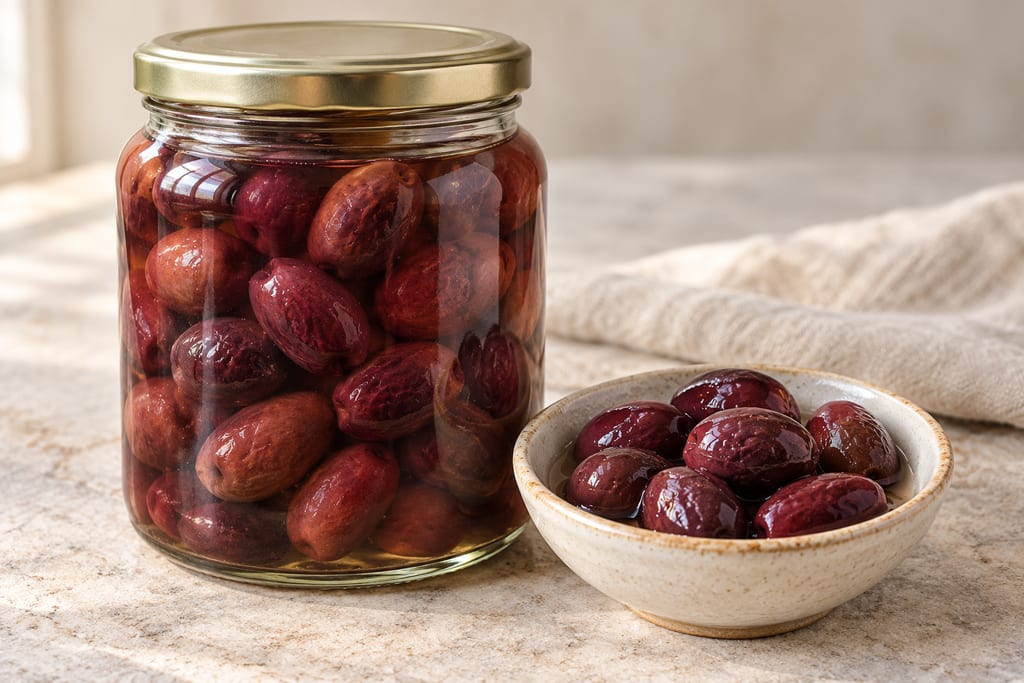
Ripe olives go straight into brine with no lye and cure for months, mostly by yeasts. The home method here is the University of California two-stage brine.
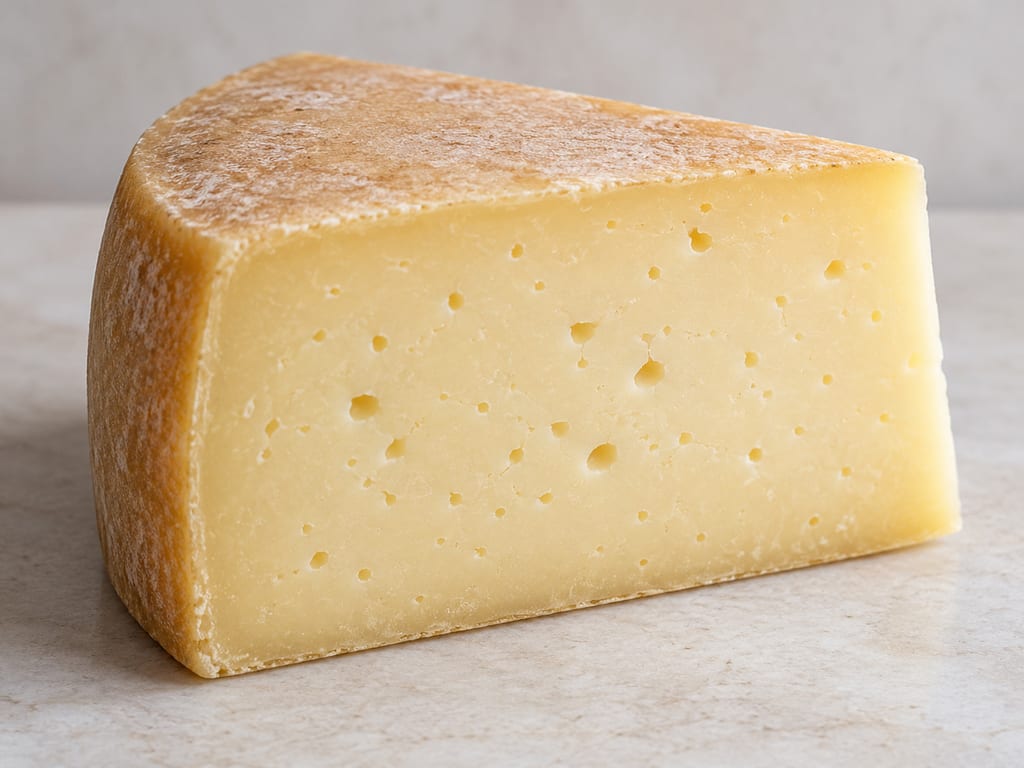
This Cypriot graviera is a hard sheep-milk cheese with a dry rind and round eyes. Its curd is heated, pressed and dry-salted before a long cool ripening.
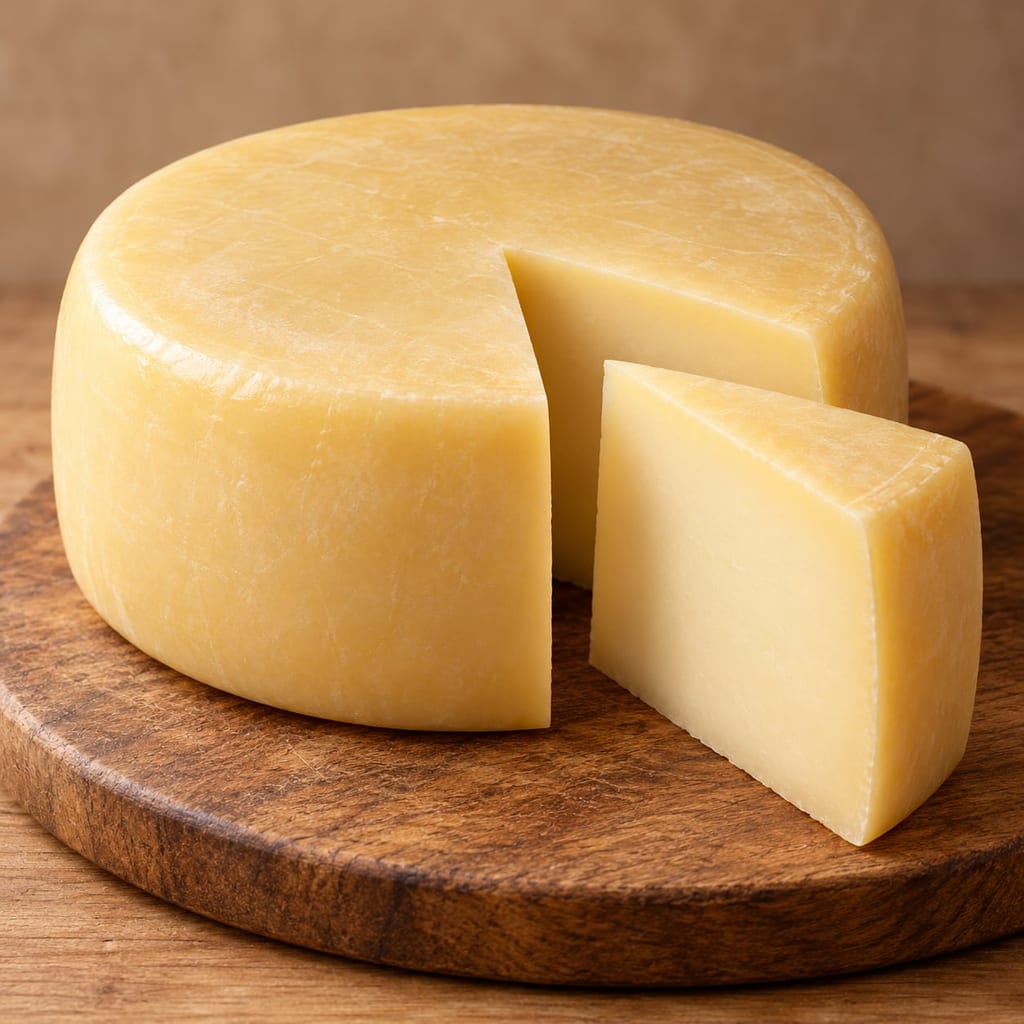
Kashkaval is a firm sheep-milk cheese whose acidified curd is worked in hot brine. This large-batch method finishes with repeated dry salting, wax coating and cool ripening.
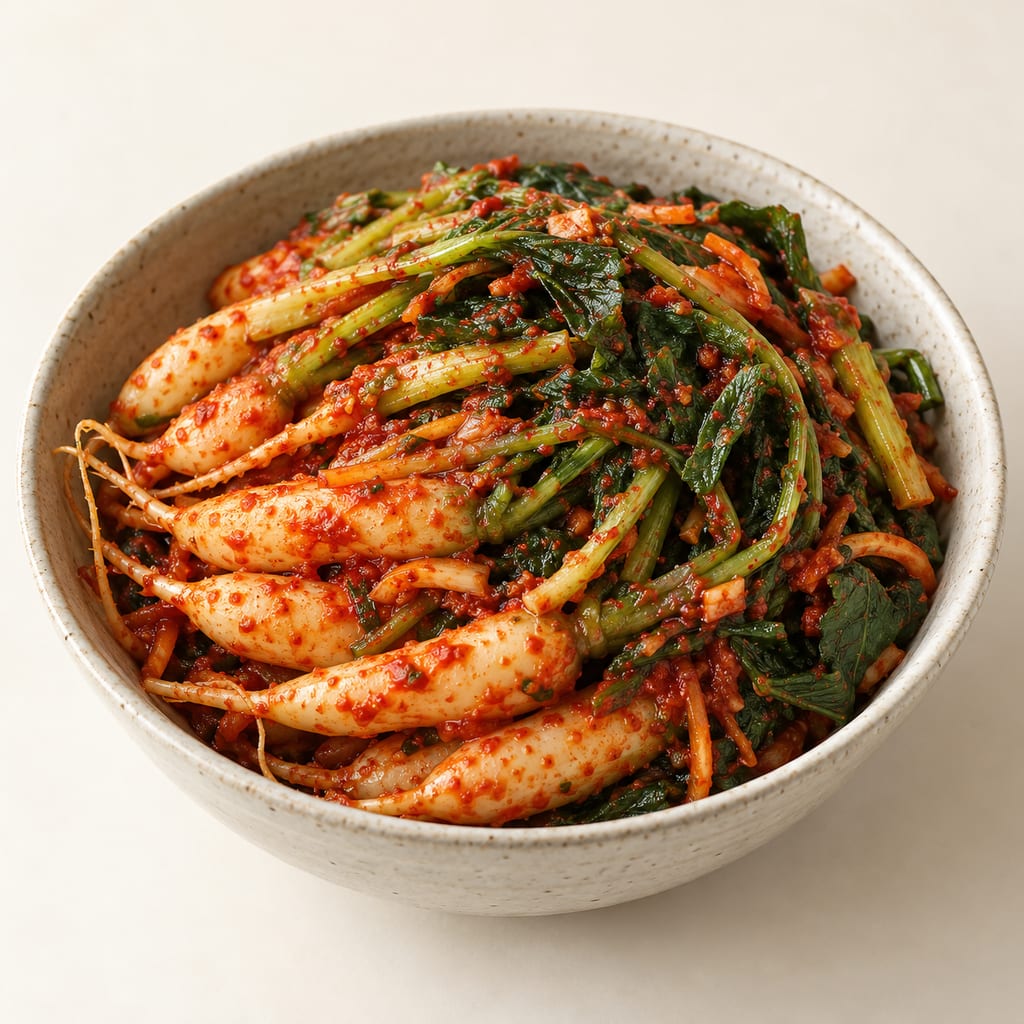
Korean kimchi of young summer radish and its tender leaves, salted, seasoned with chili and aromatics, and held in a container. Water kimchi is a separate form with its own page, veg-0011.
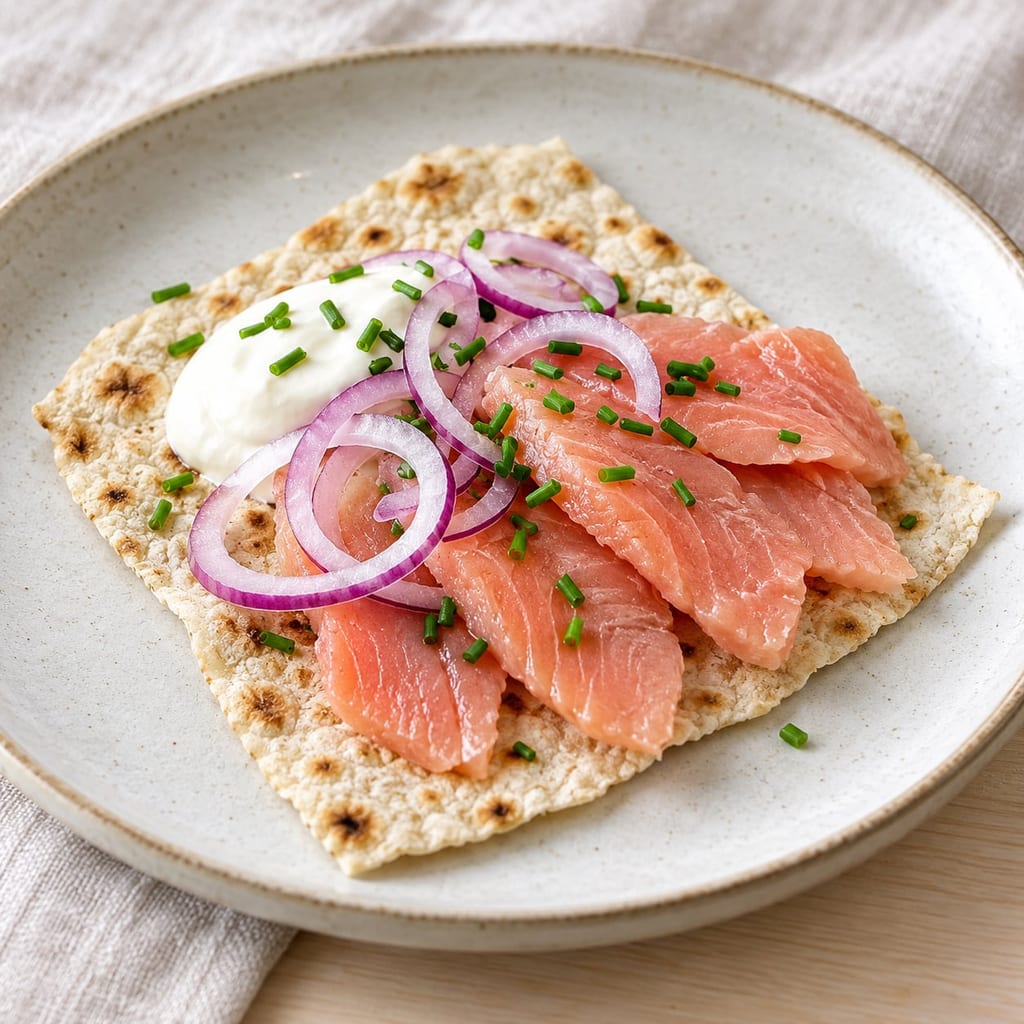
Rakfisk is a Norwegian preserved fish: cleaned trout or char, salted, packed under pressure and matured cold, usually for about three months, before it is eaten sliced.
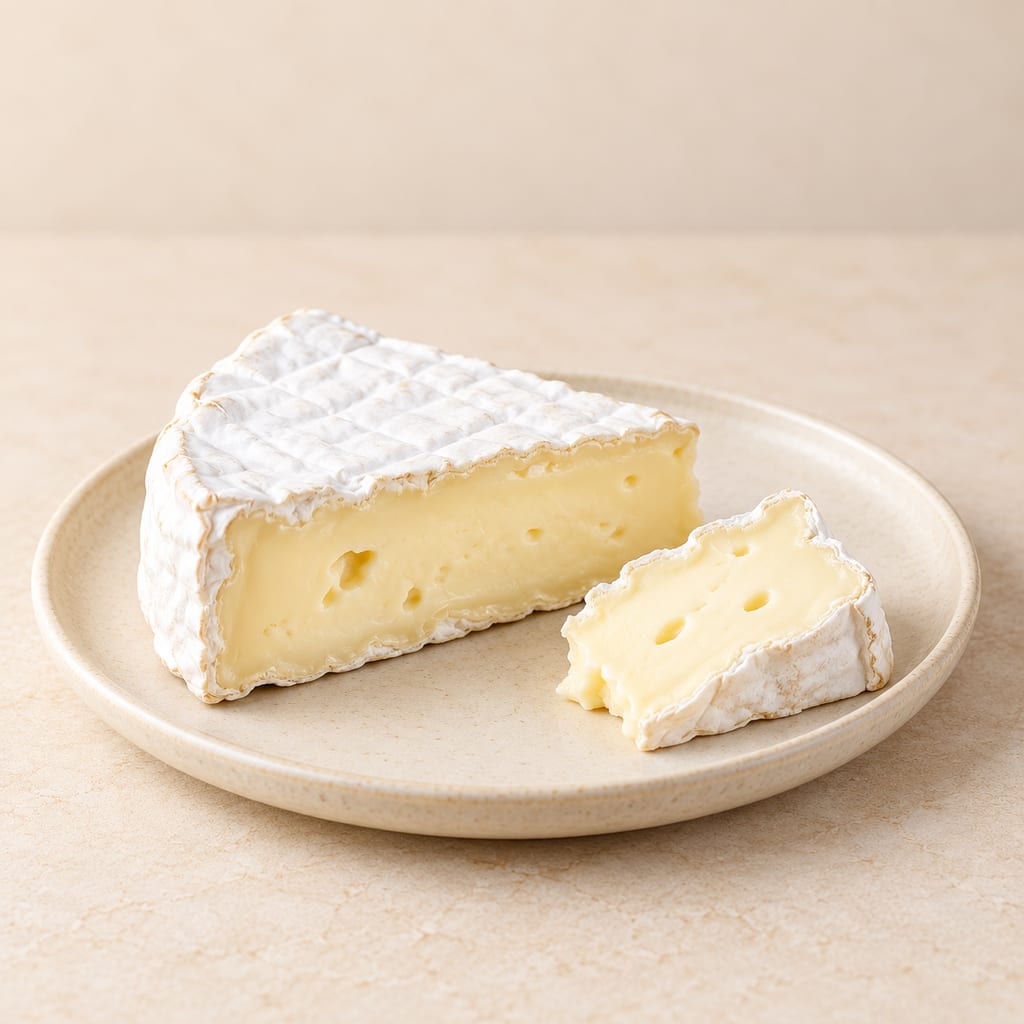
A cream-enriched Brie with a white bloomy rind and a softening center, made from pasteurized milk with lactic and surface cultures.

Yúlù is a Chinese fish sauce, a liquid drawn from salted fish, shrimp or fish-processing material after a long natural maturation, most associated with coastal southeastern production.
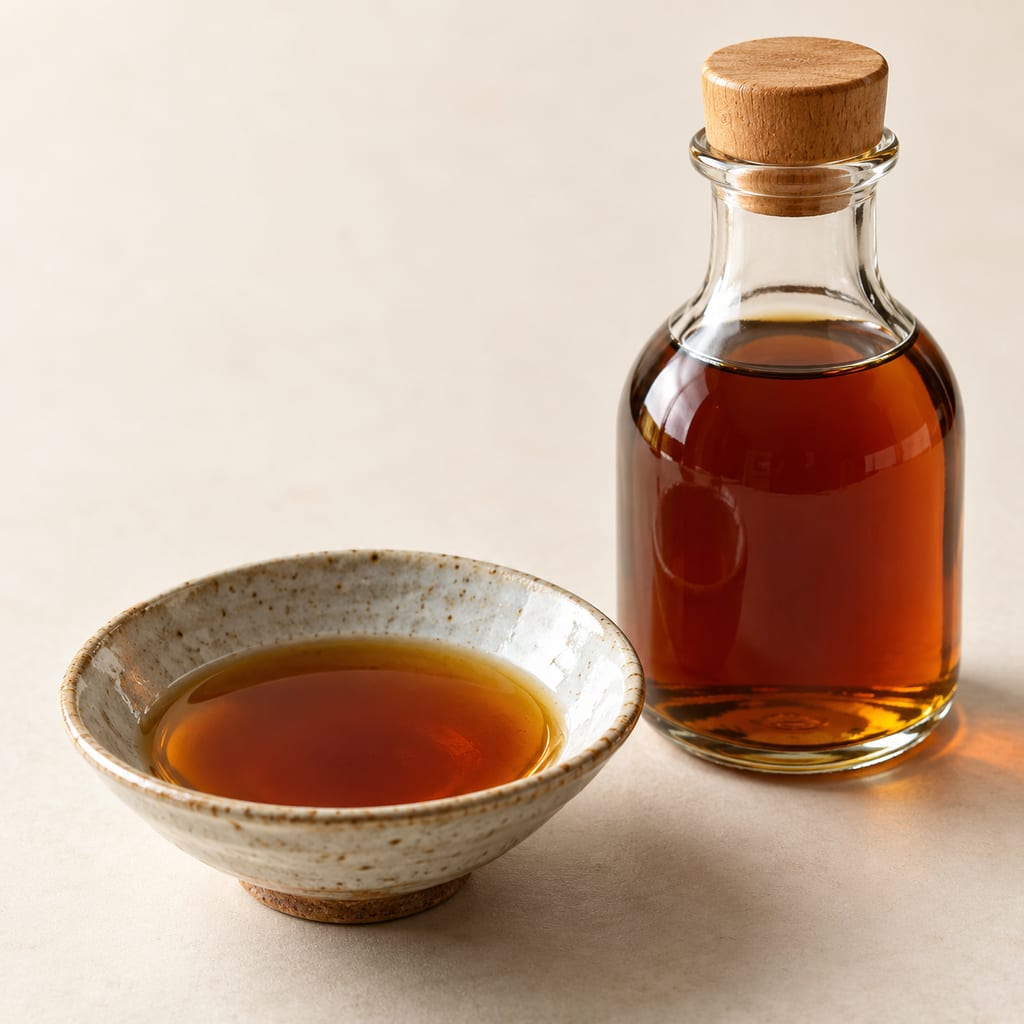
Shottsuru is the fish sauce of Akita, Japan, made from salted fish, most often the sandfish hatahata, which liquefies over a long maturation of a year or more.
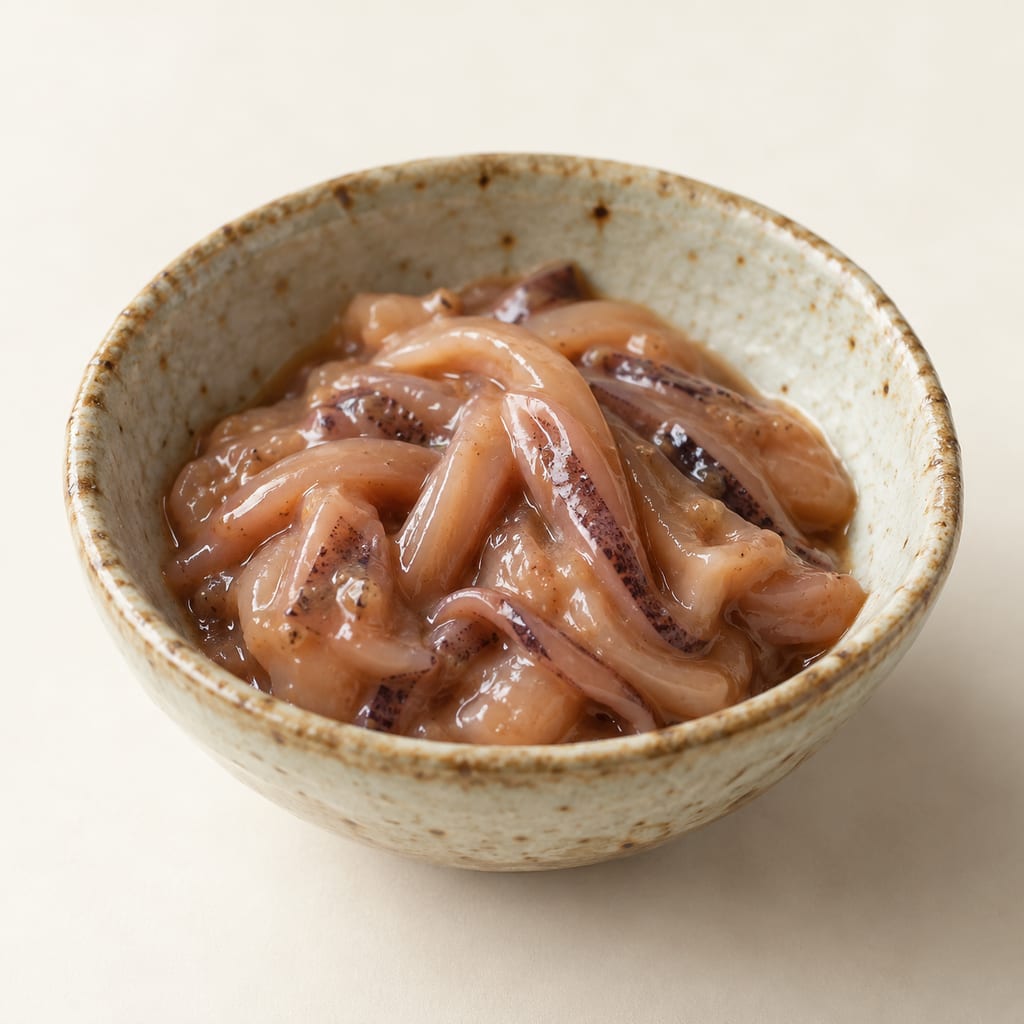
Shiokara is a Japanese salted and fermented seafood preparation, in which squid or the organs of other fish are matured in salt until the flesh breaks down into a thick, savoury paste that keeps its solids.
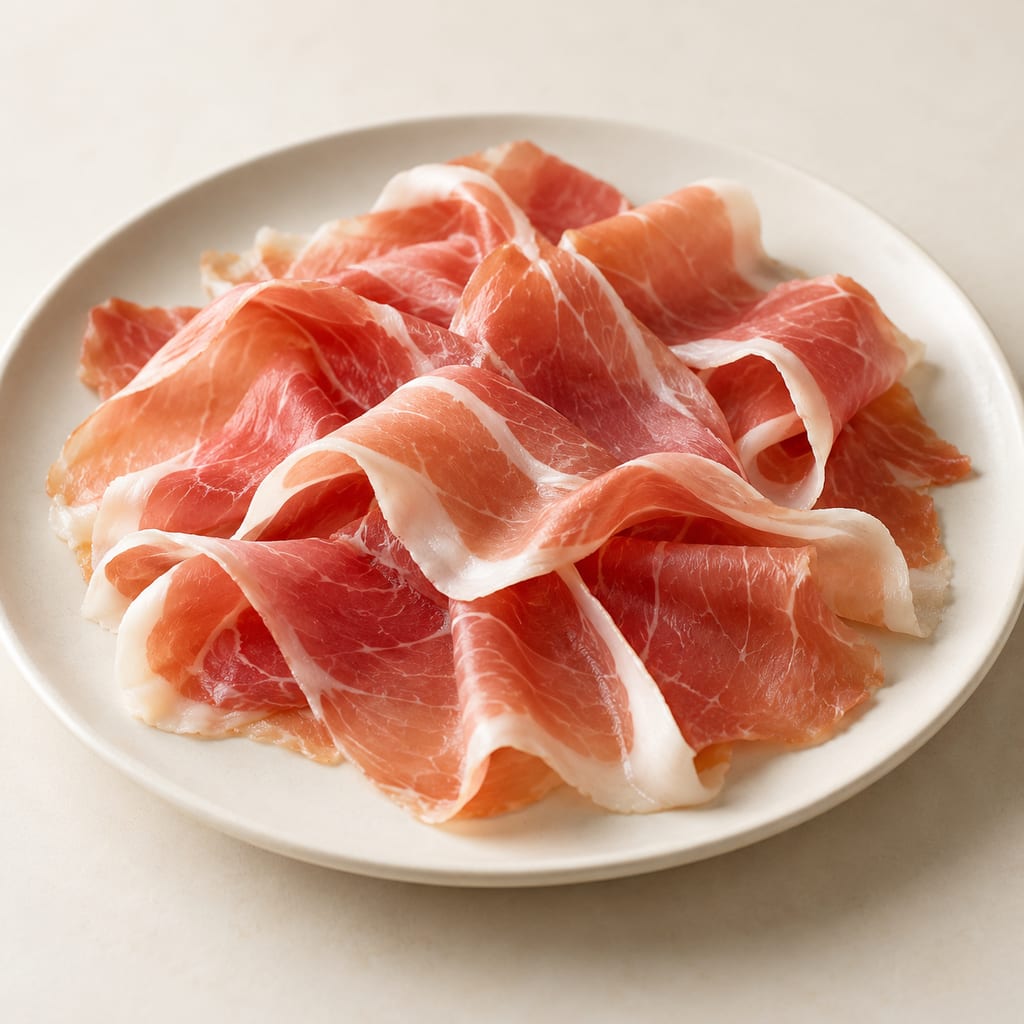
Prosciutto di Parma is a dry-cured, unsmoked ham from the Province of Parma, made from fresh pork legs salted with sea salt and matured for at least 14 months under the protected designation.
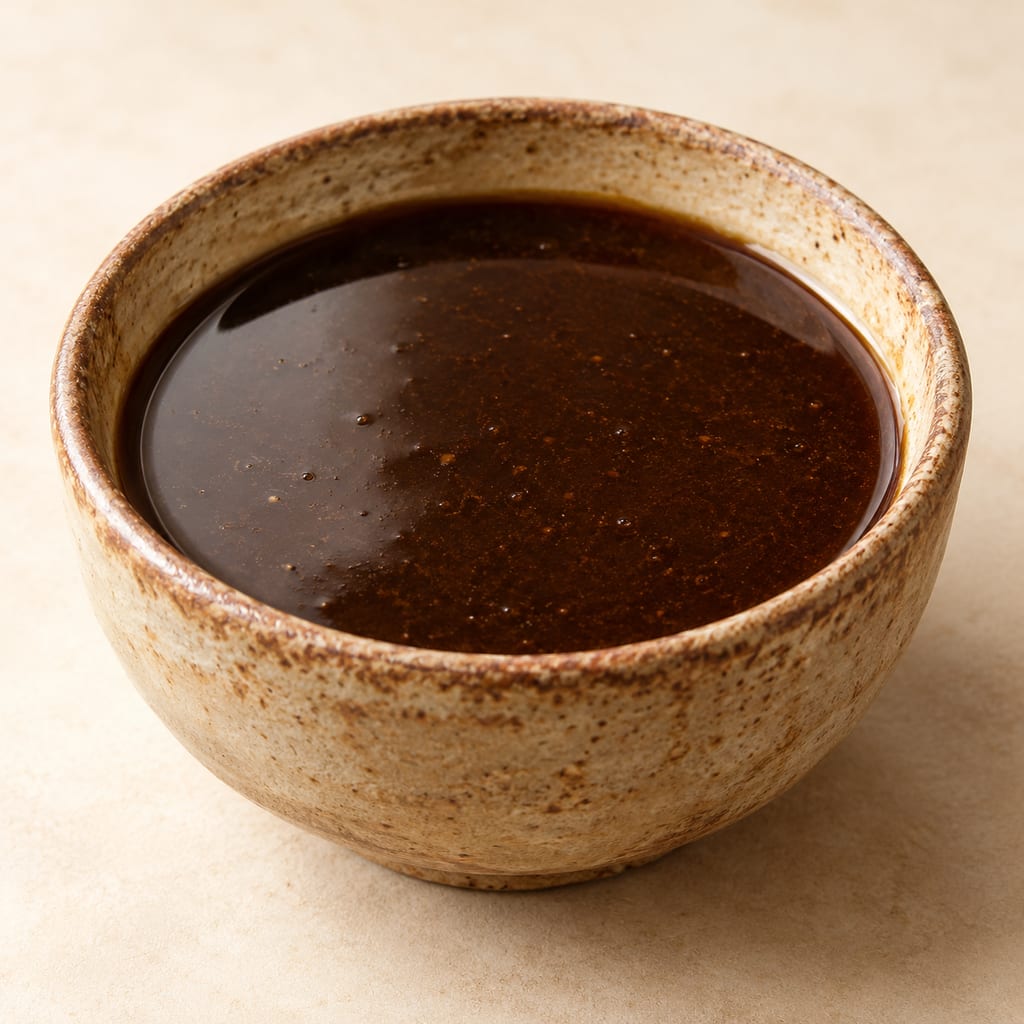
A dark, salty fermented condiment of the medieval Arabic kitchen, made from fermented barley and flour, which seasoned dishes where later cooks would use soy sauce, salt or sumac.
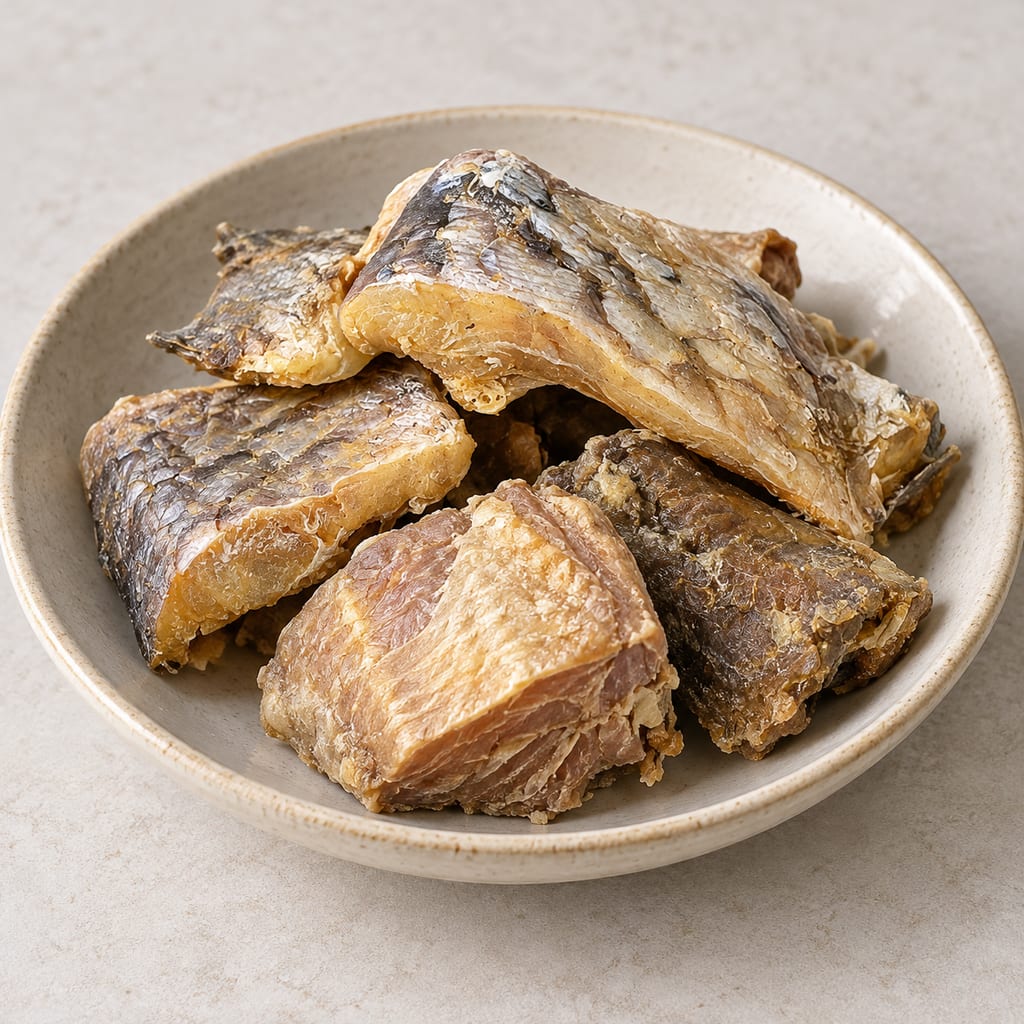
Momone is a Ghanaian salted and fermented fish condiment made from varied marine fish. Historical surveys describe both semi-dried and drier products, with salting and drying methods differing across coastal communities.
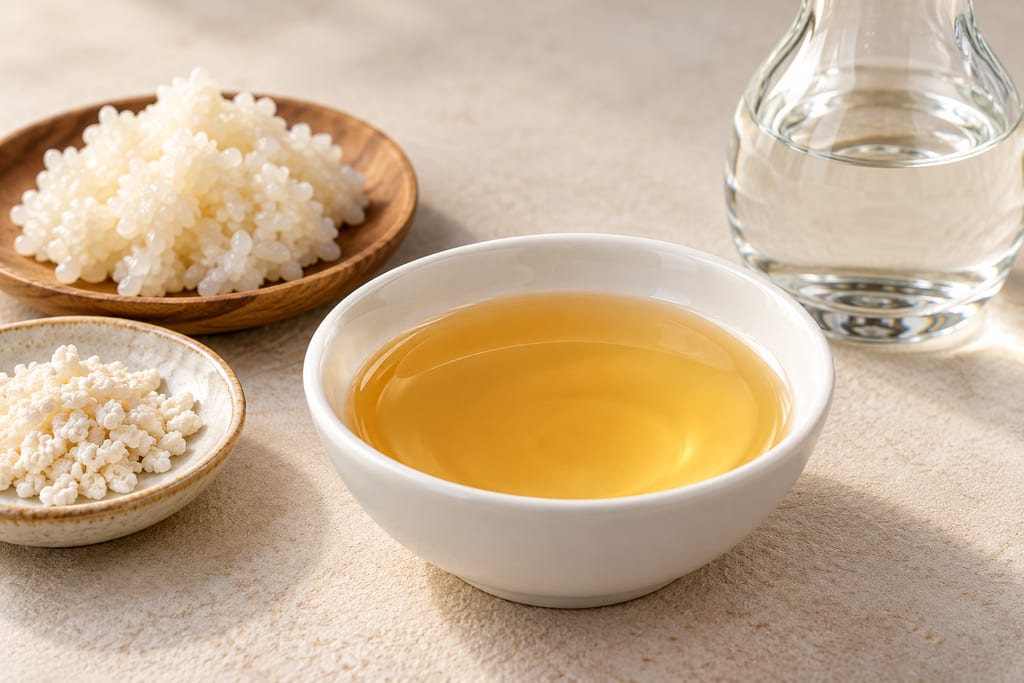
Hon-mirin is a Japanese rice seasoning made by saccharifying glutinous rice with rice koji in shochu, then pressing and usually heating the mash.

Masi ʻulu is a Samoan breadfruit paste fermented in a leaf-lined pit, kneaded, formed into loaves, wrapped in leaves and baked. A secondary FAO account describes the method; no household batch is established.
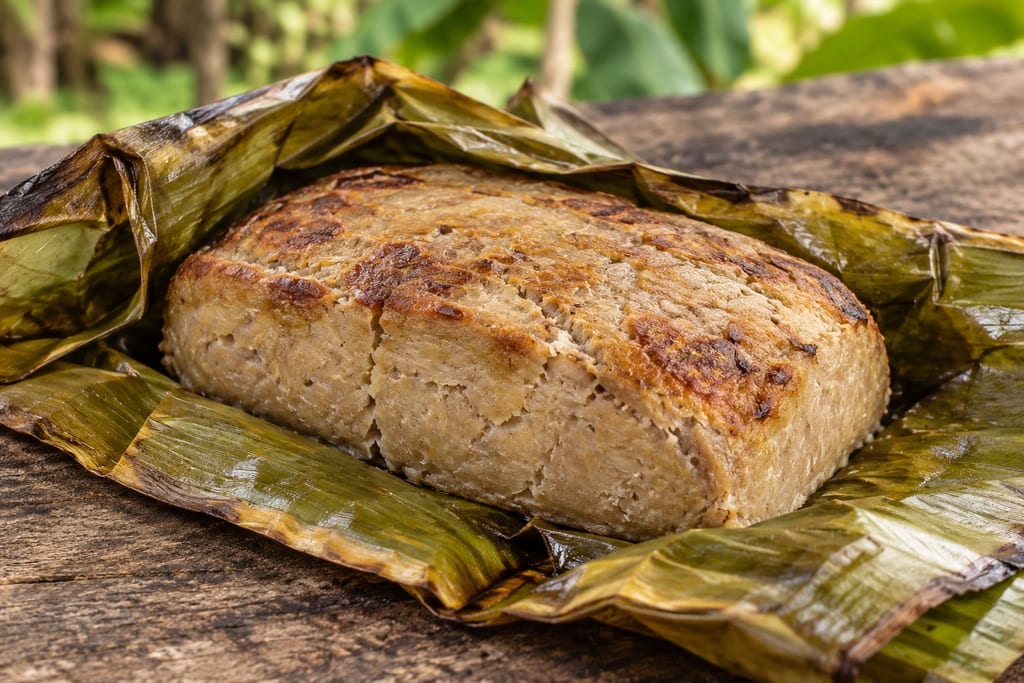
Masi fa‘i is a Western Samoan paste made by fermenting unripe banana in leaf-lined pits, later formed into loaves and baked. A secondary FAO account describes the method; no modern household batch is established.
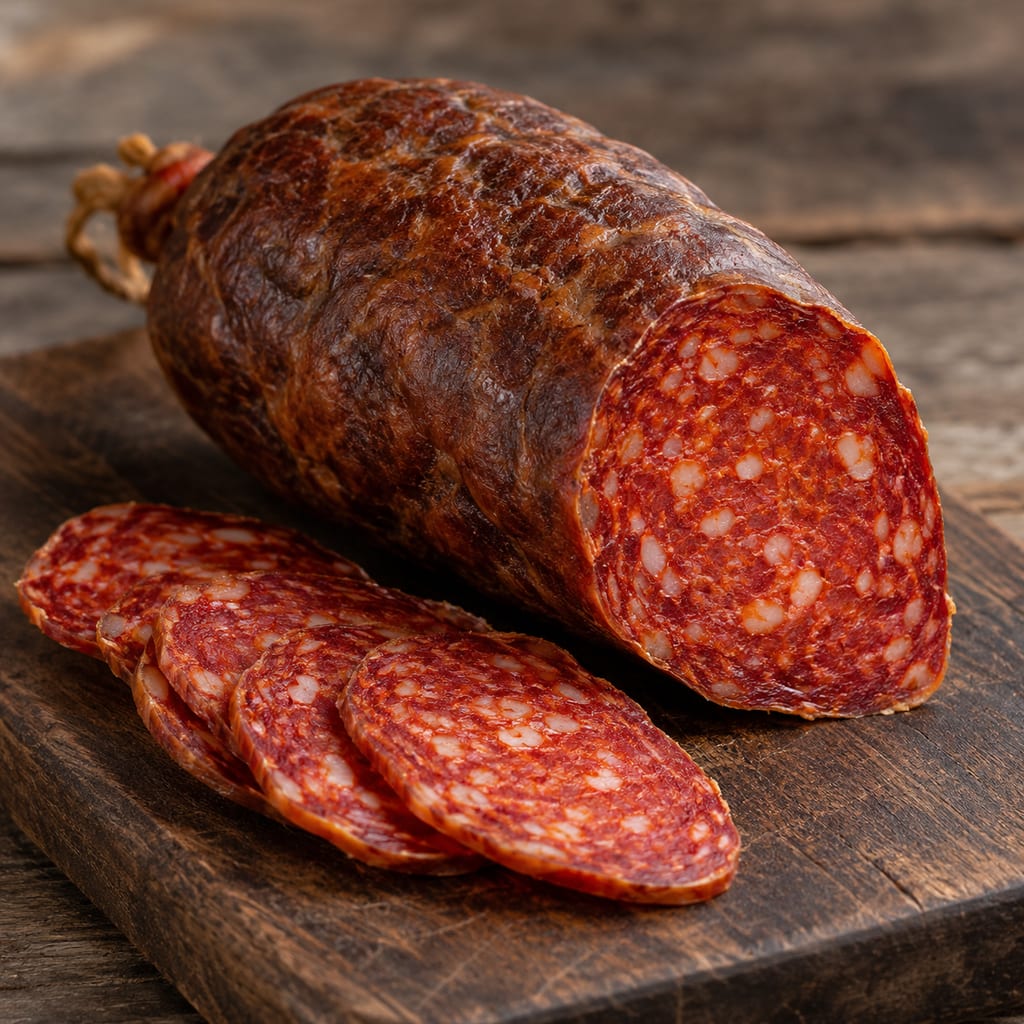
Baranjski kulen is a Croatian protected fermented pork sausage seasoned with sweet and hot paprika, garlic and white pepper, stuffed into a pig’s caecum called katica, cold-smoked and matured.

A cultural account of luk niang dong, a Thai djenkol-bean pickle associated with southern Thailand. Not a recipe or eating recommendation: sources do not establish that pickling controls djenkolism.
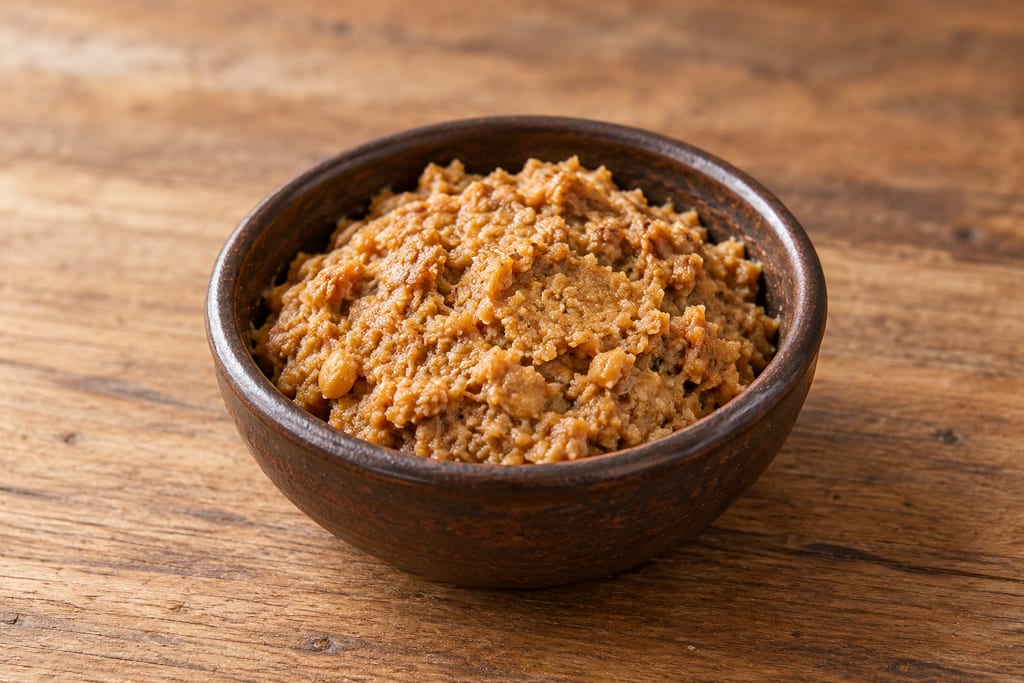
Doenjang (된장) is a Korean fermented soybean paste made by brining meju, separating ganjang, then mashing and aging the solids. This recipe follows one documented Sunchang processing study.

A dark, balanced vinegar from Emilia-Romagna made by combining cooked or concentrated grape must with wine vinegar, then acetifying and refining it in wood under a protected specification.
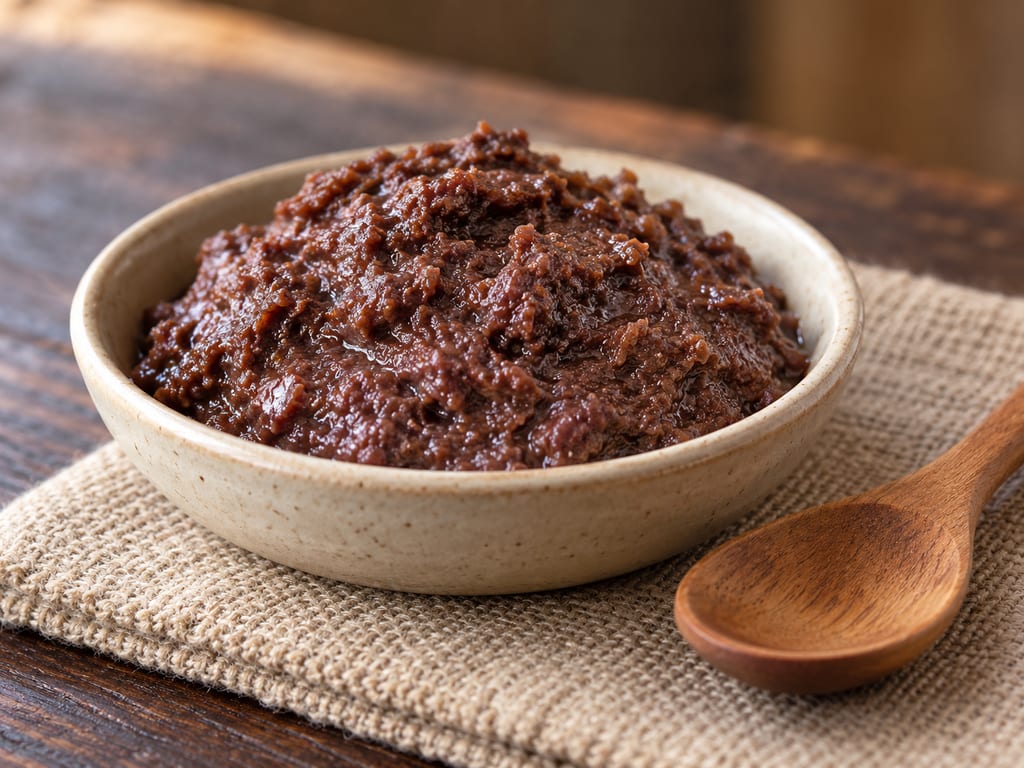
Bagoong isda is a Philippine fish paste: whole small fish salted and left to ferment for a month or more in earthen jars. It is the fish counterpart of bagoong alamang.
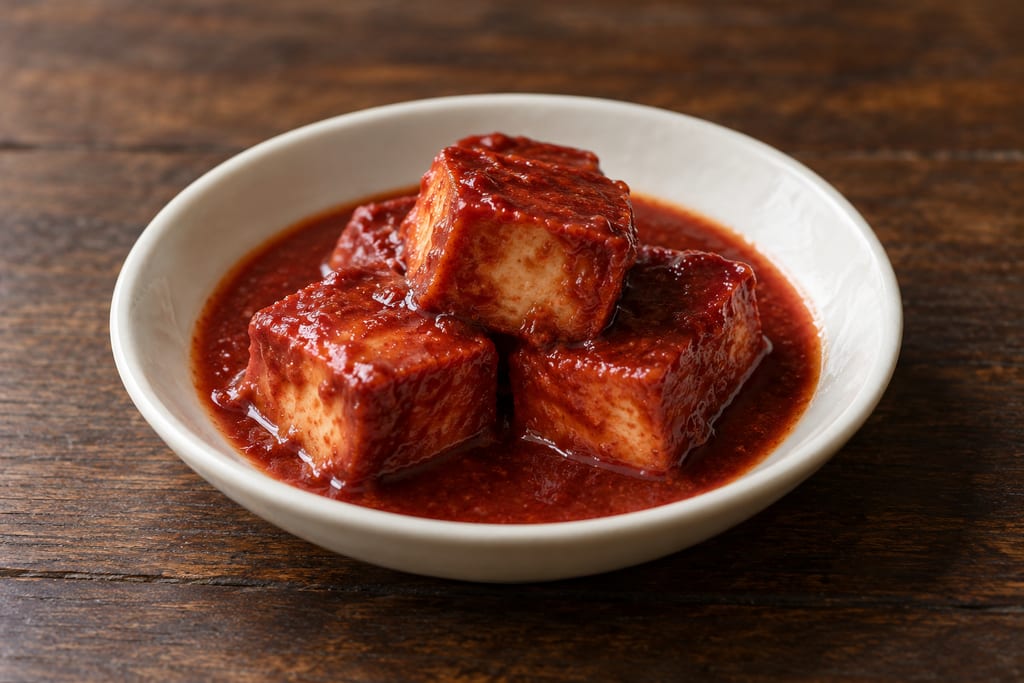
Red sufu is tofu grown with an identified Mucor racemosus mould, salted, seasoned with red pepper and zanthoxylum, then matured under brine for 180 days.
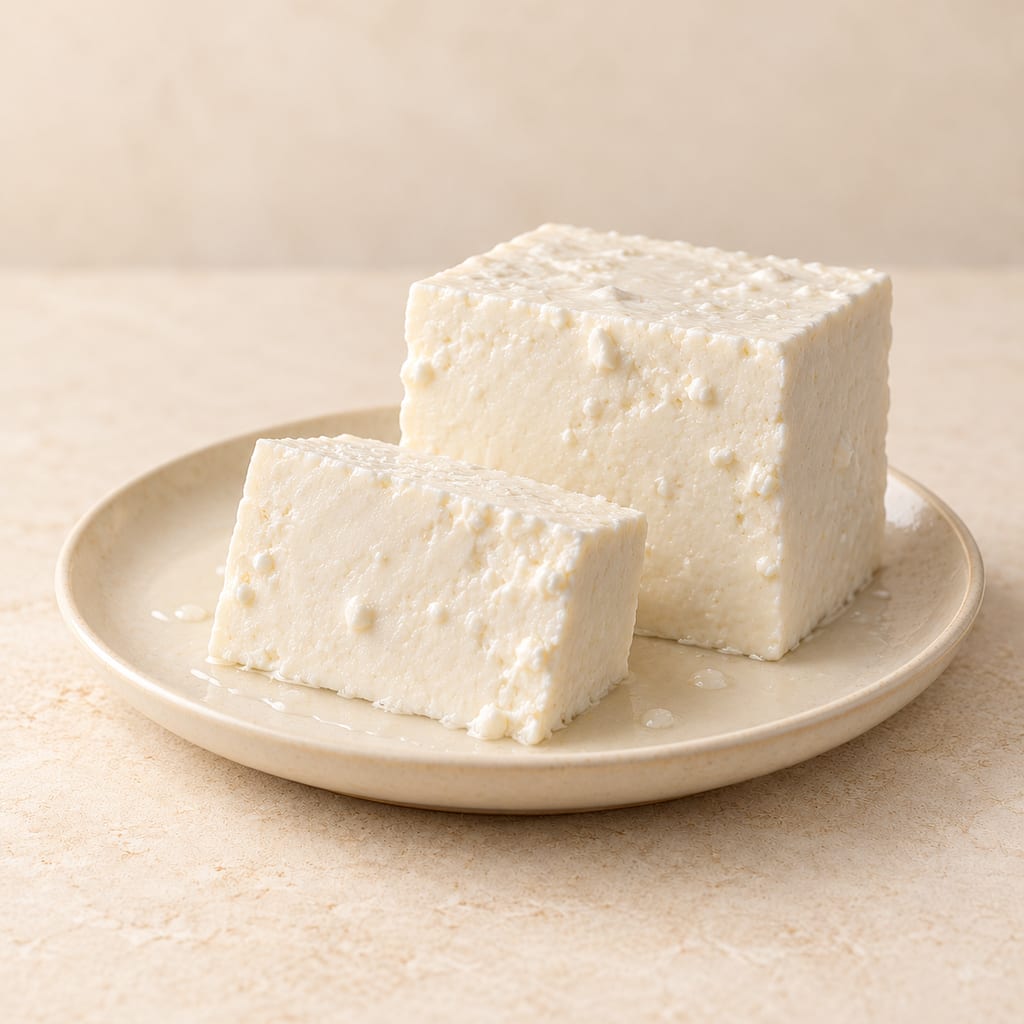
Beyaz peynir is a Turkish white cheese matured in brine. Sheep milk, alone or mixed with other milks, gives a close-textured cheese cut into blocks and packed in cans.
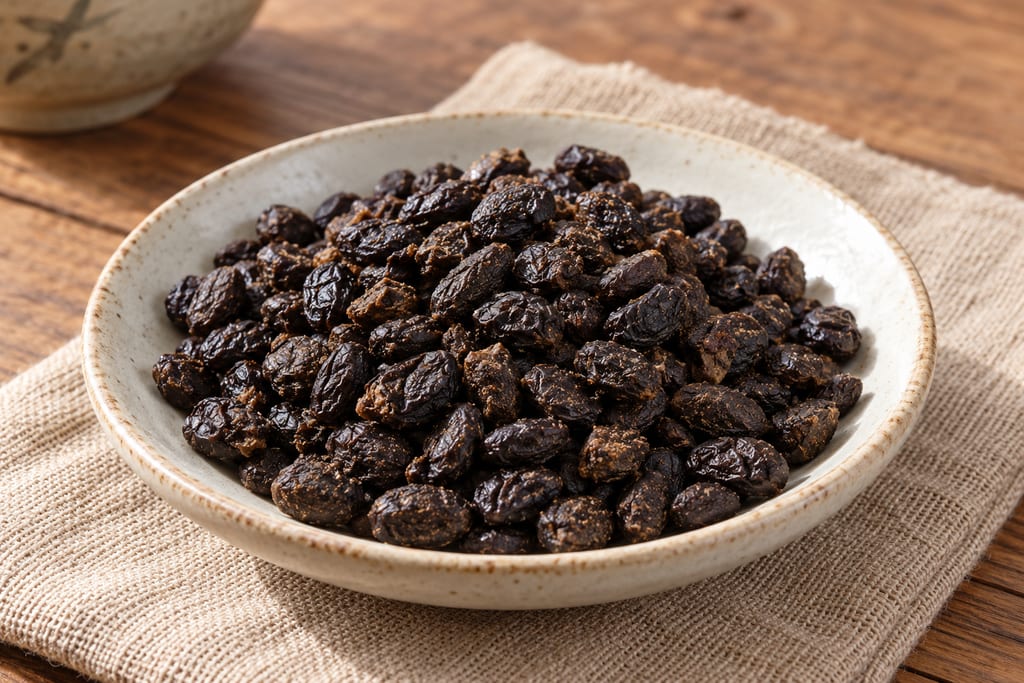
A Chinese fermented soybean condiment in which Bacillus-led bacteria, not moulds, drive the fermentation. Documented in Zunyi, Guizhou, and kept separate from mould-led douchi.
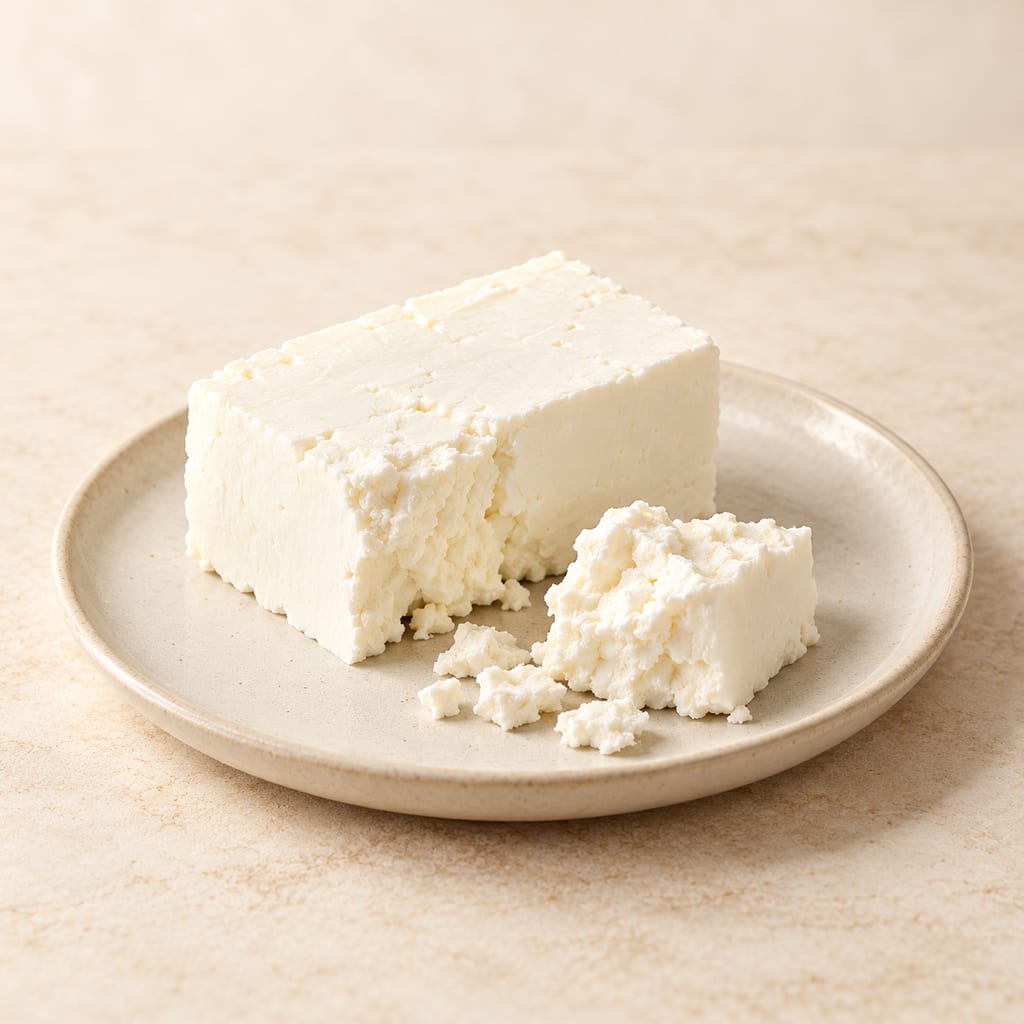
White cheese made with a lactic starter and rennet, drained without pressing, dry-salted and covered in brine. This home adaptation allows whole milk from different dairy animals.
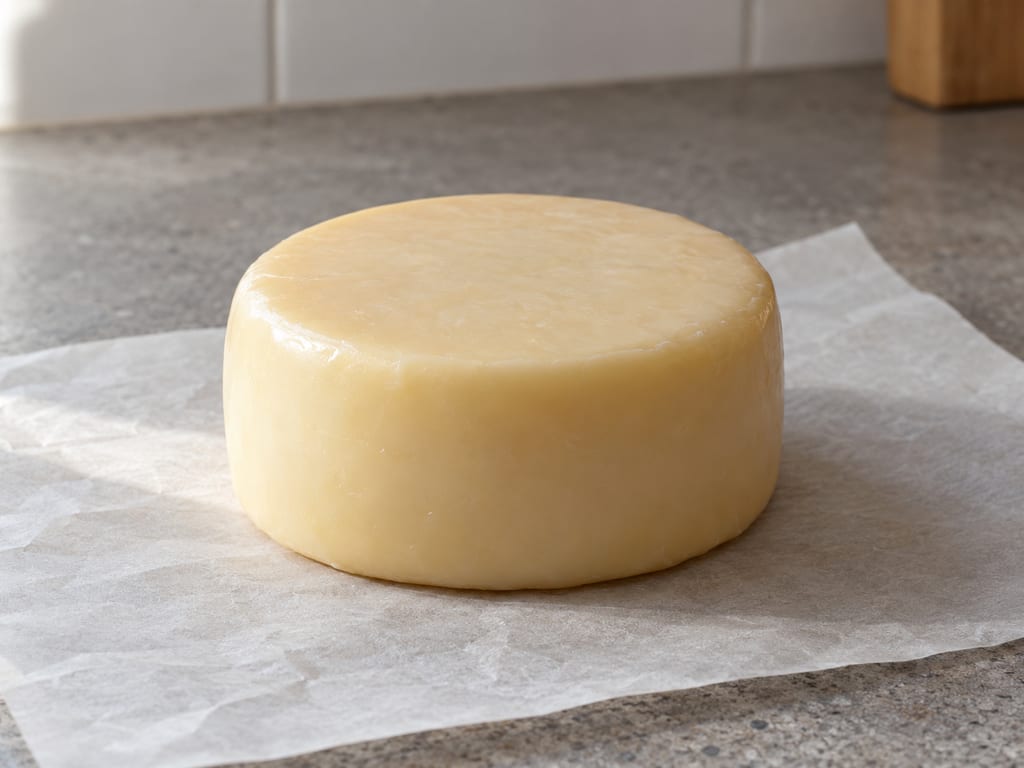
A mild whole-milk cheese set with starter and rennet, drained in a mould, dry-salted and ripened. This small-batch method appeared in Canadian home-dairy guidance.
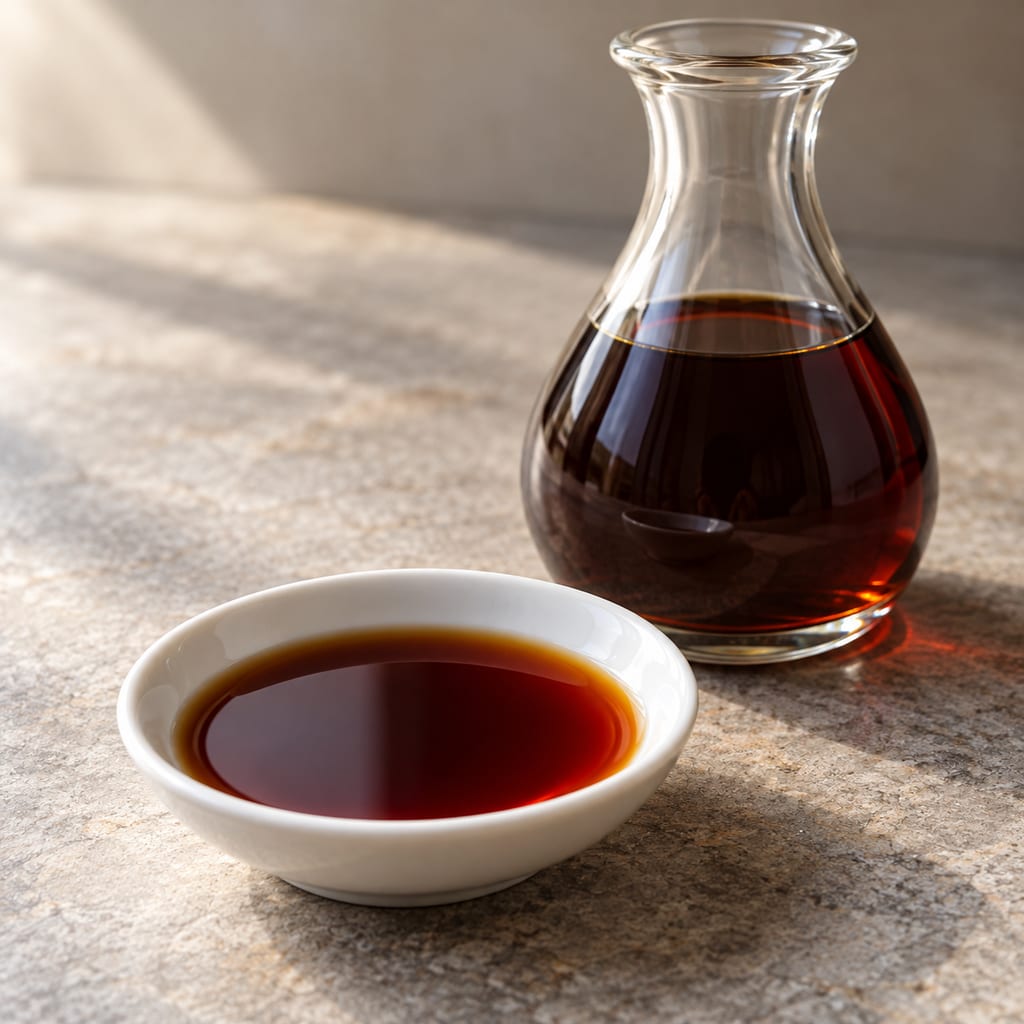
Zhenjiang black vinegar is a Chinese glutinous-rice vinegar made by mixed-culture fermentation, solid-state acetification, roasted-rice extraction and ageing, giving a dark, savoury, mildly sweet condiment.
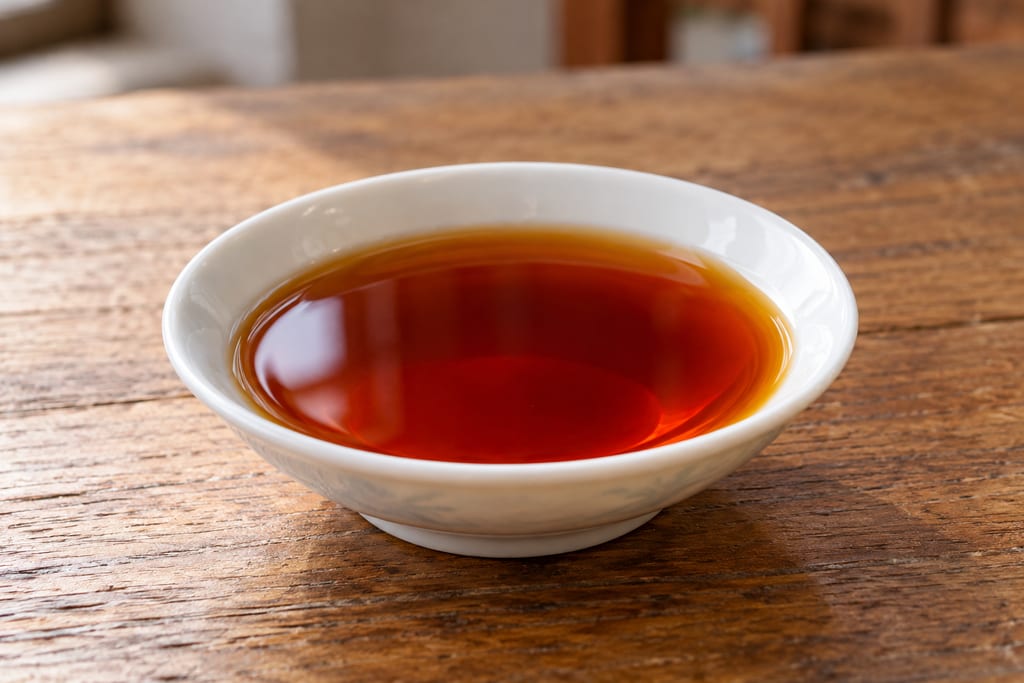
Tianjin grain vinegar of millet and sorghum made with daqu: liquid alcoholic fermentation, two-layer solid-state acetification, and at least three years of outdoor ageing of the grain mash.
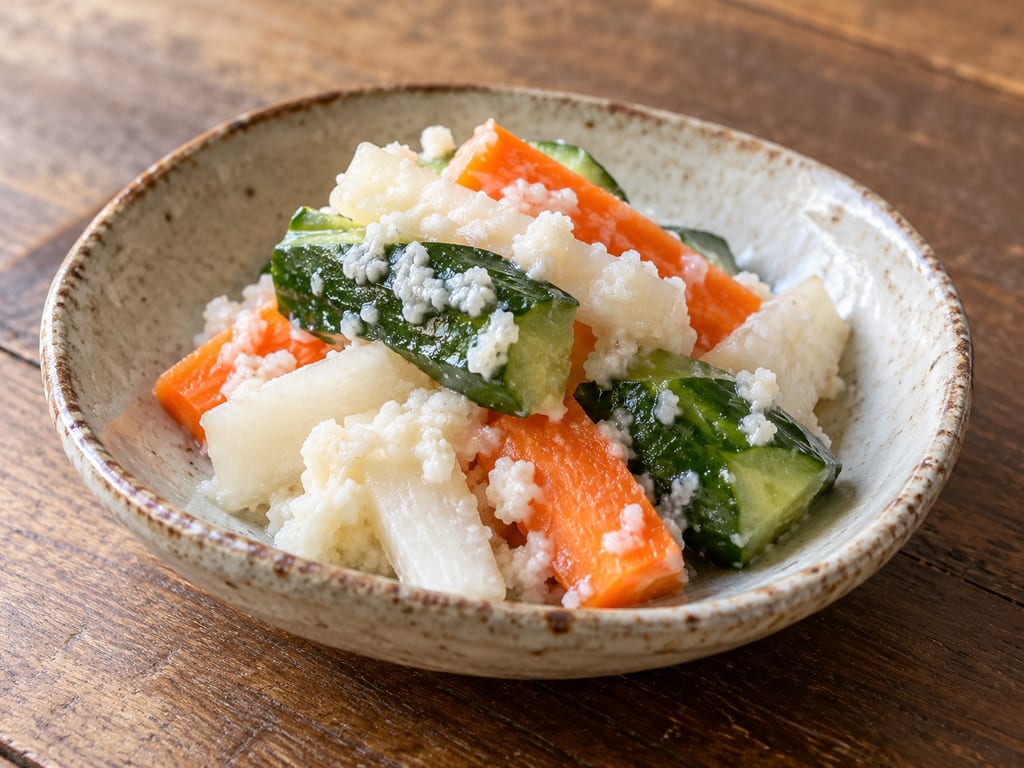
A traditional Japanese koji pickle from the Tohoku region: vegetables pickled in a matured bed of cooked rice, rice koji and salt, where koji enzymes bring sweetness alongside the salt.
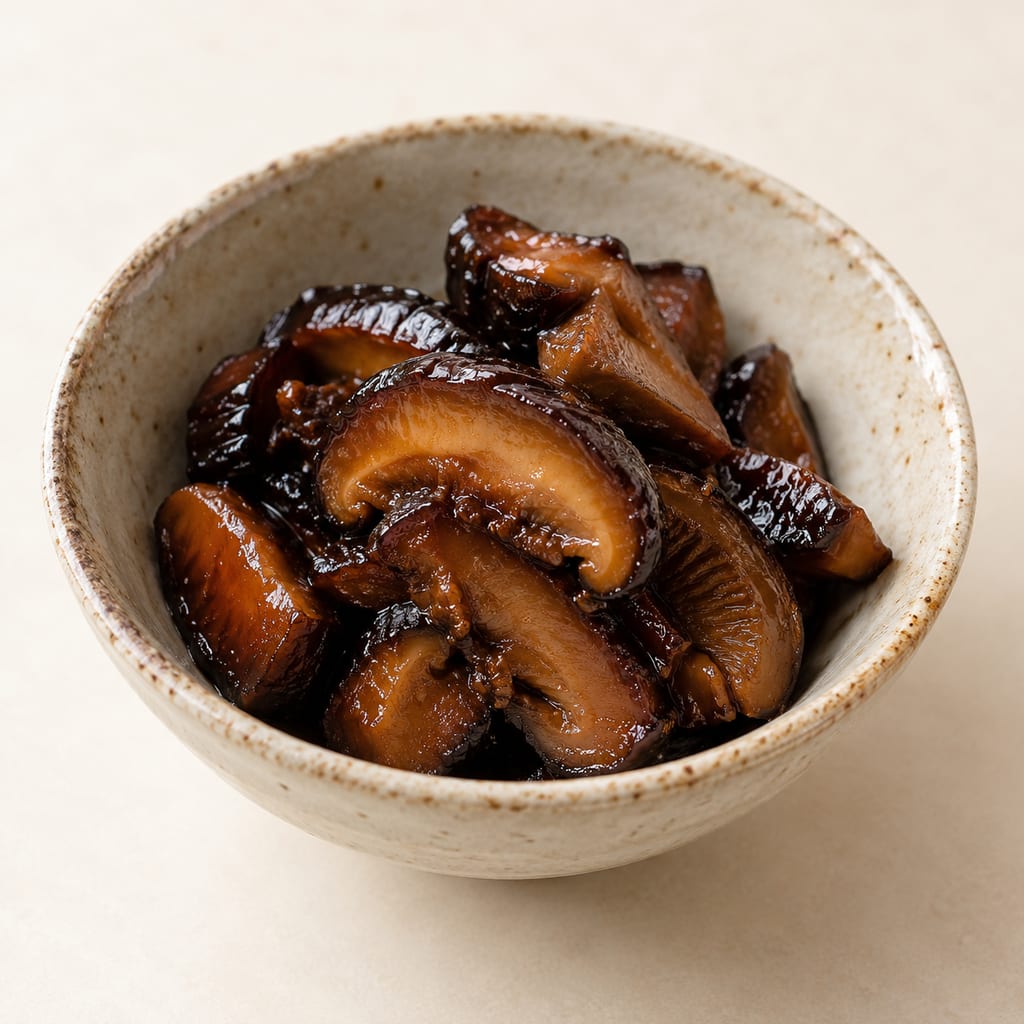
Japanese seasoned reduction in which ingredients such as shiitake or fish are simmered in soy sauce and sweeteners until the liquid is absorbed and a concentrated, storable condiment remains.
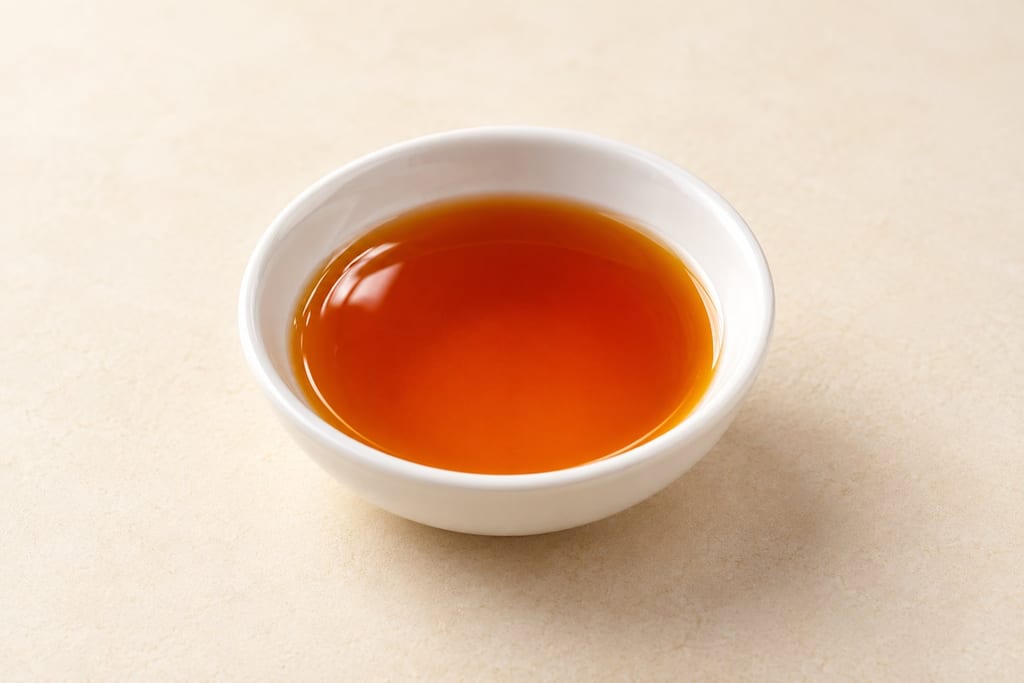
Fish sauce is a clear, salty seasoning made by maturing fish with salt and drawing off the liquid. The broad family includes distinct regional sauces rather than one interchangeable method.
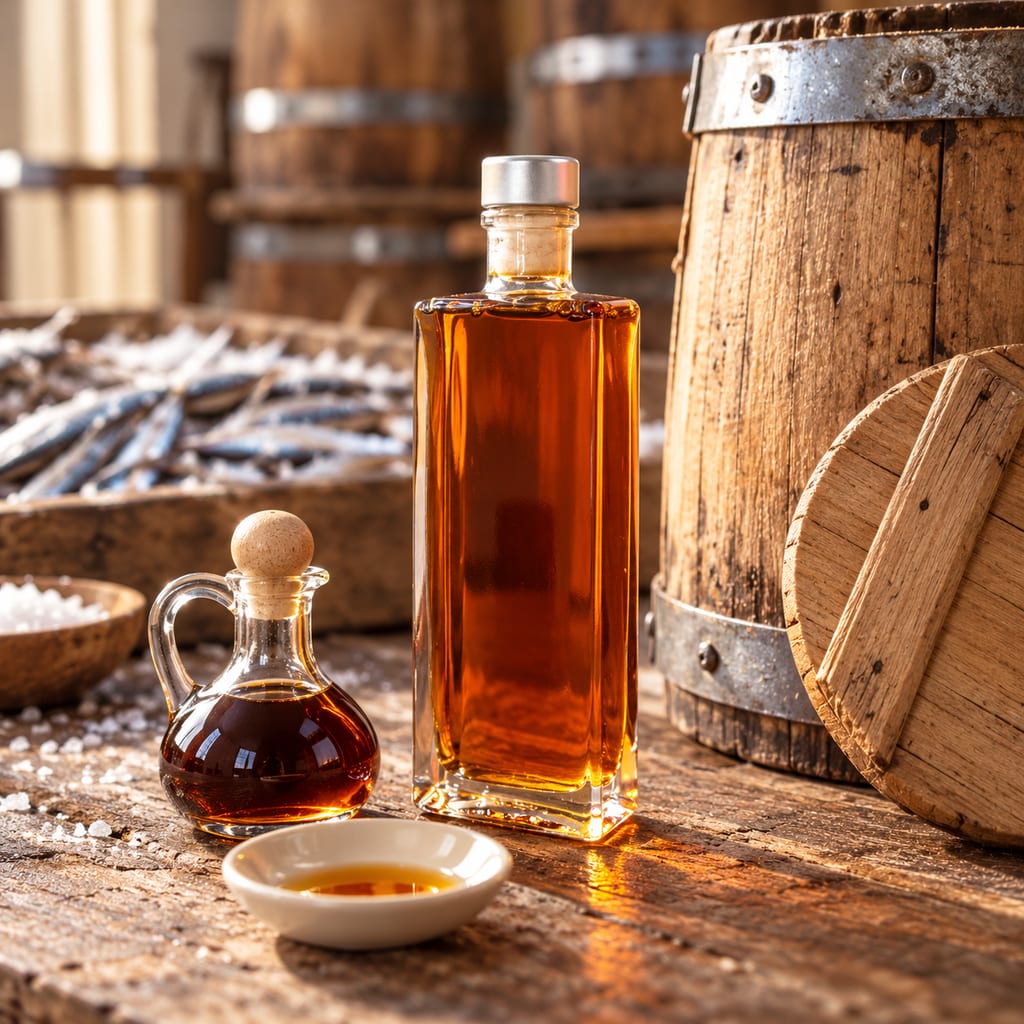
Colatura di alici is the amber liquid drained from salted anchovies matured in wooden containers in Cetara, on the Amalfi coast of Campania, and sold under a protected designation of origin.
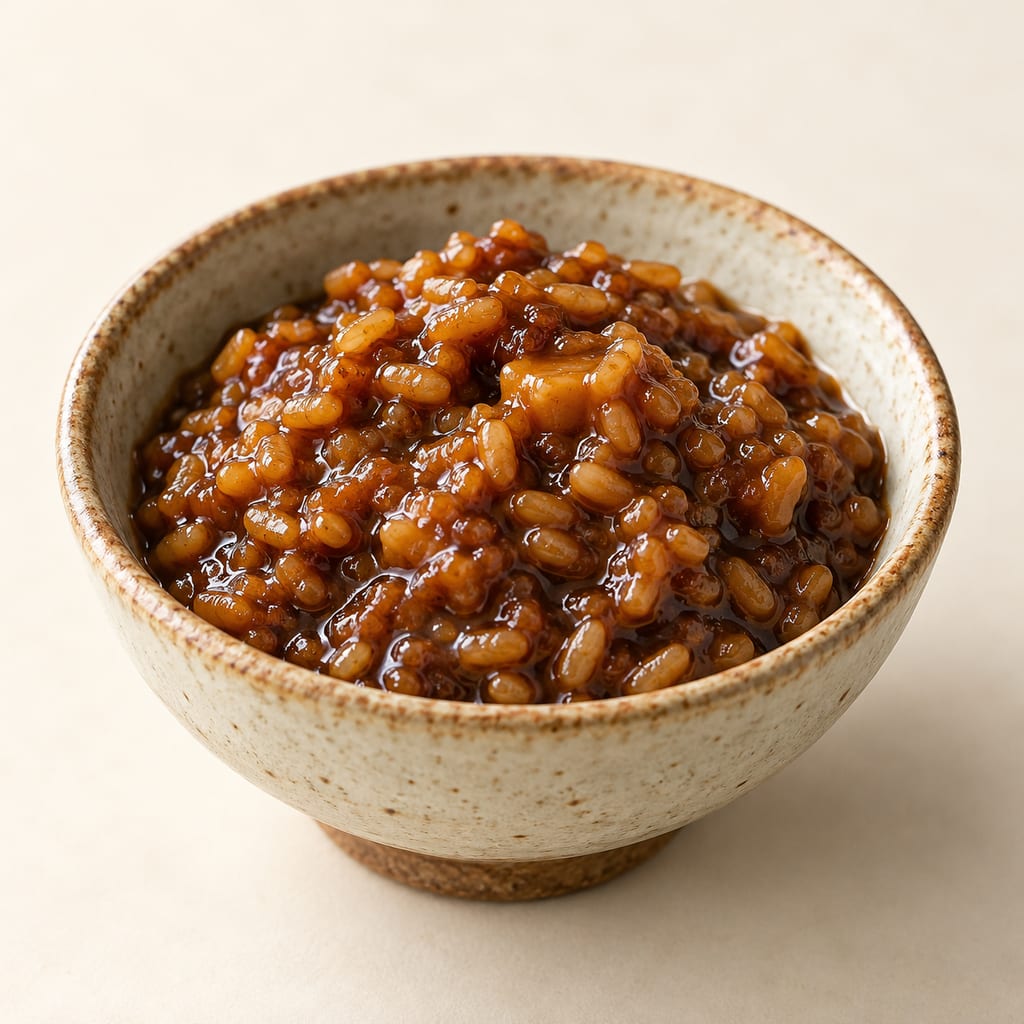
A Japanese kitchen condiment of rice koji matured in soy sauce until the grains turn soft and sweet. The same name also means the mould-grown soybean and wheat used to brew soy sauce.
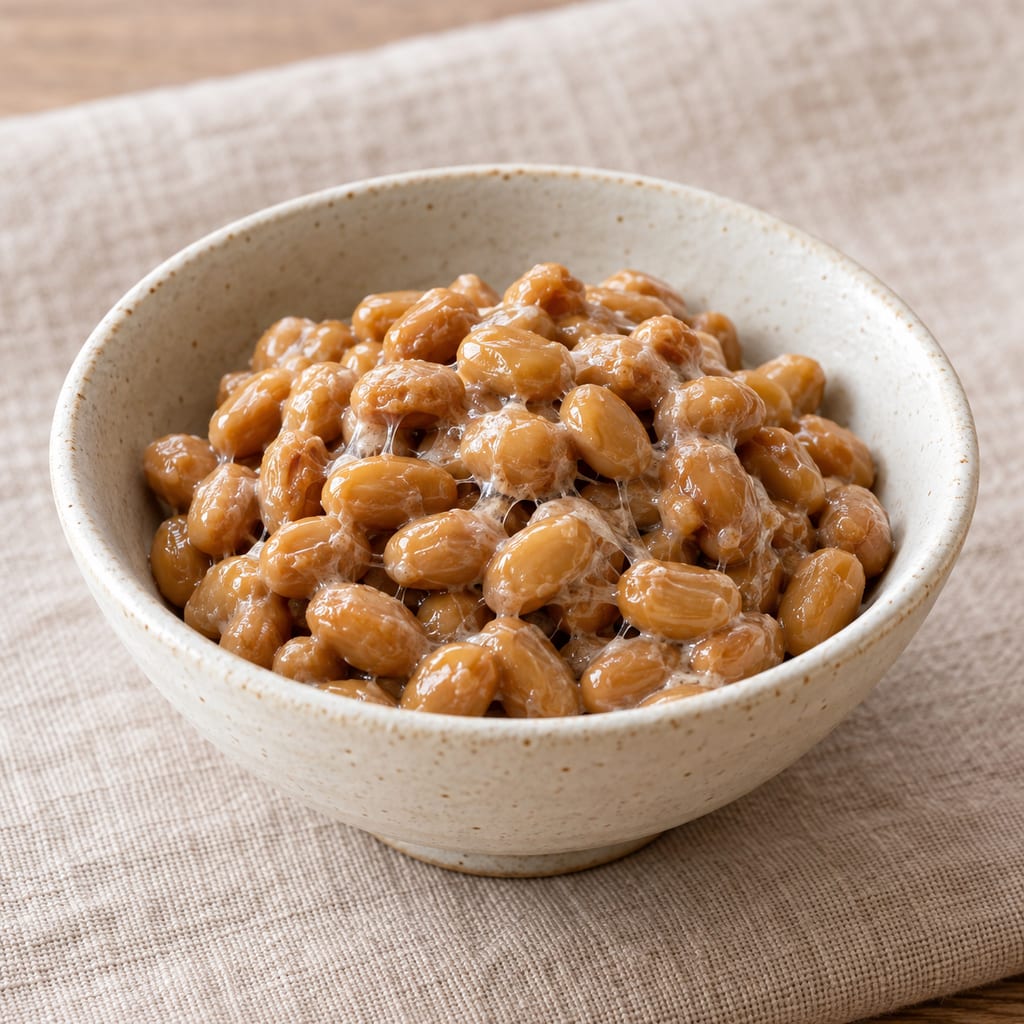
Steamed soybeans fermented by a named strain of Bacillus subtilis into Japan’s sticky, strongly savoury whole-bean food, bound by the thread-forming polymer the bacteria secrete.
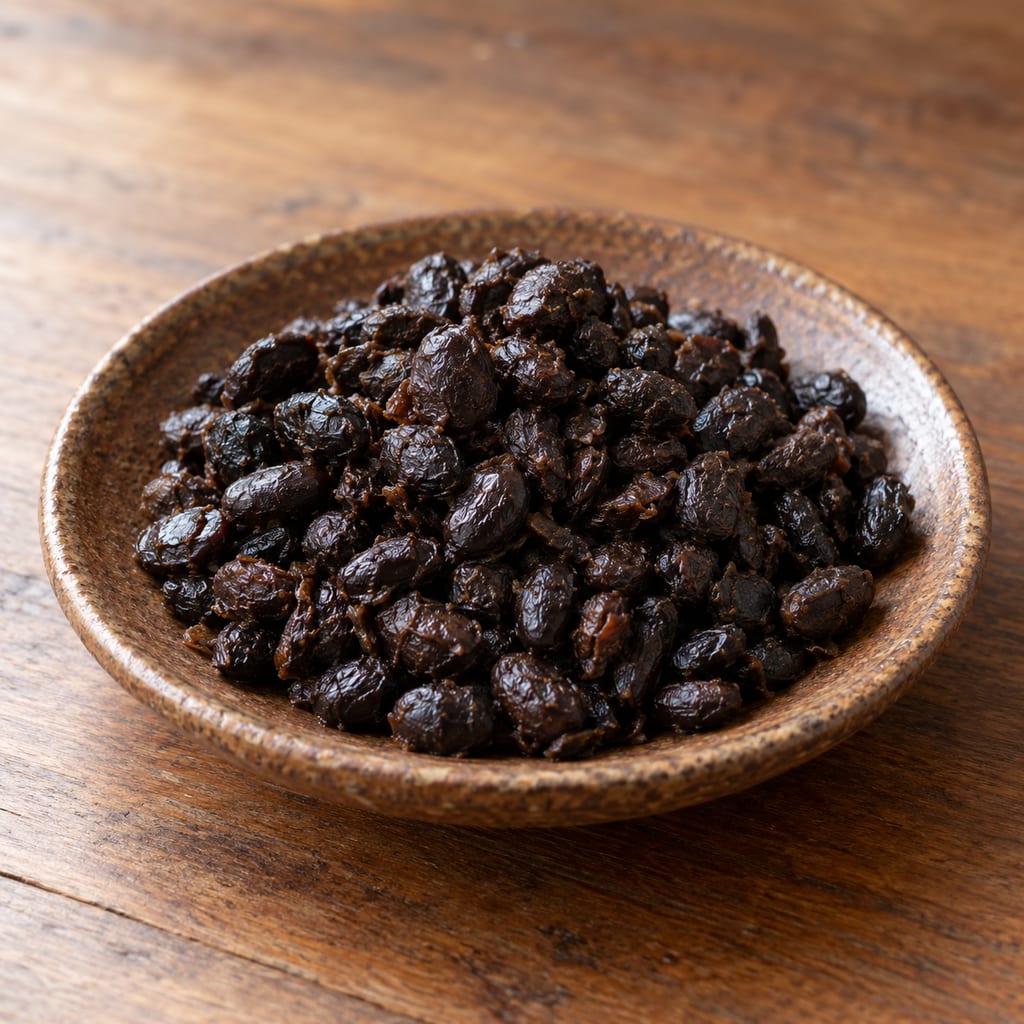
A Chinese fermented soybean condiment from Chongqing and Sichuan, made by growing Mucor-type mould on cooked beans, then salting and maturing them into dark, savoury, soft beans with a concentrated aroma.