
Fermented meat around the world
Dry salami, sour pork with rice, matured sheep and aged blubber follow different paths from animal to food. Their stories connect microbes with climate, slaughter, migration and the meals people share.
 FermenteaWhere food goes to change
rakfisk · rakfisk · rakfisk trout
Rakfisk is a Norwegian preserved fish: cleaned trout or char, salted, packed under pressure and matured cold, usually for about three months, before it is eaten sliced.
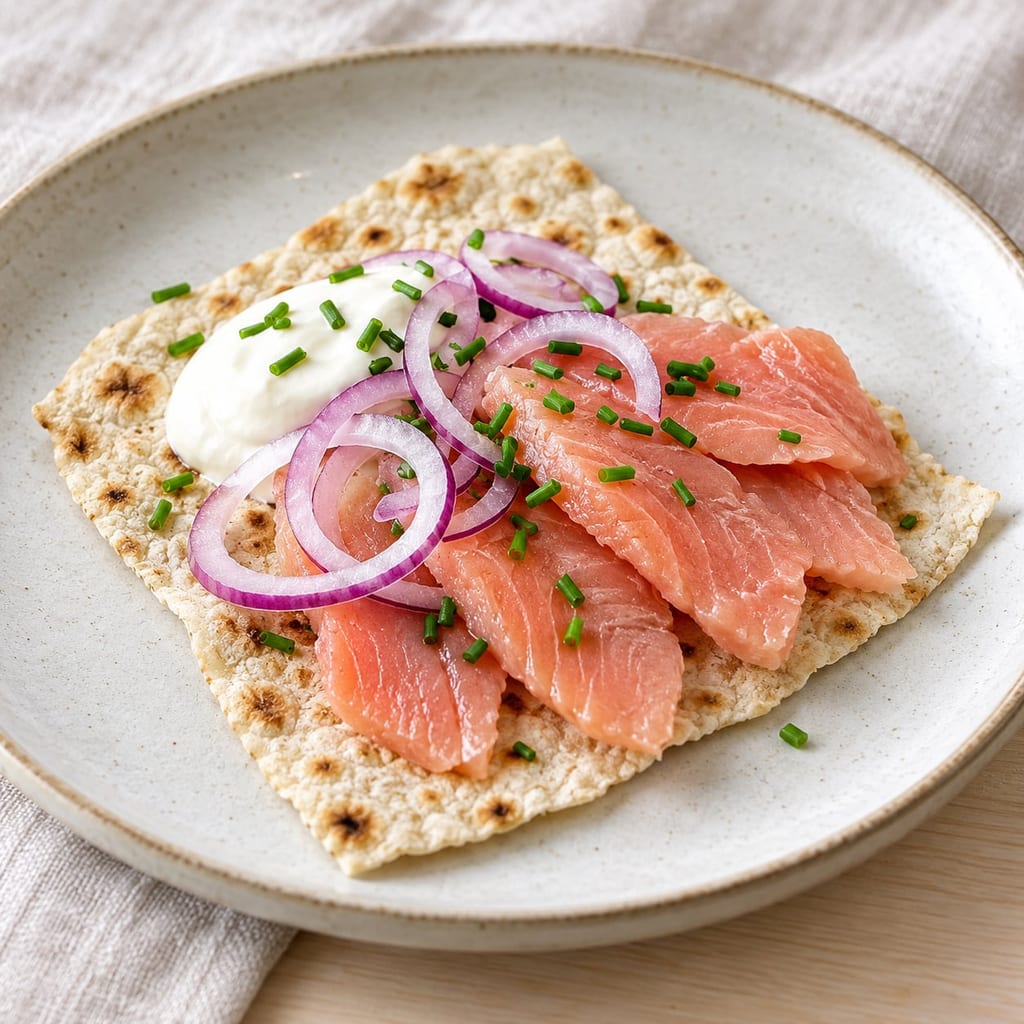
Rakfisk is a Norwegian preserved fish, traditionally made from trout or char. The fish is cleaned, salted and packed tightly under pressure, then left to mature in cold conditions. It is eaten sliced, and the reference photographs show it on flatbread with raw onion and sour cream.
The fish is the centre of the product. The sources name trout and char, and the choice of fish sets the texture and fat content of the finished flesh, though the sources give no ranking of the two.
Cleaning comes first, then salting. It is then matured cold, commonly for about three months.
The Nofima account describes two sources of change during maturation: the activity of microorganisms and the fish's own enzymes. The two can both contribute, and the balance varies between processes. The sources do not assign a fixed share to either.
Salting and pressure set the conditions for cold maturation. Nofima describes producer storage profiles that vary and reports storage at 4–7°C; it also reports that fish reaches about 5% salt once equilibrium is established. These are descriptions of producers’ practices, not validated home-process limits. The source does not establish a safe home method or safety threshold.
Rakfisk is served sliced, as the reference photographs show, on flatbread with raw onion and sour cream.
Nofima reports producer practices including varying cold-storage profiles (with 4–7°C described) and about 5% salt after equilibrium, but this is not a validated household process and does not establish home safety limits or shelf life. Appearance, smell and taste do not establish that rakfisk is safe. Norway’s Food Safety Authority advises pregnant people not to eat rakfisk because Listeria may grow in foods eaten without heat treatment.
Open questions: when rakfisk first appeared, and how far the regional methods differ. The sources do not establish either.
The exact beginning of rakfisk is not securely dated by the research account used here. The method is documented in modern studies of Norwegian production.
Scaling: source batch only
Norway’s Food Safety Authority advises pregnant people to avoid rakfisk because Listeria can grow in foods eaten without heat treatment.
Hazard sourcePregnant people should avoid rakfisk, following Norway’s Food Safety Authority advice.
Control sourceSmell and taste do not establish that rakfisk is safe.
Norway’s Food Safety Authority advises pregnant people not to eat rakfisk.
The sources name Norway; the exact region of origin is not established.
Dry salami, sour pork with rice, matured sheep and aged blubber follow different paths from animal to food. Their stories connect microbes with climate, slaughter, migration and the meals people share.
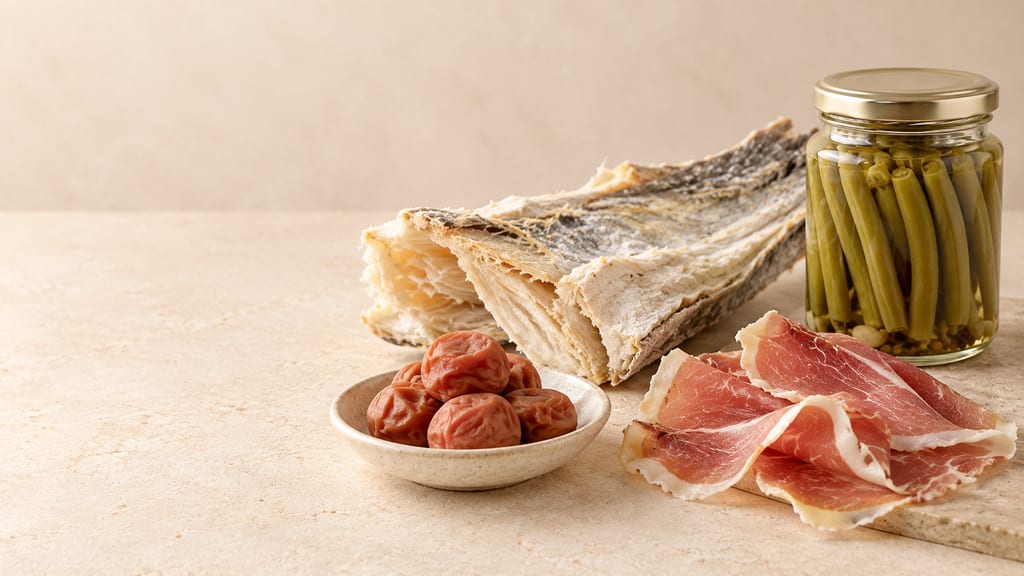
Every preserved food is a stack of barriers against microbes, enzymes, air and time. This is how they work, what a recipe's numbers measure, and how cooks worldwide build them.
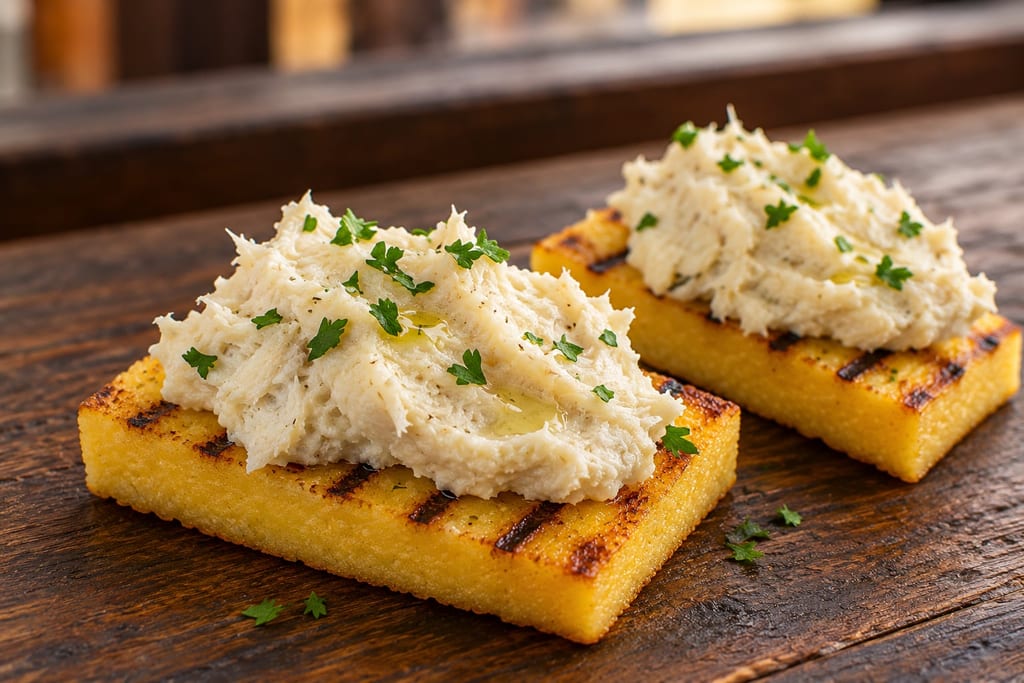
A Venetian cicchetto of cooked unsalted stockfish beaten with oil until it turns into a pale, aerated cream, spooned onto grilled polenta in the city's wine bars.
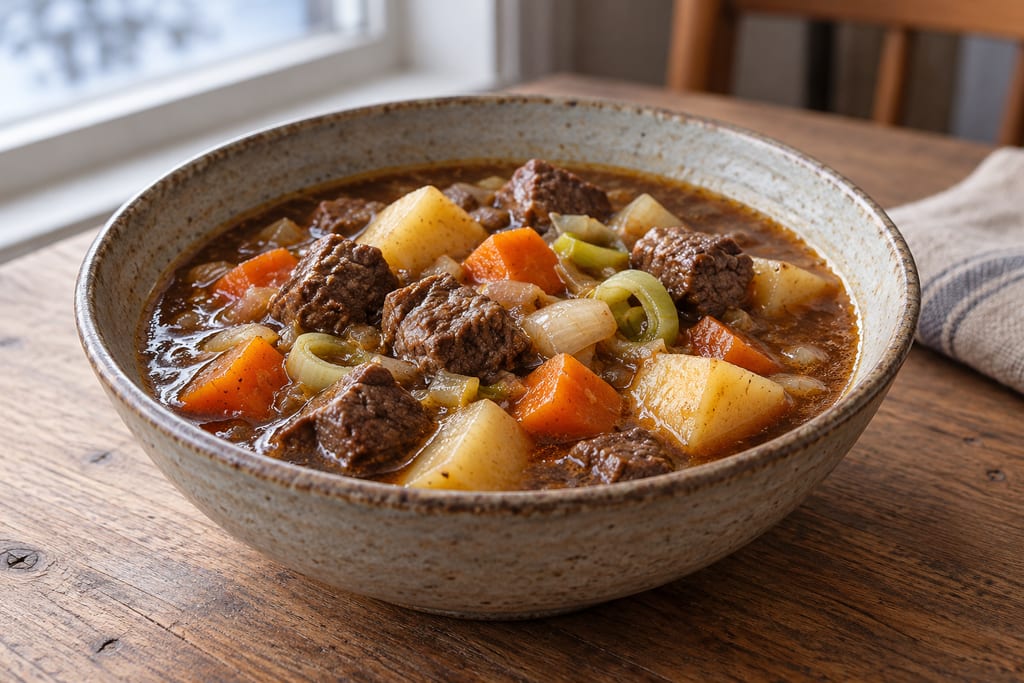
Ann-Kristine Bongo's four-serving bidus from Sami Siida in Alta is a contemporary, festive reindeer stew simmered with onion, carrots and potatoes.
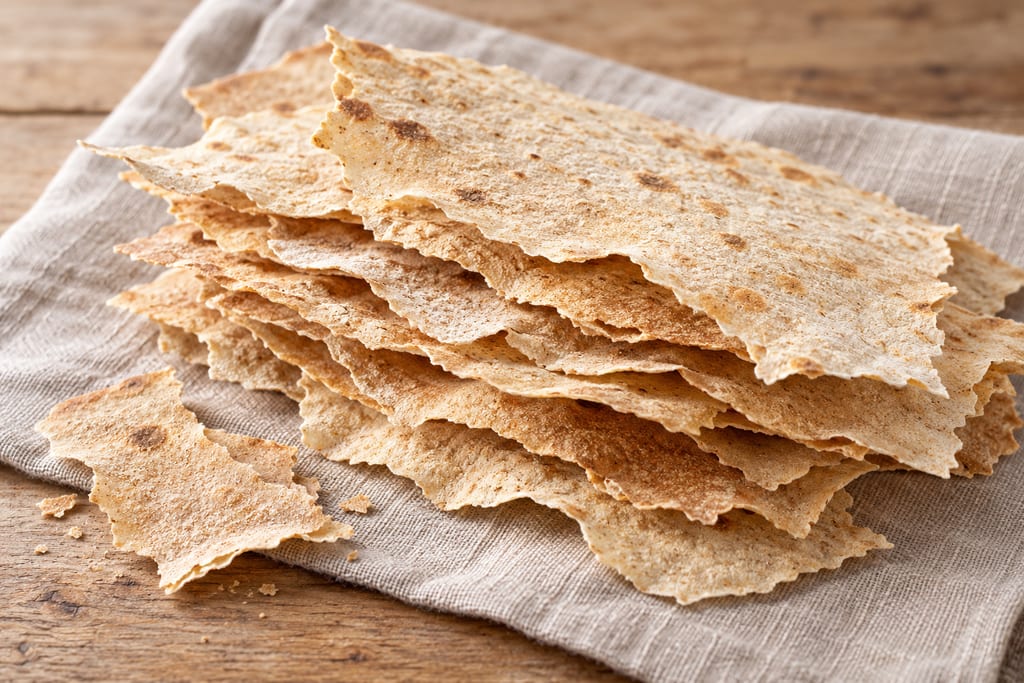
Thin, unleavened Norwegian flatbread made from sifted wheat and oat flours, fine whole rye, salt and water, then rolled with barley flour and cooked on a takke.
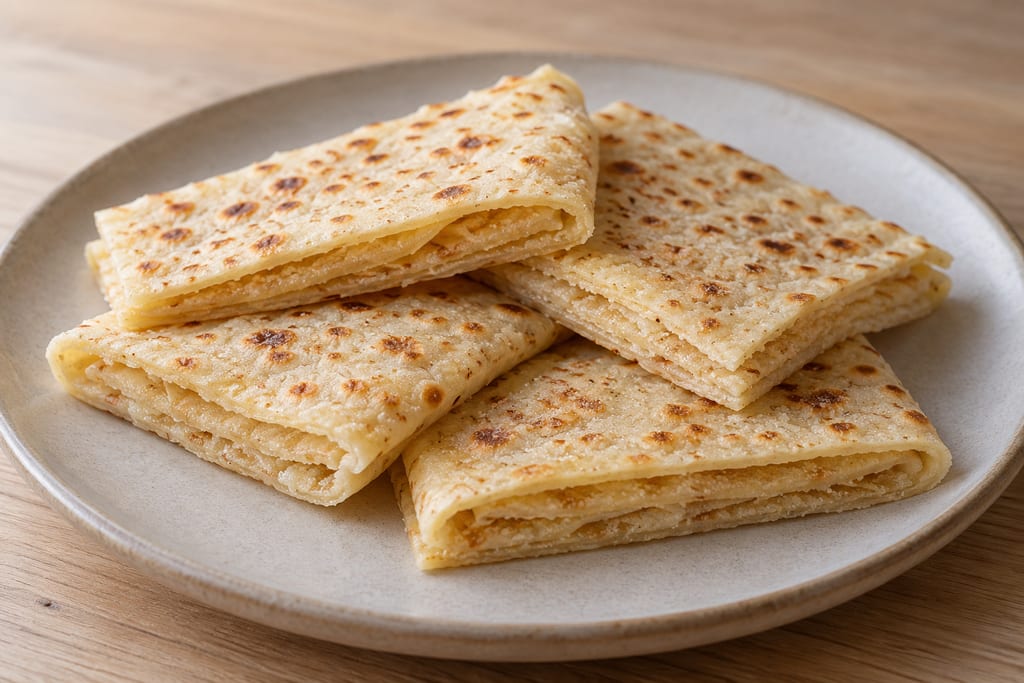
Soft Norwegian wheat and semolina flatbreads, cooked thin on a griddle and finished with butter and sugar.
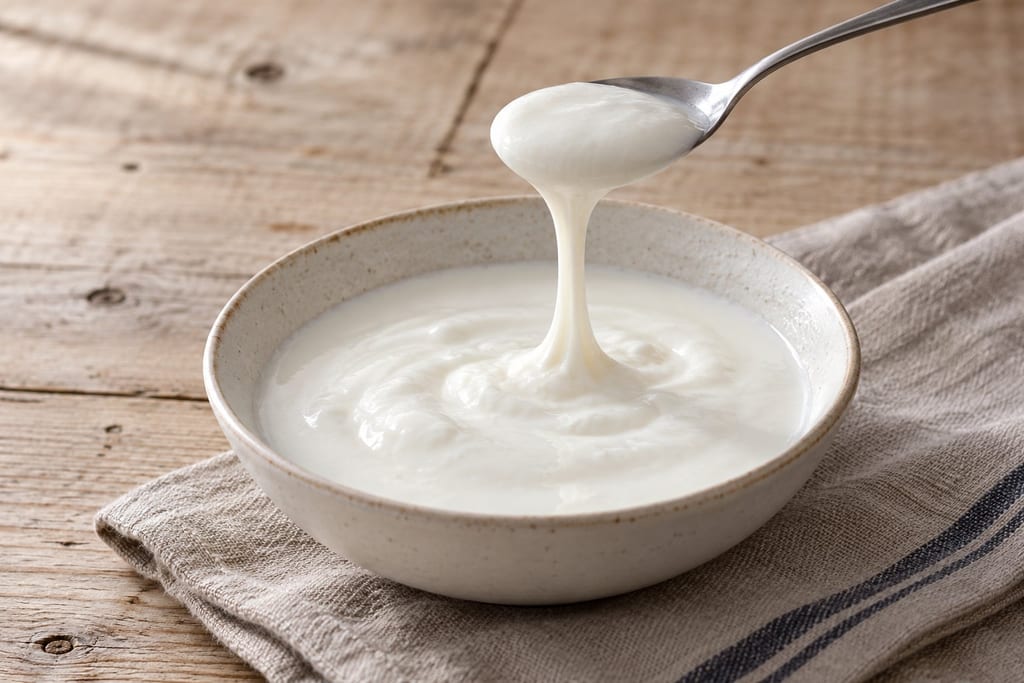
Långfil and tettemelk are traditional Swedish and Norwegian cultured milks with a mild sour taste and a stretchy texture produced by ropy lactic acid bacteria.
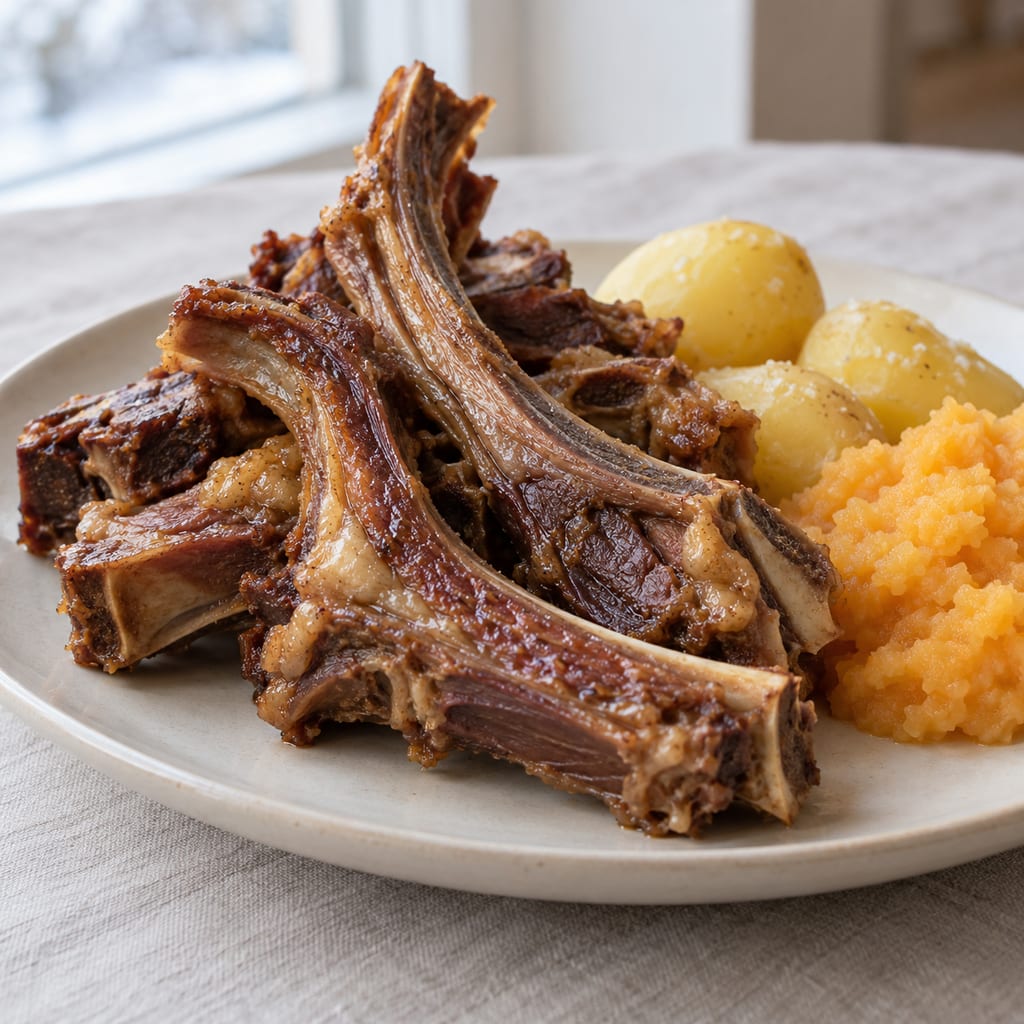
Norwegian Christmas lamb ribs, salted, matured and dried, then soaked and steamed over birch twigs. Smoked and unsmoked versions are both made.
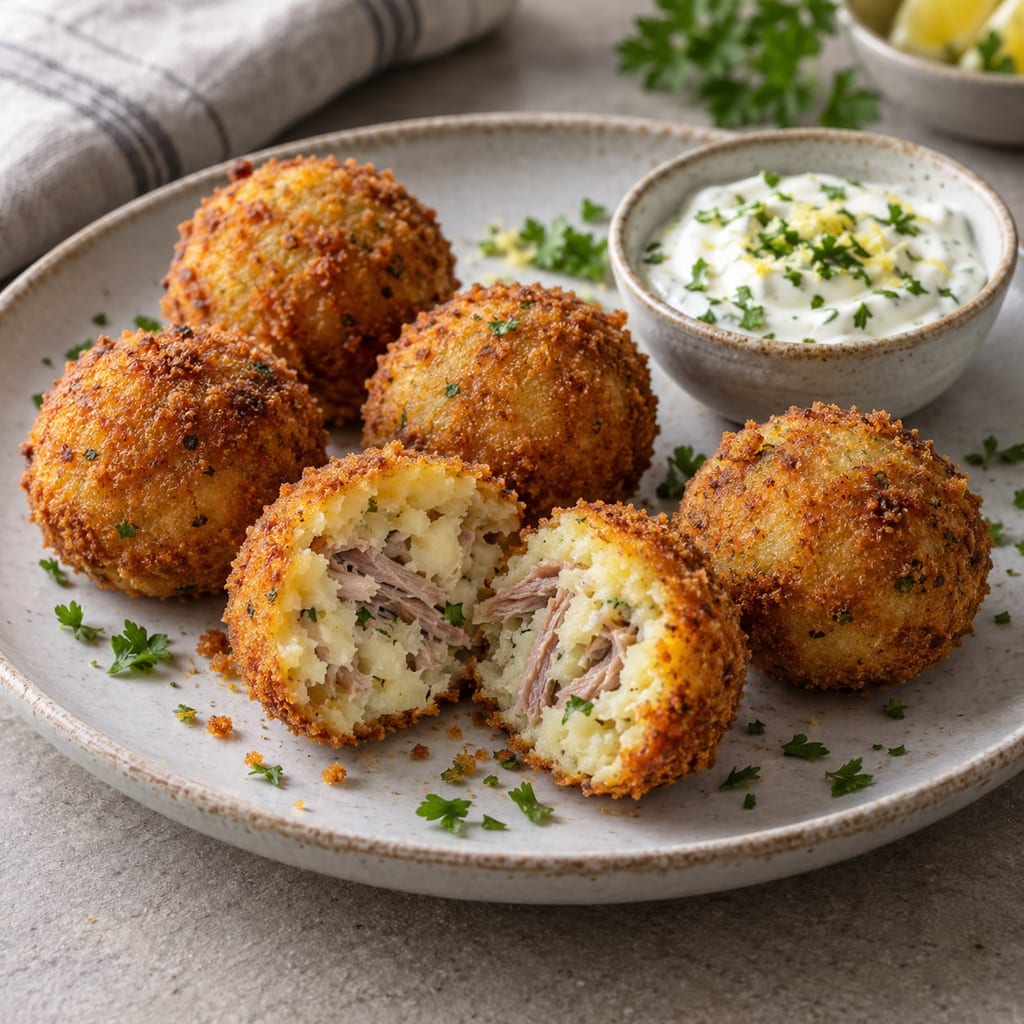
Pinnekjøttboller are potato-and-pinnekjøtt balls coated in breadcrumbs, deep-fried and served with lemon-parsley sour-cream dip.
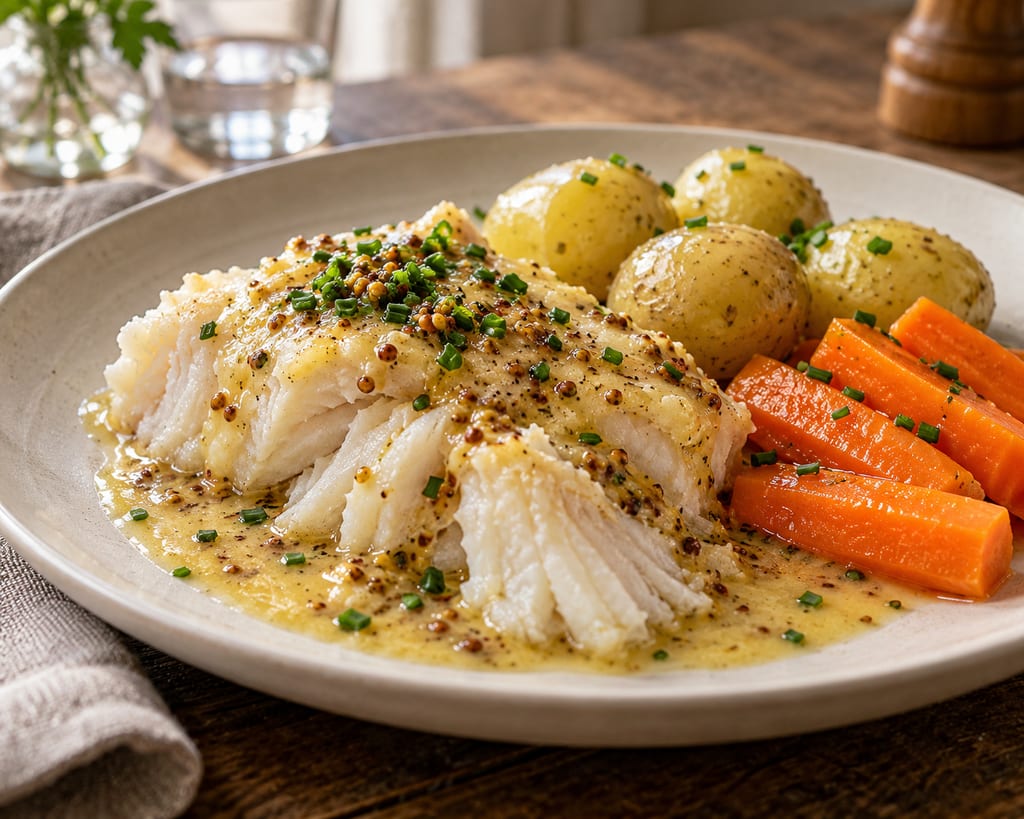
Rehydrated air-dried Norwegian cod simmered until it flakes, served with boiled potatoes and carrots under a wholegrain-mustard butter whisked from the fish's own poaching liquid.
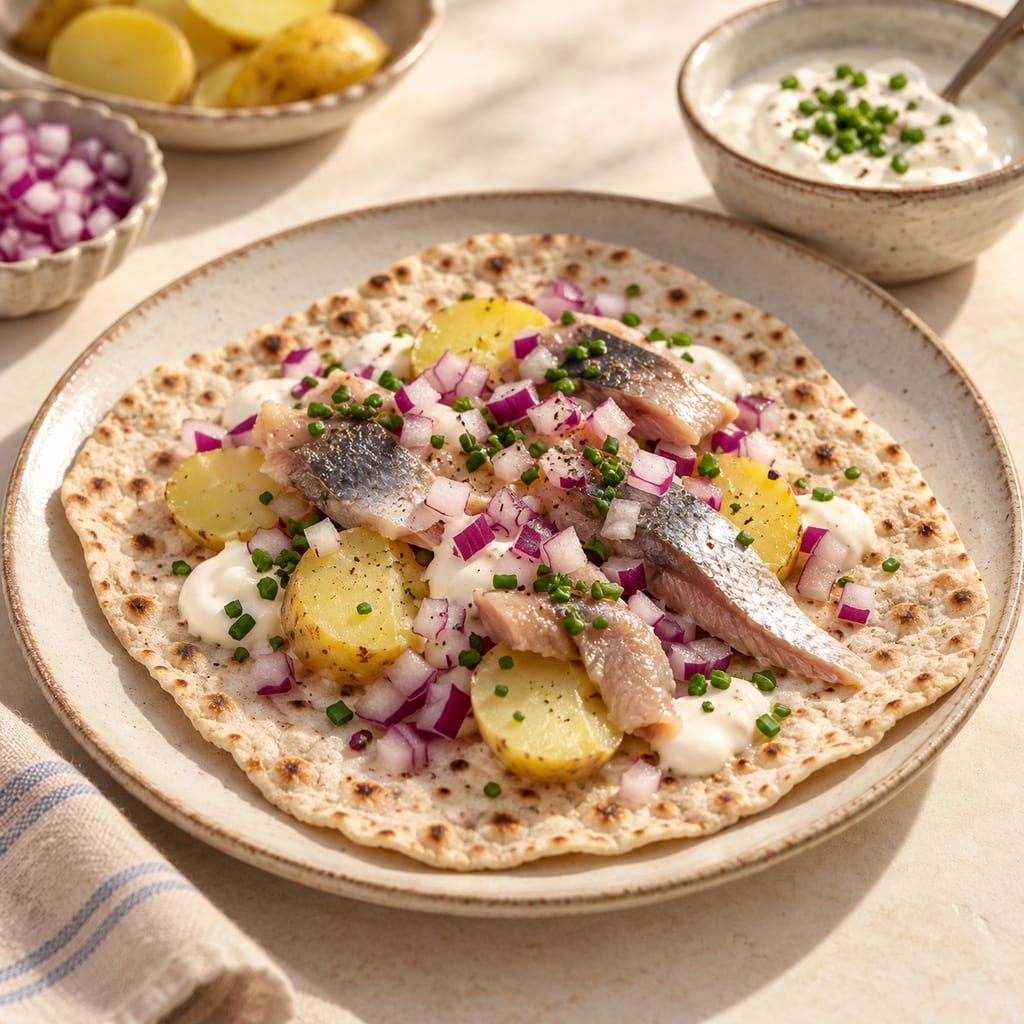
A Swedish late-summer meal of commercially prepared surströmming, tunnbröd, potatoes, onion and cultured cream. This is a serving preparation; the specialist fish fermentation is not made at home here.
A concrete fermentation tank installed below ground at a Senegalese fish-processing site was documented as an adaptation that emulated the older practice of burying fish during fermentation.

A documentary account of Icelandic hákarl, fermented and dried Greenland shark. It describes cultural context and one production study, not a home preparation method.
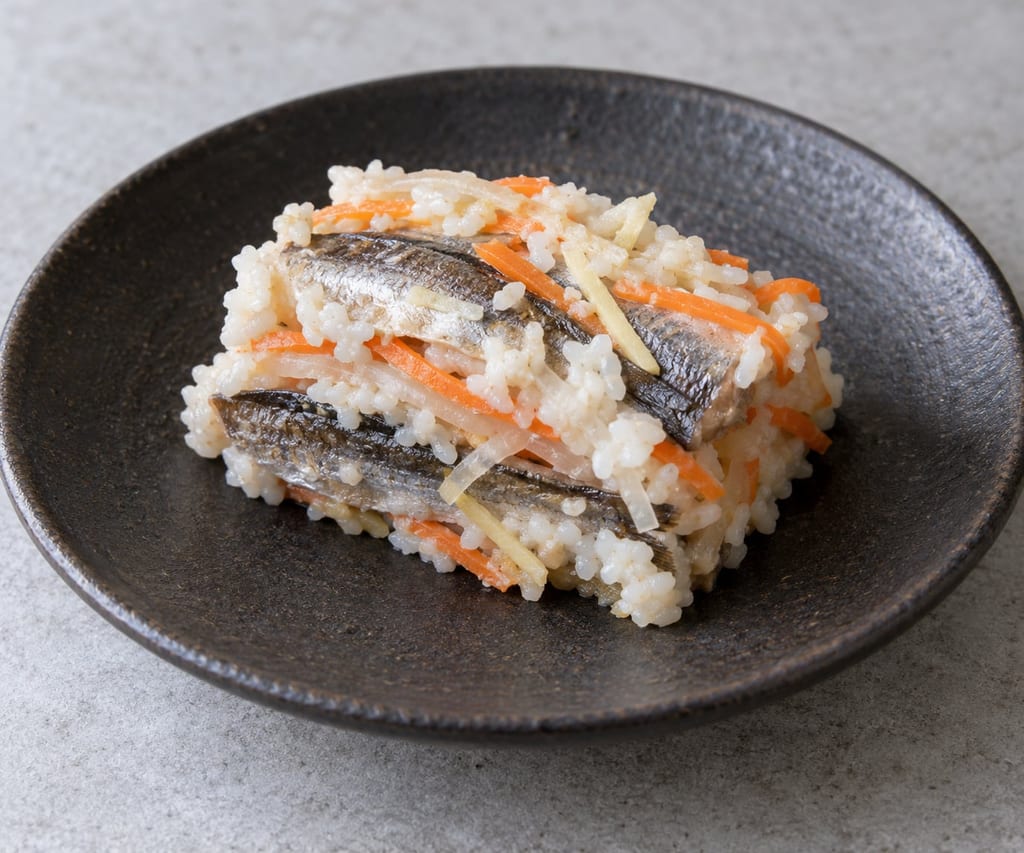
Hokkaido izushi layers fish, vegetables, rice and kōji for cold-season lactic fermentation. This MAFF recipe uses small hatahata with a vinegar pretreatment; it is one regional household formula, not a universal izushi method.
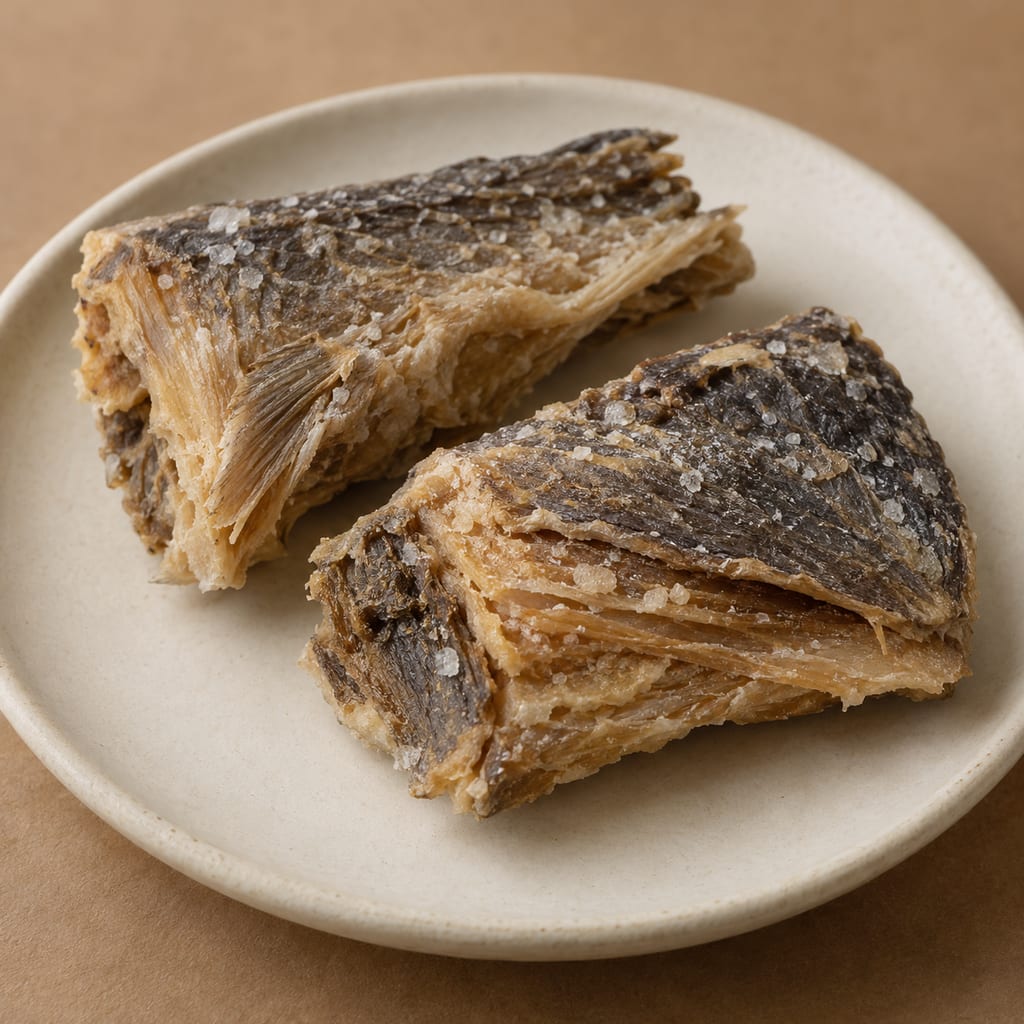
Lanhouin is a strongly flavoured fermented fish condiment documented in coastal West Africa, including southern Benin. This page records one published research reproduction as evidence, not as a validated home-preservation recipe.
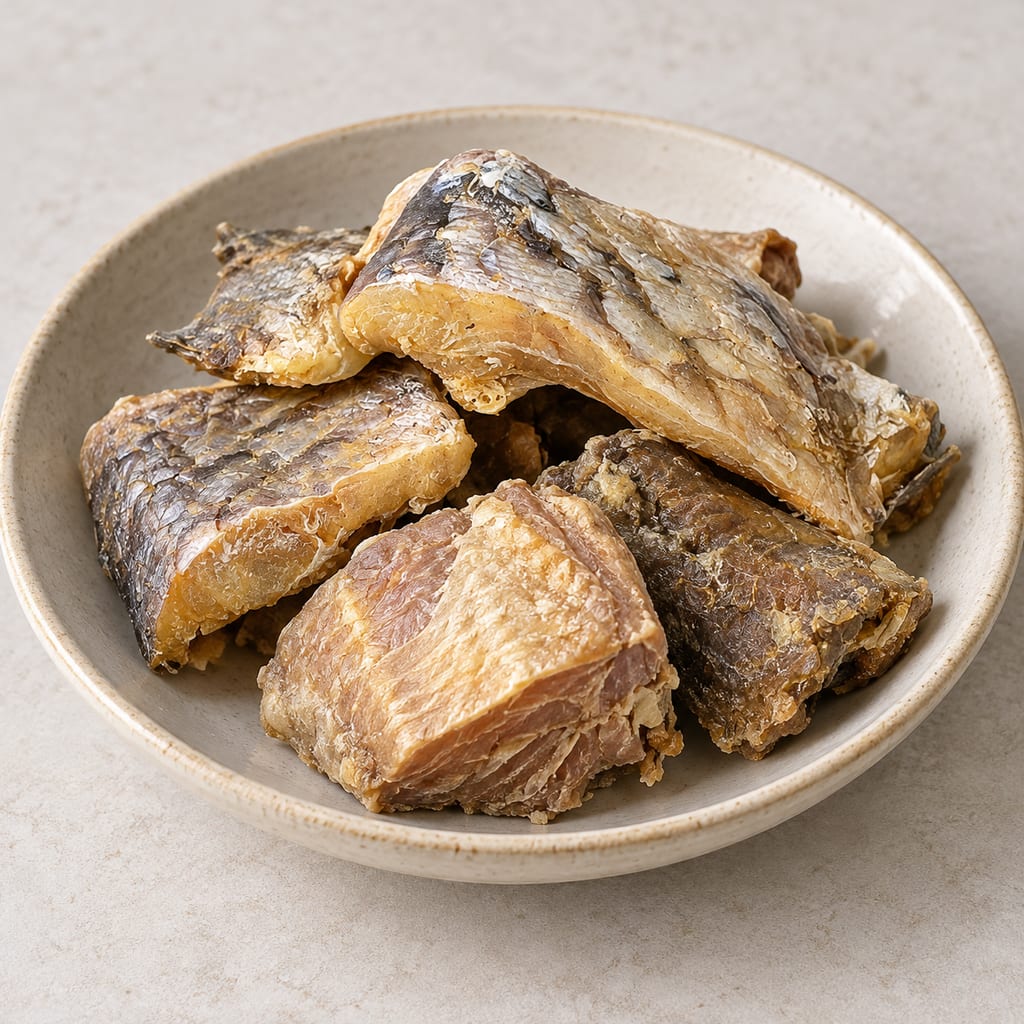
Momone is a Ghanaian salted and fermented fish condiment made from varied marine fish. Historical surveys describe both semi-dried and drier products, with salting and drying methods differing across coastal communities.
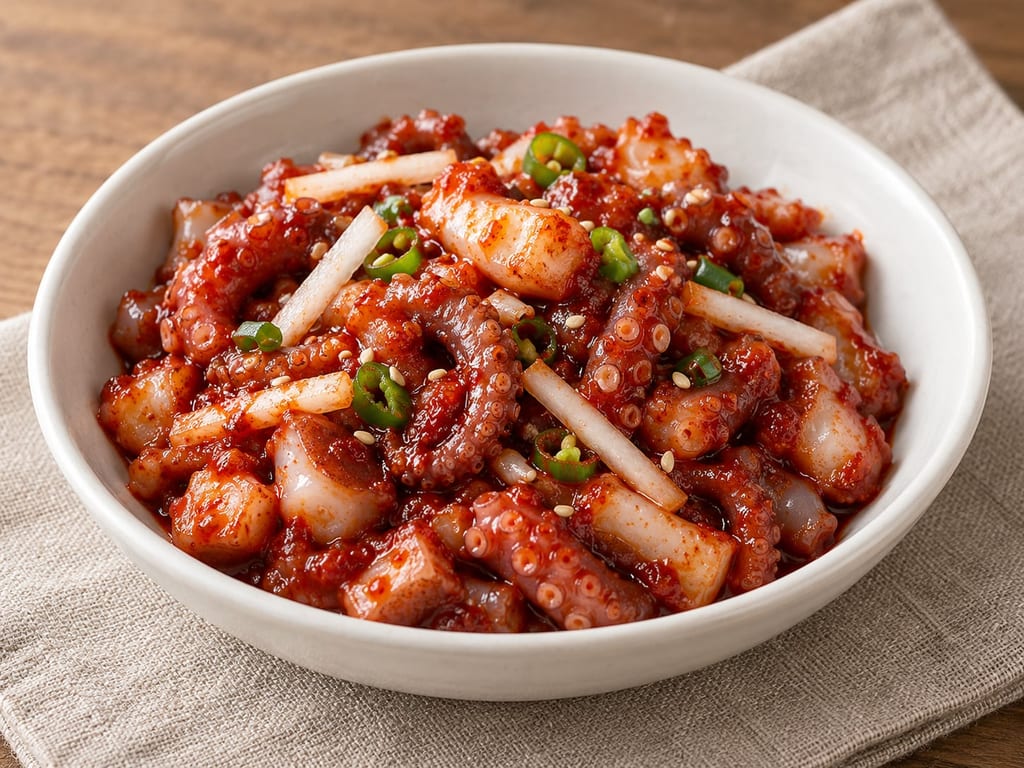
Nakji jeotgal is Korean salted octopus, served among jeotgal varieties with rice. This entry documents the dish and one creator’s quick-home version; it does not provide a household preparation method.
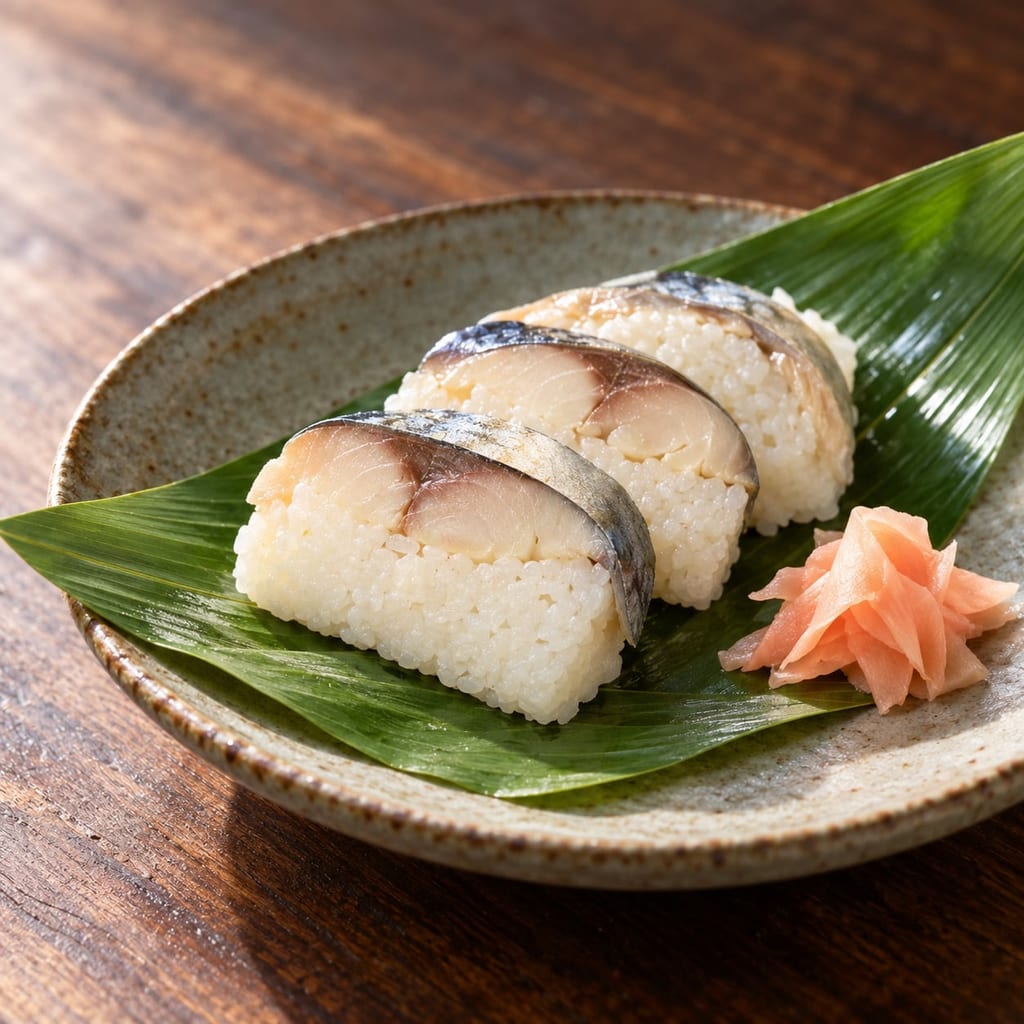
A documentary account of Japanese narezushi, a family of salted-fish and rice ferments. This entry preserves the East Kishu (Mie) source’s identity and regional context without providing a household preparation method.
No community contributions have been published for this entry yet.
Sign in to contribute. Published comments and photos are free to read.
NofimaMethod · Science
What happens inside rakfiskCleaned trout or char is salted, packed under pressure and matured cold, commonly for roughly three months.
Both microbial activity and the fish's own enzymes can contribute, with variation between processes.
Cited in: A preserved trout of Norway; How it is made; Why the stages matter; Eating and use; Safety and open questions
Norwegian Food Safety Authority (Mattilsynet)Safety
Advice and warnings about food and drink during pregnancyAdvises pregnant people not to eat rakfisk under its Listeria guidance.
Explains that Listeria can grow in chilled foods eaten without heat treatment.
Cited in: Safety and open questions