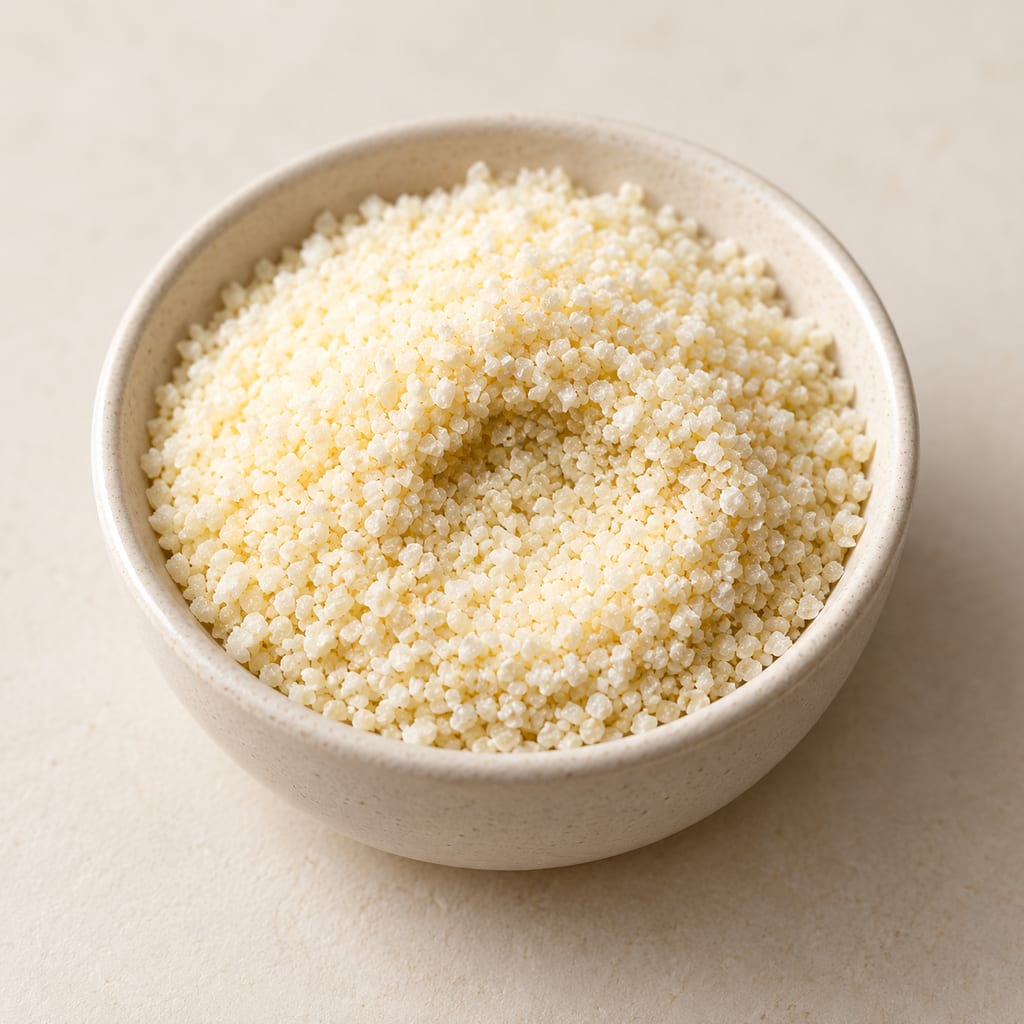
Semolina
Semolina is a granular wheat milling product; in many markets it means durum, while some standards also use the name for other wheat. In sourdough English muffins, it is an optional surface coating, not the main flour.
 FermenteaWhere food goes to change
Modern adaptation
Soft Norwegian wheat and semolina flatbreads, cooked thin on a griddle and finished with butter and sugar.
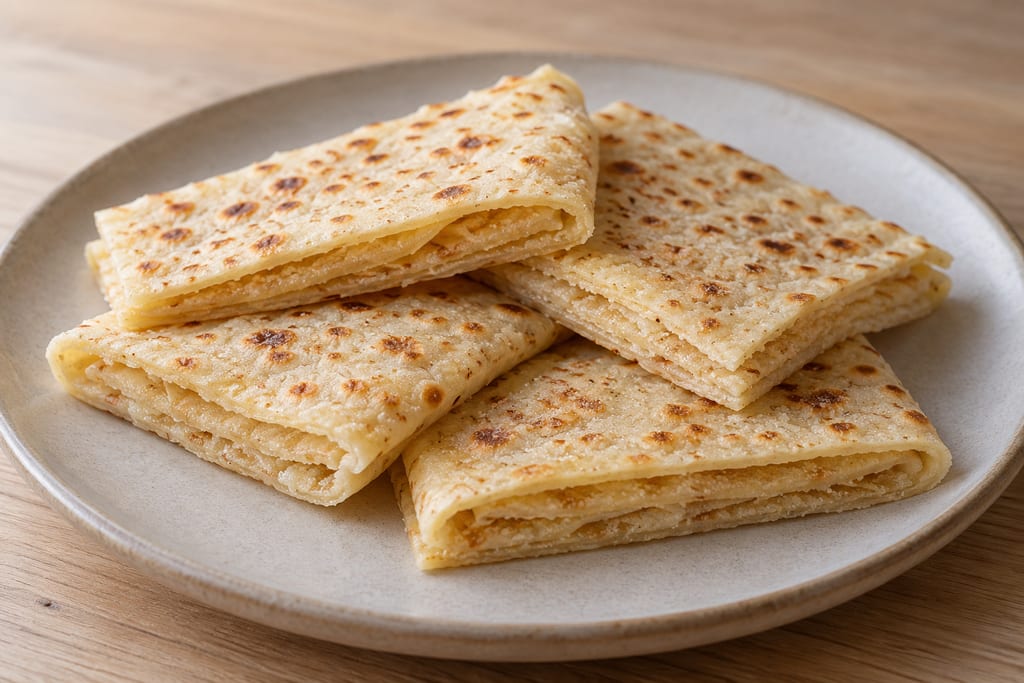
Kling is a sweet lefse associated with Buskerud. This version cooks semolina in milk before mixing the dough, then griddles thin rounds and finishes them with butter and sugar.
Kling belongs to a broad Norwegian family of soft flatbreads, but the name on this page has a regional association: Visit Norway places sweet kling in Buskerud and Hallingdal. That association does not make every Norwegian lefse a kling, nor does it establish that potato-based versions use this milk-and-semolina dough.
Hallingdal Reiseliv’s listing for Leveld Lefsebakeri in Ål describes lefsekling as a local pastry with sugar and butter. It lists it alongside rummebrød and gommokaku, keeping the products distinct. The listing documents a contemporary regional bakery practice, rather than a dated first recipe for the bread.
A 2023 Norsk Mat consultation document describes småmat as festive food in Hallingdal, still served at weddings and funerals, and commonly accompanied by lefsekling. The pairing places sweet bread alongside a savoury meal, rather than restricting it to a separate dessert.
The document concerns a proposed protected designation for småmat. It is evidence for the stated food custom; the draft’s regulatory wording is not presented here as current law or as protected status for kling. Dates mentioned for the name småmat also do not establish the age of lefsekling.
This Visit Norway recipe, credited to Matprat, divides its milk-and-semolina dough into twenty portions. The rounds are rolled thin, cooked, cooled in a cloth-separated stack, then moistened and spread. Those stages belong to this source-specific version, not a single national definition of lefse.
The choice between a large griddle and a dry pan affects working space and batch handling. The source supplies equipment-relative heat and visual cooking cues, so no exact temperature or duration has been added. Butter and sugar remain the recorded finish; other toppings do not change the formula here.
Kling is documented as a sweet lefse in Buskerud; the first attestation is not established.
Yield 20 lefser · Scaling: source batch only
Contains wheat and milk.
Do not taste raw flour dough; wash hands and surfaces after handling it.
The cooked semolina mixture and griddle are hot; handle them carefully.
Visit Norway associates this sweet lefse with Buskerud and Hallingdal; it does not establish a birthplace.
Semolina is a granular wheat milling product; in many markets it means durum, while some standards also use the name for other wheat. In sourdough English muffins, it is an optional surface coating, not the main flour.
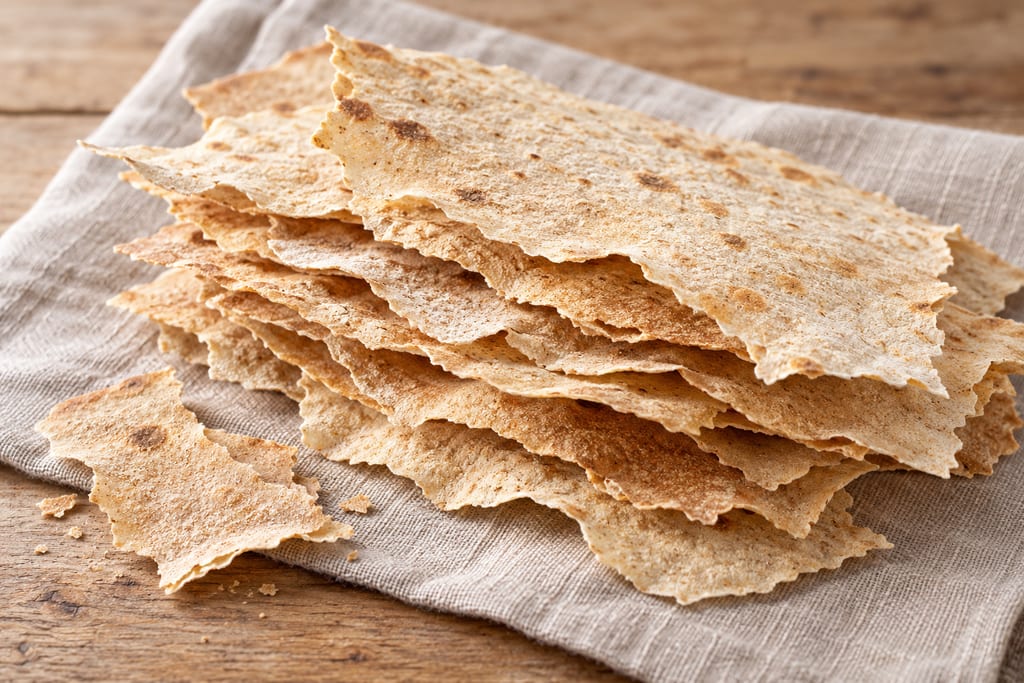
Thin, unleavened Norwegian flatbread made from sifted wheat and oat flours, fine whole rye, salt and water, then rolled with barley flour and cooked on a takke.
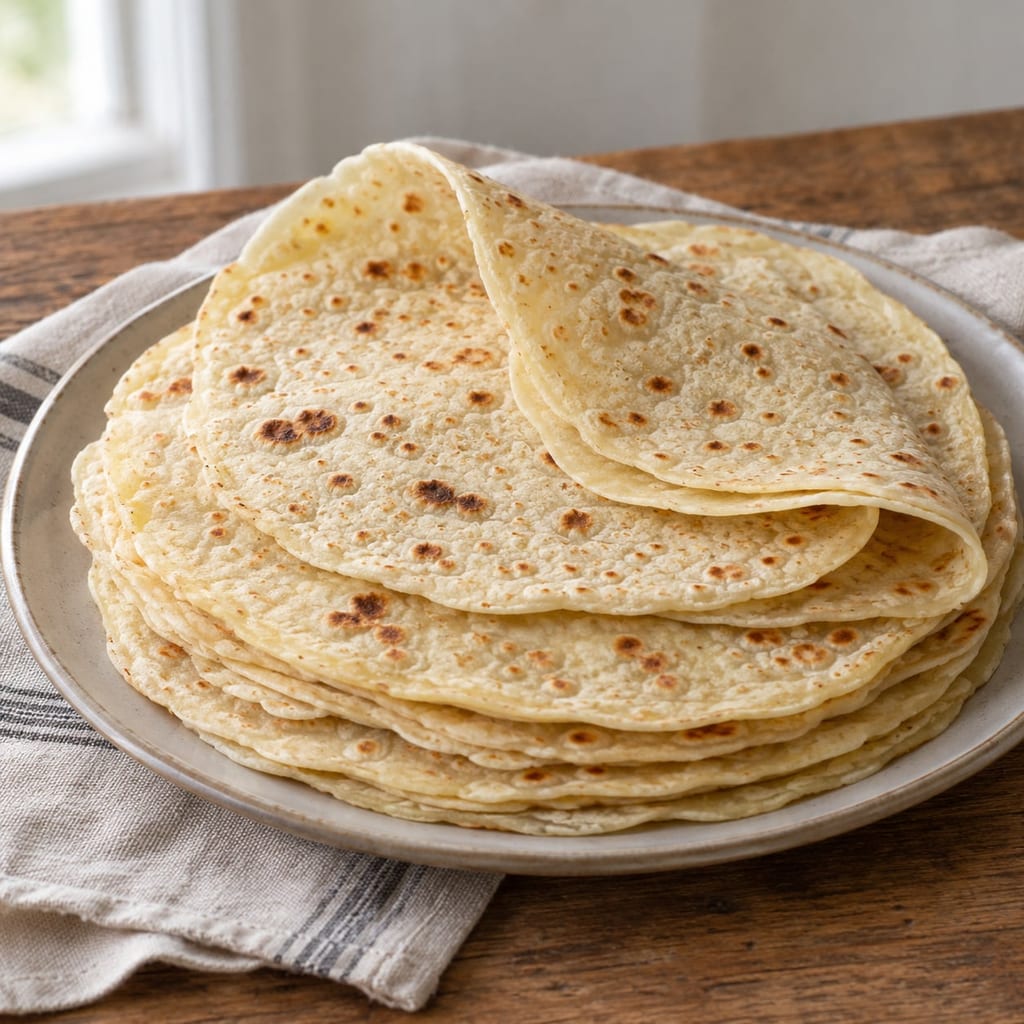
Soft Norwegian potato flatbreads with wheat and sifted rye flour, rolled into rounds and cooked on a dry griddle.
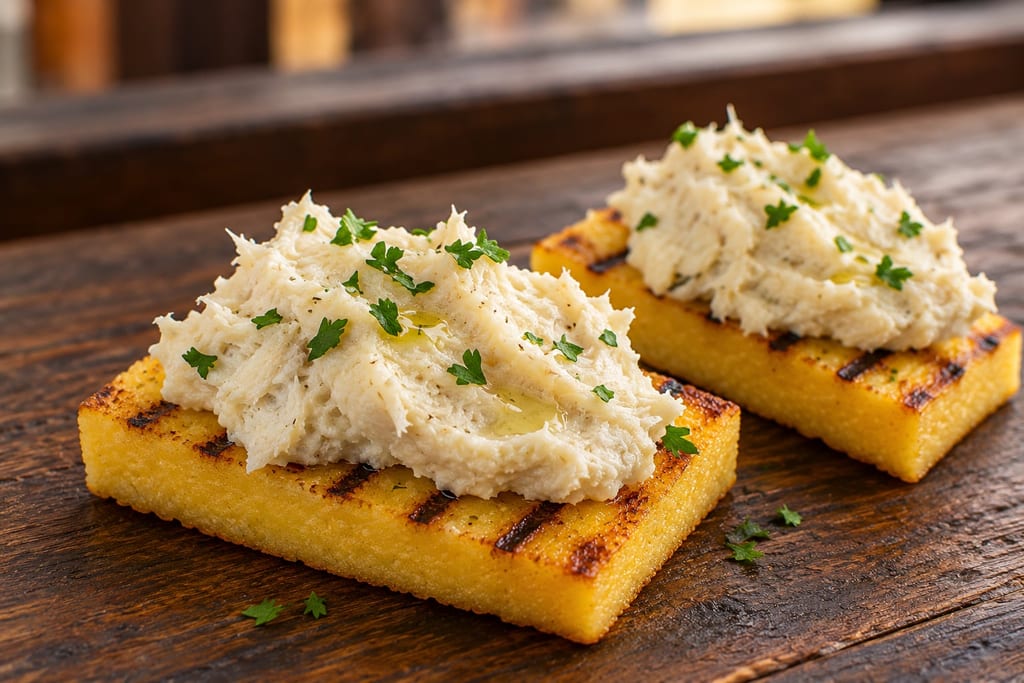
A Venetian cicchetto of cooked unsalted stockfish beaten with oil until it turns into a pale, aerated cream, spooned onto grilled polenta in the city's wine bars.
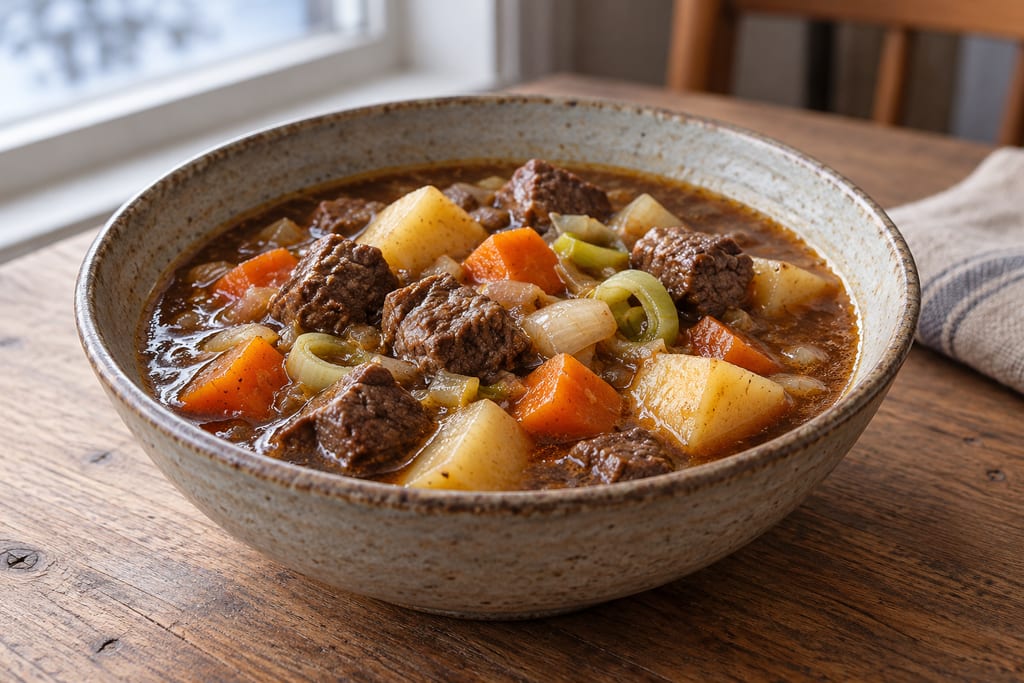
Ann-Kristine Bongo's four-serving bidus from Sami Siida in Alta is a contemporary, festive reindeer stew simmered with onion, carrots and potatoes.
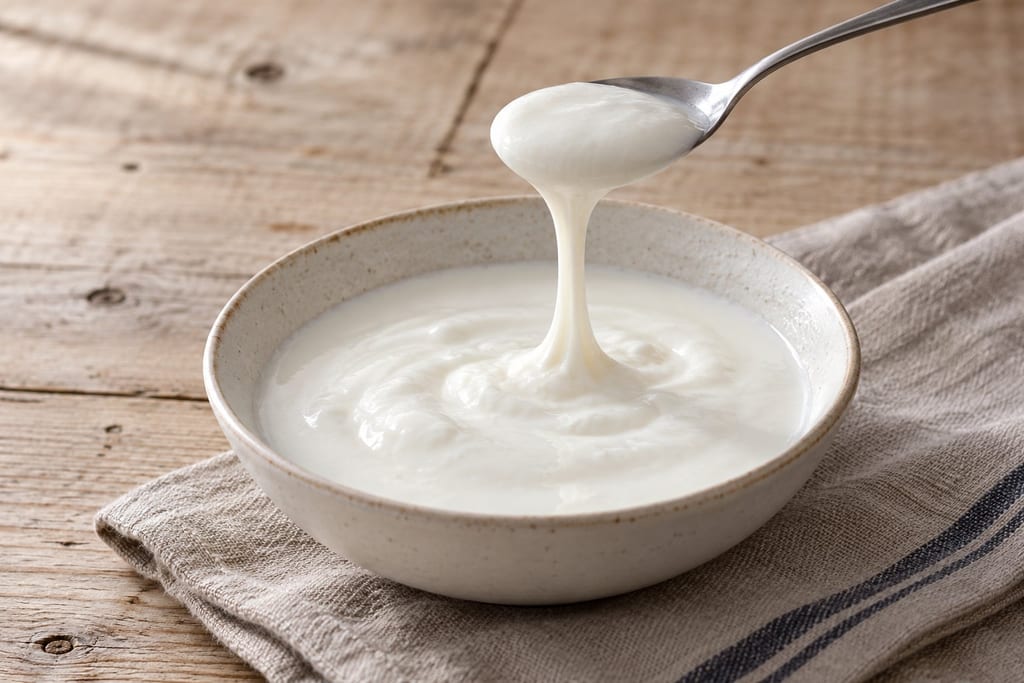
Långfil and tettemelk are traditional Swedish and Norwegian cultured milks with a mild sour taste and a stretchy texture produced by ropy lactic acid bacteria.
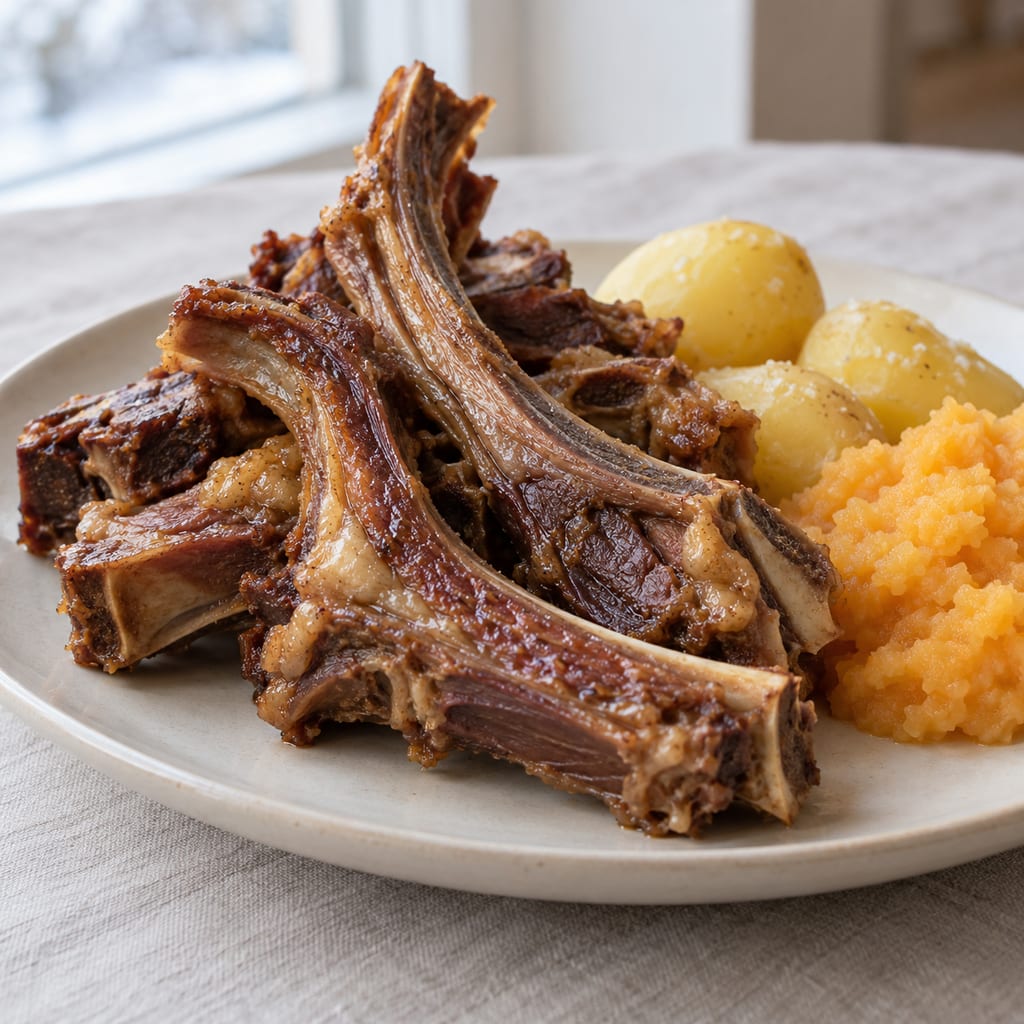
Norwegian Christmas lamb ribs, salted, matured and dried, then soaked and steamed over birch twigs. Smoked and unsmoked versions are both made.
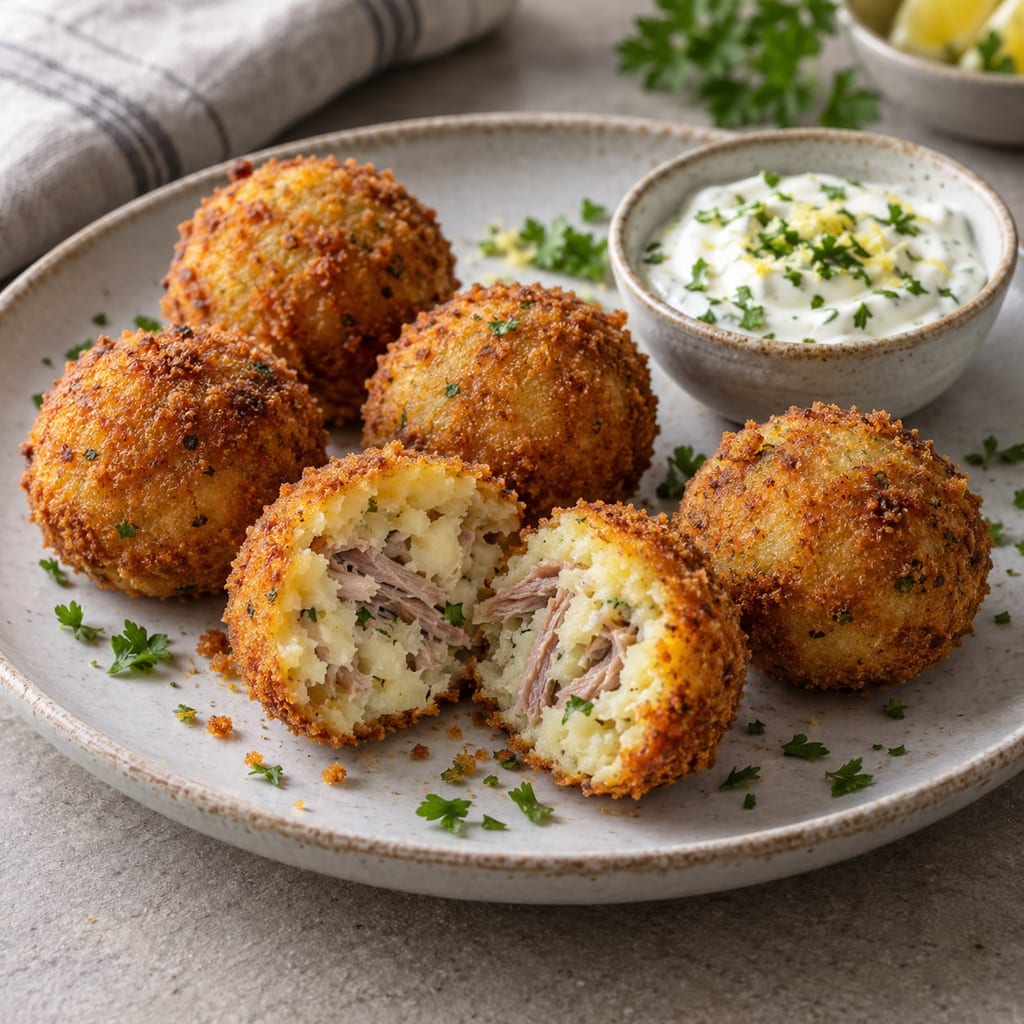
Pinnekjøttboller are potato-and-pinnekjøtt balls coated in breadcrumbs, deep-fried and served with lemon-parsley sour-cream dip.
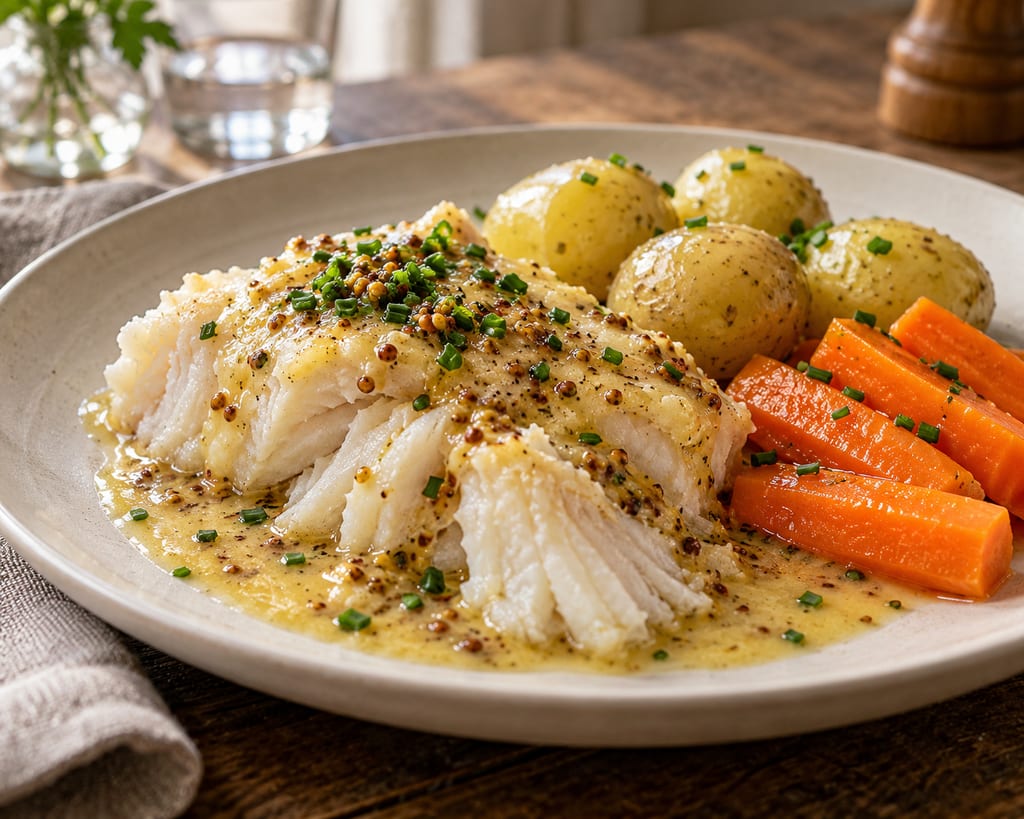
Rehydrated air-dried Norwegian cod simmered until it flakes, served with boiled potatoes and carrots under a wholegrain-mustard butter whisked from the fish's own poaching liquid.
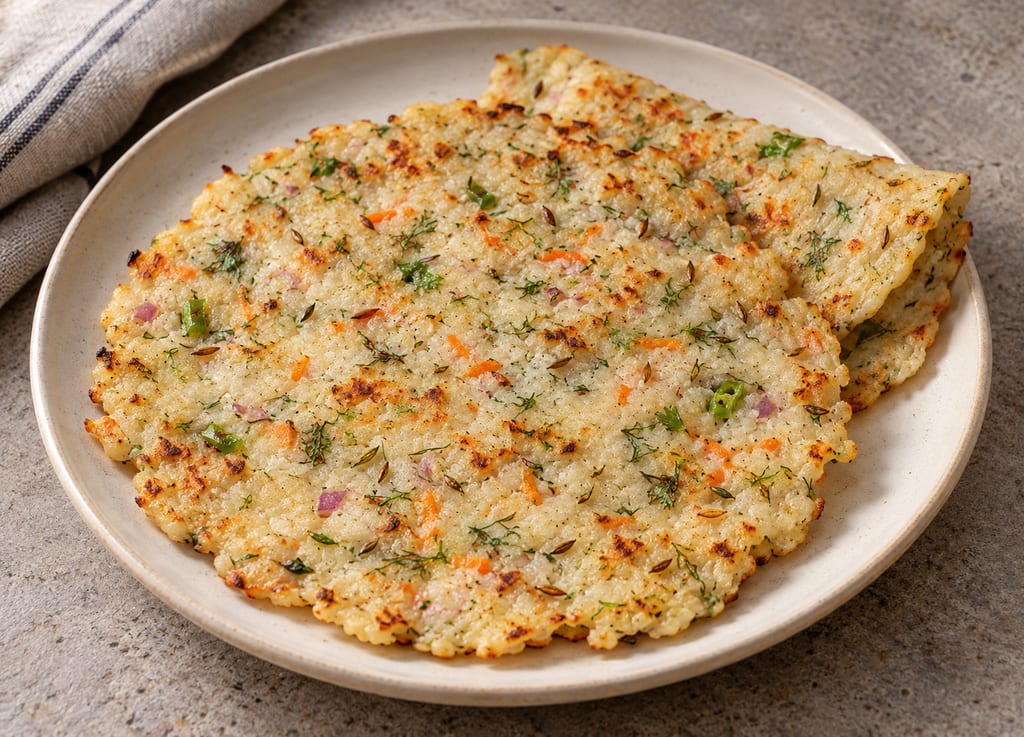
This Karnataka-style akki rotti mixes fine rice flour with vegetables, coconut, herbs and spices, then hand-pats and griddle-cooks the dough.
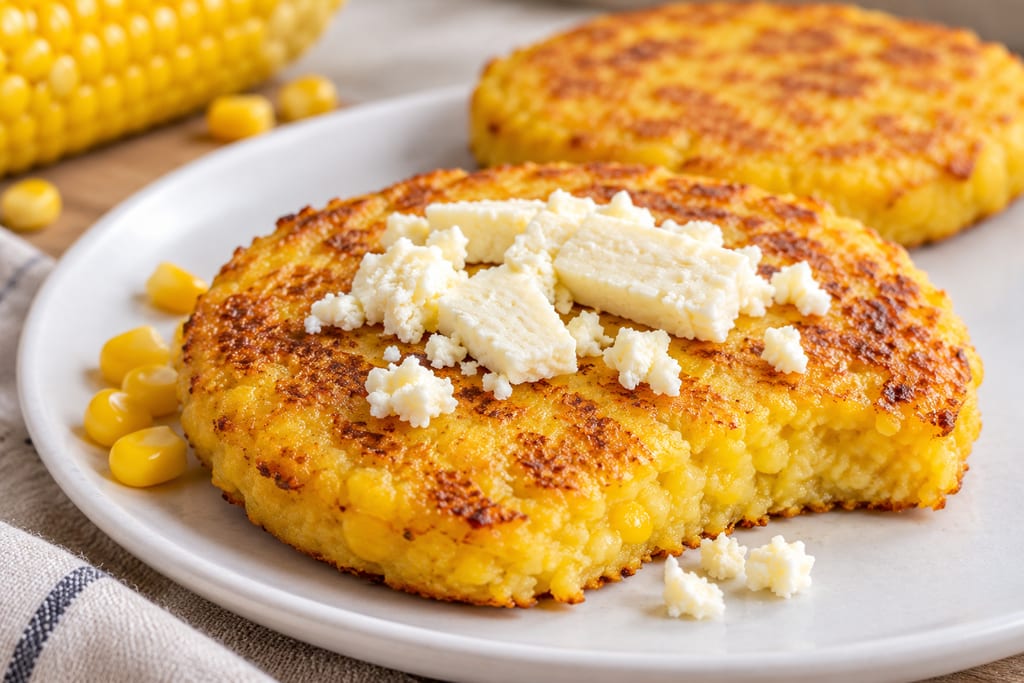
A Colombian Andean griddle cake made from fresh sweet-corn batter, cooked in butter and served with white cheese.
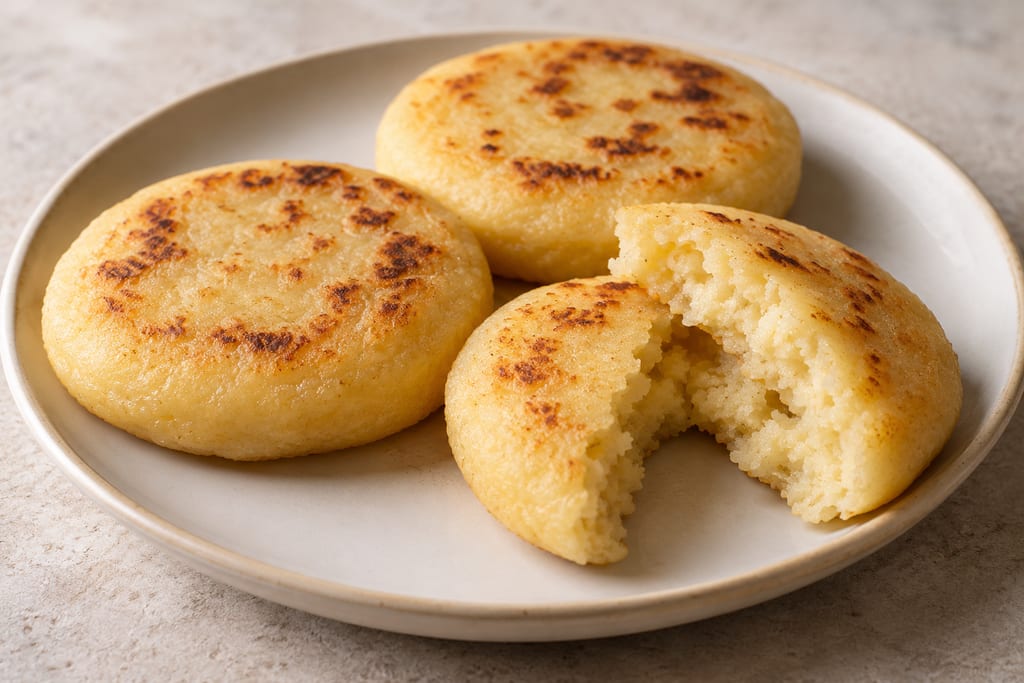
This household version combines precooked corn flour, warm water and salt, then cooks thick rounds on a lightly oiled skillet or griddle. It is one source-specific arepa method, not a universal Colombian or Venezuelan formula.
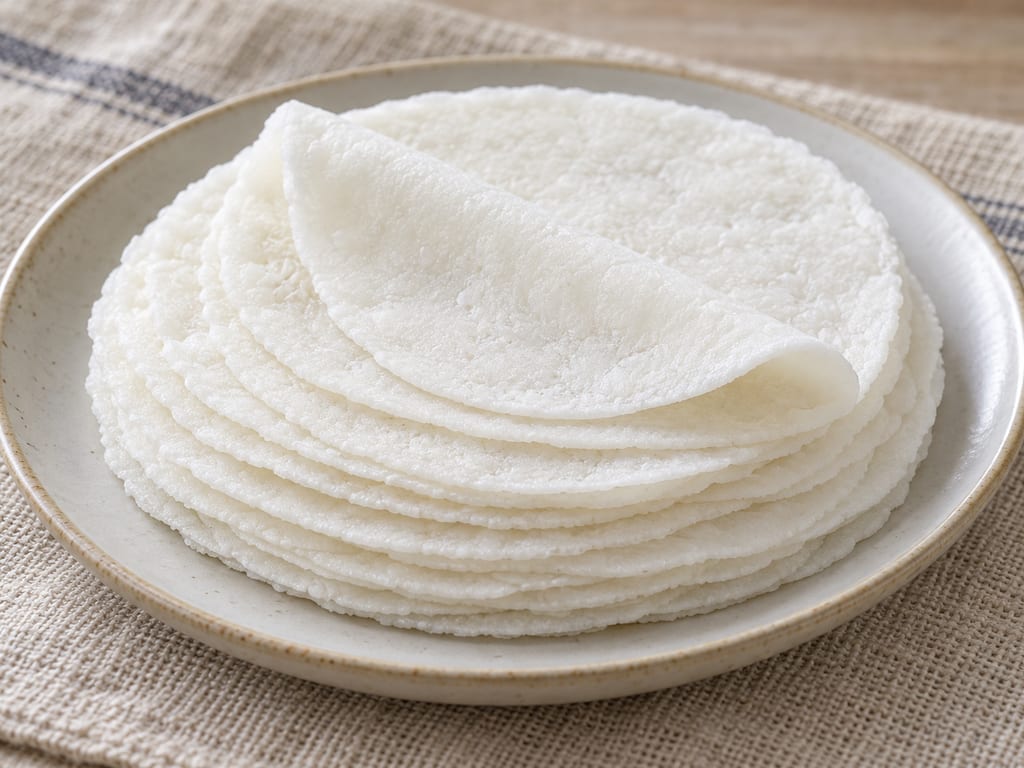
Thin Malabar rice-flour rounds made from roasted rice flour cooked into salted boiling water, kneaded after cooling, and rolled to about 1 mm. They cook on a hot griddle without taking on colour.
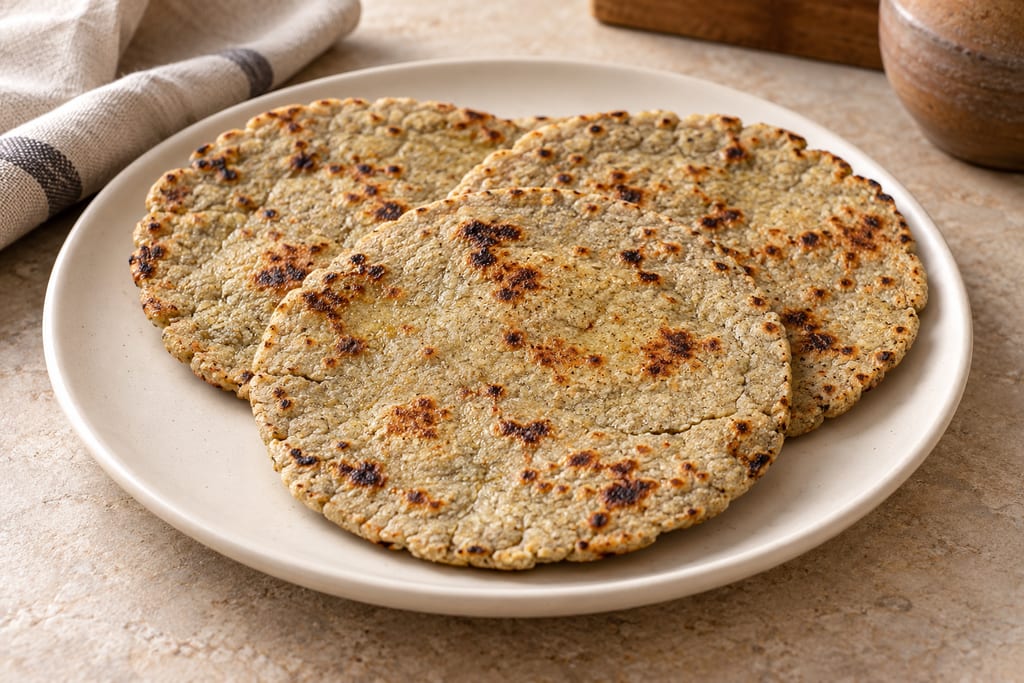
A pearl-millet flatbread shaped between sheets and cooked on a hot tawa. This home batch makes eight.
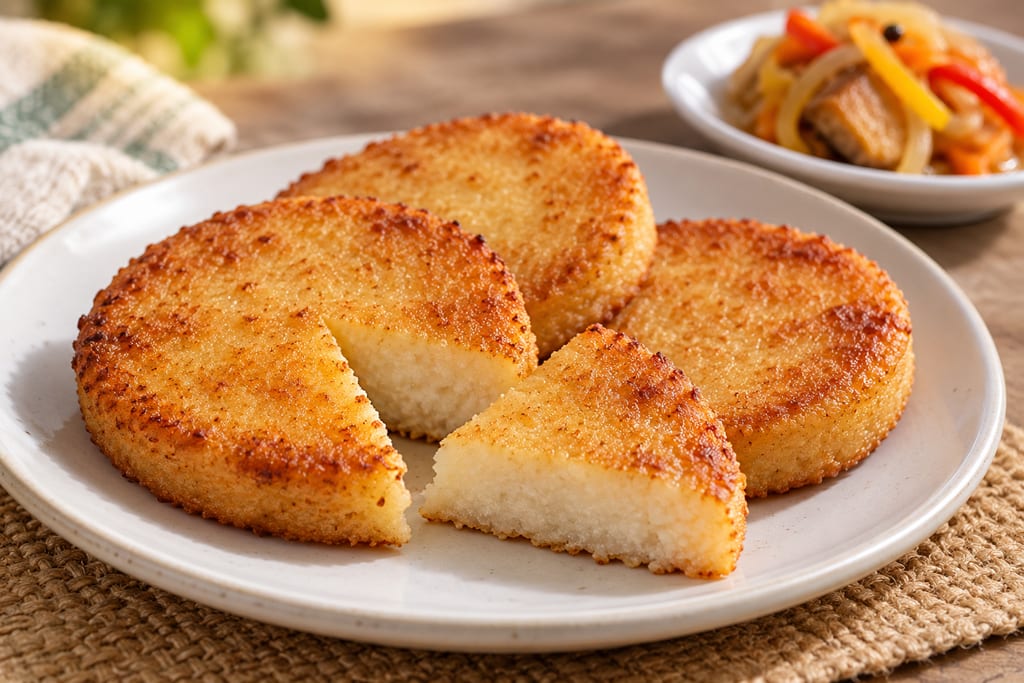
A serving method for approved, prepared bammy rounds: soak them in coconut milk and refry until golden. It does not process raw cassava.
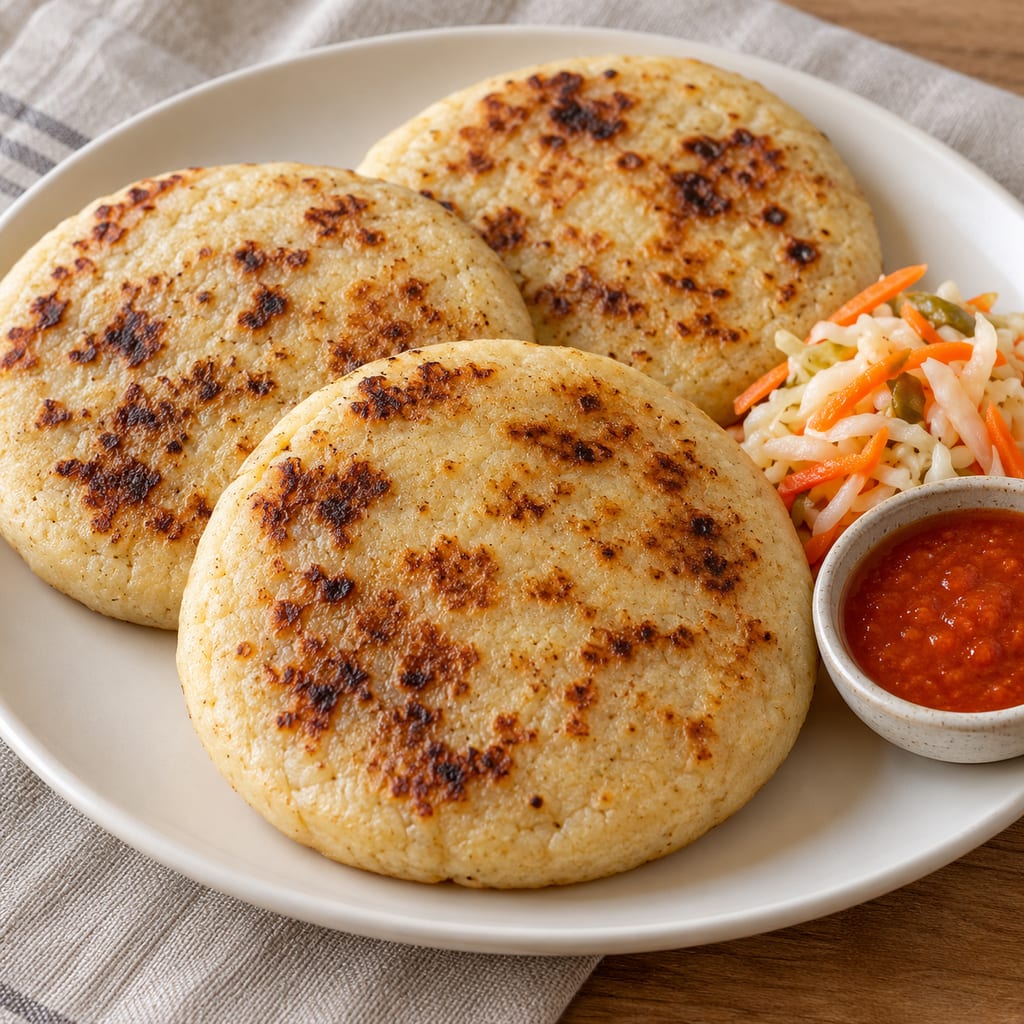
Salvadoran-style masa harina cakes filled with refried beans and cheese, sealed and cooked on an oiled skillet.
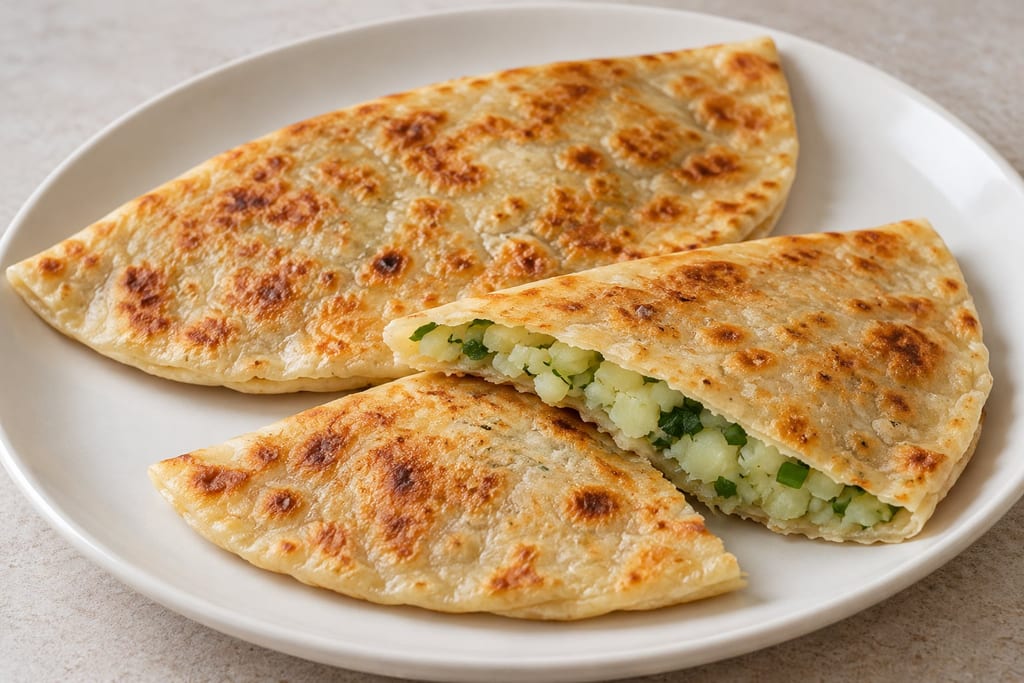
A thin, unleavened Afghan flatbread filled with mashed potato, scallion and cilantro, folded and pan-browned. This version uses a dough made from scratch.
No community contributions have been published for this entry yet.
Sign in to contribute. Published comments and photos are free to read.
Visit NorwayInspiration · Method · Geography
Kling lefserTwenty-piece milk and semolina method, butter-sugar finish and Buskerud association.
Cited in: Sweet lefse; A Hallingdal name and bakery practice; One large-batch method
Hallingdal Reiseliv via Visit NorwayContext
Leveld LefsebakeriLefsekling as a local sugar-and-butter pastry in Ål, alongside distinct regional baked foods.
Cited in: A Hallingdal name and bakery practice
Stiftelsen Norsk MatContext
Høringsbrev Småmat, November 2023Draft consultation appendix describes festive småmat with lefsekling; not current regulatory status for kling.
Cited in: Alongside festive food