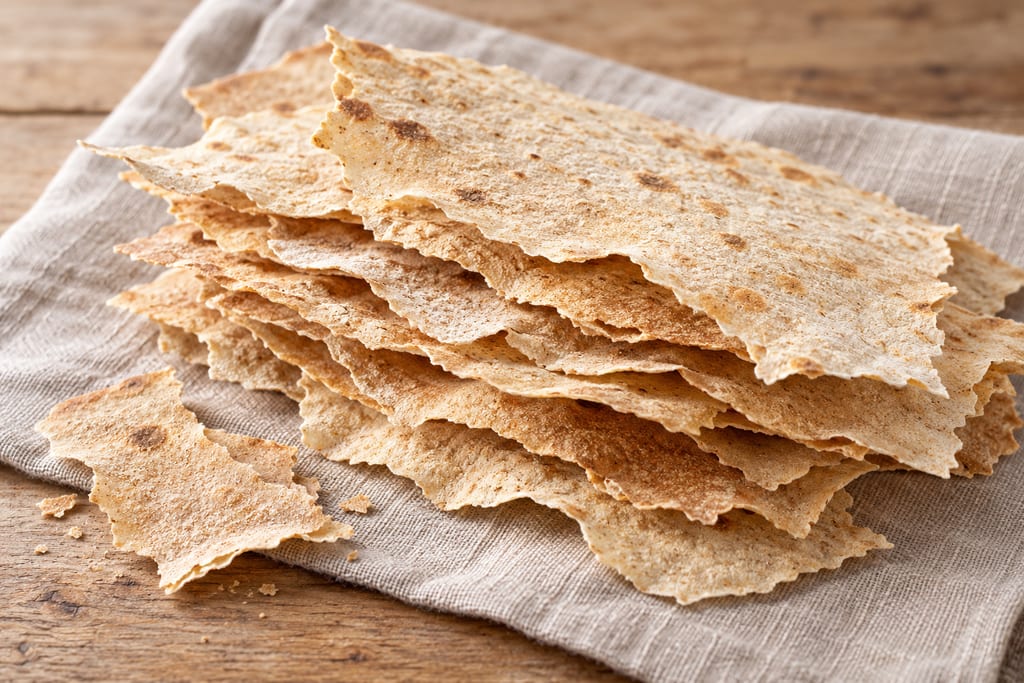
Flatbrød (Onsøy recipe attributed to Lisa Kjenne)
Thin, unleavened Norwegian flatbread made from sifted wheat and oat flours, fine whole rye, salt and water, then rolled with barley flour and cooked on a takke.
 FermenteaWhere food goes to change
Modern adaptation
Soft Norwegian potato flatbreads with wheat and sifted rye flour, rolled into rounds and cooked on a dry griddle.
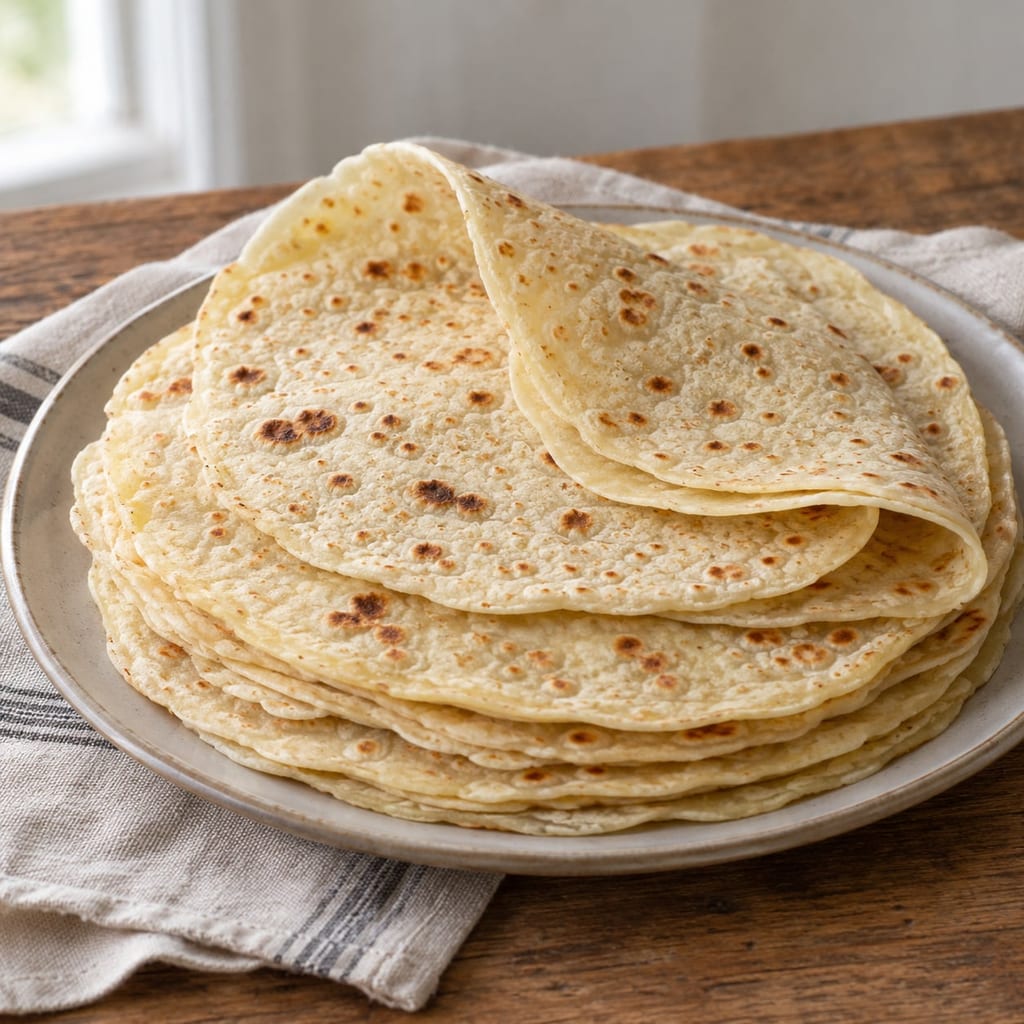
This Norwegian potato flatbread combines mashed potato with wheat and rye flour. Visit Norway presents the method as potato lefse; Matprat calls the same formula potetlomper. Potato breads vary in thickness, flour and use.
The names overlap, but their uses help orient the cook. Visit Norway describes potetlefse as lefse made with potatoes and lomper as another name often associated with the smaller rounds served around hot dogs. Its guide also describes larger soft breads as lunch wraps or sliced party rolls.
This recipe follows the potato, wheat and rye formula presented by Matprat as potetlomper. Its approximately 20 cm rounds do not define the size of every lompe. Neither the serving name nor a photograph can establish that another maker uses the same flours or potato proportion.
Norwegian lefse includes more than potato bread. The same guide distinguishes sweet kling in Buskerud, patterned krinalefse from Helgeland and thicker sweet lefse. Their regional names and finishes should not be treated as interchangeable recipes. The milk-and-semolina kling method, for example, is separate from these mashed-potato rounds.
Contemporary restaurant use also varies. Visit Norway documents chef Siriyaporn Rithisirikrerg’s potato lefse with stockfish cream, served in a 2024 cooking competition. That version uses cream and a different flour proportion. It demonstrates one modern use, while the four-ingredient base and dry-pan method here remain unchanged.
Potato lefse and lomper are documented Norwegian flatbreads; the first attestation is not established.
Scaling: source batch only
Contains wheat and rye.
Do not taste raw flour dough; wash hands and surfaces after handling it.
Use care when peeling hot potatoes and handling the hot griddle.
The sources document Norwegian potato flatbreads; they do not establish a precise birthplace.
Thin, unleavened Norwegian flatbread made from sifted wheat and oat flours, fine whole rye, salt and water, then rolled with barley flour and cooked on a takke.
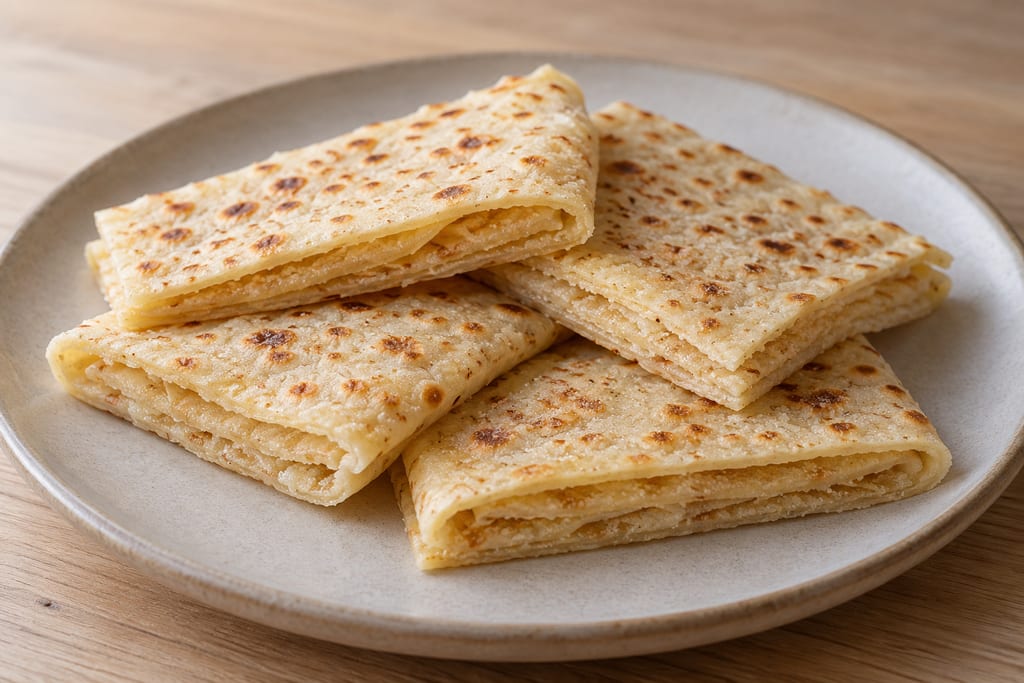
Soft Norwegian wheat and semolina flatbreads, cooked thin on a griddle and finished with butter and sugar.
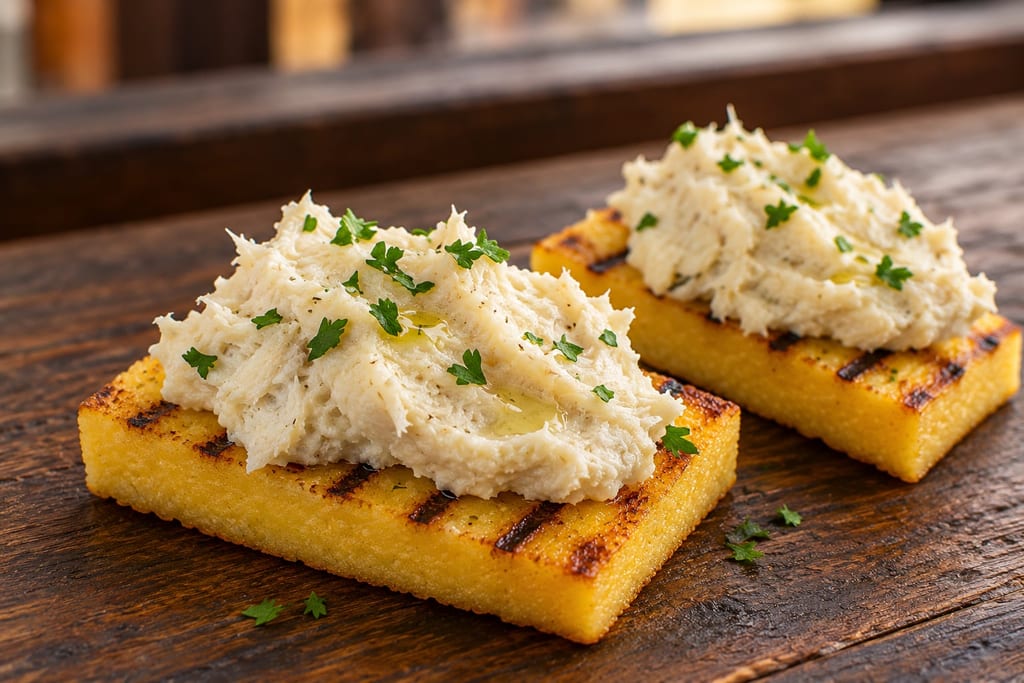
A Venetian cicchetto of cooked unsalted stockfish beaten with oil until it turns into a pale, aerated cream, spooned onto grilled polenta in the city's wine bars.
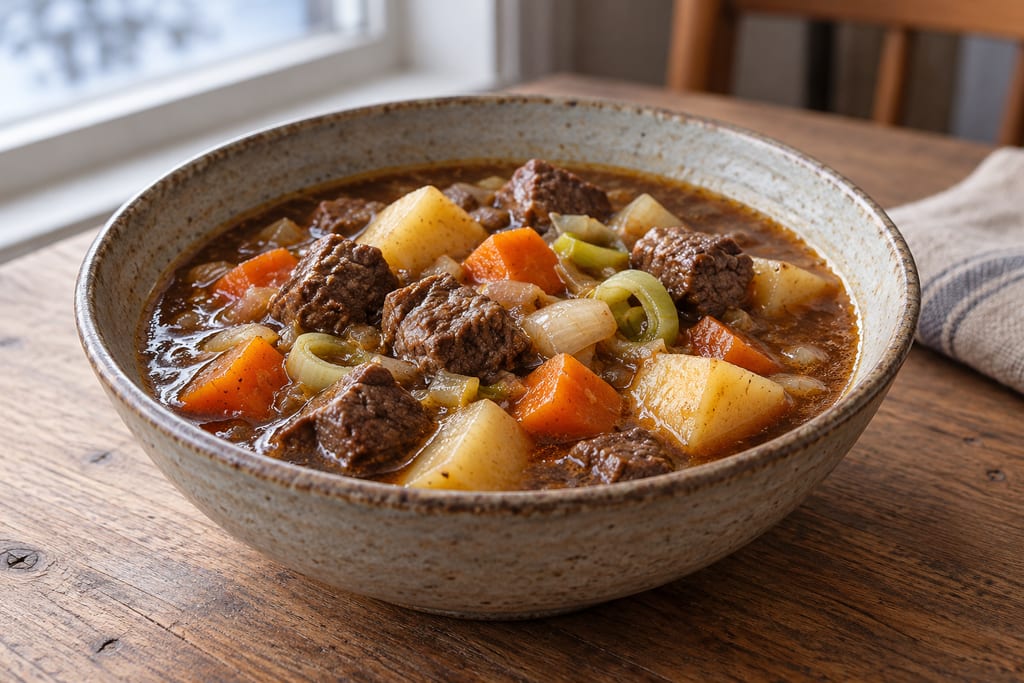
Ann-Kristine Bongo's four-serving bidus from Sami Siida in Alta is a contemporary, festive reindeer stew simmered with onion, carrots and potatoes.
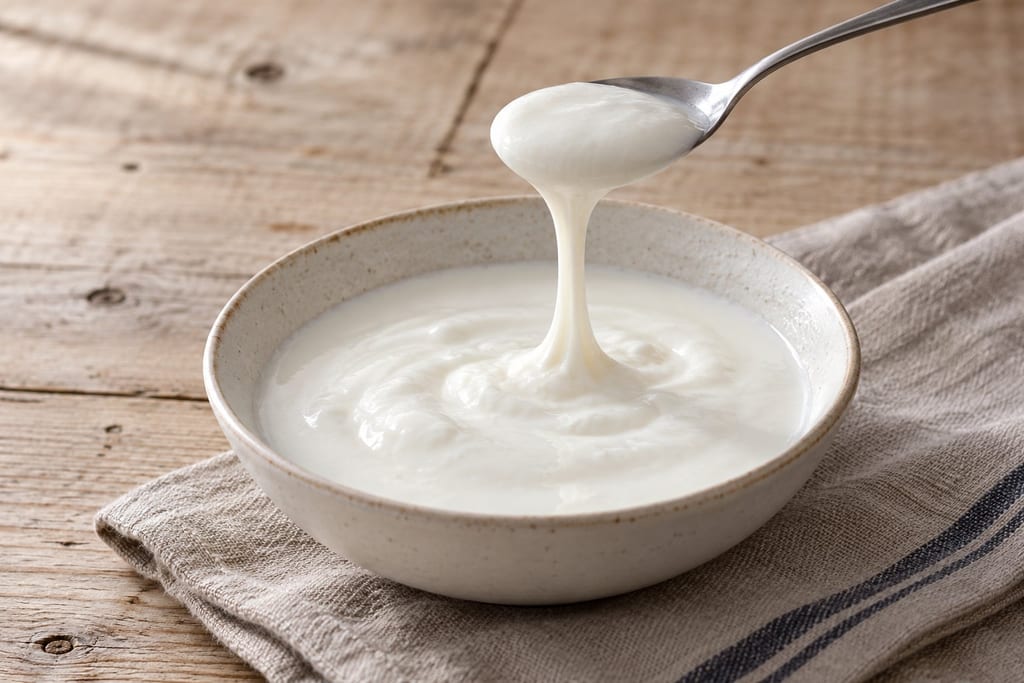
Långfil and tettemelk are traditional Swedish and Norwegian cultured milks with a mild sour taste and a stretchy texture produced by ropy lactic acid bacteria.
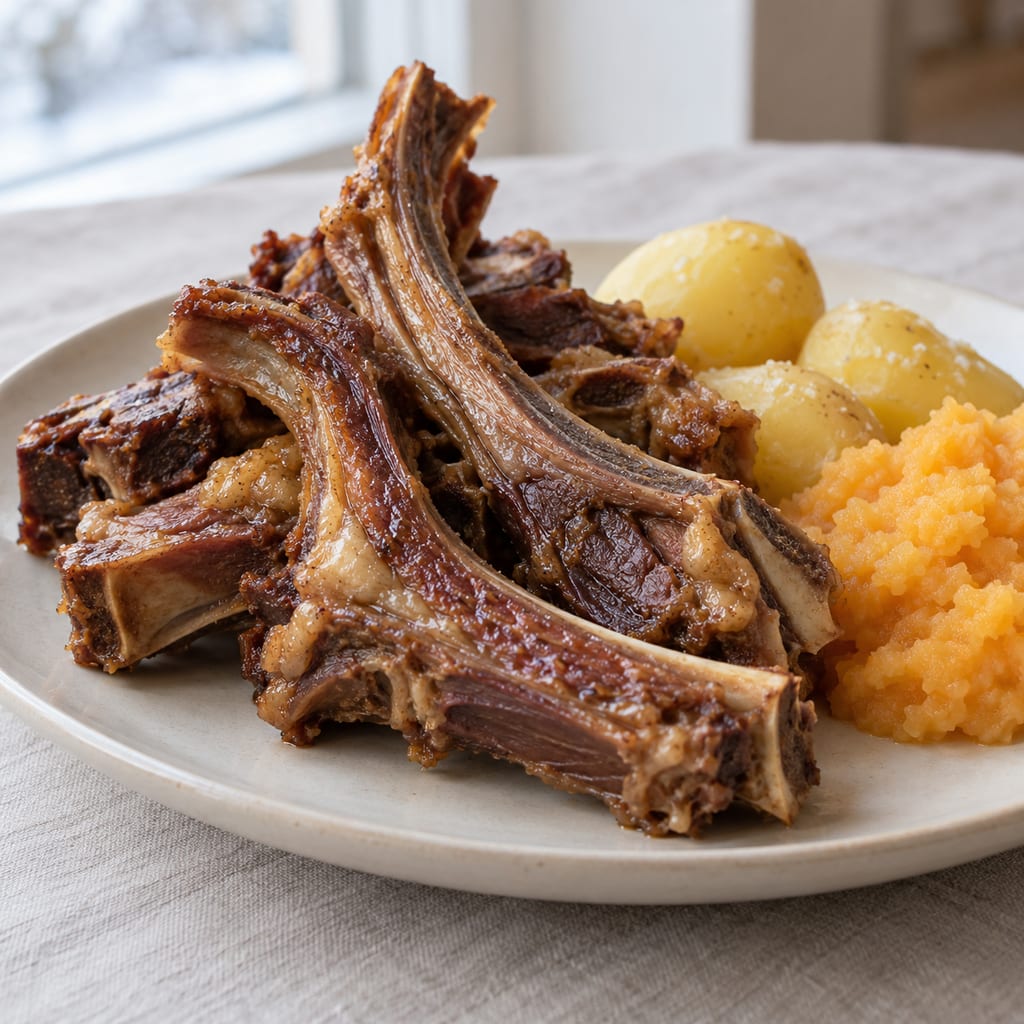
Norwegian Christmas lamb ribs, salted, matured and dried, then soaked and steamed over birch twigs. Smoked and unsmoked versions are both made.
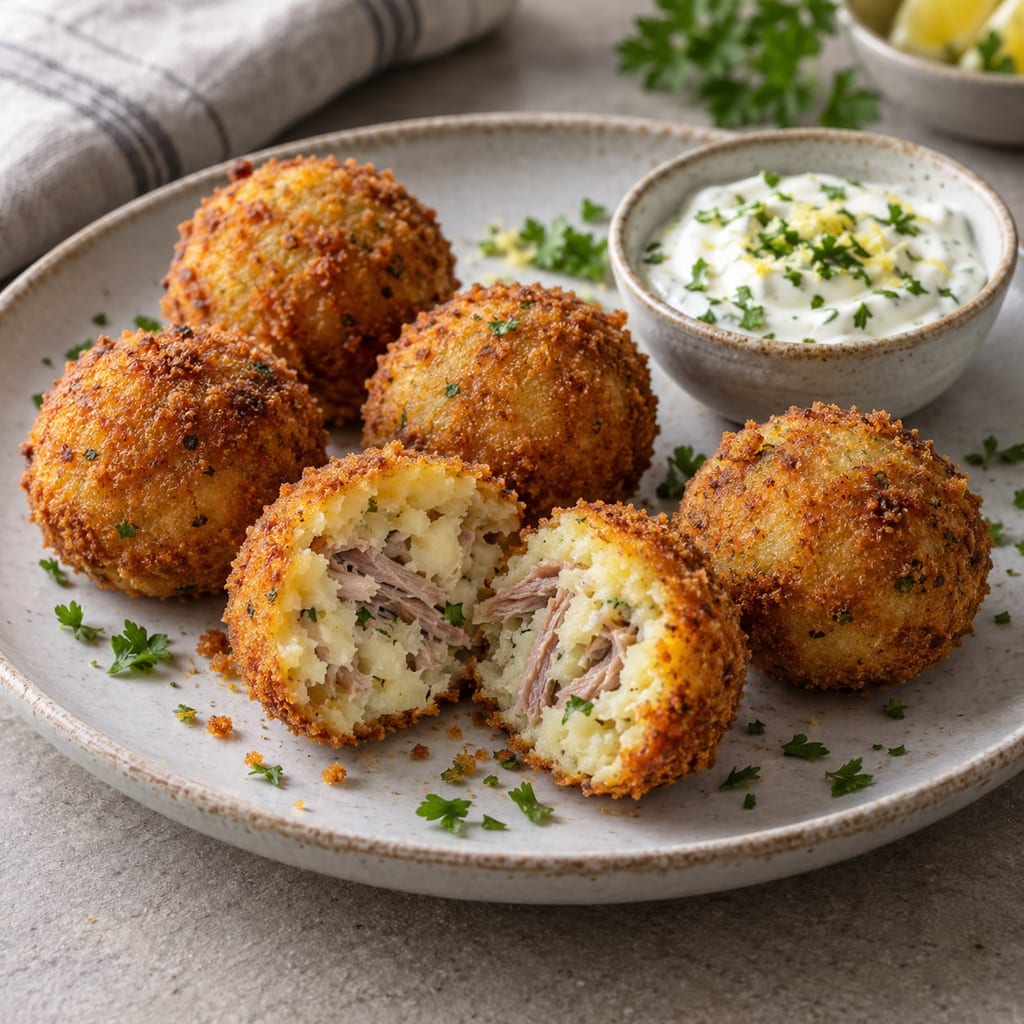
Pinnekjøttboller are potato-and-pinnekjøtt balls coated in breadcrumbs, deep-fried and served with lemon-parsley sour-cream dip.
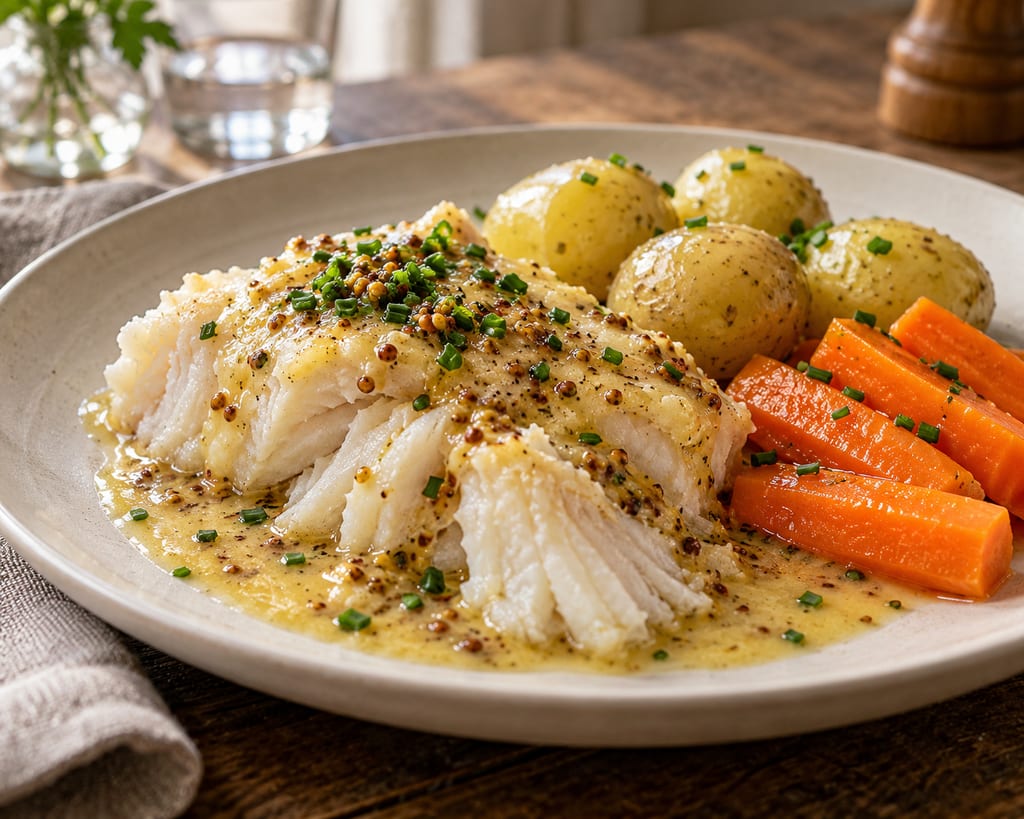
Rehydrated air-dried Norwegian cod simmered until it flakes, served with boiled potatoes and carrots under a wholegrain-mustard butter whisked from the fish's own poaching liquid.
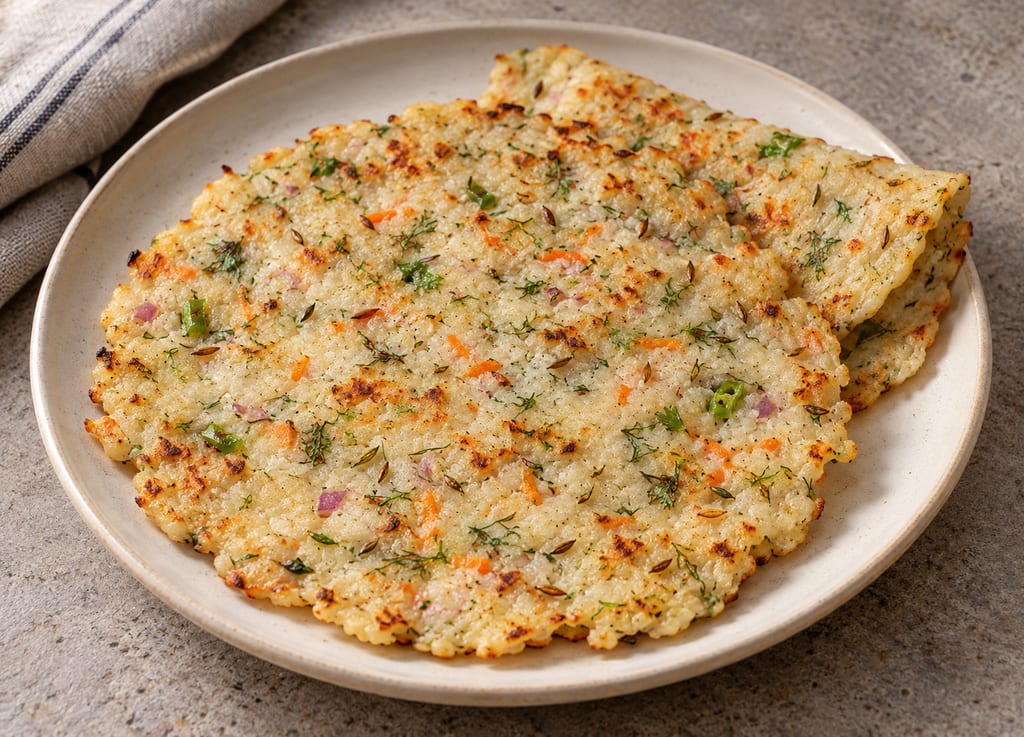
This Karnataka-style akki rotti mixes fine rice flour with vegetables, coconut, herbs and spices, then hand-pats and griddle-cooks the dough.
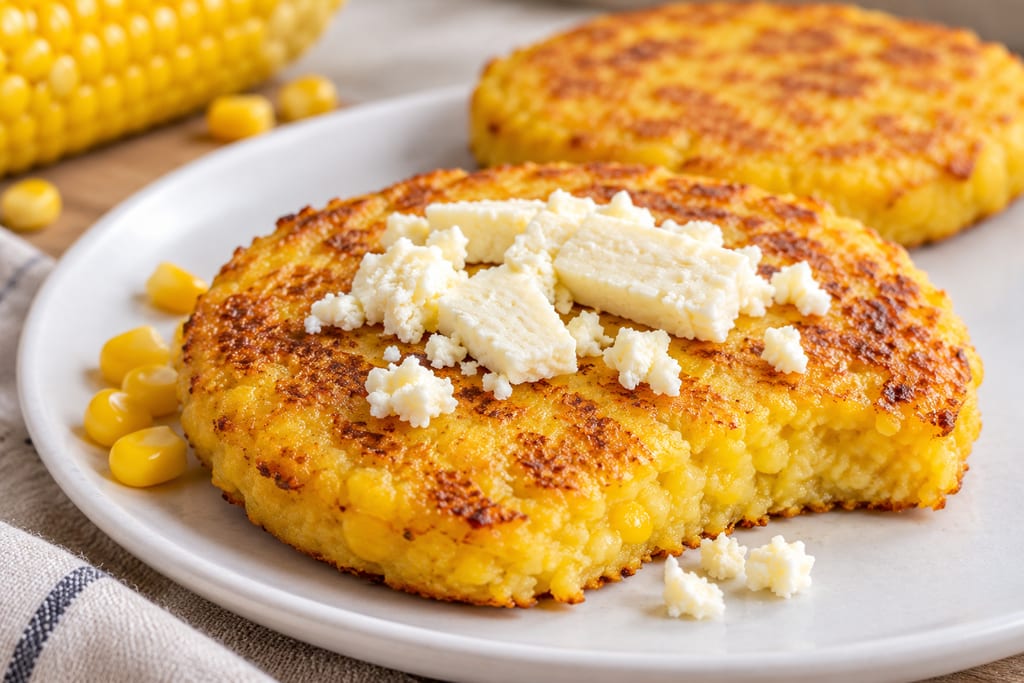
A Colombian Andean griddle cake made from fresh sweet-corn batter, cooked in butter and served with white cheese.
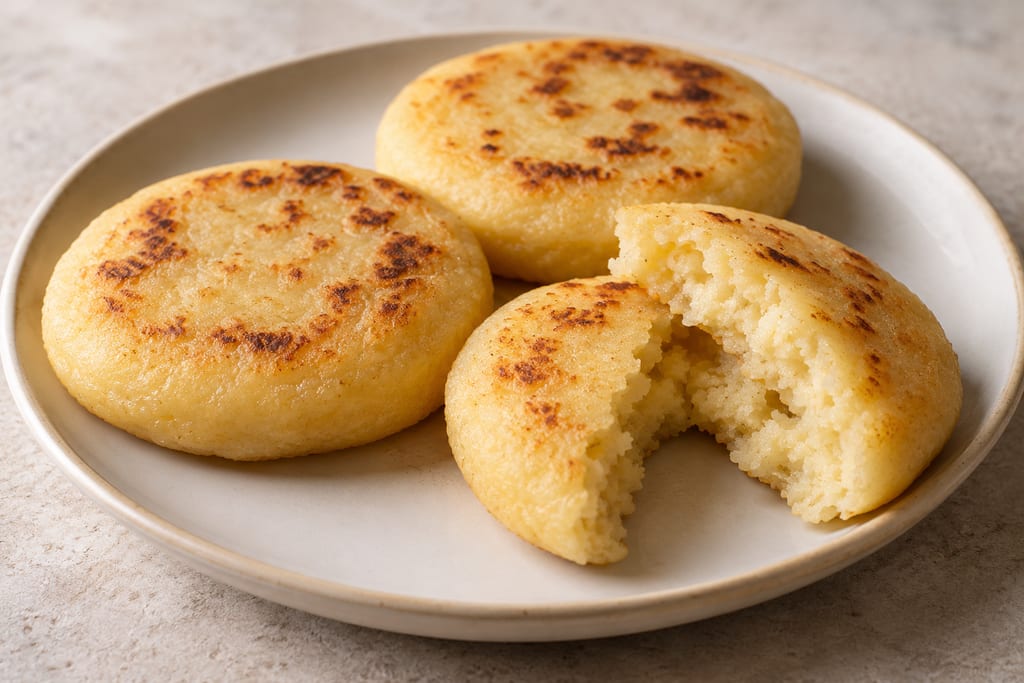
This household version combines precooked corn flour, warm water and salt, then cooks thick rounds on a lightly oiled skillet or griddle. It is one source-specific arepa method, not a universal Colombian or Venezuelan formula.
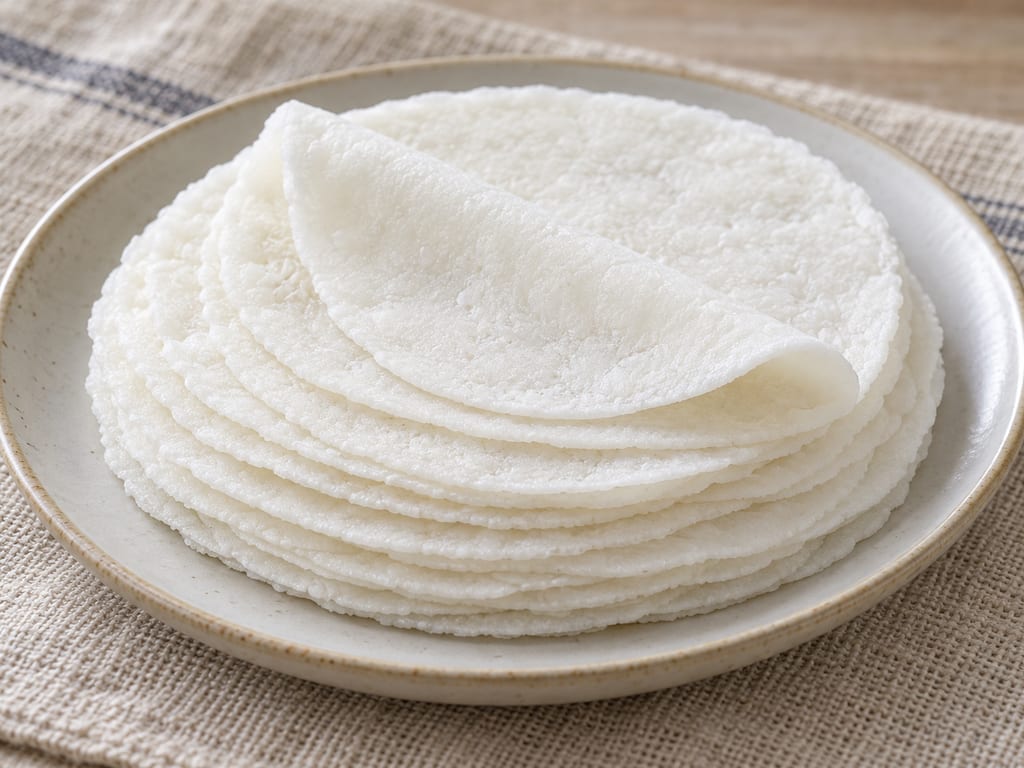
Thin Malabar rice-flour rounds made from roasted rice flour cooked into salted boiling water, kneaded after cooling, and rolled to about 1 mm. They cook on a hot griddle without taking on colour.
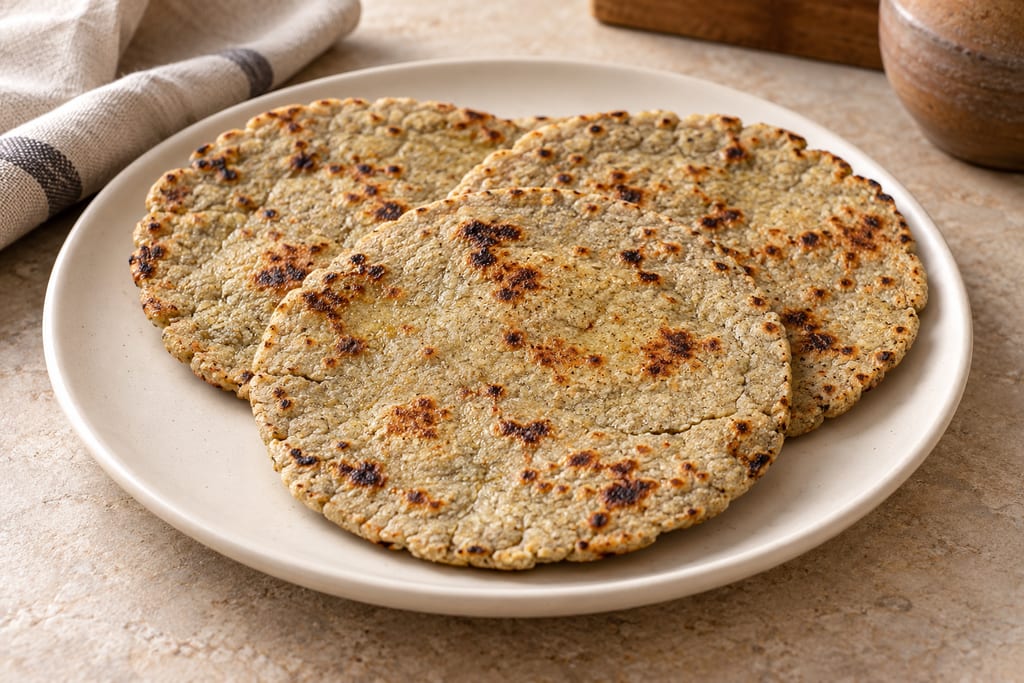
A pearl-millet flatbread shaped between sheets and cooked on a hot tawa. This home batch makes eight.
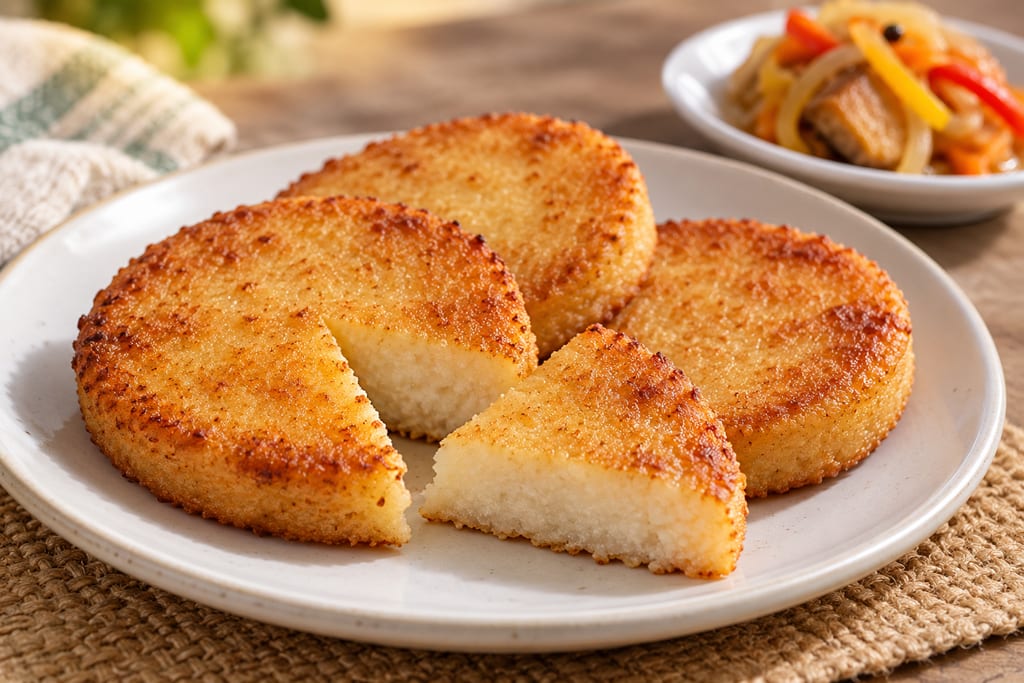
A serving method for approved, prepared bammy rounds: soak them in coconut milk and refry until golden. It does not process raw cassava.
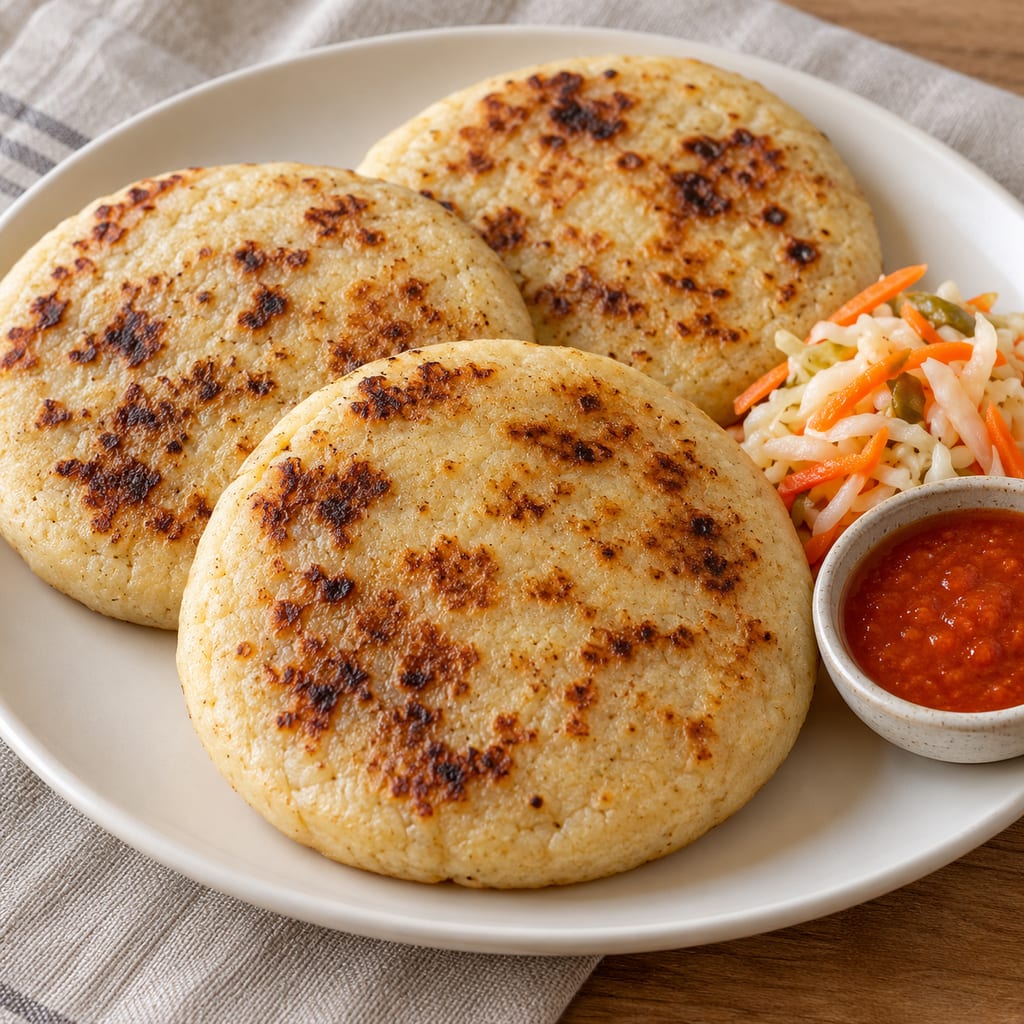
Salvadoran-style masa harina cakes filled with refried beans and cheese, sealed and cooked on an oiled skillet.
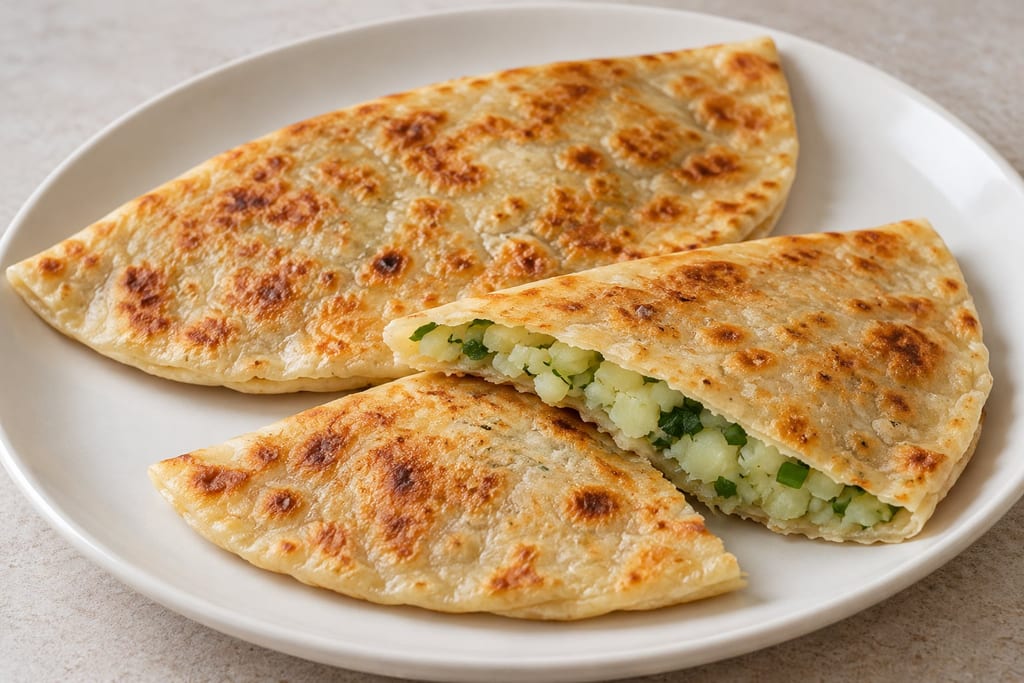
A thin, unleavened Afghan flatbread filled with mashed potato, scallion and cilantro, folded and pan-browned. This version uses a dough made from scratch.
No community contributions have been published for this entry yet.
Sign in to contribute. Published comments and photos are free to read.
Visit NorwayInspiration · Method · Geography
Flatbread roll-upsPotato, wheat and rye formula, 12–14 rounds and dry-griddle method.
Cited in: Potato flatbreads
MatpratContext · Method
PotetlomperThe same formula is presented as potetlomper, a related potato flatbread.
Cited in: Potato flatbreads; Potetlefse and lomper
Visit NorwayContext
Lefse: the magic Norwegian wrapOverlapping potato-lefse/lompe names, hot-dog use, lunch wraps and distinctions from regional sweet lefse.
Cited in: Potetlefse and lomper; A varied flatbread family
Visit NorwayContext
Lefse with stockfish creamA documented 2024 chef's different potato-lefse version; not a replacement for this base recipe.
Cited in: A varied flatbread family