






































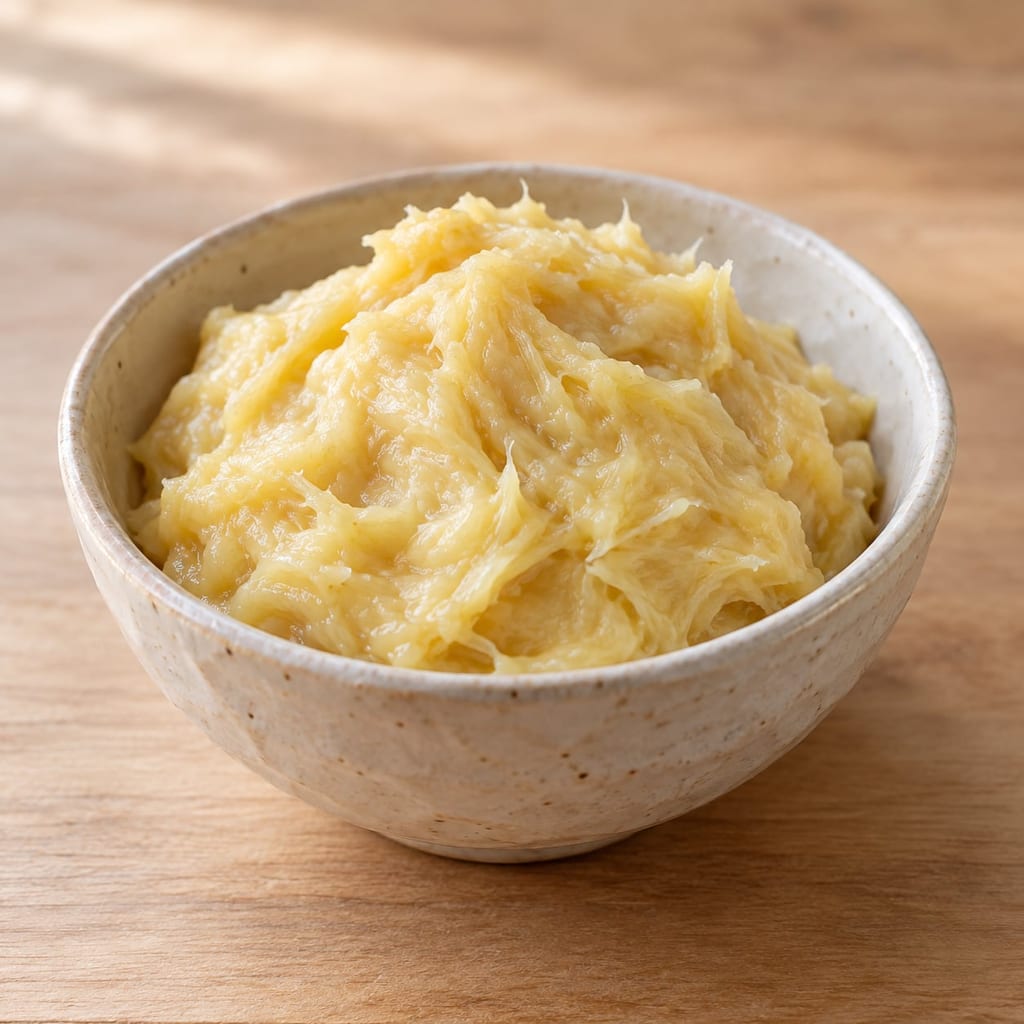
Tempoyak (fermented durian paste)
Durian flesh is mashed with salt and fermented in a covered container as a Malay condiment or cooking ingredient.
 FermenteaWhere food goes to change
1504 records with their sources, across 11 categories.
 Fermented fruit and fruit-derived foods4
 Fruit preserves3
 Acid and oil pickles1
 Smoked salted and dried foods1
 Vegetable lactic1
Durian flesh is mashed with salt and fermented in a covered container as a Malay condiment or cooking ingredient.
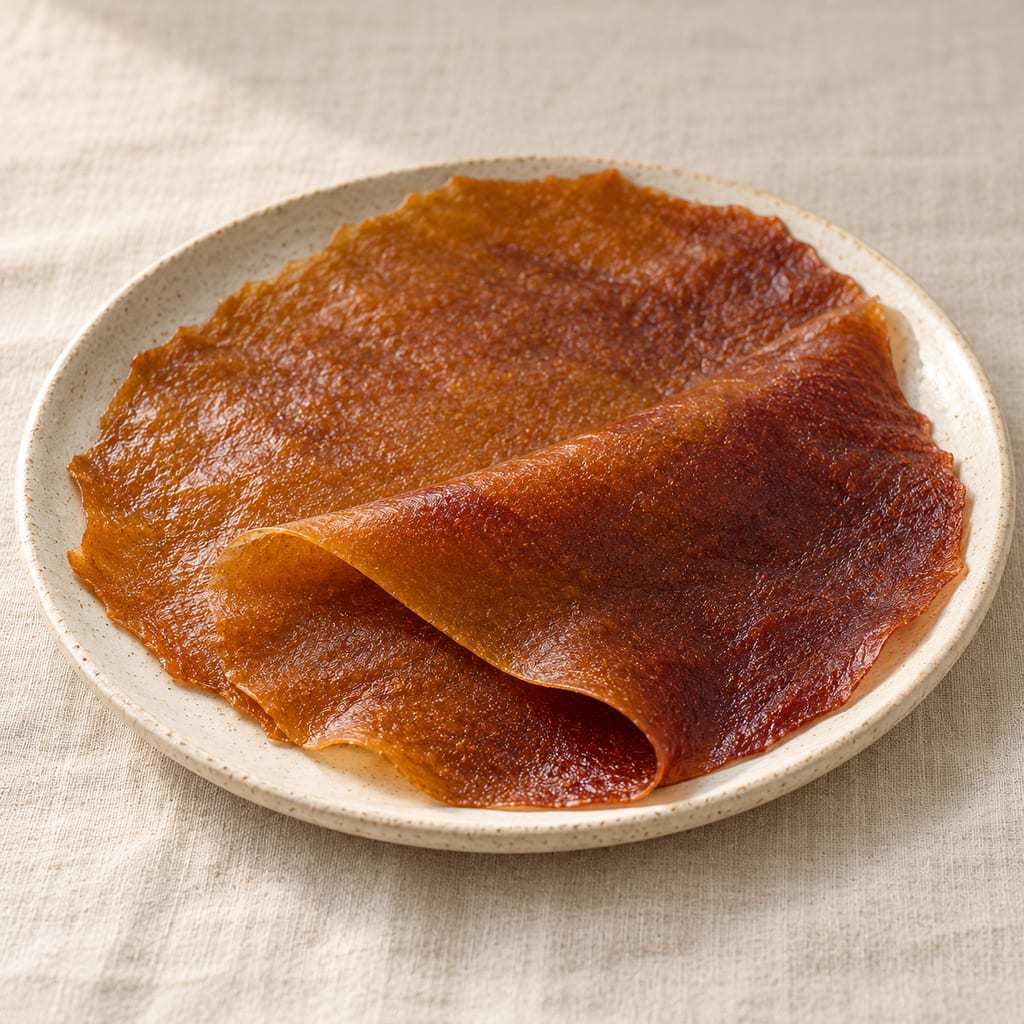
A reported Khizabavra household method cooks mulberry juice with wheat flour into a thin porridge before drying it on cloth; batch measures and a measured endpoint are absent.
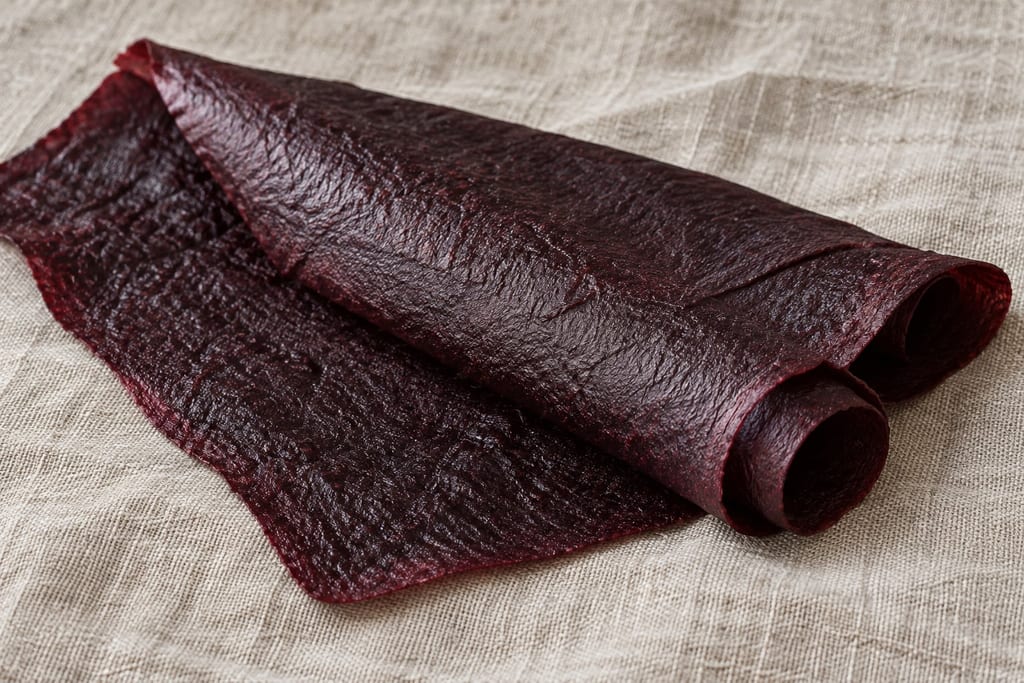
Georgian field notes describe mulberry tklapi with wheat flour but omit how the paste is cooked. FDA warns raw flour can carry harmful bacteria; this incomplete account is documentary, not a home recipe.
In a surveyed Himachal method, ripe galgal is blanched, sun-dried, cooked with mustard oil, fennel and thyme, then left to ferment.
Lunu dehi is Sri Lankan salted lime pickle. This version sun-dries cut, salt-stuffed ripe limes, then packs them with dried lime juice, chillies, spices and vinegar.
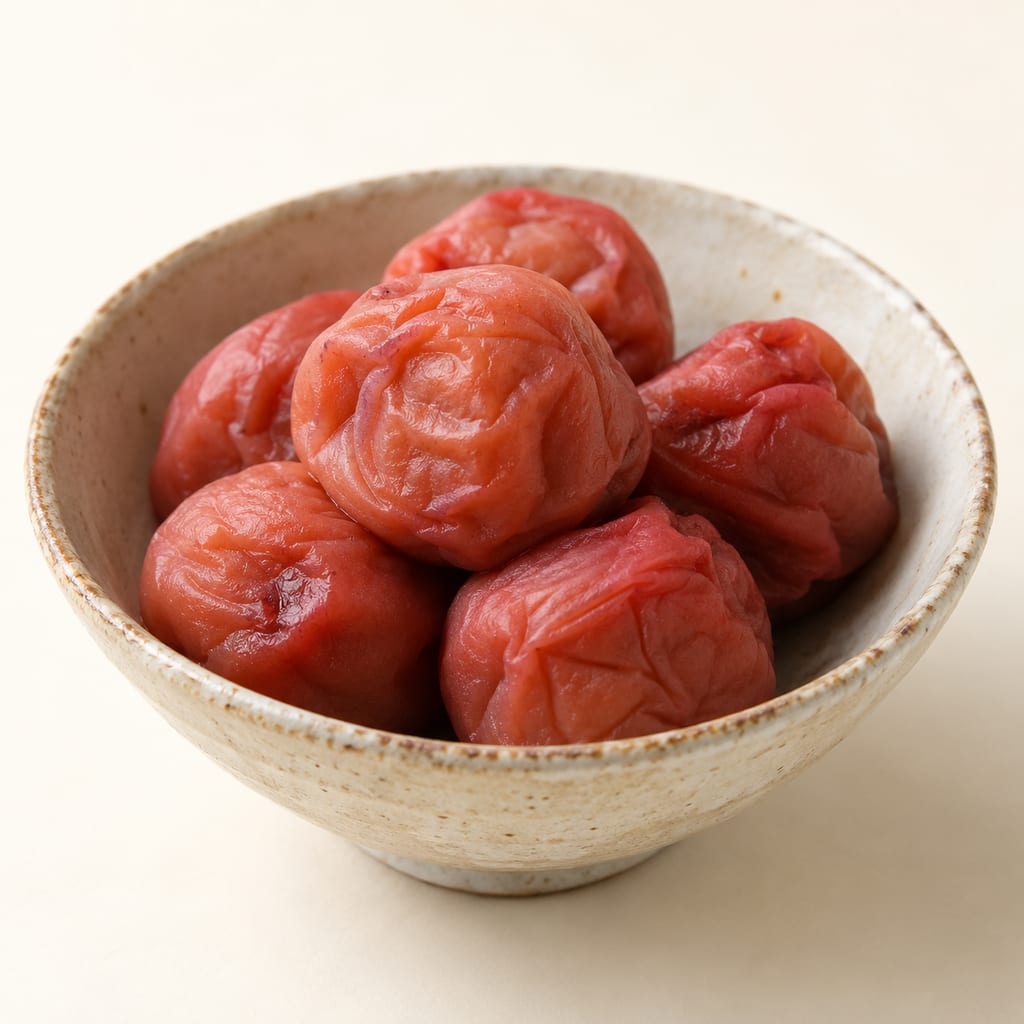
Naturally acidic ume fruit salted and sometimes dried in Japan; the salt, the fruit’s own acidity and the loss of moisture supply the preservation, and the preparation is not always fermented.
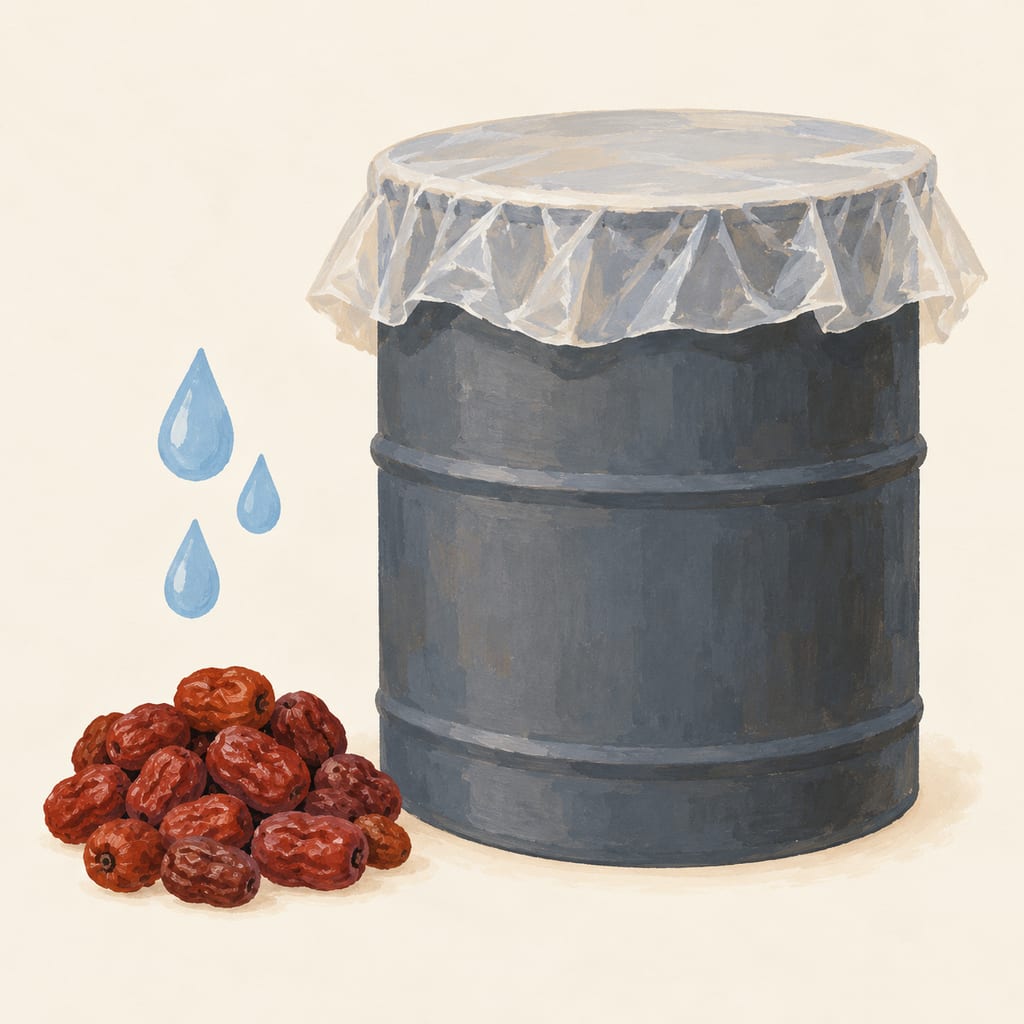
A Zimbabwean spontaneous ferment of dried masau fruit pulp used as a kachasu distillation base; the fermented pulp itself is not consumed.
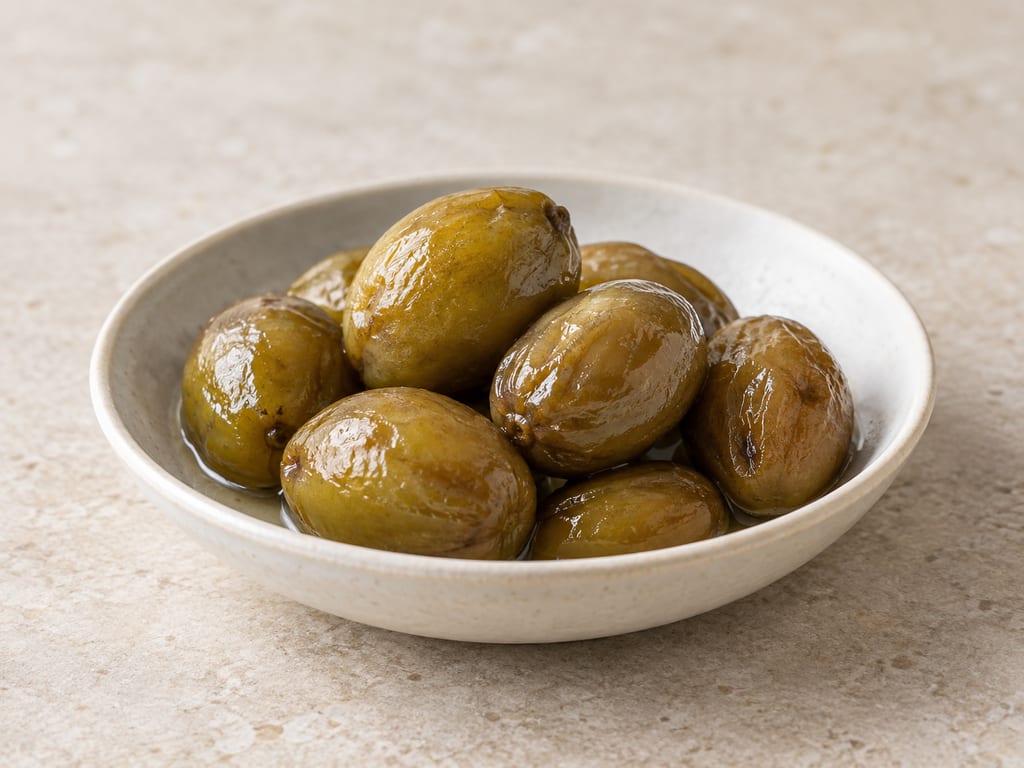
Mature Spanish plums are covered with a 20% volume salt solution and fermented under shade for ten days.
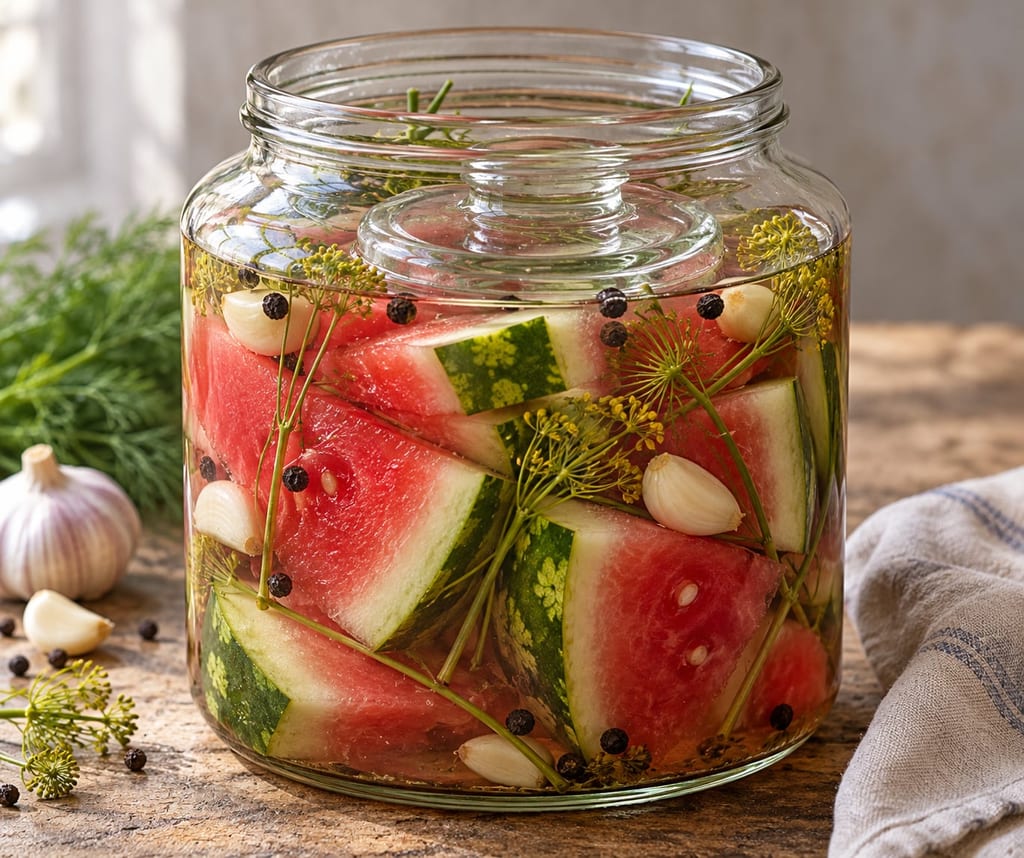
Watermelon pieces with rind ferment in a dill, garlic and pepper brine in a family preparation linked to Kishinev, Moldova.
Małopolska plums smoked and part-dried over a wood fire in a regional kiln for several days, giving a dark, concentrated fruit with a protected name.