








































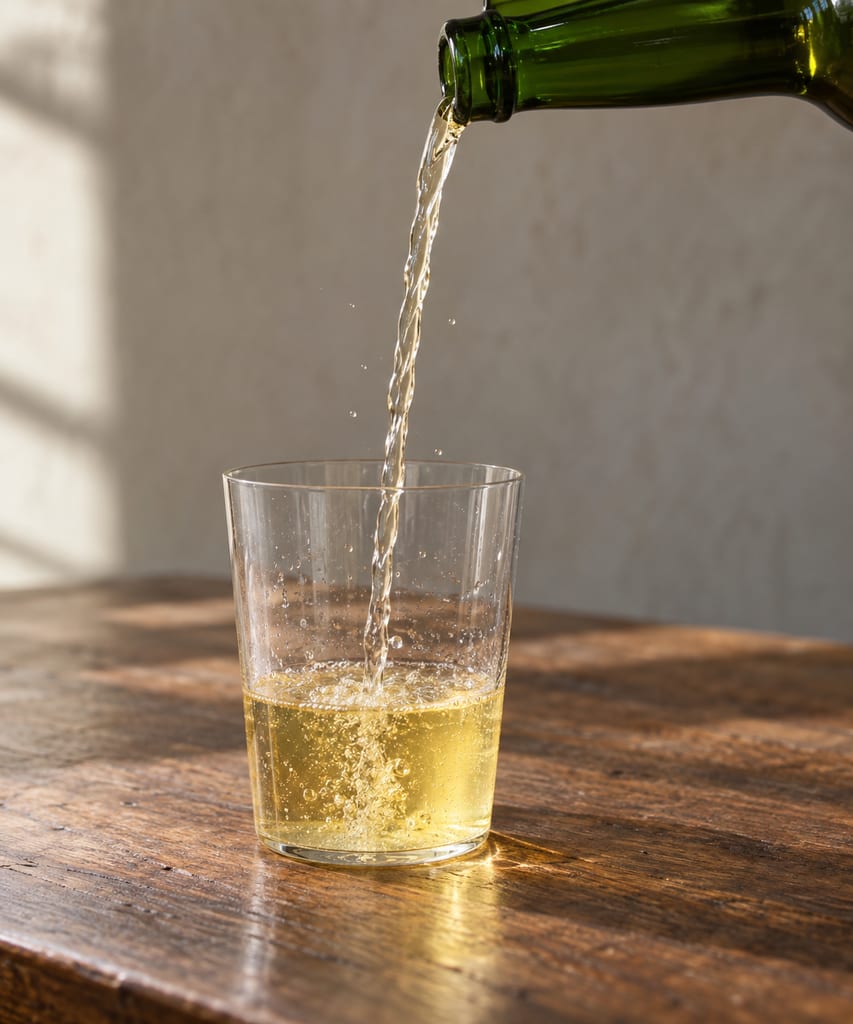
Sidra natural
Dry, lightly sparkling cider from Asturias in northern Spain, pressed from cider apples, fermented without added sugar, matured through the winter and poured from a height.
 FermenteaWhere food goes to change
1504 records with their sources, across 11 categories.
 Fermented beverages42
 Fermented fruit and fruit-derived foods3
 Koji, mold starters and mold-ripened ferments1
Dry, lightly sparkling cider from Asturias in northern Spain, pressed from cider apples, fermented without added sugar, matured through the winter and poured from a height.
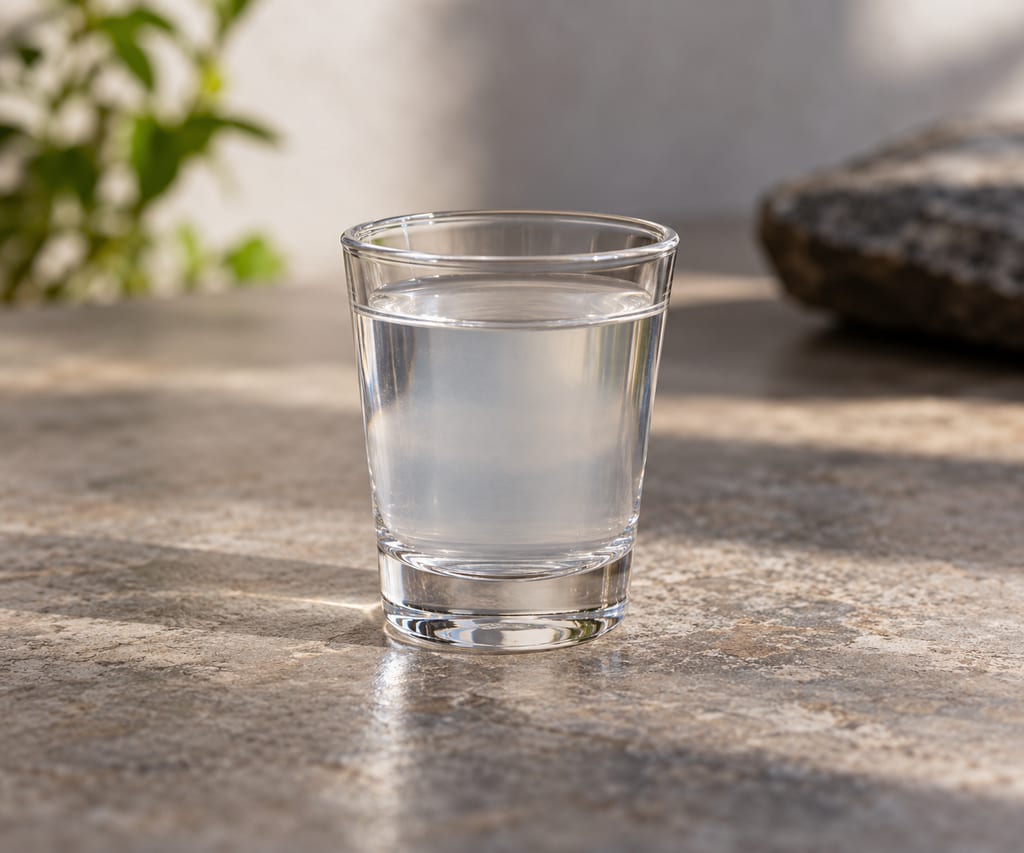
A Buryat milk spirit distilled from khurenge, the backslopped sour dairy ferment, in a cauldron still: a distillate that keeps milky and cheese-like aromas from the dairy it came from.
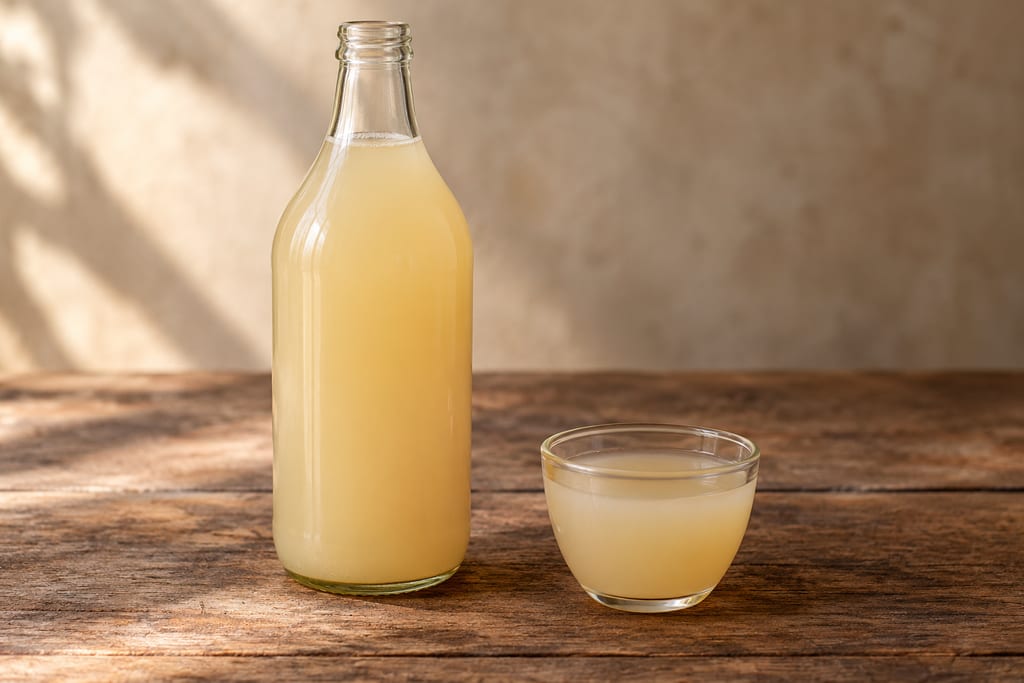
A source-bounded account of Wapishana Parakari in Aishalton, Guyana. It preserves observations of a Rhizopus stage followed by yeast fermentation; it is not a household recipe or cassava detoxification guide.
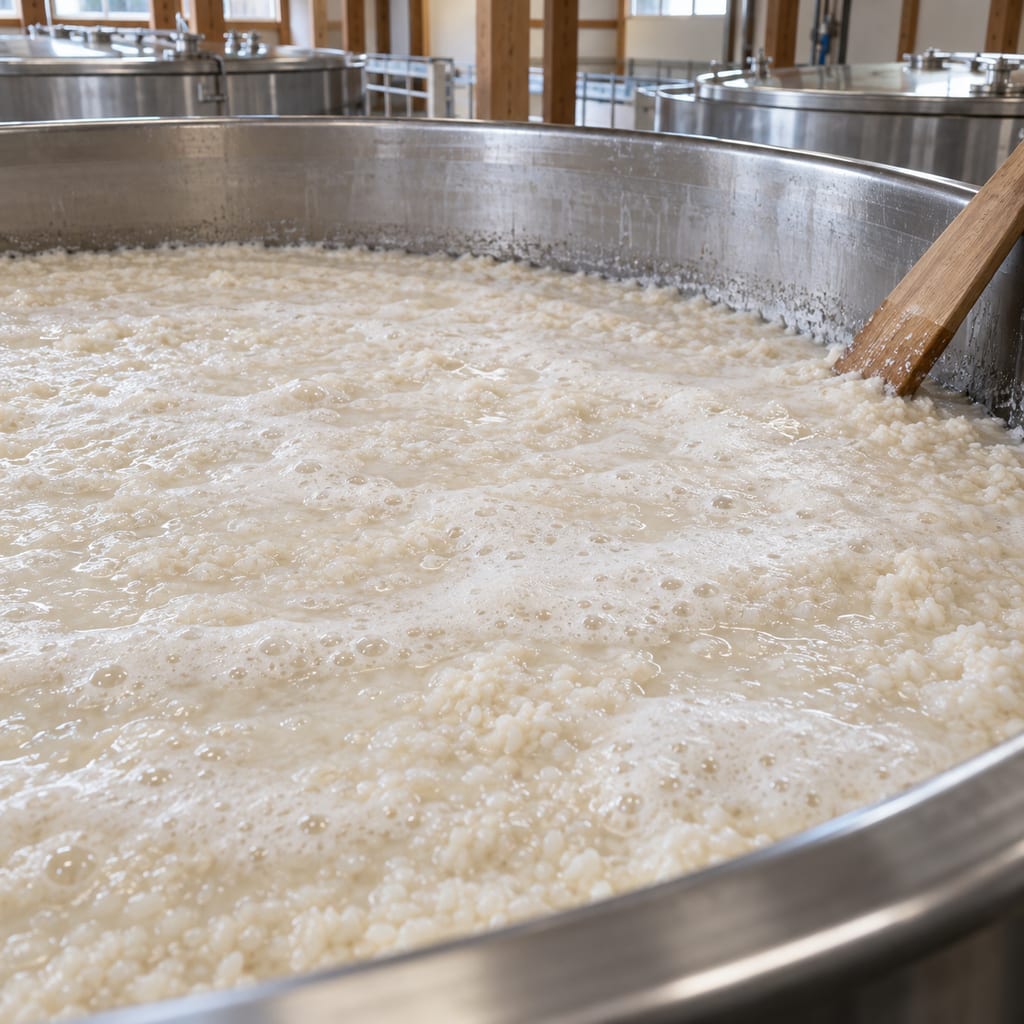
Nihonshu (日本酒), or seishu, is Japanese rice sake: steamed rice, rice koji, water and a yeast starter ferment together in one mash, which is then pressed and finished.
Kalou is Seychellois coconut-palm toddy: sap from an unopened flower stalk is collected and ferments naturally into an alcoholic drink. Sources document the identity and tapping tradition but no validated batch or alcohol endpoint.
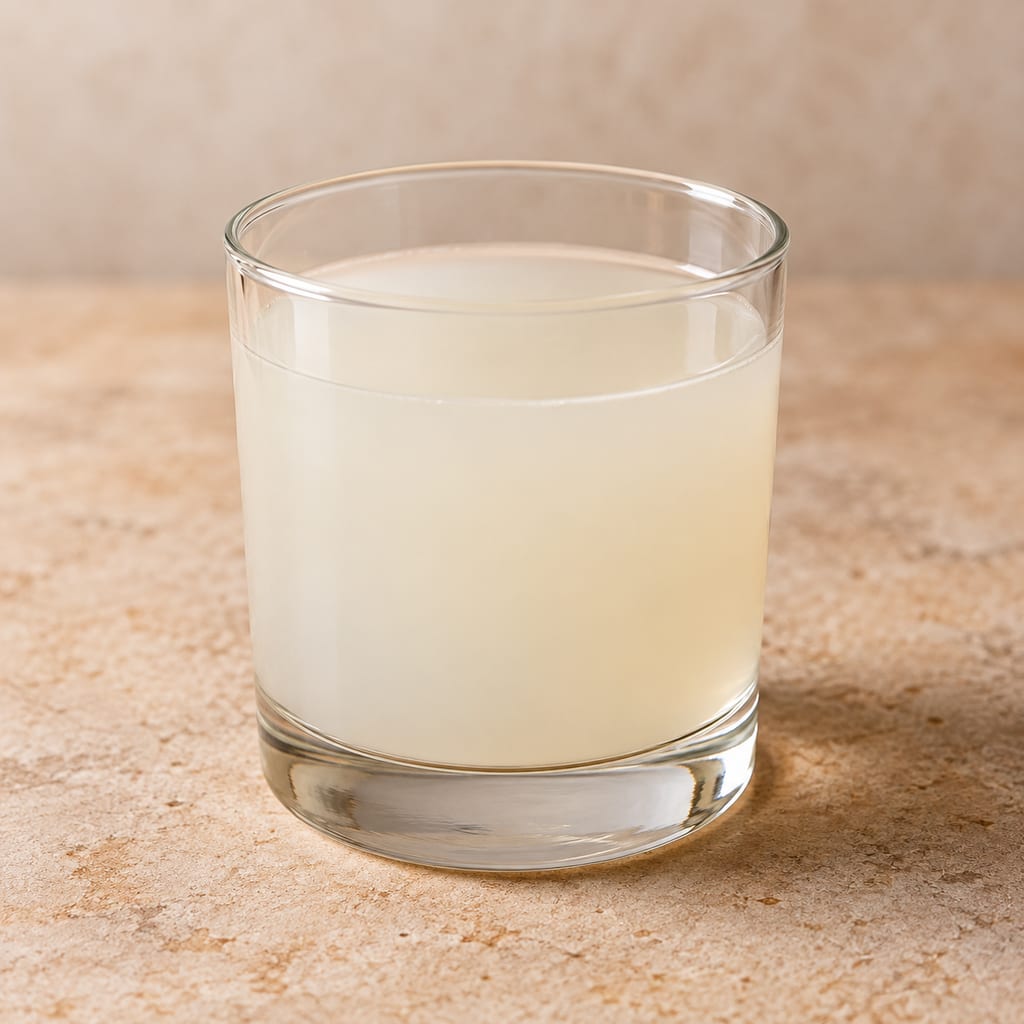
Utchema is a traditional palm wine made from Hyphaene petersiana sap in Mozambique’s Banhine National Park area. Available fieldwork identifies the drink and tapping economy but does not provide a complete controlled fermentation method.
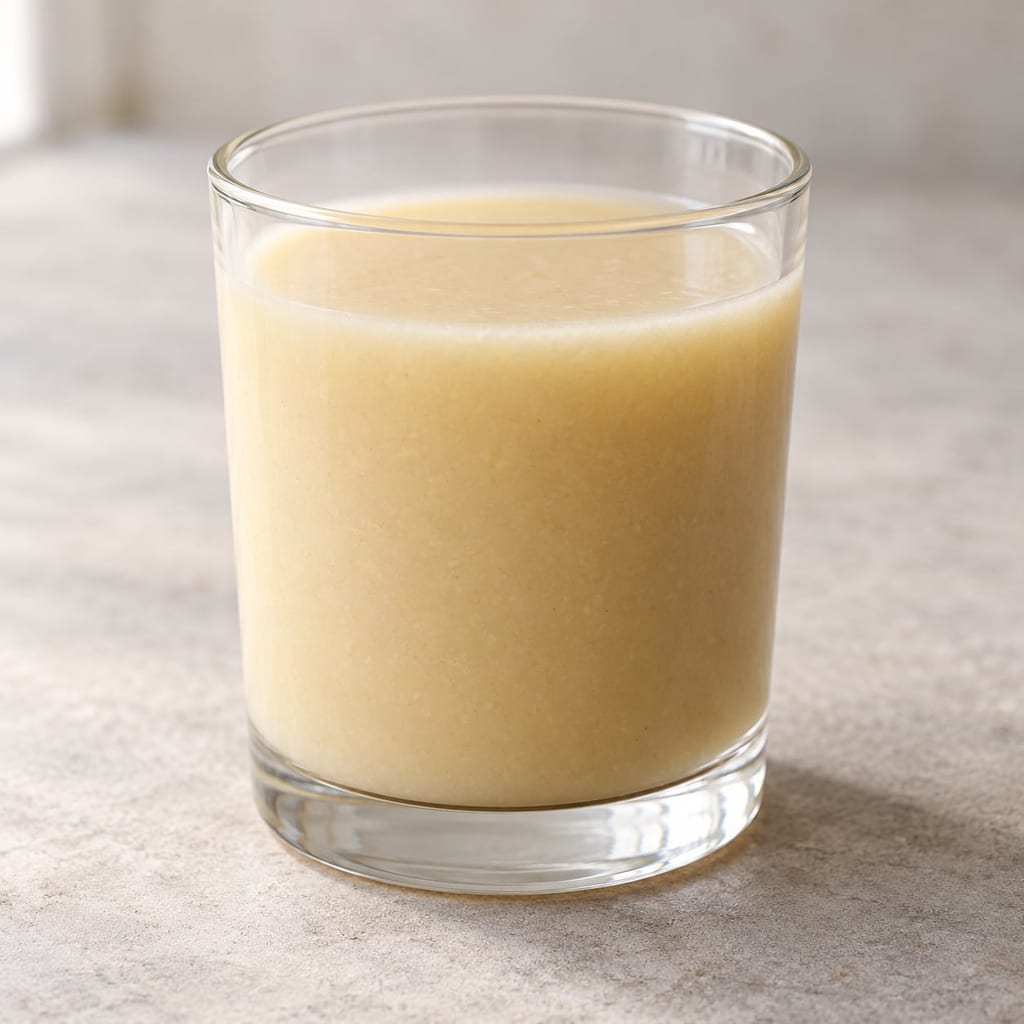
Kyrgyz Bozo is a mixed-fermented cereal drink made with ground grits, sprouted-wheat ugut and carried-over starter. This registry preparation leaves cereal selection, water and starter allocation unresolved.
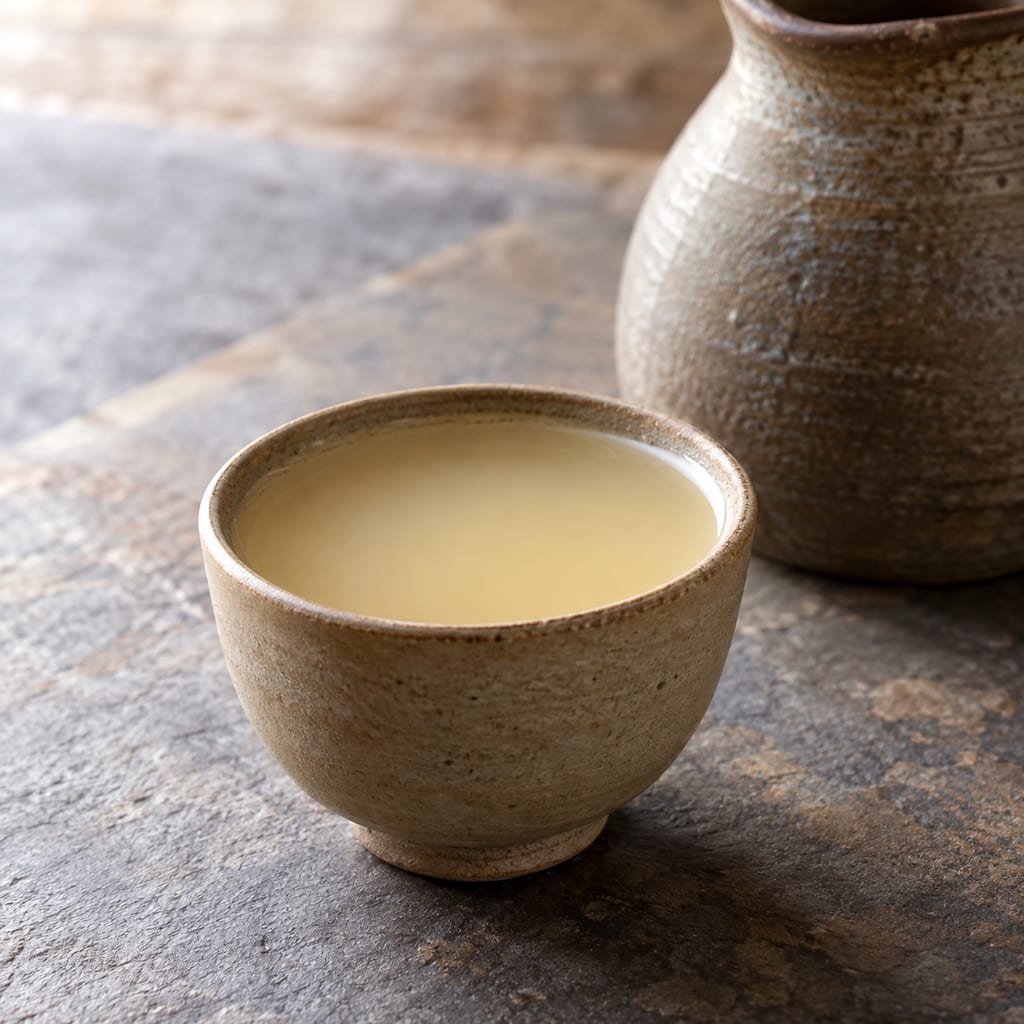
A 2005 Tibetan account describes cooked barley mixed with changdzi, fermented as moist grain, then steeped in water for an alcoholic drink. Grain and water amounts, starter dose and a verified safety endpoint are absent.
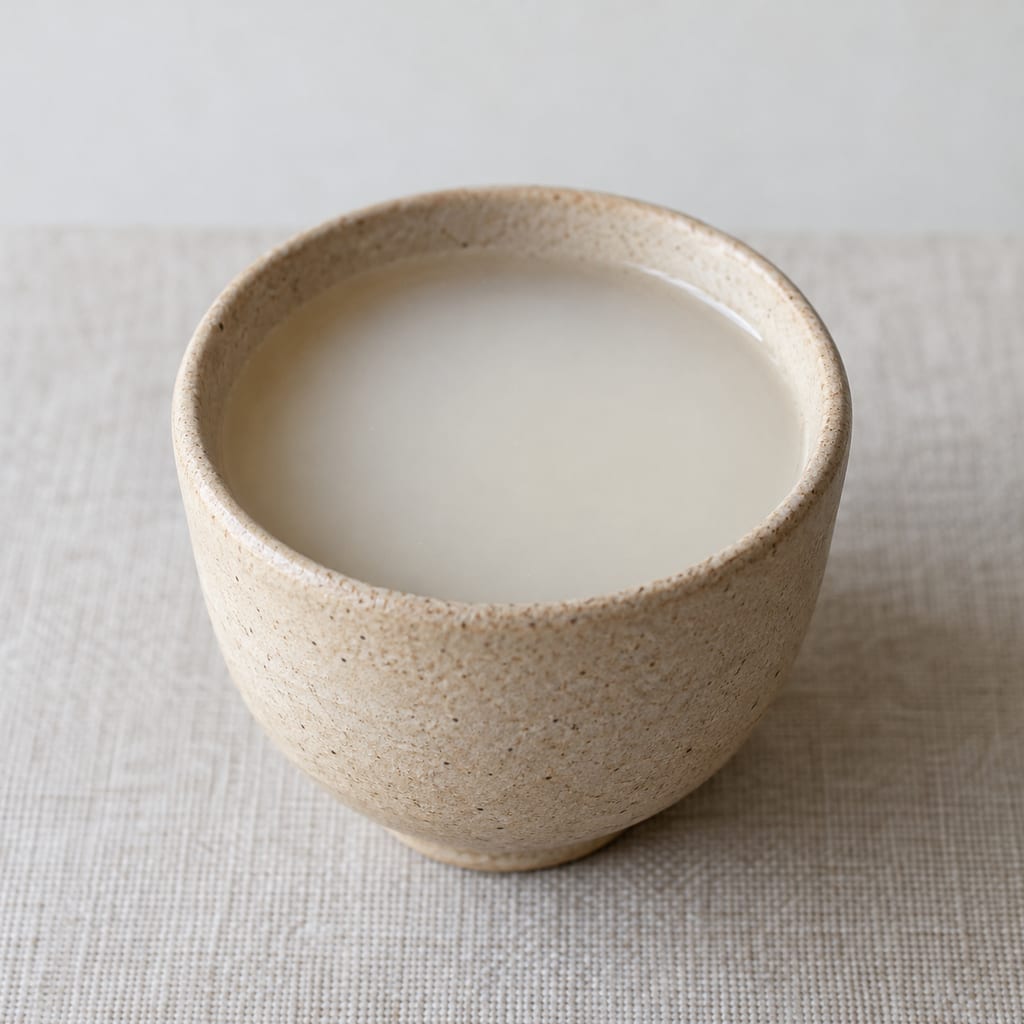
Tonoto is an Ainu ceremonial grain drink. This Saru River version ferments equal amounts of rice and egg millet with malted rice for about two to three days in summer or a week in winter.
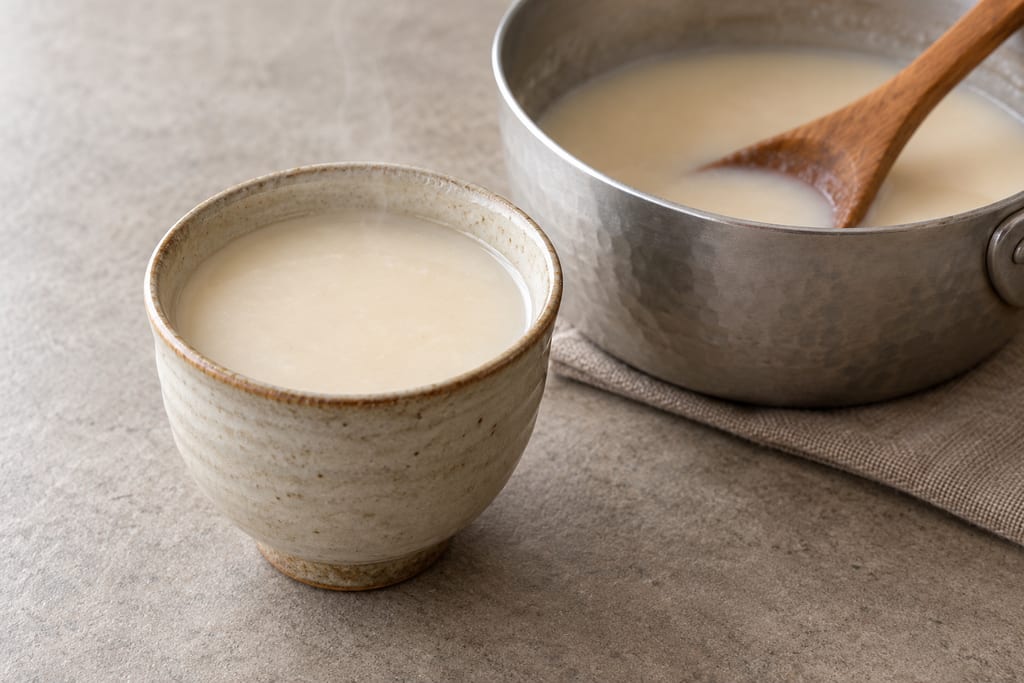
A Japanese sweet drink made by dissolving sake lees in hot water and adding sugar, often with ginger or salt; it carries flavours and alcohol from sake brewing but normally undergoes no new fermentation.
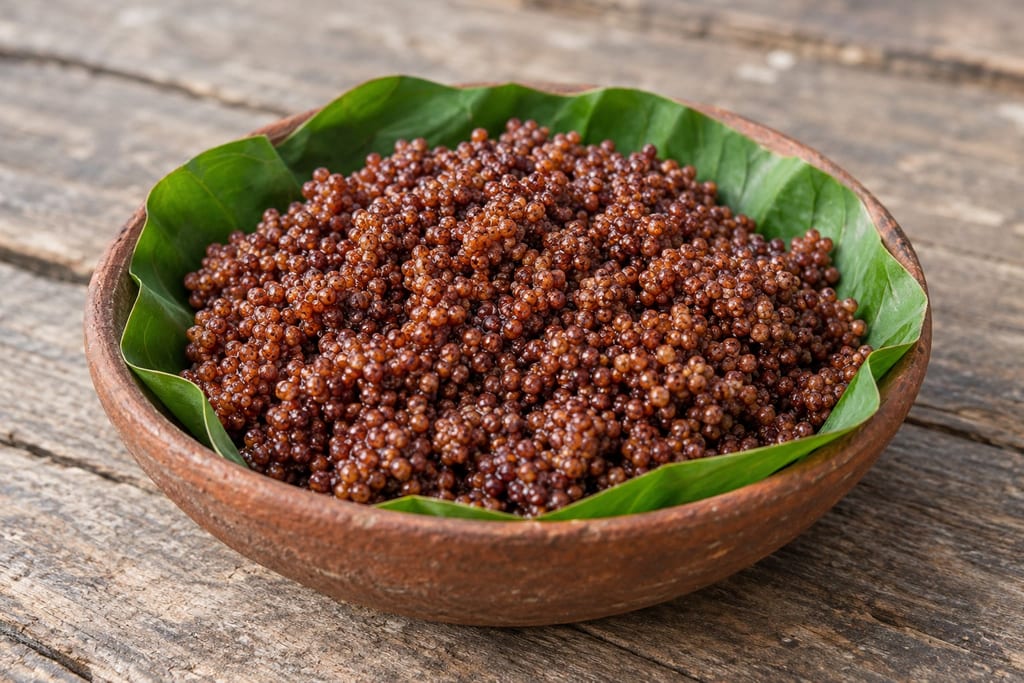
Finger millet fermented with marcha in surveyed Darjeeling and Sikkim communities. Tongba is the later warm-water extraction from the fermented grain. The cited accounts do not establish a complete or validated home batch.
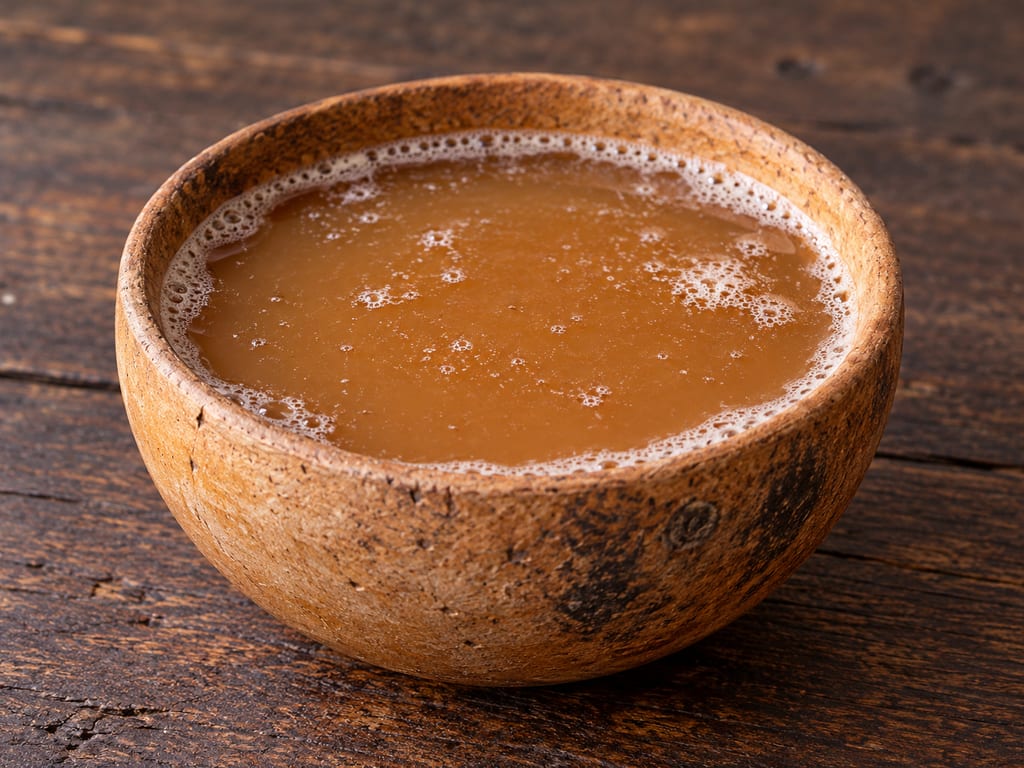
A Burkina Faso sorghum beer brewed from malted grain, soured by a spontaneous lactic stage and then fermented with a traditional yeast leaven.
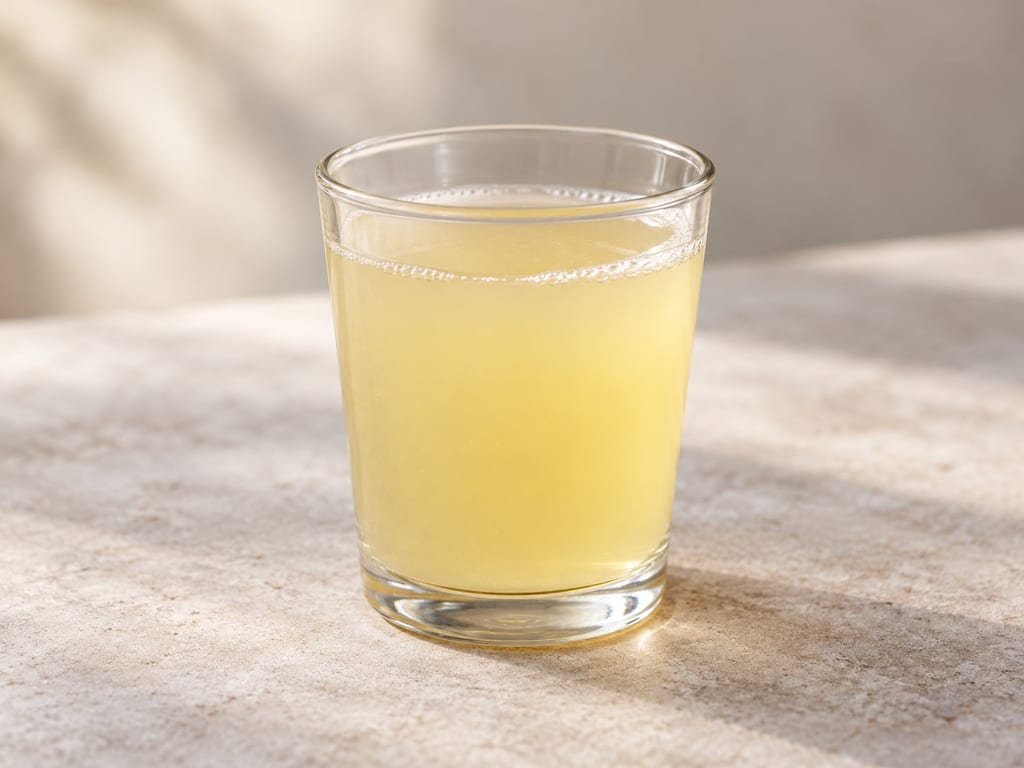
A Manipuri rice beverage: cooked rice is cooled to about 40°C, inoculated with Hamei starter cakes, fermented for a season-dependent spell, then held submerged before filtering.
An ethnographic record of marcha (murcha), a dry starter cake used in Eastern Himalayan cereal fermentations. This page documents source-specific community knowledge and is not a recipe for making or storing starter.
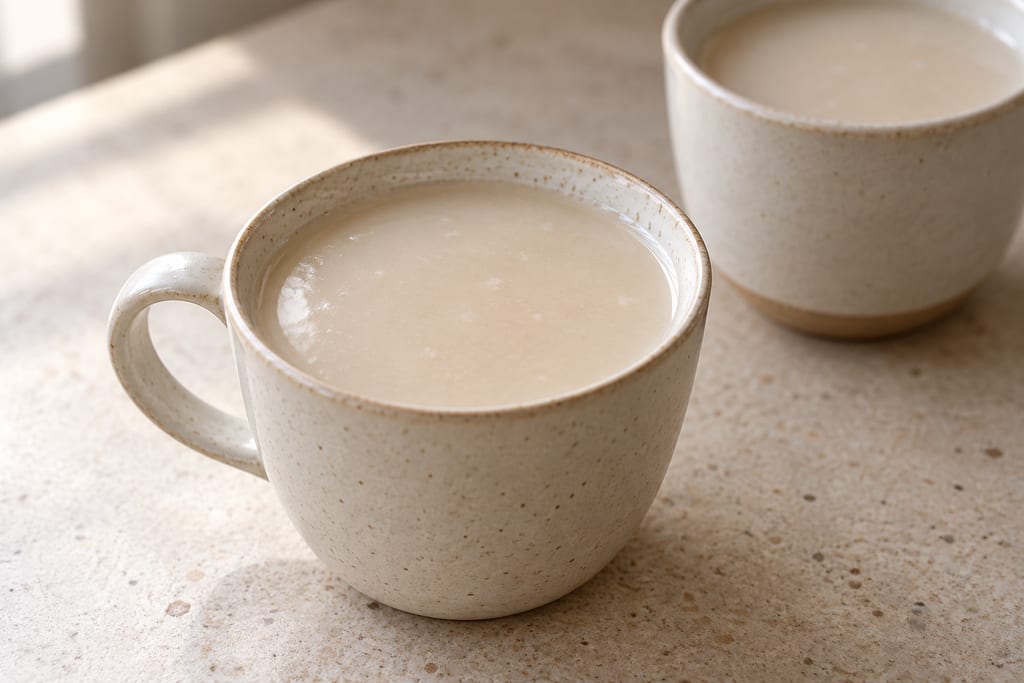
A documentary account of Zimbabwean mahewu and one producer's formula. Its quantities exceed the stated vessels, and research does not validate it as a safe home method.
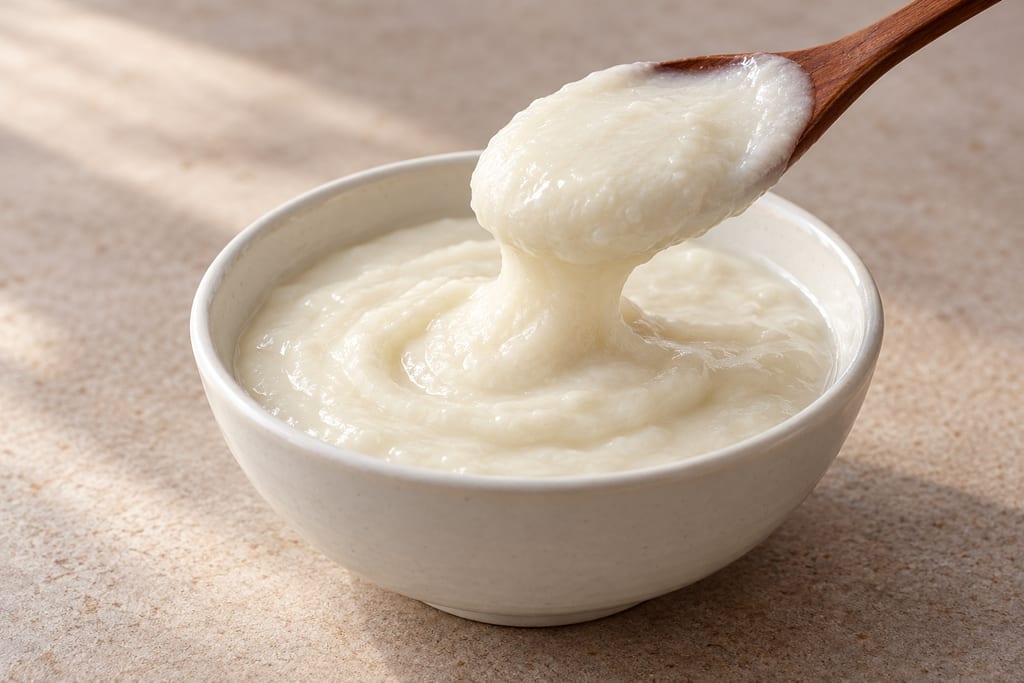
Thick, sweet Korean rice wine made with a rice-based starter called ihwagok and almost no added water, fermented into a paste that is eaten with a spoon or thinned with cold water.
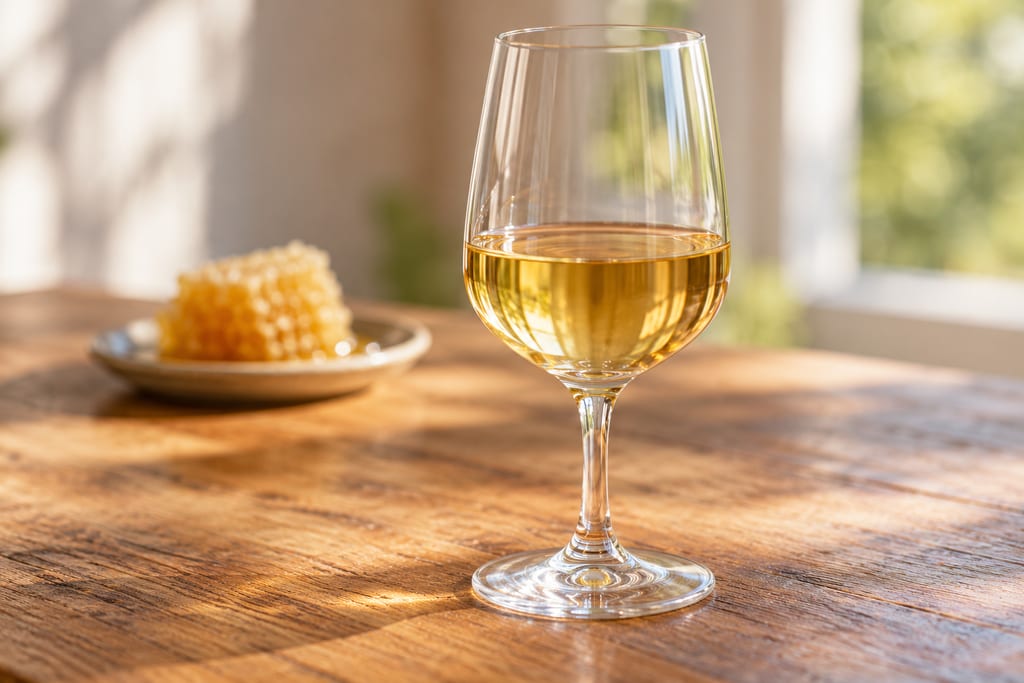
Mead is an alcoholic drink made by fermenting diluted honey with yeast, then racking and ageing it. The honey, not refined sugar, is what makes it mead.
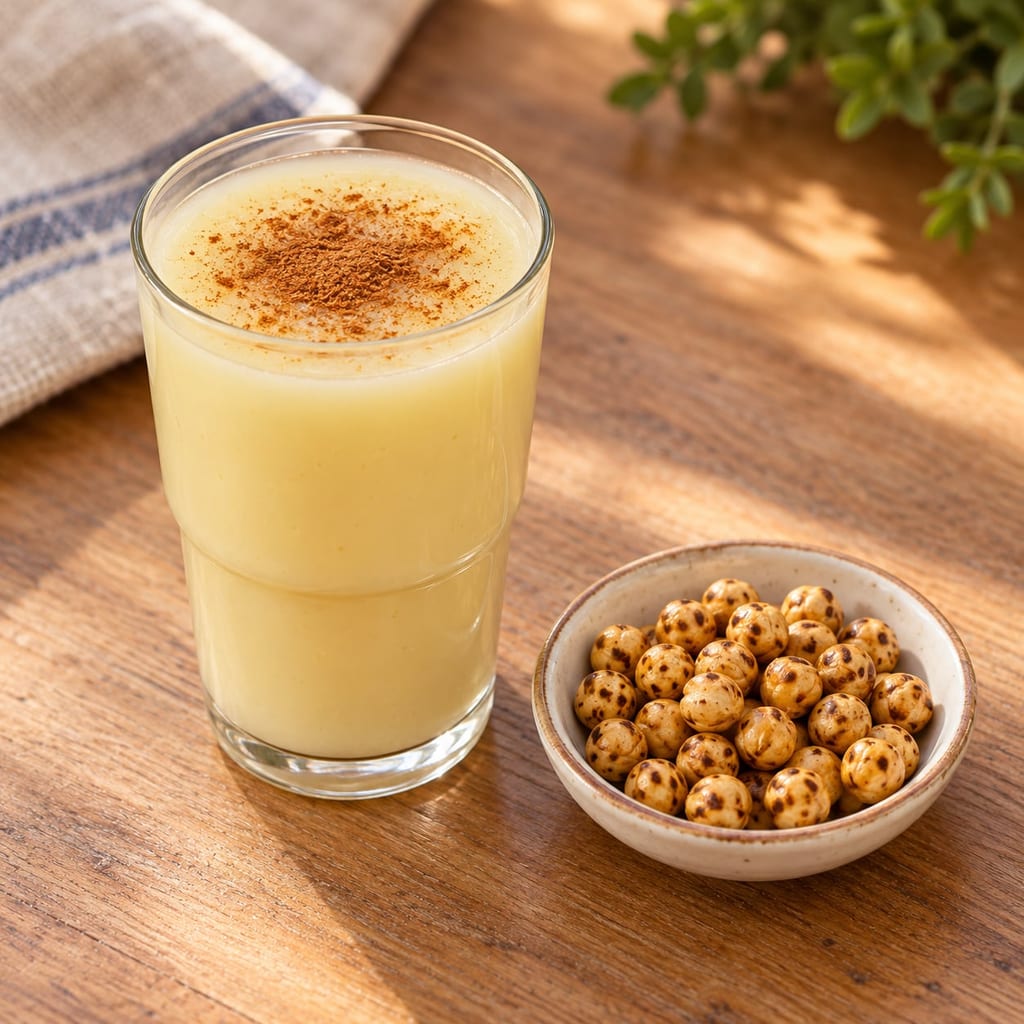
A thick, pale Turkish winter drink of bulgur and rice cooked to a soft cereal base, sweetened with grape molasses and fermented for two days.

Belgian beer blended from young and mature spontaneously fermented lambics, then refermented in the bottle to natural carbonation. The recipe follows a 2,600-litre blend studied in 2024.
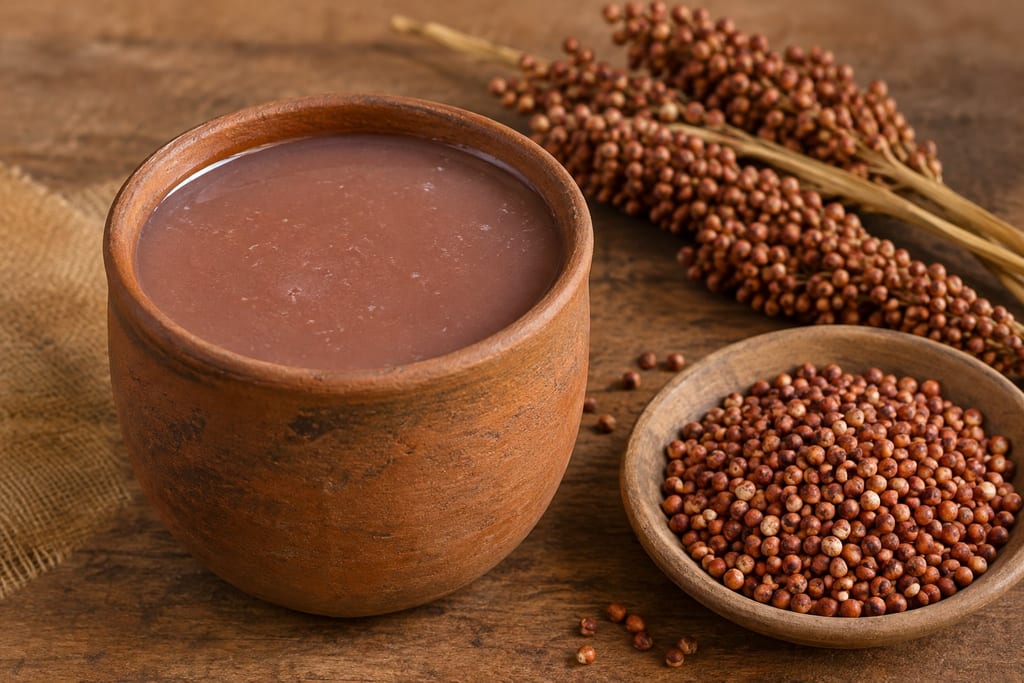
A cloudy Zimbabwean beer brewed from malted red sorghum, given a two-day lactic souring and then a longer alcoholic fermentation.
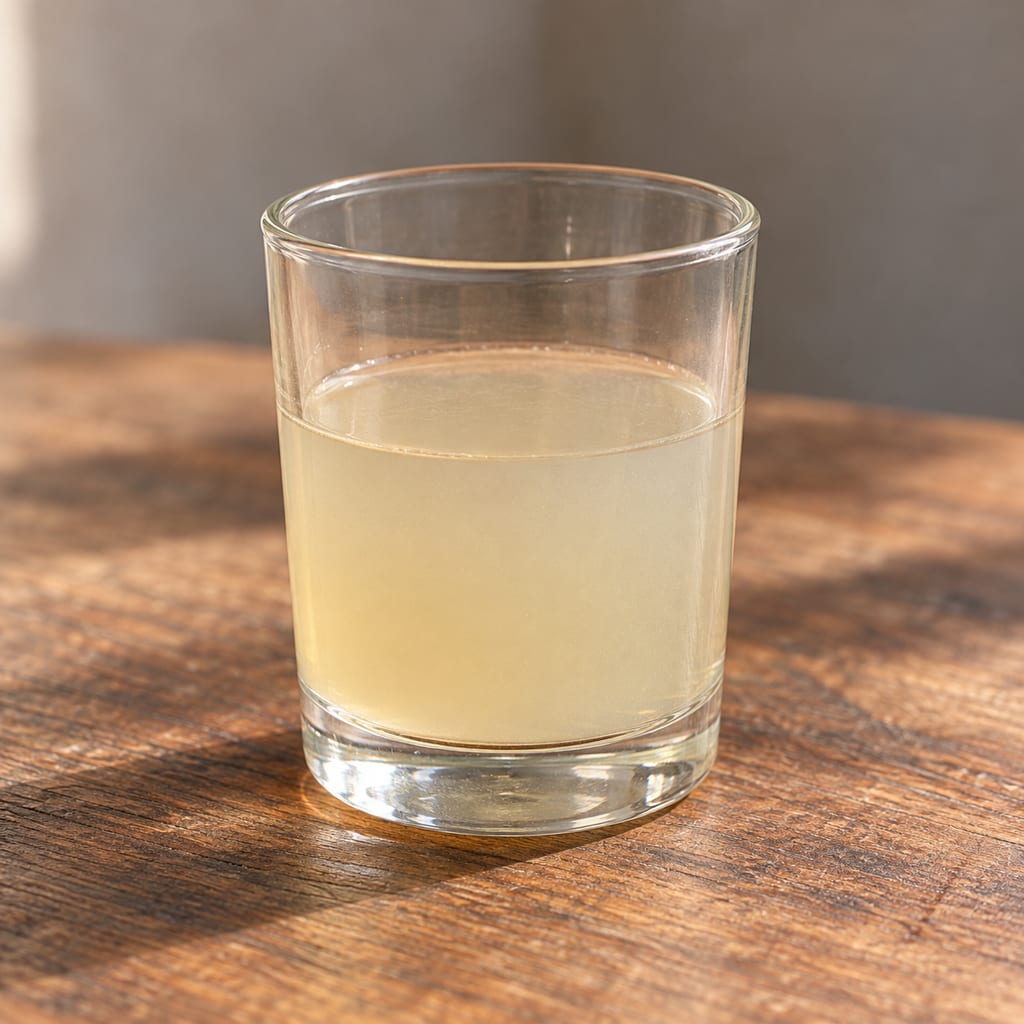
Judima is a Dimasa fermented rice drink from Assam. A 2022 Dhansiri account describes humao starter and rice fermentation, but sources disagree on the thembra bark species and do not provide a complete or validated home batch.
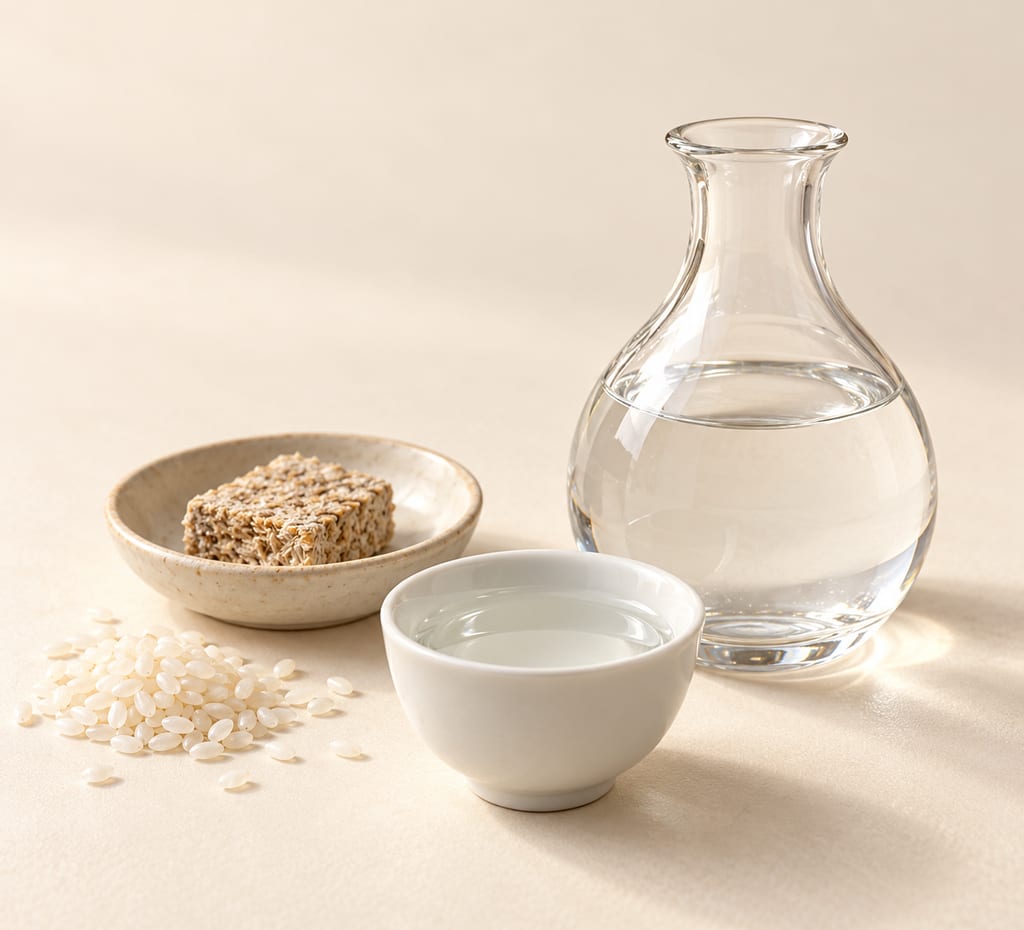
Andong soju is a rice spirit from North Gyeongsang, distilled from steamed rice and wheat nuruk. This method makes the starter before fermenting the rice mash in a jar.
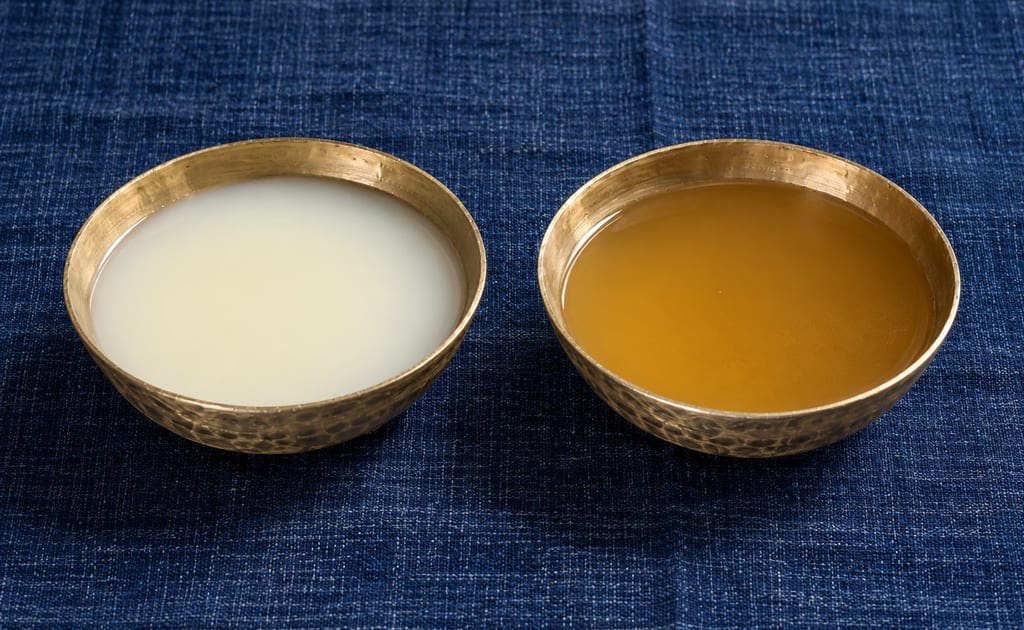
Apong names Mising rice beverages in Assam, including pale Nogin and ash-associated Po:ro. Sources describe distinct preparations and do not establish one unified household recipe or validated safety endpoint.
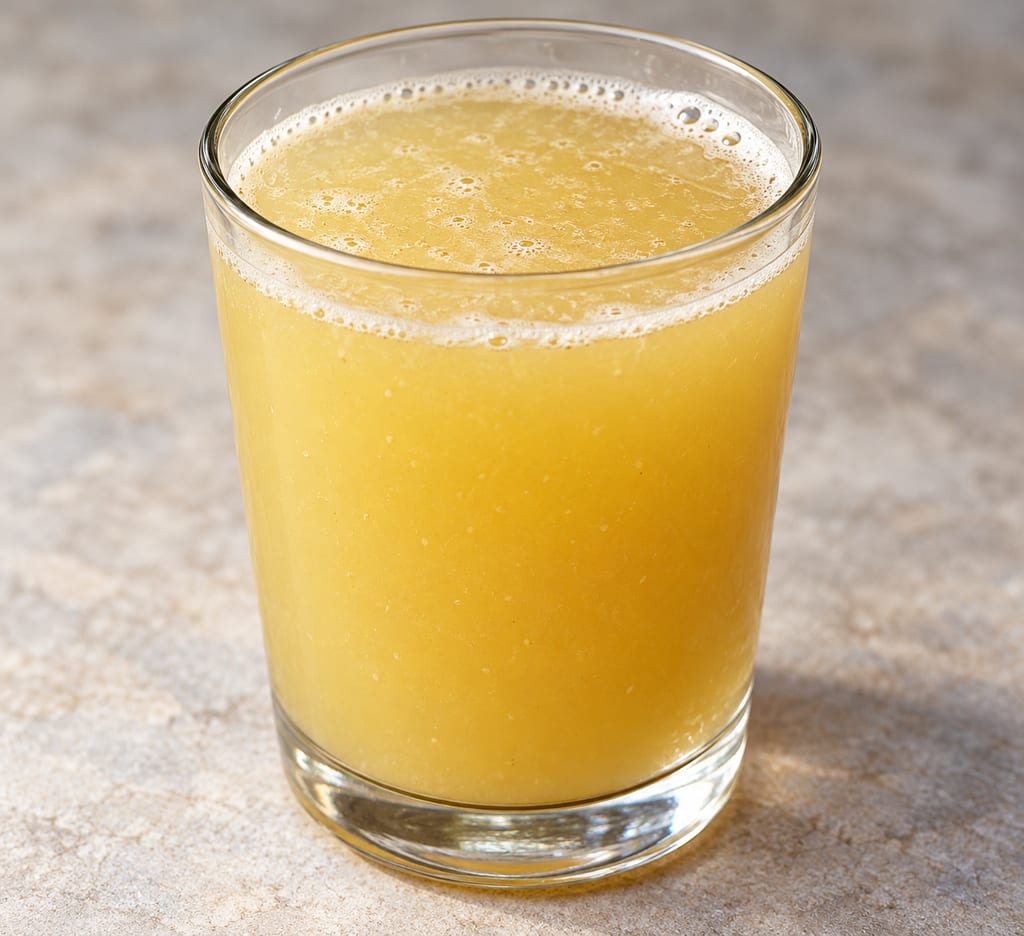
A pale Ethiopian maize tella, brewed from maize baked into a kita pancake at a gentler heat and then fermented in three stages with barley malt, gesho and water.
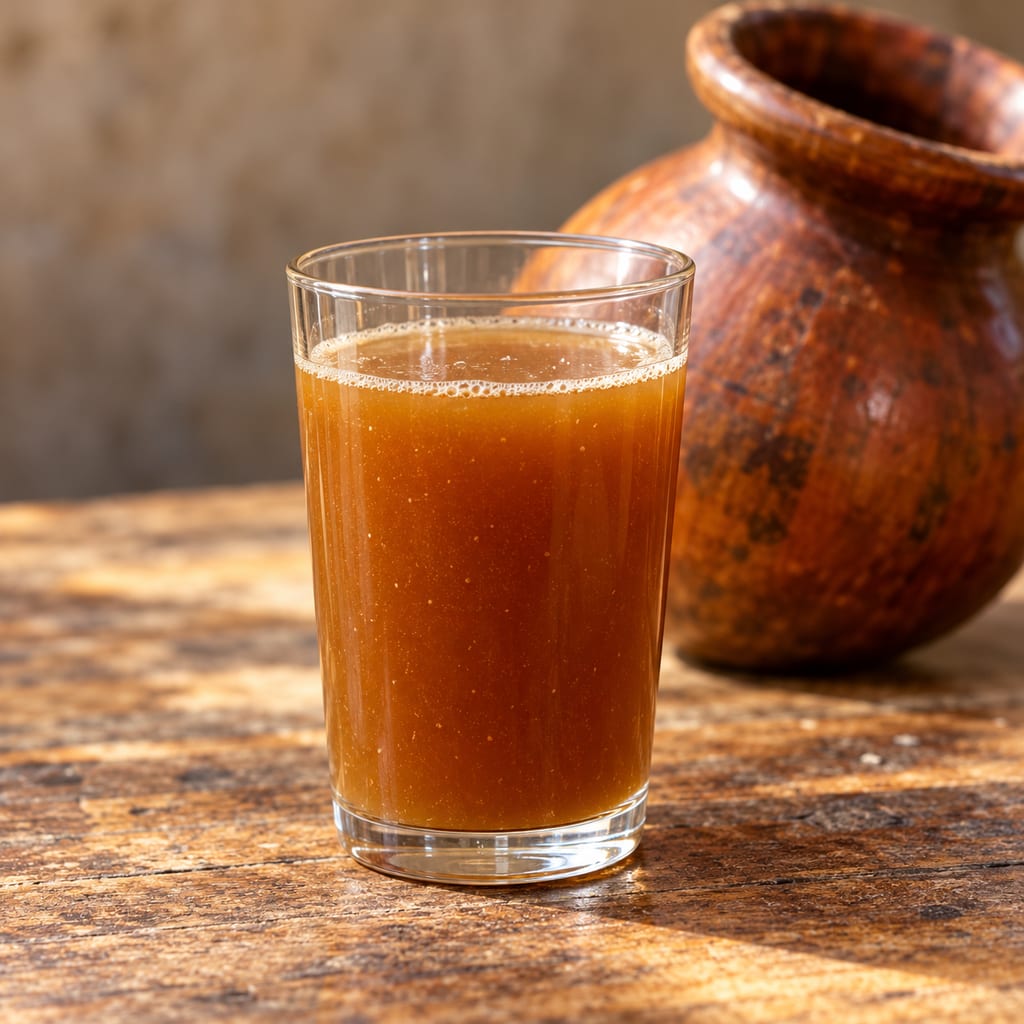
A darker Ethiopian maize tella, brewed from maize baked into a hot, dry kita pancake and then fermented in three stages with barley malt, gesho and water.
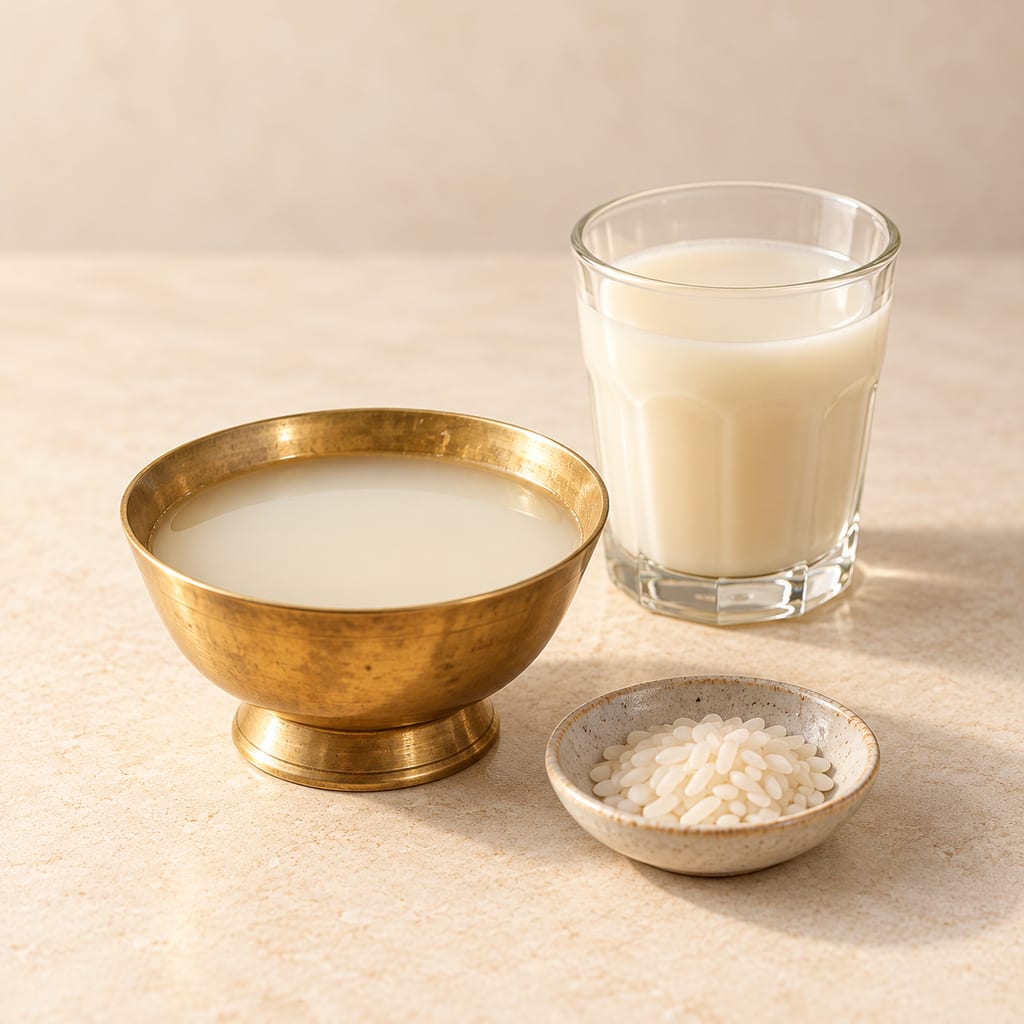
A Kathmandu rice beer in which a marcha starter saccharifies and ferments cooked white rice, the mash later thinned with water for drinking.
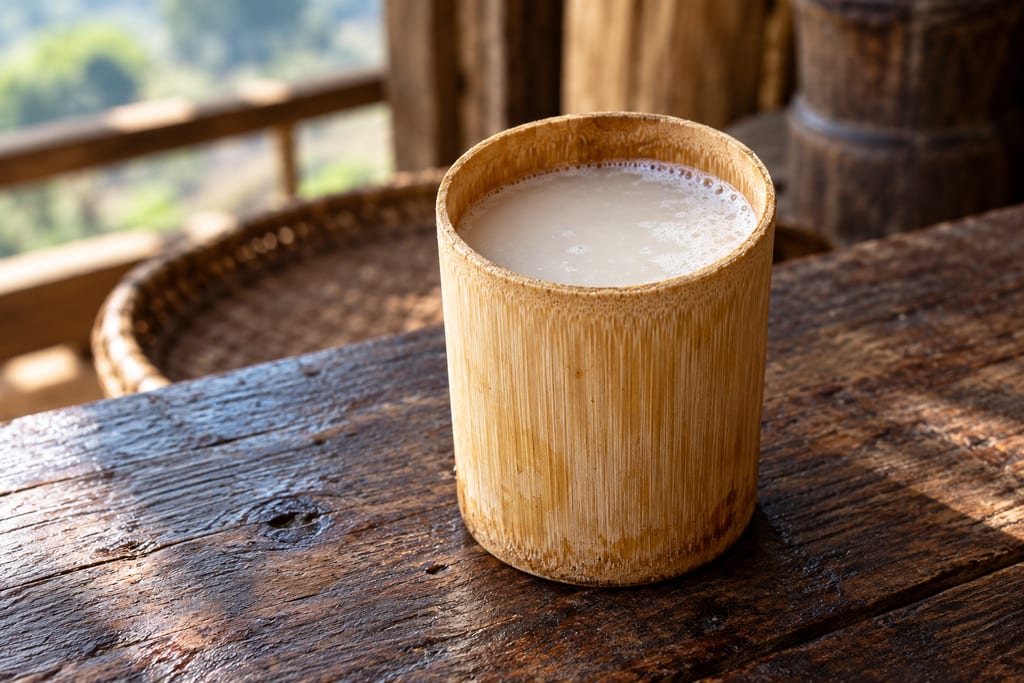
Angami rice beer from Nagaland. A surveyed method mixed cooked rice with piazu, fermented it for about four days in summer or a week in winter, then added water and filtered it. The starter ratio leaves the rice-weight basis unclear.
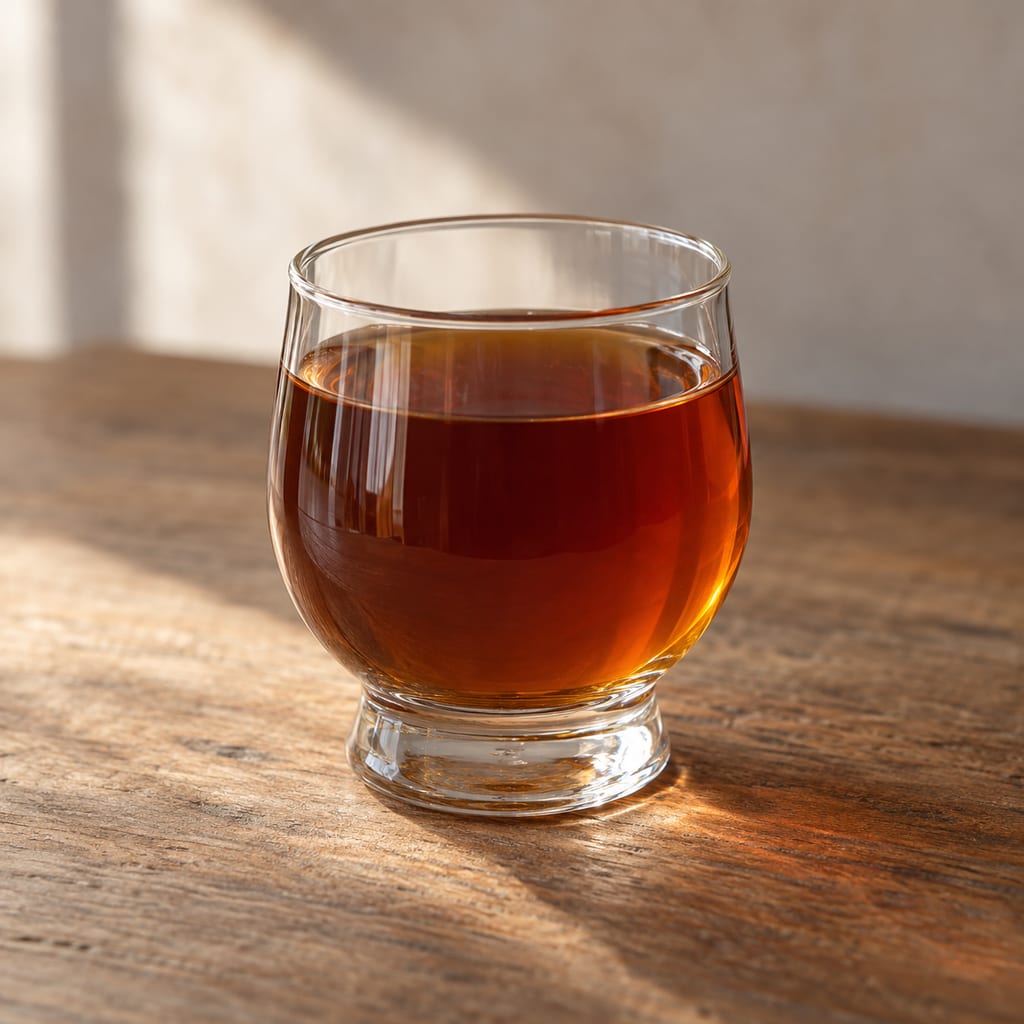
Musalais is a fermented grape drink documented among Uyghur producers in A’wati, southern Xinjiang. A studied process combines grape juice and heated pomace extract before spontaneous fermentation.
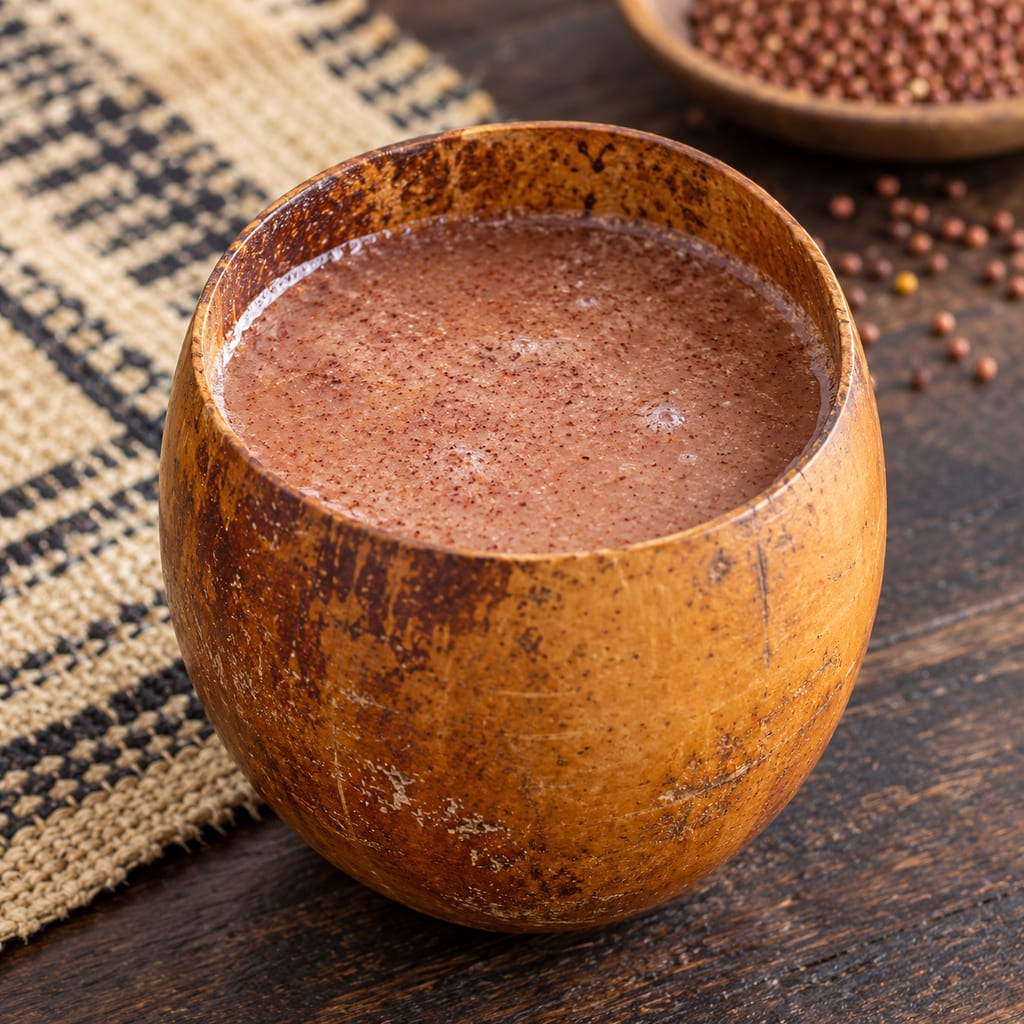
Chagga beer from the slopes of Kilimanjaro in Tanzania, made by combining a fermented banana porridge with a sweet porridge of germinated finger millet and drunk fresh within a day or two.
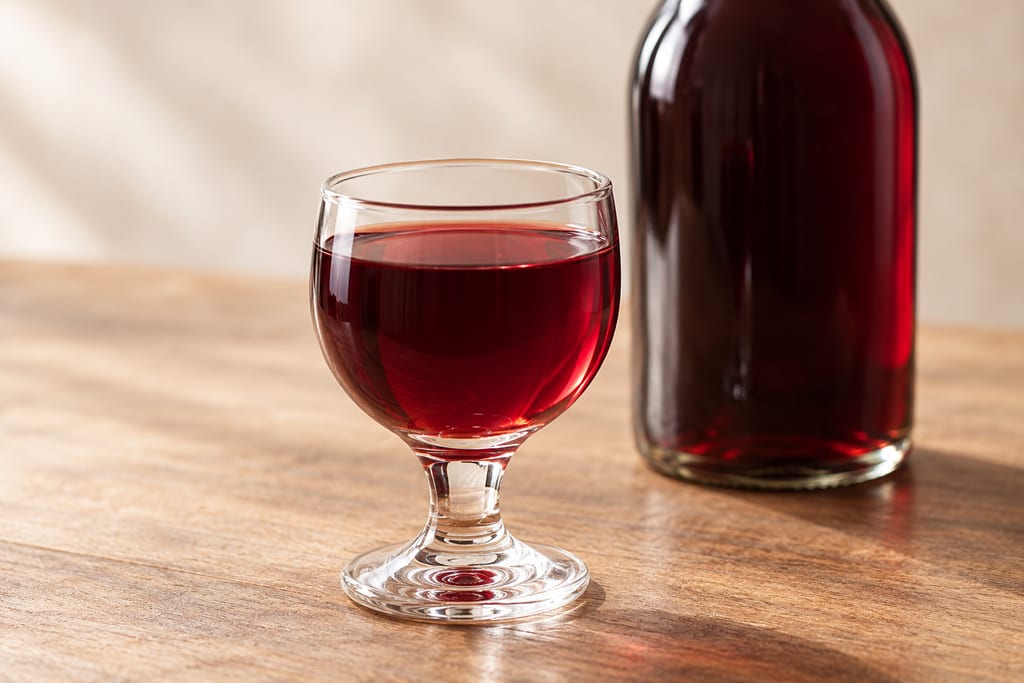
Korean black raspberry wine: crushed bokbunja berries with their seeds, sweetened to 20 °Brix, fermented 15 days at 25 °C with wine yeast, filtered and matured three months.
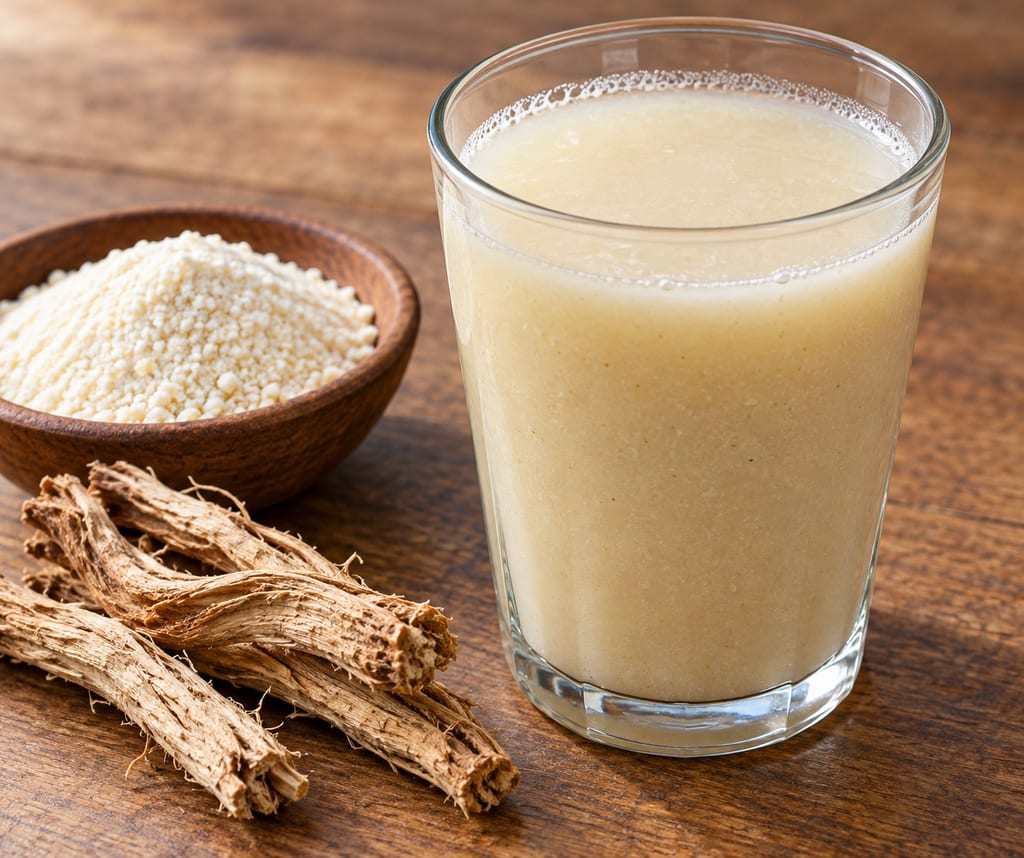
A creamy, mildly sour Zambian cereal drink in which the dug roots of wild legumes supply both the enzymes that break the cooked starch down and the microorganisms that then ferment it.
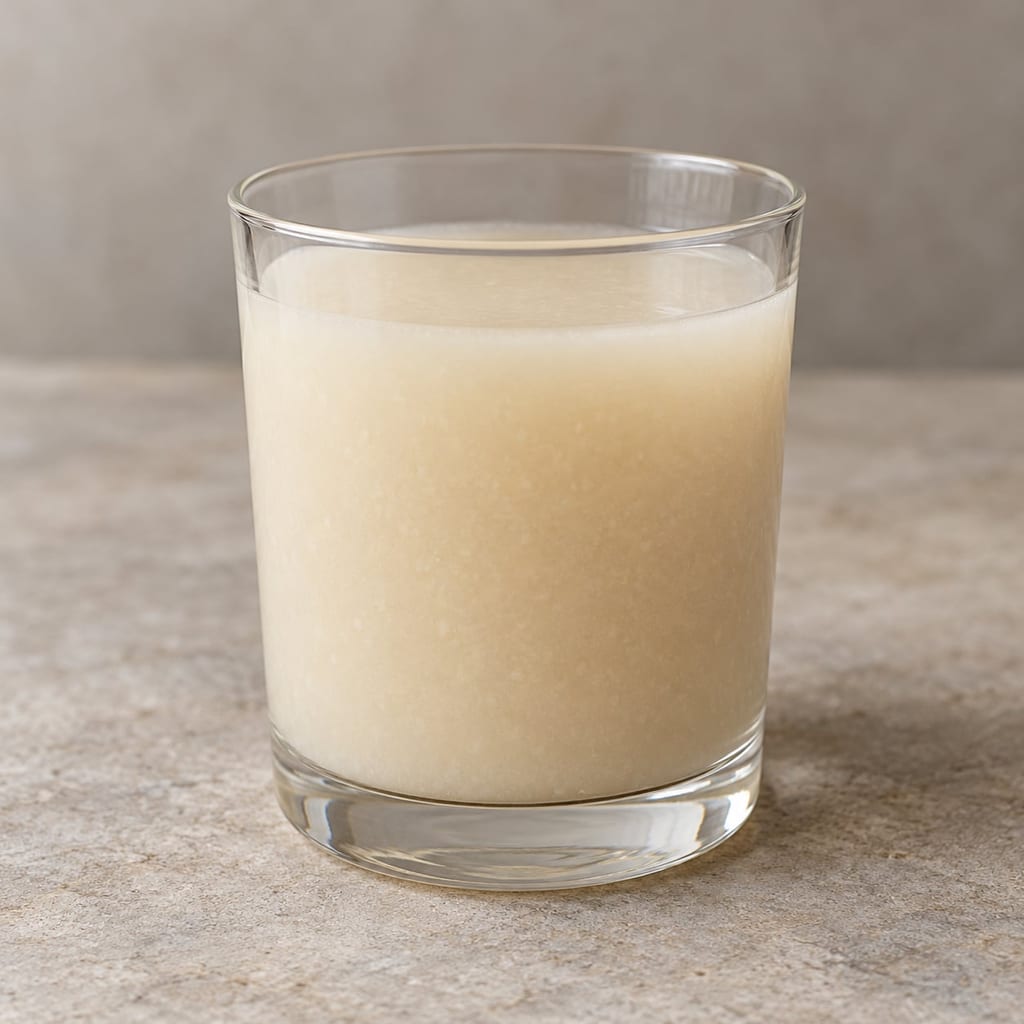
An alcoholic rice beer from Maroua, Cameroon, brewed from boiled rice flour with some malt and started with chai or bili-bili.
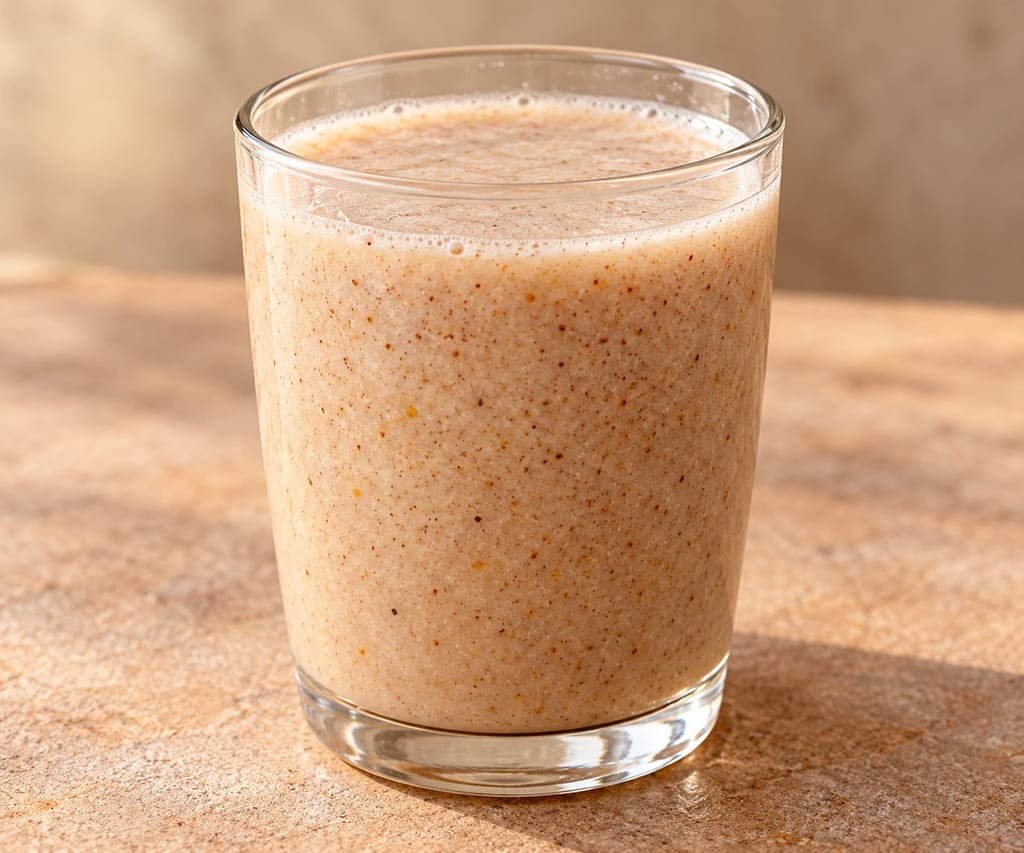
A thick, sweet-sour Malawian drink of boiled maize flour into which sorghum flour is stirred before an overnight spontaneous fermentation.
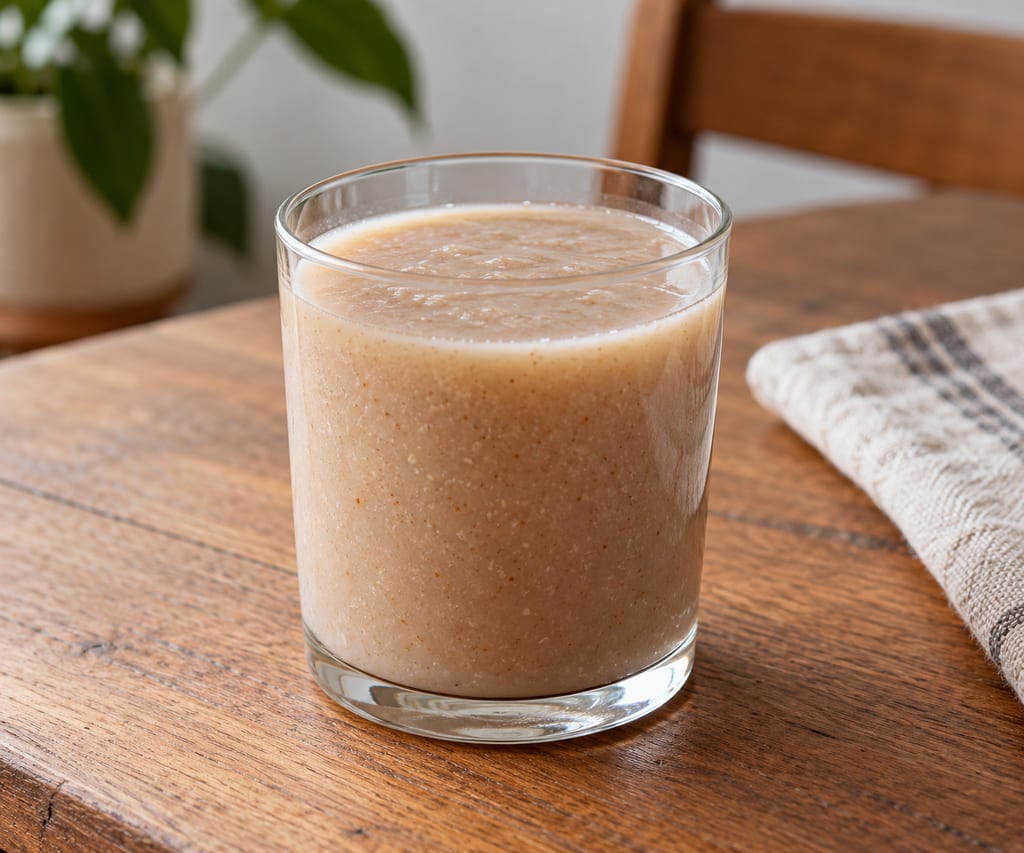
A Tanzanian cereal drink of cooked maize and sorghum flour thinned by sorghum-malt enzymes, soured by lactic acid bacteria and often started with a little of the previous batch.
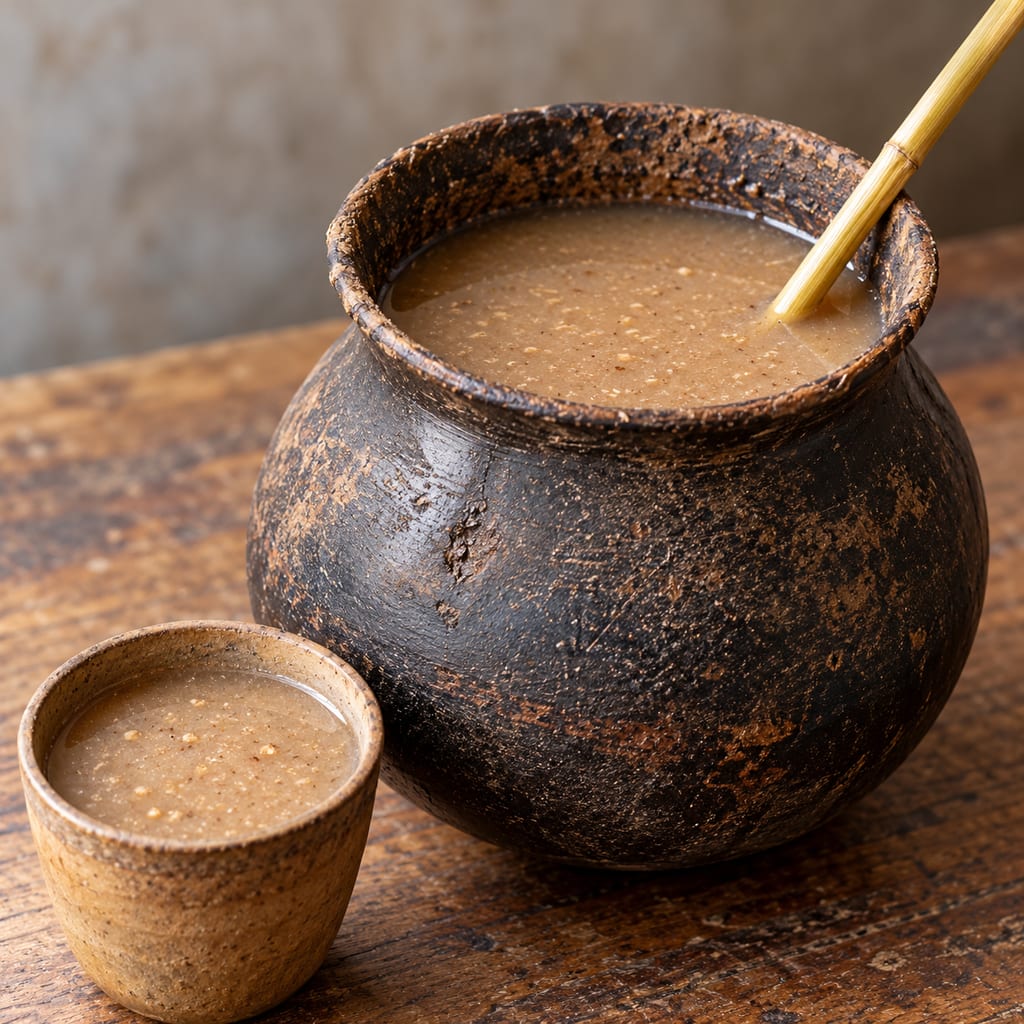
An opaque Kenyan maize beer: fermented maize paste is roasted into tsimbale, then mixed with finger-millet malt called kimera at ten to one and fermented a second time.
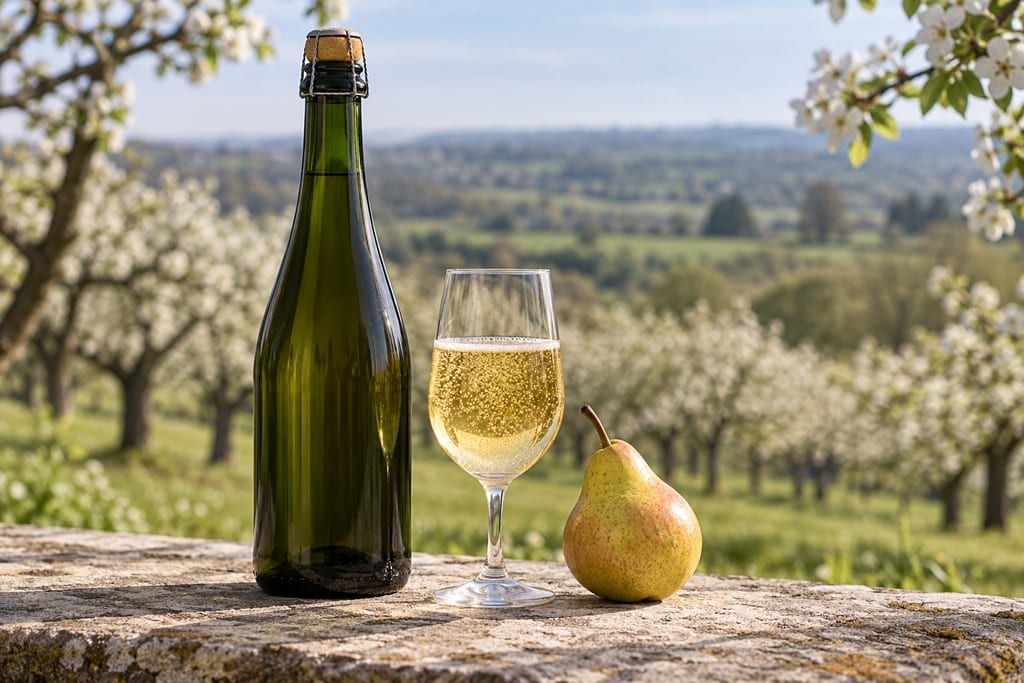
Naturally sparkling perry from the Bas Domfrontais in Normandy, pressed from high-stem orchard pears with at least 40% Plant de Blanc and carbonated by fermentation in the bottle.
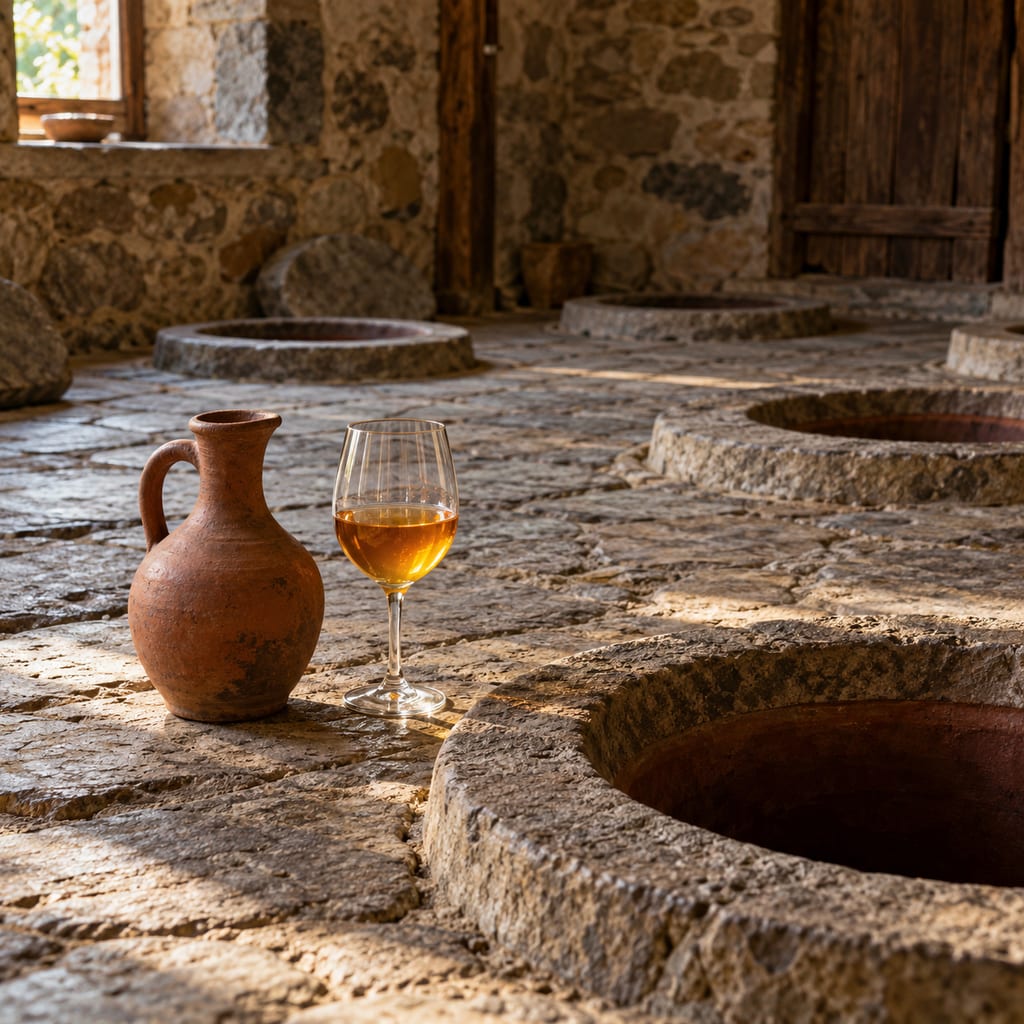
Georgian wine fermented and matured in buried clay vessels called qvevri, usually with grape skins, pips and sometimes stems, in styles from amber to red that differ by region.
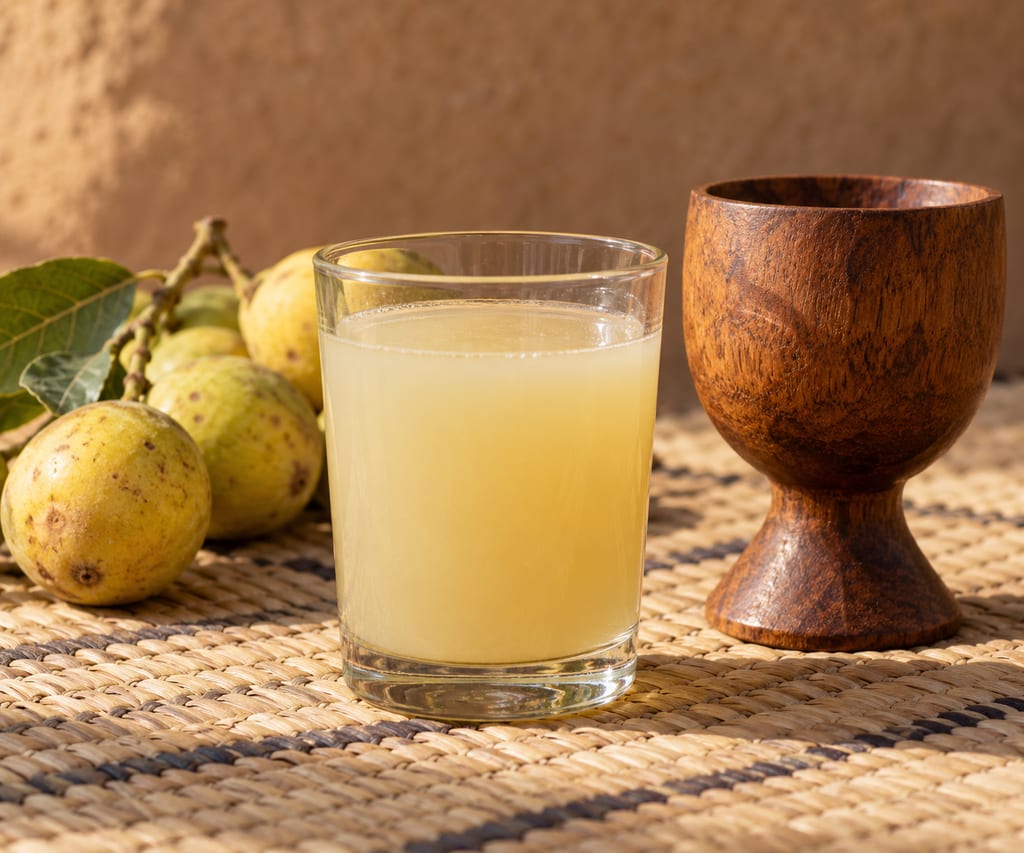
The fermented marula drink of northern Namibia's Aawambo communities, pressed from ripe Sclerocarya birrea fruit and left to the yeasts already on it, and drunk at the Oshituthi shomagongo festival.
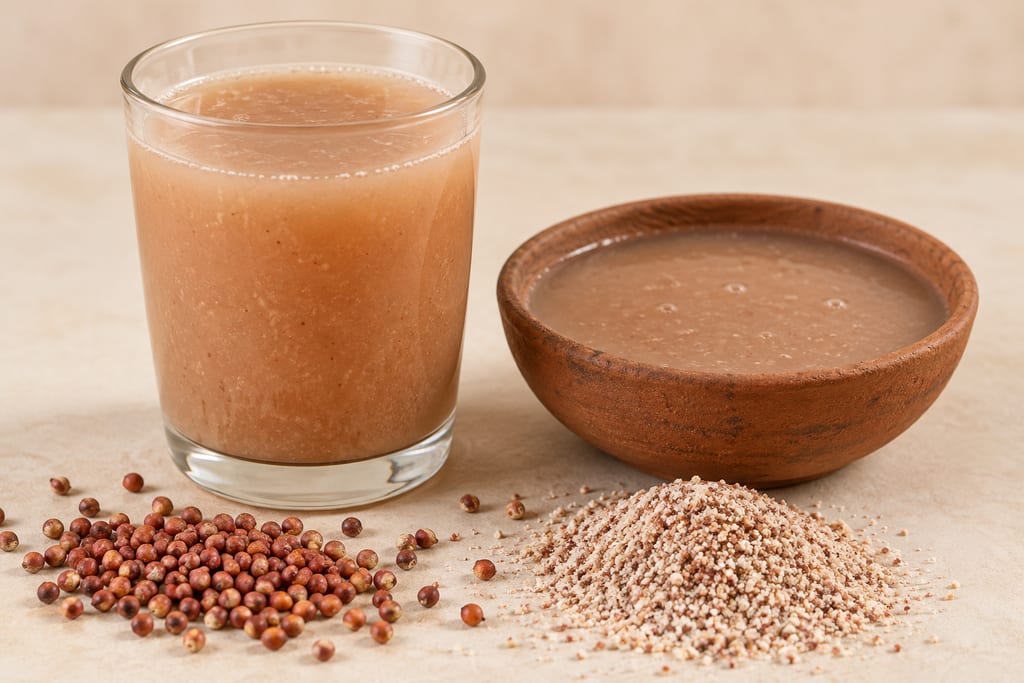
Sudanese opaque sorghum beer made from soured, toasted, cooked and malted grain through three linked fermentations, drunk fresh while still fermenting.
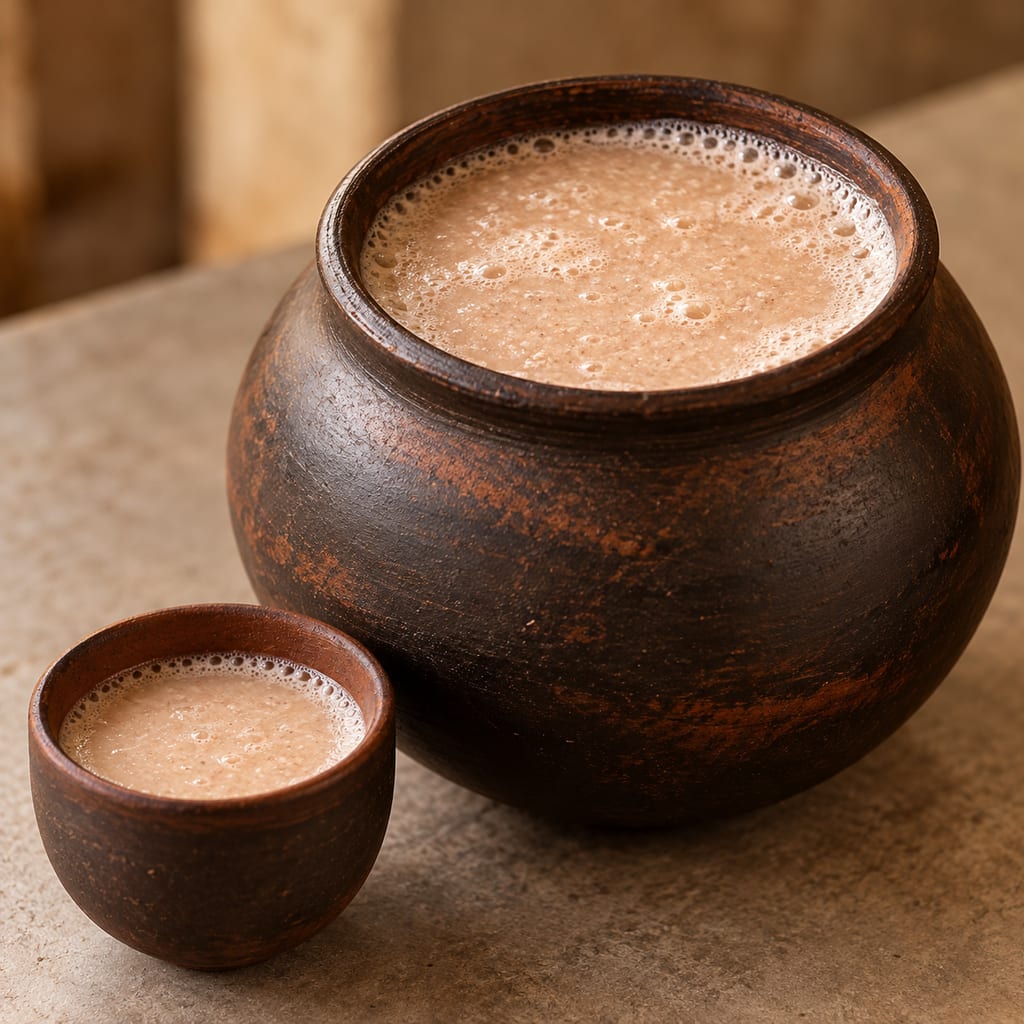
South Africa's opaque sorghum beer, soured by lactic acid bacteria before its mash is cooked and fresh malt stirred in, leaving a cloudy, creamy, cereal-thick drink that keeps only a day or two.
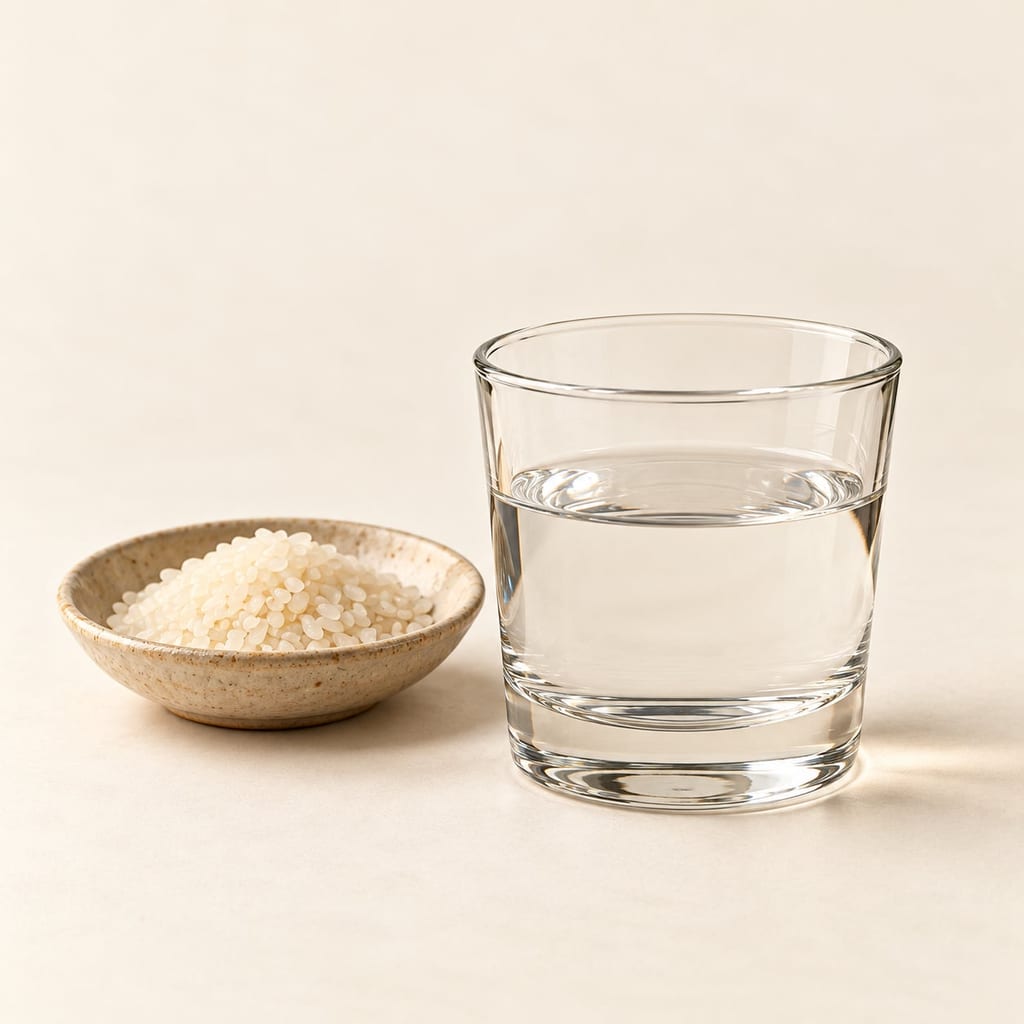
An Okinawan rice spirit made by turning all the rice into black koji, fermenting it with water and yeast, then pot-distilling and maturing the spirit.
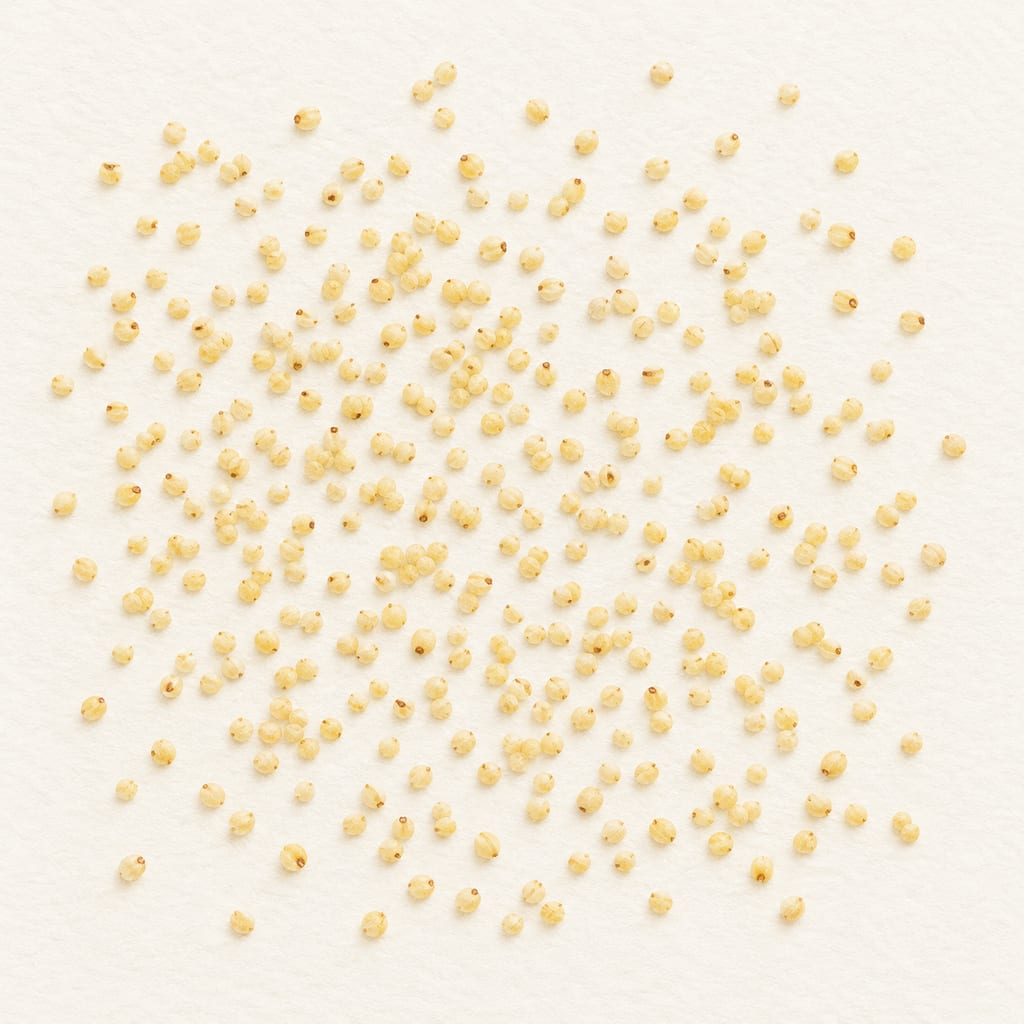
Tonoto from Shizunai in Hidaka is made of barnyard millet alone: a firm porridge kneaded with an equal amount of malted grain in a sake vessel, warmed by two embers, and left a week to ten days.
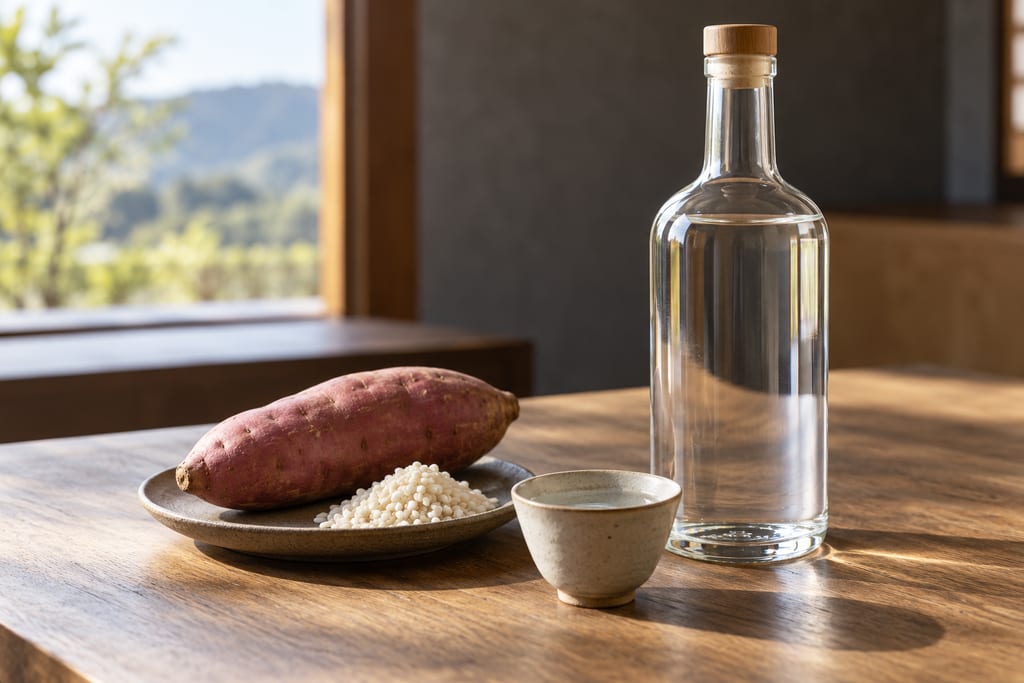
Japanese pot-distilled spirit made by fermenting sweet potatoes, rice or barley with koji and yeast in two stages, then distilling the mash once so the ingredients' aroma survives.
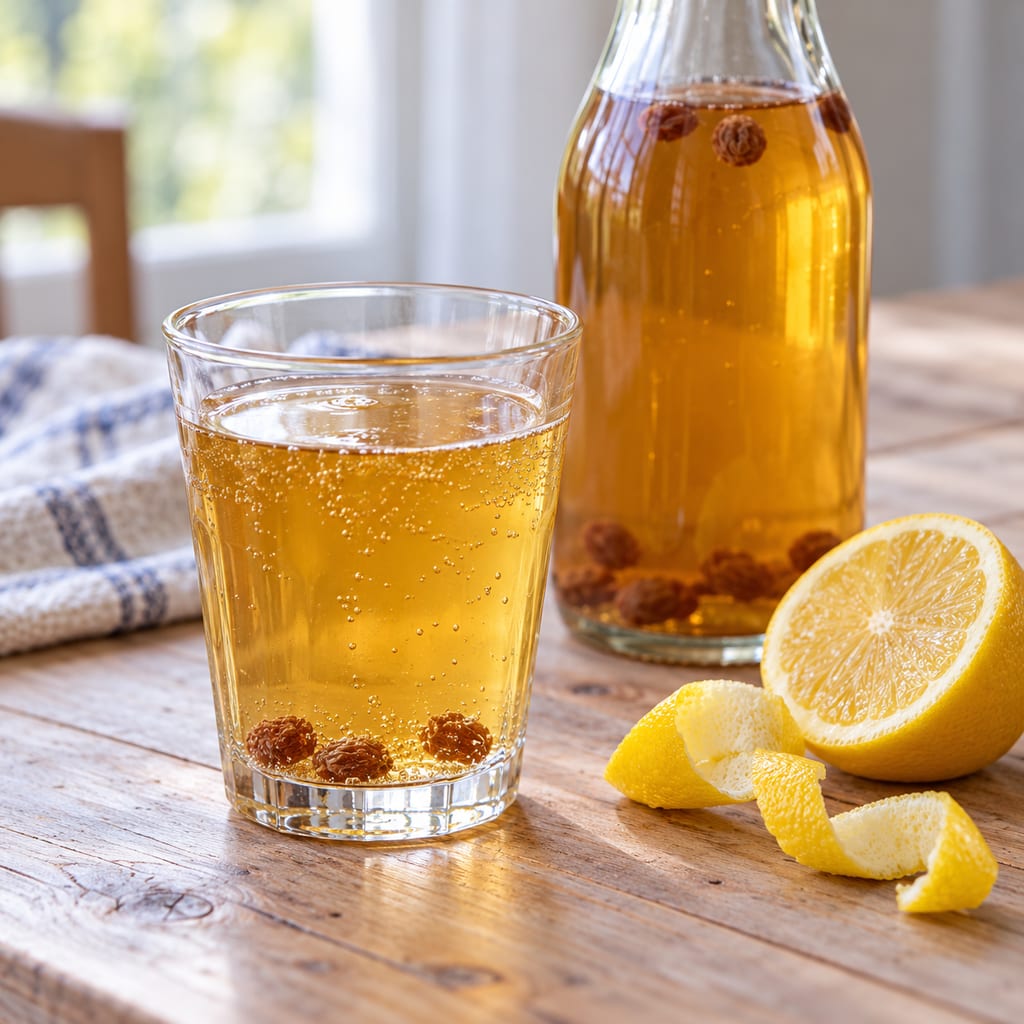
A lightly fermented Finnish May Day drink of lemon, white and brown sugar and a little yeast, bottled with raisins that rise as the carbonation builds.
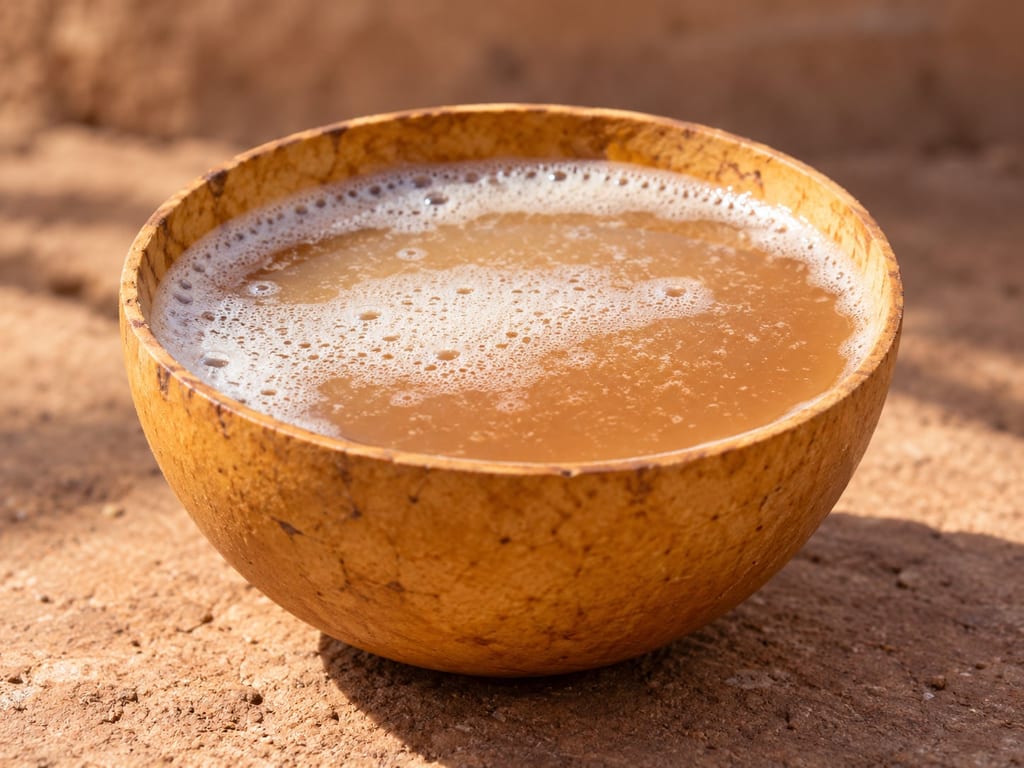
An alcoholic, opaque and bitter sorghum beer from Maroua, northern Cameroon, made from malted sorghum and fermented with a chai starter.
A Yonaguni rice spirit made with two-day koji, a nineteen-day moromi stage and direct-fire pot distillation, followed by filtration and tank maturation.